" Nothing Stays the Same: The Noise That Could've destroyed an Engine"
About this episode
Spring shop talk turns into a warning story about how quickly small noises and “maybe it’s fine” turns into major damage. Nile Motormouth Jenkins recounts chasing a hard-to-start issue and a right-rear rattle on a 2010 Dodge Grand Caravan—ending with a long parts list—and explains how a chirp on his 2007 Toyota FJ Cruiser pointed to an alternator/belt problem that could have become catastrophic. The episode also covers smart parts sourcing (including lifetime warranties), routine pre-season checks, and reminders to book service before problems escalate.
Peace of mind starts with knowing-because when you don't know what you don't know, problems don't wait.
In today's episode, we break down real-world shop stories where small warning signs could have turned into catastrophic failures. From an FJ Cruiser with an alternator on the verge of ripping itself apart and taking the entire front of the engine with it...to a road tested van that revealed hidden rear-end issues-you'll hear exactly how close these vehicles came to major damage.
The takeaway? Nothing stays the same. Just because your vehicle was fine yesterday doesn't mean it's fine today.
We'll walk you through:
1) Why early diagnosis saves thousands
2) What "normal vs not normal" really sounds like
3) How real inspections uncover what you can't see or hear yet
Stay ahead of the breakdown. Stay informed. Stay in control.
#CarMaintenance #AutoRepair #PeaceOfMind
Thank You to Y'all for grabbing some Motormouth Merch in our online store at (ccbusnet.com) proceeds to help those battling addiction get to a Total Freedom Addiction Campus Canada & USA where a New Life Awaits them there! You Guys Rock! Skippy & Motormouth.
More Episodes and ...project Details & Links are available at Car Connection Business Network .com (ccbusnet.com) you'll find everything on our homepage if you'd like to follow the build & repair work we do, connect with our program partners click their logo to meet them. Thank you for your support by giving them your business. Nile Motormouth Jenkins.
Help us to grow: Like, Share, Follow, Subscribe, Leave a Comment, Ring the Notification Bell of new videos, join our online Community too! We Are So grateful To You All. These little things keeps our engine running!! Skippy & Motormouth.
Happy Healthy Motoring Friends, Peace Patience Kindness Always, NMJ
E-Mail anytime to: [email protected] or motormouth.jenkins@gmail .com
See you in the next one, watch & Listen!

Jeep Wrangler
"...whether it's a 25 year old Jeep Wrangler getting a second chance at life, a Nissan Rogue getting its brakes back in order, or a mystery leak that's got everyone scratching their heads."
The Jeep Wrangler is a tough SUV made for off-road driving. Because it’s popular with owners and mechanics, it often gets repaired and upgraded when it’s been neglected.
A Jeep Wrangler is a rugged, off-road-focused SUV known for its removable doors and roof (on many models) and strong aftermarket support. In a workshop context, it’s a common candidate for “second chance” repairs like addressing leaks, worn suspension parts, or neglected maintenance.

Nissan Rogue
"...whether it's a 25 year old Jeep Wrangler getting a second chance at life, a Nissan Rogue getting its brakes back in order, or a mystery leak that's got everyone scratching their heads."
The Nissan Rogue is a very common everyday SUV. “Getting its brakes back in order” usually means the brake parts are worn or not working as well as they should.
The Nissan Rogue is a mainstream compact crossover that’s common in everyday commuting and fleet use. When the host says it’s “getting its brakes back in order,” it points to routine brake service needs like pad/rotor wear or fluid/bleeding issues.
mystery leak
"...a Nissan Rogue getting its brakes back in order, or a mystery leak that's got everyone scratching their heads. [36.4s] This is where we roll up our sleeves and get it done..."
A “mystery leak” is when your car is leaking fluid, but you can’t immediately tell where it’s coming from. Mechanics usually check where the fluid is wet, compare fluid types, and trace it back to the source.
A “mystery leak” is a fluid leak that’s hard to pinpoint—often because the fluid spreads as it drips or because multiple systems can leak (coolant, oil, power steering fluid, brake fluid). Diagnosing it usually involves checking fluid levels, inspecting under the car, and sometimes using UV dye or pressure tests.
diagnostics
"The Car Connection isn't just about nuts, bolts, and diagnostics, it's about connection. [50.0s] Connection to our vehicles, to the people who drive them, and to the community that keeps..."
Diagnostics is how a mechanic figures out what’s wrong with a car. They look for clues, sometimes use a computer to read error codes, and then confirm the fix.
Diagnostics is the process of using observations and tools—like scan tools, measuring pressures/temperatures, and inspecting components—to determine what’s causing a problem. In modern cars, diagnostics often includes reading trouble codes and then verifying the real-world cause.
inconsistent starting / hard-to-start condition
"You could get it started if you kind of, you know, hung in there for half an hour. It would start, and it finally got to that point where it was inconsistent for about a year, be a year ago this coming July, and then it just decided to go ka-fufnik, done."
They’re describing a car that wouldn’t start reliably—sometimes it would, but it got worse. That kind of problem usually points to something like the battery, fuel system, or ignition not working consistently.
The segment describes a vehicle that was difficult to start and became inconsistent over time before ultimately failing. Hard-to-start and inconsistent cranking are often symptoms of issues like fuel delivery problems, battery/charging faults, starter/relay problems, or ignition-related failures.
deferred maintenance
"So we're going to talk about that a little bit too, is how quickly things can gather up on you with your vehicle, and all of a sudden you've got a pile of things that need to be updated, serviced, replaced, adjusted, or just darn right kicked to the curb, one or the other."
They’re saying that if you don’t keep up with maintenance, small problems can stack up. Eventually you end up with a long list of repairs instead of just routine upkeep.
The hosts describe how problems “gather up” and turn into a pile of items that need updating, servicing, replacement, or adjustment. That’s essentially deferred maintenance: small issues or routine service that gets postponed until they compound into bigger, more expensive repairs.
serviced
"up on you with your vehicle, and all of a sudden you've got a pile of things that need to be updated, serviced, replaced, adjusted, or just darn right kicked to the curb, one or the other."
“Serviced” refers to scheduled maintenance work like inspections, fluid changes, filter replacements, and other upkeep. Proper servicing helps prevent wear from turning into failures and can reduce the chance of unexpected noises or breakdowns.

Dodge Grand
"What did we find that was the noise in the right rear of the 2010 Dodge Grand Caravan? It got ugly. Really fast."
They’re talking about a 2010 Dodge Grand Caravan and a strange noise coming from the right rear. The point is that noises often come from worn parts in the suspension or brakes, and you have to track down exactly which component is causing it.
The hosts are about to discuss a specific noise diagnosis on a 2010 Dodge Grand Caravan. This is a common scenario in shop work: a seemingly small “right rear” noise can point to suspension, brake, wheel, or drivetrain-related wear.
floor jack
"...threw a hunk of plywood I have cut specifically for doing that, and then put the floor jack on there, and jack that up, and take the wheel off, and put a jack stand jimmy under there."
A floor jack is a tool that lifts the car up so you can work underneath. It’s usually hydraulic, and you should use it together with a jack stand for safety.
A floor jack is a hydraulic lifting tool used to raise a car safely off the ground. It’s typically used to get a wheel off or to position other safety equipment like jack stands.
jack stand
"...and jack that up, and take the wheel off, and put a jack stand jimmy under there. Protect yourself, and yeah, the findings weren't good."
A jack stand is a safety support that keeps the car from falling while you’re working. The jack lifts the car, but the stand is what you rely on to hold it up.
A jack stand is a rigid support that holds the vehicle up after it’s been lifted. Unlike a jack, which can slowly bleed down, a jack stand is meant to bear the load while you work.
preparing for unknown noises
"We didn't know what the noise was. It wasn't sticking out like a sore thumb, but it's two sore thumbs right now, and a list of parts."
If you can’t tell what a noise is right away, it could be several different things. The best approach is to figure out where it’s coming from and then check the most likely causes one by one.
When a noise is unclear, it often means multiple possible causes—anything from heat shields and loose components to deeper mechanical issues. The key is systematic diagnosis: confirm where the sound comes from, then narrow down the likely sources.
low mileage
"Well, they have the resources to find those low mileage, top quality vehicles. So you can buy with confidence and be treated with nothing less than honesty and integrity."
Low mileage means the car hasn’t been driven much. That often helps because there’s less wear, but you still need to check maintenance records and the car’s condition.
“Low mileage” means the vehicle has been driven relatively few miles compared with typical used cars. In practice, lower mileage can correlate with less wear, but it doesn’t guarantee the car was maintained well.
pre-owned auto store
"That's Citadel sales and leasing. Greater Toronto Area's premier pre-owned auto store."
A “pre-owned auto store” is a dealership or retailer focused on used vehicles rather than new ones. The key difference for buyers is that you’re evaluating prior ownership history, condition, and service records more heavily.
reverse in the drive-thru
"And remember, never try to reverse in the drive-thru. I'm just saying. It gets ugly fast."
Reversing in a drive-thru is risky because visibility is limited and pedestrians or other cars may be close by. It’s often discouraged since it increases the chance of collisions or property damage.
30-day fuel savings challenge
"We're trying to get to the 30-day fuel savings challenge so we can put some money back in your pocket. How about an extra 100 bucks that you could set aside?"
It’s a month-long plan to help you spend less on gas. The idea is to change a few driving and maintenance habits so your car uses less fuel over time.
A “30-day fuel savings challenge” is a structured program meant to reduce fuel use over a month. It typically encourages habits like smoother driving, keeping tires properly inflated, and addressing fuel-wasting issues so you can save money at the pump.
keeping your vehicle long-term
"And if you're interested in keeping your vehicle long-term, keeping that engine transmission running forever, you are on the right podcast because that's my specialty."
It means planning to keep the car for a long time instead of replacing it soon. Usually that comes down to regular maintenance and fixing problems early.
“Keeping your vehicle long-term” is about maximizing service life through consistent maintenance and avoiding deferred repairs. The hosts frame it as protecting major components so the car can keep running reliably for years.
engine transmission
"And if you're interested in keeping your vehicle long-term, keeping that engine transmission running forever, you are on the right podcast because that's my specialty."
They’re talking about the two big parts that make the car move: the engine and the transmission. Keeping both in good shape usually means regular maintenance and not ignoring early warning signs.
The phrase “engine transmission” refers to two of the most expensive drivetrain components to keep healthy. In long-term ownership discussions, it usually implies preventing overheating, using correct fluids, and addressing warning signs early to avoid major repairs.
fleet maintenance system
"Very shortly here we will have our car connection fleet maintenance system. I got to check that out today. That's on my to-do list."
A fleet maintenance system is a tool for managing car service for a group of vehicles. Instead of forgetting when something is due, it helps keep maintenance organized so cars don’t break down.
A “fleet maintenance system” is software and process for tracking maintenance across multiple vehicles. It helps schedule service, monitor costs, and ensure work is done on time—important for reducing downtime and preventing small issues from becoming expensive engine or transmission failures.
O2 sensor
"But we just have to I just have to diagnose the the O2 sensor. We have a HEGO, Heated Exhaust Gas Organizer."
The O2 sensor checks what’s coming out of the exhaust. It helps the car’s computer figure out the right fuel mixture. If it goes bad, the car may not run right and can cause warning lights.
An O2 (oxygen) sensor measures how much oxygen is in the exhaust. The engine computer uses that information to adjust the air-fuel mixture for efficiency and emissions. If it’s failing, the car can run poorly or trigger warning lights.
diagnose
"But we just have to I just have to diagnose the the O2 sensor. We have a HEGO, Heated Exhaust Gas Organizer."
Diagnosing means figuring out what’s actually causing the problem, instead of just swapping parts. The idea is to use clues from how the car behaves to find the most likely culprit. That saves time and money and helps avoid unnecessary repairs.
Diagnosing a drivability or warning-light issue means using symptoms to narrow down the cause before replacing parts. In this segment, the host connects winter-related problems to an emissions/engine control component (the O2 sensor) and then confirms the car is running again. This is a practical example of troubleshooting rather than guessing.
HEGO, Heated Exhaust Gas Organizer
"We got the car back up and running. We got this. The snow is off. The sun is on. Check the brakes."
A HEGO is basically an oxygen sensor with a built-in heater. That heater helps it start working faster, especially when the engine is cold. Faster operation means the car can adjust fuel more accurately right away.
HEGO is a common name for a heated oxygen sensor. The “heated” part means it has an internal heater so it reaches operating temperature quickly, improving closed-loop fuel control sooner after a cold start. That helps reduce emissions and improve drivability.
Check the brakes.
"The sun is on. Check the brakes. Lube the brakes up."
Checking the brakes means making sure they’re working safely. Winter can cause rust or parts to stick, which can make braking feel worse or make noise. A quick inspection helps prevent bigger problems later.
“Checking the brakes” typically means inspecting brake components for wear and proper operation, especially after winter conditions. In cold weather, corrosion and sticking can affect calipers and pads, and reduced performance can show up as noise or uneven braking. A basic inspection can catch issues before they become safety problems.
fuel pump
"Oh, yeah, it got a fuel pump. That's what they finally said."
A fuel pump supplies pressurized fuel from the tank to the engine. When it’s weak or failing, the engine may stall, misfire, or leave you stranded because the engine isn’t getting enough fuel. Replacing it is often a fix when a car repeatedly won’t restart or runs out of fuel pressure.
voltmeter
"I pull the back seat, get down to the wiring. And I'm testing with my voltmeter. I got ground. I got power."
A voltmeter is a tool that checks how much electrical “push” is in a wire. If it shows power and ground are present, you know the wiring is likely doing its job.
A voltmeter measures electrical voltage, which helps you confirm whether a circuit has power and a good ground. In car diagnostics, it’s often used to verify wiring and sensor power/ground before deeper testing.
crankshaft sensor
"So then I was able to see that the crankshaft sensor, by cranking it over and looking on my scan tool, if I see RPM, engine RPM,"
The crankshaft sensor is like the engine’s timing signal. If it’s not reading correctly, the car may start poorly or not start at all, because the computer can’t tell when to fire the spark and inject fuel.
The crankshaft sensor tells the engine control unit (ECU) the crankshaft’s position and speed, which is critical for ignition timing and fuel injection. If it’s intermittent or failing, you can get hard starts, stalling, or no-start conditions—sometimes with confusing “it works sometimes” behavior.
scan tool
"So then I was able to see that the crankshaft sensor, by cranking it over and looking on my scan tool, if I see RPM, engine RPM,"
A scan tool plugs into the car and lets you see what the computer is seeing. It can show live numbers like RPM while you try to start the engine.
A scan tool reads live data and diagnostic trouble codes from the vehicle’s ECU. Watching parameters like RPM during cranking helps confirm whether the ECU is receiving valid sensor signals (like from the crankshaft sensor).
RPM
"by cranking it over and looking on my scan tool, if I see RPM, engine RPM,"
RPM tells you how fast the engine is spinning. If the scan tool shows RPM while you crank, it usually means the engine is turning and the computer is receiving the right timing signal.
RPM (revolutions per minute) is a measure of how fast the engine is turning. During diagnostics, seeing RPM on a scan tool while cranking helps determine whether the ECU is getting correct crank position/speed information.
crank sensor
"then the crank sensor is reading the fact that the engine is turning over."
The crank sensor is like a “where is the engine right now?” signal. The computer uses it to time spark and fuel so the engine can run correctly.
A crank sensor (often called a crankshaft position sensor) tells the engine control unit where the crankshaft is in its rotation. That information is used for ignition timing and fuel injection, so if it’s wrong or fails, the engine can run poorly or not start.
pre-purchase inspection
"Because you don't know what you don't know if you're not taking the time to book your vehicle and have someone check it over. You'll be surprised."
A pre-purchase inspection is when a mechanic checks a car before you commit to buying it. It helps find problems you might not notice during a quick look.
A pre-purchase inspection (PPI) is a thorough check of a vehicle—often by a mechanic—to uncover hidden problems before you buy. The idea is to catch issues early so you don’t get surprised by expensive repairs later.
torquing the wheel nuts
"at the end of, at the end of it and putting the wheel back on and torquing the wheel nuts, there's now a list of things, stuff that's broken, stuff that's seized,"
After a wheel comes off, you have to tighten the bolts to the right tightness. Using the correct torque helps keep the wheel secure and safe.
Torquing wheel nuts means tightening them to a specified force using a torque wrench. Correct torque helps prevent wheels from loosening and reduces the risk of warping brake components or damaging studs.
seized
"there's now a list of things, stuff that's broken, stuff that's seized, things that are not really working, but they're there."
Seized parts are basically stuck in place. Rust or age can make them stop moving, so they may need extra work to free up or might have to be replaced.
“Seized” means a component has stuck and won’t move freely, often due to corrosion, heat cycles, or lack of lubrication. Seized parts can make repairs harder and may require penetrating oil, careful disassembly, or replacement.
Two ways to own a car (ignore issues vs address them early)
"You know, there, I often talk about there's two ways to own a car and it's true. You can own it with the blinders on and wait until like on the FJ... If I had not called it the way I heard it, it would have been an absolute disaster."
The host lays out a philosophy of ownership: driving with “blinders on” and waiting for problems to get worse versus paying attention to early symptoms. This is the underlying theme of the episode segment—how early detection can prevent catastrophic outcomes.
"chirping" sound leading to serious engine work
"And what was discovered by just a chirping sound, which I've heard before, I bought that, we bought the 2007 Toyota FJ Cruiser... it wasn't just going to be a spring evaluation, there's going to be some serious work that had to be done."
The segment emphasizes that an unusual chirping noise can be an early warning sign. The host frames it as a moment where what seemed like a minor issue turned into “serious work,” highlighting the value of proactive diagnosis.

Ford Excursion
"... I have to say, they're one of the original Ford excursions. They were monstrous."
The Ford Excursion is a very large SUV built to carry people and handle heavy work like towing. Because it’s based on a truck, it’s bigger and heavier than most SUVs you’ll see. The podcast is highlighting it as a classic, standout version of that model.
The Ford Excursion is a large, full-size SUV known for its massive size and strong towing/hauling capability. It’s often brought up because it’s built on a truck platform, which makes it feel “monstrous” compared with typical SUVs. In the podcast context, it’s referenced as an original, standout example of the Excursion line.
400 K miles club
"And now we have, uh, we're about 55,000 kilometers from 400 to be a member of the 400 K miles club. So anyways, I, I heard this chirping was on a Sunday afternoon..."
“400 K miles club” refers to a milestone of very high mileage ownership—here discussed in kilometers-to-miles terms. It’s used to frame the FJ Cruiser as a long-term, durable vehicle that’s approaching extreme longevity.
alternator
"I said, cause I've heard it before. Oh, what was it? I said, the alternator. I said, this truck goes through an alternator about every hundred thousand K for whatever... So the thing gets corroded, can't help it."
The alternator is what keeps your battery charged while you drive. If it starts failing, the car can lose electrical power and you may hear strange sounds or see warning lights.
An alternator is the electrical generator that powers the vehicle’s systems and recharges the battery while the engine is running. When it fails—often due to heat, vibration, or corrosion from road splash—it can cause charging issues and odd noises or warning symptoms.
pounding through these puddles
"The alternator is down low and that's why when I tell you, don't go pounding through these puddles. Don't do it. Don't do it."
Driving hard through puddles makes more water splash up under the car. That can soak and corrode parts that sit low, like the alternator or starter.
“Pounding through puddles” describes driving aggressively through standing water, which can increase splash exposure to low-mounted electrical and mechanical components. It can also worsen corrosion and potentially contribute to water intrusion in sensitive areas.
starter motor
"The alternator is down low and that's why when I tell you, don't go pounding through these puddles. Don't do it. Don't do it. Your starter motor is hanging down there like low hanging fruit."
The starter motor is the part that turns the engine over when you first start the car. If it’s positioned low, it can get hit by water and dirt, which can make it rust or fail sooner.
The starter motor is the component that cranks the engine to get it running. The speaker notes it sits low and can be exposed to road splash, which can contribute to corrosion and premature wear.

FJ cruiser
"The alternator is down low and that's why when I tell you, don't go pounding through these puddles. Don't do it. Don't do it. Your starter motor is hanging down there like low hanging fruit... Your alternator may be down low like it is on the, uh, FJ cruiser."
The Toyota FJ Cruiser is a tough-looking Toyota SUV. They’re saying the alternator sits low, so it gets hit by water and road grime more than you’d expect, which can lead to corrosion.
The Toyota FJ Cruiser is a rugged, off-road–oriented SUV known for having some components positioned low in the engine bay. In this segment, the alternator’s low placement is described as making it more exposed to road splash and corrosion.
road splash corrosion
"So the thing gets corroded, can't help it. It just does. It takes road splash all year round. So what are you going to do?"
Road splash corrosion is when water, salt, and dirt get thrown up and stick to parts. If a part sits low, it gets hit more often, so it can rust and wear out faster.
Road splash corrosion is the gradual rusting of exposed under-hood or underbody components caused by water, salt, and grime kicked up by tires. Components mounted low (like an alternator) are more likely to get repeatedly wet and contaminated, accelerating failure.
lifetime is three years, 60,000 K
"So hang in there is you want to buy parts. [1726.9s] If they're opportunity to get lifetime, not like lifetime from car manufacturers, [1732.5s] lifetime is three years, 60,000 K, whatever comes first."
Sometimes a warranty that sounds like “lifetime” is actually only for a set time and mileage. In this case, it’s described as three years and 60,000 km (or whatever comes first). After that, you may have to pay for replacements yourself.
This describes a common warranty “gotcha”: a term like “lifetime” is sometimes defined as a limited duration and mileage (here, three years and 60,000 km or until a first threshold is reached). When that limit expires, coverage ends even if the vehicle is still in use. For parts like alternators, understanding these thresholds helps you estimate long-term ownership costs.
warranty coverage as long as you own the vehicle
"[1737.3s] You're out the door. [1738.8s] Lifetime is as long as you own the vehicle, as long as I own that vehicle, [1743.6s] that alternator is covered."
Some warranties last for as long as you keep the car, not just for a few years. That can save you money if the same part fails later. This is why the host prefers that kind of coverage for an alternator.
The host is emphasizing a coverage concept: some warranties are tied to ownership rather than a fixed time/mileage. That structure can be more valuable for long-term drivers because the part remains covered for the duration of ownership. It’s especially relevant for components that can fail more than once over a vehicle’s life.
Thermostat
"[1768.8s] Thermostat. [1771.4s] Yeah. [1772.3s] Toyota doesn't manufacture thermostats."
A thermostat helps control how hot the engine runs by deciding when coolant should flow through the radiator. It’s a small part, but it matters because it helps the engine warm up correctly and not overheat.
A thermostat is a temperature-control valve in the engine cooling system that regulates coolant flow to help the engine reach and maintain its proper operating temperature. The speaker’s point is that even though it’s used on a Toyota, the thermostat itself may be made by an outside supplier (a vendor).
Volkswagen
"[1782.4s] And I know that because I did warranty for Volkswagen for quite a while. [1787.6s] Four years and 80 hours a week. [1790.7s] It was part of my job description at the time."
They’re referencing Volkswagen because that’s where they worked on warranty claims. It’s used as an example to explain how parts suppliers get charged back when a component fails.
Volkswagen is mentioned as the brand the speaker previously did warranty work for, which provides context for how warranty chargebacks and supplier billing work. The discussion is about the administrative process behind warranty repairs rather than a specific Volkswagen model.
vendor code
"[1796.1s] So anyways, vendors on every part on every automobile, there's what's called a vendor code. [1802.4s] So whatever the component is, there's a code on that part that I would have to [1809.7s] write that down on the warranty claim so they know who to charge the repair back to."
When a car part fails under warranty, the company needs to know who actually made that part. A vendor code is like a tracking label so the right supplier gets billed for the repair.
A vendor code is an identifier used by automakers and suppliers to track which company made a specific component. In warranty processing, the code helps the automaker charge back the correct supplier for the part failure and associated labor.
warranty claim chargeback
"[1809.7s] write that down on the warranty claim so they know who to charge the repair back to. [1816.7s] If it's an undercover, if it's a covered warranty repair. [1823.0s] So then the vendor has to pay back Volkswagen in this case for that failed component and the labor."
A warranty claim chargeback is the process where the automaker (or warranty administrator) bills the supplier for a failed component and the labor to repair it. The speaker explains that vendor codes on parts are used so the correct supplier is responsible for the cost when a covered failure occurs.
housings
"You have visions of thermostats and housings in my vision. It sounds like a Christmas something."
The housing is the part that holds the thermostat and directs coolant. If it leaks or cracks, you may need to replace it so the cooling system works correctly.
In this context, “housings” likely refers to the thermostat housing (the part that contains the thermostat and routes coolant). A housing can crack or leak, so replacing it along with the thermostat can prevent repeat coolant issues.
parts department
"Yeah. So I call the parts department. Get ready for this one. They didn't have it in stock."
The parts department is the dealership’s place for ordering car parts. If they don’t have it on hand, they’ll usually order it for you.
The parts department is the dealership team that looks up part numbers, checks availability, and places orders. When they say they don’t have it in stock, they’re typically offering to source it through their ordering system.
in stock
"They didn't have it in stock. They'd have to order it $165."
“In stock” means the part is available right now. If it’s not, you’ll likely have to wait for it to be ordered and delivered.
“In stock” means the dealer/supplier has the part available immediately from their inventory. If it’s not in stock, you usually wait for shipping or a special order, which can affect total cost and turnaround time.
order it
"They'd have to order it $165. And I'm online while I'm talking to the gentleman in the parts department."
Ordering means the dealer has to get the part from somewhere else. They’ll usually need the right part number so you don’t get the wrong thing.
Ordering a part means it’s not immediately available and must be sourced from a supplier. This often involves confirming the correct part number (or vendor code) to avoid receiving the wrong component.
vendor that does it for them to their specs
"[1941.7s] It's a vendor that does it for them to their specs. [1945.4s] That's how it works. [1947.1s] Yeah, they build the car, but they don't make all the parts."
Car companies often don’t make every single part themselves. Instead, they hire other companies to build parts to the car maker’s exact requirements. That way, the part still matches what the car is designed to use.
This describes how many automakers use suppliers for components rather than manufacturing every part in-house. The supplier builds the part to the automaker’s specifications, so the quality and design intent are still controlled by the brand. It’s a common reason you’ll see “OEM” parts made by third-party manufacturers.
preventive maintenance for older vehicles
"is some very basic automotive repair and service fundamentals to keep that vehicle, [2001.2s] your older vehicle running as long as you want. [2004.8s] As long as the structure isn't rotted out, everything else is changeable, repairable, adjustable, serviceable."
The idea is that older cars can keep going if you stay on top of regular maintenance. If the body isn’t rusted out, many problems are still repairable.
The host emphasizes that basic repair and service fundamentals are what keep an older vehicle running. The concept is that as long as the vehicle’s structure isn’t badly corroded, most other issues are fixable with routine maintenance and repairs.

Hyundai Accent
"So I've already shared the 09 J Bean. [2029.4s] That's a Hyundai Accent. [2031.5s] It had challenges. [2033.2s] Stuff going on."
A Hyundai Accent is a small, everyday car. The point here is that even if it has problems, lots of things can be fixed with regular maintenance and repairs.
The Hyundai Accent is a compact car known for being relatively affordable to maintain. In this segment, the host references an older Accent as an example of how many issues can be addressed with normal service and repairs.
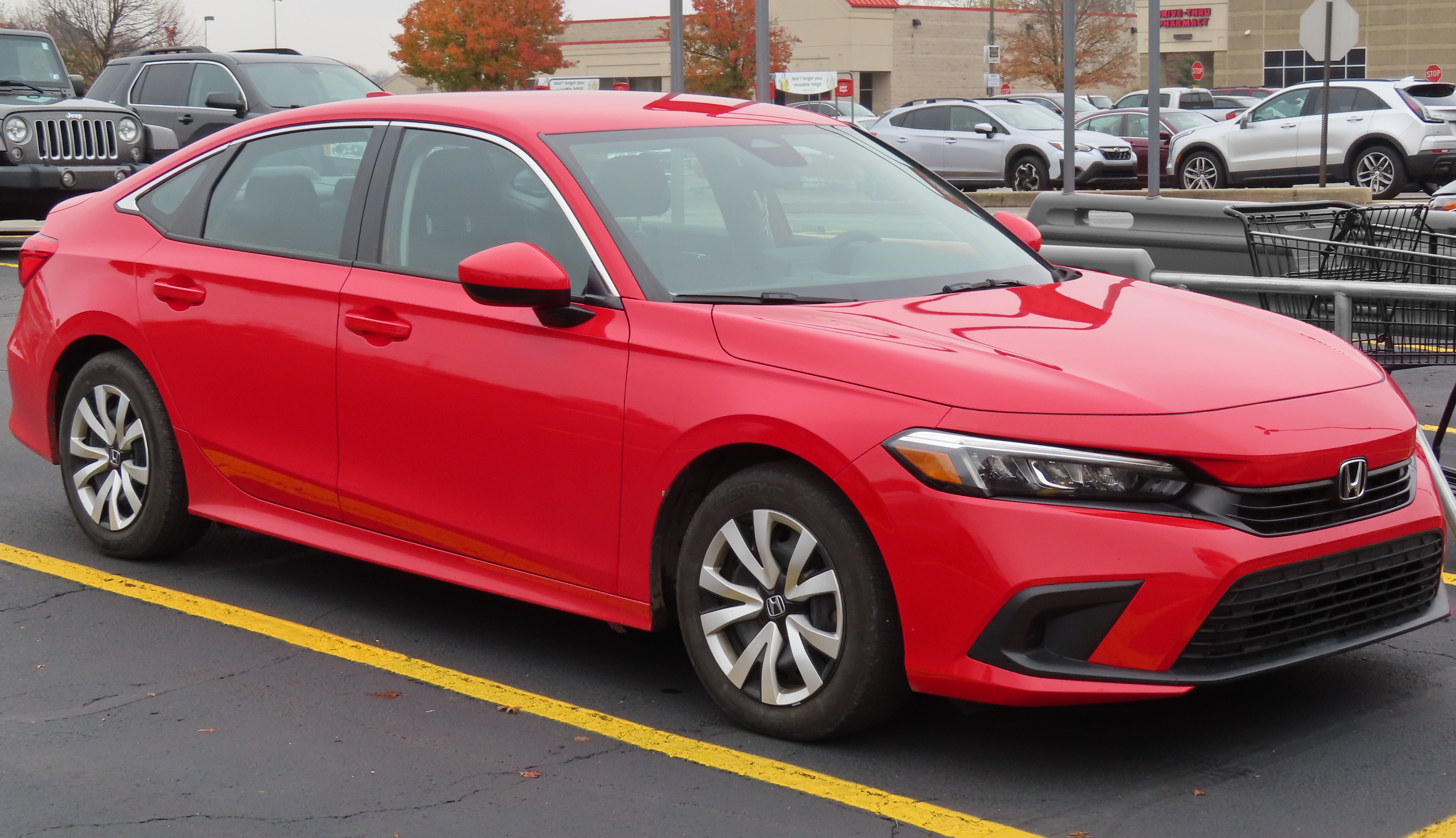
Honda Civic DX
"Actually, the rocket wasn't bad. [2039.2s] The 99 Honda Civic DX wasn't bad. [2041.9s] We just had to redo the brakes on the right rear because somebody drove it with the handbrake on with brand new brakes and wheel cylinders."
The Honda Civic DX is a simpler version of the Civic. The host is saying they had to fix the brakes because someone drove it with the parking brake on, even though the brakes were new.
The Honda Civic DX is a trim level of the Honda Civic, typically positioned as a more basic, value-focused version. Here it’s used to illustrate a real-world maintenance issue: brake components can be damaged if the car is driven with the handbrake engaged.
wheel cylinders
"with the handbrake on with brand new brakes and wheel cylinders. [2051.5s] Just saying was not I, but it happened. [2056.0s] So I had to redo that side at the back, but that's about it."
Wheel cylinders are part of the brake system that help apply the brakes. If the parking brake is left on while driving, these parts can get damaged and you may have to fix that side again.
Wheel cylinders are brake components used on many drum-brake setups. When the parking brake is engaged while driving, wheel cylinders and brake shoes can overheat and wear unevenly, leading to premature failure and needing a redo of that corner.
handbrake
"because somebody drove it with the handbrake on with brand new brakes and wheel cylinders. [2051.5s] Just saying was not I, but it happened."
The handbrake is for when the car is parked. If you accidentally drive with it on, it can overheat the rear brakes and make them wear out or fail sooner.
The handbrake (parking brake) is meant to hold the car when it’s stopped, not to be used while driving. Driving with it engaged can overheat rear brake components, causing rapid wear and sometimes damage even if the brakes were recently replaced.
fluids
"A service, check the fluids, put on the summies. [2068.4s] I was sick and tired of trying every black magic goo and product known to mankind to keep the grill black on it because it makes it look cheesy and it whited out again."
Checking fluids is basic preventive maintenance that helps keep an older vehicle running reliably. Fluids like engine oil, coolant, brake fluid, and transmission fluid affect cooling, lubrication, and safe operation.
summies
"A service, check the fluids, put on the summies. [2068.4s] I was sick and tired of trying every black magic goo and product known to mankind to keep the grill black on it because it makes it look cheesy and it whited out again."
“Summies” means summer tires. They’re made for better grip in warm weather, and people often swap them in when the weather gets warmer.
“Summies” is slang for summer tires—seasonal tires designed for warm weather grip. Switching to summer tires is part of seasonal maintenance, especially if the car also uses winter tires.
bumper cover
"So I'm like, that's it. [2081.5s] I'm taking the bumper cover off, but that has nothing to do with something gone wrong. [2087.2s] That's just aesthetics and that's me."
A bumper cover is the outer part you see on the front or back of the car. Taking it off is sometimes just to change or repair the look, not necessarily to fix the engine or brakes.
A bumper cover is the outer plastic (or composite) skin on the front or rear bumper. Removing it is often an easy way to access underlying components, but in this segment the host says it’s mainly for appearance rather than fixing a mechanical problem.
alignment
"I'm putting the whole front end back together. It just has to have an alignment, but we had a noise."
An alignment is adjusting the suspension angles (like camber, caster, and toe) so the wheels point in the correct directions. After front-end work, alignment is often needed to prevent uneven tire wear and to restore straight-line steering.
spring maintenance
"Well, now there's another whole list of parts on that one. So that's a spring maintenance. And then getting into the, I brought the FJ..."
Spring maintenance means doing a check-up around the start of the warmer season. The idea is to look for small issues early so they don’t turn into expensive repairs later.
“Spring maintenance” is a seasonal approach to catching problems early—checking fluids, brakes, suspension components, and addressing wear before it becomes a bigger failure. The hosts frame it as a time to investigate noises and uncover additional items that need service.
serpentine drive belt
"Attached to the serpentine drive belt while the engine's running. [2215.9s] So in the video, I explain all of that and you get to see what I'm talking about. ... [2240.2s] So the chirping was the belt was not in the right position exactly."
That serpentine belt is the main belt that spins important accessories. If it’s not sitting right or starts slipping, you’ll often hear chirping, and ignoring it can lead to expensive damage.
The serpentine drive belt is the single long belt that routes power from the engine to multiple accessories (like the alternator). If the belt slips, misaligns, or comes off, it can stop charging, overheat components, and cause severe damage—often starting as chirping or squealing.
catastrophic damage
"And then you'll see the catastrophic damage that would have occurred. [2229.1s] It's not a if it would have occurred because it was coming off."
Catastrophic damage means the problem can go from bad to really bad quickly. In this story, the noise was an early sign that could have led to major engine-area damage.
“Catastrophic damage” describes a failure mode where a small issue escalates into severe mechanical harm—here, the belt coming off and the alternator separating while the engine is running. The takeaway is that unusual noises can be the start of a chain reaction.
out the door
"We go through the vehicles that have been used all winter, check them over. Let's get them tight and right and out the door."
“Out the door” means the final price you actually pay at the dealership. It includes the car price plus the extra costs like taxes and paperwork fees.
“Out the door” (OTD) is the total price you pay to take the car home, including the base price plus taxes, registration, and dealer fees. It’s useful because it lets you compare offers on the same footing instead of just comparing the sticker price.
car shows and fundraising events
"The next series will be the vehicles we use for going to car shows and fundraising events and helping to make awareness of nonprofit faith-based organizations like Crystal Ridge Dream Center..."
They’re talking about using some cars for events like car shows and fundraisers. That kind of use can change how you care for the car.
The hosts describe using certain vehicles for car shows and fundraising events. This is a practical use-case that affects how cars are maintained and selected.
car show class
"We take the cars out. We have to, now to get into car shows, we need a car specific to the show itself, because it's a class. Not the math class, thank goodness for that."
A “class” is basically the category your car has to fit to enter a car show. If the show is for a certain type of car, you usually can’t just bring anything—you have to match the rules.
Many car shows organize entries by “class,” meaning your car must match the show’s category rules. This can be based on things like brand origin (imports vs domestic) or region (European/British).
imports
"But each car show is a class now. So if it's imports, you got to, you only way you can register, it's got to be an import."
“Imports” here just means cars from other countries, not the local/domestic ones. Some shows only let you enter if your car matches that category.
In car-show language, “imports” usually means cars made outside the host country, often emphasizing non-domestic brands. The key point is that the registration rules may require your car to fit that category.
British car show
"If it's an import, you got to, you only way you can register, it's got to be an import. If it's a British car show, you have to have something European."
A “British car show” is a themed event where the cars have to fit the UK/British category. If your car doesn’t match, you may not be able to register.
A “British car show” typically restricts entries to cars associated with the UK—often meaning British marques or European cars. In practice, it’s a registration filter based on the show’s theme.
European made car
"So that means it's got to be a European made car. If it's muscle cars, it has to be a muscle car."
A “European made car” just means the car was built by a European brand. Here, they’re using it as a way to sort cars into groups.
“European made car” refers to vehicles manufactured by European brands, often associated with different engineering philosophies, safety regulations, and parts ecosystems compared with American models. In the transcript, it’s used as a category constraint for how they think about vehicle types.
muscle car
"If it's muscle cars, it has to be a muscle car. And it may be a category, maybe Chevrolet, Pontiac, Oldsmobile, GMC."
A muscle car is an American-style performance car known for having a big, powerful engine. In this segment, they’re using the term like a category to describe a type of car.
A “muscle car” is typically a high-performance American car concept associated with powerful engines and aggressive styling, especially from the 1960s–1970s. The transcript uses it as a category label for how vehicles are grouped or valued.
Chevrolet
"And it may be a category, maybe Chevrolet, Pontiac, Oldsmobile, GMC."
Chevrolet is a well-known American car brand. Here it’s being listed as one of the possible makes that could fall into a certain car category.
Chevrolet is a major American automaker often associated with “muscle car” eras and models. In the transcript, it’s mentioned as an example of brands that could fit a category-based discussion.
Oldsmobile
"And it may be a category, maybe Chevrolet, Pontiac, Oldsmobile, GMC."
Oldsmobile was a U.S. car brand. Here it’s mentioned as one of several brands that could be grouped into the same kind of car category.
Oldsmobile was an American automaker that produced a wide range of vehicles, including performance-oriented models in earlier decades. It’s mentioned as part of a list of potential “muscle car” category brands.
GMC
"And it may be a category, maybe Chevrolet, Pontiac, Oldsmobile, GMC."
GMC is a well-known American brand, mostly associated with trucks and SUVs. In this part of the podcast, it’s just one of the example brands being listed.
GMC is an American brand under General Motors, best known for trucks and SUVs, but it has also produced vehicles that can appear in broader American car categories. In the transcript, it’s included as an example make in a category discussion.
Pontiac
"And it may be a category, maybe Chevrolet, Pontiac, Oldsmobile, GMC."
Pontiac was an American car brand that made a lot of performance cars. In this conversation, it’s just one of the example names in a list.
Pontiac was an American brand known for performance-focused models, especially during the muscle car period. The transcript uses it as an example of brands that might be grouped into a category.
car show vehicles fundraising events
"And they're part of our car show vehicles fundraising events. And we let people sit in there, have their picture taken."
They’re talking about using cars at events to raise money for a cause. The cars are restored and shown so people can interact with them and help the fundraiser.
This segment describes using restored vehicles as part of fundraising events, including letting people sit in the cars and take pictures. It’s more about community outreach than technical car content, but it explains why the vehicles are maintained and displayed.
vehicle valuation
"So I leave you with this today. If you haven't picked up the phone yet and booked your vehicle for any valuation."
Vehicle valuation just means figuring out about how much your car is worth. People do it before selling or donating so they don’t guess and end up with a bad deal.
Vehicle valuation is the process of estimating what a car is worth based on factors like condition, mileage, options, and market demand. In practice, it’s often used before selling, donating, or making decisions about repairs and long-term ownership.
catastrophic outcome
"And if we ignored it, the outcome would have been catastrophic. So it's a prime example of better to know if there's something going on than not know."
In car terms, a “catastrophic outcome” means a problem gets worse fast and can cause serious damage. The takeaway is to check things early instead of waiting until it’s too late.
A “catastrophic outcome” in an automotive context usually means a small issue that’s ignored can escalate into major engine or drivetrain damage. The key idea is that early detection of problems can prevent expensive failures.
repair escalation (small fix becomes expensive)
"a $200, what would have been a $200 repair escalates into a $5,000 repair very quickly. So you don't want to go down that road."
Sometimes a problem starts small, but if you don’t address it, it can cause other damage and become much more expensive. That’s why they’re urging you to get it checked early.
The segment highlights how minor issues can escalate into much larger repairs when they’re ignored—often due to secondary damage. In this case, the discussion ties that escalation to AC maintenance, where neglect can lead to expensive component failure.
AC system
"Get them to review the AC system. And if it's been more than two years since an evac and recharge, if the system seems to be working fine, great."
Your car’s AC system is the whole cooling setup, not just the buttons. Getting it checked can find problems early so you don’t end up with a bigger, more expensive repair later.
The “AC system” includes more than just the cabin vents—it’s a closed-loop system of refrigerant, compressor, condenser, evaporator, and related controls. Having the system reviewed helps catch issues like low refrigerant, leaks, or failing components before they damage the compressor.
evac and recharge
"And if it's been more than two years since an evac and recharge, if the system seems to be working fine, great. But evac and recharge it, the system needs a redo."
That’s when a shop pulls the old AC refrigerant out and then puts the right amount back in. If it’s been a while, doing this can help the AC cool properly and reduce stress on the main AC parts.
“Evac and recharge” is the process of evacuating (removing) old refrigerant and then refilling the air-conditioning system with the correct amount and type of refrigerant. It’s typically done when the system isn’t performing well or as part of service intervals, and it helps ensure the compressor isn’t forced to work under poor refrigerant conditions.
AC service interval (more than two years)
"And if it's been more than two years since an evac and recharge, if the system seems to be working fine, great. But evac and recharge it, the system needs a redo."
They’re basically saying don’t wait until the AC is totally broken. If it’s been a couple years, servicing it can help prevent a small issue from turning into a big one.
The speaker is emphasizing a practical maintenance interval: if it’s been more than two years since an evac and recharge, the AC may need service even if it seems to be cooling “fine.” This reflects the idea that refrigerant condition and system performance can degrade gradually, and early service can prevent compressor damage.
compressor
"It will save the compressor, which I haven't priced one this year in 2026. But I can tell you all the parts are on the rise."
The compressor is the main pump for your car’s AC. If the AC isn’t serviced correctly or refrigerant is low, the compressor has to work harder and can fail.
The compressor is the heart of the air-conditioning system—it pressurizes refrigerant so it can circulate and absorb heat. If refrigerant charge is wrong or the system has underlying issues, the compressor can wear out or fail, turning a small problem into a costly repair.
cheap stuff
"That's what you got to do to work it. You got to work it and don't put the cheap stuff on there because you'll end up doing the job a second time, six, nine, 12 months down the road."
They’re basically saying don’t cut corners on parts. Cheaper replacements can fail sooner, and then you end up paying again for the same job.
The speaker is warning against using low-cost parts or questionable components, implying that poor-quality replacements can fail sooner and require repeat labor. In automotive repair, “cheap” parts can sometimes be the wrong spec, less durable, or less reliable under heat and pressure.
Request an Explanation
Heard something you'd like explained? We'll add it to this episode.
Sign in to request explanations for terms you heard.
Want to learn more?
Browse our glossary for plain-English explanations of automotive terms, jargon, and concepts.
Help improve this episode
See something that's not quite right? Our annotations are AI-generated and can sometimes miss the mark. Click the flag icon on any annotation to suggest a correction.