
Nürburgring 24 Hours: first-hand tales of the world's most challenging race | Episode 49
About this episode
Nürburgring 24 Hours gets framed as a shifting, multi-class endurance spectacle—now heavily GT3 and manufacturer-led, yet still packed with oddball entries and near-stock oddities. The hosts and guest trade first-hand details: pit-stop routines, class structures, blue-light traffic rules, and the mental grind of staying focused for hours. They also cover sim-driven preparation, tire and cold-grip mistakes, and wild moments like a hydrogen Rapide incident and a car fire in the “foxhole.”
As the 2026 Nürburgring 24 Hour race approaches, John Barker and Richard Meaden recount their best (and worst) memories from their time racing at the iconic event. Stuart Gallagher and Sam Jenkins join the pair to discuss this year's lineup, and why it might just be the most spectacular edition yet.
Nürburgring 24-hour race
"We're going into a special because if you listen to this, the day it goes out will be the Nürburgring 24-hour race, which Sam here is a regular attendee."
It’s a 24-hour endurance race at the Nürburgring in Germany. Cars and drivers have to keep going for a full day while dealing with changing conditions and lots of other cars.
The Nürburgring 24-hour race is an endurance event held at Germany’s Nürburgring circuit, where cars run continuously for 24 hours. The challenge is managing speed, reliability, traffic, and driver fatigue over a full day.
GT3 era
"Yeah, there is a special driver this year though, there was quite a special one. GT3 era, because it's become really a GT3 race,"
“GT3 era” means the race has been increasingly shaped by GT3 race cars. GT3 cars are purpose-built race versions of normal sports cars, and they’re made to compete under shared rules.
“GT3 era” refers to the period where the Nürburgring 24-hour has increasingly been dominated by GT3-spec race cars. GT3 is a class of production-based sports cars built to a standardized rule set, which helps different brands compete on more even terms.
cage
"I mean, there was a 560 SEC Mercedes, [173.5s] which was almost stock, [175.4s] like it had a cage and a seat. [178.3s] But it looked like they'd taken the wrong turn."
In racing, a “cage” usually means a roll cage—an internal metal framework that helps protect occupants during crashes. When the speaker says the Mercedes 560 SEC was “almost stock” but had a cage and a seat, they’re describing a minimal safety/track-prep setup rather than a fully purpose-built race car.
pit stop
"And the best bit was every pit stop. They'd put fuel in it, and then the driver that was going to get in"
A pit stop is when the car pulls into the pit lane during the race for service. In long races, these stops happen often, and how fast they are can make a big difference to where the car ends up.
A pit stop is when a race car enters the pit lane to have work done—most commonly refueling, tire changes, or driver swaps. In endurance racing, pit stops are frequent and can strongly affect overall race position because time lost (or gained) stacks up over hours.
auto-changer
"would open the boot, put his 10 CD cartridge in the auto-changer, shut the boot, then he'd get in the car,"
An auto-changer is a machine that automatically swaps something in and out. Here, it’s used to load a CD cartridge so the driver can use the audio system without manually changing discs.
An auto-changer is an automated device that swaps items without a person doing it manually each time. In this context, it’s being used to load a “10 CD cartridge” into the car’s system, suggesting the race car had an automated audio/playback setup for the driver.
A-series-powered mini
"So that, I think there was an A-series-powered mini, still, I think. Gosh, that would have been so slow round there."
The “A-series” is the name of the Mini’s older engine. A Mini with that engine would be a small, lightweight race car—usually not the fastest on pure speed, but it could still do well by being steady and well-managed.
The Mini’s “A-series” refers to its classic small-displacement inline-four engine family used in many early Minis. In endurance racing, an A-series-powered Mini would be a compact, lightweight entry that’s often slower than the top prototypes but can be competitive through consistency and pit strategy.
flashing blue lights for the windscreen
"Also, at that time, I think it was only the top 20 that got the flashing blue lights for the windscreen,"
The flashing blue lights are a signal to the driver that faster cars are coming up behind. It’s meant to help the driver react quickly so they can let the quicker car pass safely.
In some racing eras and series, flashing blue lights shown to a driver signaled that faster cars were approaching and the driver should make way. The “for the windscreen” detail implies the signal was displayed directly in the driver’s line of sight to improve reaction time during traffic.
last corner onto the dotting of her straight
"And I went back there a couple of years ago, and we were watching from the last corner onto the dotting of her straight."
This is talking about the final turn before a long straight. If you come out of that last corner at the right speed, you can accelerate harder and faster on the straight.
“Last corner” and “onto the straight” describe the end-of-lap sequence: you exit the final turn and then accelerate hard along the straight. “Dotting” here is likely a track-reference to a specific section/marker on the Nürburgring straight, emphasizing how braking points and exit speed determine how fast you can go down the following straight.
24-hour sprints
"It's similar to all sports car racing, it's just 24-hour sprints, isn't it?"
It’s a race that lasts 24 hours, but the cars still go very fast the whole time. The goal is to keep a high pace and stay consistent for the entire day.
“24-hour sprints” is a way of describing endurance racing where cars run for an entire day, but the driving is still aggressive and fast. Even though it’s long-duration racing, teams push for high pace because lap time and consistency over stints decide the result.
sims
"I think the general pace of everyone has gone up because sims are so much better. So I think the first year I did it, obviously, sims had been invented, Sam, 20 years ago."
“Sims” means racing simulation software. People use it to practice the track and driving technique, which can make real drivers faster because they’ve already learned the layout.
“Sims” refers to racing simulators (video-game or professional driving sims) used to practice lines, braking points, and track knowledge. The speaker argues that modern sims improve overall pace because drivers can learn the track faster and refine technique before ever driving the real car.
learn the track vs learn the car
"I think you would kind of learn the track as in where the corners are, but you wouldn't be able to learn the car in any detailed way."
You can learn where the corners are on a track, but learning the car means figuring out how it feels and grips in real driving. A simulator can help with the track, but the real car’s behavior takes more experience.
The distinction is that track learning is mostly about memorizing corner locations and braking/turn-in points, while “learning the car” involves understanding how that specific vehicle behaves under load. In endurance racing, car setup, tire behavior, and driver-car feedback can’t be fully captured by track knowledge alone.
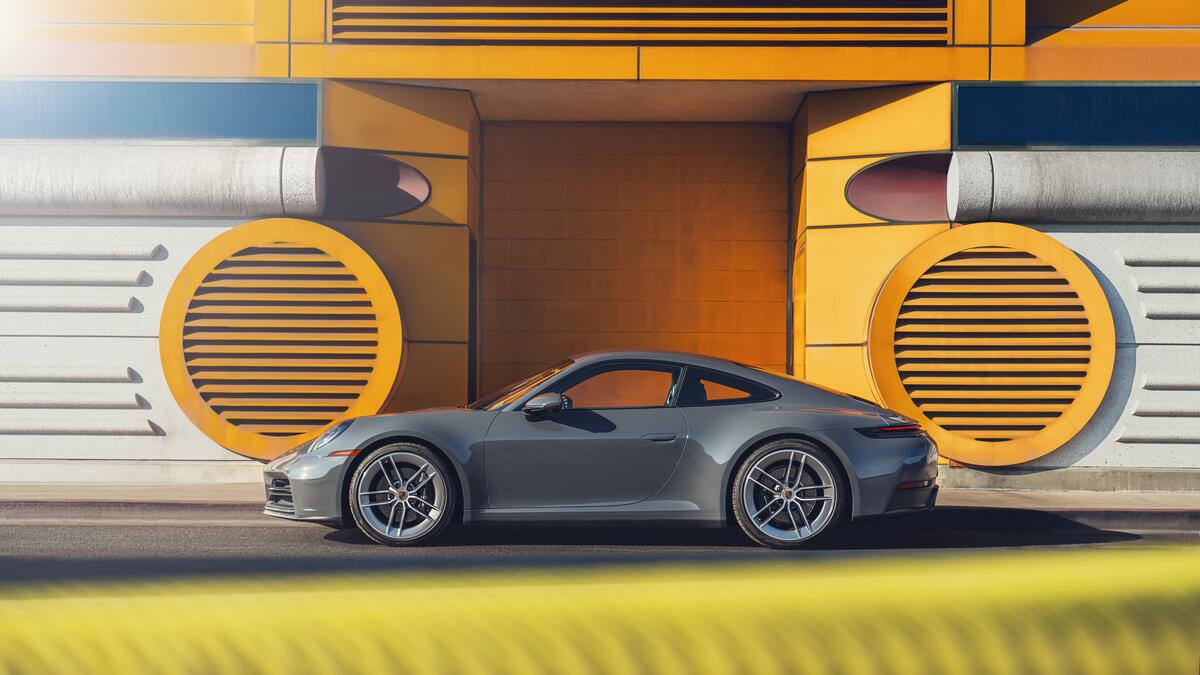
Porsche 911 (964) RS
"in the same pit garage I was in, [398.2s] there was a 964 RS, again, [400.8s] that just was a couple of German guys' mates."
This is a Porsche 911 from the 964 generation, and the “RS” is the track-oriented, lighter version. The host is basically saying they were seeing serious race cars up close in the garage.
The Porsche 911 (964) RS is a lightweight, track-focused version of the 911 from the 964 generation. In this segment, it’s used as an example of a GT-era car that people were driving hard in a pit garage environment.

Aston Martin Vantage
"but you did most of yours with Aston Martin Vantage's? [433.0s] Yeah, I did Vantage's."
The Aston Martin Vantage is a sports car brand used for racing. The host is saying they spent most of their time racing with Vantage cars in this event.
The Aston Martin Vantage is a GT car used in endurance racing. Here, the host says they did most of their races with Aston Martin Vantage cars, highlighting how manufacturer GT machinery is central to the Nürburgring 24 Hours paddock.
stock engine
"So very much stock gearbox, [459.8s] stock engine, safety kit, different dampers. [463.4s] And that was about it, really."
“Stock engine” means the engine is mostly the factory version, not heavily modified for racing. The race setup focuses more on other parts and tuning.
A “stock engine” is the production engine configuration rather than an extensively modified race powerplant. In the context of this grid, it implies the class rules emphasize reliability and driver skill, with fewer internal engine changes allowed.
stock gearbox
"So very much stock gearbox, [459.8s] stock engine, safety kit, different dampers. [463.4s] And that was about it, really."
“Stock gearbox” means the car’s transmission is basically the same as what comes from the factory. It’s not a custom race-only gearbox.
A “stock gearbox” means the transmission is largely the production unit, not a fully race-specific replacement. In endurance classes, keeping the gearbox stock helps control costs and maintain parity while still allowing tuning in other areas.
dampers
"So very much stock gearbox, [459.8s] stock engine, safety kit, different dampers. [463.4s] And that was about it, really."
“Dampers” are shock absorbers that control how the car rides. They help the tires stay planted when the track gets rough or the car is braking and turning.
“Dampers” are the shock absorbers (part of the suspension) that control how the car moves over bumps and during braking/turn-in. Changing dampers can significantly affect grip and stability in endurance racing even when the engine and gearbox are kept stock.
safety kit
"So very much stock gearbox, [459.8s] stock engine, safety kit, different dampers. [463.4s] And that was about it, really."
A “safety kit” is the extra safety gear race cars must have. It’s there to help protect the driver if something goes wrong.
A “safety kit” in racing refers to required safety equipment added to a car to protect occupants during crashes. Depending on the series, it can include items like roll-over protection and fire-suppression components, governed by class regulations.
SP8
"I was at SP8. [472.3s] That was SP8, I think, [475.4s] because the same year was the first year Aston Martin went there."
SP8 is a race class at the Nürburgring 24 Hours. It’s basically a way to group cars with similar rules and performance so they compete more fairly.
SP8 is a class/category designation used in Nürburgring 24 Hours entry groupings. It groups cars with similar performance and rules so they can race competitively against each other rather than purely by outright speed.
Aston Martin V8 Vantage
"...rst year Aston Martin went there. We rose the 4.3 V8 Vantage, which Dr. Betts drove, Chris Porritt drove,"
The Aston Martin V8 Vantage is a sports car made by Aston Martin. It uses a V8 engine and is meant for fast, fun driving. In the podcast, they’re talking about a specific V8 version (the 4.3) that was driven by people at an event.
The Aston Martin V8 Vantage is a performance sports car from Aston Martin, powered by a V8 engine and positioned as a more driver-focused alternative to the brand’s larger grand tourers. It’s significant because it’s a key model in Aston’s modern era of V8 performance, and it’s often referenced in motorsport and track events. The podcast specifically mentions the “4.3 V8 Vantage” and names drivers who drove it, tying it to real participation.
engineering sign-off
"And Aston Martin then came to use that race [506.6s] as like an engineering sign-off. [508.1s] So when they had a new model that they were developing [510.5s] or they finished developing it,"
“Engineering sign-off” means the engineers feel the car is ready and has passed its development checks. Racing it helps prove it works reliably in tough real conditions.
An “engineering sign-off” is when a manufacturer uses real-world testing to confirm a new car’s development is complete and meets targets. In endurance racing, finishing and performing reliably under race conditions helps validate systems like the engine, cooling, and chassis setup before production.
hydrogen
"They had a Rapide that was hydrogen... Hydrogen, wasn't it?... So it was a dual fuel."
Hydrogen is a fuel that can be burned or used in a fuel-cell system to produce energy. In racing context, hydrogen is interesting because it can enable very different fueling and power delivery compared with gasoline, and it’s often used in experimental “green” race cars.

Aston Martin Rapide
"...hing was the four-door one, wasn't it? They had a Rapide that was hydrogen. Hydrogen, wasn't it?"
The Aston Martin Rapide is a four-door sports car from Aston Martin. It’s meant to be fast and stylish, but with extra seats for everyday use. The podcast mentions a hydrogen version, meaning it was an experimental fuel setup rather than the usual gasoline approach.
The Aston Martin Rapide is a four-door grand tourer, built to combine Aston Martin’s V12/V8 performance character with real family-style practicality. It’s often discussed because it was one of Aston’s more unusual moves—adding doors while keeping a high-performance focus. The podcast reference specifically mentions a Rapide that was hydrogen-powered, highlighting an experimental or alternative-energy angle.

BMW E46
"...oing to hate me for saying that. Rob did it in an E46 M3 GTR. And we were sharing the garage with Aston..."
The BMW 3 Series is a popular mid-size car made by BMW. It’s known for being comfortable to drive daily, but some versions are built to be very sporty. The podcast mentions it because a race car based on the E46 M3 is connected to that generation.
The BMW 3 Series is a compact executive sedan (and wagon) line that’s known for balancing everyday usability with sporty handling. It often comes up in motorsport and enthusiast circles because certain generations—like the E46—have high-performance variants that people talk about for their driving character. In the podcast context, it’s mentioned alongside the E46 M3 GTR, tying the 3 Series platform to racing history.
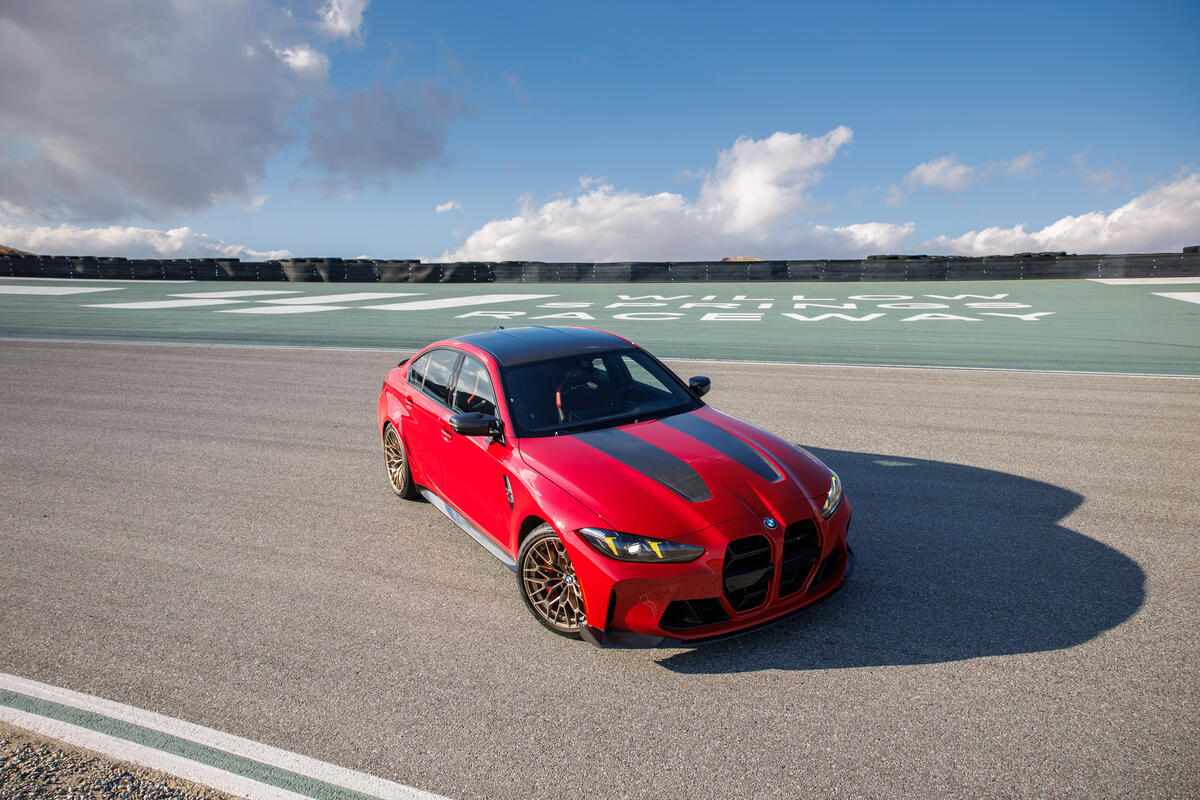
BMW M3
"Rob did it in an E46 M3 GTR. And we were sharing the garage with Aston with the Rapide."
The BMW E46 M3 GTR is a track/race version of the BMW M3. In this segment, it’s mentioned because Rob was driving it at the same time as the hydrogen Rapide project.
The BMW E46 M3 GTR is a race-focused version of the M3 built for competition, best known for its motorsport pedigree. In this Nürburgring 24 Hours story, it’s used as a reference point for what Rob was driving while sharing the garage environment with Aston’s hydrogen Rapide.
ABS
"so hit a bump which triggered the ABS on. So just went straight off."
ABS is a safety system that stops your wheels from locking up when you brake hard. That helps the car keep control, even if the surface is slippery or the car hits a bump.
ABS (anti-lock braking system) prevents the wheels from locking up during hard braking. If the car hits a bump and triggers ABS, the braking behavior changes instantly to maintain steering control and traction.
GT3 cars
"would torment all the GT3 cars because they just hit a brick wall."
GT3 cars are a popular class of race cars used in endurance events. They’re built to race against each other, and here they’re the cars that get caught up by a faster vehicle.
GT3 cars are race cars built to the FIA GT3 rules, which are designed to be competitive but also relatively affordable compared with top-tier prototypes. They’re common in endurance racing, and in this segment they’re described as being challenged by a much faster car on the straight.
dual side drafting
"But that's why you get these incredible kind of dual side drafting and crazy duals on the straight."
Dual side drafting is when two cars drive very close together to help each other go faster. The air between them is managed in a way that can reduce drag, making passing easier on a straight.
Dual side drafting is an aerodynamic drafting technique where two cars run close together side-by-side to reduce drag and increase speed. Because the cars “share” airflow effects, it can make overtaking more effective—especially on long straights where top speed and aero stability matter.
overtake
"That used to be the safest place to overtake. But yeah, there's nothing else."
Overtaking is passing another car. Here they’re saying the straight used to be the safest place to do it because the cars can line up and use speed/drafting to pass more cleanly.
In endurance racing, overtaking is heavily influenced by aerodynamics and track layout, not just engine power. This segment specifically ties overtaking to the straight, where drafting and top speed can make passing safer or more predictable than in tighter corners.

Jeep Gladiator
"...al. So it was just like the opening 20 minutes of Gladiator by the time you got there. It's awesome."
The Jeep Gladiator is a pickup truck with Jeep’s off-road drivetrain. It has a truck bed for carrying things, but it’s also designed to handle rough roads. That’s why it comes up when people want both utility and off-road ability.
The Jeep Gladiator is a pickup truck that blends off-road capability with the practicality of a truck bed. It’s often discussed because it brings Jeep-style 4x4 hardware to a format that’s more versatile for hauling and outdoor use. The podcast reference uses it as a quick, exciting arrival point—“like the opening 20 minutes”—highlighting its energetic appeal.
natural gas powered
"The first time was in the Sirocco, which was natural gas powered."
“Natural gas powered” means the race car uses natural gas instead of gasoline. That’s different enough that it can change how the car is set up and how it runs during the race.
“Natural gas powered” means the car’s engine runs on compressed natural gas (or similar natural-gas fuel) rather than petrol. In motorsport, that changes how the fuel is stored and delivered, and it can affect power delivery and refueling strategy versus conventional gasoline cars.
Schwedenkreuz
"But at the end of it, because on the PlayStation, you come down to Schwedenkreuz and just lift lightly and go in, don't you, on the game."
Schwedenkreuz is a specific spot on the Nürburgring track. In racing, that corner matters because how you slow down and turn there affects your whole lap.
Schwedenkreuz is a well-known corner complex on the Nürburgring Nordschleife. It’s the kind of braking/turn-in point where small differences in speed and throttle application can noticeably change lap time.
strategy point of view
"Which must make it, from a strategy point of view, of knowing where you're going. You know you're going to catch them, but you're not going to have anything to get past. It's just, I'd like to say, there's a... I'm sure in factory teams, there's strategy."
In long races, strategy is about more than speed. It’s about planning when you can realistically catch and pass other cars, and when you’ll just have to stay behind and avoid losing time.
In endurance racing, “strategy” means planning how you’ll manage pace, overtaking opportunities, and time loss over the whole stint—not just chasing a single fast lap. This segment frames it as knowing where you’ll gain time (e.g., corners vs straights) and where passing will be difficult.

Opel Astra
"hang on a minute. It's like an astra. You're slowing yourself there."
The Opel Astra is a compact car made by Opel. It’s built for normal daily driving like commuting and errands. The podcast uses it as a quick reference to the word “astra” rather than as a deep technical topic.
The Opel Astra is a compact car line focused on everyday driving, practicality, and efficient packaging. It’s commonly referenced because it’s a familiar “normal car” nameplate, making it easy to bring up in wordplay or comparisons. In the podcast, it’s used as a quick aside—“it’s like an astra”—to emphasize the sound or idea of the name being discussed.
racing line
"So quite a lot of the time, you think, right, I'll let one car go. And then I need to get back on my line."
The racing line is the best “track path” through a corner. If you have to let other cars through, you’re trying to get back onto that best path so you can keep your speed up.
The racing line is the ideal path through a corner that maximizes speed and stability—typically setting up the best entry, apex, and exit. In traffic, drivers may temporarily yield to other cars, then work to rejoin their racing line without losing too much momentum.
pit lane
"But the pressure starts before you actually leave the pit lane. [1126.6s] That was terrifying, I thought. ... But as soon as you leave the pit lane, pit lane that goes off,"
Pit lane is where the race team works on the car during the event. When you leave it, you have to get back up to speed fast and safely around other cars.
Pit lane is the area where teams service the car during a race—think driver changes, refueling, tire swaps, and repairs. Leaving the pit lane is a key moment in endurance racing because you rejoin traffic and must manage tire temperature, traction, and pace immediately.

R8
"The second time I did it with the customer, R8, [1131.7s] I think I was the third or fourth driver in."
The Audi R8 is a sports car built to handle track driving. In a race like this, the driver has to keep performing even when the pressure and conditions get intense.
Audi R8 is a mid-engine sports car known for its track capability and balance. In endurance racing, drivers often get repeated stints where heat, crowd pressure, and car handling consistency matter a lot.
car on fire
"It drops down off the jacks. [1152.6s] And the first message I heard was, okay, John, [1155.5s] there's a car on fire in the foxhole. ... [1158.7s] And there was, there was a burnt out many at the foxhole."
In endurance racing, a car on fire is an emergency that can force immediate safety actions—marshals, flags, and sometimes changes to how drivers approach that section. The mention of a “burnt out” car highlights how quickly heat and debris can affect nearby cars and drivers.
jacks
"It drops down off the jacks. [1152.6s] And the first message I heard was, okay, John,"
Jacks are what the team uses to lift the car up in the pits. It’s part of the quick work they do between race stints.
Jacks are used in the pit lane to lift a race car so the team can access wheels, brakes, or other components for rapid service. In endurance events, lifting and lowering the car is tightly choreographed to minimize time and keep the car stable.
foxhole
"And the first message I heard was, okay, John, [1155.5s] there's a car on fire in the foxhole. [1158.7s] And there was, there was a burnt out many at the foxhole."
“Foxhole” is a specific spot on the Nürburgring track. Drivers use names like this so everyone knows exactly where something happened.
“Foxhole” is a named corner/section at the Nürburgring 24 Hours circuit. Trackside nicknames like this help teams and drivers communicate precisely about where incidents occur.
fast response marshals
"The weirdest thing is that you'd have, they had like fast response marshals that would be driving flat out... because the chances of, although there's hundreds of marshals post, there's still a big gap between those."
These are race marshals with a special job: get to a crash as fast as possible. Because the track is huge and marshal posts are spaced out, getting there quickly can make a big difference.
Fast-response marshals are specially tasked track personnel who drive quickly to incidents so they can reach the scene sooner than the standard marshal posts. At endurance races like the Nürburgring 24 Hours, that speed matters because there can be a large gap between where crashes happen and where help is stationed.
Audi
"Although I think Audi sponsored it for a long time. Yeah, RS4s and RS6s."
Audi is a car brand. In this episode, they’re mentioned as sponsoring the fast-response cars used to get to crashes quickly during the race.
Audi is the German automaker that, in this story, sponsored the race’s fast-response marshal cars. The key point is that Audi’s RS models were used as high-speed support vehicles during the Nürburgring 24 Hours.

Audi RS4
"Yeah, RS4s and RS6s. They'd be like, RS4s, RS6s, absolutely flat out in the middle of the race, and you just treat them like another car..."
The Audi RS4 is a high-performance Audi model. Here it’s mentioned because race officials used RS4s as fast cars to get to crashes during the Nürburgring 24 Hours.
The Audi RS4 is a performance version of the A4, known for being a quick, track-capable sedan/wagon platform. In this episode, RS4s are described as being driven flat out by response marshals to reach incidents quickly.

Audi RS6
"Yeah, RS4s and RS6s. They'd be like, RS4s, RS6s, absolutely flat out in the middle of the race, and you just treat them like another car..."
The Audi RS6 is a powerful Audi performance model. The hosts mention it because it was used as a fast car for marshals to respond quickly to accidents on track.
The Audi RS6 is Audi’s high-performance, high-speed flagship wagon/sedan based on the A6 platform. In the episode, RS6s are used as fast-response marshal cars that can drive flat out to reach crashes and warn other drivers.
on-the-scene incident response
"they would steam right into the, where there was a crash, and they would be, like they would warn people before the crash. The most dangerous job you can possibly think of..."
They’re describing what happens after a crash: a vehicle gets there quickly and helps warn other drivers. That warning is crucial because cars are still going very fast.
The episode describes an on-the-scene incident response workflow: response vehicles rush to a crash location, then warn other drivers before they reach the hazard. This is especially critical in endurance racing where cars are moving at high speed and visibility can be limited.
N24
"N24, you're just standing there gawping at stuff. Yeah, you can just pick it up."
“N24” means the Nürburgring 24 Hours race. It’s a long endurance event where cars run for a full day, so there’s always something happening on track.
“N24” is shorthand for the Nürburgring 24 Hours, a 24-hour endurance race at the Nürburgring. It’s known for long stints, constant traffic management, and lots of on-track incidents that can be localized to one area of the circuit.
prototype
"You know, I love the prototypes at Le Mans, they're all no incredible things, hypercars, but I think when the most far-fetched car is still a GT3 car..."
A prototype is a race car built specifically for racing, not adapted from a normal consumer car. At events like Le Mans, these cars are usually the most extreme-looking and high-tech on track.
A prototype is a purpose-built race car that isn’t based on a production road car. Le Mans prototypes are designed for maximum performance and efficiency in endurance racing, which is why the hosts call them “incredible things” compared with more production-derived categories.
lap times have dropped down
"You only know what to say, if their lap times have dropped down, don't you? But actually, unless the incident is near you, it just, everything's flat out all the time, isn't it?"
Lap times are how long each lap takes. If they get slower, it usually means something is affecting the cars—like traffic, problems, or what’s happening near the track.
Lap times are the time it takes a car to complete one circuit of the track. When lap times “drop” (get slower), it often indicates traffic, tire/handling issues, or that an incident or caution is affecting the drivers’ pace.
flat out
"But actually, unless the incident is near you, it just, everything's flat out all the time, isn't it?"
“Flat out” means the car is going as fast as it can, with the throttle mostly wide open. They’re saying that away from nearby trouble, the cars keep pushing hard.
“Flat out” means driving at (or near) full throttle for maximum speed. The hosts are describing how, unless an incident is close by, much of the Nürburgring 24 Hours action is continuous high-speed running rather than constant slowing.
BOP
"I think the BOP is just down to a fine art as well now, and the drivers are at such a level."
BOP means “Balance of Performance.” It’s how race organizers try to make different cars compete more evenly, so one car design isn’t automatically faster just because of its hardware.
BOP stands for Balance of Performance. It’s a race-control method used in series like endurance racing to equalize cars with different designs by adjusting things such as weight, engine output limits, or aerodynamic restrictions.
circuit
"You're right, but it's the circuit that's the challenge first."
Here “the circuit” means the actual race track layout. The Nürburgring is tough not just because of speed, but because the track demands constant focus and good car control.
In racing talk, “the circuit” refers to the specific track layout and its characteristics—corner types, elevation changes, and how hard it is to keep consistent lap times. At Nürburgring, the circuit itself is often described as the first challenge before outright speed.
pace
"And then you just maintain the pace that you can."
In a long race, “pace” is how fast you can keep going lap after lap. It’s not just about one quick lap—it’s about staying consistent without wearing the car out.
In endurance racing, “pace” is the sustained speed and lap-time rhythm a driver can maintain without over-stressing the car or burning up tires and brakes. The key is keeping a pace that’s fast enough to compete while still being repeatable for many laps.
concentration level
"Yeah, the time go, like your concentration level, you can't actually believe you can sustain that level of concentration for that long."
“Concentration level” is about how focused you can stay for a long time. In a race like this, fatigue makes it harder to drive precisely, so concentration becomes a limiting factor.
The “concentration level” refers to how mentally demanding it is to drive at the limit for a long stint. At Nürburgring 24 Hours pace, drivers must stay precise despite fatigue, because small errors compound quickly over many laps.
mixed weather
"They kind of hope for mixed weather, the organizers, because it slows the pace down."
“Mixed weather” means the track grip changes during the race, like some parts are wetter or drier than others. That makes it harder to drive fast consistently, so cars usually go slower.
“Mixed weather” means conditions that vary during the race—like alternating dry and wet sections or changing grip levels. Endurance races slow down in mixed weather because tire traction and braking stability change more often, forcing drivers to adjust their pace.
car breaks
"And then their car breaks, or they go off, or there were cars, like in places you wouldn't believe, like right up in the trees, or even on the last lap, the very last lap,"
“Car breaks” means the car stops working because something fails. In a 24-hour race, the stress is so high that even small problems can become race-ending.
“Car breaks” is shorthand for mechanical failure during an endurance race—components overheating, wearing out, or failing under sustained load. In 24-hour racing, reliability is as critical as speed because a single failure can end the run.
carousel
"And then I saw two cars have an enormous accident on the way up to the carousel, because they were looking and waving and they crashed into one another."
The “carousel” is a named part of the Nürburgring track. It’s tricky and busy, so crashes can happen there when cars are close together.
On the Nürburgring, the “carousel” is a specific section of track known for heavy braking and tight, flowing direction changes. It’s a common place for incidents because cars are bunched together and drivers are managing traffic while setting up for the next corner.
grid
"Yeah, I mean, that sort of start of the race, what seems to be like the entire population of Germany stood on a grid. It's massive."
The “grid” is where all the cars line up before the race begins. With so many cars packed together, it’s harder to move around and avoid trouble right away.
The “grid” is the starting area where cars line up in rows for the race start, typically based on qualifying results. At endurance races like the Nürburgring 24 Hours, the grid can be extremely crowded, which affects visibility, traffic management, and the risk of early incidents.

Dacia Logan
"So how, how him? Adacia Logan. Yeah, he's just going to explode, isn't he?"
The Dacia Logan is an affordable car designed to be practical and inexpensive to run. It’s meant for basic transportation rather than high performance. The podcast is using the name in a joke-like way.
The Dacia Logan is a budget-focused compact sedan designed to deliver basic transportation at a low cost. It’s often discussed because it represents a “value” approach—simple, practical, and meant to be affordable. The podcast mention plays on the name and the idea of it “exploding,” but the underlying point is that it’s a well-known low-cost model.
constant low heat
"But those long sort of modern corners where you just put constant low heat, you know, outside front tyre or something."
This is about keeping the tires at the right temperature for grip. In a long race, you can’t just push hard every lap—you have to manage heat so the tires work consistently.
“Constant low heat” describes managing tire temperature during long stints: you want the tires warm enough to grip, but not overheated. At endurance races like the Nürburgring 24 Hours, that kind of thermal management helps the car stay consistent lap after lap.
outside front tyre
"But those long sort of modern corners where you just put constant low heat, you know, outside front tyre or something."
In a corner, the tire on the outside of the turn usually does the most work. The guest is pointing out that particular front tire is getting the heat and stress in those long corners.
“Outside front tyre” refers to the front tire on the outside of the corner (the one carrying the most load in a turn). Cornering load and tire temperature are closely linked, so endurance drivers often talk about which tire is being worked hardest.
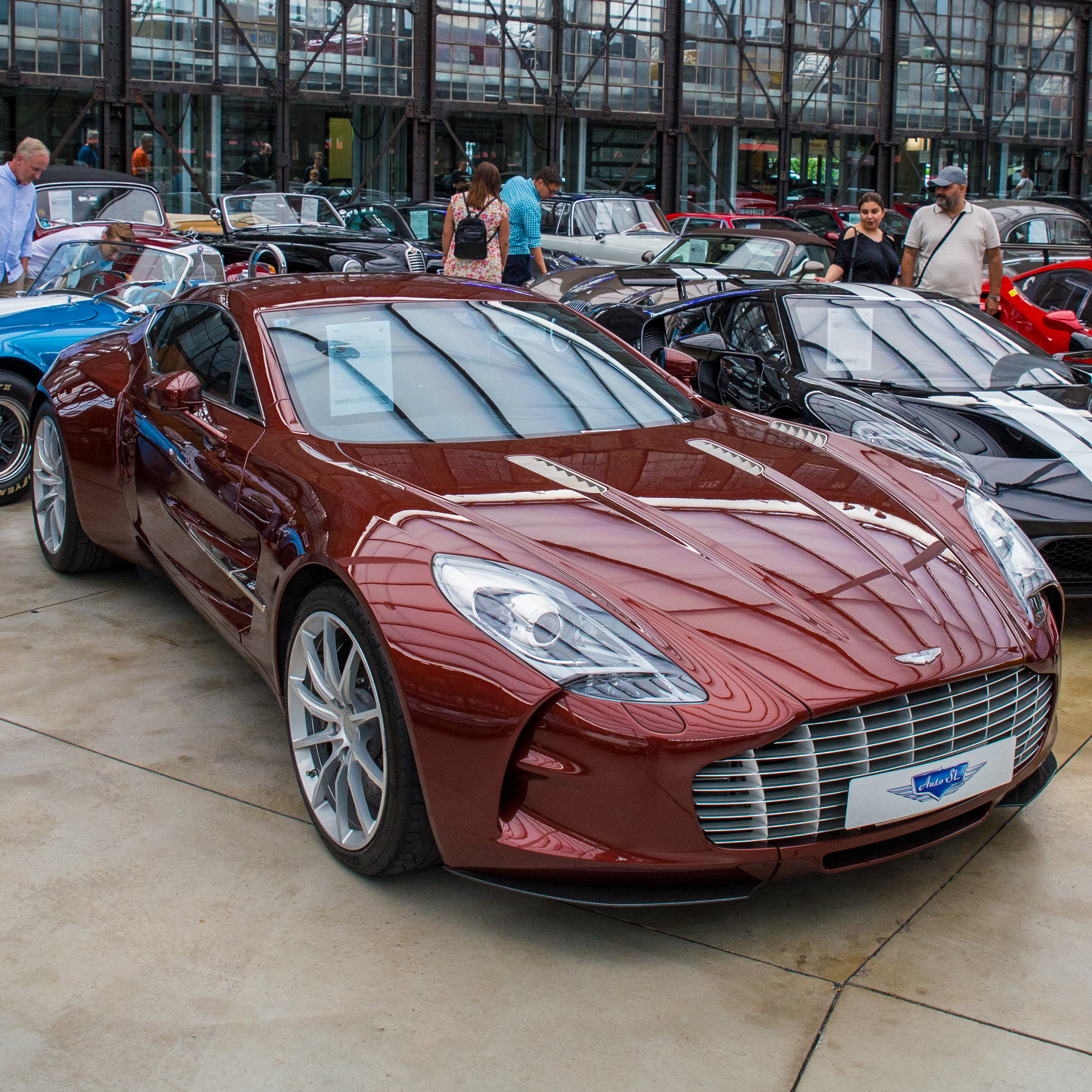
Aston Martin V12 Vantage
"... would it be? 2009 was when Maserati launched the V12 Vantage road car over that weekend."
The Aston Martin V12 Vantage is a sports car from Aston Martin with a V12 engine. A V12 is a high-performance engine layout that’s typically used in faster, more special cars. The podcast mentions 2009 because that’s when a V12 Vantage road car was introduced around an event.
The Aston Martin V12 Vantage is a performance sports car variant that uses a V12 engine, making it a more powerful and distinctive take on the Vantage name. It’s significant because it represents a period when Aston combined the Vantage’s compact sports-car shape with flagship-level V12 power. The podcast references the year 2009 in connection with a V12 Vantage road car launch event.
class win
"And we were racing a V12 Vantage in the race and we won the class, which was really cool."
A “class win” means you were the best in your group of cars. Endurance races often have different categories running at the same time, so winning your class is a big deal.
A “class win” means finishing first within your race category (based on car type/spec) rather than necessarily winning overall. In multi-class endurance races like the Nürburgring 24 Hours, class results are a major target because cars of different performance compete simultaneously.
stick shift
"Well, it must be one of the last stick shift cars. Yeah, probably."
“Stick shift” means a manual gearbox, where you change gears yourself. The speaker is basically saying it’s unusual to have that kind of gearbox in a race-winning car.
“Stick shift” is a common term for a manual transmission, where the driver selects gears with a gear lever and clutch. In modern racing, manuals are rarer than paddle-shift or sequential gearboxes, so the comment highlights how unusual it is to win with a manual-style setup.
one brake change
"Drive it as fast as you like. One brake change in the middle of the night. And, like I say, at the end of the race,"
In a long race, brakes wear down and can overheat. A “brake change” means the team stops to replace the brake parts so the car can keep braking safely and strongly.
A “brake change” in endurance racing is a pit stop where the team replaces brake components (typically pads and sometimes rotors) because repeated high-speed braking overheats and wears them out. Doing it only once overnight suggests the car’s brake setup and driver management were well matched to the circuit and conditions.
driving it like it was on the PlayStation
"And, like I say, at the end of the race, driving it like it was on the PlayStation. That was a really nice car to drive around there."
This is a metaphor for how controllable and predictable the car felt at speed—like a video game—rather than a literal driving mode. In endurance racing, that kind of “easy to place” feel usually comes from stable chassis balance and consistent traction as fuel load and tire temps change.
lost a wheel
"And despite the fact that we lost a wheel at one point and it was backed into the barrier,"
“Lost a wheel” means the wheel came off the car. That can be catastrophic in a race because the car can’t handle correctly and can crash.
“Lost a wheel” means a wheel separated from the car, typically due to a failure in the hub, bearing, suspension, or wheel attachment. In endurance racing, that’s especially dangerous because it can cause immediate loss of control and often requires major repair or retirement.
8000 RPM
"But that was with a strategy not to rub it out to 8000 RPM to get one less fuel stop."
RPM is how fast the engine is spinning. They’re saying they didn’t want to push it up to very high revs because it would cost more fuel and likely mean more stops.
RPM (revolutions per minute) is how fast the engine’s crankshaft spins. Mentioning “8000 RPM” highlights a deliberate choice to avoid the highest engine speeds to manage fuel consumption and reduce the number of pit stops.
endurance racing
"And it just went round and round and round. And that's endurance racing. It seems, if the races I did either goes like that,"
Endurance racing is about lasting a long time—keeping the car healthy and making smart strategy calls. It’s not only speed; it’s also avoiding problems and planning fuel and driving carefully.
Endurance racing is motorsport where the goal is to keep the car running reliably for a long time, not just to go fast for a short sprint. Strategy decisions like managing engine revs, fuel stops, and avoiding incidents (“nobody dinked anything”) are central to success.
barrier
"Because you make one small mistake and you're in the barrier because it's just so, we run up."
The barrier is the wall beside the track meant to protect the area. If a car hits it, it usually means the driver lost control or got struck, and the car can be badly damaged.
In racing, the barrier is the track’s crash-protection wall. Hitting it usually indicates a loss of control or contact with another car, and the impact often causes suspension and drivetrain damage.
cold tires
"And Cleo on cold tires came out and just hit the square on the rear. That's unfortunate."
Cold tires are tires that haven’t warmed up. They grip the road less, so it’s easier to lose control or hit something—especially right after a restart or in the early laps.
“Cold tires” means the tires haven’t warmed up yet, so they generate less grip. On a tight, high-risk track section, that reduced traction can make it easier to slide or mis-hit the car’s line and get damaged.
drive shaft
"But then it. And then the other stuff. Hit the drive shaft and then the gearbox."
The drive shaft is a rotating part that sends power from the gearbox to the wheels. If it gets damaged in an impact, the car can struggle to move or may need major drivetrain repairs.
A drive shaft transfers torque from the transmission to the differential/axles. If it’s hit in a crash, you can lose propulsion and may also cause secondary damage to nearby drivetrain components.

Renault Twingo
".... I think they were going to try to run a Renault Twingo this year. Oh my God."
The Renault Twingo is a small car made for city driving. It’s built to be easy to park and drive in traffic. The podcast brings it up because someone is talking about using one in a setting where you might not expect a tiny car.
The Renault Twingo is a small city car designed for easy parking and maneuvering in tight urban spaces. It’s the kind of car that often gets attention for being practical and compact rather than powerful. The podcast mention suggests it’s being considered for a racing or event entry, which is notable because it’s such a small, everyday platform.
de-restricted
"quicker than the GT3 cars, because I think it's [2488.1s] it's de-restricted, isn't it?"
“De-restricted” means the race rules are letting the car run with fewer limits. That usually makes it faster, particularly on straight sections of the track.
“De-restricted” means the car is allowed to run with fewer limits than usual—typically related to engine power restrictions or intake/exhaust constraints imposed by racing rules. In endurance racing, that can translate to noticeably stronger acceleration and higher top speed, especially on long straights.
SPX
"It's in a, it's a SPX. [2491.4s] Yeah, well, yeah."
SPX is a race category label. It tells you which ruleset the car is running under, which can affect how fast it’s allowed to be.
SPX is a racing classification used in certain endurance events to group cars with similar rule characteristics (often related to how they’re allowed to run and what restrictions apply). When the hosts mention the car is in an “SPX,” they’re pointing to the category/ruleset that affects its speed and eligibility.
HWA
"There's the HWA. [2494.8s] Either one. [2495.5s] It's not a mod thing, isn't it?"
HWA is a racing team/engineering company that works on race cars. Here, it’s being mentioned as part of who’s involved with the cars they’re talking about.
HWA is a motorsport company known for building and running Mercedes-Benz race cars and for engineering support in various touring and endurance series. In this segment, the hosts mention “the HWA” as part of the discussion about which cars/entries are present and how they’re set up.
rest day modding race cars to race with modern stuff
"I mean, we're in rest day mods of now. [2500.6s] You're in rest day modding race cars to race with modern stuff. [2504.1s] And they look so good."
On a long endurance race weekend, teams get breaks where they can work on the cars. “Rest day modding” means they use that time to tweak or update the car so it’s better for the next part of the race.
“Rest day modding” describes what teams do during an endurance event’s downtime: they adjust or upgrade race cars between sessions to improve performance, fix issues, or adapt to what they learned on track. The idea of “modern stuff” highlights that teams may swap in newer components or updated electronics/parts rather than running the exact same setup for the whole event.
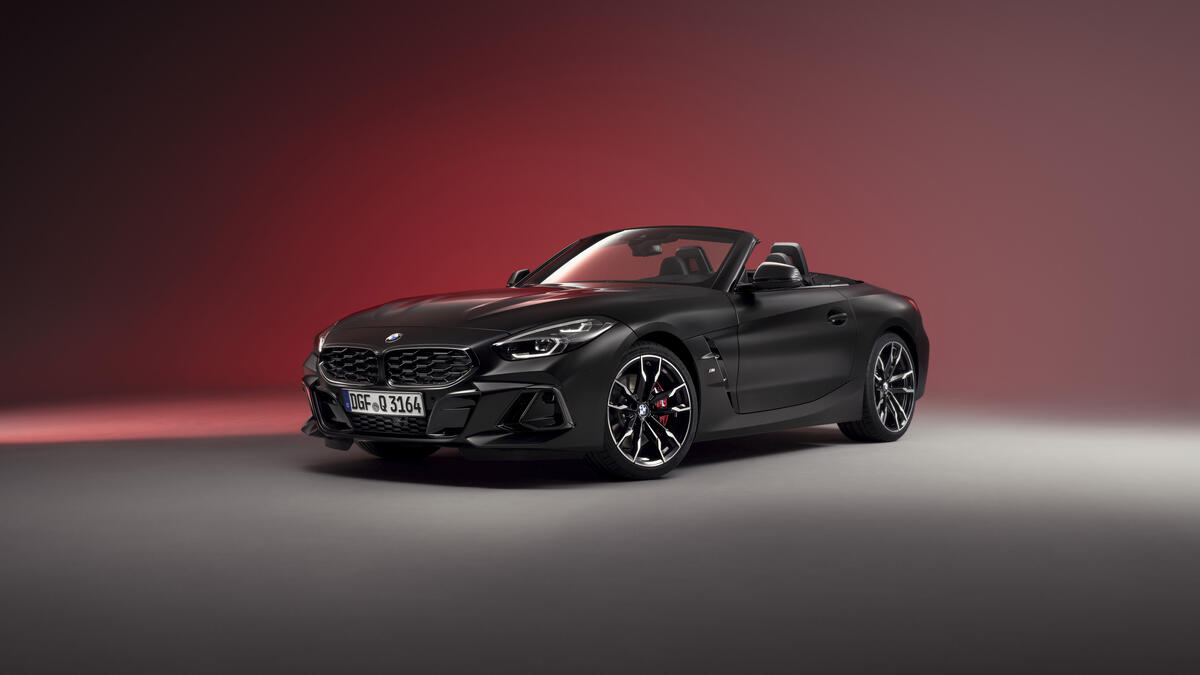
BMW Z4 GT3
"There are quite a few retro cars as well. Like, I think there are two Z4 GT3s. Oh, they're. Yeah, with the P65."
The BMW Z4 GT3 is a track-racing version of the BMW Z4. It’s built for endurance races where the car has to keep working for hours, not just go fast for a few laps.
The BMW Z4 GT3 is a race-prepped version of the Z4 built for GT3-spec endurance racing. In events like the Nürburgring 24 Hours, GT3 cars are designed to be fast but also durable enough to survive long stints and traffic.
qualifiers
"One had a bit of an accident in the qualifiers, but I think it's back now. Yeah."
Qualifiers are the races/rounds that decide where cars start. If a car crashes during qualifying, it can start further back or need repairs before the main event.
Qualifiers are the session(s) used to set the starting grid for a race. In endurance events, qualifying incidents can affect where a car starts and whether it needs repairs before the main race.

Toyota GR GT
"...think it's going to be the GT car? It will be the GR GT. With GTR."
The Toyota GR GT is a Toyota performance vehicle idea or model name that uses Toyota’s GR performance branding. “GT” usually means it’s meant to be sporty and performance-oriented. The podcast is mentioning it as the specific car they think it will be called.
The Toyota GR GT refers to a GR-branded Toyota performance concept or race-focused direction that the podcast is discussing as a “GT car.” The “GR” label is Toyota’s performance sub-brand, and “GT” typically points to a grand touring or racing-style focus. In this context, it’s brought up as the likely name/identity of the car being discussed.
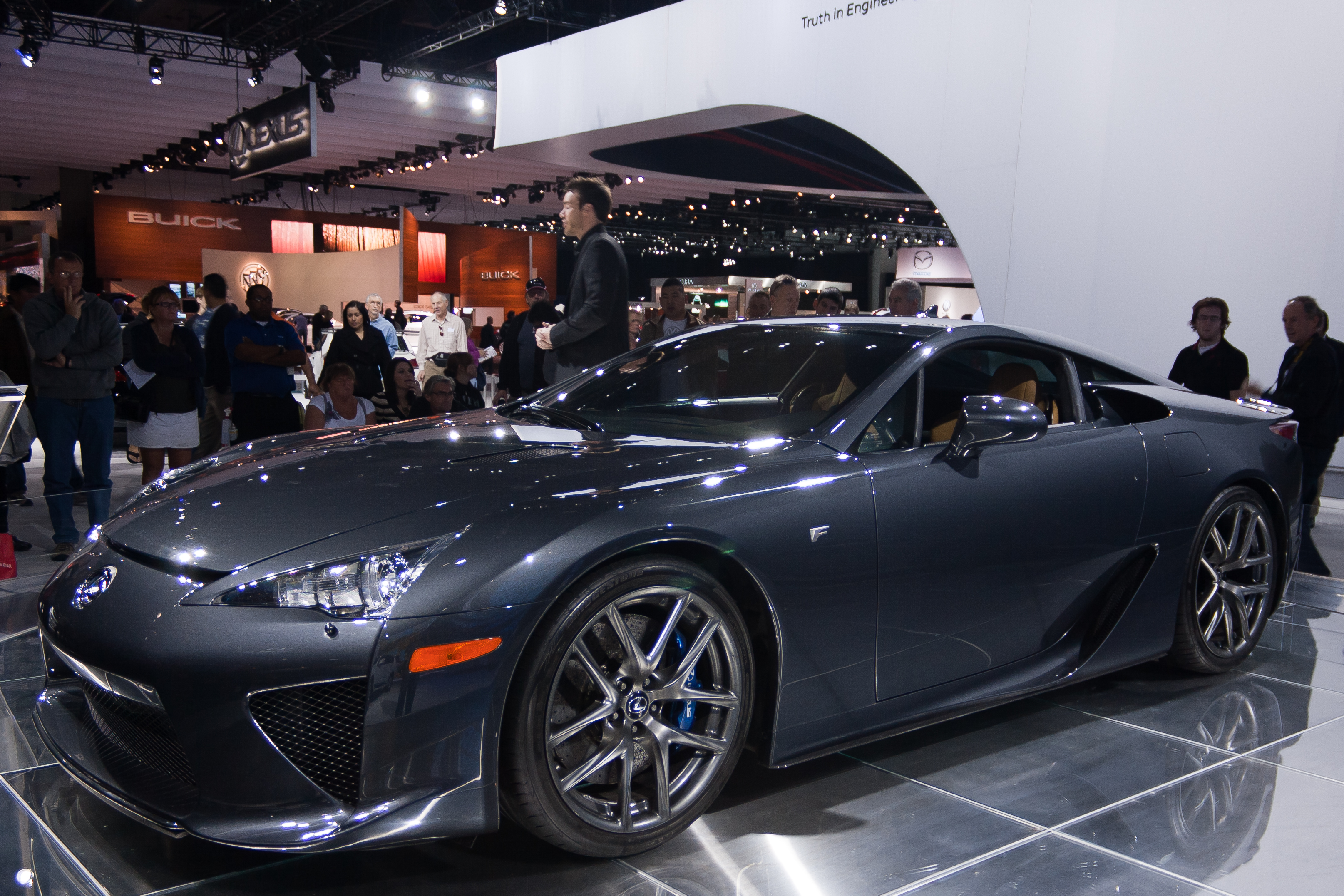
Lexus LFA
"So all through the years when they were racing the LFA's, we'd be in the same bit garages as the LFA's, which was brilliant as they were the coolest things."
The Lexus LFA is a special supercar from Lexus. It’s famous for a high-revving V10 engine and a very “serious” performance focus, which is why it stands out even in big races like the Nürburgring 24 Hours.
The Lexus LFA is a halo supercar from Lexus, best known for its high-revving V10 engine and lightweight, track-focused design. In endurance racing contexts like the Nürburgring 24 Hours, it’s notable because it’s a rare, exotic car that teams still talk about decades later.
tailgarner car
"So there would be a, there'd be like a tailgarner car that would kind of follow him around. And it's almost like it would throw itself in the way."
This sounds like a support car that stays right behind another car. The idea is to help keep the driver safer by controlling what’s around them and reducing the chance of a bad surprise.
A “tailgarner car” here describes a support car that follows closely behind another car to help manage risk during racing. In endurance events, this kind of positioning can be used to protect a driver/car from immediate hazards and to control traffic flow.
splitter
"So there was a year where it was a regular body with more wing, a bigger splitter and big rear wing, but with paddle shift and a slightly upgraded engine."
A splitter is an aerodynamic piece at the front of the car. A bigger one helps push the car down onto the road at speed so it feels more stable and grippy.
A splitter is an aerodynamic device mounted at the front of the car that helps manage airflow under and around the vehicle. By increasing downforce and stabilizing the car at speed, a bigger splitter can improve grip and reduce lift—especially important in endurance racing where consistency matters.
paddle shift
"So there was a year where it was a regular body with more wing, a bigger splitter and big rear wing, but with paddle shift and a slightly upgraded engine."
Paddle shift means you change gears using buttons or levers behind the steering wheel. It’s often used in race cars to make shifting quicker and easier while you’re focused on driving.
Paddle shift is a steering-wheel-mounted gear-shifting system that lets the driver change gears without using a traditional gear lever. In endurance cars, it can help the driver keep both hands near the wheel and make gear changes faster and more consistent under race stress.
stints
"And then we realized when it got close to our stints that we were in the car at the same time."
A stint is the time you spend driving before the next pit stop. In long races, it’s also when you might hand the car to another driver.
A stint is a continuous period of driving between pit stops, often involving driver changes in endurance events. The speaker uses it to explain when their car and Monkey’s car would be on track simultaneously, which affects how they experience traffic and pace.
Request an Explanation
Heard something you'd like explained? We'll add it to this episode.
Sign in to request explanations for terms you heard.
Want to learn more?
Browse our glossary for plain-English explanations of automotive terms, jargon, and concepts.
Help improve this episode
See something that's not quite right? Our annotations are AI-generated and can sometimes miss the mark. Click the flag icon on any annotation to suggest a correction.