
Centre-seat Elise, Ferrari V12 'manual' & driving 1970s supercar icons 50 years on | Episode 54
About this episode
The evo podcast digs into two extremes: a new 525hp Ariel Atom RRR that’s been reworked for sharper drivability, plus Analog’s centre-seat Lotus Elise VHPK, a K-series-powered tribute built around a single, central driving position. The Atom discussion focuses on how it stays usable even in torrential wet weather, while the Elise chat highlights the odd-but-natural ingress, sub-600kg weight, carbon brakes, and the challenge of making big performance without engine swaps. Then the hosts pivot to 1970s supercar culture and what made those icons endure 50 years on.
In this episode of the evo podcast, Stuart Gallagher, John Barker and Richard Meaden go back to the 1970s with a recap of our supercars eras test. This week we also discuss our findings from time with Ariel's fastest-ever Atom, our drive in Analogue's single-seat Lotus Elise, and the intriguing new Ferrari 12 Cilindri Manuale.

Ford Capri
"Wedge-shaped cars, very psychedelic-covered cars as well. The Capri's Countache, as well. Chris and Dick, what else have you been up to"
The Ford Capri is a sports-style car with a sharp, wedge-like shape. It was designed to look bold and stand out. The podcast mentions it because its styling fits the same kind of dramatic look as other cars from that period.
The Ford Capri is a wedge-shaped sports coupe that became well known for its bold, era-defining styling. In the podcast context, it’s mentioned alongside other dramatic supercar designs, implying it shared that “psychedelic” visual attitude of the time. It’s discussed because it represents how mainstream manufacturers also built cars with strong design character.
horsepower
"they've properly had a go at it and 525 horsepower, but it feels really good in terms of drivability."
Horsepower is basically how strong the engine is. More horsepower usually means the car can speed up harder and keep pulling better.
Horsepower is a measure of an engine’s power output—how much work it can do over time. In practice, higher horsepower usually helps with acceleration, especially at higher speeds where the car needs sustained power.
drivability
"but it feels really good in terms of drivability. So there's no, you know, it's a race engine, young componentry, but it drives really, really well."
Drivability is how “easy” the car is to drive day-to-day. It’s about how smoothly it responds and how predictable it feels when you’re not racing.
Drivability is how easy and predictable a car feels to drive in real conditions—things like throttle response, smoothness, and how well it behaves at different speeds. A car can be very powerful but still feel awkward if it’s hard to modulate or has poor low-speed manners.
race engine
"So there's no, you know, it's a race engine, young componentry, but it drives really, really well."
A race engine is an engine built or tuned primarily for track use, often prioritizing high power, aggressive response, and operating in a narrower high-RPM range. These engines may feel less relaxed at low speeds compared with road-focused powertrains.
aerodynamics
"and then you get to three figures when usually aerodynamics start to slow this thing down, because it's just basically there's scaffolding."
Aerodynamics is how the car cuts through air. At higher speeds, air resistance gets stronger, so it can limit acceleration unless the car is shaped well.
Aerodynamics is how air flows around the car, affecting drag and downforce. At higher speeds, aerodynamic drag increases quickly, which is why top speed and acceleration can start to slow unless the car has efficient bodywork or enough downforce.
wings
"Does it have big wings and sort of? So how different is it from the thing we had at track car of the year, the year or so ago?"
“Wings” are aerodynamic parts that push the car down onto the road. That helps the tires grip better, especially at higher speeds.
In performance-car talk, “wings” usually refers to aerodynamic elements that generate downforce. More downforce helps the tires maintain grip at speed, especially in corners, but it can also increase drag.
dampers
"Would it have a set of box and only dampers and all sorts of trick stuff?"
Dampers are the shock absorbers. They control how the suspension moves so the tires stay planted instead of bouncing.
Dampers are shock absorbers that control how quickly the suspension moves up and down. They help keep the tires in contact with the road by reducing bounce and oscillation, which strongly affects ride quality and grip.
stepper motors
"Yeah. Stepper motors, so there's a little choose, poking out of those now."
Stepper motors are small electric motors that move in tiny, precise steps. That precision helps the car control certain parts accurately, instead of just turning in a rough way.
Stepper motors are electric motors that move in precise, small steps, which makes them useful for repeatable control tasks. In cars, they’re often used to actuate mechanisms that need accurate positioning rather than just spinning continuously.
sequential box
"All the carbon can get the set of sequential box and this absolute monster of an engine."
A sequential gearbox shifts gears in order. Instead of jumping around, you go to the next gear up or down each time you shift.
A sequential gearbox (often described as a “sequential box”) changes gears in order—1st to 2nd to 3rd—rather than letting you skip around. It’s commonly paired with paddle shifters or a shift mechanism that selects the next or previous gear.
Yokohamas
"But apparently at those tires, the Yokohamas, once they've been heat cycled on a dry track, they're brilliant in the wet."
Yokohama makes tires. The idea here is that after the tires get properly warmed up and cooled down a few times, they can grip better—especially in wet conditions.
Yokohama is a tire brand, and the speaker is specifically talking about how those tires behave after being heat cycled. Heat cycling refers to the process of bringing tires up to operating temperature and then cooling them down, which can help them reach their intended grip characteristics.
heat cycled
"once they've been heat cycled on a dry track, they're brilliant in the wet."
Heat cycling means warming the tires up and letting them cool down again. Some tires work best after they’ve gone through that process a few times.
Heat cycling is the process of repeatedly warming tires to their working temperature and then letting them cool. Many track-oriented tires change behavior as they go through these cycles, which can affect grip and consistency later on.
traction control
"And it was amazing, because you've got the traction control, you can wind it off."
Traction control helps stop the wheels from spinning when you accelerate on slippery ground. It can reduce power and keep the car from losing grip, and you can usually turn it off for more direct driving.
Traction control is a driver-assistance system that reduces wheel spin when the tires lose grip. It typically intervenes by cutting engine power and/or braking individual wheels, and it can often be partially or fully disabled for track driving.
throttle
"Although there's no build up to it, [293.4s] is there a nuance to it? [294.4s] But that Trey Orkey road with the trees and the rain, [298.3s] you get on the throttle and the traction was amazing."
The throttle is what you press to make the engine produce more power. When you “get on the throttle,” you’re asking for more acceleration, which can be harder to manage on slippery roads like in the rain.
The throttle is the driver’s control of engine power by regulating how much air (and fuel) the engine can take in. When the hosts say “get on the throttle,” they mean applying more engine torque, which tests traction—especially in the rain.
track days
"And which is, but it's, you know, as they say, [321.9s] it's put us back up with the Supercomic, [323.9s] as we go to track days and the Supercomic. [326.4s] And the bill of parts for something like that"
Track days are when people bring their cars to a race track to drive them hard in a controlled setting. It often means extra preparation and parts because the car is used more aggressively than on the road.
Track days are events where drivers take their cars to a circuit for timed laps and practice. The hosts connect this to cost and parts bills, implying that track use changes what owners need to maintain or upgrade.
bill of parts
"And the bill of parts for something like that [328.3s] is pretty enormous, isn't it? [330.3s] So it's a lot of money,"
A bill of parts is basically a shopping list of everything you need to build or fix a car. Saying it’s enormous means the total cost of all those parts adds up to a lot.
A bill of parts is a detailed list of components required to build or repair a car, often used to estimate total cost. When the hosts talk about the “bill of parts” being enormous, they’re emphasizing how expensive specific performance hardware and replacement items can be.
chassis
"everything they've done, [379.3s] like they've really got the heads around the chassis [381.1s] and the damping"
The chassis is basically the car’s frame and structure. It affects how the car holds together and how it feels when you turn or drive hard.
In car terms, the chassis is the vehicle’s structural foundation—everything that supports the engine, suspension, and driver. How the chassis is designed and tuned strongly affects handling feel, stability, and how predictable the car is at the limit.
damping
"like they've really got the heads around the chassis [381.1s] and the damping and probably a little bit of aero [383.5s] and then all the electronics that help them"
Damping is how the shocks control the car’s movement over bumps and during cornering. It helps the tires stay planted so the car feels more stable and easier to drive.
Damping is how the suspension controls motion—mainly through the shock absorbers and dampers. Good damping reduces unwanted bouncing and helps the tires stay in contact with the road, improving grip and driver confidence.
electronics
"and probably a little bit of aero [383.5s] and then all the electronics that help them [386.5s] and the gearbox is brilliant, isn't it?"
Here, electronics means the car’s computer-controlled safety and driving aids. They help the car respond more smoothly and keep traction so it’s less stressful to drive.
In this context, electronics means the car’s electronic control systems that assist driving—such as traction and stability management, throttle/engine mapping, and other sensors that help the car behave predictably. These systems can make a previously “tricky” car easier to drive.
gearbox
"and then all the electronics that help them [386.5s] and the gearbox is brilliant, isn't it? [388.3s] And yeah, they're quietly doing amazing things up now."
The gearbox is what changes gears so the engine can stay in the right power range. A good gearbox makes the car feel smoother and more controllable.
A gearbox is the transmission system that changes gear ratios so the engine can deliver power effectively across different speeds. The way it shifts and how it’s programmed can strongly influence how “easy” or “sharp” a car feels.
VHPK
"but this car is the VHPK. So it's a play on the VHPD original."
VHPK is a special name for a high-performance version of the Elise. The “PK” part is named after a person the hosts mention, and it’s related to an earlier performance naming scheme.
VHPK is an acronym used for a very high performance derivative of the Lotus Elise, with the “PK” portion tied to a specific person. The hosts describe it as a play on the earlier VHPD naming, and they explain what the letters stand for.
VHPD
"So it's a play on the VHPD original. Case series."
VHPD is an earlier performance-version name. The hosts say VHPK is built as a “play on” that original naming idea, meaning it’s part of the same high-performance family.
VHPD is the earlier naming scheme the hosts say VHPK is modeled after. They frame it as a “very high performance derivative,” implying a lineage of increasingly extreme Elise variants.
Philip Kadori
"And the VHPK, the PK bit, is the initials of a guy called Philip Kadori,"
Philip Kadori is the person behind the “PK” name in VHPK. The hosts also link him to another famous performance build, the Tuck Hill 911K, known for extremely high engine revs.
Philip Kadori is the person the hosts say the “PK” in VHPK refers to. They also connect him to the Tuck Hill 911K, including the famous “11,000 RPM” detail, positioning him as a key figure behind these high-rev, high-performance projects.
patron
"He's more like a patron of... Like artists have patrons that commission them to do special works."
Here, “patron” doesn’t mean a car customer—it’s like an arts supporter. The hosts are saying Kadori acts like someone who backs special, custom projects.
In this context, “patron” is used metaphorically: the hosts compare Philip Kadori’s role to an arts patron who commissions special works. It’s a way to describe how private individuals can fund or support bespoke automotive projects.
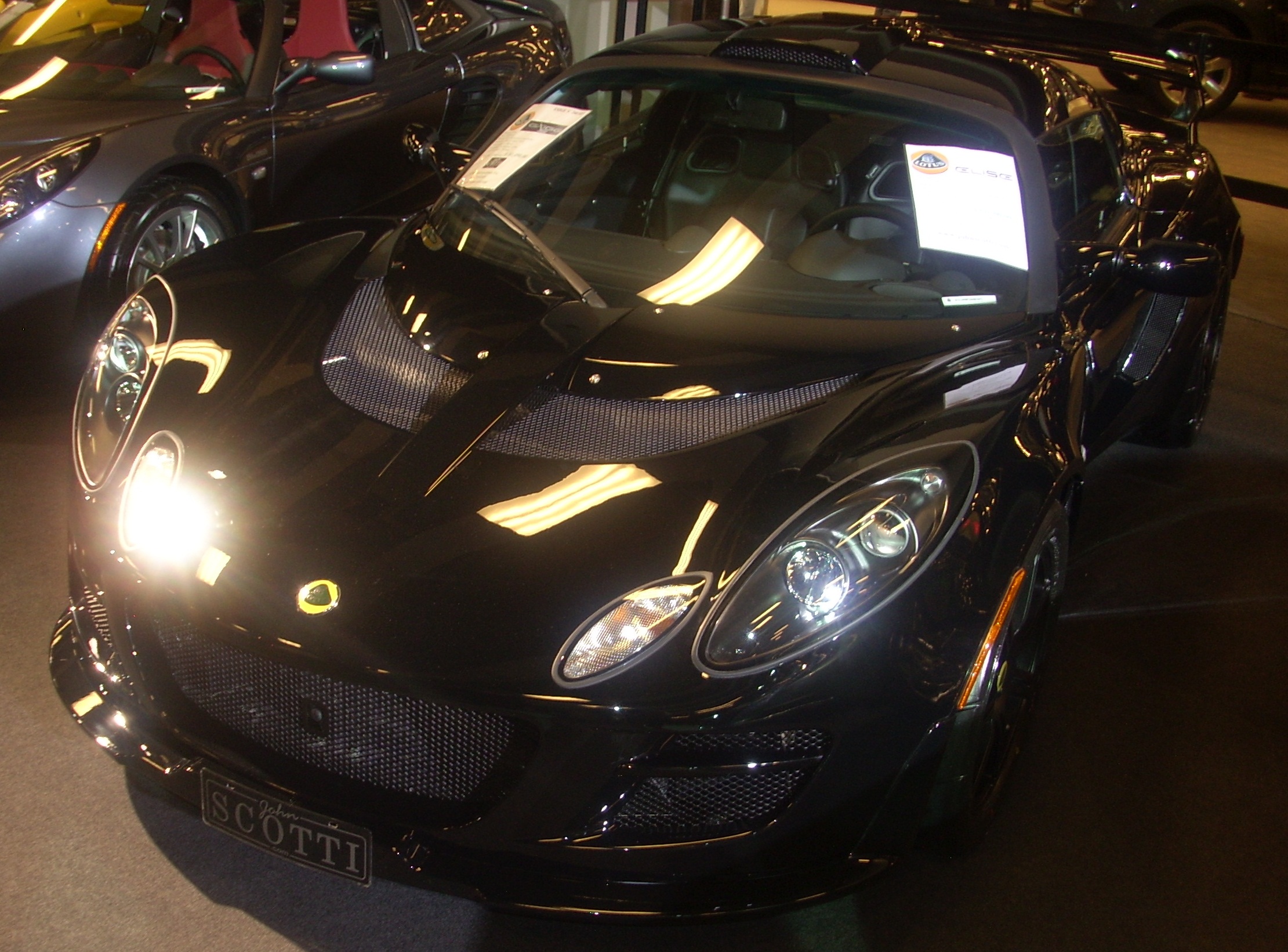
Elise
"but this Elise has been in the works for three years, I think. ... but the fundamentals are a single seat, central driving position Elise"
The Lotus Elise is a small, light sports car built to feel sharp and agile. Here, they’re talking about a modified Elise that moves the driver to the center to change how it drives and how the car is built.
The Lotus Elise is a lightweight, track-focused sports car known for its minimalist layout and handling-first design. In this segment, the hosts discuss a special “centre-seat” Elise concept that keeps the Elise’s core idea but reworks the seating and structure for a central driving position.

Lotus Sport
"...hinking about what Lotus have done so there was a Lotus Sport Elise, which was the four-runner of the S1 Exige,"
The Lotus Sport 420 Final Edition is a limited-run special version of a Lotus sports car. It’s made to be a more powerful and more focused take on the Elise/Exige-style platform. The “Final Edition” part means it was built as a last of that specific setup.
The Lotus Sport 420 Final Edition is a special, limited-run version of the Lotus Elise/Exige family, created to mark the end of a particular era. The podcast’s mention ties it to Lotus’s broader history of evolving the Elise and Exige platform, including earlier “Sport” and “Final Edition” concepts. It’s discussed because it represents a curated, performance-focused send-off with specific tuning and equipment.

Lotus Exige
"which was the four-runner of the S1 Exige, which was a one-mate race series,"
The Exige is Lotus’s more track-oriented car. “S1” means the early version, and the hosts are saying the earlier Elise concept was closely related to that Exige era.
The Exige is Lotus’s track-focused model line, and the “S1” refers to an early generation. Here it’s mentioned as the reference point for the “Lotus Sport Elise” idea, linking the centre-seat concept to Lotus’s earlier lightweight race-car direction.
central driving position
"and that had a central driving position. ... but the fundamentals are a single seat, central driving position Elise"
A central driving position means the driver is seated closer to the middle of the car. The idea is to help the car feel more balanced and to package the car differently for performance.
A central driving position means the driver sits near the middle of the car rather than offset to the left. In a lightweight sports car, moving the driver toward the center can improve balance and packaging, and it’s a defining feature of the centre-seat Elise concept described here.
K-Series engine
"But they wanted to stick with K-Series ... it's a fully, fully built from the crank up K-Series engine."
The K-Series engine is the original engine family Lotus used in the Elise. Keeping it means the car stays light and revs the way it was designed to, instead of feeling like a different setup.
The K-Series engine refers to Lotus’s K-series inline-four used in many Elise/Exige models. It’s known for being compact and lightweight, which helps preserve the Elise’s balance and rev-happy character—so keeping it “from the crank up” is a big part of the build philosophy here.
engine swap
"so they didn't want to do an engine swap because they wanted to stay true to what the Elise is"
An engine swap means putting a different engine into a car than it originally came with. It can change how the car feels and handles, not just how fast it is.
An engine swap is replacing a car’s original engine with a different powerplant. Even if the swap is physically possible, it often changes the car’s balance, weight distribution, and how the drivetrain and electronics behave—so the driving character can become “something very different.”
built from the crank up
"but it's a fully, fully built from the crank up K-Series engine."
“Built from the crank up” means the engine was rebuilt thoroughly from the inside out, not just a quick fix. That usually results in a stronger, more purpose-built engine.
“Built from the crank up” means the engine was rebuilt comprehensively starting at the crankshaft, rather than doing a light refresh. It implies deeper internal work (bottom-end components and machining/assembly), which can support higher-rev operation and stronger reliability when done correctly.
revs to nine
"Really nice revs to nine, I think, so plenty of carbon brakes"
They mean the engine can spin up to very high engine speeds (around 9,000 rpm). Engines like this are designed to rev freely, which helps make power when you drive hard.
“Revs to nine” is shorthand for the engine reaching around 9,000 rpm, emphasizing a high-revving character. High rpm capability is a hallmark of many lightweight sports engines because it allows power to be made higher in the rev range.
carbon brakes
"so plenty of carbon brakes that they've had made, especially for the car"
Carbon brakes are high-performance brakes made with special carbon material. They’re designed to stop really well and keep working even when you’re braking hard repeatedly.
Carbon brakes are brake systems that use carbon-fiber friction material (often carbon-ceramic in road/track applications). They can offer strong stopping performance and fade resistance, and they’re typically lighter than conventional iron rotors—though they require proper heat management and can be expensive.
wheel diameter
"because I haven't gone up on the wheel diameter either, so it looks, if you love Elise's, it's like the perfect pumped original."
Wheel diameter is the size of the wheel rim. If you change it, it can change the car’s look and how the tires behave, so they’re saying they kept the original-style proportions.
Wheel diameter refers to the size of the wheel rim (commonly measured in inches). Changing wheel diameter affects the overall tire diameter, steering feel, ride comfort, and how the car’s stance looks—so the host is noting they didn’t increase it, helping preserve the Elise’s original look.
wheel and tyre package
"The stance of it looks just right. The wheel and tyre package is great."
The wheel and tire package is the full set of wheels and tires on the car. It affects grip, steering feel, and the car’s overall look, not just one part by itself.
A wheel and tyre package is the combined setup of wheel sizes/offsets and tire sizes/compound. Together, they determine grip, steering response, ride quality, and the car’s stance—so the host is praising that the overall fitment matches the Elise’s intended character.
stance
"The stance of it looks just right."
“Stance” is how the car looks in terms of ride height and wheel position. It’s about whether the proportions look balanced.
In car talk, “stance” means the visual and geometric impression of ride height and wheel fitment—how low the car sits and how the wheels sit in the arches. It’s often used to describe whether a build looks balanced and “right,” not just whether it’s fast.
interior
"The interior, obviously, is brilliant, but it's so weird to get in the car"
They’re talking about the inside of the car, especially how it feels to get into the seat. It’s more about the layout and ergonomics than just how it looks.
“Interior” here refers to the cabin layout and feel, including how the seats and controls are positioned. The host is specifically commenting on ergonomics—how it feels to get in and out—rather than just materials or comfort in a generic way.
metal matrix brakes
"With the metal matrix brakes? [743.9s] Yes, yeah, so that the lightest spec the factory did."
These are special brake materials that are built to handle heat better. That can help the brakes keep working strongly when you’re driving fast or braking repeatedly.
Metal matrix brakes use a brake material made from metal combined with other reinforcing elements, designed to improve heat handling and wear resistance. In performance cars, the point is usually better braking durability and fade resistance when you drive hard.
lightest spec the factory did
"With the metal matrix brakes? [743.9s] Yes, yeah, so that the lightest spec the factory did."
That phrase means the factory’s lightest version of the car. Usually it’s the one with the most weight-saving parts and fewer extras.
“Lightest spec the factory did” refers to the manufacturer’s most weight-reduced version of a model, typically achieved by using lighter materials, deleting non-essential items, and selecting performance-oriented components. It’s a common way to describe a factory’s top “diet” configuration rather than a dealer or aftermarket build.
carbon bodywork
"You know, tick box, so beautiful carbon, [777.8s] lightweight carbon bodywork [781.6s] and not all carbon is the same."
Carbon body panels are made from a lightweight composite material. They’re used to cut weight, which can make the car feel sharper and more lively.
Carbon bodywork refers to exterior panels made from carbon fiber composites. It’s used because carbon fiber can be extremely light while still being strong, which helps reduce overall weight and improve responsiveness.
F1 carbon supplier
"So they go to a F1 carbon supplier. [788.3s] So it's lovely quality, but very light."
This means the carbon material is sourced from the same kind of suppliers that make parts for Formula 1. The idea is that the carbon is high quality and made to tight performance standards.
An F1 carbon supplier is a company that provides carbon-fiber materials or composite parts used in Formula 1. F1 supply chains often emphasize consistent quality and high-performance composite layups, which can translate to lighter, better-finished carbon on road cars.
carbon-bodied
"But he turned up and had a lovely carbon-bodied S1. It had had a Honda spot, but it's designed more for track work."
“Carbon-bodied” means parts of the car are made from carbon fiber. It’s strong but much lighter than many traditional materials, which helps the car feel more agile.
A “carbon-bodied” car uses carbon-fiber body panels (or a carbon-fiber body structure) instead of conventional steel or fiberglass. Carbon fiber is stiff and lightweight, which helps keep the car’s mass down for quicker response and better handling balance.
Honda spot
"But he turned up and had a lovely carbon-bodied S1. It had had a Honda spot, but it's designed more for track work."
“Honda spot” likely means the car has a Honda engine swapped into it. People do this to change how the car feels and performs, especially for track driving.
“Honda spot” appears to refer to a Honda engine installation in the Elise S1. Engine swaps are common in lightweight cars because the swap can change power delivery, sound, and how the car behaves on track.
track work
"It had had a Honda spot, but it's designed more for track work. And Dan, the guy built it, it was sort of,"
“Track work” means the car is set up to be driven hard on a race circuit. It’s usually prepared for heat, repeated braking, and sustained cornering—not just normal commuting.
“Track work” means setting up and using a car primarily for circuit driving rather than everyday street use. That often implies changes aimed at durability under hard use, stronger cooling, and sometimes more aggressive tires/brakes and suspension tuning.
Maranello
"So actually, my thing this month is cheaper than both of yours. And I had to go to Maranello to go and see it. Which was the 12, I'm not gonna say in Italian"
Maranello is the famous Italian town where Ferrari is based. Going there is a big deal for Ferrari fans because it’s where the brand’s heart and factory culture live.
Maranello is Ferrari’s historic home in Italy and the location of the company’s main facilities. Visiting Maranello is a common “Ferrari pilgrimage” for journalists and owners because it’s tied directly to Ferrari’s brand and production culture.
8-speed DCT
"So it's the 8-speed DCT with a manual shift, but there's no mechanical connection"
DCT means a dual-clutch gearbox. It can change gears quickly because it lines up the next gear in advance.
An 8-speed DCT is an eight-gear dual-clutch transmission. It uses two clutches to pre-select the next gear, enabling fast shifts, and in this case it’s being controlled like a manual.
manual shift
"So it's the 8-speed DCT with a manual shift, but there's no mechanical connection"
A “manual shift” here refers to using a manual-style gear selection interface while the actual gearbox is still a DCT. The important nuance is that the driver’s input is handled electronically rather than through a traditional mechanical linkage.
by wire
"It's all by wire and switches. You've only got six, understand,"
“By wire” means the car uses electronics to control things instead of physical cables. Your inputs are sent as signals to the drivetrain.
“By wire” means the car uses electronic signals instead of mechanical cables or linkages to control functions. In this case, the shift input is converted into commands for the gearbox, so there’s no direct mechanical connection between the shifter and transmission.
open gate
"So for an open gate. Same, a lot of it is modeled on 599,"
An “open gate” is the classic manual gear lever layout you can see, with the shifter moving between gear positions. It’s used to give a traditional feel.
An “open gate” is a traditional-looking manual shifter pattern where the lever moves through distinct positions in an exposed gate. It’s often used to mimic classic manual feel even when the drivetrain control is electronic.

599
"Same, a lot of it is modeled on 599, which was the last V12 with a manual."
They’re comparing this setup to the Ferrari 599. The 599 is mentioned because it was the last Ferrari V12 that had a true manual gearbox.
The Ferrari 599 is referenced as the basis for the “manual” feel and control strategy. The host notes it was the last V12 Ferrari with a manual, making it an important reference point for how the newer system tries to replicate that experience.
stall
"Yes, so you can stall it, you can drive down the road, money hopping. If you can't drive a manual..."
A “stall” is when the engine shuts off. It usually happens in a manual car if you let the clutch out too fast or the engine is running too slowly for the gear you’re in.
To “stall” means the engine stops running because the clutch engagement and engine speed aren’t matched. In a manual, it’s a common risk when you release the clutch too quickly or at too low engine RPM.
sensors
"and the open gate and the gear lever with all the sensors in it. But the weird thing, you can be driving an auto with the shift lever in third."
In this context, “sensors” are electronic detectors that watch what the driver is doing and what the car is doing. They help the car control the gearbox and clutch behavior correctly.
Here, “sensors” refers to electronic inputs that monitor the shifter and driving conditions so the car can coordinate clutch/gear behavior. In modern “manual-like” systems, sensors help the car decide what gear it’s in and how to manage engagement safely.
auto
"But the weird thing, you can be driving an auto with the shift lever in third. So it doesn't do that all pro drive rally gearbox..."
“Auto” means the car is doing the gear changes for you. Even if the shifter is in a certain position, the car may still choose the actual gear it needs.
“Auto” here means an automated transmission mode where the car selects gears for you, even though the shifter may look like a manual. The key point is that the lever position doesn’t necessarily force the gearbox to be in that gear at all times.
shift in third
"But if you say you've left the shift in third and you want to go to manual, it won't let you buzz the engine and stuff like that."
Third gear is one of the gears in the gearbox. They’re saying the car may not let you switch modes freely while you’re already in a specific gear.
“Shift in third” refers to selecting (or being in) the third gear. The key point in the segment is that the car’s automatic/manual logic may restrict what gear changes are allowed when you move between modes.
buzz the engine
"But if you say you've left the shift in third and you want to go to manual, it won't let you buzz the engine and stuff like that."
“Buzz the engine” is a colloquial way to describe revving the engine quickly (often to a higher RPM) without fully engaging the intended gear change. The speaker’s point is that the car prevents that kind of aggressive rev behavior when transitioning from automatic to manual mode.
paddles
"No, if you were to manual, it will just stay in sixth. No paddles, remove the paddles as well."
Shift paddles are the little levers on the steering wheel that let you change gears yourself. They’re saying you can disable them, which changes how the car shifts.
“Paddles” are the shift paddles behind the steering wheel used to command gear changes in a manual/semi-manual mode. The segment suggests the car can remove/disable paddle-based shifting, changing how “manual” mode behaves.
dual perch
"because you get the benefits of a manual with dual perch and that you've got that solid connection between the throttle and the back wheels, haven't you?"
“Dual perch” is a way of controlling gears where the car uses electronics to do the shifting. You still get a more “hands-on” feel than a fully automatic, because your input is tied to what the car does.
“Dual perch” refers to a dual-clutch style control setup where the driver’s inputs are translated into gear changes by the transmission electronics. The idea is to keep the driver feeling like they’re doing a manual-style action while the actual shifting is automated.
simulated shifts
"I think knowing how the simulated shifts in the... Hyundai, I don't know, 5N, that's... They're just prompts, aren't they?"
“Simulated shifts” are when the car tries to make gear changes feel like a manual, using computer cues. It’s meant to help you feel more involved even if the car is doing the shifting.
“Simulated shifts” are gear-change experiences created by the car’s software—often using prompts, timing, and sometimes sound/feel cues—without the driver necessarily performing a traditional mechanical shift. The goal is to make the driving experience feel more connected or more “manual-like.”
Hyundai 5N
"I think knowing how the simulated shifts in the... Hyundai, I don't know, 5N, that's... They're just prompts, aren't they?"
Hyundai’s “5N” is part of Hyundai’s performance branding. Here it’s mentioned as an example of a car that gives you gear-change prompts to feel more connected.
Hyundai’s “5N” refers to a performance-focused N-series concept/label used by Hyundai to describe enthusiast-oriented driving hardware and software. In this context, it’s being used as an example of how the car can provide shift prompts and simulated manual-like behavior.
clutch pedal
"Yeah, there was a Saab that I drove [1298.0s] which had no clutch pedal but had a manual lever."
In a normal manual car, the clutch pedal is what you press to change gears. If there’s no clutch pedal, the car is doing that clutch work for you.
A clutch pedal is the driver control used to disengage the engine from the transmission in a traditional manual gearbox. When a car has no clutch pedal but still uses a manual lever, it usually means the clutch actuation is automated (so the car handles clutch engagement/disengagement).

Ferrari Mondial T
"Well, that first Ferrari I ever drove was a Mondial T [1307.7s] with a clutchless manual, which was really weird. [1316.0s] I found to time my gear shifts, [1317.9s] I found myself pushing an invisible clutch pedal"
The Ferrari Mondial T is a Ferrari with a V8. Here, they’re talking about a special kind of gearbox where you don’t use a normal clutch pedal to shift, so it feels like the clutch is “invisible.”
The Ferrari Mondial T is a late-1980s Ferrari that’s known for pairing a V8 with a distinctive “clutchless manual” feel. In this segment, the hosts describe a clutchless manual setup that makes shifting feel like it’s timed with an “invisible” clutch pedal.
clutchless manual
"Well, that first Ferrari I ever drove was a Mondial T [1307.7s] with a clutchless manual, which was really weird. [1316.0s] I found to time my gear shifts,"
A clutchless manual is a car where you still “shift like a manual,” but the clutch work is handled automatically. You don’t have to press a clutch pedal the way you would in a normal manual car.
A clutchless manual is a gearbox that still uses a manual-style shift pattern, but the clutch is automated or electronically managed. The driver doesn’t press a conventional clutch pedal for each shift; instead, the system coordinates clutch engagement/disengagement to make shifting possible.

Lamborghini LP 400
"So, obviously, we had a really early Kuntas, LP 400. [1364.1s] And if you've got a Lamborghini there, you need a Ferrari there."
The Lamborghini LP 400 is a classic early Lamborghini supercar from the 1970s. The hosts mention it as one of the key cars in their fantasy list for this “70s supercar” theme.
The Lamborghini LP 400 is an early Lamborghini V12-era model that’s often associated with the brand’s 1970s supercar identity. In this segment, it’s part of a curated “70s supercar” lineup, positioned as an origin point for the episode’s Ferrari/Lamborghini pairing logic.

Ferrari 512 BB
"So, we had a 512 BB, which is beautiful."
The Ferrari 512 BB is a famous 1970s Ferrari supercar with a powerful V12 engine. In this segment, it’s highlighted as a standout “icon” from that era.
The Ferrari 512 BB is a 1970s Ferrari supercar built around a big V12 engine and a reputation for being a dramatic, high-performance grand tourer. The hosts call it “beautiful” and include it as the Ferrari match to their Lamborghini pick, reinforcing its iconic status in the 1970s supercar world.

Maserati Bora
"We had quirky Italian Supercar in the shape of a Maserati Bora, [1377.8s] which I don't think any of us had really been near, [1379.8s] but we'd all read lots about."
The Maserati Bora is a rare Italian supercar from the 1970s. It’s special because it was built in small numbers and has a mid-engine design that helps it feel very “supercar-like.”
The Maserati Bora is a 1970s Italian supercar known for its sharp styling and mid-engine layout. It’s a relatively rare, enthusiast-favorite Maserati because it represents the brand’s bold, low-volume era rather than a mainstream model line.

Volkswagen Bora
"...uirky Italian Supercar in the shape of a Maserati Bora, which I don't think any of us had really been ne..."
The Volkswagen Bora is a Volkswagen car model that’s meant to be a bit more sporty than a basic family car. In the podcast, it’s mentioned because the name and shape can remind people of supercar styling. It’s not the same as a supercar, but it can look like it from a distance.
The Volkswagen Bora is a model name associated with a sporty, performance-leaning Volkswagen sedan/coupe-style car, depending on market and generation. The podcast context compares it to the “Maserati Bora” shape, suggesting the discussion is about how the Bora name and styling can evoke supercar cues. It’s brought up as a quirky example of a non-supercar model being linked to supercar-like design references.

Bmw M1
"We had a BMW M1, which has got a very interesting history [1385.9s] and lots of Italian connections. [1388.1s] Yeah."
The BMW M1 is a classic 1970s BMW supercar with a strong racing background. It’s remembered for being unusual and for having a complicated, interesting history tied to Italy.
The BMW M1 is a 1970s homologation-style supercar that’s famous for its racing heritage and distinctive mid-engine character. It’s also notable here because the host calls out its “interesting history” and “Italian connections,” which ties into its unusual development and production story.
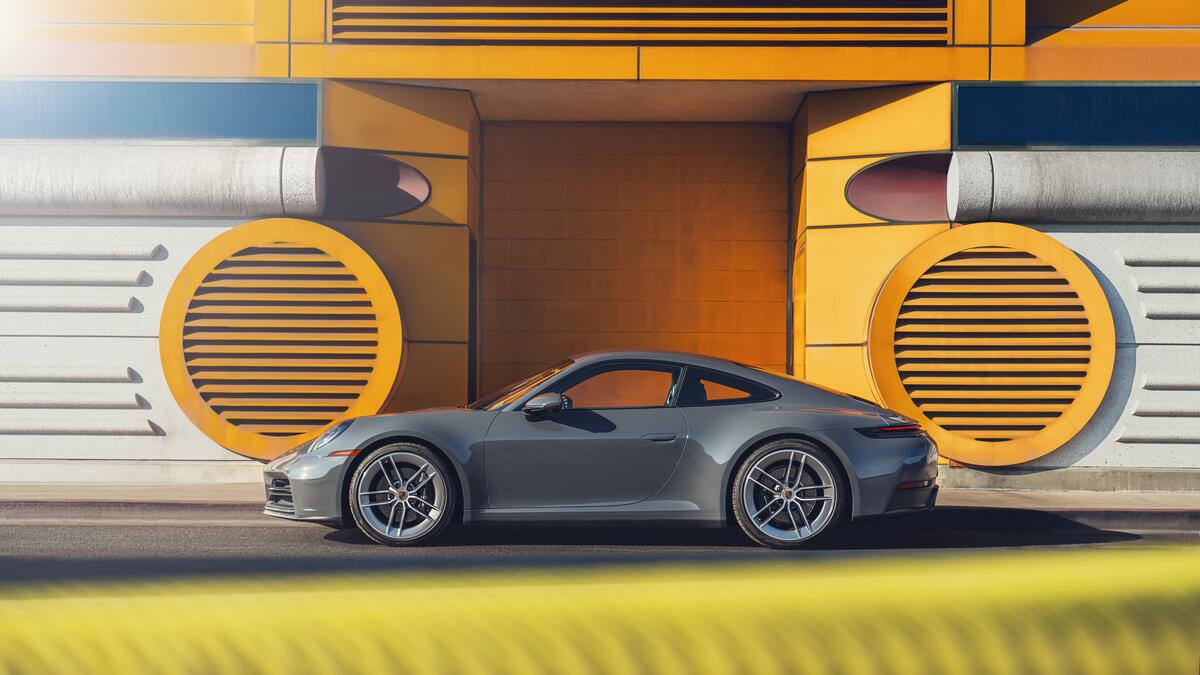
911 930
"We had a 75 930 911. [1392.3s] So, the very first turbo, first year turbo in a crazy 1970s spec. [1399.0s] And we had an Aston Martin V8 Vantage,"
This is the early Porsche 911 Turbo era (the 930 generation). It’s a big deal because it was among the first turbocharged 911s, so it helped define how turbo power entered the 911 world.
The Porsche 911 (930) refers to the 930-generation 911 Turbo, which is historically important as one of the earliest production turbocharged 911s. The host emphasizes it as “the very first turbo” and “first year turbo,” highlighting why this specific early turbo era matters to 1970s supercar history.
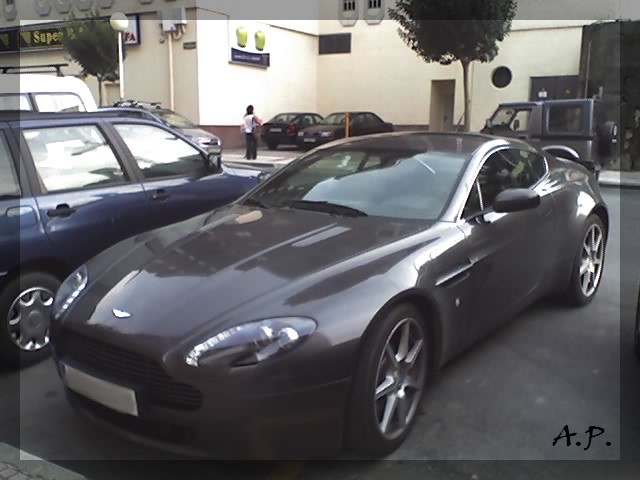
Aston Martin V8 Vantage
"And we had an Aston Martin V8 Vantage, [1402.7s] which actually was one of the very first cars Aston built. [1406.8s] So, it spent the early part of its life as a development prototype."
The Aston Martin V8 Vantage is a classic Aston supercar with a V8 engine. The interesting part here is that it started as an early development prototype, so it’s tied to Aston’s early engineering story.
The Aston Martin V8 Vantage is a landmark 1970s V8-powered Vantage model that helped define the modern “Vantage” identity. In this segment, the host notes it was “one of the very first cars Aston built” and that it began life as a development prototype, which is why its history is a key part of the story.
development prototype
"So, it spent the early part of its life as a development prototype. [1410.8s] So, yeah, we had some amazing cars,"
A development prototype is basically an early test version of a car. Engineers build it to check that the design works before they make the final production cars.
A development prototype is an early, pre-production car built to test design and engineering decisions before the model is finalized. It’s used to validate things like packaging, cooling, drivability, and reliability under real-world conditions.
V12
"Yeah, the V12 and the Lambo lasted all the way up to the Mothialargo."
A V12 is an engine with 12 cylinders arranged in a V shape. It’s a classic supercar engine layout that tends to feel smooth and sounds/feels special at higher revs.
A V12 is an engine with 12 cylinders arranged in a “V” shape. In supercars, V12s are often chosen for smoothness and high-rev character, and the host is linking the Lamborghini V12’s feel across multiple eras.
V8
"but the you've got two V8, two sixes in the cars, I mean, two V8s and 22 12s."
A V8 is an engine with eight cylinders arranged in a V shape. It’s a common supercar engine choice, and it’s being contrasted here with V12s.
A V8 is an engine with eight cylinders arranged in a V configuration. The host contrasts V8-powered cars with V12-powered ones to explain how different supercar “ends” can feel and package differently.
front engine V8
"You've got a big front engine V8 and the the Bora is always that small,"
“Front engine V8” means the V8 engine sits up front in the car. Where the engine is located changes how the car handles and feels when you drive it.
“Front engine V8” describes a V8 engine mounted at the front of the car. Engine placement strongly affects weight distribution, steering feel, and traction behavior, and the host is using this as a key contrast point between different 1970s supercar “ends.”
hubcaps
"The Tony who bought the car along. [1575.3s] I haven't had it long and he hates the hubcaps. [1578.2s] But for me, the hubcaps."
Hubcaps are the decorative covers on the wheels. Here, they’re talking about big chrome ones and how the look changes the car’s vibe.
Hubcaps are the decorative covers mounted over a wheel’s center area. In this segment, the owner dislikes the look of the large chrome hubcaps, and the hosts discuss how that styling choice affects the car’s overall “GT” impression.
short overhangs
"Design, lovely, short overhangs, isn't it? [1594.3s] And there's no there's no wastage or every sort of bit."
Short overhangs mean the body doesn’t extend far beyond the wheels at the front and rear. This usually improves proportions and can help packaging and handling feel by keeping weight and mass closer to the wheelbase.
glass panel in the back
"1599.9s] Something is like the glass panel in the back, which is a bit [1605.2s] like an asparta or something."
They’re talking about a glass section at the back of the car—like a distinctive rear window. They’re comparing the look to another car’s design to explain the styling trend.
A glass panel in the back refers to a rear window or rear-quarter glazing feature that’s integrated into the bodywork. The hosts compare it to a similar styling element on another car (they mention “asparta,” likely referring to a specific model), suggesting a shared design trend.
hydraulic system
"which you adjust them through the hydraulic system that. [1626.6s] Yeah, that's it."
A hydraulic system uses fluid under pressure to move things. It can push or pull parts with a lot of force, so adjustments like seats can feel smooth and powerful.
A hydraulic system uses pressurized fluid to move heavy components smoothly and with strong force. In this context, it’s used to adjust the seat and other functions, rather than relying on simple mechanical linkages.
Citroen
"It didn't quite escape Citroen's attention. [1630.1s] It was so weird."
Citroën is a car brand from France. They’re known for making some cars with clever-but-complex systems, including hydraulics in certain models.
Citroën is a French automaker known for unusual, comfort-focused engineering and sometimes complex hydraulic systems. In this segment, the speaker links the design to Citroën’s approach to hydraulics and driver comfort features.
pedal box
"But the seat movement, so the the pedal box moves rather than the seat. [1648.3s] Yeah."
The pedal box is the part of the car that the pedals are mounted to. In this setup, instead of moving the seat like normal, the pedal mounting area moves to match your position.
The pedal box is the structural housing that holds the pedals and their linkages. Here, the speaker says the pedal box moves rather than the seat sliding, which is an unusual packaging approach for driver position adjustment.
headlamp raising
"And then it also does the headlamps as well, the headlamp raising. [1662.7s] It seems very risky, almost TVR risky, doesn't it?"
Headlamp raising means the headlights move up or down instead of staying in one place. That can look cool and help the car’s shape, but it also adds moving parts that can fail.
Headlamp raising refers to headlights that move vertically (or otherwise reposition) rather than staying fixed. This is often used to improve aerodynamics or styling, but it adds mechanical complexity and potential reliability concerns.
TVR
"It seems very risky, almost TVR risky, doesn't it? [1666.8s] But the brakes was probably the thing that I was most wary of."
TVR is a British sports-car brand. People sometimes associate it with cars that are exciting and a bit daring—sometimes with more risk because the engineering is unconventional.
TVR is a British sports-car brand associated with lightweight cars and bold, sometimes unconventional engineering. The speaker uses “TVR risky” as a shorthand for how adventurous or mechanically complex a feature can feel.
instant brake response
"But you've got instant brake response, which you don't tend to get in the others. And once you've done it twice, you've got the measure of it."
“Instant brake response” means the brakes start working very quickly when you press the pedal. That makes the car feel more predictable and easier to control.
“Instant brake response” describes how quickly the car’s braking system reacts when you press the pedal. It’s often tied to pedal feel, hydraulic response, and how quickly brake pressure builds, which can make the car feel more immediate and confidence-inspiring.
balloony kind of sidewall tires
"I mean, they all had, they all had pretty big balloony kind of sidewall tires, didn't they, which in the cars were fundamentally quite soft."
“Balloony” tires have thicker, taller rubber on the side. That helps the ride feel softer and more comfortable over bumps, though it can make the steering feel a bit less immediate.
“Balloony” sidewall tires have a taller, more flexible sidewall that can absorb bumps and smooth out ride harshness. That added compliance often makes older GT/sports cars feel “supple,” but it can also reduce steering sharpness compared with lower-profile tires.
GT
"But I think that the Maserati is the most GT, most refined. Even over the Aston."
GT means “grand touring.” It’s a type of car meant for comfortable long drives at speed, with a smoother, more relaxed feel than a track-focused sports car.
GT stands for “grand touring,” a category of cars designed for comfortable, high-speed long-distance driving. GT cars typically emphasize smooth power delivery, refined ride quality, and relaxed steering/braking behavior compared with more track-focused sports cars.
four cam engine
"That engine, four cam engine is if it if it was in one of the Italian cars, you would absolutely not question it."
A “four cam engine” means the engine has four camshafts that control the valves. More camshafts can help the engine manage airflow better, especially when you rev it.
A “four cam engine” means the engine uses four camshafts total—typically two per cylinder bank in a V-engine or four in an inline configuration. This layout is often used to improve valve timing precision and breathing at higher engine speeds.
power steering
"But yeah, it doesn't go. And it was the only one there with power steering. Yeah."
Power steering helps you steer with less effort. It’s especially helpful when the car is heavy or when you’re turning at low speeds.
Power steering uses a pump or electric assist to reduce the effort needed to turn the steering wheel. In heavier or larger cars, power steering can make low-speed maneuvering and quick steering corrections much easier.
lock
"And actually, it feels the smallest, lightest, most wieldy, because it actually turns with some energy. And you can you can apply more lock and correct."
“Lock” is how far you can turn the steering wheel. More lock can help you steer the car more sharply when you need to change direction.
Steering “lock” is the maximum angle the steering wheel (and thus the front wheels) can turn from center. More available lock can help you rotate the car into corners and make it easier to correct your line.
14 inch rims
"No, but you can look at the size of the wheels. I think they're 14 inch rims. Mine are 14 inch."
Rims are the wheel parts the tire sits on. “14 inch” means the wheel diameter is relatively small, which can change how the car rides and how the brakes and tires fit together.
“Rims” are the wheel’s metal structure that the tire mounts to. Saying they’re “14 inch” gives a sense of the wheel size, which affects tire sidewall height, steering feel, and how the car packages brakes and suspension.
brakes behind them
"And they've got the brakes behind them, the little discs behind. So it's not going to end that well."
They mean the brake parts are mounted inside the wheel, not out in front. That’s normal on most cars, and it affects how the wheel and brake are laid out.
When the host says the brakes are “behind” the wheels, they’re referring to the brake hardware being mounted inboard on the wheel assembly rather than exposed at the outer face. This is common in many designs and helps with packaging and wheel appearance.
little discs
"And they've got the brakes behind them, the little discs behind. So it's not going to end that well."
“Discs” are the brake rotors. The pads squeeze them to slow the car, and smaller rotors usually can’t handle as much hard braking for as long.
“Discs” here refers to disc brakes, where a rotor (disc) is clamped by pads to slow the car. Smaller disc size generally means less braking torque and heat capacity, which can make repeated hard braking less effective.
racing homologation
"I mean, it was built with racing in mind. But then they took so long to do it because of all the other problems that the regs had changed."
Racing homologation is when a racing series’ rules require a manufacturer to build enough road cars to qualify for racing. Those rules can heavily influence how the car is designed.
Racing homologation is the process of meeting a racing series’ rules so a road car qualifies for competition. It often forces manufacturers to build a minimum number of cars and can strongly shape the design and engineering choices.
regs
"But then they took so long to do it because of all the other problems that the regs had changed."
“Regs” here means the racing rules. If the rules change while a car is still being developed, the car can end up not matching what’s needed anymore.
In motorsport talk, “regs” means the racing regulations that govern what cars are allowed to do and how they must be built. When regulations change mid-development, it can make an intended race car design less competitive by the time it’s ready.
obsolete car
"So it was an obsolete car before it came out. So you and yet you see it and as a it's every bit as"
They mean the car was basically “behind the times.” Because it took so long to build, the racing rules and competition moved on.
“Obsolete car” in this context means a car that’s already out of date relative to the current racing rules or competitive landscape. The hosts connect it to delayed development caused by regulation changes.

Audi R8
"... it's every bit as perfectly done as Audi did the R8. I think from a manufacturer that had never done ..."
The Audi R8 is a high-performance sports car with the engine placed in the middle. It’s designed to drive like a real supercar while still being a proper car you can use normally. The podcast mentions it because it was built as a serious, well-thought-out supercar.
The Audi R8 is a mid-engine supercar that’s known for being engineered as a complete, cohesive package rather than just a styling exercise. The podcast highlights that it’s “perfectly done” from a manufacturer perspective, emphasizing how well it was executed as a new supercar platform. It’s often discussed because it brought supercar performance and daily usability into one design.
R8
"And then what it might have led to. I mean, it was built with racing in mind. So you and yet you see it and as a it's every bit as perfectly done as Audi did the R8."
The Audi R8 is a well-known Audi supercar with the engine placed near the middle. The hosts are comparing it to the M1 to say the M1 looks just as well executed.
Audi R8 is a mid-engine supercar that helped establish Audi’s modern performance-car identity. The hosts use it as a comparison point for how “perfectly done” the M1 is, even though it came from a manufacturer that hadn’t previously built a mid-engine car.
mid-engine
"I think from a manufacturer that had never done a mid-engine car before and you think, geez, if they you imagine 40, 50"
A mid-engine car puts the engine closer to the middle of the vehicle. That usually makes the car feel more balanced and easier to handle in corners.
A mid-engine layout places the engine near the center of the car, typically behind the driver but ahead of the rear axle. That helps balance weight and improves handling response compared with front- or rear-engine designs.
Giorgio
"Another Giorgio design. Yeah. Very clean."
They’re crediting the car’s design to someone named Giorgio. The point is that the design looks very clean and well-resolved.
“Giorgio” is used here as a design attribution, implying the car’s styling is credited to a designer named Giorgio. This is a common way enthusiasts reference famous Italian design figures, and the hosts are highlighting the design language as “very clean.”
safety stripes
"And then it's got these safety stripes as Porsche called them [2121.3s] then, which was a factory option for it started with this very [2125.7s] 70s bomb 911 and then the stripes carried on up the up the bonnet."
“Safety stripes” are decorative stripes Porsche offered from the factory. They’re meant to make the car easier to see and to give it a classic, period look—especially on some 1970s 911s.
“Safety stripes” is a Porsche factory styling option: contrasting stripes painted or applied to the body to visually break up the car’s shape. They’re especially associated with certain 1970s 911s, and in this segment they’re described as continuing from the bonnet up the car.
Porsche 911
"But it's it's in, I think it was originally. [2101.5s] Sold in Hong Kong, I think was the original order, I believe. ... [2168.1s] And then it does 911 things. [2171.3s] It's it's I think you made the point in your notes that [2176.0s] it probably isn't a supercar."
The Porsche 911 is Porsche’s iconic sports car that’s been around for decades. Even when the technology changes, the way you sit in it and where things are inside tends to feel familiar—so it still “feels like a 911.”
The Porsche 911 is the long-running rear-engine sports car line known for its distinctive silhouette and “familiar” driver layout across generations. In this segment, they’re talking about a specific 911-era car spec (color, interior, and factory options) and how it still feels like a 911 even decades later.
70s bomb 911
"which was a factory option for it started with this very [2125.7s] 70s bomb 911 and then the stripes carried on up the up the bonnet."
“70s bomb 911” is a nickname fans use for a 1970s-looking 911. It’s basically describing the car’s period style rather than a specific official model name.
“70s bomb 911” is enthusiast shorthand for a 1970s-era 911 associated with the “bomb” styling/appearance of that period. It’s not a formal factory model name, but it’s a recognizable nickname used by collectors to describe that specific look and era.
turbocharged engine
"to be a supercar with with going to a turbocharged engine."
A turbocharged engine uses a device that squeezes extra air into the engine. More air means more power, but it can also change when the power shows up as you accelerate.
A turbocharged engine uses a turbocharger to force more air into the cylinders. That lets the engine make more power from a smaller displacement, but it also changes how torque arrives (often with turbo “spool” and boost buildup).
Request an Explanation
Heard something you'd like explained? We'll add it to this episode.
Sign in to request explanations for terms you heard.
Want to learn more?
Browse our glossary for plain-English explanations of automotive terms, jargon, and concepts.
Help improve this episode
See something that's not quite right? Our annotations are AI-generated and can sometimes miss the mark. Click the flag icon on any annotation to suggest a correction.
1 community members have helped improve this episode.