
Le Mans 24 Hours: predictions, best memories & what makes it special | Episode 52
About this episode
The evo podcast looks ahead to Le Mans with predictions and a bunch of personal memories, from watching the race via timing screens to seeing cars come out with improvised repairs. Along the way, they connect endurance racing’s unpredictability—BoP swings, aero in traffic, and small reliability failures—to why the Hypercar and GC3 classes feel so different to watch. They also share rare car test stories (like a road-going GT40 Mark 3) and explain what makes Le Mans special.
Ahead of the 2026 edition, Stuart Gallagher, James Taylor and Sam Jenkins gather to discuss what makes the Le Mans 24 Hours so special in episode 52 of the evo podcast. We also recap our recent drives in everything from our recently departed Toyota GR Yaris, to a Ford GT40.

Octavia VRS
"We're going to touch on some hot hatches in a minute but yeah when we've had quite a few GI Yaris's they're turning into our Octavia VRS. Yeah they are."
The Octavia VRS is a sportier version of Škoda’s Octavia. It’s the kind of trim that’s meant to feel more fun to drive than the regular model.
The Škoda Octavia VRS is a performance-focused trim of the Octavia, known for offering a more driver-oriented setup than a standard Octavia. In this segment, Evo compares their Yaris testing fleet to “turning into our Octavia VRS,” suggesting a shift in what hot-hatch-style car they’ve been using.

Skoda Octavia
"...d quite a few GI Yaris's they're turning into our Octavia VRS. Yeah they are."
The Skoda Octavia is a practical car that’s usually chosen for everyday use. The podcast mentions the Octavia VRS, which is the sportier version. It’s brought up because it can be both useful and quick enough to be interesting.
The Skoda Octavia is a practical family car known for offering lots of space and value. In the podcast, it’s referenced as a model that’s being used in place of other hot hatch comparisons, specifically mentioning the Octavia VRS. It comes up because it can deliver performance and everyday usability in one package.
road legalized
"So they only made seven of these sort of road legalized GT 40s. [147.8s] You could buy the race car with a sort of semi road legal spec. [151.4s] But this is a proper one with chrome bumpers."
“Road legalized” means the car has been modified and approved to be legal for public-road use, not just track competition. In the GT40 context, it usually implies additional compliance items so it can be driven like a normal street car.
semi road legal spec
"You could buy the race car with a sort of semi road legal spec. [151.4s] But this is a proper one with chrome bumpers. [153.3s] Those cool little well cool."
“Semi road legal” means it’s not quite a fully normal street car. It might be allowed in limited ways, but it’s not as completely approved as a fully road-legal version.
“Semi road legal spec” describes a car that’s only partly compliant for road use—often meaning it can be driven on roads in limited circumstances, but not as fully street-legal as a fully homologated version. The host contrasts this with the “proper” road-legal GT40 they’re describing.
chrome bumpers
"But this is a proper one with chrome bumpers. [153.3s] Those cool little well cool. [155.9s] I'm not sure those override it."
Chrome bumpers are the shiny bumpers you’d expect on a street car. The host is pointing out that this GT40 is set up for the road, not just track use.
Chrome bumpers are a street-oriented trim feature—typically more about appearance and road compliance than pure racing function. On a GT40, mentioning chrome bumpers highlights that this particular car is configured as a road-going version rather than a bare race spec.
well cool
"But this is a proper one with chrome bumpers. [153.3s] Those cool little well cool. [155.9s] I'm not sure those override it."
This phrase sounds like the host is describing some cool-looking exterior parts, but the transcript doesn’t clearly capture what the part is. So it’s hard to explain exactly which component they mean.
“Well cool” is likely a mis-transcription of a specific GT40 bodywork feature the host is describing. Because the component name isn’t clear, it’s not possible to reliably annotate the exact part from this snippet alone.
override it
"Those cool little well cool. [155.9s] I'm not sure those override it. [157.1s] Yeah we thought they were quite cute."
“Override it” here sounds like they’re talking about how one part covers or changes another part on the car. The transcript doesn’t clearly name the exact piece, but it’s about the car’s exterior details.
In this context, “override it” appears to refer to how certain GT40 exterior details (the host mentions small “well cool” features) relate to or cover other elements. The exact component isn’t clearly identified in the transcript, but it’s likely a bodywork/trim feature that changes the look or function.
boot
"Yeah they sort of add something to to the car and this big long tail on the back to [162.8s] make space for a boot which was actually a kind of metal box this big sort of metal."
A “boot” is the trunk area where you can store things in the back of the car. The host is saying this GT40 has a real storage space, not just race-car practicality.
A “boot” is the trunk/storage compartment at the rear of a car. The host is pointing out that this GT40 road version has a rear storage space (described as a metal box), which is unusual for a car derived from a race layout.

GT 40
"But it had a reputation that car for being well I guess sort of the worst in inverted commerce GT 40 because the suspension's softer. Yeah it's a bit higher or these compromises but it felt pretty incredible to me."
The Ford GT40 is a legendary race car from the 1960s. It has a V8 engine in the middle of the car, and the way its suspension is tuned affects how it rides and steers. The speaker is saying that even with those compromises, it still feels surprisingly great.
The Ford GT40 is a famous Le Mans–era race car known for its mid-engine V8 layout and its role in Ford’s 1960s endurance dominance. In this segment, they’re talking about how the GT40’s suspension setup (softer than some rivals) changes the feel, even if the car still feels very modern in ride and handling.
inverted commerce
"But it had a reputation that car for being well I guess sort of the worst in inverted commerce GT 40 because the suspension's softer."
That phrase doesn’t sound like a normal car term, so it may be misheard in the transcript. What matters here is that they’re comparing GT40 versions and saying the suspension setup changes how the car feels.
“Inverted commerce” doesn’t read like a standard automotive term, and it may be a transcription error for a phrase describing a specific GT40 variant or comparison. The surrounding context is clearly about the GT40’s suspension being softer and how that affects the car’s behavior.
monocoque
"Than it was I think because with the the kind of stiff monocoque structure it kind of rode and handled like quite a modern car."
A monocoque is a way of building the car’s body so the body shell acts like the main structure. Because it’s stiff and strong, it can help the car feel more stable and predictable when driving.
A monocoque is a car body structure where the shell itself carries most of the loads, instead of relying on a separate frame. The speaker links the GT40’s stiff monocoque structure to how it rides and handles, describing it as feeling more like a modern car.
mid-engine
"It kind of breathed with the road and responded really well like a modern mid-engine. And it literally did sound so good because that V8 is de-teamed from the race cars but"
“Mid-engine” means the engine is placed near the middle of the car. That often helps the car feel balanced and makes steering and handling feel sharper and more responsive.
A mid-engine layout places the engine near the center of the car, typically behind the driver and ahead of the rear axle. The speaker says the car “responded really well” like a modern mid-engine car, which usually means better balance and more immediate handling response.
V8
"And it literally did sound so good because that V8 is de-teamed from the race cars but 302 cubic inch which is about five litres I think."
A V8 is an engine with eight cylinders. The speaker is mainly talking about how this V8 sounds and how smoothly it delivers power compared with race-focused versions.
A V8 is an engine with eight cylinders arranged in a “V” shape. Here, the speaker is emphasizing the GT40’s V8 sound and smooth delivery, contrasting it with race-car versions that may have different tuning.
de-teamed
"And it literally did sound so good because that V8 is de-teamed from the race cars but 302 cubic inch which is about five litres I think."
“De-teamed” isn’t a standard automotive tuning term, and it likely refers to the engine being detuned or set up differently from the race-car specification. The context is that the V8 is not exactly like the race version, but still sounds and drives impressively.
302 cubic inch
"And it literally did sound so good because that V8 is de-teamed from the race cars but 302 cubic inch which is about five litres I think."
“302 cubic inch” is how big the engine is, based on the volume inside the cylinders. Bigger displacement often means more potential power, and the speaker is saying this one is roughly five liters.
“302 cubic inch” is engine displacement, a measure of the total volume swept by the pistons. The speaker converts it to about five liters, using it to explain why the V8 makes strong, smooth power in this application.

Bmw M1
"Lamborghini Kuntas LP400 and Ferrari Berlinetta Bugza BMW M1 all these cars"
The BMW M1 is a special, limited-production BMW sports car from the 1970s. It’s well known because it was tied to racing and is considered a classic BMW performance icon.
The BMW M1 is a rare 1970s sports car that’s famous for its motorsport connection and limited production. It’s often remembered as one of BMW’s most significant “halo” cars before later M models.

A110 Alpine 110
"... up to the test with John Barker in our long-term Alpine 110 from the fast We car-shared up to the North York ..."
The Alpine A110 is a small sports car. It’s designed to feel light and easy to handle. The podcast mentions it because they’ve been testing it over time and using it in everyday driving situations.
The A110 is a sports car from Alpine, known for its compact size and lightweight, agile driving character. The podcast references a long-term test and a car-sharing experience, which highlights how it’s used and evaluated in real-world driving. It’s discussed because the A110 is often associated with driver-focused handling rather than raw size or luxury.

Honda Civic
"and obviously our old favorite and sadly has it gone out production now I think I think officially as you can't you can't buy one brand new anymore because it's the Civic Type R which is the Porsche GT3 of hatches"
The Honda Civic Type R is a sporty version of the Civic hatchback. It’s designed to feel like a real performance car, not just a normal commuter.
The Honda Civic Type R is a front-wheel-drive hot hatch known for its track-focused tuning and high-revving character. In this segment, the host calls it the “Porsche GT3 of hatches,” highlighting how seriously it’s engineered compared with typical everyday hatches.
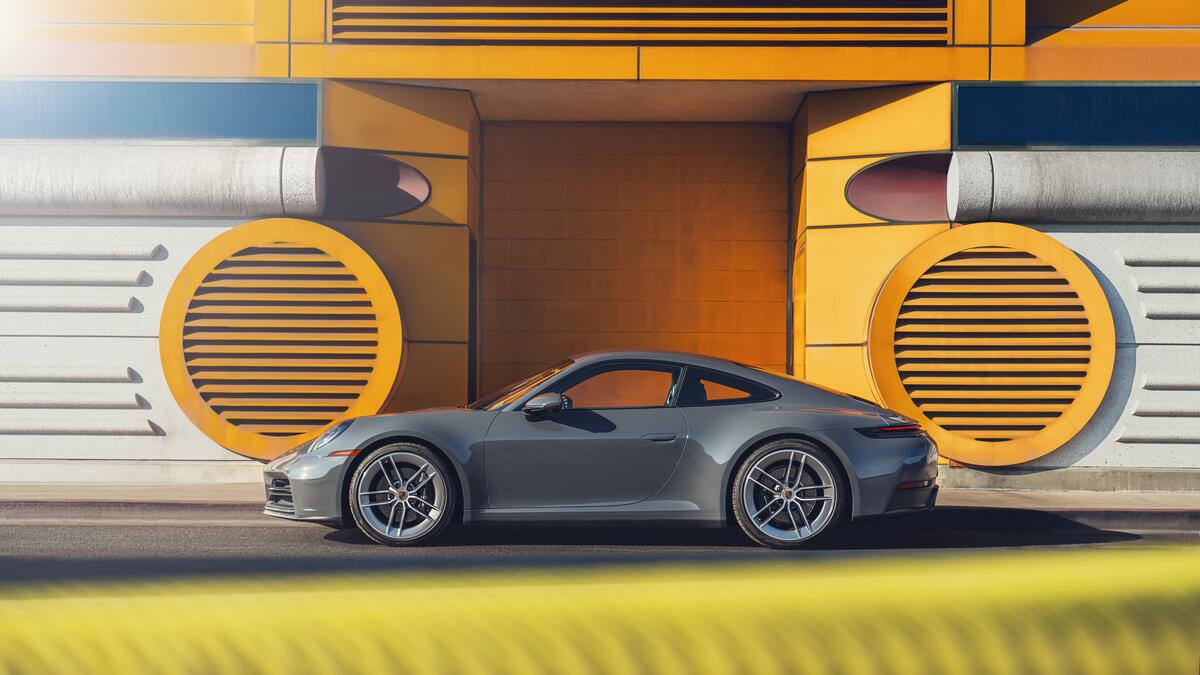
911 Porsche Gt3
"...nymore because it's the Civic Type R which is the Porsche GT3 of hatches yeah now a couple of those cars you dr..."
The Porsche 911 is a well-known sports car from Porsche. In the podcast, it’s used as a comparison point for the “best” kind of performance in a certain category. The key idea is that the 911 is seen as a top benchmark.
The Porsche 911 is referenced again in the context of comparing it to a hatchback performance “type,” with the idea that the 911 GT3 is the performance benchmark for that category. The podcast is essentially using the 911 as a shorthand for top-tier performance within a specific style of car. That’s why it keeps coming up: the 911 name carries a strong performance reputation across many generations.
torsional stiffness
"so our long-term I was a 2024 spec one this being sort of the latest gen one that they've just there's a little bit more torsional stiffness I think there's a few more weld points in there"
Torsional stiffness is how much the car’s structure resists twisting when you drive hard. If it’s stiffer, the wheels and suspension work more consistently, so the car feels more precise.
Torsional stiffness is how resistant a car’s body/chassis is to twisting under load. Higher torsional stiffness helps the suspension stay in its intended geometry, which can improve steering feel and overall responsiveness.
damping
"there's a few more weld points in there the damping they've just a tiny little things like like the the tuning of the dampers"
Damping is how the suspension controls movement—how quickly it stops the car from bouncing. Better damping tuning can make the ride feel more controlled and the handling feel more connected.
Damping refers to how quickly a suspension component controls motion—especially how it resists bouncing and body movement. Changes to damping tuning can make the car feel more settled, responsive, and “together” over bumps and during cornering.
power steering
"like like the the tuning of the dampers power steering they've reprogrammed the power steering"
Power steering helps you turn the wheel with less effort. If the settings are changed, the steering can feel quicker or more natural, especially at low speeds.
Power steering is the system that assists the driver’s effort when turning the wheels. Reprogramming its calibration can change how quickly and how heavily the car responds to steering inputs, which strongly affects perceived “feel.”
homologation special
"there was a lot of hype around the Geo Yaris when it first came out and it's a really really cool concept yeah it being a homologation special that never happened but it happened anyway"
A homologation special is a street car made so it can qualify for racing rules. The idea is that you can’t just race a one-off—you need enough road cars built to prove it’s real.
A homologation special is a production car built (or heavily modified) to meet rules that require a certain number of road-legal examples for racing eligibility. The hosts note that this “GI Yaris” was intended as such, but the original plan “never happened,” yet the special still exists.

Audi Rs3
"... and I do get it whether I'd have one over say an RS3 yeah which is a lot more practical yeah and it st..."
The Audi RS 3 is a high-performance version of the Audi A3. It’s meant to be quick and exciting, but still easier to live with than bigger sports cars. The podcast mentions it because it can be a practical way to get performance.
The Audi RS 3 is a performance version of the Audi A3, built to deliver compact-car agility with serious power. In the podcast, it’s discussed as a more practical alternative compared with another performance choice, emphasizing usability alongside performance. It’s a common topic because it targets drivers who want “fast but manageable” rather than a larger, more expensive sports car.
CVT
" [548.6s] for that no but to your point on the gearbox even on the motorway you end up using the paddles [554.2s] because if you leave it in drive it does feel like a slow slowly confused CVT so you end up [560.6s] driving an auto but on the paddles over which a few cars you'd do it on r8 yeah r8 v10"
CVT is a type of automatic gearbox that can smoothly change ratios instead of shifting gears. The downside is that sometimes it doesn’t feel as responsive, so the driver uses paddle controls to take more control.
CVT stands for continuously variable transmission, a gearbox that uses pulleys/belts to keep the engine in a favorable rev range. The speaker’s point is that, on motorway cruising, a CVT can feel slow to respond or “confused,” which is why they end up using paddle shifters.

Audi R8
" [560.6s] driving an auto but on the paddles over which a few cars you'd do it on r8 yeah r8 v10 you [567.3s] end up driving on the paddles because the gearbox doesn't seem quite in sync when you're just cruising [571.7s] along and I'd have a manual geo yaris I don't think the auto adds enough when you're absolutely on [578.6s] it yes because you but for the rest of the time it takes so much away from the car"
They mention the Audi R8 V10 and say they often use the paddle shifters even when driving normally. The idea is that the car’s automatic behavior can feel a bit off at cruise, so paddles make it feel more controlled.
The Audi R8 V10 is referenced as a car where the speaker often uses paddle shifters while cruising. Their observation is that the gearbox behavior doesn’t feel perfectly “in sync” at steady speeds, so manual-style control helps the experience.

Toyota MR2
"...of sort of rumors of whether that's a mule for an MR2 or a Celica not the rally car because that's got ..."
The Toyota MR2 is a small sports car. It’s known for being light and fun, and some versions have the engine placed near the middle of the car. The podcast brings it up because people were speculating about what a prototype might eventually become.
The Toyota MR2 is a compact sports car known for its lightweight feel and mid-engine layout in many versions. In the podcast, it’s mentioned in the context of rumors about a test mule—whether a prototype is intended to become an MR2 or something else. That kind of discussion is common because MR2 has a dedicated enthusiast following and a distinctive place in Toyota’s sports-car lineup.

Toyota Celica
"...f rumors of whether that's a mule for an MR2 or a Celica not the rally car because that's got to be a 1.6 ..."
The Toyota Celica is a sporty Toyota car, usually a coupe. The podcast mentions it because people were wondering whether a test car might be related to the Celica instead of another model. It’s one of Toyota’s well-known sports-car nameplates.
The Toyota Celica is a compact sports coupe that has appeared in many generations over the years. In the podcast, it’s mentioned as a possible basis for a prototype mule, contrasted with the MR2 idea. That context matters because Celica and MR2 are both sports-focused Toyota models, but they’re different in layout and character.
hybrid systems
"but it can be used in combination with hybrid systems so they could boost that figure in in many ways"
A hybrid uses both a gasoline engine and an electric motor. The electric part can help the car accelerate and can also improve fuel economy.
Hybrid systems combine an internal-combustion engine with an electric motor and battery to improve efficiency and sometimes performance. In this segment, the host is saying Toyota’s baseline figure can be increased when paired with hybrid tech, implying more total usable power/torque than a non-hybrid setup.
mule
"they've tested it in some Lexus mules like an IS Saloon and an RC with a manual"
A “mule” is basically a test car. Engineers put new parts or ideas into a regular car so they can see how everything works before building the real version.
A “mule” is a test vehicle built by fitting new technology (like a drivetrain concept) into an existing car platform. Automakers use mules to validate fitment, cooling, electronics, and drivability before committing to a final production design.

Lexus IS Saloon
"they've tested it in some Lexus mules like an IS Saloon and an RC with a manual so they're thinking about manual gearboxes as well"
The Lexus IS is a sedan model from Lexus. Here it’s being used as a “test car” (a mule) so Toyota can try new drivetrain ideas without risking a final production design.
The Lexus IS is a compact executive sedan platform that Toyota/Lexus uses as a mule for testing new drivetrains. In this segment, it’s mentioned as one of the vehicles where Toyota has tried the mid-engine/powertrain concept before deciding what to do next.

Lexus RC
"they've tested it in some Lexus mules like an IS Saloon and an RC with a manual so they're thinking about manual gearboxes as well"
The Lexus RC is Lexus’s sporty coupe. In this context, it’s used as a test vehicle so Toyota can see how the new drivetrain idea fits and works in different car shapes.
The Lexus RC is a sporty coupe used here as part of Toyota’s testing “mule” fleet. Mentioning both the IS and RC suggests Toyota is validating how the new drivetrain concept behaves across different body styles and packaging constraints.
manual gearboxes
"like an IS Saloon and an RC with a manual so they're thinking about manual gearboxes as well clearly"
A manual gearbox lets the driver choose gears using a clutch and shifter. The mention here matters because it changes how the car delivers power compared with an automatic.
A manual gearbox uses a clutch and driver-selected gear ratios rather than automatic shifting. The host notes Toyota has tested the concept with a manual, which is significant because it affects how the engine and torque delivery are tuned for real driving and motorsport.
WRC 27 regs
"yeah like a three box saloon or a coupe sort of yeah so that's for WRC 27 regs that place"
That means the rally rulebook for the WRC in 2027. Those rules control what kind of rally cars teams can build and how they have to be set up.
“WRC 27 regs” refers to the World Rally Championship’s 2027 regulations that define what cars are allowed and how they’re built. The host is using these rules to explain why Toyota’s testing car looks the way it does and what technical constraints it must meet.
rally one regs
"so that's for WRC 27 regs that place rally one regs isn't it so it's a tuba frame tub that they all use but 1.6 cylinder non-hybrid engines yes"
Rally One regs are the main technical rules for the top class of WRC rally cars. They determine things like engine size and how the car’s structure is built.
“Rally One regs” are the specific technical regulations for the top-tier WRC “Rally1” class. In this segment, the host says Toyota’s car uses a common tub/frame approach and a 1.6-liter non-hybrid engine, which are key rule-driven design points.
tuba frame tub
"rally one regs isn't it so it's a tuba frame tub that they all use but 1.6 cylinder non-hybrid engines yes"
They’re talking about the main structural “skeleton” of the rally car. The rules require teams to use a common base, which helps keep costs down and makes the cars easier to run.
A “tuba frame tub” here describes a shared structural base (a tub/frame) that Rally1 cars use under the regulations. The host’s point is that teams don’t start from scratch on the core structure, which can reduce cost and make parts more standardized across competitors.
1.6 cylinder non-hybrid engines
"so it's a tuba frame tub that they all use but 1.6 cylinder non-hybrid engines yes"
They’re saying the rally rules call for a 1.6-liter engine that isn’t hybrid. That means the car relies on a conventional engine rather than an electric assist system.
This specifies the engine configuration required by the Rally1/WRC 2027 rules being discussed: a 1.6-liter, non-hybrid power unit. The host uses it to contrast with hybrid-capable setups elsewhere, emphasizing that this rally class is constrained to a particular kind of engine.
body on it
"and then they can put their own body on it within a footprint"
It means the rally car can use a shared base structure, but teams still put their own body shape on top. So the outside can look more like the brand/model, even if the inside is standardized.
“Body on it” refers to the idea that teams can fit their own car bodywork onto a common underlying rally chassis/tub. That’s a regulations-driven approach: standardized core structure, but brand/model-specific exterior shapes.
footprint
"and then they can put their own body on it within a footprint"
Here “footprint” means the size limits the rules allow for the car. It restricts how big or wide the car can be.
In this context, “footprint” means the allowed physical dimensions/packaging envelope the car must fit within under the regulations. It’s a rule constraint that limits how much teams can change the car’s overall size and shape.
hydrogen demo car
"and then they're in the mon running a hydrogen demo car this weekend"
A hydrogen demo car is a prototype that uses hydrogen to make energy for the car. Toyota uses cars like this to test whether hydrogen power can work in real driving and racing conditions.
A “hydrogen demo car” is a prototype vehicle using hydrogen as an energy source, typically via a fuel-cell system. The host mentions it to highlight Toyota’s parallel development work across different powertrain types, including hydrogen for endurance and performance testing.
Fuji 24 hours
"and they they ran that mid-engine Yaris at Fuji 24 hours as well so they're really pushing pushing it with that"
That’s a 24-hour endurance race at Fuji Speedway in Japan. It matters because running a prototype for a whole day is a tough test of durability and consistency.
“Fuji 24 hours” refers to a 24-hour endurance race held at Fuji Speedway in Japan. The host is using it to show Toyota has already been running the mid-engine Yaris concept in long-duration racing conditions, not just short tests.

Corolla hydrogen race car
"in the same race they ran which they've been doing for a while the Corolla hydrogen race car as well which they've just been expanding how many laps it can do"
They’re talking about a Toyota Corolla race prototype that uses hydrogen. The important part is that they’re working on making it last longer—more laps—so it can handle endurance racing.
This is a Toyota Corolla prototype configured for hydrogen racing, meaning it’s using hydrogen power rather than a conventional fuel setup. The host emphasizes development progress by talking about expanding how many laps it can complete, which is a key endurance metric for alternative powertrains.
nitrogen
"which they've just been expanding how many laps it can do trying everything but nitrogen so they are"
Nitrogen is a gas that can be used in racing systems where pressure control matters. They’re saying Toyota experimented with many options, but not nitrogen for this particular setup.
In motorsport, “nitrogen” is often used as a gas for systems like tires, fuel, or pneumatic components where consistent pressure and temperature behavior matter. Here, the host says Toyota has been “trying everything but nitrogen,” implying they tested other approaches for the Corolla hydrogen race car’s operation.

Nissan Gtr
"...after the aero you also had in that test the Golf GTR which no one's really been a huge fan of on the l..."
The Nissan GT-R is a fast sports car made by Nissan. The podcast mentions it in the context of how people react to it after tests. It’s known for being very quick and performance-focused.
The Nissan GT-R is a high-performance sports car known for strong acceleration and advanced performance engineering. In the podcast, it’s mentioned alongside a test context and discussion about how certain cars are received by enthusiasts. It comes up often because the GT-R has a reputation for being extremely quick in real-world driving and track conditions.
MQB
"and you can adjust the level of damping like other modern [878.6s] mqb cars there's the big slider on the touch screen so you can choose I think 15 levels of"
MQB (Volkswagen Group’s Modular Transverse Matrix) is a shared platform architecture used across many modern VW/Audi/Skoda/SEAT models. It standardizes key components and mounting points, which helps manufacturers build different cars efficiently while keeping driving characteristics broadly consistent.
hot hatch
"nothing else like it and it will go down as an all-time great won't it as a hot hatch of any era and also in the way that Toyota the GI department keep refining the Yaris"
A hot hatch is a regular hatchback, but tuned to be much faster and more fun to drive. It’s the kind of car people buy for both everyday practicality and sporty driving.
A hot hatch is a performance-oriented version of a hatchback, typically with a more powerful engine, sharper suspension, and a driving feel tuned for quick acceleration and cornering. The hosts use it as a category to compare how different eras of hatchbacks earn “all-time great” status.

Toyota Yaris
"and also in the way that Toyota the GI department keep refining the Yaris and holding it to make it a little bit better that's what Honda's done with the Type R as well"
The Toyota Yaris is a small hatchback. The point here is that Toyota keeps improving it step by step, so it gradually feels better and more polished over time.
The Toyota Yaris is a compact hatchback that’s known for being refined and improving generation over generation. In this segment, they’re pointing to Toyota’s iterative development approach—small refinements that make the hot-hatch experience better without changing the basic idea.

Honda Type R
"and also in the way that Toyota the GI department keep refining the Yaris and holding it to make it a little bit better that's what Honda's done with the Type R as well it's so polished and so fine"
Honda Type R is Honda’s name for its most serious, performance-focused versions of certain cars. They’re saying Honda keeps making it more refined over time, not just more aggressive.
Honda’s Type R badge is used on the brand’s most performance-focused, track-oriented versions of its models. Here, the hosts compare Honda’s approach—polishing and refining the driving experience—to Toyota’s ongoing Yaris development.
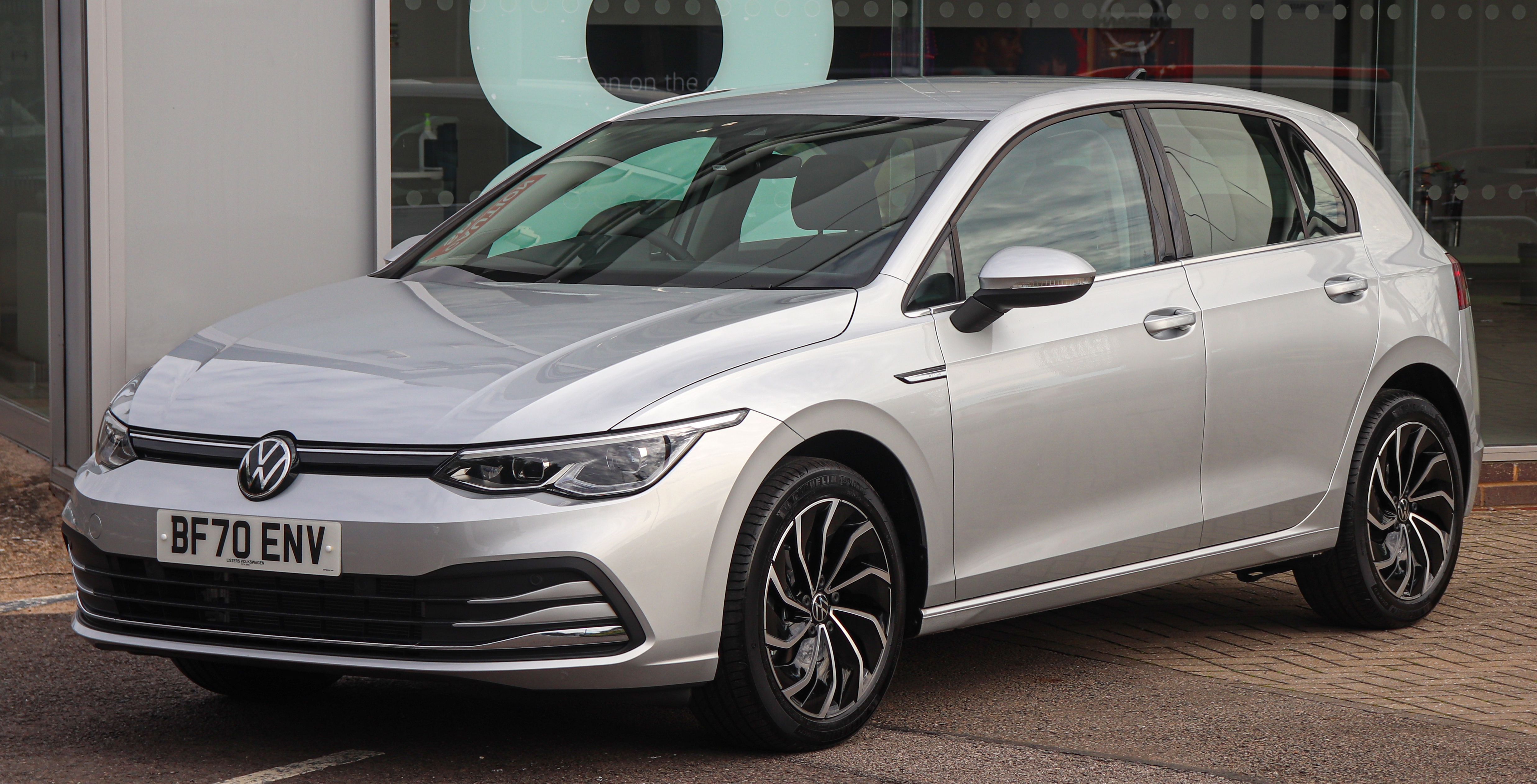
Volkswagen Golf
"and the Golf is it is it essentially sort of a marquee Club Sport S or is it a bit less than that because it has rear seats isn't it"
The Volkswagen Golf is a popular small hatchback. The hosts are discussing how this particular Golf feels in the hot-hatch world—more usable than a pure track-only car, but still trying to be exciting.
The Volkswagen Golf is a compact hatchback platform that’s become a benchmark for everyday usability plus enthusiast appeal. In this segment, they’re comparing the Golf’s character to other hot-hatch “special” variants, including the idea of it being like a Club Sport S but with more practicality.
Nürburgring
"apparently the Club Sport S which as you say is the old two-seat car the one that used to have the Nürburgring records which this car's just reclaimed actually um was apparently the benchmark while they were developing it"
The Nürburgring is a legendary race track in Germany. When a car sets or reclaims a record there, it’s a big deal because the track is very challenging.
The Nürburgring is a famous German racing circuit, especially known for the Nordschleife (“North Loop”) with its long lap and demanding mix of corners and elevation changes. Enthusiasts treat lap records there as a serious measure of real-world performance and development progress.
GTI
"i wonder if it hadn't been the 50th anniversary of the GTI whether it would have had a different name yeah it's a good way to celebrate"
GTI is Volkswagen’s badge for a sportier version of a Golf. Here they’re talking about the GTI’s big anniversary and how that could affect naming and marketing.
GTI is Volkswagen’s performance trim name, historically associated with the brand’s sporty hatchbacks. In this segment, they’re discussing the 50th anniversary of the GTI as a reason the car might have been named differently.
Morgan
"um this is this is the James Taylor podcast Morgan doing a lot yeah well exactly Morgan Super Sport 400 yeah so we're fans of Morgan quite a lot we invite them to to everything we can"
Morgan is a British car maker. The hosts are saying they like Morgan’s cars and follow the brand closely when it brings out new models.
Morgan is a British car brand known for small-batch sports cars with a distinctive design and a strong focus on evolution of its classic styling. The hosts mention Morgan as a brand they’re fans of and say they invite the brand to events when it has something new.
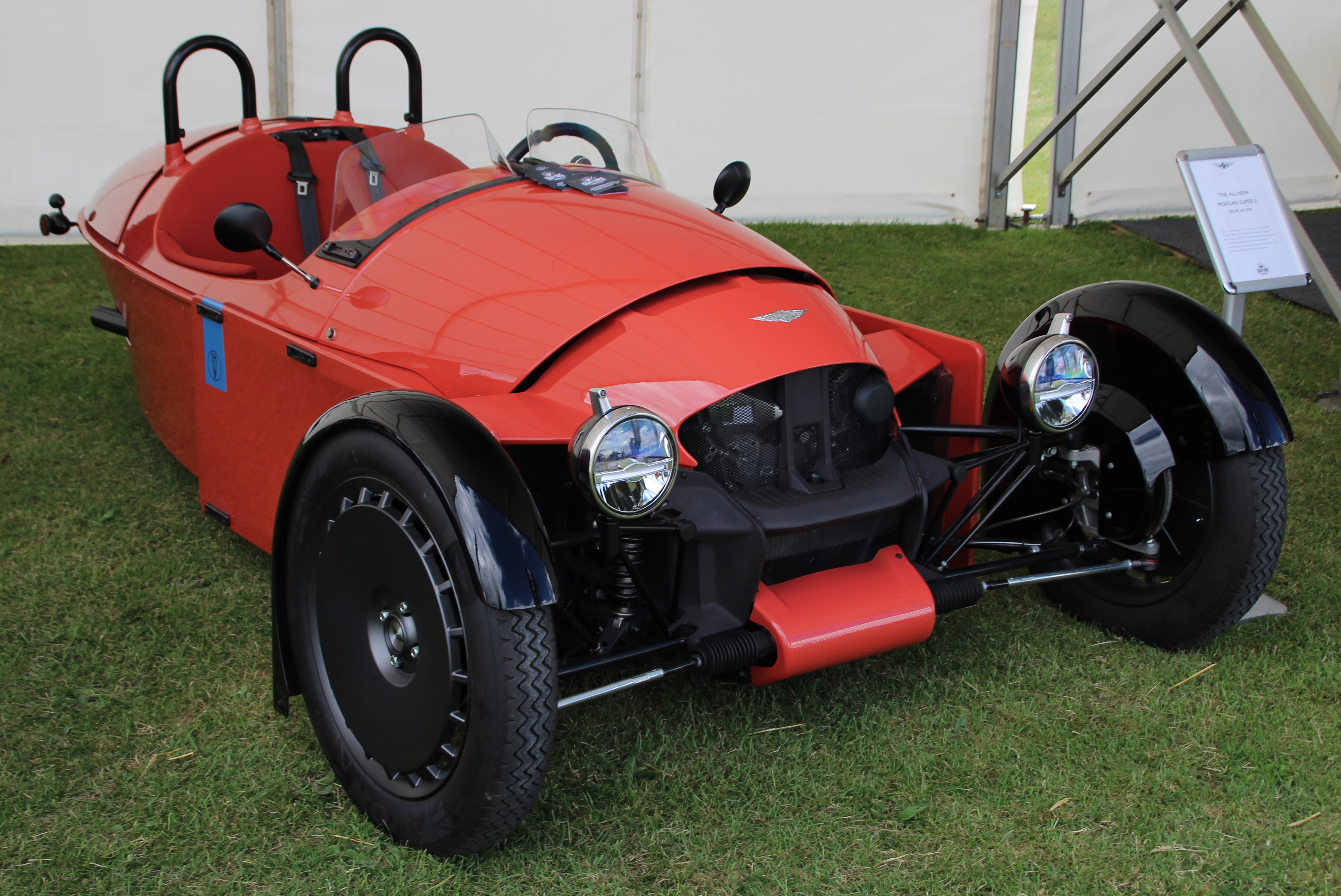
Morgan Super Sport 400
"Morgan doing a lot yeah well exactly Morgan Super Sport 400 yeah so we're fans of Morgan quite a lot we invite them to to everything we can when they've got something new"
The Morgan Super Sport 400 is a Morgan sports car. The hosts are using it to talk about how Morgan is currently releasing new versions and evolving its classic style.
The Morgan Super Sport 400 is a modern Morgan sports car model positioned as a performance-oriented evolution of the brand’s classic roadster formula. In this segment, it’s used as an example of Morgan being “in a purple patch” with new cars and updates.
B58 engine
"they've worked together with BMW so this uses the b58 engine that was in the super sports the regular super sport but it's the new 01 development of that engine which has a few tweaks"
The B58 is an engine design from BMW. In this case, Morgan uses that BMW engine as the base for its Super Sport 400. The idea is that Morgan gets a strong, modern engine and then tunes it for their own car.
The BMW B58 is a well-known inline-six turbocharged engine family used across multiple BMW models. Here, the speaker says the Morgan Super Sport 400 uses the B58 architecture, linking Morgan’s performance goals to BMW’s proven powerplant. They also mention it’s a newer “01 development” version with tweaks.
active valve
"it's still an active exhaust system so it's you know it's got active valve it's a single valve system now so it's got the benefit of sounding better and weighing less"
An active valve exhaust is an exhaust system that can open or close a valve to change the sound. When it’s closed, it’s quieter and less annoying; when it’s open, it gets louder and more exciting. The host is saying this car uses that trick to sound good without being obnoxious all the time.
An active valve exhaust uses a controllable valve in the exhaust system to change flow and sound depending on driving mode. The speaker says the Super Sport 400 uses an active exhaust with a single valve system, aiming to reduce drone during normal driving while still sounding dramatic when pushed. This is a common way to balance everyday usability with performance noise.
sport plus mode
"but when you do sort of let it loose on a b-roads or put it into there's a sport plus mode yeah it sounds amazing"
Sport Plus mode is a button/menu setting that makes the car behave more aggressively. In this case, it’s linked to when the engine and exhaust sound really open up. The host is describing it as the mode you use for more exciting driving.
“Sport Plus mode” is a driving mode that typically sharpens throttle response and often changes engine/exhaust behavior for a more aggressive feel. In this segment, the speaker ties it to when the exhaust and engine sound become especially dramatic on back roads. It’s essentially the car’s setting for maximum “let it loose” character.
burbles
"and i think this this gives it the chance to sound as good as it can i think does it still do the this sort of burbles"
“Burbles” are the little pops and crackles you sometimes hear from a performance car’s exhaust. They often happen when you lift off the throttle or slow down. The host is checking whether this new setup still makes that same kind of noise.
“Burbles” are the popping or crackling exhaust sounds that some performance cars produce, especially on overrun or during deceleration. The speaker is asking whether this car still does that kind of sound, implying it’s part of the Super Sport’s character. It’s usually achieved through engine management and exhaust tuning.
torque
"seven-chill horsepower increased torque has that gone up the same level but it comes in at different [1262.4s] revs so it comes in a bit earlier but more crucially hangs around for longer yeah we've got it from [1267.5s] i can't remember the figures off the top and the head but it's below 1500 rpm all the way past [1272.8s] 6000 rpm"
Torque is the engine’s “pulling power.” More torque available earlier and for longer usually means the car feels stronger and easier to drive without needing to rev as high.
Torque is the engine’s twisting force, and it strongly affects how quickly a car accelerates, especially at lower engine speeds. The host is saying the engine’s torque curve comes in earlier and stays available longer (below 1500 rpm up through 6000 rpm), which changes the car’s feel even if peak numbers aren’t the only story.
brakes
"this big table kind of table top of torque chassis wise actually they've not changed [1280.1s] the brakes the tyres they were they were happy with them"
Brakes are what help the car slow down. The host is saying they didn’t change the brakes for this version, so the improvements are coming from other areas.
Brakes are the components that slow the car by converting kinetic energy into heat. The host says the car’s brakes weren’t changed because the team was already happy with them, implying the update focus is more on torque delivery and suspension tuning than stopping hardware.
tyres
"chassis wise actually they've not changed [1280.1s] the brakes the tyres they were they were happy with them and it's got the the handling pack which is"
Tyres are the rubber that touches the road and provides grip. The host is saying they didn’t change the tyres, so the driving differences are likely from suspension/engine tuning instead.
Tyres (tires) are the contact patch between the car and the road, heavily influencing grip and handling. The host notes the tyres weren’t changed because the team was already satisfied with their behavior, reinforcing that the model’s changes are more about tuning than re-spec’ing the whole chassis.
adjustable dampers
"it's got the the handling pack which is [1285.4s] the adjustable dampers that you get as an option on the regular super sport is standard on this car [1290.0s] and they've made the baseline setting 10 clicks differ so there's 24 clicks to get to get really [1295.6s] into the details for a moment"
Adjustable dampers are shocks you can tune to make the car feel softer or firmer. More “clicks” usually means you have finer control over how the car responds over bumps and during cornering.
Adjustable dampers are shock absorbers whose resistance can be tuned to change ride and handling. The host notes the car has an “adjustable dampers” setup with a specific number of click settings, and that the baseline is set differently than on the regular Super Sport.
handling pack
"chassis wise actually they've not changed [1280.1s] the brakes the tyres they were they were happy with them and it's got the the handling pack which is [1285.4s] the adjustable dampers"
A handling pack is a package of upgrades meant to make the car drive better. Here it’s mainly about suspension tuning—specifically adjustable shocks.
A handling pack is a bundled set of chassis and suspension options aimed at improving how the car feels and performs. In this segment, the handling pack specifically refers to the adjustable dampers being included as standard on this model.
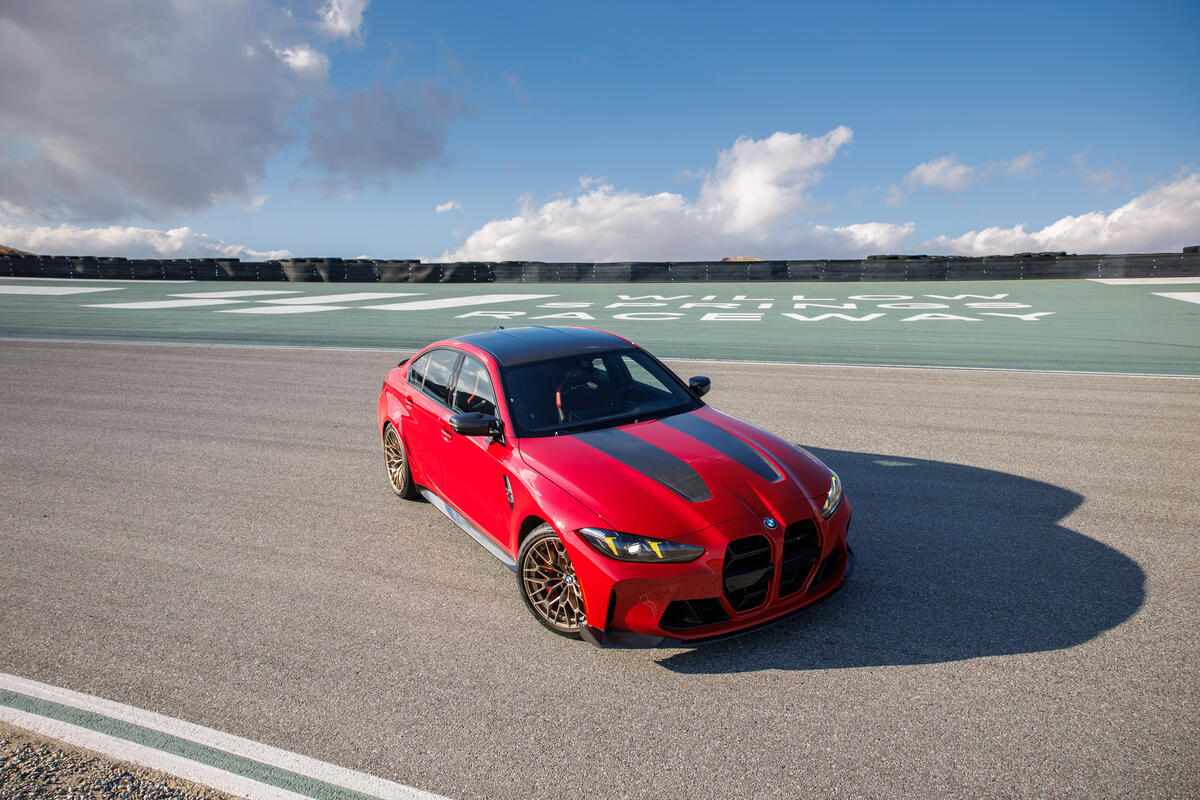
BMW M3C
"the best part of 130 000 pounds now it's but yeah that is a [1328.0s] lot of money but isn't everything yeah i mean that's an m3 we keep coming back to it but an m3c"
The BMW M3 Competition is a sporty, higher-performance BMW version of the M3. In this part, it’s mainly being used as a reference point for how much money these cars cost.
The BMW M3 Competition (often abbreviated M3C) is a high-performance version of the BMW 3 Series built for track-capable driving. The host uses it as a pricing benchmark, comparing how expensive the Morgan and Porsche options are relative to an M3 Competition.

Porsche Carrera T
"...it's passed 100 000 it is now yeah i mean and the Carrera T which is that nice blend between a Carrera and an..."
Porsche 911 Carrera T
"and the Carrera T which is that nice blend [1363.1s] between a Carrera and an S and is probably the one that if you weren't going GT3 you'd probably [1368.8s] go hell that's 115 or something 10 15 long those lines"
The Porsche 911 Carrera T is a lighter, more driver-focused 911 variant positioned between the standard Carrera and the S. The host describes it as a “nice blend” and suggests it’s the one you’d choose if you weren’t going for a GT3.
restomod
"other week the the Morgan is almost sort of like her it's the closest thing to a raster mod you can get in a production you know standard car"
A restomod is a classic-looking car that’s been modernized. It keeps the old-car character, but uses newer parts so it drives and feels better than the original.
A restomod is a car that keeps the look or spirit of a classic, but is updated with modern engineering and components. The idea is to preserve the classic vibe while improving drivability, reliability, and performance compared with the original.
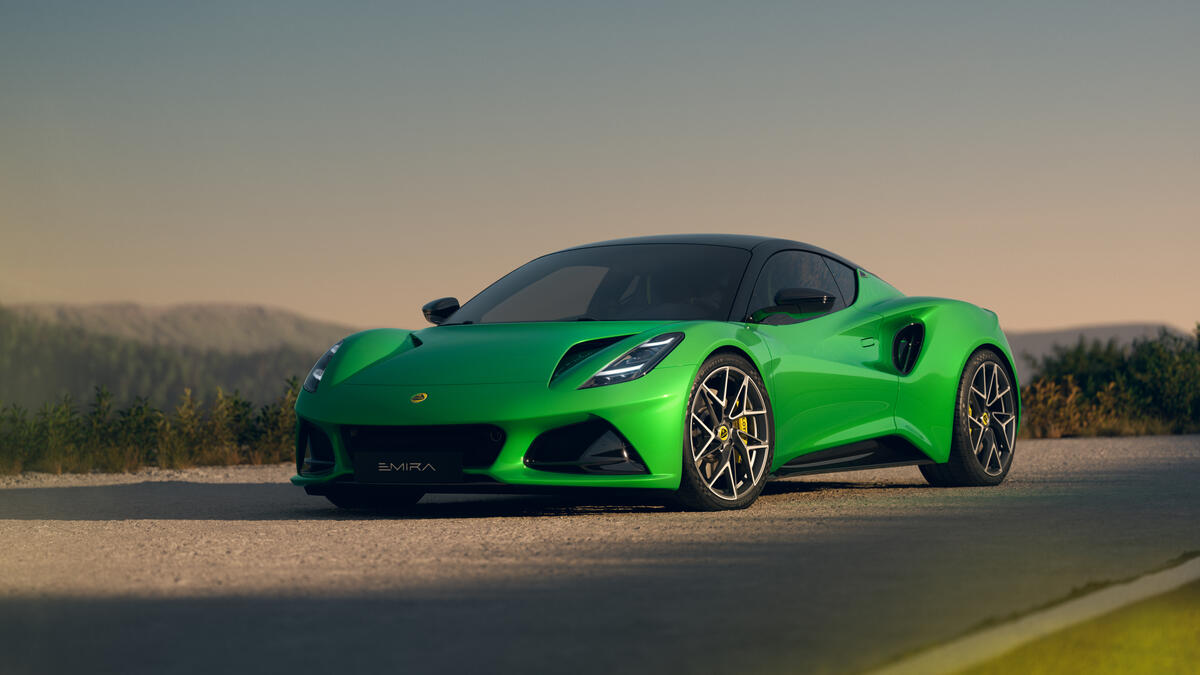
Lotus Amira
"...so in last week or so uh Lotus have announced the Amira 420 Sport although the press release was entitled..."
The Lotus Emira is a sports car made by Lotus. It’s built to feel nimble and fun to drive rather than just be fast in a straight line. The podcast mentions a 420 Sport version, which is a more performance-oriented take on the same model.
The Lotus Emira is a modern sports car from Lotus, designed to deliver lightweight, agile driving. The podcast references Lotus announcing the Emira 420 Sport, indicating a performance-focused update within the Emira range. It’s discussed because Lotus positions the Emira as a driver’s car with a strong emphasis on handling feel.
i4 engine
"sport that's based on the i4 engine car so and 20 horsepower more um so 420"
“i4” means an inline-four engine—four cylinders in a straight line. It’s a common engine layout that can fit well in smaller sports cars.
“i4” here refers to an inline-four engine layout, meaning the cylinders are arranged in a single row. It’s a common modern configuration because it can be compact and efficient, and it’s often used in lightweight sports cars.
hard top
"you can choose to have it with a soft top or a hard top or both if you want that deliver it with"
A hard top is a rigid roof panel, typically used on convertibles or cars that can be configured with different roof types. Compared with a soft top, it usually feels more solid and can reduce wind noise and flex.
soft top
"you can choose to have it with a soft top or a hard top or both if you want that deliver it with"
A soft top is the fabric roof on a convertible. It’s lighter and lets you enjoy open-air driving, but it can be noisier than a hard roof.
A soft top is a convertible roof made from fabric or flexible materials. It’s usually lighter and can be simpler to package, but it may create more wind noise and less structural rigidity than a hard top.
gear shifter
"they've also changed the gear shifter yes so yeah finally on the sieve sport because the cost of changing it from the b&w design"
A gear shifter is what you move to choose which gear the car is in. Here, they’re saying the upgraded shifter feels better, but it costs extra.
A gear shifter is the mechanism you move to select different gears in a manual or automated manual gearbox. In this segment, the hosts focus on how changing the shifter design affects the feel and perceived quality of the car.
anodized aluminium shifter
"so um yeah they've developed their own really nice anodized aluminium shifter rather than the part spin bmw shifter because that was the only thing that jarred wasn't it"
Anodized aluminum is aluminum that’s been treated with an electrochemical process to create a tough, corrosion-resistant surface. The hosts highlight it as a premium material choice for the upgraded shifter, implying better durability and a more refined feel than the standard part.
crash test
"it's a big chunk of budget just for exactly that for something because it's part of the modigational crash test isn't it the shape it's all the fail saves basically yeah"
A crash test is when engineers intentionally crash a car (or test parts) to see how safely it performs. They’re saying the shifter design has to survive those kinds of safety evaluations.
A crash test is a controlled evaluation of how a vehicle structure and components behave during an impact. The hosts connect the shifter discussion to crash-test development, describing how engineers build rigs to try to break parts while keeping the test repeatable.
rig
"what joe was explaining that they had to build a rig basically and set up they set it up where they make cups of tea so we turn like this make a cup of tea they would try and break it basically"
A rig is a custom testing setup that holds a part in place while engineers apply forces to it. They’re using it to stress the shifter repeatedly and see how it fails.
A rig is a specialized test setup or fixture used to hold a component and apply controlled forces or motions. Here, the hosts describe building a rig to repeatedly stress the shifter mechanism in a consistent way.
traction control
"so the traction control works and and you can still switch it off if you if you wish"
Traction control is a safety/assist system that stops the wheels from spinning uselessly when the road is slippery. It helps the car put power down and accelerate more smoothly.
Traction control is an electronic system that reduces wheel spin by cutting engine power and/or applying brakes when the driven wheels lose grip. It helps the car accelerate more consistently, especially on wet or low-traction surfaces.
Silverstone
"kimmy and nanny you're at silverstone yes three days before i mean this kid's just amazing"
Silverstone is a famous race track in the UK. Lots of top-level racing happens there, so it’s a big deal when someone drives or tests at that circuit.
Silverstone is a major motorsport circuit in the UK, famous for hosting Formula 1 and endurance racing. It’s a key venue for testing and development because it combines fast corners with heavy braking zones.
monaco
"three days before monaco and he's at silverstone with uh a couple of journalists and some customers driving"
Monaco is a very famous Formula 1 race held on tight city streets. It’s hard to drive because there’s little room for error.
Monaco refers to the Monaco Grand Prix, the famous Formula 1 race known for tight streets, low average speeds, and high crash risk. It’s often used as a benchmark for driver skill because small mistakes are punished immediately.

amg gt gt2
"a couple of journalists and some customers driving amg gt gt2 hand those right customer yeah hand over race cuts"
They’re talking about a Mercedes-AMG GT race car in a GT2-style spec. It’s the kind of car used for racing events where drivers need to stay consistent for long stints.
The AMG GT GT2 refers to a GT2-class racing version of the Mercedes-AMG GT, used for customer/press driving and motorsport programs. GT2-style cars are built around endurance racing rules, emphasizing balance, traction, and driver consistency over outright top speed.
safety car
"no matter what was thrown at him to the safety car a red flag yeah um restarting next to a very fast start"
A safety car comes out when the race needs to slow down for danger on track. Everyone has to follow it, and that can change race strategy.
A safety car is deployed when conditions are dangerous (like debris or an accident), and it controls the pace of the race until the track is safe. It can dramatically change strategy because it bunches the field and affects tire and fuel planning.
red flag
"no matter what was thrown at him to the safety car a red flag yeah um restarting next to a very fast start"
A red flag means the race is stopped because something is unsafe on the track. After that, the race restarts using specific rules and timing.
A red flag is a race stoppage signal, used when the track is unsafe or an incident requires immediate attention. When a race is red-flagged, procedures like restart timing and car positioning can reset momentum and strategy.
Charles
"having yeah two the ferrari's that were deemed to be favorites for monaco and you've got charles and they were chasing you down"
They mention “Charles” as a driver in the Ferrari group. This is likely Charles Leclerc, one of Ferrari’s main drivers.
“Charles” is referenced as one of the Ferrari drivers being chased in Monaco. In this context, it most likely refers to Charles Leclerc, who is a Ferrari driver and a frequent headline name in Monaco discussions.
fastest laps
"was it after five laps he'd pull three seconds on everyone there was just bono was saying we don't need any more fastest laps can you"
Fastest laps are the quickest single lap times set during a race. They can matter for points in some series and are often used as a signal of pace, but teams may decide they’re not worth extra risk if the race is already under control.
veritan center
"yeah he mentioned it's on his bedroom wall at home growing up he had a poster of veritan center and a poster as you'll feel now"
The host says they had a poster of a racing hero on their wall as a kid. The exact name is unclear from the transcript, but it’s clearly someone they looked up to in motorsport.
“Veritan center” appears to be a transcription error for a driver name or racing figure the speaker admired while growing up. The context is that the person had a poster of a racing hero on their bedroom wall, implying inspiration from a specific motorsport personality.
formula one
"and he mentioned you know he's in a second year of formula one last year obviously"
Formula One is the highest level of open-wheel racing. Drivers race on a schedule of events around the world, and the cars are very specialized.
Formula One (F1) is the top tier of open-wheel racing, with teams developing highly engineered cars and drivers competing over a season of Grands Prix. The episode uses it as a reference point for how different the driver experience can be outside an F1 weekend.
customer handover event
"but do you feel i'm as hard in those events it's away from an f1 weekend it was a customer handover event for those gt2 race cars w16 right"
It’s basically a formal “here’s your race car” moment. The team hands the car over to the people who will run it in races, often right after it’s been prepared or updated.
A customer handover event is when a racing team formally delivers a car to the customer (the team/driver) after it’s been built or updated. In this context, it’s tied to GT2 race cars, meaning the car is being presented for use in upcoming competition.
W16
"it was a customer handover event for those gt2 race cars w16 right"
W16 describes an engine with 16 cylinders arranged in a special shape. It’s a rare, high-cylinder layout meant to make lots of power smoothly.
W16 refers to an engine layout where 16 cylinders are arranged in a “W” configuration—effectively two narrow-angle V engines sharing a common crankshaft. It’s a specialized design used to fit many cylinders into a compact packaging while targeting smooth power delivery.
managing your energy over a season
"george mentioned that managing your energy over a season has become really crucial ... as he's older and has more experience he's got much better at defending his time ... that's what can really pay dividends when you get to race 17 race 18 of the season"
It means drivers can’t just push hard all the time. They have to save their focus and stamina across the whole season so they don’t get burned out before the important races.
“Managing your energy over a season” is the idea that drivers must pace their physical and mental effort across many races, travel, and media obligations. The goal is to avoid burnout so they can stay sharp for the later races where performance matters most.
simulator
"williams he would say yes to everything so that's what you do as a young driver you say oh yeah i'll do one more day in the simulator i'll go to that dinner i'll do that interview talk to that sponsor"
A simulator is a high-tech video game setup that tries to mimic the real race car and track. Drivers use it to practice and improve their driving without going to the track.
In motorsport, a driving simulator is a computer-based system that recreates the track, car behavior, and driving inputs. Drivers use it to practice racecraft, refine setups, and learn circuits without spending track time.
paddock gate
"having done a few f1 races and sort of they are on from the minute they absolutely they scan into that paddock gate so you think that you think that's a sanctuary but actually the amount of people in there"
The paddock gate is the entry point into the team area at a race. It’s where lots of people go—teams, media, sponsors—so it can be hectic even if it feels like a safe zone.
The paddock gate is the controlled entrance area to the paddock, where teams, sponsors, media, and guests gather during a race weekend. It’s a key access point that can feel like a “sanctuary,” but it’s also crowded and busy.
press conference
"we just observed one of the f1 press conferences that was in the motown ... there was questions i heard at that spa race that i'd heard in every f1 media conference"
A press conference is a scheduled media Q&A where drivers and team representatives answer questions in front of journalists. In F1 and other series, the format can become repetitive, and drivers may react strongly if questions feel unoriginal or political.
endurance race
"it's the same 24 hour race you know it's a bit of an endurance race for spectators as well as the people in the race"
An endurance race is about lasting a long time while staying quick. It’s not just speed for a few laps—teams have to manage the car and drivers for hours.
An endurance race is one where the key challenge is staying fast and consistent over a long time, not just winning a short sprint. That changes how teams manage fuel, tires, driver stints, and car reliability across the full event.
hypercars
"but then the cars are totally different it's another planet i mean you have the gc3 cars but the hypercars are yeah so different to watch"
“Hypercars” are the fastest, top-level race cars in Le Mans. They’re built to go extremely quickly for a long time, so they look and sound more intense than the slower classes.
In Le Mans, “hypercars” refers to the top class of modern endurance prototypes built under the Hypercar rules. They’re designed to be extremely fast while still surviving long stints, and their performance and aero make them dramatically different to watch than older categories.
GC3 cars
"but then the cars are totally different it's another planet i mean you have the gc3 cars but the hypercars are yeah so different to watch"
“GC3” is one of the race categories at Le Mans. It’s for a different group of cars than the top “hypercar” class, so the cars and pace are different.
“GC3” is a Le Mans class designation for Grand Touring–style race cars that sit below the Hypercar category. They’re still serious endurance machines, but they’re typically less technologically extreme and slower than the Hypercars.
24 hour sprint
"i don't you can appreciate how quick because it's a sprint it's a 24 hour sprint it is"
The host means that even though it’s a 24-hour race, it can feel like everyone is racing at maximum intensity. The drivers still have to be fully “on” for long stretches.
“24 hour sprint” is a description of how modern top-endurance racing can feel like nonstop high-speed effort. Even though it lasts 24 hours, the cars and drivers are often pushed very hard, so it’s mentally and physically intense like a sprint.
flat out two hour grand prix
"but also the resilience of the drivers and jumping in and doing a flat out two hour grand prix almost with much slower traffic"
The host is saying endurance drivers still push extremely hard for a long time. It’s like doing a very intense race stint for hours, not just driving slowly between faster moments.
This compares endurance driving to a Grand Prix stint, emphasizing that drivers can be “flat out” (pushing at or near full throttle) for long periods. The point is that endurance racing demands sustained pace and concentration, not just occasional fast bursts.
stint
"and yeah well the traffic yeah capizza last year did a was it three and a half hour stint yeah they just left him in a car"
A “stint” is how long a driver stays in the car before switching to another driver. In long races, teams time these changes carefully because tires and fuel don’t last forever. The goal is to keep the car fast while avoiding pit stops that cost too much time.
A “stint” is a continuous period a driver (or drivers) spends behind the wheel before a scheduled driver change. In endurance racing like Le Mans, stint length and timing are strategic because traffic, tire wear, fuel usage, and safety-car chances all affect how fast you can run. Teams plan stints to keep the car in its best operating window while minimizing time lost in the pits.
balance of performance
"and he might get a favorable balance of performance yeah unfavorable one yeah astum might have gone a bit early in that uh test session earlier"
“Balance of performance” is how race officials try to make different race cars compete more fairly. They may add weight or limit power so one design doesn’t run away with the race. The idea is to keep the racing close across the field.
“Balance of performance” (BoP) is a set of rules used in multi-class racing to equalize cars with different designs. Race organizers adjust things like weight, engine output, or aerodynamic restrictions so no single car type dominates. The host is suggesting BoP could swing results depending on how teams were performing in testing.
aero
"but the aero as well managing the aero in these cars we've all seen them over the years even take off or just lose lose it behind the back of a slower car where the the aero hasn't been been quite right and unsettled it"
“Aero” means the way the car’s shape and wings interact with the air. At racing speeds, aero helps the car stick to the road and stay stable. If another car blocks the airflow, the following car can feel unstable and lose grip.
“Aero” is short for aerodynamics—how wings, body shape, and airflow create downforce and stability at speed. In prototype and GT racing, aero management is crucial because cars can become unsettled when airflow is disturbed, such as when running behind a slower car. The host notes that cars can “lose it” when the aero isn’t right, highlighting how sensitive these cars are to clean air.
NMP
"it's it's interesting that how the gt3 cars and the the i still call them nmp cars they're not called that anymore no the hypercars keep them"
In this context, “NMP” is an older shorthand the host uses for the top prototype category name that has since changed. The point is that the class naming has evolved, but the racing structure still separates faster prototype/hypercar machinery from GT cars. For listeners, it’s a reminder that endurance series often rebrand categories while keeping similar performance tiers.
liquid hydrogen
"car in some demo labs in liquid hydrogen car but they've been there yeah a number of years 10 years ago i think we were both at the same race weren't we"
Liquid hydrogen is hydrogen that’s cooled until it becomes a liquid. It’s used as a fuel for hydrogen vehicles, so the car can store and use hydrogen more practically.
Liquid hydrogen is hydrogen stored in a cryogenic (very cold) liquid form so it takes up less space. In a hydrogen car program, it’s used as the fuel source for a hydrogen powertrain, typically feeding a fuel cell or other hydrogen system.
Request an Explanation
Heard something you'd like explained? We'll add it to this episode.
Sign in to request explanations for terms you heard.
Want to learn more?
Browse our glossary for plain-English explanations of automotive terms, jargon, and concepts.
Help improve this episode
See something that's not quite right? Our annotations are AI-generated and can sometimes miss the mark. Click the flag icon on any annotation to suggest a correction.
1 community members have helped improve this episode.