
Our daily drivers & the world's best saloon, with Henry Catchpole | evo Q&A EP3
About this episode
Evo Q&A EP3 bounces between Henry Catchpole’s daily-driver practicality and the “world’s best saloon” debate. The BMW M5 CS is framed as a standout super saloon—Evo Car of the Year winner—with steering praised and the drive feeling special even versus an F90 M5 Competition. The chat then widens to what makes cars feel cohesive, how to plan European routes and filming logistics, and how family needs (like ISOFIX) shape daily-car choices. It also covers GT3/Le Mans investment realities and tire/grip quirks.
In episode 53 of the evo podcast Stuart Gallagher and Sam Jenkins are joined by Henry Catchpole for our third Q&A. This week, we discuss the finest ever saloon car, the best way to find driving roads, our own daily drivers and a whole lot more.
To submit questions of your own, send us a line at [email protected]
Car of the Year
"I think the fact it won Car of the Year and was so unexpected, wasn't it? And everyone was taken aback by how just how good it was."
“Car of the Year” is an award that’s given to a standout new car. They’re saying the result was unexpected, and that the car ended up being genuinely impressive.
“Car of the Year” is an award given by automotive publications or organizations to recognize the most outstanding new car in a given year. The host is emphasizing that the win was surprising and that people were impressed by how good the car turned out to be.

BMW E39
"...lse would it be up against? What sort of, I mean, E39 and M5 have to be up there, I think, as well as a..."
The BMW 5 Series is a comfortable, everyday sedan that’s aimed at drivers who want a step up from a smaller car. It’s also the model line that can be turned into very high-performance versions. The podcast mentions it because the performance variants are considered top-tier.
The BMW 5 Series is BMW’s larger executive sedan line, often used as the base for performance models like the M5. The episode references “E39 and M5” as cars that “have to be up there,” which ties the 5 Series directly to the super-saloon conversation. It’s discussed because the 5 Series platform is central to BMW’s performance-sedan identity.
B road
"You know, on a British B road, it is still big. Like it's incredibly good for its size and its weight."
In the UK, a “B road” is a smaller local road that’s usually narrower and more twisty than the main highways. They mention it because a big car can feel harder to use on those roads.
A “B road” is a UK road classification for smaller, often narrower and twistier roads than the main A-roads. The host brings it up because car size and weight matter more on tight rural roads, where a big saloon can feel cumbersome even if it’s very capable.

M5 CS
"Yeah. Absolutely. Yeah. I mean, I think, but then it's, it's so much more capable than E39. That's sort of in the, and in a kind of, the steering is so good on that M5 CS."
The BMW M5 CS is a special, more performance-oriented version of the BMW M5. In this segment they’re saying it feels more precise and fun to drive, especially because the steering is really good.
The BMW M5 CS is a performance-focused variant of the M5, known for sharper steering and a more driver-oriented setup than standard M5 models. Here, the host highlights that the steering feel is especially good, and contrasts it with the older BMW E39 5 Series experience.
first 100 yards
"it's so rare that you have that first 100 yards thing. And you have it with that car."
“First 100 yards” is a phrase for how a car feels immediately when you start driving—before you’ve even built up speed. The host is saying this car has a really special initial feel.
The “first 100 yards” is an enthusiast way of describing the immediate, initial feel of a car—how it responds right away when you pull out. It’s not a technical measurement, but it’s often used to talk about throttle mapping, steering/ride composure, and how quickly the car “settles” into its character.
short shift
"You can just, you can just short shift in the CS and flow down a road and it feels like so far above a standard F90."
Short shifting means you change gears sooner than usual, before the engine is revving very high. The point here is that the car still feels strong and smooth even when you drive it gently.
“Short shifting” means shifting to a higher gear earlier than you normally would, keeping engine speed lower while still maintaining smooth acceleration. The host is implying the M5 CS has enough low- to mid-range pull that you don’t need to rev it hard to feel fast and fluid.
engineered in unison
"This is a proper engineering exercise and it felt and every bit feels every pro every part of the car has been engineered in unison to get to an end result."
This means the car’s different systems were designed to work together. Instead of tuning one part at a time, the whole car is set up to feel right as one package.
“Engineered in unison” describes an integrated development approach where chassis, suspension, steering, and powertrain are tuned together rather than separately. The goal is a cohesive feel—so the car’s dynamics and response all work toward the same driving outcome.
damping
"It's not, I would just play with the damping and geometry."
Damping is how the suspension controls bouncing. It affects how the car settles after bumps and how it feels when you change direction.
Damping is how a suspension controls motion—specifically how quickly the shocks/struts let the car compress and rebound. Changing damping can dramatically alter ride comfort and handling response, but the host is arguing it’s not just a matter of tweaking damping alone.
geometry
"It's not, I would just play with the damping and geometry."
Here, “geometry” means the suspension and wheel alignment angles. It affects how the tires sit on the road and how the car turns and grips.
In suspension context, “geometry” refers to the alignment and setup angles (like camber, caster, and toe) and how the suspension is designed to move. Those settings strongly influence steering feel, tire contact, and how the car behaves under load.

Mercedes-Benz E500
"Because, yeah, everyone's going to have fans of, well, the E500, totally subtle, ultimate Q car or, yeah."
The Mercedes-Benz E500 is a higher-performance version of the Mercedes E-Class. It’s the kind of car that looks normal but can be quick when you drive it.
The Mercedes-Benz E500 is a performance-oriented variant of the E-Class, typically known for a strong V8-powered “executive” feel. In this discussion it’s mentioned as an example of a subtle, high-end “Q car” that can still deliver real pace.
Q car
"Because, yeah, everyone's going to have fans of, well, the E500, totally subtle, ultimate Q car or, yeah."
A Q car is a car that looks normal on the outside, but it’s actually built to be quick. The fun is surprising people when you drive it.
A “Q car” is a car that looks understated or even plain, but is secretly very fast or technically advanced. The idea is to avoid drawing attention while still delivering performance when driven hard.
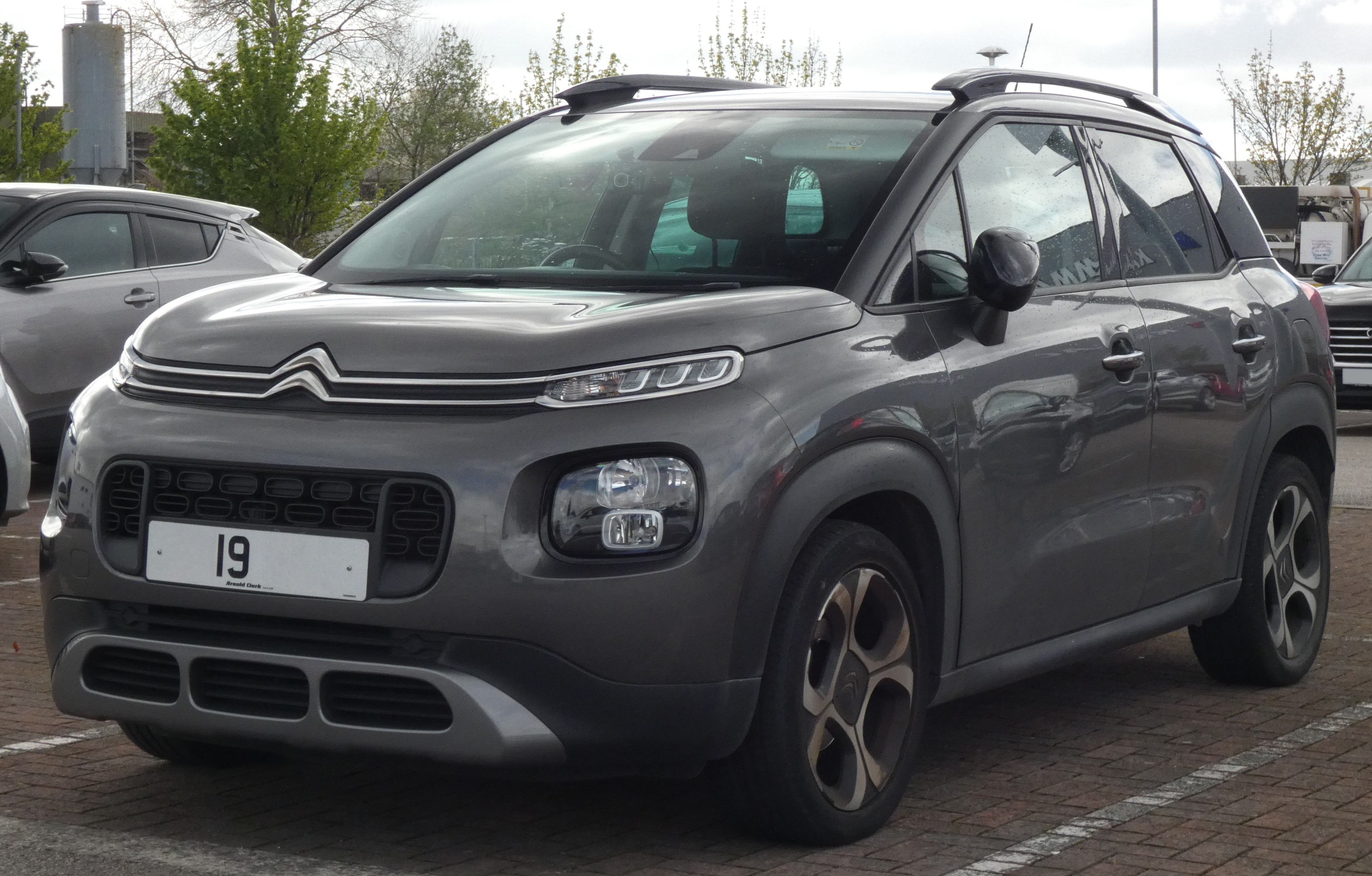
C3 Ec3S
"...ltimate Q car or, yeah. Lotus Carlton or RS6s and EC3s and again, absolutely incredible things and have ..."
“C3” is mentioned in the podcast, but the transcript doesn’t say which exact car it means. Different cars can use the same short name, so I can’t be sure what you’re referring to. If you tell me the brand or full model name, I can explain it clearly.
In the context of the episode, “C3” is mentioned alongside other notable cars as part of a list of incredible vehicles, but the transcript doesn’t specify the exact model or brand. Because of that ambiguity, it’s not possible to accurately describe which “C3” is being referenced (for example, it could refer to different cars with that name). If you share more of the surrounding audio or the full name, I can tailor the explanation precisely.

Lotus Carlton
"Lotus Carlton or RS6s and EC3s and again, absolutely incredible things and have those drive trains,"
The Lotus Carlton is a rare, performance-focused version of the Vauxhall/Opel Carlton, tuned by Lotus. It’s notable because it blends a big, executive-car body with Lotus-level chassis and powertrain development.

Audi RS6
"Lotus Carlton or RS6s and EC3s and again, absolutely incredible things and have those drive trains,"
The Audi RS6 is a high-performance “super saloon” wagon/sedan family built around Audi’s RS performance division. It’s known for combining everyday usability with serious power and a chassis tuned for fast road and track-style driving.
BMW M5 CS
"which are special in a way that the M5 CS doesn't quite have that special drive train."
The BMW M5 CS is a more extreme version of the BMW M5. It’s meant to feel more focused and special, especially for drivers who want extra performance.
The BMW M5 CS is a track-focused, limited-production variant of the BMW M5, built to be sharper and more performance-oriented than a standard M5. In this segment it’s contrasted with other “special” super saloons, specifically around how its drivetrain character compares.
GT3 racing
"Do you think Morgan will ever return to factory GT3 racing? ... That's a very big investment, isn't it?"
GT3 racing is a type of race series using cars that are based on real production models. “Factory” means the brand itself is heavily involved, not just private teams.
GT3 racing is a class of sports-car competition where production-based cars are modified under balance-of-performance rules to race against each other. “Factory GT3” implies the automaker directly supports the program with its own team and engineering resources.
Le Mans
"I don't think it's going to be lovely to see marks like that back at Le Mans. And obviously, they did it with the Aero 8 and stuff, and they're great, great shapes."
Le Mans is one of the biggest endurance races in the world. It’s the kind of event where cars have to last a long time, not just be fast for a few laps.
Le Mans is the famous endurance race held in France, known for long stints, reliability, and multi-class racing. When the host mentions “back at Le Mans,” they’re talking about whether a manufacturer’s car feels like it belongs in that endurance-racing culture and history.

Morgan Aero 8
"...k at Le Mans. And obviously, they did it with the Aero 8 and stuff, and they're great, great shapes. But d..."
The Morgan Aero 8 is a sports car designed for spirited driving and long-distance comfort. The podcast mentions it because it has a connection to racing and is known for its distinctive look. It’s brought up as a memorable enthusiast car.
The Morgan Aero 8 is a British grand tourer known for its distinctive design and classic sports-car feel. The episode mentions it in the context of Le Mans and “Aero 8 and stuff,” which points to its motorsport connection and reputation. It’s discussed because it’s a recognizable shape and a car enthusiasts associate with performance and heritage.
N24
"You can see someone entering one at the N24. That's what I was thinking. I was talking to James the other week about that, or a Garen 56 style Le Mans entry."
N24 is a 24-hour endurance race at the Nürburgring. The idea here is that some cars might fit better in that kind of event than in Le Mans specifically.
N24 most commonly refers to the Nürburgring 24-hour race (often shortened to “N24”), a major endurance event at Germany’s Nürburgring. The host is suggesting that a car could make sense as an entry there rather than needing a full Le Mans-style racing push.
HWA
"Well, the HWA, the Evo R's that they did, but that's obviously, that's coming from, they are a race team at all. Quite a lot of backing there."
HWA is a motorsport company best known for running and developing Mercedes-AMG racing programs. Here, the host contrasts HWA’s race-team background with brands that might enter endurance racing without the same depth of motorsport involvement.

Toyota Gt86
"So have you listening is on from Duncan. Having sold my GT 86, I now need a fun do it all car as a fun family car on a daily."
The Toyota GT 86 is a small sports car that’s built to be fun to drive. It’s not just for weekend use—people also use it as a daily car. The podcast mentions it because the speaker wanted something enjoyable that could still work for everyday life.
The Toyota GT 86 is a compact sports coupe designed around simple, fun driving rather than raw power. The episode mentions the speaker selling their GT 86 and then wanting a “fun do it all car” that can also work as a daily and family option. That’s why it comes up: it’s often chosen for approachable, enjoyable driving with practical everyday use.

Skoda Octavia
"...u go for a front wheel drive hot hatch such as an Octavia VRS mark three focus mark for ST Renault RS 280 o..."
The Skoda Octavia is a roomy everyday car. The VRS version is the more sporty version, meant to drive a bit more like a performance car. The podcast mentions it while talking about practical hot-hatch-style choices.
The Skoda Octavia is a practical family car, and the VRS is its performance trim. The episode compares it to other hot hatches, mentioning an “Octavia VRS mark three” in the same breath as performance-focused alternatives. It’s discussed because it represents a blend of everyday space with a sportier driving setup.

BMW G23
"Renault RS 280 or a real drive sports saloon due to velocity Jaguar XE BMW G 23 series. When I use the knowledge to compare these types of cars,"
The BMW 4 Series is a BMW model that comes as a coupe or a similar fast-looking body style. It’s meant to feel more sporty than a basic family car. The podcast mentions it while comparing different types of performance cars.
The BMW 4 Series is BMW’s compact luxury coupe/gran coupe line, often chosen by drivers who want a sportier feel than a typical sedan. In the episode, it’s mentioned as part of a comparison set for “sports saloon” style cars, which suggests the discussion is about how different body styles deliver performance and everyday usability. That’s why it fits: it’s a performance-oriented BMW option within the broader sedan/coupe debate.

Jaguar Xe
"...280 or a real drive sports saloon due to velocity Jaguar XE BMW G 23 series. When I use the knowledge to comp..."
The Jaguar XE is a mid-size sedan from Jaguar. It’s meant to be a more stylish and sporty everyday car than a basic family saloon. The podcast brings it up when comparing different “sports saloon” options.
The Jaguar XE is a compact executive sedan, positioned as a sportier alternative to typical family saloons. In the episode, it’s mentioned in the context of comparing “sports saloon” types, alongside other performance-focused sedans. That makes it relevant because it’s part of the conversation about which cars can deliver both comfort and real driving performance.

Octavia VRS
"Octavia has obviously had more Octavia VRS's than Dickie's Miss Deadlines. I think that would be the most practical of every car mentioned there, but it is more of a warm yes performance car as opposed to a Focus ST or a Megane."
Škoda’s Octavia VRS is the sportier version of the normal Octavia. It’s meant to be more fun to drive, but still practical for everyday life—so it’s being weighed against other sporty family cars.
The Škoda Octavia VRS is a performance-focused version of the Octavia, typically tuned for sharper driving while staying practical as a daily driver. In this discussion, it’s being compared against hotter hatchbacks like the Focus ST and Megane for how well it fits real-life needs.

Renault Megane E-Tech
"...yes performance car as opposed to a Focus ST or a Megane. So. Hmm."
The Renault Megane E-Tech is an electric car based on the Megane model. It’s designed to be a more exciting option than a normal everyday car. The podcast brings it up as an alternative to traditional hot hatches.
The Renault Megane E-Tech is an electric version of the Megane, positioned as a performance-oriented alternative to petrol hot hatches. The episode contrasts it with cars like the Focus ST and mentions “performance car as opposed to a Focus ST or a Megane,” which frames it as a different kind of fast—electric rather than traditional. It’s discussed because it represents how the hot-hatch idea is evolving with electrification.

Focus ST
"I think that would be the most practical of every car mentioned there, but it is more of a warm yes performance car as opposed to a Focus ST or a Megane."
The Focus ST is Ford’s sportier Focus. It’s designed to feel more exciting than a normal family car, and it’s being contrasted with a more practical kind of performance.
The Ford Focus ST is a hot-hatch built around front-wheel drive and a sport-tuned chassis for quick, engaging driving. Here it’s used as a benchmark for a more “serious” performance direction compared with the more practical, less hardcore feel of the Octavia VRS.
isofix
"Yeah, what's going to have isofix that doesn't make you want to tell your hair every time you put a car seat and lose a finger."
ISOFIX is a standard way to attach a child car seat using built-in points in the car. It’s meant to make installing the seat easier and more secure, so you’re not fighting with the seat every time.
ISOFIX is a standardized child-seat mounting system that uses rigid anchor points in the car, making it easier to install a child seat correctly. The host brings it up because daily-driver practicality includes how safely and conveniently you can fit child seats without hassle.
front wheel drive
"These sort of things, which are kind of completely uneven because you can have a great front wheel drive wheel. There's from a drive, rear wheel drive."
Front-wheel drive (FWD) means the engine’s power is sent to the front wheels, which typically helps packaging and traction in slippery conditions. The host notes that FWD can be brilliant or terrible depending on the specific car’s setup and tuning.
rear wheel drive
"There's from a drive, rear wheel drive. Both can be brilliant."
Rear-wheel drive means the back wheels move the car. It can feel great in some cars, but it can also be disappointing if the car’s overall design isn’t right.
Rear-wheel drive (RWD) sends power to the rear wheels, which can give different steering and traction characteristics than front-wheel drive. The host’s point is that drivetrain layout alone doesn’t guarantee a good or bad car—implementation matters.
quadrifolia
"Now, it's the first quadrifolia. I only had two rear seats, which I found out on my cost one."
“Quadrifoglio/Quadrifolia” is Alfa Romeo’s badge for their sportier, higher-performance versions. It usually means the car is tuned and equipped for more excitement than the regular model.
“Quadrifolia” (often written “Quadrifoglio”) is Alfa Romeo’s performance trim/badge, used on its quickest, most track-capable models. It signals a higher-performance specification compared with the standard version.

340i
"But then if you're looking at G23 series, you could also be looking at 340i, which is kind of the only car you ever need."
The BMW 340i is a quicker, sportier version of the 3 Series. The host is saying it’s such a good all-rounder that you might not need anything else.
The BMW 340i is a performance-oriented 3 Series variant, typically known for its strong straight-line pace and balanced everyday usability. In this discussion, it’s being positioned as a “one car you ever need” option within the saloon/hot-hatch comparison.
estate
"And is yeah, but then you may be want that as an estate, not saloon, but you're not compromising much."
An “estate” is basically a wagon version of a car with more room in the back for luggage. They’re saying you can get that practicality without losing too much of the driving experience.
An “estate” is a station-wagon body style with a longer rear cargo area than a saloon. Here it’s used to contrast practicality (more space) with the saloon look/feel, while claiming you’re not giving up much driving character.
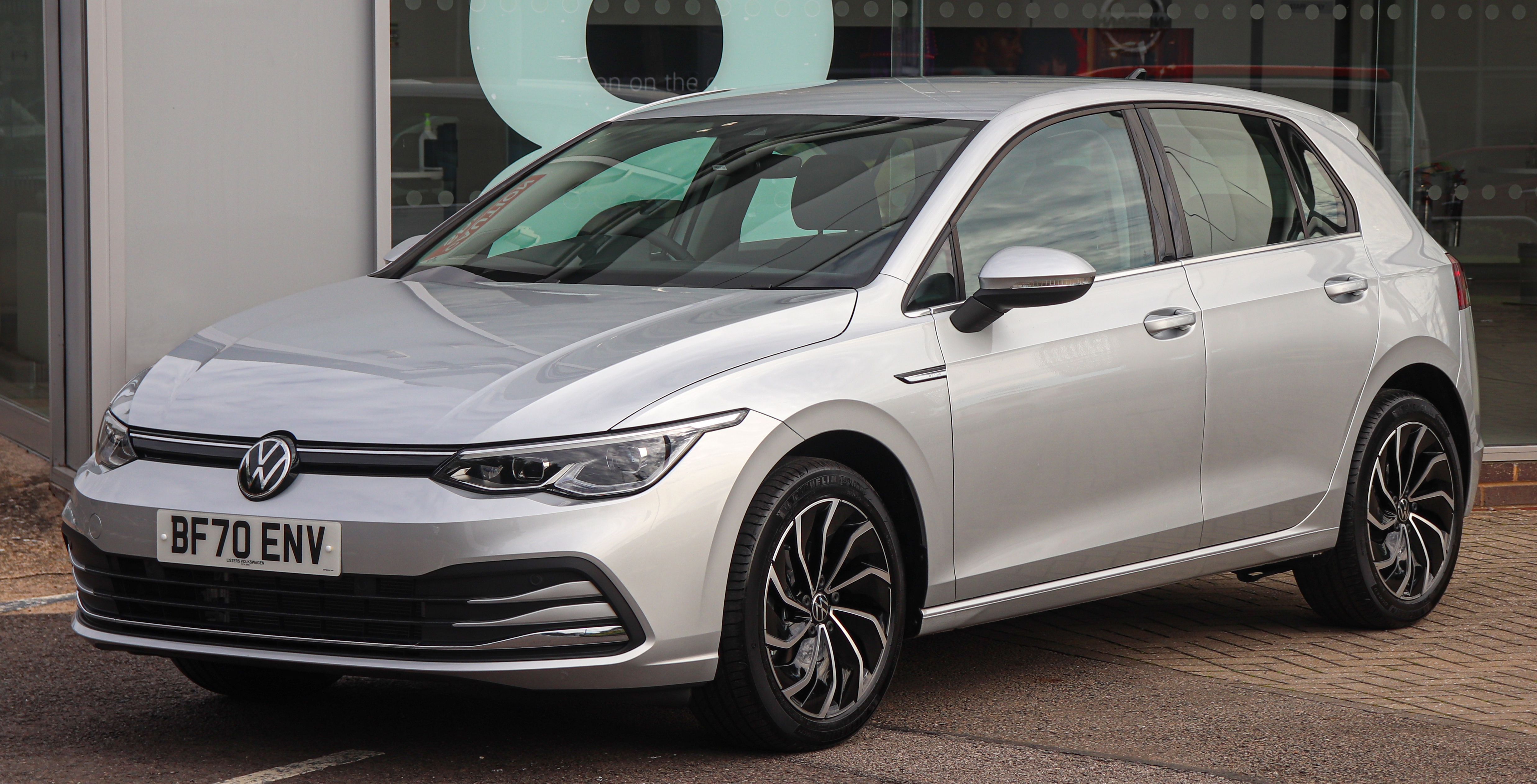
Volkswagen Golf Gti
"...her depending on budget or mark six or mark seven Golf GTI would be the hot hatch because that to your point..."
The Volkswagen Golf is a common everyday hatchback. The Golf GTI is the sportier version, meant to be faster and more fun to drive. The podcast mentions it because it’s a popular “hot hatch” option people compare against other cars.
The Volkswagen Golf is a widely used compact hatchback, and the episode specifically references the Golf GTI as the “hot hatch” choice. It mentions “mark six or mark seven Golf GTI,” which highlights how different generations of the GTI are often compared by enthusiasts. The Golf GTI is discussed because it’s a benchmark for practical performance in the hatchback category.
hot hatch
"Golf GTI would be the hot hatch because that to your point of [1122.6s] when you want, when you're on your own, it's still a good hot hatch."
A hot hatch is a regular small hatchback, but tuned to feel faster and more fun to drive. It’s meant to be practical for everyday life while still being sporty.
A hot hatch is a performance-focused version of a hatchback—typically with a stronger engine, quicker steering/brakes, and more aggressive tuning than a regular compact. The key idea is that it’s still practical and easy to live with, but it drives with more urgency.
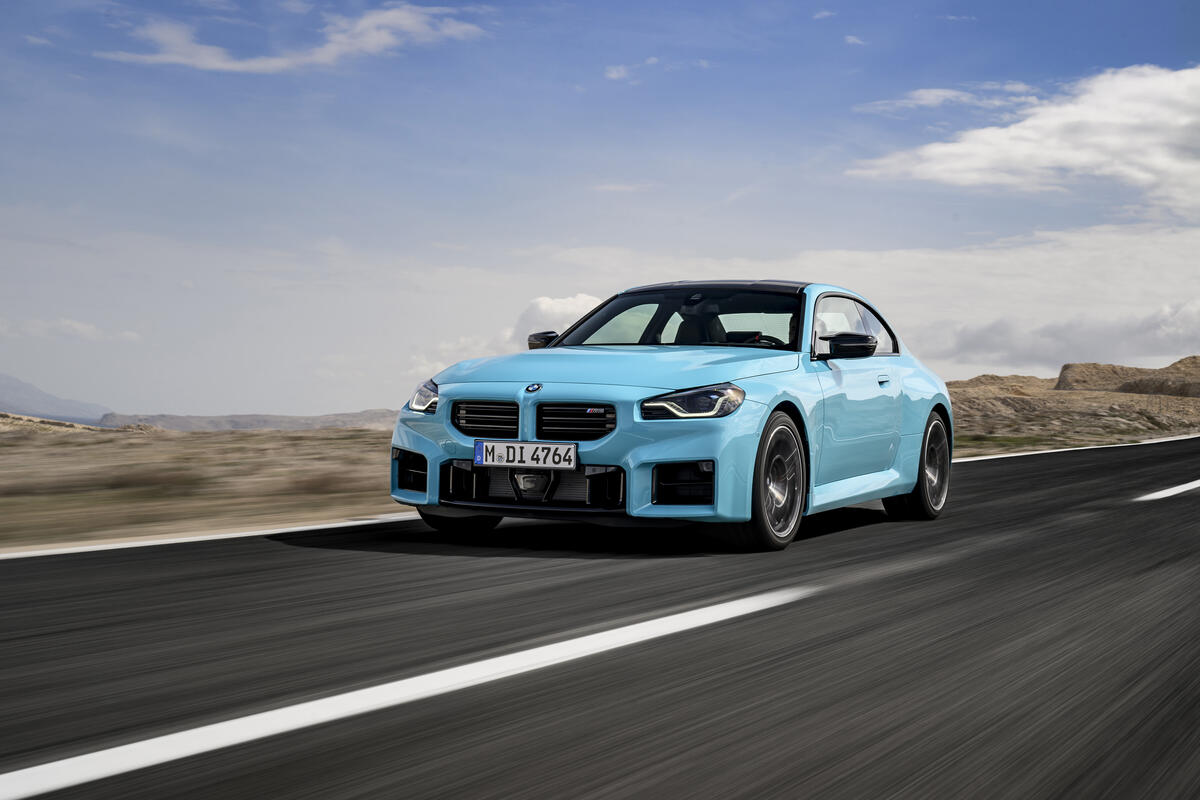
BMW M2
"... he ignored it quite rightly because he bought an M2 instead. Excellent."
The BMW M2 is a smaller BMW coupe that’s tuned for performance. It’s meant to feel sporty and exciting to drive, but in a more compact size than bigger M cars. The podcast mentions it because someone chose it instead of another option.
The BMW M2 is a compact performance coupe built around the idea of delivering M-car thrills in a smaller, more agile package. In the episode, it’s mentioned as a purchase choice—“he bought an M2 instead”—which signals it as a satisfying alternative when someone wants performance without going bigger. That’s why it fits the discussion: it’s a go-to “serious fun” BMW.

Mercedes C 63
"Yeah, my car is a Mercedes C 63. And that was actually my first car. It's the only car I've ever owned. That's my daily."
The Mercedes C 63 is the sporty, higher-powered version of the Mercedes C-Class. It’s meant to be a daily car that’s still fun and quick, not just comfortable.
The Mercedes C 63 is a high-performance version of the Mercedes-Benz C-Class, known for its strong power and “muscle-car” feel in a more compact luxury package. It’s a popular choice for people who want a daily that still feels exciting when you drive it hard.
25 MPG
"Well, there's 25 MPG. So yeah, again, you're not not changing the sort of thought process here."
MPG means miles per gallon. It’s a way to describe how efficiently a car uses fuel—how far it can go before you need to refuel.
MPG (miles per gallon) is a fuel-economy measure that tells you how far a car can travel on one gallon of fuel. When someone quotes a number like “25 MPG,” they’re giving a rough idea of expected real-world consumption for that car or driving situation.

Renault Clio 182
"Well, I own a very shabby Renault Clio 182. Shabby Sheik. Oh, no, no, I'm not sure."
This is a sporty version of the Renault Clio. The “182” is basically a clue to how strong the engine is, and it’s why people like it as a fun everyday car.
The Renault Clio 182 is a hot-hatch version of the Clio, known for its punchy, track-friendly character compared with a normal family Clio. The “182” refers to its engine output in horsepower, which is why enthusiasts treat it as a more engaging daily-driver option.
left rear
"if I if I take a right hand a bit quickly, I know I know, you know, what the left rear is sort of going to what pressure it's on, because that's the really rubbish tyre."
This means the back-left tire. When one tire has less grip than the others, it can change how the car behaves when you turn.
“Left rear” is the specific wheel at the back-left corner of the car. In handling discussions, which corner has the weakest grip matters because it can trigger oversteer/understeer and changes in tire load during cornering.
rubbish tyre
"because that's the really rubbish tyre. So it's like running crossbattons on a rally car, sort of, so you've got studs on opposing corners, so I'm fine"
A “rubbish tyre” is basically a tire that isn’t gripping well. If one tire is worse than the rest, the car will feel different and less predictable when you drive hard.
A “rubbish tyre” refers to a tire that has significantly worse grip than the others—often due to wear, damage, or poor condition. That imbalance shows up quickly in cornering because the car’s grip is limited by the weakest tire.
crossbattons
"So it's like running crossbattons on a rally car, sort of, so you've got studs on opposing corners, so I'm fine"
“Crossbattons” (as Henry describes it) is a rally-style setup where traction is intentionally mismatched across the car—studs on opposing corners. The idea is to create a predictable, repeatable grip pattern so the driver can anticipate how the car will behave.
studs
"so you've got studs on opposing corners, so I'm fine because I know what it's going to do and I know that it's not right."
“Studs” are spikes on the tire that bite into slippery surfaces. They help the car grip when the road is icy or snowy.
“Studs” are traction devices (typically metal spikes) fitted to tires for grip on ice or snow. On rally cars, studded tires can dramatically change how weight transfers and how quickly the car can rotate under throttle or steering input.
switch gear
"But yeah, apart from that, I mean, it gets all the switch gear and the steering wheel sort of start disintegrating in with temperature changes and stuff like that."
“Switch gear” means the car’s buttons and switches. Over time, especially with lots of heat, they can wear out or stop working properly.
“Switch gear” is the set of electrical controls—buttons, switches, and related housings—used to operate functions like lights, wipers, and other cabin systems. Heat cycling can degrade plastics and internal contacts, leading to failures or looseness.
temperature changes
"and the steering wheel sort of start disintegrating in with temperature changes and stuff like that."
He means the car interior gets hot and cools down repeatedly. That can make plastic parts wear out faster or get damaged.
“Temperature changes” here refers to heat exposure and thermal cycling that can damage interior materials. Plastics and adhesives can soften, warp, or become brittle, which can make touch points (like the steering wheel) degrade.
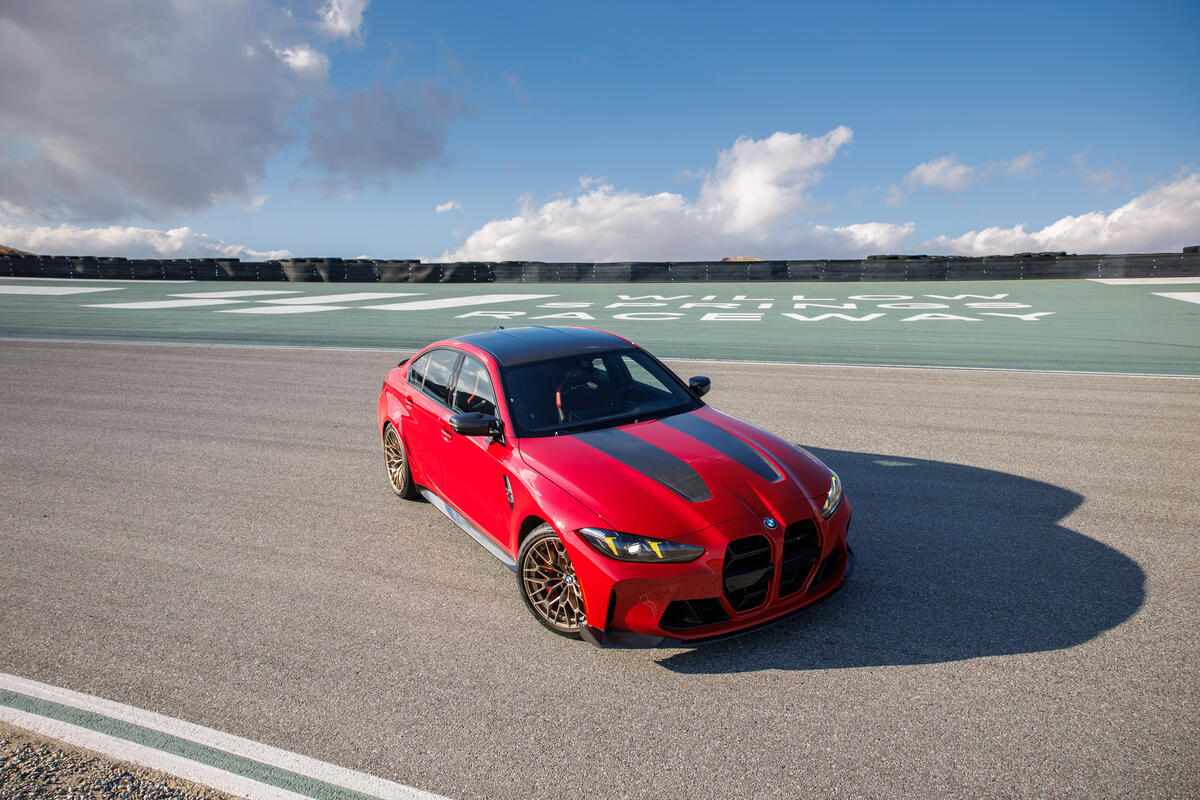
BMW M3
"Well, yeah, yeah. Well, unless it's your M3 and the desert rain ruined it immediately."
The BMW M3 is BMW’s high-performance version of the 3 Series. People buy it because it’s fun to drive, not just because it’s comfortable. The host is basically saying you wouldn’t want something like that exposed to harsh weather.
The BMW M3 is a performance sedan/coupe built by BMW’s M division, known for its driver-focused chassis and high-revving engines (depending on generation). In this segment, it’s mentioned as a car you wouldn’t want damaged—here, by “desert rain,” implying harsh conditions can quickly ruin a daily driver’s appearance or finish.

Land Rover Discovery Sport
"And then there's family discovery sport as well, which is another of those cars that you can't recommend to anybody"
The Land Rover Discovery Sport is a family-oriented SUV. In this conversation, they like it because it’s manageable in size but still has room for people and stuff, including extra seats for family trips.
The Land Rover Discovery Sport is a compact luxury SUV built for family use, with a focus on practicality and seating flexibility. Here it’s discussed as a daily-driver choice because it’s not too big, yet can still fit a lot—specifically calling out its seven-seat configuration.
ingenium
"So which engines are gone? Oh, it's got the terrible ingenium. So yeah, I basically pour oil into it on a weekly basis at the moment"
Ingenium is the name Jaguar Land Rover uses for its engines. The host is saying their particular Ingenium-powered car uses a lot of oil, so they have to top it up frequently just to keep it running normally.
“Ingenium” is Jaguar Land Rover’s engine family name, covering multiple turbocharged petrol and diesel designs used across their vehicles. In this segment, the host calls it “terrible” and says they’re adding oil weekly, which points to an oil-consumption or maintenance burden issue on their particular setup.
coolant
"So it's a coolant like there's a bottle kind of yeah. Yeah, all that stuff again, can't can't possibly say go out and buy one"
Coolant is the fluid that helps an engine stay at the right temperature. If there’s a problem with the coolant or the cooling system, the engine can overheat and get damaged.
Coolant is the liquid used to carry heat away from an engine and keep it within a safe operating temperature range. If the cooling system is compromised (wrong fluid, air pockets, leaks), the engine can overheat and cause serious damage.
extended warranty
"Yeah, plus we bought an extended warranty on us. So it makes it someone else's problem."
An extended warranty is extra protection you buy after the original warranty ends. If something breaks later, the warranty may pay for the repair so it’s less costly for you.
An extended warranty is extra coverage beyond the factory warranty period, typically covering repairs for certain components for a set time or mileage. In this segment, the speaker implies it shifts the risk of expensive failures to the warranty provider.
mid-engined
"What is peak year series in terms of pure drive enjoyment for Porsche 911, BMW M3 and mid-engined Ferrari?"
“Mid-engined” means the engine is placed near the middle of the car, not at the front or the back. This can help the car feel more balanced and easier to steer through corners.
“Mid-engined” describes a layout where the engine sits near the center of the car, typically behind the driver and ahead of the rear axle. That placement helps balance weight distribution and can make handling feel more immediate and predictable compared with front- or rear-engine designs.

Porsche 911
"What is peak year series in terms of pure drive enjoyment for Porsche 911, BMW M3 and mid-engined Ferrari? ... Peak year model, I mean, 997 for."
The Porsche 911 is a famous sports car from Porsche that’s built around a rear engine and a very recognizable shape. Here, they’re talking about which 911 generation feels best to drive, especially the 997 generation versus newer ones.
The Porsche 911 is known for its rear-mounted flat-six engine and long-running, evolution-by-generation design. In this segment, Henry Catchpole discusses the 997-era 911 as a “peak year” for pure driving enjoyment, and contrasts it with later 991 and newer generations.
Metzger engines
"The last of the manuals, Metzger engines had the PCM update as well. [1628.2s] So it's kind of just that little bit more modern."
Metzger engines is Porsche-speak for a particular lineage of 911 flat-six engines. The point here is that the speaker thinks these versions are especially good and were paired with later refinements.
“Metzger engines” refers to Porsche’s long-running engine family associated with engineer Hans Metzger, known for the air-cooled flat-six architecture used in many classic 911s. In this context, they’re pointing out that these 997-era manual cars had that specific engine lineage and associated updates.
PCM update
"The last of the manuals, Metzger engines had the PCM update as well. [1628.2s] So it's kind of just that little bit more modern."
PCM is the car’s main computer system. A PCM update means Porsche changed the software so the car runs and responds a little better than before.
PCM stands for Porsche Communication Management, Porsche’s in-car computer that controls various functions including engine management. A “PCM update” typically means revised software calibration that can improve drivability, emissions behavior, or how the car responds to throttle inputs.
oversterey
"it was still manual [1653.3s] and it was just so much fun. [1654.6s] And it was that properly oversterey, so fast, sounded great."
They mean the car tends to rotate its rear end more than the front. In normal terms, that’s oversteer, and they’re saying it feels fun and controllable.
“Oversterey” is a colloquial way of describing oversteer—when the rear of the car rotates more than the driver expects. The speaker is saying the car’s balance is lively and that it feels fast and confidence-inspiring because it rotates predictably.
GT3 RS
"and then obviously you've got the RS and the GT3 RS as well."
The GT3 RS is Porsche’s more extreme, track-oriented version of the 911 GT3. It’s the kind of car that’s tuned to feel sharp and planted, not just comfortable for daily driving.
The Porsche 911 GT3 RS is a track-focused 911 variant built around maximum grip and driver feedback, typically with a more aggressive setup than a standard GT3. Here it’s mentioned alongside RS and GT3 as part of the same 997-era family of “wide-body” performance cars.
V8s
"Yeah, but I'd say the, yeah, the V8s were kind of. [1707.0s] Because it's a special thing."
A “V8” is an engine with eight cylinders arranged in a V shape. It’s often associated with strong sound and smooth power delivery. Here, the speaker is grouping cars by engine type when talking about what they’d choose.
“V8” refers to an engine with eight cylinders arranged in a V shape. In this context, the speaker is talking about “V8s” as a category of performance cars/engines they associate with a particular era or choice. The point is about engine character and what they’d personally go for.
better balanced
"But actually, the Saloon is. [1727.8s] The Saloon was better balanced. [1728.9s] It was kind of just, yeah,"
When someone says a car is “better balanced,” they mean it feels easier to control in corners. It tends to turn in smoothly and behave predictably instead of feeling twitchy or heavy at one end. The speaker is describing that kind of cornering feel.
“Better balanced” is an enthusiast way of describing how a car’s weight distribution and chassis tuning make it feel predictable and composed in corners. The speaker links it to steering feel (“handing-wise”) and how the car turns in sharply. It’s essentially about overall dynamics rather than just straight-line speed.
turning in sharply
"It was kind of just, yeah, [1730.6s] handing-wise it was and it was one of the things I remember going on the launch [1733.0s] and sort of coming away."
“Turning in sharply” means the car starts turning quickly when you turn the wheel. A car that does this feels responsive and eager to rotate into a corner. The speaker is saying this saloon felt more exciting than you’d expect.
“Turning in sharply” describes how quickly and decisively a car responds when you initiate a corner—how fast the front end bites and the car starts to rotate. It’s a steering response/dynamics term, often tied to front-end grip, steering geometry, and suspension setup. The speaker uses it to explain why the saloon felt more “edgier.”
frameless doors
"And yeah, I think people just wanted the frameless doors and the."
Frameless doors are doors where the window glass doesn’t sit inside a metal frame. They can make the car look sleeker, but they need good engineering so the windows seal properly.
Frameless doors are doors where the window glass doesn’t run in a traditional metal window frame. They’re often associated with a more premium look and feel, but they require careful sealing and body rigidity to work well.
coupé
"Yeah, but also being a coupole. ... So if people wanted the competition, then they obviously had to go for the coupé."
A coupé is a car body style with a sleeker roofline than a sedan. In this segment, they’re saying the sporty “competition” choice was tied to the coupé, not the saloon.
Coupé is a body style typically characterized by a shorter roof and a more driver-focused, sporty shape compared with a sedan/saloon. In this discussion, the host is saying buyers who wanted the “competition” version effectively had to choose the coupé because the saloon wasn’t offered in that form.
VA
"It's like a. But it was one that peak F1. ... Period, wasn't it, with the V10 and the VA of let's build some proper motorsport inspired engines for F1, DTM and."
“VA” here sounds like a shorthand the host used for something about the engine’s character or design. The transcript doesn’t make it clear what it stands for, so it’s hard to explain precisely from this snippet.
“VA” appears to be a transcription of a specific engine-related acronym or shorthand the host used while comparing the BMW/V10 discussion to a Porsche-like character. Because the transcript doesn’t clearly spell it out, it’s not possible to define it confidently from this excerpt alone.
V10
"Period, wasn't it, with the V10 and the VA of let's build some proper motorsport inspired engines for F1, DTM and. ... The E60 M5 with the V10 is cool, but they are less reliable."
A V10 is an engine with 10 cylinders arranged in two rows shaped like a V. It’s usually associated with a special, high-revving feel—something you often see in performance cars and race-inspired engines.
A V10 is an engine with ten cylinders arranged in a “V” shape (two banks of five). V10s are often chosen for their smoothness and high-rev character, and the host connects this V10 era to motorsport-derived technology that benefited road cars.
DTM
"Period, wasn't it, with the V10 and the VA of let's build some proper motorsport inspired engines for F1, DTM and."
DTM is a German racing series for touring cars. The point in this segment is that racing there helped inspire better engine tech that later showed up in road cars.
DTM stands for Deutsche Tourenwagen Masters, a German touring-car racing series. The host mentions it alongside F1 as part of the motorsport environment that pushed engine development and then fed back into road-car technology.
F1
"Period, wasn't it, with the V10 and the VA of let's build some proper motorsport inspired engines for F1, DTM and."
F1 is the highest level of open-wheel racing. In this segment, it’s mentioned as one of the places that drove the push for advanced engine technology.
F1 refers to Formula 1, the top level of open-wheel motorsport. The host is using F1 as an example of where “proper motorsport-inspired” engine development ideas were coming from during the V10 era.
dog leg gearbox
"You sit on the wrong side of the road, dog leg gearbox, you feel. Proper homologation car."
A dog-leg gearbox is a manual transmission shift pattern where the first few gears are arranged differently than in most cars. It makes shifting feel more like a race car.
A dog-leg gearbox is a manual transmission shift pattern where the first and second gears are arranged “up” and “down” in a way that makes the shift feel more like a racing car. On many BMWs with this layout, the gear lever movement is shorter and the car feels more focused and mechanical.
homologation car
"You sit on the wrong side of the road, dog leg gearbox, you feel. Proper homologation car. E46 as well."
A homologation car is a car that was made so it could be raced. The manufacturer had to build enough of them for the racing rules, so they often feel more like race cars.
A homologation car is a road car built to meet the rules required for racing eligibility, usually meaning the manufacturer had to produce a minimum number of similar cars. That’s why these models often feel more “race-derived” than typical road cars.
throttle mid corner
"you give it so much [1918.9s] more throttle mid corner. [1920.1s] More deliberate."
It’s about how you use the gas while you’re still in the turn. The timing and amount of throttle can change how the car grips and whether it feels stable or wants to slide.
“Throttle mid corner” refers to how much accelerator input you keep while the car is still turning. It matters because the engine’s torque and the car’s balance determine whether the car stays stable or starts to understeer/oversteer as you load the tires.
torque
"Because there's not the torque there and you're, you're working [1920.9s] towards that power band at the top, which is so nice rather than sort of,"
Torque is the engine’s twisting force that makes the car move. It’s what gives you that “pull” feeling, especially when you’re not at the very top of the rev range.
In this context, “torque” is the engine’s twisting force that actually moves the car, especially at lower to mid engine speeds. It’s different from horsepower: torque is what you feel as pull, while horsepower is a combined measure of torque and engine speed.
power band
"Because there's not the torque there and you're, you're working [1924.4s] towards that power band at the top, which is so nice rather than sort of, [1928.7s] you know, having to sort of bridge the top end of the throttle travel"
The “power band” is the part of the engine’s rev range where it feels strongest and most responsive. Keeping the engine there makes the car pull harder and more smoothly.
The “power band” is the engine speed range where it produces strong usable power and feels responsive. Drivers often aim to keep the engine operating in that band so the car accelerates cleanly without needing constant throttle corrections.

CSL
"Much like I love CSL. [1958.5s] CSL was a car that when it was new, it was panned and now everyone loves them. [1961.1s] Yeah, I think the tires were a bit of a problem on them."
“CSL” is BMW’s classic lightweight coupe. People didn’t always love it at first, but it’s now considered special—partly because of how it drives and how it was built for racing.
“CSL” refers to the BMW 3.0 CSL, a famous lightweight BMW coupe built for the era’s touring-car racing. It’s become a cult favorite over time, and the discussion highlights how its original reputation was affected by issues like tire behavior and gearbox characteristics.
laminated piece of paper saying this is not in the rain
"It's more the gearbox and the, the fact that it came up with a laminated [1964.6s] piece of paper saying this is not in the rain, you know, but it was the gearbox."
He’s talking about a warning note that basically said the car isn’t meant for wet weather. Some cars with race-focused parts don’t behave well in the rain.
That “laminated piece of paper” is an anecdote about the car’s operating limitations—specifically, guidance that it shouldn’t be used in rain. It’s a reminder that some track-oriented setups (tires, cooling, traction characteristics) can be compromised in wet conditions.
DCT
"“So the DCT.”"
DCT means a dual-clutch automatic gearbox. It shifts quickly because it’s ready with the next gear already selected.
DCT stands for Dual-Clutch Transmission, a gearbox that uses two clutches to pre-select the next gear. It typically enables faster, smoother shifts than a traditional automatic, and can feel very “direct” in performance driving.
V8
"“So OK, well, maybe V8, V8, we're putting a line inside.”"
A V8 is an engine with eight cylinders arranged in a V shape. People talk about it because it has a distinct sound and driving feel compared with other engine sizes.
A V8 is an engine with eight cylinders arranged in a “V” shape. In performance-car discussions, “V8” often signals a specific kind of power delivery and character compared with fewer cylinders (like V6) or more (like V12).

Ferrari 458
"“I mean, 458 for me is is the car.”"
The Ferrari 458 is a Ferrari supercar with the engine in the middle of the car. It’s famous for its V8 sound and feel, and the host is saying it’s the one he thinks of most for that kind of Ferrari.
The Ferrari 458 is a mid-engine supercar from Ferrari, known for its naturally aspirated V8 and sharp, high-revving character. In this segment, Henry Catchpole singles it out as “the car” he associates with that V8/mid-engine Ferrari idea.

Ferrari 430
"So maybe 430 [2094.9s] Yeah, driving one of those again and sort of [2097.0s] and you can have that manual box, obviously, [2098.7s] which they got right by that point. [2100.6s] You know, it was really good, good manual. [2102.7s] It's a cool manual."
The Ferrari 430 is a mid-engine Ferrari with a V8. They’re talking about preferring the manual gearbox because it makes the car more engaging to drive.
The Ferrari 430 is a V8 mid-engine Ferrari that’s often discussed in terms of how well it delivers a “driver’s car” experience, especially with a manual gearbox. This segment contrasts having a manual in the 430 versus choosing a different model with a different gearbox, emphasizing how the transmission choice changes the character of the car.
manual box
"and you can have that manual box, obviously, [2098.7s] which they got right by that point. [2100.6s] You know, it was really good, good manual."
A “manual box” is a stick shift. You choose the gears yourself with a clutch and gear lever, which can make the car feel more involved to drive.
“Manual box” means a manual transmission, where the driver selects gears using a clutch pedal and gear lever. In performance cars, the manual gearbox can make throttle response and driving feel more direct because you’re actively managing gear selection rather than relying on an automatic.
single clutch boxes
"that was the the last of the single clutch boxes, which. But again, you forget how good those"
This is a type of automatic/manual-style gearbox that uses just one clutch. Because it only has one clutch working, the car may shift a little differently than a gearbox that uses two clutches.
A single-clutch gearbox uses one clutch to connect the engine to the transmission. In practice, it can feel different from dual-clutch systems because only one gear path is prepared at a time, which affects shift smoothness and how quickly power delivery changes.
SMG
"we just thought about the SMG sort of single clutch paddle shift gearbox not being great."
SMG is BMW’s paddle-shift gearbox system. It’s meant to shift like a race car—without you using a clutch pedal.
SMG stands for Sequential Manual Gearbox, a BMW system that uses paddle shifters and an automated clutch. It’s designed to feel like a sequential race gearbox, with fast, deliberate shifts controlled electronically rather than by a traditional clutch pedal.
paddle shift gearbox
"we just thought about the SMG sort of single clutch paddle shift gearbox not being great."
Paddle shifters let you change gears using buttons on the steering wheel. You’re telling the car when to shift, instead of using a gear lever or clutch pedal.
A paddle shift gearbox uses steering-wheel paddles to command gear changes. The gearbox still does the actual shifting, but the paddles let the driver request upshifts and downshifts quickly and precisely.
sequential
"You felt that you were on a in a challenge car. Absolutely sequential. And they did carried over into the, you know,"
Sequential means the gears go in order. You can’t jump around like you can with a traditional H-pattern—you move step-by-step.
A sequential gearbox only allows gear changes in order (e.g., 2nd to 3rd, not directly from 2nd to 5th). That’s why it can feel like a “challenge car” or race car: the shifts are deliberate and follow a fixed progression.
dual clutch boxes
"And they did carried over into the, you know, for fire and dual clutch boxes. But yeah, that wasn't like a sort of a case of"
A dual-clutch gearbox uses two clutches so the car can get the next gear ready ahead of time. That usually helps the shifts happen faster and feel smoother.
Dual-clutch gearboxes use two clutches to pre-select the next gear, which can make shifts feel quicker and often smoother. The speaker contrasts these with earlier single-clutch “sequential” systems, noting that dual-clutch can improve refinement even if the older system was exciting to use.
NVH
"But nice with a more refined interior and ride and better NVH. [2205.5s] Sounds good to me."
NVH is a car term for how noisy and bumpy a car feels. Better NVH means less vibration and less harshness, so the ride feels more refined.
NVH stands for Noise, Vibration, and Harshness. It describes how much unwanted sound, shaking, and “roughness” the car transmits to occupants—so “better NVH” usually means a more refined, quieter, smoother ride.
interim models
"But it just those Ferrari do these sort of interim models [2217.1s] while they're kind of waiting down there."
An “interim model” is basically an in-between version of a car. It’s released before the next full redesign, often to improve things or keep the model current.
“Interim models” are mid-cycle updates or in-between variants a manufacturer introduces while waiting for the next full generation. They’re often used to refine the car, add features, or bridge the gap so the lineup stays competitive.
oil car
"I think there's an element to this is starting to feel like an oil car [2231.3s] because you're tracing it back."
“Oil car” sounds like a nickname for a car that feels like it belongs to an older, more traditional style. The speaker is saying you can trace that feeling back through earlier models.
“Oil car” here appears to be a colloquial reference to an “oil” or “oil-based” performance identity—likely meaning a car that feels like it belongs to an earlier, more traditional era of the brand’s character. The speaker frames it as something you can “trace back” through model history, suggesting a lineage of feel rather than a literal fuel type.
Where are they now?
"Where are they now? Who knows? I think someone owns."
They’re basically asking, “What happened to those cars we talked about before?” and then discussing who owns them now.
This segment is a follow-up thread asking what happened to previously discussed cars/projects. It frames the rest of the Q&A as an update on ownership and the fate of enthusiast builds.
sub eight
"I think Jeff Ray sold his project sub eight, didn't he? Yes, not sure. Funded a new kitchen or something."
“Sub eight” means “under eight seconds.” In car talk, it usually refers to how quickly the car accelerates in a timed test.
“Sub eight” is shorthand for achieving a time under eight seconds for a performance metric—most commonly a 0–60 mph or quarter-mile style benchmark in enthusiast talk. Here it’s describing Jeff Ray’s project car as being fast enough to dip below that threshold.

Lotus Exige
"...kies, wasn't it? Which I think went on to fund an exige. Yeah, which then went on to fund a 964 RS."
The Lotus Exige is a small two-seat sports car made for sporty driving. It’s related to the Elise and is usually more focused on performance. The podcast mentions it as the next step after another Lotus purchase.
The Lotus Exige is a lightweight, track-focused two-seat sports car derived from the Elise platform. The episode mentions that “kies… went on to fund an exige,” linking it to how one car choice can lead to another in an enthusiast’s journey. It’s discussed because the Exige is typically seen as the more performance-oriented step up within Lotus’s small sports-car lineup.

Ford Capri
"...me quite well there. John obviously still has his capri. We finished one day."
The Ford Capri is an older-style Ford sports car. People often keep them because they’re fun and have a strong enthusiast reputation. In the podcast, it’s mentioned because someone still owns one.
The Ford Capri is a classic European-style personal sports car, known for its long-running popularity and enthusiast following. The episode references “John obviously still has his capri,” which highlights its role as a car people keep and enjoy over time. It’s discussed as part of the broader mix of memorable cars that owners continue to live with.

Peugeot 205
"... I don't know what we sold there. That Miami Blue Peugeot 205 that I dinged in them. Oh, really?"
The Peugeot 205 CTI is an older small hatchback that was made to be more sporty than a normal family car. The podcast talks about one in a specific color and mentions an ownership moment. It’s brought up because it’s a memorable enthusiast car.
The Peugeot 205 CTI is a hot hatch from the 1980s/early 1990s era, remembered for its character and compact, driver-focused feel. The podcast references a specific “Miami Blue Peugeot 205” and even mentions “dinged,” which points to personal ownership stories and the car’s collectible appeal. It’s discussed as part of the lineup of cars people remember and talk about fondly.

Lotus Elite Series 3
"[2562.1s] That he buggered about with. [2563.6s] Yeah, be worth more standard than it. ... [2586.4s] Ben Johnson is a Lotus Elite Series 3 suitable as a daily. [2590.3s] Yes, absolutely."
The Lotus Elite Series 3 is an older Lotus sports/grand touring car. The hosts are saying it can work as a daily driver—meaning you can actually live with it and drive it often.
The Lotus Elite Series 3 is a classic Lotus grand tourer known for its lightweight, driver-focused feel and distinctive styling. In this segment, Ben Johnson’s car is specifically framed as a “daily” because it’s usable and can be driven regularly despite its age.
mindset
"[2589.0s] Yes, absolutely. [2591.9s] Yeah, it's all a state of mind. [2595.1s] If he wants it to be, then yes, it is. ... [2612.6s] yeah, I think it's one of those things [2614.7s] It is a mindset."
They’re saying whether a car is a “daily” isn’t only about specs. It’s also about whether you’re the kind of person who’s willing to use that car every day and make it work for your life.
The hosts treat “daily driver” less as a strict checklist and more as a personal mindset—whether you’re willing to use a car regularly, accept its quirks, and fit it into your routine. They contrast practical usability with the emotional/identity side of choosing a car to live with.
roof being
"because I got so annoyed with the roof being when it was on and it would spit through the head of rail when it was wet."
They’re talking about a car roof that can be opened or removed. In the wet, that roof setup can let water in, so you end up getting soaked.
This is referring to an open-top roof setup (likely a convertible-style roof) and the practical downside of driving with it in place when conditions are wet. The key point is that the roof design can allow water ingress, making the cabin area leak.
tonneau
"So eventually I just took the roof off and got a tonneau. So you covered over, so you just literally unzipped that"
A tonneau is a cover you put over the open part of a car. It helps keep rain out a bit, but it’s not the same as having a full hard roof.
A tonneau cover is a fabric or hard cover that seals over an open-top car’s cabin area or rear storage area to reduce exposure to weather. In this context, it replaces the full roof so you can still drive with the top removed but with some protection.

Audi S3
"...ort of randomly heroic. Yes, Ben, you can daily a S3, at least. It will enrich your life doing so, I t..."
The Audi S3 is a faster, sportier version of the Audi A3 hatchback. It’s designed so you can use it every day, not just for special trips. The podcast mentions it because it’s a performance car you can live with.
The Audi S3 is a performance version of the A3, typically aimed at drivers who want a daily-friendly hot hatch with stronger acceleration and sportier tuning. The episode says you can “daily a S3,” emphasizing its practical usability alongside performance. That’s why it’s relevant in a discussion about cars that can be both exciting and realistic for everyday life.

07 Megane R26
"Tom Fox, is there a better car for a mix of short daily commutes and weekend fun than my current 07 Megane R26?"
The Renault Megane R26 is a sporty version of the Megane. It’s meant to feel more responsive and fun to drive, not just get you from A to B.
The Renault Megane R26 is a hot-hatch built for driver-focused handling, known for its track-bred setup and sharper steering feel compared with a standard Megane. The “R26” is a specific performance trim that enthusiasts often keep as a weekend-and-commute car.
barn full
"Well, my barn full of kind of Pagani's [2772.8s] that I kind of just couldn't say."
A “barn full” is just a colorful way of saying they keep lots of cars in storage. It usually means they’re a collector, not just someone with one car.
“Barn full” is a hobbyist phrase for storing multiple cars in a private collection, often in a non-public garage or barn. In car culture, it usually implies a curated set of enthusiast cars rather than one-off ownership.

BMW M cars
"would you stick with BMW M cars [2839.7s] or Porsches or mid-engine Ferraris and stuff?"
BMW M cars are the high-performance versions of BMWs. They’re built to drive more aggressively—tighter handling and stronger power—than regular BMW models.
BMW M cars are models from BMW’s M division, tuned specifically for sharper steering, stronger engines, and more track-focused chassis tuning than standard BMWs. When someone says “BMW M cars,” they’re usually talking about that performance sub-brand rather than a single model.

Bmw M
"...st stick to one brand? Yeah, would you stick with BMW M cars or Porsches or mid-engine Ferraris and stuff..."
The BMW M Coupe (E36) is a sporty BMW coupe from the 1990s era. It’s a performance version of the E36 3 Series, made to feel more fun and driver-focused. The podcast mentions it as an example of a BMW M car someone might choose.
The BMW M Coupe (E36) is a rare, two-door performance model based on the E36 3 Series platform, built to deliver M-style driving with a distinctive coupe body. The episode brings it up in a “stick to one brand” type discussion, where the M Coupe represents a specific BMW M-era choice. It’s notable because it’s a smaller, more focused M car compared with many other BMW performance models.
Porsches
"would you stick with BMW M cars [2839.7s] or Porsches or mid-engine Ferraris and stuff?"
Porsche is a car brand famous for sporty, well-handling cars. Here it just means “Porsche models” as one of the options you might stick with.
Porsche is a sports-car brand known for engineering-focused handling and performance. In this context, “Porsches” is being used as a shorthand for the variety of Porsche models you could choose from.
Request an Explanation
Heard something you'd like explained? We'll add it to this episode.
Sign in to request explanations for terms you heard.
Want to learn more?
Browse our glossary for plain-English explanations of automotive terms, jargon, and concepts.
Help improve this episode
See something that's not quite right? Our annotations are AI-generated and can sometimes miss the mark. Click the flag icon on any annotation to suggest a correction.
1 community members have helped improve this episode.