Homologation is basically the government saying a car is allowed to be sold there because it meets the rules. If a car wasn’t approved for the U.S., you usually can’t just import it—unless it qualifies under an exception.
They’re talking about importing an older European car using rules that depend on the car’s age. The idea is that a newer-looking, low-mileage example from Japan might avoid some common wear issues.
The Alfa Romeo Mito is a small hatchback from Alfa Romeo. The listener likes it a lot personally, but they’re worried it may be less practical than the Audi for long, cold commutes far from help.
Car
Citroen DS3
The Citroën DS3 is a small hatchback with a unique look and lots of different versions. In this segment it’s discussed as a car the listener really likes, and they’re trying to judge whether it’s practical to own long-term.
The Audi A1 is a small hatchback from Audi. Here it’s being picked because the listener thinks it’ll be tougher and easier to keep running than the other options, especially for long drives in cold weather.
Concept
Arctic conditions
“Arctic conditions” means very cold weather. Cold can make cars harder to start and can affect how well fluids and batteries work, so it changes what “reliable” means for a daily commute.
The Honda Jazz is a small hatchback that’s popular for being practical and easy to live with. The hosts are saying you could also look at a sportier version of something like this.
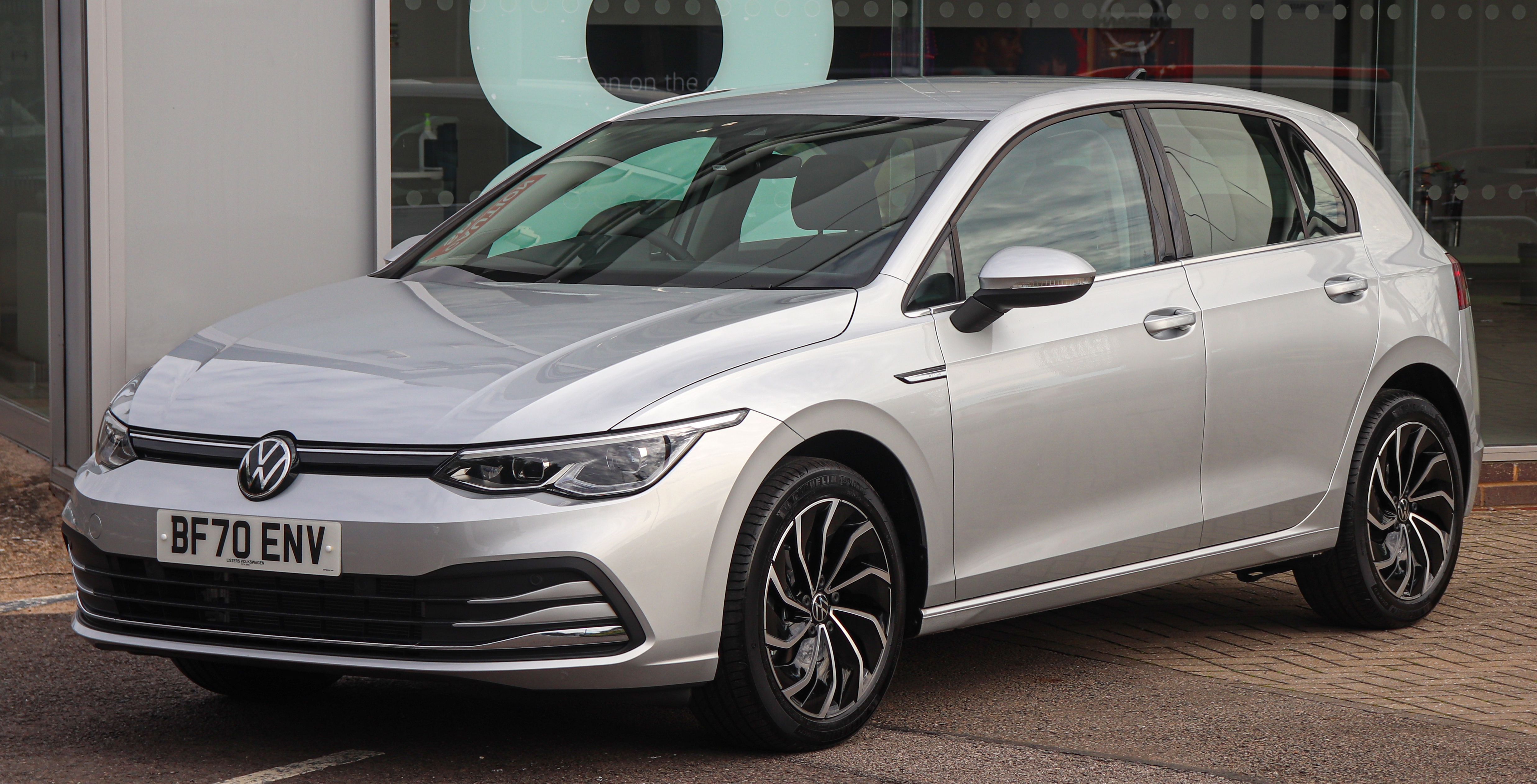
The Volkswagen Golf is a popular small car that comes in many versions. Some versions are made to be more fun to drive, and the podcast is mentioning it in that kind of context. They’re using it to talk about what performance models were available.
The Volkswagen Lupo GTI is a small, sporty hatchback. It’s the kind of car enthusiasts like because it’s light and feels lively, even if it’s not a big, powerful SUV.
Concept
Euro hatchback brief
They’re using a “brief” as a checklist for what kind of car they want. In this case it means a small European-style hatchback that matches their idea of the right kind of car.
The Toyota Land Cruiser is a large SUV made for tough roads and off-road driving. People bring it up because it’s known for being very durable over a long time. It’s the kind of car you’d choose if you want something that can handle rough conditions.
Term
ultra luxury vehicle
“Ultra luxury” just means the car is aimed at the very highest-end buyers, with a more premium feel and features. They’re using it to explain why the Sentry isn’t exactly like the Land Cruiser idea.
“Saloon” means a sedan—an everyday passenger car with a separate trunk. They’re saying the Sentry plan moved away from that body style.
Brand
GR
GR is Toyota’s performance brand label. They’re saying Toyota wants Sentry to work like GR does—so people recognize it as a whole lineup, not just one model.
The Toyota Century is a luxury sedan made for comfort and a more formal, chauffeur-style experience. It’s known for being a long-running model with a consistent focus on refinement. The podcast mentions it to connect the name “Century” with what the car has historically been used for.
The Lexus RX is a popular luxury SUV. Here, it’s mentioned as a comparison—basically saying the SUV they’re discussing feels like it’s based on the same general idea as the RX, just with a flashier look.
Car
Lexus Century
The Lexus Century is Lexus’s top, very traditional luxury sedan—often associated with being driven by a chauffeur. The hosts are talking about how it stands out visually and how its design details feel more special than the SUV.
A “badge” is the logo/emblem on the car that identifies the model or brand. In this segment, they’re talking about the Century’s Phoenix emblem on the grille.
“Two-tier lights” means the car’s lights are arranged in two levels (like two rows or stacked sections). The hosts are saying this lighting design helps the car stand out.
Concept
chauffeur-driven car
A “chauffeur-driven car” is meant to be driven by someone else, with the passenger riding in comfort. The idea is that it feels more formal and focused on the rear-seat experience.
The Dodge Spirit is a regular, mid-size sedan made for everyday transportation. In the podcast, they’re describing it as a car that fits a chauffeur-style role. The point is more about the car’s “fit” for that kind of use than about racing or off-road ability.
The Dacia Sandero is a low-cost small car, usually a hatchback, meant for everyday driving. People bring it up when they’re trying to find a cheaper option than more expensive vehicles. In the podcast, it’s used as a quick budget comparison.
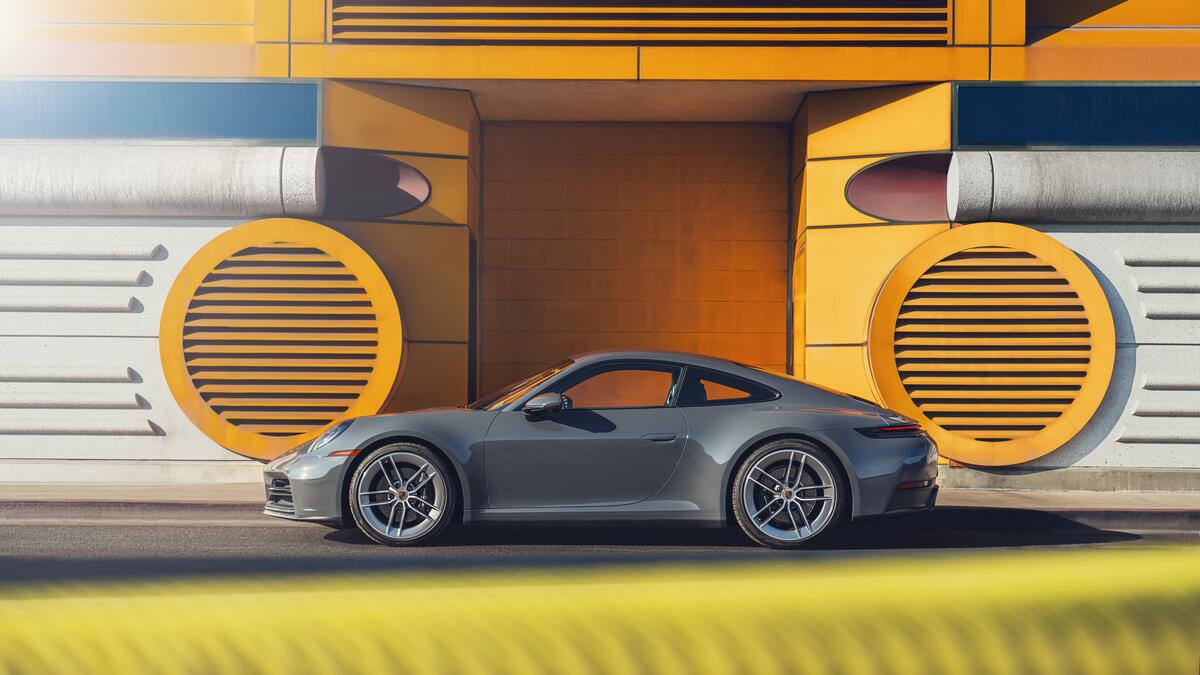
The Porsche 911 is a sports car built for fast driving and sharp handling. It’s known for its unique design and performance, and it tends to cost a lot even in entry-level trims. The podcast brings it up as a benchmark for what a high-end sports car costs.
The Range Rover is a luxury SUV, meaning it focuses on comfort and upscale features. It can also handle rougher roads, not just smooth highways. The podcast mentions it because it’s one of the pricier choices in that comparison.
The Rover 800 fastback is a British car from Rover, known for its sleek fastback body shape. Here, it’s mentioned because it was used in an ad meant to show that British cars could compete with German ones.
The hosts call the ad an “advertising lie,” meaning it makes a claim that’s more about persuasion than strict truth. In this case, the ad implies British cars can impress Germans as a selling point, even if the hosts doubt the premise.
TVR is a British brand that makes wild, characterful sports cars. In this idea, they’d be positioned as the more aggressive, higher-performance option.
McLaren is a British brand famous for very fast, high-end supercars. Here, the speaker imagines McLaren handling the top-tier “supercar” role in a bigger group.
Lotus is a British car brand that usually makes lightweight sports cars. Here, the hosts are imagining Lotus as the cheaper, simpler option if several British brands were combined.
Aston Martin is a British brand that makes more upscale, comfortable sports cars. In the discussion, it’s imagined as the “luxury grand tourer” part of a merged company.
Part sharing is when multiple car brands or models use the same components (like engines, electronics, or interior parts) to reduce development and manufacturing costs. The speaker argues it could improve “economy of scale” by spreading those costs across more vehicles.
Economy of scale means the more you make, the cheaper each one tends to be. In cars, using shared parts across many models can help the company build at lower cost per vehicle.
They’re talking about the engine as the costly part to design from scratch. Even if brands share other parts, engines are usually harder to share because they’re so central to how the car drives.
A V6 engine has six cylinders arranged in two groups that make a V shape. It’s a popular engine size because it can be compact while still feeling smooth.
A straight-six means all six cylinders are lined up in a row. It can run smoothly, but the engine is physically long, so it may not fit well in tight mid-engine packaging.
Platform sharing is when different cars are built on the same basic “skeleton.” It can save money, but it only works if the cars are meant to be similar.
“Brakes” here refers to the brake system sizing and tuning needed for a car’s performance and weight. Even if brands share some parts, the brakes for a heavier, less powerful car may not be adequate for a lighter or more track-focused one.
Cosworth is a company that designs engines, especially for high-performance and racing cars. Here, they’re talking about Cosworth trying to lock in future engine work so the company stays financially healthy.
A V12 is an engine with 12 cylinders arranged in two banks. The hosts are using it as an example of a bigger engine layout that some brands might not choose.
A V8 is an engine with eight cylinders in a V shape. The hosts are saying some brands might stick with a V8 instead of a V12, sometimes using turbo or supercharging to keep it quick.
Naturally aspirated means the engine breathes on its own, without a turbo or supercharger pushing extra air in. The hosts are comparing that approach to forced induction.
Amortize the costs means you spread a big one-time cost across multiple products. If you only build a small number of cars, each car has to “cover” more of that cost, so the cars get more expensive.
The McLaren F1 is a very rare, very fast supercar. It’s famous because it was built with special engineering and a lot of focus on performance. The podcast is talking about who worked on its engine and how that contributed to what makes it special.
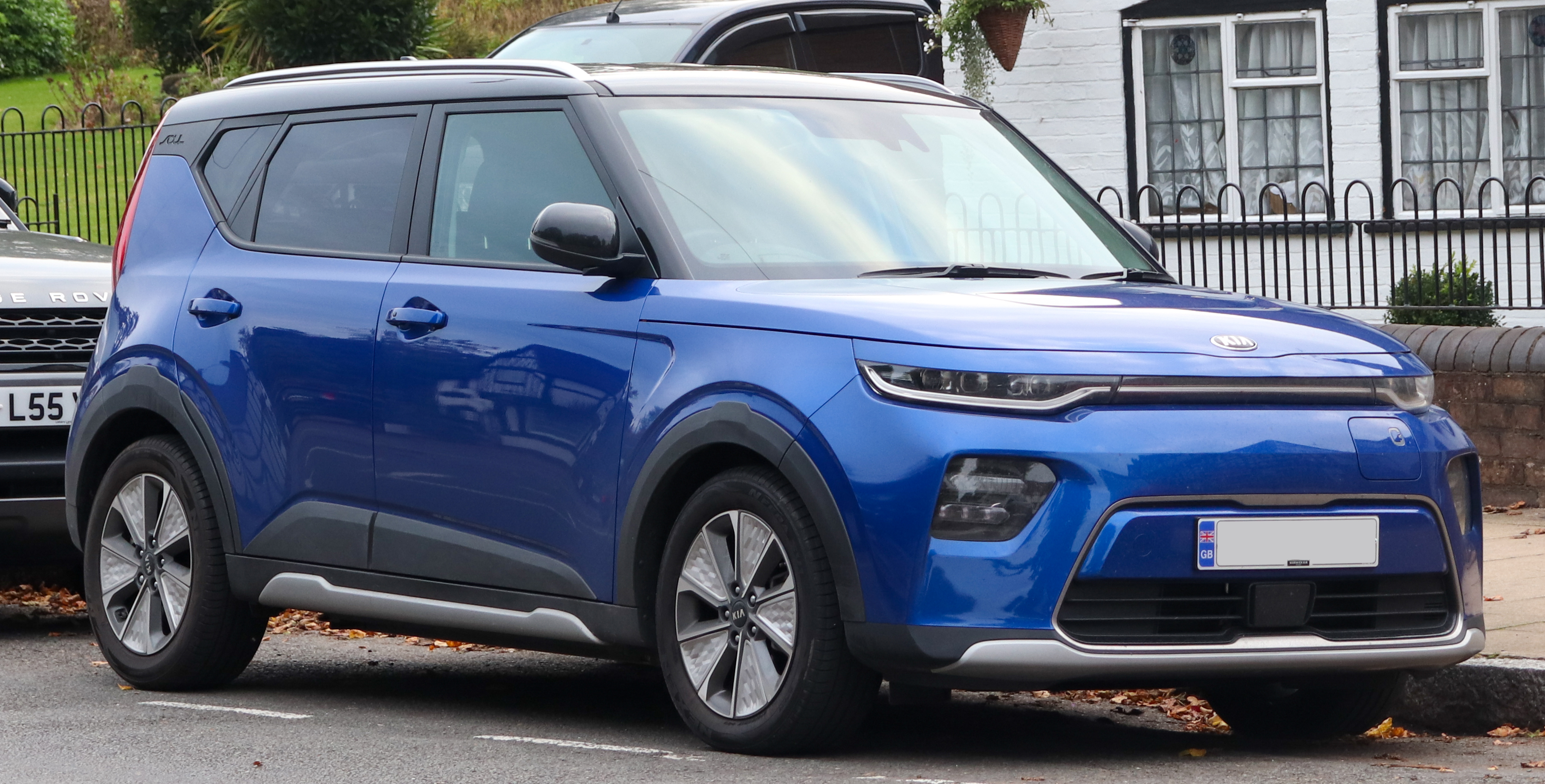
The Kia Soul is a small SUV-style car meant for daily driving. It has a distinctive, upright shape that makes it practical and easy to live with. The podcast brings it up as an example of a crossover model in a discussion about engines.
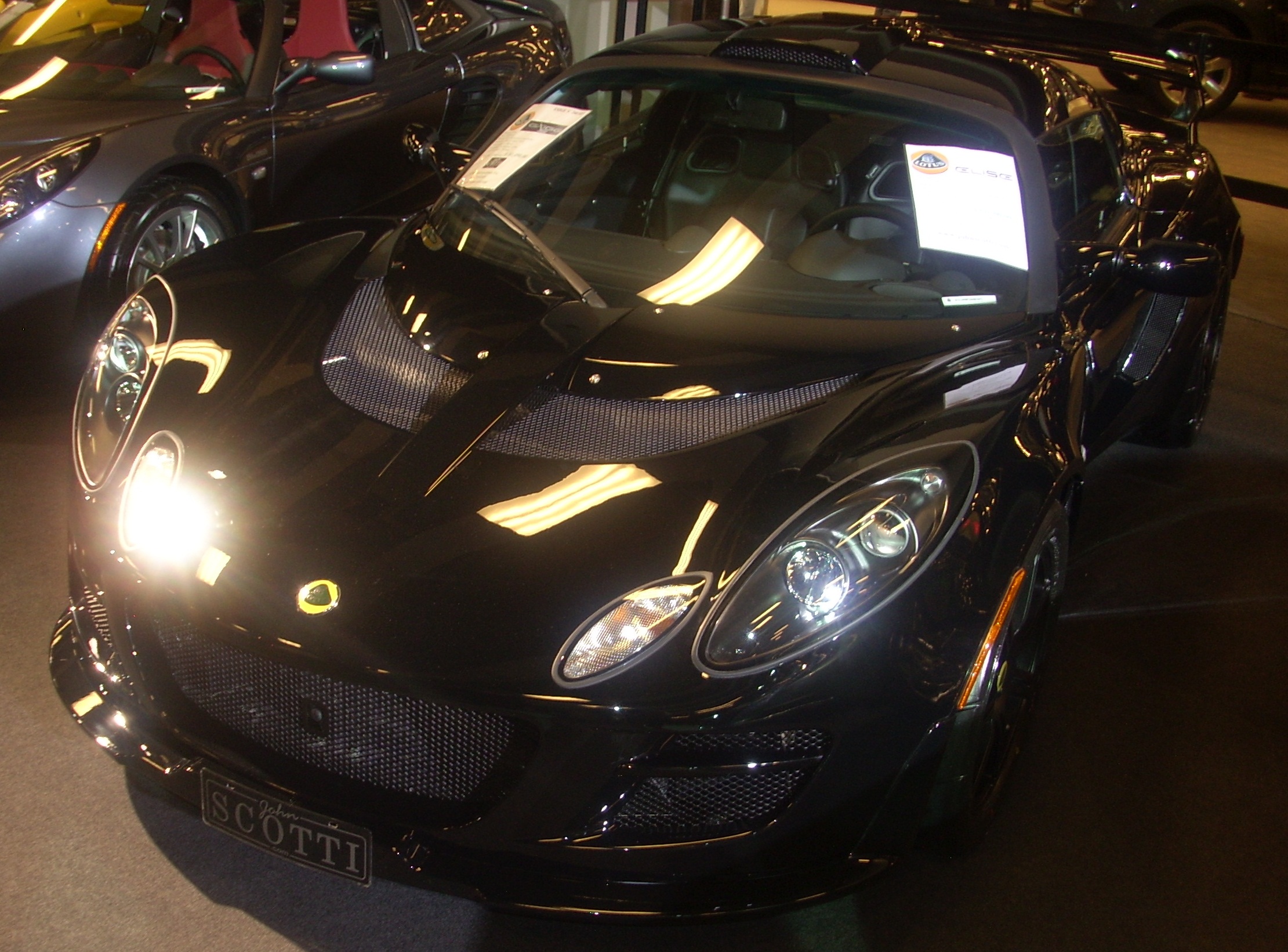
The Lotus Elise is a small, light sports car that’s meant to feel nimble and fun. Here, they’re using it as an example of the kind of “Lotus feel” they want to keep.
Platform sharing is when a car company builds different cars using the same basic “skeleton.” It saves money and time, but it can also limit how unique or specialized each car can feel.
Front-wheel drive means the front wheels do the work of moving the car. Hatchbacks are the compact style with a lift-up rear door, and the point here is that this layout is easier for carmakers to reuse across different models.
“Cross flow” describes how the engine head routes air in and exhaust out. It means the intake and exhaust paths are set up to flow across the head, which can help the engine breathe better.
The Ford Capri is an older Ford car that came with different engines depending on the version. In the podcast, they’re talking about an engine that was used in a Capri-related setup. The point is that some parts and engines were shared across different cars.
The Ford Granada is an older Ford car that came with different engine choices. In the podcast, they’re connecting it to the Capri because the same type of engine was used across more than one model. The key idea is that some cars shared parts and engines.
“Carbs” means carburetors—devices that mix fuel and air for the engine. The episode is comparing that to EFI, which does the same job with electronics.
Homologation is official approval for a car to be allowed in a certain category or to meet rules. It often includes proving the car meets emissions and safety requirements.
LIVE
If you've felt stuck trying to lose weight, you're not alone.
Enter Weight Loss by Hers. It's designed to support you in reaching your goals.
And Hers now offers access to an affordable range of FDA-approved GLP-1 medications,
including the WeGovie Pill and the WeGovie Pen.
Even better, with a range of affordable GLP-1 options,
Hers makes it simple to find an approach that fits your needs and your budget, if eligible.
You'll get a treatment plan personalized to you and unlimited dosage changes as needed.
It's weight loss designed to work with your life. Ready to reach your goals?
Visit forhers.com slash eligible to get personalized affordable care that gets you.
That's F-O-R-H-E-R-S dot com slash eligible.
Forhers.com slash eligible.
Weight loss by Hers is not available in all 50 states.
WeGovie is the registered trademark of Novo Nordisk AS.
To get started and learn more, including important safety information,
WeGovie clinical study information and restrictions, visit forhers.com.
Running a business means juggling a lot of moving parts.
And when your communication tools can't keep up, things start to slip.
They're not just frustrating, they're lost opportunities and revenue left on the table.
That's where Quo comes in, spelled Q-U-O.
Quo is the number one rated business phone system on G2,
trusted by over 90,000 businesses.
One shared business number for calls and texts,
so every conversation stays visible, organized, and accountable.
It works from an app or computer.
You can keep your existing number, add teammates, and sync your CRM,
letting you scale without adding complexity.
And with built-in AI, Quo logs calls, summarizes conversations,
and flags next steps, even after hours.
Stop missing customers.
Stop leaving revenue on the table.
Try Quo free and get 20% off your first six months at Quo.com slash tech.
That's Q-U-O dot com slash tech.
Quo, no missed calls, no missed customers.
Do you want to know the best part about being married to a woman, that there's no man involved?
I mean true, but I was gonna say that it's a sleepover every single night with your best friend.
Oh yeah, that part's cute too.
I'm Taryn, she's Cammie, we're married, and staying up is our weekly pillow talk out loud with you.
We're giggling, we're gossiping, we're arguing, classic marriage stuff,
just having fun being wives while we navigate growing up and building a family together.
Then our sleepover grows.
Our listeners call the PP hotline with their own gossip, burning questions, late night spirals,
all the stuff they'd only tell their best friends.
So it's a private sleepover, but you are invited.
Staying up with Taryn and Cammie, new episodes weekly, follow wherever you listen.
I'm Richard Porter.
I'm Johnny Smith.
And this is On the Other Side of Things, the Smith and Sniff spinoff in which we answer your questions.
Oh, here we are again on Friday answering some of your questions.
Shall I just dive straight in, as is my won't.
You're such an early diver, it's becoming a habitual thing now.
I know, I just can't help it.
I'm going to start with one that caught my eye that's not strictly about cars,
it's from a listener in Australia, Andrew, who's in Perth.
He says, good day, you massive bell housings.
Just a note to say, you talk disparagingly about the bag of cans.
However, there is no way you pair of patroficianados were not partial to a bag of cans.
Dispute as you will, but I won't have it.
The 90s and 90s were peak cans and cars, question mark.
Can's and Tars is a great name for a show, which would definitely end up with a lock-in in a field,
because it couldn't go anywhere else.
There would have to be camping or something, because obviously no one's going to be able to
leave if they have enjoyed the full bag of cans.
But yeah, we talk about bag of cans, they're usually in relation to no name, full suspension
mounting, but we're not anti-bag of cans.
I used to be a massive bag of cans enthusiast when I lived up the road from a shop that used to do
like six cans of Kronenberg for five quid or something in the 2000s.
That was the absolute textbook Friday night, come out of the tube,
pop into that shop, hand over a five pound note because it was the old days,
and leave with six cans of lager style beer in a blue bag, a blue bag that's being stretched
to the limits of its capabilities by the six cans.
It's the bag I'm almost more prejudiced against than the cans.
Do you know what we used to do at uni thinking back, because obviously massive
can appreciation at university, we used to go for the lager bracelet, as we called it.
So once you'd drunk all four cans from the four pack, you'd get that plastic ring,
and instead of breaking it up and putting it in the bin, you'd stretch one of them so you
could slip it through your hand, and you'd walk around for the rest of the night with a bracelet
of a four pack, and we would admire whether any of us had a double bracelet, because a couple of
my friends were a little bit more thirsty and accomplished than me. They could do the double
bracelet and still go out, which was no way I could do that.
My local shop was a loose cans dispensary, and that's why you got the six for the five pounds.
Oh, they were just seven.
No thing, but if I did ever get a four pack, I had been told ages ago by I think my girlfriend at
the time that birds, seabirds, particularly got their heads stuck in those can, must be a word for
those things that hold cans together. I don't know what it is though. Yeah, it's like a ring.
Can, harness. But they end up on landfill, don't they, certainly? Yes, well, but I used to obsessively
cut them with scissors once the cans were all released, so that a bird couldn't get its head
stuck in them, and I like to think that that was doing my little bit for the RSPB or whatever.
Yeah, anyway, so you know, but to answer Andrew's sort of question though, we have nothing against
bag of cans per se. No, bag of candy at many times. No, it's simply a product placement for no
nameful suspension mountain bike guy, the person I saw many moons ago, going down the towpath of
the nearby canal, very, very fast at dusk with no lights. And he's almost just become a symbol of
to the point where I quite like a bonnet mascot for a car, someone to make one that is basically
no nameful suspension mountain bike guy. You did me that lovely illustration on a post-it note
of, I don't know, with with the bag of cans hanging from the bars, which I used, I just put a snippet
of, as I've mentioned before, I'm engaged in an ongoing project to try and finish various bits of
music I have kicking around that I have just finished recently, the no nameful suspension
mountain bike guy song. Oh, I put a little snippet of it on socials using your illustrations, the
artwork which fitted perfectly, of course. I did that while I was on an important teams meeting,
just so you know. Yeah, good. That just makes it better. That's the way I wrote. Anyway,
shall we move on? Yeah, I had one here from a listener in Canada. Okay. Listener called Jonas,
he says, Hello, you two to find gentlemen, I'm from British Columbia, Canada, and looking at
importing a 15 year old small European hatchback. This is because obviously the US has a 25 year
rule after which you can bring in a car that wasn't homologated to be sold there. But yeah,
Canada's is 15, isn't it? Because some people take in cars to Canada and hide them there until
they're eligible to go into the US. I've heard this. Is it like, yeah, it's like,
like a drug mulling place for cars for KDM stuff or whatever. So yeah, Jonas says,
I've narrowed my selection down to the following. Audi A1, Alfa Romeo Mito, Citroen DS3. I work in
northern BC where at times I'm the only person for hundreds of kilometers. So I need it to be
reliable and well suited to regularly doing two and a half thousand kilometers as a commute
while being in Arctic conditions for most of the year. I'm leaning towards an A1 because
it's likely going to be more robust than the DS3 or Mito and has better parts availability.
My heart wants the DS3 or the Mito because of how much I obsessed over them when I was a little
kid. But my brain is saying A1. I'm going to be importing my car from Japan. So I'll be able to
find a box fresh low mileage example. So age related issues shouldn't be too much of a problem.
And if problems do pop up, I don't have any problem doing all the work myself.
Any input on helping me decide would be greatly appreciated. And if you have any good suggestions
of other cars that have fit this criteria, please let me know. Cheers mate, thanks mate. Bye Jonas.
Well, yeah, that's really interesting. I mean, when you said, do I listen to my heart, I always
would say you do, you should listen to your heart. And if those are the cars that really did it for
you, when you said bringing them in from Japan, I don't know if many Japanese people bought the
Citroen DS3, but I like the DS3. I drove them a lot when they were new and they were a successful
car for Citroen, weren't they? And they had a long lifespan for a car from memory. And you
could get them in all kinds of different specs and colors and stuff like that. But I don't think
they were a massively complicated car. It's just that if you're buying one really cheap,
and it should be quite cheap, they're not classics or anything yet,
I would just bring in a host of spares that you can have on your shelf in your garage just in case.
Essentials. I'm curious actually that Jonas is going to bring in this car from Japan because
obviously then it'd be right hand drive. But I don't know whether it's just an easier route.
Obviously he's made the point that you do get a lot of box rest low mileage, well cared for cars
coming out of Japan. And people just want to get rid because the Japanese MOT equivalent is
increasingly stringent and so it's just easier to get a newer car. And the Japanese economy is
preferable to us at the moment and probably America too. Certainly at the moment the exchange rate
as well as favorable to bringing stuff over here, isn't it? It's probably the same for Canada because
of the yen. But the DS3, yeah, I would worry about the integrity of a over 15 year old DS3.
Going into Canadian winters. Yeah, you have to remember that it was a cheap car. And there's
nothing wrong with that. It was, look at it as a affordable car, but the way they made it affordable
as with all small cars is there have to be some sacrifices. So yeah, you know, they're not built
from the finest ingredients because that would have made them too expensive at the time. Yeah,
when you say, yeah, and I just think, you know, some 2000 Citroens not notorious for their
absolutely impeccable quality deep down. So it would worry me a little bit, but they are quite
fun to drive. And they look cool. I think they look cool. You get good color, two tones and
yeah, and they've got a shark fin bit on there. The A1 is a good car. And the A1 is a reminder of
how tasteful Audi's were. So yeah, an A1 would be probably the best in terms of robustness
and long journey. I think so. And I don't know how much because it's a polo underneath,
isn't it? But I don't know how much is also shared with Golfs and A3s and things like that.
Just in terms of bits and pieces like interior switches and whatever else that you might be
able to source in Canada anyway, because they sold bigger Audi's there. But yeah, the Mito for me
is the one that doesn't do it. I always thought they were really disappointing to drive.
Yeah, I thought it was okay, but I didn't love it and I didn't dislike it. It was sort of,
I like the look of it. And a lot of alphas of that generation, it was more about the looks
than the driving experience. So I think, I think personally it should be the Audi or the Citroen
DS3. I'm curious whether it has to be European, particularly given that Jonas is talking about
sourcing in Japan, and whether he's thought about something interesting in Japanese like,
I don't know, Toyota Glanzer, it's a bit of a cult car. I mean, I imagine they're a bit pricey
because they are kind of sought after. But yeah, I don't know if they're sought after in Japan,
the way that sort of JDM nerds here get quite jazzed about them. But, hmm, that or...
A Lexus Sora.
Well, again, it's like, does it have to be a small hatchback? Could it be a larger hatchback?
We just don't know.
Well, you could get a, a version of a Honda Jazz or Fit as the Americans and probably
Canadians would call it. You could get a hotter version of one of those, which I kind of like.
I wondered about a Lupo GTI.
Oh, listen to you.
Because that has, I would say, a little bit more of the sort of inherent Ferdinand Pieck-era quality
in it, like the A1, but probably more fun to drive, one of the ones with a six-speed box on it.
That is an incredibly bespoke car, but...
It was.
It should be okay, because I think it only shared like one exterior body panel with other Lupos.
They just went to town on it.
They did.
And there's lots of aluminum in there and things like that, which, you know, as long as you don't
ding it, it would be fine. And actually quite good. Less rot.
Even the Lupo Sport would be good. Sorry. Spunked.
The Lupo Spunked. I had a Lupo Spunked very briefly, and it was great.
I had a yellow one, and they're a good-looking car in yellow, I think.
They are very good in yellow.
Yeah, so I don't know. Lupo GTI. And I think I'm pretty certain that was sold in Japan.
Okay.
So you can find one of those.
Yeah.
If that still fits the Euro hatchback brief.
But yeah, so that'll be it. I'm going to...
You're going to lock that one in, are you? You're going to lock that one in. Final answer.
I'm going to... That's where my vote's going to go, but if not, then A1 with head,
DS3 with heart, Mito, don't bother.
But just get a Lupo GTI or a Glanzon.
Mito just don't bother.
Sorry. We don't... I don't... We do want to be too dictatorial about these things and just go,
no, you must get this, but those are our sort of thoughts, I suppose.
Well, okay. Look, I've got a letter from a guy called Stephen Garland.
And he said,
Hi, dear high speed rails, sweet, sweet shinkansen.
I was recently in Japan on vacation.
We stayed in a swanky part of Tokyo
since we were able to find a reasonably priced short-term apartment to rent in Ayoyama.
And I saw a new Toyota Sentry SUV in the wild.
It has been out for a few years, I know, but I haven't got around to seeing one in person
as they're pretty rare. I share your general skepticism of the SUV breed,
but seeing it in person reminded me of an idea you had both hit on in an old episode.
Why doesn't Lexus slash Toyota build a car that has the design language of a Land Rover
or similar geometric clean form married to their legendary build quality,
setting the new Land Cruiser aside for a moment.
Seeing the Sentry navigate the beautiful streets of Ayoyama immediately brought that idea back to
me, though it is more of an ultra luxury vehicle. And so a little different from the way I saw the
original idea, I think is in spirit, a kind of union of Toyota build and more geometric, low key
design language. It looks fantastic sailing down the streets of Tokyo.
So I'm curious to know your thoughts on the design language of this Sentry and how it relates to
that idea that you spoke of, of uniting Toyota build and a more Land Rover-like form.
Keep up the work. Love the show. Well, thanks Steve. It's a good idea because I did know,
because I remember when the Toyota Sentry, they announced that it was going to no longer be a
saloon and I groaned. I can't remember if you groaned, Rich. Well, the saloon lives on. So they're
not, they're not for now anyway. Oh, they haven't bagged it off. I thought they bagged it off.
No, the idea is that Sentry becomes a sort of brand in its own right. Of course. In the way
they're sort of trying to make GR a bit more of a thing. So Sentry becomes a whole family of cars,
I think is the idea. And the saloon will be there as you kind of OG. And then there's this SUV as
well. I've just gone on the website and it is just sentry-100.com. And it's got the, it's not a dragon,
is it? If you felt stuck trying to lose weight, you're not alone. Enter Weight Loss by Hers.
It's designed to support you in reaching your goals. And Hers now offers access to an affordable
range of FDA-approved GLP-1 medications, including the WeGovie Pill and the WeGovie Pen. Even better,
with a range of affordable GLP-1 options, Hers makes it simple to find an approach that fits
your needs and your budget. If eligible, you'll get a treatment plan personalized to you and
unlimited dosage changes as needed. It's weight loss designed to work with your life. Ready to
reach your goals? Visit forhers.com slash eligible to get personalized, affordable care that gets you.
That's F-O-R-H-E-R-S dot com slash eligible. Forhers dot com slash eligible. Weight loss by
Hers is not available in all 50 states. WeGovie is the registered trademark of Novo Nordisk AS.
To get started and learn more, including important safety information,
WeGovie clinical study information and restrictions, visit forhers.com.
Running a business means juggling a lot of moving parts. And when your communication tools can't
keep up, things start to slip. Mist calls, slow replies, scattered conversations. They're not
just frustrating. They're lost opportunities and revenue left on the table. That's where Quo comes
in, spelled Q-U-O. Quo is the number one rated business phone system on G2, trusted by over
90,000 businesses. One shared business number for calls and texts. So every conversation stays
visible, organized, and accountable. It works from an app or computer. You can keep your existing
number, add teammates, and sync your CRM, letting you scale without adding complexity.
And with built-in AI, Quo logs calls, summarizes conversations, and flags next steps even after
hours. Stop missing customers. Stop leaving revenue on the table. Try Quo free and get
20% off your first six months at Quo.com slash tech. That's Q-U-O.com slash tech.
Quo, no missed calls, no missed customers.
Is it a Gryphon? Oh, is that... Oh, is it a Gryphon? It might be a Gryphon type of motif.
That's a good question. This is really interesting, though, because I saw those pictures of the
SUV I just thought... Well, there's two problems I have with it. First of all, I thought it looked
a bit brash. And I think that the whole point of century, historically, the Toyota Century has
always been sort of very underplayed. This is the whole thing, the very old school sort of
don't shout about your wealth kind of cars. And the SUV just seemed sort of too brash and
out of keeping. But my other sort of objection to it is that it's just... It's much more generic
Toyota parts been underneath. Yeah. Yeah. It doesn't feel as special. It doesn't... Yeah, exactly.
It's just not... The last generation Century Saloon had a V12 that was just for that car,
which is so expensive to do for... Yeah. You know what? A few hundred cars a year,
maybe? A few thousand tops. It's daft, really. Yeah. Oh, it is. It's absolutely daft. I know
we still talk about it, but... But it sets the tone for what they were trying to achieve,
which is kind of, you know, excellence is everything. And it doesn't matter the cost,
because we just want to be as good as it can be. Yeah. The SUV just felt a bit like,
oh, it's a rehash, you know. It's an RX, a Lexus RX, whatever. Yeah. Relative underneath. And then
this sort of slightly flashy body. It's... The Century symbol is the Phoenix since its inception
in 1967. The centuries used the Phoenix, a legendary, auspicious bird, considered to be
a harbinger of good fortune as its emblem in adopting a new silver Phoenix and modern craftsmen
following the tradition of Edo-style metal engraving, hand carves, every single feather on
its outstretched wings, depicting a dynamic and noble figure. So the badges are made by a person
on the grill. That's... I mean, see, that's fantastic. But is that also true of the SUV?
I just don't know. Yeah, it is. It is. But what I find interesting is what Stephen's saying about
it. The SUV looks really good driving through a Japanese city. So maybe, you know, in context,
it's not... It's still in keeping with that sort of low-key, elegant kind of... Just mind your own
business. It's none of your concern how much money I've got and what I'm up to in here or
buzzness I'm doing. It's got eight headlights, basically. I think it's got a very interesting
two-tier lights set up at the front and the rear, which is... It is distinctive. And I don't mind
the lights. I think it's one of those cars which I'd have to look at a lot, a lot of times. Whereas
all I'm ever thinking about is, as you said before, will it just blend into other SUVs,
whereas the Century Saloon or sedan, as they call it, you look at that. And although it doesn't look
as good as it did, because they've got rid of kind of chrome as much chrome, I think it needs more
chrome, personally. It's got a bit of a strange jawline, but it's still got those great wheels and
the chrome-edged arches and the polished sill covers. And I know there's something about it.
There's something interesting about it. The ultimate chauffeur-driven car embodying the spirit of
Japan. That's what it says in the bump. Does it? Yeah. Honestly, the website... I've not been on the
website. It's really good. The SUV is 27 million yen. But the yen is so weak at the moment. Does
that mean it's 12 grand? Shall I get a Dacia Sandero or a Toyota Century SUV? Let me quickly do the...
And then we'll go on to the next question and do a quick... 27 million, but how much is the Saloon?
Okay. Oh, holy shit. So the Saloon is 23 million yen. The SUV is more expensive.
Well, then we all get the Saloon. Get the Saloon? Because ultimately, we age better.
That's all it's about. So hang on. How many yen are you listening to? Men trying to work out.
I'm going to do yen now. I'm doing it. I was just going to do the exchange rate. The Saloon is 23
million, which is 106,000 pounds or thereabouts. Actually, that's... Do you know, for the amount
of Japanese artisanal craftsmanship that's going on there? Yeah. So basically, base model 911 or
Range Rover or... That's $144,000. Yeah. And then the SUV is equivalent to about 125,000 pounds. So...
Wow. Okay. I just... Like I said, the SUV you are sort of getting by all accounts. I mean,
I'm probably selling short how much extra work has been done, but it just feels like the SUV is
based on other Toyotas. Yeah. And the Saloon is just century. It's a more bespoke vehicle.
Yeah. I'm not wholly sold on the SUV still, but... It's also more old money. And I think if you're
interested in centuries, you get the old money thing. Because if you were new money, you would
not consider the mark at all. True. Yeah. That's what I think anyway. Well, it's a great question,
Stephen. And thank you for... And also, thank you for telling us about this, because we've never
seen an SUV in real life. So we can snipe about it all we love, but I'd love to see what I'd like to
poke around and see if it feels like it's really, really good quality like the Saloons do. Because
a few people have emailed me or asked going, Johnny, they do make them. Lexus makes a really big SUV
and so does Toyota. And that's what they've got. And I know they do. It's just that if they were to
change the design language to look more like a Range Rover, but keeping all of the tech and
everything and doing and winding up the interior to be really Lexus-ish, I think they could have
them. They could have them. I'm going to move on to a quick question from a listener called Daniel,
who says, hello, Rich and Johnny. I think the Rover 800 fastback advert is the greatest car
advert of all time. What do you think of it? And he's provided a link to avoid confusion. This is
the infamous British architect advert. Architect. With which they launched the Rover 800 fastback,
and particularly the Vitesse version. For people who haven't seen it, it's two German guys walking
through a car park and you can sort of see dimly in the shadows, Mercedes and BMWs and stuff. And
then they get into a Rover 800 fastback and one of the German guys is all subtitled as well,
which is quite brave for an ad because he's sort of making people be forcing them to have to pay
attention to know what's going on. And then the conversation sort of goes, you've caused a lot
of raised eyebrows with this. And then they drive on the auto barn and the questioning guy is sort
of in the passenger seat being quietly impressed. And then they pull up outside this quite impressive
building. I can't remember, it's a real building. I can't remember where it was, Frankfurt, Munich
somewhere. And the guy who's driving the Rover gets out, looks at the building and goes, British
architect. It's a bit more, there's a bit more to it than that, but that was the gist of it.
Okay. And for the standards of the time, what was that 1987? Yeah. It was a very
smart, very tasteful, low key advert with an interesting point to make, which is basically,
yeah, Britain's making cars that can impress even Germans who've got lots of nice cars to choose
from already. I'm not sure it's true, but yeah. But a thoughtful German would have one of these.
Well, no, it's just get too bogged down there. But as an advertising lie, it was pretty good.
Yeah. Yeah. I thought it was great. And actually, as one of those ads where you watch it, it still
stands up. It's nicely shot. It's quite minimalist in that there's not too much going on. It's just
but I weirdly, I have mentioned this before, I know a friend of mine is his dad came up with that
advert or his team. And he, I think they won awards for it. But he also came up with like those,
the ones with the Montego would do loads of Russ Swift shenanigans in a car park.
Oh, yeah, you told me about that. Yeah. So you, you knew the person that helped to concoct all of
that? I never, he's sadly no longer with us, but no, it's a mate of mine. His dad, his dad,
I've never met his dad when he was alive, but, but always was in awe of the fact that I knew
someone or knew his son. Cause it was like, yeah, in fact, that I said this before, I think the
Montego one, when he drives into the car park, there's a big sign in the background that says
DLR industries on it or something like that. And that was a little nod to my mate's dad, Derek
Lynch Robinson, who came up with a concept for those ads. Yeah. He did a load of quite well
known ads, but including those, those really that period when Austin Roval was sort of
suddenly going, they're doing good ads and everything now. Wow. Things are on the up.
Okay. This one is, I'll just check that I'm allowed to read his name out. Yeah. I think,
sir. Hey, flutes. This is from Joshua Stevenson. I was listening to the latest pod and Johnny's,
I'll just check how many years ago that he sent this to us. Oh, it's only March this year.
Oh, that's all right. I was listening to the latest pod and Johnny's idea about the Lotus
TVR merger got me thinking. McLaren has just merged with that unknown company. Would it be a good
idea if a few British car makers got into bed to avoid being swallowed up by a large OEM?
If Lotus, TVR, McLaren and possibly Aston Martin were one large company, the Lotus could be the
cheap strip back entry level model. The TVR is the larger hot rod. The Aston is the luxurious GT
division and McLaren just does the super cars. Everyone's doing what they're good at and they're
not forced to sell more cars than the market will allow. Part sharing could be applied and maybe
help with the economy of scale. Even JLR could fit into this nicely, into this group. Thoughts,
or am I just being strange? Josh. Well, I don't know whether I'm missing something here, but the
more I think about it, the more I think this is a cool idea. I mean, look, I know it's just
pie in the sky at the moment, which was just that sleuth show in the 90s on BBC British television
with Richard Griffith, who was a retired detective who enjoyed to cook and ran a restaurant,
but just kept getting pulled back into action in order to solve more crimes with like pastry on
his fingers. Was he a retired detective then? I think he was a retired detective and he just kept
getting pulled back out going, I'm really sorry. Can you just like hold that casserole?
There's a body in the tent. I've got to go and solve a murder. Yeah. Just keep stirring that,
I'll be back soon. Yeah. I sort of remember the show, but I don't remember much of the premise.
If you'd have asked me, I'd have said he was a chef who solved crimes in his spare time,
but your version, it was more plausible, I suppose. I felt like he needed to get out of the police
game and just decided to set up a restaurant, because obviously that's less stressful.
Yeah, yeah, famously so. With his wife. And I'm pretty sure I remember seeing lots of senators,
Voxel senators being used to pick him up. Well, 90s police work. And of course,
you and I are no stranger to swanning around in a senator, also known as an eagle.
Looking at the sort of, the different companies involved here, I think this would be easier
in an era of electrification, perhaps, because one of the reasons for car companies to share
bits is like one of the biggest bits, the most expensive bits to develop is an engine. But if
you look at that, so if you go, okay, so well, Lotus, they really want sort of a lightweight
small engine. So four cylinders of V6 tops. TVR though, really, you want V8s in that, but also
maybe a straight six. I think a V6 might put people off somehow straight six is a bit more sort of
tread. Yeah. But that wouldn't work in the Lotus because it's going to be a picked of package
mid-engine bodies in a small lightweight car. So that's incompatible. Aston, well, yeah, they
could use the the TVR V8 and then have a V12 perhaps. And likewise, McLaren. But then you've
got a mismatch with Aston and McLaren because McLaren's are mid-engined and Aston's tend to be
front engines. And then if you make Aston's mid-engine, then there's too much overlap with
McLaren. Yeah, you want to make Aston more GT-ish to give McLaren the supercar kind of job within
the group. Yeah. And so but then Lotus is a mid-engined or, you know, that's that's great.
But then you couldn't really could you platform share between the Lotus and the McLaren because
they're sort of maybe the size and the kind of purpose is a bit different. So it actually feels
like it's a great idea in principle, but you just go, are they going to save enough money by sharing
bits? And I know you can share sort of, you know, other things, interior bits and pieces and
all that, but yeah, brakes. But then well, even that brakes, it's like, well, the brakes that
you need for a McLaren are not the brakes that you need for a Lotus. No. So it's almost like
there's a lot of false economies here. If you're not careful, you'd have to do a really, really
smart kind of product planning thing where you just went because what you also don't want to do is
for them to overlap too much. And it's sort of fine that the moment they don't, Lotus is one thing
lightweight agile. Well, what about what about if you had, you guaranteed the future of a company
like Cosworth, COSR, and it was British and that and they they struck a really tight
knit deal with somebody like this company. And they went, right, look, we're going to need a
we're going to need a healthy four cylinder. We need a good straight all V six. I mean,
going to need a V eight as well. And let's just say for argument sake, the Aston never goes V 12.
It goes V eight with a perhaps a supercharger or twin turbo, something like that. Yeah.
And maybe the McLaren dicks about with with snails. Who knows. But the TVR is naturally aspirated.
The Lotus can be either or depending on whether you go for a four cylinder or not.
But Cosworth fundamentally are the overlords of the drivetrain in the same way that the
Gordon Murray car, you know, Cosworth were the partners weren't they and Cosworth have
have done other lower volume projects. But this would be higher volume for them,
but it might guarantee their future as a for their bread and butter as it were.
It still boggles my mind that Cosworth were able to do that V 12 for the Gordon Murray stuff,
because it's only sort of runs of 100 cars, cars, isn't it? Over many years.
So trying to sort of amortize the costs of doing that engine is a slow burn. I mean,
I suppose is why the cars are so expensive is because they have to be partly because that's
probably it's got to have been factored into the expense. Yeah, maybe a huge proportion of the
cost of that car was the fact that it had a custom engine. Whereas, you know, when Ben
W did the engine for the McLaren F one, I suspect that there was a degree of mates rates on that
because of the prestige of being involved. I don't know if that's true, but it just feels like
I don't know. And also, you know, there was some work and BMW just couldn't, you know,
it's not their soul gig is supplying engines. So there's a crossover with what they're doing
anyway. Yeah, yeah, this is tricky. I suppose you could do a VA and a slant for maybe because
the just it's half a VA of that work very well, but it hasn't been done in the past.
Oh, like, like a Lotus cantado the four that plays into Lotus's heritage,
didn't it? Yeah. So but then you Lotus can only be four cylinders. Maybe that's okay,
because you push them back towards being more sort of, you know, Elise type stuff.
Yeah. And you get more power before these days than ever. So yeah. And then TVR, Aston and McLaren
just get versions of a VA that I suppose that could work. I quite like just, I mean, it feels
like we're talking about something quite sensible and we've got a rational view about it. But maybe
we're missing something huge. I do think it's just, it's hard to, there's a sort of incompatibility
here. I mean, you could do like Aston said, you know, front engine Aston VA and then the TVR is
sort of raw version of that. But yeah, that could work. Yeah, TVR is basically a lighter,
simpler car with naturally aspirated engine. So as he as he's put, it's a larger hot rod.
It's definitely more visceral and probably more dangerous. The Aston Martin is a I would
genuinely get in in this and drive it all day to the Scottish Highlands and wouldn't
feel like I needed chiropractic treatment and I wouldn't be deaf and my partner wouldn't hate me.
So, and a very different cost price, but
Well, that's it, isn't it? But then again, you sort of get into this thing where you go, okay, so what
because the suspension for the TVR could be a little bit raw, but then it needs to work
for the Aston as well. So you sort of have really the Aston has to set the benchmark in terms of,
you know, it's a sophistication of design and implementation to give it good ride quality
and good handling. But then is it overengineered for the TVR and adds too much cost for the amount
that you can sell the TVR for? It's one of those things that product planners wrestle with all
the time and I suppose, but there's a reason why like Volkswagen platform sharing is often
centered around basically just front wheel drive hatchbacks because it's a cookie cutter.
I know the solution. I've just thought about it. So engine partners would be Ford harking
back to forwards, harking back to the areas of when lots of these sorts of companies use forward
parts, but they just go with old engines. So they've got an old cross flow Ford four cylinder,
they've got a V6 from a Capri slash Granada, so it'd be three liter or 2.8. And then the range
toppers get a Rover slash Buick all aluminium V8 three and a half liter or maybe 39
if you want to go a little bit ballsy. Oh, there you go. How about that? Problem solved. Yeah,
TVR gets carbs, Aston gets EFI, job done. EFI. When the homologation people come around,
just tell them to fuck off. You can't see our emissions testing. None of your business. Mind
your own. Jog on, mate. I tell you what, you can go over and have a look. You go and check all our
emissions if you want. It's just over there in that building. By the way, you've got to walk
through six Doberman and they haven't been fed today. Yeah, well, it's a thing. This is like
this sort of great British sports car conglomerate now. And what's more British than having a
shaven headed hard man with a series of dangerous dogs who scares the shit out of all of the
authorities who want to check the emissions and the safety and stuff like that. And so they
end up just going, okay, fine, you can do it. You just do it with so many trouble. And there we go.
That's it. That is the solution. What could be more British? It's basically Guy Ritchie.
What you're saying is Guy Ritchie is running. Yes, the Guy Ritchie car company.
Yeah, he's running one of this. The British conglomerate of sports and speciality vehicles.
Excellent. All right, well, we've solved that one. Thank you, Josh. Good question. If you've got a
question for us, it's hello at smithandsniff.com. It's the email address. Put off to start the
subject line if you can. Just helps us to find the questions amongst all the other messages
that we get. We'll do this again next Friday, normal show on Monday. Until then, thank you for
listening. Goodbye. Thanks, everybody. Bye.
Stay cool this summer with air controls Boseman, your Lennox premiere dealer. We'll tune up your
existing system or install a new one. Call air controls today at 406-587-6292.
the world's largest podcast marketplace. We let you browse shows, see who's listening,
and book hostread sponsorships or run your own ads all from one platform. Transparent pricing,
real-time data, complete control. Start advertising on podcasts by visiting acast.com
slash advertise. Listen to this acast show ad free on Amazon music with your prime membership
or subscribe wherever you get your podcasts.
About this episode
Smith and Sniff takes listener questions in a few directions: importing small European hatchbacks for harsh Canadian winters, weighing the Toyota/Lexus Century SUV’s styling and “old money” appeal against the sedan, and then getting nerdy about how (and why) British brands might share platforms or engines. The hosts warn that a 15+ year DS3 may struggle in winter, suggest bringing spares, and compare Century pricing in yen. They end up joking about Cosworth-driven drivetrain plans and even a mock “carb vs EFI” split.
This week Jonny and Richard answer questions about bag of cans, importing a Euro hatch to Canada, the Century SUV, a classic Rover 800 advert, and a British car company supergroup.