
About this episode
Smith and Sniff takes listener questions in a few directions: importing small European hatchbacks for harsh Canadian winters, weighing the Toyota/Lexus Century SUV’s styling and “old money” appeal against the sedan, and then getting nerdy about how (and why) British brands might share platforms or engines. The hosts warn that a 15+ year DS3 may struggle in winter, suggest bringing spares, and compare Century pricing in yen. They end up joking about Cosworth-driven drivetrain plans and even a mock “carb vs EFI” split.
This week Jonny and Richard answer questions about bag of cans, importing a Euro hatch to Canada, the Century SUV, a classic Rover 800 advert, and a British car company supergroup.
For early, ad-free episodes and extra content go to patreon.com/smithandsniff
To buy merch and tickets to live shows go to smithandsniff.com
Hosted on Acast. See acast.com/privacy for more information.
homologated to be sold
"This is because obviously the US has a 25 year rule after which you can bring in a car that wasn't homologated to be sold there."
Homologation is basically the government saying a car is allowed to be sold there because it meets the rules. If a car wasn’t approved for the U.S., you usually can’t just import it—unless it qualifies under an exception.
“Homologation” is the legal approval process that certifies a car meets a country’s regulations (safety, emissions, etc.) for sale. When a car wasn’t homologated for the U.S., importing it can be restricted unless it qualifies under special rules like age-based exemptions.
importing a 15 year old small European hatchback
"Okay ... looking at importing a 15 year old small European hatchback. ... I'm going to be importing my car from Japan. So I'll be able to find a box fresh low mileage example."
They’re talking about importing an older European car using rules that depend on the car’s age. The idea is that a newer-looking, low-mileage example from Japan might avoid some common wear issues.
This segment is about using age-based import rules to bring in a car that may not have been originally sold in the U.S. The listener also mentions importing from Japan to find a “box fresh” low-mileage example, aiming to reduce wear-related problems.

Alfa Romeo Mito
"I've narrowed my selection down to the following. Audi A1, Alfa Romeo Mito, Citroen DS3. ... My heart wants the DS3 or the Mito ... But my brain is saying A1."
The Alfa Romeo Mito is a small hatchback from Alfa Romeo. The listener likes it a lot personally, but they’re worried it may be less practical than the Audi for long, cold commutes far from help.
The Alfa Romeo Mito is a small Italian hatchback that’s often remembered for its character and styling. In this discussion, it’s one of the emotional “heart” choices, but the listener is weighing it against practicality like reliability and parts availability for a remote, cold commute.

Citroen DS3
"I've narrowed my selection down to the following. Audi A1, Alfa Romeo Mito, Citroen DS3. ... I don't know if many Japanese people bought the Citroen DS3, but I like the DS3. ... they had a long lifespan for a car from memory."
The Citroën DS3 is a small hatchback with a unique look and lots of different versions. In this segment it’s discussed as a car the listener really likes, and they’re trying to judge whether it’s practical to own long-term.
The Citroën DS3 is a compact hatchback known for its distinctive “DS” design language and variety of trims. The hosts discuss it as a car that was popular enough to have a long lifespan and many configurations, while also suggesting it isn’t overly complex—though the listener is still comparing it to the Audi for reliability and parts support.

Audi A1
"I've narrowed my selection down to the following. Audi A1, Alfa Romeo Mito, Citroen DS3. ... I'm leaning towards an A1 because it's likely going to be more robust than the DS3 or Mito and has better parts availability."
The Audi A1 is a small hatchback from Audi. Here it’s being picked because the listener thinks it’ll be tougher and easier to keep running than the other options, especially for long drives in cold weather.
The Audi A1 is a compact European hatchback known for its premium interior and typically efficient, modern-feeling powertrains. In this segment, it’s being considered as a practical choice for long commutes in harsh Arctic conditions, with the host/listener arguing it should be more robust and easier to support than the other small hatches.
Arctic conditions
"So I need it to be reliable and well suited to regularly doing two and a half thousand kilometers as a commute while being in Arctic conditions for most of the year."
“Arctic conditions” means very cold weather. Cold can make cars harder to start and can affect how well fluids and batteries work, so it changes what “reliable” means for a daily commute.
“Arctic conditions” implies extreme cold that can stress a car’s systems—especially battery performance, engine warm-up behavior, and the ability of fluids to flow properly. It’s a key factor in choosing a small used import because reliability and parts support matter more when you’re far from help.
box fresh
"I'm going to be importing my car from Japan. So I'll be able to find a box fresh low mileage example."
“Box fresh” is slang for “almost brand new,” usually meaning it’s in great shape and hasn’t been driven much.
“Box fresh” is slang for a vehicle that looks and feels like it’s essentially new—often meaning very low mileage and minimal wear. It’s not a technical specification, but it’s used to emphasize condition rather than just age.

Honda Jazz
"Well, you could get a, a version of a Honda Jazz or Fit as the Americans and probably the Canadians would call it."
The Honda Jazz is a small hatchback that’s popular for being practical and easy to live with. The hosts are saying you could also look at a sportier version of something like this.
The Honda Jazz is a small, practical hatchback (sold as the Fit in some markets) known for packaging and everyday usability. The hosts mention it as a baseline “small hatchback” they could also consider in a hotter, enthusiast-oriented form.
six-speed box
"Because that has, I would say, a little bit more of the sort of inherent Ferdinand Pieck-era quality in it, like the A1, but probably more fun to drive, one of the ones with a six-speed box on it."
A “six-speed box” is a manual gearbox with six gears. It can make the car feel smoother and more responsive because you have more gear choices.
A “six-speed box” means a manual transmission with six forward gears. More gears can help keep the engine in its ideal rev range for acceleration and cruising, which often matters for how “fun” a small hot hatch feels.
rot
"And there's lots of aluminum in there and things like that, which, you know, as long as you don't ding it, it would be fine. And actually quite good. Less rot."
“Rot” here means rust and corrosion. The host is saying this car is less likely to rust away over time.
In car talk, “rot” usually refers to corrosion—metal rusting due to moisture and road salt. The host is implying the Lupo’s construction/material choices lead to less corrosion risk (“Less rot”).
aluminum
"They just went to town on it. And there's lots of aluminum in there and things like that, which, you know, as long as you don't ding it, it would be fine."
Aluminum is a light metal used in some car parts. The host is saying it can help the car resist rust and stay in better shape if you avoid dents.
Aluminum is a lightweight metal sometimes used in car bodies or structural parts to reduce mass. The host connects it to durability by saying it helps with corrosion resistance compared with steel, as long as the car isn’t heavily damaged.
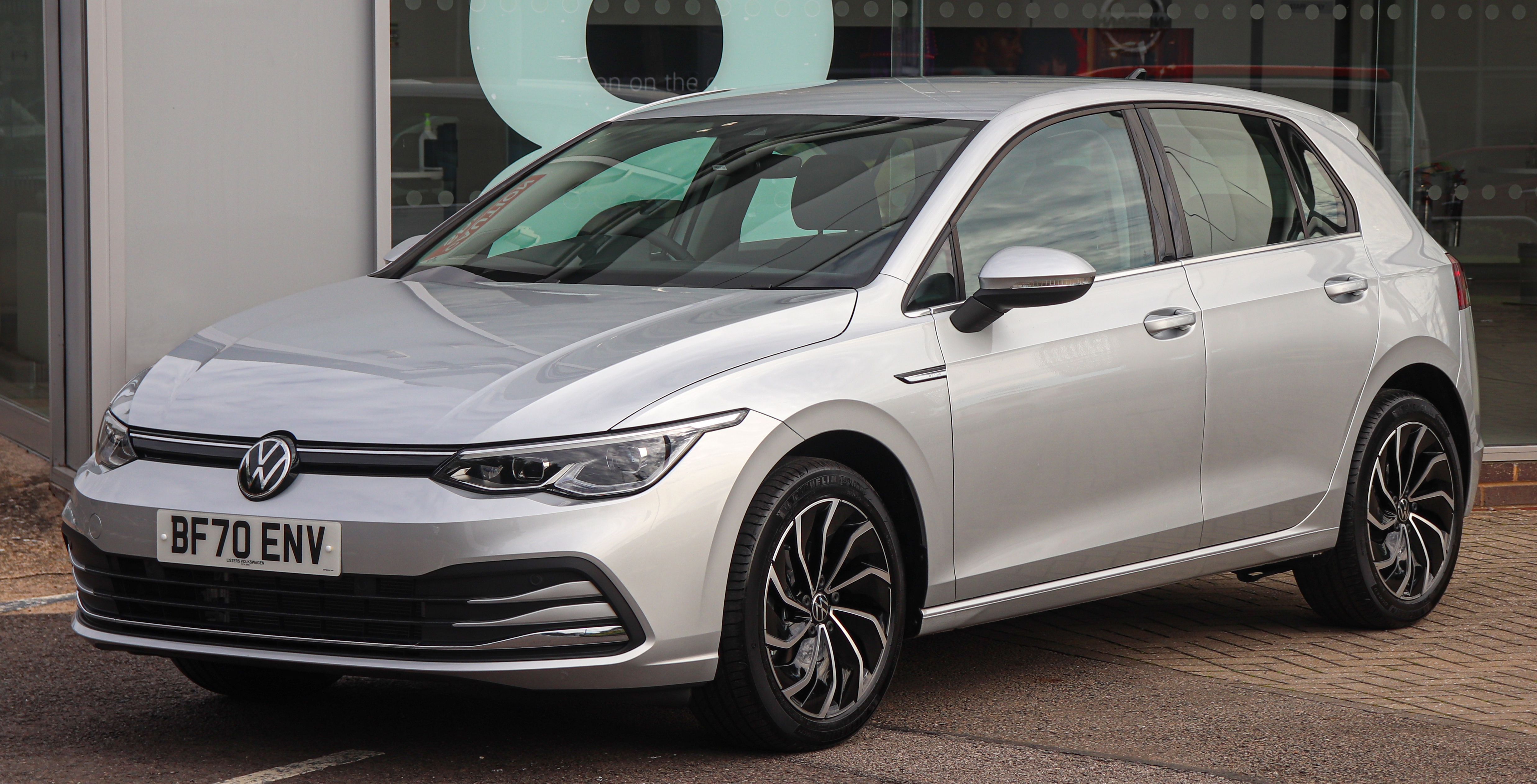
Volkswagen Gti
"... very good in yellow. Yeah, so I don't know. Lupo GTI. And I think I'm pretty certain that was sold in ..."
The Volkswagen Golf is a popular small car that comes in many versions. Some versions are made to be more fun to drive, and the podcast is mentioning it in that kind of context. They’re using it to talk about what performance models were available.
The Volkswagen Golf is a widely known compact car that’s been offered in many trims and generations. In the podcast context, it’s referenced as part of a discussion about specific small hot-hatch or performance-related models and what was sold in certain markets. That makes it a useful anchor when talking about the broader lineup and how performance versions were positioned.

Lupo GTI
"Yeah, so I don't know. Lupo GTI. And I think I'm pretty certain that was sold in Japan. Okay. So you can find one of those."
The Volkswagen Lupo GTI is a small, sporty hatchback. It’s the kind of car enthusiasts like because it’s light and feels lively, even if it’s not a big, powerful SUV.
The Volkswagen Lupo GTI is a small, sporty hot-hatch built on the Lupo platform, known for being light and fun rather than fast in a straight line. In the UK/Europe it’s a niche model, and the hosts are discussing it as a fit for a “Euro hatchback” shopping brief.
Euro hatchback brief
"If that still fits the Euro hatchback brief. But yeah, so that'll be it. I'm going to..."
They’re using a “brief” as a checklist for what kind of car they want. In this case it means a small European-style hatchback that matches their idea of the right kind of car.
A “Euro hatchback brief” is an enthusiast shorthand for a shopping criteria: a practical hatchback that fits European tastes—typically smaller dimensions, manual-friendly driving feel, and availability of compact performance trims. Here, it’s used to judge whether the suggested cars (like the Lupo GTI) match the intended use and vibe.

Toyota Land Cruiser
"...to their legendary build quality, setting the new Land Cruiser aside for a moment. Seeing the Sentry navigate th..."
The Toyota Land Cruiser is a large SUV made for tough roads and off-road driving. People bring it up because it’s known for being very durable over a long time. It’s the kind of car you’d choose if you want something that can handle rough conditions.
The Toyota Land Cruiser is a rugged, body-on-frame SUV known for long-lasting durability and strong off-road capability. It often comes up in discussions about “legendary build quality,” because many owners expect it to handle harsh conditions for years. In a podcast, it’s a common reference point when talking about reliability and engineering that’s built to last.
ultra luxury vehicle
"me, though it is more of an ultra luxury vehicle. [992.3s] And so a little different from the way I saw the"
“Ultra luxury” just means the car is aimed at the very highest-end buyers, with a more premium feel and features. They’re using it to explain why the Sentry isn’t exactly like the Land Cruiser idea.
“Ultra luxury vehicle” refers to the top tier of the luxury market, typically with higher-end materials, more advanced comfort features, and a more premium brand experience. Here it’s used to contrast the Sentry’s positioning versus the more mainstream Toyota/Land Cruiser comparison.
saloon
"because I remember when the Toyota Sentry, they announced that it was going to no longer be a [1028.7s] saloon and I groaned. ... Well, the saloon lives on."
“Saloon” means a sedan—an everyday passenger car with a separate trunk. They’re saying the Sentry plan moved away from that body style.
“Saloon” is a British term for a passenger car body style similar to what Americans call a sedan. In the segment, the hosts say the Sentry was announced to stop being a saloon, implying a shift toward other body styles like an SUV.
GR
"Of course. In the way [1049.2s] they're sort of trying to make GR a bit more of a thing. So Sentry becomes a whole family of cars,"
GR is Toyota’s performance brand label. They’re saying Toyota wants Sentry to work like GR does—so people recognize it as a whole lineup, not just one model.
GR is Toyota’s performance sub-brand (often associated with motorsport-inspired models and sportier trims). The hosts mention GR to explain the strategy: Toyota wants Sentry to become a recognizable “family” the way GR has become a brand identity.

Toyota Century
"... a bit brash. And I think that the whole point of century, historically, the Toyota Century has always been..."
The Toyota Century is a luxury sedan made for comfort and a more formal, chauffeur-style experience. It’s known for being a long-running model with a consistent focus on refinement. The podcast mentions it to connect the name “Century” with what the car has historically been used for.
The Toyota Century is a flagship luxury sedan from Toyota, traditionally associated with a refined, chauffeur-oriented role. It’s often discussed because it has a long history and a distinct identity compared with more mainstream luxury cars. In the podcast, “Century” is referenced as something with a consistent purpose and character over time.

Lexus RX
"The SUV just felt a bit like, “oh, it’s a rehash, you know. It’s an RX, a Lexus RX, whatever.” Yeah. Relative underneath."
The Lexus RX is a popular luxury SUV. Here, it’s mentioned as a comparison—basically saying the SUV they’re discussing feels like it’s based on the same general idea as the RX, just with a flashier look.
The Lexus RX is a midsize luxury SUV known for a smooth, comfortable ride and a design that’s easy to recognize on the road. In this segment, it’s used as a reference point because the hosts feel the SUV being discussed is a “rehash” of the RX formula—similar underpinnings with a more eye-catching exterior.
Lexus Century
"The Century symbol is the Phoenix since its inception in 1967... But is that also true of the SUV? ... Whereas the Century Saloon or sedan, as they call it, you look at that."
The Lexus Century is Lexus’s top, very traditional luxury sedan—often associated with being driven by a chauffeur. The hosts are talking about how it stands out visually and how its design details feel more special than the SUV.
The Lexus Century is a flagship luxury sedan from Lexus, positioned as an ultra-traditional, chauffeur-focused car. In this segment, the hosts discuss its distinctive “Century” branding and styling details (like the chrome and wheel/trim look), contrasting it with the SUV’s more mainstream presence.
badge
"So the badges are made by a person on the grill. That’s... I mean, see, that’s fantastic."
A “badge” is the logo/emblem on the car that identifies the model or brand. In this segment, they’re talking about the Century’s Phoenix emblem on the grille.
In automotive design, a “badge” is the emblem or logo placed on the car—often on the grille, trunk, or fenders—to identify the brand, model, or special edition. The hosts specifically describe the Century Phoenix badge being made by hand and placed on the grille.
two-tier lights
"It’s got eight headlights, basically. I think it’s got a very interesting two-tier lights set up at the front and the rear, which is... It is distinctive."
“Two-tier lights” means the car’s lights are arranged in two levels (like two rows or stacked sections). The hosts are saying this lighting design helps the car stand out.
“Two-tier lights” refers to a headlight/lighting arrangement where the lighting elements are stacked or grouped in two distinct levels. Here, the hosts say the front and rear use a distinctive two-tier setup, making the car easier to identify than typical SUV lighting designs.
chauffeur-driven car
"The ultimate chauffeur-driven car embodying the spirit of Japan. That’s what it says in the bump."
A “chauffeur-driven car” is meant to be driven by someone else, with the passenger riding in comfort. The idea is that it feels more formal and focused on the rear-seat experience.
A “chauffeur-driven car” is designed with the assumption that a driver sits in front while the passenger is the primary focus. That usually influences comfort, rear-seat ergonomics, quietness, and styling cues that emphasize a formal, ceremonial presence.

Dodge Spirit
".... The ultimate chauffeur-driven car embodying the spirit of Japan. That's what it says in the bump. Does i..."
The Dodge Spirit is a regular, mid-size sedan made for everyday transportation. In the podcast, they’re describing it as a car that fits a chauffeur-style role. The point is more about the car’s “fit” for that kind of use than about racing or off-road ability.
The Dodge Spirit is a mid-size sedan that was produced as part of Dodge’s lineup for everyday driving. In the podcast, it’s mentioned with a humorous or thematic description, tying it to the idea of a chauffeur-driven car. That kind of mention usually points to how the model was marketed or perceived rather than its performance credentials.

Dacia Sandero
"...Does that mean it's 12 grand? Shall I get a Dacia Sandero or a Toyota Century SUV? Let me quickly do the......"
The Dacia Sandero is a low-cost small car, usually a hatchback, meant for everyday driving. People bring it up when they’re trying to find a cheaper option than more expensive vehicles. In the podcast, it’s used as a quick budget comparison.
The Dacia Sandero is a budget-friendly small hatchback known for keeping costs low while still offering practical everyday transportation. It’s mentioned in the podcast as an example of a much cheaper alternative when comparing options and price points. That makes it a typical “value” reference in conversations about what you can get for a small budget.

Porsche 911
"...'s going on there? Yeah. So basically, base model 911 or Range Rover or... That's $144,000. Yeah. And t..."
The Porsche 911 is a sports car built for fast driving and sharp handling. It’s known for its unique design and performance, and it tends to cost a lot even in entry-level trims. The podcast brings it up as a benchmark for what a high-end sports car costs.
The Porsche 911 is a long-running sports car famous for its rear-engine layout and distinctive handling. It’s often discussed because even the “base” versions are expensive and still deliver a high-performance driving experience. In the podcast context, it’s mentioned alongside other costly options to frame pricing and what buyers get.

Land Rover Range Rover
"...g on there? Yeah. So basically, base model 911 or Range Rover or... That's $144,000. Yeah. And then the SUV is ..."
The Range Rover is a luxury SUV, meaning it focuses on comfort and upscale features. It can also handle rougher roads, not just smooth highways. The podcast mentions it because it’s one of the pricier choices in that comparison.
The Land Rover Range Rover is a luxury SUV designed to combine comfort with off-road ability. It’s frequently mentioned because it sits in a high price bracket and targets buyers who want both refinement and capability. In the podcast, it appears as part of a comparison of expensive “base” options.

Rover 800 fastback
"With which they launched the Rover 800 fastback, and particularly the Vitesse version. For people who haven't seen it, it's two German guys walking through a car park..."
The Rover 800 fastback is a British car from Rover, known for its sleek fastback body shape. Here, it’s mentioned because it was used in an ad meant to show that British cars could compete with German ones.
The Rover 800 fastback is a British executive car from Rover, notable for its fastback-style body shape and its role as a flagship-era model in the late 1980s. In this segment, it’s referenced specifically as the car used to sell the idea that a British design could impress even German buyers.
advertising lie
"Well, no, it's just get too bogged down there. But as an advertising lie, it was pretty good. Yeah. Yeah. I thought it was great..."
The hosts call the ad an “advertising lie,” meaning it makes a claim that’s more about persuasion than strict truth. In this case, the ad implies British cars can impress Germans as a selling point, even if the hosts doubt the premise.
TVR
"I was listening to the latest pod and Johnny's idea about the Lotus TVR merger got me thinking. McLaren has just merged with that unknown company."
TVR is a British brand that makes wild, characterful sports cars. In this idea, they’d be positioned as the more aggressive, higher-performance option.
TVR is a British manufacturer best known for loud, raw sports cars and “hot rod” style engineering. The speaker frames TVR as the larger, more performance-oriented “hot rod” within a potential combined group.
McLaren
"Johnny's idea about the Lotus TVR merger got me thinking. McLaren has just merged with that unknown company."
McLaren is a British brand famous for very fast, high-end supercars. Here, the speaker imagines McLaren handling the top-tier “supercar” role in a bigger group.
McLaren is a British supercar brand associated with high-performance engineering and track-focused road cars. In the segment, it’s treated as the “super cars” specialist in a hypothetical merged British company structure.
Lotus
"I was listening to the latest pod and Johnny's idea about the Lotus TVR merger got me thinking. McLaren has just merged with that unknown company."
Lotus is a British car brand that usually makes lightweight sports cars. Here, the hosts are imagining Lotus as the cheaper, simpler option if several British brands were combined.
Lotus is a British sports-car brand known for lightweight, handling-focused cars. In the segment, it’s used as a hypothetical “entry level” model within a merged British group.
OEM
"Would it be a good idea if a few British car makers got into bed to avoid being swallowed up by a large OEM?"
OEM is short for the main company that makes the cars you buy. The speaker is talking about big car manufacturers that could take over smaller brands.
OEM means “original equipment manufacturer,” the company that builds the vehicles (or major components) sold under its own brand. The speaker uses it to describe a large corporate player that smaller brands might be “swallowed up” by.
Aston Martin
"If Lotus, TVR, McLaren and possibly Aston Martin were one large company, the Lotus could be the cheap strip back entry level model. The TVR is the larger hot rod."
Aston Martin is a British brand that makes more upscale, comfortable sports cars. In the discussion, it’s imagined as the “luxury grand tourer” part of a merged company.
Aston Martin is a British luxury sports-car brand known for grand-touring (GT) style cars—comfortable, stylish, and built for long-distance driving. The speaker positions Aston Martin as the “luxurious GT” division in the hypothetical lineup.
part sharing
"Part sharing could be applied and maybe help with the economy of scale. Even JLR could fit into this nicely, into this group."
Part sharing is when multiple car brands or models use the same components (like engines, electronics, or interior parts) to reduce development and manufacturing costs. The speaker argues it could improve “economy of scale” by spreading those costs across more vehicles.
economy of scale
"Part sharing could be applied and maybe help with the economy of scale. Even JLR could fit into this nicely, into this group."
Economy of scale means the more you make, the cheaper each one tends to be. In cars, using shared parts across many models can help the company build at lower cost per vehicle.
Economy of scale is the idea that producing more units lowers the average cost per unit. In car manufacturing, shared platforms and shared parts can increase volume, which helps reduce cost per car.
JLR
"Part sharing could be applied and maybe help with the economy of scale. Even JLR could fit into this nicely, into this group."
JLR is short for Jaguar Land Rover, a big British car company. Here, the speaker is saying it might also join a combined group of brands.
JLR stands for Jaguar Land Rover, a British automotive group. The speaker suggests JLR could fit into the same kind of merged British-company structure for shared resources and product planning.
engine
"because one of the reasons for car companies to share bits is like one of the biggest bits, the most expensive bits to develop is an engine."
They’re talking about the engine as the costly part to design from scratch. Even if brands share other parts, engines are usually harder to share because they’re so central to how the car drives.
In this context, “engine” is the major development cost and a key differentiator between brands. Even when companies share other components, the engine design (or choice of power unit) often remains expensive and brand-specific.
V6
"So four cylinders of V6 tops. TVR though, really, you want V8s in that, but also maybe a straight six."
A V6 engine has six cylinders arranged in two groups that make a V shape. It’s a popular engine size because it can be compact while still feeling smooth.
A V6 is an engine with six cylinders arranged in two banks that form a “V” shape. It’s a common compromise between smoothness and compact size, which is why it often shows up in lightweight sports-car concepts.
straight six
"TVR though, really, you want V8s in that, but also maybe a straight six. I think a V6 might put people off somehow straight six is a bit more sort of tread."
A straight-six means all six cylinders are lined up in a row. It can run smoothly, but the engine is physically long, so it may not fit well in tight mid-engine packaging.
A straight-six (inline-six) engine has all cylinders in one line. It’s known for smoothness and simpler mechanical layout, but it can be long, which affects fitment in mid-engine sports cars.
platform share
"So it actually feels like it's a great idea in principle, but you just go, are they going to save enough money by sharing bits? And I know you can share sort of, you know, other things, interior bits and pieces and all that, but yeah, brakes."
Platform sharing is when different cars are built on the same basic “skeleton.” It can save money, but it only works if the cars are meant to be similar.
Platform sharing means using the same underlying vehicle architecture—like the chassis hardpoints, mounting points, and sometimes powertrain layout—across multiple models or brands. The idea is to cut development costs, but it only works if the cars are similar enough in size, weight, and performance targets.
brakes
"are they going to save enough money by sharing bits? And I know you can share sort of, you know, other things, interior bits and pieces and all that, but yeah, brakes. But then well, even that brakes, it's like, well, the brakes that you need for a McLaren are not the brakes that you need for a Lotus."
“Brakes” here refers to the brake system sizing and tuning needed for a car’s performance and weight. Even if brands share some parts, the brakes for a heavier, less powerful car may not be adequate for a lighter or more track-focused one.
Cosworth
"If you're not careful, you'd have to do a really, really smart kind of product planning thing where you just went because what you also don't want to do is for them to overlap too much. And it's sort of fine that the moment they don't, Lotus is one thing lightweight agile. Well, what about what about if you had, you guaranteed the future of a company like Cosworth, COSR, and it was British and that and they they struck a really tight knit deal with somebody like this company."
Cosworth is a company that designs engines, especially for high-performance and racing cars. Here, they’re talking about Cosworth trying to lock in future engine work so the company stays financially healthy.
Cosworth is an engine and motorsport engineering company best known for designing high-performance powertrains for racing and specialty manufacturers. In this segment, the hosts discuss Cosworth securing a “tight deal” to supply engines for multiple cylinder configurations, framing it as a strategy to guarantee long-term business.
V12
"And let's just say for argument sake, the Aston never goes V 12. It goes V eight with a perhaps a supercharger or twin turbo, something like that."
A V12 is an engine with 12 cylinders arranged in two banks. The hosts are using it as an example of a bigger engine layout that some brands might not choose.
A V12 is an engine with 12 cylinders arranged in a “V” shape, typically offering smooth power delivery and high potential for performance. In this segment, the hosts treat V12 as a strategic choice that some brands may avoid in favor of V8 setups with forced induction.
twin turbo
"It goes V eight with a perhaps a supercharger or twin turbo, something like that."
Twin turbo means there are two turbochargers helping the engine. They compress air so the engine can make more power.
Twin-turbo (twin turbo) means using two turbochargers to pressurize the intake air. Depending on the layout, it can improve throttle response and broaden the power band compared with a single turbo.
supercharger
"It goes V eight with a perhaps a supercharger or twin turbo, something like that."
A supercharger is a device that forces extra air into the engine. That extra air can help the engine make more power.
A supercharger is a forced-induction device that uses engine power to spin a compressor, pushing more air into the engine. More air generally allows more fuel to be burned, which can raise power without increasing engine displacement.
V8
"It goes V eight with a perhaps a supercharger or twin turbo, something like that. Yeah. And maybe the McLaren dicks about with with snails. Who knows."
A V8 is an engine with eight cylinders in a V shape. The hosts are saying some brands might stick with a V8 instead of a V12, sometimes using turbo or supercharging to keep it quick.
A V8 is an engine with eight cylinders arranged in a V configuration, commonly used in performance and luxury cars. Here, the hosts discuss V8 as the alternative to V12, potentially paired with forced induction to maintain performance while using fewer cylinders.
naturally aspirated
"But the TVR is naturally aspirated. The Lotus can be either or depending on whether you go for a four cylinder or not."
Naturally aspirated means the engine breathes on its own, without a turbo or supercharger pushing extra air in. The hosts are comparing that approach to forced induction.
Naturally aspirated means an engine makes power without forced induction like turbochargers or superchargers. The hosts contrast naturally aspirated setups with forced-induction options when talking about different manufacturers’ engine strategies.
amortize the costs
"It still boggles my mind that Cosworth were able to do that V 12 for the Gordon Murray stuff, because it's only sort of runs of 100 cars, cars, isn't it? Over many years. So trying to amortize the costs of doing that engine is a slow burn."
Amortize the costs means you spread a big one-time cost across multiple products. If you only build a small number of cars, each car has to “cover” more of that cost, so the cars get more expensive.
To amortize costs means spreading a large upfront expense over many units sold over time. In low-volume cars, expensive one-off engineering (like a custom engine) can be amortized across fewer cars, which raises per-car cost.

Mclaren F
"...reas, you know, when Ben W did the engine for the McLaren F one, I suspect that there was a degree of mates r..."
The McLaren F1 is a very rare, very fast supercar. It’s famous because it was built with special engineering and a lot of focus on performance. The podcast is talking about who worked on its engine and how that contributed to what makes it special.
The McLaren F1 is a rare, high-performance supercar best known for its extreme engineering and driver-focused design. It’s discussed in automotive circles because of its standout development history and the attention paid to performance components. In the podcast, it’s referenced in connection with the engine work and the people involved in its creation.
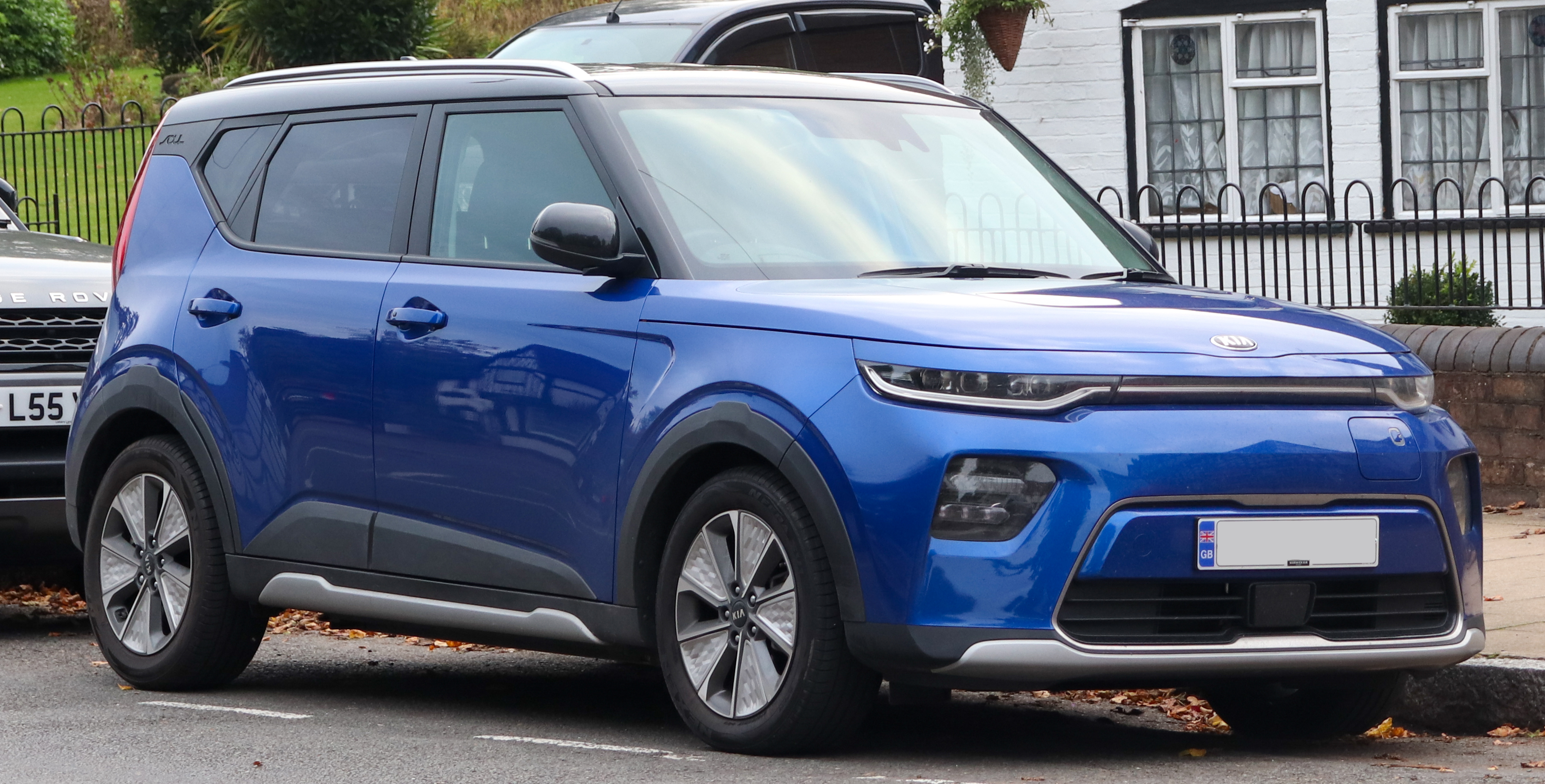
Kia Soul
"...k and BMW just couldn't, you know, it's not their soul gig is supplying engines. So there's a crossover ..."
The Kia Soul is a small SUV-style car meant for daily driving. It has a distinctive, upright shape that makes it practical and easy to live with. The podcast brings it up as an example of a crossover model in a discussion about engines.
The Kia Soul is a compact crossover designed with a boxy, practical shape and easy everyday usability. It’s often mentioned in engine-supply or platform discussions because it can be part of broader manufacturing and sourcing strategies. In the podcast, it’s referenced as a “crossover” example in a conversation about who supplies engines and how that affects model lineups.

Lotus Elise
"So but then you Lotus can only be four cylinders. Maybe that's okay, because you push them back towards being more sort of, you know, Elise type stuff."
The Lotus Elise is a small, light sports car that’s meant to feel nimble and fun. Here, they’re using it as an example of the kind of “Lotus feel” they want to keep.
The Lotus Elise is a lightweight, driver-focused sports car known for its simple, agile feel. In the segment, the hosts reference “Elise type stuff” to suggest pushing a design toward a more traditional Lotus character rather than a bigger, heavier layout.
platform sharing
"It's one of those things that product planners wrestle with all the time and I suppose, but there's a reason why like Volkswagen platform sharing is often centered around basically just front wheel drive hatchbacks because it's a cookie cutter."
Platform sharing is when a car company builds different cars using the same basic “skeleton.” It saves money and time, but it can also limit how unique or specialized each car can feel.
Platform sharing is when multiple car models use the same underlying architecture—like the chassis structure and major mounting points—to reduce development cost and speed up production. The hosts argue that platform sharing tends to work best with common layouts (like FWD hatchbacks) because it’s easier to make many cars from one “cookie cutter” base.
front wheel drive hatchbacks
"It's one of those things that product planners wrestle with all the time and I suppose, but there's a reason why like Volkswagen platform sharing is often centered around basically just front wheel drive hatchbacks because it's a cookie cutter."
Front-wheel drive means the front wheels do the work of moving the car. Hatchbacks are the compact style with a lift-up rear door, and the point here is that this layout is easier for carmakers to reuse across different models.
Front-wheel drive (FWD) means the engine’s power is sent to the front wheels, and hatchbacks are compact cars with a rear door that lifts upward. The hosts mention “Volkswagen platform sharing” being centered on FWD hatchbacks because that layout is easier to standardize across many models.
cross flow
"they just go with old engines. So they've got an old cross flow Ford four cylinder,"
“Cross flow” describes how the engine head routes air in and exhaust out. It means the intake and exhaust paths are set up to flow across the head, which can help the engine breathe better.
“Cross flow” refers to an engine head design where intake and exhaust ports are on opposite sides, so the air-fuel mixture and exhaust gases flow across the cylinder head. This layout can improve breathing and efficiency compared with older “same-side” port designs.

Ford Capri
"... flow Ford four cylinder, they've got a V6 from a Capri slash Granada, so it'd be three liter or 2.8. And..."
The Ford Capri is an older Ford car that came with different engines depending on the version. In the podcast, they’re talking about an engine that was used in a Capri-related setup. The point is that some parts and engines were shared across different cars.
The Ford Capri is a classic Ford model that was offered in different engine configurations over its production life. In the podcast context, it’s specifically referenced as a source of an engine used in another application, with talk of a V6 and displacement figures. That kind of mention usually comes up when discussing how engine families were shared across models.

Ford Granada
"...our cylinder, they've got a V6 from a Capri slash Granada, so it'd be three liter or 2.8. And then the rang..."
The Ford Granada is an older Ford car that came with different engine choices. In the podcast, they’re connecting it to the Capri because the same type of engine was used across more than one model. The key idea is that some cars shared parts and engines.
The Ford Granada is a classic Ford sedan/coupe that was produced with a range of engines during its era. In the podcast, it’s mentioned alongside the Capri as part of a shared engine family, with talk of a V6 and engine size options. That kind of reference usually comes up when explaining how manufacturers reused powertrains across multiple models.
EFI
"TVR gets carbs, Aston gets EFI, job done. EFI."
EFI means electronic fuel injection. Instead of a carburetor mixing fuel mechanically, a computer controls fuel delivery more precisely.
EFI stands for electronic fuel injection, where an ECU (engine computer) meters fuel into the intake using electronically controlled injectors. Compared with carburetors, EFI typically offers more precise fuel delivery, better cold starts, and easier tuning for emissions and drivability.
carbs
"TVR gets carbs, Aston gets EFI, job done. EFI."
“Carbs” means carburetors—devices that mix fuel and air for the engine. The episode is comparing that to EFI, which does the same job with electronics.
“Carbs” is short for carburetors, which mix fuel and air before it enters the engine cylinders. The speaker contrasts carburetors with EFI, implying a choice between older mechanical fuel metering and modern electronic fuel injection.
homologation
"When the homologation people come around, just tell them to fuck off. You can't see our emissions testing."
Homologation is official approval for a car to be allowed in a certain category or to meet rules. It often includes proving the car meets emissions and safety requirements.
Homologation is the process of getting a vehicle or engine configuration approved for a specific category by meeting rules set by regulators or racing bodies. The speaker’s point is that homologation/emissions checks can force manufacturers to document and comply with emissions requirements.
Request an Explanation
Heard something you'd like explained? We'll add it to this episode.
Sign in to request explanations for terms you heard.
Want to learn more?
Browse our glossary for plain-English explanations of automotive terms, jargon, and concepts.
Help improve this episode
See something that's not quite right? Our annotations are AI-generated and can sometimes miss the mark. Click the flag icon on any annotation to suggest a correction.