Chad Oppenheim and Matt Stone, editors of the book 'Ride: The Most Iconic Wheels of the Silver Screen,' join the hosts to discuss their passion project that showcases 34 memorable cars from film history. The conversation dives into the selection process for the cars, the stories behind them, and the creative journey of producing the book. With anecdotes about iconic vehicles like the DeLorean from 'Back to the Future' and the Aston Martin DB5 from James Bond, the episode is a delightful blend of automotive and cinematic nostalgia, featuring insights from notable filmmakers and designers.
Chad Oppenheim and Matt Stone are here to talk about their fantastic new book, RIDE: The Most Iconic Wheels of the Silver Screen. Chad is an internationally-renowned architect and speaker, with studios in Miami and Basel. Matt’s a journalist and broadcaster, who's also the former editor of Motor Trend Classic magazine. Movie cars, famous friends and learning to drive stick in a Lamborghini Countach... This is a really fun one. It's That Car Show.
Please be sure to rate, review and subscribe to That Car Show on your platform of choice.
RIDE: The Most Iconic Wheels of the Silver Screen at Tra Publishing: https://trapublishing.com/products/ride-the-most-iconic-wheels-of-the-silver-screen
"I will say, Ryan, this day when I watch that film and that 928 goes into, you know, Lake Michigan, my heart stops, you know."
The Porsche 928 is a stylish sports car made by Porsche. It has a powerful engine and is designed for both speed and comfort, making it a favorite among car enthusiasts.
The Porsche 928 is a luxury sports car produced by Porsche from 1978 to 1995. It was known for its unique design and powerful V8 engine, offering a blend of performance and comfort.
"this week on That Car Show, we enter the inaugural meeting of That Car Show Book Club, where we have Chad and Matt, editors of Ride, the most iconic wheels of the silver screen."
'Ride' is a book about famous cars from movies. It talks about how these cars are important and what they mean to car lovers and film fans.
'Ride' is a book that focuses on iconic cars featured in movies, showcasing their significance and impact on automotive culture. It highlights various vehicles that have become symbols in film history.
"everything from Chidi-Tidi Bang Bang all the way through to the DeLorean from Back to the Future."
The DeLorean is a unique car known for its shiny metal body and doors that open upwards. It became really famous because it was used as a time machine in the 'Back to the Future' movies.
The DeLorean is a sports car manufactured by the DeLorean Motor Company, famously known for its distinctive gull-wing doors and stainless steel body. It gained iconic status due to its role as a time machine in the 'Back to the Future' film series.
"...I always knew it was a Cadillac, I guess it's a Cadillac Miller Meteor, which must have"
The Cadillac Miller Meteor is a special type of Cadillac that was made into a hearse, which is a car used to transport people who have passed away. It's famous for appearing in movies like 'Ghostbusters.'
The Cadillac Miller Meteor is a model of hearse produced by Cadillac in collaboration with the Miller-Meteor Company. It is often recognized for its use in movies, particularly as the Ecto-1 in 'Ghostbusters.'
"But they're also what you might call some deep cuts. What would you call the deep cuts, maybe, that you included? Deep cuts. Define me deep cuts. Well, the Stripes GMC RV was maybe one I wasn't expecting to see, right?"
The Aston Martin DB5 is a famous car that was used by the fictional spy James Bond. It's known for being stylish and powerful, and many people love it for its role in movies.
The Aston Martin DB5 is a luxury grand tourer that gained fame as James Bond's car in the film 'Goldfinger'. It features a powerful inline-six engine and is known for its elegant design and advanced technology for its time.
"Well, the Stripes GMC RV was maybe one I wasn't expecting to see, right? That was one that was on all three of our lists almost simultaneously, because it's just so out there, we figured it had to be."
The GMC RV is a type of large vehicle made for traveling and camping. It's designed to be comfortable and has space for living while on the road, making it great for family trips.
The GMC RV refers to a line of recreational vehicles produced by GMC, known for their distinctive design and spacious interiors. They were popular in the 1970s and 1980s for road trips and camping.
"...Ferris Bueller's 61 250 GT, a replica, right?"
The Ferrari 250 GT is a famous sports car made by Ferrari in the 1950s and 60s. It's known for being very stylish and fast, and it's a favorite among car collectors.
The Ferrari 250 GT is a classic sports car produced by Ferrari between 1953 and 1964. It is highly regarded for its performance and design, and it has become an iconic model in automotive history.
"...because it wasn't an obvious choice and it's in one of my favorite, I guess you could call it a car chase movie and that's an Audi S8..."
A car chase movie is a type of film where cars are involved in fast and exciting chases. These movies usually have lots of action and show off different cars in cool ways.
A car chase movie typically features high-speed pursuits and thrilling driving sequences, often showcasing various vehicles in dramatic situations. These films often highlight the excitement and danger of car chases, making them a popular genre.
"...and that's an Audi S8 like they used in Ronin. And so I don't know if that was on any of your list."
The Audi S8 is a fancy car that is both comfortable and fast. It's designed for people who want a luxurious ride but also enjoy driving quickly.
The Audi S8 is a high-performance luxury sedan known for its powerful engine and advanced technology. It combines the comfort of a luxury car with the performance of a sports car, making it a popular choice among enthusiasts.
"That one got a lot of consideration because that was the first we saw of what would become the Street R8, that concept car glowing and floating and Will Smith and all that."
The Audi R8 is a fast and stylish sports car made by Audi. It's known for its great looks and powerful performance, making it popular in movies and among car enthusiasts.
The Audi R8 is a high-performance sports car known for its sleek design and powerful engine. It has been featured in various films and is recognized for its advanced technology and luxury features.
A hot rod is a car that has been changed to make it faster and look cooler. People often modify older cars to create hot rods for racing or showing off.
A hot rod is a modified car, typically an older model, that has been enhanced for performance and speed. These vehicles often feature powerful engines, custom designs, and a focus on racing or show.
"...we hope to do the, you know, the Ferrari Daytona is going to be in that"
The Ferrari Daytona is a famous sports car made by Ferrari in the late 1960s and early 1970s. It's known for its speed and stylish look, and many car enthusiasts love it for its classic design.
The Ferrari Daytona, officially known as the Ferrari 365 GTB/4, is a classic sports car produced by Ferrari from 1968 to 1973. It is renowned for its powerful V12 engine and iconic design, making it a highly sought-after collector's item.
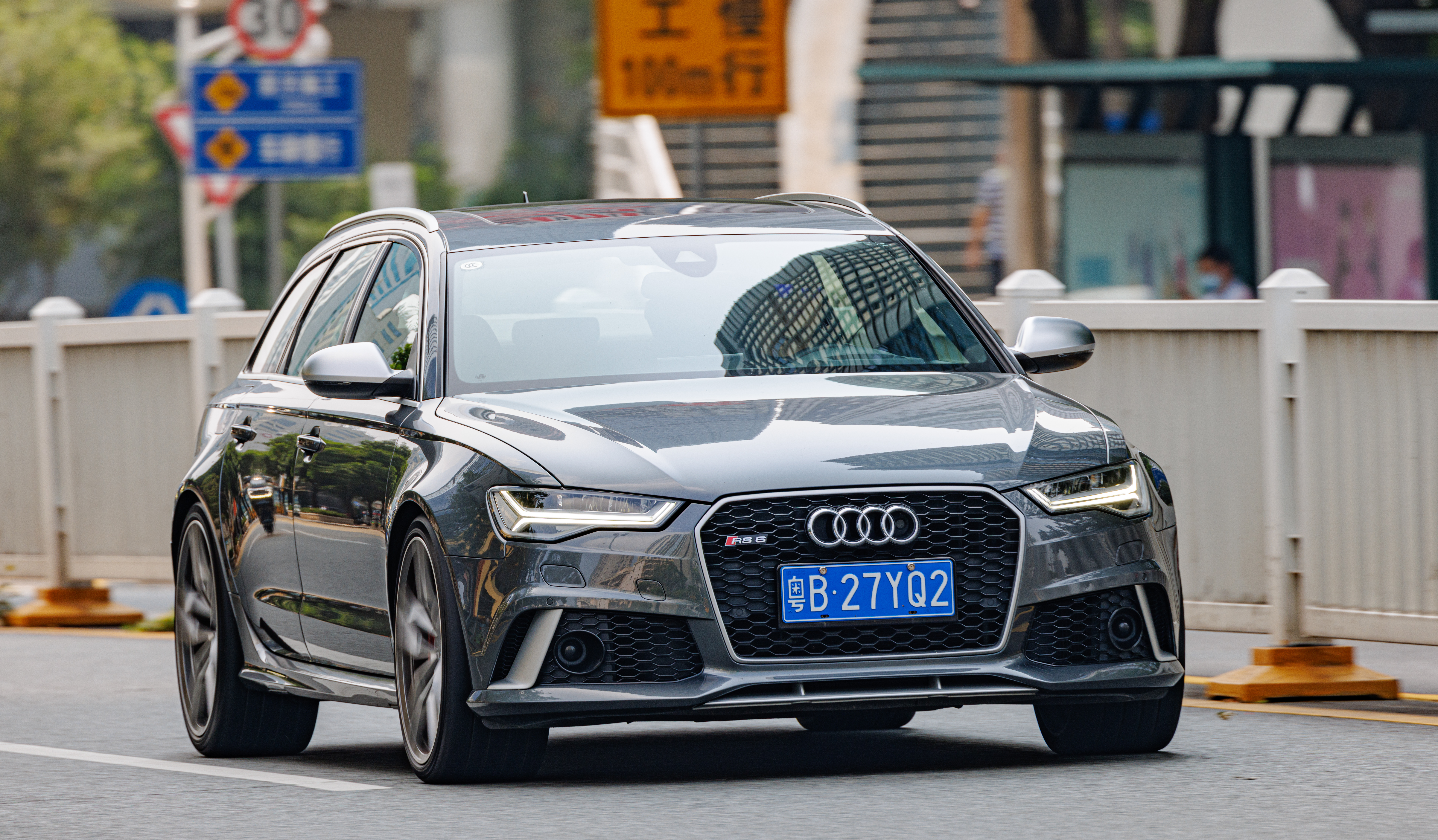
"Think Velocity Broncos, Audi RS6s, Acura NSXs and air-cooled Porsches."
Air-cooled Porsches are older Porsche cars that don't use water to cool the engine, giving them a unique sound and feel when driving.
Air-cooled Porsches refer to models produced before 1998 that used air cooling instead of water cooling, known for their distinctive sound and driving experience.
"And it was, I don't does, but I did that night. And we were talking about the Dodge Monaco's, the Bluesmobiles. And he says, you know we bought truckloads of those things, a police auction for like $400 a piece."
The Dodge Monaco is a big car that was used by police in movies, especially in 'The Blues Brothers.' It’s known for its classic look and was popular in its time.
The Dodge Monaco is a full-size car that was produced by Chrysler from the 1960s to the 1980s, often recognized for its role as a police vehicle in various films, notably as the 'Bluesmobile' in the movie 'The Blues Brothers.' Its significance lies in its cultural impact and representation of American automotive design during that era.
"...why don't you give Will Smith a Mustang. And Michael was like this guy cannot be like driving around in a Mustang."
The Ford Mustang is a popular sports car that many people recognize. It's known for being fast and stylish, making it a favorite among car enthusiasts.
The Ford Mustang is a classic American muscle car known for its performance and iconic design. It has been a symbol of freedom and power since its introduction in the 1960s.
"...the movie Rushmore with the Mercedes 300 TE, the wagon, right?"
The Mercedes 300 TE is a type of station wagon made by Mercedes-Benz. It's known for being comfortable and having a lot of space inside, making it great for families or carrying cargo.
The Mercedes 300 TE is a model from the Mercedes-Benz E-Class, known for its combination of luxury and practicality as a wagon. It features a spacious interior and is often appreciated for its build quality and performance.
"...Bumblebee was originally in the, in the cartoon, a Volkswagen Beetle. And how he went into General Motors and saw this sort of prototype..."
The Volkswagen Beetle is a small, unique-looking car that many people recognize. It was first made a long time ago and has a funny round shape that makes it stand out.
The Volkswagen Beetle is an iconic compact car known for its distinctive rounded shape and rear-engine layout. Originally produced from the 1930s, it became a symbol of the 1960s counterculture and remains popular among car enthusiasts today.
"...pe that they weren't really going to make for the Camaro. And he worked with them and the, you know, and ..."
The Chevrolet Camaro is a sporty car that many people love for its speed and cool looks. It’s been around since the 1960s and is often compared to other fast cars like the Ford Mustang.
The Chevrolet Camaro is a classic American muscle car that was first introduced in 1966. Known for its powerful performance and aggressive styling, the Camaro has become a symbol of American automotive culture, often discussed in the context of its rivalry with the Ford Mustang.
"...the CEO changed somewhere along the line at GM and they came to Michael and they said he stole the car."
GM stands for General Motors, which is a big company that makes cars. They own several brands like Chevrolet and Cadillac.
GM, or General Motors, is one of the largest automotive manufacturers in the world, known for producing a wide range of vehicles under various brands, including Chevrolet, GMC, Buick, and Cadillac.
"And you also had people from the world of motor racing. Jeff Gordon was it?"
NASCAR is a type of car racing that takes place on oval tracks. It's very popular in the U.S., and many people enjoy watching the races and cheering for their favorite drivers.
NASCAR is a popular motorsport organization in the United States, known for stock car racing. It features a series of races on oval tracks and is famous for its high-speed competition and fan engagement.
"Jeff Gordon was it? Jeff Gordon. Yeah. Jeff Gordon, the way I connect, he reached out to me to have us design a home for him in Colorado."
Jeff Gordon is a famous race car driver in NASCAR, which is a type of car racing in the United States. He won many championships and is well-known for his achievements in racing.
Jeff Gordon is a retired American professional stock car racing driver, known for his success in NASCAR. He is a four-time NASCAR Cup Series champion and is considered one of the greatest drivers in the history of the sport.
"And he talks about the Disney film Cars, right? Yes."
'Cars' is a movie made by Disney about talking cars that race and have adventures. It's a fun film for kids and families, showing different car characters and their stories.
'Cars' is a popular animated film produced by Pixar Animation Studios and released by Walt Disney Pictures. It features anthropomorphic cars and explores themes of friendship, competition, and personal growth.
"You have the late Marcello Gandini in here as well, which is pretty special. I think we lost him what, a year ago or so?"
Marcello Gandini is a famous car designer from Italy. He designed many well-known cars, including the Lamborghini Miura, which is admired for its style and performance.
Marcello Gandini is a renowned Italian car designer known for his work with several iconic automotive brands, including Lamborghini. He is credited with designing several famous models, including the Lamborghini Miura, which is considered a masterpiece of automotive design.
"...we were talking about the Miura in...the Italian job. The mini movie, the Italian job, the original Italian job, the Miura that unfortunately has far too short and quick and disastrous a role in that film. But Gandini designed that too."
The Lamborghini Miura is a famous sports car made by Lamborghini. It was one of the first supercars and is known for its beautiful design and powerful engine.
The Lamborghini Miura is a groundbreaking sports car that was produced by Lamborghini from 1966 to 1973. It is often credited with establishing the layout of the modern supercar with its mid-engine design and stunning aesthetics, designed by Marcello Gandini.
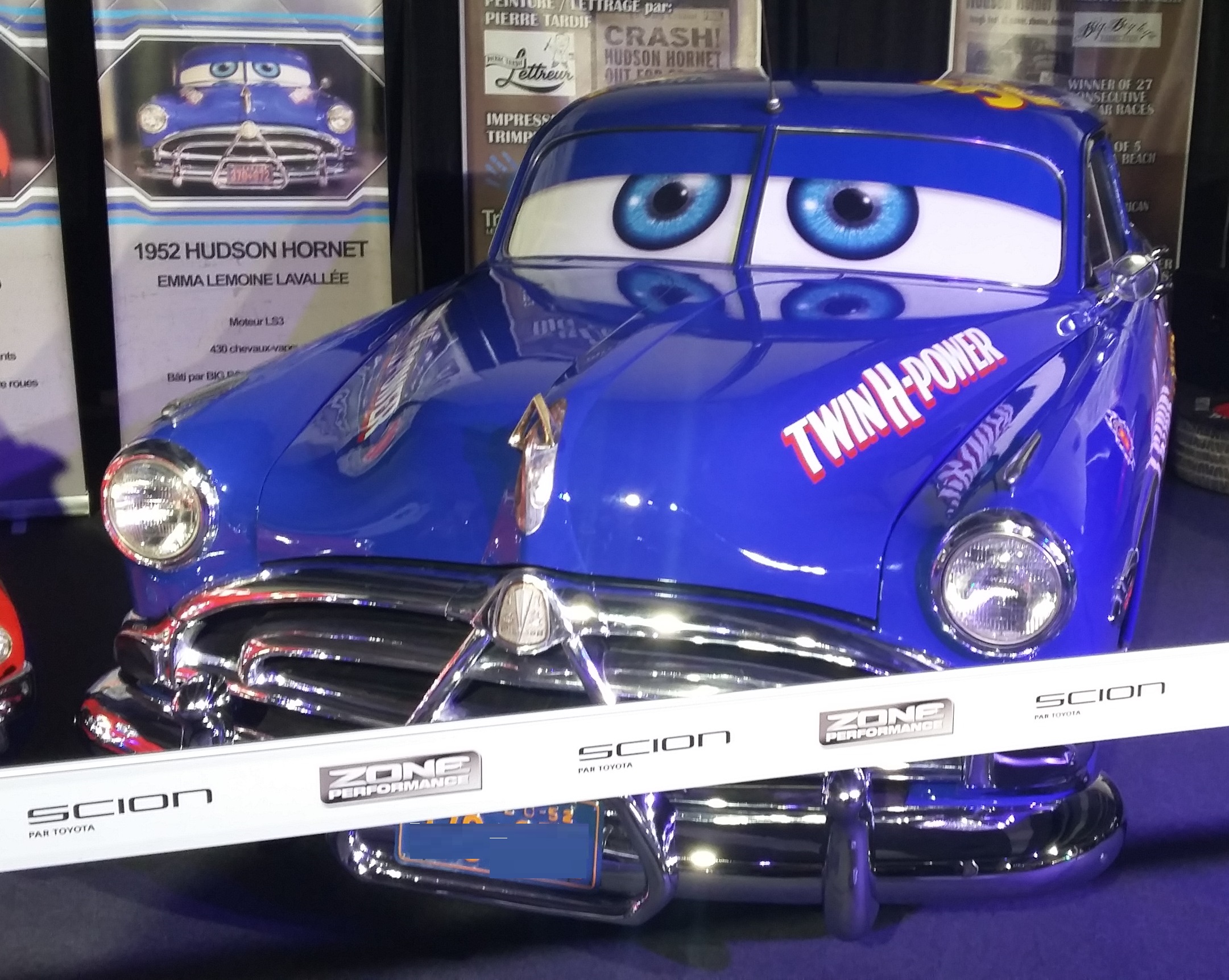
"Because of course, as you know, he played the fabulous Hudson Hornet."
The Hudson Hornet is an old car that was made in the early 1950s. It's famous for its unique look and was popular in racing at that time.
The Hudson Hornet is a classic car produced by Hudson Motor Car Company from 1951 to 1954, known for its distinctive styling and performance in stock car racing during the early 1950s.
"...t in theory we wouldn't have the James Bond Lotus Esprit if it wasn't for Gandini starting the wedge era. ..."
The Lotus Esprit is a super cool sports car that looks very unique and was even in James Bond movies. It's known for being fast and fun to drive, making it special among car enthusiasts.
The Lotus Esprit is a British sports car that gained fame for its sleek design and performance, particularly after being featured in James Bond films. It represents the pinnacle of Lotus's engineering and design philosophy during its production from 1976 to 2004.
"I got to drive a Diablo recently, the very first one."
The Lamborghini Diablo is a famous sports car that was made in the 1990s. It has a powerful engine and is known for its cool looks and speed.
The Lamborghini Diablo is a high-performance sports car produced by Lamborghini from 1990 to 2001. It is known for its striking design and powerful V12 engine, making it a symbol of automotive performance and luxury.
"...what would you like? And he's like, you know, I'd like a Corvette."
The Chevrolet Corvette is a famous sports car that many people admire for its speed and style. It's a car that has been around for a long time and is often associated with American car culture.
The Chevrolet Corvette is a high-performance sports car known for its sleek design and powerful engines. It has become an iconic American car since its introduction in 1953.
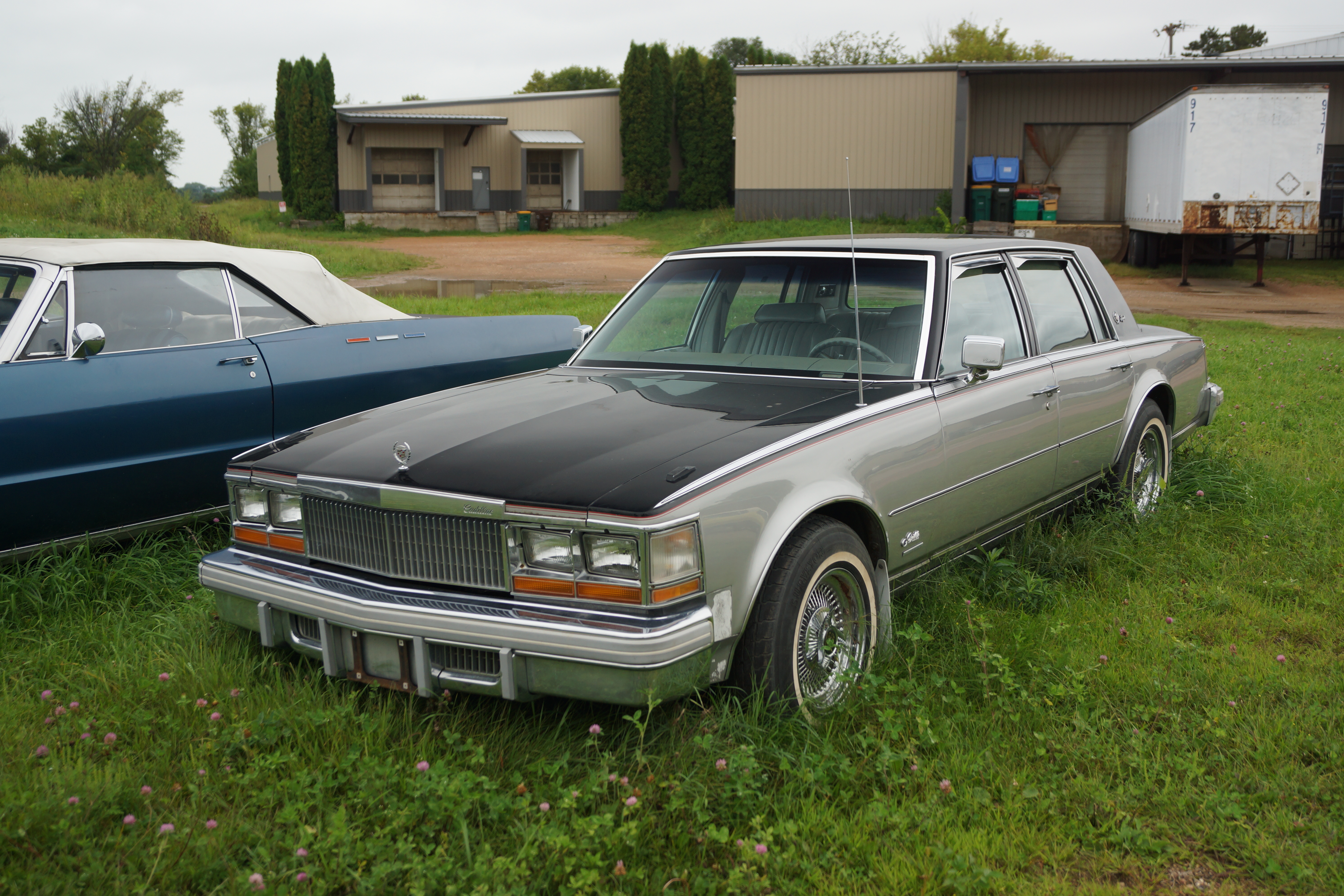
"...when my father finally like went out on his own, he got a Cadillac Seville and the pride that I could still smell it today, like going in and he had like the, you know, those..."
The Cadillac Seville is a fancy car made by Cadillac, known for being comfortable and stylish. It was popular for many years and had a lot of features that made it stand out.
The Cadillac Seville is a luxury sedan that was produced by Cadillac from 1975 to 2004. It was known for its elegant design and advanced technology for its time, representing a significant model in Cadillac's lineup.
"...my parents ended up going to Italy and he bought like for probably hardly anything because the lira was like devalued. He bought a Ferrari Mondial."
The Ferrari Mondial is a sports car made by Ferrari, famous for its speed and style. It was produced in the 1980s and 1990s and comes in both hardtop and convertible versions.
The Ferrari Mondial is a mid-engine sports car produced by Ferrari from 1980 to 1993. It is known for its distinctive design and was available in both coupe and convertible versions, making it a versatile option for enthusiasts.
"And then sold that. And now, now he drives an Audi Q5. So it's not that."
The Audi Q5 is a fancy SUV that is comfortable to drive and has a lot of nice features inside. It's a great choice for people who want a stylish car that can carry more passengers and cargo.
The Audi Q5 is a luxury compact SUV that combines performance, comfort, and advanced technology. It is known for its high-quality interior and smooth ride, making it a popular choice among families and professionals alike.
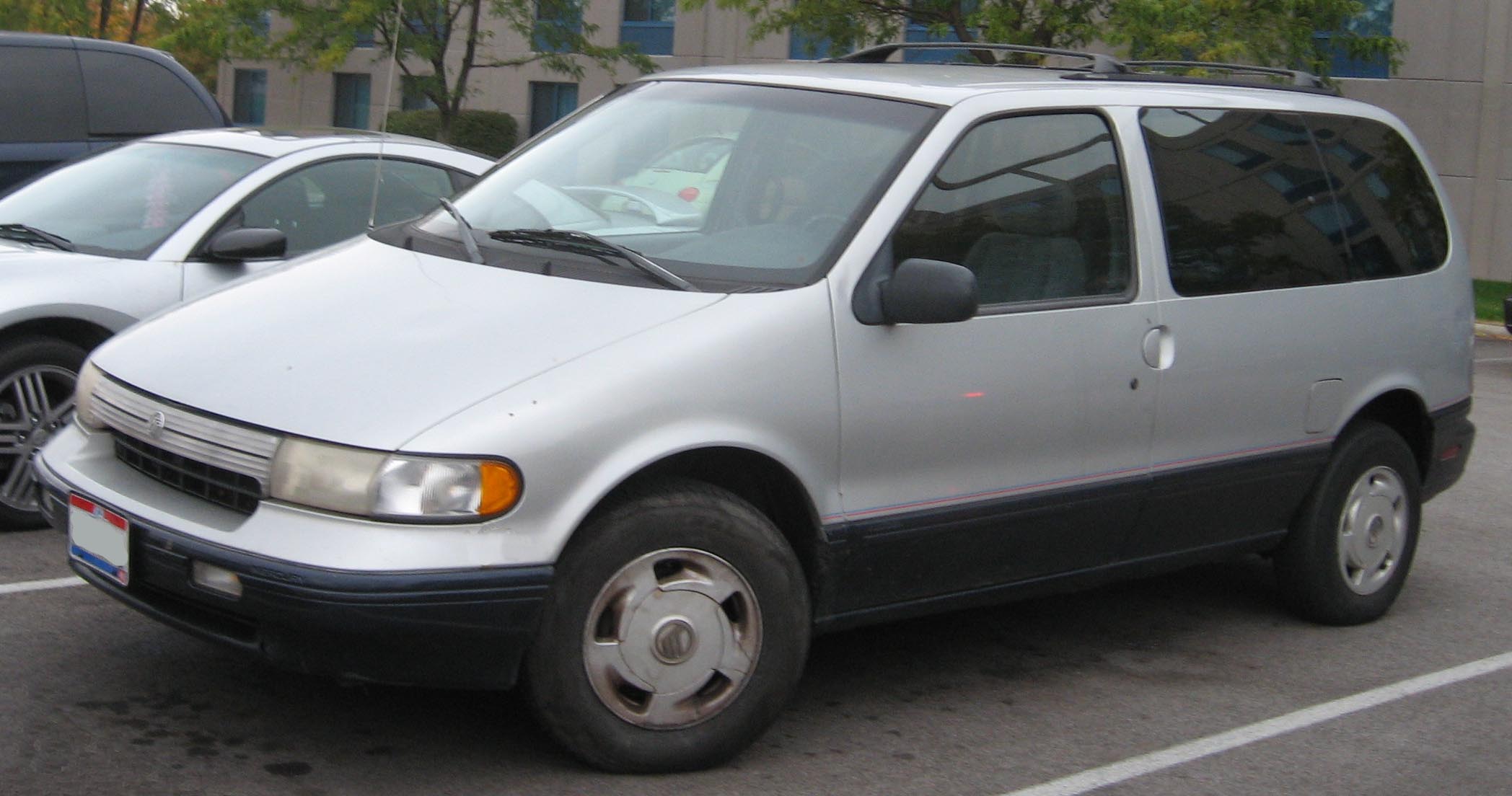
"...es in our, in our past. Mine was a Mercury Comet villager was my mom's car with the dinoc wood on the sides..."
The Mercury Villager is a family van that was made to carry lots of people and stuff comfortably. It’s known for being practical and good for family trips.
The Mercury Villager was a minivan produced from the early 1990s to the early 2000s, known for its spacious interior and family-friendly features. It was part of a joint venture with Nissan, sharing its platform with the Nissan Quest.
"...funny to say that because Ilona's first car was a Lebaron convertible. Wow."
The Chrysler LeBaron is a car that was popular for its stylish look and convertible option, making it fun to drive with the top down. It was seen as a nice car for people who wanted a bit of luxury.
The Chrysler LeBaron was a mid-size car produced from the 1970s to the 1990s, known for its convertible model and as a symbol of luxury in its class. It often represents the changing tastes in American cars during its production years.
"Right. You know, the Lebaron, the, the Grand Wagoneer, the Buick Riata, like the Oldsmobile. What was ..."
The Jeep Grand Wagoneer is a big, tough SUV that can handle rough roads and also has a lot of nice features inside. It's great for families who need space and want to go on adventures.
The Jeep Grand Wagoneer is a full-size SUV that has a rich history dating back to the 1960s. Known for its ruggedness and luxury features, it has recently been revived with modern technology and design, appealing to both off-road enthusiasts and luxury SUV buyers.
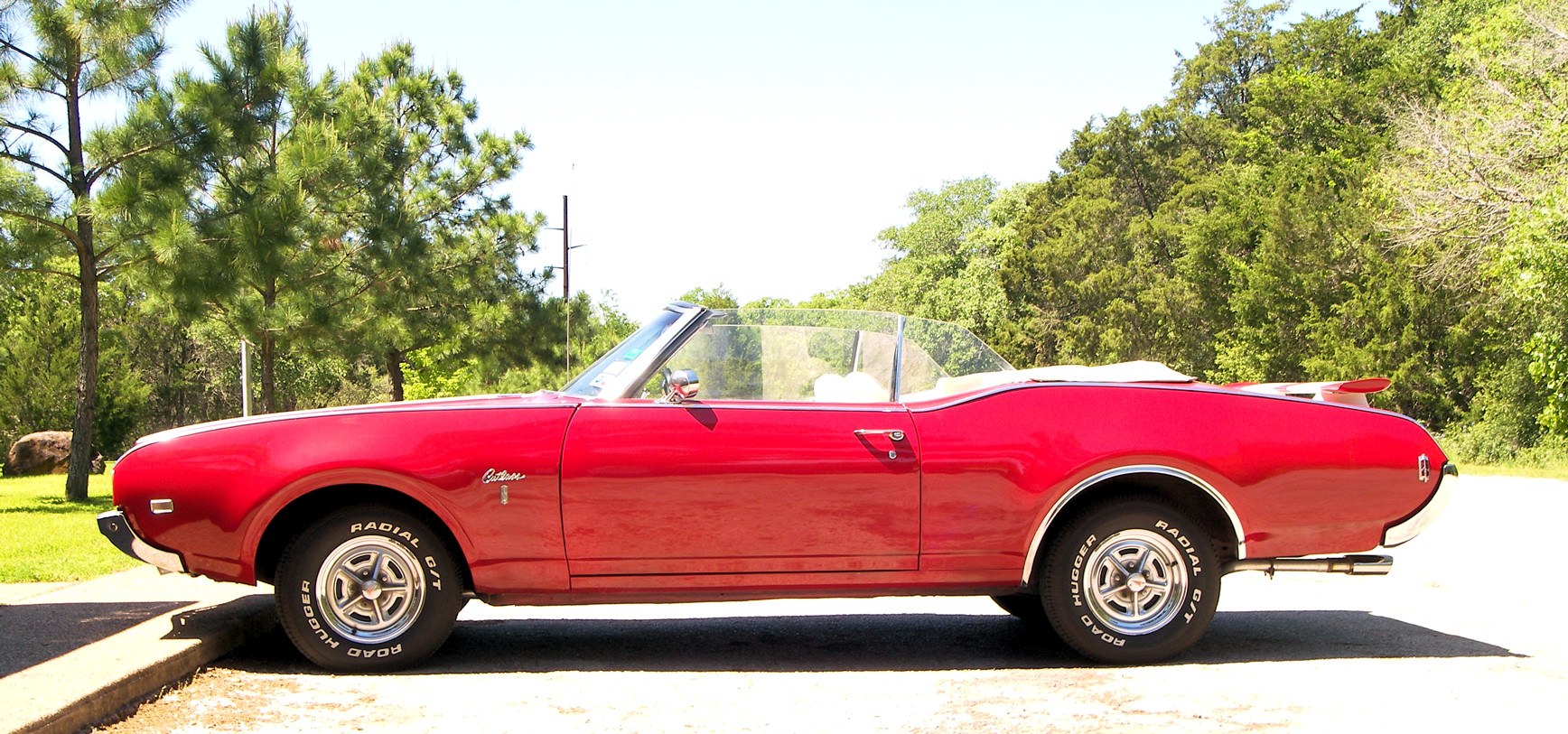
"What was it? The cutlass convertible. These were the cars like upper midd..."
The Oldsmobile Cutlass is a car that was very popular in the past, known for being comfortable and stylish. Many people remember it as a classic American car.
The Oldsmobile Cutlass was a popular mid-size car produced by General Motors from the 1960s to the early 1990s. It is significant for its role in American automotive history, representing a blend of performance and comfort during its production run.
"...that green Mustang and that black charger bouncing down those hills still makes me nauseous."
The Dodge Charger is a big car that is often associated with speed and power. It's been a favorite in movies and racing for many years.
The Dodge Charger is a full-size sedan that has been known for its powerful engines and sporty design. It has a rich history in American automotive culture, especially in the muscle car era.
Select text to request an explanation
I will say, Ryan, this day when I watch that film and that 928 goes into, you know, Lake
Michigan, my heart stops, you know.
This week on That Car Show, we enter the inaugural meeting of That Car Show Book Club, where
we have Chad and Matt, editors of Ride, the most iconic wheels of the silver screen.
And we talk about the book, which seems to have been a labor of love, everything from
Chidi-Tidi Bang Bang all the way through to the DeLorean from Back to the Future.
Lots of great car talk, lots of great movie talk, and just hang in with some cool guys.
Tune in, listen, and enjoy.
It's That Car Show.
It's That Car Show, and it's Dan and me tonight talking about a pretty impressive new car
book that's out.
It's called Ride, the most iconic wheels of the silver screen, and that's exactly what
it is.
It's 34 of the most memorable cars ever captured on film, and I think one motorcycle, and an
exceptionally well-executed coffee table book.
And we've got two of the book's three editors here with us today, Chad Oppenheim and Matt
Stone.
Chad is an internationally renowned architect and speaker with studios in Miami and Basil.
Matt's a journalist and broadcaster.
He's also the former editor of Motor Trend Classic magazine.
He's also a judge at both Pebble Beach and Amelia Island.
So, guys, welcome to That Car Show.
Thank you.
Thank you.
It's an honor.
Good debate.
How'd this book come about, and how'd you decide the cars, or decide on the cars that
made the cut?
Well, I will ask Chad to answer the first question of how it came about, because he's a little
closer to the publishing and project manager side than I was, so start there, Chad, if
you would, at how this all came about, and then we can talk about the arm wrestling over
lists of movies and movies.
For sure.
So, this is part of a film series that I've been publishing.
The first one was Lair, which is about the iconic movie villain homes in all the films,
like all the bad guys living really good home.
And then the follow-up to that was this idea of a car, motorcycle, vehicle book from films.
So, it's part of a whole series of books where we look at different aspects of film,
mostly design-centric architecture, cars, automotive design, and really uncover and
go really deep dive into a lot of fascinating information that people don't generally know
about these incredible things that they've grown up with.
It's broken down into seven sections, and I think they're speed cars, hero cars, outlaw
cars, possessed, sci-fi, comedy, and music, and I do like that there's one section that
features cars that are possessed, like there were enough of those for their own section.
But beyond that, they're the cars you expect to see, right?
There's the back to the future of DeLorean, there's the 59.
I always knew it was a Cadillac, I guess it's a Cadillac Miller Meteor, which must have
been like an outfitter or something, right, from Ghostbusters, and of course, James Bond's
S to Martin DB5.
But they're also what you might call some deep cuts.
What would you call the deep cuts, maybe, that you included?
Deep cuts.
Define me deep cuts.
Well, the Stripes GMC RV was maybe one I wasn't expecting to see, right?
That was one that was on all three of our lists almost simultaneously, because it's just so
out there, we figured it had to be.
And to update your original statement, we have three motorcycles and one motorhome.
Okay, okay, okay.
So it's not just about four wheels, but we got a lot of burning rubber here.
The Stripes film, I mean, just that moment where they're protecting the special weapon
vehicle, and then they decide to take it for a spin, and it's just like, and then they
go into like Yugoslavia, when it's communist, and they become heroes, it's just, and Bill
Murray is just incredible in that film.
So it was a lot of it is, is from, you know, the things that we were moved by in childhood
and have kept with us throughout the years.
Yeah.
Chad, I saw in the book that you were telling a story about when you were a kid, and I think
you grew up in New York, right?
New Jersey.
I was born in New York.
Okay, okay.
And you had a set of grandparents who every time they came to visit you, they'd gift you
a new matchbox car, and those are the gateway drugs, aren't they?
Yeah, I love them to death, but, you know, the matchbox car was like an extra bonus of
seeing like my lovely grandparents, my mother's parents, and yeah, they would drive from Bayside
Queens to, you know, New Jersey, you know, probably two hours every weekend, and somehow
go, you know, get me a little matchbox car.
So I had hundreds of these matchbox cars that I used to play with and race around, and,
you know, it was just an incredible, you know, first love of something was these cars.
Are there any cars that either made it in or didn't make it in that caused either arguments
or intense debate?
I'm curious, like, what was the process there?
I would say it never was an argument, never.
Really?
Yeah, there were the four or five of us, and I mean, this is a team, truly.
And we thought, oh yeah, we're a great team, you know what, this was a great team.
We all got along, we leaned on each other, we helped each other, sometimes we corrected
each other, whatever the case may be, but it was extremely inclusive and we just had
a blast doing this.
I hope you have as much fun reading it as we did building it.
It was just, you know, like, okay, well, you know, the book, if we don't stop, we'll
be 900 pages and 60 pounds and a hundred million dollars a copy.
Yeah, which in fact it was, right?
Yeah, you're getting there, you know, it is, the book has girth, right, let's say that.
It's incredibly heavy and rich and beautifully printed, but we originally had 50 cars.
And Matt almost got it, it was over 600 pages.
Really?
Yeah, and so, you know, there's probably a second volume there, even for the movie
cars, but you know, we started with a list of a couple of hundred and we kept weeding
it down and weeding it down and, you know, but there's a couple of ones that didn't make
the cut that, you know, I miss, but we had no choice, but to kind of.
Yeah, we all lobbied a little bit, but at the end it was basically a consensus vote.
It was an equal team and neither one of us, none of us really had put your foot down,
say, over anybody else.
So we got to consensus and at some point you say, well, okay, between these two, but that
one's really a little more like this one and that one is kind of close to that one.
And so maybe that one can go and it just, it was just organic and we did it all in meetings
just like this.
Yeah, yeah.
We had Zoom meetings and we held up magazines and books and, you know, said why this should
be in or needs to go.
I will say, I want to make the point that why are these cars there?
Some of them are there.
Many of them are there because they're fantastic.
They're memorable, they're iconic, whatever word you want to use.
And there's a few of them there that are there because they're dreadful, but they're memorable.
Yeah, yeah.
You know, and some of these are like iconic.
Well, yeah, maybe because it's such a weird, stupid car or it's iconic because it is.
Of course, we had to cut down to three James Bond features.
There's only three could have been, you know, of course, there are many books, the cars
of James Bond films and you can get those and they're great.
And we referred to them in this book, but it was just an ongoing discussion, check and
balance, check and balance.
And somehow we got down to the package you hold in your hand and I for one hope there's
volume two because we've got 25% of the material done.
Yeah, yeah, that's amazing.
I know you guys are asking the questions, but what do you think is missing or, you know,
like if you were to each pick one, one car, what do you think?
I mean, every time I looked, I see you had, you know, the ones I had in mind, you know,
I mean, for me, there were three that really stuck out.
I'm a Chicago guy, so my personal favorites are, you know, the Blues Brothers.
What is it, the Dodge Monaco, Ferris Bueller's 61 250 GT, a replica, right?
I think not everyone knows, and that's currently at the Peterson, I think at the moment, and
the one that really hit home, just growing up and in watching these movies filmed on
the North Shore of Chicago, the 78 portion, 928 from Risky Business said that was it for
me.
So let me think about what might be missing, but those are the three that I look for.
I will say, Ryan, I was day when I watched that film and that 928 goes into, you know,
Lake Michigan.
My heart stops, you know, it's just like, you know, the same thing with Ferris Bueller
when like, Cameron's picking that car, I'm like, please don't let this happen.
You know, I know, I know, it could be the Brit and me, but I don't think Chitty Chitty
Bang Bang's in there.
Is it?
It is.
Oh, it is.
I need to read what it is.
We can edit that out.
But yeah.
Yeah.
We love Chitty Chitty Bang Bang.
It's a big book.
Mark Newson, who's, you know, one of the world's most incredible industrial designers and is
working with Johnny Ive of Apple fame, designing the new electric Ferrari, Chitty Chitty Bang
Bang was his favorite car growing up.
Kidding.
Yeah.
Because he used to play around like building soapbox cars to race in Australia and he felt
like a very deep connection with Chitty Chitty Bang because it was kind of like made in
the backyard.
But that's great.
Yeah.
I love it.
So no one had any missing.
No, there is one and it is.
So we had Robert Nagel on recently on the show and I don't know if you guys know Robert
Nagel.
I know who he is.
Yeah.
Hell of a guy.
Great guy.
And I asked him what he drove, what was in his garage.
And it was a car that I really appreciate because it wasn't an obvious choice and it's
in one of my favorite, I guess you could call it a car chase movie and that's an Audi S8
like they used in Ronin.
And so I don't know if that was on any of your list.
It was on an original list.
It was on a list, but it wasn't as, it didn't make the final cut, but it could be volume
too.
Yeah.
Sure.
Yeah.
And you know, to be honest, it probably doesn't fit with these cars.
It's not quite the icon.
It's an icon for some of us, right?
How about you, Dad?
Not to mention the Audi in iRobot.
Yeah.
That one got a lot of consideration because that was the first we saw of what would become
the Street R8, that concept car glowing and floating and Will Smith and all that.
Yeah.
Yeah.
There were a couple of those Audis that played strong until we got to volume one or two.
Yeah.
How about you, Dad?
What do you got?
A hot rod from Iron Man.
I know the R8 from Iron Man, right?
So that hot rod from Iron Man is the one where he looks as he's about to paint his suit and
he's looking for inspiration.
Oh, in his workshop.
Yeah.
But it's not quite iconic in the same way.
I'm just looking for getting out of jail after doing his Iron Man, to be quite honest.
We tried to kick off the big show we didn't have.
Yeah.
Yeah.
Well, what resonated with you, Dan, like what were?
For me, it was more the detail that came in afterwards.
So like, if there was a car that had a specific route that it took while it was filming, there's
the map in there.
Yeah.
Yeah.
The bullet was an example of that where, you know, you had the streets of mapped out in
terms of the route from.
So it was the level of detail versus the actual cars, but, you know, you can't go wrong with
a bond car.
Can you?
Yeah.
The number of those cars should have won best supporting actor and got an Oscar in there.
So guys, I'm a graphic designer by training and really a print guy at heart.
So I know a good book when I see one in your book is just really beautifully done.
I don't know what they call it, but whenever you have the silver on the edges of the pages,
there's a.
The silver foil.
Yeah.
Foil.
Right.
Right.
You know, I mean, it's always a good sign.
But it's really a visual book with a ton of photos and what was that process like like
tracking that stuff down and then, I guess, getting the rights to use these things just
been.
Yeah.
Well, I will say that there is one person who is not often mentioned, but is the probably
most important person in the book itself and it really made it happen.
And it's the publisher of Tra who actually did all the graphic design by herself.
The entire thing did all the screen captures and found every image.
Oh, wow.
Corraled myself, Matt and Chris, you know, three wild cards, you know, into making this
book in a really compressed time.
And I also say she's my, my wife and soulmate.
So, you know, so we, but she, she watched all 50 films because there were 50 in the beginning.
Each one took her three hours because she would screen capture things and then coordinated
with the artist.
She laid out all the graphic design and it's my wife, Ilona and Matt.
I don't know.
I leave it to you a little bit, you know, it's absolutely true.
And I'm not saying that just because he's here and just because she's his wife.
But, but Ilona was actually our fearless leader in this project.
And she, she drove every aspect of it seamlessly.
And it was, as you can imagine, a tremendous amount of work.
And for the benefit of listeners and readers, I also want to recognize our film critic and
film author, Chris Nashawadi, who's not on the call with us.
Chris is a lovely guy with a wicked sense of humor and knows film like you can't imagine.
And he, he got some of these great interviews for us and he wrote the cultural imperative
capsule for each of the films, you know, because I'm the car guy.
I wrote the car stuff and Chad got a lot of great interviews and made some visits and
stuff.
And then, and Chris is the cultural imperative guy, former editor of Entertainment Weekly
magazine knows this stuff dead cold.
And, and he told us what the film was about, why it mattered or why it didn't.
Who directed it and who produced it and why that person was cast over this person and
who drove the car.
And you know, this one, because the reason the, the Porsche in 16 candles has an automatic
is because the actor doesn't drive a stick.
So I wondered about that for years.
Yeah.
That car was in the 50.
That wasn't.
Interesting.
And it will have to be.
And one of the guys in my architecture office actually has that exact car.
Get out.
Dakes car.
Yeah.
Really?
How many trans axle Porsches I guess can you have in one book, right?
Yeah.
That was an incredible film.
But yeah, you bring up some of the interviews and, and it is honestly, I think it was one
of the most rewarding things for me to interview these incredible people and hear their, their
relations to cars, to the films that they made or were in or designed cars.
You know, some of the standouts are, you know, Michael Bay, who is not only a good friend
but a client.
I designed both his homes and in the home, there's all the, a lot of the cars from transformers.
But just hearing Michael tell his incredible stories of his first car and how his father
like in the movie transformers took him by like a Porsche dealer because Mike, Michael
wanted a Porsche so bad and then drove right by it.
Like, are you joking?
You're not kidding a Porsche.
So, but it's just like, I mean, it's really, you know, these interviews are, are incredible.
Yes.
So much from these people and they really opened up.
So a lot of nuggets in there.
John Landis was extremely forthcoming with his commentary as was Michael Mann.
Yeah.
And boy, there's a heavy duty Hollywood dude right there.
Oh, yeah.
And, and he, they spent a great deal of time filming that movie in Modena, Italy, a city
and a region I particularly love.
I love Modena.
I mean, when I, if I die there, don't move me because I'm already in heaven.
I'm already in heaven.
Yeah.
But, but Michael and I were talking about restaurants.
We both ate at, you know, because he's there with the film and I'm just there on vacation
and screwing around with my car friends and we went to the same restaurant.
We just didn't know it.
It was great.
These guys were great.
Yeah.
The interview with Michael was one of the few Matt that we all were there and did in person
or at his production office.
And Michael's also a good friend.
You know, he, I grew up watching Miami Vice and we do the, the, the, the TV version of
this book, which we hope to do the, you know, the Ferrari Daytona is going to be in that
book.
And, you know, it's that, that was like, you know, so I grew up in New Jersey and I dressed
like Crockett and my eighth grade graduate and that's how I actually ended up in Miami
by watching Miami Vice and started my career there.
And funny enough, the reason Michael and I became friends is when he came to film the
movie, he reached out to me because he had told me like your architecture represents
the Miami of today.
And that was like, you know, such an incredible moment because I watched Miami Vice growing
up and ended up moving to Miami because of that.
So, but it was an incredible interview and the amount of knowledge that Michael has about
every aspect of the cars and the detail.
I remember in the movie, you know, the Ferrari from the movie is not in the book, but I remember
when we met, he was flying to Moderna to pick out the color of the Ferrari for the film.
So he gets like so into the details and he's just a true, you know, genius in filmmaking.
That car show is brought to you by Sheffield Watches.
The Sheffield Watch brand has a long and storied history, but it was revived a couple years
back by our good friend and true car guy Jay Turkbuss.
Jay was gifted a Sheffield Watch by his parents when he was a kid and he still has it to this day.
Jay wanted to make the same experience available to all of us, a reasonably priced, high quality
watch that endures and that we enjoy sharing with our fellow watch enthusiasts and car people.
From Diver's Watches to Watches designed for travel to collaboration with automotive
powers like Spike Farristan and Jay Leno, Sheffield has a watch for you.
Find your own Sheffield Watch at SheffieldWatches.com and at Sheffield underscore all sport,
underscore watches on Instagram and let Jay know you heard about Sheffield Watches from that car show.
That car show is proud to partner with Drake Motor Cars.
Drake Motor Cars is Denver's premier destination for exactly the kinds of vehicles that we like here at that car show.
Think Velocity Broncos, Audi RS6s, Acura NSXs and air-cooled Porsches.
You can see their complete and constantly changing inventory at DrakeMotorCars.com
and check out their amazing online reviews from all across the country.
But our friends at Drake need your specialty car too, a sign of a good business is when there are more customers than inventory.
So reach out to Drake too if you've got a great enthusiast car that just doesn't get driven like it used to.
Find out more at DrakeMotorCars.com and let them know you heard about them on that car show.
It is amazing, sorry to interrupt you Ron, but just to finish this thought,
you figure all of these various Hollywood types, we're dropping a lot of names around here.
They're producers, EPs, directors, art directors, set designers, all of those people and you figure,
okay they've all got money they can buy whatever cars they want.
You know some of those folks don't give a wit about cars.
And then when you find some that do, it's fascinating and they know their stuff.
They not only have their own personal taste, but I mean that reflects out their knowledge and their passion for cars,
reflects out in their films and in this book.
It was just fascinating, I had a great time, I was chatting with John Landis recently.
As one does, yeah.
And it was, I don't does, but I did that night.
And we were talking about the Dodge Monaco's, the Bluesmobiles.
And he says, you know we bought truckloads of those things, a police auction for like $400 a piece.
And they said, how many did you destroy?
He said, all but one of them I think.
Yeah and I thought that was kind of fun, but you know because you know they jump those things and crash them and burn them and everything else.
And something that really struck me too as we did this, a lot of the cars in this book and in films are kind of like showroom stock examples.
The 928 we talked about from Risky, that's not modified in any way.
It's a stock 928, wonderful thing, wonderful car.
Then you have cars like most of the modern Batmobiles, let's call them.
And a whole lot of others that are cast and costumed for this role.
I mean it's no accident the way they look or the way they do or what they do.
Because they are cast like an actor and they are costumed just like an actor for these roles.
And we tried to call those out when that was relevant to what we were talking about in the book.
But that to me is when cars become actors and they really are.
Let's talk about that if we could, car casting, the importance of car casting because there's nothing that will take you out of a movie faster.
At least for a car guy, right?
Then the wrong car in the wrong era or just the car that doesn't fit the personality of the protagonist or what have you.
So maybe some bad examples out there that spring to mind.
There's a bunch of them and I'll tell you and my wife just she laughs at me.
Because when I see the wrong car, the wrong year, the wrong wrong wrong wrong wrong wrong something for context in a film.
I mean my butt comes right off the couch and I go nuts.
And there's enough people, continuity people and set designers that know this stuff.
If not folks, I'm available.
That should not be.
It should not be but it sneaks through.
Now I don't know if that's like well that's what we had on hand, that's what we had budget for, that's what we found.
Or it was part of some product placement thing.
It could be any of the above.
But that stuff makes me mental.
So Matt one of the things that comes to mind is in Michael Bay's interview.
Where he said when he was making Bad Boys, production designer, he was like it was his first movie, didn't have a big budget.
He didn't have like really tremendous faith in Michael, even though Jerry Bruckheimer believed in Michael like the sort of crews and people.
So they said why don't you give Will Smith a Mustang.
And Michael was like this guy cannot be like driving around in a Mustang.
And to Matt's point like the budget was like I don't know $500 a week or something.
So Michael actually owned that Porsche that was in the film and had it shipped over and made the car incredibly iconic in the process.
It hasn't been nearly the same film without that.
I gotta give special credit to the movie Boogie Nights which I think is some of the best car casting in anything I've ever seen.
I can go on and on about just what a wonderful movie it is.
Volume two.
Volume two.
Okay.
Good to know.
And I mentioned Wes Anderson.
I don't know if that was before we started recording or not, but he always does a really good job.
The movie Rushmore with the Mercedes 300 TE, the wagon, right?
For the teacher.
I mean, it's just that was exactly the right car.
And it just, you know, it really just puts a bow on a movie like that.
Yeah.
And I think Bill Murray was in that, right?
And he had like a roof.
Well, Bentley.
Yeah, I think it was, right?
Yeah.
And he's sitting there like this.
It's just like the right huller, the right, you know.
Just right where he's sitting up with his two boys in the backseat, the red-headed twins.
And he said, never in my, you know, my wildest dreams or whatever, paraphrasing that I ever think I'd have kids like this, you know?
And it's just like it all just came together just so perfectly.
Absolutely.
And then, you know, Michael.
Sometimes it really works.
Yeah.
Yeah.
It makes the film.
Go ahead, Chad.
Further.
Yeah.
Further, you know, because Michael gave a lot of really interesting insights, but, you know, in transformers, how he casts the cars and he spoke about Bumblebee and how Bumblebee was originally in the, in the cartoon, a Volkswagen Beetle.
And how he went into General Motors and saw this sort of prototype that they weren't really going to make for the Camaro.
And he worked with them and the, you know, and helped design and finesse things.
And then ultimately they produced the car that, because it became such a big sensation.
Wow.
So, you know, really.
And then there's another funny story that Michael speaks about is that he, he probably, he feels like he's made GM billions of dollars.
Because of that.
And then he ended up, I think he said he, he had Bumblebee.
So funny enough, when we designed Michael's house in Los Angeles, he, we had like a prop museum in the lower level and we have Bumblebee on a turntable because Bumblebee paid for the house.
And, you know, but, but the funny part was, is that the CEO changed somewhere along the line at GM and they came to Michael and they said he stole the car.
And they asked him to, to buy it.
And he, and it was quite expensive.
I think it was like a quarter million dollars or $500,000.
And he was like, that's the last time I'm ever using like a GM car.
Wow.
Yeah.
That's amazing.
But it is in the house.
Yeah.
Say it again.
Sorry.
It is in the house.
That's so cool.
So which, which I guess came first, you know, these relationships with these directors or the architecture, like what was your entree into, I guess, the Hollywood scene?
Yeah, I would say that, you know, Michael Mann, Michael Bay, you know, became friends through my architecture practice.
And then Mark Newsen, we just had some mutual friends in London.
My son ended up actually working for him this summer in London.
And that was a lot of fun.
Dennis McCarthy, McCarthy who does all the cars for the Fast and the Furious.
That was someone that I just reached out to.
And then, you know, we have Stephen King who is an incredible, I mean, what an incredible honor and John Landis.
So Chris reached out to them.
Matt had the relationship with Jay Leno, which was an incredible contribution to the book as well.
Yeah.
I really liked his, his intro.
I thought it was really heartfelt, genuine.
And you also had people from the world of motor racing.
Jeff Gordon was it?
Jeff Gordon.
Yeah.
Jeff Gordon, the way I connect, he reached out to me to have us design a home for him in Colorado.
And we became friendly through that.
And he's just an incredibly great guy and just obviously legend of the track.
Yeah.
And he talks about the Disney film Cars, right?
Yes.
Yeah.
Which was really great to have that.
And that was something, you know, there was something controversial, I guess, Matt, for Jay Leno was like,
Why is Jay Leno?
Jay picked on the Lightning McQueen a little bit, said,
Okay, it's not even a car.
Oh, you know Jay.
Yeah.
Well, it is.
And it's in a movie called Cars.
Yeah.
So I guess it's there.
Probably one of the most loved cars in the history of film.
Yeah.
And there is one in the Peterson, Dan, right?
Yes, there is.
It's a life-size one.
Yeah.
And how many, how many Hot Wheels has that movie sold?
Well, there you go.
I mean, come on.
Right.
Yeah.
Yeah.
I think that there's a whole generation for which that movie will prove to be very important for their future enthusiast,
I guess, for sure.
Yeah.
And I got to work with Pixar to do a hotel for them in Disney in Shanghai.
So I became friendly with like the designers of all the, you know, the production designers in the,
who did Cars and all the other films.
So, unfortunately, the guy who did, he passed away.
So one of them, you know.
You have the late Marcello Gandini in here as well, which is pretty special.
I think we lost him what, a year ago or so?
About.
Yeah.
About.
And it was, it was, we were doing, well, we were doing, we were talking about the Mira in...
The Italian job.
The mini movie, the Italian job, the original Italian job, the Mira that unfortunately has far too short and quick and disastrous a role in that film.
But Gandini designed that too.
And we decided with, with him, of course, we did not get to interview him live or in person or anything because he was already gone,
but he had so much commentary and interview material out there that we were able to apply it to the Mira and car design, Italian car design in general.
And yeah, what an unbelievably gifted guy.
And if you look at his portfolio of stuff, I mean, it's Italian greatest hits.
Really is.
He's really a top, top, top level man.
And too bad we lost him at only, I don't think he was quite 90 yet.
He probably had a few more cars in him.
You know, going back to cars, I'll just relate one thing I think a lot of people I hope can relate to.
I interviewed was one of Paul Newman's last interviews.
Really?
Before he passed away.
About his role in cars.
Because of course, as you know, he played the fabulous Hudson Hornet.
And he also in the courtroom scene with Owen Wilson's character, you know, with lightning, he was the judge.
That's race drivers.
I know their type.
I want him out of my courtroom and I want him out of my town.
That was his last movie, wasn't it?
That was his final movie.
On the Gandini, you could argue that in theory we wouldn't have the James Bond Lotus Esprit if it wasn't for Gandini starting the wedge era.
True.
Interesting.
That's a very fair statement.
And then, you know, just that cootage.
I mean, I think like, honestly, like in Cannibal Run, when that thing came out, it just like blew my mind, right?
And it was just the most out of this world thing, you know, watching this black cootage with the fin on the front.
And of course, it didn't hurt that there were two very attractive women driving it.
Just stealing all my lines, Chad.
They don't make movies like that anymore.
Yeah, I actually learned how to drive stick on a Lamborghini cootage.
No.
Yes.
It took me until I was 50 to drive a Lamborghini with the stick shift.
I got to drive a Diablo recently, the very first one.
So you learned to drive on a cootage.
I learned to drive stick.
My father had one for a moment.
And I was about the age and he took me into a parking lot.
And it's kind of an easy car to drive stick because you go into like 60 miles an hour at first gear.
Yeah.
And, you know, there's a very funny story with that car.
I grew up in suburban New Jersey and it was kind of a scene to see that car.
Of course, if you, you know, where in Miami now you see them a dime a dozen.
But at that time it was a very unique car.
It was probably one of the few in New Jersey.
And, and I remember my, my father tells this story that he was at a stoplight in front of my high school.
And it was in the summer and they took it for a long drive.
And this guy pulled up next to him and he's like, he's like, man, that's a hot car.
But shouldn't fire be coming out of both tailpipes?
And my father's like, what was this guy talking about?
So they, they drove home, you know, five minutes away.
And my father's like, to my mother, like, why don't you take a look at the back?
And she kind of popped her head and he hit the gas and like fire shot out like the Batmobile.
That's amazing.
They were, they were carburetor engines, those old ones.
And they were always flooding and, you know, so it was a lot of fun.
That's funny.
I only drove it once.
Well, it's one more time than I think I or Dan ever did.
Did you have other cars like that growing up?
And Matt too, what did you grow up with in the house?
My dad was a car guy from way back and, you know, he had Fords and hot rods and all kinds of stuff
and then got into sports cars in the late fifties.
And I'm an omnivore, you know, I eat all meats.
And I think that I garnered that taste from him of learning to find something to appreciate
if not understand about most any kind of car.
I mean, I love old trucks.
I love Ferraris.
You know, I'm, because I'm an omnivore and, and we always had cool cars around.
My father will remind me of his 1958 Austin Healy that he used to drive until my mother
could no longer get in it because she was pregnant with me.
Damn you, Matt Stone.
And my father always ribbed me.
Damn it.
You cost me my Healy.
Well, I hope it was worth the deal.
But anyway, we went, we went everywhere.
There was car things happening.
We went to the races.
We went to the car shows.
We used to go to the dealerships every fall to get the new brochures.
We went to the auto shows.
I mean, I was exposed to all of it and found out I like most of it.
Yeah.
So I give my dad a lot of credit for that.
And my mom, I don't know, she put up with it.
Yeah.
Or, you know, tolerated it is maybe a better word.
But I was just, I was inundated from the, at the deep end from the time I was, you know,
old enough to understand what a car was.
And it's a sickness from which I hope I never recover.
Yeah.
My sicknesses go.
Sorry.
So my father, there's like a legendary story that, so my father grew up with like no money
whatsoever, but somehow his grandmother remarried and her husband had some money.
And for his 18th birthday, my grandmother, my great-grandmother asked it, like, what
would you like?
And he's like, you know, I'd like a Corvette.
She's like, well, why don't you go to the dealership?
But it was like 1965 or something like that.
And he went and he like put every single option on it.
And like, you know, he didn't even know how to drive stick.
And, you know, it was like this legendary story.
And I regret him ever telling it.
But like when he made it on his own, because when he died, actually all the money disappeared
somehow, because he had a lot of debt.
But when my father finally like went out on his own, he got a Cadillac Seville and the
pride that I could still smell it today, like going in and he had like the, you know, those
Matt, like from the dealership, you know, like we couldn't even take the paper because
and we could wear our shoes in the car.
And it was like, and I remember it was like kind of like, it was a silver Cadillac Seville
with like a silver interior.
And he was the happiest person in the world.
And, you know, and, but, you know, that was kind of his thing for a while.
And then somehow when the lira, the Italian lira like devalued, my parents ended up going
to Italy and he bought like for probably hardly anything because the lira was like devalued.
He bought a Ferrari Mondial.
Oh, no kidding.
And then somehow he got it and he didn't like the way it drove.
And then ultimately got that Lamborghini for a couple of years.
Okay.
And then sold that.
And now, now he drives an Audi Q5.
So it's not that.
He's really made it.
Yeah.
He's right downhill.
Yeah.
I love the story about taking your shoes off or whatever in the Cadillac.
I was just reminiscing the other day where we remembered how when we would get a car when we were kids,
we generally were for Volkswagen's new Volkswagen's and we would take road trips, you know, these 12, 13 hour road trips.
And the only thing my dad would let us eat in the car or lemon drops like this hard lemon.
You know, for fear of, you know, ruining, you know, the, the, the Naga hide or whatever.
Yeah.
Well, we had, we had a car that we did a lot of road trips on.
So we would go from New Jersey to Vermont in the winter to go skiing.
And we used to fly on People's Express.
I don't know if any of you guys, but you actually was the airline where you like paid when you're on board.
They had like a credit card machine.
And then somehow we just got caught in the snow.
We ended up, my father ended up buying a wagon, a grand wagon here with the woods sides.
There you go.
That was our, that was our go to like, you know, driver to get up and back to back in sportsman for mom.
Yeah.
Every one of us poor kids of a certain age, unfortunately had a car with dinoc on the sides in our, in our past.
Mine was a Mercury Comet villager was my mom's car with the dinoc wood on the sides.
And my dad always drew after that drove Lincoln's and you're right.
You don't be eating that.
Yeah.
Well, Matt is funny to say that because Ilona's first car was a Lebaron convertible.
Wow.
Well, she would call it Lebaron.
Alona's actually Switzerland.
She's from the German side, but she speaks.
Okay.
Well, so she would always call it Lebaron and it sounds very nice.
You know, but it had handling on the side as well.
That's a segment of car that just doesn't exist anymore.
Right.
You know, the Lebaron, the, the Grand Wagoneer, the Buick Riata, like the Oldsmobile.
What was it?
The cutlass convertible.
These were the cars like upper middle class sort of aspirational, you know, American, you know, it's just, those cars just don't exist anymore.
They go to the oba.
That's right.
Forget the car.
Did that have the Corinthian leather?
Oh, I had it.
Okay.
Whether they had it or not.
They probably, the owner would always say it had it.
Have we ever determined if that was a real thing or if that was just a marketing gimmick?
That was a marketing name.
All right.
It did not come from Corinthia or from Corinthian cows.
It may not have been leather.
Who knows?
It was Corinthian marketing.
Yeah.
Corinthian cows.
Yeah.
Yeah.
Well, we talked about cars you grew up with.
What were the movies?
I mean, you wrote this book about cars and movies.
What were favorites of yours?
Well, I mean, certainly, you know, I grew up with cars.
I was born in 1971 and when I was coming of age to see these things,
you know, Roger Moore was my James Bond.
Okay.
We had to include the DB5 just because it's like the classic and it's so elegant and,
you know, and the Sean Connery just drives it so well.
But, you know, that Lotus Esprit that transforms into the submarine was just like,
whoa, you know, and of course, you know, the Cannonball Run, Smoky and the Bandit.
Yeah.
You know, all the favorite of Dan's, I think, isn't it?
Yeah.
He's down and down.
What a great film.
What a great film.
You know, so and of course, you know, Ferris Bueller's and Risky Business and,
you know, I will say those two movies made me never want to take out any one of my
films or without explicit permission.
That was just too dangerous.
A cautionary tale for a whole generation, Chad.
Yeah, for sure.
You were saying, I'm sorry?
You said, Chad is going to rub it in that he's younger than me.
We'll just forget about that for a minute.
In 1968, my father, because he was my father, God bless him, took me to the
Cinerama Dome in Hollywood, California to see Bullet.
Oh, wow.
Now, I don't know if you are at all who's familiar with the Cinerama Dome, but it's
the closest thing we had to IMAX at the time.
I mean, it was giant tall screens and I don't know, it must have been 180 degrees
and just killer sound for the time.
And believe me, that green Mustang and that black charger bouncing down those
hills still makes me nauseous.
I get a queasiness.
And of course, naturally, right then and there, I'm going to grow up to be Steve
McQueen because he's the baddest dude that there ever was.
And I want me a green 68 Mustang GT3 94 speed fastback so I can do burnouts just
like that.
Yeah, yeah.
Matt, you've written a book about that, right?
I did.
Yeah, I did.
I wrote a book about the whole bullet thing.
And believe me, there is more BS, lie, innuendo and rumor about the making of
that film than you can imagine.
I mean, why that film?
Why the...
I think because that stuff kind of trails Steve McQueen with a long tail.
Yeah.
You know, rumor lies in innuendo and I always write from the perspective
of the car guy and interest, etc.
I don't care what kind of cereal they had, who they slept with, what kind of drugs
they did.
I don't go there.
It's my audience, I believe, could care less.
Yeah.
So I don't get into that.
But you know, how many cars were used and what happened to them?
And oh, there was one with an automatic and the secretary from Warner Brothers drove it.
I mean, it's just an amazing cloud of BS around the making of Bullet.
Yeah.
And with his family, the late Chad McQueen, his son, his late son and his wife and his
first wife and his daughter-in-law and grandkids, they said, look, just follow your reporting.
Just tell the story right.
And that's what I wanted to do with that book because...
And I'm not plugging it, but if you really want to know what happened and who built the
cars and the stunts that they did and all that jazz, that's in my book.
Plug away.
What's the full title?
And the full title is Bullet, the people and the cars behind Steve McQueen.
And it's currently in print.
You can find it in the Amazon or all those other kind of places, but man going to the
Santa Ramadone in Hollywood with my dad sitting there watching those cars bounce down those
and I'll never forget that.
Yeah.
Matt, to add to your story, in the book, the opening page of Bullet is actually not a
photo from the movie or a photo from the car, but it's actually this incredible artist from
Mexico and he takes models of the cars and does these incredible photographs with a lot
of special effects and the Ghostbuster, one of the images in that book, his name is Felix.
There's also the DeLorean on the cover.
That's one of his images.
He makes...
Well, it's not Photoshop.
It's like actual photography with multiple layers and he makes smoke in this.
So he did the fourth one.
Good, good, good, good point of story for the book, Chad, because a lot of the openers,
particularly as Chad said, are Felix's work.
And this guy does it with a camera and a smoke machine and sparklers.
Really?
Yeah.
And firecrackers.
And I mean, you know, it's all organic.
It's not AI.
It's not AI.
Yeah.
It's better.
It's not even Photoshop.
You know why?
It's because it's art.
Yeah, there you go.
And that's what we wanted.
We wanted to add a truly artistic element to this book beyond the stuff from the film
and whatever.
And so we just, much thanks to Ilona, who we've talked about a lot and who deserves the credit.
I hope she's listening and watching.
She worked primarily with this guy and he gave lots of samples of work.
And again, some of the art that you will see is not a direct scene from the film, but it's
the car and it's done in an extremely artistic fashion.
Yeah.
I feel like it's one of the coolest things we have done.
Yeah.
He's an incredible genius in that department, but also the drawings that you mentioned about
the maps and the diagrams.
And that was done by a group of artists from Paris, actually.
Yeah, it was calling in people from all over.
And Ilona actually put all that stuff together.
I mean, it's a beautiful thing, right?
Something I'm proud to have on my coffee table for sure.
It's just really a fantastic achievement and must be an amazing feeling knowing that you've
created this thing.
You mentioned two cars.
You mentioned the DB5 and you mentioned the Mustang from Bullet.
If you had to pick one, what rises to the top?
And I think either one of those might be proper candidates, but what does it for you?
A car like as a daily driver?
I mean, you have the DeLorean, well, you have the DeLorean on the cover, right?
You have the Back to the Future DeLorean.
So maybe that, you know, is the most iconic movie car.
If I could get a car that is also a time machine, I might, I might, you know, like a flux capacitor.
I very personally believe, even though I wrote the book about Bullet, that the absolute
quintessential ultimate, ultimate, ultimate knee plus ultra movie car is the DB5.
Hands down, stop from there.
A lot of other great ones, but nothing set a high water mark for class and cool and bitchiness
and creativity and everything else for a movie car that truly was cast, costumed and built
for that role and stole the film and the process.
It's the DB5, which has appeared in only, you know, nine more James Bond movies for little cameos.
People say, oh, they forgot, people forgot about that car.
But Matt, I think like, you know, to that point, when that car showed up, I mean, it was before I was born,
but when that car, my parents tell me about it all the time.
When that car showed, like no one had seen anything like that, right?
I mean, today, you know, you can see every car that has been modified or built, right?
Like, you know, a few clicks of your, your thumbs, but that was like, you know, what the, you know, like, what, what are you saying?
Like, mind truly blown. No question about that.
And, you know, ejector seat, you must be joking.
I know they had the racing history as well, but I wonder if we would still have asked in Martin as they are today, if it wasn't for that franchise.
Interesting.
Yeah, it's always surprising to me, Dan, that they oscillated off of Aston Martin and went to like BMW and other cars as well.
Like, it just felt like more, I guess, product placement or something.
Yeah, to your point, Dan, Aston Martin was struggling in the 60s and it took all their resources to get the DB5 to come out, to make it to market.
Yeah.
And they, and being very astute was Sir David Brown and other people there saying, we have the chance for free to put our new car in this certainly worldwide hit film with the greatest Scott Irish British actor of the time, perhaps.
And they recognized the opportunity to do this and it probably at the time saved the company.
Now, it's a true fact. There's lots of financial documentation about this.
I mean, you know, is that why they stayed with it? It was a good thing and it lasted a lot of years and then they came back to it.
But at the beginning, Aston Martin was skating on very thin financial ice through pure determination and grit.
They got the DB5 to market and launched it in Goldfinger and that at the time probably likely saved the company.
Yeah, but I would say like, I think it would, you know, maybe it was a financial play because it's the most valuable, but it would probably be not the replica Ferrari, but the real one from Ferris Bueller's.
Yeah.
Nice.
Yeah.
Fun fact on that is that the replica was automatic because Roderick couldn't drive stick.
Yeah.
Yeah, that's a little tidbit in the book.
Oh, is it?
I thought it was sick.
It's amazing.
Yeah.
As a child of the 80s, I like exactly what's on the cover. To me, that is kind of the movie car, right? The DeLorean. I don't know if the same for you, Dan.
I think because of the British connection, the Aston Martin, but it's a close, but that was almost a Mustang as well, wasn't it? It was almost a fridge and then it was almost a Mustang.
And luckily it became a DeLorean, which is iconic.
Dan, you know why it wasn't the fridge?
Go on.
So Steven Spielberg was the producer on the film and he thought that children would try to go into a refrigerator to time travel.
And he was afraid that kids would get stuck in refrigerators and you'd find them years later.
So it was health and safety.
Yeah.
I think the DeLorean is a lot more interesting.
Yeah.
Absolutely.
Absolutely.
And now you get a fridge to go 88 miles an hour.
And it was probably tough at the time to get a DeLorean to go 88 miles an hour.
Yeah.
In such a short space of that street.
Sure.
But yeah, movie magic.
Yeah, that's an example of a car that, you know, the performance doesn't necessarily match its visual power.
Yeah.
Right.
Right.
Well, what's next for you guys?
Where do you go from here?
This seems to me like it's maybe the second in a series.
We talked about Lair.
Yeah.
We've got Ride.
Is there something up next?
I think we're going to ride part volume two.
Part two.
Okay.
And then, you know, there's a ride about television.
Yeah, the small screen.
If that's a fair analogy anymore because some people have screens that are not small.
That's the truth.
But no matter.
Icons of the smaller screen.
I mean, you know, we could start with the original Batmobile and have a list of 150 like that.
Yeah.
And we've all fantasized about it and thought about it already.
And I would say, chance correct, if logic followed process, the next would be, you know,
another ride, ride two, ride the continuation volume two, because there's so much we left
on the table and so much more fun to be had with great films, great, great actors and
great cars.
If everyone wants to see it, you got to buy, buy rides.
We can afford to ride again.
It's a pretty great thing.
You know what I love about this, just like in a very serious and sometimes complicated
world, this is just like a fun thing, right?
This is just like a, you know, time to check out and just, you know, relax and enjoy yourself.
Yeah.
No, I think it's like, you know, obviously the cars, but it's also like the films.
And you know, I think that's, it's a, it's, and it's really right.
You know, given your graphic background, you know, it's, it's really a truly beautiful
page turning experience.
And we're really, we're really excited about it and love, love to turn, turn through the
pages and go back and feel the emotions that we've all felt for all these, these films
and these experiences that kind of combine, you know, to make an incredible moment in,
in books.
Yeah.
A friend of mine who, who just got the book a week or so ago was talking to my wife today
and told her, he says, you know, after reading about this segment, I want to go back and watch
the movie.
Yeah, that's right.
I forgot about, I forgot about that.
Or I didn't know that.
And I've never seen that movie or I didn't know about that car.
So, you know, we all celebrate with film and, and I live and breathe cars 24 eight.
And this, I mean, this is, this is absolute celebrational joy for me.
And I think it was for the rest of our team.
We had such a blast.
If you have as much fun reading it as we did doing it, then we've done our job.
Well, celebration is the word.
That's what this is.
It's a celebration of cars from the silver screen.
So well done to you both and to Chris as well.
I'm sure there are a lot of folks listening who want to buy this for themselves or maybe
gift it holiday seasons coming up.
So again, ride the most iconic wheels of the silver screen.
What's the best way to do it?
Is it best to go directly to the, is it pro publishing?
Job publishing.
Yeah.
Art backwards is what I read.
Yeah, exactly.
There's, there's a bunch of places.
Of course, you know, your local bookstore, you know, Amazon, Barnes and Noble, Tra has
some limited edition ones with a slip cover that I don't know how many they have left,
but on, on their website is there.
And then, you know, you can go to the Peterson museum and, and buy an autograph book by,
you know, Chris, Matt and myself.
Nice.
Uh, and, uh, yeah, Miami, you know, there's a lot of local bookstores like books and
books.
It's everywhere.
Yeah.
One that you, one that you'll know probably Dan in Burbank is auto books.
Yes.
Are you familiar with auto books in Burbank?
Yeah.
I was just there last week.
We did a book signing and did very well and, and I'm there all the time and I sign books
for people.
And if you ever want an autograph copy, Tina from auto books will arrange that and probably
the quickest and dirtiest way to get it is Amazon because it'll be here in a couple of
days in time to, to get gift wrapped.
Yeah.
If, if that happens to you, be your motivation.
But, um, like Chad said, you look around at any place you buy books, you'll probably
find it.
Yeah.
It's doing really well.
Like only in New York, I had done a book signing there.
We're doing another book signing in San Francisco, uh, the beginning of the year.
So we're really, uh, excited to, to share this.
I mean, it's just so satisfying to like people to tell you how they, they love the book and
oh, they're going to buy it for this person and that person.
And so it's really great.
So thank you.
I should say trial publishing too, just as a bunch of really good books, right?
And all sincerity.
I love gifting books.
Uh, and I think you can probably find just about something for everyone.
Totally.
Yeah.
There's a lot of really good stuff and a lot of good cookbooks, a lot of good art books.
Um, you know, and there, there's even some stuff on our art.
Architecture.
A venture.
Fantastic.
To your point, Chad, I was going to say there are some of those cookbooks on my very own
kitchen bookshelf.
Um, and they, and they are fabulous.
Yeah.
Uh, some very, very interesting styles of stuff and food and things to cook.
And, and they're all just beautifully illustrated and descriptive.
So if that's your taste, you'll find a lot to enjoy at trial.
Yeah.
Just beautiful books.
You know, um, where do we find you guys on social media?
Uh, I'm at, um, Chad Oppenheim, one word or Oppenheim architecture is more where, where
we post, um, our work.
I, I don't do a lot of antisocial media, but I do have a website that does not take your
credit card.
It's just about information and cars and fun and stories for me and call matt stonecars.com.
Please visit my biography, a bunch of stories I've written and books I've done and, you
know, and hopefully something that everybody will find a read and enjoy.
And you don't have to spend any money to do so.
Just please drop in.
Yeah.
Well, so I could have had to hear tonight guys, um, Chad Oppenheim and matt stone.
Thank you for joining us tonight.
The book is ride the most iconic wheels of the silver screen.
We're that car show.
I'm Ryan.
Thank you, Dan.
And remember, always be driving.
Dan.
Request an explanation for:
28 cars
Scroll for more
28 cars featured
Request an Explanation
Heard something you'd like explained? We'll add it to this episode.
Sign in to request explanations for terms you heard.
Want to learn more?
Browse our glossary for plain-English explanations of automotive terms, jargon, and concepts.
See something that's not quite right? Our annotations are AI-generated and can sometimes miss the mark.
Click the flag icon on any annotation to suggest a correction.