The Dodge Charger is a large four-door car that’s built to feel powerful when you drive. People talk about it a lot because it can be sporty and fun, not just practical. In the podcast, they’re likely testing or comparing it to see how it feels in real use.
Off-roading means driving on rough or unpaved ground instead of normal roads. They’re saying the event tested the car in more than one kind of driving.
For an electric car, “charging” means putting electricity back into the battery. They’re saying they got to try that part during the trip, not only driving.
Top speed is the maximum speed a vehicle can reach under its own power. Here it’s used to describe the R2’s highway performance feel, alongside comments about stability.
The Tesla Model Y is an electric SUV that a lot of people use as a reference point. Here, they’re basically saying the Rivian R2 should be compared to how efficient the Model Y is.
kWh is a way to measure how much energy the car’s battery can hold. A bigger number usually means the car can go farther, if the car uses energy at a similar rate.
Off-road tires have tread meant for dirt and rough ground. They often make the car less efficient on regular roads, so range can drop compared to street tires.
The Ford Bronco is an SUV made for driving on rough roads and trails. It can also be driven in an open-air way, so when the windows are open it can feel more like you’re outside. That’s why the host is comparing the feeling to a Bronco.
The Rivian R1S is an electric SUV, meaning it runs on batteries instead of gasoline. The podcast is talking about how it drives—smooth on the highway, but with some noticeable jerky feeling in certain situations. That helps listeners understand what daily driving might feel like.
Here, autonomy means how much the car can drive on its own. The host is basically saying the car’s built-in tech determines what it can do, and you can’t easily “upgrade” that later.
Vehicle to grid means your electric car can potentially send power back to the electricity network. The host is treating it as a major feature question for the new Rivian.
Vehicle to X is a general way of saying the car can send electricity to other places besides just charging. Think “power out of the car” for homes or other equipment.
The inverter is the electronics that manage power between the battery and the rest of the electrical system. “Bidirectional” means it can send power out as well as take power in, which is what you need for vehicle-to-home or vehicle-to-grid.
“Level 3” means the car can do a lot of the driving by itself in specific situations. But the driver still has to be ready to take over if the system asks.
LiDAR is a sensor that uses lasers to “see” the world in 3D. It helps the car understand distances better, which can make advanced driving features work more reliably.
Rivian R2 is an upcoming Rivian electric car. The hosts are talking about how a later version that adds extra sensing tech (LiDAR) could make early versions harder to resell for as much money.
An order book is basically how many people have already placed orders for a product. The idea here is that demand might be strong enough to keep production plans full.
Resell value is what you can sell the car for after you’ve owned it. The point being made is that if a better version comes out, early cars may be worth less.
The Tesla Roadster is Tesla’s high-performance electric sports car, historically positioned as a halo product for the brand. In this segment, it’s mentioned as the one Tesla model the speaker hasn’t owned among the other Tesla vehicles available for sale.
FSD stands for Full Self-Driving. It’s a software system in some Teslas that tries to automate parts of driving, but it still depends on the driver and can be misused.
“Level four” means the car can handle driving on its own in certain areas/conditions without needing the driver to immediately take over. The host is saying level three is different because the driver has to respond during a handoff.
BYD is the company the hosts are talking about. They say BYD showed a charging technology designed to charge EVs extremely fast, and they’re rolling it out quickly.
“Zero to 70” means going from an empty battery (0%) to about 70% charged. It’s a quick way to compare how fast different charging systems can add usable battery.
The Supercharger network is Tesla’s network of fast public charging stations. The hosts are comparing how widespread and fast it is versus other charging networks.
A station is a charging location. But one station can have more or fewer charging spots, so you can’t compare networks fairly just by counting stations.
A stall is one spot where one car can charge. Two networks can have the same number of sites but very different numbers of cars able to charge at once.
Deployment rate means how fast charging stations (or their capacity) are being rolled out. Higher deployment rate means more charging capability becomes available sooner.
Megawatts measure how much power a charger can deliver. Saying “megawatts per month” is basically a way to talk about how much new charging capability is being installed each month.
Superchargers are Tesla’s fast charging stations. The hosts are comparing Tesla’s network to BYD’s, and they’re saying the total charging power matters more than just the raw number of stations.
For electric cars, “range” means how far you can drive before the battery runs low. It’s the key number people care about when deciding if an EV fits their routine.
This is the same efficiency idea as “kWh per 100 miles,” but measured in kilometers. It helps you compare how much electricity the car needs to drive 100 km.
This is a way to measure how efficiently an electric car uses electricity. It tells you how many kilowatt-hours it takes to drive 100 miles—less usually means you’ll go farther on the same battery.
“Battery capacity” is the total amount of electrical energy stored in the EV’s battery, typically measured in kilowatt-hours (kWh). In range tests, knowing remaining battery capacity helps explain how much buffer the car had at the end of the drive.
Elevation means hills and altitude changes. Going uphill usually drains an EV’s battery faster, so range tests on hilly routes can look worse than on flat roads.
The BMW i3 is a small electric car made by BMW. It was sold in a few different versions, which can matter for features and how it drives. The podcast is likely summarizing those versions so listeners know what they’re looking at.
A geofence area is a defined geographic boundary (often mapped in software) where an autonomous or assisted-driving feature is allowed to operate. The host compares Uber’s approach to Tesla’s in Austin, implying Tesla’s self-driving behavior may be limited to a specific mapped zone.
Most EV batteries use a liquid inside them. A solid state battery swaps that liquid for a solid material, which could store more energy and be safer—but it’s tough to make in large quantities.
Energy density is basically how much “power storage” you get from a certain amount of battery weight. More energy density usually means more range without adding as much weight.
A battery “cycle” is one full charge and discharge. “Cycles of capacity” is a way to estimate how many times the battery can do that before it starts losing a lot of its usable storage.
Fast charge/discharge means the battery can take in power quickly and also release power quickly. For EVs, that’s important for quick charging and for strong acceleration or repeated hard use.
Independent testing means battery performance is evaluated by an outside lab rather than the company making the claim. For new battery technologies, this is crucial because it helps verify metrics like energy density, cycle life, and charge behavior under controlled, repeatable conditions.
NMC is a type of lithium-ion battery chemistry. It’s made with a cathode material that contains nickel, manganese, and cobalt, and it’s widely used in EV batteries.
Term
cd coating
“CD coating” here appears to be a specific manufacturing step or surface treatment applied during battery production—likely intended to improve performance or enable a claimed breakthrough. Because the host says the underlying technology “is just not there,” the point is that the coating claim may not translate into real, scalable cell performance.
Screen printing is a way to apply a material in a precise pattern using a stencil-like screen. In batteries, it can be used to put coatings onto parts of the cell in a controlled way.
This is about whether the battery idea can be made in large quantities without becoming too expensive. The hosts are saying the breakthrough may not be practical to produce at scale yet.
The Subaru Trailseeker is a version of a Subaru that’s meant for outdoor and adventure use. The podcast is saying it looks like a good choice because it’s set up for that kind of driving. It’s being discussed as a standout option for people who want more than a basic trim.
The Subaru R2 is a small car from Subaru. The podcast is saying it could fit well in the market because it offers something that certain buyers want. They’re discussing whether there’s enough demand for this kind of small vehicle.
Ultra-fast chargers are the really high-power charging stations that can add a lot of range quickly. Your car has to be able to accept that high power for you to get the full benefit.
Term
250
“250” is basically how powerful the charger is. A higher number usually means faster charging, but your car still has to be able to accept that power.
A lift kit is a set of parts that raises a car higher off the ground. It can help with clearance, but it doesn’t automatically make a car good at rough off-road driving.
Washboard roads are bumpy, ribbed roads that make the car shake and bounce. Cars with suspension tuned for normal roads can feel rough or struggle there.
The California Sequoias is a remote part of California. The host is using it to show that in far-off areas, EV charging can be harder to find.
LIVE
And we are live a new result of the electric podcast and I'm Fred Lambert your host and as usual
I'm joined by sell wind job. Are you doing set? I'm good
All right
I hope you're hard because you were one of the lucky ones
to
Get a chance to be the first one to drive the Rivian R2 this week
Which is maybe our lead story for the podcast
We're gonna talk to set about his experience with what could be what is most likely the most
Participated new EV
In the US place this year
Then we're gonna talk about the BYD going crazy with charging. They have
They are the earth is a chance they're gonna I'll test the when it comes to to the charger. So that's
One of the most beneficial things for the EV revolution coming up
Then we're gonna talk about the impact of China's rapid electrification on on that on actual like air pollution related debt
Which is very encouraging
We're gonna talk about the I extreme BMW, which is picking up momentum way more was transitioning into like a full-blown
rideshare company now not just like
just autonomy
Demo, but we'll talk about that a little bit more and then we're gonna end the show
So stay tuned for that with donut lab
We're gonna talk
Most likely than not probably the final
Report on donut lab even though when I posted this article or this week
I got a lot of angry investors that reach out to me and everything but
Yeah, I it doesn't look good. Let's just put it like that
But first let's let's go back to set with the R2 so talk talk to us a little bit about the event
Talk to us about the vehicle like how was it?
Yeah, it's a so the event was cool
Typical Rivian event there, you know camping theme. They're out in the woods
It's fun. The food's good. Everybody's like laid-back and chill
RJ's got is like
Denim on it's just a good scene
It was in right outside of Salt Lake City in Park City
It was
You know, we went up to the mountains like you do at a typical Rivian event
We went off-roading. We went on the highways a little bit
Because of ran that work was right by our hotel. We got to do a little charging as well
so we got really the full experience with this thing and
Pretty impressed like I have to say
I was in the car with
Jordan who used to be without a spec and now it was with Kelly blue book and we were kind of both just like I don't know
I don't know what my expectations were they were good, but not great and I feel like this was a great car like
You know, we had this thing going top speed on the highway. It's like super fast. She feels super planted
It just drives really nicely. This is obviously the performance version. There's a premium and a
Base model version as well, but you know, obviously they want the journalists to drive the best of the best there
So, that's also what that's also all they're producing right now, right, right?
I mean, they did have on site some basic ones, but they I don't know really they drove
Yeah, I mean they were just you know, what is it gonna look like on the inside?
kind of thing
So
You know impressive all around
The specs are pretty solid
I mean you and I talked about this before like how in the world is this vehicle as efficient as a Tesla Model Y and not
It's not as efficient as a Model Y
But as efficient as the Model Y specs, which are a little bit even more optimistic than the what you get
So, you know, this way over 300 miles of range
80 88 kilowatt hour battery
You know those tires are no like those are off-road tires
I mean they have
you know
Where they call them street tires, but you know when we took them off-road
They were obviously the big off-road tires at a low spec
So yeah, the one that we just saw right there that those are the the street tires, but with the bigger wheels
So even with the bigger wheels actually more efficient than the the smaller wheel with the off-road tires
So then the tires are also very important. It's not just the size of the wheel which we often focus on. Yep, exactly
So, you know, what's what's cool about this? Obviously Naxport. It's got really fast charging but not
You know Hyundai 800 volt Porsche 800 volt. It's still 400 volt. So
You're looking at like 220 240 kilowatts
We went up to 170 but we were we started as data charge of 56
percent, so that wasn't that was kind of what we were expecting
Were you charging on an adventure?
Rubian
Charger and it was a Nax Charger, which was interesting
The place we were at which is in Park City. I had about 50 percent Nax Chargers 50 percent
CCS combos
They we did go out into the water this thing has like a 20 inch
weighting
level thing a
Little bit smaller than the R ones, but still pretty solid off-road very impressed again
Not quite as good as the R ones, but you know, what do you expect for about half the price for?
You know thereabouts
Learned a lot about this vehicle
Super impressive the you know, you had the rear window goes down
Which when you do that and have all the windows open it really feels kind of like a Bronco where you know
They have a roof they have a treehouse tent that goes up on top of it
We saw that
In the hotel area
It's just a really cool tent that pulls up into a roof rack situation super easy to deploy
It's pretty easy to stay in big windows all that stuff
There it is here. It was watching. Yeah
Super super comfortable. There's a
There's integrated fans in there so it's like you can get some airflow, right?
Yeah, not just fans but power
USB-C power
So you can charge your phones lights do whatever is it is it an independent battery though or is it because is it connected?
No, it's
Connected to the car through the roof rack
Through the roof rack. Oh, okay. Yeah, it was interesting
The front speaking of that the front is not quite as big as the R1, but still pretty solid
I think I have a picture there it is
I think you can put probably, you know those old brown grocery bags like I put like six in there
Which is solid maybe a cooler smaller cooler
Golf but perfect size for a golf clubs
Not quite as big as the R1 and certainly not as big as you know the Ford F-150
Lightning or even the Chevy Silverado, but still pretty solid
What else?
Seats were super comfortable
the
I would say the most surprising part was the drive feeling it feels really a lot more car-like than the R1
You know just taking turns
acceleration on the highway was smooth, but still
You know the R1s were a little bit jerky
Compared to because you know I'm a little wide driver
It feels a lot more solid all around I mean I have a 2020 model Y and you know the doors
Kind of slam like a silverware drawer, but um this this is you know quite a bit nicer
I think the build quality was quite a bit better
Um acceleration pretty similar on par to performance
model Y
Obviously this is gonna go places model Y's cannot go
The big question so we're scrolling down to the article right now big questions for me were autonomy and
Vehicle to grid or vehicle to X
The problem with the autonomy is that?
The hardware that's in the vehicle now, so you're purchasing a premium car even the launch edition has
you know forever
autonomy, but
That's only gonna get you point-to-point and that means you still have to be looking at the window
Later this year there's gonna be an upgrade to the hardware Blidar and that's gonna eventually get you
Level three autonomy, which is read your phone read a book can't go sleeping in the back
But you're a block closer to that and for me. I'm like, uh, that's gonna like you're gonna kill the early adopter
Five with that because when you're spending all the money on the first edition you kind of want that
the other thing that was disappointing was the
The vehicle to grid system they they do have a
110 bolt out like they have had before there's a
AC plug inside as well
Which is fine. That's great. Like some cars don't even have that but like it's really frustrating that they didn't have their
Vehicle to home vehicle to grid ready for this show now. They tell me that there's
Something coming in the months ahead, maybe by the end of the year
But you know for the launch they really should have had the specs and I mean, I guess if it's not ready at lunch
Okay, but like make a promise sell it
Whatever and to me like they've been so behind on the stuff. That's
Yep, but I would I would assume that unlike the autonomy that because I do agree with you on the on the autonomy front
I would assume that at least it's not a hardware upgrade on that front like yeah
I would assume that the inverter inside the car is
bidirectional the charging system is bidirectional so that it might be more a question of that
Riven is waiting for their own like
Homicide hardware, maybe or value the thing with third-party ones like the like the
Disciple or Quasar of all that stuff
So at least that on the autonomy front though, I do agree with you like the timing is just not great because you know
All the early adopters with with one to have like the full eco vehicle
But at least with Rivian itself
I do think that there's a small advantage where a lot of the the buyers a lot of the big
Rivian fans or you know, the brand is adventure focus and everything that I think a lot of people are more
Focus on the driving experience on the adventure experience around it, which includes driving
Now obviously, there's a if you do the low vendor gram of people like that and people will actually also want to have
The ability to to self-drive to level three. I think I think there's
You share a bunch of people on both side there
But but they are also and I've seen some studies to especially this week on this a lot of people would just I want
Nothing to do with self-driving like they don't they don't want to experience it
They don't want it near the car
They they don't they don't care that the car doesn't come with the LiDAR sensor now
I don't know just how big of a market that is. I think it's a real possibility that it's enough that it's gonna fill up the
order book for Rivian
Until so it's coming later this year, right? Is that what they said the LiDAR?
Yes, but so I think it's not it's not too bad like a because I don't I don't expect Rivian to to deliver like a hundred thousands of
An Osborn effect kind of thing where like the people that are going to spend a lot of extra money on them
The very best thing are not gonna want to re-spend that money at the end of the year
Yeah, and and it hurts their resell value too because as soon as the LiDAR version comes out probably hurts the
The resell value of the early R2s at the same time
Yeah, it's not it's not ideal for sure I agree with you on that but I really like the
So I think I think it's you had part of it in the videos
Here we saw it all year, but you posted it also on on Instagram. You had this
Looks like you were having lunch with RJ or something. Yeah. Yeah RJ did a whole little spiel
I guess someone had like you didn't pose that the question in the time
But I guess someone asked how do you you know take market share from from Tesla or how do you how does it position in?
You know an extremely crowded
segment and more and more EV options and he had a very good answer and that I agree with that
He thinks the problem with it with the US market right now is the availability of great EVs
Which I think they like he wasn't gonna list a bunch of great competitor for sure
I think there are plenty of great option in the market, but there's a plenty of room for better options
I think it's not the only thing that's like killing EV adoption in the US
But it's certainly one of them and I think he showed like great
It's you made it clear that Rivian is a
Product-focused company and that the they want to make this product as great as possible
And if they do they're pretty confident that it's gonna find its market and the after experiencing the car do you agree with that?
Yeah, yep
So right now so you've been a Tesla owner for four years
You had all the Tesla vehicles available for sale except the Roadster
You've been a mullaby driver for half a decade at this point best-selling car in the world
You you've made it the the electric car of the year a few years back
You know no one can argue that you you haven't been a fan of this product
Do you would you choose right now or to a vermal Y?
So that's the problem
right now no in
in
December, yes
So that's the plan is wait for the LiDAR and software update and hopefully that vehicles good stuff at that point
because those are the things like my next vehicle is gonna have is
Vehicle to grid
like LiDAR
You know optionality to go level of the autonomy
That's kind of my my bar and for now I can hang with that model Y
Mm-hmm. Yeah, no, it's a it's a good point
Especially for you who's been burnt on the of the FSD front for so long
You don't want to just buy or two of them having the same situation
By the end of the year and I've been saying for years that you know
I I don't understand all the automakers including Tesla would just skip the level three as if it's just you know
It's oh, it's too easy to do doesn't bring enough value. It's just that's that's wrong
The the definition of level three is just unlike level four
You just in particular situation and there's a delay between the switchover from the autonomous system and the driver
driving the vehicle so
that's it and
There's plenty of situation that you can make this
Very useful. I was just tweeting about about something because I've been I've been seeing a lot of it
I think this is because a lot of people are sending them to me. There's also on social media a lot of people are sending me like
videos of
Of people misusing FSD just like
You know driving with while working on their laptop
They some guy just you know
Install an actual iPad that you put over the Tesla screen so they can watch
videos while he drives
And people are posting this like blatantly like breaking the law and posting it
It's it's pretty wild because people sending to me
I think I think my algorithm picks it up and like oh this guy likes you likes to watch these done us
You know trying to trying to best together Darwin award
so I get a lot of these and
So I posted one earlier at this today and someone responded. I was like, yeah, okay
I get I get your point you're technically right but uh
on
On the highways, it's basically perfect
So it's not not a problem on highways and I had to push back because the best data we have right now is actually
Yes, it is better on highways, but it's about a thousand miles between this engagement on v14
for cd mileage and 4000 miles to three to 4000 miles for
Highway mileage, so it's a lot better. It's three times better three to four times
but it's uh
It's still far from you the average mileage between you know, I see critical disengagement. I
Like compare it to a crash for a human driver because thinking that if you're not intervening
In a critical disengagement probably gonna crash
So, yeah, it's just it's not it's not great, but it's a lot better
So what does that mean? Well, that means that once you get to a decent
Um, yeah, let's say that your average gets into the tens of the deep into the tens of thousands of miles between critical disengagement
On the average and then you take out just the highway mileage
Then your highway mileage is most likely you'll get their closer sooner
than your city mileage
And that means that you can you know offload the responsibility from the driver to the system
And and do a level three in those highways, which is most of the driving
So I think there's just a ton of value that's just being left on the table there
And I'm glad that Rivian is one of the the makers that are actually targeting this now. There's also the possibility that
uh
You get
Then they're at the same time and then you just you just do level four and you
You cover more mileage overall that's fine too, but why not
If if it's possible like why not do it? It just it makes sense to me
Well, yeah, the r2 deliveries are starting right now
He we we saw a few is it's still many employees, right? Is it?
Uh, no, there's some there's some customers as well. It's like customers as well. Yeah, okay
I mean, this has been in production for like two months now already. So it's uh, yeah, it should be
Getting some decent volume
All right, let's talk about byd a little bit
um
Talk about the flash charging. So this thing has been unveiled
in march just
It's not that long ago that's been it's been around and uh, the
You know, the the technology itself is extremely impressive. There's no
1500 kilowatts charging capacity
You can charge a zero to
70 in roughly, you know, 56 minute you can charge 200 percent under 10 minutes. It's just it's not it's
You don't you don't need anything better than that like it's the the best it gets
and
Yeah, just a few months ago, but the deployment rate so that the technology is impressive now
It's the deployment rate. That's absolutely stunning. So obviously tesla is the leader there as the you know, global
Supercharger network is the only global network out there
In north america specifically. It's the by far the best in europe china
It's you know arguably the best and there's some contenders that are getting closer
But you know globally, there's no doubt. It's it's the the best one and tesla if you look let's um
so tesla as
Just short of
10 000 station
But about 80 000 chargers and now that's what we need to be careful here because the this
byd talks only about stations and
A station is sort of the equivalent to a tesla station is just that there's only two charge
Cable per station
So so the the stall number if you want to compare it to you know, we call it charging guns stall to you know
Supercharger stall total you basically have to double the the number of station that the white
as but byd is already just a few months into the deployment at
a
10700 charging station flash charging station
They call it flash instead of fast because it's just so so fast
Now all of them almost in china they just launched the first one in europe and
The the the plan to have 3000 of them in europe
Uh
Yeah, 3000 and them across europe by the end of next year. So that's 3000 stations or 6000 stalls
And they plan to have 6000 total overseas
Station by 2027 by the end of next year. So if you look at the deployment rate here, so like right now
10000
Station for tesla 5000 but let's focus on the stalls because that's that's a little bit better comparison
Because of just how different the the stations are you are just over
10000 for
Byd and 80000 for teslas obviously tesla is still way ahead
But then you look at the deployment rate if you look at the deployment right now just the last few months
Byd is going to catch up to tesla by the end of the decade at this rate
Um, and and then if you look now at the rate of deployment in power because now you have the charging gun
But you have to think more of this as power deployment because if you can deliver more power per
Chargers you the the charging stations sessions or um faster you can get more of them
You can you know get more cars fully charged on the road faster the deployment rate right now based on last quarter from tesla
The data last quarter. Uh, it's 400 of just over 400 megawatts per month
While byd is reaching almost a gigawatt per month more than twice the deployment capacity of tesla right now. So yeah, we uh
Just in total power if you go total power tesla is about 20 gigawatts of total power
Wide byd is at 8.6. So even right now like we we talk about
10 uh 10,000 chargers versus 80,000 super chargers for tesla
But if you look right now as the gigawatt capacity
Byd is already a lot closer and by you know
Mid uh 20 27 it would surpass tesla already in total capacity. That's extremely impressive
And it would be roughly 26 gigawatts. So that would be 26 gigawatt for tesla byd
That's the important thing. So
For even the option it's the best
Now the thing that got me
This article
A job posting for byd in canada
For a manager to manage the flash charging network in canada. Does that mean byd is bringing its flash charging in canada. So out of these
Uh 6 000 overseas flash charging station by the end of next year. Some of them will be in canada, which would be amazing
Now I do say this is super good for EV adoption in general
It would also I think it would put some pressure on tesla that has like used the supercharger as a mode for
For a few years, even though now it's opened up to other automakers
It would push everyone to just get better chargers
charging network
but
Obviously the problem with the byd flash charger is that it only works
Well with their own batteries because no other batteries are able to take
This you know megawatt charging level at least not in you know consumer passenger cars
Now I think I think that will change because obviously byd is also a supplier of battery cells to other company including tesla
So I think we'll see more and more people adopt this
This battery and just if you just look at the deployment rate of byd and their goals over the next two years
Their deployment goes. I think it's clear that they don't they are expecting to have
Tens of millions of vehicles with their flash batteries
On the road. So whether that's you know vehicles with byd badge on them or with other automakers. I don't think it matters that much to them
But it is exciting
Yeah, I mean this is going to be basically gasoline
type of speed
of charging
Yep, you cannot you cannot argue. There's no argument anymore for like, I don't want to wait at the
Charging station like uh, did I did I tell you about that?
I had the conversation about that with someone with uh another kid baker that I met at the ferrari event
earlier this month
Uh, uh journalists and even not an evi journalist or car journalist that I didn't know also based in montreal
and uh, it was
I mean, I felt set I felt like I was going back like in 10 years at the early days of of electric
Where you know, we're still the underdog trying to make the argument that evis of the future
The guy was old school and he he told me
Things like I and I cannot repeat them word forward here because he had a very colorful language
Nice guy and everything he was very just passionate about it
Where you know, he almost said basically that he prefers to die than to wait at the charging station
And he will he will die on that hill like he
He basically said that anyone that waits at the charging station is being a complete moron and everything. It's like it was old school
I couldn't believe that still people think like that
But then you have this technology too that comes, you know, like all right now you you
It's gonna be quicker than you, you know
Uh having to fully fill up your tank of gas. So it's it's just what's the point at this point. So
There's just no arguments anymore
All right
Because before we jump into the comment section
So if you guys have question for us, I see the burn man is here. I see skeptic is here
We have dan also in the house. Hi guys. Thanks for joining us live
If you are joining live that you can ask us a question
Then we have a few moments at the end of the show where we take
Questions and comments from you guys so you can put it in the comment section right now
We're gonna get to it in about it looks like 10 10 15 minutes or so
All right big new study
came out of nature
health this week
Big big study of air pollution in china
Over the last few years, right?
What's the
What was that?
Since 2023 they've been gathering the data. So they looked at air pollution in major chinese city
Over the last year and specifically at those with the highest level of evi adoption
and they found
reduction
Of 23 in fine particulate matter p.m. 2.5
A drop of 8.9
per cubic meter
In a 30 drop in carbon monoxide
For those city with high electric vehicle adoption
Now they were able to link that
to approximately
262 000 non-accidental debt
Along with 75 000 all calls of that reduction
through through this
I mean operation in this improvement in
in air pollution
So we know that obviously the air pollution is directly tied to
stroke her disease lung cancers and kind of respiratory
illness
And that prevents it. I think the
We already shared some some yeah 4000000
So worldwide you can link directly to outdoor air pollution to 4000000 premature debt worldwide
4000000 per year
It's not not obviously, you know road vehicles are not
The only source of air pollution is no doubt about it. But it's one of the big ones and you know
And china is a good example because you know, they're they're so rapid in their adoption
So you can see the impact a lot faster than you know, the u.s. Going from zero percent 20 years ago to
10 percent adoption
it's not you don't see the pace as much as
China going from roughly zero percent less than the 10 years ago to now 60 percent of new cars, you know
At least being partly powered by batteries. Most of them are fully powered
So it's it's huge and I you know, I've been to china three times last year
But it's one thing that I've
Experience myself directly where you're in a major city
You're in full traffic and you are inside a car or you're even worse on a scooter, for example
an electric scooter
And you don't you're not you don't have that zirek
Air pollution in your face while while you're driving stuck in traffic and everything like that is just
even even walking on like tight streets in in the city and like
You know, there's a truck that's blocking the way
You're not breathing their exhaust because even that truck is most likely than not electric these days
So the the impact is zirek like that you can feel the impact right away
And now you can measure it
in actual
live saved
Uh, I know that that that's
We don't focus on that as much on that. I check obviously because we're more a tech focus
Publication and we we talked about like the products and everything and we we do think that that's probably the best way to go to because we believe that
Evies are simply the better product for transportation
That you poor trains are better mobile transportation than internal combustion engine
And I think that's the easier battle to win than just, you know
Tell people I go electric because you're gonna save lives. It's just human brain doesn't work like that. Unfortunately
Uh, but when you see the result, it's uh
It it feels good. It's just put it that way
It's just it made my day when uh when I saw that that study
I linked it on the on the article on the next check if you guys want to check it out in more details
all right, but we uh, we've been
this tree from the mw it's uh
their
best entries in a in a while in the ev space I think
And we've been impressed with the with the range has been getting we we had a report
You know the last podcast or the one before that from the norway test
And uh, yeah, so yeah, what you Peter cited it here right there
485 miles 781 kilometers uh on the norway test, but uh
Now we have another one that came out that just confirmed
It can actually reach 800 miles
Sorry, not eight on miles 500 miles 800 kilometers. So, you know, 15 more miles
To 20 more kilometers a little bit more than 20 kilometers than the previous test
Um
20.3 kilowatt hour per 100 miles 12.6 kilowatt hours per 100 kilometers that was the efficiency that was achieved
Still 2% of the battery capacity of the end of the journey too so we could you know, the
The chicken doubt they didn't want to push it all the way through didn't want to deal with the
with the towing
Uh, there was some elevation nearly 2000 meter of elevation
No, I think the region is really good on this too
Have we have we had someone drive the ixtree yet?
I don't think so. Uh, yeah, I have a great set of contacts at ibm. They are sorry
Uh, they weren't they're in new jersey. They were like try any car or any time you won
I like basically added
Three versions of the i3 and then they just fired everybody started to fresh
Everybody so gotta get gotta get my roll of decks updated
Yeah, because I'm impressed with the ixtree and I think I think it would be worth checking it out
We shouldn't we need to do a full review of it
All right, I wanted to talk real quick about way mo because they had the big announcement this week
You're launching their premiere membership. So it's a new $30 a month kind of uber one type of deal
And I think it's a big deal because it shows where way mo is right now
And I think we were in a flesh of point where way mo is not just about like proving their technology in different markets
Which you know, they're still doing I think there's still have some
ways to go to prove like in let's say like in
Snowy region for example and things like that
But in terms of skill of operator way mo has reached a level now with half a million
Rides per week aiming for a million by the end of the year, which is a big target. I think it's achievable. That's going to be rough
Now they are even launching their own service, which probably what this does
It's one priority pick up. So you're prioritized vehicle matching to reduce wait time 10 percent way mo cash back on every ride
um, so that means, you know, if you right now you
Pay about $300 a month
Of way mo rides you you'll get your money back on that pretty easily
And then early access to way mo in new cities. So I guess if you travel a lot that that that's worth it
Uh, and then five free cancellation per month. So that's that's useful too. That's uh, it can be a problem
but that's really that's more of a problem with
With drivers when drivers are doing little tricks on you. Uh, so now there's no drivers. It's a little bit easier
But uh, yeah, so so it's it's way mo like trying to lock in the consumer base right now
and with the service like
Uber has done like live also as they're picking service monthly monthly subscription service
And it's a really interesting because we we reported a few weeks ago that we see a little riff happening between way mo and uber right now
Where uh, you know, they are they I was going to say they were partner, but they're still partners
Uh in in a few markets the you have to take
Uh way mo ride through the uber app
um, and um, I think through I think in austin and in
I think in atlanta also and I don't know them by heart
But uh in the last few weeks we've seen both of them uber first
I think and then and then way mo taking a few jabs at each other or like oh and obviously way
Not way mo uber has now partnered with several other companies to deploy different autonomous system through their through their
network
Uh lucid neuro together, and then they also have a deal with Rivian as well. So
it's um
getting a little bit more
heated
And now this is the latest step in it where way mo is more about I guess because this obviously the service now is only available
Where you don't go through the uber app. So it starts with uh, san francisco los angeles and phoenix
But they say that you're going to get priority access to other cities as well as we will launch another city
So that means I think that way mo is now
Gonna exclusively launch with its own
right-ealing app in new cities
That's the way I interpret the situation
Yeah, it makes sense. I mean they were doing that
before we
so
Don't go ahead
No, they were they were doing that. I think you
Sorry, we're cutting over each other. I'm just saying that um way mo
Um and uber are going to compete competing head to head
And we know that uh, for instance, you know, I was at the Rivian event
Uh uber is going to have a Rivian r2. That's uh
able to
You know autonomously ride hell
so
Uh robo taxi, which I'm like hey if you're building that for uber. Why don't you build that for everybody?
but
I'm sure the the art is just one of partnership like in the uber as well as a big investment in in in Rivian
But uh, I think they don't want to over promise on the consumer level too
I think they don't want like you can do something with uber
Just like tesla does in austin with the geofence area
And you know make make a robo taxi for that rather than just consumer in general
So I get that but the the r2 is not is a you know, especially you don't need to have the altar entire is for that
Then you don't need to have necessarily the big wheels
But the r2 is so efficient that if you you do that, you know, you have the more efficient wheels and tires on it
It makes for a pretty good ride ailing uh platform
yeah
All right before we jump into the comment section
I want to talk a little bit about donut lab
So we've been we've been following this story for a long time. We interviewed the ceo in january
You know this battery that's supposed to revolutionize the entire industry was launched at ceo earlier this year
It uh, you know, it's first solid state battery in the production ev this production ev is supposed to be the verge motorcycle
Which is a partner of donut lab the ceo is the founder of verge
and
The the battery was supposed to have 400 watt hours per kilogram of energy density
Much higher than you know, the the best commercial batteries available right now was supposed to
Have a 100000 cycles of capacity, which means it's gonna last like hundreds of years really
it was
supposed to have extremely fast charge and discharge
It was you know, a perfect battery. Perfect battery. That's the the way to put it
and
You know, we were skeptical at first obviously for
Because we see too many too good to be drew
battery breakthroughs out there
But but we know the verge was a real company
Uh, or not the the verge verge motorcycle was a real company delivering real bikes
Uh, we you know, we we
You know marco. So it's not like a faceless company. I'm marco. Let's see. My keys is the the head of a company
We interviewed him and uh, and what made I think probably the most that the most what landed the most credibility to the claim is that
He was saying in January at CES that this was going to be in production bikes by the end of march by the end of q1
So I was like, all right. So I literally told them in their interview either
You lose all credibility by the end of the quarter or you know, you have you revolutionized the whole world with this
And he was like, yeah, yeah, I agree. I agree
Well, if he agrees, he agreed that he has no credibility whatsoever right now because it didn't happen. Obviously, uh, we we we talked about, uh
He was they were supposed to release independent testing of the battery cells to prove that uh, it was capable of doing what they were doing
We reported on a few of these independent tests being released
But none of them address the the main claims of the battery, especially the life cycles and the uh, uh, you know g density
So and then march came and verge didn't deliver any bad any
Motorcycles with those cells now they claim to be delivering motorcycles with
The new the new battery pack, but they do admit that the new battery pack is using lithium ion cells
So it's like, okay. So what's happening? And then this week are credit to
um
ziroth
I should have the guy's name
uh, but
Yeah, the the the channel the youtube channel is called ziroth and he made a very very
In-depth video. I recommend that is it down the video? Was that what there's no talking?
Oh, it's up. I can't
I don't know
Don't know about it. Take it down or something. I don't
They uh, they put a very like it's a 45 minute video. So if you know, you
Really into it. You should you should watch it. But otherwise the the gist of it is that he made a very in-depth investigation
talking to 20 independent battery expert and he talked to the former co-founder and c o o
Maybe not co one of the top executive at
Nordic nano, which one of the technology partner of done at lab in the battery and then he tracked down an other
German company that was supposedly responsible for the
manufacturing process the printing the battery pin they call the battery printing process of
that
Donate lab was supposed to rely on for this
and basically the short story is that
Everything points to what they got tested and what they put in the bike
Was just a regular nmc litsium ion battery cell
There's no evidence of the contrary and then on the other side. There's plenty of evidence that
They were trying to hide that
and that the
that cd coating the german company that
had all the patent for the screen printing
Came a process behind the the battery manufacturing
Promise to Nordic nano and the lab a technology that just wasn't real
It was so so it's not the the whole thing is not necessarily on
Donate lab
the video kind of
Gave them some benefit of the doubt where the the the gist the
recycled is met by the company cd coating and
They probably just didn't verify it enough
But then where don't lab gets a lot looks a lot worse is that
Based on a lot of these reports from the from the people involved there the
They basically
The claim to verify the claims from cd coating and
Quite evidently didn't because the technology is just not there
So they basically, you know taught they had something very interesting
Which is something we talked about when talking about maybe we we suspected that
You know, they might have seen things that's really impressive that they think as a breakthrough, but that the production
the realistic
Scaling and and you know economic production of those cells is a lot further out or maybe even not possible than what they were
thinking themselves and then claiming publicly
and
Then the the other thing that's
That's worrying about this is that they managed to raise 25 million from
1,300 small investors
So they didn't even go to the big banks and trying to like screw the big guys
They went and got a bunch of small investors and now they these people are most likely they're not gonna lose all their money
And and that's the you know the sad part of all of this
But yeah, I had so like I said since I posted this article earlier this week
Which is pretty damning like if you especially we look at the video and you look at all the other people involved that are
Basically saying like yeah, it's we don't have that technology. It's just it's not there
And Marco just jumped the gun and made claims that weren't just untrue
I got I got a bunch of like the bunch 33 different people that are willing to the company
All of them investor obviously that are trying to push back on these claim, but all three of them
Didn't bring me anything substantial like the main thing is that they have like the looks like the
Um the talking point that they're using is that
Oh, the the cell is supposed to look like ellipse a my own cells meaning like the voltage voltage curve
is supposed to to mimic the one of a
It's themselves because you want to be a dropped
plug-and-play system for
Existing battery
And module technology, which makes sense. I agree. But like that's
That doesn't
Validate all of the other reporting in that report like it's just it's just one aspect of it. Okay, maybe it
The fact that it's made to look like one doesn't mean that it's it is solid states. That's the main problem. So yeah, it's uh
I mean we're gonna keep an eye on this situation
But I'm just my albs now are basically at uh one percent
Let's say like they were maybe at 20 to start with and now they're one percent that this
Ends up in being a real thing at the end
Not looking good
nope
All right, let's get into the comments
Uh skeptic says i'm trying to buy the early r2 le. I don't use fsd. So just having autopilot equivalent
In the r2 is enough just need rivian to let me order one
They probably will let you order one. I think um
I think there's a lot of people that are waiting for the
Autonomy hardware, so so what a lunch edition early lunch edition. Okay
Yeah, I think I think you'll get one if you uh you want to order one
Uh dan overstate says I tried using my hardware 3 fsd home from my cabin
Did okay on the dirt roads driving in the center on hills, but I would not recognize but the 60
For speed limit said driving 45 past seven 60 mile per hour sides
It's not good. I mean on the dirt road. Also, I wouldn't let uh fsd drive at 60 miles per hour
Oh, yeah, do you think there's a 60 mile per hour dirt road? That's kind of crazy. Yeah
oh
Yeah, it's probably for its own good suspension wise
Mm-hmm. Oh, yeah on the highway
uh
sasca
Could you explain the pros of nine minute charging for europeans if you start with a full battery and drive for three to four hours?
Why would you rush back and not stop for toilet food coffee 200 kilowatts is enough?
We agree with you there is just that at least it is available for the people that don't want to do that
Like there there is there there are some maniacs out there
Just like the guy I was talking to at at the Ferrari event. We was like
Uh, so he was a motorcycle rider and he was he was telling me like, all right
so I ride my motorcycles with my my guys and uh, we have a new guy that comes in and if the new guy comes in and he's like
I want to stop after 200
Like the first time we were like, okay, let's stop and and take a break whatever the next time that he does that
He's caught off though. We never invite him again. We don't stop. We just keep going keep going
600 miles in a day or whatever, you know
And I was like, yeah, that's that's cool. Like you can do that and I'm glad that some people like you exist
but the
The majority of people are not like that. So I agree that and myself included if I drive three or four hours
I probably want to stop for more than five minutes
But some people don't you know, some people are just gonna, you know, take a piss in the corner and then
Charge and then go back on the road and now they can do that
If uh, if you have the technology, so that's it
and it's just it's just one more thing that
You can check the box off and like it's just as good if not better than internal combustion engine
Yeah, and uh, as people say
It's good to have parity. Like at least it's one thing you can no longer say
You know, my gas car can do that
So my BYD can too
yep
All right, Carl and San Diego, honestly the last year total devastation in the EV space
That's a little harsh
Has maybe even more convinced that will not decarbonize in time the crash or climate will leave
Only bikes e-bikes as options. That's a weird mad max scenario, but I like it
Yeah, I mean e-bikes are great bikes are great. Like if if you have the option to to do that, I would too
We love them. I like check we report on them all the time
But and I I do, you know, I go in phases
maybe not as
The semistic as Carl here, but you know, I see the El Nino that's coming this year
And I know that's it's going to be a harsh one and we see it already the you know
We're you know barely in mid-June right now and the heat is already quite substantial
It's
You know, it is worrying. We see that the whole hurt is is warming up except for like a small patch in the north of Kedak
Actually in the sort of Gorenland
Greenland
Groenland oh, that's right in french. We say groenland. It's just realized that's not the same thing
but yeah, it's
It is worrying now
Does it mean that we're gonna go back to just having bikes? I don't I don't think so like if you have an EV
That's the the battery is a thickly sourced that the the the metal and everything
It's the source and then powered by renewable energy. You don't have a negative impact on the environment. So
Might as well still use that. I don't know why we would go back to to bikes
All right, I'm moving on rick mcdonald 7075 our friend just bought a Subaru trail seeker
Those are pretty sweet. It seems to be the most like the r2
I think there's room in the market for both, but it's funny how the comparisons are all against the model lot
Yeah, I mean a jimmy uh review that one. I think and uh, he liked it, you know, and when jimmy has a likes a car
It's generally a good sign like that to the bank. Yeah. Yeah. Yeah. He's uh, he's not the easiest guy to please
So, uh, that's uh, that's all if he actually fully reviewed it. I think might be just a first run
That's though, um
Yeah, why we compare it to the model y because it's the best selling car in the world
That's a reason why like you you you want to see
You know if you are a product focused company
And I I get like no no, I don't think rivian was trying to you know beat model y
Everything it's it's a different car in in many ways for sure
And you and you do have a good point about the the the subaru being a close competitor, but I think
If you want to make the best product possible
Well, you benchmark it against the best out there and the model y, you know, is the best selling car in the world
Best selling ev so obviously you take that as a benchmark as simple as that
All right electrification also does a lot for noise pollution, which I'm sure raises the overall stress levels in urban areas
I agree. I agree
It helps
I mean, it's not just it's all kinds of
You know brake dust and there's all kinds of tertiary benefits
Uh, we'll be on skeptic. Yeah, every time I hear a lot of motorcycle or charger way off in the distance
I find for the future without loud cars
charger being a dodge charger not a
Yeah, friend of mine on one of those like it's the most ridiculous thing ever
All right, let's see
Me too. I live in the country, but trucks and motorcycles are kitted out to cause noise pollution for miles total losers
Yeah, we we have uh in my little town. We have a really serious battle over
gasoline
leaf blowers
It's it's like it fills up facebook every day and it's just so annoying
And and the people that want to die on that hill about like, you know, take it from my cold death
Hands like just try an electric one. They work just fine. And yeah, you don't have to fill it with oil and gas and
Some maintenance is so much easier. Yeah, it's like what's the big deal?
But the but the the leaf blowers though electric are still pretty loud though
They're loud, but they're not as like they don't carry I guess. Yeah
Yeah, you're right
I mean, sometimes I'm trying to do the uh the morning podcast and
Um, there's like my neighbors are doing leaf blowers and it's really painful. Hmm. All right
Donut is basically a corner tiger right now. It's hard to see any graceful way out for them
So I'm expecting even more craziness from marco
Okay, at this point like I just I talked to one of the investor earlier
I'm like you gave me a whole speech. I'm like, okay, okay like at this point
The only thing that would convince me is like send me one. Send me a cell. cell
We'll test it, you know, I live right next to
the
Shawingan college which as a battery lab in there
We that can take apart battery cells and everything. I haven't signed an nda and everything so that
I don't I don't have to to to release anything. We're just we're just making an electric we we will we'll
You know, I have an nda that I can just write an article on electric and instead I cannot like
sell the info the details to uh
To to to to competitor because I guess that's their excuse for not sending the cells to anyone
It's pretty good excuse, but also convenient when you're being accused of having fake technology
So, yeah, I like that's the only thing that would really convince me or or did you do that with someone else that that would trust like zyrot
For example, we'll do someone to zyrot. He's a he's a doctor in chemistry or
What in other words is specifically doctorate is but he's uh, he's an expert. I'm sure you
And he's the one driving most of that the coverage around it. So send him one and you know prove him wrong
All right 29 meadows says what country or us state has solved the uv charging by your opinion
It is like 20 to 30 ultra-fast chargers every 50 miles on the highways more or less
Uh, certainly not uh anywhere around where I live
The u.s. Is kind of behind on that say like norway or
Somewhere in europe or china
I haven't been in norway in a minute, but I would assume that that would be my assumption to that
It's the where or that it but honestly basically in kebek, uh
Pretty good. I I don't I don't remember last time that I had a real issue with with charging
You know, it doesn't stop me from going anywhere
uh
So it can it can be better obviously can always be better and like I say that and I'm sure that there's a few kebickers that are watching
Right now that like fred you're crazy and I when I go to this place and I don't like
For sure, but for the most part for me, it's like it's not a big deal
You know, I would I would like
faster charging station for sure like
Like uh tesla is you know, the best network by far, but uh, you know, that's the only thing that yeah
That's a good example
That's the only thing that I really watch for nowadays is like since I drive a tesla
I mostly charge at supercharger. I can charge somebody else too, but
I do look
At the charging station the superchargers. I just see the the the power
That that it has because it can be you know, 250 can be 150 station
Like obviously I want I want the 250 because my car can can take it a little bit more
No, that that much because the the charge rate hasn't improved quite a bit in the model three
Actually went down in the model three in recent years
All right, it's uh very hard to get an order
Invite right now from ruby and lots of people online and patiently waiting
Yeah, I've been hearing that have you have you heard the same thing?
uh
I have not but
Doesn't surprise me because there's been such good reviews of them thing
Uh tesla would gain is gaining sales again in europe
Do they have a chance to reach 2000000 this year even in selenium pro asia? You can see three and y everywhere
Yeah, it's it has picked up for sure for everyone and including tesla, uh the the gas prices i've done third thing
Yep, and he wants not been too out lately. Oh
Twitter
He's non-stop retweeting racist shit
well
I guess
Maybe it's the contained
Yeah, I will yeah probably but like like this week blew up by because I like the guy just became a trillionaire
He's just you know, you know, and it's on paper doesn't mean anything
He might not be money end of the year who knows but
Concretely though what he has now is he managed to raise 75 billion dollars
He has that in this pocket right now at spacex, which he claims
For years that his entire goal was to you know, raise a ton of money to be able to
Colonize mars and make life multisplanetary even just you know a goal that I agree with I don't agree how he raised that money but still
And instead of just like being celebrating this week is like we and be positive like we have a chain
a good chance now to make life multisplanetary and
He spent the whole week just tweeting and retweeting some bigots about you know race wars type of shit like just
It to me look he looks like a guy, you know, he's the first trillionaire. So that that would make sense
The guy that very rich guy very wealthy guy that's pretty worried about you know, wealthy and quality and a race war
and another race war a class war and
So he's instead stoking a race war so that you can avoid a class war
That's what it looks like to me, which it is, you know conspiracy
minded for sure
but
The the if he's not that he looks he makes it look like that by his behavior. Yeah
All right, uh, okay. Thanks. It's not
It's not us thing to drive without brakes taxis, etc. I could use them too
But yeah to me that tech is in revolutionary. Give me 20 alphys can powers over six flash chargers any day
Uh, well
Yeah, I get I get the argument like, uh, but I think I think there's place for both
I think that's the that's the main thing a trail seeker is 10,000 less than the r2
Uh, the r2 right now or yeah, uh, or yeah right now. Yeah, I think the base r2's
45, uh, so, uh, yeah, I think it's around that so it doesn't make sense
Uh, all right, uh every summer on weekends up to 250,000 vehicles are entering the coastal highway networks in Croatia
If all were bevs how to solve charging of that amount of cars
well, uh
The coastal highway network, so I don't I don't know exactly what you mean by that
Obviously, it means the highway near the coast, but uh, I like or people
necessarily driving
More than the full range of the car on those highways consistently
because because the the thing like
Most of the charging happens at home. Most of the charging happens overnight
so it's not, um, I don't
It's not like these 250,000 cars are going to need necessarily to to charge
The I don't I don't know the the metric that you're using right now is that it would be that the right one
But the solution to that is obviously a lot of chargers along the way. It's just no no other solution
All right
What a why can't do anything off-road and stings in poor conditions from when I rented one for a ski trip
Correct. That's true. What a why off-road is very scary
suspension not built for it
snow is not so bad if you got good tires
Uh for light off-road trails fire roads would be crazy to install lift kit on a model y all-wheel drive
Just want to do very light off-roading washboard roads. Nothing gnarly
Yeah
Uh, it will be nice when there are a few chargers at every off-ramp of the freeway like it is for gas stations today
um, I would say actually, uh, if you're going to philadelphia from new york through new jersey
Pretty close to that
Like there's a tesla charger at almost every stop and when there's not tesla chargers, there's election by america and a bunch of other stuff
so
We're getting there
All the nordic countries uk netherlands denmark have working chargers everywhere
I camped in the california sequoias that's the limit with charging network the road into kink's canyon ends in deep
Forests here in avatars
A lot of context on that one
What do you mean colonizing marz is the goal that you agree with you need to read more about marz viability?
There is none
Uh, yeah, I mean, I should clarify that. I mean I meant more that I do agree with making human life
Multi-planetary long term. I think that's you know
Just if we want to preserve human consciousness at one point, you know
I my focus would definitely be to make hurt
You know livable as long as we can but even if we succeed in that, you know the at one point
Sun's going to swallow it and even if it's billions of years away
You know, I think as humans our goal is to you know
survive as
It's not instinct at least to survive as much as we can
I do agree that you know, no one wants to go live in mars and myself included
It's it's just not an idea that's compelling to me at all
I think we want to go a lot further than than mars long term
It's just that we we need a first goal. So whether that be mars or I'm open to to other things too
I'm not I'm not entirely focused on mars or anything like that. But I think I think it's a
Generally a good goal to have for humanity to go multi-planetary
Not specifically mars
Was just the easiest one to get to probably
yep
All right, ilan is either really basic or the biggest huckster in history hyping mars colonization. I think both
Yeah, well, I don't know
Fronting Diego will never be enough people willing to give up earth to live miserably for the rest of their life on mars
Yeah, you know, it's definitely not the the goal
I mean, and I'm not I'm not saying by the way that I believe ilan when I when he said that he wants to make life
Multi-planetary. I'm saying that it's on the contrary. I'm saying it's pretty
Weird that he's never been so close to his goal right now
Uh, and and it's not really the focus. He's still so much focused on some weird weird shit that
It might there might be some, you know, very
Nalicious reason behind it or you might just have fried his brain on twitter. I don't know either one but
I mean if you're on the media space today
Is just every story is about ilan mus is the first trillionaire
ilan mus is the first trillionaire and people are so focused on that and I'm like it's
it's strange to me because
I I the way it's going right now
I don't think he's going to be remembered as the the the world's first trillionaire
Because let's go and I'm not you know, I'm you can say I'm a ilan ater for whatever reason
but
I'm not delusional and not saying that ilan has not created any kind of wealth or anything like that
He's definitely has created wealth. I benefited from ilan's wealth creation myself
Said also so it's we're not blind to that. It's just that if I'm being even I'm being like generous right now
I think that
About 80 percent of ilan's wealth
is based on
speculative future earnings from tesla and spacex
So and that's being generous probably
So if if that's the case if those future speculative earnings don't materialize
There's this 80 percent wealth is just not going to be there anymore. It's just it's just gonna
Atrophy to to to nothing or to back to the 20 percent that's somewhat real if it's still there by then
so
So I think that ilan if if that happens ilan won't won't be remembered as as a you know, the world's first trillionaire
I think he's going to be remembered as the that guy that wiped out like three trillion dollars of of shareholder value
and
You know, ilan is already one of the most aided personally in the world
And I think most people that don't aid him because he's made them money
Or they believe that he he's about to make them money
And if he lose three trillion dollars of shareholder value, I mean
There's there won't be a place all door that he'll be safe
I'm not and I'm not advocating violence against him in any way whatsoever. I'm just saying that
Uh, you know, if right now he thinks he needs like a bunch of bodyguards
There's a lot of people are going to be angry as hell at him and it's going that way. I think unfortunately
But yeah, that was my uh, little rant on uh, and yeah, and as laker says it will also break the stock market
That's uh, that's a scary thing the way the way I see it right now. You know, I'm no no financial advice
I'm not I'm not as uh, but I did
Build myself a nice little and I should say said by the way
I I didn't meant to but I did buy the ipo
from space x
Yeah, because uh, so well
well sample which is the broker that I use right now as uh, as a way to actually
Buy ipo get get some ipo allocations from signal robin hood also has it all the other brokers
Now the retail brokers have them in the us too. So you can request allocation and uh, I wanted to
The way I thought you could request an allocation and not necessarily buy it
I wanted to request
200 shares and see how many they would allow me to buy
From that to get an idea of just is it is it really over subscribed? Is it really?
You know a lot of demand for this
Uh, I thought that I didn't automatically buy them if they gave me an allocation out of the what I requested
And sure enough I asked for 200 share and they gave me 34
um
I wasn't
No worried about it honestly because I I knew it was going to pop on the first day and sure enough
So I sold all of them at 170 dollars
And I'm happy with it because it went and went down since but uh, yeah
so the way I see it though is
if you look at the
Lockup schedule for insiders at space x over the next year
It's a weird ass one like there's the change a bunch of rule for it and everything
If I understand it correctly and I'm quoting on me because it's it's still a bit opaque
I think we're going to learn more in the next few months, but
Ilan is the only one that has a full year lockup
Which is good
Uh, because he owns like I think 40 percent of the equity of spacex. So it's it's good
But a lot of people
have lockups ending in the next few months
And if uh, if I understand it correctly, I think by October
You have over 50 of the lockups are done like over 50 of
The shares are not locked up anymore and they can be traded
So that's uh, I think I think by that point
We're going to start to see a lot of pressure on spacex because
Unless they can deliver some crazy AI revenue from from from then before then I think
I think we're in for a rough time on the stock market, unfortunately
All right, that's it for us an electric podcast this week
I hope you enjoyed the podcast if you did leave us a like a thumbs up whatever it is on the app
We appreciate it when you do it's free and it helps more than you think
Push up into the algorithm and whatnot and uh, yeah
If you are listening on the podcast app, if you can give us a five star rating only if you think we deserved it
Obviously, uh, that also helps us show quite a bit and we appreciate when you do it
I hope you guys have a safe weekend. We're gonna see you same time same place next week. Have a fun one
About this episode
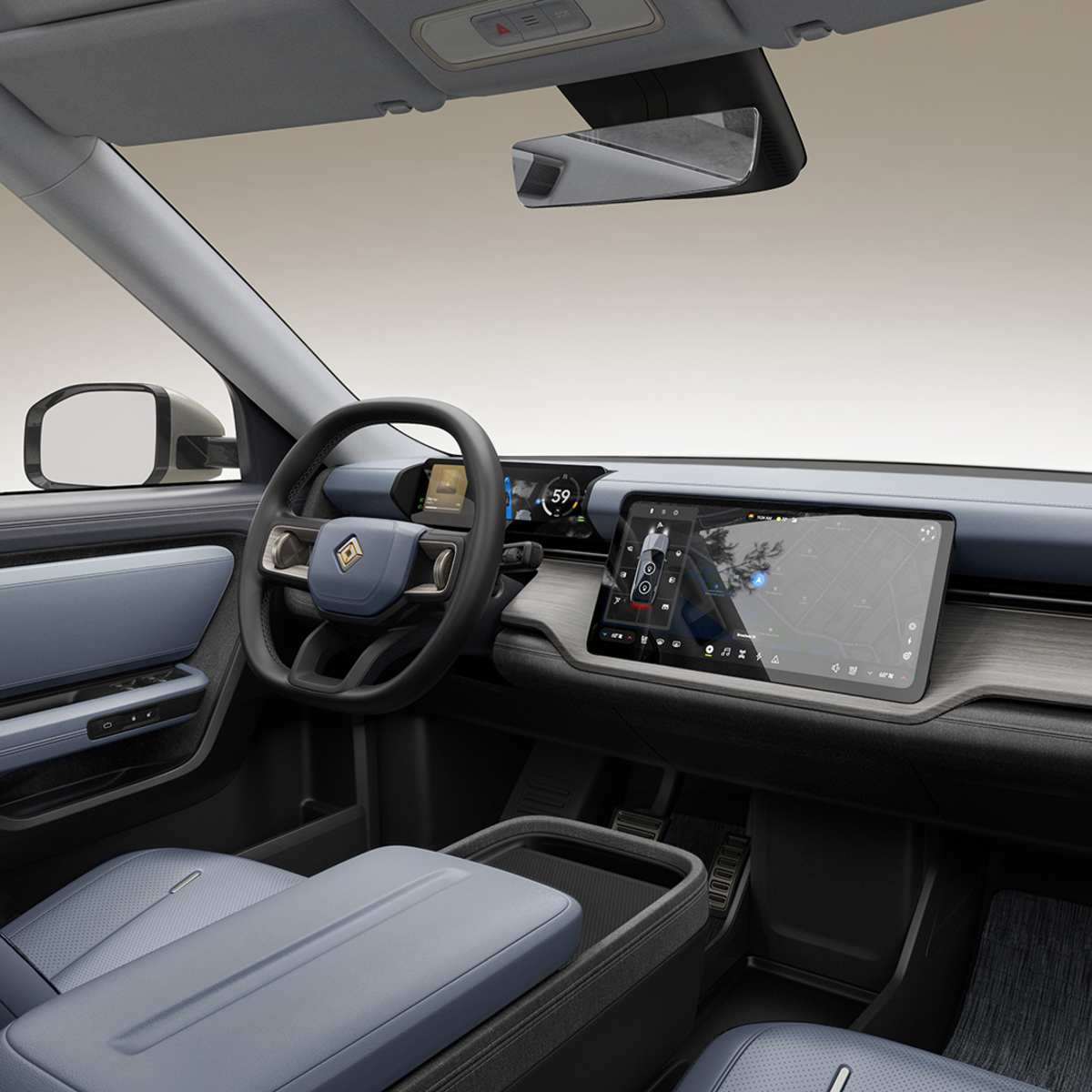
Rivian R2 gets a hands-on first drive in a classic woods-and-camping event near Park City, Utah, where the car impresses with planted highway manners, strong efficiency for its class, and real-world fast charging on a 400V setup (about 170 kW peak). The discussion also digs into the R2’s adventure-friendly details—off-road-capable tires, a sliding rear window, and a roof-rack tent—while debating launch timing for LiDAR-based autonomy and the lack of vehicle-to-grid readiness. The show then tees up BYD’s aggressive flash-charging push, China’s electrification impact on air pollution, BMW’s I-Extreme rideshare momentum, and Donut Lab’s battery program looking bleak.
In the Electrek Podcast, we discuss the most popular news in the world of sustainable transport and energy. In this week’s episode, we discuss our Rivian R2 first drive, BYD going nuts on flash charging, Donut Lab's miracle battery being seemingly dead, and more.