S11 Ep2: Autoalex: Looking after 20 odd cars is a lot of admin!
About this episode
Auto Alex opens up about building a sprawling “autosylics multiverse” of car channels after jumping from magazine journalism to YouTube. He explains how his team plans road trips around breakdowns and “crap cars,” using real-time vlog-style filming to keep stories organic. The conversation also covers his lifelong car obsession sparked by his German mum and early memories of a rusty BMW E21, plus his massive, high-maintenance fleet and the emotional difficulty of letting cars go. A quickfire round and fantasy drive wrap things up.
Autoalex is the second guest on a brand new series of the award-winning podcast Fuelling Around!
He joined Dave Vitty and new co-host Vicki Butler-Henderson to discuss his eclectic collection of cars and why he finds it so hard to part with any of them!
Alex has over 750,000 subscribers on YouTube and more than 100 million views on his channel, making him one of the biggest automotive YouTubers on the planet!

993
"I have got the 993, high mileage 993, that's done 206,000 miles, but it's got RS cams and everything like that, it's quite a spicy car."
The “993” is a Porsche 911 from a specific generation. It’s a real enthusiast car, and the mention of RS cams means it’s been modified to feel more aggressive than a stock version.
“993” refers to the Porsche 911 generation known as the 993 (produced in the mid-1990s). In the segment, Auto Alex says it’s high mileage but has RS cams, which is a performance-oriented modification that can make the engine feel sharper.
RS cams
"I have got the 993, high mileage 993, that's done 206,000 miles, but it's got RS cams and everything like that, it's quite a spicy car."
Cams are part of the engine that control when the valves open and close. “RS cams” are a performance version, usually making the engine feel more lively, especially when you rev it.
“RS cams” means camshafts associated with Porsche’s RS-spec performance setups (often from the 911 RS/RSR family). Camshafts change valve timing and lift, which can improve throttle response and high-RPM breathing, but may also make the car less smooth at idle.

205 GTI Turbo
"My V6 Mark 1 MX-5 Jaguar 3.0L V6, I have a 205 GTI Turbo. Oh, I have my Clio Williams, Cat C Clio Williams that's currently getting new paint,"
“205 GTI Turbo” points to the Peugeot 205 GTI with a turbo conversion. The Peugeot 205 GTI is a classic hot hatch, and adding a turbo typically boosts performance but also increases complexity (fueling, intercooling, and engine management).

Renault Clio Williams
"Oh, I have my Clio Williams, Cat C Clio Williams that's currently getting new paint, so we restored that and took those to Monaco."
The Renault Clio Williams is a special, more performance-oriented version of the Clio. They’re also talking about it being a “Cat C” car and currently being restored with new paint.
The Renault Clio Williams is a performance-focused Clio variant associated with Renault Sport and the Williams F1 partnership. In this segment, Auto Alex also mentions it’s a “Cat C” car, and that it’s currently getting new paint—suggesting ongoing restoration work.
Cat C
"Oh, I have my Clio Williams, Cat C Clio Williams that's currently getting new paint, so we restored that and took those to Monaco."
In the UK, “Cat C” is a label for a car that was damaged and written off by insurance, but can be repaired. It doesn’t automatically mean it’s unsafe, but it does mean the car has a history that buyers will want to understand.
“Cat C” refers to the UK vehicle insurance category for cars that have been damaged but are considered repairable. It can affect resale value and buyer confidence because the car’s history includes structural or significant damage, even if it’s been repaired to road-legal standards.
Monaco
"Oh, I have my Clio Williams, Cat C Clio Williams that's currently getting new paint, so we restored that and took those to Monaco. Part of the reason why I don't get rid of cars,"
They mention taking the restored car to Monaco. That’s a famous place for car events and glamorous driving, so it’s a notable enthusiast milestone.
Monaco is referenced as a destination where the restored cars were taken. For car enthusiasts, events and drives in Monaco often relate to high-profile gatherings, which can influence how cars are presented and maintained.
Shell
"The first time. Yeah, the first time we met. I think we were doing some sort of campaign for, am I allowed to use like names and brands? Shell. Shell, petrol people. Yeah."
Shell is a big fuel brand. They’re talking about doing a Shell-related campaign where they drove around as part of an event.
Shell is mentioned in the context of a campaign where Auto Alex and Vicki were involved in driving around with obstacles. Shell is a major fuel and lubricant brand, and these kinds of promotions often connect car content to fuel/energy messaging.
Domino's
"So I went to university. I got a job at Domino's, driving pizzas around. My boss at Domino said you should probably get a decent job."
They mention Domino’s because that’s where Alex worked before getting into car journalism. It’s just the backstory, not a car-related technical topic.
Domino's is mentioned as the starting point of Alex’s career, where he drove pizzas around. While it’s not an automotive company in the usual sense, it’s part of the origin story for how he transitioned into automotive media.
Coventry University
"Then I got, what did I do? Then I applied for the Masters at Coventry University for Automotive Journalism, got in there, did that, got a job at AutoCar."
Coventry University is referenced as where Alex studied a Masters in Automotive Journalism. That’s relevant because it explains the formal training behind his later work in car media.
AutoCar
"Then I got, what did I do? Then I applied for the Masters at Coventry University for Automotive Journalism, got in there, did that, got a job at AutoCar, spent two years at AutoCar."
AutoCar is the car magazine Alex worked at. It’s mentioned to show how he moved from studying car journalism into real car media work.
AutoCar is a car magazine/publication that Alex worked for after his automotive journalism degree. The hosts use it to explain his career path into automotive content creation.
Carthrottle
"And then I met the founder of Carthrottle, a guy called Adnan. And he said, would you jump ship and be the editor of the website for Carthrottle, a blog that no one had ever heard of at the time."
Carthrottle is the car website Alex moved to and became editor of. It’s part of his career story into automotive videos and articles.
Carthrottle is mentioned as the website Alex joined as editor, founded by Adnan. It’s a notable automotive media brand because it’s the platform that helped shape his public-facing role in car content.
Top Gear
"And I went to do my first or the second job for a BBC Top Gear, a film for 250 quid or something like that."
Top Gear is a famous UK TV show about cars. People who work in car media often mention it because it’s a big platform for car reviews and automotive storytelling.
Top Gear is a long-running British automotive TV show known for car reviews, challenges, and celebrity-driven motoring segments. In the transcript, it’s referenced as a career milestone that helped shape the host’s path into car media.
Autosylics multiverse
"There is, yeah, people call it the Autosylics multiverse. I didn't coin that phrase. But you're happy to use it?"
The “Autosylics multiverse” is a joking description of how their car content has grown into multiple channels. It helps explain that it’s not just one show—it’s a whole connected set of projects.
“Autosylics multiverse” is a playful way of describing a network of related car YouTube channels and personalities. It’s a useful concept for listeners to understand how modern car content creators branch into multiple shows and formats.
Auto Alex
"Off the back of the success of Auto Alex, I wanted to actually acquire another YouTube channel called Overdrive..."
Auto Alex is the name of a car-related YouTube project/channel. The host says its success helped motivate the next steps in growing their media lineup.
Auto Alex is referenced as a prior success that led to the host wanting to start or acquire additional YouTube channels. It’s a structural element in the episode’s story about building a car-media empire.
Overdrive
"...I wanted to actually acquire another YouTube channel called Overdrive because I looked on YouTube and noticed that Overdrive hadn't posted anything. They got like half a million subscribers..."
Overdrive is another car YouTube channel mentioned in the story. The host says it had lots of subscribers but ran into money problems and stopped producing content.
Overdrive is discussed as another YouTube channel with a large subscriber base that had stopped posting. The host explains the channel’s financial trouble and staffing changes, which is relevant to how car media businesses operate.
Carthal
"But then I spoke to a guy called Edwin, who was working at Carthal at the time. And I said, if you were to have a co-presenter, who would it be?"
Carthal is mentioned as a workplace the host’s contact was working at, and it’s part of the broader ecosystem of car-focused media teams. The name matters here because it frames how the host recruits co-presenters and builds channels.
Top Dead Center
"So we got those two guys together because they're best friends as well. Started a new channel for them called Top Dead Center. That was successful."
Top Dead Center is the name of a new YouTube channel they launched. In this segment, it’s mainly about who they teamed up and how the channel did afterward.
Top Dead Center is the name of a new channel the host started with two co-presenters. The phrase is also a car-mechanics term, but here it’s primarily used as a brand/channel name tied to the host’s media strategy.
All the Gear
"Would you leave Carthal on and start your own thing? And they said, yes. So they now have a channel called All the Gear, which is kind of travel and adventure. So in the auto Alex multiverse, there's auto Alex Top Dead Center and All the Gear."
They’re talking about a YouTube channel called “All the Gear.” It’s mainly about going on trips and adventures, using cars as part of the story.
“All the Gear” is described as a YouTube channel focused on travel and adventure within the AutoAlex “multiverse.” It’s essentially a content format built around road trips and real-world car problems.
buying crap cars
"So the great thing with what we do is because we're buying crap cars, the content writes itself on the journey. So we pick a destination. And we know that there will be trials and tribulations on the way."
They’re basically saying they use rough, unreliable cars on purpose. The car problems and surprises become the entertainment, so they don’t have to plan every detail.
The hosts describe their strategy as “buying crap cars,” meaning intentionally choosing unreliable or low-quality vehicles. In this format, breakdowns and problems become part of the narrative, reducing the need for tightly scripted content.
breakdowns
"So we pick a destination. And we know that there will be trials and tribulations on the way. There will be breakdowns. We will meet incredible people."
They keep talking about “breakdowns,” meaning the car might stop working during the trip. Their whole plan includes dealing with that as part of the journey.
“Breakdowns” refers to the car failing during the trip, which is central to their content approach. It implies they’re planning for roadside troubleshooting and contingency logistics rather than smooth travel.
vlog camera
"And we always have a vlog camera with us. So it's not always, right, we're going to"
They mention a “vlog camera,” which is the camera they use to film while they’re traveling. It helps them record what happens in real time, not just planned scenes.
A “vlog camera” is the handheld/compact camera used to record ongoing video during the trip. In this context, it’s part of the production workflow that lets them capture spontaneous issues like breakdowns.
pop the bonnet
"Yeah, as long as it feels natural, but I will never say to someone like Rory or Taylor, I'll go over there and pop the bonnet and pretend that we're having an issue."
“Pop the bonnet” just means lifting the hood so you can look under it. People do it when they think something might be wrong with the car.
“Pop the bonnet” means opening the hood to inspect the engine bay. On camera, it’s a common way to show that you’re checking for a problem, even if the issue is staged or minor.
road trip planning
"...there's a lot of planning that that goes on and obviously a lot of rewrites that happen on the route as well, no doubt, suddenly somebody's got a puncture and what you're going to do tomorrow can't happen and then you have to reroute..."
Road-trip planning is figuring out where you’re going and when, plus having a backup plan. If the car has issues, you often have to change the route quickly.
Road-trip planning is the logistical work behind a smooth drive—routes, timing, and contingency plans. The transcript highlights how real-world car problems (like punctures) can invalidate the plan and require rerouting on the fly.
puncture
"...suddenly somebody's got a puncture and what you're going to do tomorrow can't happen and then you have to reroute and blah, blah, blah, but anyway..."
A puncture is when a tire gets damaged and loses air, often from road debris. In a road-trip or filming context, it forces an immediate stop and changes the planned route and schedule.

BMW E21 316
"BMW E21 316, left hand drive, manual, there were holes in the floor because it was so rusty,"
This is an older BMW 3 Series from the early days (the E21). The “316” usually means it had a smaller engine than the bigger BMWs in that same generation, and in this story it was a manual car that was very rusty underneath.
The BMW E21 316 is a first-generation 3 Series (E21) from BMW, with the “316” indicating a smaller-displacement engine in the lineup. In the transcript, it’s described as left-hand drive and manual, and the speaker recalls it being extremely rusty (even holes in the floor).
identify cars from rear lights
"always just looking at cars from the passenger seat and being able to identify them from the rear lights."
Some cars have very recognizable back lights. If you practice looking at the shape and design, you can often guess the make/model even when you only see a quick flash on screen.
Identifying cars by their rear lights is a real “visual recognition” skill: taillight shapes, lens patterns, and placement are often distinctive by model and sometimes by trim. It’s especially useful in movies/TV where you only get a quick glimpse, and it trains your eye to notice design cues rather than full badges.
car chases in TV/movies
"when they go do little car chases and stuff, I'm always on the lookout where they maybe like missed a car."
In movies and TV, the cars used in chase scenes aren’t always the exact right model. Car fans watch closely because small details can give away when something doesn’t match what it’s supposed to be.
Car chase scenes in TV and film often use a mix of real cars, stunt cars, and sometimes incorrect vehicles for the era or brand. That’s why enthusiasts “spot the miss”—a wrong model, wrong lighting, or mismatched details can break immersion, even if the scene is otherwise convincing.
1995 Ford Escort 1.6 LX
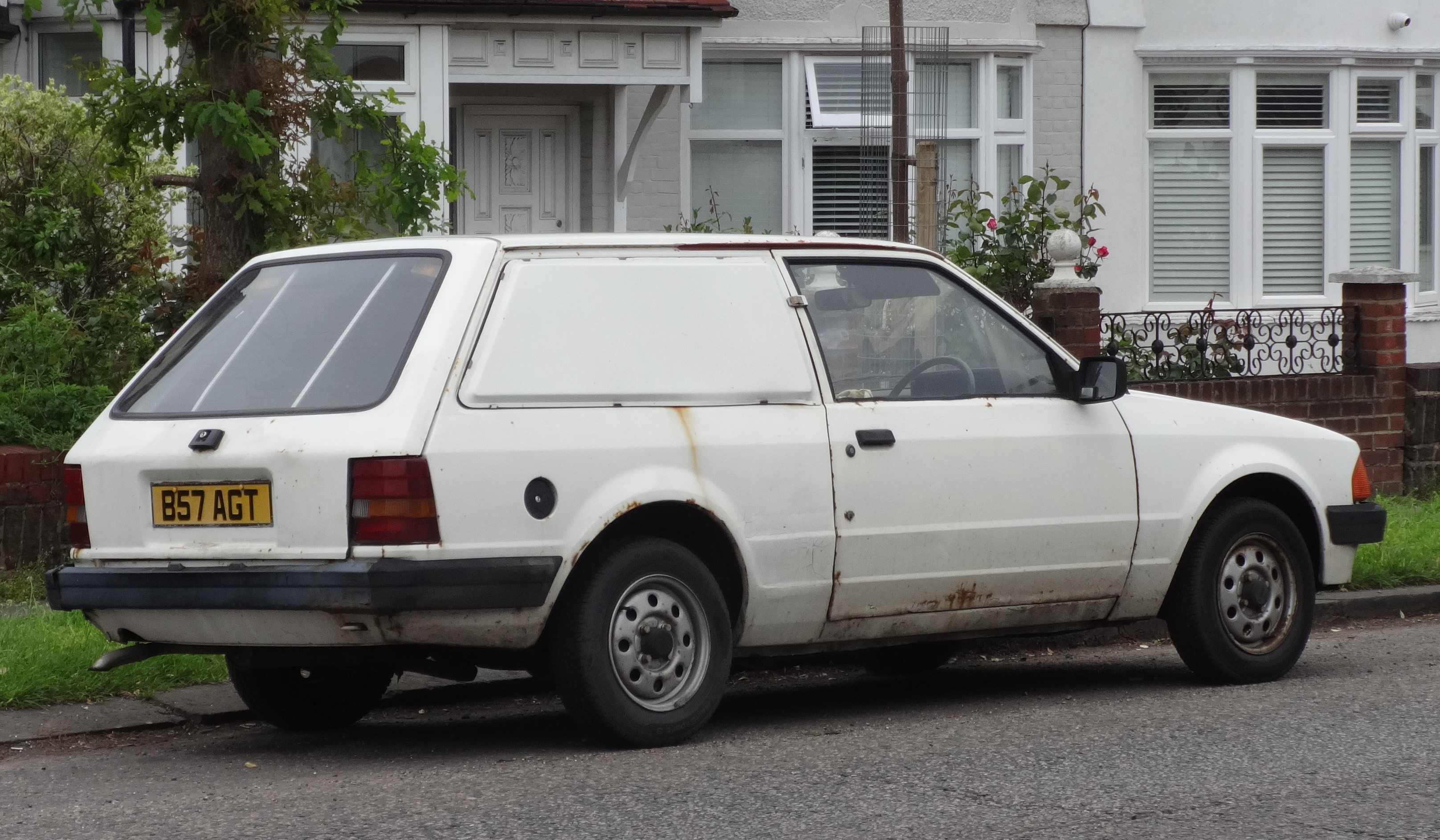
"Certainly wasn't a neat freak. I've never been a neat freak. My first car was a 1995 Ford Escort 1.6 LX. Sweet. Yeah. Five door sunroof tow bar."
This is a 1995 Ford Escort, a small car that was popular in the UK. “1.6 LX” basically means it has a 1.6-liter engine and a certain equipment level. It’s the kind of car people often use as a first car because it’s straightforward to own.
The 1995 Ford Escort is a mid-1990s compact from Ford, and the “1.6 LX” indicates a 1.6-liter engine with an LX trim level. In the UK, the Escort was a common first car and is known for being simple and easy to live with. The speaker also mentions practical add-ons like a tow bar.
tow bar
"Do you ever tow anything with it? Never towed. No. The tow bar was there. The tow bar came in handy at school because I actually accidentally backed into my friend Nick Shazby's classic mini."
A tow bar is the hitch on the back of a car that lets you pull a trailer. Some people think cars with tow bars have been used for more “serious” jobs, so they may look for signs of wear.
A tow bar is the hitch mounting hardware used to tow trailers or other vehicles. Even when you don’t tow often, its presence can affect how a car is used and sometimes how it’s perceived by buyers. The host connects it to the idea that cars with tow bars may have been used more heavily.
classic mini
"The tow bar came in handy at school because I actually accidentally backed into my friend Nick Shazby's classic mini. [876.0s] Shazza. Yeah. And I remember denting his chrome bumper and he was very upset."
They’re talking about a classic Mini, the famous small British car. It’s a car people often keep and care about, so damaging its bumper upset the owner. It’s an example of how everyday driving can lead to small but memorable repairs.
The speaker mentions a “classic mini,” referring to the classic Mini (the small British car from the 1959–2000 era, depending on what’s meant by “classic”). Minis are popular with enthusiasts, and their chrome bumpers are a common visual detail that can be damaged in low-speed scrapes. Here, it’s used to illustrate a real-world incident involving the tow bar.

Mini Classic Mini
"... accidentally backed into my friend Nick Shazby's classic mini. Shazza. Yeah. And I remember denting his chrome..."
A classic Mini is a small, old-style car made by Mini that’s known for its compact size and fun driving. In the episode, it comes up because someone bumped a friend’s Mini and dented the chrome. That shows these cars are often treated as valued classics.
The “classic Mini” refers to the original Mini-era small car, known for its compact size, distinctive styling, and go-kart-like driving feel. In the podcast, it’s mentioned because someone accidentally dented a friend’s classic Mini, which points to how these cars are often cared for and kept in good condition. Classic Minis are also popular because they’re easy to recognize and have a strong enthusiast community.
Civic Type R
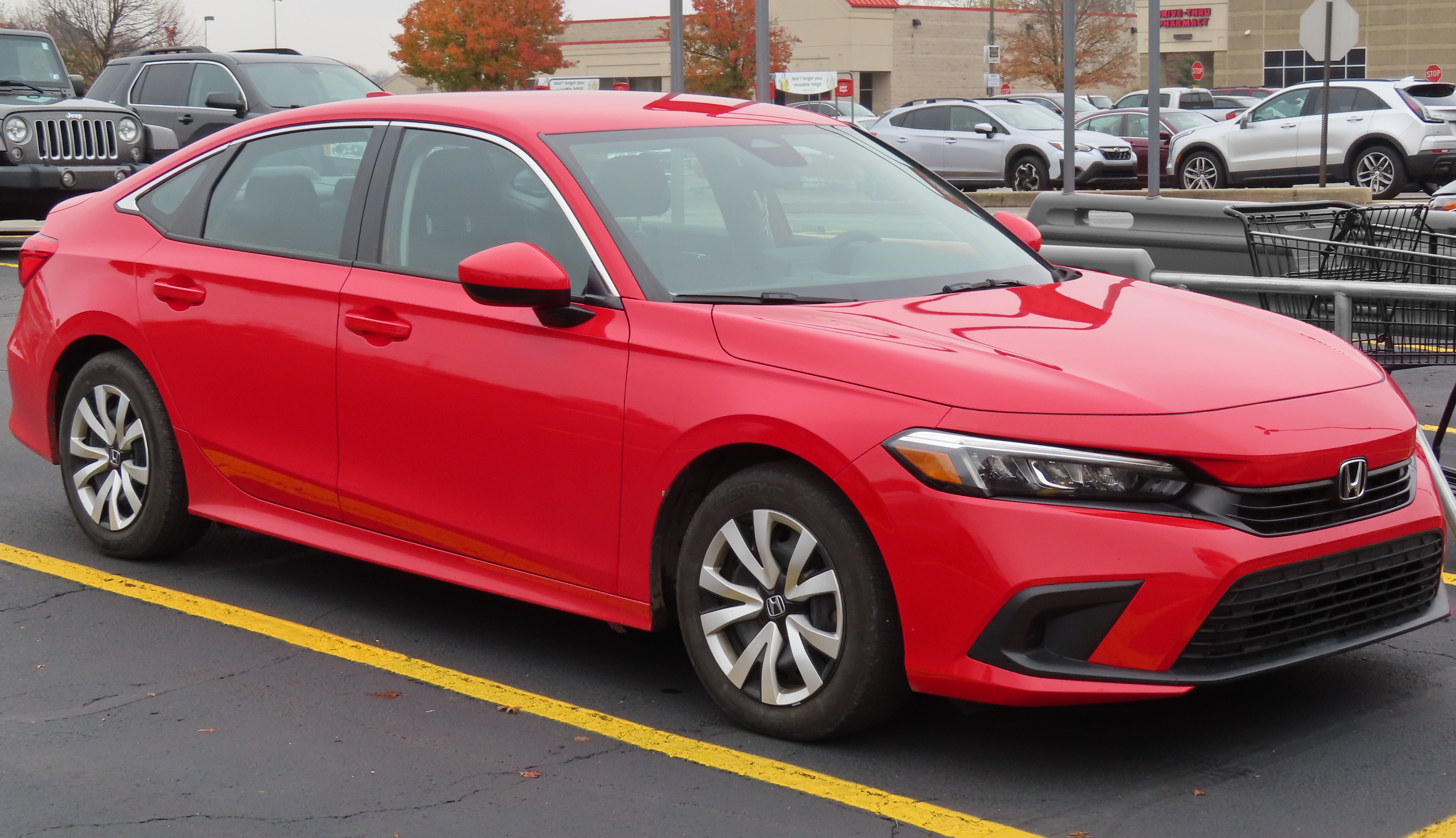
"Well, except when you buy a Civic Type R for 800 quid and it's so rusty, you can't do anything with it. Right. That was a gift toss in the mouth."
The Honda Civic Type R is a performance-focused hot hatch known for strong driving dynamics and a reputation with enthusiasts. The speaker’s point is about condition and rust: buying one cheaply can still be a bad deal if the car is too far gone to restore. This is a practical “buying reality check” moment for enthusiast cars.

first gen Hyundai Coupe
"And then I bought a Hyundai Coupe, first gen Hyundai Coupe. [940.1s] Oh, yeah. Okay. Two litre, black leather, sunroof, electric windows. It was the box. It was great."
They bought an early Hyundai Coupe. They liked the comfort and features—leather, a sunroof, and power windows. It’s a reminder that not every car choice is about speed; sometimes it’s about how nice it feels to live with.
The speaker bought a first-generation Hyundai Coupe, describing it as a two-liter car with features like black leather, a sunroof, and electric windows. This is an example of choosing a car for comfort and style rather than performance. The mention of “first gen” also signals a specific generation, which can matter for parts availability and common issues.

Audi RS4
"Okay. So, I'll start with my most recent purchase. Audi RS4 B7. Nice. Yeah. KS. And I got a message on. The advance or the saloon."
An Audi RS4 B7 is a sporty, higher-performance Audi RS4 model. The “RS” means it’s the fast, enthusiast-focused version, and “B7” is the generation. The host mentions it because it’s a standout car in their collection.
The Audi RS4 B7 is a high-performance version of the Audi RS4 from the B7 generation. It’s known for its strong naturally aspirated V8 character and RS4-specific suspension/braking and styling. In the segment, it’s the host’s most recent purchase and a key part of the car collection discussion.
V8 engine
"Oh, God. It's still a gorgeous V8 engine. [1062.9s] It is great. Yeah. But I bought it in Bradford."
A V8 engine is an engine with eight cylinders. It’s usually found in performance cars because it can make strong power and sounds great. Here, the host is saying the engine is still impressive even if the car needs work.
A V8 engine is an engine with eight cylinders arranged in a “V” shape. In performance cars like the Audi RS4 B7, the V8 layout is often chosen for smooth power delivery and a distinctive sound. The host specifically calls out the V8 as a positive even though they’re disappointed by something about the car’s condition.
car crime hotspots
"But yeah, I bought it anyway. The wingback chairs had been taken out because they're worth about three grand and lots of people take them out and put them face to face with marketplace. So, I need to find some seats."
A “car crime hotspot” is a place where car theft and break-ins happen more often. The host is basically saying you should be extra careful when buying a car from those areas. It’s about reducing the chance of getting a problem car.
“Car crime hotspots” refers to areas with higher rates of theft, break-ins, and related offenses. The host uses this as a buying caution, implying that purchasing a car from those regions can increase risk (e.g., stolen parts, suspicious histories, or higher likelihood of damage). It’s a practical ownership/buying consideration rather than a technical term.
wingback chairs
"But yeah, I bought it anyway. The wingback chairs had been taken out because they're worth about three grand and lots of people take them out and put them face to face with marketplace."
“Wingback chairs” here refers to the car’s removed seat components (a style of seat with side “wings” for support). The host notes they were taken out because they’re valuable, and that they need to source replacement seats. This is a useful reminder that interior parts can be expensive and sometimes get swapped out.
marketplace
"The wingback chairs had been taken out because they're worth about three grand and lots of people take them out and put them face to face with marketplace. So, I need to find some seats."
“Marketplace” refers to online listings where parts and cars are bought and sold. The host mentions it to explain how removed interior parts (like the wingback seats) are resold. This is relevant to listeners because it affects how you might source replacements and what parts availability/cost can look like.
four PSI on the rear tyre
"So, I need to find some seats. There's like A4 black leather seats in there. But yeah, it had four PSI on the rear tyre. Stank of smoke."
“PSI” is pounds per square inch, a unit used to measure tire pressure. Having “four PSI” in the rear tires would indicate extremely low pressure, which can cause poor handling, overheating, and accelerated tire wear. The host uses it to highlight the car’s poor condition when purchased.
stone cold
"make sure the car is stone cold when I get there. It's like, yeah, bro, no worries about it."
“Stone cold” just means the car is fully cold, not warmed up. It’s useful because some checks and fixes are easier and more accurate when everything hasn’t been heated by driving.
“Stone cold” means the engine and related components are completely cold—typically after the car has been parked for a while. This matters for tasks like checking fluids, inspecting for leaks, or starting after storage because heat can change readings and make certain issues harder to diagnose.
pumped up the tyre
"Did you drive it home? Yeah, we drove it back. Pumped up the tyre. Yeah, pumped up the tyre, filled it with fuel."
Pumping up the tyre means adding air to the tires. Correct tire pressure helps the car handle right and ride safely.
“Pumped up the tyre” refers to inflating the tires to the correct pressure. Tire pressure affects ride quality, traction, and safety, and it’s also a quick fix people do before driving a car home—especially if the car sat for a while.
battery was so nailed
"We got to the fuel station, filled up, switched off, and then the bloody thing wouldn't start. The battery was so nailed that it wouldn't restart."
They’re saying the battery was basically dead. That can stop the car from starting even if the engine itself is fine.
Saying the battery was “so nailed” means it was essentially dead or failing—strong enough to show symptoms like cranking failure or not restarting after being switched off. In buying/transport situations, a weak battery can make a car seem like it has a bigger problem than it actually does.

VW campervan
"Then I've got Betty, my T25 VW campervan that's been fully restored, which is fantastic."
A VW campervan is a Volkswagen van that’s set up for camping. It usually has space to sleep and live in, and “fully restored” means it’s been rebuilt and fixed up properly.
A Volkswagen campervan is a small van platform converted for living—typically with seating, sleeping space, and basic kitchen/storage. In this segment, the host says their T25 VW campervan has been fully restored, which implies significant refurbishment of the body, interior, and mechanicals.

1971 Rolls-Royce Silver Shadow
"So I've recently bought a 1971 Rolls-Royce Silver Shadow because we're doing a classic British luxury series soon that no one knows about yet."
The Rolls-Royce Silver Shadow is a classic luxury car from the UK. A 1971 example is from the early “modern classic” period, and it’s famous for being comfortable and elegant.
The Rolls-Royce Silver Shadow (here, a 1971) is a classic British luxury sedan known for its smooth ride and refinement. It’s a popular “classic British luxury” platform for restoration and content because it represents the era’s comfort-focused engineering.

Bentley eight
"We've got Bentley eight and then my friend Tom as well. We bought him a Jaguar Mark 10 that he's restoring."
The Bentley Eight is a classic Bentley luxury car. It’s the “Eight” model, and it’s known for being a stylish, comfortable old-school grand tourer.
The Bentley Eight is a classic Bentley model positioned as a more accessible luxury option compared with the top-end Bentleys. In a collection context, it’s often chosen for its period-correct styling and classic grand-touring character.

Jaguar Mark
"...t and then my friend Tom as well. We bought him a Jaguar Mark 10 that he's restoring. So yeah, we've got that...."
The Jaguar Mark I is an older Jaguar car from the classic era, made to look stylish and feel comfortable. The podcast mentions Jaguar restoration work, which is common with cars like this because they’re old and need careful upkeep. It’s the kind of vehicle people keep as a project or hobby.
The Jaguar Mark I is a classic Jaguar saloon from the 1950s and early 1960s, known for its elegant styling and traditional British luxury. The podcast mentions a friend restoring a Jaguar Mark 10, but the Mark I reference still places Jaguar’s early classic era in the conversation. These cars are commonly discussed because restoration projects are a big part of classic ownership.

Jaguar Mark 10
"We've got Bentley eight and then my friend Tom as well. We bought him a Jaguar Mark 10 that he's restoring."
The Jaguar Mark 10 is a classic Jaguar luxury car. Since it’s being restored, it likely needs work to get it running and looking right again.
The Jaguar Mark 10 is a classic British executive/luxury sedan, often associated with a comfortable ride and traditional Jaguar styling. Here it’s mentioned as a restoration project, which typically involves sorting aging mechanicals and bodywork to bring it back to spec.

Discovery four
"We've got two Discovery fours. So one Discovery three, one Discovery four. The Discovery four currently has no engine, but that's going in this week today."
A Land Rover Discovery is an SUV. “Discovery four” is a specific generation, and the host is saying their Discovery 4 is missing its engine right now and they’re installing a replacement soon.
The Land Rover Discovery is a family of SUVs, and “Discovery four” refers to the Discovery generation commonly called the Discovery 4. The host says this one currently has no engine, and that an engine swap is going in “this week,” which is a major restoration/repair effort.
engine swap / "no engine" project
"We've got two Discovery fours. So one Discovery three, one Discovery four. The Discovery four currently has no engine, but that's going in this week today."
An engine swap means replacing the engine so the car can run again. If the car has “no engine,” it’s basically in the middle of a big repair or restoration job.
An “engine swap” is when you remove one engine and install another (or a replacement) to get a car running again. When a car “currently has no engine,” it usually means it’s in a restoration phase, and the work can involve wiring, mounts, cooling, and getting the right parts to match.

Land Rover Range Rover
"I have a L322 Range Rover 4.2 supercharged. So that's great. I really like that."
This is a Range Rover (the L322 generation) with a 4.2-liter engine that’s supercharged. A supercharger helps the engine feel punchier, especially at lower speeds.
The L322 Range Rover is the generation of Range Rover produced in the mid-2000s, and “4.2 supercharged” refers to the supercharged 4.2-liter V8 setup. Supercharging adds boost for stronger low-end response, but it also means more complexity and heat management than a naturally aspirated engine.

309 GTI
"Yeah. So like, yeah. I also have a 309 GTI. Okay. I have a, I don't know, let me just zoom in a little bit."
The Peugeot 309 GTI is an older “hot hatch” that enthusiasts like. “GTI” usually means it’s the sportier version of the car. People often keep them because they’re fun to drive and have a classic vibe.
The Peugeot 309 GTI is a classic hot hatch from the 1980s/early 1990s era, known for being fun and relatively lightweight. “GTI” typically indicates a performance-oriented trim with a more spirited engine tune and better driving feel than the base model. In enthusiast circles, it’s often collected and restored.

Alpha 156 GTA
"I'm sorry, bear with me. I've got my Alpha 156 GTA. Right. I recently sold my M5, E39 M5."
The Alfa Romeo 156 GTA is a sportier, higher-performance version of the 156. “GTA” usually means it’s the more powerful, enthusiast-focused trim. People like it for how it drives and its personality.
The Alfa Romeo 156 GTA is a performance version of the 156, known for its V6 power and enthusiast appeal. “GTA” typically denotes a higher-output, sport-focused trim with stronger performance than regular 156 models. It’s a car people often buy for character and driving feel rather than pure practicality.
E39 M5
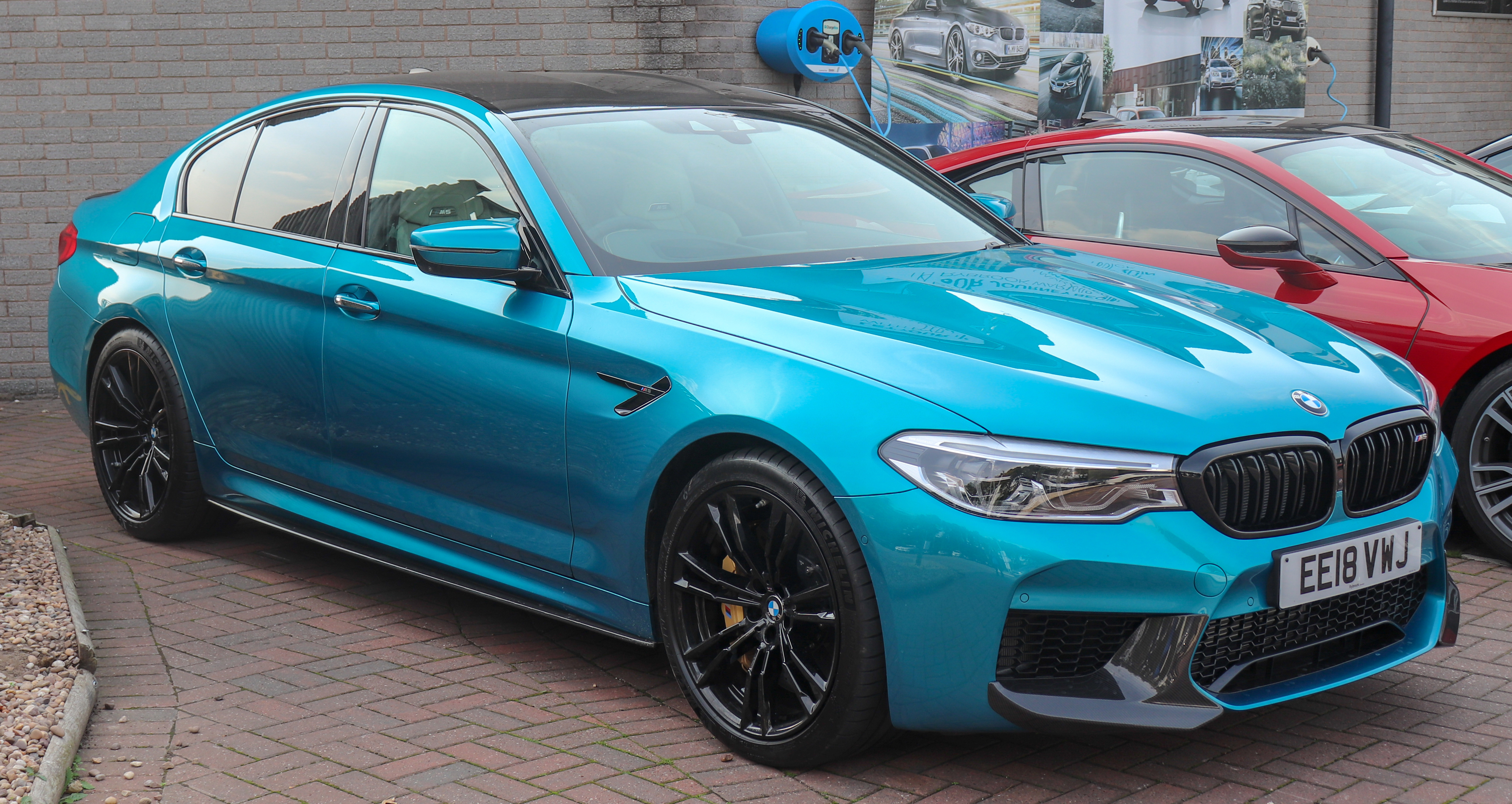
"Right. I recently sold my M5, E39 M5. I've got a Porsche 996, the high mileage one that I mentioned."
The BMW E39 M5 is the M5 from the late-1990s/early-2000s era, famous for its V8 performance and balanced chassis. The E39 generation is often remembered as one of the more driver-focused M5s. Mentioning it alongside other enthusiast cars signals it’s part of a serious collection.

G31 530 diesel touring
"Oh, yeah. My daily driver is a G31 530 diesel touring. Okay. That does everything. It just flies on the radio."
The BMW G31 530d Touring is the wagon version of the 5 Series in the G31 generation, typically powered by a diesel engine (the “530 diesel” wording). “Touring” indicates the estate body style, and the speaker frames it as a practical daily driver that’s quiet and capable. This is a contrast to their more collectible, modified cars.
DVLA
"You must have reminders from DVLA for tax on a daily basis. I wouldn't call them reminders. Okay. Well, requests."
DVLA is the UK government office that deals with vehicle registration and licensing. They send notices about things like vehicle tax. If you own multiple cars, you have to keep up with all those admin items.
DVLA is the UK Driver and Vehicle Licensing Agency, which handles vehicle registration and licensing. The speaker mentions “reminders” or “requests” from DVLA for tax, which ties to how vehicle tax (and related notices) are managed in the UK. It’s a reminder that owning many cars creates lots of administrative overhead.
tax
"You must have reminders from DVLA for tax on a daily basis. I wouldn't call them reminders. Okay. Well, requests. Fines. Fines."
In the UK context, “tax” here refers to vehicle tax (commonly called road tax) that must be paid to legally keep a car on the road. The speaker’s point is that with many cars, the recurring tax/notice cycle becomes a major administrative burden. It’s a practical ownership consideration beyond the mechanical side.

Honda Monkey
"And then I have the Honda Monkey. That's downstairs. Yeah. You traveled to the studio today."
The Honda Monkey is a tiny motorcycle that’s easy to ride and really popular with enthusiasts. People often modify them because they’re simple and parts are widely available.
The Honda Monkey is a small, classic mini-motorcycle known for its compact size and fun, city-friendly riding. In enthusiast circles it’s also popular as a platform for upgrades like exhausts, wheels, and engine tuning.

GSXR 750
"Yeah. Yeah. Yeah. I have a GSXR 750 track bike and I have a Daytona 675 road bike as well, fast road bike."
The GSX-R 750 is a sport motorcycle from Suzuki. People take it to the track because it’s fast and handles well, and they usually add track-focused upgrades.
The GSX-R 750 is Suzuki’s sportbike model that’s commonly used for track days because it’s lightweight and has strong performance for its class. Track bikes often get dedicated setups like suspension changes, brake upgrades, and race-focused tires.

Daytona 675
"I have a GSXR 750 track bike and I have a Daytona 675 road bike as well, fast road bike. And have you managed yet to conquer driving two cars at the same time"
The Triumph Daytona 675 is a middleweight supersport motorcycle known for its sharp handling and strong, rev-friendly inline-three-cylinder engine. It’s often chosen as a road bike because it balances performance with everyday usability compared to larger superbikes.

Mercedes SL560
"Oh, I also have a 1986, I want to say, 1987 Mercedes SL560 American import. Yeah. With the big heart to heart bumpers."
The Mercedes-Benz SL 560 is a luxury grand tourer (SL) with a V8 and a focus on comfort and style. The speaker mentions an American import and “big heart to heart bumpers,” which suggests a specific bumper/trim setup that can affect parts sourcing and fitment.
restoration / parts sourcing from a specialist yard
"So, on Monday, I'm going to a place in Stratford called the SL shop... And then I'm going to come away with suspension kit, wheels, roof, Euro bumpers, Euro lights."
This is basically a “get the right parts together” approach. By going to a specialist, you can find many of the pieces you need in one place, which helps the project go smoother.
The speaker’s plan—visiting a specialist SL-focused shop and coming away with multiple specific parts—reflects a common restoration/modification workflow. Instead of buying one item at a time, enthusiasts often source a “bundle” of compatible components to ensure fitment and reduce rework.
the SL shop
"So, on Monday, I'm going to a place in Stratford called the SL shop. They are like the biggest place for SLs in the world. They have an SL with 48 miles. 48? They have it in a glass box."
The “SL shop” sounds like a specialist place that focuses on Mercedes SL cars. Going to a specialist can make it easier to find the right parts and plan upgrades.
The “SL shop” is referenced as a specialist supplier/location focused on Mercedes-Benz SL models. Specialist shops like this typically have better access to hard-to-find parts and can advise on fitment for restoration or modification projects.
suspension kit
"And then I'm going to come away with suspension kit, wheels, roof, Euro bumpers, Euro lights. And then they're even talking about throttle bodies and a six-speed manual gearbox swap at some point."
A suspension kit is an upgrade for the car’s ride and handling. It can make the car feel more stable and comfortable, depending on what parts are included.
A suspension kit is an upgrade package that can include components like springs, dampers/shocks, and sometimes adjustable parts. The goal is usually to improve ride quality, handling, or stance—especially if the car will be driven more aggressively or needs fresh components.
wheels
"And then I'm going to come away with suspension kit, wheels, roof, Euro bumpers, Euro lights. And then they're even talking about throttle bodies"
Wheels are the rims and they can change how the car looks and how it drives. Different wheels can also change what tires fit correctly.
Wheels are a common modification because they affect both appearance and performance. Changing wheel size/width and offset can also influence brake clearance, tire fitment, and steering feel.
Euro bumpers
"And then I'm going to come away with suspension kit, wheels, roof, Euro bumpers, Euro lights. And then they're even talking about throttle bodies"
“Euro bumpers” means changing the car’s bumpers to the European version. Different countries have different rules and designs, so the swap can require other matching parts too.
“Euro bumpers” implies swapping to European-spec exterior parts, which can differ from U.S. versions due to regulations and styling. These swaps often require matching lights, brackets, and sometimes wiring or mounting points.
roof
"And then I'm going to come away with suspension kit, wheels, roof, Euro bumpers, Euro lights. And then they're even talking about throttle bodies"
The “roof” here probably means the convertible top. Replacing it isn’t just cosmetic—it needs to fit well and seal properly so the car stays weatherproof.
A “roof” in this context likely refers to the SL’s convertible top (or a replacement top assembly). Replacing it can be a major restoration item because it involves fitment, sealing, and sometimes the operation mechanism.
Euro lights
"And then I'm going to come away with suspension kit, wheels, roof, Euro bumpers, Euro lights. And then they're even talking about throttle bodies"
“Euro lights” means replacing the car’s lights with the European versions. They can look different and may need extra work to fit and function correctly.
“Euro lights” suggests changing headlight/lighting assemblies to European-spec units. Lighting swaps can involve different beam patterns, connectors, and aiming/adjustment requirements.
six-speed manual gearbox swap
"And then they're even talking about throttle bodies and a six-speed manual gearbox swap at some point. So, yeah, I think"
A six-speed manual gearbox swap is when you change the car so it uses a manual transmission instead of the original setup. It’s not just the shifter—you usually need a bunch of related parts to make it work properly.
A “six-speed manual gearbox swap” means converting the car from its current transmission to a manual with six gears. This is a substantial project because it usually requires matching the transmission to the engine, plus additional parts like the clutch system, shifter linkage, pedals, and wiring/control modules.
throttle bodies
"And then they're even talking about throttle bodies and a six-speed manual gearbox swap at some point. So, yeah, I think"
Throttle bodies control the amount of air the engine can breathe. Changing them can help the engine respond better and sometimes make more power.
Throttle bodies are components that control how much air enters the engine, typically via electronically or mechanically actuated butterfly valves. Upgrading or swapping throttle bodies can improve airflow and throttle response, especially on engines where the intake system is a limiting factor.

Mitsubishi Delica
"... Yeah. Yeah. There's... Oh, I also have Dell, my Delica. Yeah. I've got Mitsubishi Delica. Yeah. Which I ..."
The Mitsubishi Delica is a practical vehicle that can be used like a family van and, in many versions, it can also handle rougher roads. In the episode, the speaker mentions having one and liking it. That usually points to it being useful day-to-day and for trips.
The Mitsubishi Delica is a versatile Japanese vehicle that’s often sold as a people-mover or light 4x4, depending on the model and market. The podcast mentions owning a Delica and says it’s loved, which fits its reputation for practicality and capability. It’s frequently discussed by owners because many versions are durable and can be set up for everyday use or travel.

Mitsubishi Got Mitsubishi
"...s... Oh, I also have Dell, my Delica. Yeah. I've got Mitsubishi Delica. Yeah. Which I love. Dell. It seems to me ..."
The podcast mentions “Mitsubishi GT” in the same breath as the speaker’s Delica, but it doesn’t give enough detail to say exactly which specific model/trim it is. What we can say is that it’s a Mitsubishi they own or talk about. The mention is mainly about their personal car collection.
In the podcast context, “Dell” is mentioned right alongside “my Delica,” and “Mitsubishi GT” appears as part of that same vehicle discussion. Because the transcript doesn’t clearly specify the exact model name (for example, whether it’s a particular trim or a different Mitsubishi model), the safest interpretation is that it’s being used to refer to the Mitsubishi Delica/related setup the speaker owns. It’s mentioned as part of their personal garage story rather than a detailed technical comparison.
Recovery truck (winched)
"And she went, obviously, not under her own steam. She got winched on the back of a recovery truck and she went to... let's call her the recycling centre."
A recovery truck is what you call when a car can’t be driven anymore. They use a winch to pull the car onto the truck so it can be taken away for repair or disposal.
A recovery truck is used to move a vehicle that can’t drive under its own power, often using a winch to pull it onto the truck. The segment describes the Range Rover being winched, which helps listeners understand what “not under its own steam” looks like in real life—especially for a large, heavy SUV.
Restomod
"...Because she'd been with us 18 years... But honestly, this side of a proper rest day mod, it would not... May I ask the spec?"
A restomod is an older car that’s been fixed up and improved with newer upgrades, so it’s nicer and easier to live with. The speaker is basically saying their situation didn’t turn into a “properly improved” project—it just ended.
A restomod is a vehicle that’s been restored but also modernized—typically with updated mechanicals, drivability improvements, or comfort upgrades—while keeping the original character. The host uses “proper rest day mod” as a contrast to their Range Rover situation, implying that without the right level of refurbishment or modernization, a car can become too much to manage.
Overlanding
"However, we've just done a trip, an overlanding trip with a... Oh, there's three more cars I've forgotten... So, we did overlanding of those."
Overlanding means taking a vehicle on long trips, often through rough or remote places, and being prepared to handle problems along the way. The host used several different cars for these adventure trips.
Overlanding is long-distance, self-reliant travel—often off-road or in remote areas—using vehicles set up for durability, recovery, and carrying supplies. In this segment, the host describes taking multiple different cars on an overlanding trip, showing how vehicle choice depends on reliability, torque, and practicality rather than just speed.

Toyota Land Cruiser
"...forgotten. Discovery 2. Lange Larry, which is the Land Cruiser Amazon 4.2 litre diesel that we rescued from a s..."
The Toyota Land Cruiser is a tough 4-wheel-drive vehicle made for rough roads and off-road trips. The “4.2 diesel” version uses a diesel engine that’s good for pulling and steady driving. The episode mentions it because someone rescued and kept an older one running.
The Toyota Land Cruiser is a rugged, long-running 4x4 designed for off-road use and durability. The podcast specifically references a “Land Cruiser Amazon 4.2 litre diesel,” which points to an older diesel variant that’s known for strong low-end torque and long-distance capability. It’s discussed in the context of rescuing and restoring a vehicle, which fits the Land Cruiser’s reputation for longevity.
LLF Games
"...as part of that series, the kind of halo car we give to a company called LLF Games and then it gets raffled off... I dropped Lange Larry off at LLF..."
LLF Games is the organization the host partners with for a raffle. They describe giving away a car as part of a promotion, where someone can win it for a very small amount.
LLF Games is the company the host mentions in connection with a “halo car” raffle tied to their overlanding/series content. The segment explains the business model at a high level: the car is raffled off, and the host uses it as a way to raise money while giving someone a chance to win a car cheaply.
Raffle (win a car for like a pound)
"...it's a nice way for us to make a bit more money. Yeah. And then someone to actually literally win a car for like a pound."
They’re talking about a raffle where people can enter for a tiny amount and win a car. It’s basically a fundraising giveaway, not a normal car sale.
The segment describes a raffle where the prize is a car and the entry cost is extremely low (about “a pound”). This is worth explaining because it’s a common enthusiast-community fundraising mechanism, but it also affects how people value the car and the expectations around ownership and transfer.

Renault 5
"...iterally win a car for like a pound. There was a Renault 5 GT turbo that you offered... Yeah. That went with..."
The Renault 5 is a small hatchback car. The “GT turbo” version is the faster, sportier model with a turbocharged engine. In the episode, it’s mentioned because someone had one and offered it.
The Renault 5 is a small hatchback that became popular for being affordable, practical, and fun to drive. The podcast specifically mentions a “Renault 5 GT turbo,” which is the sportier turbocharged version and is often sought after by enthusiasts. It’s brought up in the context of someone offering it, suggesting it was a notable car in their circle.
winched onto the truck
"...because it is like trying and, you know, you crying when it's being winched onto the truck. It is like a member of the family."
This means the car is pulled onto a tow truck using a winch. It usually happens when the car can’t just drive away on its own.
“Winched onto the truck” describes loading a car using a winch, typically when it can’t be driven safely or needs to be transported after a breakdown or recovery. It’s a vivid detail that signals the emotional and hands-on nature of car ownership and rescue projects.
storage unit
"I would rather that I'm spending a lot of money on storage, and I know it's there, and I know it won't get ragged about, I know it won't get scrapped."
A storage unit is where you keep a car when you don’t want it parked at home or on the street. It can help protect the car, but you still have to pay for it and manage the logistics.
Using a storage unit is a common strategy for enthusiasts who keep multiple cars off the street. It reduces exposure to theft, vandalism, and weather, but it also adds ongoing costs and administrative work.
parts car
"No. Because anyone else probably would have bought that cheap and just parted it out, because it's probably worth, you know, just parting out and just getting the engine out and blah, blah, blah."
A parts car is a car you keep so you can take good parts off it. Instead of fixing the whole car, you use it like a source of replacement parts for another one.
A “parts car” is a vehicle kept (or bought) mainly to harvest usable components for another car. People do this when the donor car isn’t worth restoring as a whole, but specific parts are still valuable or hard to find.
repo man
"So here's the question. If hypothetically, the repo man was to come knocking at the storage unit, and he was going to"
The “repo man” is who comes to take a car back if the payments aren’t being made. The hosts are imagining what would happen if someone tried to take their stored cars.
A “repo man” is slang for a company/agent that repossesses a vehicle when the owner falls behind on payments. In car-enthusiast circles, it often comes up in the context of storage, keeping cars safe, and preventing a neglected or unpaid-for car from being taken and sold off.
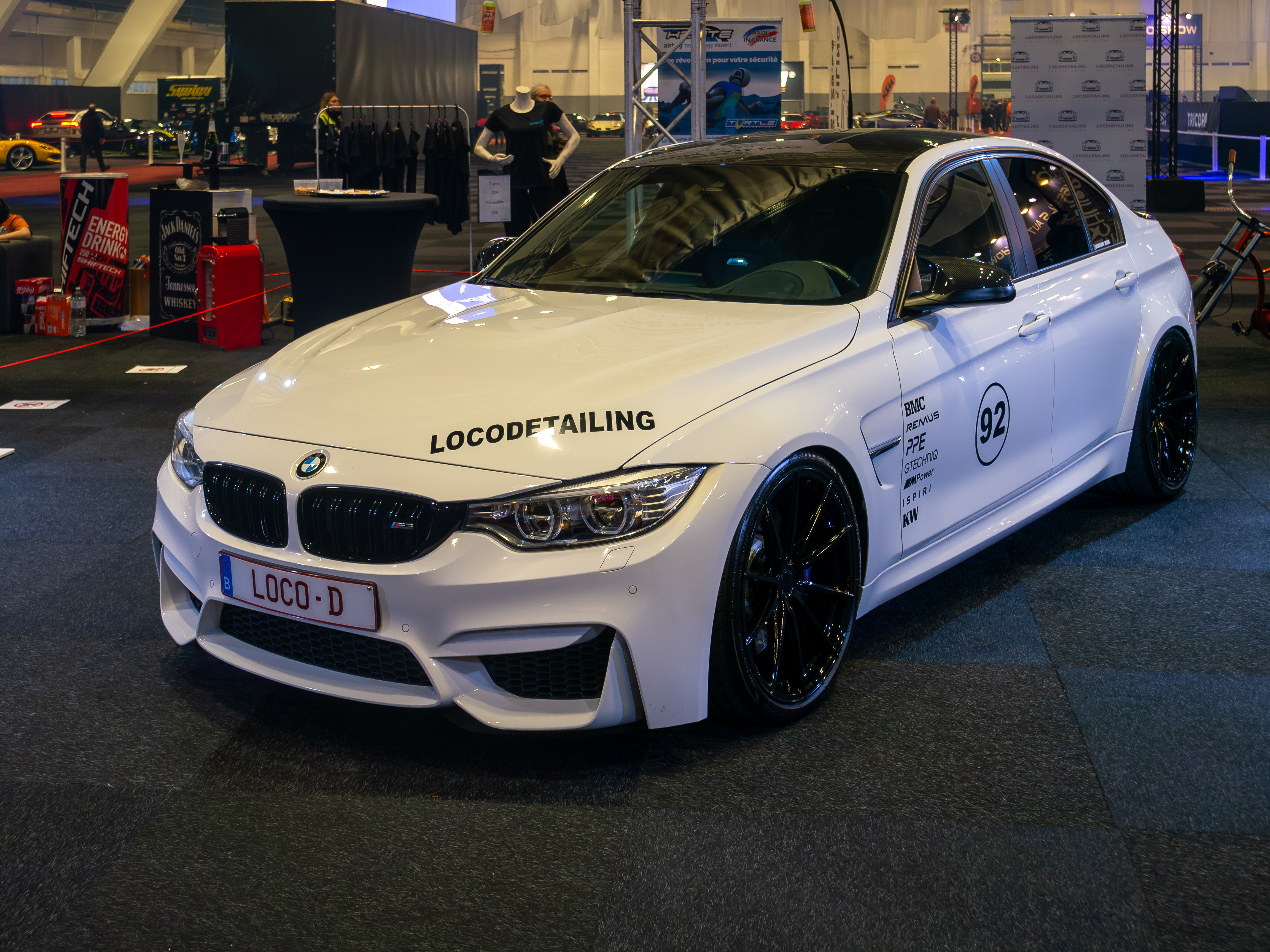
E46 M3 touring
"If it's the one vehicle, then it will be my E46M3 touring, because it's practical, it's fast, it's fairly safe, it's cool."
This is a BMW M3, but in the wagon/estate “touring” body style. It’s a practical family car that still feels quick and fun to drive.
The BMW M3 is a performance version of the 3 Series, and the “touring” refers to the estate/wagon body style. The E46 generation is known for being a driver-focused platform with strong aftermarket support, which is why it can make a practical “one car” choice.

V6 MX-5
"But if it's me talking with my heart, it's my V6 MX-5 aka Phil. Really? Yeah, I've had that car for 10 years, and that is literally what helped build car throttle..."
This is a Mazda MX-5 that’s been modified with a V6 engine. People do this to make the little roadster feel much stronger while still keeping it fun and nimble.
The Mazda MX-5 is a lightweight, rear-wheel-drive roadster, and “V6 MX-5” implies an engine swap from a V6 into the MX-5 chassis. That kind of conversion is popular in the enthusiast world because it can dramatically change power delivery while keeping the MX-5’s balance and handling feel.
0-60
"So the quick fire round is called 0-60, cleverly because you will have almost exactly 60 seconds on the clock, Alex, to answer as many questions as you can."
“0-60” is how fast a car can go from standing still to 60 miles per hour. It’s a simple way to compare how quickly cars accelerate.
“0-60” refers to the elapsed time it takes a car to accelerate from 0 mph to 60 mph. It’s a common shorthand for straight-line acceleration performance, though it depends on factors like traction, gearing, and tire grip.
fantasy drive
"“Right, final question then. It is your fantasy drive. Can you tell us where you are… And most importantly, what are you in?”"
They’re doing a game where you imagine your perfect drive—where you’d go, what you’d listen to, and what car you’d be in. It’s more about your vibe and preferences than technical details.
A “fantasy drive” is a fun prompt where the host imagines a specific car, route, and vibe for an ideal outing. It’s a lightweight way to talk about personal taste in cars without getting into specs or ownership details.

Cadillac Fleetwood
"...bably Austrian mountains. What am I listening to? Fleetwood Mac? Album, which one? I would probably just hav..."
The Cadillac Fleetwood is a large, comfortable luxury car made by Cadillac. It’s the kind of vehicle people associate with classic, old-school comfort. The podcast mentions it briefly while discussing other topics.
The Cadillac Fleetwood is a full-size luxury car from Cadillac, typically associated with a large, comfortable ride and a traditional American luxury feel. In the podcast, it’s referenced in a casual way while talking about music, but the car name still signals a classic, comfort-focused Cadillac model. It may come up because Fleetwood models are common choices for collectors and restorers of older luxury cars.
swap places
"Is there an opportunity for us to be able to swap places? Like a drive? Yeah, go on then. I'll drive there, you drive back..."
They’re talking about switching drivers so each person can experience the car from the driver’s seat. It’s a simple way to compare how the car feels and how easy it is to drive.
The hosts discuss swapping who drives and who rides in the passenger seat. In car terms, this is a common way to compare impressions like comfort, visibility, and how the car feels under different drivers.
Adrian Flux
"...this week for fueling around powered by Adrian Flux as the UK's largest specialist insurance broker. Adrian Flux will tailor a quote to exact needs and help save you money on your car, your bike, or even your home insurance."
Adrian Flux is an insurance company/broker that helps people get car (and other) insurance that fits their exact situation. Instead of a generic policy, they try to match the coverage to the vehicle you have.
Adrian Flux is a specialist insurance broker in the UK. They focus on tailoring policies for specific vehicles and situations rather than offering one-size-fits-all coverage.
specialist insurance broker
"...powered by Adrian Flux as the UK's largest specialist insurance broker. Adrian Flux will tailor a quote to exact needs..."
A specialist insurance broker is someone who helps you find insurance that actually matches the kind of vehicle you own. They usually know more about enthusiast cars and can help you avoid coverage gaps.
A specialist insurance broker typically works with insurers that understand niche or enthusiast vehicles. That can mean more accurate coverage terms, better pricing, and fewer surprises when you make a claim.
Request an Explanation
Heard something you'd like explained? We'll add it to this episode.
Sign in to request explanations for terms you heard.
Want to learn more?
Browse our glossary for plain-English explanations of automotive terms, jargon, and concepts.
Help improve this episode
See something that's not quite right? Our annotations are AI-generated and can sometimes miss the mark. Click the flag icon on any annotation to suggest a correction.
1 community members have helped improve this episode.