S2 Ep35: Why You Should NEVER Sell A Monaro, And Rory Has BIG NEWS!
About this episode
Banter from a road trip in a Bentley in the South of France sets up a mix of event recaps, track chaos, and real-world prep. The crew talk Shedfest and a return to Bolsworth as a two-day festival with camping, then pivot to car plans and buying/selling decisions. A big personal reveal lands after Rory jokes about getting an RS4—followed by congratulations. The Monaro debate closes the loop: “keep the Monaro” because it’s special and hard to replace.
SIGN UP for a one pound per month Shopify trial at https://www.shopify.co.uk/autoalex
Use code ALEXCAST for 20% off your next Car Vertical Report: https://www.carvertical.com/gb/landing/v3?utm_source=infl&a=AutoAlex&b=38b26e3a&voucher=alexcast

Ford Transit
"An apology to everyone. The Ford Transit was not the heaviest vehicle of those three. I sa..."
The Ford Transit Custom is a work van made for carrying people or cargo. It’s designed to be practical for daily use. The podcast mentions it while comparing vans and their weight.
The Ford Transit Custom is a light commercial van designed for everyday work use, with a focus on practicality and space. It comes up in discussions about vehicle weight and suitability for different tasks. In the podcast, it’s part of a comparison involving which of several vans is heaviest.

Alfa Romeo Milano
"what are they called again, Tethi? Milano alloys. Oh, you mean the Mazinis?"
In the podcast, “Milano” is mentioned in connection with “Milano alloys,” which are a type of wheel design. The speaker is trying to remember the name of those wheels. It’s not really about how the car drives in this moment—more about the parts and names.
The Alfa Romeo Milano refers to an Alfa Romeo model name associated with the Milano alloys mentioned in the podcast. The key point in this context is the speaker’s reference to specific wheel styling (“Milano alloys”) rather than discussing performance specs. It’s brought up as part of a conversation about what the wheels are called.
completely untested
"But the car currently has done 1,016 miles. Completely untested, wasn't it, Tate?"
“Completely untested” implies the car hadn’t been proven reliable or road-ready before the trip. That raises the odds of discovering issues only after you’re already committed to driving.
misfiring
"So this car 48 hours ago was actually misfiring. It wasn't running properly."
A misfire is when the engine doesn’t burn the fuel correctly in one or more cylinders. That can make the car run rough, lose power, or feel like it’s not running right.
Misfiring means one or more cylinders aren’t producing the expected power during combustion. It can be caused by issues like ignition problems (spark), fuel delivery, or air leaks that upset the air-fuel mixture.
inlet
"I had to do loads of work to take all the inlet apart and everything like that, repair loads of hoses and stuff."
The inlet is part of the engine that brings air in to be burned. If something there isn’t right, the engine can run poorly or misfire.
Inlet refers to the intake side of the engine—air (and sometimes fuel) paths that feed the cylinders. If the inlet components or seals are disturbed or damaged, it can cause drivability issues like misfires by changing airflow and mixture.
hoses
"I had to do loads of work to take all the inlet apart and everything like that, repair loads of hoses and stuff."
Hoses are the tubes that move fluids or air around the engine. If one is cracked or leaking, the engine can start running badly.
In this context, hoses are part of the engine’s plumbing—often vacuum lines, coolant hoses, or other small-bore connections that support correct operation. Leaks or failures can upset engine control and contribute to rough running or misfires.

Citroen Bx
"...robably one of the silliest things. And driving a Citroen BX with chocolate milkshake in a radio to Paris."
The Citroën BX is an older compact car. It’s known for being a bit unusual compared with typical cars. The podcast mentions it in a funny story about driving it with something in the car while traveling.
The Citroën BX is a compact car known for its distinctive design and, in many versions, its unusual ride and comfort characteristics. It’s often remembered for being quirky and different from more conventional cars. In the podcast, it’s used in a humorous story about driving with a “chocolate milkshake” in the radio to Paris.
drifting
"Yeah. But yeah, we did loads of drifting. Taylor, you and the M5."
Drifting is when a driver intentionally makes the car slide sideways while still steering it. It usually means the tires are working hard and wearing out faster.
Drifting is a driving technique where the car is intentionally steered so the rear wheels lose traction and the car slides sideways while maintaining control. It’s commonly done in motorsport and on closed courses because it stresses tires and drivetrain components.
skids
"I know in the last podcast I said that I wasn't going to go out. Yeah. I wasn't going to do any skids in it because my tyres were really expensive and I just bought them."
A skid is when your tires lose grip and the car starts sliding. It’s not as controlled as a planned slide, and it can chew up tires quickly.
“Skids” here means uncontrolled tire slip—when the tires slide instead of gripping the road. Compared with controlled slides like drifting, skids are more likely to reduce steering effectiveness and can be harder on tires.

BMW M5
"And I took him out. [897.9s] And like the M5 was a bit, like even I was a bit scared because it's quite fast. [902.0s] And I got to the first corner."
The BMW M5 is BMW’s super-fast, performance version of the 5 Series. It’s the kind of car that can feel intimidating because it accelerates and corners with a lot more force than a normal car.
The BMW M5 is a high-performance version of the 5 Series, built by BMW’s M division. It’s known for being extremely fast in a straight line and still capable of serious track-style driving, which is why the host mentions being scared at the speed into the first corner.
donut bit
"And then I did it. [906.4s] I felt like I did it really well, got to the donut bit. [909.0s] I did like three great donuts in it."
A “donut” is a controlled skid where the car rotates around while mostly staying in roughly the same spot, usually on a powered rear axle or with enough traction breakaway. The “donut bit” refers to the section of the track where the host was doing repeated donuts.
donuts
"[909.0s] I did like three great donuts in it. [911.8s] Tire smoke. [912.7s] I was, yeah, I was absolutely buzzing, came off the end of it and it just felt great."
Donuts are when you spin the car in a circle on purpose. It usually involves lots of tire slip, so you’ll often see tire smoke.
Donuts are a type of intentional tire slip where the driver keeps the car rotating in a circle, typically by applying throttle while steering to maintain the slide. They’re often used as a gauge of how much grip the tires have and how controllable the car feels at the limit.

Mini
"And I also took my mini for a little sprint run as well. [921.1s] I did a massive burnout and a little handbrake turn for a laugh. [924.3s] And yeah, it was just, it was, oh, oh, it was so good."
They also drove a Mini. A Mini is smaller than the BMW M5, so it usually feels quicker to steer and more playful for fun driving.
The host mentions taking a Mini for a short run, contrasting it with the much faster BMW M5. Minis are typically smaller, lighter cars, so they can feel very different on track—more nimble and easier to throw around for playful maneuvers.
burnout
"[921.1s] I did a massive burnout and a little handbrake turn for a laugh. [924.3s] And yeah, it was just, it was, oh, oh, it was so good."
A burnout is when you spin the tires while you’re not really going anywhere, usually making smoke. It’s fun, but it can wear out tires quickly.
A burnout is when the driver applies power while holding the car in place (or moving very slowly) so the tires spin and heat up, often producing smoke. It’s commonly done for fun or to warm tires, but it also accelerates tire wear.
handbrake turn
"[921.1s] I did a massive burnout and a little handbrake turn for a laugh. [924.3s] And yeah, it was just, it was, oh, oh, it was so good."
A handbrake turn is when you pull the handbrake to make the car rotate quickly, like turning around in a tight space. It usually makes the rear wheels slide and can be rough on tires.
A handbrake turn is a maneuver where the driver pulls the handbrake to lock the rear wheels (or reduce rear traction) and rotate the car. It’s often used for tight pivots and playful slides, but it can be hard on tires and drivetrain components if repeated.
supercharge it
"So either supercharge it, turbo, turbocharge it, put a V8 in it. [955.4s] I want a hydro handbrake."
A supercharger is a device that forces extra air into the engine. That extra air can help the engine make more power.
A supercharger is a forced-induction device that uses an engine-driven compressor to push more air into the engine. More air (with the right fuel and tuning) generally enables higher power output than a naturally aspirated setup.
turbocharge it
"So either supercharge it, turbo, turbocharge it, put a V8 in it. [955.4s] I want a hydro handbrake."
A turbocharger uses the car’s exhaust to spin a fan that pushes more air into the engine. More air usually means more power, but it needs the engine to be set up correctly.
Turbocharging uses exhaust gases to spin a turbine, which drives a compressor that forces more air into the engine. That increased airflow can raise power significantly, but it also adds heat and places extra demands on engine components and tuning.
hydro handbrake
"[951.1s] So either supercharge it, turbo, turbocharge it, put a V8 in it. [955.4s] I want a hydro handbrake. [957.1s] I want just to redo the interior, the exterior."
A hydro handbrake is a special handbrake that uses hydraulics to quickly grab the rear brakes. Drifters use it to help the car start sliding more easily and consistently.
A hydro handbrake is a hydraulic handbrake system used to lock a rear brake (or otherwise apply rear braking) on demand, typically to help initiate or sustain a drift. Compared with a basic mechanical handbrake, the hydraulic setup can provide quicker, more consistent rear-wheel lock for controlled slides.
350 horsepower
"[964.4s] Something like big power. [965.3s] I want minimum like 350 horsepower because we've also got food and fuel, Chelsea Welsh [970.7s] Hill Climb on August the 22nd."
Horsepower is how much power the engine can make. “350 horsepower” is a target number for a car that feels properly strong.
Horsepower is a measure of engine power output, and “350 horsepower” is a target number for how strong the car should feel. In enthusiast builds, setting a minimum horsepower goal helps guide what kind of forced-induction or engine swap work is needed.
Chelsea Welsh Hill Climb on August the 22nd
"I want minimum like 350 horsepower because we've also got food and fuel, Chelsea Welsh Hill Climb on August the 22nd. [973.8s] And again, I want to do big burnouts, do donuts, do drifting round corners."
They’re planning the car build around a hill climb event happening on August 22nd. That kind of event affects what the car needs to do well.
The hosts are tying the build plan to a specific hill climb event date, which influences what kind of power and driving behavior they want. Hill climbs often reward strong acceleration and traction, so plans like big power and controlled slides are framed around that competition.
higher mileage
"Edwin from TDC sent me a link to a cars and classic one. [1101.4s] Higher mileage, 59,000 miles. [1103.6s] It's green."
“Higher mileage” means the car has been driven a lot. Usually that means more wear, and you may need more maintenance sooner than on a lower-mileage car.
“Higher mileage” means the car has been driven more miles than average, which generally increases wear on consumable components. In buying discussions, mileage is used as a quick proxy for how much the car has been used and how soon maintenance may be needed.

Ferrari Ff
"...se. And then you might just just be able to get a Ferrari FF. I know that would be amazing."
The Ferrari FF is a high-end Ferrari car meant for long-distance driving. It’s designed to be very fast, and it uses all-wheel drive for better grip. The podcast mentions it because someone thinks it would be amazing to own.
The Ferrari FF is a grand tourer from Ferrari that’s known for combining high performance with all-wheel drive. It’s significant because it was designed to be a fast, usable “long-distance” Ferrari rather than a pure track car. The podcast mentions it as a dream option someone would love to get.

BMW E30
"... Hummer needs to go. The classic Mini needs to go E30 at some point. I want to engine swap that and tha..."
The BMW 3 Series is a smaller BMW car that’s designed to be both practical and fun to drive. People often modify them because there are lots of parts and options. The podcast mentions it because someone wants to change the engine on one.
The BMW 3 Series is a compact executive car known for a strong balance of driving feel, practicality, and wide availability of different engines and trims. It comes up often in enthusiast conversations because it’s a common platform for modifications, including engine swaps. In the podcast, it’s referenced in the context of wanting to do an engine swap project.

Mini Classic Mini
"So the Hummer needs to go. The classic Mini needs to go E30 at some point. I want to engine s..."
The Mini Classic is a small, classic-style car. People often modify them because they’re compact and have a strong community around parts and upgrades. The podcast mentions it because someone wants to do an engine swap on one.
The Mini Classic refers to the classic-generation Mini, a small car with a long history and a huge enthusiast following. It’s discussed because it’s a popular platform for projects, including engine swaps and custom builds. In the podcast, it’s mentioned alongside other cars as something they want to modify, specifically with an engine swap idea.
engine swap
"I want to engine swap that and that can go of even being considering, right, [1152.4s] getting rid potentially of the Alpha 156 GTA."
An engine swap means putting a different engine into a car. It’s a big job that can change how the car drives and performs.
An engine swap is replacing a car’s original engine with a different one, usually from the same model family or a compatible donor. It’s a major modification that can change performance, drivability, and even how the car fits and mounts in the bay.

Alfa 156 GTA
"getting rid potentially of the Alpha 156 GTA. [1156.2s] That would be a shame because I do really like that car. [1172.0s] I just don't know. [1173.2s] And an Alpha 156, they are coming down in price."
The Alfa Romeo 156 GTA is a sporty version of the Alfa 156. They’re talking about possibly getting rid of it, even though they really like it, because they want to move toward a different kind of car.
The Alfa Romeo 156 GTA is a performance-focused version of the 156, known for its punchy V6 and enthusiast appeal. In this segment, it’s discussed as a car the speaker enjoys owning and working on, but potentially selling to make room for a different drivetrain goal.
FF
"But if it means I can get a step closer to an FF, even though it's a high mileage [1167.6s] one, then I think it's a no brainer because when am I going to get a chance again?"
“FF” means the engine is in the front and the drive wheels are also in the front. That changes how the car feels and how it grips the road compared with cars where the back wheels drive.
“FF” means front-engine, front-wheel-drive. It describes the car’s layout and how power is delivered, which can strongly affect steering feel, traction, and packaging compared with rear-wheel-drive setups.
sport wagon
"So and to be fair, I think you would slightly prefer a sport wagon. [1186.1s] Yeah. The estate. [1187.6s] Yeah, I would. I would. Yeah."
A sport wagon is basically a station wagon that’s aimed at people who want a bit more driving character. They’re saying they’d rather have that kind of body style than a regular sedan.
A sport wagon is a station-wagon body style tuned or marketed for more performance than a typical family wagon. In this context, it’s contrasted with a saloon, and the speaker prefers the wagon/estate practicality.
estate car
"Yeah. The estate. [1187.6s] Yeah, I would. I would. Yeah. [1188.7s] Yeah, because I quite like a saloon, but you're more of a like an estate car."
An estate car is a wagon-style car with extra space for luggage. They’re saying they like that layout more than a sedan.
An estate car (often called a station wagon) is a passenger car with an extended roofline and cargo area behind the rear seats. The speaker uses it as a preference for practicality while still wanting something they enjoy driving.

Honda Civic
"...shed fest sign that was handmade out of the Honda Civic and like all the different bits of the venue. It ..."
The Honda Civic is a popular small car made by Honda. It’s known for being practical and commonly seen on the road. The podcast mentions it because someone used Civic parts to make a handmade sign for an event.
The Honda Civic is a widely sold compact car known for being dependable and easy to live with. Because it’s so common, it often shows up in everyday stories and pop-culture references, including custom builds and themed displays. In the podcast, it’s mentioned as part of a handmade “shed fest” sign made from Civic-related bits.
Apple CarPlay
"So I've put Apple CarPlay in it. I've just been tying it up and finishing it off."
Apple CarPlay lets you connect your iPhone to your car. It shows certain phone apps on the car’s screen so you can use navigation and music more safely.
Apple CarPlay is a smartphone-integration system that mirrors compatible iPhone apps onto the car’s infotainment screen. It lets you use navigation, music, calls, and messages through the car’s controls while driving.
window regulator
"I've put a new window regulator in it as well. Because remember on the Scotland trip, the window broke?"
The window regulator is the part that actually moves the window. If it breaks, the window can get stuck or stop working.
A window regulator is the mechanism that moves a car’s power window up and down. When it fails, the window may stop working or drop, and the motor may be forced to work against a stuck mechanism.

BMW 6 Series
"And then I towed the six series up to shed fest with that. And my God, what a cool rig."
The BMW 6 Series is a BMW model line that’s meant to feel more like a luxury grand tourer. In this clip, they’re towing it to an event.
The BMW 6 Series is BMW’s lineup of larger, more performance-oriented luxury coupes/grand tourers (and related variants depending on generation). Calling it a “cool rig” while towing suggests it’s being used as a show-and-transport vehicle, likely because it’s comfortable and visually impressive.
tie shine
"I even jet washed my trailer and put tie shine on it. You're such a tough."
“Tie shine” is a product people use to make tires and rubber trim look shiny and fresh. It’s the kind of thing you do before a car show.
“Tie shine” is a detailing product used to restore or protect rubber and plastic trim—often applied to tires and other exterior rubber so they look darker and cleaner. It’s a common show-car prep step before an event.
motor oil
"Well, also, if I've been up to M5, I've actually just ordered a load of motor oil for and I'm going to give it a major, major service."
Motor oil is what keeps the engine’s moving parts from grinding against each other. Changing it regularly helps the engine run smoothly and last longer.
Motor oil is the lubricant that reduces friction inside an engine and helps carry away heat. Using the right oil and changing it on schedule is important because oil breaks down over time, which can affect engine wear and performance.
major service
"Well, also, if I've been up to M5, I've actually just ordered a load of motor oil for and I'm going to give it a major, major service."
A “major service” is a bigger maintenance job than just changing oil. It’s meant to check and refresh several important parts so the car keeps running well.
A “major service” is a more comprehensive scheduled maintenance visit than a basic oil change. It typically includes multiple fluid checks/changes and inspections of key systems so the car stays reliable and performs consistently.
Nürburgring 24 hour
"Yeah, I'm very excited to the Nürburgring 24 hour. So jealous, but happy for you at the same time."
The Nürburgring 24 hour is a long endurance race at the Nürburgring track in Germany. Cars have to keep going for a full day, so reliability and strategy are huge.
The Nürburgring 24 hour is a 24-hour endurance race held at Germany’s Nürburgring circuit. It’s famous for testing cars and drivers over long stints, where reliability, pit strategy, and consistent pace matter as much as outright speed.
gearbox oil
"I'm going to put some fresh Motel engine oil in. I'm going to change a gearbox oil and I'm going to do the diff oil..."
Gearbox oil is the fluid that lubricates the transmission. It helps the gears move smoothly and protects the parts inside.
Gearbox oil is the lubricant used inside the transmission to reduce friction and heat while also helping the gears and synchronizers operate smoothly. Changing it on a performance car is often about keeping shifting consistent and protecting internal components under high load.
diff oil
"I'm going to change a gearbox oil and I'm going to do the diff oil because I've never done them and I want to make sure that it's all hunky-dory ready for the trip."
Diff oil is the fluid for the differential. It helps the wheels turn at different speeds and keeps the drivetrain parts from wearing out.
Diff oil is the lubricant for the differential, the part that allows the driven wheels to rotate at different speeds while cornering. Keeping it fresh matters because the differential sees a lot of torque and heat, especially in performance driving.
Autobahn
"Question, Taylor. Yes, what is the fastest you've ever driven on the Autobahn? ... So you're going to be in your M5, de-restricted Autobahn."
The Autobahn is a famous German highway system known for very high speeds. People sometimes drive there specifically to test how fast their cars can go.
The Autobahn is Germany’s high-speed highway network, known for long stretches where speed limits may not be enforced. Because of that, drivers often talk about “de-restricted” sections and top-speed capability when planning trips.
tune
"Yeah, car has got an E. It's it's got a tune on it. Right. It's got an infinity intake on it."
A “tune” is when someone adjusts the car’s computer settings to make it run differently. It can change things like how much power it feels like it has and how it responds.
A “tune” is an aftermarket change to the engine control software (ECU calibration) to alter performance characteristics like throttle response, boost/fueling strategy, and sometimes speed limiting. When paired with high-speed driving, it can affect how the car behaves under sustained load.
intake
"It's it's got a tune on it. Right. It's got an infinity intake on it. And I when I had it tuned, I did have it de-restricted."
An intake is how air gets into the engine. Changing it can help the engine breathe better, especially when the car is also tuned.
An intake is the system that brings air into the engine, and aftermarket intakes can change airflow characteristics and sometimes improve throttle response. In performance setups, intake changes are often part of a package that includes a tune.

Dacia Duster
"...re listening with your ear holes, I've got a pink duster on an extending rod. And I'm just buffering the b..."
The Dacia Duster is a budget-friendly SUV-style car. It’s meant to be practical, with a higher driving position and room for everyday needs. The podcast mentions it as part of a humorous moment about a “pink duster.”
The Dacia Duster is a compact crossover/SUV that’s built to be affordable while still offering higher seating and usable space. It’s commonly discussed because it represents “value” motoring in the SUV category. In the podcast, it’s referenced in a playful way with a “pink duster” and buffering joke.
BMW M2 Competition
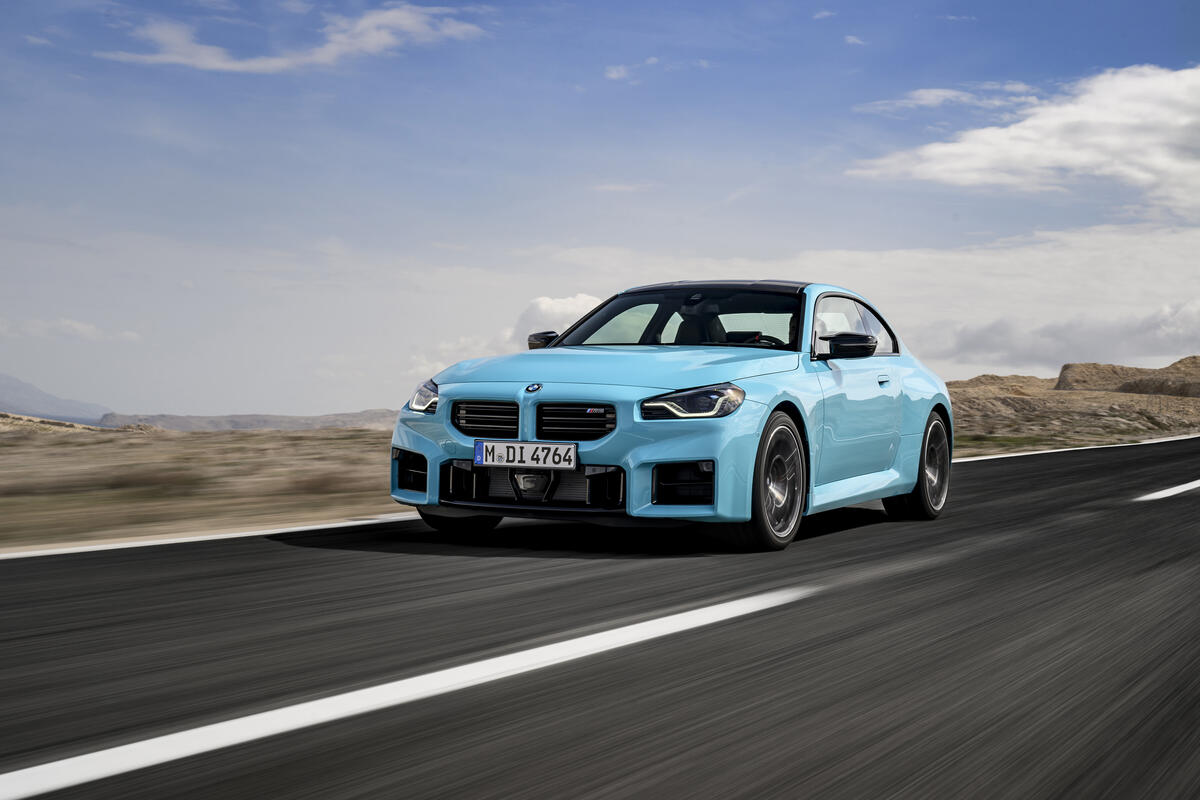
"Like, what was it? M2 competition you wanted? That was such a dumb mistake."
The BMW M2 Competition is a sporty BMW made by BMW’s performance team. People talk about it a lot because it’s fun to drive and tends to be a popular, expensive-to-own kind of car.
The BMW M2 Competition is a compact, performance-focused coupe from BMW’s M division, built to deliver track-capable handling in a smaller package. In enthusiast circles it’s often discussed as a high-demand model, which can affect how buyers plan for depreciation and costs.
appreciating asset
"but, you know, an RS4, at least it's an appreciating asset and it's cool."
An “appreciating asset” is something that can become worth more over time. With cars, that usually means the model is in demand and holds its value better than average.
An “appreciating asset” is something that tends to increase in value over time rather than losing value. In car talk, this usually refers to models with strong demand, limited supply, or enthusiast appeal—so resale prices can rise even as the car ages.
people finance
"An M2, people finance, rag about, and then they just go put in a bit."
“People finance” means they buy the car with a loan and pay it off over time. That usually adds monthly payments and possibly interest on top of the car’s price.
“People finance” refers to buying the car using a loan or installment plan instead of paying the full price upfront. This can affect how owners experience costs (monthly payments and interest) and how they think about resale and depreciation.

Audi RS4 Avant
"Yeah. If I were to sell my 33 five D touring and buy an Audi RS4 Avant?"
The Audi RS4 Avant is a fast Audi wagon. It’s meant to be practical like a station wagon, but still drives like a performance car.
The Audi RS4 Avant is a high-performance wagon (Avant) built around Audi’s RS performance line. It’s notable because it pairs everyday practicality with a serious performance reputation, and the “Avant” body style changes how it’s used compared with a sedan.
fuel bills
"Because your fuel bills are going to be very, very extortionate. I'm actually potentially going to look at somewhere next week."
“Fuel bills” just means how much money you spend on gas or diesel. If they say it’ll be “extortionate,” they mean it could cost a lot more to drive than you’d think.
“Fuel bills” is shorthand for the ongoing cost of gasoline or diesel used to drive the car. When someone says fuel bills will be “extortionate,” they’re emphasizing that the car’s real-world running costs (often tied to engine efficiency and driving style) can be much higher than expected.
BMW 335d Touring
"maybe anyone want to buy 335 D touring with a pan roof. You are actually selling a 335 D touring."
The BMW 335d Touring is a BMW wagon with a diesel engine. Diesel wagons are usually picked for strong pulling power and being good for longer trips.
The BMW 335d Touring is a diesel-powered 3 Series wagon, typically valued for its torque-rich low-end pull and long-distance usability. The “Touring” body style is BMW’s wagon format, and it’s often chosen by buyers who want performance with practicality.
pan roof
"maybe anyone want to buy 335 D touring with a pan roof. You are actually selling a 335 D touring."
A “pan roof” usually means a panoramic glass roof. It’s like a bigger sunroof that brings more light into the cabin.
“Pan roof” is a shorthand for a panoramic roof—an unusually large glass roof section that lets more light into the cabin. It’s a common option on European cars and can affect interior heat and how the car feels day-to-day.
DPS
"to be fair, I couldn't actually, if I'm moving as close as I'm looking at moving, I couldn't keep it anyway, because I just clog up the DPS. You couldn't possibly know because you'd only be doing those journeys."
“DPS” sounds like a car system or feature that doesn’t work well with lots of short trips. The speaker is saying their driving pattern makes it build up or get in the way.
“DPS” here is almost certainly shorthand for a driver-assistance or parking/traction-related system that the speaker says they “clog up” with their short journeys. The key idea is that certain systems (or the car’s ability to manage them) don’t like frequent short trips.
Porsche 911
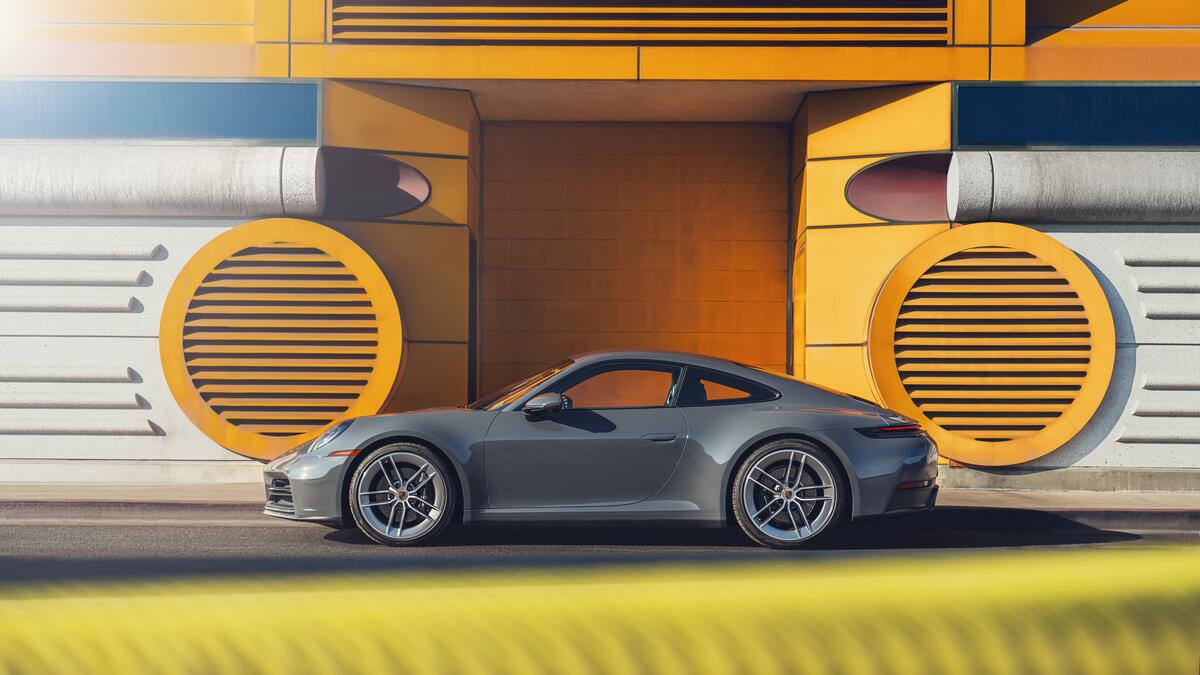
"I'm also really excited to get my 911 fixed and up and running. ... It's currently in the body shop being painted at the moment, the car. Yeah, so that should be back very, very soon."
The Porsche 911 is Porsche’s famous sports car. Here, they’re talking about getting their 911 repaired and back on the road.
The Porsche 911 is the iconic rear-engine sports car line from Porsche, famous for its distinctive handling and long-running evolution across generations. In this segment, the key point is that the speaker’s specific 911 is currently in a body shop and being prepared to return to the road.
seats refurbished
"I'm having the seats refurbished at the moment."
Seat refurbishment means fixing up the car’s seats. It can include cleaning, repairing, or re-covering them so they look and feel better.
Seat refurbishment is the process of restoring worn or damaged upholstery—often involving cleaning, re-dyeing, foam repairs, or reupholstering. Enthusiasts do this to bring the interior back to a like-new look and feel, especially after years of use.
Audi RS4
"And yeah, see what the future, the future hold, maybe an Audi RS4. [1887.1s] Because I haven't been offered one."
An Audi RS4 is a “hot” version of the Audi A4. It’s built to be much quicker and more performance-focused than a normal A4.
The Audi RS4 is a high-performance version of Audi’s A4 line, tuned by Audi Sport (RS). It’s known for a punchy turbocharged setup and a sporty all-rounder character that appeals to enthusiasts who want daily usability with real track-capable performance.

Octavia VRS Mark 2
"I was on the lookout for an Octavia VRS Mark 2. My attainable dream car and I found the perfect one."
This is a Škoda Octavia VRS, which is the more performance-oriented version of the normal Octavia. Here, it’s the exact used car the host was trying to find.
The Škoda Octavia VRS Mark 2 is a performance-focused version of the Octavia, known for being a practical “hot hatch/wagon” with stronger engines and sportier tuning than the standard cars. In this segment, it’s the specific used-car target the host is shopping for, so the model name matters to the buying story.

Skoda Octavia
"...ord Leeds, et cetera. I was on the lookout for an Octavia VRS Mark 2. My attainable dream car and I found t..."
The Skoda Octavia is a practical car that’s usually chosen for space and everyday usability. The VRS version is the sportier, faster trim. The podcast mentions the VRS Mark 2 as a dream car they were looking for and found.
The Skoda Octavia is a practical family car known for offering lots of space and value for the money. The “VRS Mark 2” is a performance-oriented trim that’s often sought after by enthusiasts who want more power without moving to a full sports car. The podcast frames it as an “attainable dream car” that the speaker found.
car vertical check
"The ad looked clean on Facebook marketplace and luckily the number plate was on there, so I ran a car vertical check. Let's just say things weren't as they seemed, even though the owner said in the ad, everything was fine, a check told me different."
This is a background check you can run on a used car using its details (like registration). It can reveal problems like accident damage or theft history that the seller might not mention.
A “car vertical check” refers to running a vehicle-history/vehicle-data report (often from a dedicated service) to uncover past issues that aren’t obvious from the ad. In this segment, it flags damage and theft warnings and produces a risk-style score, contradicting the seller’s claim that “everything was fine.”
yellow warnings
"There were yellow warnings for damage and theft, giving this particular car a miserable score of 32."
Those “yellow warnings” are the report’s way of saying the car has some problems that you should be careful about. In this case, they’re tied to damage and theft-related flags.
“Yellow warnings” are a report’s severity indicators for potential issues—typically meaning “caution” rather than a hard stop. In this segment, those warnings specifically relate to damage and theft, which is why the host treats the car as high risk.
miserable score of 32
"There were yellow warnings for damage and theft, giving this particular car a miserable score of 32. Wow."
That “32” is a number the check gives to show how risky or problematic the car looks. The host treats a low number as a big red flag.
The “miserable score of 32” is the numeric risk rating produced by the vehicle-history service. The host uses it as a decision tool—contrasting it with their expectations (they’ve “never seen anything below like 40”) and with a Bentley’s higher score.
car vertical report
"Luckily, I found a blue saloon VRS, which had a clean car vertical report. And despite having a few more miles on the clock at 172,000, it was cheaper, had recently had a lot of work done to the underside of the car and was in better condition."
This is the result of the used-car background check. The host is using it to compare two cars—one looks risky on paper, and the other looks clean.
A “car vertical report” is the output of that vehicle-history check, summarizing risk indicators and history flags. Here, the host contrasts two cars: one Octavia with a poor report score due to damage/theft warnings, and another Octavia with a “clean” report that still had higher mileage but was cheaper and in better condition.
work done to the underside of the car
"it was cheaper, had recently had a lot of work done to the underside of the car and was in better condition."
That means the car’s bottom area was recently repaired or refreshed. The host is using it as evidence the car is in better shape than the other one.
“Work done to the underside of the car” usually implies recent attention to underbody components—often related to corrosion prevention, repairs, or replacement of parts that are hard to see in an ad. In this segment, it’s presented as a reason the second VRS was in better condition despite higher mileage.

Land Rover Range Rover
"... sure that wasn't when Alex backed into it with a Range Rover? Shut up, shut up."
The Range Rover is a large luxury SUV from Land Rover. It’s designed to be comfortable and capable, including on rough roads. The podcast brings it up because it was involved in an incident where someone backed into it.
The Land Rover Range Rover is a luxury SUV built for comfort, off-road capability, and a high-end ownership experience. It’s often mentioned in real-life stories because it’s large and noticeable, and it can be involved in everyday mishaps due to its size. In the podcast, it’s referenced in a moment about backing into something.
written off car
"So yeah, that's not the only written off car that you've got then, because the [2427.8s] Land Rover as well is right off as well. [2429.8s] Although the Jag isn't recorded."
A “written off” car means the insurer considers it not worth fixing after damage. The hosts are using it to show how expensive repairs can be and why you should double-check a car’s history.
A “written off” car is one that an insurer decides is too expensive to repair relative to its value, so it’s declared a total loss. In this segment, the hosts use written-off examples to emphasize how insurance databases and damage estimates can change what you think you own.
production totals (how many vehicles were made)
"I've actually gone through these cars individually to make sure that I know how many of these vehicles were made. Ford Model T or classic Beetle or Tesla's of any variety or varieties."
They’re comparing how many of each famous car were built. That matters because it affects how rare or common the cars are now.
The hosts are comparing historical production totals—how many units of each vehicle were built. For car enthusiasts, production numbers can help explain rarity, collector interest, and how “common” a model is today.
Ford Model T
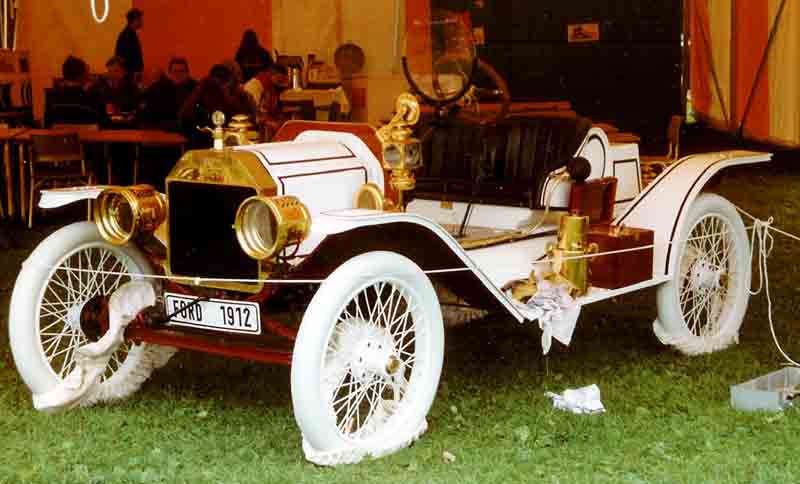
"I've actually gone through these cars individually to make sure that I know how many of these vehicles were made. Ford Model T or classic Beetle or Tesla's of any variety or varieties."
The Ford Model T is one of the earliest cars Ford made in huge numbers. Here, they’re talking about how many of them were built compared to other famous cars.
The Ford Model T is a landmark early mass-produced car from Ford that helped popularize car ownership. In this segment, it’s used as a historical comparison point for how many vehicles were produced.

classic Beetle
"Ford Model T or classic Beetle or Tesla's of any variety or varieties. OK, Ford Model T, all Tesla's classic Beatles, which of those three vehicles are that are their most of or were most amount of made?"
The classic Volkswagen Beetle is a famous old car that was built in very large numbers. They’re comparing its production totals to other well-known cars.
The classic Volkswagen Beetle is a long-running, iconic small car known for its simple, durable design and massive global production. In this segment, it’s part of a production-count comparison against the Ford Model T and Tesla models.

Smart Roadster
"The next set of three cars. [2650.7s] We have got Smart Roadster. [2654.0s] We've got Alpha 4C."
The Smart Roadster is a specific small two-seat car model made by Smart. In this part of the conversation, it’s just being named as one of the cars in a list.
The Smart Roadster is a small, two-seat roadster from Smart (a brand associated with the Daimler/Mercedes-Benz group). It’s mentioned here as part of a “next set of three cars,” so the key value is identifying it as a specific Smart model rather than a generic roadster type.

Alfa 4C
"We have got Smart Roadster. [2654.0s] We've got Alpha 4C. [2657.4s] Or the first generation Honda Insight."
The Alfa 4C is a specific sports car model from Alfa Romeo. The hosts are listing it as one of the cars in their comparison set.
The Alfa 4C is a lightweight sports car from Alfa Romeo known for its compact, performance-focused design. Here it’s mentioned alongside other “next set of three cars,” so the useful context is simply that “4C” refers to the Alfa Romeo model.

Honda Insight (first generation)
"We've got Alpha 4C. [2657.4s] Or the first generation Honda Insight. [2661.0s] Oh, well, this is not easy."
The first Honda Insight is an early hybrid car from Honda. The host is pointing to the original generation of the Insight as part of their list.
The first-generation Honda Insight is an early hybrid model from Honda that helped popularize the idea of practical, fuel-saving hybrids for everyday drivers. In this segment, it’s used as one of the “next set of three cars,” so the main point is that the speaker is specifically referring to the original Insight generation.

Bmw Z8
".... Right. Next list of three cars. We have got the BMW Z8. Oh, I love those."
The BMW Z8 is a two-seat sports car with the top down. It’s a special, limited model that’s known for its looks and driving feel. The podcast mentions it because the speaker really likes it.
The BMW Z8 Roadster is a classic-style, limited-production sports car known for its distinctive design and driver-focused feel. It’s often discussed because it’s rare and has a strong collector appeal compared with more common BMW models. The podcast expresses admiration for it, calling out the BMW Z8 specifically.
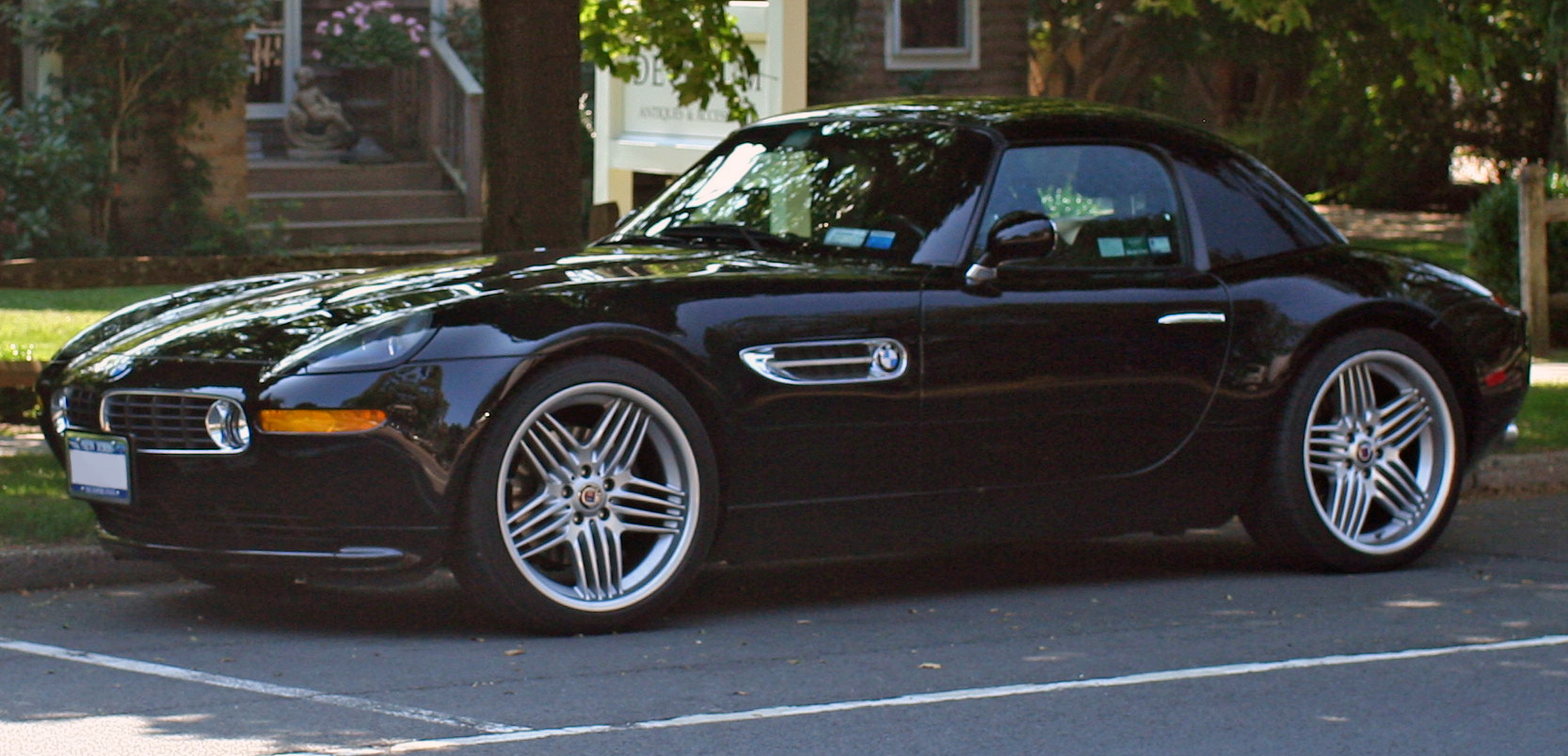
Alpina Z8
"...ght. Next list of three cars. We have got the BMW Z8. Oh, I love those."
The Alpina Z8 is a special version of the BMW Z8 that’s been tuned by Alpina. The idea is to make the car feel more refined while still being fast. The podcast mentions it as another car they love.
The Alpina Z8 refers to an Alpina-tuned version of the BMW Z8, focusing on refined performance and a more bespoke driving experience. Alpina models are typically discussed because they take an existing BMW platform and recalibrate it for a different feel. The podcast includes it in a short list of cars they like, right after mentioning the BMW Z8.
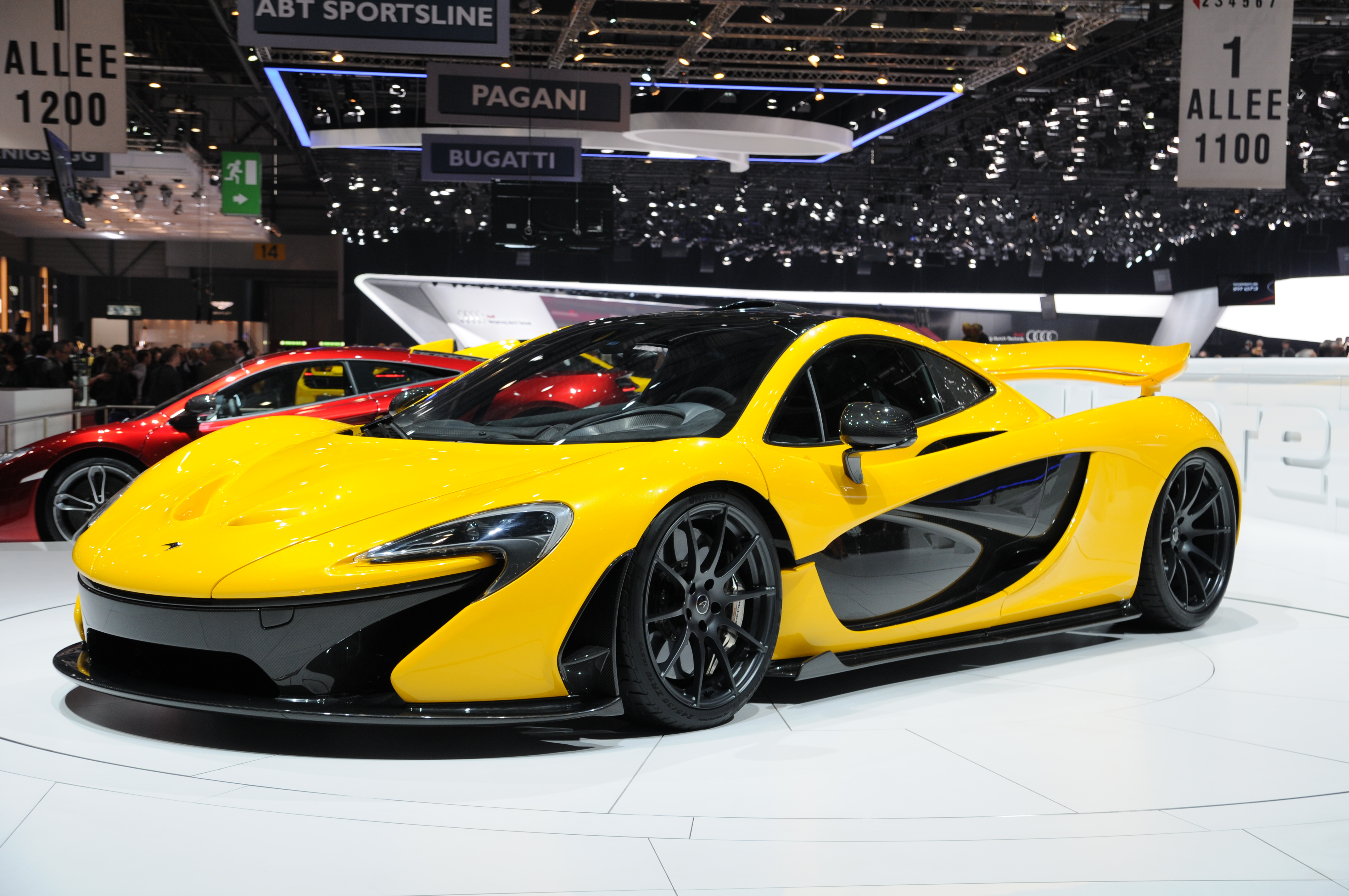
McLaren P1
"There were. 300 and 75 McLaren P1s made. 400 and fifty Bugatti Veyrons."
The McLaren P1 is a super-rare, high-tech hypercar made by McLaren. They’re talking about production numbers to show just how exclusive it is.
The McLaren P1 is a limited-production hypercar from McLaren, known for its hybrid powertrain and track-focused engineering. In this segment, the hosts mention how many were made, which highlights its rarity.

Bugatti Veyron
"300 and 75 McLaren P1s made. 400 and fifty Bugatti Veyrons. Wow. Only 400 and fifty."
The Bugatti Veyron is one of the most famous super-rare supercars ever made. They’re pointing out production numbers to underline how hard it is to find one.
The Bugatti Veyron is a landmark hypercar famous for extreme performance and for being one of the first modern “supercar icons” at that scale. The hosts reference how many were built to emphasize its scarcity and status.
W style engine turbo
"It's got the W style engine turbo. You know, it's it's that pique generation of Volkswagen Audi group product."
They’re describing a special engine layout that uses turbocharging. The “W style” part is about how the engine is shaped internally so it can fit and work efficiently.
“W style engine turbo” is referring to a turbocharged engine configuration with a “W” shaped layout. In practice, this points to a compact, multi-bank engine design used to fit more cylinders and improve packaging while still using forced induction.

Volkswagen Lupo 3L
"So it's still all to play for the VW Lupo 3L. No, TDC's vehicle, the Clio V6 all generations or the Lotus Evora."
The Volkswagen Lupo 3L is a special, fuel-sipping version of the Lupo. They’re mentioning it as one of the cars in their comparison list.
The Volkswagen Lupo 3L is a niche, efficiency-focused variant of the Lupo, known for being built around low fuel consumption. The hosts treat it as a contender in their “most common” style ranking, so it’s being used as a reference point for rarity/importance in their list.
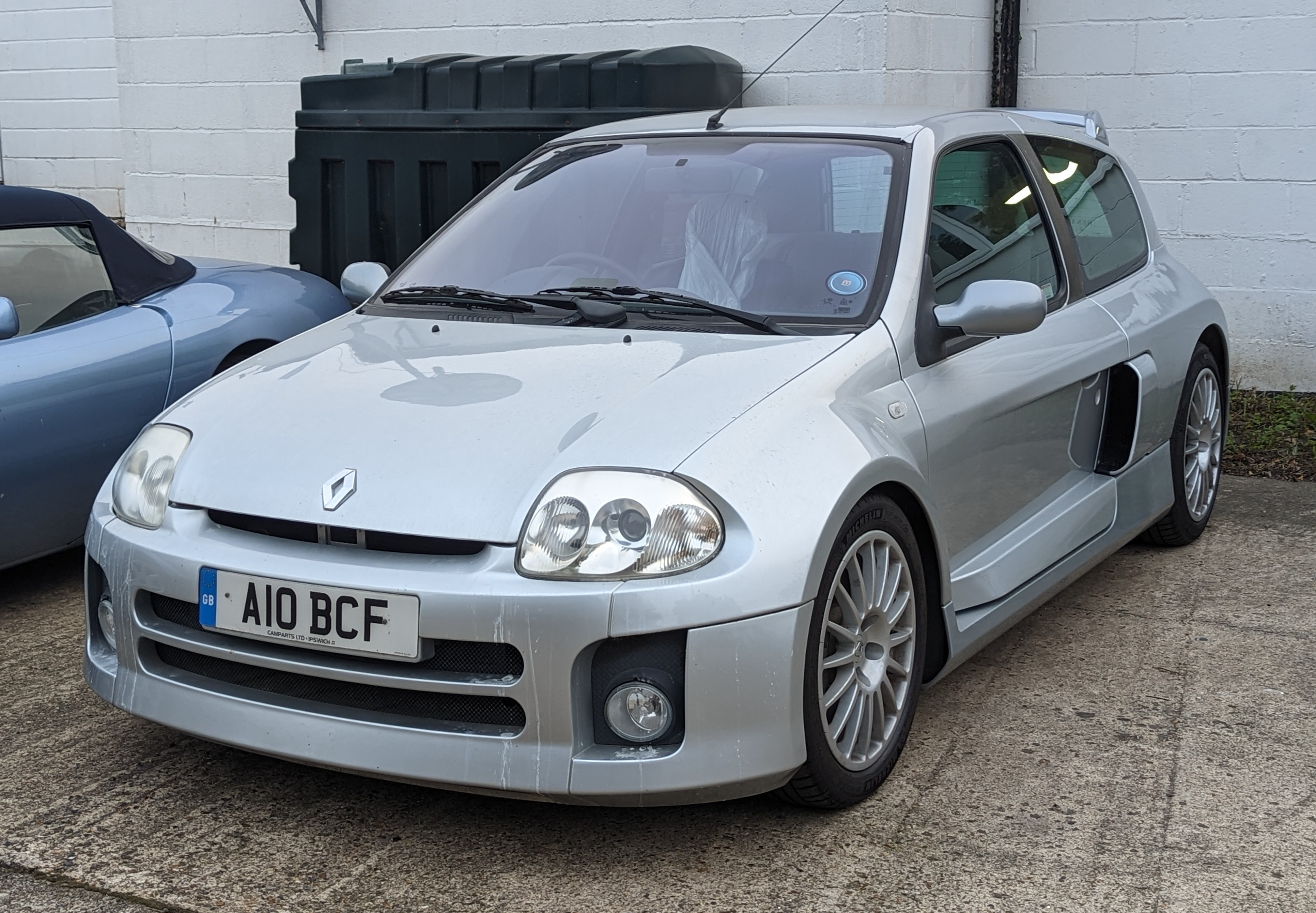
Renault Clio V6
"No, TDC's vehicle, the Clio V6 all generations or the Lotus Evora. I'm going to say Lupo most common, then Lotus, then."
The Renault Clio V6 is a very unusual hot hatch because it has a V6 engine. They’re listing it as one of the cars that could be “most common” in their group.
The Renault Clio V6 is a rare, enthusiast-focused hot hatch that’s notable for having a V6 engine—an unusual choice for the Clio name. The hosts mention it across “all generations,” treating it as one of the cars in their ranking discussion.

Lotus Evora
"No, TDC's vehicle, the Clio V6 all generations or the Lotus Evora. I'm going to say Lupo most common, then Lotus, then."
The Lotus Evora is a sports car built by Lotus with the engine mounted in the middle. They’re mentioning it as one of the cars in their “which is most common” style list.
The Lotus Evora is a mid-engine sports car from Lotus, known for its lightweight, driver-focused character. In this segment, it’s part of a comparison list that includes the Volkswagen Lupo 3L and Renault Clio V6.

BMW E39
"That's so annoying, because I would also probably say E39, [2957.0s] but I'm going to have to go different because I'm rising to make sense. [2959.6s] Because I believe there was a massive price jump wasn't there from the E39 [2963.9s] to the E60"
BMW E39 is the name for a specific generation of the BMW 5 Series. People talk about it because it’s a well-known, classic BMW from that era.
The BMW E39 is the 5 Series generation produced in the late 1990s to early 2000s. In enthusiast circles it’s often discussed as a sweet spot for classic BMW styling and a wide range of engines, including performance M variants.
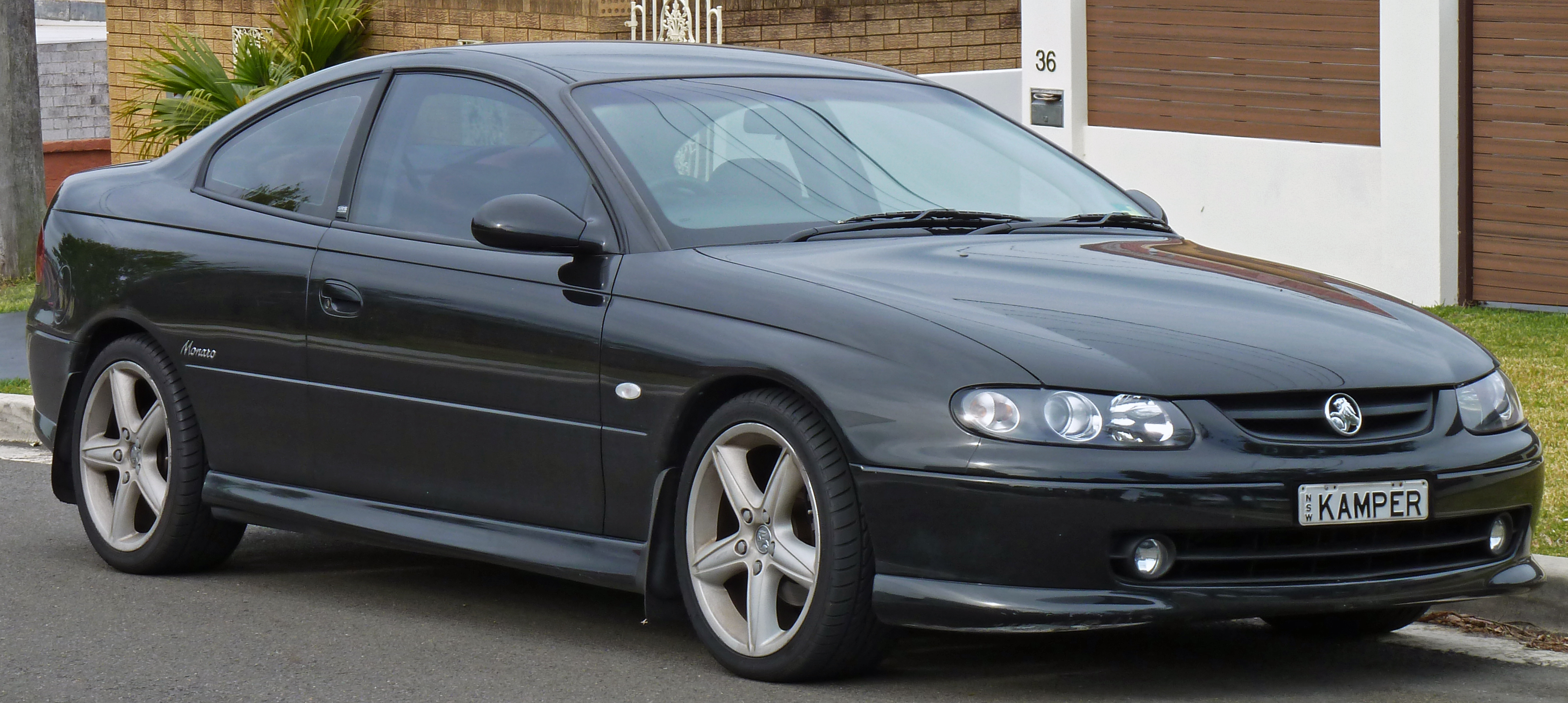
Vauxhall Monaro
"from a man called Jack Ainsworth and his keeper quits is Monaro. ... My current car is a 2005 Vauxhall Monaro with a 5.7 litre LS1 V8"
The Vauxhall Monaro is a V8 rear-wheel-drive car with a “muscle car” feel. The speaker’s point is that a 2005 Monaro gives you that big, fun driving character while still being practical.
The Vauxhall Monaro is a classic Australian-style muscle car sold in the UK, known for its big V8 power and rear-wheel-drive layout. In this episode, the host highlights a 2005 Vauxhall Monaro as a modern-feeling way to get “old school” muscle-car vibes without giving up everyday usability.

Lotus Carlton
"at Shedfest, there was a Lotus Carlton. Oh, my God, yes. In mint condition, next to a Monaro, a bright red one"
The Lotus Carlton is a special, high-performance version of the Carlton that Lotus helped develop. It’s the kind of car enthusiasts get excited about because it’s fast and a bit unexpected.
The Lotus Carlton is a performance version of the Opel/Vauxhall Carlton, tuned by Lotus. It’s remembered for being a rare, high-performance “sleeper” that blends a big-car look with serious speed and handling for its era.
V8 rear wheel drive
"V8 rear wheel drive, big power, light on the rim. Oh, I love the car that you can really like spank as well."
“V8 rear wheel drive” means the car has a V8 engine and the power goes to the back wheels. That usually makes it feel more like the classic muscle cars people talk about.
“V8 rear wheel drive” describes a car with a V8 engine driving the rear wheels. This layout is often associated with a more traditional muscle-car feel—strong acceleration with the rear wheels doing most of the work.
LS1 V8
"My current car is a 2005 Vauxhall Monaro with a 5.7 litre LS1 V8 and it's an absolute blast"
The LS1 V8 is a popular GM V8 engine (5.7 liters). People like it because it’s powerful and there’s lots of knowledge and parts available for it.
LS1 V8 refers to the GM LS-series 5.7-liter V8 engine family. It’s widely known in enthusiast circles for strong performance potential and broad parts/support, which is why it’s often chosen for muscle-car-style builds and swaps.

Mark 4 Mondeo
"My wife currently drives a Mark 4 Mondeo and while I love it, it's practicality for hauling kids in the occasional tip run."
The Ford Mondeo Mark 4 is a practical family car. In the conversation, it’s the car the wife drives now for errands and kid hauling, but they want to downsize.
The Ford Mondeo Mark 4 is a mid-size family car generation from Ford, known for being practical and roomy. The speaker mentions it specifically because it’s currently used for hauling kids and doing occasional errands, but the wife wants something smaller.

fiesta
"Number one, keep the Monaro and get a small fiesta, but lose out on practicality of being able to do tip runs and pick up large items."
The Ford Fiesta is a small car that’s good for city driving and parking. They’re considering it as the smaller second car alongside the Monaro.
The Ford Fiesta is a small, city-friendly hatchback known for being easy to park and maneuver. The speaker uses it as an example of a “small car” option to pair with the Monaro for kid and errand practicality.

Ford Focus
"Option two, keep the Monaro and get a Ford Focus, which might be a compromise and be either too big for the Mrs or too small for my needs of practicality"
The Ford Focus is a compact car. They’re considering it as a compromise between keeping the Monaro and switching to something smaller.
The Ford Focus is a compact car that’s often chosen as a practical “middle ground” between smaller city cars and larger family cars. Here it’s proposed as a compromise option: big enough for daily practicality, but potentially still not ideal for the speaker’s size or the wife’s preferences.
V8
"If I was to change my car, it would have to be a saloon or a stage, preferably a V8 or at least a five pot."
A V8 is an engine with eight cylinders. People often like it because it usually feels strong and sounds great.
A V8 is an engine with eight cylinders arranged in a “V” shape, typically producing strong power and a distinctive sound. The speaker says any replacement would preferably be a saloon with a V8, because they want that kind of character and performance.
five pot
"If I was to change my car, it would have to be a saloon or a stage, preferably a V8 or at least a five pot."
“Five pot” means a five-cylinder engine. They’re saying they’d like at least that many cylinders for the kind of feel they want.
“Five pot” is enthusiast slang for a five-cylinder engine. The speaker is using it as a minimum requirement for engine character—wanting more than a typical four-cylinder but not necessarily insisting on a V8.

Jaguar XJRs
"I've considered Jaguar XJRs, Volvo V70Rs and Audi S4 events, but always worry, I'll regret losing the Monaro"
The Jaguar XJR is a higher-performance Jaguar XJ. They’re considering it, but they’re worried it might not feel as special as their Monaro.
The Jaguar XJR is a performance-focused version of the Jaguar XJ, typically associated with a powerful V8 and a more “grand tourer” style of speed. The speaker lists it as a candidate but hesitates because they’re worried it won’t match the Monaro’s special feel.

Audi S4
"I've considered Jaguar XJRs, Volvo V70Rs and Audi S4 events, but always worry, I'll regret losing the Monaro"
The Audi S4 is a sport version of the Audi A4. They’re considering it as a practical-but-fun alternative to the Monaro.
The Audi S4 is the sportier, higher-performance trim of the Audi A4 family, typically known for a more aggressive driving feel than the standard model. The speaker brings it up as a possible replacement that could keep things practical while still delivering “something special.”

Volvo V70R
"I've considered Jaguar XJRs, Volvo V70Rs and Audi S4 events, but always worry, I'll regret losing the Monaro"
The Volvo V70R is a faster, sportier version of the V70 wagon. They’re considering it because it offers more practicality than a coupe while still aiming for performance.
The Volvo V70R is a performance wagon variant of the V70 line, built to blend practicality with higher output. It’s mentioned as an alternative because it could satisfy the speaker’s need for space while still being fast and different from the Monaro.

Skoda Fabia estate
"What about getting something like a correct me if I'm wrong, Taylor, but you can get a Fabia estate. It almost has a similar footprint to a Fiesta in terms of width."
A Škoda Fabia estate is a compact wagon version of the Fabia. It’s practical because it has more room for luggage, and the back seats can fold down.
The Škoda Fabia is a compact car, and the “estate” version is a wagon/body style with a longer rear and a bigger cargo area. Here it’s mentioned as an alternative that’s practical while still being relatively compact, with fold-down rear seats and usable boot space.

SEAT Ibiza estate
"You can get an Ibiza estate as well. You're forgetting one."
The SEAT Ibiza estate is the wagon version of the Ibiza. It’s mentioned as another small, practical car with extra space in the back.
The SEAT Ibiza estate is the wagon/estate variant of the Ibiza, offering more rear cargo space than the standard hatchback. It’s brought up as another small practical alternative in the “mini estate” discussion.

MINI Clubman
"Oh, because you can get a mini clubman. Come on, have a think."
The MINI Clubman is a small car that’s shaped like a wagon. They’re saying it’s the main “mini estate” you should think of.
The MINI Clubman is a small premium car with a distinctive wagon-like layout and, famously, rear-hinged doors. In this segment, it’s referenced as the “mini estate” option the speaker thinks the other person should remember.
B48
"Them in a Cooper S with the B48 are actually quite good cars, Tayon."
B48 is the name of an engine used in certain Minis. It’s a turbocharged 2-liter four-cylinder, and the hosts are saying that engine choice is part of why the car is so good.
B48 refers to BMW’s B48-family 2.0-liter turbocharged inline-4 engine used in various Mini and BMW models. When the hosts say “Cooper S with the B48,” they’re pointing to the specific engine platform that helps explain why the car feels strong and refined.

Ford Eco Sport
"Yes, I would keep it and I would, you know, get your wife, you know, take her out to see some cars. I think she would like something more like a Ford Eco Sport, which is like a Fiesta, but slightly higher up"
The Ford EcoSport is a small SUV/crossover. In the conversation, it’s mentioned as the kind of car that might suit the host’s wife for everyday driving and fitting things in.
The Ford EcoSport is a small crossover/SUV that’s typically positioned as a practical, higher-riding alternative to a low coupe like the Monaro. The host compares it to a Fiesta-sized car but with more ride height, implying it’s easier for everyday use and family logistics.

Ford Cougar
"I think she would like something more like a Ford Eco Sport, which is like a Fiesta, but slightly higher up or a Ford Cougar. No, no, not a Cougar."
They mention a Ford Cougar briefly, but then correct themselves right away. It doesn’t sound like they’re seriously discussing that model here.
The Ford Cougar is mentioned as an alternative the host brings up, but it’s immediately corrected (“No, no, not a Cougar”). Because it’s not clearly established as a real, specific current model in this context, it’s treated as a brief, possibly mistaken name-drop rather than a substantive car discussion.

Bentley Flying
"Do you know there is another option of Bentley Flying Spur? No, there is another option by your wife, a..."
The Bentley Flying Spur is a luxury sedan made for very comfortable, long-distance driving. It’s designed to feel upscale and smooth rather than sporty. The podcast mentions it as another possible choice.
The Bentley Flying Spur is a luxury grand tourer sedan designed for comfort, refinement, and effortless long-distance driving. It’s often discussed because it blends high-end features with a powerful, upscale driving experience. In the podcast, it’s mentioned as an “option” in a conversation about what might be chosen.

Monaro
"We all agree, keep the Monaro because it's such a special car. And Taylor quite rightly said with your kids, like that is like core memory, isn't it?"
The Holden Monaro is an iconic Australian car. The hosts are saying it’s so special that you shouldn’t sell it because it has real sentimental value.
The Holden Monaro is a classic Australian muscle car known for its big V8 attitude and long-standing enthusiast following. In this segment, the hosts treat it as a “special car” worth keeping, tying it to personal memories and family use.
body shop
"The 840 is nearly back from the body shop. Speaking of which, oh, I have been sent."
A body shop is where cars get fixed after damage. It’s also where they prep the car so it can be painted properly.
A body shop is a repair facility focused on vehicle bodywork—things like collision repair, panel replacement, and preparing surfaces for paint. Here, the hosts say the 840 is nearly back from the body shop, meaning the restoration/repair work is close to completion.
primer
"Is it in primer by Nishan? Photographic updates of that. Oh, it's not in primer yet, but it's pretty much prepped."
Primer is the base coating applied to bare metal or old paint before final color paint. It helps the paint adhere properly and provides corrosion protection, and the hosts are tracking whether the car has reached that stage.
Request an Explanation
Heard something you'd like explained? We'll add it to this episode.
Sign in to request explanations for terms you heard.
Want to learn more?
Browse our glossary for plain-English explanations of automotive terms, jargon, and concepts.
Help improve this episode
See something that's not quite right? Our annotations are AI-generated and can sometimes miss the mark. Click the flag icon on any annotation to suggest a correction.
1 community members have helped improve this episode.