S2 Ep39: My New Daily Driver? And I Got Crashed Into...AGAIN!
About this episode
Repeat crashes set the tone, but the show quickly turns into daily-driver reality: RS4 updates, air-con faults, and central-locking diagnostics on an E46. Between maintenance planning (oil changes, dyno checks, hub/brake work) the hosts debate engine oil viscosity, start-stop effects on timing chains, and even rust-repair horror stories. Listener stories and health awareness appear too, alongside shopping talk for Range Rover Sport, Boxster flips, and other daily-driver alternatives.
SIGN UP for a one pound per month Shopify trial at https://www.shopify.co.uk/autoalex
Get £10 off your first task RIGHT NOW with promo code AUTOALEX at https://www.taskrabbit.co.uk/ or with the Taskrabbit app. Terms and conditions apply.

BMW E28
"...e have got Job from the Netherlands looking at an E28. His name is actually Job."
The BMW 5 Series is a mid-size luxury car from BMW. “E28” is the name of an older generation of that model. The podcast mentions it because someone is looking at one to buy or work on.
The BMW 5 Series is BMW’s mid-size luxury sedan (and wagon in some markets), often chosen for a balance of comfort and performance. The podcast context mentions an “E28,” which is a specific older generation of the 5 Series, and that someone is looking at one. It’s discussed because classic or older 5 Series models are popular projects and can be interesting to maintain.
Nurburgring
"Stuart Priest, who's our Bath 500, [174.6s] clocked 100,000 miles while on the Nurburgring."
The Nürburgring is a well-known race track in Germany. The host is saying a car racked up 100,000 miles while being used there.
The Nürburgring is a famous German motorsport venue, best known for the Nordschleife (the “North Loop”) with its long, twisty layout. In this segment, it’s where the Bath 500 “clocked 100,000 miles,” highlighting that the car was driven hard enough to rack up serious distance there.

Disco 4
"And Jamie Curry sat on the side of the A417, waiting for AA Patrol after his Disco 4, [185.5s] named Dizzy the Disco, had just launched its engine,"
“Disco 4” is short for the Land Rover Discovery 4, a big SUV that’s built to handle rough roads. Here, it’s the car the host is driving around before a planned oil change.
Land Rover Discovery 4 (often shortened to “Disco 4”) is a UK-market SUV known for its off-road ability and long-distance comfort. In this segment, it’s the vehicle that “Dizzy the Disco” is being used on while the hosts talk about an upcoming oil change and a road trip.
AA Patrol
"And Jamie Curry sat on the side of the A417, [182.2s] waiting for AA Patrol after his Disco 4,"
AA Patrol refers to roadside assistance provided by the UK motoring organization the AA. The segment uses it as the help Jamie Curry is waiting for after his Disco 4 situation on the A417.
oil change
"So, we're going to do an oil change on our Disco before we head on our road trip."
An oil change means replacing the engine’s oil. It helps keep the engine lubricated, and the host is planning to do it before traveling.
An oil change is the scheduled replacement of the engine oil, which carries heat away and lubricates internal engine parts. The hosts mention doing one on their Disco before a road trip, implying they’re trying to start the trip with fresh lubrication.
5W30
"Well, anyway, when we did our Silver Disco, [236.2s] we put 5W30 in it, which is what Jaguar Land Rover recommends."
5W30 is the type of oil your engine uses. It’s labeled so you know how it behaves when it’s cold versus when the engine is hot.
5W30 is an engine oil viscosity grade. The “5W” indicates how it flows when cold, and “30” is its viscosity when hot, which affects lubrication and oil pressure.
5W40
"But apparently, according to most articles online [240.1s] and these guys, it should actually be 5W40, [242.6s] because when they did tests, [245.8s] there's not enough oil pressure going to the crankshaft,"
5W40 is another engine oil grade, and it’s generally thicker when the engine is hot. The idea here is that it helps keep oil pressure up so the engine parts get properly lubricated.
5W40 is a thicker engine oil than 5W30 at operating temperature. In this discussion, the claim is that 5W40 helps maintain enough oil pressure to the crankshaft under test conditions.
oil pressure
"because when they did tests, [245.8s] there's not enough oil pressure going to the crankshaft, [250.3s] which is why they keep launching themselves."
Oil pressure is basically how hard the engine’s oil pump is pushing oil around. If it’s too low, important moving parts may not get enough lubrication.
Oil pressure is how strongly the oil pump pushes lubricant through the engine. If oil pressure is too low, critical parts like the crankshaft can be under-lubricated, increasing wear and risk of damage.
crank shaft
"because when they did tests, [245.8s] there's not enough oil pressure going to the crankshaft, [250.3s] which is why they keep launching themselves."
The crankshaft is the engine’s main rotating shaft. It needs oil to keep its bearings lubricated so it doesn’t wear out.
The crankshaft is the main rotating shaft inside an engine that converts piston motion into rotational motion. It relies on pressurized oil to lubricate its bearings and keep friction and wear under control.
wet belt
"which is why cars have wet belts, [261.4s] because the oil lubricates the belt [263.0s] and it makes the engine turn over that little bit easier,"
“Wet belts” means the timing belt is lubricated by engine oil instead of running dry. That oil can reduce friction and help the engine run more efficiently.
“Wet belts” refers to a timing belt design that runs in an oil bath or is lubricated by engine oil. The oil helps reduce friction and can improve efficiency, and it also affects how oil choice impacts belt operation.
start-stop
"Our start-stop battery in Silver Peak is non-existent... B, because of start-stop, because when the starter motor turns that engine over initially, it puts a little bit of strain on that chain"
Start-stop is a feature that turns the engine off when you’re stopped (like at a light) and turns it back on when you go again. It helps save fuel, but it means the engine has to restart more often.
Start-stop is a system that automatically shuts the engine off when the car is stopped and restarts it when you lift off the brake or press the accelerator. The idea is to reduce fuel use and emissions in traffic, but it also increases how often the engine is cranked and restarted.
timing chain stretch
"do you know a lot of the time that timing chains stretch on BMWs... it puts a little bit of strain on that chain and it stretches it a little bit every single time."
The timing chain keeps the engine’s moving parts timed correctly. With age and wear, it can stretch, which can make the engine run out of sync and lead to bigger problems.
A timing chain is the component that synchronizes the crankshaft and camshaft timing. Over time, chains can wear and stretch, which can throw off valve timing and contribute to serious engine issues if not addressed.

Audi RS4
"[485.7s] Taylor, have you had a busy week? [486.9s] What's been going on? [487.8s] I have actually. [488.4s] I've had a very busy week this week. [490.2s] Yeah. [490.8s] I've been working on my Audi RS4. [493.0s] Yeah."
An Audi RS4 is a sporty, higher-performance Audi than the regular A4. Here, the host is talking about adding upgrades to make it feel and sound more like a performance car.
The Audi RS4 is a high-performance version of Audi’s A4 platform, known for its punchy power and enthusiast-focused tuning. In this segment, Taylor is modifying his Audi RS4 with aftermarket performance parts, which is a common way owners tailor throttle response and sound.
carbon intake
"[490.8s] I've been working on my Audi RS4. [493.0s] Yeah. [493.7s] Actually, I've put carbon intake on it. [496.5s] I've done a mil-tech bound exhaust."
A carbon intake is a modified air system that helps the engine breathe better. People also like it because it can look more high-end and race-inspired than the factory part.
A carbon intake is an aftermarket air-intake setup that uses carbon-fiber components to route air into the engine. Enthusiasts choose it for potential airflow improvements and for the lighter, more “motorsport” look compared with stock intake parts.
mil-tech
"[493.7s] Actually, I've put carbon intake on it. [496.5s] I've done a mil-tech bound exhaust. [499.0s] I am such an inspiration."
Miltek makes aftermarket exhausts—basically replacement exhaust parts that change the car’s sound. Here, it sounds like Taylor upgraded his Audi RS4’s exhaust to make it more performance-oriented.
Miltek is an aftermarket exhaust brand known for producing cat-back and axle-back exhaust systems for performance cars. In this segment, Taylor says he fitted a Miltek exhaust to his Audi RS4, which typically changes sound and can slightly affect exhaust flow.

BMW E46
"So we've been working on Rory's E46 touring, [597.8s] and the central locking doesn't work."
This is a BMW 3 Series wagon from the E46 generation. They’re working on a problem where the car’s door locking system (central locking) isn’t working, and they’re checking a small electronics module related to the key signal.
BMW E46 touring refers to the wagon (estate) version of the BMW 3 Series built on the E46 generation platform. In this segment, they’re troubleshooting a central locking issue on Rory’s E46 touring, which points to an interior convenience/electronics problem rather than a mechanical one.
central locking
"So we've been working on Rory's E46 touring, [597.8s] and the central locking doesn't work."
Central locking is the feature that locks and unlocks the doors all at once using the key or key fob. If it stops working, the doors may not lock/unlock remotely.
Central locking is the system that locks or unlocks multiple doors (and sometimes the trunk) from one command, typically using the key fob and a control module. When it fails, you can lose remote locking/unlocking even though the car may still start and drive normally.
key signal
"And there's a little module in the boot lid [602.4s] that sits underneath the spoiler that picks up the key signal."
The key signal is the wireless message your key fob sends to the car. If the car can’t “hear” that message, the locks won’t respond.
The key signal is the radio communication between the key fob and the car’s receiver/control module. If the receiver-side module or antenna location is faulty, the car may not recognize the fob even though the fob itself is fine.
modules
"And there's a little module in the boot lid [602.4s] that sits underneath the spoiler that picks up the key signal."
A module is a small electronic box that controls one specific function in the car. This one is involved in receiving the key fob signal for the boot lid area.
In modern cars, a module is a small electronic control unit that handles a specific job—here, receiving the key fob signal for the boot lid area. When that module fails or is missing, related functions like remote locking/unlocking can stop working.
hoarding
"Okay. But as it turns out, your hoarding has been useless once again. Okay, well, I do apologize. So in the bin it goes."
Here, “hoarding” just means keeping a lot of stuff around. They’re joking about it, and it’s not really about the car—more about what happened before the driving talk.
In this context, “hoarding” is being used as a playful description for keeping lots of items around—here, it’s framed as something the host does that doesn’t end up being useful. It’s not an automotive technical term, but it’s part of the episode’s setup before they get back to the car story.

Porsche Boxster
"I bought a little Porsche Boxster that I sold to Chris. You did sell it to Chris from Merch."
A Porsche Boxster is a Porsche roadster (a sporty two-seat convertible). It’s known for feeling nimble and fun to drive, and this episode is talking about a specific Boxster version.
The Porsche Boxster is a mid-engine roadster from Porsche, known for its balanced handling and flat-six sound. In this segment, the host specifies a Boxster variant, which helps listeners understand which generation/engine character they’re talking about.
big profit
"So, I bought it and I sold it to Chris and I made a good profit. Oh, big profit."
They mean they paid less than they sold the car for. So they made money on the deal.
“Profit” here is about the difference between what the host paid for the car and what they sold it for. In enthusiast circles, this often comes down to timing, condition, and how the market values that specific model/engine.

Land Rover Range Rover
".... So, I did that and I've also been working on my Range Rover, because I've still got Jeff, my Range Rover."
A Range Rover is a large luxury SUV from Land Rover. It’s made to be comfortable for everyday driving but still capable on rough roads. The podcast mentions it because someone is working on their own Range Rover.
The Range Rover is Land Rover’s flagship luxury SUV, designed to combine comfort with off-road capability. It’s a common choice for people who want a premium interior and confident traction in varied conditions. The podcast mentions working on one, which fits because these vehicles often get attention for maintenance and repairs.
small pulley
"I went to Tom's the other day. He put a small pulley on it for me. And I've rebuilt Supercharger."
A pulley is a belt-driven component. Changing pulley size can make the supercharger spin faster, which can increase how much boost the engine gets.
A pulley is part of the belt drive that controls how fast the supercharger spins. A smaller pulley typically increases boost by raising the supercharger’s RPM relative to engine speed.
supercharger
"He put a small pulley on it for me. And I've rebuilt Supercharger. I put new oil in the Supercharger."
A supercharger forces extra air into the engine. Rebuilding it and refreshing the oil helps it work properly and can bring back the power you expect.
A supercharger is a forced-induction device that compresses air before it enters the engine, allowing more oxygen for fuel combustion. Rebuilding the supercharger and changing its oil are maintenance steps that can restore boost performance and reliability.
dynoing
"Which I should do, because it's got air-con. And also, you're then dynoing it on Monday? So, I've also got a bigger crank pulley for it,"
Dynoing means testing the car on a machine that measures power. People do it after upgrades to check if the car is making more power.
“Dynoing” means running the car on a dynamometer to measure output like horsepower and torque. It’s commonly used after modifications (like pulley/supercharger work) to see whether the changes actually improved performance.
bigger crank pulley
"And also, you're then dynoing it on Monday? So, I've also got a bigger crank pulley for it,"
The crank pulley is connected to the engine. Changing its size changes belt speed, which can affect how hard the supercharger works and how much boost you get.
The crank pulley is the pulley attached to the engine’s crankshaft that drives accessories and, in some setups, the supercharger belt system. A bigger crank pulley can reduce belt speed at the supercharger, lowering boost compared with a smaller pulley setup.
spun up all four wheels
"I actually pulled out of a junction in that car once, and I give it a little jab, and it spun up all four wheels. And it weighs 2.7 tons."
That phrase means the tires lost grip and started spinning instead of pushing the car forward. Even with all-wheel drive, too much power for the available traction can cause wheelspin.
“Spun up all four wheels” describes traction loss where the tires rotate faster than the car can move forward, typically due to wheelspin. On an all-wheel-drive vehicle, this can happen when torque is high enough that the tires can’t grip.
air suspension
"But it's so comfortable with the air suspension. And it's just the eight-speed gearbox as well."
Air suspension is a suspension system that uses air-filled bags instead of regular metal springs. It can make the ride feel softer and can also adjust the car’s height.
Air suspension uses airbags instead of steel springs to support the car. Because the system can change ride height and stiffness, it often feels smoother and can keep the car level even when loaded.
high speed gearbox
"And it's just the eight-speed gearbox as well. That is the only thing mine's got six."
An eight-speed gearbox means the car has eight different gear ratios. That can help the engine run more smoothly and efficiently depending on how fast you’re going.
An eight-speed gearbox is a transmission with eight forward gears. More gears can help the engine stay in a more efficient or smoother operating range, especially during city driving and steady cruising.
cat B
"you know my BMW, right, got crashed into, it's like a cat B now. Probably have to sell it now."
“Cat B” is a UK insurance label for a car that’s been badly damaged. It usually means the insurer thinks it’s not worth fixing normally, and the car may have restrictions if you want to put it back on the road.
“Cat B” refers to a UK insurance category for vehicles that are considered too damaged to be economically repaired, but not beyond repair. These cars are typically subject to restrictions and are often sold for parts or repaired under specific conditions.

Range Rover Sport
"Do it. Range Rover Sport. What generation?"
The Range Rover Sport is a Land Rover SUV that’s built to be both capable off-road and comfortable for everyday driving. Here, it’s mentioned as a possible replacement car.
The Range Rover Sport is a performance-oriented SUV from Land Rover, known for combining off-road capability with a more driver-focused, sporty feel. In this discussion, it’s being considered as a replacement daily driver, with the host asking about which generation to buy.
4.4 TD V8
"And they do them with the 4.4 TD V8. Yeah, I don't think I need that. I'd be very happy with the 3.0."
That phrase is basically an engine description. It means it’s a 4.4-liter V8 diesel with a turbo, so it’s built to make strong pulling power, especially at lower speeds.
“4.4 TD V8” describes an engine with 4.4 liters of displacement, a V8 cylinder layout, and a turbo-diesel (TD) setup. In plain terms, it’s a larger, heavier-duty diesel V8 that’s often chosen for smooth torque and highway use.
3.0
"Yeah, I don't think I need that. I'd be very happy with the 3.0. The 4.4 is the one that you would want, though."
In this context, “3.0” means a 3.0-liter engine. The speaker is comparing it to a bigger 4.4-liter option, and leaning toward the smaller one for cost and practicality.
“3.0” here refers to a 3.0-liter diesel engine option (the host later calls it a “3.0 V6”). Compared with the larger 4.4 V8, a 3.0 V6 typically means less displacement and usually lower fuel consumption, but it can also mean different maintenance items and wear patterns.
snap cranks
"You say that the 4.4 is more reliable. They don't snap cranks, but they do have a lot more other issues, like the belts go on them,"
This means the crankshaft can break, which is a very serious engine failure. The speaker is saying that while that specific worst-case failure may be less common, there are still other problems to watch for.
“Snap cranks” is shorthand for catastrophic crankshaft failure—when the crankshaft breaks under stress. The speaker is contrasting that failure mode with other, more common issues (belts, pulleys, oil cooler leaks) that may be less dramatic but still costly.
auxiliary belts
"They don't snap cranks, but they do have a lot more other issues, like the belts go on them, like the auxiliary belts, all the pulleys, and they suffer with oil coolers,"
Auxiliary belts are the belts that run the engine’s accessories. If they wear out, you can get annoying problems like charging or cooling issues, so they’re worth keeping an eye on.
Auxiliary belts are the additional belts that drive non-primary accessories (like the alternator, power steering pump, and sometimes coolant pumps), separate from the main timing belt. Belt and pulley wear can lead to squealing, charging issues, or overheating, so it’s a common “while you’re in there” maintenance topic.
oil coolers
"like the auxiliary belts, all the pulleys, and they suffer with oil coolers, and they leak in the middle of the V. And I don't need that."
An oil cooler helps keep the engine oil from getting too hot. If it leaks, the engine may not be lubricated properly, which can lead to bigger problems.
Oil coolers are heat exchangers that help control engine oil temperature by transferring heat to coolant or air. If an oil cooler leaks or fails, it can reduce lubrication quality and potentially cause overheating or internal damage—so leaks are a serious ownership consideration.
20 MPG
"And I don't need that. I don't want like 20 MPG either. To be fair, the thing that's quite nice about the 3.0 L, it's quite basic."
“20 MPG” is how many miles the car can drive on one gallon of fuel. The speaker is saying they don’t want to end up getting that kind of fuel economy.
“20 MPG” is a fuel-economy figure measured in miles per gallon. The host is using it as a practical downside of the larger engine choice, implying higher fuel use compared with the smaller option.
cam belt
"To be fair, the thing that's quite nice about the 3.0 L, it's quite basic. Like it's a cam belt still. It's not hard to... They do go, the cam belts go on them."
A cam belt is a belt inside the engine that keeps the valve timing correct. It’s important because it’s something you have to replace on a schedule, and if it fails it can cause major engine damage.
A cam belt (timing belt) synchronizes the crankshaft and camshaft(s) so the engine’s valves open at the correct time. It’s a scheduled maintenance item—when it wears or fails, the engine can suffer severe damage, so knowing whether it’s a belt-driven setup matters for ownership planning.

Lotus Carlton
"So, Lotus Carlton update. Yes. So, Lotus Carlton is at Bob the Machine Shop."
The Lotus Carlton is a special, rare performance version of the Carlton. It’s the kind of car enthusiasts track because it was built to be much sportier than a normal family/executive car.
The Lotus Carlton is a rare, performance-focused version of the Opel/Vauxhall Carlton built with Lotus engineering. It’s notable because it blends a big, executive-car body with Lotus-style handling and performance intent—so it stands out as a project car worth updating at a specialist shop.
sill
"we uncovered that one sill that was demarged, and it had lots of rot in it,"
A sill is the metal strip along the bottom of the car’s side. If it’s rusty, it can make the car’s body weaker and the rust can spread to other nearby metal panels.
A sill is the structural metal panel that runs along the bottom edge of the car’s body, forming part of the side structure. When a sill has rust, it can weaken the body and often spreads into nearby panels like the floor and rocker/arch area.
filler
"and also the arch as well had some bit of filler in it. So, I took it to Bob on Monday."
Filler is a putty used to smooth out dents after bodywork. If it’s covering rust, it can hide a bigger problem underneath and the rust can come back.
Body filler (often fiberglass or polyester putty) is used to smooth over dents or uneven metal after repairs. If filler is covering rust or missing metal, it can be a red flag because it may hide structural damage that will return.
arch
"and also the arch as well had some bit of filler in it. So, I took it to Bob on Monday."
The arch is the area around the wheel. Rust there is a big deal because it can get worse quickly, and past repairs may be covered up with filler.
In this context, the arch is the wheel arch area—where the fender curves around the tire. Rust in the arch is common because it collects water and road grime, and it’s also a spot where previous repairs may be hidden under filler.
rust
"It's now Thursday. And every day, he keeps on sending me more videos of more rust. Not only on that side,"
Rust is when metal corrodes and breaks down. On cars, it can spread under the paint and into seams, so fixing it usually takes more work than people expect.
Rust is corrosion of the car’s steel body panels, and it’s especially problematic on structural areas like sills and wheel arches. Once rust starts, it can expand under paint and into seams, making repairs more extensive than expected.
dodgy repair
"But he said the body shop he took it to would never have done that dodgy repair on the other side,"
A “dodgy repair” means the earlier fix probably didn’t truly solve the problem. It may have covered it up, so the rust or damage comes back and you end up redoing the work.
A “dodgy repair” here implies a previous bodywork job that didn’t properly address the underlying metal damage—likely leaving rust to continue or using filler to mask issues. In car-body terms, that often leads to repeat corrosion and a much bigger repair later.
fuel tank
"However, the fuel tank is out. Really? That's also very rusty."
The fuel tank holds the gas. If it’s rusty, bits of rust can get into the fuel system and make the car act up sometimes.
The fuel tank stores fuel and feeds it to the engine through the fuel lines. When a fuel tank is described as “very rusty,” it can cause intermittent fuel delivery issues by shedding rust/debris into the system.
intermittently lossing loss of
"I wonder if that fuel tank is why the power is intermittently lossing loss of. Lossing."
They’re talking about the car losing power sometimes, not all the time. Here, they think rusty fuel tank debris could be messing up fuel delivery.
The host is describing an intermittent power loss—meaning the car doesn’t consistently lose power, but it happens in episodes. In this context, they suspect the cause is fuel contamination from rust in the tank.
ruts
"And because of those ruts, I was slowing down and I was trying to find a place that was nice and smooth for me to go into."
Ruts are worn grooves in the road. They can make the car bounce or pull you off line, so you slow down and try to drive over the smoother part.
Ruts are grooves or channels in the road surface, often caused by repeated wheel tracks. They can affect steering and traction, forcing the driver to slow down or choose a smoother line to avoid bottoming out or damage.
bottom out
"Otherwise, bottom out the car and be big damage."
Bottoming out is when the suspension gets compressed so far that the car hits its lower limits. It can happen over bumps or rough ground and can lead to damage.
To bottom out means the suspension compresses to its limit and the car’s body can hit the ground or hard stops. The host is warning that if they don’t find a smooth entry line, the suspension could fully compress and cause major damage.
rear wheel
"She didn't give herself enough space and she crashed into my rear wheel."
The rear wheel is the back wheel of the car. If someone hits it, it can bend or damage parts around it, even if the body panels don’t look too bad.
The rear wheel is the wheel at the back of the car, and impacts there can indicate damage to wheel alignment, suspension components, or the wheel itself. Here, the crash is described as hitting the host’s rear wheel, while the bodywork remains largely undamaged.

MR2, a Mark III MR2
"And then he got his nice new MR2, a Mark III MR2,"
The Toyota MR2 is a small sports car with the engine placed near the middle of the car. “Mark III” means the third version of that MR2 model, which is generally the one people remember for being fun and agile.
The Toyota MR2 is a mid-engine sports car, and the “Mark III” refers to the third-generation MR2 (often called the MR2 Mk3). It’s known for its compact size and rear-mid engine layout, which makes it feel very nimble and balanced compared with many front-engine cars.

Ford Mustang
"...dy hell, it's not good. And then yeah, I've got a Mustang dyno update, but no one really wants to hear that..."
The Ford Mustang is a sports car from Ford. It’s popular because it’s fun to drive and has a performance reputation. A dyno update means they’re checking how much power the engine is making after changes.
The Ford Mustang is a long-running American sports coupe/convertible known for its performance and strong enthusiast following. A “Mustang dyno update” suggests the podcast is discussing measured engine output on a dynamometer, which is a common way to track tuning progress. It’s mentioned because updates like this matter to people building or modifying Mustangs.
4.7 litre V8
"Yeah, it does, yeah. That is bad. 4.7 litre V8 to make 160 horsepower."
A “V8” means the engine has eight cylinders arranged in a V shape. “4.7 litre” is how big the engine is overall—bigger usually means it can make more power, especially if it’s designed well.
A “V8” is an engine with eight cylinders arranged in a V shape. “4.7 litre” is the engine’s displacement, meaning the total volume of all cylinders combined, which strongly influences how much air/fuel the engine can move and how it typically makes power.
160 horsepower
"That is bad. 4.7 litre V8 to make 160 horsepower. [2044.6s] But you know what, it looks good."
Horsepower is a number that tells you how strong the engine is. It’s not the only thing that affects how fast the car feels, but it’s a common way to compare engines.
“Horsepower” is a measure of engine output—how much work the engine can do over time. It’s often used as a shorthand for how strong a car feels, but real-world performance also depends on gearing, weight, and drivetrain efficiency.
blower
"What about if you put a blower on it? [2077.7s] One of those big blowers. [2079.7s] Well, let's do that then."
A “blower” here means a device that forces extra air into the engine. More air can help the engine make more power, but it also puts extra strain on the engine.
In this context, a “blower” refers to a forced-induction supercharger that compresses incoming air before it reaches the engine. More compressed air generally allows more fuel to be burned, which can raise power—assuming the engine’s internals and cooling can handle the added stress.

Chevrolet Bel Air
"It was a 55 Chevy Bel Air in bright red, all the chrome on it. It was lowered, a nice set of chrome American racing wheels"
A 1955 Chevy Bel Air is an old-school American classic. People love them for the flashy chrome and the way they look, and this one is described as lowered and fitted with stylish wheels.
The Chevrolet Bel Air (1955) is a classic American full-size car from the mid-1950s, known for its iconic styling and chrome-heavy look. In this segment, the host describes a bright red, lowered example with period-style wheels, which is the kind of visual “stance” enthusiasts often chase on older Chevys.
American racing wheels
"It was lowered, a nice set of chrome American racing wheels and it just looked a beast."
American Racing is a company that makes aftermarket wheels. Here, the point is that the car has shiny, classic-looking wheels that fit the vintage style.
“American Racing” refers to a wheel brand known for aftermarket and classic-style alloy wheels. In the context of a 1950s Chevrolet Bel Air, chrome American Racing wheels are often chosen to match the era’s hot-rod look.

F22 M240i
"I'm currently saving up for an F22M240i, but are there any other fun, ideally cheaper alternatives that are also reliable?"
This is a BMW 2 Series (the F22 generation) in the M240i version. People like it because it’s more exciting to drive than a typical daily car, without being completely impractical.
The “F22 M240i” refers to the BMW 2 Series (F22 generation) with the M240i trim, which is known for its strong straight-line performance and lively, driver-focused character. In the episode, Ivan is saving up for this as his next more fun daily driver.
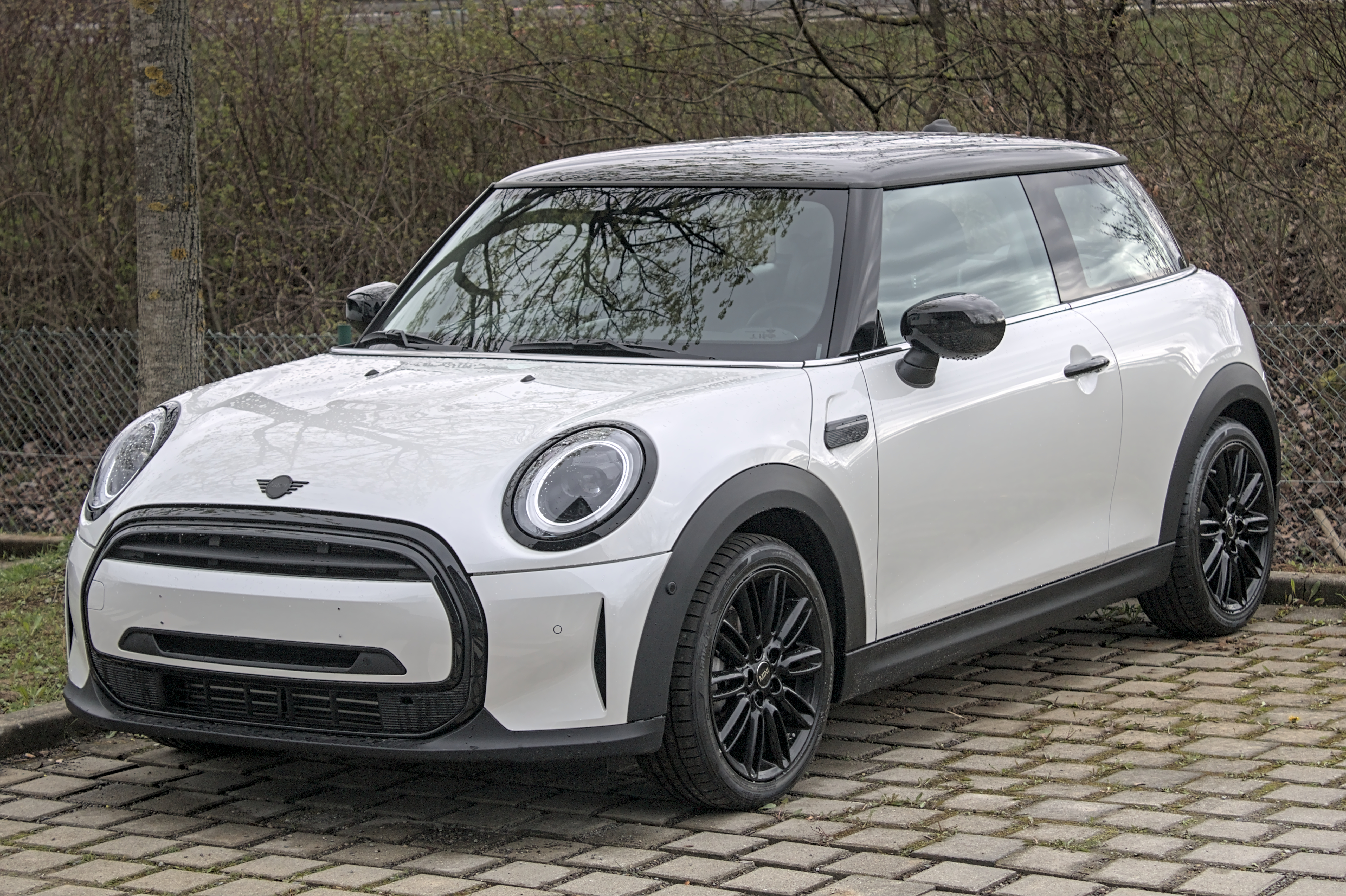
F56 Mini
"Do you know what? I really like an F56 Mini. Then like the newer one."
The F56 Mini is a Mini hatchback from a specific generation. It’s popular because it’s small and feels fun and nimble to drive.
The “F56 Mini” is the Mini hatchback in the F56 generation, which is often chosen for its go-kart-like steering feel and compact size. Here, Ivan says he really likes the F56 Mini as a potentially cheaper, fun alternative to the BMW he’s saving for.

Audi RS3
"[2250.2s] Do you know what I really like? [2251.5s] Genuinely. [2252.2s] I think they're great cars. [2253.5s] Audi RS3. [2255.0s] The five cylinder or a TTRS."
The Audi RS3 is a fast Audi hatchback/sedan (depending on market) built for driving fun. The big deal is its 5-cylinder turbo engine, which sounds and feels different from most 4-cylinder cars.
The Audi RS3 is a high-performance compact that’s especially known for its 5-cylinder turbocharged engine. In this segment, the host highlights that “five cylinder” character and the way it delivers strong, engaging power.

TTRS
"[2253.5s] Audi RS3. [2255.0s] The five cylinder or a TTRS. [2257.5s] A TTRS. [2258.8s] They're so good. [2259.9s] I love those engines."
The TTRS is an Audi performance version of the TT. It’s famous for its 5-cylinder turbo engine, and in this discussion the host says it’s one of the only ways to get that engine with a manual transmission.
The Audi TTRS is known for using the same distinctive 5-cylinder turbo engine family discussed for the RS3. Here, the host also points out a key enthusiast detail: the TTRS is the only platform where you can get that engine with a manual gearbox.
five-cylinder turbo
"[2260.0s] They're so good. [2261.6s] The five cylinder turbo in those. [2264.3s] Yeah. [2265.1s] Amazing engines. [2266.9s] And the TTRS is the only platform that you can get that engine"
This means the car has a 5-cylinder engine, and it uses a turbo to make more power. The turbo helps the engine feel punchier, and the 5-cylinder layout gives it a different character than most turbo cars.
“Five cylinder turbo” refers to an engine with five cylinders that’s boosted by a turbocharger. Compared with the more common 4-cylinder turbo setup, the extra cylinder changes the engine’s sound and how power is delivered.
manual transmission
"[2264.3s] Yeah. [2265.1s] Amazing engines. [2266.9s] And the TTRS is the only platform that you can get that engine [2269.8s] with a manual gearbox if you wanted a manual."
A manual gearbox is when you choose the gears yourself using a clutch pedal and a stick. The host is saying that, for this specific engine, the TTRS is one of the only cars where you can still get it with a manual.
A manual gearbox is a transmission where the driver selects gears using a clutch pedal and gear lever. In this segment, it’s used as a differentiator because the host claims the TTRS is the only platform that can be had with the 5-cylinder turbo engine plus a manual.
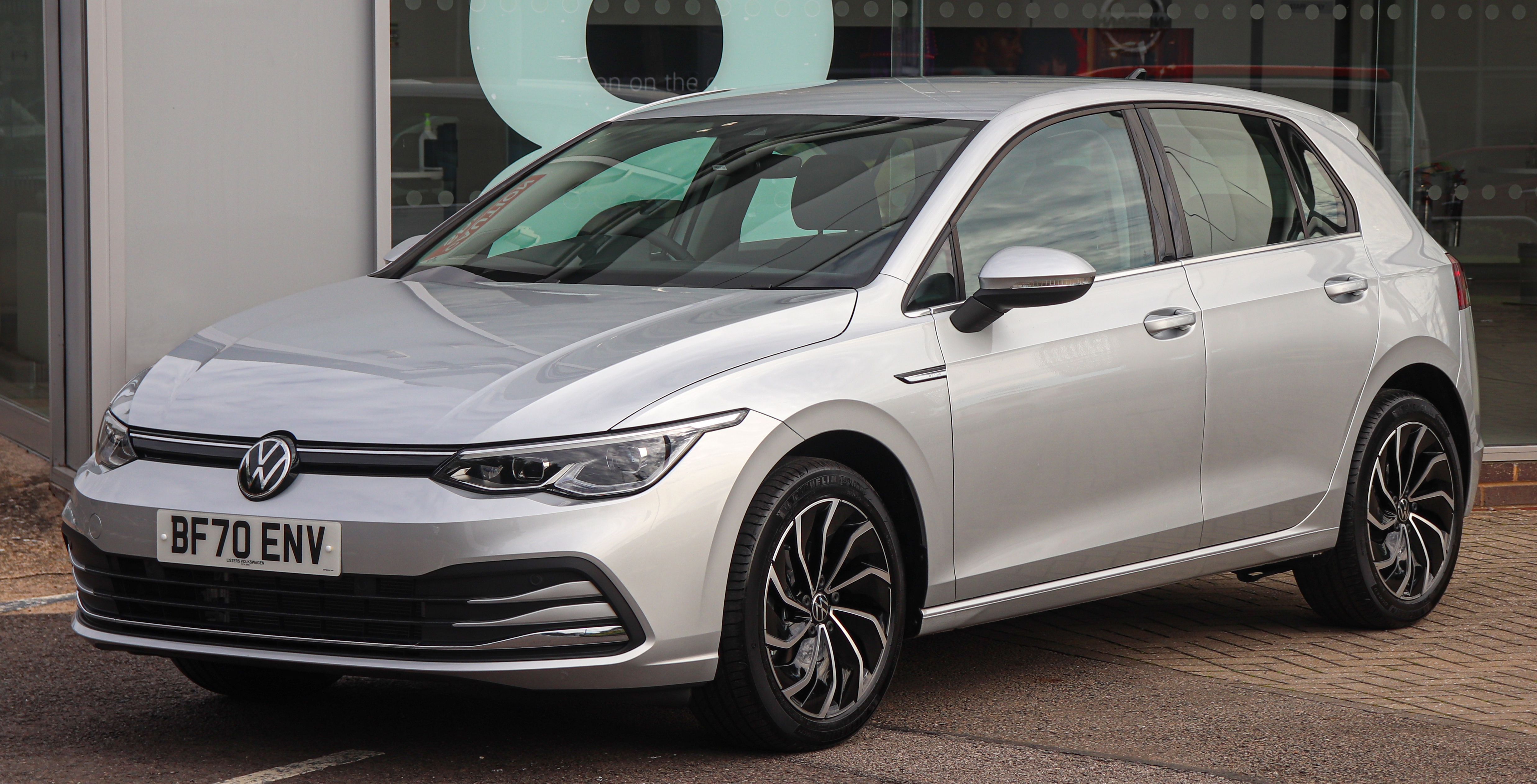
Volkswagen Golf Gti
"Bit boring. Golf GTI. Golf GTI is a great car."
The Volkswagen Golf is a common compact car. The Golf GTI is the sportier version, made to feel more exciting to drive. The podcast calls the GTI a great car, meaning it’s a well-liked performance trim.
The Volkswagen Golf is a widely known compact car line, often used as a benchmark for everyday practicality. In the podcast, the Golf GTI is singled out as a “great car,” which points to the performance-oriented GTI variant within the Golf family. It’s mentioned because the GTI is a popular choice for drivers who want more fun than a standard Golf.
virtual dash
"[2281.1s] Mark 7.5 because they've got the virtual dash [2283.9s] and they've got the nice headlamps on them."
A “virtual dash” means the speedometer and gauges are shown on a screen instead of classic dials. It often lets you change what information you see.
A “virtual dash” is a digital instrument cluster where screens display speed, engine info, navigation, and driver settings instead of traditional analog gauges. It’s a common modern upgrade that can make the cockpit feel more configurable and high-tech.
pan roof
"And you can get them with a pan roof. [2287.5s] And I love that. [2289.4s] What do they call it?"
A “pan roof” is a panoramic sunroof/glass roof. It lets more light into the cabin and can make the car feel roomier inside.
A “pan roof” here refers to a panoramic roof—an extended glass roof section that typically covers much of the cabin. It increases natural light and can make the interior feel more open.
Tartan
"[2293.2s] Oh, yeah, the tartan. [2294.5s] Tartan. [2295.1s] That's it."
“Tartan” here means a specific patterned fabric look inside the car. The host is saying the interior has that distinctive checkered/tartan style.
“Tartan” is a patterned fabric/trim design associated with certain Volkswagen GTI interior themes. In this context, it’s being used to describe the distinctive checkered interior look the host likes.
radar cruise control
"[2296.8s] Also, a lot of them come with radar cruise control [2299.0s] as standard as well. [2300.1s] Oh, that is fancy."
Radar cruise control is cruise control that “watches” the car in front using radar. It can automatically slow down and keep a safe distance instead of just holding a fixed speed.
Radar cruise control is an adaptive cruise system that uses a radar sensor to maintain a set distance from the car ahead. Unlike basic cruise control, it can automatically slow down and speed back up to match traffic.
TTRS
"[2301.6s] And quite flashy. [2302.5s] I do like the TTRS though. [2304.3s] They are such fantastic engines, those five parts."
The Audi TTRS is the high-performance TT. The host is basically saying it has a really great engine and feels special to drive.
The Audi TTRS is a performance-focused version of the TT, built around a turbocharged engine and a sport-tuned chassis for sharper handling. Here, the host calls out its engine character as a big reason they’d consider it.

A45 AMG
"[2304.3s] They are such fantastic engines, those five parts. [2306.5s] I would rather have one of those over an A45 AMG. [2309.9s] Yeah, agreed."
The Mercedes A45 AMG is a fast, sporty version of the A-Class. The host is saying they’d rather have that Audi’s setup than this Mercedes.
The Mercedes-Benz A45 AMG is a compact “hot hatch” variant known for its high-output turbocharged engine and aggressive performance tuning. The host compares it directly against the Audi TTRS, implying they prefer the TTRS’s engine feel.
mega spec
"[2320.7s] The ride's a bit choppy. [2322.0s] But equipment wise, you can get them with mega spec. [2325.4s] Get them keyless, adaptive matrix headlamps,"
“Mega spec” just means the car is optioned up with lots of features. Here, it’s saying you can buy it with a big bundle of tech and comfort items.
“Mega spec” is enthusiast slang for a very highly optioned trim level—meaning the car is loaded with features. In this context, it’s describing getting the Z4 with lots of comfort and lighting tech.
adaptive matrix headlamps
"[2322.0s] But equipment wise, you can get them with mega spec. [2325.4s] Get them keyless, adaptive matrix headlamps, [2328.2s] pan roof, heated seats, the lot."
Adaptive matrix headlights are high-tech LED headlights that can adjust the light pattern. They help you see better at night without blinding oncoming or nearby drivers.
Adaptive matrix headlamps use an array of LEDs that can change which sections are lit, based on steering angle, speed, and traffic. The goal is to improve visibility while minimizing glare to other drivers.
keyless
"[2322.0s] But equipment wise, you can get them with mega spec. [2325.4s] Get them keyless, adaptive matrix headlamps, [2328.2s] pan roof, heated seats, the lot."
Keyless means you can unlock and start the car without putting the key in a slot. You just carry the fob and the car detects it.
Keyless entry/start systems let you unlock and start the car without physically inserting a key. They typically use a fob that communicates with the car when you’re nearby.
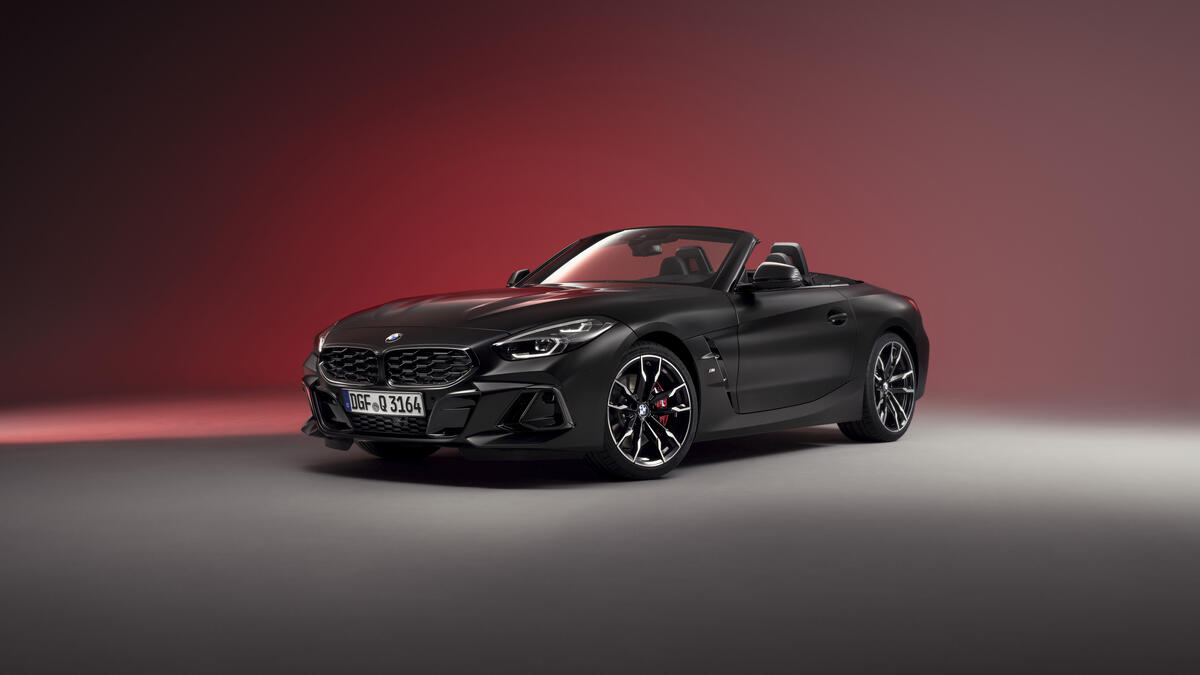
BMW Z4
"[2328.2s] pan roof, heated seats, the lot. [2330.2s] A Z4. [2332.0s] Z4's a..."
BMW’s Z4 is a sporty two-seat car (a roadster/coupé). The speaker is saying later Z4s feel less special and more “grand touring” than the earlier ones.
The BMW Z4 is a two-seat roadster/coupé from BMW, known for its sporty, driver-focused feel. In this segment, the host is comparing different Z4 generations and how refined and “GT-like” they feel versus earlier versions.
miles
"It's 20-odd years old, and it's done 140,000 miles. ...I've done 3,900 miles in that car. That's pretty good going, actually."
Miles means how far the car has been driven. More miles usually means more wear, but what matters most is whether it was maintained well.
“Miles” here is the odometer reading—how far the car has been driven. In used-car conversations, higher mileage can correlate with more wear, but it’s only meaningful when paired with maintenance history and how the car was used.
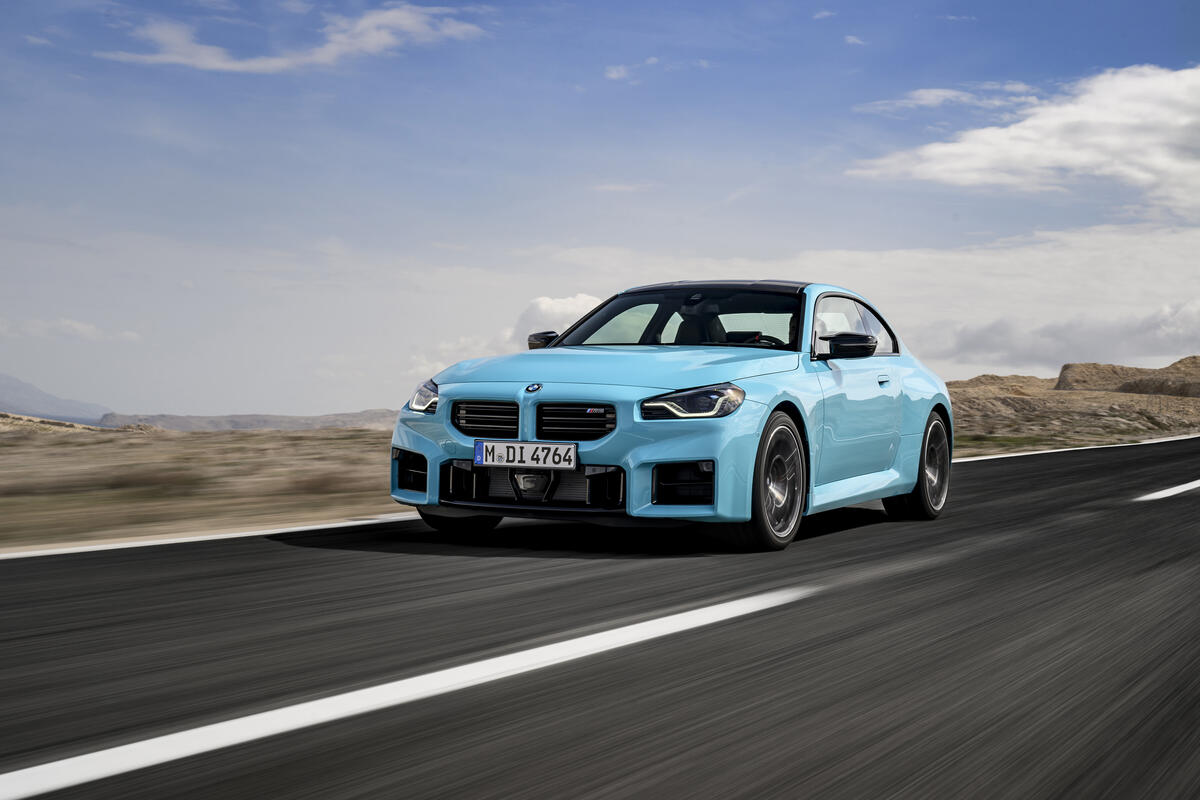
BMW M2
"I still think, and you two... M2. If you pay a little bit more money than an M2 fo..."
The BMW M2 is a sporty BMW with performance upgrades compared to regular 2 Series cars. It’s meant to be more fun to drive and more focused on handling. The podcast mentions it in a money/value context.
The BMW M2 is a smaller, more compact performance BMW, positioned as a sportier alternative to larger M models. It’s discussed in terms of pricing versus an “M2,” implying the conversation is about value and what you get for the money. Because it’s an M-badged car, it’s typically associated with stronger performance and more track-oriented hardware than standard models.
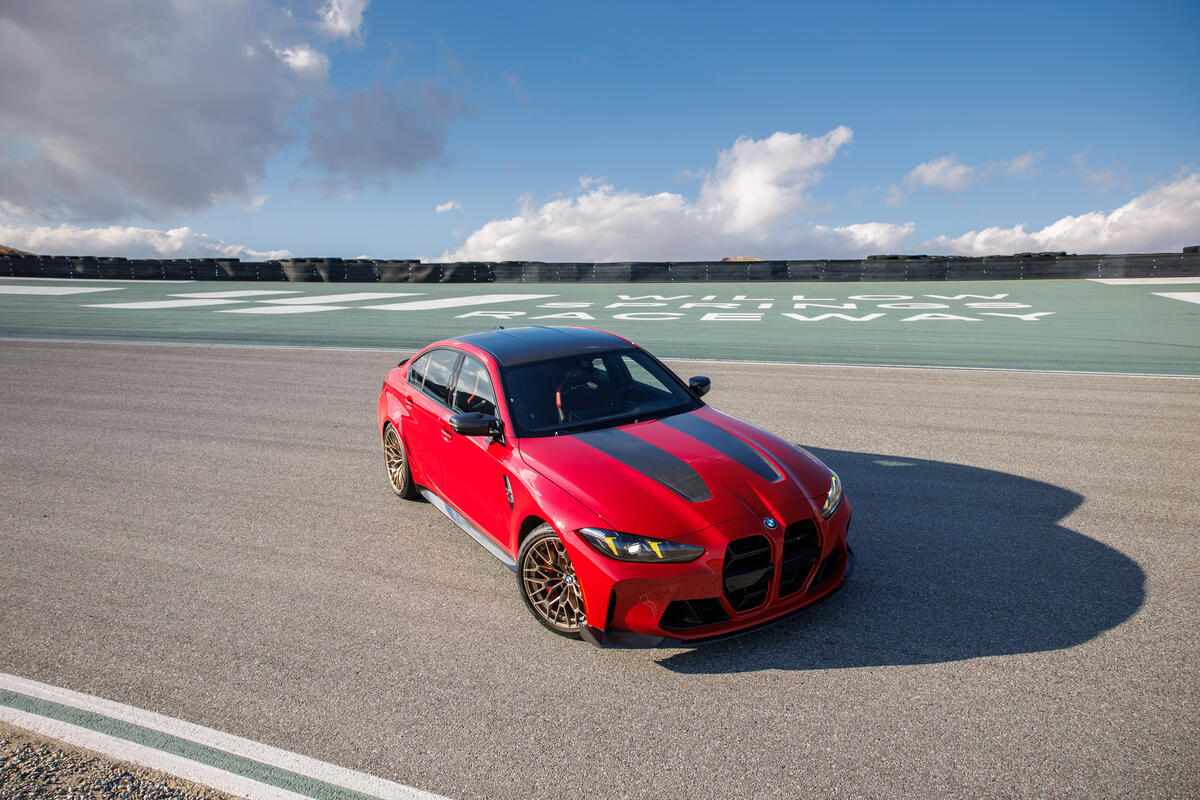
M3 Touring
"So let me just open my phone. Yeah. We have, let's start it off with a good bit of news. The M3 Touring is coming back."
This is the BMW M3, but in a wagon/estate body style. The hosts are saying BMW is bringing it back, and that it’ll be a gas (petrol) model rather than a hybrid.
The BMW M3 Touring is a performance wagon version of the M3, combining BMW’s M3 sports-car hardware with a practical estate body. In this segment, the hosts say it’s “coming back” due to strong sales in China and the US, and they specifically mention it returning as a petrol-powered model.
big grills
"It's because of the big grills. They like the big grills. They like the grills, yeah."
“Grills” means the front grille area on the car. They’re saying buyers in those markets seem to like the bigger, more aggressive look.
“Grills” here refers to the front grille opening(s) on the car’s nose, which can be styled to look larger and more aggressive. The hosts claim that this design choice is a key reason the M3 Touring sold well in China and the US.
petrol-powered
"So it will be coming back as another petrol powered... Wow, that is good news."
“Petrol powered” just means it runs on gasoline. They’re saying this version is expected to be gas-only, not a hybrid.
“Petrol powered” means the car’s main propulsion uses a gasoline engine. In the context of this episode, the hosts are contrasting it with the common expectation that new performance models would be offered as hybrids.
hybrid
"Will it be a hybrid? No, they're just saying ice. So usually they would say hybrid."
A hybrid uses both a gas engine and an electric motor/battery to help move the car. The hosts are saying this one isn’t being described as a hybrid.
A hybrid vehicle uses more than one energy source—typically a gasoline engine plus an electric motor and battery. The hosts note that manufacturers usually mention “hybrid” when that’s the plan, but here they’re saying it’s not being positioned that way.
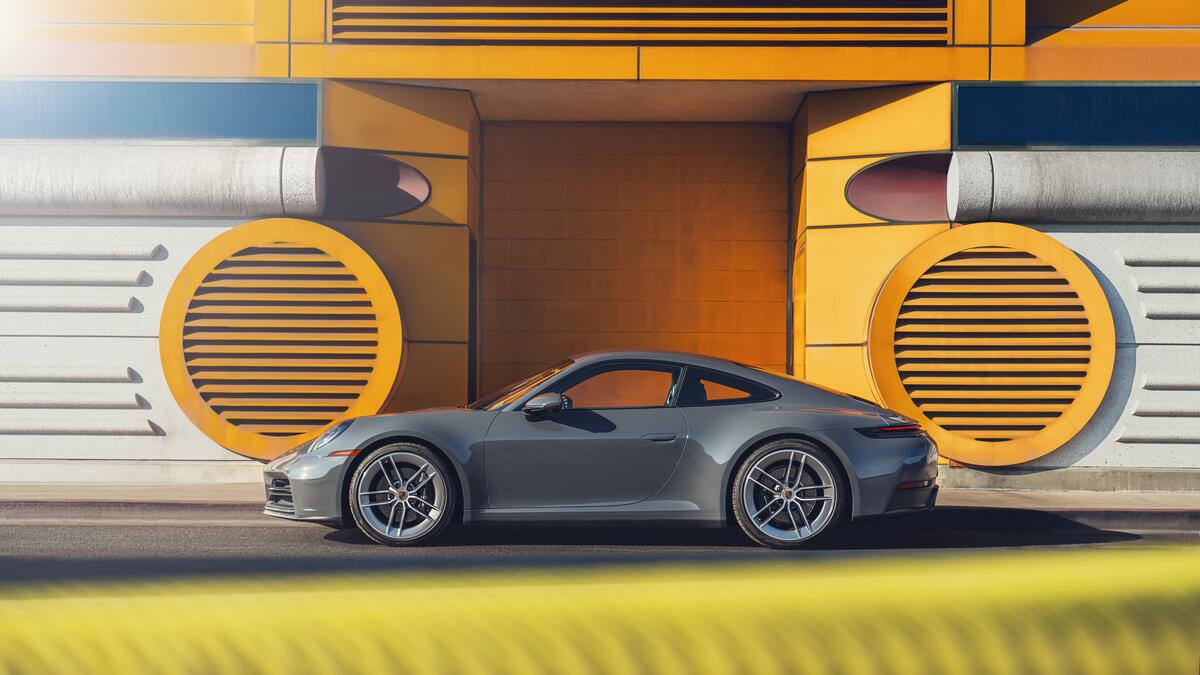
Porsche 911
"So there was plans for the Porsche 911 to be, well, I think they were going to do an electric version of it. What, additionally to ICE?"
The Porsche 911 is Porsche’s famous sports car. It’s usually powered in a traditional way, but here they’re talking about what it would be like if Porsche made an electric version instead.
The Porsche 911 is a rear-engine sports car known for its distinctive layout and handling balance. In this segment, they discuss the idea of an electric Porsche 911, which would be a major change from the traditional setup.
electric version
"So there was plans for the Porsche 911 to be, well, I think they were going to do an electric version of it. What, additionally to ICE?"
“Electric version” means the car would run on electricity from a battery, not gasoline. That usually changes where the power components go inside the car.
An electric version means the car would use electric motors and a high-voltage battery instead of relying on an internal-combustion engine. For a model like the Porsche 911, that would also force big changes to packaging and drivetrain layout.
ICEs
"What, additionally to ICE? Yeah, or there was, I think it was at one point they were even talking about replacing it."
ICE is the normal gas or diesel engine that burns fuel. They’re comparing that to an electric setup.
ICE stands for internal combustion engine, meaning a gasoline or diesel engine that burns fuel to make power. The discussion contrasts ICE with electric powertrains for the same model.
rear-motored
"A rear-motored electronic Porsche 911 would be bad. It would be a lot of people disagreeing with it."
“Rear-motored” means the electric motor is in the back of the car. Where the motor sits can change how the car grips and handles.
“Rear-motored” describes an electric drivetrain where the motor(s) are placed at the rear of the car. That layout can strongly affect traction and weight distribution, which is why the hosts call out how controversial an electric Porsche 911 would be.
scrapping a lot of the electric stuff
"Porsche basically decided that they've got too many models and their line-ups too complex. So they're just scrapping a lot of the electric stuff."
They’re saying some car companies may stop or scale back their electric plans. The reason is usually money, rules, or not enough customer demand.
This refers to automakers backing away from planned electrification programs, often due to regulatory pressure, costs, or market demand. The segment frames it as a strategic retreat rather than a technical failure.
take the hit and the fines
"I think a lot of manufacturers are now just going to go, we'll just take the hit and the fines on selling non-electric vehicles. But then, right, how do you think it's going to go?"
They’re describing a strategy where a company pays penalties instead of changing everything right away. It’s basically a “pay the cost” vs “do the expensive fix” decision.
“Take the hit and the fines” describes a business strategy where manufacturers accept financial penalties rather than fully meeting regulatory targets (here, related to selling non-electric vehicles). It’s a cost-vs-compliance tradeoff.

Byd Seal
"I agree. I saw a BYD seal today and I was like, that's a very good looking ..."
The BYD Seal is an electric car (it runs on electricity). It’s a sedan, meaning it’s a normal-style passenger car body. The podcast mentions it because someone thinks it looks especially good.
The BYD Seal is an electric sedan from BYD, designed to look modern and drive like a typical passenger car rather than a specialized EV. The podcast context focuses on its appearance, calling it “very good looking,” which is often part of how EVs are discussed alongside performance and features. It’s mentioned because it’s a notable new EV model people are seeing on the road.
Morgan
"And Morgan are developing a new car. [2716.9s] Electric car?"
Morgan is a car brand from the UK that makes distinctive sports cars. The host is saying Morgan is working on a new one.
Morgan is a British sports-car brand known for small-batch, traditional-style engineering and distinctive designs. Here, the host says Morgan is developing a new car, which frames it as a noteworthy brand update rather than a generic model refresh.
coupé
"It's a new coupé car for the first time in a while. [2720.7s] Do you know what?"
A coupé is a type of car body style, usually with two doors and a sporty-looking roof. The host is using the term to describe the new Morgan’s design.
A coupé is a body style typically defined by a two-door layout and a more fixed, sporty roofline compared with sedans or convertibles. In this segment, the host uses it to describe Morgan’s upcoming new car shape.
Bistra
"but I went to Bistra a couple of months ago and they had a little stand there."
Bistra is the place the host went to see a display and talk about the cars. It’s mentioned as the location where they encountered the Morgans stand.
Bistra is referenced as a location the host visited, where a stand was set up for the Morgans. In this segment it functions as the real-world place tied to the car display and factory visit discussion.
B58s
"And the specs as well. They use B58s in them and ZF8s."
“B58” is the name of a modern BMW engine. It’s a turbocharged six-cylinder, and the point here is that these Morgans use a contemporary BMW engine.
“B58” refers to BMW’s B58 inline-six turbocharged engine family. Saying the Morgans use “B58s” means they’re using a modern, high-performance BMW powerplant rather than an older naturally aspirated setup.
ZF8
"They use B58s in them and ZF8s."
“ZF8” refers to a ZF 8-speed automatic gearbox. The host is basically saying the car uses a modern transmission with eight gears.
“ZF8” is shorthand for ZF’s 8-speed automatic transmission. In this context, it highlights that the car’s drivetrain is modern and likely to be smooth and efficient compared with older multi-gear automatics or manual-only setups.
restomod
"I can imagine they're actually really good cars, and they look like a proper Resto mod car."
A restomod is an older-looking car that’s been updated with newer technology. The idea is to keep the classic style, but make it drive and work like a modern car.
A restomod is a car that keeps the look and vibe of a classic, but updates it with modern engineering—often including newer engines, transmissions, brakes, and electronics. The host is saying the new Morgans feel like a restomod because they combine retro styling with modern components.
factory
"I can imagine they're actually really good cars, and they look like a proper Resto mod car. I've been to the factory. Have you? It's really cool."
They’re talking about visiting the car maker’s factory. It’s part of the story of why they think the new cars are interesting.
The hosts discuss visiting the Morgan factory, which is used to add credibility and excitement about the brand’s new models. This is a narrative beat about firsthand access rather than a technical deep dive.
pin and farina design
"Do you want to have a look at their new coupé? Go on. Which I believe, yeah, it's a pin and farina design."
Pininfarina is an Italian design company that helps design the look of cars. The host is saying the Morgan coupe’s styling was done by them.
“Pinifarina” (spelled here as “pin and farina”) refers to Pininfarina, an Italian design house known for shaping the look of many famous cars. The host is crediting Pininfarina for the styling of the new Morgan coupe.

BMW Straight 6
"It's going to have a BMW Straight 6 with 335 horsepower. That's a B58, then, isn't it?"
A “straight 6” means the engine has six cylinders in a single row. Alex is saying the car will use a BMW-style inline-six engine.
A “straight 6” is an inline-six engine layout, meaning six cylinders arranged in a single line. Alex is specifically attributing it to BMW, which is known for using inline-six engines like the B58 in many modern models.

BMW 335
"...ow that. It's going to have a BMW Straight 6 with 335 horsepower. That's a B58, then, isn't it?"
A BMW 335 is a BMW 3 Series model that’s known for having a strong engine. In the podcast, they mention it uses a straight-six engine and talk about its power. They’re basically identifying what engine is in that BMW.
The BMW 335 refers to a 3 Series model rated around 335 horsepower in certain trims/years, and the podcast specifically mentions a “straight 6” and the B58 engine. The B58 is BMW’s well-regarded turbocharged inline-six used in multiple performance-oriented applications. It’s discussed because the conversation is about engine specs and what powertrain a particular BMW has.
Malvern Hills
"I'm happy that these small little companies are still going, and they're still creating. In the Malvern Hills."
The Malvern Hills are in England. Alex is just saying these small car companies are still based there and still making cars.
The Malvern Hills are a range in Worcestershire, England, and they’re referenced here as the location where these small companies are still operating. It’s a nod to the regional, local-manufacturer vibe rather than a technical automotive detail.

G-Class Gwagon
"Las Vegas, baby. I think we still need to sort out parts for the G-wagon. Oh, yeah, still waiting on the parts."
The G-Class, also called the G-Wagon, is a luxury SUV with a very recognizable boxy shape. It’s built to handle rough roads, not just city driving. The podcast mentions it because they’re waiting on parts to repair or maintain one.
The G-Class (often called the G-Wagon) is a rugged, boxy luxury SUV known for its distinctive styling and off-road capability. The podcast mentions waiting on parts for the “G-wagon,” which suggests an ongoing repair or maintenance job. It’s discussed because these vehicles can require specific parts and time when something needs fixing.
tyre
"Fitted a tyre. Brilliant. Fitted a tyre as well, yeah."
A tyre is the rubber part that touches the road. “Fitted a tyre” means they put a new/working tire on the car so it can drive again.
A tyre is the rubber contact patch that provides grip and controls how the car accelerates, brakes, and turns. “Fitted a tyre” means the car’s tire was replaced or installed to get it back on the road.
Request an Explanation
Heard something you'd like explained? We'll add it to this episode.
Sign in to request explanations for terms you heard.
Want to learn more?
Browse our glossary for plain-English explanations of automotive terms, jargon, and concepts.
Help improve this episode
See something that's not quite right? Our annotations are AI-generated and can sometimes miss the mark. Click the flag icon on any annotation to suggest a correction.