S2 Ep36: Buying The World's FASTEST Super Saloon, And Ferrari Have Gone MAD!
About this episode
Car chat kicks off with listener updates and quick project-car status checks, from getting a Mustang “back on the road” to re-commissioning an L322 Range Rover. The middle of the show turns into used-car detective work: RS4 buying, Nürburgring trips, and why CarVertical checks matter when mileage and history don’t add up. Later, the hosts tackle the “Ferrari Lucy”/super-saloon EV debate—pricing, depreciation, and design—and wrap with more build plans, including an SL560 refresh and a P38 reality check.
SIGN UP for a one pound per month Shopify trial at https://www.shopify.co.uk/autoalex
Use code ALEXCAST for 20% off your next Car Vertical Report: https://www.carvertical.com/gb/landing/v3?utm_source=infl&a=AutoAlex&b=38b26e3a&voucher=alexcast

156 GTA
"probably also including my 156 GTA, which is a car that I don't really want to part with, [9.3s] but I don't use it enough."
This is an Alfa Romeo 156 GTA, a sportier version of the 156. The host is saying they like it, but they don’t use it as much as they should.
The Alfa Romeo 156 GTA is a performance-focused version of the Alfa Romeo 156, known for its sporty V6 and enthusiast appeal. In this segment, it’s mentioned as a car the speaker doesn’t want to sell, but admits they don’t drive it enough.
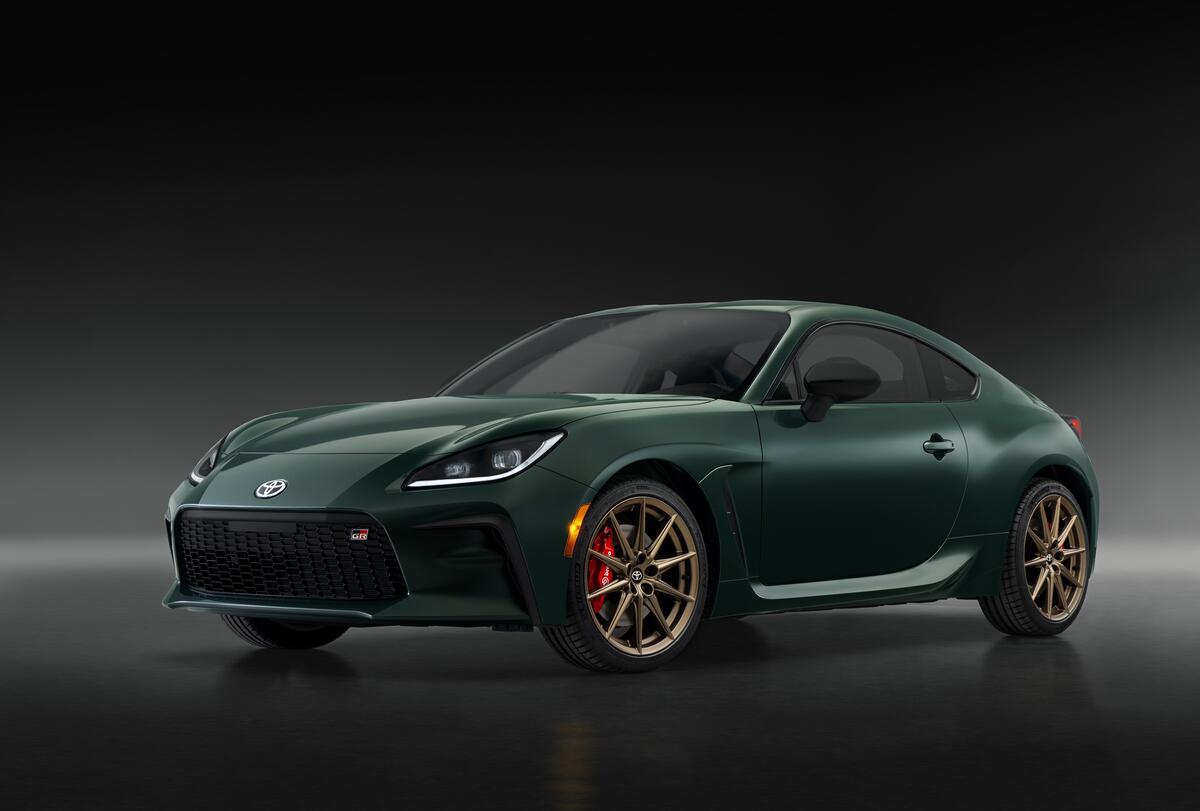
Toyota GR86
"Hello to Todd Harris, sitting on the ferry to go to Whidbey Island, [47.4s] listening to the podcast in his Toyota GR86."
The Toyota GR86 is a sporty Toyota coupe designed to be fun to drive. In this moment, it’s just the car Todd is listening from while he’s on the ferry.
The Toyota GR86 is a modern rear-wheel-drive sports coupe built for driver feel, using a naturally aspirated boxer engine and a lightweight layout. Here it’s used as a real-world example of a listener’s car while they’re traveling.

Hyundai Getz
"Miles listening in his super low mileage Hyundai Getz."
The Hyundai Getz is a small, everyday hatchback. The host is saying one listener drives one with very low mileage.
The Hyundai Getz is a small, budget-friendly hatchback that’s far from the supercar/super-saloon world the episode title hints at. The host mentions it to describe a listener’s “super low mileage” car, emphasizing how varied the audience’s vehicles are.

Mitsubishi Pajero
"...an intake manifold clean on his 383,000 kilometer Mitsubishi Pajero in Western Australia. We've got Lachlan listening..."

Range Rover
"Because the Range Rover content does really well. ... So yeah, another Range Rover video coming out. ... I love an L322."
A Range Rover is a luxury SUV from Land Rover. It’s famous for being comfortable on-road and capable off-road, and people love talking about them online.
The Range Rover is Land Rover’s flagship luxury SUV line, known for comfort, off-road ability, and a big, imposing presence. In this segment, the hosts are talking about why “Range Rover content” performs well and then specifically about an L322-era car.
Cobra and Nagaro buckets
"I've actually got some of my interior is almost complete now. I've gone for some Cobra and Nagaro buckets, but they're not. They're like street seats, aren't they?"
Bucket seats are supportive seats that wrap around you more than a normal car seat. Cobra and NAGARO make aftermarket seats people often fit into performance cars, and these sound like a more comfortable street-friendly version.
“Bucket seats” are deep, contoured racing-style seats that hold you in place during hard cornering. Cobra and NAGARO are aftermarket seat brands commonly used in track-focused builds, and the speaker is clarifying they’re more “street” versions than full-on race buckets.

RS4
"I've caught up on sleep and I'm ready for this RS4. So I got back to the UK. ... I went down and bought John's RS4 and it's a B7 Avant."
RS4 is Audi’s high-performance model based on the A4. Here, they’re talking about the B7-generation RS 4 wagon (“Avant”), which is the practical version with more cargo space than a sedan.
“RS4” refers to the Audi RS 4, a high-performance version of the Audi A4 line. In this segment, the host specifies it as a B7 Avant, meaning it’s the 2000s-era RS 4 wagon body style with the B7-generation platform.
chain
"It's had loads of mainsets. It's had a chain. It's had a clutch. It's got a clean car vertical report."
“Chain” here most likely refers to a timing chain replacement, which is a specific maintenance item on many modern engines. The host lists it alongside clutch and other work, implying the car has had key drivetrain-related wear items addressed.
clutch
"It's had a chain. It's had a clutch. It's got a clean car vertical report. It's got low owners as well."
The clutch is the part that helps you shift gears. If it’s been replaced, that usually means the car has already dealt with a common wear-and-tear item.
A “clutch” is the wear item that connects the engine to the transmission on manual (and some automated) setups. Mentioning that the RS 4 has had a clutch replacement suggests the car has already gone through a common ownership wear point.
car vertical report
"It's had a chain. It's had a clutch. It's got a clean car vertical report. It's got low owners as well."
A CarVertical report is like a background check for a used car. It can show things such as ownership history and other records to help you judge whether the car looks legitimate.
A “CarVertical report” is a vehicle history report that compiles data points like prior ownership and recorded events to help spot issues before buying. In this segment, it’s used as evidence that the RS 4 is “genuine” and has a clean history.
Nurburgring
"So much so that since buying it two weeks ago, [1195.8s] I've driven it to the Nurburgring twice. [1198.7s] So the first time you took it to the Nurburgring,"
The Nürburgring is a very famous race track in Germany. It’s known for being tough on cars, so if someone drives there, it usually means they’re really testing how well the car holds up under hard use.
The Nürburgring is a famous German racing circuit used as a benchmark for performance cars. Its long, demanding Nordschleife layout makes it a harsh real-world test for heat management, brakes, and drivetrain stress—so driving there twice shortly after buying a car is a serious use case.

E60M5
"I was going to take my E60M5, drain the oil out of it here, [1216.8s] because I was going to put some fresh motor oil in it. [1218.8s] Yeah."
This is a BMW M5 from the E60 generation. The speaker was preparing it for a big track event by changing the oil, but then noticed something in the oil that suggested a serious engine problem.
The E60 M5 refers to the BMW M5 generation built on the E60 5 Series platform. In this segment, the speaker planned to drain and replace the engine oil before taking it to the Nürburgring 24-hour event, but then found contamination that raised concerns about internal engine wear.
premature rod bearing failure
"And I found bits of glitter in the oil, [1222.6s] which is signs of premature rod bearing failure. [1226.1s] Oh, dear."
This is a serious engine warning. Rod bearings are small parts inside the engine that help moving parts slide smoothly; if they fail too early, metal can get into the oil. Finding glitter in the oil is a clue that the engine may be shedding metal from that area.
“Premature rod bearing failure” means the engine’s connecting-rod bearings are wearing out far earlier than expected. The speaker links glitter in the oil to this problem, because bearing material can shed into the lubrication system, which is a major warning sign for internal engine damage.
glitter in the oil
"[1228.9s] It's not running lumpy or anything like that, [1230.9s] but it has got glitter in the oil. [1232.4s] So I do need to strip it down at some point,"
If you see shiny “glitter” in the oil, it usually means tiny metal bits are getting into the oil. That can happen when parts inside the engine are wearing out, especially bearings.
“Glitter in the oil” usually means metallic particles are circulating in the engine oil. That often points to internal wear—commonly bearing material—so it’s a strong clue the engine needs inspection before further driving.
rod bearings
"[1236.8s] Get the sump off, check out the rod bearings, [1238.6s] replace them, run it in again, and then it will be good to go. [1242.4s] Yeah."
Rod bearings are small bearing surfaces inside the engine that help the crankshaft move smoothly. If they start failing, the engine can start shedding metal into the oil and can eventually seize or get badly damaged.
Rod bearings (connecting-rod bearings) support the crankshaft on each connecting rod and provide a smooth, low-friction surface. If they’re failing, you can get metal contamination in the oil and potentially catastrophic engine damage if you keep running it.
run it in again
"[1236.8s] Get the sump off, check out the rod bearings, [1238.6s] replace them, run it in again, and then it will be good to go. [1242.4s] Yeah."
After replacing parts like bearings, you usually don’t just hammer the engine right away. “Run it in again” means you drive it gently for a bit so the new parts settle and work correctly.
“Run it in again” refers to the break-in period after replacing internal engine components, especially bearings. The goal is to bring the new parts up to operating conditions gradually so they seat properly and oil film behavior stabilizes.
auto barn run
"[1242.8s] But I didn't want to take it because it would have blown. [1244.9s] It would have blown, yeah. [1245.8s] Because I also did an auto barn run,"
An “auto barn run” sounds like a high-speed test where you try to hit a specific top speed. The point here is that if the engine has problems, pushing it on a test run can cause major damage.
An “auto barn run” is a colloquial reference to a high-speed test run where a car is pushed hard to reach a target speed. In this context, the host is implying that attempting the run with a compromised engine could lead to severe failure (“imploded”).
Nürburgring
"I cleaned it. I checked the levels on it, and I drove it straight to the Nürburgring and back, and I had the best time."
The Nürburgring is a legendary race track in Germany. People use it to see how good a car is because it’s long, twisty, and challenging—so driving there is a big deal.
The Nürburgring is a famous motorsport circuit in Germany, best known for the Nordschleife (“North Loop”) with its long lap, big elevation changes, and relentless cornering. It’s a benchmark venue where drivers and automakers test how fast and how well a car really works under pressure.

Dacia Logan
"And, oh, it was just... And Dacia Logan's. And the Dacia Logan. Don't forget the Dacia Logan."
The Dacia Logan is a low-cost car model from Dacia. Here it’s mentioned because it shows up in the middle of a scene full of much flashier cars.
The Dacia Logan is a budget-focused sedan/hatchback family from Dacia, designed to be simple and affordable. The host contrasts it with supercars like Lamborghinis and Mustangs, making the Logan’s presence feel especially surprising.
Max Verstappen
"And Max Verstappen as well. ... with Max Verstappen in it. ... we were just stood next to him for about 10 minutes."
Max Verstappen is a famous race car driver in Formula 1. The host says he was standing near him and didn’t realize it at first.
Max Verstappen is a top Formula 1 driver known for aggressive driving and multiple World Championships. The host describes being in a queue and realizing Verstappen was in a van next to him.

mini
"And I was supposed to take my mini. [1447.2s] You were, yes. [1448.6s] Which on the way home the night before going to the ring, [1451.8s] decided that it's heater matrix."
They were going to drive their Mini to the track. But it had a cooling problem that leaked coolant into the cabin, so it became undriveable.
The speaker’s “mini” refers to a Mini (the brand) that they planned to take to the Nürburgring. They describe a cooling-system failure that caused coolant to leak into the footwell, which is the kind of issue that can ruin a track trip.
heater matrix
"Which on the way home the night before going to the ring, [1451.8s] decided that it's heater matrix. [1453.7s] No longer wanted to be a heater matrix. [1455.9s] So, it leaked coolant all into my foot well."
The heater matrix is what warms the air inside the car using hot coolant. If it breaks, coolant can leak into the cabin—so the floor can get wet and you lose heat.
A heater matrix is the small heat exchanger inside the dashboard that uses engine coolant to warm the cabin. When it fails, coolant can leak into the car’s interior (like the footwell), often leaving a sweet smell and wet carpets.
laps of the ring
"And it's good, isn't it? [1490.5s] And I've done three laps of the ring in it. [1492.7s] You know, we are doing a company getaway to the Nurburgring."
A lap means one full trip around the track. “The ring” is a nickname for the Nürburgring, and doing several laps means you’re driving it hard more than once.
A “lap” is one complete circuit around a track, and “the ring” is shorthand for the Nürburgring circuit. Doing multiple laps is a way to measure how consistent the car is when you repeat hard driving rather than just doing a single run.

Bentley Continental GT
"which is why you bought the Bentley Continental GT as well."
The Bentley Continental GT is a luxury grand tourer. It’s meant to be both fast and comfortable for long drives.
The Bentley Continental GT is Bentley’s grand-touring luxury coupe, built around a powerful performance-focused engine and a heavy, comfortable ride. It’s a common “super saloon” style choice because it blends speed with high-end comfort and long-distance usability.
carbon intake
"I've been ordering a carbon intake for my RS4. ... And then Taylor ordered a carbon intake for his RS4."
A carbon intake is a carbon-fiber part that helps air get into the engine. It can make the car feel a bit more responsive and sometimes changes the sound, too.
A “carbon intake” is an intake system component (often the intake tube/ducting) made from carbon fiber. It’s typically chosen for weight savings and heat management, and it can also change airflow characteristics and sound.
exhaust
"I ordered an exhaust for my RS4, but you ordered yours after because you copied me."
An exhaust upgrade changes the parts that route gases out of the engine. It’s often done to make the car sound better and sometimes to help the engine breathe more freely.
An exhaust upgrade replaces or modifies parts of the exhaust system to change flow and sound. Depending on what’s installed, it can reduce backpressure, alter engine note, and affect how the car feels under acceleration.
centre resonator
"I've actually got an centre resonator that needs to go in today as well because it's a bit boomy."
A centre resonator is a part in the exhaust that helps quiet certain annoying tones. If the exhaust sounds “boomy,” replacing the resonator can smooth that out.
A “centre resonator” is a muffler-like exhaust component placed in the middle section of the exhaust. Resonators are used to reduce specific sound frequencies, so swapping one can make the exhaust less “boomy” without necessarily changing the whole system.

911 996
"Also, have I mentioned this? I bought a 911 996. But wait, I already have a 911 996, but this one's yellow"
A “911 996” is a Porsche 911 from the 996 generation. It’s a specific model era people talk about a lot because it feels different from earlier 911s and has its own set of quirks and upgrade paths.
“911 996” refers to the Porsche 911 from the 996 generation. It’s a widely discussed era because it’s the first 911 generation with a more modernized design language and different engine/packaging choices than earlier air-cooled cars, making it a popular target for upgrades and ownership debates.
Twin turbos
"Twin turbos. No, even cooler than that, even more trendy."
Twin turbos means the car has two turbochargers feeding air into the engine. More air usually means more power, so the car can feel quicker.
“Twin turbos” means the engine uses two turbochargers to force more air into the cylinders. That typically helps produce stronger acceleration and can improve responsiveness compared with a single turbo setup, depending on the design.
super charged
"It's super charged. It is super charged, I can feel that."
Supercharged means the engine has a device that forces extra air in. That extra air helps the engine make more power.
“Supercharged” means the car uses a supercharger—an engine-driven forced-induction device—to push extra air into the engine. This can boost power and throttle response, often with a different feel than turbocharging.
tillet bucket seats
"I have got tillet bucket seats for that car. Yeah."
Tillett bucket seats are racing seats that grip you better in aggressive driving. They’re shaped to keep you in place so you don’t slide around in corners.
Tillett bucket seats are aftermarket racing-style seats designed to hold the driver more firmly during hard cornering. They typically use a fixed, contoured shell (often with harness mounting points), which helps reduce movement compared with standard seats.
half cage
"I've got a half cage for that car. And I've got some fantastic apex wheels for that car"
A half cage is a partial roll-cage inside the car. It adds protection and helps the car feel more solid when you drive hard.
A “half cage” is a partial roll-cage setup—typically a welded framework that adds structural reinforcement around the cabin without covering the entire cage area. It’s commonly used to improve safety and chassis rigidity for track-focused builds.
apex wheels
"And I've got some fantastic apex wheels for that car that I bought yesterday as well."
Apex wheels are aftermarket wheels from the Apex brand. People buy them to improve how the car handles and to get a more track-focused setup.
“Apex wheels” refers to wheels from the Apex aftermarket wheel brand. Wheels like these are often chosen for track use because of weight, strength, and fitment options.
misfiring
"No, it's very lumpy. It's misfiring and it needs a manual gearbox. And it needs tuning."
Misfiring is when the engine doesn’t burn fuel smoothly in one or more cylinders. It can make the car run rough or feel jerky, and it usually needs troubleshooting to find the cause.
Misfiring means one or more engine cylinders aren’t burning fuel correctly at the right time. That can cause rough running (“lumpy” idle/acceleration), hesitation, and sometimes warning lights, and it often points to ignition or fuel/air delivery issues that need diagnosis and repair.
manual gearbox
"It's misfiring and it needs a manual gearbox. And it needs tuning. Yes."
A manual gearbox is the kind of transmission where you choose gears yourself using a clutch and a gear stick. The speaker is saying the car needs to be set up with that type of gearbox.
A manual gearbox is a transmission controlled by the driver using a clutch pedal and gear lever. In this context, the speaker is describing a car that currently doesn’t have the correct setup and “needs a manual gearbox,” which implies a swap or conversion to match the intended driving feel/spec.
tuning
"And it needs tuning. Yes. Speaking of Porsches though."
Tuning is adjusting how the car’s engine management is set up so it runs smoothly and drives the way it should. In this case, the speaker implies the car needs that adjustment to fix how it’s running.
In automotive use, “tuning” means adjusting engine and drivability settings—often via ECU calibration and/or hardware changes—to get the car running correctly and responding the way it should. Here, it’s paired with misfiring, suggesting the car’s current behavior needs calibration and/or setup work after mechanical issues are addressed.

Lotus Carlton
"[1963.1s] Is it Lotus Carlton? [1965.3s] It's a Lotus Carlton. [1967.4s] Is it? [1968.7s] No, I don't guys."
A Lotus Carlton is a very rare car that takes a normal big Opel/Vauxhall saloon and turns it into something much more performance-oriented. It’s remembered because it’s an unusual mix: a comfortable family-style car with Lotus driving feel.
The Lotus Carlton is a rare, enthusiast-focused variant built on the Opel/Vauxhall Carlton platform and tuned by Lotus. It’s notable because it blends a big, executive-car base with Lotus-style handling and performance tuning—so it’s a “super saloon” kind of idea rather than a typical Lotus sports-car recipe.
low mileage
"[1985.2s] So I got a message from someone saying, look, there's a Lotus Amiga in Hungary. [1990.1s] It's going for like 45,000 euros, really low mileage. [1993.3s] It's been off the road for X amount."
“Low mileage” means the car hasn’t been driven much. People like it because it usually suggests less wear, but you still have to check how well it was maintained.
“Low mileage” means the car has been driven relatively few miles/kilometers compared with similar cars. In buying decisions, it’s often treated as a proxy for less wear—though condition, maintenance history, and storage matter just as much.
off the road
"[1990.1s] It's going for like 45,000 euros, really low mileage. [1993.3s] It's been off the road for X amount. [1994.8s] And then we kind of jumped on it."
“Off the road” means the car hasn’t been used/registered for regular driving for a period of time. That can increase risk of issues like seized components, degraded fluids, and corrosion—even if the mileage is low.
MLT system
"And, you know, it could be that he is in hospital and he is ill. [2031.0s] I really hope he hasn't. [2032.4s] But many times when you want to go someone, [2035.1s] you just come up with an excuse of I'm in hospital or blah, blah, blah, blah. [2038.6s] So we think that's what's happened. [2039.8s] We also think that it's been a scam because it looked too good to be true. [2045.2s] I think I was calling scam quite early on. [2047.7s] And then Gabs managed to have a friend who I think has access to the hungry, [2052.6s] like MLT system, basically."
The “MLT system” sounds like a database that can show a car’s official history. In this case, it was used to check whether the car had actually been driven/registered recently, and it didn’t match the listing.
An “MLT system” here refers to an internal/industry vehicle records system used to check a car’s history—like whether it’s been registered, on the road, or otherwise active. The host uses it to verify that the car hadn’t been on the road since 2010, contradicting the ad.
high mileage
"Then I got a message from a man on Instagram that says, [2081.2s] Lotus Carlton with an insane amount of miles on it. [2084.5s] It's a very high mileage. [2085.8s] I know of one for sale that said to be the highest mileage one in existence."
“High mileage” just means the car has been driven a lot. That usually increases wear, and it can also help you spot when an online listing is lying about the car’s real history.
“High mileage” is a shorthand for how many miles/km a car has accumulated over its life, which can affect wear on components and the likelihood of needing repairs. In used-car scams, sellers may still advertise a car as if it’s been recently used or maintained, so mileage claims become a key credibility check.
super saloon
"And yeah, I can hopefully tomorrow get my dream super saloon. [2126.3s] And then we're going to do a few episodes on that as well."
A “super saloon” is basically a very fast luxury sedan. Think: a comfortable, everyday-friendly car that’s tuned to be seriously quick and fun to drive.
A “super saloon” is an enthusiast term for a high-performance luxury sedan—typically with big power, advanced chassis tuning, and a more upscale interior than a normal sports sedan. The idea is that it’s fast and capable like a sports car, but still comfortable and practical like a luxury car.

SL560
"Also my SL, SL560. [2186.2s] Yeah. ... So the SL has been with the team at SL shop in the Midlands, [2195.1s] and they've done an awful lot of work to that car. ... It's had a full gearbox rebuild."
“SL560” is a Mercedes-Benz SL model. They’re saying a shop has done big repairs—like rebuilding the gearbox and fixing parts in the engine—so it’s not just a quick refresh; it’s deeper mechanical work.
“SL560” refers to a Mercedes-Benz SL model with a 5.5-liter V8 (the 560 designation). In this segment, the host highlights major work done to it by SL shop, including a full gearbox rebuild and engine-related repairs, which makes it a meaningful example of how these cars are maintained and refreshed.
SL shop
"So the SL has been with the team at SL shop in the Midlands, [2200.2s] and they've done an awful lot of work to that car."
“SL shop” is the workshop the host says did the work on the Mercedes. They’re basically saying the car was in a specialist shop that handled the big mechanical repairs.
“SL shop” is the named workshop/team the host says worked on the SL560. It’s relevant because the segment attributes the car’s major repairs (gearbox rebuild, engine component replacement, brakes, and roof work) to this specific shop rather than to generic maintenance.
gearbox rebuild
"It's had a full gearbox rebuild. [2206.9s] They saved the engine because they noticed that the chain guides were non-existent."
A “gearbox rebuild” means the transmission was taken apart and fixed properly. That’s a big job, and it usually suggests the car needed more than normal servicing.
A “gearbox rebuild” means the transmission/gearbox was disassembled and repaired or replaced internally rather than just serviced. In this segment, it’s presented as a major job done to the SL560, which signals significant mechanical attention beyond routine maintenance.
rear calipers
"What else have they done? [2216.5s] New rear calipers, new roof like I mentioned."
“Rear calipers” are the parts that squeeze the brake pads against the rotors to slow the car down. Replacing them means the back brakes were refreshed with new hardware.
“Rear calipers” are the brake components that clamp the brake pads against the rotors at the back of the car. The host lists “new rear calipers” as part of the SL560’s refresh, which implies the braking system was upgraded or restored to proper function.
roof
"New rear calipers, new roof like I mentioned."
They also mention a “new roof,” which likely means the convertible top was repaired or replaced. That’s a specialized job compared with normal maintenance.
“Roof” is mentioned alongside “new rear calipers,” implying the SL560 also received replacement or refurbishment of its roof system. On Mercedes SL models, this typically points to work on the convertible top mechanism or roof components, which can be a specialized repair area.
front calipers
"New front calipers as well. Yeah, new front calipers."
Calipers are the parts of the brakes that clamp the brake pads onto the spinning brake discs. New calipers help the brakes work smoothly and reliably.
Front calipers are the brake components that squeeze the brake pads against the rotors to slow the car down. Replacing them is usually part of making sure braking feel and stopping power are consistent after wear or contamination.
Eurospec
"The American bumpers have been taken off. They're Eurospec now. I've got Eurospec front lights as well."
Eurospec means the European version of parts or settings. Here, it sounds like the car was updated so its bumpers and lights match what you’d expect on a European-spec car.
Eurospec refers to vehicle parts or specifications intended for the European market. In this context, switching from “American bumpers” to “Eurospec” implies the car’s exterior lighting/fitment and related compliance items were changed to match European equipment.

Chevrolet Nova
"...been using for their Lupo. He's going through the NOVA process, which is the vehicle import, basically, ..."
The Chevrolet Nova is an older American car model. People often talk about it because it’s a popular car to modify or import. In the podcast, it’s mentioned because they’re discussing the steps for importing vehicles.
The Chevrolet Nova is a classic American compact car that became well known in the muscle-car era and later as a popular platform for modifications and imports. In the podcast, it’s referenced in the context of a “NOVA process,” which is about importing vehicles. It’s discussed because the Nova is a recognizable model people seek when bringing cars into different markets.

G-Class Gwagon
"What like, like Mercedes G-Wagon. [2407.0s] Like, yeah, like a G-Wagon."
The “G-Wagon” is a Mercedes-Benz SUV famous for being tough off-road and looking very distinctive. People like it because it’s both rugged and luxurious.
“G-Wagon” is the common nickname for the Mercedes-Benz G-Class, a boxy, body-on-frame SUV known for off-road durability and a very upright stance. In enthusiast circles it’s also a status icon because it blends rugged hardware with luxury comfort.

Mustang
"How's your Mustang? [2435.6s] Has that got AC? [2437.0s] Aren't we going to Norway anyway?"
The Mustang is Ford’s famous American performance car. They’re just asking if it has air conditioning for the trip.
The Ford Mustang is a long-running American muscle car known for its V8 heritage and strong aftermarket support. In this segment it’s brought up as another car in their group-trip lineup, with a quick check on whether it has air conditioning.

F11 530D
"I was in the market for a new daily and had an itch for an F11 530D. [2575.8s] Good car."
This sounds like a BMW 5 Series from the F11 generation, specifically the 530d diesel. People often choose it as a daily because diesel engines can feel strong and efficient for commuting.
“F11 530D” refers to the BMW 5 Series (F11 generation) with a 530d diesel engine. The F11 5 Series is known for being a practical, long-distance “daily” with strong low-end torque from its diesel setup.
exported to South Africa
"and found that the vehicle had been exported [2604.3s] to South Africa for around four years,"
If a car was exported to another country, its paperwork and service history may be different from what you’d normally see locally. That can make it harder to confirm what the car has really been through.
Export history matters because a car that’s been shipped to another country may have different registration timelines, maintenance records, and potential damage history that won’t show up in a local-only check. It can also affect how easy it is to verify the car’s true background when buying used.

Audi A4 Avant
"Safe to say, I walked away and found myself a lovely B9 Audi A4 Avant for a better price [2633.4s] and arguably a better daily."
The Audi A4 Avant is the wagon version of the A4. It’s meant to be a practical everyday car with more room for stuff, and the host says it made more sense for daily driving.
The Audi A4 Avant is Audi’s wagon (Avant) version of the A4, built for practical daily use with a hatch-style rear and usable cargo space. In this segment, the host mentions switching to it as a better daily than the previously discussed car.
MOTs
"Because although UK, we have a very good system of tracking mileage through MOTs, other countries don't."
MOTs are the UK’s mandatory safety checks for cars. They also create records (including mileage), which makes it easier to spot inconsistencies compared with countries that don’t track it the same way.
In the UK, MOTs are the periodic vehicle inspections required by law for roadworthiness. The host points out that MOT records help track mileage in the UK, while other countries may not have comparable systems.
rolling back mileage
"Like there's realistically probably what's happened there as it's gone out, done a load of mileage [2662.9s] and then they've rolled it back close to the mileage [2664.7s] of when it entered the country and then gone back to the UK."
Rolling back mileage means someone changes the odometer so the car looks like it has driven less than it really has. The host is saying this can make a car seem “low-mile” when it isn’t.
“Rolling back mileage” is when a car’s odometer is altered to show fewer miles than it actually has. The host uses it to explain how a car could appear to have low mileage in the UK even if it was driven heavily abroad.

Porsche Panamera
"...her thought is in that sort of price bracket is a Panamera. Would love to hear your thoughts."
The Panamera is a Porsche sedan with four doors. It’s meant to be comfortable for daily driving but still feels sporty. In the podcast, it’s mentioned as a possible choice based on budget.
The Porsche Panamera is a luxury performance sedan that blends everyday comfort with Porsche-style handling and power. It’s often discussed because it offers a more practical four-door layout while still delivering sports-car performance. The podcast mentions it as a thought for someone in a certain price bracket.
throttle response
"The throttle response is fantastic. The valves open and you just put your foot down and get away."
Throttle response is how quickly the car “gets moving” when you press the gas. A good throttle response means it reacts fast and feels easy to control.
Throttle response is how quickly and how predictably the car reacts when you press the accelerator. In practice, it’s about the time between your foot movement and the engine/drive system delivering torque to the wheels.
valves open
"The throttle response is fantastic. The valves open and you just put your foot down and get away. It is so much fun."
In an engine, valves are like doors that control airflow. When you press the gas harder, the engine opens those valves more so it can breathe and make more power.
“Valves open” refers to the engine’s intake/exhaust valves moving to let air and exhaust gases flow. When the speaker says it happens as you “put your foot down,” they’re describing how the engine breathes more aggressively under higher load.
steering
"It's really urgent and the steering. I love the steering in them. They feel really sharp and direct."
Here, “steering” means how the car feels when you turn the wheel. A “sharp and direct” steering setup makes the car respond quickly to your inputs.
In this context, “steering” is being used to describe the car’s feel and responsiveness—how quickly it changes direction and how directly the driver’s inputs translate to the wheels. The speaker’s “sharp and direct” wording points to steering ratio/response and overall front-end behavior.
wing back seats
"Well, I've ordered one and I do like your wing back seats. I don't have wing backs in mine. I would like to get those."
Wing-back seats are a style of seat with pronounced side “wings” that wrap around the occupant. They’re often used to improve lateral support in spirited driving and can also change how the cabin feels and looks.

Audi R8
"Well, it's essentially got an R8 engine in it. Yeah, but if you look after it, I love it."
They’re saying the car uses an engine from an Audi R8. An R8 is a high-performance supercar, so using its engine usually means the car will feel very quick and special.
The speaker says the car is “essentially got an R8 engine in it,” meaning it uses Audi R8 powertrain hardware. The Audi R8 is known for its high-performance V10/V8 architecture, so borrowing that engine typically signals a serious supercar-level drivetrain.

BMW E46
"... probably just as much that I do also enjoy is an E46 M3. I really, really, really do love..."
The BMW 3 Series is a mid-size car that’s meant to be comfortable but still fun to drive. The podcast specifically brings up the E46 M3, which is a stronger, performance-focused version. They mention it because they really like that particular model.
The BMW 3 Series is a compact executive sedan that’s popular for balancing everyday usability with sporty driving dynamics. The podcast mentions an E46 M3, which is a high-performance variant of the 3 Series line, loved by enthusiasts for its character. It comes up because the 3 Series platform has a strong following and many memorable performance versions.
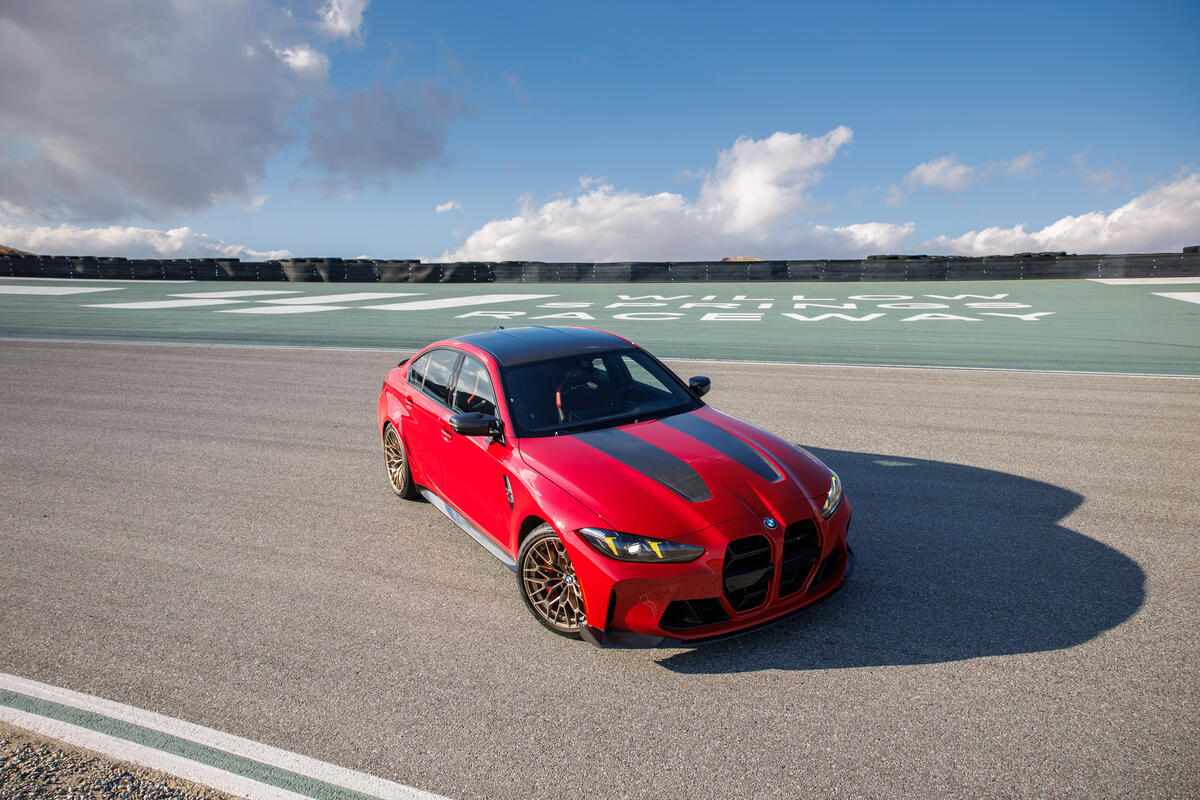
BMW M3
"probably just as much that I do also enjoy is an E46 M3."
The BMW E46 M3 is an older BMW performance model. It’s famous for a strong, rev-happy engine and a “driver’s car” feel.
The BMW E46 M3 is a 3 Series–based performance coupe/sedan from the late-1990s to early-2000s, known for its high-revving naturally aspirated inline-six and driver-focused feel. In enthusiast circles it’s often praised for steering/handling balance and the way it responds compared with more modern turbo setups.

Fiat Multipla
"What about Ferrari's? Multipla. Interesting choice of car."
The Fiat Multipla is a small car that’s designed to carry people and be practical. It looks very different from most cars, which is why people notice it. The podcast mentions it because someone thinks it’s an unusual but interesting pick.
The Fiat Multipla is a quirky, compact multi-purpose vehicle known for its unusual styling and practical interior layout. It’s often discussed because it stands out visually and is a conversation starter among car enthusiasts. In the podcast, it’s mentioned as an “interesting choice of car,” highlighting its distinct character.
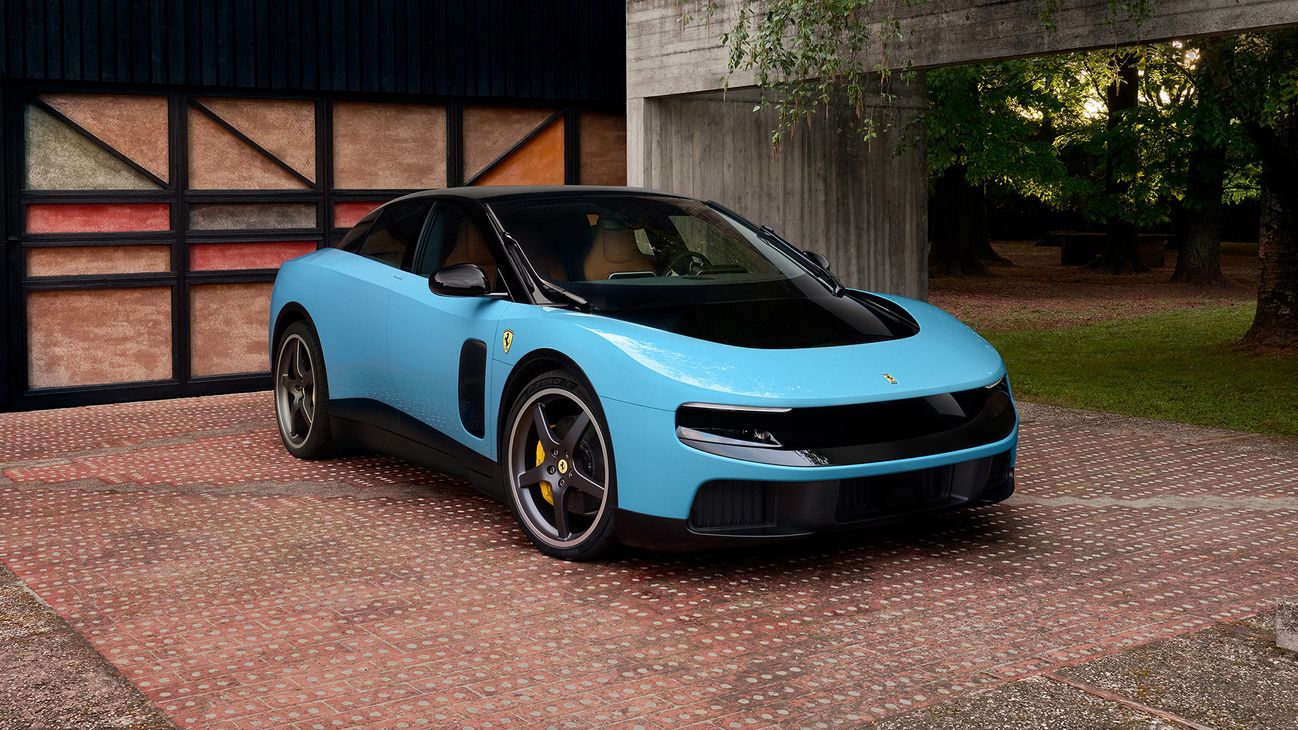
Ferrari Luce
"I would call it a Lucy. L-U-C-E. Lacher."
“Ferrari Luce” is a Ferrari model name that the podcast mentions. It’s being discussed as something interesting, but the details weren’t fully explained in the snippet provided. If you share more of the conversation, I can describe what it is more precisely.
“Ferrari Luce” appears to be a reference to a Ferrari model name mentioned in the podcast, spelled out as “L-U-C-E.” Without more context from the episode, it’s best understood as a Ferrari-related model being discussed as a point of interest. It’s brought up because Ferrari model names and future/rare references often spark conversation among enthusiasts.
all-electric vehicle
"“It's Ferrari's first all-electric vehicle, isn't it?”"
An all-electric vehicle is a car that uses electricity stored in a battery to move. It doesn’t have a traditional gas engine.
An all-electric vehicle (EV) runs entirely on electric motors powered by a battery, rather than using a gasoline or diesel engine. That changes how the car is packaged (more space for battery and less for engine components) and how it drives (instant torque, different thermal management).
Love From
"“...it's a four or five seater family vehicle that's designed by a company called Love From.”"
Love From is the design company mentioned as being behind the look of the Ferrari Lucy. The point is that it’s not a traditional in-house Ferrari design process.
Love From is referenced as the company that designed the “Ferrari Lucy.” In this context, it’s being used to explain why the car’s styling and branding might feel different from typical Ferrari design language.
Sir Johnny Ive
"“...co-founded by a man called Sir Johnny Ive, who is the man who designed the iPhone.”"
Sir Johnny Ive is a famous designer best known for his work on Apple products like the iPhone. Here, the host is saying he’s involved in designing this Ferrari EV, which is why it might look and feel different.
Sir Jonathan Ive (Johnny Ive) is described as co-founding Love From and as the designer behind the iPhone. The host uses that connection to argue that Ferrari Lucy’s design direction is influenced by a consumer-tech design background rather than purely automotive tradition.
electric car
"“...the biggest problem with it is it's an electric car and then rather than them being slightly different...”"
An electric car is powered by electricity from a battery. The host is saying a lot of EVs end up following the same design formula.
An electric car is a vehicle that uses electric motors powered by a battery. The host’s point is that many EVs end up looking or packaging themselves in a similar way, even when brands try to differentiate them.
aerodynamics
"which is design the vehicle for aerodynamics. And that is why if you look at most electric cars, they all look the same. Yeah. And that's because there's only really a few ways you can get around aerodynamics"
Aerodynamics is how the car moves through air. If the shape is slippery, it takes less energy to go fast, which can improve range and top speed.
Aerodynamics is how air flows around a car and how that affects drag and stability. For high-speed cars—especially EVs—reducing drag helps efficiency, range, and top speed.
torque
"1,035 horsepower, 8,500 pounds foot of torque when launch control is activated. 8,500 pounds foot."
Torque is the force that makes the car pull forward. More torque usually helps the car accelerate harder, especially when you start from a stop.
Torque is the twisting force the powertrain produces, and it strongly influences how quickly a car accelerates, especially from low speeds. In EVs, torque is available almost instantly, which is why torque figures are often tied to launch performance.
launch control
"1,035 horsepower, 8,500 pounds foot of torque when launch control is activated. 8,500 pounds foot."
Launch control is a mode that helps the car accelerate as fast as possible from a stop. It tries to keep the tires from slipping while the car puts down maximum power.
Launch control is a driver-assist mode that optimizes traction and drivetrain behavior for the quickest standing start. It typically manages torque delivery and wheel slip so the car can accelerate hard without spinning the wheels.
0-62
"Yeah. 0-62 in 2.5 seconds, which is slower than a Tesla Model S Plaid. Yeah."
0–62 is how fast a car can go from standing still to 62 mph. Lower time generally means quicker acceleration.
0–62 mph (often written as “0-62”) is a common acceleration benchmark measuring how quickly a car goes from a standstill to 62 mph. It’s a practical way to compare real-world launch performance between cars.

Tesla Model
"...Yeah. 0-62 in 2.5 seconds, which is slower than a Tesla Model S Plaid. Yeah."
The Tesla Model Y is an electric SUV. It runs on batteries instead of gasoline and can accelerate very quickly. The podcast mentions it while discussing how fast it is from 0 to 62 mph (or km/h, depending on the speaker’s units).
The Tesla Model Y is an all-electric compact SUV designed for everyday practicality with quick acceleration. The podcast compares 0–62 times and notes the Model Y’s performance relative to a Model S Plaid, highlighting how fast these electric cars can be. It’s mentioned because performance figures are a big part of how people evaluate electric vehicles.

Tesla Model S Plaid
"Yeah. 0-62 in 2.5 seconds, which is slower than a Tesla Model S Plaid. Yeah."
The Tesla Model S Plaid is a fast electric sedan. The hosts are comparing its numbers—like acceleration and range—to another EV to show how it stacks up.
The Tesla Model S Plaid is an all-electric performance sedan known for very quick acceleration and high power output. In this segment, it’s used as the benchmark for 0–62 mph time, range, and top speed comparisons against a “super saloon” EV.
top speed
"Yeah. 192 mile an hour top speed, 330 mile range, which is less than a Model S Plaid, price tag of 440,000 pounds, which is about 300,000 pounds more than a Tesla Model S Plaid."
Top speed is the highest speed the car can reach. It depends on things like power, cooling, and how much air resistance the car has.
Top speed is the maximum speed a car can reach under specified conditions. For EVs, it’s often limited by power, cooling, tires, and aerodynamic drag.
specs
"But because realistically, when you get down to an electric car, there's the only thing you're left to compare is not the, oh, what sound it makes, whatever, it's specs. And then you end up comparing both specs and you go, well, you just didn't do as good."
“Specs” are the measurable numbers about a car. The host is saying that with EVs, people end up comparing mostly those numbers instead of the emotional or sensory experience.
In car talk, “specs” refers to quantified performance and capability figures (like power, torque, acceleration, range, and top speed). The host’s point is that EV comparisons often become spec-only, instead of considering the driving “feel” people associate with traditional engines.
infotainment system
"It might have a nice infotainment system. It probably comes with Apple CarPlayer standards."
Infotainment is the car’s main screen and software for things like music, maps, and connecting your phone. It’s basically the “tech dashboard” you interact with while driving.
An infotainment system is the car’s combined interface for entertainment and information—typically a touchscreen plus apps, navigation, media, and phone integration. It’s a big part of the daily user experience in modern cars, especially EVs where the cabin tech is a selling point.
Apple CarPlayer
"It might have a nice infotainment system. It probably comes with Apple CarPlayer standards."
This sounds like Apple CarPlay—an iPhone feature that lets you use your phone’s apps through the car’s screen. It’s meant to make navigation and music easier while driving.
“Apple CarPlayer” appears to be a mis-transcription of Apple CarPlay, which is Apple’s in-car integration that mirrors compatible iPhone apps onto the car’s screen. It typically enables navigation, calls, messages, and music with a more driver-friendly interface.
Pirelli's
"It's Italian. It'll come on Pirelli's. Oh, all right."
Pirelli is a tire maker. Saying it’ll come on Pirelli tires means the car’s grip and handling will depend partly on that specific tire brand/model.
Pirelli is a tire brand, and “Pirelli’s” here refers to the car being equipped with Pirelli tires. Tire choice matters because it affects grip, ride comfort, noise, and how predictable the car feels during acceleration, braking, and cornering.
badge
"Is it just because of the badge? Oh, it'll be the badge."
“Badge” here means the logo on the car—like the brand name. The host is suggesting you might be paying extra mainly for the brand, not for better hardware.
In car talk, “badge” means the brand emblem/name on the vehicle—often used as shorthand for perceived prestige and pricing power. The host’s point is that the higher price may be driven more by branding than by additional technical value.

Yangwang Yang Wang U9
"... just surprised they didn't do something like the Yang Wang U9, or Y9, whatever."
The Yangwang U9 is an electric performance car. The podcast brings it up as an example of a bold, futuristic EV. It’s mentioned because people were discussing what kind of vehicle could have been made.
The Yangwang U9 is a high-performance electric vehicle from Yangwang, positioned as a flagship-style model. The podcast mentions it as an example of a futuristic, performance-focused EV concept, comparing the idea of what manufacturers might build. It’s discussed because the U9 stands out for its ambition and attention-grabbing presence.
massive wing
"[3574.3s] Oh, yeah, yeah, yeah. [3575.3s] Like with the massive wing. [3576.5s] Yeah, yeah, yeah, yeah."
That “wing” is a big spoiler. Its job is to push the car down onto the road so it sticks better when you’re going fast.
A “wing” on a car is an aerodynamic spoiler designed to create downforce. More downforce helps keep the car planted at speed, improving grip and stability—especially on fast, performance-oriented designs.
TD6
"I think realistically, if you want something to turn and do that, just go one newer, and just get an L32. Even if it's a TD6, they're not great,"
TD6 is a specific version of a Land Rover diesel engine. It’s not just “a diesel”—it’s a particular turbo-diesel setup, and that can affect how the car drives and what you need to watch for when buying one.
TD6 refers to a turbocharged diesel engine used in some Land Rover Range Rover variants (the “TD6” badge). It’s a specific powertrain designation rather than a generic “diesel,” and it matters because different engines can have different maintenance/driveability characteristics.
turbo oil feed
"And your B6 event is probably either a turbo oil feed, or the oil drain is blocked, which is why you keep blowing up your turbos."
The turbo oil feed is the oil line that keeps the turbo’s moving parts lubricated. If that oil supply is blocked or not flowing right, the turbo can overheat and break.
A turbo oil feed is the oil supply line that delivers pressurized engine oil to the turbocharger’s bearings. If the feed is restricted or contaminated, the turbo can overheat and fail, which is why the host links it to “blowing up your turbos.”
oil drain is blocked
"And your B6 event is probably either a turbo oil feed, or the oil drain is blocked, which is why you keep blowing up your turbos."
The turbo oil drain is how oil leaves the turbo after it does its job. If it gets blocked, oil can build up inside the turbo and cause it to fail.
The turbo oil drain is the return path that lets oil flow back out of the turbo after it lubricates the bearings. If the drain is blocked, oil can back up, increasing heat and pressure in the turbo and contributing to repeated turbo failures.
change of pipes
"Oh, okay, so look into that. It's a change of pipes, change of oil feed and drain pipes. And the turbo."
They’re talking about replacing the oil lines that connect the engine to the turbo. If those lines are clogged or leaking, the turbo may not get the oil it needs and can fail.
“Change of pipes” here means replacing the oil feed and oil drain plumbing that connects the engine to the turbo. On turbocharged engines, worn or blocked lines can starve the turbo of oil or prevent proper oil return, leading to turbo damage.

BMW X5
"Okay, if it's not an L32 too, what else? An X5? Can you get a KN for two grand?"
The BMW X5 is a luxury SUV. It’s designed for comfortable driving and everyday usability, with options for different engines. The podcast mentions it as something someone might consider, along with a possible modification.
The BMW X5 is a midsize luxury SUV known for a comfortable ride, strong engine options, and a driver-oriented feel. In the podcast, it’s brought up as a possible alternative, with a mention of “KN” for two grand, suggesting interest in a specific intake or upgrade. It’s discussed because the X5 is a common choice for people who want luxury plus practicality.
V8 GT cars
"the parts that we're working on, the V8s. V8 GT cars, yeah."
They’re talking about cars with a V8 engine and a “GT” style meant for fast, comfortable long-distance driving. A V8 is an engine with eight cylinders arranged in a V shape.
“V8 GT cars” refers to grand touring-style cars powered by a V8 engine. The V8 layout means eight cylinders arranged in a V shape, typically used for strong power and smooth cruising.
Request an Explanation
Heard something you'd like explained? We'll add it to this episode.
Sign in to request explanations for terms you heard.
Want to learn more?
Browse our glossary for plain-English explanations of automotive terms, jargon, and concepts.
Help improve this episode
See something that's not quite right? Our annotations are AI-generated and can sometimes miss the mark. Click the flag icon on any annotation to suggest a correction.