S2 Ep37: How To Look RICH On A Budget & Lotus Carlton UPDATE!
About this episode
The AutoAlex Podcast kicks off with dog-and-costume fun-run banter, then dives into “Ferrari Lucy” brand-identity debate and the question of “looking rich on a budget.” The hosts compare Aston Martins by attention-getting loudness, talk about a cursed Lotus Carlton purchase, and share project-car realities like Mini engine swaps, heater-matrix coolant leaks, and E46 injector waits. Later, they pivot to used-car due diligence (CarVertical), plus a mix of roadwork chaos, dyno surprises, and dream-car talk.
Use code ALEXCAST for 20% off your next Car Vertical Report: https://www.carvertical.com/gb/landing/v3?utm_source=infl&a=AutoAlex&b=38b26e3a&voucher=alexcast
SIGN UP for a one pound per month Shopify trial at https://www.shopify.co.uk/autoalex

Tesla Model
"...y back from Duxford Imperial War Museum in a 2021 Tesla Model 3 performance. We won't hold it against you that ..."
The Tesla Model Y is an electric SUV made by Tesla. It’s meant for regular driving, but it uses electricity instead of gasoline. People talk about it a lot because it’s one of Tesla’s most popular models.
The Tesla Model Y is a compact electric SUV built by Tesla, designed for everyday driving with an emphasis on electric power and modern tech. It often comes up in discussions alongside other Tesla models because it shares much of the same electric platform and driving experience. In a podcast context, it’s a common reference point for how Tesla’s lineup fits different body styles and budgets.

Tesla Model 3
"... from Duxford Imperial War Museum in a 2021 Tesla Model 3 performance. We won't hold it against you that yo..."
The Tesla Model 3 is an electric car made by Tesla. Instead of using gasoline, it runs on a battery. It’s a popular model, so it often shows up in conversations about electric cars.
The Tesla Model 3 is an electric sedan from Tesla that became a mainstream entry point to the brand. It’s frequently discussed because it combines everyday usability with electric performance and a large owner community. In the podcast context, it’s mentioned as the car used for a specific trip, highlighting real-world use.

Aston Martin DB11
"oh, no. But my dad took his DB11. Yeah."
The Aston Martin DB11 is a luxury sports car made by Aston Martin. It’s meant for comfortable driving over longer distances. The podcast mentions it because someone in the conversation has one in their family.
The Aston Martin DB11 is a grand tourer that’s positioned as a more modern Aston Martin compared with older DB models. In the podcast, it’s mentioned because someone’s dad drives a DB11, indicating it’s an owned, lived-with car rather than just a showroom curiosity. It’s discussed as part of a broader conversation about Aston Martin models and ownership.

Vantage
"But the Vantage, I was getting loads of people. I guess because it's loud as well. But loads of people were reacting to it."
The Aston Martin Vantage is a sportier Aston Martin than the DB11. It tends to get more attention, and in this story the host thinks it’s because it’s louder and more noticeable.
The Aston Martin Vantage is a performance-focused Aston Martin, typically known for being louder and more attention-grabbing than the brand’s more “grand touring” models. In this segment, the host contrasts it with the DB11, saying they got lots of reactions to the Vantage—likely because it sounds more aggressive.

Volkswagen XL1
"I went in, parked the RS4, next to a Volkswagen XL1. Do you know what that is? Oh, yeah. Really cool. The most fuel efficient vehicle. Yeah, with the doors that go up and it's all funny."
The Volkswagen XL1 is a very fuel-efficient hybrid car. It’s also known for its weird-looking doors that open upward, which is part of why people find it memorable.
The Volkswagen XL1 is a plug-in hybrid designed around extreme fuel efficiency, with a very aerodynamic shape. It’s famous for its unusual styling details—like the distinctive “up-and-down” doors—that make it stand out even when it’s not moving.

Audi RS4
"But anyway, I went in, parked the RS4, next to a Volkswagen XL1."
An Audi RS4 is a sporty, higher-performance Audi A4. It’s the kind of car people buy when they want something that drives nicely every day but still feels quick and fun.
The Audi RS4 is a high-performance version of the Audi A4, built for fast road driving with a more aggressive setup than the standard model. In enthusiast circles, it’s known for being a practical “daily” that still feels sporty and responsive.

Ferrari F40
"Went in, I went upstairs and I was greeted with a Ferrari F40. Really? About 22 and a bit million quids worth of car, realistically now."
The Ferrari F40 is a famous old-school supercar from Ferrari that people consider a classic. It’s known for being fast in a very dramatic, hardcore way—and it’s extremely expensive today.
The Ferrari F40 is a legendary 1980s supercar built around raw, analog performance and a no-nonsense approach. It’s especially notable for its iconic design and for being one of the most famous “last great” Ferraris of the era, which is why it commands huge prices.
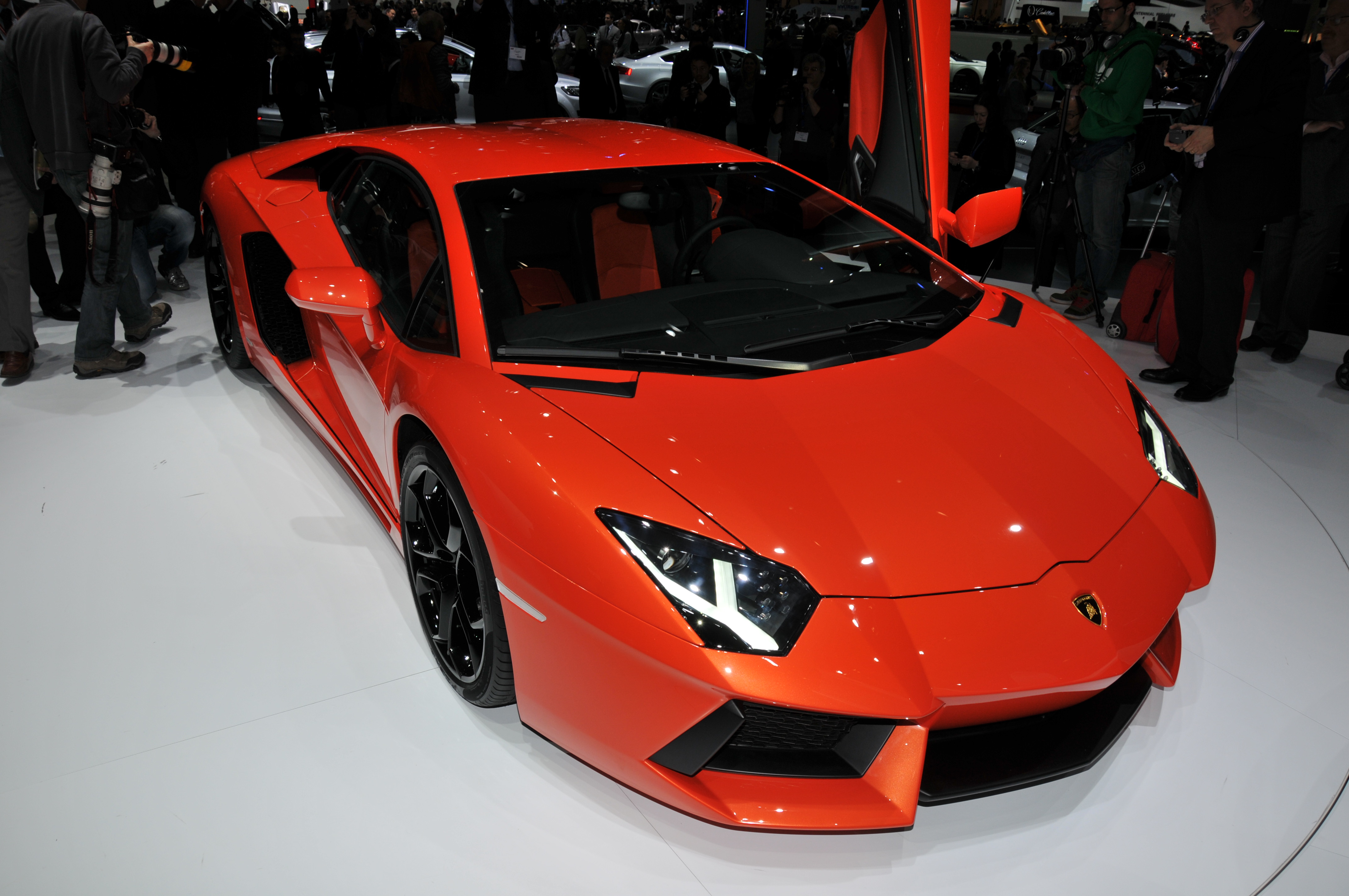
Lamborghini Aventador roadster
"It's a silver blue Lamborghini Aventador roadster with silver wheels. Okay. And it looks marvelous. How much is one of those worth?"
The Lamborghini Aventador is a very expensive, high-power supercar. A “roadster” version is basically the open-top (convertible) version, so it usually costs more and feels more special to drive.
The Lamborghini Aventador is a flagship supercar known for its high-performance V12 and dramatic styling. In roadster form, it’s a convertible version that trades roof structure for open-air driving, which typically makes it even more expensive than the coupe.
finance yourself up to your eyeballs
"I think at the moment Aventadors are a really good purchase. [1241.6s] I think the only way they will go is up. [1243.6s] You could do a William Chandler and finance yourself up to your eyeballs."
That phrase means borrowing as much money as you can to buy the car, so your payments are really stretched. It’s basically saying “go all-in with financing,” not a car feature.
“Finance yourself up to your eyeballs” is slang for taking out as much car financing as possible, often stretching monthly payments to the limit. It’s a cautionary way of describing aggressive leverage rather than a specific automotive system.
Top Gear influence on dream cars
"When I was a kid, when I was watching Top Gear [1357.3s] and I was at school and I was younger, [1361.2s] were the Mercedes SLR McLaren."
They’re talking about how watching Top Gear as a kid made certain supercars feel like dreams. It shows how TV can make a car become a lifelong obsession.
This segment ties the hosts’ childhood “dream car” choices to mainstream media exposure, specifically Top Gear. It’s an example of how TV coverage can turn specific supercars into long-term icons.

Mercedes SLR McLaren
"the two for me that really, really done it [1361.2s] were the Mercedes SLR McLaren. [1363.3s] Well, remember when that car came out and it was on Top Gear, I was blown away by that."
The Mercedes-Benz SLR McLaren is a very special Mercedes supercar made with help from McLaren. It’s the kind of car that got a lot of attention because it looked wild and was extremely fast for its time.
The Mercedes-Benz SLR McLaren is a halo supercar built as a collaboration between Mercedes-Benz and McLaren, known for its dramatic styling and high-end performance. It became especially famous after appearing on Top Gear, where it helped define the early-2000s “modern supercar” hype.

Bugatti Veyron
"The second one was the Veyron. [1374.3s] The Veyron for me, watching all the videos on that, [1380.4s] the 1,000 horsepower and everyone saying it will never be replicated and blah, blah, blah."
The Bugatti Veyron is one of the most famous hypercars ever made. People talked about it because it was unbelievably powerful—around 1,000 horsepower—and it felt like a once-in-a-generation machine.
The Bugatti Veyron is a landmark hypercar famous for pushing production-car performance to extremes, including the “1,000 horsepower” era it helped popularize. It also became a cultural reference point because its launch and engineering story were heavily covered in mainstream media and car videos.
injectors
"I'm waiting for some injectors for my E46, which we're hopefully going to arrive today."
Injectors are parts that deliver fuel into the engine. If they’re not working right, the engine can run poorly, so replacing the injectors is a real repair.
Fuel injectors are the components that spray pressurized fuel into the engine in precise amounts and timing. If injectors are faulty or mismatched, you can get rough running, misfires, or poor fuel economy—so waiting for the right injectors usually means a targeted fix rather than a general tune-up.

E46
"And like tomorrow, we're going up north to see our friend James, [1566.9s] who's going to put your E46 on the dyno."
“E46” is a BMW 3 Series from a specific generation. They’re talking about testing it on a dyno so they can tune it for better performance.
“E46” refers to the BMW 3 Series generation produced in the late 1990s and early 2000s. In this segment, the host says James is going to put the E46 on a dyno, which is typically done to measure and tune engine performance.
dyno
"And like tomorrow, we're going up north to see our friend James, [1566.9s] who's going to put your E46 on the dyno."
A dyno is a testing machine for cars. It measures how much power the engine makes, and it helps tuners adjust the car so it runs better.
A dyno (dynamometer) is a machine that measures a car’s power and torque by running the drivetrain under controlled load. It’s commonly used for tuning because changes to fueling, ignition, and boost can be evaluated with repeatable data.
tune a car
"We go in there to tune a car, but it's about the people, [1582.7s] and we'll have a laugh, and we'll have some brownies."
“Tune a car” means adjusting the engine’s control settings (like fuel delivery and ignition timing) to improve how it drives and how much power it makes. On modern cars, this is usually done with ECU calibration changes based on dyno or road data.

Porsche Carrera GT
"That's nice. There was also Carrera GT. There was some 964s and 930s."
The Porsche Carrera GT is a very rare, very fast supercar made by Porsche. It’s the kind of car people talk about because it’s special and hard to find. In the episode, it’s mentioned alongside other older Porsche models.
The Porsche Carrera GT (often referred to as the Carrera GT) is a rare, high-performance supercar known for its extreme driving character and limited production. The podcast groups it with other Porsche models like the 964 and 930, which suggests a discussion about classic or collectible Porsche generations. It’s mentioned because it’s a standout nameplate for enthusiasts.

911 930S
"...here was also Carrera GT. There was some 964s and 930s. Was there a 959?"
The Porsche 911 is a famous sports car model made by Porsche. It has been around for many decades, and there are different versions depending on the year. In the episode, it’s mentioned as part of a discussion about older Porsche models.
The Porsche 911 is the brand’s iconic sports car, known for its distinctive design and long-running evolution across generations. In the podcast, it’s referenced alongside other Porsche models like the 964 and 930, and the question about a 959 shows the conversation is about specific eras and variants. It’s discussed because the 911 has many collectible forms and a huge enthusiast following.
heater matrix
"It's the heater matrix is leaking into the footwell, and I've... It's so bad."
The heater matrix is the part that warms the air for the cabin using hot coolant from the engine. If it leaks, coolant can end up in the floor area under your feet.
The heater matrix is a small heat exchanger inside the dashboard that uses engine coolant to warm the cabin. If it leaks, coolant can drip into the footwell, causing wet floors and sometimes a sweet smell.
footwell
"It's the heater matrix is leaking into the footwell, and I've... the footwell is just swimming in coolant."
The footwell is the floor space where your feet go. If coolant is pooling there, it usually means something in the car’s heating/cooling system is leaking.
The footwell is the recessed area in the car’s cabin where the driver or passenger’s feet rest. When coolant leaks into it, it’s a sign of a heater or cooling-system issue rather than a simple water spill.
coolant
"And it's been a right faff, and I've been laying on the floor trying to do it. And the footwell is just swimming in coolant."
Coolant is the liquid that keeps the engine from overheating. If you find it where your feet are, it usually means a leak from the heating system.
Coolant is the fluid that circulates through an engine and radiator to control temperature. If coolant shows up in the cabin footwell, it often points to a leaking heater matrix or related hoses.

Opel Astra
"Oh, what? It wasn't an Astra, because the A fell off. Oh, Vauxhall Strat, yeah..."
The Opel Astra is a regular, everyday compact car. The podcast mentions it as a recognizable name, not as a detailed performance topic. It’s the kind of car many people would know by sight or name.
The Opel Astra is a compact car line that’s commonly used as a mainstream, everyday vehicle. In the podcast, it’s mentioned in a humorous way about the name (“the A fell off”), implying a lighthearted reference rather than a technical discussion. It’s brought up because it’s a familiar model name people recognize.

Jaguar Xf
"I've got a Jaguar XF. How did you get that? I bought it off Rory's Chrome at Tom. Because it failed its MOT on a few bits."
A Jaguar XF is a luxury car (a sedan) from Jaguar. Here, the host says they bought one as a daily driver and want to restore it because it had problems when they got it.
The Jaguar XF is a mid-size luxury sedan from Jaguar, known for its comfortable ride and performance-oriented engine options. In this segment, it’s described as a daily driver that the host plans to restore after buying it with exterior and mechanical issues.
MOT
"I bought it off Rory's Chrome at Tom. Because it failed its MOT on a few bits. So I'm going to fully restore it."
In the UK, MOT is a yearly safety/emissions test for cars. If it fails, the car usually needs repairs before it’s allowed back on the road.
MOT is the UK’s annual vehicle inspection that checks roadworthiness and emissions. If a car “fails its MOT,” it typically means it needs repairs before it can legally be driven on public roads.
fully restore it
"Because it failed its MOT on a few bits. So I'm going to fully restore it. And I've been driving it about and it's got air-conditioned seats."
“Fully restore it” means fixing the car properly, not just patching it. In this case, the host implies both the looks and the mechanical problems will be addressed.
A “full restore” in car terms usually means returning a vehicle to a proper, roadworthy condition—often combining cosmetic work (body/exterior) with mechanical repairs. Here, it’s tied to the car failing its MOT and having significant exterior and engine work needed.
air-conditioned seats
"So I'm going to fully restore it. And I've been driving it about and it's got air-conditioned seats. And it does."
Air-conditioned seats are seats with cooling built in. They help keep you comfortable by blowing cool air through the seat.
Air-conditioned seats use built-in fans and vents (often with temperature control) to cool the seat surface. They’re a comfort feature that can be especially noticeable in hot weather and on long drives.
full-engine rebuild
"Tom, admittedly the car was broken when he, like, not broken, but the exterior was terrible when he got it. And it needed a full-engine rebuild. And then Tom may have had some more incidents,"
A full-engine rebuild means the engine is taken apart and repaired with new or reconditioned parts. It’s usually done when the engine has serious problems, but it can make the car run properly again.
A full-engine rebuild is a major overhaul where the engine is disassembled and key wear items are replaced or refurbished. It’s typically done when an engine has internal damage or persistent faults, and it can be expensive but can also restore reliability.
Porsche 993
"I think the only car that, realistically, you've actually dreamed of having was a 993. Maybe. But I really love this."
The Porsche 993 is a specific generation of the 911. It’s special because it’s the last air-cooled 911, so many enthusiasts see it as a classic “dream” version of the car.
The Porsche 993 is the last air-cooled generation of the 911, and it’s famous for its classic shape and naturally aspirated character. In enthusiast circles, it’s often treated as a “dream” 911 because it represents the end of an era before the water-cooled 996-era cars.

Lotus Carlton
"So, yes, as you may have seen on Instagram, I bought myself a Lotus Carlton. Literal unobtainium. The reason why this is..."
The Lotus Carlton is a very rare, special performance car based on the Carlton. Because it’s so hard to find, people treat it like something you can’t easily get—so buying one usually means you need to be extra careful about its condition.
The Lotus Carlton is a rare, performance-focused version of the Opel/Vauxhall Carlton platform, built with Lotus tuning and engineering. It’s especially notable because it’s uncommon enough that people joke about it being “unobtainium,” and it tends to be a high-risk buy if you don’t verify condition carefully.
unobtainium
"Literal unobtainium. The reason why this is... Obtainium, yes, that works, is because it's mega mega high mileage."
“Unobtainium” is a funny way to say “so rare you can’t get it.” Here, they mean the Lotus Carlton is extremely hard to find.
“Unobtainium” is a joking term for something so rare or hard to get that it feels impossible to acquire. In this context, it’s used to emphasize how difficult a Lotus Carlton is to find compared with more common cars.
high mileage
"Obtainium, yes, that works, is because it's mega mega high mileage. And it's a bit rusty. And there's loads of issues with it that we didn't know."
“High mileage” just means the car has been driven a lot. More miles usually means more wear, and it can also mean more problems might be waiting to show up.
“High mileage” means the car has been driven a lot, which increases the likelihood of wear items needing replacement and of hidden issues showing up. The host ties it directly to why the Lotus Carlton is a risky or problematic purchase.
rusty
"And it's a bit rusty. And there's loads of issues with it that we didn't know. What?"
“Rusty” means the car has corrosion. Rust can be more than cosmetic—on older cars it can spread and become expensive to repair.
“Rusty” refers to corrosion on the body or chassis, which can range from surface bubbling to structural damage. On older, rare cars like the Lotus Carlton, rust can be expensive to fix and may indicate deeper issues underneath.
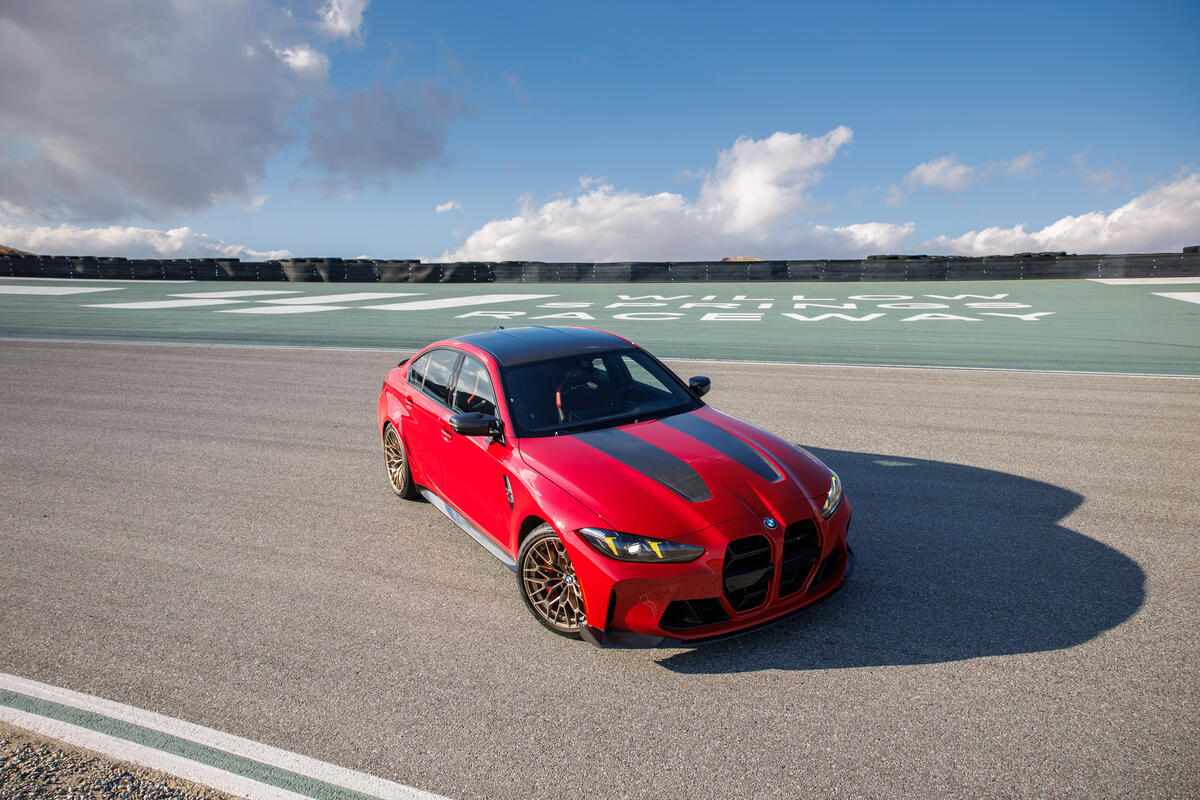
BMW M3
"Yes. So Barney My M3, which is a nut and bolt restoration, and it didn..."
The BMW M3 is a faster, performance-focused version of the BMW 3 Series. It’s made for people who want stronger acceleration and a more sporty driving feel. The episode mentions a full restoration, meaning the car is being rebuilt carefully from the ground up.
The BMW M3 is the high-performance version of the 3 Series, built by BMW’s M division for enthusiasts who want a more track-capable driving experience. In the podcast, “Barney My M3” is described as a nut-and-bolt restoration, which highlights how significant and detailed these projects can be. It’s discussed because the M3 is a well-known performance icon and restoration work is a major part of its community.
BMW 330i Techno Violet
"But even to find the original chassis of a 330i Techno Violet. Yeah, with that mileage doesn't exist."
This is a BMW 330i, and “Techno Violet” is the name of a particular paint color. They’re saying that after a huge number of miles, it’s extremely unlikely you can still find the original, matching car/chassis in that exact condition.
The BMW 330i is a classic 3 Series model, and “Techno Violet” refers to a specific factory paint color. In this segment, they’re talking about how hard it is to even locate the original chassis of a 330i finished in that color once the car has racked up very high mileage.
bathroom sealant
"The brakes need doing, the suspension needs doing, the seal is completely rotten. We found bathroom sealant in it. We found tiger seal, fiberglass."
Bathroom sealant is the stuff you’d use around a bath or sink. If it’s been used inside a car, it’s a red flag that the car was patched up with the wrong materials instead of being properly repaired.
“Bathroom sealant” is a consumer-grade silicone sealant meant for wet areas, not automotive sealing or structural repairs. Finding it in a car usually signals prior bodged work—someone used the wrong material to cover leaks or gaps rather than fixing the underlying issue properly.
tiger seal
"We found bathroom sealant in it. We found tiger seal, fiberglass. It's someone who's unfortunately at some point in this car's life completely bodged it up,"
Tiger Seal is a strong glue/sealant product. If it’s been used in a car along with other patch materials, it can mean the car was “fixed” in a DIY way instead of being properly repaired.
Tiger Seal is a brand of adhesive/sealant commonly used for bonding and sealing in DIY and light industrial contexts. In an automotive context, it can be used for legitimate repairs, but finding it alongside fiberglass and other “bodged” materials often indicates someone tried to seal or patch problems without proper automotive repair methods.
fiberglass
"We found tiger seal, fiberglass. It's someone who's unfortunately at some point in this car's life completely bodged it up, which is a real, real shame."
Fiberglass is a repair material made from glass fibers and resin. In cars, it can be used for real repairs, but if it’s part of a messy mix of sealants and patches, it often means the damage was covered up instead of fixed correctly.
Fiberglass (glass-fiber reinforced resin) is often used to build up or repair damaged panels, but it’s not a substitute for correct automotive bodywork and structural repairs. When fiberglass shows up in a car that’s also been sealed with household/DIY products, it usually points to previous damage being covered rather than properly fixed.
bodged it up
"It's someone who's unfortunately at some point in this car's life completely bodged it up, which is a real, real shame. But we're going to fix it."
“Bodged it up” means someone did a sloppy, not-very-professional fix. The concern is that the car might look patched, but the real problem wasn’t properly repaired.
“Bodged it up” is a colloquial way to describe a poor-quality repair or modification done with inadequate parts, incorrect methods, or shortcuts. In car terms, it often implies hidden problems—repairs that look okay at first glance but fail later or mask deeper damage.

BMW 540I
"Oh, for an exhaust. But like a 540i level exhaust, where he, you know, like it's perf..."
The BMW 5 Series is a mid-size luxury sedan made by BMW. In the episode, it’s mentioned because someone is talking about the sound of the exhaust on a car. That usually means they’re comparing how it drives or sounds.
The BMW 5 Series is a mid-size executive sedan known for comfort, refinement, and a range of engines. In the podcast, it’s referenced in the context of an exhaust sound and “540i level,” suggesting a comparison to a particular style of performance or note. It’s discussed because the 5 Series is a common platform for modifications and personalization.
rear discs
"On this car, if we leave the rear discs on it, you will still have a handbrake."
“Discs” are brake rotors. If the rear still has disc brakes, the car keeps that braking setup even if you’re changing other brake parts.
“Discs” here means disc brakes on the rear axle. Keeping the rear disc brakes would preserve braking hardware while other parts (like the handbrake setup) may be changed.
internal drums
"Because I believe it's got internal drums."
“Internal drums” refers to drum-brake hardware integrated inside the rear brake assembly. This is often used so the handbrake can still work even when the main service brakes are disc brakes.
AP racing
"So AP racing are going to make me some discs."
AP Racing is a company that makes performance brake parts. Here, they’re being asked to build custom brake discs for this specific car.
AP Racing is a well-known performance brake manufacturer that builds brake components for motorsport and high-performance road cars. In this segment, they’re being tasked with making custom disc brake parts.
floating discs
"Custom made floating discs."
“Floating discs” are brake rotors that can move slightly as they heat up. That helps them stay aligned and work more consistently during braking.
“Floating discs” are brake rotors designed to allow limited movement between the rotor and its mounting. That helps the rotor expand and contract with heat more evenly, which can reduce stress and improve consistency.
calipers
"They're going to take all of the calipers and fully rebuild them, with new aluminium pistons and seals and everything."
Brake calipers are the parts that squeeze the brake pads against the disc to slow the car down. Rebuilding them usually means replacing worn seals and parts so they work evenly again.
Brake calipers are the clamp-like parts that squeeze brake pads against the rotor to slow the car. Rebuilding calipers typically means replacing seals and internal wear parts so the pistons move smoothly and braking stays consistent.
coilover
"What's the coilover company called? The leader, LEDA."
Coilovers are suspension parts that combine the spring and shock in one unit. They can often be adjusted to change how the car sits and how it handles.
A coilover is a suspension setup that combines a coil spring and shock absorber into one adjustable unit. Coilovers are commonly used to fine-tune ride height and handling balance for a specific goal, like sharper cornering or improved stability.
LEDA
"What's the coilover company called? The leader, LEDA. Who are going to custom make a..."
LEDA is a company that makes performance suspension parts. In this context, they’re the specialist behind the coilover setup.
LEDA is a suspension and motorsport components brand known for making high-quality coilovers and related hardware. When someone says a “coilover company” like LEDA, they’re usually referring to a specialist supplier rather than a mass-market suspension.
turbos
"Everything that needs to be done, like the turbos, for example, one of them is a little bit knackered. They're going to turbo techniques."
Turbos are turbochargers that help the engine make more power by forcing extra air in. If they’re “knackered,” they may need rebuilding so the car can reliably make the target power.
“Turbos” refers to turbochargers, which use exhaust energy to spin a turbine and force more air into the engine. That extra airflow lets the engine make more power, but it also means the turbo system (and supporting parts) often needs careful rebuilding and upgrades when chasing higher output.
horsepower
"And they're going to be able to produce between 450 to 500 horsepower. Yeah."
Horsepower is a way to describe how much power the engine can produce. Higher horsepower usually means stronger acceleration and more top-end potential (within limits).
Horsepower is a measure of engine power output—how much work the engine can do over time. When the hosts say they’re aiming for “450 to 500 horsepower,” they’re talking about the expected power level after the turbo and related work.
top speed run
"So we are gunning for a kind of maybe a top speed run. Try and get it in excess of its 177 mile an hour top speed."
A top speed run is when you try to see how fast the car can go at its maximum. It’s not just about having power—things like gearing and cooling matter too.
A “top speed run” is an attempt to measure the vehicle’s maximum speed under controlled conditions. It usually requires careful preparation because aerodynamic drag, gearing, tire condition, and engine cooling can all affect whether you can actually reach the claimed number.
diff
"So I'll be doing lots of burnouts because the diff on this is always aggressive. How do you know that?"
“Diff” is the part that controls how the two driven wheels spin relative to each other. If it’s “aggressive,” it can make the car slide more easily when you apply power.
“Diff” is short for differential, the drivetrain component that lets the left and right wheels rotate at different speeds. When someone says the diff is “aggressive,” they usually mean it locks up or transfers torque in a way that can make the car easier to rotate into oversteer.
burnouts
"So I'll be doing lots of burnouts because the diff on this is always aggressive. How do you know that?"
A burnout is when you spin the tires on purpose to make them slip and heat up. It’s fun to watch, but it wears tires quickly.
Burnouts are deliberate tire-spinning events where the driver applies enough torque to break traction and heat up the tires. They’re often used to demonstrate traction behavior or to warm tires, but they also stress drivetrain and tires.
fully sideways
"Going round and round about, not even thinking about driving aggressively or anything, driving normally between one second to the next, I was fully sideways."
“Fully sideways” means the car is sliding instead of gripping the road. The wheels are pointing one way, but the car is moving another.
“Fully sideways” describes a loss of traction where the car’s direction of travel and the direction the wheels are pointing are no longer aligned—i.e., the car is in a slide. In performance driving terms, this is typically associated with oversteer or traction imbalance.
spooling its tires
"And then driving up hills as well, I was like, okay, let's just see what it does. And it's spooling its tires, rear tires, admittedly they're quite old in second gear."
“Spooling its tires” means the tires start spinning faster than the car can move forward. It usually happens when there isn’t enough grip.
“Spooling its tires” means the tires are spinning up quickly as engine torque overwhelms available grip. It’s often described during hard acceleration or traction-limited situations, and it can happen even in lower gears if the tires are old or the drivetrain is transferring torque aggressively.
carbon intake
"“Carbon intake on the RS4, as you will have seen on Instagram as well. I bloody love those things. They're really good.”"
A carbon intake is a part that helps your engine get air. People upgrade it because it can make the car respond better and it also looks cool.
A “carbon intake” is an aftermarket or upgraded air-intake component made with carbon fiber. By improving airflow and reducing intake restriction, it can help the engine breathe better and is often chosen for both performance feel and weight/appearance.

Mercedes SL
"Working on the Mercedes SL, and we've got our V8 series ongoing. Mustang, eight series SL, and we had it in the unit this week."
The Mercedes SL is a Mercedes model line that’s built for comfortable long-distance driving, usually with a sporty vibe. Here, they’re talking about working on one and upgrading it as part of a V8-focused project.
The Mercedes SL is the brand’s long-running grand touring roadster/coupe line, known for a comfortable ride plus a more upscale, performance-oriented feel. In this segment, the hosts are working on an SL and mention it as part of a “V8 series,” implying a V8-powered SL being updated or repaired.
V8
"Working on the Mercedes SL, and we've got our V8 series ongoing. Mustang, eight series SL, and we had it in the unit this week."
A V8 is an engine with eight cylinders arranged in a V shape. It’s often used in cars that want strong, smooth power for everyday driving and highway cruising.
A V8 is an engine configuration with eight cylinders arranged in a “V” shape. It’s commonly associated with smooth power delivery and strong low-to-midrange torque, which is why many performance and grand touring cars use V8s.

2016 Honda Jazz 1.5
"I recently sold my daily driver a 2016 Honda Jazz 1.5. Because you bit me over there."
A Honda Jazz is a small, practical car that’s meant to be easy to live with. The “1.5” usually means it has a 1.5-liter engine, which is typically chosen for everyday driving and good efficiency.
The Honda Jazz (2016) is a practical small hatchback known for its space-efficient packaging and easy daily-driver usability. The “1.5” refers to the engine displacement, which generally indicates a modest, fuel-friendly power level for city and commuting use.
2009 Mercedes-Benz C320CDI W204
"As it was a bit bland and I wanted something a bit more special, a 2009 Mercedes-Benz C320CDI W204 popped up for sale at a local dealership"
This is a 2009 Mercedes-Benz C-Class, and the “W204” tells you which generation it is. “CDI” indicates it’s a diesel model, which was common for buyers looking for strong everyday torque and efficiency.
The Mercedes-Benz C320CDI (W204, 2009) is a diesel-powered C-Class that’s part of the W204 generation. “CDI” is Mercedes’ diesel branding, and the W204 chassis code helps enthusiasts identify the exact generation and the specific mechanical layout used in that era.
car vertical
"It's funny because we went to go and buy that mini last night [3332.0s] with Rory and we did a car vertical on it. [3334.8s] And before doing the car vertical, I went,"
“Car vertical” is a website/service that checks a car’s history using records tied to that vehicle. It can show things like reported damage so you know what you’re buying.
“Car vertical” refers to a vehicle history report service that aggregates records about a specific car. In this segment, it’s used to pull up a damage assessment/insurance-related information before purchase.
damage report
"And it came up with a damage report. [3340.9s] It's not categorised. [3342.0s] It was actually an insurance assessment."
A “damage report” is basically a record of any reported crashes or damage for that car. It may come from insurance paperwork, and sometimes it’s not detailed enough to tell you exactly how bad it was.
A “damage report” is a summary of reported vehicle damage events tied to the car’s history. Here, it’s described as coming from an insurance assessment and not being categorized, which can affect how clearly the severity/type is communicated.

Dodge Charger
"So we've got two bits of news I've got. [3371.3s] Yeah. [3371.8s] I've got the Dodge Charger is being made, [3375.6s] well not made, but delivered to Europe for the first time."
The Dodge Charger is a famous American car model, often associated with powerful engines and performance. Here, the news is that it’s starting to be delivered to Europe for the first time.
The Dodge Charger is a long-running American muscle/sedan model known for its big V8 heritage and modern performance variants. In this segment, it’s specifically mentioned as being delivered to Europe for the first time, which is a notable market/availability update rather than a technical change.

Dodge Challenger
"...till think I prefer the old charger. Looks like a challenger because the Charger was a four door. The last one..."
The Dodge Challenger is a muscle car made by Dodge. It’s usually a two-door car with a focus on strong performance. In the episode, it’s brought up because it looks similar to another Dodge model, but the number of doors is different.
The Dodge Challenger is a muscle car known for its powerful engines and classic two-door styling. In the podcast, it’s mentioned in a comparison to a Charger, with the key point being that the Challenger is a two-door while the Charger is described as four-door. It’s discussed because these models are closely related and often compared by enthusiasts.
twin turbo
"Above that is the three liter twin turbo. Oh, right. With 550 horsepower."
A “twin turbo” engine has two turbochargers. Turbochargers cram more air into the engine, which usually makes the car much faster.
“Twin turbo” means the engine uses two turbochargers to force more air into the cylinders. That typically helps produce higher power and stronger acceleration than a single-turbo setup, especially across a wider rev range.
electric hybrid sort of thing
"They're doing like a electric hybrid sort of thing. Yeah. And that comes with 670 horsepower, 0-60 in 3.3 seconds."
An electric hybrid uses both a gas engine and an electric motor. The electric part can help the car launch harder and can recharge a bit when you slow down.
An “electric hybrid” setup combines an internal-combustion engine with an electric motor. The electric motor can add torque and help the car accelerate quickly, while the system can also recover energy during braking.
0-60 in 3.3 seconds
"Yeah. And that comes with 670 horsepower, 0-60 in 3.3 seconds. Bloody hell."
“0-60” measures how fast a car goes from standing still to 60 mph. “3.3 seconds” means it’s extremely quick off the line.
“0-60” is shorthand for how quickly a car accelerates from 0 mph to 60 mph. A “3.3 seconds” claim is a performance benchmark that indicates very strong launch and overall acceleration capability.
rear wheel drive
"Now, is it rear wheel drive or is it four wheel drive? I think it depends on what model you get. I think it will be four wheel drive on some of them."
Rear-wheel drive means the power goes to the back wheels. It can feel more “classic” to drive, but grip can vary with weather and tires.
Rear-wheel drive (RWD) sends power to the rear wheels. It often gives a more traditional driving feel and can be more engaging for enthusiasts, but traction depends heavily on tires and conditions.
four wheel drive
"Now, is it rear wheel drive or is it four wheel drive? I think it depends on what model you get. I think it will be four wheel drive on some of them."
Four-wheel drive powers all four wheels. That usually helps the car grip better on slippery roads and can make it accelerate more confidently.
Four-wheel drive (4WD) sends power to both the front and rear axles. It generally improves traction in low-grip conditions and can help deliver stronger acceleration by reducing wheelspin.

Audi R8
"Do you mean the Audi R8? Which that was the Audi R8 concept from back in the day."
The Audi R8 is Audi’s well-known supercar. Here, the host is saying the new car looks similar to the R8 concept they remember from the past.
The Audi R8 is Audi’s mid-engine supercar, known for its performance-focused layout and for being a frequent reference point when people discuss concept cars and styling cues. In this segment, the host compares the Audi Nivolari’s look to the Audi R8 concept from earlier years.
Nurburgring
"So it is a car because, oh wait, they were testing it on the Nurburgring."
The Nürburgring is a very famous race/test track in Germany. If a prototype is being tested there, it usually means the engineers are pushing it hard to see how it behaves.
The Nürburgring (often misspelled “Nurburgring” in transcripts) is a famous German test track used by automakers to evaluate handling, durability, and real-world behavior at speed. Testing there is a strong hint that the car is in development and being validated under demanding conditions.
plug-in hybrid
"So it is a 2.7 tonne luxury plug-in hybrid SUV built from the ground up by BMW's famous, fabled M Performance division."
A plug-in hybrid is a car that uses both gas and electricity, and you can charge it by plugging it in. When it has enough charge, it can drive on electricity for a while.
A plug-in hybrid is a hybrid vehicle that can be charged from an external power source (like a wall outlet) in addition to generating electricity while driving. That lets it run on electric power for some distance before the engine takes over, depending on charge and driving conditions.
M Performance division
"So it is a 2.7 tonne luxury plug-in hybrid SUV built from the ground up by BMW's famous, fabled M Performance division."
BMW’s M Performance division sits between BMW’s regular models and the full M cars. It typically focuses on higher-performance tuning and more aggressive styling, but with a broader, more “usable” lineup than the hardcore M models.

BMW M1
"It is only the second standalone model ever made by BMW M following the legendary M1 supercar from 1978."
The BMW M1 is a famous old BMW supercar from the late 1970s. The hosts mention it to compare how rare it is for BMW M to build a standalone model.
The BMW M1 is a legendary late-1970s supercar that helped define BMW’s motorsport-derived “M” identity. In this segment, it’s referenced as the earlier benchmark for BMW M’s standalone model history.

Bmw M
"... is only the second standalone model ever made by BMW M following the legendary M1 supercar from 1978."
The BMW M Coupe (E36) is a small, sporty BMW made by BMW’s performance division. It’s a rare two-door car, and the episode mentions it because it was an early standalone M model. People talk about it because it’s special and not very common.
The BMW M Coupe (E36) is a rare, two-seat performance model built by BMW M, based on the E36-generation platform. The podcast calls it only the second standalone M model after the M1, which highlights its historical significance within BMW’s M lineup. It’s discussed because it’s a limited-production enthusiast car with a strong identity.

BMW XM
"The range-topping XM has got a 4.4 V8 and electric motor with 738 horsepower."
The BMW XM is a big, fancy SUV from BMW’s performance division. It uses a gas V8 plus an electric motor together, which is why it’s so powerful.
The BMW XM is BMW’s M Performance–branded luxury SUV built around a high-output plug-in hybrid powertrain. In this segment, they call out its 4.4-liter V8 paired with an electric motor, and they cite its 738 horsepower figure as part of why it’s so extreme.
4.4 V8
"The range-topping XM has got a 4.4 V8 and electric motor with 738 horsepower."
A “4.4 V8” means the engine is a V8 with 4.4 liters of total size. Bigger V8 engines generally have more potential to make power, and here it’s combined with electricity.
“4.4 V8” refers to an engine with eight cylinders (V8) and a total displacement of 4.4 liters. Engine displacement is one way engineers describe how much air/fuel the engine can move, which often correlates with potential power—especially when paired with a hybrid system.
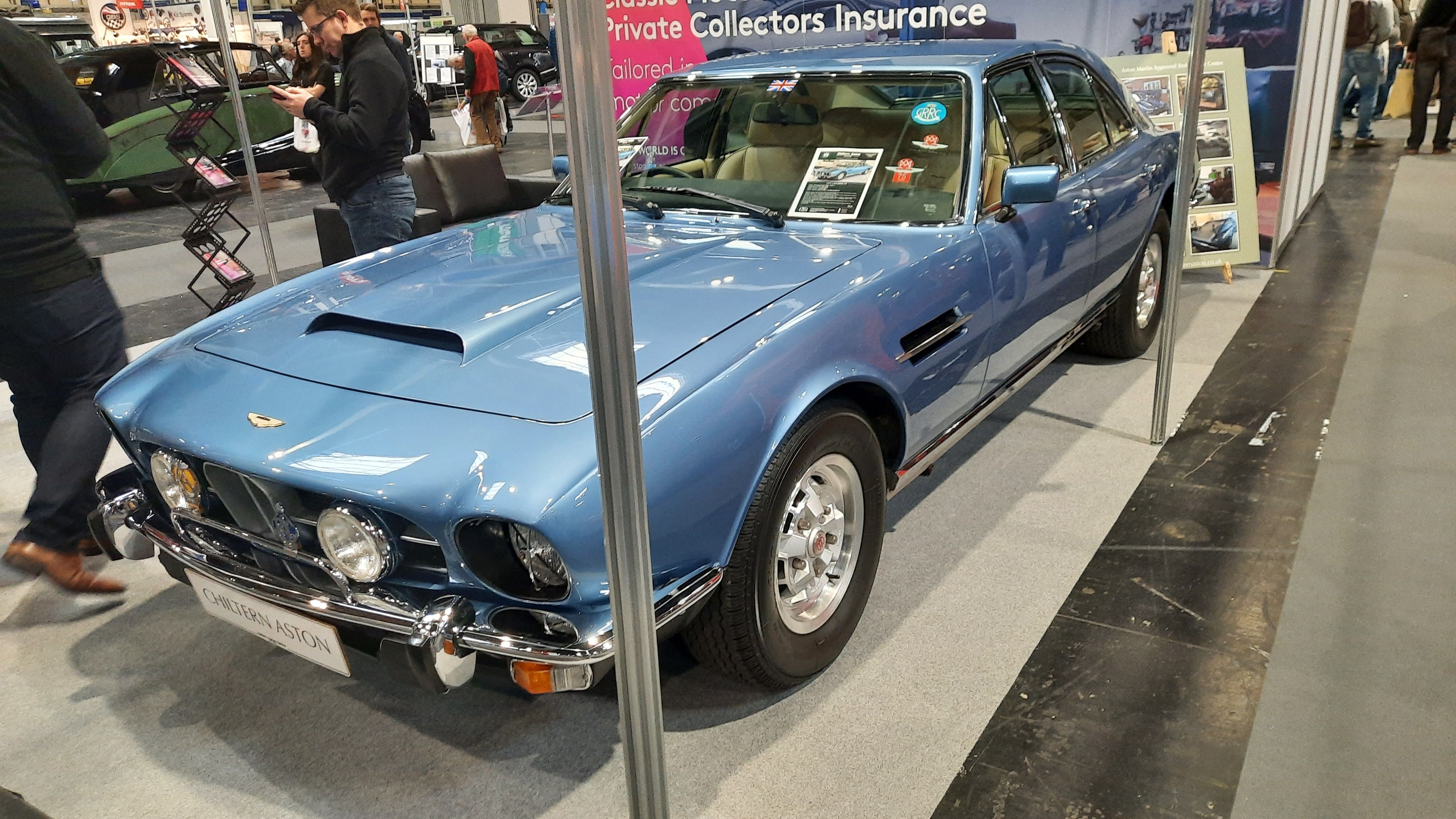
Aston Martin Lagonda
"Rory, go on. [3863.1s] Mine is an Aston Martin Lagonda. [3867.0s] No, stunning car. [3872.0s] I see, see the Lagonda. [3873.9s] That's the one with the flat nose."
The Aston Martin Lagonda is a very unusual Aston Martin model with a bold, angular look. The hosts are talking about how big it is and whether it’s a four-door car.
The Aston Martin Lagonda is a luxury grand-tourer/large sedan from Aston Martin’s Lagonda line, known for its distinctive, angular “wedge” styling. In this segment, the hosts discuss its unusual proportions and front-end design, including whether it’s a four-door layout.
wedge
"[3873.9s] That's the one with the flat nose. [3875.4s] The wedge, the wedge car. [3876.5s] Is that four door?"
A “wedge” is a style where the car’s shape looks like a wedge—wider at the back and pointed or narrower at the front. It’s meant to look sporty and aerodynamic.
“Wedge” refers to a car design language where the body is shaped like a wedge—typically low and sharply tapered toward the front. It’s a styling cue associated with aggressive, aerodynamic-looking sports and luxury cars.

Aston Db5S
"...front to the brand? How can you go from designing DB5s, DB6s, all that stuff, these beautiful cars to th..."
The Aston Martin DB5 is an older, famous luxury sports car made by Aston Martin. People talk about it because it’s a classic design and a major part of the brand’s history. In the episode, it’s used to highlight how Aston Martin models evolved over time.
The Aston Martin DB5 is a classic grand tourer from Aston Martin and one of the brand’s most iconic models. The podcast references the DB5 alongside DB6 and other “beautiful cars,” framing it as part of a design and heritage story. It’s discussed because the DB5 is widely recognized and often used as a benchmark for what makes Aston Martin special.

Foxbody Mustang
"The Foxbody Mustang. [3998.0s] How did they go from the beautiful 60s Mustang, [4000.8s] like your one, to then like the Mac one and all that,"
The “Foxbody Mustang” is a nickname for a specific generation of the Ford Mustang (late 1970s through early 1990s). People talk about it as a big visual change from the earlier 1960s Mustangs.
The “Foxbody Mustang” refers to the 1979–1993 Ford Mustang built on the Fox platform. It’s a key era for Mustang fans because it’s a very recognizable design shift from the earlier “60s Mustang” look, and it became a foundation for later performance and styling trends.

Eletre Lotus Electra
"...oys me the most that really boils my blood is the Lotus Electra. What's that?"
The Eletre is an electric SUV made by Lotus. It’s a car that runs on electricity and is built for everyday driving with an SUV body. The podcast mentions it because the speaker has strong feelings about it.
The “Eletre” mentioned in the podcast appears to refer to the Lotus Eletre, which is a modern electric SUV from Lotus. It’s brought up as something that “boils my blood,” indicating the speaker’s frustration with that particular model. It’s discussed because it’s a notable departure for Lotus into electric SUV territory.
electric SUVs
"[4085.1s] Why is everyone now going for electric SUVs [4087.7s] that have got loads of power [4088.8s] that aren't actually that practical [4090.3s] because they're quite small inside?"
An electric SUV is a bigger family-style car that runs on electricity. The host’s point is that some of them look roomy, but the inside space can still be disappointing.
“Electric SUVs” refers to sport-utility vehicles powered by electric motors instead of an internal-combustion engine. The host is criticizing the practicality of some electric SUV designs—especially when interior space doesn’t match the vehicle’s size.
sloped back
"[4090.3s] because they're quite small inside? [4091.7s] Because that's got a really sloped back on it. [4093.5s] So it's not going to be practical."
A “sloped back” means the roof and rear end taper downward like a sporty coupe. That shape can make the cabin feel smaller, especially for taller passengers in the back.
A “sloped back” typically describes a coupe-like roofline or fastback-style rear shape that reduces headroom and rear-seat space. The host connects that shape to practicality, arguing it limits interior usability.

Lotus Esprit
"[4109.5s] Yeah, yeah. [4110.3s] But they're bringing out a Lotus Esprit again. [4113.8s] Oh, okay."
The Lotus Esprit is a well-known Lotus sports car. The hosts are saying Lotus is bringing it back with new tech like hybrid power and all-wheel drive, which would be very different from the older versions.
The Lotus Esprit is a famous Lotus sports car known for its wedge-shaped styling and mid-engine layout in earlier generations. In this segment, the hosts talk about a new Lotus Esprit concept with modern tech (hybrid and all-wheel drive), which would be a big departure from the original formula.
all-wheel drive
"[4113.8s] Oh, okay. [4115.0s] With a new all-wheel drive, 1,000 horsepower hybrid. [4119.4s] Is it?"
All-wheel drive means the car can send power to more than just one set of wheels. That usually helps it grip the road better, especially when accelerating or on slippery surfaces.
All-wheel drive (AWD) sends power to both the front and rear axles, improving traction compared with two-wheel drive. On a high-power hybrid concept like the one mentioned for the Lotus Esprit, AWD also helps manage torque delivery and stability.
concept inches
"[4120.3s] Is it an SUV? [4122.1s] They've only released concept inches. [4124.0s] Yeah, but..."
They’re basically saying we’ve only seen a design idea so far, not the real finished car. What you see in a concept can look different once the production version is built.
“Concept inches” here is a humorous way to say the company has only released concept designs—meaning the public has seen styling ideas, not the final production car. Concept cars often change significantly before they reach showrooms.

Lotus Cortina
"I disagree because we had the Lotus Cortina before that. [4185.5s] Oh, that's true. [4186.0s] So they already did like that."
The Lotus Cortina is an older car that Lotus built using the Ford Cortina as a starting point. It matters because it was made to be much more track-capable than a normal Cortina.
The Lotus Cortina is a classic Ford Cortina-based race-bred car developed by Lotus. It’s notable because it helped establish Lotus’s reputation for turning a mainstream platform into a serious motorsport contender.

Lamborghini Urus
"But what I will say is there are other vehicles [4210.8s] that I think are an affront to brands, [4212.9s] which did actually sell well. [4214.5s] Yeah. [4214.9s] Like, for example, the Lamborghini Urus."
The Lamborghini Urus is a Lamborghini SUV. It’s a big, fast, luxury vehicle that many people see as Lamborghini doing something different from its usual sports cars.
The Lamborghini Urus is Lamborghini’s modern high-performance SUV, built to deliver supercar-like acceleration and handling in an everyday body. It’s often discussed because it represents the brand’s move beyond traditional low-slung sports cars.

Porsche Cayenne
"Like, for example, the Lamborghini Urus. [4217.8s] Porsche Cayenne. [4218.9s] The Porsche Cayenne."
The Porsche Cayenne is Porsche’s SUV. It’s important because it’s one of the SUVs that made Porsche’s brand work beyond just sports cars.
The Porsche Cayenne is Porsche’s SUV that helped prove the brand could succeed outside the classic 911 formula. It’s a key example of how Porsche expanded its lineup while still aiming to keep driving dynamics “Porsche-like.”

BMW X5
"I think they're not like the X5 as well. The X5."
The BMW X5 is a popular luxury SUV. In this discussion, it’s mentioned mainly as a comparison to the Porsche Cayenne.
The BMW X5 is a mainstream luxury SUV that’s often used as a benchmark for how “serious” an SUV feels to drive. Here, it’s brought up as a comparison point for the Porsche Cayenne’s styling and overall appeal.

Aston Martin DB9
"I think it was kind of classic, Aston Martin DB9. So you can get for under 10 grand. I've been saying we should get one of these."
The Aston Martin DB9 is a stylish Aston Martin coupe meant for comfortable long-distance driving. The host is saying it can be surprisingly affordable compared to what it looks like.
The Aston Martin DB9 is a grand tourer (GT) from Aston Martin known for its classic styling and V12-powered “big coupe” feel. In this segment, the host frames it as a way to “look rich on a budget,” claiming you can find one for under 10 grand and discussing how the price has shifted since an earlier mention.
flappy paddly
"I'm a bit put off by the gearbox, because there are a lot of some of that flappy paddly. I think you could, could you get them in a manual?"
“Flappy paddly” is just a nickname for paddle shifters. They’re the little buttons/levers behind the steering wheel that let you change gears without moving a gear stick.
“Flappy paddly” is a casual way to describe paddle shifters—small levers behind the steering wheel that let you change gears without using a traditional gear lever. On cars like the Aston Martin DB9, this usually pairs with an automated manual or dual-clutch style gearbox, where the paddles command gear changes.
manual
"I think you could, could you get them in a manual? You can get them in a manual, but they are quite expensive. But the fact is you can get it for under 10 grand now."
A “manual” means you change gears yourself using a clutch and a gear stick. They’re saying you can get the car this way, but it’s usually more expensive than the paddle-shift version.
A “manual” gearbox means you select gears yourself using a clutch and gear lever, rather than relying on the car to do it for you. The host is contrasting manual availability with the DB9’s more common paddle-shift gearbox setup, and noting that manuals can cost more.
V12s
"I'm like, what? On the V12s as well. Yeah."
A “V12” is an engine with 12 cylinders arranged in a V shape. It’s a big, powerful engine layout often found in expensive performance/luxury cars, and they’re saying you can still find these for relatively low money now.
“V12” refers to an engine with 12 cylinders arranged in a V shape, typically used in high-end performance and luxury cars. In this context, the host is talking about DB9 V12 versions and their current market pricing.

Aston Martin Rapid
"Aston Martin Rapid. [4298.0s] I looked at that and I'm like, [4299.4s] do you know what? [4299.8s] That could be a nice, nice family vehicle. [4302.5s] That is just a DB9, but stretched out."
The Aston Martin Rapid is a luxury Aston Martin with four doors. The host is saying it’s basically related to the DB9, just made longer and more practical for everyday use.
The Aston Martin Rapid is a four-door grand tourer built on Aston Martin’s DB9-era underpinnings. In this segment, the host compares it to a “stretched out” DB9, which is a shorthand for the shared platform/architecture idea.

Saab 900
"Look, a Saab 900 does not make you look rich. Look, if you drive a Saab, you could either be-"
The Saab 900 is an older Saab model. Here it’s mentioned as an example of a car that doesn’t really make you look “rich” just by driving it.
The Saab 900 is a classic Swedish compact/entry-luxury car from Saab, known for its distinctive styling and long-running 2-door/4-door “900” nameplate. In this episode, it’s used as an example of a Saab that doesn’t automatically signal “rich” status compared with flashier choices.

Saab 95
"Look, if you drive a Saab, you could either be- A Saab 95 does not make you look rich. You could either be ..."
The Saab 9-5 is a mid-size car made by Saab. It’s meant to be a normal everyday executive-style sedan. The episode mentions it because someone is talking about what it’s like to drive one.
The Saab 9-5 is a mid-size car from Saab, positioned as a practical alternative to more mainstream executive sedans. In the podcast, it’s mentioned with a comment about appearance and how driving a Saab doesn’t automatically make someone look “rich.” It’s discussed because Saab ownership is often tied to a specific, loyal buyer mindset.

Saab 93
"I've got one for you. A Saab 93 is today in black, because Jack Joy owns one. Eve..."
The Saab 9-3 is a compact car made by Saab. It’s meant to be a normal everyday car, but with a unique look and feel. The podcast mentions one because someone owns a black example.
The Saab 9-3 is a compact executive car from Saab, known for its distinctive styling and practical layout. In the podcast, it’s referenced as a specific owned example “in black,” tying it to a particular person’s car. It’s discussed because Saab models have a dedicated following and are often remembered for their unique character.
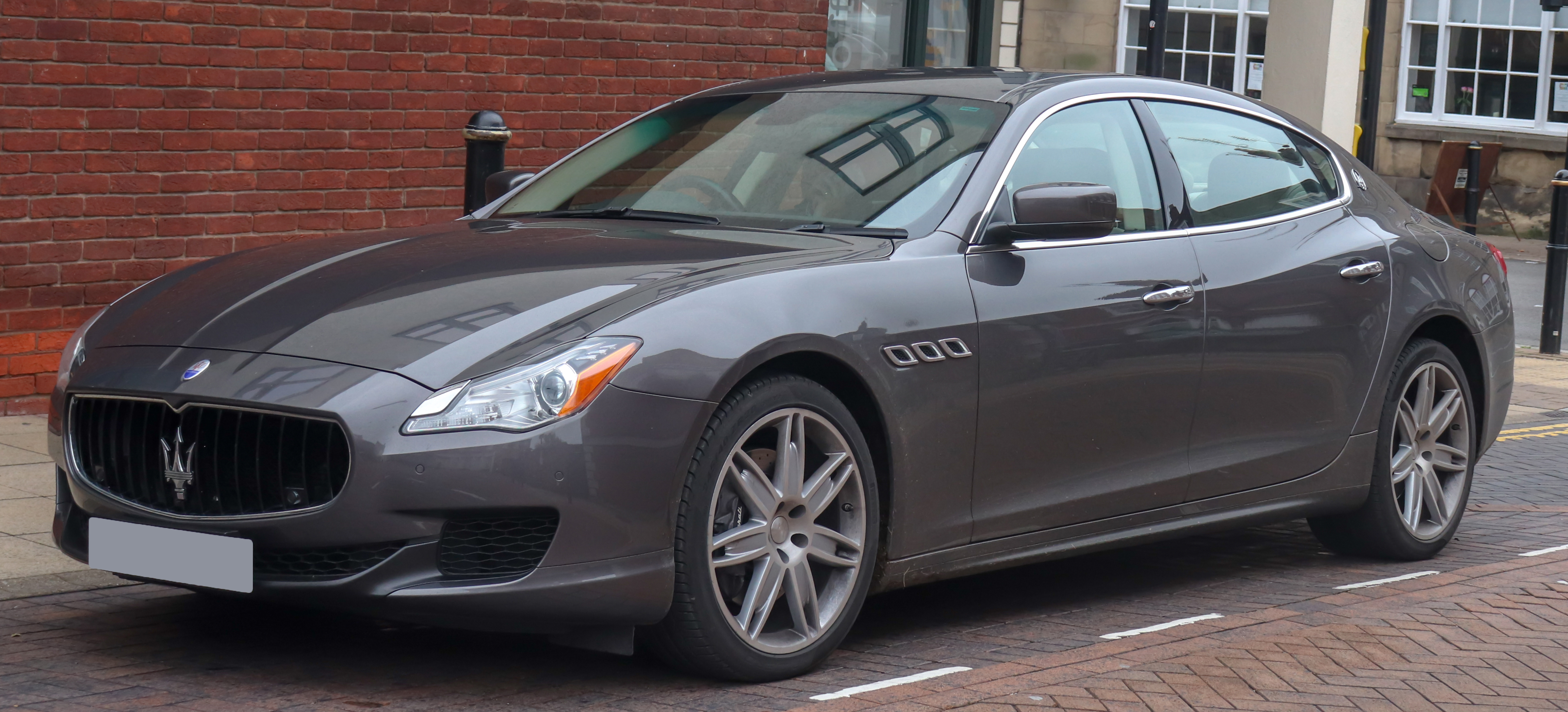
Maserati Quattroporti
"What car can you buy that makes you look rich? [4391.1s] Look, you watch, people will understand what I'm saying. [4394.0s] No, don't get it. [4395.5s] Maserati Quattroporti, that's another one? [4399.2s] Everyone knows that Maserati Quattroporti's are cheap now."
The Maserati Quattroporte is a fancy, performance-focused Maserati sedan. They’re debating whether it still signals “wealth,” or whether people think it’s too common/cheap now.
The Maserati Quattroporte is a luxury sedan from Maserati, known for its performance-oriented character and high-end positioning. In this segment, it’s brought up as a candidate car that might make someone look rich, but the host argues that people now see them as relatively cheap.
Aston Martin Rapide
"And then showed me an Aston Martin Rapide for £5,000 more. It was a Rolls-Royce Phantom. Didn't it have-"
The Aston Martin Rapide is a luxury Aston Martin with four doors. They’re comparing its price to other ultra-luxury cars to make the point that you can sometimes buy the look for less than you’d expect.
The Aston Martin Rapide is Aston Martin’s four-door “grand tourer” aimed at combining luxury with real performance. In this segment, it’s used as a price comparison against a Rolls-Royce Phantom, highlighting how “rich-looking” choices can overlap with bargain pricing.

Rolls-Royce Phantom
"It was a Rolls-Royce Phantom. Didn't it have- I need to head gasket, but a bit of case here and it'll go again."
The Rolls-Royce Phantom is one of the most luxurious cars you can buy. They’re saying they saw one for around £25,000, but it had a serious engine problem (a head gasket), which is why the price can drop.
The Rolls-Royce Phantom is the brand’s flagship ultra-luxury sedan, known for its big presence and high-end comfort. The hosts mention a “head gasket” issue and discuss a roughly £25,000 price point, which is the kind of ownership-burden tradeoff that can make a Phantom seem like a budget “rich” buy.
head gasket
"Didn't it have- I need to head gasket, but a bit of case here and it'll go again. It was £25,000, man."
The head gasket is a critical seal inside the engine. If it’s bad, the engine can overheat or mix fluids, and repairs can be expensive—so it matters a lot for used-car pricing.
A head gasket is the sealing layer between an engine’s cylinder head and the engine block. If it fails, coolant or oil can leak and the engine can overheat or run poorly, which is why it’s treated as a major (and costly) problem when shopping used cars.

Range Rover L405
"And I think they look nice. Range Rover L405. You get an L405, you think, oh, this is a bit nice."
This is a specific generation of the Range Rover SUV (the L405). People associate it with luxury, so it can look expensive even when you find one for less money.
The Range Rover L405 is the generation of Land Rover’s full-size luxury SUV that uses the L405 internal code. It’s known for a high-end, “executive” look—so even older, budget-priced examples can still feel upscale.

E60M5
"And E60M5. Sub-10 grand. And it's not the car that makes you look rich."
E60 M5 is a BMW M5 from the E60 generation. It’s a fast, expensive-looking BMW, and the M5 name is a big part of why people notice it.
E60 M5 refers to the BMW M5 generation built on the E60 5 Series platform. It’s a high-performance, luxury sedan, and the “M5” badge is what makes it instantly recognizable to enthusiasts and many non-enthusiasts alike.
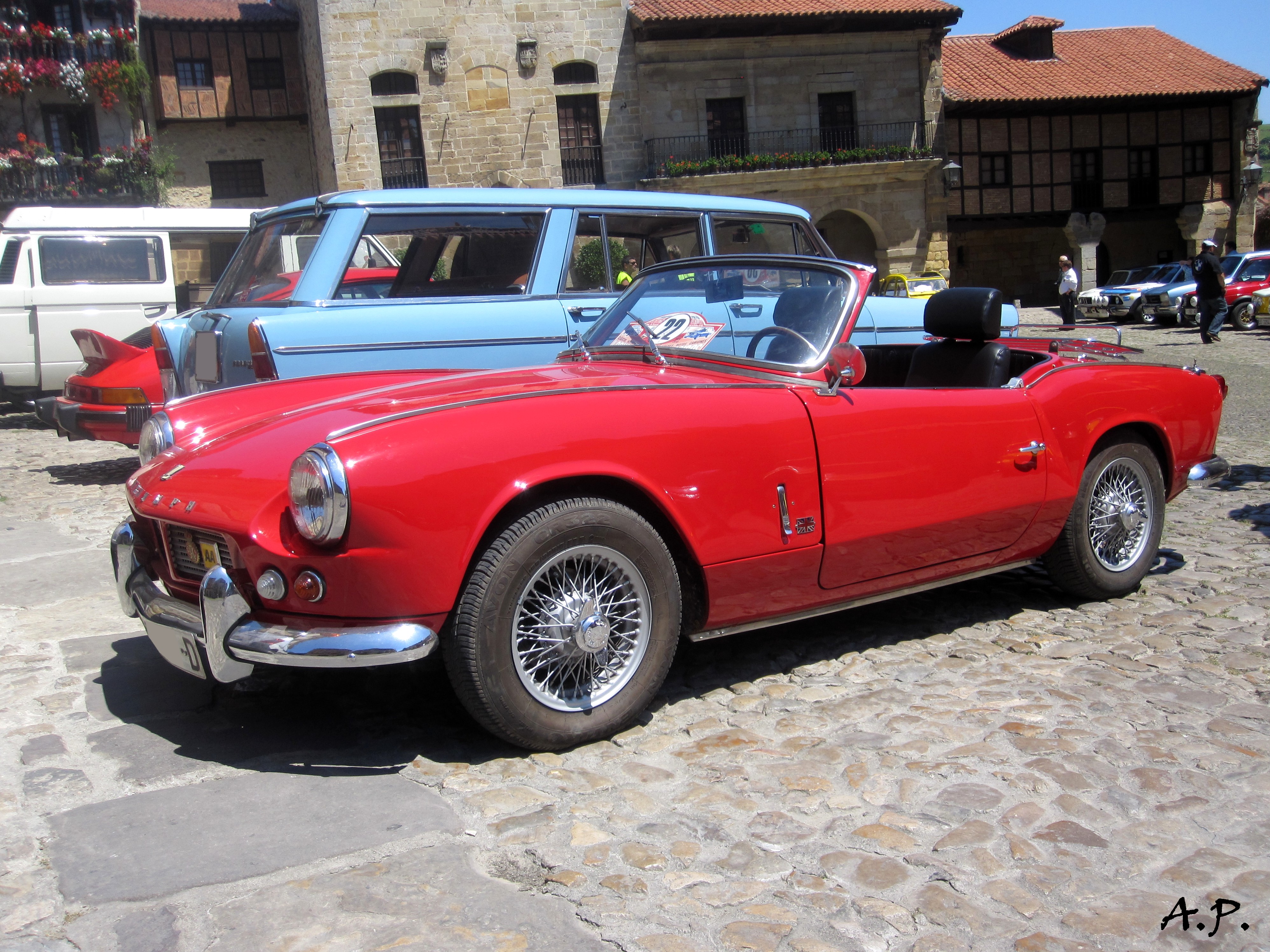
Triumph Spitfire
"What about a triumph? [4505.1s] I think me and my Spitfire, I think if you took the average, ... [4542.6s] Like the Spitfire, a few of these random cars,"
The Triumph Spitfire is a classic British open-top sports car. Here, the host is saying that if a car like this looks really good—especially with nice paint—people who aren’t car experts may think it must be worth a lot of money.
The Triumph Spitfire is a classic British roadster from the 1960s, known for its small, lightweight feel and open-top style. In this segment, it’s used as an example of how a well-presented 1960s/70s classic can make non-enthusiasts assume it’s expensive.
Request an Explanation
Heard something you'd like explained? We'll add it to this episode.
Sign in to request explanations for terms you heard.
Want to learn more?
Browse our glossary for plain-English explanations of automotive terms, jargon, and concepts.
Help improve this episode
See something that's not quite right? Our annotations are AI-generated and can sometimes miss the mark. Click the flag icon on any annotation to suggest a correction.