Scott Dixon is a very successful IndyCar race driver. Here, he’s being mentioned as one of the drivers Arrow McLaren plans to run in the next IndyCar season.
Christian Lundgaard is an IndyCar driver. The hosts say the team is dropping him despite strong results, and they blame it on his perceived performance on oval tracks.
The Monaco Grand Prix is a famous Formula 1 race run on narrow city streets. The hosts bring it up as a top-level goal the team wants to conquer alongside IndyCar and endurance racing.
The Indy 500 is a huge open-wheel race in the U.S. The hosts are comparing winning that one big race versus winning the full championship over the season.
A “championship contender” is a driver or team that has a realistic chance to win the season championship, not just individual races. The segment argues that removing a championship-level driver weakens the team’s odds.
Indianapolis Motor Speedway is the famous oval track where the Indy 500 is run. Because it’s an oval, teams set up the car differently than they would for road courses.
A “balanced” race car feels predictable in corners, not twitchy or unstable. When the setup is right, the driver can go faster because the car behaves consistently.
“Push the limits” in racing means driving at the edge of what the car and tires can handle. It’s often limited by balance (how the car behaves in corners), grip, and how confidently the driver can extract speed without losing control.
Road and street courses are tracks that aren’t simple ovals. Street courses are usually laid out on regular roads, so the surface can be rougher and harder to drive than a purpose-built track.
Mechanics are the people who work on the race car—prepping it, fixing issues, and making sure it’s ready for each session. Their work can directly impact how well the car performs.
A driver’s championship is a season title based on how well each driver performs. The point here is that IndyCar tracks and rewards drivers individually, not teams as a separate championship.
A team championship means the season’s title is based on how a team performs overall. The hosts are saying IndyCar doesn’t do that—its main title is for individual drivers instead.
Recency bias means people judge based too much on what just happened. In this case, the hosts think Rosenqvist’s recent Indy 500 performance is making people reassess him more than they should.
Tony Kanaan is a well-known IndyCar driver. The hosts are using his past comments to question whether people are judging Felix Rosenqvist based too much on what just happened recently.
“IndyCar Garage” means the team area where IndyCar cars are prepared and tuned. The host is saying the way teams make the car faster has changed a lot over the last 20 years.
A “setup” is how a race team adjusts the car to fit the track and the driver. The host is saying today’s teams push these adjustments much more than they used to.
“Open market” here means a driver isn’t locked into one team anymore, so other teams can try to sign them. It’s basically the free-agent window for drivers.
The “number nine car” is the race car that runs with the #9 number. If that car is “open,” it usually means the team has a seat available for a driver.
“Silly season” is what fans call the time when driver contracts and rumors are flying and teams shuffle seats. It’s basically the chaotic offseason news cycle.
Enzo Fittipaldi is a race driver competing in Indy’s junior series. Here, the hosts are highlighting that he won both races of the weekend and led the whole Sunday race.
A weekend sweep means winning both races during that race weekend. It shows the driver was the best across more than one race, not just one lucky result.
Road rash is when your skin gets scraped off by sliding on rough pavement. In racing, it can happen when you skid after a crash and your body touches the track.
An airbag is a safety cushion that pops out in a crash to help protect you. Even though it’s meant to reduce injury, it can still lead to bruising or scrapes depending on how the crash unfolds.
They’re talking about how racing in downtown streets (a street course) compares to racing at a traditional track. They mention it in the context of how fans reacted and how the weekend went.
The radiator is what helps keep the engine from overheating by cooling the fluid that runs through the engine. If it gets damaged, the car may start losing coolant and can’t run safely.
Hood vents are openings on the hood that let air move through. If coolant comes out of them, it usually means the cooling system got damaged and is leaking.
“Behind the wall” means the car is taken to the team’s work area (pit/garage) for repairs. It usually happens when the car can’t safely keep running as-is.
Term
damaged vehicle policy clock
In NASCAR, there are rules about how long a damaged car can sit while the team fixes it. The “clock” means there’s a time limit before the team has to get the car back out.
Pit road is the special lane along the track where the team works on the race car during a stop. The driver comes in, the crew changes parts or fixes damage, and then the car goes back out.
Air flow is how much air is moving through the car’s openings. Race teams care because more (or better-directed) air can improve cooling and handling.
Term
screen on the front
The “screen on the front” is like a protective mesh or grille in front of the cooling area. Changing it can let more air reach the radiator so the car stays cooler.
Lap one is the very first lap of the race. Crashes early on are especially damaging because drivers can lose time and laps before they’re able to get back into contention.
Term
progress
“Progress” here means moving forward in the race—like being able to advance because you completed enough laps. If you don’t get the laps, you can’t keep moving up.
The front bumper is the part at the very front of the car. If it gets hit in a race, it can mean the contact was serious enough to cause damage that affects how the car drives.
“Payback” means one driver might be trying to get revenge for something that happened earlier. They’re debating whether the contact was deliberate retaliation or just part of racing.
“On the bubble” means you’re right on the edge of qualifying or staying in contention. If something goes wrong—like a crash or penalty—it can knock you out because you don’t have much points cushion.
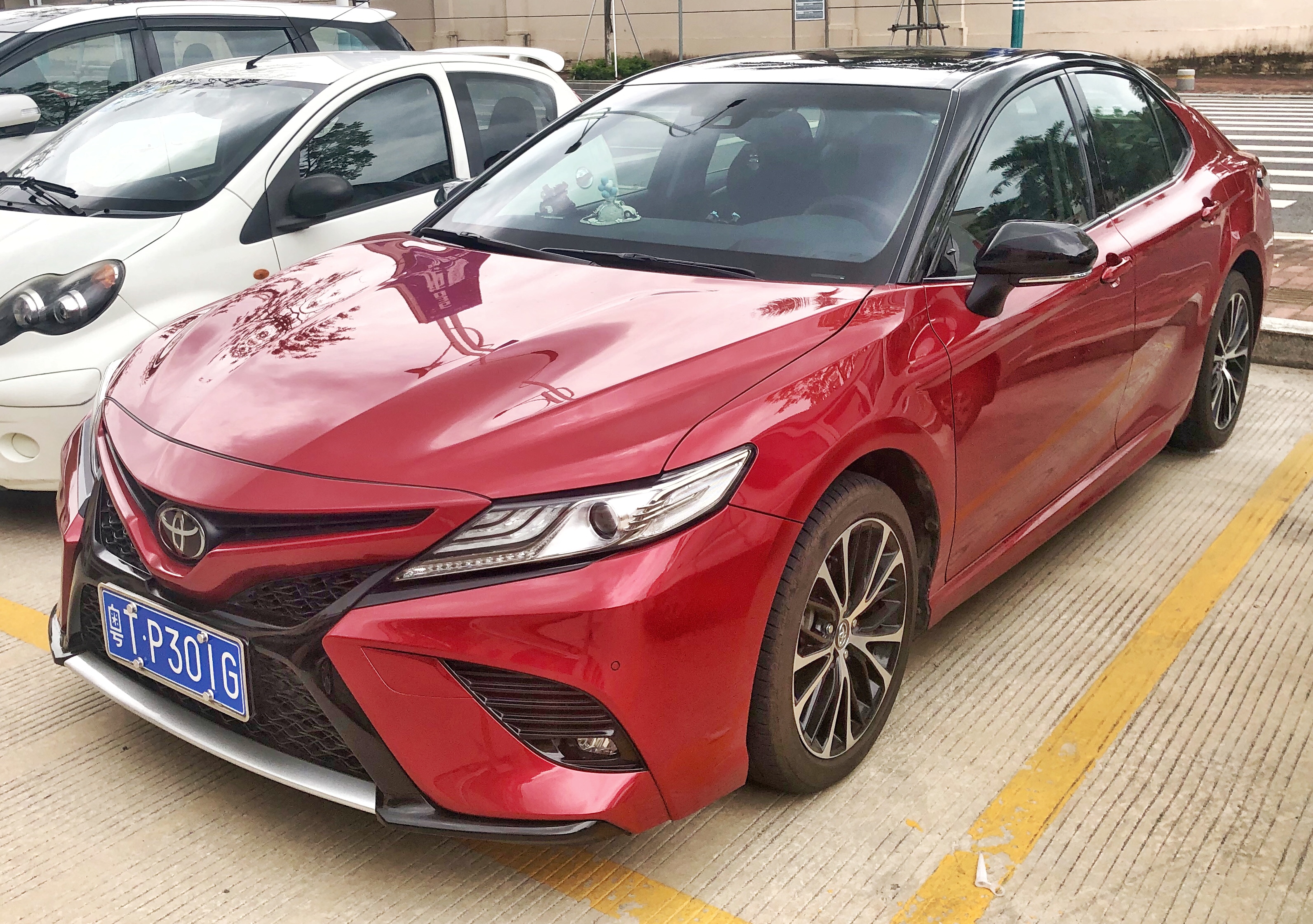
The Toyota Crown is a large, comfortable sedan made by Toyota. The podcast mentions it in connection with a race where there was a mechanical problem and then a comeback. That’s why it comes up—because it’s being used in a competitive setting, not just for everyday driving.
That’s a NASCAR race version of the Toyota Camry from the 2013 model year. Even though it looks like a regular Camry, it’s built and tuned for racing under NASCAR rules.
“Garage 56” is a special exhibition-style race entry. Instead of a typical race car, it’s a one-off build that’s meant to be exciting and memorable for fans.
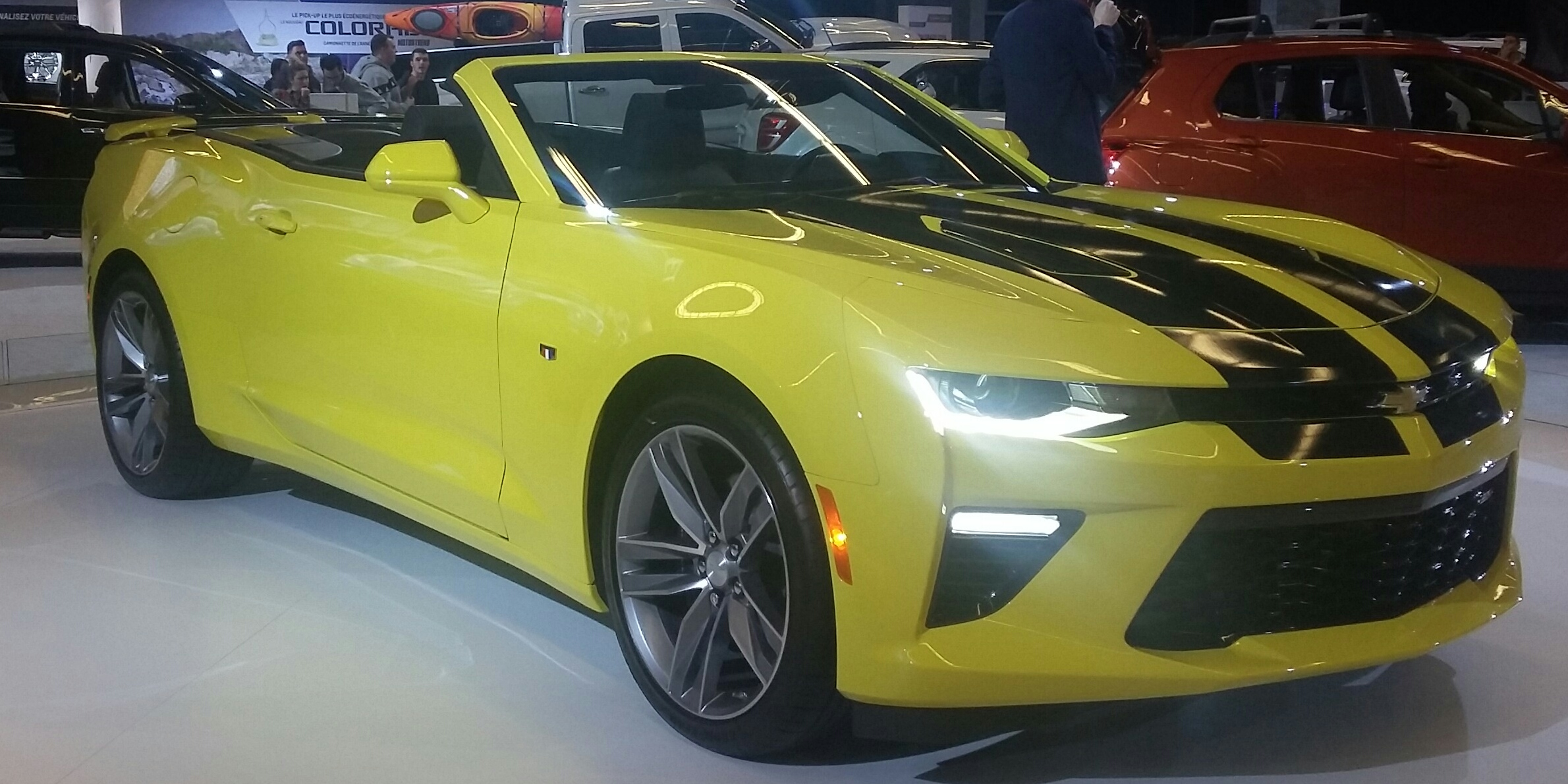
That’s a special one-off Camaro built for the “Garage 56” exhibition concept. Instead of being a normal race car, it’s a creative, fan-friendly project that gets attention because it’s different.
“In car” means the camera is inside the race car. You get a driver’s-eye view of what’s happening, which makes it easier to understand how fast and how hard the car is being driven.
That’s the speed they saw—191 mph—while the car was going down the straight. Higher straight-line speed usually means the car is flowing air well and has strong acceleration.
Term
in the grass
“In the grass” means the car left the pavement and went onto the grassy edge. It’s usually harder for the car to stay stable and fast there.
Watkins Glen is a famous race track in New York. Saying it “looks like a big Watkins Glen” means the course and the way cars move around it feel similar to that track.
The British Grand Prix is a Formula 1 race in the UK, usually at Silverstone. It’s a big, famous race where teams try to prove they’re the fastest that weekend.
A pole sitter is the driver who starts the race from the front of the grid, typically because they were fastest in qualifying. Starting from pole often gives a strong advantage at the race start.
The front wing is the big wing on the front of a race car. It helps push the car down onto the track so it grips better when turning. If it gets damaged, the team usually replaces it in the pits.
Term
brake clause
A brake clause is a contractual provision that can allow a driver to change or trigger certain terms related to braking performance or braking-related obligations. In F1 contract talk, it’s often used as shorthand for a clause that becomes relevant based on championship position or timing. The host is referencing a rumor that Verstappen can activate it after a specific point in the season.
In a race, a safety car is a special car that comes out to slow everyone down when something unsafe is happening on the track. It keeps drivers from racing at full speed until the track is clear again.
A “last lap shootout” is an informal fan term for a race ending with a final, high-stakes sprint—often with cars close enough to fight for position right at the end. In this segment, the hosts discuss whether the race finished under a safety car prevented that kind of dramatic finish.
Some cars can fall behind by a full lap. When the race is under control (like during a safety car), officials may let the lapped cars catch back up so the race can finish with everyone on the same lap.
The host is mentioning a well-known Formula One race official and implying that the decision they’re talking about resembles the kind of controversial call that person was known for.
A “penalty” is what race officials give when a driver breaks the rules. It can cost them position or time, and it can completely change how the race ends.
Concept
rules are black and white
They mean the rules are very clear and not open to debate. In racing, that usually means officials can decide what’s allowed or not allowed without much interpretation.
Silverstone is a well-known race track in the UK that hosts Formula 1. Here, they’re saying it looks great and feels even better when lots of fans are there.
F1 stands for Formula 1, the highest level of open-wheel racing. Teams build very advanced race cars and compete with detailed strategy during the race.
Ferrari is a famous Italian car company that also competes in Formula 1. They have a huge history in racing, so big anniversaries like this are a big deal.
Concept
zero to hero
“Zero to hero” means going from doing poorly to doing great very fast. In racing, one good race can completely change how people see a driver.
Concept
hero to zero
“Hero to zero” means someone who was doing great can quickly end up struggling again. Racing can be unpredictable, so momentum doesn’t last long.
Engine upgrades mean the team is improving the engine to make the car faster. In Formula 1, teams can’t just change anything whenever they want, so upgrades are scheduled for certain points in the season.
“On boards” are videos filmed from inside the race car. They help you see exactly what the driver is doing—like steering and how the car moves—during a corner.
Steering angle is how sharply the driver turns the car into a corner. Turning more can help the car rotate, but if the tires don’t have enough grip, the car can slide or understeer/oversteer.
“Plowing tight” is a slang way to say the car feels like it’s pushing straight instead of turning cleanly. It’s often what you notice when the front tires aren’t gripping enough in the corner.
They’re talking about Max Verstappen and the Red Bull team. The hosts suggest the team is dealing with serious problems and that changes behind the scenes could affect results.
Paul Monahan is a senior technical person at the team. The hosts are saying there are rumors he may be leaving, which could affect how the team performs.
Racing Bulls is Red Bull’s younger/development team. The hosts are pointing out that the junior team is doing so well it’s embarrassing for the main team.
Formula Two is a stepping-stone racing series for drivers trying to reach Formula One. Strong performances there can lead to opportunities with bigger teams later.
A reverse grid means the starting positions are flipped compared to the last result. So the fastest drivers might start farther back, and passing becomes a bigger part of the race.
A sprint is a shorter, more intense race. Drivers usually push harder because there’s less time to fix mistakes.
LIVE
The excitement of the FIFA World Cup is now streaming live on FOX ONE,
the official English streaming platform to catch every unforgettable moment.
FOX ONE brings the action straight to your screen, so you never miss a goal.
Download FOX ONE and experience the FIFA World Cup live.
Dixon to McLaren.
For me, it's Brady to the box, right?
It's Messi to Miami.
McLaren and letting go of talented drivers go together like peanut butter and jelly.
Welcome to Speed with Harvick and Buxton, fuelled by poets.
Let's talk racing, Will.
We have a lot to talk about.
Oh, man, this is going to be good.
It's on track and off track this week because there's an awful lot going on,
which I teased this.
I hate doing a vague tweet, but I did one for Lewis Hamilton when he joined Ferrari
because I had the news and was like, I can't blow the news because I want Ferrari
to be able to announce the news and I was like something big is happening.
But anyway, I thought I'd post the same thing this morning because I knew what was coming out this afternoon.
And it has been announced that similarly in a similar vein, the goat is leaving the team
with whom he won six titles and is moving to a team to help them rebuild and run for the title.
That man is Scott Dixon.
It was announced last week that he would be leaving Chip Ganassi racing.
He's confirmed today at McLaren.
He will be joined at McLaren in IndyCar.
We should state, not Formula One.
He will be joined by the 2026 Indianapolis 500 winner, Felix Rosenquist.
So it will be a lineup of Patoa Ward, Scott Dixon and Felix Rosenquist.
Ryan Hunzer Ray will have a fourth car at the Indy 500, just as he did in 2026.
So that is the full lineup for 2027.
It is all changed and perhaps most surprisingly, and the thing that I think has got McLaren fans.
And this is the really fascinating part of this.
McLaren fans are loyal, right?
Loyal to the team, loyal to a fault.
And yet they are up in arms.
The team is letting go Christian Lundgaard.
He is third in the IndyCar championship at the moment.
He took pole at the weekend, ran home second behind Patoa Ward.
The team's first ever won two in IndyCar.
He's had two second places, two first places on road courses this year.
For me, outside of Alex Polo, the driver of the season in IndyCar.
And they're dumping him.
Yeah, it's shocking.
It is.
And their sole reasoning falls back to Zach Brown's stated aim of,
we want to win the chip of crap.
Okay, we want to win the Monaco Grand Prix, the Indy 500, and Le Mans.
We want to win it in the same decade.
And if we can, we want to win them all in the same year.
And they don't believe that Christian Lundgaard has got what it takes on ovals.
That is their sole reason for letting him go.
Well, I think the interesting part to me is it doesn't seem like their cars are capable of doing what they need to on the ovals consistently.
Pato can do it consistently.
But their other drivers can't.
To the level of winning the Indy 500.
They've come close.
They've come close.
I will give them credit.
They have come close.
But I think that the interesting part to me is you want to win a championship and you're getting rid of your championship contender.
And now you're bringing in Scott Dixon, which, look, if I'm Scott Dixon and I'm at the end of my career and I'm having fun and want to go experience something else.
It was exactly what I did when I went from RCR to SHR and it gives you a chance to reboot and do all those things and have some leadership in a team.
It's going to be a fun experiment for Scott to be able to do that.
But can he still win?
It's the big question.
You know, it was the question that was fired at Lewis Hamilton when he went over to Ferrari.
Does he still have what it takes to win?
Not just a race, but a championship.
And if Zack's stated aim is the Indy 500, I love Scott.
He's done 25 years with Chip Ganassi Racing.
He's won the Indy 500 once.
He's won six titles in that time.
He would love a seventh.
But Zack has said his stated aim is not winning the championship because you want to win the championship.
You keep Christian on your team.
Right.
So you're bringing Scott in to help build this team up, right?
To turn them into serious contenders who can compete week in, week out with Ganassi and Penske.
That's a season long effort to win a championship.
So the two, the two stated aims don't mesh for me in an, an easy explanation of why they're letting Christian go.
And maybe I'm taking it, maybe I'm getting too emotional about it and too personal about it because I feel for Christian.
I don't know what more the kid needs to do.
If you look back to Long Beach, Tony Kanan was saying, we've got to resign this guy.
He's the best in, you know, in the field right now.
We've got to resign him.
And then two months later he's saying, he's not good enough.
Really?
So I know that there's a lot of layers to this.
And when I read through the transcript of, of everything that was, that was happening, the one thing that, that stuck out to me is it seems like Hunter Ray, Kanan and Dixon, it seems like a, they're all friends.
Yeah.
And it seems like this was, it seems like a friend hire.
It doesn't.
And sometimes from a business standpoint, you have to separate what's, what's going to be great for the team and your friendships is, I mean, do you see it that way?
So here's the thing.
People have stated for a long time that this team isn't so much McLaren.
It's team Pato and that everything is, is ultimately about Pato, Pato's happiness, Pato's confidence, Pato's car setup.
You know, can anybody drive the car the way that Pato does is the reason the other drivers at McLaren struggle so much at Indianapolis because Pato likes it.
He likes the car a certain way and that drains confidence out of them.
Ryan Hunter Ray raced for McLaren this year at the Indy 500.
He was P nowhere.
Right.
Yeah.
Tell me that Ryan Hunter Ray doesn't know how to drive the Indy 500.
Don't tell me he doesn't know how to drive the Indianapolis Motor Speedway.
I'm not convinced Christian Lungard has ever had an Indy car at RLL or at McLaren, a car that is balanced enough for him to be able to push the limits and extract the maximum from it.
And if we go back 12 months of 2025, he finished 7th Indy 500.
It's not like he's dog turd at the place.
Like, okay, he's not as good an Oval's as he's on road and street courses, but he's not finishing P25 every weekend there.
Like he's the guy's juice.
But to your point about it being about friendship, Pato was Felix Rosenquist's best man at his wedding.
Scott Dixon's son's favorite driver is Pato Award.
They all get on well.
And if you listen to what Tony Kanan has to say, I don't think you can be in any two minds as to one of the definitive reasons why they've made these signings.
To build a team around Pato, he needs teammates that will actually show Pato a little bit of a championship mentality.
But just be here, he's entire career.
And I'm not saying he doesn't have it.
We are humans.
We go by example.
Fro is, in my opinion, one of the best teammates to have.
I was here and he was my teammate when I was here.
He was Dixon's teammate at Ganasi and his Pato's best friend.
He can win the 500.
He's extremely fast.
But Fro is the guy that is going to keep this team among the drivers together to lift the entire chemistry among them, engineering room, and then it's going to make to the mechanics.
And that is something that if anybody disagrees with me, I can prove you a thousand times that working in a good environment with people that lift you up and are not as selfish that they think about a team, it never fails.
I think that's quite harsh because that almost intimates that Christian is too selfish to be a part of the team.
And I don't believe that to be true.
I don't believe that to be Christian for a moment.
I think what Tony is trying to do here is recreate the dream team that Tony was a part of when he was at Andretti, which was himself and Dan Weldon and Dario Frankini and the other guys who were there at that time.
And that's all well and good.
And I understand the mindset, but you've also got to have drivers that are going to push each other that are going to fight.
IndyCar doesn't have a team championship.
It only has a driver's championship.
It is about the drivers as individuals.
So look, I get...
I love Felix Rosenquist.
He's a wonderful guy, but there is a recency bias, I believe, to this signing,
which is that until the Indy 500 this year, Felix was seen as one of the out and out fastest drivers in the sport, but a driver who couldn't get it done.
He would choke repeatedly.
He wins the Indy 500, biggest race in the world.
Brilliant.
With one of the greatest last laps you're ever going to see, gutsy.
Did he choke?
Absolutely not.
He put in the best last lap of an Indy 500 you are ever going to see.
But how much of this is recency bias?
Would Tony Kanan believe the words coming out of his mouth that Felix Rosenquist had come back second?
I don't believe he would.
And let's roll back two years to when Tony Kanan said, believe me, me.
Nolan Siegel is going to be great and I stake my reputation on it.
Well, guess what?
Two years later, Nolan Siegel's out.
Yeah.
Come on, TK, man.
I love the guy, but come on.
It's so hard to put things together as a friendship.
And I think when you're trying to recreate something, to me, this sport evolves.
And where IndyCar Racing is at right now is way different than what it was of that dream team that you're talking about and referring to.
It's 20 years ago, mate.
Yeah.
And it's not the same.
And I don't even do it, but I can promise you that IndyCar Garage is not the same as it was 20 years ago in how you go about making your car go fast.
All these young drivers that come through and they push the limits and the setups and engineers that push the limits and the setups and the car has changed.
I don't know.
It seems way out of bounds as far as doing the right things.
Look, it's a great story.
And I think it's wonderful for IndyCar.
It's brilliant for McLaren when Scott Dixon gets tired of racing in IndyCar.
He can go and race hypercars with Zach Brown and go and win it on.
Oh, I love that part of it.
I think that's great.
And look, Dixon to McLaren.
For me, it's Brady to the Bucks, right?
It's messy to Miami.
It is a generational great who has achieved everything going somewhere to create a new ethos, a new sense of team and take them to the titles that they want.
But they want the 500, not the title.
Right.
And Scott will create a championship winning team.
He'll create an Indy 500 winning team.
I'm convinced of it.
But I think he's going to have a rude awakening the first time he drives that car and realizes how specific it is to one driver.
And that driver is not him.
I think that's going to be a big, big shock.
And let's not forget McLaren dumped Felix Rosenquist a couple of years ago.
It's a while.
I mean, yes, they did it because they thought they'd signed Alex Polo and all of that.
But they still let the guy go.
Yeah.
And so now they, they're, they're reversing.
I just.
It's messy.
But none of it.
It's messy.
When you look at Lundgard, he's now got after this weekend, since he joined McLaren, he's been on the podium for 39% of his race starts with that team.
What more are you supposed to do to prove to the team that you're the guy?
Like I don't, Alex Polo has a 49% podium streak since he joined Gnassie.
And that's obviously the best in the sport.
I think Christian is second then on the list of, since he joined a team, those consistent podiums and that percentage chance of being on the podium.
But what it does mean obviously is that Christian is now on the open market.
And if you're a chip Gnassie and you've got the number nine car open.
It makes a lot of sense for me if that goes to Christian.
It makes a lot of sense because the Zach versus Chip war will continue.
And if, if Chip could take Christian, put him into a well balanced car, give him the confidence to learn, grow, develop, become the oval driver that he could be.
Well, then you've got Polo and you've got Lundgaard, who could be dual full packages and Gnassie have then got the two best drivers in the sport on their books and McLaren have dropped the ball again.
Because let's not forget they signed David Maluchus and when he broke his wrist, they let him go.
They have fumbled driver decisions time and time again over recent years.
And there is every possibility that this blows up in their faces.
It's a, I mean, it's, it's a, this is why it's such a huge story.
Like it's absolutely fascinating because the jeopardy potential jeopardy of it is absolutely vast.
Yeah. And, you know, I think when, when you will look at the results this weekend, right?
So when you look at the results this weekend and you see Christian,
pole position, wham, and leads the race makes a little mistake.
Pato slides through McLaren one to like the timing of it all is unbelievable.
It's crazy.
As far as throwing him out and put him into a different car because you look at the results from, from Mid-Ohio,
you're like, are you guys freaking crazy?
That's, that's, I mean, that's the first thing I thought of hiring Scott Dixon to drive your third car.
Makes sense.
Makes complete sense.
But I don't, the Lundgaard thing just doesn't make sense.
I know Pato obviously being in victory lane this weekend at Mid-Ohio and the race weekend,
but the timing of it all is just so ironic.
It is.
It's, it's, it's wild.
It's brilliant.
That's what silly season is, is all about.
I love it.
Renus VK ran home in fourth place.
Another brilliant result from him in a car, which is nowhere near the likes of a Genasi,
a Penske, and Andretti, and McLaren.
Renus has to be seriously in consideration for you to think an MSR seat,
maybe even that Chip Genasi number nine seat.
I think Renus would be a brilliant signing for somebody to take up to one of those, those top teams.
And we had Conor Daly on the warm-up show over the weekend as well.
I believe he's got the budget and we've said this on the show already.
I think we said it last week, maybe the week before.
Conor has the budget.
MSR are also looking at Kaio Collette, the brilliant young Brazilian rookie,
and Elio Castro Neves, their Brazilian boss, I think would love to get Kaio into that seat.
So there's a lot more to shake out in the silly season moves in IndyCar.
But what a massive, let's be honest.
For Zach Brown, what a massive statement, because he has now on his books
three Indy 500 winners in Ryan Hunter Ray, Felix Rosenquist and Scott Dixon.
He has the unquestioned greatest, certainly of his generation,
potentially the greatest of all time, certainly a driver who will have his face etched into the Mount Rushmore of IndyCar drivers in Scott Dixon
to have made that signing.
That's, that's a statement and you can't take away.
And I think for Dixon in general, I think it's definitely, it's going to be fun for him.
And it's going to remotivate him because of the fact that he's going to a different team.
He doesn't want to do what could happen with the failure and he doesn't want the failure to happen.
He wants to go into McLaren and make the changes and make all those guys better.
And he's going to have that challenge to go along with that when he makes that change to go over there.
And guess what? The question in IndyCar that everyone has is how do you beat Alex Pillow?
Yeah.
Well, who has worked alongside Alex Pillow? Who taught Alex Pillow?
Right.
Who sees his data every single weekend? Scott Dixon, you want to know how to beat Alex Pillow?
Higher Scott Dixon.
You hire Scott Dixon.
And so it makes a ton of sense from that perspective.
And I love Scott.
And, you know, you can see he's not enjoying it this year at Genasi.
The time has come naturally to an end, I think for those two.
So to permit him the opportunity to go and be replenished and rejuvenated and get that pet back in his step.
You know, a fired up Scott Dixon.
Yes, please.
Yeah. And he gets to be around his friends, right?
Absolutely.
And that's, there's a lot to be said about at this point in his career, he just wants to be happy to be motivated.
Well, yeah, let's, you know, let's see what works best.
Is it teammates firing each other up because they're competitive with one another or teammates firing each other up because they're all matey with each other?
Right.
Which one's going to work?
It's some...
It'll be interesting.
It's an interesting one.
Alex Palo is still the championship leader.
Shock.
But his championship lead has been cut.
Kirkwood is back in a second place in the championship.
Lundgard is up to third in the championship.
And it is, it's incredibly tight given we've got seven races to go for the season.
And this wasn't the case last year.
Anyone of those top 345 drivers, I think you've got Palo, Kirkwood, Lundgard, Malukas and O'Word.
O'Word maybe a little bit more on the outside, but certainly of those top four.
I think any one of them could be champion right now.
And this is going to be the most random thing that I'll say on the show probably today.
I like the sound of that.
And the interesting part, you say there's seven races to go.
Yes.
Okay.
I want to see what happens to these IndyCar teams that have to do that in a short amount of time.
Like if you get in trouble and tear something up or you know, you have a bad week and that's a lot of races in together for these IndyCar teams that I'm not used to seeing.
Well, we have one race coming up in Nashville.
Yeah.
And then we have six in five weeks.
Right.
So, yeah.
That to me is one of the things that could separate the winner from the loser is who navigates all of this the best because you're going to put a grind on your people that you haven't been able to do before and your preparation for each race a little bit less.
A little bit less.
I'm just waiting for Christian Lundgard to turn up to Nashville, win his first oval race, drop the mic and walk off into the sunset.
That would be awesome.
That would be awesome.
That would be great.
We had a brilliant weekend of IndyNext at Mid-Ohio as well where Enzo Fittipaldi completed a weekend sweep, led every single lap of Sunday's race claiming his second victory of the weekend having won the first race of the weekend on Saturday.
Absolutely flawless performance back to back and Fittipaldi.
It's a name that is well known in the IndyCar paddock.
Of course, look at that.
They gave him a broom to represent the sweep.
I love that.
His name firmly in silly season conversations as well.
There's a couple of really quick kids in IndyNext whose names are being mentioned around the IndyCar paddock.
So we could see a bit of a change up there.
And when we talk about change up, we talked about Conor Daly.
This is great.
This is awesome.
From a social perspective, if you haven't already seen this, Conor Daly launching himself into Chip Ganassi's DMs.
At Travis Pastrana's complex.
What would we call it, a ranch?
What would we call that?
I think yes.
Complex.
Home of like, capital of chaos.
Okay.
I'm not sure that I would do that.
I would not.
You should have seen the road rash on his arms from the airbag when he landed.
Because, you know, they say don't crush your arms.
Go like this.
And so he landed and as he skidded down it, he's taken all the skin off the back of his arms.
Hey speed fans.
This show is fueled by Poet.
Poet's zero carbon bioethanol gives NASCAR drivers the octane they need with zero carbon intensity.
When it comes to performance, you can't beat zero.
Learn more at Poet.com.
The cup cars were back at Chicagoland Speedway this weekend.
First time in how long?
First time since 2019.
Wow.
So that track has just been sitting here.
They've been building warehouse after around it and the track survived.
And to me, it's a better place to be than the Chicago street course.
And I think that the fans proved that this weekend they had a lot of rain.
Parking was miserable.
Traffic was miserable.
Not of anybody's doing.
The parking lots were flooded.
But sold out crowd.
Yeah, great to see.
And when you talk about, I mean we've had this conversation about the Chicago street race.
Great event.
Probably needs to be somewhere else because it looks like all the people want to go to the oval.
But Chase Briscoe put his name in the hat.
He's made a huge climb through the point standings.
Eighth or ninth in the points now.
Got that Joe Gibbs Bass Pro Shop Toyota into victory lane this weekend.
And I think that for him, the start of the season was rough.
But this is how you get yourself back into championship point contention.
You put yourself in victory lane.
And I think that Briscoe is, and those guys have finally righted the ship on that 19 cars.
Team mate Christopher Bell was right behind him.
The Gibbs cars were really good all weekend.
William Byron, best I've seen him run all year.
Chase Elliott up in the mix.
Kyle Larson had some trouble.
But in the end, Chase Briscoe in victory lane.
Tyler Redick, man, he has had a spiral out of control with the bad luck.
What was it?
A stone chip through the front?
Something went through the radiator, started puking water out the air vents in the hood
and wound up having to go behind the wall.
Changed the radiator and everything that.
Which they allowed him to do?
Because ordinarily you wouldn't be allowed to do that.
Well, he didn't wreck or anything.
So he wasn't on the damaged vehicle policy clock and didn't have to go to the garage.
They went there on their own.
So if you go there on your own, come to pit road, you can replace the parts and pieces
and go back out on the racetrack.
But Denny Hamlin, he finished third and was able to just separate himself from Redick
at this point in the point standing.
That's what went through.
The radiator.
And the way that they run those radiators now, in order to get the air flow and everything
correct, there's really no screen on the front.
They run just little bars and things and really big holes in the screen.
So that's the chance you take.
But the bad luck has definitely turned against Tyler Redick for everything that he had go
right at the beginning.
We don't need to talk about bad luck when it comes to Connor Zillich, because if it
was a wreck, his teammate, Shane Van Gisburgen, having a lot of fun as well.
Well, he and Austin Hill got into it again.
Didn't they?
Yeah.
It looked like SVG was repainting a favor for San Diego.
A moment that they had.
This is Zillich's wreck at the B. Well, this is lap one as they go and get tangled up right
here.
Connor just wrong place, wrong time.
But he's just not getting the laps.
Zillich is not getting the laps that he needs to progress.
And you heard, you know, so many of these guys talk about having the laps that you need.
You see Austin Hill in the fence right here with Connor's teammate.
The front burner, a front bumper of SVG.
Was it payback?
Yeah.
And you know, I think right now we were talking a little bit about this before the show.
You just, you don't want to SVG just doesn't need an enemy right now.
I know that they're probably frustrated with some of the things that have happened with
Austin Hill, whether it was during the race or whether it was from San Diego, whatever
it was, it, I mean, it looked like he was, I mean, he was definitely not cutting him
any slack to say the least.
But, you know, I think SVG sitting right on that bubble and if Austin Hill just decides
to wipe him out one weekend or spend him out or make it hard on him, it's going to make
it tough on the, on that championship.
And that's where the focus in my opinion should be.
It's the third time in the last few weeks that those two have come together.
Yeah, I know.
And you're expecting a fourth?
Well, yeah, it looks like there's a fourth coming.
Yeah.
So it's, you know, that's a tough thing to balance because you don't want to be the guy
that's getting pushed around.
And I think SVG must have felt like he, he needed to, to send a message to, to Austin
Hill.
Definitely sent it.
Well, and said it after the race as well.
I think he was asked if he was going to go and talk to him.
And he said, you know, there's no point because all he does is mumble.
Like that.
So no love lost between those two.
Big picture.
Awesome.
Big picture.
Yeah.
And this is, this is Austin right here under caution, not, not happy.
And he, he definitely.
Yeah, that's a bit.
Definitely shows his displeasure right here.
It gives him a little bit of door slam.
Yes.
Little, little, little, little kiss.
Yeah.
And that's the way it goes on, on Saturday, Brandon Jones went to Victory Lane and beat
one of the best to, to do it right now and chase Elliott.
They had a heck of a race at the end of this O'Reilly race to, to be able to get to Victory
Lane.
He put himself back in Victory Lane after a long win list streak.
So back in, in Victory Lane at, at Chicagoland Speedway.
We know Brandon always runs good at, at Kansas Motor Speedway, came to, to Chicago.
Very similar type racetrack and, and good to see him and his team back in Victory Lane.
And Menards been around the sport for such a long time.
See him on the side of Indy cars and NASCAR race cars.
One of those great liveries.
It is.
And so Brandon Jones back into Victory, Victory Lane.
Let's see Friday night.
Connor Mosaic made his way back to Victory Lane was able to basically drive away.
He wound up dominating the race there.
Had a little bit of a carnage at the beginning of the race.
One of the better cars.
William Swahl has got tangled up at the beginning of the race and put that Joe Gibbs car into
the wall.
But Connor Mosaic back in Victory Lane for Arca.
Good burnout right here too.
Beautiful.
I'd be so mad.
I'd be so mad.
What?
Well, it's Arca race.
I don't know that you should be tearing the car up like that.
I go for it.
I'll send you.
You gotta, you gotta celebrate.
Yeah, I know.
But if you're paying for it.
Yeah.
I think it's, I think it's tough to swallow from the team to understand point.
But anyway, Laney Bice.
Yep.
She had a runner up finish.
And you know, I think when I've, when I've watched Laney Bice race in the past, she's
done a great job.
She did a great job in the cars tour with Lee Poliam and the results that she had there.
So Laney with a runner up finish this weekend at Chicagoland Speedway.
Quite the effort.
Yeah.
I think that officially ties highest.
Highest finish for female driver.
That's right.
Yeah.
Highest finish for a female driver.
So Laney Bice having some good results and more experience she gets, the better off,
better off she will be.
So need some seat time.
Keep that seat time going, Laney.
While we're talking NASCAR, NASCAR Classic at LeMond.
Oh, this was so cool.
Yeah.
Andrew Jordan claimed the, changed the overall crown, having bounced back from a mechanical
failure that he had on Saturday.
Sweeping both races on Sunday behind the wheel of the 2013 Toyota Camry.
Wrapped to look like Clint Boyer's final Michael Waltrip racing ride.
But while Jordan dominated the finale, the exhibition also saw big celebrations for JC
France, grandson of NASCAR's founder, who captured a historic victory in the opening
race, driving the garage 56 themed Camaro.
50 years after his grandfather, Bill France senior brought stock cars to the 24 hour race.
And what a cool moment that was when, when Mr. France brought those, those cars over
here and then we built the garage 56 car to go and run that.
And I think the fans loved it.
And now you see the exhibition race back this year.
And I saw the, did you see the in car of Kurt Busch's car running down the straightaway?
I did.
191 miles an hour.
That was.
He's in the grass right here.
And never even lifts.
But 191 miles an hour.
And I think that that's the most sound for you.
Yeah.
But it's so different to hear those stock cars over there because of the sound and how loud
they are.
And I think the fans are just intrigued by them.
So it's like, it's like a big Watkins Glen.
Really?
It's what it looks like on board.
I mean, Watkins Glen's got more undulation.
The one is a bit flatter, but kind of just reminds me of the on boards from Watkins a
bit earlier this year.
I've seen Kurt Busch drive a lot of stuff lately.
I think he's going to race anything.
What's his name?
I mean, if you're going to drive him that fast, you might as well race something.
We get you down to Le Mans?
I don't think so.
You know, look at this point, Will.
I mean, my road racing skills are crap.
I think it would just.
You're getting whooped by your 13 year old son.
I'd like to go watch it.
Yeah.
Sorry, I'd slip that one in because you weren't here last week.
I know.
I did beat him a couple of weeks ago though.
Yeah, but you know.
It was good race.
Yeah.
And we got our butts whooped this week.
We went back to Washington this week to Tri City Raceway and Ethan Ebert absolutely
destroyed us.
I know that that was his.
That's his place, but couldn't be happier.
A great kid has a great personality.
20 years old.
Great from that area and used to race off road trucks.
Yeah.
So he's kind of transitioned over to the oval track stuff on the short track side and he's
learning a lot and clearly I would I would say that I learned something from him this
weekend, but I never saw him.
So he was too far ahead.
But what a great crowd.
A great, great fireworks show.
Had a packed house there to watch the race.
So we we had a good 4th of July.
Brilliant.
Glad to hear it.
You know, I loved I loved Independence Day this this year, the 250th celebrations.
I felt felt more American this year.
I'm not American, you know, but I felt.
Felt fully carried away with the celebrations.
We raced about, I think the race started at eight o'clock and every time the caution would
come out, you know, the racetrack was kind of up on a mountain.
A little, it had a little elevation to it.
And every time the caution would come out, all you could see were just fireworks off
and everywhere around the racetrack.
So it was pretty cool.
That's very cool.
Love it.
Love it.
Right.
Should we talk F1 British Grand Prix this weekend, which was won by Mr.
Charles Leclerc?
About time.
I know, right?
Back on top form, back on the top step.
Absolutely mega.
And and and the race itself, Charles took the lead at the start of the Grand Prix taking
taking over from from pole sitter Kimi Antonelli right at the start.
Here you go.
Great start from him.
Lewis Hamilton made his way up into second place.
And what went on from there actually was quite a fascinating race.
Antonelli was back on a charge, eventually got past Hamilton back up into second place
and you're thinking, OK, now he's going to start putting the laps in.
Now he's going to catch Leclerc and Leclerc held the gap.
And it was like, OK, this isn't going to be quite what we would automatically assume
it to be.
So I think Leclerc had the race in his in his grasp pretty much all the way through.
Antonelli then picked up a really weird piece of damage where he ran over a rumble strip
and kind of the brake shroud from the left folded in on itself.
And he thought it was suspension damage or something like that.
And when he got back to the pits, I guess it must have flipped back into place
because the team was looking around the front and couldn't see anything wrong with the car.
They changed the front wing, sent him back out.
And obviously as soon as he's back up to speed again, it just comes around the wrong way.
So then he comes in and they rip it off and send him back out again.
And yeah, he tumbled down the order as a result.
Then we got a crash for Max Verstappen right at the end.
Just lost it.
High speed knives.
Something went wrong with the car.
Yeah.
I don't think it was.
I really don't think it was driver error.
I think it was.
I think something was wrong with it.
In fact, I'm pretty sure something was wrong with the car.
And here's a replay right here.
Look, it's already gone on him.
Something breaks at the rear and he's off and he's done for the day.
His words to the car were not kind.
Not friendly.
Not friendly.
No.
And there is of course a rumour that given where he finds himself in the championship,
now that we are outside the British Grand Prix, Max can initiate his brake clause in his contract.
Should he wish to do so?
The question is where would he go if he did?
And you just thought IndyCar's silly season was a big deal.
I thought IndyCar's silly season was a big deal.
But then we got a safety car for that and we thought we were going to go back racing
and we were going to have one final lap of racing.
And we didn't because they had to let the cars unlap themselves and so the whole thing
finished under a safety car, which a lot of people were upset about because they wanted
Lewis Hamilton to maybe have an opportunity to have a go to fight for the win.
And then George Russell had stayed out under the safety car while everyone else pitted
and made his way up into second.
But it's interesting because all the Hamilton fans were kind of decrying the fact that we
didn't get a last lap shootout because the rules were followed and the exact same fans
who were really upset about the fact that we did get a last lap shootout when Lewis
lost out on the World Championship in 2021.
It's like you can't have your cake and eat it too.
What do you want?
Do you want the rules to be followed or do you not want the rules to be followed?
Well, look, they're never going to be happy.
You're going to have the 50% yelling at you for doing one thing.
And if you do that thing, then you're going to have the other 50%.
I never thought I'd hear Lewis Hamilton fans screaming for a Michael Massey type decision
in Formula One.
But here we are in the insanity of 2026.
What did you think about the penalty at the start of the race for Lewis?
What was it?
Five seconds for the...
Oh, yeah.
It's legit.
Yeah.
Look, you see him roll.
That's the jump start.
And look, he got it slowed down and then managed to make a really good start after that.
But the rules are clear.
Yeah.
You know, if you go even that amount, you know, you roll forward an inch.
You've moved...
Pretty black and white.
In that part of...
Once the first light turns on and you get the five lights and then off,
once that light sequence begins, you can't move.
Right.
At all.
And it doesn't matter.
Even if he'd done that and then got a terrible start
and fallen all the way to the back of the grid...
Still getting the penalty.
The penalty for a jump start because the rules are clear.
You move and that's it.
And look, it's nothing.
And I'm amazed, frankly, that Lewis is brilliant enough to still get a good start as a result
of that and hang on to third and ultimately take second on the first lap.
Great driving.
But yeah, the rules are black and white.
And I saw that they announced that that was the most well-attended F1 race ever.
It was.
Over 500,000 people over the course of the weekend.
Silverstone looked fantastic.
It looked really...
And you know what?
Silverstone in the British summertime is glorious.
And when it's packed out with fans, it's absolutely fantastic.
The traffic is hell.
But when the track is packed, it's great.
I remember when they held the race in April one year and I went with my dad and it just
rained and rained.
Oh, that's not funny.
And then we were up to our knees in mud trying to get the car out of the car park.
It was a great day.
But yeah, I'd rather have it height of summer.
So are there people camping everywhere?
Oh, yeah, yeah, yeah.
So you just stayed at the racetrack?
No, no, we drove.
Yeah.
But I mean, like in general, like do most people camp in tents?
Do we have trailers?
Most people would...
We don't really do trailers.
We don't do RVs and trailers and stuff in the UK.
No.
No.
We just do pokey tents.
Pokey tents.
Yeah.
Like pokey as in small.
Well.
Like small tents.
I don't know about it.
Kind of like you're going to a music festival.
And then, you know, after 34 days at the Grand Prix, you just smell.
So did you guys stay in a tent?
No, we drove.
You drove?
We literally drove up.
We would leave home at like one o'clock in the morning.
And it was all exciting because you'd have like a pillow and a sleeping bag in the car.
And then you'd get stuck in three hours of traffic trying to get into the circuit.
And then it'd be five hours of traffic trying to get out of the circuit.
They still haven't fixed that.
Right.
Because it's Britain and it's Silverstone and it's part of the experience.
But no, it's a wonderful event.
And yeah, I was talking to some of the guys from F1 this morning from the organization
side and they're just so over the moon about the attendance and how big it was.
They should be.
Absolutely.
That's a feather in the cap right there.
And how great Ferrari get their 250th at the scene of their first F1 win.
No kidding.
Yeah.
That is great.
Yeah.
Gonzales 51, I think it was 51 for Ferrari.
How much pressure do you think was on Charles to win now that Lewis has won?
Big.
Yeah.
Big.
And he said so after the race, he's like, you know, it's amazing how in this sport,
you know, this kind of result takes you from zero to hero.
But in two days time, you go from hero to zero again.
Like it's just, it's the nature of the beast.
It's racing.
Exactly.
But yeah, he's aware of that.
Like, did his talent go anywhere?
No, just needed the luck to turn strategy to be played right.
Everything play into his hands.
And, you know, what was really interesting was, you know, Ferrari found themselves at
the front of the fight.
Antonelli won the sprint race on the Saturday, but it was Hamilton on the pole and Hamilton
who led the majority of that.
And after a weekend in Austria, where most people expected Ferrari to be competitive
and they weren't, we go to Silveston where people expected Ferrari not to be competitive
and they were.
So, so yeah, that was really interesting.
So does Antonelli win the championship or does it blow the lead?
It's coming down.
Oh yeah.
And the fascinating thing now is, is, you know, George is obviously catching up mostly,
you know, through, through staying out in those, those last safety car laps.
He bought himself a ton of positions.
But Lewis is in the mix as well.
But, but take it down to base level.
And once again, who's the fastest driver on track?
Kimi Antonelli.
Yeah.
He's still the man to beat and every racetrack we go to doesn't matter what type of layout
it is, what type of circuit it is, what the weather conditions are doing.
Hot, cold.
Doesn't matter.
Kimi Antonelli is the man to beat.
He's just having the lion's share of the bad luck at the moment.
So what's going to happen with all these engine upgrades?
When are those?
Well, that's a fascinating thing.
Ferrari have already, Ferrari have already brought one.
When do we see them?
Well, and, you know, and there are car upgrades to be considered as well.
Aston Martin are rumored to be bringing an entirely new car.
They need to before the summer break.
Yeah.
Did you see the on boards from the Aston Martins this weekend?
No.
Like, you know at Monaco, they have to go into the hairpin and the wheel goes upside
down every corner for Alonso and Stroll.
They turn, you know, what would normally be a kind of a 15, 20 degree angle turn.
They're just wheels upside down and then they turn it in, turn it upside down and like,
and not catching it literally just in order to get the amount of purchase and the amount
of steering angle, the whole thing's just every bloody corner.
We'd call that plowing tight in NASCAR.
Hidious.
Yeah.
Hidious.
So yeah, Aston Martin with that.
Not good.
Well, it sounds like they need those upgrades.
They do.
Goodness knows what's going to happen with Max Verstappen and Red Bull.
It's, I don't think it's ever been worse.
They can't keep going, can it?
No, I mean, there's big rumours that Paul Monahan, who's one of the tech chiefs at
the team that he's about to announce that he's leaving.
The place is just falling apart.
And then you've got their junior team.
Pardon me.
Racing Bulls who had another weekend with both drivers in the points.
That's not going to go over well.
When your junior team is beating your primary team, I mean, it's just great.
I love it.
Yeah, I love it.
But they've got a problem.
They have a big problem.
They have a big problem and it's more than just their car because as always Red Bull
have more drivers in the mix than they know what to do with.
And then when we look at Formula two this weekend,
Nikola Solov and folks, you may remember, we spoke about him last week as being
rumoured to have already had a racing Bulls seat for 2027.
He hasn't as we understand it just yet, but he's staked more of a claim to it
over the weekend at Silverstone by taking back to back wins.
He won the sprint and the feature and that is a rarity in Formula two or GP two,
whichever one you want to call it in the history of those championships to win
the Saturday race and the Sunday race with the reverse grid is incredibly
where Solov now is three wins on the bounce.
That's two features and one sprint.
Absolutely incredible.
And anyone who says he's doing it because of the car or whatever.
Campos is not what you would describe as being the peak team in Formula two.
And he's just getting the job done doing an absolutely stellar job.
And because of that, we've made him a driver of the week nominee.
Brilliant, brilliant racing from him.
Like had to get the job done.
Didn't just sit at the front and lead away, had to race for it,
had to overtake through maggots and beckets.
Brilliant, absolutely brilliant.
So very, very impressive.
But what do you do if Max doesn't go, if Max stays?
Hadja's doing a brilliant job as his teammate, probably the closest teammate
that Max Verstappens had since Daniel Ricciardo.
Lin Blad is a star, not just with the future, but of now.
Lawson is doing a great job as well.
Who do you replace?
Right.
Why would you replace any of them right now?
And I think that the politics of the whole thing,
it's kind of like when we go back to the McLaren thing,
I mean, there's obviously politics involved.
And then it's just going to be the political answer to who falls short.
If you do have to, you know, change that.
You wouldn't want to lose any of them.
No.
It's crazy.
Crazy.
Formula Three drama in the stewards room,
which completely rewrote the results of the Formula Three feature race at Silverstone,
as the original winner, Matteo Dipallo,
was disqualified for a technical infraction
and second place finisher, Ernesto Rivera,
lost his podium to a time penalty.
Post-race chaos, my friend.
And it handed ART, Grand Prix, Rookie,
I can't pronounce his name, I tried and I will fail.
I'll just say Gladys is his surname,
his first career F3 victory.
My apologies.
Ugo Ugochukwu, another name I always struggle with,
delivered.
Better get used to saying it.
I know, because he's, I mean, he's on such a run.
And hey, you talk about McLaren fumble in the ball,
there's another former McLaren driver.
He was part of their young driver program.
They've let him go and he's absolutely bossing it,
cruised to victory by a margin of a massive 17 seconds.
It's the largest winning margin in series history.
McLaren and letting go of talented drivers go together
like peanut butter and jelly.
The thing that catches me off guard right there is the number
of cars they started in the F3 race.
Yeah, right?
I couldn't see the back of the grid.
Big field, it goes all the way through the final corners.
Right, I love that.
Also racing at Silverstone was F1 Academy.
Emma Fabermeyer was untroubled from pole position
in the reverse grid race at Silverstone,
leading every single lap to a commanding two second victory,
which is her second win of the season for Audi.
Brilliant, brilliant drive from her.
And I love that Malala handing out the trophies.
Absolutely wonderful.
On Sunday though, in the feature race,
Alicia Palmowski executed a dream home drive in the feature
snatching the lead at turn one,
holding on to capture the win for the,
I should say her third win of the season for Red Bull Racing.
She withstood huge pressure and this is a really fascinating one.
So F1 Academy has wildcard drivers every single weekend.
And this weekend's wildcard driver, Chiara Betig,
was phenomenal and had the best weekend that any,
I think wildcard driver has ever had in F1 Academy.
She finished on the podium, finished in second back for the win.
She absolutely bossed it.
I'm so impressed with her because it's so hard to step into that championship.
When you're not used to the car or that level of competition,
for her to just jump in and do what she did,
I thought that was absolutely mega.
That's what you're looking for.
You're looking for the next star, right?
That's what you're hoping for to give somebody an opportunity.
And when they step in and step up like that,
she was great.
You know, you got something to possibly build on from there.
Yeah, really, really impressive.
Right. Formula E and Formula E was at Shanghai.
We used to have a Formula E racing on street circuits,
but I love it when they go to proper tracks.
Like we had a drama earlier in the year.
Well, look at this on the Formula One circuit in Shanghai,
Pascal Verlijn dominating the first race of the weekend,
slashing Nick Cassidy's championship lead in the process.
Then on Sunday, here's a nice story for you.
Lola.
Lola takes the win.
Spectacular final lap for Lucas de Gracie,
rolling back the years to take the win for Lola.
Very, very much deserved.
Opportunistic? Yes.
Deserved. Absolutely. Delighted for Lola.
Everybody there. Delighted for Lucas.
Absolutely brilliant, brilliant stuff.
I like when they race those cars on an actual racetrack.
I know. I do.
They get to go to good markets and things when they race them on the...
I don't even know that you can call them street courses.
I mean, some of them they race around a parking deck.
Like in New York, it was around the parking deck.
Yeah, but you know, so does Ford.
And everyone said Miami, but everyone was like around a parking lot.
Yeah, I know, but it's just, they're small.
The Formula E tracks are small.
Well, sometimes I feel like the Formula E tracks are too narrow for the width of the cars.
100%.
And so the moves when they're overtaking each other look a bit clunky.
When you go to a proper track, I...
They look like race cars.
I dig it, because they do and you get good racing.
I don't like electric racing,
but I also don't like racing to be disrespected by putting them on an improper racetrack.
They're not letting them race properly.
It looked like a proper race this weekend.
And I think the drivers really enjoyed it.
Really, really enjoyed it.
Yeah, that was great.
So that was good to see.
You know, every series we cover on this show,
NASCAR, IndyCar, F1, MotoGP,
different cars, different tracks, different rules,
but the winning team all runs on the same principle.
Nothing's left to guesswork.
The setups dialed in, the pit crews drilled,
everything behind the scenes just works
so the driver can focus on driving.
Same idea applies if you're running a business.
And if you've ever shopped online,
there's a good chance you've already seen this in action.
That sound?
That Shopify.
It's the commerce platform behind millions of businesses.
About 10% of all e-commerce in the U.S.
from household names like Aloe Yoga
to mom and pop brands that are just pulling out of the garage
for the first time.
Get started with your own design studio.
Hundreds of ready-to-use templates
so your store looks the part, no coding required.
Need to move fast?
Shopify's AI tools help you write product descriptions,
page headlines, even improve your product photography,
kind of like having a spotter calling the line for you.
And it's not just the storefront.
Inventory, payments, analytics, all in one place
so you're not juggling five different tools mid-race.
Plus, Shopify's got a marketing team built right in.
Email and social campaigns to help people actually find your brand
and keep coming back.
And if you ever get stuck,
Shopify's award-winning support is there 24-7,
like having a crew chief on the radio the whole way around.
If you want fewer abandoning carts and more checkered flags,
head to Shopify.com slash Kevin.
Try it for just $1 a month and start selling today.
That's Shopify.com slash Kevin.
Right, folks, it is time now for the social speedway.
Oh, boy.
Yeah.
Question number one, how did this Formula 2 car
end up on the highway?
It's a great question.
Shopify.
It's very exciting.
It's gone.
Wow.
Hold on.
Hold on.
How old is this clip?
I'm sure I've seen this before.
And I don't think that's an F2 car.
I think that's a GP2 car.
If I'm right, this might be in somewhere like the Czech Republic
or something like Poland or someone.
I'm thinking it's East Europe.
And that may not be a clip from ages ago.
That might be a new clip, but I'm pretty sure it's the same car.
There's somebody in Eastern Europe who has an old GP2 car
and it's red with a white wing like that.
And they just every now and then they slam it onto the highway.
Take it out on the highway.
Like on the interstate or something.
Well, let me tell you a funny story, Will.
Fire it.
We, about 1995, 96, 97, somewhere right in there,
we went and did this thing in Malibu, California
at the MTV used to have these MTV Beach Houses.
Yeah, I remember.
That episode.
Okay.
So we went and did one of those episodes.
I'm of a certain age, mate.
Yeah.
So we're of the same age.
When MTV showed music videos, I remember.
We took the cars to this MTV, whatever they called it,
Beach House, whatever it was.
And then we got the bright idea that we were going to drive the cars back
to the guys I was with's house up Pacific Coast Highway.
How'd that go?
It went great.
We made it back so fast.
We had people calling the cops on us and we drove all the way from where we
filmed the show back to his house.
So you didn't days of thunder it?
We didn't get caught, but we had the cars parked and the police came
and were like, I don't know.
I don't know what you're talking about.
I mean, I'm guessing it was covered in sponsor logos.
So hardly subtle.
No, it was not subtle, but it was subtly fast.
The cameras couldn't catch you.
Young and dumb.
I love that.
Not the brightest idea.
Brilliant, brilliant.
Apparently Alaska doesn't get dark enough for fireworks.
So what do we do here?
I have no idea.
Oh, I did see this.
Yep.
So they just launched cars.
This is great.
Off the cliffs.
I so want to go to Alaska and race at the racetrack up there.
I just can't figure out how to get there.
Well, honestly, that looks like some of the shunts we saw at
Pike's Peak this year.
Oh, it does.
I mean, not quite that bad.
Yeah.
I wonder how you decide like, hey, I'm going to launch this car off
the side of this mountain.
Let's go prank your mates.
You think they just pick your mates?
Yeah.
Hey, can I get something from the car?
I think it's right.
Take the keys.
You think we just launch them off with a catapult or something?
I don't know.
Would you put a brick on the throttle and then just what happens
when I point it in the right direction?
It keeps running when it lands.
I mean, there's a, it doesn't look like there's a high possibility
that that's going to happen.
But I'm not convinced there's an awful lot of thought put into it.
No, it didn't look that way.
But it should look fun to watch.
I'm guessing the health and safety wobbles probably aren't there.
Yeah, probably not.
I'm guessing it's unregulated.
Yeah.
Probably not a lot of people that are worried about whether
the oil is going to go on the ground or not.
Well, we are in the midst of World Cup fever.
Come on, England.
It's coming home.
And apparently people have been refing the roads like it's the FIFA World Cup.
What does that mean?
They're looking at VAR and overturning decisions.
Oh, brilliant.
Yes.
Yellow cards, red cards on the road.
That's very good.
I think we should, should be yellow carding and red carding drivers.
Apparently you can get your red card back if you have.
Depends who you know.
Trump call.
Yeah.
Yeah.
That's the trump card.
That's the trump card.
That's exactly right.
Oh, Mr. Infantino.
What have you done?
Promo to Cross.
Now, the Lawrence brothers continued their historic family monopoly in Buchanan, Michigan
with Hunter Lawrence taking the overall victory over his brother Jet at Redbud.
The venue, of course, an absolute staple of the outdoor motocross calendar famous for
hosting.
The massive Independence Day weekend national every year.
And this latest result ultimately means that the dominant Australian duo has now won, get
this, an incredible 28 of the last 29 events on the pro motocross schedule.
Absolutely ridiculous.
Sticking on two wheels, MotoGP, silly season, some confirmations over the past few days,
past week, Red Bull KTM factory racing has shaken up the rider market massively with
the marquee signing of Alex Marquez on a multi-year deal beginning in 2027.
The 2025 World Championship runner up returns to the KTM family to help spearhead their development
into MotoGP's new 850cc technical regulation era.
Marquez will be partnered by Fabio DiGianantonio who also signed a multi-year contract to complete
an all new factory roster for the Austrian squad.
You can go to MotoGP.com, I think that's their official website.
And they've got a great page which is being updated with all the drivers when they kind
of locate themselves into the team.
So there's been a lot of movement over the last few days.
I think Crescini, hasn't they? Has Crescini confirmed some drivers as well?
How much do you think that the...
Hold on, you talk, I'm going to...
Yeah, well, Mike, I have a question for you because you're the MotoGP expert.
I'm really...
How much do you think that the new regulations are going to change who the fast guys are?
Are the fast guys still going to be the fast guys?
Or are we going to have to develop a bike and then the bike is going to be the key piece
of it? When will it override, do you think, as far as the rider and the bike?
It's the unknowable, isn't it?
Yeah, I love it when they change regulations.
I love a regulation change.
Because you just don't know who it's going to fit driving riding style and you don't
know who the team is that's going to hit it right on the bike.
Right, so hold on, this is what's confirmed for MotoGP.
This is what I was hoping for.
So, Giacatti, reigning world champions will retain Marc Marquez, but the Spaniard will
have a new teammate in Pedro Acosta.
At Aprilia, Marco Bizecki is confirmed, but his teammate was confirmed at the Dutch Grand Prix
and that's going to be Pekko Bagnia.
He has a four-year deal at Aprilia.
Fabio Cortararo and Alex Rins have been officially announced as not part of Yamaha from
2027 onwards in their place, Jorge Martín and Aigura.
Both have contracts until the end of 2028.
Grissini, a fully changed lineup for 2027.
Mia and upcoming rookie Holgado will be at Grissini Racing and you've just heard about
Marquez and Gian Antonio.
So, a lot of changes and moves happening as we move into a massive regulation.
I love how they lean into it though.
I think we should all have silly season time periods for the teams and everything.
I even thought that, like in NASCAR, I thought we should have like a pit crew draft.
Where the pit crew guys, it's like the NFL, where you draft them and you can contain them.
I thought that would be fun to have, but if we had like a silly season time frame, it would be great to follow.
You have the draft in some sports.
In soccer, you have like your windows, your transfer windows.
So there's a period in which you can get the deals done.
It's so weird in racing that these contracts are being negotiated and discussed and announced while people are still racing.
And so then during that period of racing, you know that like this driver or riders on their way out.
So they stop getting all of the information that they might have had because they don't want to take it over to the next season with them.
Like all those kind of things. It's totally, totally fascinating, but it's so unique about racing.
Yeah, but I think it would, I mean, you look at the MotoGP stuff.
And then if we had that in NASCAR, IndyCar, where you had this negotiating period where, you know, it wasn't mandatory, but it was...
You had like a month. You had like a month where you could do the deals.
Yeah, where it's like the signing time of silly season because it just, it gives you something else to talk about.
It makes it intriguing.
Transfer window.
Yeah, but I love the pit crew draft.
But if you had the transfer window, you could have, so like in the UK, when we're in the soccer transfer window, you have reporters outside each stadium for each of the big clubs being like,
I've just seen a helicopter flying overhead and it's, you know, got X and such and such a drive, a player in it.
And, you know, they've just come to sign their new contract and then the manager leaves the stadium at the end of the day and kind of winds his window down in his Land Rover Defender.
No, we've not signed anybody.
It also, if you had that period, it also gives the GMs and the team owners an opportunity to talk about what they're thinking and all the different things.
It would just add some, it would add some, some cool stories to it.
I like that.
When we talk about cool stories, how's this for a story, folks?
First week, we haven't had someone from Cup in our driver of the week vote.
And that's because we figured out for really deserving folks for the driver of the week this week before the Cup race had even started.
So we just thought, screw it, we'll go with this.
Charlotte Clair for winning the British Grand Prix.
We're actually going to have to make you guys work and think about it this week.
Charlotte Clair for the British Grand Prix.
Pato O'Word for winning in mid Ohio, his first win of the 2026 season and his first on a road course since mid Ohio in 2024.
Enzo Fittipaldi for the run that he's going on in IndyNext.
And Nicholas Solov for the brilliant run that he's going on in Formula 2.
Yeah.
So who do we think?
I'm boycotting because you guys can get your asses run over for not putting the Cup guy in.
Ha!
Not me.
Kevin refuses to pick.
I think I went for Solov.
I think he was my pick just because he's on a brilliant, brilliant run.
Right.
What do the fans think though?
That's the ultimate question.
Who's going to win?
I bet it's going to be Pato.
Oh man, the NASCAR people are going to be pissed at you guys.
Oh, it's not.
It's Charlotte Clair by a whopping margin.
That's because he has no competition.
Nobody even knows what the, well, the other two.
It's our job, Kevin, to inform and educate them about them.
That is what this show is all about.
I love it.
I love it.
This show is all about.
Good for Charles.
I'm happy for Charles.
I am.
And he shows how loved he is as well.
And it's fun to see that those interactions when you get somebody that's the,
the F1 fans are passionate about how they vote because they showed up for Lewis Hamilton.
They showed up for Kimmy the first week and then disappeared.
Yeah.
But hey, look, like a couple of weeks ago, Miles Rowe won it.
So it, you know, it shows that our fan base, they just love racing.
Well, you just, you just abandon, you just abandon half the fan base.
It didn't abandon.
We just, it was too late.
We just went early.
Yeah.
Sorry.
But congrats, Chase Briscoe.
Congrats, Chase Briscoe.
Yeah.
Win again.
That's right.
Win again.
Make it spectacular.
Make it spectacular.
Yeah, exactly.
We'll put you on the list.
And you have to do so at Echo Park as we enter the final lap because NASCAR Cup and O'Reilly
will be in Atlanta this weekend.
The NASCAR Truck Series, they're going to be at Lime Rock.
You like that place?
Lime Rock.
Yeah.
I've never been.
And I haven't either.
Have you not?
Not ever?
Never been to Lime Rock.
I thought you would have been.
No.
I've seen, I've seen it on the simulator and that's about it.
Wow.
Okay.
Yeah.
Looks interesting.
I like the pictures when they jump.
Um, uh, Aussie, Aussie Supercars, uh, they're going to be the Townsville 500 and MotoGP
will be at the Grand Prix of Germany.
Right.
That is it.
That's all we've got time for.
Um, there's still plenty more to come.
There always is.
Cause coming up on Wednesday, we are going to hear from Corey Heim.
We actually had a chat with him just earlier today.
What a nice kid.
He is unbelievable.
I, I'm a, I'm a Corey Heim fan.
There you go.
You need to put your dentures in there.
Corey Heim.
Uh, I'm a Corey Heim fan, uh, to, to be able, to be able to, to see the things that he's
already done in that cup car, had another great week in Chicago.
It was a great conversation.
Uh, a winner after just 13 cup stunts.
It's absolutely a stop.
It blows all the theories right out the window.
All of them.
Except for yours about O'Reilly being useless.
If you're enjoying the show, do us a thing.
I'm going to get in so much trouble.
Subscribe to the channel.
Follow us on social media, jump into the comments.
Let us know what you thought, what you want to see next.
My goodness.
Have we gone through a whole show without doing any questions from the fans?
We have.
Maybe we didn't get any this week.
No.
You left the NASCAR guy out so they didn't send any questions.
That's what it is.
Maybe, maybe all the questions were like, where's the cup driver in the driver of
the week vote?
Thanks as always to our friends at Poet, Poet produces high octane bioethanol,
which delivers maximum performance with zero carbon intensity.
Kevin, you can't beat zero.
There you go.
For Kevin Harvick, I've been Will Buxton.
Thanks for watching speed with him and me fueled by them.
Now let's send you out with the wrecks of the week.
Thanks.
.
About this episode
Scott Dixon’s confirmed move from Chip Ganassi Racing to Arrow McLaren sparks debate on SPEED with Harvick and Buxton. The show breaks down McLaren’s 2027 IndyCar lineup—Pato O’Ward, Dixon, and Felix Rosenquist—and the surprise decision to drop Christian Lundgaard despite his strong oval results and championship contention. Hosts question whether McLaren’s “win the Indy 500, Monaco, and Le Mans in the same decade” focus conflicts with building a title contender. They also debate whether these signings are driven by friendship, team chemistry, or recency bias around Rosenquist’s Indy 500 win.
Kevin Harvick and Will Buxton break down one of the biggest driver shakeups in IndyCar history: 6-time champion Scott Dixon is leaving Chip Ganassi Racing after more than two decades to join Arrow McLaren alongside Felix Rosenqvist! Plus, Pato O'Ward and Christian Lundgaard deliver a historic 1-2 finish for the Papaya team at Mid-Ohio.
In NASCAR, Chase Briscoe executes a brilliant pit strategy to lead a historic 1-2-3 sweep for Joe Gibbs Racing at Chicagoland, while the rivalry between Shane van Gisbergen and Austin Hill boils over yet again.
Over in Formula 1, Charles Leclerc capitalizes on a late Max Verstappen crash to take a dramatic victory at the British Grand Prix, while a "software error" leaves the paddock in absolute safety car confusion.
We also cover a massive weekend sweep for Enzo Fittipaldi in Indy NXT, history-making performances in F2 and F3, a legendary Formula E win and Kevin gives us the inside scoop on racing against his own son, Keelan Harvick, in the CARS Tour West!
Leave a comment below: Is Scott Dixon to Arrow McLaren the biggest INDYCAR transfer of the decade? And who was your Driver of the Week?
CHAPTERS:
00:00 - Welcome to the show!
00:30 - Scott Dixon joins Arrow McLaren
13:00 - McLaren's Pato O'Ward wins at Mid-Ohio
16:50 - Alex Palou still leading the championship
18:30 - Enzo Fittipaldi sweeps INDY NXT
20:10 - Chase Briscoe wins at NASCAR's return to Chicagoland
21:30 - Tyler Reddick's mechanical issues continue
23:00 - SVG tangles will Austin Hill
25:00 - O'Reilly & ARCA recap
27:10 - NASCAR Classic and Le Mans
29:30 - Kevin races in CARS Tour
30:30 - Charles Leclerc wins at Silerstone
32:00 - Kimi Antonelli's wheel-shield issue & Verstappen crash
35:00 - Lewis Hamilton's false-start penalty
39:00 - Aston Martin's issues
41:00 - F2, F3 & F1 Academy Silverstone recap
45:00 - Formula E Shanghai Grand Prix
48:00 - Social Media Speedway
53:00 - Lawrence brothers Pro Motocross domination continues
53:31 - MotoGP Silly Season
58:00 - Driver of the Week
1:02:33 - Wrecks of the Week
Learn more about your ad choices. Visit podcastchoices.com/adchoices