
Scott Dixon joins Arrow McLaren
About this episode
Scott Dixon’s confirmed move from Chip Ganassi Racing to Arrow McLaren sparks debate on SPEED with Harvick and Buxton. The show breaks down McLaren’s 2027 IndyCar lineup—Pato O’Ward, Dixon, and Felix Rosenquist—and the surprise decision to drop Christian Lundgaard despite his strong oval results and championship contention. Hosts question whether McLaren’s “win the Indy 500, Monaco, and Le Mans in the same decade” focus conflicts with building a title contender. They also debate whether these signings are driven by friendship, team chemistry, or recency bias around Rosenquist’s Indy 500 win.
Arrow McLaren
Arrow McLaren is the IndyCar team McLaren runs with Arrow as a sponsor. It’s the team Scott Dixon is moving to.
Arrow McLaren is the McLaren IndyCar team branding used when Arrow is the title sponsor. It’s the team Scott Dixon is joining, making it central to the episode’s news.
Felix Rosenquist
"He will be joined by the 2026 Indianapolis 500 winner, Felix Rosenquist."
Felix Rosenquist is a race car driver in IndyCar. The hosts say he won the Indianapolis 500 in 2026, and that he’s part of the team’s lineup.
Felix Rosenquist is an IndyCar driver who’s described here as the 2026 Indianapolis 500 winner. The segment uses his Indy 500 win to frame Arrow McLaren’s driver lineup changes.
Scott Dixon
"So it will be a lineup of Patoa Ward, Scott Dixon and Felix Rosenquist."
Scott Dixon is a very successful IndyCar race driver. Here, he’s being mentioned as one of the drivers Arrow McLaren plans to run in the next IndyCar season.
Scott Dixon is a top IndyCar driver known for winning the IndyCar championship multiple times. In this segment, he’s named as part of Arrow McLaren’s 2027 lineup.
Christian Lundgaard
"The team is letting go Christian Lundgaard. He is third in the IndyCar championship at the moment."
Christian Lundgaard is an IndyCar driver. The hosts say the team is dropping him despite strong results, and they blame it on his perceived performance on oval tracks.
Christian Lundgaard is an IndyCar driver who’s described as third in the championship at the time of the discussion. The hosts say McLaren/Arrow McLaren is letting him go because they don’t think he has what it takes on ovals.
Le Mans
"Okay, we want to win the Monaco Grand Prix, the Indy 500, and Le Mans."
Le Mans is a legendary endurance race where cars run for about a full day. The hosts mention it as another major event the team wants to win.
Le Mans refers to the 24 Hours of Le Mans endurance race, one of the world’s most prestigious motorsport events. The segment lists it alongside the Monaco Grand Prix and Indy 500 as part of a broad winning ambition.
Monaco Grand Prix
"we want to win the chip of crap. Okay, we want to win the Monaco Grand Prix, the Indy 500, and Le Mans."
The Monaco Grand Prix is a famous Formula 1 race run on narrow city streets. The hosts bring it up as a top-level goal the team wants to conquer alongside IndyCar and endurance racing.
The Monaco Grand Prix is a Formula 1 race famous for its tight street circuit around Monte Carlo. The segment references it as one of the major races Arrow McLaren wants to win in the same decade (and possibly the same year).
ovals
"And they don't believe that Christian Lundgaard has got what it takes on ovals. That is their sole reason for letting him go."
“Ovals” are oval race tracks, like the Indianapolis Motor Speedway. The idea here is that some drivers are better suited to oval racing than others.
In IndyCar, “ovals” are oval-shaped tracks where cars run at sustained high speed with mostly left turns. The hosts use it to explain why McLaren/Arrow McLaren believes Christian Lundgaard may not be competitive on that specific type of circuit.
Indy 500
"To the level of winning the Indy 500. They've come close."
The Indy 500 is a huge open-wheel race in the U.S. The hosts are comparing winning that one big race versus winning the full championship over the season.
The Indy 500 is the Indianapolis 500-mile race, one of the biggest events in American open-wheel racing. The hosts use it as the benchmark for “winning,” contrasting it with the longer, season-long goal of an IndyCar championship.
championship contender
"But I think that the interesting part to me is you want to win a championship and you're getting rid of your championship contender."
A “championship contender” is a driver or team that has a realistic chance to win the season championship, not just individual races. The segment argues that removing a championship-level driver weakens the team’s odds.
SHR
"It was exactly what I did when I went from RCR to SHR and it gives you a chance to reboot and do all those things and have some leadership in a team."
SHR is a NASCAR racing team. The host is saying that switching teams can help a driver reset and step into a leadership role.
SHR is shorthand for Stewart-Haas Racing, another major NASCAR team. In the segment, the host cites a move from RCR to SHR as a way to “reboot” and bring leadership to a team environment.
RCR
"It was exactly what I did when I went from RCR to SHR and it gives you a chance to reboot and do all those things and have some leadership in a team."
RCR is a NASCAR racing team. The host is using it as an example of someone switching teams to refresh their career and take on a leadership role.
RCR is a common shorthand for Richard Childress Racing, a NASCAR team. The host references a driver’s move from RCR to SHR as an example of rebooting a career and gaining leadership within a new team.
Chip Ganassi Racing
"He's done 25 years with Chip Ganassi Racing. He's won the Indy 500 once."
Chip Ganassi Racing is a well-known IndyCar racing team. The hosts mention it because Scott Dixon spent a huge part of his career with them.
Chip Ganassi Racing (often abbreviated as CGR) is a major IndyCar team founded around car-owner Chip Ganassi. The segment highlights Dixon’s long run there—25 years—tying his success and leadership to that team environment.
Indianapolis Motor Speedway
"Don't tell me he doesn't know how to drive the Indianapolis Motor Speedway. I'm not convinced Christian Lungard has ever had an Indy car at RLL or at McLaren, a car that is balanced enough for him to be able to push the limits..."
Indianapolis Motor Speedway is the famous oval track where the Indy 500 is run. Because it’s an oval, teams set up the car differently than they would for road courses.
Indianapolis Motor Speedway (IMS) is the oval track in Speedway, Indiana that hosts the Indy 500. Its long straights and sustained cornering loads make car balance and aerodynamic setup especially critical.
balanced enough
"I'm not convinced Christian Lungard has ever had an Indy car at RLL or at McLaren, a car that is balanced enough for him to be able to push the limits and extract the maximum from it."
A “balanced” race car feels predictable in corners, not twitchy or unstable. When the setup is right, the driver can go faster because the car behaves consistently.
“Balanced” refers to how evenly the car’s handling is tuned so it responds predictably through corners. In open-wheel racing, balance is crucial for maximizing speed because it affects traction, steering feel, and how stable the car is under braking and acceleration.
push the limits
"I'm not convinced Christian Lungard has ever had an Indy car at RLL or at McLaren, a car that is balanced enough for him to be able to push the limits and extract the maximum from it."
“Push the limits” in racing means driving at the edge of what the car and tires can handle. It’s often limited by balance (how the car behaves in corners), grip, and how confidently the driver can extract speed without losing control.
road and street courses
"Like, okay, he's not as good an Oval's as he's on road and street courses, but he's not finishing P25 every weekend there."
Road and street courses are tracks that aren’t simple ovals. Street courses are usually laid out on regular roads, so the surface can be rougher and harder to drive than a purpose-built track.
Road courses and street courses are non-oval layouts where braking, turn-in, and traction vary more lap-to-lap. Street courses are typically temporary circuits on public roads, often with less grip and more surface variation than permanent road tracks.
engineering room
"But Fro is the guy that is going to keep this team among the drivers together to lift the entire chemistry among them, engineering room, and then it's going to make to the mechanics."
The engineering room is where the team’s engineers work and talk to the driver. They use data to help decide how to change the car and plan strategy.
The engineering room is the team’s control center where engineers analyze data, communicate setup changes, and advise the driver during the race weekend. It’s where strategy and technical adjustments are coordinated.
mechanics
"But Fro is the guy that is going to keep this team among the drivers together to lift the entire chemistry among them, engineering room, and then it's going to make to the mechanics."
Mechanics are the people who work on the race car—prepping it, fixing issues, and making sure it’s ready for each session. Their work can directly impact how well the car performs.
In racing, mechanics are the crew responsible for building, maintaining, and preparing the car between sessions and during race weekends. Their execution affects reliability, tire changes, and how quickly the team can implement setup changes.
driver's championship
"IndyCar doesn't have a team championship. It only has a driver's championship. It is about the drivers as individuals."
A driver’s championship is a season title based on how well each driver performs. The point here is that IndyCar tracks and rewards drivers individually, not teams as a separate championship.
A driver’s championship is a points title awarded to the individual driver, rather than to teams. The hosts contrast this with a team championship, emphasizing that IndyCar’s standings focus on driver performance as individuals.
team championship
"IndyCar doesn't have a team championship. It only has a driver's championship. It is about the drivers as individuals."
A team championship means the season’s title is based on how a team performs overall. The hosts are saying IndyCar doesn’t do that—its main title is for individual drivers instead.
A team championship is a season title awarded based on team results, typically combining points from multiple cars/drivers. The segment notes that IndyCar lacks this format, which changes how fans and teams evaluate success across the season.
recency bias
"He's a wonderful guy, but there is a recency bias, I believe, to this signing, which is that until the Indy 500 this year, Felix was seen as one of the out and out fastest drivers in the sport, but a driver who couldn't get it done."
Recency bias means people judge based too much on what just happened. In this case, the hosts think Rosenqvist’s recent Indy 500 performance is making people reassess him more than they should.
Recency bias is the tendency to overvalue the most recent events when forming opinions. Here, it’s applied to how Felix Rosenqvist’s signing is being judged after the Indy 500, compared to how he was viewed before that result.
Tony Kanan
"But how much of this is recency bias? Would Tony Kanan believe the words coming out of his mouth that Felix Rosenquist had come back second? I don't believe he would. And let's roll back two years to when Tony Kanan said, believe me, me."
Tony Kanaan is a well-known IndyCar driver. The hosts are using his past comments to question whether people are judging Felix Rosenqvist based too much on what just happened recently.
Tony Kanaan is a former IndyCar driver from Brazil who won the Indianapolis 500 and was known for strong racecraft and consistency. In this segment, he’s referenced as a benchmark for how quickly reputations can change based on recent results.
IndyCar Garage
"And I don't even do it, but I can promise you that IndyCar Garage is not the same as it was 20 years ago in how you go about making your car go fast."
“IndyCar Garage” means the team area where IndyCar cars are prepared and tuned. The host is saying the way teams make the car faster has changed a lot over the last 20 years.
“IndyCar Garage” refers to the IndyCar paddock/operations environment where teams build, prepare, and optimize race cars. The speaker is contrasting how teams used to approach making cars faster versus how modern setups, engineering, and data-driven development have changed.
setups
"All these young drivers that come through and they push the limits and the setups and engineers that push the limits and the setups and the car has changed."
A “setup” is how a race team adjusts the car to fit the track and the driver. The host is saying today’s teams push these adjustments much more than they used to.
In racing, “setups” are the configuration choices teams make to match the car to track conditions and driver preferences. This includes things like suspension settings, aerodynamic balance, and tire management strategies, and the speaker argues that modern setups are pushed harder than before.
podium
"When you look at Lundgard, he's now got after this weekend, since he joined McLaren, he's been on the podium for 39% of his race starts with that team... Alex Polo has a 49% podium streak since he joined Gnassie."
A podium finish means you finish in the top three of the race. It’s a simple way to measure how often a driver is running at the very front.
A podium finish means placing in the top three of a race. The hosts use podium percentages to argue which driver is performing best for McLaren and how that might affect team decisions and driver market value.
open market
"But what it does mean obviously is that Christian is now on the open market. And if you're a chip Gnassie and you've got the number nine car open."
“Open market” here means a driver isn’t locked into one team anymore, so other teams can try to sign them. It’s basically the free-agent window for drivers.
In motorsport, the “open market” refers to drivers who are not currently contracted to a team and can be signed by other teams. The segment connects this to Christian’s situation and the opportunity created by a team having a car number available.
number nine car
"And if you're a chip Gnassie and you've got the number nine car open. It makes a lot of sense for me if that goes to Christian."
The “number nine car” is the race car that runs with the #9 number. If that car is “open,” it usually means the team has a seat available for a driver.
A team’s “number nine car” means the specific IndyCar entry assigned the #9 race number. In IndyCar, teams often field multiple cars, and driver contracts are tied to specific entries, so an available car number can signal a seat opening.
pole position
"So when you look at the results this weekend and you see Christian, pole position, wham, and leads the race makes a little mistake."
Pole position means you qualify fastest and start the race at the very front. It’s a big deal because it usually makes it easier to lead early.
Pole position is the starting spot on the grid for the fastest qualifier. In open-wheel racing, starting from pole often gives a big advantage, which is why it’s treated as a major result when discussing race outcomes.
Mid-Ohio
"As far as throwing him out and put him into a different car because you look at the results from, from Mid-Ohio, you're like, are you guys freaking crazy?"
Mid-Ohio is a race track in Ohio that IndyCar visits. People use it as a reference point when talking about how well drivers and teams are doing.
Mid-Ohio refers to the Mid-Ohio Sports Car Course in Ohio, a well-known venue for IndyCar and other road-racing series. Results from Mid-Ohio are often used as a benchmark for how teams and drivers are performing.
silly season
"It's brilliant. That's what silly season is, is all about."
“Silly season” is what fans call the time when driver contracts and rumors are flying and teams shuffle seats. It’s basically the chaotic offseason news cycle.
Silly season is the nickname for the off-season period when driver contracts, rumors, and team changes dominate the headlines. It’s especially relevant in series like IndyCar and Formula racing where seats can change quickly.
Penske
"Another brilliant result from him in a car, which is nowhere near the likes of a Genasi, a Penske, and Andretti, and McLaren."
Penske is a big, successful racing team. The host is grouping it with other top IndyCar teams to explain how impressive the driver’s results are.
Penske is a major IndyCar and motorsport team organization known for strong engineering and race results. Mentioning Penske alongside McLaren and Andretti frames the competitive “top team” tier in IndyCar.
Andretti
"Another brilliant result from him in a car, which is nowhere near the likes of a Genasi, a Penske, and Andretti, and McLaren."
Andretti is a well-known racing team in IndyCar. The speaker is using it as an example of the top teams drivers want to join.
Andretti refers to the Andretti racing organization, a prominent name in IndyCar. In the segment, it’s used to represent one of the elite teams a driver might target for a seat.
Enzo Fittipaldi
"We had a brilliant weekend of IndyNext at Mid-Ohio as well where Enzo Fittipaldi completed a weekend sweep, led every single lap of Sunday's race..."
Enzo Fittipaldi is a race driver competing in Indy’s junior series. Here, the hosts are highlighting that he won both races of the weekend and led the whole Sunday race.
Enzo Fittipaldi is a young IndyCar driver whose results in Indy NXT/IndyNext are closely watched as he moves up the ladder. In this segment, he’s credited with a dominant weekend sweep and leading every lap of Sunday’s race.
IndyNext
"We had a brilliant weekend of IndyNext at Mid-Ohio as well where Enzo Fittipaldi completed a weekend sweep..."
IndyNext is a racing series that helps younger drivers move up toward IndyCar. It’s basically a proving ground where teams look for future stars.
IndyNext refers to IndyCar’s developmental ladder series (often discussed as the next step for up-and-coming drivers). It’s where young drivers race to prove they can handle higher-level competition and earn attention from top teams.
weekend sweep
"where Enzo Fittipaldi completed a weekend sweep, led every single lap of Sunday's race..."
A weekend sweep means winning both races during that race weekend. It shows the driver was the best across more than one race, not just one lucky result.
A weekend sweep means winning both races in the same event weekend. In motorsport, it’s a strong indicator of overall speed and consistency because the driver has to perform at the front across multiple races and conditions.
Conor Daly
"And when we talk about change up, we talked about Conor Daly."
Conor Daly is a professional IndyCar driver. The hosts mention him because he’s often part of talk about who could move to different teams.
Conor Daly is an IndyCar driver who’s mentioned here in the context of “silly season” and potential driver movement. The hosts are treating him as part of the conversation about who might change teams or roles.
Travis Pastrana
"At Travis Pastrana's complex. What would we call it, a ranch?"
Travis Pastrana is a famous motorsports star. The hosts are referencing his property/complex as a place known for wild, chaotic energy.
Travis Pastrana is a well-known motorsports and action-sports figure who owns a large off-road/motorsports facility. The hosts mention his complex as the setting for the “capital of chaos” vibe they’re describing.
road rash
"You should have seen the road rash on his arms from the airbag when he landed."
Road rash is when your skin gets scraped off by sliding on rough pavement. In racing, it can happen when you skid after a crash and your body touches the track.
Road rash is a skin injury caused by sliding across pavement during a crash or skid. In motorsports, it often happens when a driver’s arms or legs contact the track surface after impact.
airbag
"You should have seen the road rash on his arms from the airbag when he landed."
An airbag is a safety cushion that pops out in a crash to help protect you. Even though it’s meant to reduce injury, it can still lead to bruising or scrapes depending on how the crash unfolds.
An airbag is a safety device that rapidly inflates to cushion a driver during a crash. In racing, it can still cause injuries if deployment and contact happen at the wrong angle or speed.
Chicagoland Speedway
"The cup cars were back at Chicagoland Speedway this weekend. First time in how long? First time since 2019."
Chicagoland Speedway is a NASCAR race track near Chicago. It’s the kind of big oval track where stock cars race at high speed.
Chicagoland Speedway was a NASCAR oval track in the Chicago area, known for high-speed racing and large grandstands. In this segment, it’s referenced as the venue where the cup cars returned after a long break.
cup cars
"The cup cars were back at Chicagoland Speedway this weekend."
“Cup cars” means the main NASCAR race cars—the ones in NASCAR’s top series. They’re the highest-profile stock cars NASCAR runs.
“Cup cars” refers to the cars competing in NASCAR’s top-level series, historically called the NASCAR Cup Series. These are purpose-built stock cars with standardized rules and spec components compared to lower NASCAR divisions.
Chicago street race
"And when you talk about, I mean we've had this conversation about the Chicago street race. Great event."
They’re talking about how racing in downtown streets (a street course) compares to racing at a traditional track. They mention it in the context of how fans reacted and how the weekend went.
The hosts compare the NASCAR experience at a Chicago street course versus Chicagoland Speedway. This is a discussion topic about venue differences and fan turnout.
point standings
"He's made a huge climb through the point standings. Eighth or ninth in the points now."
Point standings are the season leaderboard in racing. Better finishes earn more points, and moving up the list puts you closer to the championship.
Point standings are the season’s leaderboard based on how drivers finish in each race. Climbing the standings means gaining points relative to other competitors, which is crucial for qualifying for the championship chase.
victory lane
"You put yourself in victory lane. And I think that Briscoe is, and those guys have finally righted the ship..."
Victory lane is where the winner goes right after the race to celebrate. When they say someone is in victory lane, it means they won.
Victory lane is the ceremonial area where the race winner celebrates immediately after the checkered flag. In NASCAR coverage, it’s shorthand for “won the race.”
stone chip
"What was it? A stone chip through the front?"
A stone chip is a small rock or debris hitting the car. Even a tiny hit can crack something important, like parts that help the engine stay cool.
A stone chip is small debris impact—often from the track—that can damage a car’s front-end components. In this context, it’s suspected to have punctured the cooling system, leading to overheating and coolant loss.
radiator
"Something went through the radiator, started puking water out the air vents in the hood and wound up having to go behind the wall. Changed the radiator and everything that."
The radiator is what helps keep the engine from overheating by cooling the fluid that runs through the engine. If it gets damaged, the car may start losing coolant and can’t run safely.
The radiator is the heat exchanger that removes heat from engine coolant before it circulates again. If debris punctures or damages it, the car can lose coolant, overheat, and force the team to repair or replace it.
air vents in the hood
"Something went through the radiator, started puking water out the air vents in the hood and wound up having to go behind the wall."
Hood vents are openings on the hood that let air move through. If coolant comes out of them, it usually means the cooling system got damaged and is leaking.
Hood vents are openings on the hood that can route airflow and, in some cases, provide a path for heat or fluids to escape. Here, coolant “puking” out of those vents indicates the cooling system was compromised.
behind the wall
"Something went through the radiator... and wound up having to go behind the wall. Changed the radiator and everything that."
“Behind the wall” means the car is taken to the team’s work area (pit/garage) for repairs. It usually happens when the car can’t safely keep running as-is.
“Behind the wall” refers to NASCAR’s pit/garage area where teams can work on the car under controlled rules. When a car must go behind the wall, it typically means it’s too damaged to continue normally and needs repairs.
damaged vehicle policy clock
"Which they allowed him to do? Because ordinarily you wouldn't be allowed to do that. Well, he didn't wreck or anything. So he wasn't on the damaged vehicle policy clock and didn't have to go to the garage."
In NASCAR, there are rules about how long a damaged car can sit while the team fixes it. The “clock” means there’s a time limit before the team has to get the car back out.
The damaged vehicle policy clock is a NASCAR rule that limits how long a team can wait or delay repairs when a car is considered “damaged.” It affects when the car must be returned to action and can influence strategy after incidents.
pit road
"So if you go there on your own, come to pit road, you can replace the parts and pieces and go back out on the racetrack."
Pit road is the special lane along the track where the team works on the race car during a stop. The driver comes in, the crew changes parts or fixes damage, and then the car goes back out.
In NASCAR-style racing, pit road is the lane where teams stop for service during scheduled pit stops. Drivers enter pit road to have parts replaced and to make adjustments, then rejoin the race once their car is ready.
air flow
"And the way that they run those radiators now, in order to get the air flow and everything correct, there's really no screen on the front."
Air flow is how much air is moving through the car’s openings. Race teams care because more (or better-directed) air can improve cooling and handling.
Air flow is the amount and direction of air moving through openings like radiator inlets and grilles. In racing, controlling air flow affects cooling efficiency and aerodynamic drag, so small changes to openings can have big performance implications.
screen on the front
"there's really no screen on the front. They run just little bars and things and really big holes in the screen."
The “screen on the front” is like a protective mesh or grille in front of the cooling area. Changing it can let more air reach the radiator so the car stays cooler.
Here, the “screen on the front” refers to a grille/mesh barrier in front of the radiator or cooling openings. Removing or changing it (e.g., using bars and larger holes) can increase airflow to the radiator while still offering some protection.
wreck
"We don't need to talk about bad luck when it comes to Connor Zillich, because if it was a wreck, his teammate, Shane Van Gisburgen, having a lot of fun as well."
A wreck is a crash. If a driver gets wrecked, it can force repairs and make them fall behind by losing laps.
A wreck is a crash severe enough to disrupt the race, often requiring repairs or causing the car to lose laps. In this context, the host is discussing how a driver’s progress can be affected if they’re involved in a wreck early.
lap one
"This is Zillich's wreck at the B. Well, this is lap one as they go and get tangled up right here."
Lap one is the very first lap of the race. Crashes early on are especially damaging because drivers can lose time and laps before they’re able to get back into contention.
Lap one is the first circuit of the race, when the field is still bunching up and traffic is dense. Early-lap incidents often have outsized effects because drivers may lose laps before they can recover and rejoin the lead pack.
progress
"But he's just not getting the laps. Zillich is not getting the laps that he needs to progress."
“Progress” here means moving forward in the race—like being able to advance because you completed enough laps. If you don’t get the laps, you can’t keep moving up.
In racing broadcasts, “progress” often refers to advancing through the event’s structure—such as getting enough laps completed to move forward in the race format or standings. Losing laps can directly prevent a driver from reaching the next stage.
front bumper
"The front burner, a front bumper of SVG. [1420.6s] Was it payback?"
The front bumper is the part at the very front of the car. If it gets hit in a race, it can mean the contact was serious enough to cause damage that affects how the car drives.
The front bumper is the body panel at the front of a car that helps absorb minor impacts and provides protection for components like the radiator and crash structures. In racing, bumper-to-bumper contact often indicates a collision severity that can lead to damage and handling issues.
payback
"[1420.6s] Was it payback? [1422.9s] Yeah."
“Payback” means one driver might be trying to get revenge for something that happened earlier. They’re debating whether the contact was deliberate retaliation or just part of racing.
“Payback” here refers to retaliatory driving—when one driver’s earlier move is answered with a later act of aggression or contact. The hosts are questioning whether the incident was intentional retaliation versus a racing incident.
bubble
"SVG sitting right on that bubble and if Austin Hill just decides to wipe him out one weekend or spend him out..."
“On the bubble” means you’re right on the edge of qualifying or staying in contention. If something goes wrong—like a crash or penalty—it can knock you out because you don’t have much points cushion.
A “bubble” in racing points means a driver is near the cutoff line—close to being safe or close to missing out on the next stage (like playoffs/advancement). Being on the bubble makes any extra contact or penalties more dangerous because there’s little margin for error.

Toyota Crown
"...h. Andrew Jordan claimed the, changed the overall crown, having bounced back from a mechanical failure th..."
The Toyota Crown is a large, comfortable sedan made by Toyota. The podcast mentions it in connection with a race where there was a mechanical problem and then a comeback. That’s why it comes up—because it’s being used in a competitive setting, not just for everyday driving.
The Toyota Crown is a full-size sedan that’s known for a more upscale, comfortable approach compared with typical performance cars. In the podcast context, it’s tied to a racing moment involving Andrew Jordan and a mechanical failure, which makes it relevant to discussions about how the car performs under pressure and how teams recover from issues. That kind of story often comes up when talking about endurance-style reliability and resilience.
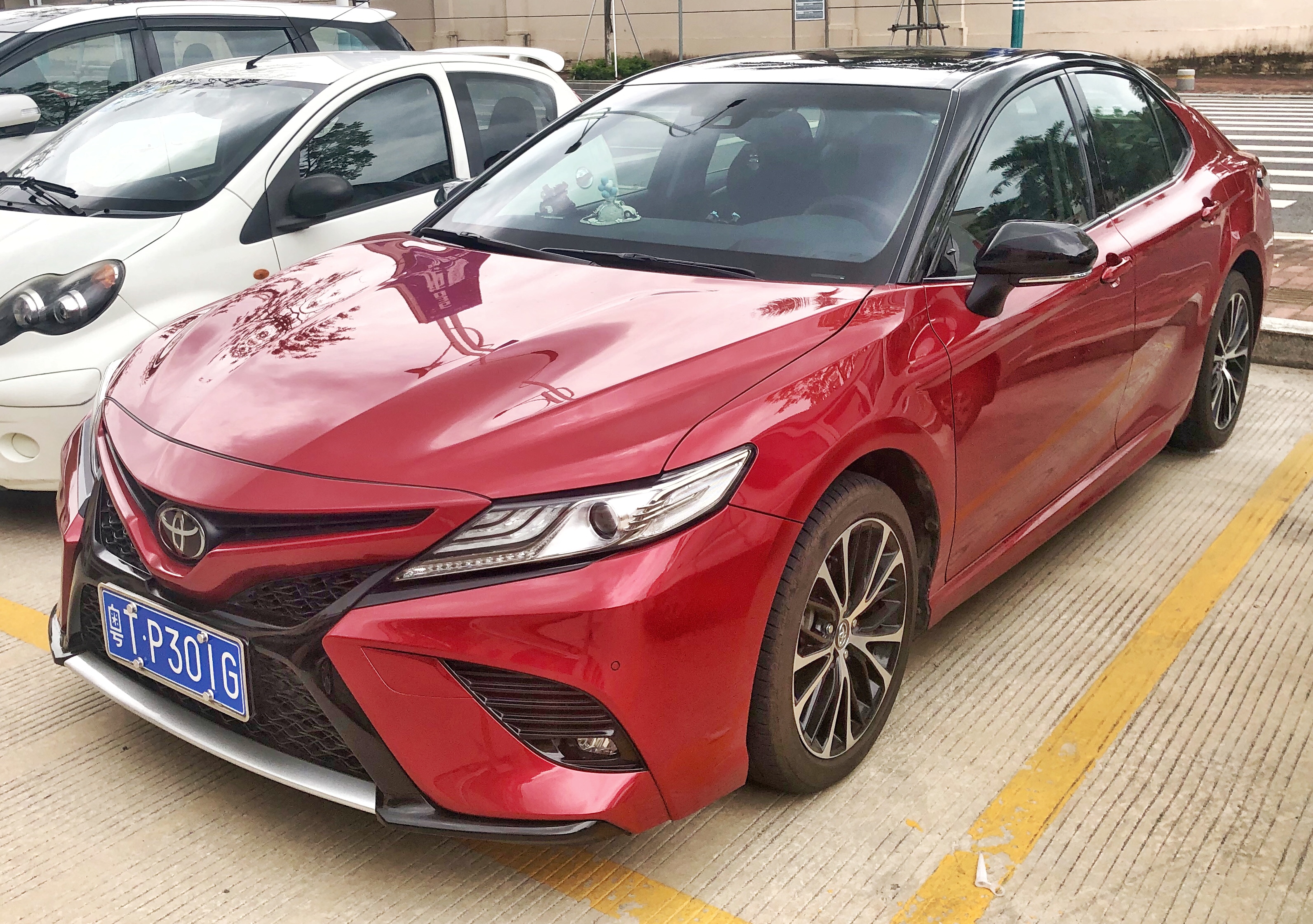
2013 Toyota Camry
"Sweeping both races on Sunday behind the wheel of the 2013 Toyota Camry."
That’s a NASCAR race version of the Toyota Camry from the 2013 model year. Even though it looks like a regular Camry, it’s built and tuned for racing under NASCAR rules.
The Toyota Camry is a NASCAR stock car body style, and the 2013 Toyota Camry refers to the specific generation of that model used for racing. In NASCAR, the “stock” part is mostly about the exterior shape and rules-based specs, while the race car is heavily engineered for speed and durability.
garage 56
"JC France, grandson of NASCAR's founder, who captured a historic victory in the opening race, driving the garage 56 themed Camaro."
“Garage 56” is a special exhibition-style race entry. Instead of a typical race car, it’s a one-off build that’s meant to be exciting and memorable for fans.
“Garage 56” is a well-known endurance-racing exhibition concept where teams build a special, often experimental or tribute-style car to run alongside the main event. It’s designed to be a spectacle—something fans can talk about—while still being a real race entry.
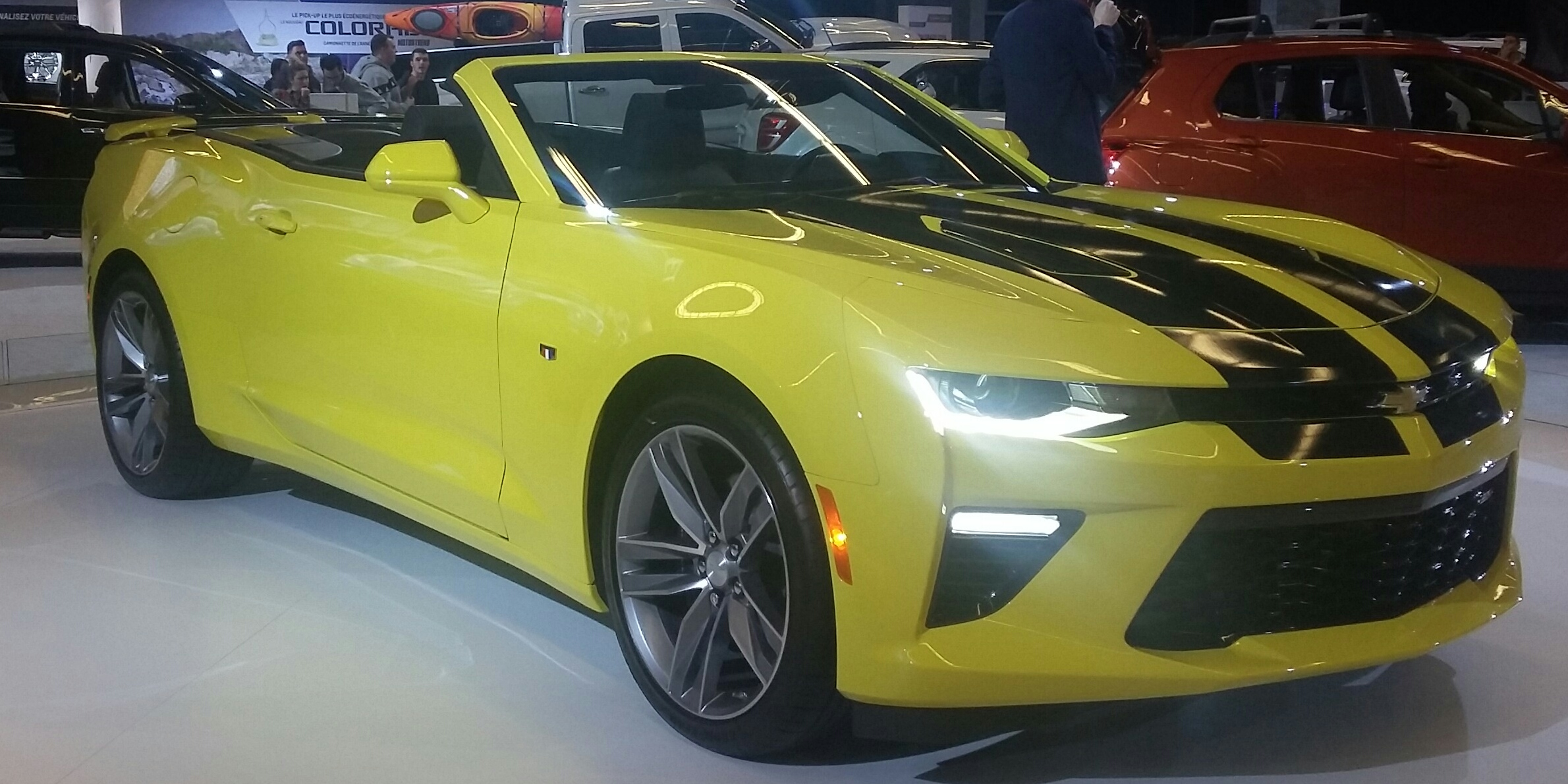
garage 56 themed Camaro
"JC France, grandson of NASCAR's founder, who captured a historic victory in the opening race, driving the garage 56 themed Camaro."
That’s a special one-off Camaro built for the “Garage 56” exhibition concept. Instead of being a normal race car, it’s a creative, fan-friendly project that gets attention because it’s different.
A “Garage 56” themed Camaro is a special NASCAR/24-hour-style exhibition entry where a Chevrolet Camaro is modified for a one-off, fan-focused run. Garage 56 is known for creative engineering and a throwback to the idea of building something unusual to race in front of a huge audience.
in car
"And I saw the, did you see the in car of Kurt Busch's car running down the straightaway?"
“In car” means the camera is inside the race car. You get a driver’s-eye view of what’s happening, which makes it easier to understand how fast and how hard the car is being driven.
An “in car” view is onboard footage captured from inside the race car, usually mounted near the driver. It helps viewers judge speed, braking points, and how the car behaves through corners because you see the driver’s perspective.
191 miles an hour
"191 miles an hour. That was. He's in the grass right here."
That’s the speed they saw—191 mph—while the car was going down the straight. Higher straight-line speed usually means the car is flowing air well and has strong acceleration.
“191 miles an hour” is the stated top speed the speaker observed for Kurt Busch’s car on the straightaway. In racing, straight-line speed is a key indicator of aerodynamic efficiency and engine/gearbox performance under full throttle.
in the grass
"He's in the grass right here. And never even lifts. But 191 miles an hour."
“In the grass” means the car left the pavement and went onto the grassy edge. It’s usually harder for the car to stay stable and fast there.
“In the grass” describes a car leaving the racing surface and going onto the track’s grass verge. That usually increases rolling resistance and can destabilize the car, so it’s notable when the driver maintains speed or control.
Watkins Glen
"So it's like, it's like a big Watkins Glen. Really? It's what it looks like on board."
Watkins Glen is a famous race track in New York. Saying it “looks like a big Watkins Glen” means the course and the way cars move around it feel similar to that track.
Watkins Glen refers to Watkins Glen International, a road course in New York known for fast direction changes and a mix of braking-heavy and flowing sections. Comparing the exhibition to “a big Watkins Glen” suggests the track layout and viewing experience feel similar to that kind of road-course racing.
undulation
"I mean, Watkins Glen's got more undulation. The one is a bit flatter, but kind of just reminds me of the on boards from Watkins a bit earlier this year."
Undulation means the track has bumps and dips. Those changes can make the car feel like it’s being pushed around, which affects traction and braking.
Undulation is track surface variation—bumps, rises, and dips—that change the car’s load and balance as it moves. On road courses, this can affect tire grip, braking stability, and how consistently the car can stay planted through corners.
Tri City Raceway
"We went back to Washington this week to Tri City Raceway and Ethan Ebert absolutely destroyed us. I know that that was his."
Tri City Raceway is a specific track where they raced recently. It’s mentioned to explain where the results came from.
Tri City Raceway is a local racing venue they’re referencing as the site of their recent race. The mention is mainly situational, but it indicates the discussion is about real-world road racing at a specific track rather than a hypothetical scenario.
F1 British Grand Prix
"Should we talk F1 British Grand Prix this weekend, which was won by Mr. Charles Leclerc?"
The British Grand Prix is a Formula 1 race in the UK, usually at Silverstone. It’s a big, famous race where teams try to prove they’re the fastest that weekend.
The British Grand Prix is a Formula 1 race held in the UK, typically at Silverstone. It’s one of the sport’s most historic events and often used as a benchmark for how teams perform on high-speed circuits.
Charles Leclerc
"Should we talk F1 British Grand Prix this weekend, which was won by Mr. Charles Leclerc? About time."
Charles Leclerc is a Formula 1 driver. Here, they’re saying he won the British Grand Prix and led from early in the race.
Charles Leclerc is a top Formula 1 driver known for his speed and qualifying performance. In this segment, he’s credited with taking the lead early and winning the British Grand Prix.
pole sitter
"Charles took the lead at the start of the Grand Prix taking over from from pole sitter Kimi Antonelli right at the start."
A pole sitter is the driver who starts the race from the front of the grid, typically because they were fastest in qualifying. Starting from pole often gives a strong advantage at the race start.
Lewis Hamilton
"Lewis Hamilton made his way up into second place... Antonelli was back on a charge, eventually got past Hamilton back up into second place"
Lewis Hamilton is a famous Formula 1 driver. Here, they say he climbed to second place during the race but later lost that position.
Lewis Hamilton is a highly decorated Formula 1 driver known for his racecraft and record-setting success. In this segment, he’s described moving up to second place and then being passed by Antonelli.
rumble strip
"Antonelli then picked up a really weird piece of damage where he ran over a rumble strip and kind of the brake shroud from the left folded in on itself."
A rumble strip is a rough section of track. If you go over it, you feel vibrations and hear noise, warning you that you’re off the ideal line.
A rumble strip is a textured strip on the track surface designed to alert drivers when they drift off the racing line. It creates vibration and noise so drivers can correct course before losing control or damaging the car.
front wing
"They changed the front wing, sent him back out. And obviously as soon as he's back up to speed again, it just comes around the wrong way."
The front wing is the big wing on the front of a race car. It helps push the car down onto the track so it grips better when turning. If it gets damaged, the team usually replaces it in the pits.
The front wing is an aerodynamic element mounted at the front of an open-wheel race car. Its angle and condition strongly affect front downforce, which helps the car turn in and stay planted at speed. In Formula 1, damage to the front wing often forces a pit stop to replace it.
brake clause
"there is of course a rumour that given where he finds himself in the championship, now that we are outside the British Grand Prix, Max can initiate his brake clause in his contract."
A brake clause is a contractual provision that can allow a driver to change or trigger certain terms related to braking performance or braking-related obligations. In F1 contract talk, it’s often used as shorthand for a clause that becomes relevant based on championship position or timing. The host is referencing a rumor that Verstappen can activate it after a specific point in the season.
safety car
"But then we got a safety car for that and we thought we were going to go back racing... finished under a safety car"
In a race, a safety car is a special car that comes out to slow everyone down when something unsafe is happening on the track. It keeps drivers from racing at full speed until the track is clear again.
A safety car is a pace vehicle the race director deploys to slow the field when there’s danger on track (like an accident or debris). While it’s out, cars typically follow it at reduced speed and may pit, and the race may finish under its control depending on timing.
last lap shootout
"a lot of people were upset about because they wanted Lewis Hamilton to maybe have an opportunity... decrying the fact that we didn't get a last lap shootout"
A “last lap shootout” is an informal fan term for a race ending with a final, high-stakes sprint—often with cars close enough to fight for position right at the end. In this segment, the hosts discuss whether the race finished under a safety car prevented that kind of dramatic finish.
unlap themselves
"they had to let the cars unlap themselves and so the whole thing finished under a safety car"
Some cars can fall behind by a full lap. When the race is under control (like during a safety car), officials may let the lapped cars catch back up so the race can finish with everyone on the same lap.
“Unlap themselves” refers to slower cars that were a lap down being allowed to catch up to the main group so they’re no longer lapped. Race control may require this during safety-car periods to ensure the restart and finishing order are handled fairly.
Michael Massey
"I never thought I'd hear Lewis Hamilton fans screaming for a Michael Massey type decision in Formula One."
The host is mentioning a well-known Formula One race official and implying that the decision they’re talking about resembles the kind of controversial call that person was known for.
Michael Massey is referenced as a race-official archetype (“type decision”) in Formula One. The hosts are comparing a decision in this IndyCar-style situation to the kind of controversial call associated with Massey-era F1 race control debates.
penalty
"What did you think about the penalty at the start of the race for Lewis?"
A “penalty” is what race officials give when a driver breaks the rules. It can cost them position or time, and it can completely change how the race ends.
In Formula One, a “penalty” is an official punishment for a rules infringement (for example, unsafe driving, track limits, or starting procedures). Penalties can affect race position directly or via time/drive-through-style consequences, which is why fans debate them intensely.
rules are black and white
"[2116.2s] But yeah, the rules are black and white. [2118.2s] And I saw that they announced that that was the most well-attended F1 race ever."
They mean the rules are very clear and not open to debate. In racing, that usually means officials can decide what’s allowed or not allowed without much interpretation.
“Black and white” is a metaphor for regulations that are applied strictly with little room for interpretation. In racing, this often implies a decision (like a penalty or whether something is allowed) is determined clearly by the rulebook.
F1 race attendance
"And I saw that they announced that that was the most well-attended F1 race ever. [2122.5s] It was. [2123.2s] Over 500,000 people over the course of the weekend."
They’re discussing how many people showed up to watch an F1 weekend. A bigger crowd usually means a louder, more energetic atmosphere at the track.
They’re talking about how many fans attended an F1 event, including a claim about record attendance. For listeners, this helps contextualize why the atmosphere at the track can feel so intense and loud.
Silverstone
"[2126.4s] Silverstone looked fantastic. [2128.0s] It looked really... [2130.4s] Silverstone in the British summertime is glorious. [2133.6s] And when it's packed out with fans, it's absolutely fantastic."
Silverstone is a well-known race track in the UK that hosts Formula 1. Here, they’re saying it looks great and feels even better when lots of fans are there.
Silverstone is the famous Formula 1 circuit in the UK, known for high-speed corners and a long history of hosting the British Grand Prix. In this segment, the hosts connect the track’s look and atmosphere to weather and crowd size.
F1
"And yeah, I was talking to some of the guys from F1 this morning from the organization side and they're just so over the moon about the attendance and how big it was."
F1 stands for Formula 1, the highest level of open-wheel racing. Teams build very advanced race cars and compete with detailed strategy during the race.
F1 is short for Formula 1, the top tier of open-wheel motorsport run by the FIA. It’s a highly technical racing series where teams develop cars around aerodynamics, tire management, and race strategy.
Ferrari
"And how great Ferrari get their 250th at the scene of their first F1 win. No kidding."
Ferrari is a famous Italian car company that also competes in Formula 1. They have a huge history in racing, so big anniversaries like this are a big deal.
Ferrari is an Italian racing and road-car brand with a legendary Formula 1 history. When the hosts mention Ferrari’s 250th milestone tied to its first F1 win, they’re referencing the brand’s long-running motorsport legacy.
zero to hero
"he's like, you know, it's amazing how in this sport, you know, this kind of result takes you from zero to hero."
“Zero to hero” means going from doing poorly to doing great very fast. In racing, one good race can completely change how people see a driver.
“Zero to hero” describes how quickly fortunes can change in racing: a driver can go from struggling to being celebrated after a strong result. In F1, this can happen because qualifying, strategy, and race incidents can swing outcomes dramatically.
hero to zero
"But in two days time, you go from hero to zero again. Like it's just, it's the nature of the beast."
“Hero to zero” means someone who was doing great can quickly end up struggling again. Racing can be unpredictable, so momentum doesn’t last long.
“Hero to zero” is the flip side of “zero to hero,” emphasizing how quickly performance can drop again. The hosts are highlighting the volatility of motorsport—results can reverse in just a couple of days due to setup changes, reliability, and race-day variables.
Kimi Antonelli
"Kimi Antonelli is the man to beat. He's just having the lion's share of the bad luck at the moment."
Kimi Antonelli is a Formula 1 race driver. When people say he’s “the man to beat,” they mean he’s currently the hardest driver for others to match.
Kimi Antonelli is a young Formula 1 driver being discussed as a top contender. In F1, “the man to beat” usually means he’s showing strong pace and results relative to the rest of the field.
engine upgrades
"So what's going to happen with all these engine upgrades? When are those?"
Engine upgrades mean the team is improving the engine to make the car faster. In Formula 1, teams can’t just change anything whenever they want, so upgrades are scheduled for certain points in the season.
Engine upgrades are changes to an F1 power unit intended to improve performance. Because F1 engines are tightly regulated, upgrades are usually planned for specific races and may be limited by rules on components and usage.
on boards
"Did you see the on boards from the Aston Martins this weekend? No."
“On boards” are videos filmed from inside the race car. They help you see exactly what the driver is doing—like steering and how the car moves—during a corner.
“On boards” refers to in-car camera footage recorded from the driver’s perspective. In F1, on-board clips are commonly used to analyze braking, steering inputs, and how the car behaves through corners.
steering angle
"…just in order to get the amount of purchase and the amount of steering angle, the whole thing's just every bloody corner."
Steering angle is how sharply the driver turns the car into a corner. Turning more can help the car rotate, but if the tires don’t have enough grip, the car can slide or understeer/oversteer.
Steering angle is how much the driver turns the steering wheel into a corner, which translates to the wheels’ turning angle. Higher steering angle can be used to rotate the car more aggressively, but it also increases the risk of losing grip if the tires can’t follow the demanded direction.
plowing tight
"…not catching it literally just in order to get the amount of purchase and the amount of steering angle… We'd call that plowing tight in NASCAR."
“Plowing tight” is a slang way to say the car feels like it’s pushing straight instead of turning cleanly. It’s often what you notice when the front tires aren’t gripping enough in the corner.
“Plowing tight” is a racing slang comparison to NASCAR, describing a car that pushes forward through a corner rather than rotating smoothly. It usually points to understeer behavior, where the front tires don’t bite enough to turn the car as intended.
Max Verstappen and Red Bull
"Goodness knows what's going to happen with Max Verstappen and Red Bull. It's, I don't think it's ever been worse."
They’re talking about Max Verstappen and the Red Bull team. The hosts suggest the team is dealing with serious problems and that changes behind the scenes could affect results.
The segment discusses Max Verstappen’s situation within the Red Bull racing program. It frames this as a high-stakes competitive and organizational moment, tied to rumored technical leadership changes.
Paul Monahan
"there's big rumours that Paul Monahan, who's one of the tech chiefs at the team that he's about to announce that he's leaving."
Paul Monahan is a senior technical person at the team. The hosts are saying there are rumors he may be leaving, which could affect how the team performs.
Paul Monahan is referenced as a tech chief at a Red Bull-related team. The hosts say there are big rumors he’s about to leave, implying potential technical and organizational disruption.
Racing Bulls
"And then you've got their junior team. Pardon me. Racing Bulls who had another weekend with both drivers in the points."
Racing Bulls is Red Bull’s younger/development team. The hosts are pointing out that the junior team is doing so well it’s embarrassing for the main team.
Racing Bulls is Red Bull’s junior team program, positioned to develop drivers and prepare them for higher-level competition. The segment highlights a situation where the junior team is outperforming the primary team, creating internal pressure.
Formula two
"And then when we look at Formula two this weekend, Nikola Solov and folks, you may remember..."
Formula Two is a stepping-stone racing series for drivers trying to reach Formula One. Strong performances there can lead to opportunities with bigger teams later.
Formula Two (F2) is the main feeder series to Formula One, where drivers race in a development ladder. The hosts connect F2 results to future seat rumors and how junior teams feed talent into the top level.
Nikola Solov
"Nikola Solov and folks, you may remember, we spoke about him last week as being rumoured to have already had a racing Bulls seat for 2027... by taking back to back wins."
Nikola Solov is a driver in Formula Two. The better he performs, the more likely he is to earn a future seat with a top team.
Nikola Solov is discussed as a Formula Two driver whose recent results matter for future career opportunities. The hosts connect his back-to-back wins at Silverstone to seat speculation for a Racing Bulls role in 2027.
GP two
"Formula two or GP two, [2461.3s] whichever one you want to call it in the history of those championships to win"
GP2 is the older name for what’s now called Formula Two. It’s essentially the same racing series, just renamed.
GP2 is the former name of the series now known as Formula Two. The name changed over time, but it refers to the same overall championship lineage.
reverse grid
"the Saturday race and the Sunday race with the reverse grid is incredibly [2465.4s] where Solov now is three wins on the bounce."
A reverse grid means the starting positions are flipped compared to the last result. So the fastest drivers might start farther back, and passing becomes a bigger part of the race.
A reverse grid is a race-start format where the starting order is flipped relative to a previous result (often the prior race). That means faster cars may start further back, making overtakes and strategy more important.
sprint
"That's two features and one sprint. [2470.5s] Absolutely incredible."
A sprint is a shorter, more intense race. Drivers usually push harder because there’s less time to fix mistakes.
A sprint race is a shorter race format used in some racing series to award points and set up the weekend. It’s typically faster and more aggressive than the feature race, with less time to recover from mistakes.
Request an Explanation
Heard something you'd like explained? We'll add it to this episode.
Sign in to request explanations for terms you heard.
Want to learn more?
Browse our glossary for plain-English explanations of automotive terms, jargon, and concepts.
Help improve this episode
See something that's not quite right? Our annotations are AI-generated and can sometimes miss the mark. Click the flag icon on any annotation to suggest a correction.