Day one of SEMA features an engaging discussion with Zach Luke from Rockford Fosgate, who shares insights on the evolution of car audio technology and the company's commitment to high-quality sound systems. The conversation highlights the integration of audio solutions in motorcycles and side-by-sides, emphasizing weather resistance and performance. Mike Kidd from Tremec Transmissions also joins to discuss the popularity of the TKX transmission and the development of new manual and dual-clutch transaxles for various applications, showcasing Tremec's innovation in the aftermarket space.
"...We're here with Zach Luke, president of Rockford Fosgate. I've been a big car audio fan for a long time..."
Rockford Fosgate makes audio equipment for cars, like speakers and amplifiers. They are popular among car enthusiasts who want great sound in their vehicles.
Rockford Fosgate is a well-known company that specializes in high-performance audio equipment for cars, including speakers, amplifiers, and subwoofers. They are recognized for their quality sound systems that enhance the in-car audio experience.
"My friends over at Magnaflow exhaust, I go, you guys been here for days, you've been setting up, now we're starting is like, now's the easy part."
Magnaflow makes exhaust systems that can improve how a car sounds and performs. Many car lovers choose their products to upgrade their vehicles.
Magnaflow is a well-known manufacturer of aftermarket exhaust systems for cars and trucks. Their products are designed to enhance performance and sound, making them popular among automotive enthusiasts.
"...loped from what Jim Fosgate created. That entire Maverick mentality still exists here in Rockford Fosgate a..."
The Ford Maverick is a small truck that you can use for work or everyday driving. It’s designed to be easy on gas and is a good choice if you want something that’s useful but not too big.
The Ford Maverick is a compact pickup truck that was reintroduced in 2021, aiming to provide a more affordable and fuel-efficient option in the truck market. It is significant for its hybrid powertrain and versatility, appealing to a new generation of buyers looking for practicality without sacrificing style.
"But today with OE integration and DSPs, like before it was just like, what's the best amp I can afford?"
OE integration means using parts made by the original car manufacturer when upgrading or modifying your car. This helps everything work well together without issues.
OE integration refers to the incorporation of original equipment manufacturer (OEM) components and systems into aftermarket modifications or upgrades. This ensures that aftermarket parts work seamlessly with the vehicle's existing systems.
"But today with OE integration and DSPs, like before it was just like, what's the best amp I can afford?"
DSPs are devices that help improve sound quality in cars by changing the audio signals. They make the music sound better by adjusting how it plays in the car's environment.
DSP stands for Digital Signal Processor, which is a specialized microprocessor used to manipulate audio signals. In automotive applications, DSPs can enhance sound quality by adjusting various audio parameters based on the vehicle's acoustics.
"It's, we've seen this on the aftermarket tuning side."
Aftermarket tuning means changing or upgrading parts of your car after you buy it. This can make your car faster, look better, or sound different.
Aftermarket tuning refers to modifications made to a vehicle's performance or appearance after it has left the factory. This can include changes to the engine, suspension, exhaust, and audio systems to enhance the vehicle's capabilities or aesthetics.
"you see all of the, like, electronic fuel injection"
Electronic fuel injection is a way cars deliver fuel to the engine using electronics instead of old-fashioned carburetors. It helps the car run better and use less gas.
Electronic fuel injection (EFI) is a system that uses electronic controls to deliver fuel to an engine. It replaces older carburetor systems and offers better fuel efficiency, performance, and emissions control.
"...you've got a bunch of Harleys out there, and this isn't really just about, I don't know if asking what products you'd have for the Harley is the right question..."
Harley-Davidson is a famous brand that makes motorcycles, especially known for their heavy bikes that many people love to customize.
Harley-Davidson is an iconic American motorcycle manufacturer known for its heavyweight cruiser motorcycles and a strong culture of customization and personalization.
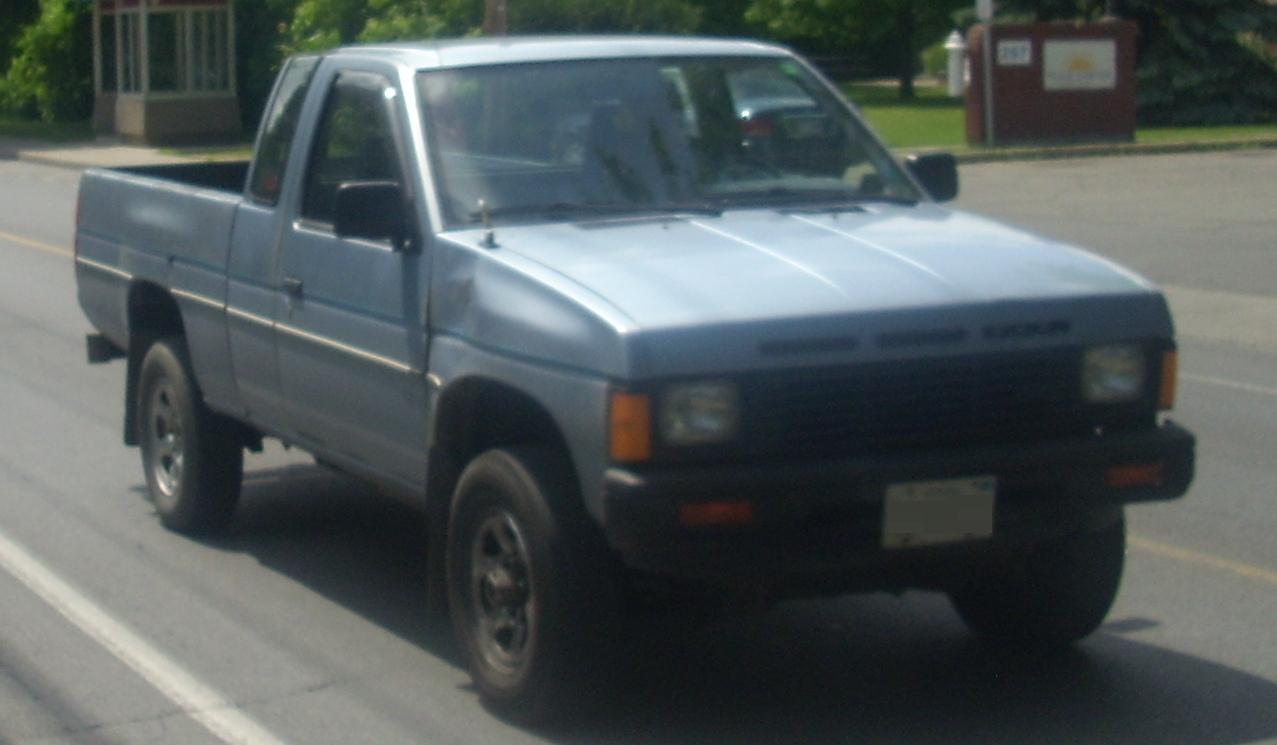
"...these aren't trailer queens that, you know, I built my 96 Nissan Hardbody Mini truck and we're going to go to West Coast Nationals..."
The Nissan Hardbody Mini is a small truck that was made in the 1990s. It's known for being tough and can be used for work or fun activities like off-roading.
The Nissan Hardbody Mini is a compact pickup truck known for its durability and versatility, popular in the 1990s. It's often used for both everyday driving and off-road adventures due to its robust construction.
"...that the OEMs have designated. One of the nice things about the OEM advancing..."
OEM means Original Equipment Manufacturer, which is the company that makes parts for cars that are used when the car is built.
OEM stands for Original Equipment Manufacturer, referring to companies that produce parts that are used in the assembly of vehicles by the car manufacturer.
"Goldberg's Cobra and the TKX Transmission, how that has become such the go-to thing..."
The Cobra is a famous sports car made by Shelby, known for being fast and powerful. It was popular in the 1960s and is still loved by car enthusiasts today.
The Shelby Cobra is a classic sports car known for its lightweight design and powerful V8 engine, originally produced in the 1960s. It has become an iconic symbol of American muscle car culture.
"...Goldberg's Cobra and the TKX Transmission, how that has become such the go-to thing..."
The TKX Transmission is a type of manual gearbox that helps cars change gears. It's small but strong, making it a good choice for powerful cars.
The TKX Transmission is a five-speed manual transmission designed for high-performance applications. It is compact, can handle significant power, and is popular in muscle cars due to its fitment flexibility.
"...showing the capability of our electric, electric vehicle that we, so we bought electric GT two years ago..."
An electric vehicle is a car that runs on electricity instead of gasoline. They are better for the environment and can be quieter than regular cars.
Electric vehicles (EVs) are cars that are powered entirely or partially by electricity, using batteries instead of traditional internal combustion engines. They are known for being more environmentally friendly.
"new Transaxle in there, a six-speed Transaxle. So, but outside we do more of our everyday aftermarket..."
A transaxle is a part that helps send power from the engine to the wheels in some cars. It's like a two-in-one piece that combines the gearbox and the axle.
A transaxle is a combination of a transmission and an axle, typically found in front-wheel drive vehicles. It allows for the transfer of power from the engine to the wheels while also incorporating the differential in one unit.
"new Transaxle in there, a six-speed Transaxle. So, but outside we do more of our everyday aftermarket..."
A six-speed manual transmission is a system in a car that lets you change gears manually, giving you more control. It has six different settings to help the car go faster or save fuel.
A six-speed manual transmission is a type of gearbox that allows the driver to manually shift through six different gear ratios. This setup provides better control and can improve performance and fuel efficiency compared to fewer gears.
"...we know about the TKX and we know about the six-speed, the Tremac Magnum, but there's more than that out here..."
Tremec is a company that makes special gear systems for cars, especially for those that want to go faster or have better control. They are known for their quality and performance.
Tremec is a well-known manufacturer of high-performance manual transmissions, including the TKX and Magnum series. Their products are popular in the aftermarket for performance cars and custom builds.
"Yeah, so, so we, you know, everybody knows about T5, everybody, you know, that was our..."
The T5 transmission is a type of manual gearbox that many sports cars use. It's known for being strong and easy to shift, making it a favorite among car lovers.
The T5 transmission is a popular manual transmission used in various performance and sports cars. Known for its durability and smooth shifting, it has been a favorite among car enthusiasts for decades.
"...we developed the TKO that was out for a while, it was the TOTR 3550. Yeah. But it actually, you know, it had grown out of what it was..."
The TKO is a strong manual transmission that can be used in high-performance cars. It's designed to handle more power than regular transmissions, making it popular among car enthusiasts.
The TKO is a type of aftermarket manual transmission known for its strength and versatility, often used in performance and racing applications. It was developed to handle higher power outputs and provide a better driving experience compared to stock transmissions.
"...we have a Magnum six speed, which has three different shifter locations, you know, and it comes with a mechanical and an electronic speedometer..."
The Magnum six speed is a strong manual transmission that can be used in different cars. It has options for where the gear shifter can be placed, making it flexible for many builds.
The Magnum six speed is a type of manual transmission that offers multiple shifter locations and can be adapted for various vehicle applications. It is known for its durability and performance in both street and racing environments.
"...So we have a Magnum F, which is another variant of that Magnum six speed. It just has a shifter in a stationary location that fits right up in an F car."
The Magnum F is a special version of the Magnum six speed made to fit older Ford cars. It has a set position for the gear shifter to match those vehicles.
The Magnum F is a variant of the Magnum six speed transmission specifically designed to fit older Ford vehicles, known as 'F cars'. It features a fixed shifter location to accommodate the unique layout of these cars.
"...And then we have the Magnum XL. So the Magnum XL originally came about as a replacement..."
The Magnum XL is a larger version of the Magnum transmission that has more features. It's used to replace older transmissions in performance cars.
The Magnum XL is an extended version of the Magnum transmission line, designed to provide additional features or capabilities. It is often used as a replacement for older transmissions in various performance applications.
"...ly came about as a replacement for the 05 and up Mustang. If somebody wanted to put a direct shift six spe..."
The Ford Mustang is a classic sports car that people love for its speed and cool looks. It’s been around for a long time and is often talked about because it’s a symbol of American car culture.
The Ford Mustang is an iconic American muscle car that has been in production since 1964, known for its powerful performance and distinctive design. It represents a significant part of automotive history and culture, often discussed for its influence on the sports car segment and its ongoing evolution.
"why do you run automated transmission fluid? But the reality is it's a thin enough oil..."
Automated transmission fluid is a special oil used in cars to keep the transmission working smoothly.
Automated transmission fluid (ATF) is a type of lubricant specifically formulated for use in automatic transmissions, providing necessary lubrication and cooling to ensure optimal performance.
"here, putting that transmission and getting features like rev matching. Is that a feature that can be adapted to older cars or is that for the to do a transmission swap on the newer cars?"
Rev matching is when you adjust the engine speed to match the speed of the wheels when changing gears. It makes shifting smoother and helps prevent damage to the car.
Rev matching is a technique used in manual transmission vehicles to match the engine speed with the speed of the wheels during downshifting. This helps to ensure smoother gear changes and reduces wear on the drivetrain.
"you talked about the DCT and the transaxle. By the way, the transaxle of all the the news I get leading into SEMA..."
DCT is a type of automatic transmission that helps cars change gears quickly and smoothly. It uses two clutches to make this happen, which is different from regular automatic transmissions.
DCT stands for Dual-Clutch Transmission, a type of automatic transmission that uses two separate clutches for odd and even gear sets, allowing for faster gear changes and improved performance.
"with Ford Motor Company and said, Listen, we, we're trying to figure out how to how to put this into something."
Ford Motor Company is a well-known car company in the United States that makes many types of vehicles, including trucks and cars.
Ford Motor Company is a major American automotive manufacturer known for producing a wide range of vehicles, including trucks, cars, and SUVs. It has a long history in the automotive industry and is recognized for iconic models like the Ford Mustang and F-Series trucks.
"Yeah, I put them on my Mustang Mach 1 as well. It had the R model, and it was just it's so tough to drive that."
The Ford Mustang Mach 1 is a special version of the Mustang sports car that is built for better performance and speed. It's designed to be fun to drive and looks great.
The Ford Mustang Mach 1 is a performance-oriented variant of the iconic Mustang, known for its powerful engines and sporty handling. It combines classic Mustang styling with modern performance features.
"...t's just being either packaged or marketed as the Raptor R engine. It's essentially the same thing. There..."
The Ford F-150 Raptor is a tough truck made for driving on rough roads and trails. It has a strong engine and special features that help it handle bumps and jumps, making it exciting for adventure lovers.
The Ford F-150 Raptor is a high-performance version of the popular F-150 pickup truck, designed for off-road capabilities and rugged terrain. It stands out for its powerful engine, advanced suspension system, and aggressive styling, making it a favorite among truck enthusiasts.
"it's actually a 69 Camaro with an LS, an LS based engine. But we actually have that same transmission in that car."
The Chevrolet Camaro is a popular sports car that has been around since the late 1960s. The 1969 version is famous for its powerful engines and cool design.
The Chevrolet Camaro is a classic American muscle car that was first introduced in 1966. The 1969 model is particularly iconic, known for its aggressive styling and performance.
"And you know, it was to how do I bring the dual clutch transmission into the aftermarket."
A dual clutch transmission is a special kind of automatic transmission that helps cars shift gears more quickly and smoothly, making them faster and more fun to drive.
A dual clutch transmission (DCT) is a type of automatic transmission that uses two separate clutches for odd and even gear sets, allowing for faster gear shifts and improved performance compared to traditional automatic transmissions.
"So now we're talking bell housing and whatever, right? Yeah, bell housing and flywheel."
The bell housing is a part that connects the engine to the transmission in a car, helping to hold everything together and keep it working properly.
The bell housing is a component that encloses the flywheel and clutch assembly in a vehicle's transmission system, connecting the engine to the transmission.
The flywheel is a part that helps keep the engine running smoothly by storing energy and making it easier for the engine to turn the transmission.
The flywheel is a mechanical device that stores rotational energy and helps smooth out the power delivery from the engine to the transmission, playing a crucial role in the operation of manual and automatic transmissions.
"...nsmission, you're working with Chevy, working on Corvette C8, you're working on GT 500, working with the Fo..."
The Chevrolet Corvette is a fast and stylish sports car that many people admire. The newest version has its engine in the middle, which helps it drive better and go even faster.
The Chevrolet Corvette is a legendary sports car known for its performance, sleek design, and American engineering. The latest generation, the C8, features a mid-engine layout, which enhances its handling and speed, making it a topic of interest among car enthusiasts and performance aficionados.
"... I was going to guess. Yeah, and it's used on the MC20 out of Maserati. Okay. Yeah. So so we've taken t..."
The Maserati MC20 is a really fast and fancy sports car that looks amazing. It’s built for speed and has a powerful engine, making it a big deal in the world of luxury cars.
The Maserati MC20 is a modern supercar that showcases the brand's return to high-performance sports cars, featuring a twin-turbo V6 engine and advanced aerodynamics. It is significant for its blend of luxury and speed, representing Maserati's commitment to innovation and performance.
"...as the old Ford top loader. Yeah. Right. For the F 100. And we've we've evolved as things have gone on. ..."
The Ford F-100 is an older model of a pickup truck that many people love for its strength and usefulness. It’s often talked about because it has a lot of history and is popular for restoring.
The Ford F-100 is a classic pickup truck that was produced from the 1950s to the 1980s, known for its durability and versatility. It holds a nostalgic value among collectors and enthusiasts, often discussed in the context of vintage truck restorations and American automotive history.
"... single clutch like I'm thinking of like the BMW M3 when it came out of the paddle, the first Ferrari..."
The BMW M3 is a super sporty car that’s really fun to drive. It’s known for being fast and having a lot of cool features that make it feel special.
The BMW M3 is a high-performance version of the BMW 3 Series, known for its powerful engines and sporty handling. It has a strong following among car enthusiasts for its balance of luxury and performance, often discussed for its driving dynamics and technological advancements.
Select text to request an explanation
Mariette Bonvoy is the official hotel partner of US Soccer.
Join Mariette Bonvoy today to get closer to the game with exclusive perks, unforgettable
experiences and benefits that go beyond the pitch.
Spring Hill Suites, part of Mariette Bonvoy, offers complimentary hot breakfast and spacious
all-sweet accommodations perfect for the whole team, with room for up to six guests.
Make your next getaway a win.
Learn more at SpringhillSuites.Mariette.com
Drinking and driving will change your whole world.
The next time you're out with friends, consider what would happen if you got pulled over after
drinking, like the legal fees or the time in court, or a DUI on your record.
Your decision to drink and drive could change someone else's world, too, if you hurt or
even kill them in a crash.
Instead, what if a decision to call a sober ride changed your world for the better, drive
sober or get pulled over?
Paid for by NHTSA.
All right, here we are, day one of SEMA.
We're here with Zach Luke, president of Rockford Fosgate.
I've been a big car audio fan for a long time, my 2021 Mach 1 that we brought to SEMA
a couple of years ago.
I've done five SEMA cars, but that was the first one that I've done a build, an audio
build on.
And it was exciting to do.
It was probably one of the more expensive things on that car, and we did twin turbo on
that car.
That's saying something.
But been a fan for years, I'm originally from Arizona.
Okay.
I believe that's the home base of Rockford Fosgate.
But yeah, thanks, welcome to day one of SEMA, it's probably like day five for you guys out
Yeah, I think I'm in day three, day four, but the official day one, absolutely so.
My friends over at Magnaflow exhaust, I go, you guys been here for days, you've been
setting up, now we're starting is like, now's the easy part.
It is, the wait's off, right?
By the time we get into the booth, you know, the national sales meetings and international
meetings, so on and so forth, they're done.
This is the easy part.
This is the fun part.
And everything from set up and then just like make sure everything works and it's demoing
right and stuff.
But so a lot's going on with Rockford Fosgate.
This is a company that's been around for a long time.
You can give us a little bit of history on Rockford Fosgate and then we'll get into what
you guys are doing now.
Yeah, we are just over 45 years old as Rockford Fosgate.
So definitely a company that has cut its teeth in the audio space.
I'll be at points in time, I'll definitely be bullish, maybe a little bold.
I like to say there are a lot of things in this industry and these categories that we've
developed, right?
There are technologies that Mr. Fosgate developed initially that are still utilized today, right?
Tried and true, they work.
Our sonic signature and everything that we do is developed from what Jim Fosgate created.
That entire Maverick mentality still exists here in Rockford Fosgate and we've just been,
you know, for 45 years we're following our customer where they're going ensuring that
we can provide, you mentioned your OEM build and the first time that you've done audio
in it.
And for us, that's the experience, right?
People connect with music.
And when you have a nice sound system, it just enhances that moment.
It gives it soul.
And that's what we love to do and we've been doing it since I can remember.
And it's changed over the years.
So, you know, high school in the early 90s, we know, and even before building systems.
But today with OE integration and DSPs, like before it was just like, what's the best amp
I can afford?
What's the best speakers I can afford?
It doesn't come with a crossover.
Like, how do I just dial it in manually, like, based on where the speakers are located?
You know, but now it's, it's, it's not necessarily, like, more complex.
It's, we've seen this on the aftermarket tuning side.
You go into Central Hall here at SEMA and you see all of the, like, electronic fuel injection
kits, you know, 10, 15 years ago.
These kits were being sold for DIY, but they were complicated and you couldn't program.
And now there's, like, self-learning and you plug them in and you put in some parameters
on what your engine is and it starts to figure it out.
We're getting that, we're getting more complex audio systems, not just in cars and other
vehicles, all sorts of things, and offering solutions that are plug and play, that are
pre-programmed, DSPs are set, or self-calibration, right?
Yeah.
The, the landscape has changed and it's where I think more important than ever a lot of
brand matters, right, and experience matters, and I think that's where lineage and just
having the, the experience, you know, with Rockford, like I said, being 45 years old,
if you come to Tempe, Arizona, we're a 90% engineering house, right?
We are driven by our engineering and driven by our development and the ability to integrate
has become so key to what we do and you, you started to, it's not just in the automotive
space, it's in everything with wheels, tires, and in, you know, engine anymore.
The ability to be able to seamlessly integrate and deliver that next level performance that
the aftermarket does do.
I love the OEM relationships.
I love how they've stepped their game up because it's pushed everybody in the aftermarket,
but if you don't have the ability or have the engineering prowess to be able to develop
product that seamlessly integrates, to deliver that soul or that experience, you're still
stuck in the stone ages, right, and that's not free.
It takes resources to be able to do that.
It takes talent to be able to do that, and I think one of the exciting things for me
now is knowing what we put into it, it sets you above the rest, right?
It allows you to set the standard and set the next levels or expectation of what's possible,
and so landscape is different.
You've got to be a lot smarter than we once were, right?
We're not in there with screwdrivers just tweaking gains and sounds good, my man.
Let's do it.
Let's cruise, right?
Those days are gone.
There's still some of that obviously in our, in our classic builds and some of those things,
but to get into the newer vehicles, fit the ability to integrate into the vehicle seamlessly
is definitely a differentiator and a key.
So we were just taking a look around.
Let's talk about power sports, let's talk about motorcycles.
You've got a bunch of Harleys out there, and this isn't really just about, I don't know
if asking what products you'd have for the Harley is the right question, maybe what solutions,
the audio solutions you have for Harley-Davidson, because that's really what you guys are doing
now.
Yeah, we, you know, the motorcycle space has been a key space for us that we developed,
and everything on that platform is designed specific to the platform, right?
Because there are so many different things we have to overcome, engine noise, right?
The exhaust on a Harley-Davidson is distinct, right?
We all know what that sounds like.
Right.
The sound or output at speed, things are different at 80 miles an hour when you don't have a
helmet on, right?
The noise, the traffic surrounding you, and so the product that we've developed is specific
to motorcycle, right?
Very high sensitivity speakers to ensure that when we put power to them, they have the ability
to overcome a lot of those nuances that exist in that space.
We're not just putting car product on a motorcycle, right?
Our engineers were developed specific to the amplifiers.
They're not just amplifiers that we utilize in the car space.
They're versions of, right?
Because they have to be able to be weather-resistant.
They have to be able to...
Small.
Very small foot print, because weight matters, right?
Things matter, especially on a motorcycle, the balance issues.
And so it's a different approach.
Once again, it comes down to having the resources and the teams capable of not only doing it,
but that live it on a daily basis.
We were just looking at that kit there, and you have the speakers and the bags in the back.
I'm looking at that design going, speakers can't be what they were just a decade or so
ago.
I mean, the weather, water sitting on them, it's not even just like, hey, we're doing
a marine grade line of products that just uses stainless steel, right?
What are you guys doing on the engineering side to make these components really road-worthy?
It is next level, and it comes down to attention to detail, right?
The things, the glues that are utilized.
The industrial design of sealing certain components within the speaker baskets and the frames
themselves to the materials, the cone materials, the tweeter materials, ensuring that they're
weather-resistant.
Not only weather-resistant, but you bring up the motorcycle speaker set.
The 6x9 Baglet kit, I mean, it has to be able to hold water if you get caught in a rainstorm.
It's next level, right?
The standards are much higher.
It's just such a volatile environment, and so there are a lot of details that we have
to ensure that we're not only aware of, but that we're designing for.
So it's in everything.
It's in every aspect of it.
There's not one silver bull I could tell you, but you get into our electronics, IPX-6,
IPX-7 certified.
I mean, you come to Tempe, there's dunk tanks that sit in the back where you have product
just floating in water.
It's next level.
Once again, it's not 80s, 90s when I was a kid, right?
It's completely different.
And then moving on to the side-by-side, you have a bunch of Polaris vehicles out here.
I don't know if you're just doing Polaris exclusively or looking at some of the other
brands as well, but building systems for those as well.
Again, same components, a lot of dirt, a lot of weather, a lot of heat in some places.
You guys are in Arizona.
Heat could be an issue.
Rain could be an issue.
But integrating now systems for the Polaris vehicles, tell us about some of the ones you
guys are doing there.
Yeah, conceptually, as like the motorcycle, conceptually it's the same, but they couldn't
be further apart, right?
You have that environment itself as you're starting to introduce sand, mud, obviously
you still have the water.
You have individuals that submerge the side-by-size.
And so the ability for electronics to be able to take that abuse, it's a completely different
design where we really start to venture out where you see our prowess on the motorcycle
side, but you especially see it in the side-by-side market is the integration into, let's say,
the dash of the vehicle, where we are now developing not only components, but we're
developing plastics to enhance those components, to ensure that they're in the right positions
not only from an acoustical standpoint, but from a standpoint of they can withstand the
torture that they're going through.
The side-by-sides, that is a rough environment.
You are in it.
The users use them.
It's not, these aren't trailer queens that, you know, I built my 96 Nissan Hardbody Mini
truck and we're going to go to West Coast Nationals and load it on the trailer and we're going
to drop it off.
No, these are going to Glamis, they're getting them off the trailers and they're just pounding
them for four days straight in the most harshest environment you can imagine.
And our product has to be able to withstand that.
If it has our brand name on it and it has that diamond R on it, there's an expectation
to what we deliver.
And that's something we take pride in.
And once again, we're not just developing for a market that we've seen, we live it.
We have individuals that work within the organization that this is what they do.
So we're getting that real-time touch to what the product needs to do and then obviously
with our relationships with the OEM, it makes a difference.
It makes a difference in everything that we do.
So now moving on to the audio side for the automotive side of things and this is something
that we were just talking a little bit that obviously this is where the bread and butter
was, where the roots of Rockford Foskey was, but sort of reinventing that process.
Cars are more complicated, OE integration is more complicated and a lot of people like
myself are going, I want a good solution, I want it to sound well and it's always been
for me to do sort of like a turnkey thing, I know it's not going to sound great.
It's like, yeah, it's inexpensive and you can pop in some speakers or whatever but it's
not going to sound great and it always meant that our good audio system was expensive after
market custom fabrication and there's still room for that but like we were saying before
with EFI systems and exhaust systems and things that you can bolt on and self-tuning and self-learning.
Where's the audio, the car audio industry going in that regard?
Once again, like I think the theme we talked that's continual is that the landscape has
shifted, right?
It's evolved tremendously and even our approach to market so as we move to what I would deem
more vehicle specific solutions, that's extremely ambiguous and extremely broad, that could
be to where you're developing let's say loaded enclosures for a specific year of GM pickup
truck or Ford or whatever it may be, all the way to just the ability to fit certain platforms
or just be able to fit certain sizes that the OEMs have designated.
One of the nice things about the OEM advancing is that they've gone from trying to incorporate
just for the sake of conversation a two inch speaker where a six inch speaker should be.
They are actually now providing a six inch keep out where we're developing speakers like
our new punchline that fits right in to that keep out, right?
So the advancement has actually helped in a lot of ways the aftermarket because the customization
isn't as involved as it once was because thank you to the OEMs, they're trying to elevate
their performance, trying to elevate their product, well it's made it a bit easier for
us and so this year we're introducing our new punch series speaker line and it's a
fitment focused product line and so our ability to fit was first and foremost and then of
course performance for us you'll always hear me say Rockford Fosgate performance is a given,
right?
There's no room for subpar, excellence literally is our standard in everything that we do.
That's a given to me but to your point it's now figuring out how do we fit and integrate
and give that aftermarket performance in those OEM locations and as we advance the nice thing
is we've, I'll say cut our teeth on these system solutions with motorcycle side by side
even in the marine space, well as I come back around now or we come back around now into
the car space we now have all of that knowledge and we have all of those new resources to
be able to take that skill set into the vehicle, be able to further our ability to integrate
in and so I'm super excited for the next two years of Rockford.
It starts today here at SEMA with the new punch line but I am super excited for what
we're going to deliver to this marketplace and it just, I'm ready man, I'm a kid I graduated
in the 90s early 90s I'm an old man now.
I grew up with Rockford Fosgate, I was 14 years old when I had my first system and it's
not a marketing ploy or story, this brand means more to me, everyone says hey it's
not personal, bullshit, it's always personal with this brand it's personal for me so to
be that kid from Albuquerque, New Mexico that car audio and car culture built and gave me
a purpose, I didn't play sports, couldn't hit a baseball, couldn't throw a football,
probably wasn't the most popular but I could tell you what, I learned how to build many
trucks and I learned how to big, big badass systems and that got me the attention and
that gave me my lifeline and so to sit here today and hopefully be able to give that to
that next wave, that's what fires me up, you can probably hear it in my voice, that's
where I start to get wound up.
I love it, I love the passion and I'm looking forward to coming out and visiting Rockford
Fosgate in Arizona sometime because-
Please, dude you think this is badass, you think this booth is something, come see us
in Tampa, Arizona and that puts it all into perspective, it allows me to walk around with
a big bat and swing it at everybody because the team in Arizona, what they do and what
they deliver is just best in class.
Yeah, that's awesome but thank you so much, I hope you guys have a great SEMA looking
at the booth, it's going to be amazing for you guys.
Any final thoughts, anything else you want to say or at least just-
You know just for us, you know at Rockford, I'll go back to it is personal for us.
The individuals within our organization, this is what we do, you know we're self made,
I've been with the company 20 years, I started on a special project so long ago even prior
to that as a consultant and to work my way up through and know the intricacies of the
company, it's not, we don't bring people in from outside that don't understand our
bloodline, that don't understand our culture because it matters so much to what we do.
We are volatile, we are mavericks, we still carry that, that our founder Jim Fosgate delivered
and we still have those touch points with this family but we're different.
Our key differentiators are, we have real engineering resources, we live the life and
I think it matters to us and I'm just excited to deliver to this industry what I know is
coming in the next 12, 24 months and like I said it starts today and I'm ready, let's
go, let's fucking go, that's where we're at.
You know I think that dedication and that passion that you as leading the company and
still into everybody that works here, you brought up an interesting point, it gets noticed,
you're developing aftermarket solutions like for Harley Davidson then Harley Davidson notices
and says we want this, 100% we want this to be turnkey, we want it to be from the factory
or from our dealers, like you don't get an invitation like that by doing shitty work.
You don't, no you get turned, that's earned, yeah it's earned and well deserved but Zach
thanks so much, you guys have a wonderful semen, I'm looking forward to visiting you guys up
Thank you, I appreciate the time I'm in, thank you.
Hey guys it's Matt again, I just wanted to give a big shout out to everyone who's been
coming out to our Bravago hard seltzer tasting events and ordering online, if you haven't
tried it yet here's what you're missing, Bravago is lightly carbonated, stevia free
and bursting with flavor and guess what, it's not just great on its own, it's a perfect
mixer too, throw in a splash of gin or vodka and you've got yourself a next level cocktail,
find it online at drinkbravago.com or at our next event, that's drinkbravago.com
All right people, serious question time, did you know that driving high is considered
driving under the influence, that's right, driving under the influence of marijuana is
against the law in every state, that means even in states where marijuana is legal,
that means driving high could get you a DUI and if you think law enforcement officers can't tell
when you're driving high, well you're wrong, if you're high they can tell, your friends can tell,
your co-workers can tell, even your parents can tell, everyone can tell, so what makes you think
that law enforcement officers don't know when you're driving high, you'd be wrong, they can tell
too, driving under the influence of marijuana can slow your response time and change how you
perceive time and speed, so even if you think you're fine to drive when you're high you're not,
because the bottom line is if you feel different, you drive different and driving high is driving
under the influence, so remember drive high, get a DUI, paid for by NHTSA.
Mariette Bonvoy is the official hotel partner of US Soccer. Join Mariette Bonvoy today to get
closer to the game with exclusive perks, unforgettable experiences and benefits that go
beyond the pitch. Spring Hill Suites, part of Mariette Bonvoy, offers complimentary hot breakfast
and spacious all-suit accommodations, perfect for the whole team, with room for up to six guests.
Make your next getaway a win. Learn more at springhillsuites.mariette.com
All right now we're outside in the silver lot with Mike Kidd from Tremac. Mike you were on the
podcast not too long ago but we're really talking about Goldberg's Cobra and the TKX Transmission,
how that has become such the go-to thing, right? Like it's small packaging, handles big power,
five-speed when you don't need the six-speed necessarily, like they, we were talking about
especially of all the muscle cars, which we do see a lot at SEMA. The six-speed's fantastic but
doesn't necessarily fit in a lot of things, so the TKX was the way to go. So out here in your
outside display you've got two booths at SEMA, right? Yeah, so we're running two booths, one outside,
one inside. Inside we're doing a little more, you know, a little more of our OEM products,
showing our dual clutch transmissions, showing the capability of our electric, electric vehicle
that we, so we bought electric GT two years ago. And we're also, you know, displaying the brand
new Transaxle in there, a six-speed Transaxle. So, but outside we do more of our everyday aftermarket
deal that we take to the different car shows, right? So we have every variation of
our manual transmissions that we show at those shows. We carry our oil, you know, we got our own
blend of oil, shift balls, all that stuff. We bring that out here and let the customers shift them,
abuse them, see what's moving, what's not moving. I love that all the transmissions that you guys
have, even the Transaxles inside, you do the cutaways and you kind of show everybody like how
it's working. So you can actually walk up to the transmission and mess around with it and see
what's happening. But walk us through, so we know about the TKX and we know about the six-speed,
the Tremac Magnum, but there's more than that out here. What is in the lineup in the aftermarket
right now? Yeah, so, so we, you know, everybody knows about T5, everybody, you know, that was our
original aftermarket transmission and it was in the OEs for a long time. And then we developed the
TKO that was out for a while, it was the TOTR 3550. Yeah. But it actually, you know, it had grown
out of what it was and we developed the TKX and that became a great product for us. But today,
out here, you'll see that we also have our six speeds and we have a lot of different variations
of it, right? So when you look at it, we have a Magnum six speed, which has three different
shifter locations, you know, and it comes with a mechanical and an electronic speedometer,
so that you could put it in just about anything. But then you also have to think about what do
you do for the old F cars, right? So we have a Magnum F, which is another variant of that
Magnum six speed. It just has a shifter in a stationary location that fits right up in an F car.
And then we have the Magnum XL. So the Magnum XL originally came about as a replacement
for the 05 and up Mustang. If somebody wanted to put a direct shift six speed manual transmission
in their Mustang and not have to deal with the old remote mounted shifter, the Magnum XL became
the product for that. Today, you'll notice that and you can see it, other people can't see it
right now, but there we have a car on display, which is a 2020 Mustang, which now has a Magnum
XL with a gear position sensor in it. So now it can cover 2019 and up Mustang and have rev
matching and all those features that you get on those newer cars. And then we have our display
of our oil and stuff. We say that you run ATF and everything and everybody says, why do you run
automated transmission fluid? But the reality is it's a thin enough oil, it doesn't hurt the
synchronizers, it's a good oil. But we did develop our own brand that we've seen a lot
about a performance out of it and it works good. You were talking about the newer Mustang over
here, putting that transmission and getting features like rev matching. Is that a feature
that can be adapted to older cars or is that for the to do a transmission swap on the newer cars?
Like on your 65 Mustang, is that something that you can you can put into? Yeah, so I mean,
it's kind of both, right? I mean, if you're going to rust them out of car and you're going to put a
Coyote in it. Yeah. And the you know, the PCM has the capabilities of having rev matching. So you
can actually put that in that car, put it behind a Coyote, put it behind a 73, put it behind a 52,
whatever. Yeah, okay. And turn that feature on and have rev matching in an old car. Or,
like you say, we cover 19 and up Mustang now with it. But that's just the beginning, right? As I
look at it and I say, we need to put that sensor on the five speed. Yeah, we need to put that sensor
on the regular Magnum. Everybody would love to have boost by gear, right? Yeah. So you can boost,
you know what gear you're in and all of that. So yeah, so I mean, this is just this is like kind
of like just breaking the ice right now and putting that first one out there.
Okay, so now going inside into the building, you talked about the DCT and the transaxle. By the
way, the the transaxle of all the the news I get leading into SEMA, I got more news about the
transaxle, right? American powertrain and bowler and everybody's like everybody's heading me up
going go see the the transaxle. Yeah, you know, and we touched a little bit on the DCT transmission,
which was in the GT 500, for example, right? That's correct. And the project that you were working on
was gen two for lightning, the 99 to 04 for lightning came with an automatic transmission,
came with a supercharged mod motor. You guys took it to the next level. Tell us about that build
and what you did there. Yeah, so it's kind of project X for us, right? I mean, we we sat down
with Ford Motor Company and said, Listen, we, we're trying to figure out how to how to put this
into something. And they were trying to develop a control pack for the five to supercharged engine
so they could release this great engine. And so we partnered and we did it together. And we said,
let's create this, let's create this kit that we can offer to the industry. So we purchased the
99 lightning, gutted it from a from a drivetrain standpoint, put in the five to supercharged,
put in the dual clutch transmission, worked together on the calibration. And we have a vehicle
that I mean, it the performance of that vehicle, I'm, it's just amazing to me. I mean, it's 860 at
the crank, like 730 at the wheel, and a gen two lightning, and you know, just as well as I do,
that's not a very big pickup. Right. So I mean, the horsepower to weight ratio is pretty good on
that truck. I imagine it's fun. It probably doesn't hook up at all. But it's probably no, actually,
actually surprising that truck hooks so well. It doesn't and I'll credit it to the tire. And,
and you know, and I don't, I'm not here to push anybody else's product. But I will say that we
have had great luck with the pilot sport for us as Michelin. It's just an all around good tire.
Yeah, I put them on my Mustang Mach 1 as well. It had the R model, and it was just it's so tough
to drive that. And if you hit a little bit of water, when I went to the Michelin's was like,
this is a fun car to drive. It really made the difference. Okay, so for that transmission,
so the engine is the five toy two supercharged Ford, Ford performance, which is now Ford racing,
and Ford performance parts is going to be Ford racing parts. They had the GT 500 engine, but now
it's just being either packaged or marketed as the Raptor R engine. It's essentially the same
thing. There's a few little differences. Yeah, it's the same thing. You know, they originally
released the crate engine and said, this is our GT 500 crate engine. And you get the normal PCM and
all of that. But for to take that one step further, they wanted to release that engine
with a control pack. Yeah, that said, that I can now put this into anything, right, right,
and make this work on minimal signals. And so that has helped us because now, instead of us
looking at all the modules that are in a GT 500, we have learned how to make this DCT work on just
the base signals and be able to have a functioning vehicle that that actually performs, like I said,
pretty well. Will the DCT, if I'm asking this correctly, will the DCT have a standalone
brain box, if you will, or does it have to be paired up with something like the mod motor? What I'm
saying is, is can the DCT be put behind a small block Ford or a small block Chevy? Well, it's
interesting that you asked that question. And I know that you've walked around here today and
you've seen that there's actually another vehicle out here that got unveiled today over and can dig
it. It's actually a 69 Camaro with an LS, an LS based engine. But we actually have that same
transmission in that car. And we've been able to make that function with the MoTek controller.
Okay, so the transmission has its own TCU. Don't don't get me wrong, we have our own controller,
but our controller needs to be able to communicate with that PCM. And we were able to do that
with that GM. So the transmission needs to talk to the engine. Exactly. Because it's a DCT.
And it needs to know what's going on. Yeah. And the way to do it now is like if you're doing like the
Ford deal with the Coyote engine, there's a package. There's correct. There's the control pack. Yep. But
for a pushrod motor, if you will, for a small block Chevy, a small block Ford,
this first iteration was your transmission controller was talking to the MoTek fuel injection
system. But absolutely. I don't know, maybe maybe that expands into future systems. Well, yeah,
I mean, I would like to tell you that that's the direction that we're going, right? Yeah. It certainly
is my desire as running the aftermarket here. And you know, it was to how do I bring the dual
clutch transmission into the aftermarket. And so we brought some people onto my team that said,
hey, we're going to make this work. And our first step was let's do the control pack build. And then
the second step was how do we do this outside of only having one engine platform? Right. How do we
do with other engine platforms? So we've found that using the MoTek has helped us do that. So
I guess when you're when you're working on a project like that, you're sitting down, you're
first mechanically, how do we get a DCT to hook up to a small block Ford or Chevy? So now we're
talking bell housing and whatever, right? Yeah, bell housing and flywheel. Bell housing, flywheel,
right? And then, but you guys have enough in your catalog, you probably did you have to create
something new or was there something already there? Like for bell housing, for example? No,
not from a bell housing standpoint. I mean, we've been an OEM supplier for since 1964. So we've made
transmissions that that have fit behind every engine platform out there. So having the bell
housing is pretty easy. For us, we already know what we need. And it's just a matter of casting
up the one that we need for that product. So when you when you when you take a product that
that maybe started on the OE side, like the DCT transmission, you're working with Chevy,
working on Corvette C8, you're working on GT 500, working with the Ford engineers, for example,
that they communicate with you and say, this is how this car should perform. We need to fine tune
it. We're going to take it to the track. We're going to take race. And we're going to dial it in.
But once you take something like the DCT and bring it to the aftermarket,
how do you how do you start working on the calibration for that is is do you come up with
the calibration that you kind of feel like accommodates most vehicles? Or do you start to
fine tune it? Or is it self learning? Like, like putting the DCT and that 99 Ford Lightning,
how do you how do you get it to work with that car? It's it's different than a GT 500, right?
It's different. But the reality is that we're still behind that same power plant, right? So
we've learned that we learned a lot from that in the beginning. You kind of know what you want
from a performance level. We know that with the dual clutch transmission that we have capabilities
of of making shifts within 80 milliseconds, yeah, that hasn't changed. It doesn't matter if it's in
the OE world or if it's in the aftermarket world, we're still providing that 80 millisecond shift.
Are there different shift targets? You know, do you want to go to a certain RPM or do this or do
that? It's all things that we learn by listening to our customers. Okay, I mean, if if the customer
wasn't coming to us and telling us what he wanted, I mean, it'd be it'd be difficult, right? I mean,
but we would do it. But listening to your customers and understanding what they want and being able
to provide that, there's nothing better in this world to do that. On on that truck inside,
I didn't notice is there paddle shifters on it? I noticed the column shifter and it looks like
it's modern out of a newer truck. But is there paddle shifters like in the GT 500 or how are you
so actually, yeah, we we struggle to find a steering wheel that has paddles that'll fit in
that truck, right? I mean, not all not all steering columns are the same. So for us, we
decided that we would use that stock out of a newer a newer Ford pickup. Yeah, okay, and we're
using the plus and minus button on that as our paddles, right? So the plus for the upshift and
minus, right? Okay, so you didn't have to, in this particular case, add separate paddles or buttons
on the steering wheel, you just you did it on that on the stock, right? And it worked out well.
Yeah, but you're right, like anybody working on a project like that can think about it and go,
am I using an OE steering wheel? Am I using an aftermarket stereo steering wheel? Can I add
switches? Can I add paddles? Can I do whatever? So I imagine there are some options there.
Yeah, and I'll say that, you know, could we go out and find paddles that fit that truck?
I'm sure that we could. Yeah. But I was still of the of the aftermarket world of trying to preserve
that truck, right? I mean, it is a gen two lightning. Yeah, yeah, it's cool. And you really don't want
to tear it up. I mean, so for us, changing the stock was pretty easy to do and making that work
without getting too crazy and to tear up. Could we put a custom steering wheel on paddles?
I'm sure we could have. But then you kind of take away from that. Were you able to just do the
stock or do you have to change the steering column to the same column? We just just changed. Yeah,
that's awesome. The stock. So all right, now moving on to transaxle. So now we're taking
essentially the DCT and, you know, it's a transaxle. So now it's in the back. There's half shafts.
There's, you know, it's basically a rear differential and a transmission all in one.
Yeah, I mean, and it all started with not only did we supply the dual clutch transmission for the
GT 500, but every C8 Corvette that you buy today is a Tremac dual clutch transmission. Yeah.
But it's a transaxle. So you have the axle, like you said, that's incorporated in it and it's an
eight speed dual clutch. So it functions exactly the same as the is the longitudinal transmission.
It just has a differential in it. We actually used that. It's actually used on the GTD. Yeah,
I was going to guess. Yeah, and it's used on the MC20 out of Maserati. Okay. Yeah. So
so we've taken that one step further. And I think I know we're going to go because you were inside
the scene already, but we actually have a manual transaxle on display,
which is based off of that 9080 DCT, right? We kind of use that same architecture and said,
how do we make this smaller but but utilize, you know, common parts differential and and gearing
and that. So we developed a six speed manual transaxle. We've we brought it to the show or
we're showcasing that and and and our plan is is that in 2026, development will continue with a
2027 started production. Now, it will probably start out as an aftermarket transmission first.
As we all know, there's the manual version. Yeah, it'll be the manual version six speed manual.
There's there's a need for manual transaxles, not only in custom builds, but when you look at
some of the older vehicles out there today, that there's a lot of transaxles that just aren't
available anymore. Yeah. And some of the ones that are available. They don't have the capacity
to that. Right. I mean, if you certainly you look at something modern, like you said, like
CA Corvette, where the engines in the back, transaxle bolts on to it like a like a transmission.
But if, you know, if you're doing Pantera, same kind of thing, right? But if you're doing
like GTD, yeah, I was just gonna say GTD, right? Now the engines in the front, transaxles in the
back. So different sort of housing involved than there's some drive shaft. We're actually using
the same housing, but they're actually using a driveshaft going from the back of the engine
to the front of that transaxle. So the transaxle, you know, again, the intention is to get it into
the aftermarket is to have it either bolt to an engine for rear or or to a driveshaft and have
the engine in the front. Exactly. You could use it in whether it's a mid-engine platform,
or if you want to want to use it, utilize it in. Oh, I don't know. Let's let's say there's off-road
opportunities out there as well. Yeah. I mean, there's there's a lot of a lot of doom buggies
out there. There's a lot of sand rails. A lot of a lot of these vehicles that that need a transaxle
and they need one that that has the durability that that maybe wasn't there when those things were
built. Right. And then the transaxle manual or DCT is is that the plan for the aftermarket or is
going to be the manual? So as we talk about the lighting and I said I want to bring the DCT
into the aftermarket, right? Yeah. I obviously want to start with the 9070. I want to bring the 9080,
but we we have to start somewhere. So we start with 9070 and we will probably go with the manual
transaxle to the aftermarket first. Yeah. And then and then bring the DCT to the aftermarket
as a transaxle. Yeah. Listen, I think that's fantastic. I think having the option like we
clearly have a bunch of manual transmissions here and then bringing a DCT option in, right?
Because Tremac isn't really an automatic transmission company, but having that DCT
is is interesting. You know, for performance reasons or quicker shifts or maybe just somebody
doesn't want to shift anymore bad knee, you know, whatever, you know, just get a little older and
go and hey, I just want to fix it up. But so a bunch of manual transmissions, DCT options,
and then transactional options. So start with transaxle manual and then maybe transaxle DCT
where it's, you know, ships on it on its own. Yeah. Yeah. This is that's a it's a lot there. It's
funny because you would sit down. You know, you probably have this conversation 10 years ago and
where's where's the aftermarket going? You know, where where is it going? And I'm curious a lot
of this that comes up do because we see the start of these things sometimes in the OE like GTD Corvette
C8. When the OEs have a conversation with you guys going, this is the car we're building,
you know, like we're building a GT 500. Should we do a manual? What else do you got?
Do they come to you and go, we don't think a manual is going to cut it or do you go to
them and go, Hey, we got an idea. I think it's a little bit of both. Yeah. Right. I mean, we've
you know, we start out as a manual transmission company in 1964. Right. I mean, first transmission
we ever built. I think you and I've had this conversation before was the old Ford top loader.
Yeah. Right. For the F 100. And we've we've evolved as things have gone on. Right. I mean,
as manuals, I don't want to say manuals fade away, but as the car manufacturers start to look at
newer vehicles and they look at cafe standards and things that they want to do from a performance
standpoint, you know, the take the 10 speed automatic. Yeah. I mean, I'm not an automatic guy.
But, you know, they progress those into having 10 speeds and automatic transmission.
And we, we as a company that is sticking to our heritage says, we should develop a dual clutch
transmission. Right. And so we went and we bought a company that made the mechatronics part of it.
And we said, we're a manual transmission manufacturer. We got the gearbox guys. We just
need to mechatronics. So we bought the company. And then we, we went to the OEMs and said,
check out this technology. Yeah. I can shift an 80 milliseconds. No human can shift a manual
transmission that fast. And we put a couple of their, a couple of their best drivers to the test
and they came back and they said, I can't beat it. Yeah. I've tried to beat that transmission and I
can't beat it. Right. But then they come to you and go, but it also needs to be comfortable and
needs to have drivability. They can't be like older, the single clutch like I'm thinking of like
the BMW M3 when it came out of the paddle, the first Ferrari maybe was it 355 with the paddle
shifter? Maybe the 458, I tell you has it. I don't know what was before that. I think, I think the,
that's 355 F1 maybe had the first paddle. Not sure. 360. Yeah. I'm not up to speed on my
Ferrari transmissions, but yeah. I mean DCTs were not, they were not popular when they first came
out, right? Yeah. Because there was a question of, do you have a wet clutch? Do you have a dry
clutch? Dry clutches didn't last. Wet clutches didn't last. We said, okay, we're going to do
you one better. We're only going to make it wet when we, when we function it. Yeah. So we actually,
when the, when the transmission's running and the clutch is engaged, it's dry. But if we go to
open that clutch or close the other one, we pump fluid in it, right? Okay. It saves on the life of
the clutch, right? Because you're not burning it up. But so yeah, we've taken kind of, we know
that didn't work. We know this didn't work. We're going to do the middle and it's just been a great
performer. Well, I think you guys are, I think you guys are on to something after all this time.
Yeah. For sure. But thanks so much for taking the time to chat with us again. And I appreciate it.
I know you guys got your handful at SEMA every year. But yeah, really, really cool stuff. And I'm
sure we're going to see loads of those DCTs. I think the transaxle is going to be the thing. The
transaxle, you're going to get the builders, the best of the builders out here. The guys from
Roadster Shop are going to get calls going, how do I put a DCT into that chassis that you're making
for me? I'm sure they're already calling you and talking about it going. How do we get measurements?
How do we get CAD files? How do we start making that work? I mean, we sent that information
out on the manual transaxle a week prior to SEMA. Yeah. We were going to announce that. And
it's very popular. Yeah, very popular. I mean, look at something like the GTD and they're going,
well, we're still front engine. And you know, we push it back as far as we can. But you know,
two issues is one, you're still going to be very front heavy. And two, it's like,
depending on the transmission and where the shifter is located, every time we push that
engine back, you start to move where the shifter is going to be. And it might not be in the ideal
location. But if we can move to a transaxle, move some of that weight into the back and get a better
balance on that thing, you can have arguably a front engine vehicle with a near 50-50 weight
distribution, right? So and yes, you know, companies like Roadster Shop and builders like
Kindig and Ring Brothers and so many others going, yeah, we've got some performance
in mind to customers, right? And they want that kind of stuff. But anyway, we enjoy it. And I'm,
you know, thankful that you asked me to be a part of this and sit down and talk to you.
I mean, I've been in the Tremac for 37 years. Yeah. And I've grown up on this stuff. I love it.
I don't see me ever, you know, not driving a car this or driving a car that's not a manual. I just,
I can't do it. I mean, Mike, I'm going to say this again. I love your passion. We, you know,
every interview that we've been doing so far, you just hear the passion and the commitment
and everybody that we've been talking to, they still really love what they do here.
And again, we were just sat down with Car Audio guys from Rockford Fossgate,
and he was like, I've been doing it for 35 years. And I couldn't imagine like being anywhere else,
like just so, and I love that, that you feel the same way. Guys, thanks so much. And we're going
to go find the next one. Well, that wraps up our Seamer interviews for day one. We actually have a
lot more coming over the next probably couple of weeks. We'll see how many we can roll out.
Maybe we'll do some bonus episodes, but we really appreciate you guys listening. And until next time,
keep the air in the spare and the bag in the wheel.
Mariette Bonvoy is the official hotel partner of US Soccer. Join Mariette Bonvoy today to get
closer to the game with exclusive perks, unforgettable experiences and benefits that go
beyond the pitch. Spring Hill Suites, part of Mariette Bonvoy, offers complimentary hot breakfast
and spacious all-sweet accommodations, perfect for the whole team, with room for up to six guests.
Make your next getaway a win. Learn more at springhillsuites.mariette.com.
Let's be honest, the idea of buying a car is exciting, but actually doing it, not so much.
Dealers calling you, asking you when can you come in, bait and switch sales tactics, yuck,
and you definitely don't want to spend an hour listening to a guy named Rick check with his manager.
That's why CarEdge's AI Negotiator is a game changer. It contacts the dealer and does the
haggling for you, and it costs less than tank of gas. It's powered by real-time market data and
trained to spot dealer tactics and pricing patterns, so it knows exactly what to push back on to get
you the best deal. Here's how it works. You pick the CarU1, CarEdge creates an anonymous
email and phone number for you, and then your AI agent reaches out to the dealer on your behalf
and handles the entire negotiation. No weird phone calls, no pressure sales tactics,
and no quote, I can knock $200 off the price if you buy it today, nonsense. The AI goes back and
forth with dealers until it hits the best price. You get the full chat history, full transparency,
and zero headaches. It's like sending in a car buying assistant with zero patience for sales
tactics. You can try it today back at CarEdge.com slash AI. That's CarEdge.com slash AI.
Subscribing, rating, and reviewing the show this holiday season, it really helps the show
grow. From all of us at Believe, have a Merry Christmas, everyone, and a happy holiday.
Request an explanation for:
10 cars
Scroll for more
10 cars featured
Request an Explanation
Heard something you'd like explained? We'll add it to this episode.
Sign in to request explanations for terms you heard.
Want to learn more?
Browse our glossary for plain-English explanations of automotive terms, jargon, and concepts.
See something that's not quite right? Our annotations are AI-generated and can sometimes miss the mark.
Click the flag icon on any annotation to suggest a correction.