
CarCast+Edmunds - Used hybrid buying guide and Edmunds’ long-term fleet discussed.
About this episode
Edmunds CarCast walks through how its used-hybrid buying guide and long-term fleet testing work, from why “initial quality” can reflect up to 12 months of issues to how a one-year test can mean far more real-world wear. The hosts also share fleet lessons on value retention, depreciation, and even EV charging compatibility problems. Then the conversation pivots to used-car shopping tactics—especially certified pre-owned (CPO), warranty transferability, and what to verify with documentation like Carfax.
Follow @motorator
Follow Bravago Beverages
Hosted by Simplecast, an AdsWizz company. See pcm.adswizz.com for information about our collection and use of personal data for advertising.
Edmunds test track
"We've gone through the UDRAX video stuff [136.8s] and a little bit about what it means to be at the Edmunds test track. [141.3s] And oftentimes how intense those can be."
They’re referring to Edmunds’ testing facility. It’s where cars are driven and measured in a controlled way, so results are more consistent than random road driving.
They’re talking about Edmunds’ dedicated testing facility, where cars are evaluated under controlled conditions. The point is that this kind of testing can be more intense and repeatable than typical real-world driving.
initial quality
"interesting, you see tons of commercials about, [158.5s] car commercials about number one in initial quality. [163.3s] And I know you'll pick up where I'm going with this. [205.6s] But the idea of initial quality just means,"
Initial quality is a score about how many problems people notice soon after buying a car. It’s meant to reflect early ownership issues, and in this discussion they suggest it can cover as long as about a year.
Initial quality is a customer-reported metric focused on how well a vehicle performs early in ownership, typically capturing problems that show up soon after purchase. In this segment, they discuss how the “initial” window may extend much longer than a shopper might assume—potentially up to 12 months.
recall
"For example, Ford very recently, Ford had tons and tons of recalls over the years, [182.8s] bringing old school people, like people that may have retired, engineers retired and said,"
A recall is when a car company says there’s a problem and offers a repair. It’s usually done because the issue could affect safety or how the car meets rules.
A recall is when a manufacturer asks owners to bring vehicles in for a fix because of a safety or compliance issue. In the segment, they use Ford’s history of recalls as context for how a brand can improve quality over time.
Ford
"For example, Ford very recently, Ford had tons and tons of recalls over the years, [182.8s] bringing old school people, like people that may have retired, engineers retired and said, [193.4s] we need you back, to teach the young staff that we have,"
Ford is the car brand they’re using as an example. They’re saying Ford had a lot of recalls in the past, and then later it ranked very highly for early quality.
Ford is used here as an example of how a manufacturer can respond to quality issues and then improve its early-ownership results. The discussion ties Ford’s recall history to a later “number one in initial quality” claim.

Chevrolet Blazer
"I mean, listen, you guys have run into a few things where like you get a brand new Chevy Blazer, EV and, you know, it doesn't work from day one."
The Chevy Blazer EV is an electric SUV. The point here is that sometimes even brand-new EVs can have problems right away, not just after years of driving.
The Chevrolet Blazer EV is an all-electric version of the Blazer nameplate from Chevrolet. The hosts mention it as an example of a hybrid/EV-related “day one” problem—meaning a brand-new vehicle that fails immediately rather than after normal use.
one year test
"So the more relevant tests, the ones that I think are more interesting are the one year tests or the long-term tests or everybody kind of calls it differently... People go, what is the one year test? People go, one year test."
A “one year test” means reviewers drive a car for about a year and track how it holds up. Here they’re saying their test drives a lot more than most people, so it can reflect what you’d see after a couple years.
A “one year test” is a long-term evaluation period where a car is driven and assessed over roughly a year. In this episode, Edmunds’ version is described as using much higher mileage and wear-and-tear than most owners, so the results can approximate multiple years of real-world use.
long term tests
"So the more relevant tests, the ones that I think are more interesting are the one year tests or the long-term tests or everybody kind of calls it differently."
“Long-term tests” are when a car is evaluated over a longer time, not just right after purchase. The idea is to see how it behaves after lots of driving and normal aging.
“Long-term tests” are extended durability and ownership-style evaluations that look beyond initial impressions. The hosts contrast them with shorter checks by emphasizing how higher mileage and wear-and-tear reveal issues that may show up later.
wear and tear
"But one of the things that you guys do at Edmunds is you often jam a lot more miles and wear and tear into that first year than most people."
“Wear and tear” just means the normal damage that happens as you drive and use a car over time. In this context, they’re saying their testing intentionally drives enough to create that kind of aging sooner.
“Wear and tear” refers to the gradual degradation from normal use—things like components loosening, surfaces aging, and systems being stressed by daily driving. The hosts say Edmunds’ test regimen adds more of this early on than most owners experience in their first year.

Dodge Charger Daytona
"I think most notably like our Dodge Charger Daytona definitely did not make it to 15,000. [373.2s] Definitely."
The Dodge Charger Daytona is a version of the Dodge Charger. Here, the big point is that it had trouble connecting to certain public charging stations, which made it hard to use day-to-day.
The Dodge Charger Daytona is a modern Dodge Charger variant that’s part of the brand’s push into electrified performance. In this story, it’s notable because it had charging-communication problems that affected real-world usability for fleet use.
Electrify America charging
"when we got it, they had the problems where it wouldn't talk to electrify America chargers. [381.5s] Yeah."
Electrify America is a company that runs public EV charging stations. The problem described here is that the car couldn’t properly connect to those stations, so charging didn’t work as expected.
Electrify America is a major U.S. fast-charging network for electric vehicles. The episode’s point is that the Dodge Charger Daytona wouldn’t communicate with those chargers, which prevented normal fast-charging behavior.
level two
"on the way back, one of our staff members, he had to charge at a level two on the way back because he just wouldn't talk to any of the fast chargers in the area he was in."
“Level 2” is a type of EV charging that’s slower than the fast chargers you see on highways. In this story, using Level 2 meant the car took a very long time to charge.
“Level 2” refers to a slower AC charging standard commonly used at homes and many public stations. In contrast to DC fast charging, Level 2 typically takes much longer to add the same amount of energy, which is why the staff member ended up waiting hours.
U drags
"they actually took it to UDrags and on the way back, one of our staff members, he had to charge at a level two on the way back..."
UDrags sounds like a specific event or place the trip was connected to. It’s mentioned because the charging issue happened on the way back afterward.
UDrags appears to be an event or venue the fleet used as part of a trip. In this context, it matters because it’s where the staff member went before the charging problem on the return trip.
fast chargers
"he had to charge at a level two on the way back because he just wouldn't talk to any of the fast chargers in the area he was in. [393.1s] So that means that he sat there for five hours waiting for it to charge."
Fast chargers are the quicker EV charging stations. Here, the car couldn’t use them, so it had to use slower charging instead.
Fast chargers are EV charging stations designed to deliver much higher power than Level 2, typically using DC fast-charging. The episode highlights that the vehicle couldn’t communicate with these fast chargers, forcing a much slower charging option and causing a long wait.

Lexus Gx
"And then we're also seeing, you know, how much value do they keep or lose after a year? [443.3s] And that is always a really interesting conversation, like the Lexus GX that we just sold."
The Lexus GX is a luxury SUV made by Lexus. Here, they’re using it as an example to talk about how much money the vehicle keeps (or loses) after a year.
The Lexus GX is a midsize luxury SUV from Lexus, known for its body-on-frame construction and traditional off-road capability. In this segment, it’s used as an example of how a vehicle’s value changes after a year in a long-term fleet.

Lexus GS
"It's funny. [448.8s] I was just going to say that the Lexus GS turned out to be a popular car internally for you guys."
The Lexus GS is a Lexus luxury sedan. They’re talking about how it was popular with their team and how it held up in terms of value over the year.
The Lexus GS is a luxury sedan line from Lexus, positioned as a more comfortable, all-around alternative to sportier models. In this segment, the hosts discuss it as a fleet favorite and connect it to depreciation behavior and real-world usage.
VIN
"didn't depreciate in his year with us. [490.0s] And we went back and actually looked up the VIN later on and we found that it's actually"
VIN means Vehicle Identification Number. It’s like a car’s unique ID number, and they used it to look up the specific car they had.
VIN stands for Vehicle Identification Number, a unique 17-character code assigned to a specific car. Here, they say they looked up the VIN later to confirm the exact vehicle and its value/depreciation outcome.
depreciate
"it basically [484.9s] didn't depreciate in his year with us. [490.0s] And we went back and actually looked up the VIN later on and we found that it's actually"
Depreciation means the car’s value goes down as time passes. They’re saying this particular car didn’t lose much value during their year with it.
Depreciation is how much a vehicle’s value drops over time, often measured after a set period like one year. In used-car buying, depreciation strongly affects what you pay today versus what the car will be worth later.

Fisker Oceans
"...ory in the company as well. And I still see a few Fisker Oceans around town over here. And I look at it and I go,..."
The Fisker Ocean is an electric SUV, meaning it runs on electricity. The podcast mentions seeing a few of them around, which shows it’s still present on local roads. It’s being used as an example of an EV you can actually spot in everyday life.
The Fisker Ocean is an electric SUV that was designed to bring EV practicality to a mainstream-size family vehicle. The podcast mentions still seeing them around town, which suggests it’s a model people notice even after its initial launch period. It’s brought up as part of a broader conversation about EVs on the road.
forum groups
"Because, I mean, there's some hardcore owners like forum groups and stuff that are trying [660.6s] to come up with ways on addressing the issues and fixing things and coming up with parts."
Forum groups are online communities where owners share troubleshooting tips, workarounds, and information about common failures. For niche or newer EVs, these communities can become a practical source of guidance when official fixes and parts are slow or limited.
software support
"But basically, if you own one now and it breaks, they have to provide some level of software [680.6s] support for it. [686.1s] But in terms of the hardware."
Software support means the company keeps helping the car’s computer—like updates or fixes. If the car has a problem, software support can be the difference between it being fixable or basically stuck.
Software support refers to the manufacturer’s ongoing help for the vehicle’s software—such as updates, bug fixes, and remote diagnostics. For modern EVs and hybrids, this can be critical because many functions depend on software even when the physical hardware is intact.
hardware
"But basically, if you own one now and it breaks, they have to provide some level of software support for it. [686.1s] But in terms of the hardware. [687.5s] Tough."
Hardware is the car’s physical parts, not the computer code. The point here is that even if software can be supported, fixing broken physical parts can be tougher if you can’t get the right components.
In this context, hardware means the physical components of the vehicle—things like sensors, modules, and other replaceable parts. The hosts contrast it with software support, implying that hardware repairs may be harder if parts or repair options are limited.

Toyota RAV4
"The one on the right is Toyota RAV4. Our fleet isn't really complete without the best selling vehicle in America in there. So we've got to have a RAV4, and in particular, when we were trying to spec one out, we didn't want a limited."
The Toyota RAV4 is a popular compact SUV. Here, Edmunds is talking about the specific kind they chose for their long-term test fleet—more of the mainstream version, not the plug-in kind.
The Toyota RAV4 is a compact SUV known for being one of the best-selling vehicles in America and for strong real-world practicality. In this segment, they’re discussing how they spec a mainstream RAV4 for a long-term fleet, including choosing a non-plug-in, front-wheel-drive setup.
limited
"So we've got to have a RAV4, and in particular, when we were trying to spec one out, we didn't want a limited. We didn't want the plug-in."
“Limited” usually means a higher trim level with more features. They’re choosing not to get that version so their test car matches what most people buy.
“Limited” is a higher trim designation on many Toyota models, typically indicating more standard features than the base or mid trims. In this segment, they’re saying they avoided the “Limited” version to keep the fleet car as mainstream as possible.
plug-in
"So we've got to have a RAV4, and in particular, when we were trying to spec one out, we didn't want a limited. We didn't want the plug-in. We wanted like the most mainstream one that you could buy."
“Plug-in” usually means the hybrid can be charged by plugging it in, like a phone or an EV. That can be helpful if you have a place to charge at home, but it’s not necessary for everyone.
A “plug-in” hybrid (often called a PHEV) can be charged from an external power source, not just by the engine and regenerative braking. That usually changes how you should think about charging access, electric-only range, and total cost of ownership versus a non-plug-in hybrid.
front wheel drive
"It is a, I think it's an XLE premium, yeah, and it's front wheel drive. And so 38 for the other ones that we've tested have been up in the mid forties, low forties."
Front-wheel drive means the front wheels do the work of moving the car. It’s common on many everyday SUVs because it’s efficient and usually costs less than other drivetrains.
Front-wheel drive (FWD) means the engine’s power is sent to the front wheels. It’s common on mainstream crossovers because it’s typically cheaper and packaging-friendly, and it can be perfectly adequate for everyday driving and moderate weather.
XLE premium
"It is a, I think it's an XLE premium, yeah, and it's front wheel drive. And so 38 for the other ones that we've tested have been up in the mid forties, low forties."
“XLE Premium” is a version of the RAV4 with a particular set of features. When you’re shopping used, the trim level helps you compare cars more fairly.
“XLE Premium” is a specific trim level on the Toyota RAV4, meaning it bundles particular features and equipment. Trim choice matters for used buying because it affects what you get (and what you pay) without changing the vehicle’s core model.
interior
"The one thing that I would note is that already, and it's time with us, we're seeing a bit more wear on the interior than I think that we anticipated. There's a lot of plastic on this interior, and I think part of the reason is cost."
They’re talking about the inside of the car—things like the dashboard and trim. They’re noticing more wear than they expected, which matters when you’re buying used.
“Interior” here refers to the cabin materials and surfaces, and they’re specifically noting more wear than expected. That’s relevant for used buyers because visible wear can indicate how well the materials hold up over time.

Ford Escape
"...ly sort of seeded ground. They don't even sell an escape in California anymore. Yeah."
The Ford Escape is a compact SUV made for everyday driving. The podcast says it isn’t being sold in California anymore, so people there may not be able to buy one locally. It’s mentioned because availability affects what options are realistic for buyers.
The Ford Escape is a compact SUV that’s been a mainstream choice for buyers who want a smaller crossover. The podcast notes that it’s no longer sold in California, which makes it relevant to discussions about regional availability and what models shoppers can actually purchase. That kind of comment usually comes up when people talk about current inventory and lineup changes.

Chevrolet Equinox
"...t of states, you can't buy an escape anymore. The Equinox is just simply, how do I put this? We did a 10 ca..."
The Chevrolet Equinox is a small-to-medium SUV you can use for daily driving and errands. It’s the kind of car people buy when they want space but don’t need a large truck. The podcast is mentioning it in relation to what’s available to buy in certain areas.
The Chevrolet Equinox is a compact SUV built for everyday commuting and family use. It often comes up in discussions because it’s a high-volume model where changes to trims, availability, or pricing can affect what buyers can realistically find. In the podcast context, it’s mentioned alongside the idea that certain competitors aren’t being sold in some places anymore.
fuel economy penalty
"And the fact that it's not a hybrid also hurts it because the fuel economy penalty [886.5s] is going to be severe compared to RAV4, which is hybrid only, Tucson, which offers a hybrid,"
A fuel economy penalty means you end up using more fuel than you would with a more efficient option. In this case, they’re saying a non-hybrid SUV will cost you more at the pump than a hybrid.
A fuel economy penalty means you lose efficiency—typically getting worse miles per gallon (or worse energy use) compared with a more efficient alternative. Here, the hosts connect that penalty to choosing a non-hybrid SUV over a hybrid like the Toyota RAV4.

Tucson
"is going to be severe compared to RAV4, which is hybrid only, Tucson, which offers a hybrid, [891.7s] Sportage offers a hybrid, CRV, which offers a hybrid."
The Hyundai Tucson is a compact SUV. They’re saying it has a hybrid version, and that hybrid option helps it beat non-hybrid models on fuel costs.
The Hyundai Tucson is a compact SUV that the hosts say offers a hybrid powertrain option. In this comparison, the hybrid availability is presented as a major advantage versus non-hybrid competitors.

Kia Sportage
"...ch is hybrid only, Tucson, which offers a hybrid, Sportage offers a hybrid, CRV, which offers a hybrid. Yea..."
The Kia Sportage is a compact SUV that’s designed for daily driving and family errands. Some versions are hybrid, which can help reduce fuel use compared with a standard gas-only SUV. The podcast is comparing it to other hybrid SUVs like the CR-V.
The Kia Sportage is a compact SUV that’s offered in multiple powertrain options, including hybrid versions. In the podcast, it’s grouped with other hybrid SUVs as part of a comparison of what’s available and what makes sense to buy. That makes it a common topic for shoppers weighing fuel economy and everyday practicality.

Ford Bronco Sport
"It was Bronco Sport. Yeah. But the Bronco Sport has its own sort of issues. We actually even did a Bronco Sport versus Equinox comparison last year. And the Bronco Sports cargo area, even though they list a really big number for it, is actually quite small."
The Ford Bronco Sport is a small SUV from Ford that’s meant to look and feel like a “real Bronco.” The hosts are saying that even though the cargo space sounds big on paper, it can be tight in real life.
The Ford Bronco Sport is a compact SUV built around the Bronco name, with styling and features aimed at buyers who want an SUV that feels outdoorsy. In this segment, the hosts also point out that its cargo space is smaller than the headline numbers suggest, which matters for real-world packing.
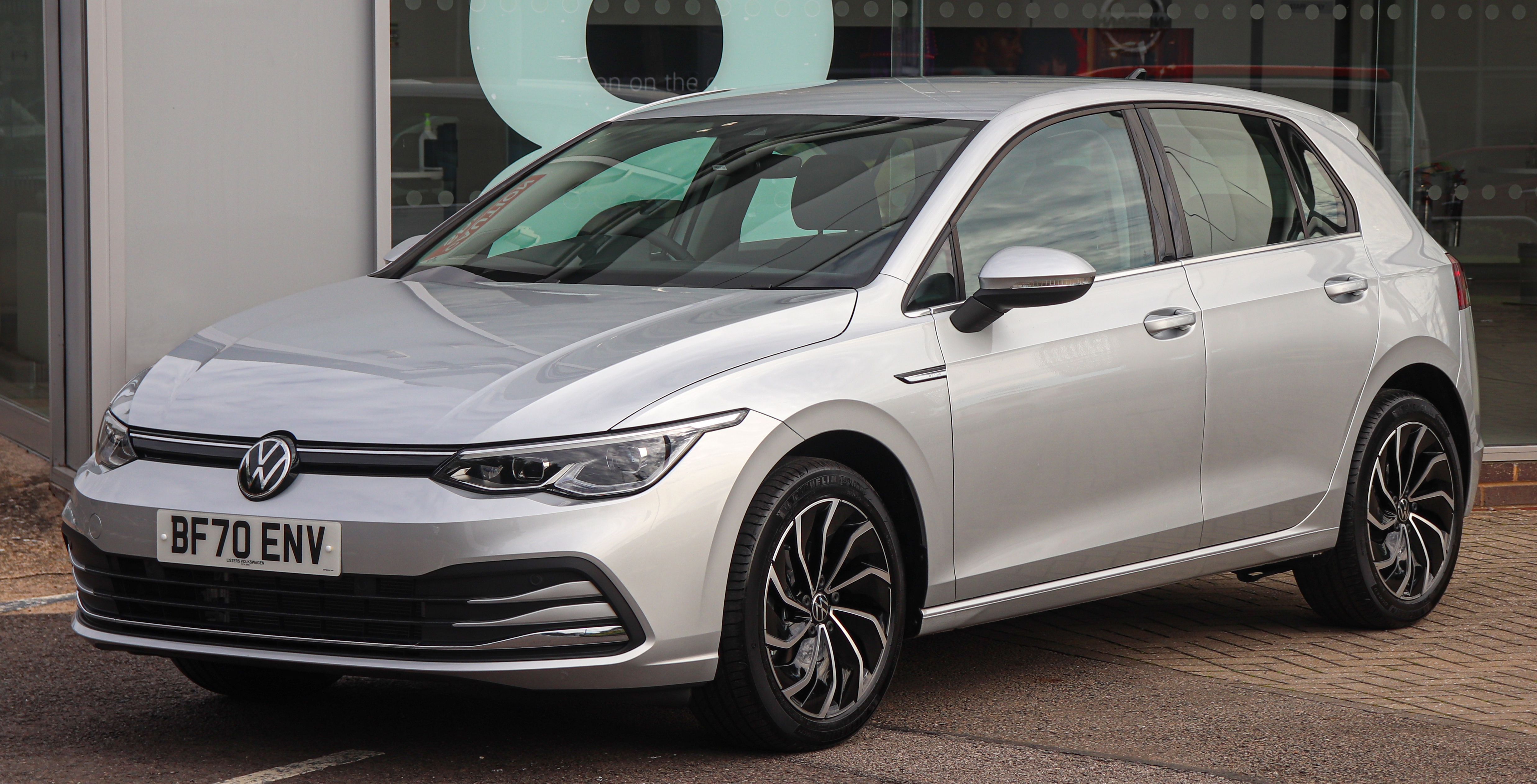
Volkswagen Golf
"quite small. I couldn't even fit my golf clubs in the back. I had to lower a seat to do it..."
The Volkswagen Golf is a small car with a hatchback rear, meant to be practical for everyday trips. Its trunk space can be limited, so bulky items may not fit unless you adjust the seats. The podcast is using golf clubs as an example of that space limitation.
The Volkswagen Golf is a compact hatchback that’s known for being easy to drive and practical for city and daily use. It’s often discussed in terms of real-world space, because cargo room can be tight depending on how you load it. The podcast mentions fitting golf clubs, highlighting how much (or how little) room the rear area provides.
GOAT modes
"They're like, oh, it goes off-road and it looks kind of cool and it looks like a Bronco and it's got goat modes and you know, and it's like they're going after a little bit of a different audience with it."
“Goat modes” is a playful way to describe off-road settings in a car. They change how the car handles things like slippery or uneven ground so it feels more capable off-road.
“Goat modes” is a nickname for the off-road driving modes found on some SUVs, which adjust traction and drivetrain behavior for different surfaces. In this context, the hosts are describing how the Bronco Sport is marketed to an audience that wants off-road capability cues, even if it’s still a street-focused vehicle.

Chevy Bolt
"Next on the list, Chevy Bolt. Yeah. So when the Bolt died, I remember we were all very sad because there's just not a lot"
The Chevy Bolt is an electric car. The hosts are talking about the fact that the Bolt was stopped/discontinued for a while, which is why people were sad when it “died.”
The Chevrolet Bolt is an electric car (EV) known for offering a relatively affordable entry point to EV ownership. The hosts mention it “died,” which is a reference to the model’s discontinuation and the broader EV battery recall history that affected Bolt production and sales.
over the air
"but there's no way to do it over the air. So it had to go back to the dealership."
“Over the air” updates are software updates that get sent to the car wirelessly. In this case, they’re saying the screen software couldn’t be updated that way, so the car had to go to the dealership.
“Over the air” (OTA) updates are software downloads sent to a car wirelessly, without needing a visit to the dealership. The hosts say this Bolt’s screen software couldn’t be updated OTA, so it required dealer intervention.
reflashed all the software
"They popped in a USB port, reflashed all the software, and then it came back to us and was working much better."
Reflashing is like reinstalling the car’s software. They used the dealer’s tools (via USB) to put the correct software back onto the system so the screen would function normally.
“Reflashing” software means rewriting the car’s electronic control software (often the infotainment or display system) with a fresh, correct version. Here, the dealer used a USB connection to reload the software so the screen worked properly again.
USB port
"They popped in a USB port, reflashed all the software, and then it came back to us and was working much better."
A USB port is a common plug-in connection. In this story, the dealership used USB to load the correct software onto the car’s screen system.
A USB port is used here as a physical connection point for loading software onto the car’s system. The hosts describe the dealer plugging in via USB to update/reflash the Bolt’s screen software.
range
"This thing's about $30,000, has pretty decent range. [1054.0s] The issue with Bolt and LEAF, for example, were very limited range. [1061.1s] And in your head, you're thinking, listen, if you want to go far, you've got to pay"
For an EV, “range” means how far the car can go on one charge. If the range is low, you have to stop to charge more often.
In EV context, “range” means how many miles (or kilometers) the battery can drive before it needs charging. The hosts use range to explain why some EVs feel limiting for longer trips.
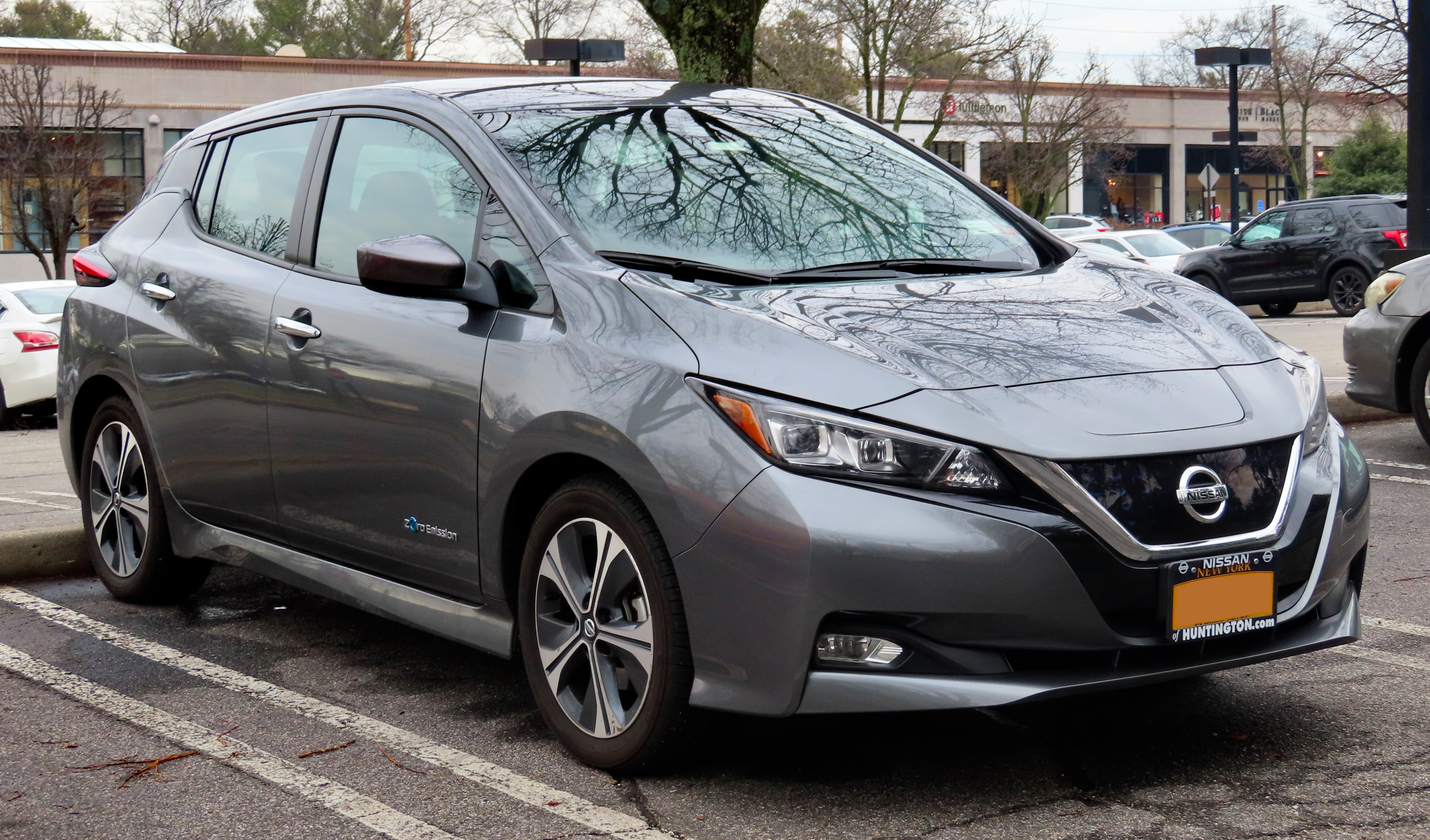
LEAF
"The issue with Bolt and LEAF, for example, were very limited range. [1061.1s] And in your head, you're thinking, listen, if you want to go far, you've got to pay [1064.0s] more money."
The Nissan LEAF is an electric car that’s usually better for shorter trips. In this discussion, they’re saying older versions didn’t go very far between charges.
The Nissan LEAF (often misspelled as “LEAF” in transcripts) is an early mainstream EV known for being practical for short trips. Here, it’s mentioned alongside the Bolt as having had limited range, which can make longer drives harder without more frequent charging stops.
kilowatts
"And the other thing that they improved was the charging, because the old one, it only [1078.3s] charged at, I think, like 50 or 60 kilowatts. [1081.4s] And so this one goes all the way up to 150, which with the size of the battery means it [1085.6s] actually charges pretty fast now."
Kilowatts are a measure of how fast the charger can deliver electricity. Higher kW usually means the car can charge faster.
Kilowatts (kW) measure charging power, which strongly influences how quickly an EV can add energy to its battery. The hosts contrast older charging limits (50–60 kW) with newer capability up to 150 kW.
fast charging station
"Like I remember being on road trips with EVs, pulling up to like the fast charging station, [1094.4s] seeing a Bolt there and being like, oh, this is going to take a while. [1097.7s] This is going to take a while."
A fast charging station is where you can charge an EV much faster than at a normal plug. They’re talking about how long you expect to wait once you see the charging speed.
A fast charging station is a public EV charger designed to deliver high power (often DC fast charging), so the battery can be replenished much quicker than standard outlets. The hosts describe how seeing the charging speed on the meter changes expectations during road trips.
software updates
"Presumably, if you go and you buy one, these software updates have already happened. [1119.3s] Because if you're buying them new, I'm sure they figured out."
Modern cars run on computers, and sometimes the manufacturer releases updates to fix problems or improve functions. They’re saying that if you buy the car later, those fixes may already be installed.
Software updates in modern vehicles are changes delivered to the car’s electronic control units (ECUs) to improve features, fix bugs, or adjust behavior. Here, the point is that a used buyer may already benefit if the previous owner (or the manufacturer) has completed the relevant updates.
early models
"Because if you're buying them new, I'm sure they figured out. [1121.6s] Like you were saying, one of the advantages of Edmunds getting these test results is you [1126.8s] guys often buy very early models. [1130.4s] Yes."
“Early models” means the first cars that come out after a redesign or new release. Those cars can have more problems at first, so testing early helps catch bugs before most people buy.
“Early models” refers to the first production units of a new vehicle generation or refresh, when issues are more likely to show up. The hosts connect this to Edmunds getting test results early so they can identify bugs before most shoppers buy.

Subaru Outback
"All right. Subaru Outback. [1159.2s] You guys picked up a new Outback 26. [1162.1s] Yeah. This is. [1164.0s] So I remember when the redesigned Outback, our first piece of content that we did with it was actually a heads of comparison with this against the Honda Passport."
The Subaru Outback is a popular Subaru wagon/crossover that sits higher than a normal car and typically comes with all-wheel drive. Here, they’re talking about a newer (redesigned) Outback and how it compares to another family SUV.
The Subaru Outback is a crossover wagon known for standard all-wheel drive and a high-riding, adventure-oriented layout. In this segment, Edmunds discusses a redesigned Outback and even references a comparison against the Honda Passport, which frames it as a practical used-hybrid shopping target.

Honda Passport
"So I remember when the redesigned Outback, our first piece of content that we did with it was actually a heads of comparison with this against the Honda Passport. [1172.1s] This was last fall and usually going into comparison."
The Honda Passport is a midsize SUV from Honda. They mention it because it’s one of the vehicles people compare against the Subaru Outback when deciding what to buy.
The Honda Passport is a midsize SUV positioned as a family-friendly alternative to crossovers and wagons like the Subaru Outback. The hosts mention it in the context of a heads-up comparison, implying it’s a common competitor shoppers consider when evaluating used vehicles.
vertically oriented screen
"So the Forrester has that vertically oriented screen. [1241.6s] They turned it sideways and then they gave it brand new software."
That phrase means the car’s main screen is turned upright (taller than it is wide). It can change how information is shown and how easy it feels to use while driving.
A vertically oriented screen means the infotainment display is mounted in portrait orientation rather than landscape. This can affect how menus, maps, and media are laid out and how quickly drivers can read and interact with the system.
brand new software
"They turned it sideways and then they gave it brand new software. [1244.6s] And it works so, so much better."
They’re saying the car got a fresh infotainment software update. That usually means the screen menus and behavior were rewritten or improved, so it works better day-to-day.
“Brand new software” here refers to a major infotainment update that changes the user interface and underlying behavior of the car’s screen and controls. In practice, this can fix laggy performance, confusing menus, or bugs that make the system feel unreliable.

Forester Forrester Hybrid
"...feel better because we're remembering how bad the Forrester hybrid was? Yes, I think that's true."
The Subaru Forester is a crossover SUV that’s built for everyday use and different weather conditions. The podcast is talking about the hybrid version and saying it didn’t work out well for them. The point is that not every hybrid option feels good in real life.
The Forester refers to the Subaru Forester, a compact crossover known for practicality and all-weather capability. The podcast mentions “remembering how bad the Forester hybrid was,” which suggests there were concerns about that hybrid version’s real-world performance or satisfaction. That’s why it comes up in a discussion about which hybrid options are worth considering.
backup camera
"Because the Forrester hybrid had boot up issues where you would like start the car, put it in reverse, and the camera wouldn't show up for 15, 20 seconds sometimes."
A backup camera is the rear-facing camera that activates when you shift into reverse, showing what’s behind the car. In this segment, the hosts say the camera display was delayed, which made reversing feel unsafe or inconvenient.

EX60
"And some of the new EVs specifically that they have coming out, EV60, the EX60 and the 90."
They mention EX60 as another upcoming Volvo electric vehicle. The discussion is about newer cars having faster software and computing hardware.
EX60 is mentioned as another upcoming Volvo EV model (paired with EV60 and the 90). The hosts are using these model names to discuss Volvo’s promise of improved software and faster hardware.
NVIDIA chips
"in their initial like, you know, press announcements was, you know, new software, new Nvidia chips, everything's faster all around, all the hardware, the software, everything's faster."
They’re talking about computer chips from Nvidia. In cars, these chips help the vehicle’s screens and software run faster and handle more tasks smoothly.
Nvidia chips refers to Nvidia’s automotive-grade computing hardware used inside some modern vehicles. The hosts connect it to faster processing for infotainment and vehicle systems, claiming the new hardware makes everything quicker.
software dates a car
"It was just about software is just one of those things that changes so quickly, you know, electronics especially, that's one of the things that like in the hot rod building world, one of the things that sort of dates a car the fastest is the technology like, your audio system, for example, you can take, you can take even a classic car"
They mean the car’s computer systems and screens can become outdated faster than the mechanical parts. So even if the car is mechanically fine, the tech can start to feel old.
This refers to the idea that vehicle software and electronics age quickly compared with mechanical components. The hosts argue that infotainment and related tech can make a car feel outdated sooner, similar to how hot-rod builders track electronics changes.
CarPlay
"and do sort of a more modern Bluetooth head unit, car play and stuff."
CarPlay is Apple’s system that lets you use your iPhone through the car’s screen. It’s mainly for navigation, music, and calling while you drive.
CarPlay is Apple’s in-car system that mirrors or integrates an iPhone’s apps and controls onto the vehicle’s infotainment screen. It’s commonly used for navigation, music, calls, and messaging while keeping the phone’s interface familiar.
Bluetooth head unit
"and do sort of a more modern Bluetooth head unit, car play and stuff."
The head unit is the main screen and controls for things like music and navigation. If it has Bluetooth, your phone can connect wirelessly so you can stream music or make calls.
A head unit is the car’s main infotainment computer—typically the screen and controls for audio, navigation, and phone features. Adding Bluetooth support lets the car wirelessly connect to a phone for calls and music streaming.
screens, chips
"it wasn't developed recently. It's something that they thought of years ago, and they've had to order screens, chips, everything, RAM, even like in the back end."
Modern cars use computer parts. The screens are the displays you see, and the chips are the electronics that run the software—so if the car’s design is already built around certain parts, swapping them later is expensive.
In modern cars, infotainment and control systems rely on displays (screens) and semiconductor components (chips) to run software and process signals. Because these parts are sourced and scheduled long before the vehicle is sold, changing them mid-program can be very costly.

Dodge Ram
"... they've had to order screens, chips, everything, RAM, even like in the back end. So basically, if they..."
The Dodge Ram is a large pickup truck meant for hauling and everyday driving. The podcast is talking about delays because some parts—like screens and electronic components—can be hard to get. That can affect how quickly you can get the truck you ordered.
The Dodge Ram is a full-size pickup truck commonly used for work and towing, with lots of configurations for different needs. The podcast context focuses on ordering parts like screens and chips, which points to supply or production constraints affecting modern trucks. That kind of issue can influence wait times and what features are available when you order.
over-the-year updates
"And the, the idea now of having over-the-year updates is a huge advantage, by the way."
Over-the-year updates mean the car can get new software over time. Instead of everything staying the same forever, the system can be updated to fix issues or add features.
Over-the-year updates refers to software updates delivered periodically (often via the internet or dealer service) to refresh vehicle systems like infotainment, connectivity, and sometimes vehicle functions. The key point is that the car can improve or change after purchase rather than being locked to the original software version.

Ford F-150 Lightning
"...now, some of it makes sense. Like I have the Ford Lightning, and then it has the big screen with the big dial..."
The Ford F-150 Lightning is an electric pickup truck. It’s built to do the same kind of truck tasks, but it uses electricity instead of gas. The podcast is pointing out the big in-cabin screen and controls.
The Ford F-150 Lightning is an electric version of the F-150 pickup, combining EV power with the practicality of a full-size truck. The podcast mentions its large screen and dial-style controls, which points to how the cabin tech is a notable part of the ownership experience. It’s brought up as an example of how EV trucks can feel different inside compared with traditional pickups.
heated and cooled seats
"But next to it is another touchscreen icon for heated and cooled seats. [1516.3s] If you touch the icon, it goes from heated to cool, and it goes to the three levels."
Heated and cooled seats let you control seat temperature—warm it up in cold weather or cool it down in hot weather. In this example, you tap an icon and then choose different heat/cool levels.
Heated and cooled seats are front (or sometimes rear) seat systems that can warm or actively cool the occupant using built-in heating elements and a cooling mechanism. The host describes selecting multiple intensity levels and switching between heat and cooling through the vehicle’s interface.
touchscreen icon
"But next to it is another touchscreen icon for heated and cooled seats. [1516.3s] If you touch the icon, it goes from heated to cool, and it goes to the three levels."
A touchscreen icon is just a button you tap on the car’s screen. In this case, tapping it changes the seat temperature settings.
A touchscreen icon is a graphical button on the vehicle’s infotainment screen that you tap to control a function. Here, the icon is used to switch between heated and cooled seat modes and adjust intensity levels.
quality of life improvements
"[1569.9s] Yeah, we call them quality of life improvements."
“Quality of life improvements” means small upgrades that make the car nicer to use day to day. Here, it’s about software tweaks that make the screen controls easier or more flexible.
“Quality of life improvements” are small, practical changes that make everyday driving and living with the car easier or more convenient. In this context, the host is describing OTA software changes that improve how menus and controls behave.
touchscreen adapter
"It's actually just a screen, and then something glued on the front of it. It's a touchscreen adapter, if you will. Like, you know, sometimes if you wear gloves, and then you can buy those gloves, these gloves work with touch screens for your iPhone and stuff like that."
A touchscreen adapter is a device that sits on top of a screen to make it easier to control with your hand. Instead of you tapping the screen directly, the car can “read” what you’re doing through the added knob.
A touchscreen adapter is a physical add-on that lets a vehicle use a touchscreen as an input device while adding tactile controls. In this case, the “knob” is mounted over the display so the system can detect knob movement without cutting a hole in the screen.
manual transmission
"I do like you can get it with the manual transmission. It does add a little bit of fun and sportiness to it. You know, maybe not the car you want for LA traffic, but, you know, it wasn't like the clutch was overly heavy when I drove it"
A manual transmission is a car where you choose the gears yourself. You use a clutch pedal to switch gears, and it can feel more fun and connected to the driving.
A manual transmission is a gearbox you shift yourself using a clutch pedal and gear lever. It gives more direct control over engine speed, which many drivers find more engaging—especially in stop-and-go traffic if the clutch and shifter are light and easy.
rev matching system
"No, I think the rev matching system is also pretty good. And then that helps you when you're driving in traffic too. It makes things just a little bit smoother."
Rev matching is a feature that helps the engine speed match the gear you’re shifting into. It makes downshifts smoother so the car doesn’t jerk as much.
A rev matching system helps a manual-transmission driver by automatically adjusting engine speed during downshifts. That makes gear changes smoother and reduces drivetrain shock, which is especially helpful in traffic when you’re constantly slowing and shifting.
Type R
"But yeah. And then the other thing too is like five grand more expensive than a type R. So that's another factor in there."
“Type R” is Honda’s name for its high-performance versions. Here, they’re using it as a price comparison point for what you’re getting.
“Type R” is Honda’s performance trim name, used on its hot hatch and sedans to indicate a more track-focused setup. In this context, the speaker compares pricing versus a Type R to frame what they think is “worth it” for a used-buying decision.
long-term fleet
"So that's, those are the most recent additions to the fleet. Like, but before we wrap on that, like what else is in the overall fleet?"
A long-term fleet is a set of cars that a publication or testing group keeps for an extended period to gather real-world data. Instead of short test drives, the goal is to see how the cars behave over time—how they’re used, how they wear, and how they hold up.
overall fleet
"Like, but before we wrap on that, like what else is in the overall fleet? I know there's more than the four cars."
They’re basically giving an update on which cars are in their long-term test group right now. It’s a quick rundown before they move on.
This is the segment where the hosts list what vehicles are currently in their testing fleet and what has been added or sold off. It functions as a structural “what’s in the fleet” update for the episode.

Shelby GT500
"You talked about the Lexus that just recently got sold off. For a long time, we talked about the GT 500 that eventually got sold off. And I think everyone was kind of sad about that one."
The Shelby GT500 is a very high-performance sports car based on the Mustang. It’s made for people who want strong acceleration and a more aggressive driving experience. The podcast is talking about it being discontinued or sold off, and that fans were disappointed.
The Shelby GT500 is a high-performance version of a Ford Mustang, built for serious power and track-capable driving. In the podcast, it’s mentioned as a model that was eventually sold off, and the hosts note that many people were sad about it. That kind of discussion usually centers on the car’s place in the performance lineup and its limited availability.
Tesla
"So there's a Tesla in there somewhere, right? There's always seems to be a Tesla."
Tesla is a company that makes electric cars. If they have a Tesla in the fleet, it’s likely for comparison—how an electric car stacks up versus other cars they’re testing.
Tesla is an EV-focused automaker known for battery-electric vehicles and software-driven features. When a fleet includes a Tesla, it usually means they’re comparing real-world driving and ownership experience against other (often hybrid) options.
Hyundai Telluride
"So Palisade Hybrid just joined a Telluride just arrived as well. So now we're going to have both of those."
The Hyundai Telluride is a three-row SUV meant for families. It’s being used here as a comparison point to see how different powertrains and trims stack up.
The Hyundai Telluride is a midsize three-row SUV that’s popular for its roomy cabin and family-focused packaging. They’re using it alongside the Palisade Hybrid as part of their comparison set for three-row SUV buyers.
FSD
"So basically a premium all wheel drive, fully loaded FSD, all that stuff. Both are on the newer hardware."
FSD is Tesla’s “Full Self-Driving” software. It’s meant to help the car drive more on its own, but you still have to pay attention and be ready to take over.
FSD stands for “Full Self-Driving,” Tesla’s driver-assistance software package. It’s designed to automate more of the driving task (like lane keeping and navigation-related driving), but it’s still a driver-assist system rather than a fully autonomous car in all conditions.

Ford Maverick
"And then we also have a Ford Maverick down there. We've got a prelude."
The Ford Maverick is a small pickup truck. They’re just name-checking it as another vehicle in their test group.
The Ford Maverick is a compact pickup truck that’s often discussed in the context of value and efficiency, including hybrid availability. They mention it as part of the broader fleet they’re evaluating alongside the three-row SUVs and Teslas.

Honda Prelude
"We've got a prelude. How do you like the prelude? Pause, pause, pause, pause. I like it."
The Honda Prelude is a sporty Honda coupe. They’re saying they like how it steers, but they don’t like the price and they think it’s not very quick.
The Honda Prelude is a sports coupe known for its driver-focused handling and styling. In this segment, they’re reacting to the car’s steering feel and criticizing its cost and slow pace, which is typical of how enthusiasts evaluate older performance-oriented Hondas.

Honda Integra Type S
"you know, like a Civic and a Civic Type R or the Integra and a Type S,"
The Honda Integra Type S is a sportier version of the Integra. They mention it alongside other performance Hondas to talk about where a new car should land in the lineup.
The Honda Integra Type S is a performance-oriented trim of the modern Integra, positioned between the base model and the more extreme Type R. In the discussion, it’s grouped with the Civic Type R as an example of how the lineup should “fit” performance-wise.

Acura Integra
"... you know, like a Civic and a Civic Type R or the Integra and a Type S, I was kind of hoping they would jus..."
The Acura Integra is a compact car that’s meant to feel sporty to drive. The podcast is comparing it to other sporty compact models and talking about different versions (like Type S) that change how it drives. The main point is how the Integra can be more performance-focused without being a huge car.
The Acura Integra is a compact performance-oriented car positioned as a more affordable, sport-focused alternative within Acura’s lineup. In the podcast, it’s compared to the idea of a Civic and a Civic Type R, and also to an Integra Type S, emphasizing how trims can change the driving character. That makes it relevant when discussing what “sporty but livable” means in this class.
powertrain
"And I think they're also a bit hamstrung, powertrain wise, because they kind of had two options, right, is either use the Civic Hybrid's powertrain or use the Type R's powertrain"
A powertrain is everything that makes the car move and sends power to the wheels. They’re saying the car’s performance is limited because it can’t easily use the best parts from both the hybrid and the Type R.
A powertrain is the set of components that generate and deliver motion—typically the engine (or motors), transmission, and related drivetrain parts. Here, the speaker says the car is “hamstrung” because it has to choose between using the Civic Hybrid’s powertrain or the Type R’s powertrain.

Honda Civic Hybrid
"because they kind of had two options, right, is either use the Civic Hybrid's powertrain or use the Type R's powertrain"
The Honda Civic Hybrid is a Civic that uses both gas and electricity to improve efficiency. They’re saying using the hybrid setup instead of the more performance-focused one can limit how fast the car can be.
The Honda Civic Hybrid is a version of the Civic designed around hybrid efficiency, combining an internal-combustion engine with an electric system. In this segment, its powertrain is one of the two options the speaker says the hypothetical new car could use, but that choice affects performance.
Turbo 2.5
"So then that automatically doesn't allow them to use a Turbo 2.5 in there."
“Turbo 2.5” means a 2.5-liter engine with a turbo that helps it make more power. They’re saying the car can’t use that setup, so it can’t be as quick as it could be.
“Turbo 2.5” refers to a 2.5-liter engine equipped with a turbocharger, meaning it uses forced induction to make more power than a naturally aspirated 2.5-liter. The speaker argues that the lineup constraints prevent using this engine, which would otherwise raise the car’s performance ceiling.
performance ceiling
"And I think once you do that, you sort of compromise the overall performance ceiling just because it's not quite quick enough."
A performance ceiling is the highest performance the car can reach. They’re saying the powertrain choices cap how quick the car can get.
A performance ceiling is the maximum level of performance a vehicle can realistically achieve given its design and constraints. The speaker claims that choosing between two powertrain options limits how fast the car can ultimately be.

Hyundai Palisade
"And all right. So you also mentioned the Hyundai Palisade. [2091.3s] I just wanted to ask, because I just don't know that we've covered this... [2125.1s] But there was a stop sale. [2126.7s] There was an issue with the third row seats and somebody got hurt."
The Hyundai Palisade is a big family SUV with three rows of seats. Here, they’re comparing the hybrid version to the regular one and saying the hybrid is the better choice for both power and gas mileage. They also bring up a past safety-related stop sale involving the third-row seats.
The Hyundai Palisade is a three-row midsize SUV known for family-focused packaging and comfort. In this segment, the hosts discuss the hybrid version versus the non-hybrid, including the idea that the hybrid brings better fuel economy and more power. They also mention a past stop sale tied to third-row seat safety concerns.
stop sale
"But there was a stop sale. [2126.7s] There was an issue with the third row seats and somebody got hurt."
A stop sale is when a manufacturer or regulator orders dealers to stop selling certain vehicles because of a safety or compliance issue. It’s often followed by a fix (like a parts replacement or software change) before sales resume. In this segment, it’s tied to a third-row seat problem in the Hyundai Palisade.
third row seats
"But there was a stop sale. [2126.7s] There was an issue with the third row seats and somebody got hurt."
Third row seats are the rear-most seating position in a three-row SUV, typically used for kids, occasional passengers, or carpooling. Because they’re farther from the driver and often have more complex folding and latch mechanisms, safety issues there can be especially important. Here, the hosts reference a stop sale caused by an issue involving the third row seats.
software fix
"And they did issue a software fix. [2144.1s] So they changed the way the sensors in both the second and third row operate."
A software fix means the car’s computer gets updated. Instead of replacing parts, the manufacturer changes the code so the car behaves differently and safer.
A software fix is a change to the vehicle’s onboard computer code, often delivered via an update at a dealer or sometimes over-the-air. Here, the host says the manufacturer issued a software fix after an incident.
pinch protection
"So they changed the way the sensors in both the second and third row operate. [2147.5s] So then they have greater pinch protection."
Pinch protection is a safety system that helps prevent injuries when something gets caught. If the car senses an obstruction, it can stop the movement so it doesn’t pinch someone.
Pinch protection is a safety feature that detects when a window or similar mechanism is obstructed and stops or reverses movement to prevent injury. In this segment, it’s described as being improved by changing how second- and third-row sensors operate.
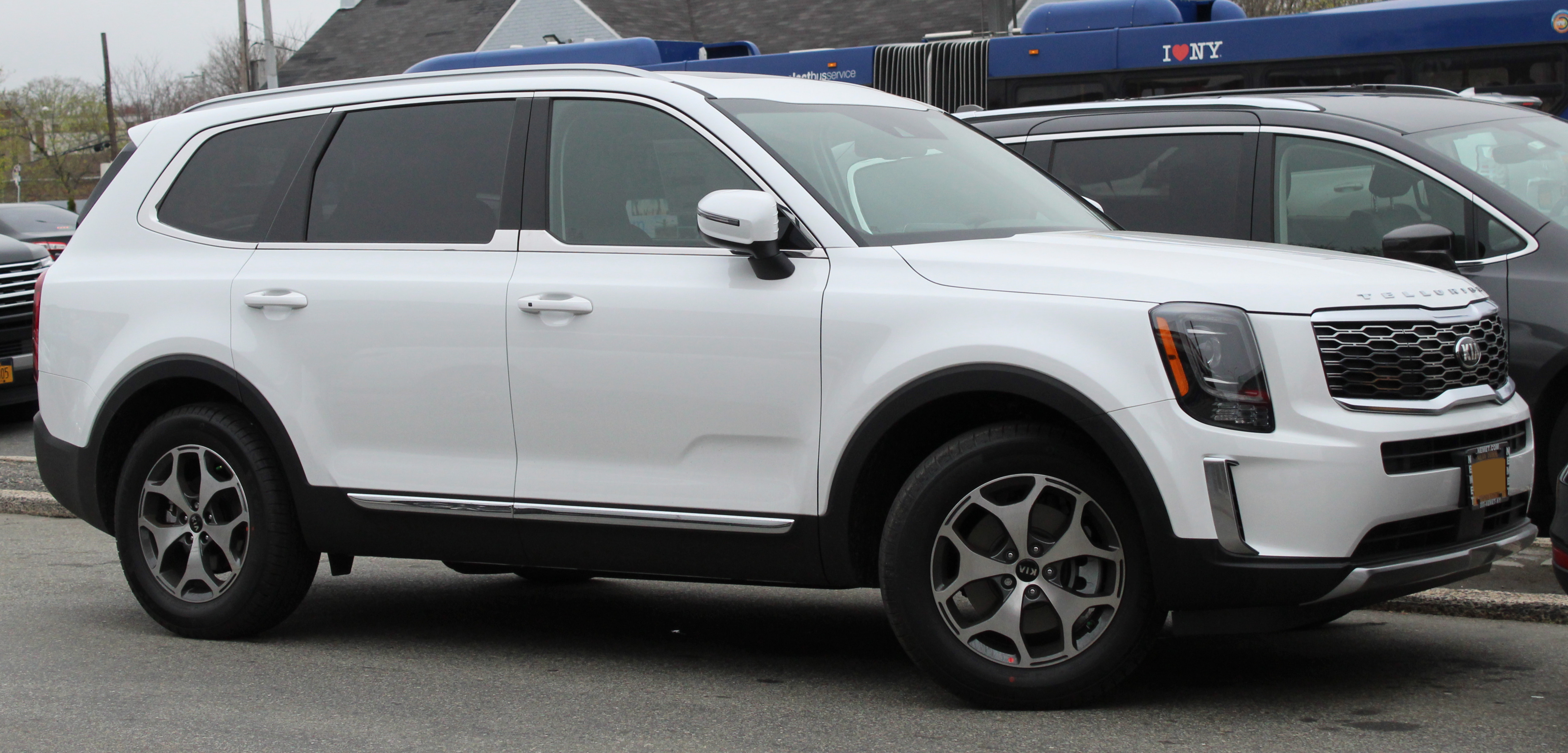
Kia Telluride
"But yeah, I know that they had to fix it on Telluride as well. [2185.3s] They fixed it on Palisade."
The Kia Telluride is a family SUV with three rows of seats. Here, they’re talking about a safety recall where Kia updated the car’s software and sensor behavior to help prevent a serious incident.
The Kia Telluride is a three-row midsize SUV from Kia, known for family-friendly packaging and being a common target for safety recalls. In this segment, it’s mentioned specifically in connection with a software fix and sensors in the second/third rows.
Kia Palisade
"They fixed it on Palisade. [2187.1s] Because obviously those two cars are very similar."
The Kia Palisade is another family SUV with three rows, and it’s very similar to the Telluride. They’re saying the same safety problem led to a software fix on the Palisade too.
The Kia Palisade is a three-row midsize SUV from Kia, closely related to the Telluride in platform and design. This segment ties it to the same type of recall and software update, because the two vehicles are described as very similar.
Certified pre owned
"One is the idea of CPO, certified pre-owned. Do you buy used? CPO? What does that mean? Is it worth it? And then we can look at some of the maybe the best used hybrids, if you will."
Certified pre-owned (CPO) is a used car that a dealer checks more carefully than a typical used car. It usually also includes extra protection like a warranty, so you’re not taking quite as much risk.
Certified pre-owned (CPO) is a used-car program where the manufacturer or an authorized dealer inspects a vehicle and backs it with specific coverage. The key idea is that the car is vetted against a checklist and typically comes with a warranty or extended coverage beyond a normal used-car sale.
CPO
"One is the idea of CPO, certified pre-owned. Do you buy used? CPO? What does that mean? Is it worth it?"
CPO is short for certified pre-owned. It means the used car has been inspected and often comes with extra warranty coverage from the dealer.
CPO is the abbreviation for certified pre-owned, a used-car program with inspection requirements and usually added warranty coverage. In practice, it’s meant to reduce uncertainty compared with buying a regular used car.
third-party dealer
"When you buy certified pre-owned, you're going to the dealer, you're not necessarily going to a third-party dealer."
A third-party dealer is a used-car seller that isn’t directly part of the car brand’s own dealer group. For CPO, the inspection and warranty are usually handled through the authorized program, which can be different from a regular used-car lot.
A third-party dealer is a seller that isn’t the vehicle’s brand’s own dealership network. The distinction matters for CPO because the inspection and warranty terms are typically tied to the authorized program and its resources.
extended warranty
"Correct. But that often comes with a warranty or some sort of extended warranty on that vehicle."
An extended warranty is extra protection that can help pay for repairs after the original warranty ends. With CPO cars, it’s commonly included to reduce the risk of expensive problems.
An extended warranty is additional coverage beyond the standard warranty period, intended to pay for certain repairs if something fails. In a CPO context, it’s often part of what justifies the higher price versus a non-certified used car.
OEM parts
"So then you can just basically go to the dealership and have their technicians work on the car and they're the ones who are going to use OEM parts mostly..."
OEM parts are original equipment manufacturer components made by (or to the specifications of) the automaker. The host notes that CPO work is typically done by dealership technicians using OEM parts, which can matter for fit, finish, and how systems are repaired.
Carfax
"Ask them for a car fax too. Ask for everything. Yeah, get the documentation."
Carfax is a report that shows some of a car’s past, like accidents or title problems, based on records that are available. The host is saying you should ask for it before buying.
Carfax is a vehicle history report service that compiles records like title events, reported accidents, and service history when available. The host recommends requesting it as part of the documentation you should check when buying a used car (CPO or not).
fine print
"will offer some sort of extra warranty protection, but it's important to read the fine print to see [2611.7s] exactly what it covers and like what types of shops you can use because some warranties are like, [2616.9s] you can only go to this shop or these types of shops."
“Fine print” is the detailed warranty wording that tells you what’s actually covered. It can also say where you’re allowed to take the car for repairs.
In warranty discussions, “fine print” refers to the detailed contract terms that define coverage limits and restrictions. For example, it can specify which repair shops are allowed and whether you must use dealer-approved service locations.
200-point checklist
"if you can find a way to have them check [2639.6s] out the CPO vehicle, that's not the worst idea either because a 200-point checklist, like some [2644.8s] of those 200 points are going to be real small. So 200 points are going to be like, check tire [2648.9s] pressure."
A “200-point checklist” is the inspection list a dealer uses for a certified used car. It sounds very thorough, but some items can be simple things like checking fluids or wiper blades.
A “200-point checklist” is a dealer inspection rubric used in certified pre-owned programs. It’s meant to verify condition across many systems, but some points can be basic checks rather than deep diagnostics.
OBD2
"is [2668.3s] a lot of those are they hook up their scan tools to the computer, to the OBD2, and they run their [2677.5s] scan on it."
OBD2 is the car’s built-in computer diagnostics system. A mechanic can plug in a scanner to read error codes so they can see if the car has any problems recorded by the computer.
OBD2 (On-Board Diagnostics, version 2) is the standardized computer system in most modern cars that monitors engine and emissions systems. Inspection shops can plug in a scan tool to read diagnostic trouble codes and confirm whether the car’s systems report any faults.
scan tools
"is [2668.3s] a lot of those are they hook up their scan tools to the computer, to the OBD2, and they run their [2677.5s] scan on it."
Scan tools are the devices mechanics plug into the car to check for computer error codes. They help find problems that might not show up just by looking or taking a short drive.
Scan tools are diagnostic devices used to communicate with a car’s onboard computers. In a pre-purchase or inspection context, they can pull diagnostic trouble codes (and sometimes live data) to find issues that aren’t obvious by driving alone.
Jaguar
"What does it cover? mean? Where can you go to [2734.5s] get it fixed? Listen, I know it was years ago, Jaguar was having some issues with quality, [2742.6s] although may still have issues with quality. And it was a thing where you're like,"
Jaguar is a luxury car brand. The host is saying that Jaguar had a reputation for quality problems years ago, which is why you might want to be extra careful when buying one used.
Jaguar is a luxury car brand that the host mentions in relation to historical quality concerns. The discussion is about how brand reputation and past reliability issues can influence how cautious you should be when buying used.
CarMax
"No, this reminds you of so for CarMax, for example. And we know this sort of area well because admins to his clothes is owned by CarMax."
CarMax is a company that sells used cars. They also offer extra warranty coverage, and the price can change depending on the car you buy.
CarMax is a used-car retailer that sells extended warranties on the vehicles it offers. Here, the host highlights that CarMax’s warranty pricing can vary based on the specific vehicle being covered.
Request an Explanation
Heard something you'd like explained? We'll add it to this episode.
Sign in to request explanations for terms you heard.
Want to learn more?
Browse our glossary for plain-English explanations of automotive terms, jargon, and concepts.
Help improve this episode
See something that's not quite right? Our annotations are AI-generated and can sometimes miss the mark. Click the flag icon on any annotation to suggest a correction.