
CarCast+Edmunds - New RAM TRX, Lexus ES EV, Tesla Model Y L and more.
About this episode
Ram TRX takes center stage as the hosts talk V8 “about face,” tease the Rumblebee/Hellcat setup, and share test-track surprises like the Hemi being “about two seconds slower to 60.” They dig into Bilstein suspension tech, jump/landing control, and why off-road hardware can still feel compliant on-road. The conversation then pivots to Lexus ES electrification—hybrid vs EV tradeoffs, interior materials, and value versus BMW/Audi—before ending with Tesla Model YL third-row practicality and a broader debate on simulated manual feel and driver-assistance responsibility.
Follow @motorator
Follow Bravago Beverages
Hosted by Simplecast, an AdsWizz company. See pcm.adswizz.com for information about our collection and use of personal data for advertising.

Dodge Ram
"... with... We're going to start with big, bad, bold Ram TRX. We've been talking about this for some time ..."
The Dodge Ram is a pickup truck, meaning it’s built for hauling and tough driving. The podcast focuses on the Ram TRX, which is the more extreme, performance-oriented version. It’s brought up because it’s a big, high-impact truck model.
The Dodge Ram is a pickup truck line known for heavy-duty capability and a wide range of trims. The podcast specifically calls out the “Ram TRX,” which is the high-performance, off-road-focused version of the lineup. It’s mentioned because the TRX is a standout model when discussing bold, performance-oriented trucks.

Ram TRX
"We're going to start with big, bad, bold Ram TRX. We've been talking about this for some time on the podcast now just to get you up to speed."
The Ram TRX is Ram’s super-powerful pickup truck. It’s known for having a big V8 engine and being able to handle rough driving, not just the street.
The Ram TRX is a high-performance pickup from Ram (Dodge’s truck brand) built around extreme V8 power and off-road capability. In this segment, the hosts frame it as a major “about face” for Ram and Dodge—bringing back V8s after an EV push.
EV
"Started with the Dodge Charger, went to EV, dropped to V8. That irritated everyone, especially when you built this brand based off of muscle hood."
EV means electric vehicle. Instead of running on gasoline like most cars, it uses electricity from a battery to move the vehicle.
EV stands for electric vehicle, meaning the car is powered primarily by electric motors and a battery rather than a gasoline engine. The hosts describe an “EV” phase for Ram and Dodge before returning to V8s.

Dodge Charger
"Big shift and an about face, if you will, with Ram and Dodge and Solantis in general. Started with the Dodge Charger, went to EV, dropped to V8."
The Dodge Charger is a famous performance car model from Dodge. The hosts are using it as an example of how the brand’s engine choices have been changing over time.
The Dodge Charger is a long-running American muscle-car sedan/coupe that’s closely associated with V8 performance. Here, the hosts mention it as the starting point of Dodge’s shift away from V8s toward EVs, then back again.
V8
"Started with the Dodge Charger, went to EV, dropped to V8. That irritated everyone, especially when you built this brand based off of muscle hood."
A V8 is a type of engine with eight cylinders. It’s often associated with strong power and sound, and the hosts are talking about brands bringing that back.
A V8 is an engine with eight cylinders arranged in a “V” shape. In this segment, the hosts emphasize the brand’s shift back to V8 power after experimenting with EVs and other configurations.
crash testing
"They're doing it because it fits, but it's not a layup, right? There's more safety issues, crash testing, like all kinds of stuff they have to do to get that V8 in that car."
Crash testing is how car makers check safety by testing what happens in a crash. The hosts are saying adding a bigger engine can change the car’s structure, so safety testing becomes a bigger job.
Crash testing is the process of evaluating a vehicle’s safety by simulating or performing controlled impacts. The hosts mention it as part of why fitting a V8 into a car like the Charger is more complicated than it sounds.

Challenger Hellcat
".... I can't wait to try out that Rumblebee with the Hellcat engine in it. You know, I've got street trucks."
The Challenger is a muscle car, meaning it’s built for strong acceleration and performance. The episode mentions it with a Hellcat engine, which is the high-power version. It comes up because it represents the loud, fast side of muscle cars.
The Dodge Challenger is a muscle car known for powerful engine options and a classic two-door performance layout. In the podcast, it’s referenced in connection with a “Hellcat engine,” which points to high-output performance variants. It’s discussed because it’s a go-to name when people talk about modern muscle-car power.
Hellcat engine
"I can't wait to try out that Rumblebee with the Hellcat engine in it. You know, I've got street trucks."
The Hellcat engine is a super-powerful V8 used in certain Dodge performance cars and trucks. The hosts are saying the Rumblebee version uses that big, high-output engine.
The Hellcat engine refers to Dodge/Chrysler’s high-output supercharged V8 family known for very large horsepower figures. Here, it’s mentioned as the powerplant inside the “Rumblebee” street-truck variant.

F-150 Raptor
"... of doing like an R version or something like the Raptor is, they just said, let's just make one TRX, make..."
The Ford F-150 is a popular large pickup truck. The podcast talks about performance versions of it, like an R-style model and the TRX idea. It’s mentioned because the F-150 is the starting point for those higher-performance trims.
The Ford F-150 is a widely sold full-size pickup truck known for its versatility and many available configurations. The podcast mentions an “R version” and the idea of making one TRX, which ties the conversation to performance-truck strategy within the F-150 lineup. It’s brought up because it’s the base platform for high-performance variants.
Hemi
"So when they brought back the Hemi, we were pretty excited to get it to our test track and actually turned out to be about two seconds slower to 60."
“Hemi” is an engine design where the combustion chambers are shaped like a half-sphere. The hosts are saying the truck got the Hemi back, and that’s what people were hoping for because it changes how the truck performs.
Hemi refers to Chrysler’s hemispherical combustion-chamber engine design, commonly associated with the “Hemi” V8. In this segment, bringing back the Hemi is treated as a big deal for performance and excitement, and they tie it to a measured 0–60 result.
zero to 60
"So when they brought back the Hemi, we were pretty excited to get it to our test track and actually turned out to be about two seconds slower to 60. Then the straight six trucks, which, you know, how important are zero to 60 times when we're talking trucks?"
Zero to 60 is how fast a car or truck accelerates from a standstill to 60 mph. It’s a simple test number people use to compare acceleration between different versions of a vehicle.
Zero to 60 time is the elapsed time for a vehicle to accelerate from 0 mph to 60 mph. The hosts use it as a quick, comparable measure of acceleration changes between engine choices, even while acknowledging that it may not be the only metric that matters for trucks.
straight six
"Then the straight six trucks, which, you know, how important are zero to 60 times when we're talking trucks? Maybe not the most important, but I think it was indicative of you actually weren't really getting a performance gain, you know, outside of the noise and all that."
A straight six is an engine with six cylinders in a straight line. They’re comparing it to the V8 and saying the straight six can be good, but they want more noticeable performance differences.
A straight six is an inline engine with six cylinders arranged in a single line. The hosts compare straight-six trucks to V8s, arguing that while straight-six engines can be good, this new setup is expected to provide clearer performance differentiation.
powertrain
"I think it's been shown that there's a real desire for this kind of powertrain in this kind of truck, especially."
Powertrain refers to the vehicle’s main mechanical components that generate and deliver power—typically the engine (or motors), transmission, and drive system. Here, they’re talking about how the truck’s powertrain choices create the “real differentiation” people want.
Redbud Motocross Park
"We were out in southern Michigan. We were at Redbud Motocross Park. And we were there at the same time where they're having, I believe, what is the biggest motocross meet in the whole United States."
Redbud Motocross Park is a dirt track in Michigan where motocross bikes race. They used it to test the truck on rough ground, but the course was small so they couldn’t fully test its top speed.
Redbud Motocross Park is a motocross venue in southern Michigan used here as the test location for the truck’s dirt driving. The hosts describe the event atmosphere and how the track size limited their ability to test top speed.

Renault Wind
"...So we didn't get a chance to really let the truck wind out, which is sort of the only thing that we didn..."
The Renault Wind is a small car designed to feel fun and easy to drive. In the episode, it’s mentioned in a moment about letting a vehicle rev or accelerate. The point is about how it behaves when you push it.
The Renault Wind is a small, compact car that was designed around a sporty, fun-to-drive character. The podcast context mentions “let the truck wind out,” which sounds like a discussion about how a vehicle performs when you push it, though the exact reference is brief. It’s included as a model name tied to that driving/acceleration moment.
0.7 quicker
"I mean, if it hits the number that they're quoting, which is three and a half seconds to 60, that'll make it 0.7 quicker than the old TRX that we tested."
They’re talking about how much faster the truck is from a stop to 60 mph. A difference of less than a second can still be noticeable and usually means better launch and power delivery.
“0.7 quicker” is shorthand for a difference in acceleration time, specifically how much faster the truck would be in a 0-to-60 mph run compared to another vehicle. In performance discussions, small tenths of a second matter because they reflect traction, power delivery, and drivetrain response.

Raptor R
"And more importantly, that'll make it a half a second quicker than the Raptor R. So 770 horsepower, 680 pounds for the torque, both of which beat the Ford by a pretty good margin."
The Raptor R is Ford’s most extreme off-road pickup. They’re using it as a comparison point to show how the Ram TRX stacks up in speed and power.
The Ford Raptor R is Ford’s top-tier performance off-road truck, built to be fast and stable over rough terrain. Here, the hosts use it as the benchmark for acceleration and power/torque comparisons against the Ram TRX.
throttle response
"They say that the throttle response has been improved and I think it has maybe slightly, but we're talking maybe like a 5 to 10 percent difference. I mean, this wasn't a truck that really had trouble putting out power immediately anyway."
Throttle response is how fast the truck “feels” like it’s reacting when you hit the gas. If it’s improved, the power comes on a bit more quickly and predictably.
Throttle response is how quickly and smoothly the vehicle reacts when you press the accelerator. The hosts mention it’s been improved, but they estimate the change is relatively small (on the order of single-digit percent).
stiffer springs
"So same dampers, just kind of stiffer springs up front to deal with the extra weight from the engine, but otherwise underneath, it's pretty much an RHO."
Springs are what support the truck’s weight. Stiffer springs help the truck stay higher and handle better when there’s more weight up front.
Stiffer springs increase the suspension’s resistance to compression, helping support extra weight and reducing sag. Here, they’re used up front to compensate for the additional engine weight compared with the base RHO underpinnings.
dampers
"So same dampers, just kind of stiffer springs up front to deal with the extra weight from the engine, but otherwise underneath, it's pretty much an RHO."
Dampers are the shock absorbers. They control how the truck moves when it hits bumps so it doesn’t bounce uncontrollably.
Dampers are the shock absorbers that control how the suspension moves over bumps—how quickly it compresses and rebounds. The hosts say the new truck uses the same dampers as the RHO, which implies similar ride and off-road control characteristics.
Fox shocks
"And I know that the Fox Shocks sort of have more of a place sort of in the racing and sort of like the sort of greater cultural mind share, I guess, about suspension stuff. But this Bilstein suspension, it really, really impressed me."
Fox Shocks is a company that makes off-road shock absorbers. The hosts mention it because it’s popular and widely recognized in off-road racing culture.
Fox Shocks is a well-known off-road suspension brand, especially associated with racing and aftermarket shock setups. The hosts contrast its cultural “mind share” with the Bilstein suspension they’re evaluating here.
Bilstein
"But this Bilstein suspension, it really, really impressed me. It's got remote reservoirs. It's also got a secondary bump stop within the damper itself."
Bilstein makes shocks and suspension parts. The hosts are praising their off-road shock design for handling hard impacts and jumps.
Bilstein is a suspension and shock absorber brand known for performance-focused dampers, including off-road designs with features like remote reservoirs. In this segment, the hosts say the Bilstein setup impressed them because of its durability and control during heavy off-road use.
remote reservoirs
"But this Bilstein suspension, it really, really impressed me. It's got remote reservoirs. It's also got a secondary bump stop within the damper itself."
Remote reservoirs are extra shock-fluid containers placed away from the main shock. They help the shocks stay consistent when you’re hitting bumps hard over and over.
Remote reservoirs are an off-road suspension design where the shock’s fluid reservoir is mounted away from the main damper body. This helps manage heat and maintains more consistent damping during repeated hard use, like jumping and rough-course driving.
secondary bump stop
"It's got remote reservoirs. It's also got a secondary bump stop within the damper itself. Yeah. Okay. So when you fully compress, you're not just hitting the bump stop on the regular suspension."
A bump stop is like a safety stop for the suspension. A secondary bump stop means there’s an extra layer of protection when the suspension compresses fully, improving control during big hits.
A secondary bump stop is an additional, internal limiting surface that engages later in the suspension’s travel. The point is to protect the damper and maintain control when the suspension fully compresses—so you don’t just hit the main bump stop.
bump stops
"So when you fully compress, you're not just hitting the bump stop on the regular suspension. There's also an internal one."
A bump stop is a cushion/safety limit that prevents the suspension from bottoming out. It helps keep the truck from getting damaged when you hit big bumps or land hard.
A bump stop is a suspension component that limits how far the suspension can compress, preventing metal-to-metal contact and protecting the shock. The hosts describe both an external “regular” bump stop and an internal one inside the damper for deeper compression events.
suspension travel
"So basically when it fully compresses and you're getting pretty good suspension travel, I believe it's 14 inches in the rear or 13 in the front or vice versa."
Suspension travel is how far the suspension can move up and down. If it has enough travel, the truck can soak up big bumps and landings instead of getting jolted or bottoming out.
Suspension travel is how much the suspension can move up and down before it hits its limits. More travel helps a vehicle absorb bumps and landings without bottoming out, which is especially important on jumps and rough off-road lines.
rebound
"But when it fully compresses, which it will because it's, you know, big heavy truck, the rebound doesn't pop you back up. So it's controllable."
Rebound is how the suspension springs back after it gets pushed down. If it rebounds too quickly, the truck can bounce and lose grip right when you need it most.
Rebound is the suspension’s return motion after it compresses over a bump or landing. If rebound is too fast or uncontrolled, the vehicle can “pop” back up, upset the chassis, and reduce traction during the next phase of the maneuver.
over kick the landing
"And they're like, because if you don't, you're going to over kick the landing and it was kind of like a kicker jump."
Over-kicking the landing means the truck bounces too high after it lands. That bounce can mess up your next move, like turning or accelerating.
“Over-kicking” a landing means the suspension rebounds too much after touchdown, causing the front or rear to rise excessively. That can throw off your timing for the next turn or throttle input and make the vehicle harder to control.
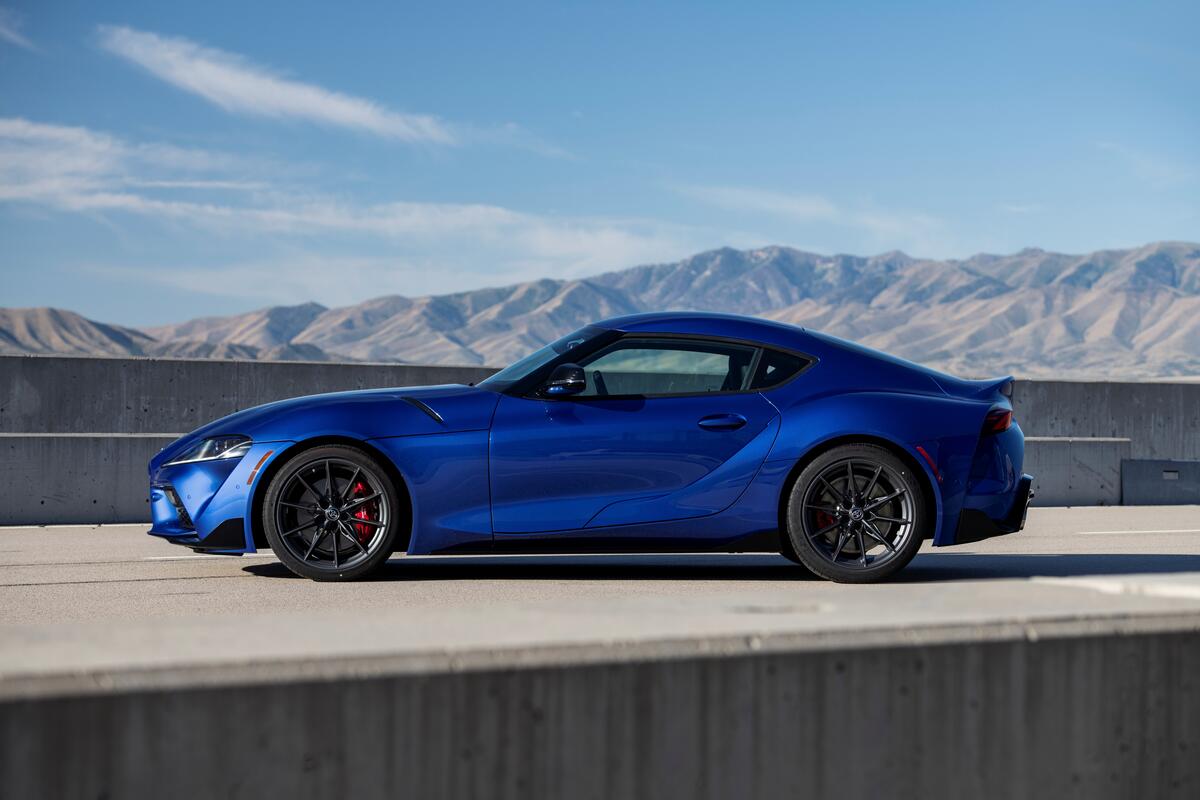
Toyota A90
"So you can get it up to like maybe 70 on the dirt track that they had, not a ton of run up to it. But the problem was at the end of that jump, you had to get immediately hard on the brakes to make like a left hander, like a 90 degree left hander. Yeah."
The Toyota Supra is a sports car designed to be fast and fun to drive. In the episode, it’s mentioned during a test where the driver had to slow down quickly right after a jump. That shows how the car handles demanding situations.
The Toyota Supra is a sports car built for quick acceleration and track-style driving. In the podcast context, it’s being discussed in relation to a short approach to a jump and the need for immediate hard braking afterward, which highlights how it performs under specific driving conditions. That kind of scenario is typical of performance testing and driver feedback.
hard on the brakes
"But the problem was at the end of that jump, you had to get immediately hard on the brakes to make like a left hander, like a 90 degree left hander."
“Hard on the brakes” describes aggressive braking force. In off-road jump-to-turn situations, hard braking can compress the suspension and shift weight, which affects steering grip and whether the truck can rotate into a tight corner.
lose traction
"You're going to lose traction and it's going to go sideways on you."
Lose traction means the tires can’t grip the road/dirt anymore. When that happens, the truck can start sliding instead of staying pointed where you want.
Lose traction means the tires no longer have enough grip to match the driver’s inputs. When traction is lost during rebound or braking after a jump, the vehicle can slide instead of following the intended line.
go sideways
"You're going to lose traction and it's going to go sideways on you. So the fact that it was able to like land, compress fully, rebound in a way that was controlled..."
“Go sideways” means the truck starts sliding sideways instead of staying pointed the right way. It usually happens when the tires lose grip during a fast transition like landing and turning.
“Go sideways” describes a loss of directional control where the vehicle rotates or slides laterally rather than tracking straight. In off-road driving, this often happens when traction is lost during suspension rebound or when the driver must transition quickly from braking to turning and throttle.
adjustable suspension
"So we start to look more and more into adjustable suspension, right? [611.2s] All the different modes and stuff that we have and then how far do those modes actually adjust?"
Adjustable suspension means the truck can change how stiff or soft it rides. That helps it handle rough off-road terrain without beating you up on the highway.
Adjustable suspension lets the driver change how the shocks/struts behave, usually by altering damping stiffness and sometimes ride height. On trucks like the RAM TRX, this is key to balancing off-road control with comfortable street ride.
launch control
"You'd expect it to have an off-road mode, a Baja mode, but also what you don't expect is to have launch control in an off-road truck."
Launch control is a feature that helps the vehicle accelerate as hard as possible from a stop. It coordinates things like power delivery and traction so the truck can get moving quickly without spinning the wheels as much.
Launch control is an electronic system that manages engine output and drivetrain behavior to produce the best (and most repeatable) acceleration from a standstill. In this segment, it’s notable because the hosts say it’s unexpected to find launch control in an off-road truck like the TRX.
off-road mode
"You'd expect it to have an off-road mode, a Baja mode, but also what you don't expect is to have launch control in an off-road truck."
An off-road mode is a button or setting that changes how the truck behaves for dirt, rocks, and bumps. It usually makes traction and stability systems less restrictive so you can move more smoothly off-road.
An off-road mode is a selectable driving setting that changes vehicle behavior for rough terrain, typically by adjusting throttle response, traction control, stability control, and sometimes suspension mapping. The point here is that the RAM TRX is expected to have it, but it also adds other performance features.
Baja mode
"You'd expect it to have an off-road mode, a Baja mode, but also what you don't expect is to have launch control in an off-road truck."
Baja mode is an off-road setting meant for desert racing conditions—loose ground and lots of bumps. It helps the truck apply power and traction in a way that’s easier to control when the surface isn’t grippy.
Baja mode is a specialized drive setting tuned for desert-style off-roading, where you need traction and control over loose surfaces and repeated bumps. It’s typically paired with changes to traction/stability logic and throttle mapping to help the truck stay controllable.
on-road compliance
"Just, I think, a lot of things that they do suspension-wise to make them good off-road translates to really good on-road compliance. [643.7s] Like, stiff but not too stiff, you know, and the amount of travel that you get and the amount of sidewall on those tires."
On-road compliance is how comfortable and smooth the truck feels over normal road imperfections. It’s basically how well the suspension absorbs bumps while still keeping the tires planted.
On-road compliance is how well a suspension soaks up bumps and keeps the tires in contact with the road without feeling harsh. The hosts connect off-road suspension design choices—like controlled stiffness and suspension travel—to a smoother, more predictable street ride.
sidewall
"Like, stiff but not too stiff, you know, and the amount of travel that you get and the amount of sidewall on those tires. [649.3s] Like, you drive down the road and, like, nothing matters."
The sidewall is the part of the tire that flexes between the road and the wheel. A taller/more flexible sidewall can make the ride smoother because it absorbs more of the bumps.
The tire sidewall is the rubber section between the tread and the wheel rim, and its height (sidewall “thickness” in everyday terms) affects ride comfort and impact absorption. More sidewall generally helps cushion bumps, improving ride quality on rough roads.
heated and ventilated front seats
"Like, you're just getting a ton of features, like, massaging heated and ventilated front seats, heated and ventilated rear seats, real leather. [667.2s] You know, the cabin is just absolutely fantastic."
Heated and ventilated seats do two things: they warm you up and they also blow air to cool you down. That makes the cabin more comfortable in both cold and hot weather.
Heated and ventilated seats combine warming and airflow to keep occupants comfortable across a wide range of temperatures. Ventilation uses fans to pull air through the seat cushions, while heating warms the seat surfaces.
heated and ventilated seats
"Like, you're just getting a ton of features, like, massaging heated and ventilated front seats, heated and ventilated rear seats, real leather. [667.2s] You know, the cabin is just absolutely fantastic."
Heated and ventilated rear seats let back-seat passengers warm up or cool down too. It’s a nicer feature than just having it in the front seats.
Heated and ventilated rear seats extend the same comfort features to passengers in the back. This is a premium cabin feature because it requires additional seat heating elements and airflow hardware.
graphics package
"It's got all the graphics. It's got the gloss black paint on top."
A graphics package is an add-on that gives the vehicle extra visual styling—like stripes or decals. It’s basically the “look” option, and it can cost extra.
A graphics package is an optional appearance bundle that adds visual elements like stripes, decals, and other exterior artwork. It’s typically designed to create a specific look or theme and can be a significant cost add-on compared with buying individual parts.
gloss black panels
"It's got the gloss black paint on top. So they're all two-tone."
Gloss black paint is a shiny black finish. It reflects light, so it usually looks more dramatic than a flat or matte black.
Gloss black paint is a high-sheen black finish used for trim or surfaces like the roof. Because it reflects light strongly, it tends to stand out more than matte finishes and is often used to create a contrast in two-tone styling.
two-tone
"So they're all two-tone. It has the red racing stripe."
“Two-tone” just means the truck has two different paint colors. Usually one color is on the roof and another is on the rest of the body.
“Two-tone” describes a paint scheme where the vehicle uses two different colors—often a contrasting roof color and a different body color. It’s a styling choice that makes the truck look more visually segmented and can emphasize the shape of the body.
red racing stripe
"It has the red racing stripe. And it's got those beadlock wheels with titanium inserts."
A red racing stripe is a bold stripe on the vehicle, usually meant to look sporty. It’s often part of a styling package.
A red racing stripe is a long, contrasting stripe painted or applied to the vehicle to evoke a motorsport-inspired look. It’s commonly used as part of a themed appearance package to make the vehicle stand out visually.
beadlock wheels
"And it's got those beadlock wheels with titanium inserts."
Beadlock wheels are special rims that help keep the tire securely attached to the wheel. They’re commonly used for off-roading, where you may run lower tire pressure to get better grip.
Beadlock wheels use a mechanical clamp that helps hold the tire’s bead in place on the rim. This is especially useful when running lower tire pressures for off-road traction, because it reduces the chance of the tire unseating.
titanium inserts
"And it's got those beadlock wheels with titanium inserts."
Titanium inserts are small pieces made from titanium. Titanium is strong and resistant to corrosion, and it can also help keep things lighter.
Titanium inserts are added components (often in wheel hardware or trim areas) made from titanium. Titanium is valued for its strength-to-weight ratio and corrosion resistance, which can help reduce weight and improve durability versus some other materials.
SRT badge
"And then they were big on was the SRT badge. So it seems that Stellantis is kind of turning SRT into its own thing a bit."
The SRT badge is a label that tells you a car was tuned or developed for performance. Here, they’re saying the company wants that badge to show up more often across different brands.
An SRT badge refers to the branding used by Stellantis for performance models developed by its SRT (Street and Racing Technology) team. The hosts are noting that Stellantis is trying to make SRT feel like its own performance identity across multiple brands, not just one model line.

Jeep Grand Cherokee
"...whatever ends up in the Jeep Grand Cherokee will have the SRT name. Yeah."
The Jeep Grand Cherokee is a popular SUV model. They’re talking about the possibility of an SRT-branded performance version of it.
The Jeep Grand Cherokee is a midsize SUV that has performance variants under Stellantis’s performance branding. The hosts are speculating that future Grand Cherokee performance versions could carry the SRT name as part of Stellantis’s push to expand SRT across brands.
Ford F150
"I mean, Ford has the F-150 Lobo, but I mean, let's be real, that's not a performance truck... They didn't want it to be the $100,000 truck, but they wanted the V8 in it."
The Ford F-150 Lobo is a sportier version of the F-150 pickup. The discussion is basically saying it’s not as serious a performance truck as the Ram TRX.
The Ford F-150 Lobo is a performance-focused trim of the Ford F-150 pickup. Here, the host argues it doesn’t qualify as a true “performance truck” compared with the Ram TRX, partly because it’s constrained by pricing and configuration choices.

Ford Lobo
"...ucks than anyone else. I mean, Ford has the F-150 Lobo, but I mean, let's be real, that's not a performa..."
The Ford Lobo is a pickup truck model name. In the podcast, it’s mentioned in a way that suggests it’s not mainly focused on being a performance truck. It’s used to talk about what kinds of truck options are out there.
The Ford Lobo appears to be a reference to a performance-oriented pickup model name used in certain markets, and the podcast frames it as a truck that’s not primarily a “performa…” vehicle. The mention is used to compare what’s available versus what people want in terms of performance trucks. It’s brought up as part of a discussion about how performance options are marketed and offered.
Ford Performance Supercharger
"I've got my 12 grand or whatever. Let's put the Ford Performance Supercharger on it. But it definitely lacks some features that you'd want as options."
A supercharger is a device that helps the engine breathe better by pushing extra air in. The “Ford Performance” version is an aftermarket/performance kit meant to make the truck faster than stock.
A supercharger is an engine air-boosting device that forces more air into the cylinders, typically increasing power. The “Ford Performance Supercharger” refers to Ford’s performance parts offering that can be added to increase output beyond the base truck’s factory configuration.
leather interiors
"But it definitely lacks some features that you'd want as options. Like, do you want leather interior? Do you want, you know, the upgraded sound system?"
Leather interior means the seats and some cabin surfaces are covered in leather instead of fabric. It’s a comfort-and-luxury option that can affect how “complete” a trim feels.
Leather interior is an upholstery option where seats and trim are covered in leather rather than cloth or vinyl. The speaker lists it as an example of features that may be missing on certain performance trims unless you pay for specific options.
upgraded sound system
"Like, do you want leather interior? Do you want, you know, the upgraded sound system? Do you want whatever?"
An upgraded sound system is a better audio setup than the basic one. It usually means clearer sound and stronger speakers.
An upgraded sound system is a higher-end audio setup (better speakers and amplification) than the base factory stereo. The speaker uses it as another example of desirable options that may not be included on the performance truck trim being discussed.
quarter mile
"You kind of expect that like it has to be just like slightly quicker than, you know, at least in the quarter mile or as it was 60 than the TRX."
The quarter mile is a standard straight-line race distance used to measure how fast a car or truck accelerates. Faster times generally mean stronger acceleration.
The quarter mile is a drag-racing distance (about 402 meters) commonly used to compare straight-line acceleration. The host mentions it as a way to predict whether one truck should be slightly quicker than another in real-world performance tests.
0 to 60
"I think it's even if they, if the TRX is zero to 60 and 3.5, then the street truck, just for the sake of making a difference, got to be 3.4. [978.0s] I don't know that we're going to feel the difference."
“0 to 60” is how fast a car can go from standing still to 60 miles per hour. Lower numbers mean quicker acceleration.
0–60 mph time is a common performance metric that measures how quickly a vehicle accelerates from a standstill to 60 mph. It’s often used to compare straight-line acceleration between cars and trims.

Lotus Excel
"...t of speed. And, you know, at our test track, the Excel straight kind of runs out after the quarter. So y..."
The Lotus Excel is a sports car built for speed and driving feel. The episode talks about a track where its performance on a straightaway doesn’t last past a certain distance. That’s why it’s mentioned—because it shows how the car performs in a measured test.
The Lotus Excel is a sports car known for its lightweight, performance-oriented design. The podcast mentions a test track where the Excel’s straight-line run “runs out after the quarter,” which points to how its speed and acceleration play out over a specific distance. It’s discussed as part of performance testing and real-world track results.
brake kits
"But on the street truck with 20 or 22 inch wheels, they can put probably massive 15, [1029.4s] even 16 inch, you know, six piston, you know, big brake kits. [1034.6s] You're limited on what you can do on the TRX because of the smaller wheel size."
A big brake kit is an upgrade that helps the car stop better and handle repeated hard braking. It usually needs enough wheel clearance to fit the larger parts.
A big brake kit is an aftermarket (or upgraded) braking package that typically includes larger rotors and calipers to improve stopping power and heat handling. The segment ties this to wheel size limits on the TRX street setup.
six-piston
"But on the street truck with 20 or 22 inch wheels, they can put probably massive 15, [1029.4s] even 16 inch, you know, six piston, you know, big brake kits."
“Six piston” describes the brake caliper having six pistons. That can help the brakes clamp more evenly for stronger stopping, especially when you brake hard multiple times.
“Six piston” refers to a multi-piston brake caliper design. More pistons can help distribute clamping force more evenly across the brake pad area, which supports stronger braking and better control under repeated hard stops.
Johnson Valley
"my, my whole thing is, let's wait till we get them out. We need to rerun that test out in Johnson Valley with the TRX and the Raptor R again."
Johnson Valley is a popular off-road spot where people test trucks on rough desert terrain. It’s a good place to see how well off-road trucks handle real obstacles, not just smooth roads.
Johnson Valley is a well-known off-road area in California, famous for desert-style trails and rock crawling. Testing the TRX and Raptor R there matters because it stresses suspension travel, traction, and control in the kind of terrain these trucks are built for.
instrumented wise
"Okay. And yeah, but I'd wager that the TRX will outperform it instrumented wise by a fairly decent margin."
“Instrumented” testing means measuring performance with tools (like data loggers and timing equipment) rather than relying only on seat-of-the-pants impressions. When they say the TRX will outperform “instrumented wise,” they’re implying the measured results—like acceleration, speed, or consistency—should be noticeably better.
competitive nature
"I mean, that's kind of what we love about, about these, these car companies, if you will, they, they can kind of go after each other and, and keep trying to one up each other. ... And it creates this competitive nature that I think is fun"
They’re basically saying car companies compete by trying to beat each other. That competition can make newer cars better and more exciting for buyers.
The hosts are describing how automakers push each other with upgrades and new models to gain market attention. In practice, that competition can lead to faster, more capable versions and more frequent refreshes for performance buyers.
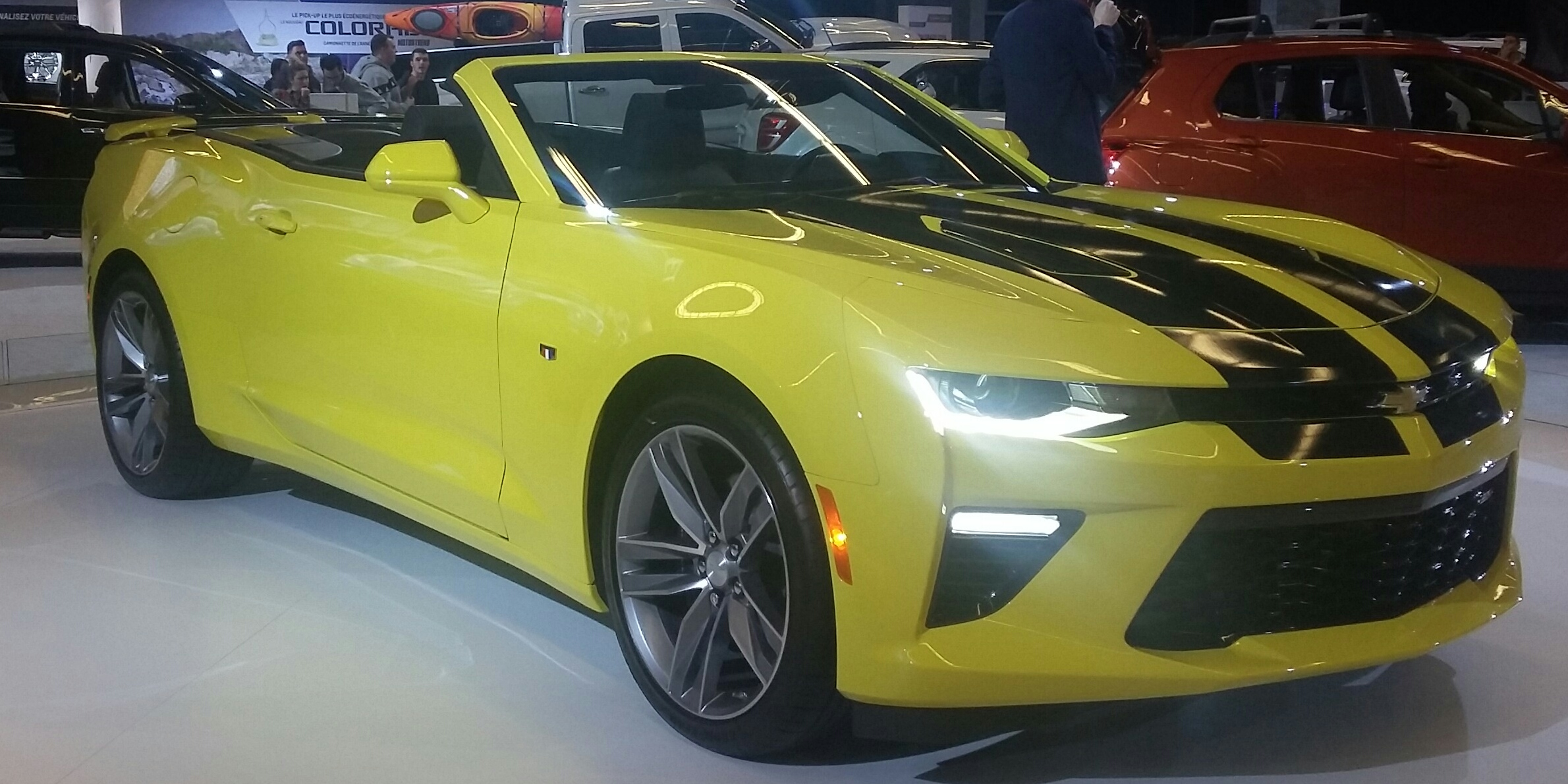
Chevrolet Camaro
"... I'd like to see a charger. I'd like to see a new Camaro. I'd like to see that competition and be able to ..."
The Chevrolet Camaro is a sporty, performance-focused car. The podcast talks about wanting a new Camaro because it would keep competition in the muscle-car category. It’s mentioned as a way to bring more variety and rivalry to the market.
The Chevrolet Camaro is a performance car that competes in the same muscle-car space as other American sports models. The episode mentions wanting to see a new Camaro and the idea of keeping competition strong, which is exactly what the Camaro represents in that segment. It’s brought up as part of a “bring back the rivalry” theme.

Chevrolet Corvette
"... we can do. Well, you know, so much invested into Corvette and, and that CA platform for years now, turning ..."
The Chevrolet Corvette is a sports car built for high performance. The episode mentions that a lot of work and engineering has gone into its design over time. That’s why it’s discussed when people talk about how serious the brand is about performance.
The Chevrolet Corvette is a high-performance sports car that’s been heavily developed over many years, with significant investment in its platform and engineering. The podcast references “so much invested into Corvette” and its “CA platform,” emphasizing that the car’s underlying design has been a long-term focus. That makes it a natural topic when discussing performance development and brand commitment.

Mustang
"create this opportunity to fill the gap, fill that Mustang price range gap, you know, and they can potentially do that with a new Camaro."
The Ford Mustang is a long-running pony car that’s used as a benchmark for pricing and brand identity in the U.S. market. Here, it’s specifically referenced as the “price range gap” GM would try to fill with a new Camaro.
modular platform
"some modular platform that was a four door and we turned it into a two door and we're calling it a Camaro."
A modular platform means car makers design a shared “base” that many different models can use. It helps them build different body styles without starting from scratch every time.
A modular platform is a vehicle architecture designed so multiple models can share major components and hardpoints. That reduces engineering and manufacturing costs, because the same basic “building blocks” can be adapted to different body styles and trims.

Ford Gt
"We could do another Ford GT or something, but that doesn't build the Mustang brand like with 911, right?"
The Ford GT is Ford’s high-end supercar. The discussion is about whether Ford should rely on a big “halo” car versus using Mustang racing and the Mustang platform to strengthen the brand.
The Ford GT is Ford’s modern supercar program, designed to compete at the highest levels of endurance racing. The host contrasts it with Mustang-based brand building, arguing that a “halo” supercar approach may not build the Mustang brand as directly as racing and platform leverage.

911 GT2
"They've got 911 GT2, GT3, you know, RS, they got all these variants of it without having to have that halo supercar..."
The Porsche 911 GT2 is a very track-oriented version of the 911. The host is using it as an example of how Porsche offers multiple performance variants that reinforce the brand.
The Porsche 911 GT2 is a track-focused, high-performance variant of the 911 line, built around motorsport-derived engineering. In this segment, the host uses the 911’s many GT2/GT3/RS variants as an example of how Porsche builds brand strength through a whole ladder of performance models.

Lexus ES
"Lexus has been talking about this ES and it'll be a couple of variations, right? We're going to get a hybrid version and get an EV version."
The Lexus ES is a luxury sedan from Lexus. Here, they’re talking about the ES coming in different powertrain versions—hybrid and a fully electric version—so it’s not just the same car with a small tweak.
The Lexus ES is Lexus’s mainstream luxury sedan, positioned as the brand’s “entry” to the larger, more expensive models. In this segment, the hosts discuss an ES lineup that includes both a hybrid and an EV version, which matters because it changes how the car delivers power and efficiency.
EV version
"We're going to get a hybrid version and get an EV version."
An EV version is a fully electric car. Instead of using gas like a normal car, you charge its battery to drive.
An EV version is a fully electric vehicle that runs on an electric motor powered by a battery. Compared with a hybrid, it typically relies on charging rather than using gasoline for everyday driving.
hybrid version
"We're going to get a hybrid version and get an EV version."
A hybrid uses two kinds of power—an electric motor and a gas engine. It can switch between them or use both, which usually helps with efficiency.
A hybrid version uses both an electric motor and a gasoline engine to move the car. The key point is that it can blend power sources depending on speed and driving conditions, often improving efficiency versus a purely gas car.

Lexus LS
"ES, great car, but I love the LS. Yes."
The Lexus LS is Lexus’s top, bigger luxury sedan. In this conversation, it’s brought up as the “real” Lexus choice compared with the ES.
The Lexus LS is Lexus’s flagship luxury sedan, typically larger and more performance/comfort-focused than the ES. The host contrasts the ES with the LS to explain why the ES is under more pressure—because the LS is the model people often compare against top-tier competitors.

BMW 7 series
"And, and without that sort of BMW 7 series Mercedes S class competitor out there."
The BMW 7 Series is BMW’s top big luxury sedan. They mention it to show which kind of high-end buyers the Lexus ES is (or isn’t) competing with.
The BMW 7 Series is BMW’s full-size luxury sedan, known for high-end comfort and technology. The host uses it as a benchmark competitor to explain where the Lexus ES sits in the luxury hierarchy.

Mercedes S class
"And, and without that sort of BMW 7 series Mercedes S class competitor out there."
The Mercedes S-Class is Mercedes’s top luxury sedan. They bring it up as an example of the big, premium competitor to the Lexus ES.
The Mercedes-Benz S-Class is Mercedes’s flagship luxury sedan, often used as the “benchmark” for comfort, refinement, and advanced features. Here it’s referenced as the kind of direct competitor the Lexus ES would face in the luxury market.
all-wheel drive hybrid
"I've driven the single motor electric and the all wheel drive hybrid."
An all-wheel-drive hybrid sends power to all four wheels. That can help the car grip better, especially on wet or slippery roads.
An all-wheel-drive hybrid combines hybrid power with power sent to all four wheels. This can improve traction and stability, especially in low-grip conditions, compared with a hybrid that drives only the front or rear wheels.
single motor electric
"I've driven the single motor electric and the all wheel drive hybrid."
A single-motor EV uses just one electric motor to move the car. It’s different from all-wheel-drive EVs that use two motors for extra traction.
“Single motor electric” refers to an EV that uses one electric motor to drive the wheels. That usually means simpler packaging and different traction/handling behavior than an all-wheel-drive setup with two motors.

Toyota Grand Highlander
"And my favorite sort of like factual nugget about this car is that it's actually a hair longer than the Toyota Grand Highlander that we have in the one year road test fleet."
The Toyota Grand Highlander is a three-row SUV, and the hosts use it as a real-world size benchmark for the newer Lexus ES. They’re emphasizing that the ES’s length is now comparable to a large family SUV, which is unusual for a sedan.
three row SUV
"Yeah. That's a three row SUV. Yeah."
A three-row SUV is an SUV with seats in three rows, so it can carry more people. When you fold the seats down, it also creates a lot more room for luggage.
A three-row SUV is a sport-utility vehicle designed with seating across three rows, typically to fit more passengers than a two-row SUV. The hosts connect this to cargo space, since folding the extra-row seats can significantly increase usable storage.
cubic feet
"I mean, you fold down all the seats in a Grand Highlander, you get almost 100 cubic feet of cargo room."
Cubic feet is a way to measure volume—how much stuff a space can hold. Here, they’re using it to describe how much cargo room you get when the seats are folded.
Cubic feet is a volume measurement used to quantify cargo space in vehicles. When the hosts say you can get “almost 100 cubic feet,” they mean the total storage volume available with the seats folded down.
executive seating package
"that executive seating package in the back too, which is very much like an LS feature. So it's got like the fold on armrest with the whole console for you, heated ventilating, massaging rear seats, fold out footrest, all sorts of features."
An executive seating package is a set of upgraded features for the seats. Here it means the rear seats get extra comfort stuff like heating, cooling, and massage, plus a fold-out footrest.
An executive seating package is an option bundle that upgrades the seats and related cabin features—often adding power adjustments and comfort functions. In this segment it includes heated, ventilated, and massaging rear seats plus a fold-out footrest, and it’s offered only on a specific Lexus ES EV configuration.
heated ventilating
"So it's got like the fold on armrest with the whole console for you, heated ventilating, massaging rear seats, fold out footrest, all sorts of features."
Heated seats warm you up, and ventilated seats blow air to cool you down. It’s a comfort feature you’ll usually find on nicer trims.
Heated and ventilated seats warm you up and also blow air to cool you down. Automakers include this in higher trim packages because it improves comfort across seasons and during long drives.
massaging seats
"heated ventilating, massaging rear seats, fold out footrest, all sorts of features. But the weird thing is they're only offering that executive seating package on the single"
Massaging rear seats are seats with built-in motors that create a massage effect for passengers. It’s usually included on higher-end comfort packages.
Massaging rear seats use built-in actuators to provide vibration or pressure patterns for passenger comfort. It’s typically part of an upscale option package rather than a standard feature.
zero to 75
"But the thing that concerned me more was that zero to 75 was closer to like 11 seconds. Oh, wow. Okay."
Zero-to-75 measures how quickly a car accelerates from a stop to 75 mph. It’s a way to see how strong the car feels when you’re getting up to highway speeds.
Zero-to-75 is an acceleration test that measures seconds from a standstill to 75 mph, which better reflects real-world highway merging than 0–60. The hosts say the ES’s 0–75 result was much slower than expected, suggesting weaker high-speed pull.

BMW i5
"Yeah. I mean, you can see right here, so these are the single motor versions of the i5 and the A6 Sportback e-tron, and they're both significantly quicker to 60, significant. They both get the 75 quicker than the ES gets to 60."
The BMW i5 is BMW’s electric sedan. Here they’re comparing the single-motor version’s acceleration and overall efficiency versus other EVs, to show how the setup affects real driving feel.
The BMW i5 is an electric 5 Series, and this segment focuses on its single-motor configuration. The hosts use it as a benchmark for EV acceleration and how motor layout can change 0–60 performance and efficiency tradeoffs.
single motor versions
"I mean, you can see right here, so these are the single motor versions of the i5 and the A6 Sportback e-tron, and they're both significantly quicker to 60, significant. They both get the 75 quicker than the ES gets to 60."
A single-motor EV uses one electric drive unit to move the car, usually powering one axle. Compared with dual-motor setups, single-motor cars often trade some acceleration potential for efficiency and cost, which can show up in 0–60 and range/charging discussions.

A6 Sportback Etron
"I mean, you can see right here, so these are the single motor versions of the i5 and the A6 Sportback e-tron, and they're both significantly quicker to 60, significant. They both get the 75 quicker than the ES gets to 60."
The A6 e-tron is an electric Audi car. The podcast is talking about how fast it can accelerate from a stop, especially in the 0–60 mph range. It’s mentioned because those acceleration results are part of how EVs are compared.
The A6 Sportback e-tron is an electric version of Audi’s A6-style wagon/sedan body, and the podcast compares its acceleration to other EVs. The context specifically mentions “single motor versions” and that both are “significantly quicker to 60,” focusing on real-world 0–60 performance. It’s discussed because acceleration numbers are a key way people evaluate EVs.

Audi Etron
"I mean, you can see right here, so these are the single motor versions of the i5 and the A6 Sportback e-tron, and they're both significantly quicker to 60, significant. They both get the 75 quicker than the ES gets to 60."
This is Audi’s electric A6 Sportback. The hosts are using it as a comparison point to show that the single-motor version can be quicker than the Lexus ES EV in acceleration tests.
The A6 Sportback e-tron is Audi’s electric liftback, and this segment compares its single-motor variant to other EVs. The hosts highlight how motor configuration influences acceleration metrics like 0–60 and how that relates to the car’s overall efficiency and range expectations.
Lexus ES EV
"Interesting, because you would think if Lexus' whole plan was, you know, it's going to be a little bit less performance, it's going to be a single motor, but we're going to win on range and they don't win on range either. Or charging."
This is Lexus’s electric version of the ES. In this discussion, the hosts are basically saying it’s not as fast and doesn’t go as far as you’d expect, especially compared with other EVs they’re talking about.
Lexus ES EV is Lexus’s electric take on the ES nameplate, and this segment compares its real-world performance and efficiency against other EVs. The hosts specifically discuss how the ES EV’s single-motor setup affects 0–60 time, range, and charging behavior.
charging speeds
"Or charging. Yeah, or charging speeds. Now, if I remember correctly in watching your video, it's fairly efficient because it doesn't"
Charging speeds describe how quickly an EV can add energy during charging, typically influenced by battery size, battery temperature, and the car’s charging hardware/software. This segment suggests the Lexus ES EV also doesn’t lead on charging performance compared with competing EVs.
dual motor version
"Yeah, and the dual motor version is going to be even less. It's way down. It's down about 30, 40 miles, if I believe."
Some EVs have two electric motors instead of one. That can make them faster, but it can also reduce range because the car is using more energy to move and accelerate.
A dual-motor EV uses two electric drive units, typically one per axle, to improve traction and acceleration. In this segment, the hosts say the dual-motor version is expected to lose more range (and thus likely efficiency) than the single-motor version.
floaty
"So it's comfortable, but it's comfortable without being floaty, which is sort of the best part of it."
“Floaty” means the car feels like it’s kind of floating over bumps instead of staying planted. It’s usually a sign the suspension isn’t controlling the car’s motion very tightly.
“Floaty” is a feel describing suspension tuning that makes the car seem to drift or bob rather than stay controlled. It usually means the shocks/springs aren’t controlling body motion tightly, so the ride feels less connected to the road.
battery
"The EV feels a touch over sprung because they have to deal with the weight of the battery."
In an EV, the battery is the big heavy pack that stores electricity. Because it’s heavy, it can change how the car rides and handles compared to a lighter hybrid.
In an EV, the battery is the heavy energy-storage pack that sits in the vehicle’s structure. Its mass affects ride and handling because it changes the car’s center of gravity and overall weight distribution.
over sprung
"The EV feels a touch over sprung because they have to deal with the weight of the battery."
“Over sprung” means the suspension springs feel too stiff. That can make the ride feel less smooth, particularly on rough pavement.
“Over sprung” describes suspension tuning where the springs are too stiff for the vehicle’s weight and intended ride. The result can be a harsher, less compliant ride, especially over small bumps.
TNGAF
"I think this is one of the consequences of this platform because it's not on a dedicated EV platform and it's not on a new platform. So it's on the TNGAF and that's the same one you're going to find under a Camry."
TNGAF is a Toyota vehicle platform that multiple cars share. Because it wasn’t designed specifically for EV batteries, the EV version has to fit the battery into a layout that was originally meant for other powertrains.
TNGAF is Toyota’s platform architecture used across multiple models. The key point here is that it’s not a dedicated EV platform, so packaging and weight distribution constraints can affect how the EV version rides compared with a hybrid.
dedicated EV platform
"I think this is one of the consequences of this platform because it's not on a dedicated EV platform and it's not on a new platform."
A dedicated EV platform is a car design built specifically for electric cars and their batteries. If the EV is based on a platform meant for other powertrains, it can be harder to fit the battery perfectly, which can affect how the car rides.
A dedicated EV platform is a vehicle architecture designed from the start around electric motors and large battery packs. When a car uses a non-dedicated platform, engineers may have to compromise on battery packaging and weight distribution, which can show up in ride feel.
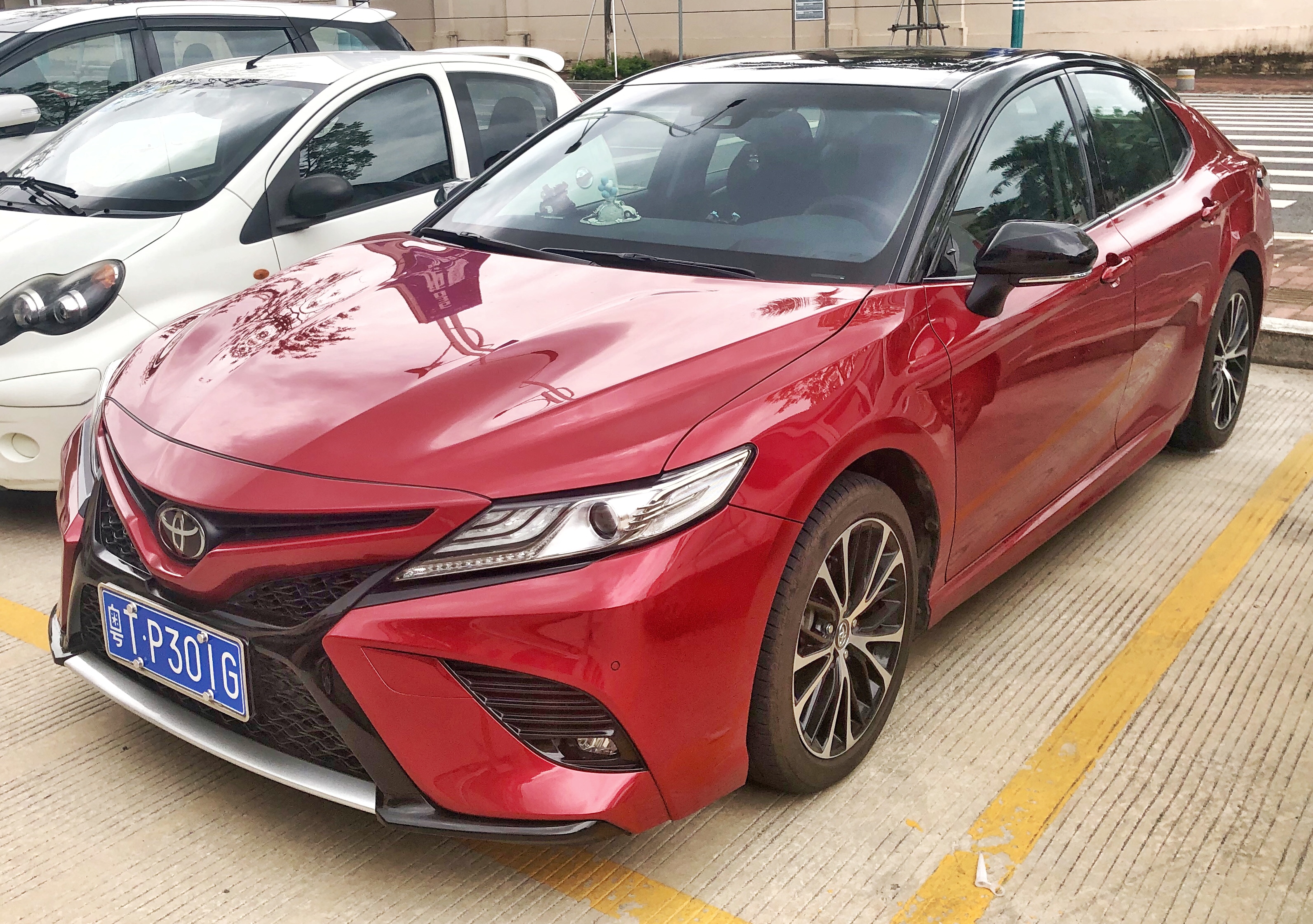
Toyota Camry
"... that's the same one you're going to find under a Camry. Everything from a Camry to like a Sienna to even..."
The Toyota Camry is a regular, everyday car that’s built to be comfortable and practical. The episode mentions that similar design and parts can show up in other Toyota vehicles too. That’s why it’s brought up in a conversation about shared engineering.
The Toyota Camry is a mainstream midsize sedan designed for everyday comfort and practicality. The podcast context notes that the same platform/underpinnings can be found across different Toyota models, including the Camry and the Sienna, which points to shared engineering. That’s why it’s mentioned in a discussion about what parts and design ideas carry across vehicles.
BZ
"But it does match the pack that's in the RZ and then one that's in the new BZ as well."
The Lexus BZ is mentioned as another EV with a similar battery-pack setup. The idea is that the car’s platform limits battery size, and battery development is expensive, so manufacturers reuse what they can.
The Lexus BZ is referenced as another EV that uses a similar battery pack approach. The host is arguing that battery sizing is constrained by what the platform can physically accommodate and by development cost realities.
development cost
"So I think it's a function of size that you can fit in there, but also what they have available to them because the development costs on new batteries are pretty high."
“Development costs” means the money and effort required to create new battery technology. Because it’s expensive, companies often reuse battery designs instead of starting from scratch every time.
“Development costs” here refers to the large expense of designing and validating new battery packs. The host’s point is that because battery R&D is costly, automakers reuse existing battery designs when they can.
electric motor
"The hybrid, it really beefed up the amount of power that you're getting out of the electric motors. So 244 total system horsepower out of the hybrid."
Electric motors are the parts that use electricity to spin the wheels. Because they respond instantly, they make the car feel smooth when you start moving.
Electric motors convert electrical energy from the battery into rotational force to drive the wheels. In hybrids and EVs, they provide instant torque, which is why low-speed acceleration can feel very smooth and “EV-like.”
system horsepower
"So 244 total system horsepower out of the hybrid. And over 200 of that is coming from the front motor itself."
System horsepower is the total power the car can make when all its power sources work together. It’s the combined number you see in specs for hybrids and EVs.
System horsepower is the combined output from all power sources working together—typically the engine plus one or more electric motors. It’s a single headline number that reflects the total power the vehicle can deliver at once.
front motor
"And over 200 of that is coming from the front motor itself. Okay."
A front motor is the electric motor that powers the front wheels. If it provides most of the power, the car’s driving feel is mostly determined by what the front wheels are doing.
A front motor is an electric motor mounted to drive the front axle. When most of the system output comes from the front motor, the car’s feel and traction behavior can be dominated by front-wheel torque.
rear axle
"If you get the all-wheel drive version, it's going to add like a 50 horsepower motor to the rear axle that only kicks in like when you lose traction"
The rear axle is what connects the drivetrain to the rear wheels. If the car has a rear motor, it can send power to the rear wheels through the rear axle.
The rear axle is the shaft/assembly that delivers drive to the rear wheels. In an all-wheel-drive hybrid setup, a rear motor can add power to the rear axle when needed for traction.
miles per gallon
"And you're still getting 44 or 46 MPG out of it and it's quicker. The only thing is the hybrid is actually a touch more expensive to start."
MPG tells you how far the car can go on a gallon of gas. Even hybrids use some gas, so they can still be rated in MPG.
MPG (miles per gallon) is a fuel-economy measure for how efficiently a vehicle uses gasoline. Hybrids can still achieve MPG figures because they use the engine part-time, even when the electric motors handle much of the driving.
range
"But again, the trade off is going to be range."
Range is how far the car can go before you have to recharge or refuel. Using more electric power can reduce how far you can go on a given charge or fuel.
Range is how far a vehicle can travel before it needs to be refueled or recharged. For hybrids and EVs, range is often the trade-off against how aggressively the car uses electric power.
luxury trim
"So, I mean, the only downside for the hybrid two is they don't offer it in luxury trim. So luxury trim is the only one that's going to offer like real leather."
“Luxury trim” means the more expensive version of the car with nicer features. Here, they’re saying the hybrid version doesn’t come in that top package, so you may not get the premium leather.
“Luxury trim” refers to a higher equipment level on a model, typically adding premium materials and features. In this segment, the hosts say the hybrid ES isn’t offered in luxury trim, which affects whether you can get real leather.
hybrid two
"So, I mean, the only downside for the hybrid two is they don't offer it in luxury trim. So luxury trim is the only one that's going to offer like real leather."
“Hybrid two” sounds like a specific version of the hybrid model. The important part here is that this version doesn’t come with the top “luxury trim,” so you lose some premium interior options.
“Hybrid two” appears to be the speaker’s shorthand for a specific hybrid powertrain variant/grade within the ES lineup. The key point is that this hybrid variant is limited in available trims, which affects whether you can get luxury features like real leather.
real leather
"So luxury trim is the only one that's going to offer like real leather. So the only thing in the hybrids available is synthetic."
“Real leather” means the interior uses actual animal hide leather. The hosts are saying the hybrid version doesn’t get it unless you choose the luxury trim.
“Real leather” is natural hide leather used for interior surfaces, usually associated with a more premium feel and aging patina. The hosts use it to explain why luxury trim matters for the ES hybrid: without luxury trim, you don’t get real leather.
synthetic
"So the only thing in the hybrids available is synthetic. We actually did a comparison of the new ES versus the old ES."
Here, “synthetic” means man-made materials instead of real ones like leather. The hosts are saying the hybrid version uses synthetic materials rather than real leather.
In this context, “synthetic” describes man-made interior materials used instead of natural leather. The hosts contrast synthetic materials in the hybrid ES with real leather and wood on the non-hybrid/older setup.
rubberized material
"The new one has sort of this like very synthetic feeling kind of rubberized material. It reminded me a lot of what's in our Forester hybrid, which is bad if you're buying a Lexus."
“Rubberized material” means the surface is coated or textured to feel like rubber—usually grippier and softer. They’re saying the new ES steering wheel feels more like that than like traditional leather and wood.
“Rubberized material” refers to a coated or textured surface designed to feel grippy and soft. The host says the new ES steering wheel has a rubberized, synthetic-feeling surface, which they contrast with the older ES’s leather and wood feel.

Forester Hybrid
"It reminded me a lot of what's in our Forester hybrid, which is bad if you're buying a Lexus. And then the old one, you get into it, it's got like that leather and like the black ash wood on the steering wheel."
They’re comparing the Lexus ES’s interior feel to a Subaru Forester Hybrid. The point is that the Lexus’s new materials feel more synthetic and rubbery, similar to what they’ve noticed in the Forester hybrid.
The Subaru Forester Hybrid is being used as a reference point for how the Lexus ES’s steering-wheel materials feel. The host says the new ES reminded them of the Forester hybrid’s “very synthetic” rubberized feel, which they consider a negative for a Lexus buyer.
black ash wood
"And then the old one, you get into it, it's got like that leather and like the black ash wood on the steering wheel. And it feels kind of like old school luxury, like in a very cool way."
“Black ash wood” is a type of dark wood trim used on the inside of the car. They’re pointing out that the older ES had this more traditional luxury look compared with the newer synthetic feel.
“Black ash wood” is a specific interior trim material—wood veneer or trim pieces finished in a dark “black ash” style. The hosts mention it as part of the older ES steering wheel’s more traditional luxury look and feel.
touch points
"I think for a few years, this was also something about BMWs, like their touch points kind of went down. Like in terms of like all the things that you're going to sort of touch and feel on an interior."
“Touch points” means the parts of the car interior you interact with—like the buttons, controls, and the surfaces your hands touch. They’re saying BMW’s touch points felt less nice than you’d expect from a luxury brand.
“Touch points” in automotive design refers to the places you physically interact with the car’s interior—like buttons, knobs, switches, and the surfaces your hands rest on. The hosts use it to criticize how BMW’s interior materials and controls can feel less premium than expected.

BMW X3
"Like in terms of like all the things that you're going to sort of touch and feel on an interior. I'm thinking of our X3 in particular as being a cabin that we were really disappointed in from BMW."
The BMW X3 is a luxury SUV. Here they’re talking about the interior—specifically how the places you touch and feel (materials and controls) didn’t match what you’d expect from BMW.
The BMW X3 is a compact luxury SUV, and the segment focuses on how its interior “touch points” felt disappointing. They’re using the X3 as an example of BMW moving toward cheaper-feeling materials or ergonomics, which they contrast with newer BMW designs.
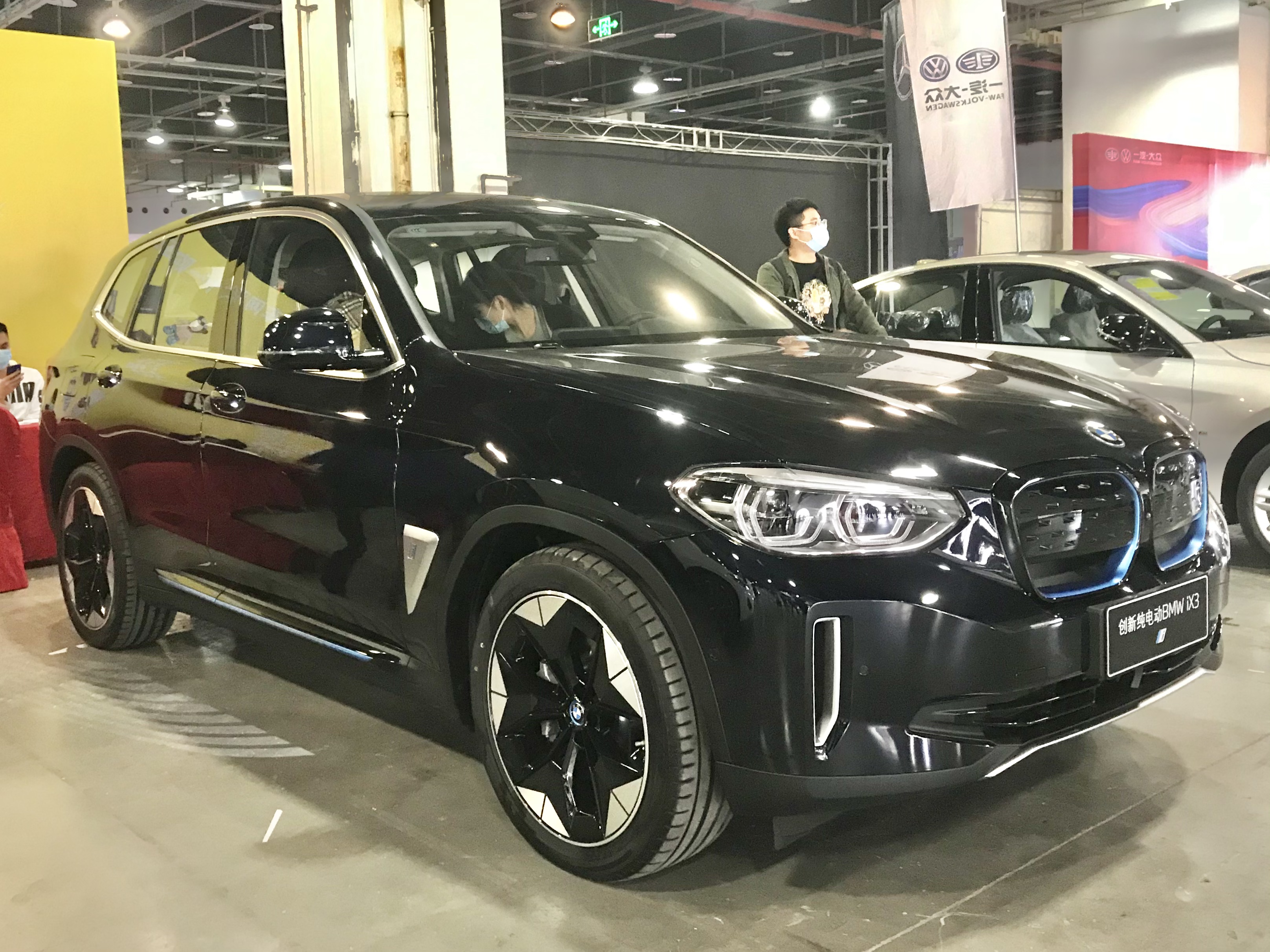
BMW iX3
"But it looks like those Neue classic cars, the iX3, the new X5 that's coming out, they seem to have sort of gone in the opposite direction and been like, OK, we went probably too far in sort of cheapening out the interior."
The BMW iX3 is the electric X3. In this segment, it’s mentioned to support their point that BMW seems to have improved the interior feel after earlier criticism.
The BMW iX3 is BMW’s electric version of the X3, and it’s referenced here as an example of BMW changing direction on interior quality. The hosts suggest BMW previously went too far toward a “cheapened” feel, then started swinging back the other way with newer models like the iX3.
Neue classic cars
"But it looks like those Neue classic cars, the iX3, the new X5 that's coming out, they seem to have sort of gone in the opposite direction and been like, OK, we went probably too far in sort of cheapening out the interior."
“Neue Klasse” is BMW’s name for a new wave of cars and design direction. The hosts are using it to say BMW is trying to make the interior feel more premium again.
“Neue Klasse” (spoken here as “Neue classic”) is BMW’s branding for a new generation of vehicles and design direction. In this segment, it’s used to explain why newer BMW models may be improving interior feel after earlier criticism about materials and ergonomics.
steering wheel
"Right. [2077.0s] We need to necessarily, you know, and I think, you know, the material on the steering wheel, it's going to age really well. [2083.1s] It's definitely meant to be more durable, I think, than real leather, because that starts to wear out..."
The steering wheel is the part you hold to steer the car. They’re saying the material can wear differently over time depending on what it’s made of and how you use it.
The steering wheel is the driver’s primary control interface, and its surface material matters for long-term wear and feel. In this segment, they’re comparing how different materials age—especially where a driver’s hand rests most often.

BMW X5
"But yeah, it just doesn't. [2096.4s] Funny way, Alistair and I talked about that a week or so ago when we were talking about the BMW X5. [2102.9s] We were saying that, you know, previously, recently, the BMW interiors didn't feel as high touch, as nice as they did before."
The BMW X5 is BMW’s midsize luxury SUV, and it’s often used as a reference point for how BMW’s cabin materials and perceived “quality” evolve over model years. Here, they connect that to a broader point about how BMW interiors (from roughly 2020–2023) may not feel as “high touch” as earlier versions.
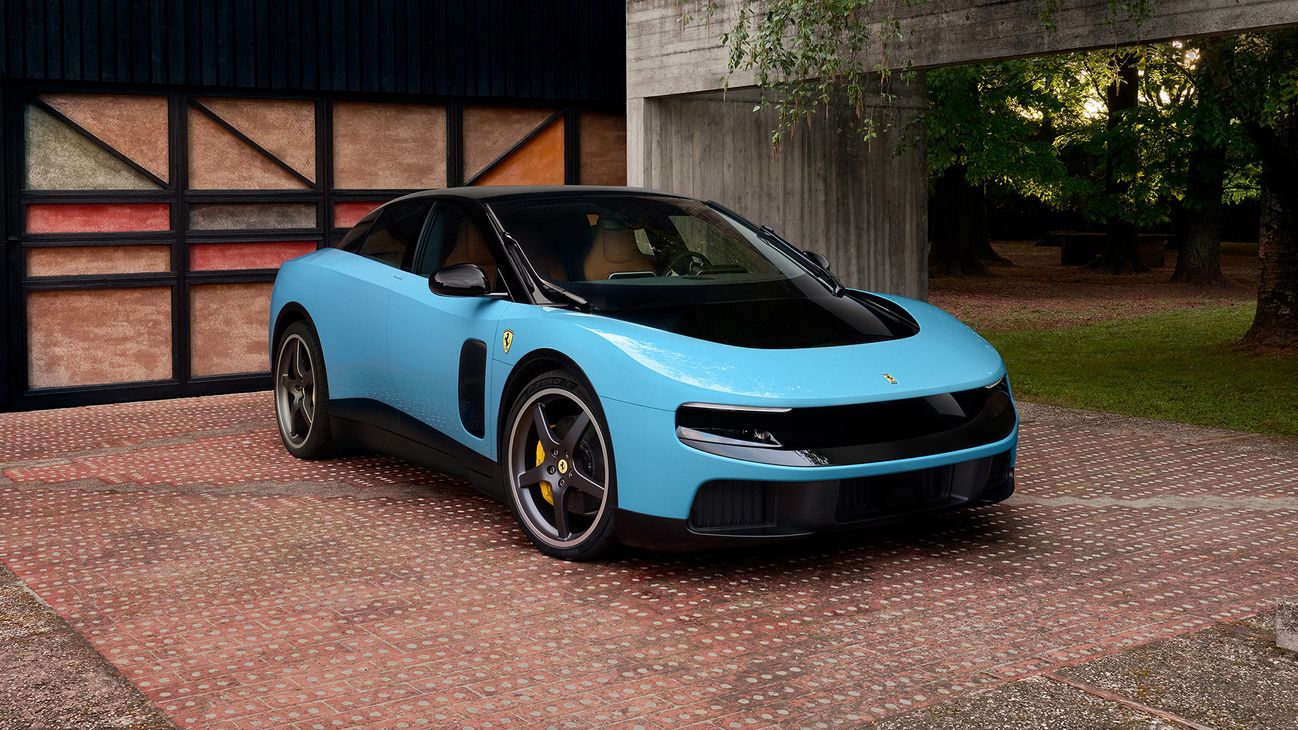
Ferrari Luce
"...llowing the car world has heard about the Ferrari Luce. Ferrari definitely got a lot of controversy with..."
The Ferrari Luce is a Ferrari model that people are talking about. The podcast says there’s been controversy around it, meaning not everyone agrees or it sparked debate. It’s mentioned because it’s a notable new topic in the car world.
The Ferrari Luce is referenced as a new or upcoming Ferrari model, and the podcast notes that it has “controversy.” That kind of mention usually signals discussion around design, branding, or how the model fits into Ferrari’s lineup. It’s brought up because it’s a headline-worthy topic for car enthusiasts.
5-speed manual transmission
"So they're kind of at it again with a manual transmission, the pseudo manual transmission."
A “pseudo manual transmission” is when a car tries to feel like a manual. It may let you “shift” like a manual, but the car is still using an automatic-style gearbox underneath.
“Pseudo manual transmission” refers to a driving mode that imitates the feel of a manual gearbox—often with paddle shifters, simulated shift timing, and sometimes engine-speed changes—while the car is still using an automatic or dual-clutch transmission. The goal is to give enthusiasts the engagement of shifting without the mechanical complexity of a traditional manual.
traditional automatic transmission
"So they're kind of at it again with a manual transmission, the pseudo manual transmission. They took the 12 cylinder and basically to summarize it is Ferrari is saying the engines are too powerful for a traditional manual transmission and the cars to get them to perform as well as they should."
A “traditional manual transmission” is the classic kind where you use a clutch and a shifter to change gears. The point here is that Ferrari thinks their powerful engines don’t pair well with that traditional feel.
A “traditional manual transmission” is the classic setup where the driver uses a clutch and a gear lever to select each gear. The hosts say Ferrari believes the engine output is too high for this kind of manual to deliver the performance they want.
simulating it completely through the speakers
"But yeah, because we got things like, you know, cars are quiet, but you want to be able to hear them. So now we're pumping in sound from the engine into the cab or we're simulating it completely through the speakers or whatever."
This is when the car plays made-up engine sounds through the speakers. The hosts are saying that some versions sounded weird, but newer ones can feel more natural and fun.
This refers to using audio systems to recreate engine and drivetrain sounds inside the cabin. The segment contrasts earlier “fake sound” approaches with newer methods that can better match what drivers expect to hear during acceleration and shifting.

Hyundai Ioniq 5N
"...ing. And then we got into things like an example, Ioniq 5N. And we're going, oh, well, it's got fake sounds ..."
simulating the shifts
"And we're going, oh, well, it's got fake sounds and whatever. And a few cars have done that in the past. We never really liked the propulsion sound and whatever. And it sounds so weird and it's techy. But the Ioniq 5N said, well, what if they gave this like a rally four cylinder engine sound and simulated the shifts and pull power out?"
Simulating the shifts means the car “acts” like it’s changing gears. It tries to copy the timing and feel of a manual shift even if the gearbox isn’t truly manual.
Simulating the shifts means the car uses software and drivetrain control to mimic the timing and feel of gear changes. In this segment, it’s part of how modern cars can recreate manual-like engagement while still using an automatic-style transmission.
full automatic mode
"But if you needed a tool around in a car every day and have some fun with it, like you could sit in traffic, put it all with normal modes, full automatic and it's fine. And then you want to get up early on a Saturday or Sunday morning and hit the canyons or go to your cars and coffee."
“Full automatic mode” means the car is doing the work for you. You don’t have to manually choose settings—so it handles things like how the car responds when you press the pedal.
“Full automatic mode” means the car controls the driving behavior without the driver manually selecting gear-like actions or specific control settings. On EVs with multiple drive modes, this typically changes throttle mapping, traction/handling behavior, and how the car manages simulated shifting or power delivery.
shift mode
"So like, it's certainly slower when it's in it's sort of like shifting mode because it is actually pulling power to give you the feel of a gear changing. Yeah. But they executed it so well that it becomes additive."
“Shift mode” is an EV feature that tries to mimic the feeling of shifting gears. Instead of changing gears mechanically, the car changes how it delivers power so it feels like a shift.
“Shift mode” in an EV context refers to a driving mode that simulates the sensation of gear changes. The host describes it as slower because the car is “pulling power” to create the feel of a gear changing, even though there’s no traditional gearbox.

Lexus Rz
"And there are other EVs who have tried to do that. And, you know, I'm thinking of the Lexus RZ in particular that has like a shift mode and it's terrible. "
The Lexus RZ is an electric Lexus. The host is talking about its “shift mode,” which is supposed to make the car feel like it’s changing gears, but they say it doesn’t work well.
The Lexus RZ is an electric crossover that, like some EVs, offers a driving “shift mode” to mimic traditional gear changes. In this segment, the host criticizes that implementation as feeling bad or “terrible,” compared with the Ioniq 5N’s more convincing execution.
start-stop feature
"And just like most of the cars that have that start-stop feature, it's automatically turned on. All for the sake of emissions and fuel economy. But Ferrari is saying, but what if we gave you a gated manual shifter?"
A start-stop feature turns the engine off when you’re stopped (like at a light) and turns it back on when you go. It’s mainly there to help reduce pollution and save fuel.
A start-stop feature automatically shuts the engine off when the car is stopped and restarts it when you’re ready to move. The host notes it’s typically enabled by default to reduce emissions and improve fuel economy, especially in city driving.
gated manual shifter
"But Ferrari is saying, but what if we gave you a gated manual shifter? Yeah."
A gated manual shifter is a gear lever that moves into fixed gear positions, like in many classic manual cars. It gives you a more “real” shifting feel because the shifter is guided into the right slots.
A gated manual shifter is a traditional-style gear lever where the shift pattern is physically constrained by a “gate,” so the lever can only move into specific gear positions. The host frames it as a way to make an automated car feel more like a driver-controlled manual.
drive-by-wire
"And they're doing this through a number of different technologies where the shifter itself is all sort of sort of drive by wire manual by wire."
Instead of a physical cable or rod directly moving the transmission, the car uses electronics. Your shifter movement becomes an electronic signal that tells the car what to do.
“Drive-by-wire” means the driver’s inputs (like moving the shifter) are sent electronically instead of using direct mechanical linkages. In this case, the shifter is electronic and the car’s control system translates that input into drivetrain actions.
DCT
"It's all electronic, but then it essentially controls the dual clutch transmission in the back."
This is a transmission with two clutches working in parallel. That lets it switch gears faster than a traditional automatic, because it can pre-stage the next gear.
A dual clutch transmission uses two separate clutches—one for odd gears and one for even gears—so gear changes can happen very quickly. The speaker says the electronic shifter ultimately controls this dual-clutch gearbox.
simulated manual EV
"Now, what's kind of interesting is the 12 cylinder is an eight speed dual clutch transmission. But when you put it in the simulated manual mode, you only need to use the six speeds..."
It’s when the car lets you choose gears like a manual, but it’s still an automatic system doing the work. You get the “manual” feel without actually controlling the clutches directly.
A “simulated manual mode” is when an automatic or dual-clutch transmission behaves like a manual by using driver-selected gear commands. The car still controls the clutching and shifting, but it tries to mimic the experience of rowing gears yourself.
overdrive gear
"And the other two are basically overdrive gears anyway. So if you're putting it in manual mode, it's not to sit on the freeway and do 85 miles an hour."
Overdrive gears are the ones meant for highway cruising. They help the engine spin slower so the car can be more efficient and relaxed at speed.
Overdrive gears are higher-ratio gears designed to keep engine speed lower at steady cruising. The speaker notes that two of the available gears function mainly as overdrive, so they’re less relevant when using manual-style driving.
proper feel
"It's a really hard thing that they're setting out to do to give it the proper feel. And I think all the conjecture won't matter until you actually get to drive one..."
“Proper feel” is about whether the car responds in a way that feels right to the driver. It’s not just about shifting—it’s about making the response match your expectations.
“Proper feel” refers to how convincingly the car’s electronic controls replicate the sensations of a traditional manual or direct mechanical action. Here, the speaker argues that the hardest part is making the system respond in a way that matches what the driver expects.
manual cars
"We've all been driving manual cars in LA traffic. It's great to own a manual car until you're stuck on the 405 for 40 minutes, working the clutch in and out."
A manual car is one where you shift gears yourself using a clutch pedal. In stop-and-go traffic, you have to keep using the clutch a lot, which can be annoying.
“Manual cars” use a manual transmission, where the driver shifts gears with a clutch pedal and gear lever. In traffic, that constant clutch work can get tiring.
clutch
"It's great to own a manual car until you're stuck on the 405 for 40 minutes, working the clutch in and out. And sometimes you're like, I wish I had an automatic."
The clutch is a pedal that helps you change gears smoothly. Press it in, shift gears, then release it so power transfers again.
The clutch is the mechanical connection between the engine and the transmission. When you press it, it lets you change gears without grinding them.
manual mode
"So if you want to, you know, hit the canyons and go for a fun cruise, you can do that in manual mode. But if you were, you know, taking this thing out to a track day, you don't, you don't even need the manual mode."
Manual mode lets you drive more directly by choosing the gears (or how the car shifts). It’s often used when you want more control, like on winding roads.
“Manual mode” lets the driver control gear selection (or at least gear behavior) instead of letting the car fully automate it. In some cars, it’s paired with paddle shifters or a gated shifter feel.
gated sort of manual
"I think, you know, at first I'm glad that they brought the gated sort of manual thing back with it. That makes it like, I think visually that, you know, really speaks to anyone who's had a Ferrari poster on the wall."
A “gated” manual-style shifter refers to a shift mechanism with defined positions and a more mechanical feel, like a traditional gear lever. In modern cars, it can be used to mimic the sensation of a conventional manual even when the drivetrain is electronically controlled.
programming
"Because you're just dealing with all these sort of electric motors underneath you. And, you know, the programming to get all that to feel right is, is hard. That's where they charge hundreds of thousands of dollars extra for it."
Here, “programming” means the car’s computer settings that control how the powertrain behaves. It’s what helps the car feel smooth when you’re trying to drive it like a manual.
In this context, “programming” refers to the drivetrain control software that manages how the motors and shifting/clutch feel are coordinated. The goal is to make the car’s response mimic a conventional clutch and gear changes.
electric power steering
"Like, remember the first generations of electric power steering and how it took maybe two generations for most companies to sort of really figure it out to where now they're pretty good."
Electric power steering (EPS) uses an electric motor to help turn the wheels, instead of a hydraulic pump. Early EPS systems were sometimes criticized for not feeling as natural, but later generations improved steering “feel” and responsiveness.
beta test
"If this is their sort of first crack at it, does it take one or two or three bites of the apple to really nail it? [2822.7s] Right. That's, that's a good point. And they're not, they're not making enough of these to probably get a really sufficient kind of beta test, if you will."
A beta test is like a trial run before something is fully finished. The idea is to collect feedback while it’s still being improved.
A beta test is an early, limited release used to gather real-world feedback before a product is fully finalized. In automotive terms here, it suggests a low-volume model may be used to learn what works and what needs refinement.
Daytona
"The 12 cylinder, also interesting car. When this came out, I was like, oh, I like what they're doing. [2842.4s] It's a throwback to the Daytona. That's kind of interesting, but I'm not sure if I love the design."
“Daytona” is being used as a style reference to the classic race-car look from the Daytona era. It’s more about the vibe than a specific car you can buy today.
“Daytona” here is a reference to the Daytona race-car era and styling cues associated with that period. It’s used as shorthand for a retro sports-car look rather than a specific modern model.
long nose front engine
"And in the Ferrari world, I am way more of a fan of the long nose front engine, 12 cylinder, you know, nothing wrong with, you know, a 360 and a 488 and all that."
This phrase means the engine is up front, and the car’s front end is stretched out in design. It’s a traditional layout that can affect how the car feels when you drive it.
“Long nose front engine” describes a car layout where the engine sits at the front and the front end is visually extended, often associated with classic grand touring proportions. In practice, it usually changes weight distribution and steering feel compared with mid-engine designs.
12-cylinder
"And in the Ferrari world, I am way more of a fan of the long nose front engine, 12 cylinder, you know, nothing wrong with, you know, a 360 and a 488 and all that."
A “12 cylinder” engine has twelve combustion chambers. People like them because they tend to run smoothly and sound special, and that’s why the host keeps bringing it up.
“12 cylinder” refers to an engine with twelve cylinders, typically a V12 or similar configuration. Compared with smaller engines, a V12 is often chosen for smoothness, distinctive sound, and strong high-end character—exactly what the speaker is emphasizing as their preference.

Ferrari 599
"But for my money, 599, 812, you know, those to me is kind of what I always thought."
Ferrari 599 is a V12 Ferrari with the engine up front, giving it that long-nose look. The host is saying this is the kind of Ferrari they prefer.
The Ferrari 599 is a front-engine V12 grand tourer, known for its classic Ferrari “long nose” proportions and strong V12 character. The speaker uses it as a personal benchmark for what they “always thought” a Ferrari should be.
Aston Vantage V8
"You know, I love the Vantage V8 school."
Aston Martin Vantage V8 is the V8 version of Aston Martin’s Vantage. The host likes it, but they’re saying that if they’re buying an Aston Martin, they personally want the bigger 12-cylinder engine instead.
The Aston Martin Vantage V8 is the V8-powered version of Aston Martin’s Vantage sports car, positioned as the “smaller” engine option compared with Aston’s V12 models. The speaker says they love the Vantage V8, but would choose a 12-cylinder Aston Martin if spending money on one.
heavier
"And they go, well, it's heavier and it's more stuff to break."
Here “heavier” means the bigger engine option adds weight to the car. That extra weight can make the car feel different to drive compared with a lighter engine.
In this context, “heavier” is about the practical tradeoff of choosing a larger engine (like a 12-cylinder) versus a smaller one. More mass can affect handling balance, braking, and overall vehicle dynamics.
more stuff to break
"And they go, well, it's heavier and it's more stuff to break."
This is basically the idea that a bigger, more complex engine can have more parts that could fail. It’s a common reason people hesitate before buying a higher-end engine option.
“More stuff to break” is a shorthand for the idea that larger, more complex engines (like a V12) can introduce more components and therefore more potential failure points. It’s not a specific technical term, but it’s a domain-relevant ownership tradeoff the hosts are discussing.
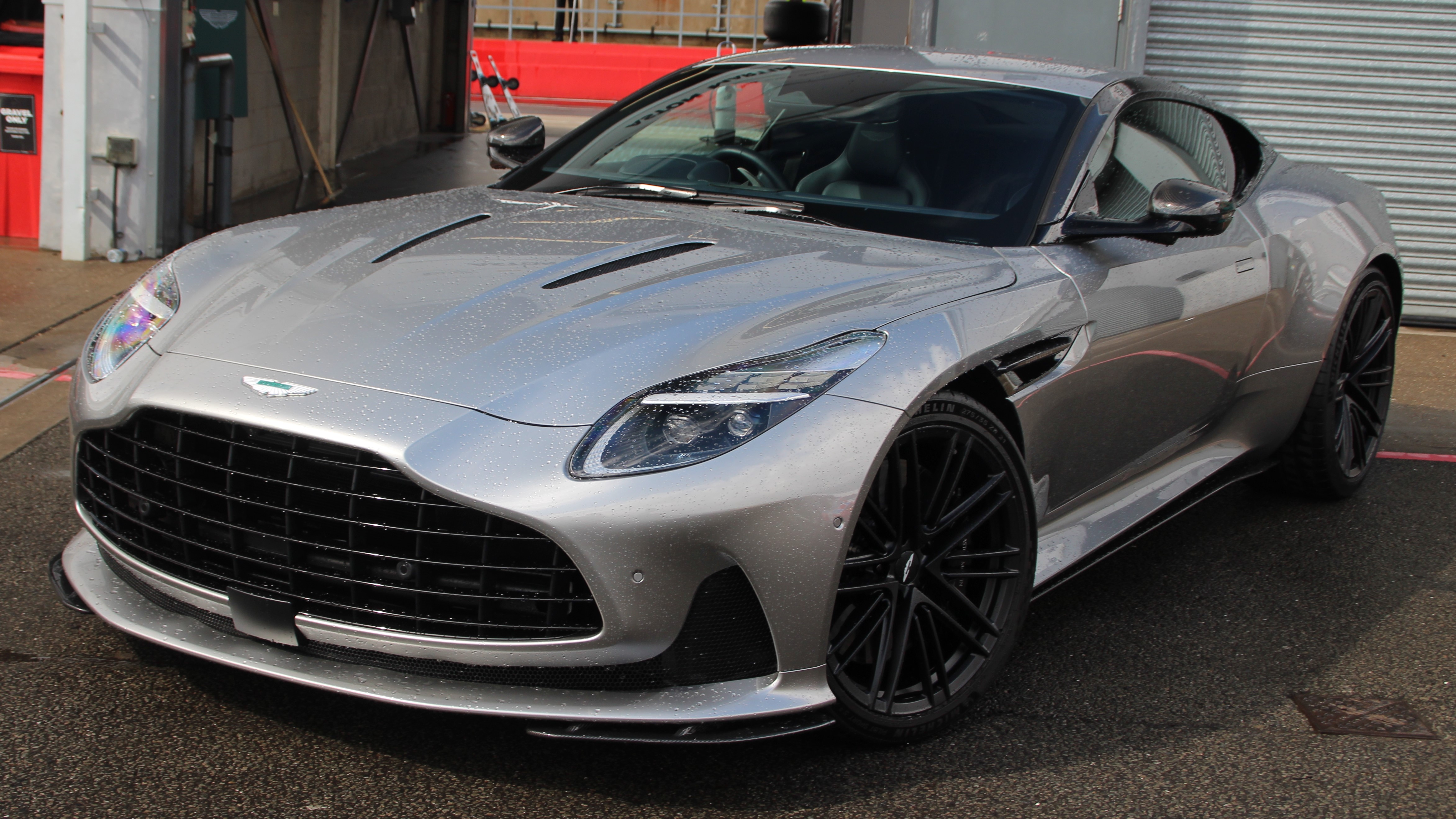
Db12 Volante
"Like the best, the best Aston Martin to buy probably right now is a DB12 Volante."
The DB12 Volante is Aston Martin’s open-top version of the DB12. The host is saying it’s the best Aston Martin you can buy at the moment.
The Aston Martin DB12 Volante is a DB12-based convertible, combining Aston’s modern grand-touring design with a V12 choice in the DB12 family. The speaker calls it the “best Aston Martin to buy right now,” making it the most concrete Aston recommendation in this segment.
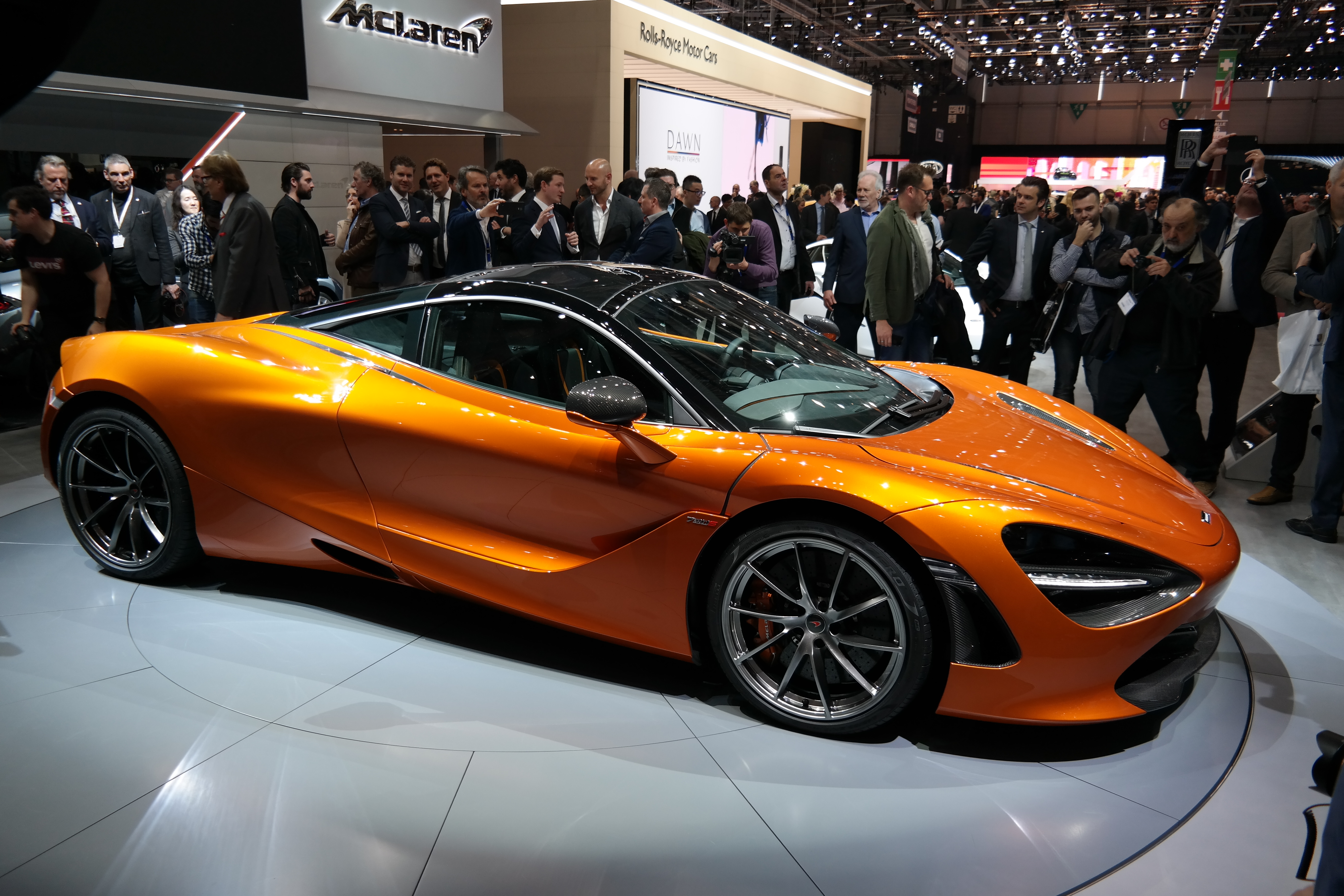
McLaren 720S
"I, you know, one of my favorite cars to drive is the McLaren 720s. And I don't think anybody who's ever driven that car says, eh, I think like everybody loves that car."
The McLaren 720S is a high-end supercar that’s designed to feel fast and sharp. In this discussion, it’s the car people tend to love after driving, and it’s being weighed against a Ferrari choice based on styling.
The McLaren 720S is a supercar built around a lightweight, performance-focused design and a punchy twin-turbo V8. The hosts use it as a benchmark for how people react to the car after driving it, then compare it to the Ferrari 812 on value-per-look.
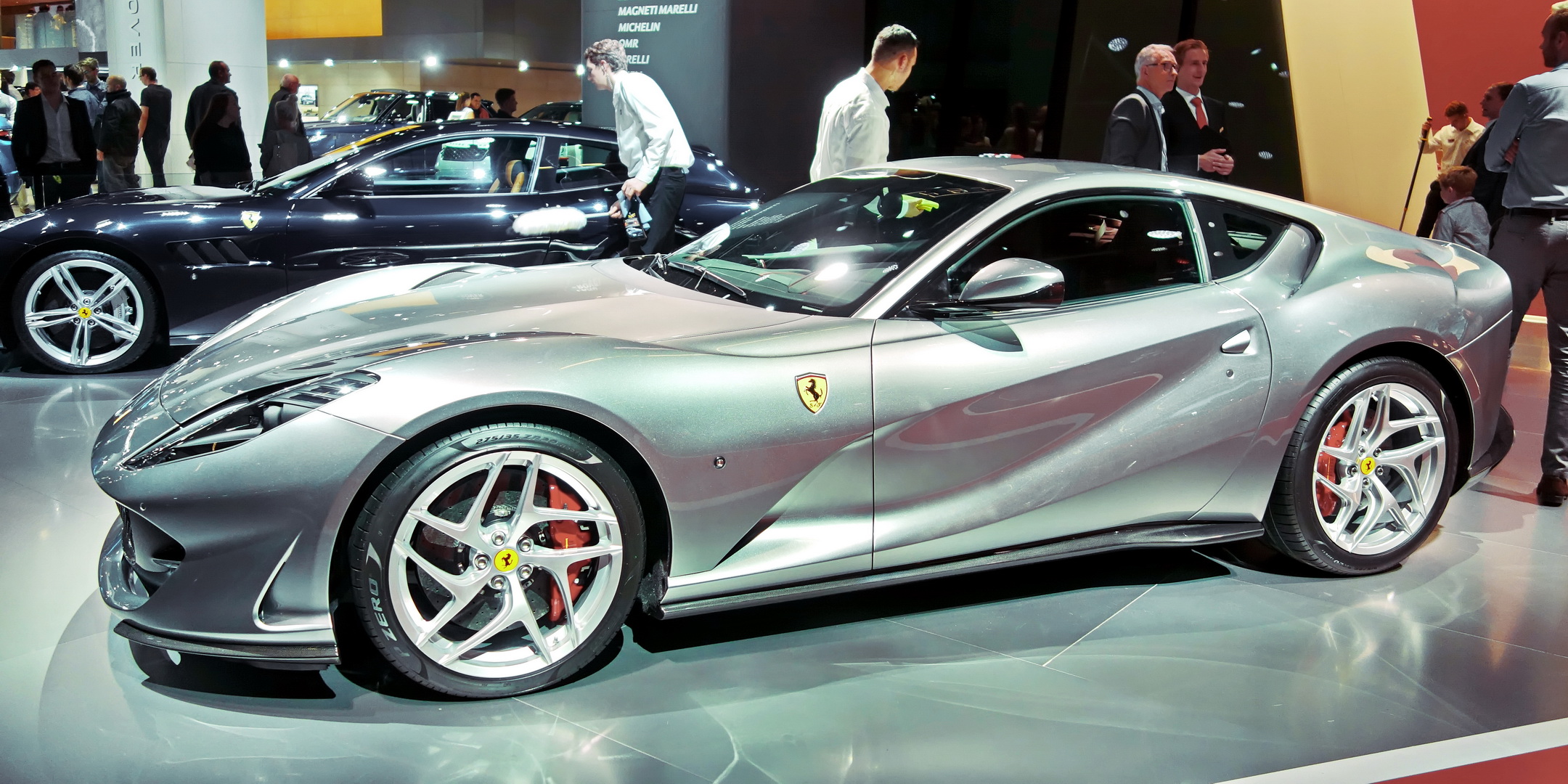
Ferrari 812
"But if you said, hey, for the same amount of money, you're getting the 720s or you're getting an 812. I'd be like, okay, I'm just going to take the 812 because I just love the look of that car."
The Ferrari 812 is a top-tier Ferrari that’s famous for a big V12 engine that revs high. Here, the point is that someone would pick it for how it looks, even if it’s not the fastest option in the comparison.
The Ferrari 812 is a flagship grand tourer from Ferrari, known for its naturally aspirated V12 and high-revving character. In this segment, it’s compared directly against the McLaren 720S as a choice based more on looks than outright performance.

Tesla Model S
"..., we're, we lost what the Model X and we lost the Model S. Yes."
The Tesla Model S is a fully electric car, meaning it runs on electricity instead of gas. In the podcast, it’s mentioned because the speaker is talking about Tesla’s lineup and what models are available or changing. It’s one of Tesla’s best-known electric sedans.
The Tesla Model S is an all-electric luxury sedan known for strong performance and long-distance capability. The podcast mentions “lost what the Model X and … the Model S,” which suggests a discussion about lineup changes or availability. That’s why it appears in the conversation—because it’s a flagship EV that people associate with Tesla’s core products.

Tesla Model X
"...er for them. I, you know, we're, we lost what the Model X and we lost the Model S. Yes."
The Tesla Model X is a fully electric SUV. In the podcast, it’s mentioned along with the Model S while talking about Tesla’s lineup. It’s one of Tesla’s main electric SUV options.
The Tesla Model X is an all-electric SUV known for its premium features and distinctive design. The podcast mentions “lost what the Model X and … the Model S,” indicating a discussion about which Tesla models are being referenced or affected. That makes it relevant as part of a broader EV lineup conversation.

Tesla Model Y
"So taking the Model Y and doing a bigger, longer version. Have you looked into this yet? ... So there's, there's the third row that's currently available in the Model Y that no one should buy."
The Tesla Model Y is an electric SUV. Here they’re talking about a longer version that adds a third row, and whether that extra seating is worth it in real life.
The Tesla Model Y is a compact electric SUV known for its all-electric powertrain and strong packaging efficiency. In this segment, the hosts discuss a longer, three-row version of the Model Y and whether the third row is actually usable.
dog house (greenhouse)
"but more importantly, if you can kind of see in that photo there, the, the greenhouse has raised too. So they actually added height to it..."
The “greenhouse” is the part of the car that’s basically the windows and roof over the cabin. If they raise it, it can give taller passengers more headroom in the back seats.
In car design, the “greenhouse” is the glass-and-metal cabin area that includes the windshield, side windows, and roof. Raising the greenhouse can increase headroom for passengers in the third row, which is why the hosts mention it here.
headroom
"you have to do that in order to actually fit people back there or they'll have no headroom."
Headroom is how much space you have above your head. They’re saying the third row needs more headroom, so the roof area has to be shaped differently.
Headroom is the vertical space between a passenger’s head and the roof/upper cabin structure. The hosts connect headroom to why the greenhouse needs to be raised when fitting people in the third row.
leg room numbers
"The thing about third row leg room numbers is that I don't believe them at all."
“Leg room numbers” are the measurements carmakers publish for how much space people have for their legs. The hosts think those numbers can be misleading for the third row once you’re actually sitting there.
“Leg room numbers” refer to the measured distance for how much space passengers have for their legs, usually reported in specs. The hosts argue they don’t believe those numbers because real seating position and packaging can make the third row feel tighter than the spec suggests.

Ford Explorer
"So I think we mentioned that it's roughly the same as a Ford Explorer and a Hyundai Palisade."
The Ford Explorer is a popular SUV model. They’re using it as a reference point to judge whether the third row in the longer Model Y will feel usable.
The Ford Explorer is a midsize SUV that’s commonly used as a benchmark for real-world third-row usability. Here, the hosts compare the longer Tesla Model Y’s third-row space to the Explorer’s, suggesting the legroom numbers may be similar in practice.

Hyundai Palisade
"So I think we mentioned that it's roughly the same as a Ford Explorer and a Hyundai Palisade."
The Hyundai Palisade is a three-row family SUV. They’re saying the third row in the longer Model Y might feel about like what you’d get in a Palisade.
The Hyundai Palisade is a midsize three-row SUV known for family-friendly packaging. In this segment, the hosts compare its third-row legroom experience to the longer Tesla Model Y, implying that spec-sheet legroom claims can be misleading.
third row
"So I think for the Model YL, the growing of it to that extent is going to help a lot to give it a potentially pretty good third row. But 31 inches of leg room can mean very different things."
The third row is the back seat area meant for extra passengers. It’s usually the tightest row, so people often judge how usable it is when they talk about leg room and head room.
The third row is the rear-most seating area in a vehicle with three rows. In crossovers and EVs, it’s often the hardest row to make comfortable because space is limited by the floor, roofline, and battery packaging.
wheelbase
"Which interesting. So the vehicle is about seven inches longer, but the wheelbase is six inches longer. So they didn't just hang more vehicle out the back."
Wheelbase is the distance between the front and rear wheels. If that distance increases, it usually changes the car’s overall shape and can help with interior space—especially for passengers in the back.
Wheelbase is the distance between the front and rear axles. Changing wheelbase affects a vehicle’s proportions, interior space, and how the car feels on the road, often more than simply adding length at the ends.
overhang
"And now when you kind of, even though it's a little bit taller, when you stretch it out seven inches, but really when you stretch that wheelbase out more, it doesn't have more overhang in the rear."
Overhang is the part of the car that sticks out past the wheels. If the wheelbase grows but the overhang doesn’t, the car’s shape and how the doors line up can feel more balanced.
Overhang is the portion of the vehicle that extends past the wheelbase—front overhang and rear overhang. Reducing or keeping overhang in check can improve packaging and proportions, and it can also affect how doors and entry/exit space are laid out.

Honda Crv
"So on certain vehicles, like I'm thinking of like the Honda CR-V in particular, even though that's not a 3-row, those rear doors open to basically 90 degrees."
The Honda CR-V is a popular family SUV. In this discussion, it’s mentioned because its rear doors open wide, which makes it easier to get a child seat in and out.
The Honda CR-V is a compact SUV known for practical family usability, including easy access to the rear seats. Here, it’s used as an example of how rear doors that open wide (near 90 degrees) make loading a car seat simpler.

Hyundai Ioniq 9
"... decent margin. Like if you're looking at like an IONIQ 9 that's fully loaded, it's pushing 77, I think, EV..."
The Hyundai Ioniq 9 is an electric vehicle. The podcast mentions that a fully loaded version is around the high-$70k range and compares it to other EVs. It’s brought up because it’s part of a price-and-value comparison.
The Hyundai Ioniq 9 is an electric vehicle that the podcast positions as a higher-priced, fully loaded option. The context mentions it being “pushing 77” and compares it to other EVs, which frames it as a premium choice in the lineup. It’s discussed because pricing and feature level are central to how buyers compare EVs.

R1S
"Like if you're looking at like an IONIQ 9 that's fully loaded, it's pushing 77, I think, EV 9 up around the same area, R1S way above those."
The Rivian R1S is an electric SUV with three rows. In this segment, it’s mentioned because it costs more than some other large EVs they’re comparing it to.
The Rivian R1S is an electric three-row SUV, and it’s called out as being priced well above the other EVs in the comparison. The point is that some competitors may be cheaper, while the R1S sits in a higher price tier.

EV 9
"Like if you're looking at like an IONIQ 9 that's fully loaded, it's pushing 77, I think, EV 9 up around the same area, R1S way above those."
The Kia EV9 is a three-row electric SUV. They mention it because it’s being compared on price to other big EVs, like the IONIQ 9.
The Kia EV9 is a three-row electric SUV, and it’s referenced here as a pricing benchmark for other large EVs. The host compares it to the IONIQ 9 to suggest they may land near similar price points when fully equipped.
calligraphy
"You get that nice calligraphy version. The interior is gorgeous. I know we get so many press cars and so many pictures and they're all white on the interior, but oh, there's such a pain in the butt."
“Calligraphy” is Hyundai’s label for a nicer, more premium version of a vehicle. It usually means upgraded materials and styling compared with the base trims.
“Calligraphy” is Hyundai’s name for a higher-trim interior/exterior package, typically focused on nicer materials, styling details, and a more premium look. In this segment it’s used to describe the Palisade’s interior presentation.
hybrid all-wheel drive
"But I think to your point as well, like a fully loaded calligraphy Palisade hybrid all-wheel drive. It's going to cost you right about what that Tesla starts at."
“Hybrid all-wheel drive” means the car uses both a gas engine and an electric motor, and it can send power to all four wheels. That can help with grip and can also improve fuel economy.
A hybrid all-wheel-drive system combines an electric motor (along with the gasoline engine) with power sent to all four wheels. This matters because it can improve traction and efficiency versus a non-hybrid or single-driven-axle setup.
FSD package
"And if you want to add the FSD package, we're talking more added cost. Yeah, I was just talking to somebody recently and they were saying that they're considering that."
The “FSD package” is Tesla’s software add-on that enables more advanced driving-assist features. It costs extra, and the discussion here is about how using the car’s tech doesn’t necessarily mean you can ignore the rules while driving.
The “FSD package” refers to Tesla’s Full Self-Driving software bundle, which adds advanced driver-assistance features beyond basic autopilot. The hosts connect it to added cost and to real-world enforcement concerns about driver attention and phone use while driving.
touchscreen
"You can't use your phone. You can use a giant iPad on this, on the, you know, touchscreen, right? But you can't use your phone."
A touchscreen is the car’s main screen for things like maps and controls. In this segment, they’re saying you can use the car’s screen, but you can’t use your phone while driving.
A touchscreen in modern cars is the main interface for infotainment and many vehicle controls, including navigation and media. Here it’s contrasted with phone use, implying that the car’s built-in display is allowed while physically handling a phone is not.
self-driving mode
"He's like, I was in self-driving mode. [3521.2s] So I was using my phone, but I wasn't driving."
“Self-driving mode” means the car is doing some of the driving for you. But in many cars, you still have to pay attention and be ready to take control.
“Self-driving mode” is the driver-assistance feature state where the car takes over some driving tasks. In practice, most consumer systems still require the driver to supervise and be ready to take over.
fine print
"So now without looking at the fine print on that rule in California is the rule. [3534.6s] You can't use your phone while driving or you can't use your phone while in"
“Fine print” means the detailed legal wording. The host is saying the exact wording of the rule is what matters if the situation ends up in court.
“Fine print” here means the detailed wording in a law or rule that can change how it’s applied in real situations. The host is emphasizing that the exact legal interpretation matters, especially in court.
level three driving
"Mercedes actually did a program about [3565.7s] a year ago where they introduced their full level three self-driving."
“Level three” means the car can drive itself in certain situations and doesn’t always require you to constantly micromanage it. But if it asks you to take over, you have to respond.
“Level three self-driving” is an SAE automation level where the car can handle driving in specific conditions and may take over without constant driver monitoring. However, the driver is still expected to respond when the system requests takeover.
level two
"So the Tesla is called full self-driving, but it's what we would call still a level two [3573.4s] plus system."
“Level two” means the car can handle some driving tasks, like steering and keeping speed, but you still have to watch everything. You’re still responsible for taking over if the car gets confused.
“Level two” refers to SAE driving automation levels where the car can control steering and speed under certain conditions, but the human driver must monitor the road and remain responsible. It’s not full automation—if the system can’t handle a situation, the driver must take over immediately.
Waymo mode
"That's like Waymo mode at this point, right?"
Waymo is the autonomous-driving company being used as a benchmark for higher automation. In this segment, “Waymo mode” is equated with level three, implying the car (not the driver) is expected to take more responsibility in that scenario.
hurry mode
"And that includes speeding because when you're doing the full self-driving, if you put it in the hurry mode, it'll do 80 on the 405 and like not even blink."
“Hurry mode” is a Tesla setting that changes how aggressively the system drives (for example, by targeting higher speeds). It’s relevant because it can lead to behavior that feels more assertive, including faster-than-expected speed changes.
405
"if you put it in the hurry mode, it'll do 80 on the 405 and like not even blink."
“405” is shorthand for California’s Interstate 405, a major Los Angeles-area freeway. Mentioning it matters because it’s a real-world traffic environment where driver-assistance behavior can be tested and evaluated.
adaptive mode
"up from like the regular standard adaptive mode, it's going 10 to 15 miles an hour over [3652.4s] the speed limit."
“Adaptive mode” is a setting where the car tries to automatically adjust to what’s happening around it. Here, it’s being discussed in terms of how the car’s speed behavior can differ from a normal mode.
“Adaptive mode” refers to a driver-assistance setting where the car automatically adjusts its behavior based on conditions (like traffic and road speed). In this context, it’s being contrasted with a more basic “standard” mode and tied to how the car may exceed the speed limit.
level three system
"And so even in Mercedes in a level three system, which is kind of the roundabout way to get [3667.6s] to my point."
“Level three” means the car can do a lot of the driving for you, like steering and speed, but it’s not fully hands-off forever. The driver still has to be ready to take control if the car asks.
A “level three system” refers to SAE Level 3 automated driving, where the car can handle driving tasks in certain conditions and may take over steering and speed. Even then, the driver is still responsible and must be ready to take over when the system requests it.
Request an Explanation
Heard something you'd like explained? We'll add it to this episode.
Sign in to request explanations for terms you heard.
Want to learn more?
Browse our glossary for plain-English explanations of automotive terms, jargon, and concepts.
Help improve this episode
See something that's not quite right? Our annotations are AI-generated and can sometimes miss the mark. Click the flag icon on any annotation to suggest a correction.