00:18
This podcast is brought to you by AutoVision and its AI assistant, Avery.
00:23
Avery delivers data-driven appraisals, pricing, and detailed strategies for every vehicle.
00:29
Visit AutoVision.com to learn more about Avery, where precision meets profit.
00:36
Welcome to Daily Drive for Thursday, September 4th, 2025. I'm Kellen Walker in Las Vegas.
00:42
Today on the show, three Japanese automakers see U.S. sales fall in August.
00:48
Cadillac cuts back EV production, at least temporarily,
00:52
and dealers are feeling gloomier than ever about EV markets. Plus, automotive news
00:58
Canada's Greg Lason joins the show to give an update on how auto companies north of the border
01:04
are doing amid tariffs and on trade talks starting up again after about a month of silence.
01:10
It appears they're back on speaking terms. It appears to be one-on-one,
01:13
and we have sent some politicians to Washington to sort this out.
01:17
Let's run through all the news you need to know to keep up in the auto industry.
01:21
We had some positive U.S. sales news to report on yesterday's show,
01:26
but the automakers reporting since then haven't fared as well. In August, Honda says U.S. sales
01:33
fell more than 5%. That's despite major gains for the Passport midsize crossover
01:39
and prologue electric crossover. Deliveries also fell for Subaru. They were down almost
01:45
3%. An import-reliant Mazda said U.S. deliveries fell more than 7.5% during the month.
01:53
Overall, U.S. light vehicle sales are expected to rise between 1.3% and 4.4% in August.
02:00
That's based on forecasts from JD Power and Global Data, S&P Global Mobility, and Cox Automotive.
02:08
General Motors is cutting output at one of its main electric vehicle factories.
02:13
GM will stop production of two electric Cadillac crossovers at its assembly plant in Spring Hill,
02:19
Tennessee during the month of December. That's according to a communication from GM to employees
02:26
that was seen by Reuters. The plant produces the midsize Cadillac Lyric and the three-row Vistik.
02:33
And dealerships are showing a record level of pessimism about the future of EVs.
02:39
In the third quarter, Cox Automotive dealer sentiment index poll, franchise dealers gave the
02:44
upcoming market a 33 on Cox's 100-point index scale. That's the lowest EV outlook since Cox began
02:52
asking the question in the second quarter of 2021. Independent dealers rated the EV market
02:58
three months out a 28, also a record low. Cox says both third-quarter results were significantly
03:06
lower than dealers' outlooks a year earlier. And those are today's headlines. You can find more
03:11
details on all those stories at AutoNews.com. Joining me now to talk more about Cox Automotive's
03:17
dealer sentiment poll is our own John Hutter. John, welcome back to Daily Drive.
03:22
Hey, great to be here.
03:24
So John, why are dealers so gloomy about the future of the EV market?
03:29
Yeah, it's pretty funny. Cox Automotive dealer sentiment index found just, you know,
03:34
dismal outlooks for EVs coming out of the dealerships. And really the issue is Cox's conclusion,
03:40
and this seems accurate, is that they know that the EV tax credits are going to end
03:46
after September 30th. And so I guess they're just terrified that's going to be the end of
03:53
kind of any EV demand. And how are dealers feeling about the overall new car market,
03:59
including ICE vehicles and hybrids?
04:02
You know, it's interesting. The overall market, they're actually kind of
04:07
feeling about, showing them about the same level. It's kind of mildly positive.
04:12
But you know, what's interesting is that it's the same, kind of around the same results
04:16
as during the second quarter Cox polling, which happened during a time when just vehicle
04:23
sales were like, you know, they're just flying off the lot because everyone was trying to get,
04:28
your consumers were afraid prices were going to go up because of tariffs and we're trying to buy
04:32
them in advance of that. But there wasn't really a significant drop off between the second and third
04:38
quarter. So that's good. I mean, for obviously the industry seems, you know, pretty happy with
04:43
things right now. Gotcha. Good stuff, John. Thank you so much for joining me.
04:47
Yeah, no worries. Coming up, we'll get an update about how the auto industry is faring
04:52
north of the border from automotive news Canada's Greg Lason. That's next on daily drive.
05:00
Daily drive listeners like you have access to the lowest price for automotive news Congress
05:05
2025 on September 11th. The event is where the industry's biggest players tackle its toughest
05:12
challenges. Congress attendees don't just follow the industry, they lead it. This year's
05:17
featured speakers include Hyundai Motor Group Executive Chair Yu Sung Chung, Asbury Automotive
05:23
CEO David Holt, and General Motors CEO Mary Bara. We are investing in America. We're creating jobs.
05:30
That's creating IP in this country. And I think, you know, the United States needs to lead in
05:34
key technologies. Join us to gain the insights and connections needed to steer your business
05:39
through massive change. To get the lowest price for the event, go to autonews.com
05:45
events, select auto news Congress, and type in the discount code daily drive. That's one word
05:52
all caps daily drive. And we'll see you on September 11th in Detroit.
05:59
Just when you think you've priced a vehicle perfectly to sell fast, the market changes,
06:03
and potential profit slips through your fingers. After all the work of scouring
06:07
auction sites, tracking competitor rates, and analyzing market trends, the loss of time
06:13
and money leaves you frustrated. Meet Avery, your A.I. assistant from AutoVision. Avery revolutionizes
06:19
how you acquire, price, and sell vehicles by analyzing every detail, from retail values
06:25
to market trends. And the best part? Avery doesn't just give you numbers. It explains every
06:30
recommendation so you know everything that was factored in. Picture this, faster appraisals,
06:36
smarter stocking decisions, and more profitable sales, all without the exhausting legwork.
06:41
With Avery, you don't just stay competitive, you lead the pack.
06:44
Ready to see Avery in action? Visit autovision.com.
06:50
Welcome back to daily drive. I'm Kellan Walker. There's been a lot of news from Canada in recent
06:56
weeks. That is, except when it comes to trade talks between Ottawa and Washington DC,
07:03
which have been pretty much silent since last month. Greg Lason is the digital and
07:08
mobile editor at Automotive News Canada, and he hosts the Automotive News Canada podcast,
07:13
available every Friday. Greg spoke with our own Jake Neer about how Canadian auto companies are
07:19
doing amid tariffs and where trade talks stand right now. Greg Lason, welcome back to daily
07:26
drive. Thanks for having me. Good to be here. Always a good time to check in on our northern
07:32
neighbors or if you're here in Metro Detroit, our southern neighbors across the river here.
07:37
You know, it's been a really interesting year so far, obviously, when it comes to the United
07:43
States relationship with Canada and the auto industries. How have Canadian auto companies
07:48
been faring amid tariffs so far this year? You know, it's odd. I would say they're faring
07:53
okay. You know, the odd fact in all of this is the tariffs arrived when Ford Oakville and
07:59
Stellantis Brampton were both down for retooling. Windsor, Stellantis plant there,
08:04
up and down for retooling, changing things out in terms of electric vehicles versus internal combustion
08:11
engines for their muscle car line. And I think what a lot of the general public forgets or maybe
08:17
doesn't even know, but our audience, because they're in the industry does, is that this 25%
08:22
tariff really only affects about, and I'm ballparking now, about half the parts content
08:28
inside vehicles assembled in Canada and then shipped to the United States. So it's
08:33
not as big a financial hit as that big scary 25% number seems, but by no means does this
08:40
not increase the cost of doing business because it does. But in terms of shipments of assembled vehicles,
08:47
I mean, they're still happening. They're affected a little, but they're affected by
08:51
other factors, that retooling for example, the price for example, inflation, a rush early to
08:57
beat tariffs. So we're still working our way through this. It seems like you and I've been
09:02
covering tariffs now for five years, but it's only been about five months, right? So to put it
09:08
in perspective, I would still say things are okay, but look, nobody, not the parts industry,
09:14
not the automakers want any tariffs. That's why the USMCA exists. I mean, they put it in
09:21
place because we're so integrated, because each country does its own thing. What I think
09:27
many people don't know is that what we build in Ontario are really popular vehicles in America,
09:35
and there are reasons that it's done in Canada. We have lower labor costs. We have the advantage
09:41
of a fluctuating dollar. We have universal healthcare. We have quality factories for
09:48
a number of plants. So when you add all of that up, I don't see it going away anytime
09:53
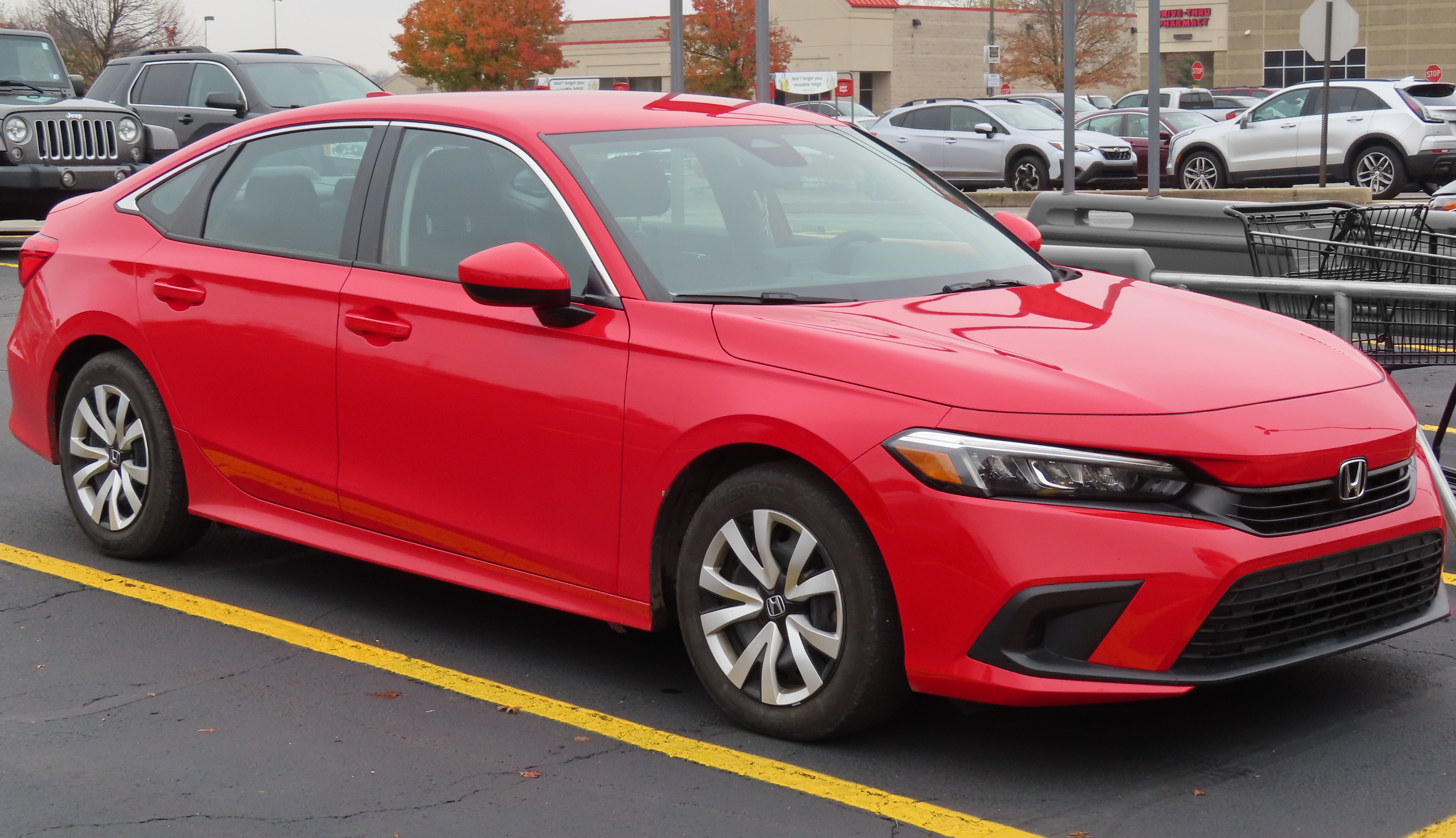
soon, because there's a reason the automakers build the Civic here, the Minivan here,
09:59
all of these vehicles that are popular in the United States.
10:03
We had predictions that the North American auto industry could screech to a halt with tariffs,
10:10
especially when it comes to the idea that parts are crossing over the... I mean,
10:15
you and I both live close to the Detroit border with Windsor, and you see the trucks
10:21
going across the Ambassador Bridge all the time. They're carrying parts back and forth and back and
10:27
forth, and that dynamic had a lot of people saying, how is this sustainable for more than a
10:33
week or so? We haven't seen the industry shut down and manufacturing shut down that way. Why is
10:39
that? I would say President Donald Trump either came to his senses or listened to the right
10:44
people. The reason it didn't happen is because he did not implement tariffs on standalone auto
10:52
parts. If you build a widget in, I don't know, London, Ontario, and that widget is used in a
11:01
Minivan built in Windsor, it's tariffed because it is within that vehicle, and those parts
11:07
are tariffed because it's non-US content. But if that widget built in London complies
11:13
with the United States-Canada-Mexico agreement, then it is not tariffed as it crosses the border.
11:20
So all of these thousands of parts that cross the border have not been affected by tariffs
11:26
as long as they comply with the USMCA. And so that is why we haven't seen it screech to a halt,
11:33
because all of the... Call it 50% again. Let's say 50% of the parts used in a vehicle
11:40
built in Metro Detroit come from Canada, and all of those parts are compliant. And I've checked,
11:46
the Auto Parts Manufacturers Association in Canada says it can't find any of its members
11:51
that make non-compliant parts. So everything we make is compliant with that free trade agreement,
11:56
therefore they avoid tariffs, therefore the auto industry did not shut down.
12:01
So what about the status of negotiations right now? We've seen the EU, we've seen other
12:05
countries able to strike at least framework agreements with the Trump administration,
12:12
but not much news out of Canada it seems like. No, I like that you use the word framework,
12:16
because I'm always asking, show me the ink dried on the document. I don't see a lot of that right
12:23
now. In terms of what Canada is doing, Prime Minister Mark Carney and Donald Trump just this
12:28
week quietly spoke, had a long conversation. Now, Carney wouldn't say which sectors were discussed,
12:35
but he did say they spoke at length. He said it was a good conversation. We sent a delegation
12:41
to Washington last week to go talk about trade, but Carney did say that small tariffs
12:48
in terms of value, so a small percentage of a tariff were discussed. And I think we're
12:53
heading toward a world in which tariffs will exist, but they'll be smaller than that 25%
12:59
number that we have been hearing about. Carney was quick to note that the tariffs that Canada
13:05
currently pays, they're actually smaller than most other countries face right now. So
13:10
they're progressing, but they're progressing slowly. It appears that they've taken a one-on-one
13:16
turn between Carney and Trump. At one point, I had more than one lobbyist and executive tell
13:21
me that Carney had just severed ties with the president after an August 1st deadline. So they
13:26
went about a month without speaking, but it appears they're back on speaking terms. It appears to be
13:31
one-on-one. And we have sent some politicians to Washington to sort this out, but as I've been
13:36
saying, as I've followed this and through the folks I've talked to, I still think we're in
13:41
for a period of tariffs until the USMCA is renegotiated.
13:46
Exactly. That's what I was going to ask next is that it seemed like there might be a chance,
13:51
and I learned this from you, Greg. So I'm not going to take any credit for this,
13:56
but the strategy might be that, look, if we're not making any progress here,
14:03
let's just wait until USMCA is renegotiated. But it sounds like that is less likely than
14:10
getting something done in the interim. Is that fair to say?
14:13
Yeah. I don't think anyone in Canada wants to agree to anything knowing that essentially
14:18
January 1st, you can start renegotiating the USMCA. We know that the country's moved up by a month
14:25
the letter of intent to renegotiate. So rather than October when they were supposed to sign it,
14:30
I believe they signed it in September or about to. And so the process is moving along more
14:37
quickly, and they're not rushing, but getting to it quicker than they need to. And I started
14:42
hearing these rumblings probably late July that Canada was essentially kicking all tariffs and
14:48
all talks down the road until they officially opened the USMCA. And I think that goes back
14:54
to my original point in that there are no tariffs on parts that are compliant. There are
14:59
only tariffs on the parts that are non-US made in Canadian assembled vehicles.
15:06
And so while the financial hit wasn't as big, it still exists. I think it'll still be there
15:11
for a while. But the end goal for Canada, I feel, is to wait and just renegotiate USMCA because
15:19
there are other things involved now. There are things about keeping America happy when it comes
15:25
to Chinese EVs and tariffs on those. There is the fact that we have potential digital
15:31
services taxes that the US administration doesn't like. There are other things today
15:38
that didn't exist when the original USMCA was written, just as there were things in the original
15:45
USMCA that didn't exist back in the 90s when NAFTA didn't exist. So they're continually updating it.
15:51
And I think that Canada just sees the better deal is to wait for the final deal rather
15:57
than a bunch of small ones along the way. Amid all of this, Lana Payne was recently
16:02
reelected president of Unifor up in Canada. Now, what does that say to you about the
16:09
union's role in this? It's attitude toward North American trade. She's been pretty critical of
16:17
President Trump. And I also know that the meeting happened behind closed doors, it sounds like.
16:22
So maybe we don't know all the details about what was debated or who else was running.
16:28
But what do you get from that news that Lana Payne will serve another term?
16:34
Lana Payne's in a different position than her predecessors when in terms of
16:38
auto, right? She doesn't come from auto. She's a former newspaper columnist. She was in the
16:43
fisheries industry. And then when Unifor merged with the CAW merged with the paper workers,
16:49
it became this giant private sector union, the biggest in Canada encompassing all kinds
16:54
of industries. And auto just happens to be one of them. And I think Lana Payne is fighting not just
17:01
for auto jobs, but all manufacturing jobs, all retail jobs that they represent during a trade
17:06
war. And so what I think her reelection shows is that she's done a really good job. If you
17:11
believe Unifor and I see no reason not to, they say she won in the landslide. She has been
17:16
front and center. She's an automotive news Canada all star for her work in fighting and
17:21
dealing with this trade war. I think it sends a message that she is the person that this union,
17:27
that is not only auto, wants representing them. She is ruthless and relentless in her public
17:33
appearances and on social media. She is not afraid to call out the president on what she thinks
17:38
are wrongs and inappropriate tariffs. And I think she's got the auto workers behind her,
17:44
which when she was initially elected might have been a concern, but I don't think that's a
17:48
concern anymore. All right, Greg, before I let you go, I could not pass up the opportunity to talk
17:54
with you and about a story that you wrote recently, which may be the most Canadian story I've read
18:01
since I've been here at Automotive News. Flow and Tim Hortons are partnering on EV Charger
18:08
locations. Like I said, this is a great story just for how Canadian is, but there's
18:15
some implications here. There's strategy here. There is an attitude toward how to go about making
18:22
owning an EV more convenient and also how businesses might take advantage of demand for charging.
18:30
Yeah, when this story came across my desk, I thought, one, how Canadian it is. That is
18:36
biggest coffee shop chain that was founded by a hockey player, installing electric vehicle
18:42
chargers made in Quebec where we have the highest EV uptake. I mean, it was just everything about it
18:46
was Canadian. And then my second thought was, well, it's about time. Doesn't this just make
18:52
sense on every single level, whether it's marketing or whether it's EV adoption or whether it's
18:59
ease of charging? This is something that I can't believe took this long. They're going to install
19:04
100 stations, which is about 400 ports across 10 provinces by 2028. And to just give you
19:11
a sense, I mean, this coffee chain serves millions of cups of coffee every day. The number of people
19:19
who have a Tim Hortons coffee at least once a month are staggering. So it only makes sense that if
19:23
you're an EV driver, you plug in, you go get your coffee. I still see people reading newspapers
19:28
at my local Tim Hortons. So you know people are going in. This will help Canada, which has
19:34
a strict zero emissions vehicle sales mandate still in place. 100% of sales need to be EVs
19:41
by 2035. And the biggest complaint by every JD power study, every government survey,
19:47
is that there aren't enough charging stations in Canada. So why wouldn't it make sense
19:51
to put chargers at the most popular coffee shop that you find on as many corners as you do gas
19:57
stations? It's funny, Greg, because it reminds me of during COVID when they were trying to
20:02
figure out the best way to distribute vaccines for COVID. And there was talk of in some actual
20:09
partnerships with Dollar General because everyone in the United States or at least in the contiguous
20:14
of the United States lives a certain distance away from a Dollar General location. Seems like
20:20
a similar strategy. It's like if we want to partner with a business and make this ubiquitous,
20:26
you know, what's already ubiquitous? What places can we partner with that are, you know,
20:32
that are out there that could also benefit from having people coming in and out of their doors?
20:36
Yeah, I'll just give you two stats. Five million cups of coffee served every day.
20:43
80% of Canadians say they get a Tim Hortons coffee once a month. They are everywhere. And
20:50
I'll bring this back to Otto in this sense. An executive that I know from Michigan came
20:56
over to a plant in London, Ontario. And the guys on the shop floor said, do you want a coffee?
21:01
We're going to Tim's. And he said, no. And those foremen looked at him like he had a third eye.
21:07
It was almost insulting to not accept a coffee from Tim Hortons on coffee break
21:12
at this part supplier. So I mean, it is just ingrained in the Canadian culture. I know
21:17
starting early at Automotive News Canada, I was asked to bring Tim Hortons coffee
21:22
to the Automotive News headquarters on Gration in downtown Detroit, because you didn't have as
21:27
many over there 10 years ago as you do today. So I'm telling you, it's a marketing match made in heaven.
21:34
Greg Lason, thank you so much for joining us today on Daily Drive. Really appreciate the
21:38
update on what's going on in Canada. Anytime. Greg Lason is the digital and mobile editor
21:45
of our sibling publication, Automotive News Canada. He also hosts the Automotive News
21:50
Canada podcast. And you can hear the latest episode of that on Friday. This week's guest
21:56
is Subaru Canada carline manager, Brad Evans. That's Daily Drive for today. I'm Kellan Walker.
22:03
Thanks to Automotive News journalist John Hutter and David Phillips for their reporting for
22:07
today's podcast. You can get the latest news on trade talks, sales results and everything
22:13
happening in the auto industry at AutoNews.com. Come back tomorrow for a conversation with
22:18
David Frontera, Director of National Compliance at Informative about FNI fraud and how to combat it.
22:25
Fraud is now taken on this multiple interconnected forms and every one of them is unique.
22:31
We'd love to hear from you. Let us know what you think of the show and the topics we covered
22:35
today. Send us an email at dailydrive at autonews.com or leave us a voicemail at 313-444-2774.
22:46
And if you enjoyed the podcast, remember to like, leave a review and subscribe so you never miss an episode.