Shepherd on Inventory, Good on CRM Best Practices, O'Koniewski on Ad Compliance | Daily Dealer Live
Car Dealership Guy Podcast
Shepherd on Inventory, Good on CRM Best Practices, O'Koniewski on Ad Compliance | Daily Dealer LiveCar Dealership Guy Podcast · Apr 22, 2026
Annotations will appear as you listen
0:00
61:51
Concept
ad compliance
Ad compliance means your ads have to follow the law. For car dealers, that includes making sure pricing, offers, and claims are presented correctly—especially online.
Concept
CRM best practices
CRM (Customer Relationship Management) best practices refer to how dealers manage leads, follow-ups, and customer communications. In compliance-heavy environments, good CRM processes help ensure responses, disclosures, and marketing follow the rules consistently.
The FTC is a U.S. government agency that polices consumer protection and advertising rules. An “enforcement wave” means they’re likely to be more aggressive about investigations and penalties.
They’re talking about mergers and acquisitions—companies buying other companies. Here, it’s about dealership ownership changing, which can affect what cars are sold nearby and who has them.
Carvana is a company that sells used cars, and it also buys other dealerships. When they buy more stores, it can change what cars are available and how the market competes in that area.
Stellanus is a dealership group. The segment mentions that they set limits on acquisitions—basically rules that control how many stores can be sold within a rolling year.
The Dodge Ram is a large pickup truck. People use it for hauling things and for everyday driving, depending on the version. It’s mentioned because it’s a common truck sold by that dealership.
This is a company rule that limits how many dealership purchases can happen within a year. A “rolling 12 months” rule means the window keeps moving as time passes, so the limit applies continuously.
Presidio is a research group that publishes benchmarks about how dealerships are doing financially. Here, they’re helping explain why profits look weak in the quarter and what dealers can do next.
“Fixed Ops” means the dealership’s money from things like service work and parts, not from selling the cars themselves. The hosts are saying service/parts are carrying a bigger share of profits than ever.
There are a huge number of ways cars can be optioned in the US. That means two cars that look similar on the surface can actually be very different in value.
Optional equipment and technology packages are bundles of features (often infotainment, driver-assist, comfort, and other upgrades) that can dramatically change a vehicle’s market value. The segment notes these packages can create large price gaps even within the same trim level.
VIN-level accuracy means using the car’s unique ID number to get the exact options it has. That matters because two cars with the same trim can still be priced very differently.
Concept
Depreciation picture shifting
Depreciation is how much a car’s value drops as it gets older. If that trend changes, it can change trade-in offers and used-car prices.
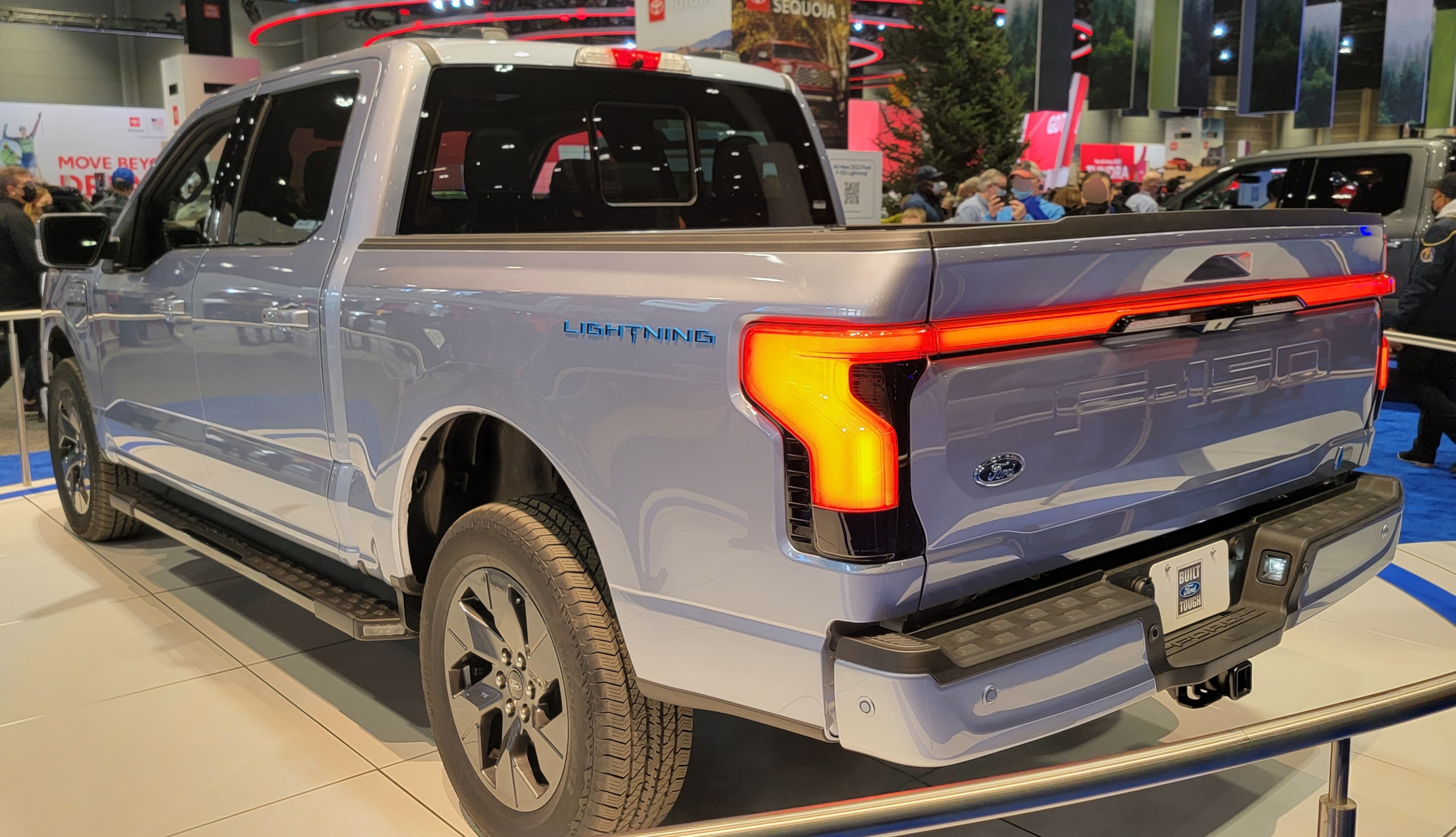
They’re talking about how much a new truck like the Ford F-150 tends to lose value over time. Instead of using a generic “about 20% per year” rule, they’re saying the real numbers can be much worse right now, which changes how dealers should price used inventory.
VIN-level pricing means pricing a car based on its exact build, not just the model name. That matters because options and equipment can change the market value a lot, so it helps dealers avoid underpricing or overpricing.
The Ford F-100 is an older Ford pickup truck. It’s part of the F-Series line, which has been around for a long time. It may be mentioned because the podcast is talking about a specific truck’s identification details like the VIN or the correct way to say the model.
Car
Volkswagen
Volkswagen is talking about reducing how many cars they can build. If fewer cars are available, dealers may have less inventory and might see different pricing and availability for specific models.
Car
Audi
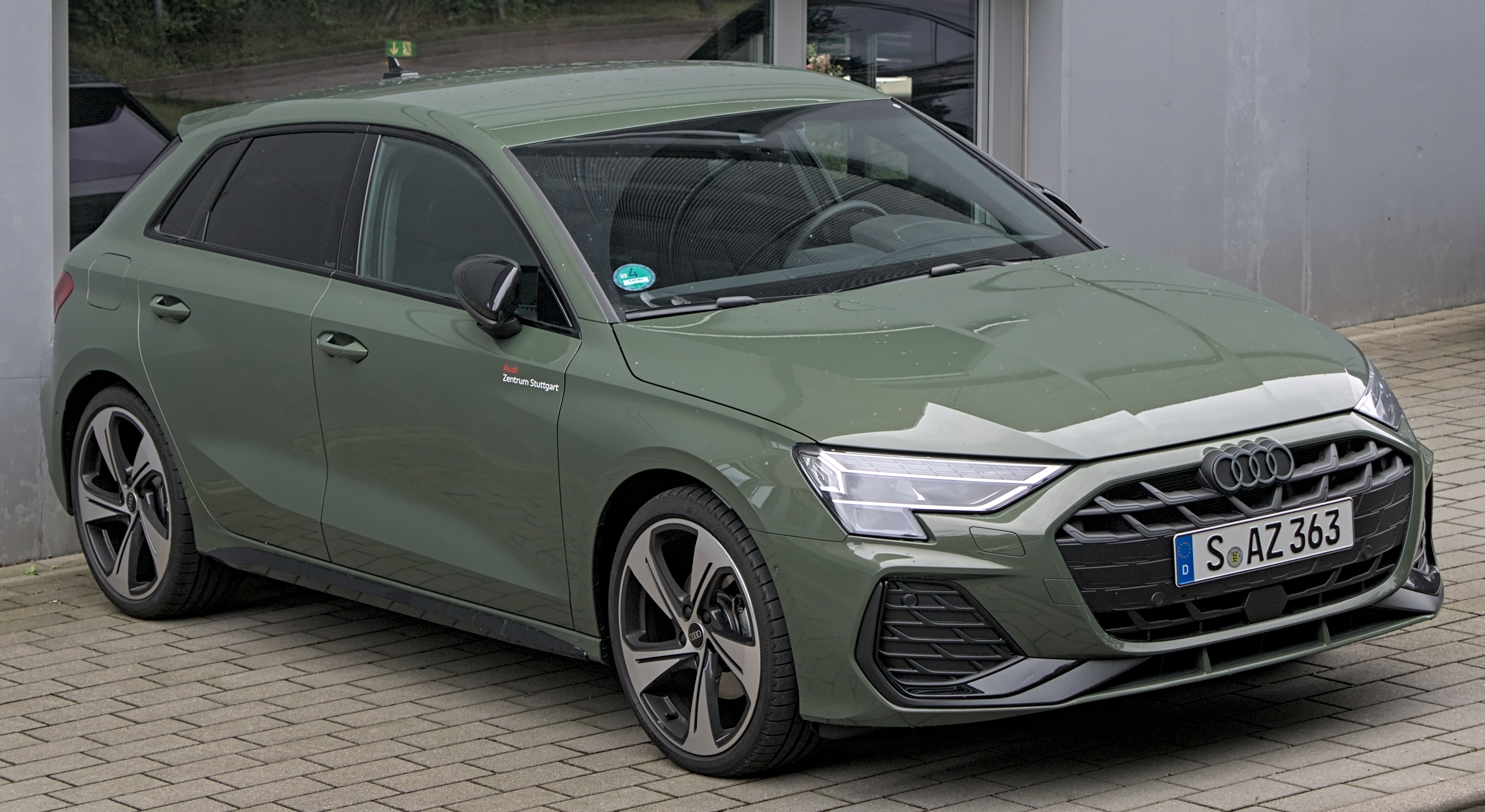
Audi is included in the production cut plan. That can impact what cars dealers can get and when, especially if supply gets tighter in Europe.
They’re talking about Scout Motors as part of Volkswagen’s plan for the U.S. market. The hosts also mention lawsuits because some companies want to sell directly to customers, which can change how traditional dealerships make money.
Direct-to-consumer means the car company sells to you directly instead of through a local dealership. That can lead to disputes with dealers because it changes who controls sales and how profits are shared.
A “dealer principle” is basically a senior leader at a car dealership. They’re involved in the big-picture decisions that affect how the dealership sells cars.
Chevrolet is a car brand. When they mention it, they’re talking about selling and servicing Chevy vehicles.
Brand
Honda Sony
They mention a Honda-and-Sony EV effort that was planned for direct sales, but they backed off because EV demand wasn’t as strong as expected. It’s an example of how companies change plans when the market shifts.
CDK Global makes software that car dealerships use to run their day-to-day business. It includes tools for tracking customers and leads, so dealers can follow up and sell more cars.
Term
variable ops
In dealership terms, “variable ops” usually means the parts of the business that can go up and down depending on how busy the dealership is. It often includes areas like service and parts, where good follow-up and tracking matter.
They’re saying more dealerships are using AI now than last year. And the reason it matters is because AI can help respond to leads faster, which can turn more inquiries into actual sales.
“Lead to close” means: out of the people who show interest, how many actually end up buying. If that number improves, the dealership is doing a better job turning inquiries into sales.
A virtual assistant in a dealership CRM is an AI-driven chatbot or agent that can answer customer questions and route or trigger next steps automatically. The hosts imply that adding this capability changes response quality and speed, which can reduce lost leads.
They’re talking about AI agents that can do more than just answer questions. Instead, they can help run parts of the customer conversation and next steps inside the dealership’s lead system.
Large language models are AI that can understand what someone types and respond in a human-like way. In this context, they help dealerships answer customers quickly so leads don’t cool off.
A “walkaround” is the in-person customer presentation of a vehicle—typically covering condition, features, and key points during a test-drive or sales process. The hosts frame walkarounds as a human strength that AI can’t fully replace, while AI handles other tasks like data analysis and outreach.
Company
Reynolds
Reynolds is another software provider that some dealerships use. The point here is that the AI/automation ideas being discussed aren’t limited to one CRM brand.
Aging inventory just means cars that have been on the lot too long without selling. The idea here is to use AI to find those cars and then target the right customers with marketing so they’re more likely to buy.
A BDC is a dealership team that handles incoming customer leads. They use the dealership’s computer system (CRM) to make sure the right salesperson or service advisor contacts the customer fast.
Voice AI means a computer can talk to people on the phone. In this segment, they say it’s working well for scheduling service, but sales calls are harder so it’s not as effective yet.
Even if software handles the first contact, people still have to follow up with customers. The CRM helps track who needs a call or message next so the dealership can close the sale.
A “3 a.m. lead” is when someone reaches out at night, like through a website or form. The point is that customers expect a fast reply even if it’s late, so dealerships need systems that can respond quickly.
Ava is mentioned as a virtual assistant that helps with leads in the dealership’s computer system. The idea is that it can respond and assist customers so the dealership can follow up more effectively.
A CDP is a system that pulls customer info from different dealership tools and puts it into one place. That way, the dealership can target customers more accurately instead of using messy or duplicate records.
Topic
NADA26
NADA26 is a dealer industry event where companies show new tools and software to car dealerships. In this segment, it’s mentioned as the place where CDK announced the CDP.
DMS is the main computer system a dealership uses to run operations. In this discussion, the CDP helps that system share consistent customer information with marketing and other teams.
A unified profile means the dealership tries to combine all the customer’s info into one consistent record. Instead of having duplicates or conflicting details, everyone works from the same customer history.
Fixed operations usually means the dealership’s service and parts side. They’re included here because the podcast is about connecting customer history across sales, service, and parts.
Data cleaning is the process of correcting, deduplicating, and standardizing customer records so they’re accurate and usable. The segment notes it’s “not a small feat,” and that the CDP helps keep data clean over time, which is necessary before meaningful marketing can happen.
An activation layer is what helps you take “good customer data” and actually use it to contact people. The hosts are saying the hard part isn’t just cleaning data—it’s knowing what to do with it afterward.
“Friction” is just what makes the buying experience feel harder or more annoying. Even if a dealership has new tools, customers can still get stuck if the staff and steps don’t line up.
NPS is a score that measures how happy customers are and whether they’d recommend the dealership. In this discussion, a lower NPS means customers are less impressed than before.
They’re talking about using AI to help respond to shoppers quickly and prepare the sales team before the appointment. But if the salesperson doesn’t read what the AI already learned, the customer has to start over, which makes the experience worse.
They’re saying dealerships can’t just buy software and expect results. The staff and steps have to be updated so the tools actually get used—and so nothing important falls through the cracks.
“Digital retail” means buying steps that start online instead of only in the showroom. The key point here is that if the dealership doesn’t continue the same info when you arrive, you end up repeating yourself.
They want the customer experience to feel continuous, not like you’re getting lost between different tools. If systems don’t share information, customers end up repeating themselves.
This is when software uses AI to automatically message or call people who showed interest in a car. The speaker’s point is that it can be useful, but it shouldn’t be overused—people still need to guide the process.
“VDC” here sounds like a behind-the-scenes system the dealership uses to handle lead information and communications. The key idea is that the customer’s appointment is being set up through that system before they come in.
Friction points are the places where the process gets awkward or slow. If the dealership’s tools or training don’t match how people actually work, customers can feel delays or miscommunication.
UX just means how easy the software feels to use. If the screens are annoying or the steps are confusing, it can slow down sales and make customers wait.
User experience just means how easy the software is to use. They’re saying the best dealership tools should be simple and fast, so people can do their jobs without getting stuck in complicated screens.
Concept
marketing spend
Marketing spend is the budget a dealership uses for ads and promotions. They’re saying smarter tools may automate some marketing work so the dealership can spend less without losing results.
Concept
AI
AI (artificial intelligence) is discussed as a force that can “equalize” the industry—helping newer tools catch up and improving how software supports dealership workflows. The host also implies AI can make systems more intelligent by leveraging data to drive marketing and sales opportunities.
They’re saying generic software that you just buy and plug in may not actually fix what’s wrong. The better approach is to figure out the real problem first, then build or configure the tool to address it.
Toyota is mentioned as an example brand. The idea is that different brands’ dealerships often have different sales and service challenges, so the CRM guidance should be tailored.
Mercedes is mentioned as the other example brand. The point is that dealerships for different brands can have different problems, so the CRM recommendations should match the store.
The episode references “AI and CRM,” pointing to how artificial intelligence can change customer relationship management. In dealerships, CRM systems track leads, follow-ups, and customer history, and AI can help automate or personalize those workflows.
“Comp plans” are compensation plans—how dealerships pay employees, usually tied to metrics like sales, gross profit, or customer retention. The segment argues that poorly crafted comp plans can encourage bad behavior and create friction in the process.
“Stair step” describes a tiered incentive structure where payouts increase at certain thresholds. The host suggests that stair-step comp designs can unintentionally reinforce the same underlying problems as other parts of the pay plan.
The “FTC letter” refers to a communication from the Federal Trade Commission related to dealership advertising or marketing compliance. The segment implies the FTC is targeting practices tied to pay plans or behavior that could violate consumer protection rules.
“GM’s” here likely means general managers at dealerships. The host suggests some pay plans given to GMs can reward poor behavior, which then contributes to broader friction points in how the dealership operates.
Term
MMR's
MMR’s are pricing benchmarks for used cars. If MMRs are climbing, it usually means used cars are getting more expensive.
Concept
exotic sports cars
“Exotic sports cars” is a category of high-end, performance-focused vehicles that often have different pricing dynamics than mainstream cars. The segment ties this category to MMR movement and timing for buyers, suggesting market values can shift quickly for these models.
The Massachusetts State Automobile Dealers Association (MSADA) is a trade group representing franchised new-car and truck dealers in Massachusetts. In this segment, the general counsel explains how the association supports dealers with compliance education and communication around advertising and regulatory issues.
The FTC is a U.S. agency that helps protect consumers from misleading advertising. When it targets dealerships, it’s usually about making sure ads are honest and include the fine print people need to understand the real offer.
NADA (National Automobile Dealers Association) hosts an annual Washington conference where industry leaders and regulators discuss policy affecting dealerships. In this segment, the guest references FTC chair comments made around that time, which signal enforcement priorities for dealership advertising.
“Junk fees” are extra charges that can get added to the price of a car. The point of the rules being discussed is to make sure those charges are shown clearly and not used to surprise buyers at the end.
A dock fee is an extra charge dealers add for moving the car to the dealership. The key takeaway is that regulators want it included in the price you see advertised, so buyers can compare accurately.
The “advertised price” is the number you see in ads. The discussion here is about making sure that number includes required fees, so the ad price matches what you’ll be charged.
This means federal rules can override state rules when they conflict. In practice for dealers, it can change what you’re allowed to advertise and how you must show fees.
These are required add-on charges the dealer includes in the deal. The important part is that regulators want them shown in the advertised price, not hidden until later.
Price transparency is when a dealer shows the real total price clearly from the start. That helps buyers trust the process because they can see what they’ll actually pay.
Concept
preparing for bills
The segment discusses how complaints from consumers can lead to legislators filing bills to change or clarify rules. For dealers, this means compliance requirements may evolve quickly based on enforcement trends and political pressure.
Concept
self-correcting mechanism
A “self-correcting mechanism” here refers to dealers reporting competitors or issues so regulators can act. The discussion suggests this could either improve industry behavior or create competitive tension, depending on how dealers respond.
The hosts highlight that social media is now a major advertising channel for dealers and salespeople. Regulators may treat posts and promotions as advertising, which means dealers need policies and training to keep content compliant.
Concept
FTC topic (dealer pricing complaints on third-party sites)
They’re talking about rules that protect car shoppers from misleading pricing. If a dealer says one price but adds more fees later, that can create consumer-protection problems.
The segment frames pricing as a “ceiling” for negotiation—meaning the maximum out-the-door price a shopper should expect to pay if they walk in ready to buy. The hosts contrast this with a “floor” concept and emphasize that rebates/negotiation should not be used to create a misleading starting point.
They discuss how dealership sales pay plans were affected by a court case that changed how salespeople can be paid (draw vs straight pay, commissions, and bonuses). The key point is that dealers must keep pay plans aligned with current law to avoid violations and potential enforcement.
They’re saying the biggest issue was that some salespeople weren’t being paid enough to meet minimum wage rules. The way pay is calculated (draws and commissions) can cause shortfalls if it’s not set up correctly.
Direct-to-consumer sales means the car maker tries to sell cars straight to you, instead of using local dealerships. It can sound efficient, but it also shifts a lot of costs and responsibilities (like ads and repairs) onto the manufacturer.
A franchise dealer is a local dealership that sells and fixes a specific brand’s cars. The episode is basically about how the brand and the dealership split the work and costs, and what happens when the brand tries to bypass dealers.
Advertising costs are the money spent on marketing—ads, promotions, and other ways to get customers to notice the cars. The point here is that if dealers are cut out, the car company may have to pay more for marketing itself.
Repair costs are what it costs to fix cars when something breaks or during warranty service. The speaker’s argument is that if dealers are sidelined, the manufacturer can end up paying for repairs anyway.
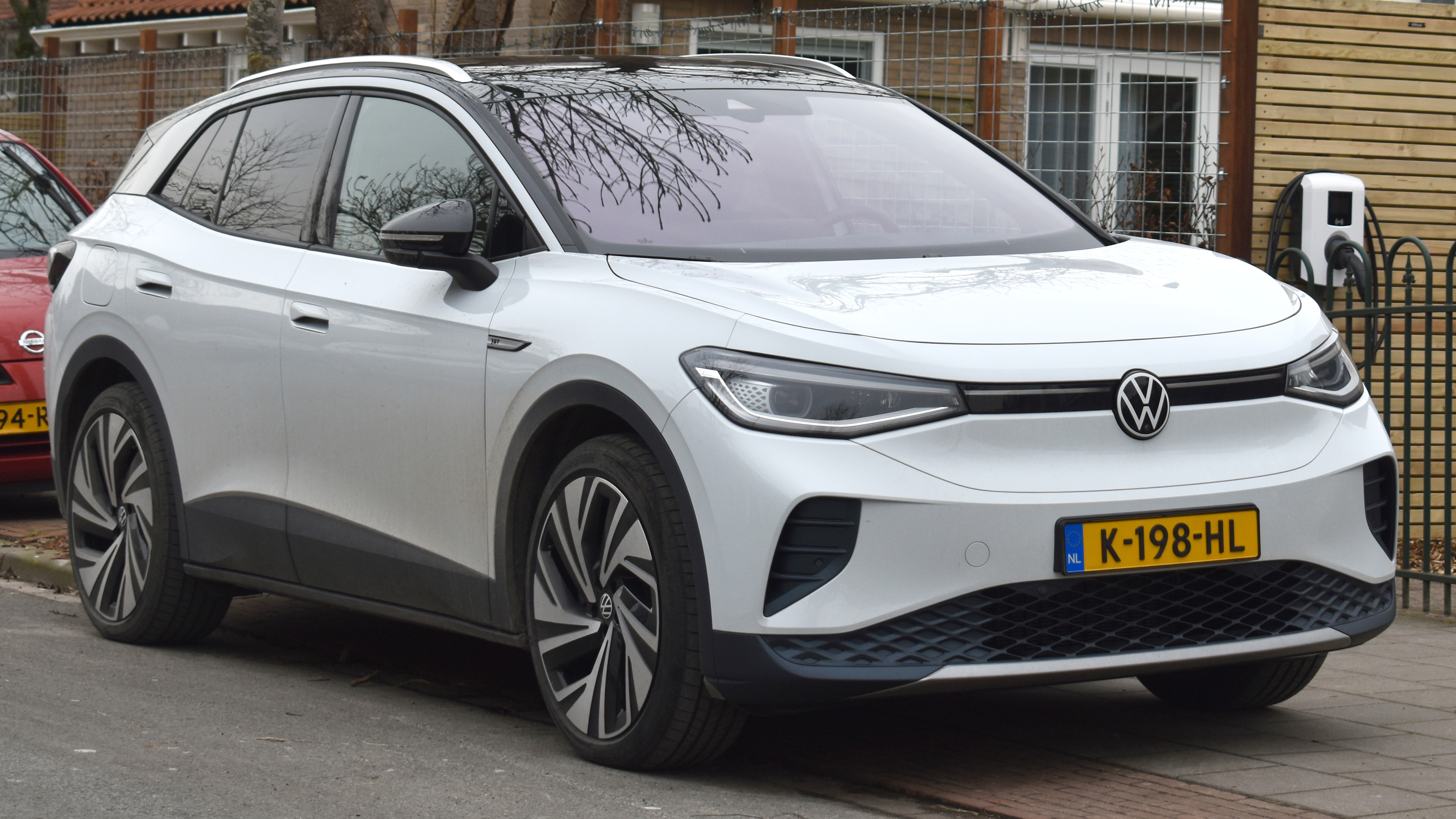
The Volkswagen ID 4 is an electric SUV. The host is saying Volkswagen should address problems with it first, because it affects warranty, recalls, and customer experience.
When cars have problems, the company may have to pay to fix them under warranty, or issue a recall to fix a bigger safety issue. The point here is that better car quality should mean fewer expensive repairs and fewer recalls.
This is the idea that the car company (OEM) sells cars directly to you instead of through local dealerships. The hosts are debating whether that would actually improve the buying experience.
Dealerships don’t just sell cars—they also handle service appointments and parts. The hosts are saying those systems already exist and help customers after they buy.
A dealer network is the set of local dealerships that sell cars and help with service. The host’s point is that since dealerships already exist, it’s risky to ignore them and try to do everything yourself.
They’re talking about a law that would stop Chinese-made cars from being sold in the U.S. The debate is whether that protects local jobs or just limits consumer choice.
These are rules meant to limit pollution and require cleaner production. If one country’s rules are looser, making cars can be cheaper.
LIVE
We're doing better as a result of social media presence.
It doesn't do those three things then it's on the chopping block.
It's in return on investment discussion.
Hey everybody, welcome back to another episode of The Daily Dealer Live.
I'm your host Sam Darkin.
Thanks for choosing to be here with us on this Wednesday, April the 22nd.
Today on Daily Dealer Live we've got three guests.
We've got three angles.
Repeat return guest dealer, Principal Jacob Shepherd, one of the weekly habits driving
his store's performance and the return they've seen year to date, 2026.
CDK's Amber Good joins the show on what dealers are getting wrong about AI inside the CRM
and MSADA General Counsel, Bob Okanyowski.
I'm sure I slaughtered that, but he will correct me.
On the FTC enforcement wave hitting names you already know.
But first today's automotive industry headlines.
First up today, quick M&A update from yesterday's Carvana.
From yesterday, Carvana just picked up its seventh Stellanus dealership yesterday, closing
on Avon Lake Chrysler Dodge Jeep Ram in Avon Lake, Ohio.
That's about 20 miles west of Cleveland.
They're in Cleveland.
Store has been renamed Carvana Chrysler Dodge Jeep Ram, shocker.
Now it's worth noting that Stellanus updated its acquisition policy limit in February.
It capped dealers at one Stellanus store per rolling 12 month period.
This deal and the March Boston acquisition both come after that new framework.
It'll be interesting to see how many more of these we see and how their closing deals
with that policy in place.
In fact, if anybody from Stellanus cares to come on the show and comment on that, we'd
love to have you.
Next up today, moving to an update on dealership profits.
The Presidio NCM Q1 benchmark is out and the headline numbers look, well, rough with net
pre-tax profit down 11% year over year.
New vehicle sales down 8.9.
We round that to 9 in automotive and compressed margins across every brand.
But the context matters.
March 2025 was the highest new vehicle revenue month in history.
In history driven by tariff anticipation buying.
So this quarter was almost always going to look bad against that comparison.
The more useful takeaway is where the opportunity actually sits.
Fixed Ops hit 53.8% of total dealership gross profit in Q1.
53.8%.
That's the highest share ever recorded in the dataset ever, even as growth slowed to 1.4%.
Presidio's research director called that a timing lag, not a structural problem,
and flagged recalls, mobile service, and tech training as the levers to pull.
Up next today, a JD Power Insurance Intelligent report out this week
puts a number on something dealers have been feeling for a while.
There are more than 600,000 unique vehicle configurations in the US market right now.
Optional equipment and technology packages alone can create price gaps exceeding $10,000
within the same trim level, which makes VIN level accuracy and pricing and appraisals
more important than ever.
Meanwhile, the depreciation picture is also shifting.
Traditional models assumed about 20% annual depreciation.
But a 2024 Ford F-150 is actually depreciating at 28% from MSRP under current conditions.
EVs are also projecting a five-year depreciation of 59% versus the industry average of 46%.
For dealers, this means that stores that can price and appraise at the VIN level
are protecting margin while those relying on broader comp sets are leaving money on the table.
That's astounding.
I never realized that as a side.
600,000 unique vehicle configurations and then a $10,000 Delta in the VIN.
And by the way, I will never again say 2024 Ford F...
I can't even say it now.
I'm going to come back to that at the end of today's show.
All right, also this week, Volkswagen announced plans to cut production capacity by one million
vehicles targeting a new annual ceiling of 9 million units down from a 12 million target
set in 2019.
The cuts are focused in Europe, primarily across Volkswagen and Audi output,
and are part of a broader cost reduction push that includes a 20% cost cut across all brands
by end of 2028 and the elimination of roughly 50,000 jobs in Germany by 2030.
The near term watch is whether cuts tighten availability on specific models
that are globally distributed.
CEO Oliver Blum also specifically called out scout motors as a key pillar of
Volkswagen's North American strategy.
Interesting, notable, given the ongoing dealer all lawsuits over scouts direct to consumer model,
describing the vehicles as a perfect fit for the market.
We'll have a conversation on that more today.
But for the moment, that's a wrap on today's industry headlines.
And hey, as a reminder to everybody we are streaming live across all CDG social media
platforms, post your comments, we'll bring them into today's show.
We appreciate everybody watching the show in the live and it enriches the content as we
have conversations with dealer principles and those who are automotive adjacent today.
First up today, Jacob Shepard, return repeat guest, dealer principle of Chevrolet of Troy.
Jacob, welcome back to the show.
Thank you so much for having me.
It's a pleasure to be here.
So you were on, I think you were back in October.
If I look at my notes, you were a top Chevy salesman long before you
came into your current role as dealer principle.
Tell our audience for those that didn't see your past show a little bit about yourself
and how's business April 22nd, 2026?
Yeah, absolutely.
So I started in the automobile business when I was 19.
Prior to that, I worked for a retail grocery store.
And I went in one day to buy a truck from a dealer, a Chevrolet dealer in the Cincinnati,
Ohio market where I reside at.
And I thought, wow, the heaviest thing this guy's left him as a pen all day.
He's dressed nice.
He's in this nice climate controlled environment and he's getting to interact with people.
And here I am working on the back dock of a retail store, which was not for me.
So long story short, I thought you had to have a college degree to sell cars.
I quickly found out you did not.
And I embarked on the journey of selling cars.
Did that for about six years specifically Chevrolet automobiles?
And then I thought, well, I think I want to be a manager.
And then I think he bought Chevrolet of Troy in April or October of 2022.
So we'll come back to him as he goes.
We've got a couple of comments online.
Nigel Seas says, can't wait for Amber Good.
Can't wait for Amber Good.
So we're going to give our production team just a hot minute to figure out what happened.
We appreciate Jacob for joining the show before we jump on.
But Hannah Farmer comes into the text and says, happy Wednesday, everyone.
We've got a great conversation coming up later today with Bob Bob,
who's an EVP and general counsel at the Massachusetts State Automobile Dealers
Association.
I want his take on this whole Volkswagen thing.
You know, Honda Sony famously peeled back based on decreased demand for EVs,
which is the product they were going to bring direct to consumer.
Volkswagen, they are standing strong on their stance.
They are coming, whether the US market, whether US dealers,
whether the US franchise system likes them or not.
So I'll be interested to get Bob's take on that.
So let's actually, we'll come back to Jacob in a minute.
Let's keep going.
I'm going to take us straight to Amber Good.
So Amber Good, senior product marketing manager at CDK Global.
Amber, welcome to the show.
Thanks for having me.
Did we surprise you?
You were second up and now you're first up.
So thanks for being here.
All right, Amber, tell us a little bit about yourself.
You're a product marketing manager at CDK Global and how's business April 2026 at CDK?
It's good.
We have a lot of things working that where our dealers should be getting really excited about.
A lot of things we'll chat through today, just kind of hypothetical for the stores and the CRM,
but I came from a retail background.
So CRM is near and dear to my heart and I spend every day trying to make ours as
good as possible for our customers and potential customers.
Yeah.
So it's interesting, Amber, you do come from the unique background.
I think CDK does a nice job of bringing people that have automotive experience
into the company to serve dealers that they work with.
But you've been 19, almost 20 in the business, 13 of them in variable ops.
You've seen both sides of the desk.
You came on today to talk about CRM.
Are most dealers actually using their CRM that they're paying for?
Or are they allowing a lot to go unutilized?
And if so, why in 2026?
I think a lot of dealers think that they are.
They think they're using their CRM to the best of their ability,
but they're really stepping over a lot of key features that could help them be driving more
sales, especially today.
I mean, we have so many products and so many things in the market that could be making
them drive sales much faster and they're still stuck on their templates of day one,
three, five, 10, 12, so on and so forth and doing for 20 years.
And a lot of things just go really underutilized, but I don't think it's
some of it may be education of what they have to use, but then it's also just that mind shift
change of how business is growing and how they need to adjust their personnel inside the store
and different training and things that needs to take place so that they can evolve with their business.
So you talk about the old rules within CRM and you talk about old templates.
It's interesting. There's a stat out there.
Dealer AI adoption jumped from 28% to 39% in a single year this past year.
Dealers using AI and retail reporting a 53% improvement in lead to close.
So what's the deal with AI? Is it here to stay?
Where do you see the strength? Where are dealers underutilizing AI in 2026, Amber?
It's definitely here to stay and it's evolving so quickly.
Even just in the last two years since we put AI and our virtual assistant inside the CRM,
it's changed dramatically. Some of the biggest changes that dealers are going to be able to see
coming in the next few months is really creating agents. So we've evolved from having large language
models that were able to intelligently answer questions for customers on behalf of the dealership
and that's why we sell them. So all that jump in everyone getting more appointments and more
cars sold is because as much as we wanted to train our salespeople, they didn't always send
the most intelligent or timely responses to our customers, which gave them a poor experience
and potentially sent them to another dealer down the road. AI was able to close that gap
pretty quickly because it's doing what it was told and now we're moving into a space where
you can actually create agents inside of your CRM that are going to allow your dealership to have
specific agents that are doing specific things to take all of that off of your salespeople
so they can really focus on getting really good at walkarounds and presenting numbers and doing
all the things that AI is not going to be able to do for you and then also there's opportunities
to surface everything inside of your data as well. So giving you opportunities from the customers
that are sitting there or potential customers that you never sold prior. Purposing those to you
in intelligent ways so you can actually get to more people each day as well. So for the dealer
listening and watching saying, all right, I have a CRM, maybe CDK, Reynolds, whoever, and you're
talking about these agents that are embedded with inside. What is an agent? How do I interact with
it? What does it do? I'm going to try not to totally nerd out for you on this one but
go for it. The large language models that we started with a couple of years ago that have been
involving are in no way templated but it's also taking all the information that the dealership
has been able to give them and it's just having that one-on-one conversation with the customer
where now we're moving into a place where you can create those agents to say, hypothetically,
I want an agent that's working through marketing and it's going to find my aging inventory and pair
it up with customers that are sitting there that are unsold and then proactively market to
those customers based on what we know. So really shifting where CRM historically was,
I may get hate for saying this, but a glorified calendar, it reminded you what you needed to do
so things didn't fall through the cracks and of course there's reporting and all the other things
but customer follow-up, it was a reminder system and now we're to a point where we can take all
the different pieces of data that we have and surface opportunities in a completely different
way. So for the CDK clients, for e-leads now CDK CRM, do you have to do anything to activate these
quote-unquote agents? Is it an additional layer of purchase? What do you have to do?
Yeah, our pro package is going to allow for that. We're really excited about all the stuff that's
coming. Most of it's already available and we have some things coming as well but
yeah, it's just a different package inside of CDK. Okay and give me your take on BDCs, right? So
Automotive has long had BDCs and a BDC traditionally has been there to sort of manage the CRM,
right, and help connect CRM to the sales team and or CRM to the service teams. What do you think the
future of BDCs are in Automotive 2026 and beyond? I'm chuckling at my dog behind me.
What's your dog's name, first of all? You got to tell us the name, come on. Her name is Betty.
115 pounds of pure joy. BDCs aren't going anywhere, right? The biggest problem that
dealerships have and have had for my 20 years at this point is that they have no lack of opportunities.
It's what are you doing with those opportunities and this is just going to allow not only the
BDC agents but the sales associates to get to those customers quickly and more intelligently
and I will say where AI isn't quite yet ready is going to be voice. Those incoming sales calls
are so valuable and on service it's doing a great job scheduling appointments because it's much
easier. Those conversations are so much more complex on the sales side that it's going to be a bit
before voice AI for incoming sales is actually really effective. So those BDC agents and sales
reps are still going to have plenty to do in the CRM following up and just connecting with those
customers because at the end of the day if you have the car at the price that they want and you
can actually connect to humans that's when the sale takes place. I actually think that the standard
of the level of expectation of most consumers just is going to continue to go up where it's just
in unhumanly possible. It's not humanly possible to respond to a lot of the basic stuff like a
3 a.m. lead or a basic question about scheduling something into service. Then to your point it
saves us and our mind space to actually focus on the tough things right the really complicated
problems that need to be solved or to your point voice. Is CDK working on voice technology for AI?
What could we expect from CDK in that front? On the sales side we're not there yet. I think
there are so many, I don't think I know, there are so many other things that we can help
dealers with right now that are going to help them see immediate results. We've already seen it with
Ava and the virtual assistant with leads that are sitting in the CRM that you know whenever the
technology is there we'll definitely head there too but just not quite there yet. I don't think
that it would be a little preemptive. That would be what everyone's looking for for sure.
So CDK you just launched a built-in customer data platform, a CDP at NADA26.
In plain dealer language what is that CDP inside your DMS or CRM actually do
for a dealer daily basis? Lots of things. So right now really connecting that data
from every single piece of software that the dealership is using and making sure that we have
one common customer across of those ecosystems is really key. So your DMS and CRM and your fixed
operations everything's working off of the same customer data, the unified profile and then from
there the most obvious is being able to market to them intelligently. So like I was saying,
surfacing those opportunities based on everything that we know that's allowing us to be able to
connect from service people that have purchased before, people that didn't purchase from us but
they service from us and then layering in some different data points from third parties to be
able to really formulate those next opportunities for whichever profit center is trying to reach out
to potential customers. So cleaning data is not a small feat and getting that done across all of
our dealers was huge for us and there's a lot more coming this year and how that'll actually
come to fruition for the dealers because it's one thing to clean it and have a unified profile but
now it's like what do you do with it? What percent of dealers do you think are engaging with cleaned
up data with a CDP? I don't know the stat off the top of my head but I think a lot of dealers are
sitting in that mindset of okay now I've invested in this and I have the CDP I have my data is clean
what do I do with it? That's what we're solving for right now and just a little tidbit that it'll
be coming later this year but it's really just those dealers that activation layer so now it's
all clean what do you need to do with it? What do you want to do with it? Inside of our intelligence
suite we have CDP insights where they can get valuable information about their data as well
but I think the key piece is going to be that activation layer inside of the CRM where you
can actually go market to that clean data in ways that make sense with agents. Yeah and then CDK keeps
that data clean over time it is a process so I love the data that comes from the company right so
Dave Thomas and I he'll shoot me emails about with surveys and things like that you guys had a
friction point a friction study that came out a 2026 CDK friction study that said 58% of shoppers
experienced friction at the dealership which isn't a huge shock right that's up but what is shocking
is that's up from 47% a year ago so that's what a 11 point increase and the NPS dropped from 48 to 29
we have more tech than ever in automotive why is the customer experience continuing to be challenged
in your opinion Amber? I think it's at a turning point where we have all of these tools for the
dealers to use but we haven't evolved the processes inside the dealership to actually leverage all
of them I think AI is a great example of that where we're giving the customer a really great
experience lead comes in we're getting to them in three to five minutes we're answering their
questions suggesting alternative vehicles all the things that we wanted salespeople to do for the
last one years that they simply didn't do very often and then a salesperson gets that opportunity
whenever it becomes an appointment and instead of doing what they should do which is look at the
recap that they were given from AI of exactly what the customer is looking for and everything that
went on in that conversation that went so well the salespeople are omitting the data that we're
giving them like hey we had this conversation every about the half we scheduled appointments
three o'clock Tuesday they're coming to test drive this vehicle and instead the customer shows up
and people are like oh wait miss Smith why are you here and they have no idea because they're not
like we've paid for the different software we're trying to make this better and the customer has
to start over from square one and it's very similar in like the digital retail space we give them all
this opportunity to start their deal and go through the process and then we make them start over from
square one whenever they show up so it's really we need to evolve the processes with our people
to use all the software that we're paying for so how do you validate that it's contiguous
because part of this problem is you have all these different systems trying to do the same
thing or similar things some things are lapping over then there's gaps in April of 26 how should
dealers think about trying to make sure there's no gaps and that all the bases are covered
technologically speaking so there's not friction in the process I hate to say that simply as I'm
going to but it comes down to training you know if you have a if you have a new person and you're
training them that way from the get go it's probably not going to be as full of friction
because they only know what they've been shown so far I really feel like it's some of our veteran
really great salespeople that are struggling sometimes with that adoption of the new technology
part of them is maybe a little reluctant to have AI following up with their leads and
scheduling appointments for them but then also it's just not part of their process to to show up
and have an appointment that a human being isn't saying hey I took this phone call from you for you
in the vdc and they're coming in at two o'clock so it's just really training and bridging the gap
of here all the things you can now leverage it's got to be training because if if you're trying
to compete with AI that's ludicrous it makes no sense it's a tool that the dealership is using
and I think you got to use it sparingly in 2026 but there are effective and important use cases
Dan C comes in to the comments and says dealer culture and their processes impacts those customer
friction points so I agree with that training is at the core in some cases of culture and if we
train right about how to utilize the different tools we have then then that's winning nothing drives me
more crazy than you know a store has bought a tool they don't understand the tool they're not
using the tool we've got a you know I think a great company in 2026 has great training resources
to help people understand how to better use those tools that they've that they've been given so take
us you know actually Paul Salisman asked a question inside the chat let's bring let's go to that how
do you think UX challenges create part of the friction inside the dealership seems like a lot
of people don't want to use tools that are cumbersome or disrupt the sales flow how would you answer
Paul on that one Amber I can't speak for all of our competing partners but we have a massive UX
team and they are working day in and day out looking at all of our different pieces of technology
and making sure that we're eliminating screens that's one big thing that we've heard you know I
joined CDK in the fall of 2023 and that's forever has been the thing about our CRM is that everything
pops up there's all of these different windows so really trying to eliminate that friction
across everything that we're doing not only in the DMS but in the CRM and across our our ecosystem
completely is really trying to work toward that and the reality is it just takes time to make that
happen but I think that we're all getting there because the user experience for all end users as
our workforce gets younger they do not want a cumbersome system and they're all working toward
that just one page keeping everyone where they need to be to do their jobs to complete every task
from really one place and simplify what they're doing each day as well all right a couple questions
we wrap up today and thank you so much for your time and expertise what do you think the automotive
CRM will look like in three to five years from now where do you think we're headed with the CRM
I think it's a really exciting time I know I've said agents probably 15 times but
we're finally to a point that we can transition that CRM space from being that glorified calendar
and reminder system to being fully intelligent and leveraging all of the data and clean data
in a way that's actually meaningful for the dealership and allowing salespeople to get really
good at their craft of actually presenting their vehicles and knowing what their what their inventory
is every day and giving that I'll say top class experience to customers in the dealership without
dropping the ball whenever they're sitting in the CRM so I feel like we're we're a really interesting
turning point here where agents can take care of a lot of our marketing they can save us dollars
um on some of that spend as well and really move in a direction that the CRM is surfacing
intelligent opportunities in places to find additional business and not just being a
continual reminder all right before I ask you uh what emerging tech should dealers pay attention to
I just want to go to the chat here for just a minute so Paul Salisman says sometimes it feels
like the various tools you speak of Sam were developed by people who are never in the car
business it's quite frustrating and I agree with that like there are people that have had a great
idea created a tool and then kind of have the industry bend towards that although amber I think
AI in many cases is equalizing on that I just spent 30 minutes yesterday watching a video for
claw developers and saw how easy it is to develop tools I do believe in that line of thought that
great tools are going to be created by people that see a problem and then create a tool to meet the
problem not try to bend you know an out-of-the-box tool and it seems like you guys are running
towards that as a solution at CDK amber I would say that we're very partial to our processes in
the car business but we can lend to other SaaS companies and develop software that people didn't
even know that they needed by using UX and doing research and and asking questions in a way that
help us solve the the root of the problem and not just create another dashboard or something else
that we think that we need but it's not actually solving a problem so I think that I'm very partial
to the automotive industry obviously being here for 20 years but I think that there's something
to be learned from other tech spaces that we can lend to this industry as well and we're trying to
do that and what is as we wrap up what is that emerging technology that dealers should pay attention
to today is there anything that is out there on the horizon that you're thinking about or working
towards that we should be thinking about I'm gonna say it one more time um agent it's going to be a
game changer and I hate to say game changer because it sounds very cliche but um inside of the CRM
for each dealer to be able to say these are the things I need to solve for my store and to be
very prescriptive about what it is like where they need to close a gap because where I need to close
a gap in a Toyota store may be totally different than my Mercedes store so being able to create
those agents very specifically toward the problem that I have is going to be huge for the dealers
I think that it opens up a bigger conversation of do you hire someone that's in charge of that
do you have someone that truly understands what it's doing and is that part of your BDC is that a
new is that a new person that we have inside of the dealership that we haven't had before I think
that it poses a lot of interesting questions for personnel and what their responsibilities are but
it's an exciting time for sure awesome well amber good senior product marketing manager at CDK global
amber thanks for being on the show and sharing your perspectives on all things CRM and AI and tech
and agents and all the things so thanks for being on today thanks for having me before we go to our
next guest and bring Jacob back let's talk Hague partners today's episode is brought to you by Hague
partners when it comes to selling your life's work experience and reputation matter Hague partners is
known for helping family-owned dealerships maximize value with a proven confidential process and record
setting results across multiple franchises learn more at HaguePartners.com and again props to Hague
for putting on a great event at NEDA in Las Vegas this past year it is the place to learn more about
valuations and those components that are driving valuations also if you want to check out a great
podcast you'll see just dropped on with Alan Hague talking about all those topics and more so
thank you Hague partners for supporting today's content including that conversation with Amber
good about AI and CRM and then also Jacob Shepard dealer principal Chevrolet of Troy thank you Hague
partners all right let's keep it going I'm going to go into a few comments before we go to Bob
so I do think this is interesting Jason Chavez says those friction points they are driven primarily
through the existing comp plans then when you go upstream from there stair step also continues to drive
the same problem and I think it's interesting we've got coming up Friday Don Hall's going to come on
and talk about the FTC letter and you know what he's unfiltered completely and he said you know
part of the problem that the FTC is going after I hope he's okay with me sharing this is driven by
some crazy pay plans that are given to GM's out there that that reward poor behavior that's his
opinion as remembered by me maybe I'm not right but I would agree with you Jason that friction
points can be created unintentionally or intentionally by pay plans that are not well
crafted yoga car says you know what there won't be a traditional CRM in the future I think you may
well be right I think that technology will continue to exist but it will look very different and then
eager K before we go to our next guest comes in and says good afternoon Sam and community action day
MMR's are climbing up if you're in the market for exotic sports cars especially convertible the time
is now to buy spring is here eager's always giving us a great perspective from the field
on MMR and all things valuations and then Dan C comes in says you see his interview with Alan
Hague was awesome lots of insights on the current state of affairs in the auto industry so check
that out all right we turn now to Robert general counsel at the Massachusetts state automobile
dealers association I'm having a hard time saying three words together today Bob I got
stuck on the Ford F-150 2024 24 Ford F-150 there I said it Bob I don't welcome to the show all
right for our daily live audience that doesn't know you tell us a little bit about yourself what
you do so I'm the executive vice president general counsel for the Massachusetts state auto
dealers association we represent the 427 new car and truck franchise dealers in Massachusetts
we're over 25,000 employees at our stores across the state we're almost 20 percent of the retail
economy I've been here since 2000 and I've been the EVP since 2008 and I appreciate the time that
you're having me on today thank you welcome welcome to the show all right top of mind for a lot of
dealers is the FTC letter that went out to 97 dealers last month and then there was a webinar
this past Friday it was the second run of the same webinar what's your take on this letter
was this a general was this a shot over the bow at specific dealer groups was it a general shot to
the industry and what should dealers be doing today April 26 in response to that letter whether they
received it or not well in terms of the letter the you know nothing has changed the rules haven't
changed the the framework of the federal regulations have not changed over a number of years we've had
the same type regulation in place for almost 40 years now in Massachusetts the FTC chair last year
with the advent of the second Trump administration gave warnings that they were going to be taking
action on a number of regulatory matters including advertising rules on the dealership side as well
as other retailers the they even bolstered those comments the chair did at our annual NADA
Washington conference meeting in September where he spoke then they published he published his
comments on the FTC website so anyone who's been paying attention over time knows that the FTC is
is very serious about cleaning up advertising practices across all types of retail around
dealerships being one of them the here at the association we take compliance education
communication very seriously we've been on this for well over two decades in making sure our dealers
are in compliance with the advertising rules as well as other rules our attorney general just
in in 25 issued regulations on junk fees and we were able to make the argument and advocate to
AG that dealers should be carved out of those junk fee regulations but the proviso is that
as long as the dealers comply with the current advertising rules we will not be subject to
the junk fee rules if a dealer does stray from the current advertising rules the AG has made
it clear that they are going to go after dealers not only for the advertising rule violations
but junk fee violations as well so the on our end it should not have been a surprise
standard is the same now you say it's the same standard but there were some new components
and elements that the FTC did clarify on so one was dock fee disclosure there are different
standards across different states and some states it was required some states actually
you are not to list dock fee now clearly the FTC has said dock fee needs to be part of that
advertised price which by the way I think is a great thing to do and it's an equalizer across
the industry but that was new and then the other thing that was fascinating me and would be maybe
from a legal standpoint is federal law supersedes state law they said that on the call did either
one of those surprise you no because in massachusetts the the longstanding rule has been the dock
prep fee has to be part of the advertised price if you're going to advertise a vehicle price
print ad website internet ad the dock fee and any other mandatory dealer fees has to be in that
price it's been a clear standard in massachusetts for decades on the the federal standard side
it doesn't surprise me that that's the position they're taking I can't speak to what these other
states have for carve outs on dock fees and everything else that's really not my concern
our concern is making sure that massachusetts dealers are providing the proper pricing information
to the consumer in massachusetts and I've said this for 26 years now that um you know dealers tend to
have a sometimes a bad reputation amongst the buying public and the best way dealers can improve
their image with with the buying public is to have a true price transparency have accurate pricing
have sales folks that are trained in how to articulate a price and and make make
the components of the final vehicle price available and clear way to deal to consumers
and you know I get calls all the time from legislators who are receiving complaints from
consumers the easiest way to stop the complaints from legislators who are then going to file bills
to address those complaints from consumers is to have better practices and we've been what do you
think that for over 20 years so the letters a shot over the bow in your state and other states
Bernie Moreno said hey it's clean up on aisle nine and it's going to bring the automotive industry
into full compliance with existing and and some of the clarifications what do you think is going
to be the toughest component for most uh most of automotive across the country to come in line with
well I can't I cannot speak to the other 49 states but from what I hear anecdotically
is that maybe they don't have the best practices coming from retailers in in interpreting for
themselves what the rules are in those states in massachusetts the rules have been very clear the
rules have been in place for a while the I think the biggest hurdle that consumers and regulators
and uh dealers are going to have to confront is and I hear it all the time from deals you know
I'm doing it the right way um the guy down the road is not the FTC gave a uh a way to report
the guy down the road now so it's going to be a shooting match yes I'm sure it will be you know
and I think the FTC has said that many of the complaints they've acted upon have come from
dealers themselves yeah yeah so do you do you applaud that do you do you applaud that reporting
as a self uh correcting mechanism or do you think it'll create a challenge for the industry more
broadly well it's really up to um how individual dealers feel about um that type of activity
I'll leave it at that so one of the biggest challenges I think uh with a lot of this clarification
is the focus on social media so sales people are on social now more than they've ever been
the FTC obviously is going to look at that as advertising and they'll take action against that
what advice do you from your state uh association standpoint give to dealers whose sales people are
very active on on on social and are making a big impact in helping to sell cars
well I think there's a there's a consumer side of this too consumers are very active
on that four letter word of social media they are on there all the time uh posting uh praise
posting complaints they go on dealer websites they go on third party sites they go on their
own facebook pages talking about their experience whether it was positive or negative so it cuts
that if you're going to quote a price it's got to be the price that if I walk in with a satchel of
cash that's the price I can pay apps in any negotiation apps in any other rebates it's the
ceiling it's the ceiling not the floor as I said on the call correct and that's how you have to look
at yeah you know and I've said this in a couple of my uh writings in the past would you tolerate
someone doing this to your mother would you tolerate so maybe you have a bad relationship
with your mother some people do right the um what would you want someone to do that to your
mother the person who birthed you raised you nurtured you through the uh early parts of your
growing up would you want to see someone uh take advantage of your mother in a way that they are
having a price the the woman goes in expecting to pay that price and then all of a sudden there's two
three additional fees layered on top of that and that's not the place you're going to walk out of
there with okay so before we come off this ftc topic I want to hit one more thing that I want to
go to direct direct to consumer you have talked about pay plans as being one of the biggest
problems in auto dealerships today what are dealers getting wrong and what what is a modern
compliant pay plan look like from your perspective well raise the pay plan issues because um about
um six years ago uh we went through a uh five years ago we went five six years ago we went
through a court case that um kind of upended some of the pay plan rules in terms of how sales
folks are going to pay how folks um are are going to get a draw versus uh actual straight pay versus
commissions and bonuses etc and so we spent a lot of time uh at at after that court case
with our dealers making sure that their pay plans are compliant with uh current law and um
you know I think for the most part dealers have addressed those issues um the um uh there there's
a there's a lot going on in in in um maybe people feeling that they can stray from those rules now
because we are several years removed give me the number one biggest problem you saw see or saw
um just simply the not meeting the uh minimum wage standards that sales folks were due at the time
yeah yeah you know paying someone less for 40 hours of work and then hoping to make it up
with bonuses and commissions later on yeah okay all right so let's transition off to FTC anything
else you you know anything else you want to say about the uh the state association and your
engagement on on this issue well I just think I think we you know we spent a lot of time on
education and compliance we spent a lot of time on advocacy at the state house and down in Washington
on behalf of our dealers and we spent a lot of time on communication it's very important to be
able to articulate uh a message and articulate what dealers need to know in very understandable
terms and let them know too that uh we are a resource that if there are questions that if
there are problems that pop up they have the ability to call me and contact us and we can work with
them on uh answers to their questions and problems all right uh could direct to consumer sales uh
Honda Sony tried it they peeled back but they say based on low ev demand Volkswagen just seems to
be doubling down and you saw the news read at the top of the story what's your take what should
Volkswagen do in 2026 to to to uh get back right with the franchise dealer some of your folks down
in New York in New York at the forum is they need to embrace their dealer body this is this is
insanity where they think you know you just read how they're going to cut 50 000 jobs in Germany
they're they're eliminating a production of a million units you know that's that those are
units that they're not going to be selling those are units that they're not going to be making profit
on and um you know all of a sudden they think that they're going to be able to put new product out
on the street without dealers which means they're going to bear the advertising costs they're going
to be bearing the retail sales costs they're going to be bearing the repair costs right they
there are a number of things that manufacturers have done a great job thrusting upon their franchise
dealers across the country and um you know for for Volkswagen to say that you know their partners
with their dealers this is just another slap in the face where they're not partners you know they
they they they're their true nature it seems is to you know kick their dealers to the curb
and I just don't see the upside to to to uh snubbing a a process that has worked well for over 100
years to make manufacturers successful to make dealers successful and more importantly to make
the consumer successful that they had a great experience and that they have a great product
that they know can get serviced when they need it serviced yeah it's part of what you said uh the
automotive tire guy I think that's the right thing says VW needs to fix all the issues with the ID
4s and take care of that first on my second ID 4 buyback then after that the move on so car quality
you know maybe that's a thing um it it you know interesting comment there uh before we before we
jump in on that for a second because yeah please one of the issues you see across the country
is manufacturers complaining about how they are having a higher warranty costs higher recall
recall costs um based on what dealers are doing the work for them and I would just submit and I've
said this in public hearings that the easiest way for the manufacturers to reduce their warranty
and recall costs is to make a better car make a better truck if if you know it's it's not the uh
the lying guys and gals who are building the cars it's the engineers mostly yeah if they spend more
time building a better product for the consumer they can reduce their warranty and recall costs
and stop blaming the dealer for for uh elevated um um payouts on on on doing the warranty work
and recall work for them and then the manufacturer comes out and says well look the that you see
the friction study from cdk and others talking about how customers are frustrated with the
experience the solution to that is to allow the oems to go direct to consumer and and circumvent
that bad process could the oem do it better than dealers could today well i think every time the
that a manufacturer has tried it they failed yeah and that is true in the 90s they tried it with
a ford collection exactly um and so you know i would argue that you have built in uh retail
processes you have built in service processes you have built in part sales processes at the
dealerships that can supplement what the manufacturer is putting out onto the street with product
and it's it's worked for over a hundred years uh the the whole scout thing is just mind boggling
that um we already have dealers in place let's ignore them and and go with a a product that
we have no idea what the success is going to be on it and and we're going to do it ourselves
all right final topic a little bit a little quick we've just got a couple minutes left
chinese vehicles it's the topic we've covered a lot on this show senator marino's been on here
talking about a bill he's putting out there to forever ban chinese vehicles from being in the
us trump was in detroit famously and said uh i'm open to it uh it'd be a cheap play to provide the
us consumer with an inexpensive vehicle um but it would uh challenge if not destroy the
us auto industry today if we were forced to compete against it what say you well if you're
going to be forced if the manufacturers here are going to be forced to compete with a a cheap
and product i mean let's face it they are not paying folks over there at the same labor rates
as we're paying they do not have the same environmental standards over there uh for sourcing
materials and and and creating production uh schemes over there that we have here they they
are not uh under the same type of uh vehicle safety schemes that we manufacture here right now
so if you're going to take a cheap and product a a product that is put together by prisoners and
youths paid at a at a rate that is substantially lower than what we're seeing here then i would say
it's not fair competition it just isn't just on its face so if they want to pay their folks $38
an hour $50 an hour they want to have the same type of vacation benefits health benefits and
everything else and they want to have the same safety standards in place that our manufacturers
here have to deal with then let's have a level playing field and i'll tell you i see the wisdom
in in preventing them from entering the market i see the wisdom in not quote unquote competing
but i get nervous when people are like hey it's not fair right because at the end of the day
tiktok is still in the us and it's an enormously popular app even despite the the the competition
concerns and the national securities concerns many would say it helped trump you know it helped
trump and some others get publicity and public exposure out there i worry that if we don't all
the way up to the moment we do and all of a sudden we have to compete then we're challenged i would
love to see us automakers go in and learn everything they can from chinese auto manufacturing
the same way they did from us a decade ago and then find a way to just kick their butts right
like i would love to see that and don hall don hall and i are gonna have this debate on friday
because i know he's like hell no they'll never ever set foot in the us and i just get nervous
because the other side of that coin too is i know politicians will pander to cheap vehicles
that's a challenge at some point for somebody that says bring them in and then you know dealers
will sign dealer agreements to bring them in thinking and hoping that they may one day be at
the Toyota and Honda 40 years ago and they're not bob are they well they are let's face it life is not
fair so no it's not but there's but there's got to be fair standards under which we compete
that's the whole thing with 100 tariff that that biden threw on there a couple years back
um you know it's it's you know we have uh negotiated standards with Mexico and Canada on
things that's why we have a trade agreement that replaced NAFTA which trump is looking to renegotiate
again the we have standards with our european partners trading partners on a whole realm of
product so no i get it i get it i get the reason i get the reasoning i just i haven't
wrapped my mind around the idea of we in the us saying hey we're not ready and willing to compete
and i think it does go back to the whole idea of the space program you know we got audacious
in the 1960s and we sent a man to a human to the moon why can't we do that in this year take risks
in auto manufacturing become uh become risk takers and do something truly revolutionary just like
Elon Musk did with tesla and retake that marketplace because we're losing a little bit i
think on the global scale so i think one of the problems you have on that is you don't have a
consistent framework over time on on on regulation whether it's emissions regulations safety
regulations i mean let's face it we we needed uh you know an action from the trump administration
to get rid of the stupid shut off turn on no it's gone though it's gone they did it's out
it's gone yeah yeah and by the way that wasn't a rule that just gave them credits so yeah you're
right but there's no system framework over time that these manufacturers can can bank up yep
bob evp and general counsel at massachusetts state automobile dealers association thanks for being
on the show and sharing your perspectives today appreciate the time today thank you thank you
well that was a fun conversation hitting all the best of topics uh particularly direct to consumer
and then also the issue on chinese vehicles i do want to have a dawn hall conversation at one point
because i do like i love free market i love competition and i believe we could compete if we
needed to um and uh you know i i don't love the idea of the current state of where things are i
want us to win um and and yeah and eager k is in the comments going down my narrative on the space
thing eager uh it wasn't the russians that landed on the moon we did they were first to space first
to orbit first uh the satellite and then the us rallied around that fear really and and created
the space program as it exists today i want that back in automotive so all right last up today
jacob shepard shepard dealer principal at chevrolet of troi welcome back to the show hey we're gonna
do it again yeah we had a little bit of issues there let's dive straight into it thanks for being
here you're back again you guys are crushing it you you've set some new records or you've seen
an increase this year 26 year today tell us about that and what has led to it that others could learn
from in april yeah it's just so for the record you know it's it's starting with the new car side
it's really pushing hard on the third party sites you know we're focused on uh i redid my marketing
strategy so i put a core focus on third party sites auto trader cars dot com you know a lot of the
major sites that consumers are shopping for a car but when they're on that site they're looking for
what the very best price they're looking at abuse they're looking for a reputable company to do
an acquisition with or purchase with but they want a dealer that has got the low price to get them in
and uh obviously you got to follow through with that so that's been my focus uh you know starting
late last year is if i'm going to spend the money to be on auto trader and cars dot com be the very
best price that i can have the lowest price that i can have to start that shopping journey so
you know here we are in mid april and my stores up from the new car standpoint 19 percent year
over year and uh we're trending to sell closer to 900 new cars this year so wow things are looking
up for chevrolet of troia as of right now and and so as you look to make sure you were the the the
least price as a strategy with those lead providers what was your action steps to do that was it just
simply just check the pricing regularly and make sure that you're in a good spot or what was your
strategy there others could learn from what you said you know checking the pricing regularly
personally going in there and making sure that it's a price obviously that we can do at the dealer
level but making sure it's a very competitive price where consumers are flipping through the pages
they say oh hey chevrolet of troia has got something going on complimentary delivery
250 miles would deliver it to you plus the very low price the back end very good and that's yielded
that's yielded positive results yeah it creates trade ends it creates finance opportunities
because where my store is at geographically in Dayton Ohio it's it's not one that gets a lot of
foot traffic organically so you've got to create that traffic yeah so what's your take on we've
talked a lot about the ftc thing do you think that's going to create a more level playing field
with the lead provider lead generation as as as you know dock fees and all the other fees are
fully disclosed to every consumer out the gate i think these lead providers are getting on board
with that yeah most certainly and i think they should and i'm i'm all four level playing field
i think consumers deserve that respect and i think a dealer should back it up by giving it
you know i've paid very close attention to it from a dealer standpoint so when we present a consumer
at my store numbers it's it's laid out everything that's included in that deal from top the bottom
it's on my website you know trying to be as transparent as we can you know in my position
it certainly creates a level of discomfort because you want to make sure all team members in the
store are on board with that but you just gotta hear your proper training all right you've said
the most important strategy you've implemented recently is a weekly managers meeting and
it always sounds simple and i always hesitate to even bring it up on the show but why is that
the move that's driving performance and and why is it not a new tool it's a new vendor a new
comp plan you said it's the meeting what what are you doing in this meeting what's going on well it's
a 45 minute session it's once a week Wednesday it's 11 o'clock it's in the conference room everybody
knows to be there it's not something we have to think about and what it does is it prevents me from
going throughout the store not micromanaging but you know constantly picking things apart hey let's
do this let's do that it's that one time where we all can sit down have a quick brief conversation
we're held to 45 minutes you know if there's something that has to carry over so be it in a
private conversation but it allows everybody all coaches to come together and sit down and
have a conversation and leadership team that's right who runs it and and is there an agenda
prior to walking in or do you just go around robin i run it and i create the agenda on the
fly and i mean i come in prepared but we each person has a couple minutes to discuss a topic
that's concerning to them one thing in my stores i just don't want to have any division you know
no division within the department everyone's on the same team so it's me and then i call them
coaches not managers so i have all the head coaches in there and we have a conversation
i'm in a quiz you here so obviously each stakeholder would bring in a data or a kpi a
number a kpi data set uh going around robin i'm going to look at the major departments what's the
number one kpi you're looking at in that meeting so for services an example uh we started a process
sending videos to customers when they come in for anything and it's easier said than done right to
get everybody on board you know we've probably got 80 of the department on board with it you'd
like to think is um you know i think ashley was talking there in the beginning about you put a
new tool in place and it kind of goes by the wayside well this is one thing that i've been
champion to make sure it doesn't so that's our focus service what technology are you using to
deliver the video dealer logics text to drive okay okay is that the one that that takes the
background like if somebody's throwing an f-bomb or something in the background it'll edit it out
that's right yeah pretty important yeah that's kind of cool yeah i don't like that here no it would
not no it's car business but uh it's a good kpi all right what's what's a kpi out of sales
that you ask sales managers to bring in google views obviously gross profits important right
compliance is important all the aspects are important daily but the google reviews has been
the one biggest thing that we've championed and in the past year we've got about 900 reviews
that's a cool story how are you doing that how are you creating that many google reviews from a
store your size so one of the things we do in every meeting every wednesday as i talk about
google reviews hey we've got 1657 google reviews today and in service you've got three last week
sales you've got 10 etc you know and you know so-and-so in body shop how come you didn't get
any what's going on back there so it's a quick three to five minute conversation and i started
that process about a year ago and i do truly think it's helped grow the store not just because we're
everybody yep because we're going to run out of time i just want to hit office and then i have
another question but before you what's a kpi or something that you ask the office to bring
to the conversation ensuring that paperwork is done on the sales side properly you know verifying
inspecting vpp forums and all the compliance documents that i've trained them on look for
all right so when you have a leader in your organization who shows up
into that meeting uh they've had a bad week they've had struggle they've had challenge how
does the room handle it is it problem solving is it accountability uh what what's the difference
in how you handle that at chevrolet of trey that's a good question it's accountability you know um
what goes on outside of the walls i can control but if they have a bad week i think it's a good
time for everybody to come together as leaders talk about it and how we can help that individual
fix the problem in their department respectfully yeah a lot of dealer principles say hey i don't
have time for an hour meeting once a week let's pull in people away from rev generating what would
you say to them find the time it's work for me but hey it's different for everybody but for me
it's find the time hey success isn't about knowing what to do it's about executing on it i think
this is a great example of you know uh a good process to have you've execute on it and you're
uh you're crushing it this year you're to date 2026 jakem shepherd dealer principal chevrolet
of trey thanks for uh working through us even with the tech issues jakem thanks for being on
today's time we'll have you back soon yes sir thank you all right by the way i have to come back
to this comment the the comments online are cracking me up somebody actually said i'm not
going to call you out eager eager says it's under a question if we were even were to the moon maybe
it was a hollywood production lot you don't do you really think that do you really think that in 2026
that we didn't go to the moon one of the things that makes me crazy as i see all the the videos of
the artemis 2 coming back and half of them are ai generated and you can tell which ones are ai
generated there was no ai in the 19 whatever i believe we went to the moon if you don't show me
proof of it yoga car says 4.7 on google with 1675 google reviews respect that is five star
service uh props to you jakem uh and then dancy comes in and says do we have a conspiracy theorist
and a flat earther in the chat yes it happened it happened all right well hey as promised coming
up this friday 1 p.m eastern dawn hall we get to talk about uh chinese vehicles we'll talk about uh
direct to consumer but most importantly he's got a take on the f tc letter so we'll cover that as
well on friday as for now and you thanks for watching daily deal alive we break down the biggest
moves in the car business as they happen don't forget we're here live every monday wednesday
friday which means we'll be back this friday one p.m eastern so if this is your world hit like hit
subscribe turn on those notifications so you never ever ever miss a beat and we'll see you next
day
About this episode
Dealers, CRM tech, and compliance collide on Daily Dealer Live. Jacob Shepherd (Chevrolet of Troy) credits third-party pricing discipline and a tight weekly managers meeting for strong 2026 momentum. Amber Good from CDK argues CRM is still underused, and AI is evolving from chat to “agents” that handle marketing and follow-up—while voice AI is still limited for sales. MSADA general counsel Bob O’Koniewski breaks down the FTC advertising enforcement wave, emphasizing dock-fee transparency and social-media pricing rules, plus why manufacturers should embrace franchise dealers. The show also covers Carvana’s new acquisition, profit benchmark context, VIN-level pricing complexity, and the ongoing debate over China EVs and direct-to-consumer.
Today's show features:
- Jacob Shepherd, Dealer Principal at Chevrolet of Troy
- Amber Good, Senior Product Marketing Manager at CDK Global
- Robert F. O’Koniewski, EVP and General Counsel at Massachusetts State Automobile Dealers Association, Inc.
This episode is brought to you by:
Haig Partners – When it comes to selling your life’s work, trust the advisors who have built a reputation for maximizing value for family-owned dealerships. If you are considering a sale, divestiture or looking to grow, begin a confidential conversation at https://haigpartners.com/.
CDK Global – CDK Global empowers dealers with the tools and technology they need to build deeper relationships with customers and sell and service more cars. Visit https://www.cdkglobal.com/
Check out Car Dealership Guy’s stuff:
CDG Circles ➤ https://cdgcircles.com/
CDG News ➤ https://news.dealershipguy.com/
CDG Jobs ➤ https://jobs.dealershipguy.com/
CDG Recruiting ➤ https://www.cdgrecruiting.com/
My Socials:
X ➤ https://www.twitter.com/GuyDealership
Instagram ➤ https://www.instagram.com/cardealershipguy/
TikTok ➤ https://www.tiktok.com/@guydealership
LinkedIn ➤ https://www.linkedin.com/company/cardealershipguy/
Threads ➤ https://www.threads.net/@cardealershipguy
Facebook ➤ https://www.facebook.com/profile.php?id=100077402857683