
Shepherd on Inventory, Good on CRM Best Practices, O'Koniewski on Ad Compliance | Daily Dealer Live
About this episode
Dealers, CRM tech, and compliance collide on Daily Dealer Live. Jacob Shepherd (Chevrolet of Troy) credits third-party pricing discipline and a tight weekly managers meeting for strong 2026 momentum. Amber Good from CDK argues CRM is still underused, and AI is evolving from chat to “agents” that handle marketing and follow-up—while voice AI is still limited for sales. MSADA general counsel Bob O’Koniewski breaks down the FTC advertising enforcement wave, emphasizing dock-fee transparency and social-media pricing rules, plus why manufacturers should embrace franchise dealers. The show also covers Carvana’s new acquisition, profit benchmark context, VIN-level pricing complexity, and the ongoing debate over China EVs and direct-to-consumer.
ad compliance
"Episode: Shepherd on Inventory, Good on CRM Best Practices, O'Koniewski on Ad Compliance | Daily Dealer Live"
Ad compliance means your ads have to follow the law. For car dealers, that includes making sure pricing, offers, and claims are presented correctly—especially online.
Ad compliance is making sure vehicle advertising follows federal and state laws, including how offers are presented and what disclosures are required. For dealers, this becomes especially important when marketing is done through social media posts, videos, and salesperson content.
CRM best practices
"Episode: Shepherd on Inventory, Good on CRM Best Practices, O'Koniewski on Ad Compliance | Daily Dealer Live"
CRM (Customer Relationship Management) best practices refer to how dealers manage leads, follow-ups, and customer communications. In compliance-heavy environments, good CRM processes help ensure responses, disclosures, and marketing follow the rules consistently.
return on investment (ROI)
"It doesn't do those three things then it's on the chopping block. It's in return on investment discussion."
ROI is a way to judge whether something is worth the money. It compares what you get back (results) to what you spend to get it.
Return on investment (ROI) is a metric comparing the benefit gained from an activity to the cost of doing it. The segment frames social media and performance discussions in terms of whether actions produce measurable ROI.
FTC enforcement wave
"...and MSADA General Counsel, Bob Okanyowski. I'm sure I slaughtered that... On the FTC enforcement wave hitting names you already know."
The FTC is a U.S. government agency that polices consumer protection and advertising rules. An “enforcement wave” means they’re likely to be more aggressive about investigations and penalties.
An “FTC enforcement wave” refers to a period when the U.S. Federal Trade Commission increases regulatory actions and penalties. In dealer marketing contexts, it often relates to advertising and compliance expectations.
M&A update
"First up today, quick M&A update from yesterday's Carvana... It'll be interesting to see how many more of these we see..."
They’re talking about mergers and acquisitions—companies buying other companies. Here, it’s about dealership ownership changing, which can affect what cars are sold nearby and who has them.
The segment is a merger-and-acquisition (M&A) update, focusing on dealership acquisitions and how policy changes affect deal flow. For dealers, these moves can influence competition, inventory availability, and local market share.
Carvana
"First up today, quick M&A update from yesterday's Carvana. From yesterday, Carvana just picked up its seventh Stellanus dealership yesterday..."
Carvana is a company that sells used cars, and it also buys other dealerships. When they buy more stores, it can change what cars are available and how the market competes in that area.
Carvana is a major used-car retailer that also buys dealership groups. In this segment, they’re described as acquiring additional franchises, which affects local inventory and pricing dynamics.
Stellanus
"Carvana just picked up its seventh Stellanus dealership yesterday... Now it's worth noting that Stellanus updated its acquisition policy limit in February."
Stellanus is a dealership group. The segment mentions that they set limits on acquisitions—basically rules that control how many stores can be sold within a rolling year.
Stellanus is the dealership group referenced as the seller in Carvana’s acquisitions. The hosts discuss Stellanus’ acquisition policy limit, which is a rule about how many stores a dealer group can sell within a time window.

Dodge Ram
"...terday, closing on Avon Lake Chrysler Dodge Jeep Ram in Avon Lake, Ohio. That's about 20 miles west o..."
The Dodge Ram is a large pickup truck. People use it for hauling things and for everyday driving, depending on the version. It’s mentioned because it’s a common truck sold by that dealership.
The Dodge Ram is a full-size pickup truck line known for being used as a work vehicle and a family hauler. Dealerships often discuss it because it’s a high-volume model with lots of trim and configuration choices, which affects pricing and availability. It may come up in the podcast in the context of a Chrysler Dodge Jeep Ram dealership location and local inventory.
acquisition policy limit (rolling 12 month period)
"...Stellanus updated its acquisition policy limit in February. It capped dealers at one Stellanus store per rolling 12 month period..."
This is a company rule that limits how many dealership purchases can happen within a year. A “rolling 12 months” rule means the window keeps moving as time passes, so the limit applies continuously.
An acquisition policy limit is a rule that caps how many dealership stores can be acquired within a defined timeframe. Here, it’s described as “one Stellanus store per rolling 12 month period,” which constrains how quickly deals can close.
Presidio
"The Presidio NCM Q1 benchmark is out and the headline numbers look, well, rough with net pre-tax profit down 11% year over year... Presidio's research director called that a timing lag, not a structural problem, and flagged recalls, mobile service, and tech training as the levers to pull."
Presidio is a research group that publishes benchmarks about how dealerships are doing financially. Here, they’re helping explain why profits look weak in the quarter and what dealers can do next.
Presidio is referenced as the source of the “Presidio NCM Q1 benchmark,” which summarizes dealership financial performance. In this segment, they’re used to interpret profit trends and where dealers can find opportunity.
Fixed Ops
"Fixed Ops hit 53.8% of total dealership gross profit in Q1... That's the highest share ever recorded in the dataset ever, even as growth slowed to 1.4%."
“Fixed Ops” means the dealership’s money from things like service work and parts, not from selling the cars themselves. The hosts are saying service/parts are carrying a bigger share of profits than ever.
“Fixed Ops” (fixed operations) is dealership revenue outside of selling new or used cars—primarily service, parts, and maintenance. The segment highlights that Fixed Ops made up 53.8% of total dealership gross profit, which shows how crucial service and parts have become even when vehicle sales soften.
600,000 unique vehicle configurations
"There are more than 600,000 unique vehicle configurations in the US market right now. Optional equipment and technology packages alone can create price gaps exceeding $10,000 within the same trim level..."
There are a huge number of ways cars can be optioned in the US. That means two cars that look similar on the surface can actually be very different in value.
The segment points out that the US market has hundreds of thousands of unique vehicle configurations, driven by different option combinations. This complexity makes accurate pricing and appraisal harder, because “same trim” doesn’t always mean “same car.”
Optional equipment and technology packages
"There are more than 600,000 unique vehicle configurations in the US market right now. Optional equipment and technology packages alone can create price gaps exceeding $10,000 within the same trim level..."
Optional equipment and technology packages are bundles of features (often infotainment, driver-assist, comfort, and other upgrades) that can dramatically change a vehicle’s market value. The segment notes these packages can create large price gaps even within the same trim level.
VIN level accuracy
"Optional equipment and technology packages alone can create price gaps exceeding $10,000 within the same trim level, which makes VIN level accuracy and pricing and appraisals more important than ever."
VIN-level accuracy means using the car’s unique ID number to get the exact options it has. That matters because two cars with the same trim can still be priced very differently.
VIN-level accuracy means using the vehicle identification number to match the exact car’s build (options, packages, and equipment). Because two cars can look similar but have very different option content, VIN-level pricing and appraisal helps prevent under- or over-valuing inventory.
Depreciation picture shifting
"Meanwhile, the depreciation picture is also shifting."
Depreciation is how much a car’s value drops as it gets older. If that trend changes, it can change trade-in offers and used-car prices.
“Depreciation picture shifting” refers to changes in how quickly vehicles lose value over time. When depreciation trends move, it affects trade-in values, used-car pricing, and how dealers should forecast profitability.
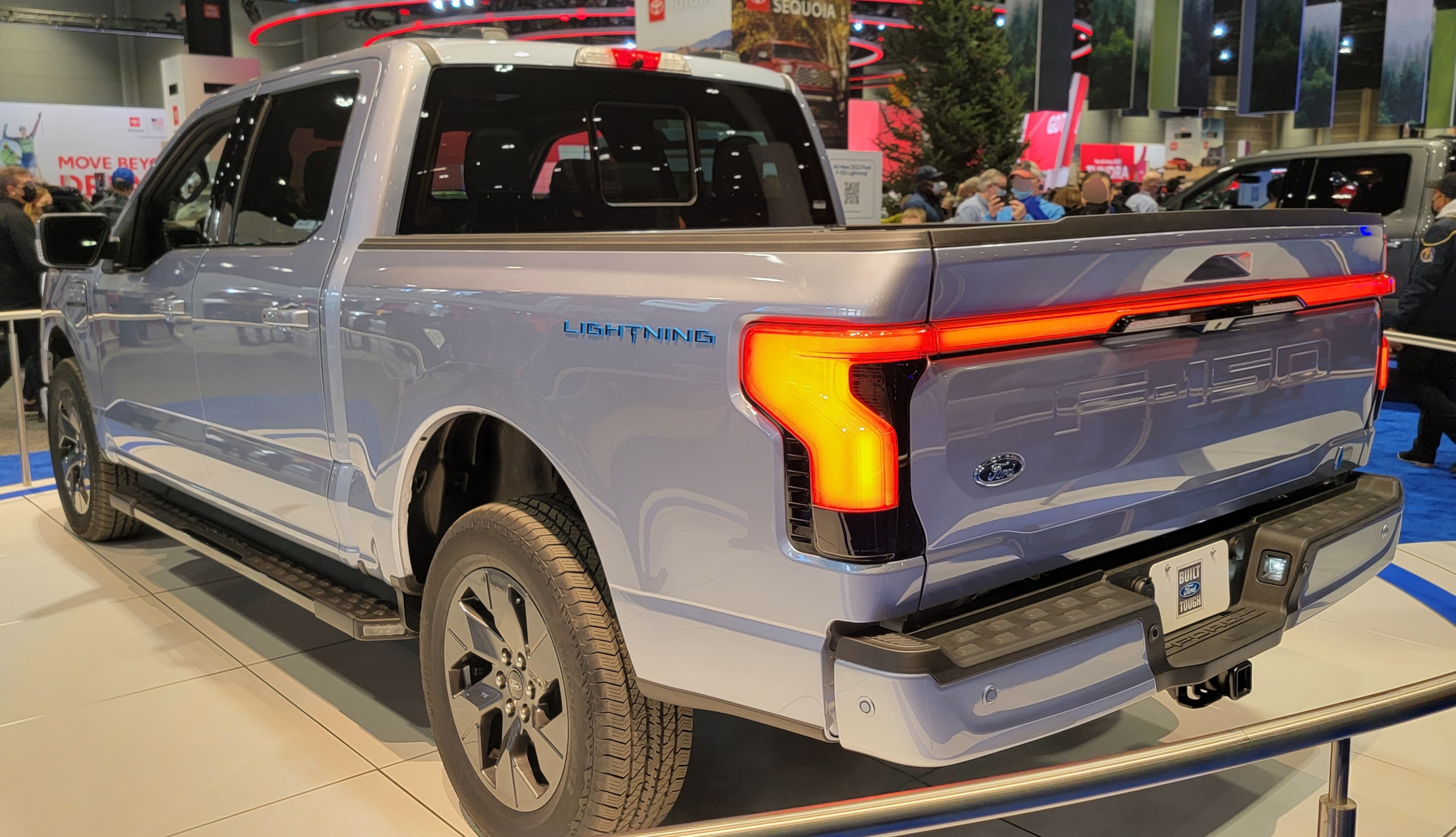
Ford F150
"But a 2024 Ford F-150 is actually depreciating at 28% from MSRP under current conditions."
They’re talking about how much a new truck like the Ford F-150 tends to lose value over time. Instead of using a generic “about 20% per year” rule, they’re saying the real numbers can be much worse right now, which changes how dealers should price used inventory.
The Ford F-150 is a full-size pickup, and this segment is using it as an example of how actual depreciation can differ from “typical” assumptions. They’re comparing depreciation as a percent of MSRP under current market conditions, which affects how dealers price and manage inventory.
VIN-level pricing and appraisal
"For dealers, this means that stores that can price and appraise at the VIN level are protecting margin while those relying on broader comp sets are leaving money on the table."
VIN-level pricing means pricing a car based on its exact build, not just the model name. That matters because options and equipment can change the market value a lot, so it helps dealers avoid underpricing or overpricing.
VIN-level pricing/appraisal means using the vehicle’s exact identification (VIN) to match its specific configuration, options, and build details to market comps. Because two cars that look similar can have different equipment, VIN-level data can tighten pricing accuracy and help dealers protect gross margin.

Ford F
"...VIN. And by the way, I will never again say 2024 Ford F... I can't even say it now."
The Ford F-100 is an older Ford pickup truck. It’s part of the F-Series line, which has been around for a long time. It may be mentioned because the podcast is talking about a specific truck’s identification details like the VIN or the correct way to say the model.
The Ford F-100 is a classic, older-generation pickup truck from Ford’s F-Series. It’s significant because it represents the earlier era of the long-running F-Series nameplate, and it can come up when discussing vehicle history, model naming, or specific listings tied to older VINs. The podcast context suggests the host is emphasizing how they refer to a particular truck’s year/model accurately.

Volkswagen
"All right, also this week, Volkswagen announced plans to cut production capacity by one million vehicles targeting a new annual ceiling of 9 million units down from a 12 million target set in 2019."
Volkswagen is talking about reducing how many cars they can build. If fewer cars are available, dealers may have less inventory and might see different pricing and availability for specific models.
Volkswagen is discussing production cuts that affect how many vehicles are available in different regions. For dealers, capacity changes can tighten supply on certain models, which can influence pricing power, inventory availability, and lead times.
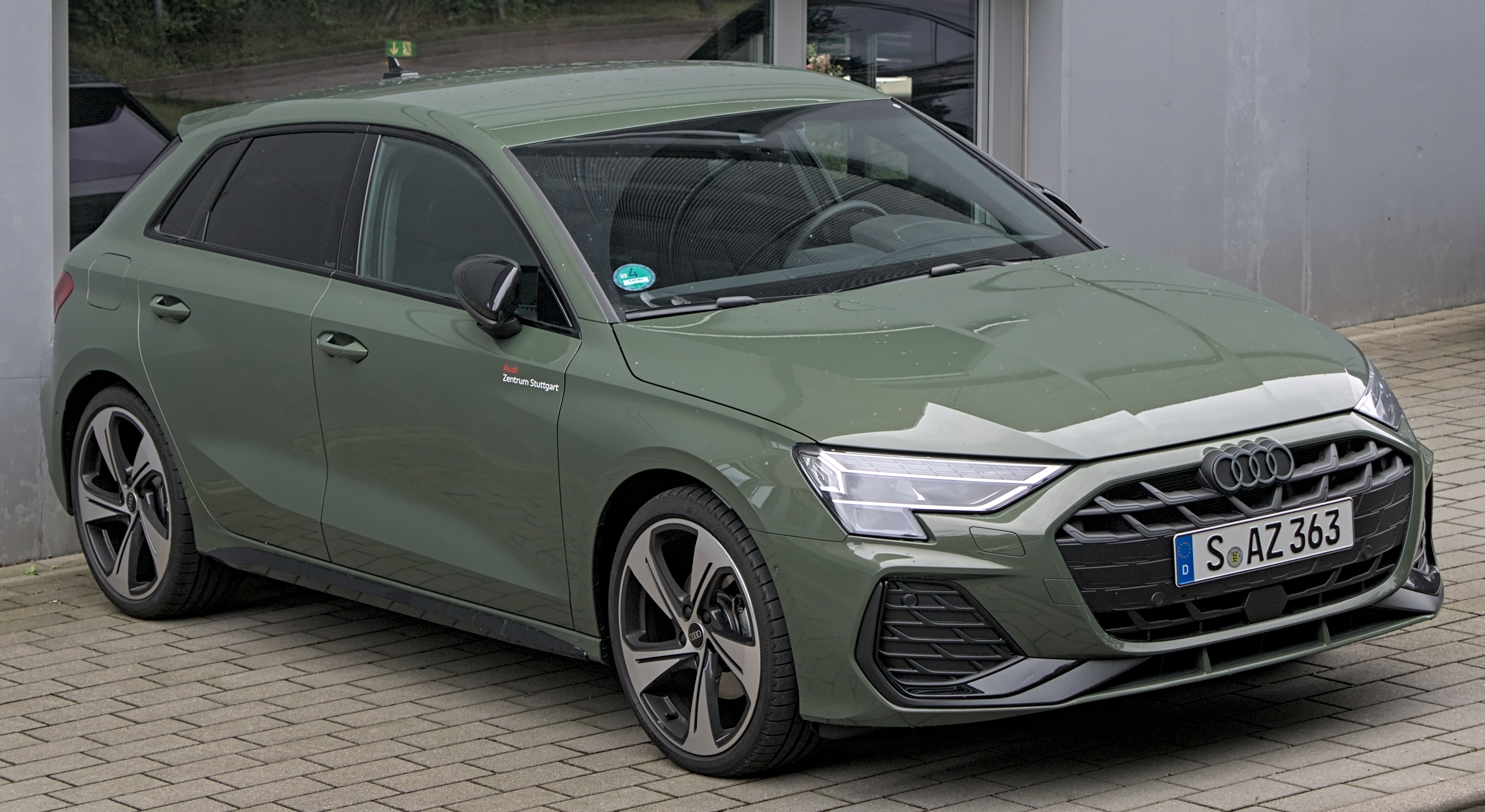
Audi
"The cuts are focused in Europe, primarily across Volkswagen and Audi output, and are part of a broader cost reduction push..."
Audi is included in the production cut plan. That can impact what cars dealers can get and when, especially if supply gets tighter in Europe.
Audi is mentioned as part of Volkswagen’s production cut plan, primarily in Europe. When a parent group reduces output across multiple brands, it can affect dealer inventory flow and the availability of globally distributed models.
scout motors
"CEO Oliver Blum also specifically called out scout motors as a key pillar of Volkswagen's North American strategy. Interesting, notable, given the ongoing dealer all lawsuits over scouts direct to consumer model..."
They’re talking about Scout Motors as part of Volkswagen’s plan for the U.S. market. The hosts also mention lawsuits because some companies want to sell directly to customers, which can change how traditional dealerships make money.
Scout Motors is referenced as a key pillar of Volkswagen’s North American strategy, implying it’s part of their plan for future vehicles and market positioning. The segment also ties it to dealer legal disputes over direct-to-consumer sales, which can affect how dealers participate in sales and service.
direct-to-consumer (DTC) model
"Interesting, notable, given the ongoing dealer all lawsuits over scouts direct to consumer model, describing the vehicles as a perfect fit for the market."
Direct-to-consumer means the car company sells to you directly instead of through a local dealership. That can lead to disputes with dealers because it changes who controls sales and how profits are shared.
A direct-to-consumer model means the manufacturer sells vehicles to customers without relying on the traditional dealer sales channel. This can create legal and business conflicts with dealers, and it can change pricing, inventory handling, and customer experience.
dealer principle
"First up today, Jacob Shepard, return repeat guest, dealer principle of Chevrolet of Troy. Jacob, welcome back to the show... Tell our audience for those that didn't see your past show a little bit about yourself..."
A “dealer principle” is basically a senior leader at a car dealership. They’re involved in the big-picture decisions that affect how the dealership sells cars.
“Dealer principle” refers to a top leadership role at a dealership (often the principal/owner or senior executive). Their perspective typically covers inventory strategy, sales performance, and how the store runs day-to-day.
Chevrolet
"...dealer principle of Chevrolet of Troy. Jacob, welcome back to the show... I went in one day to buy a truck from a dealer, a Chevrolet dealer in the Cincinnati, Ohio market..."
Chevrolet is a car brand. When they mention it, they’re talking about selling and servicing Chevy vehicles.
Chevrolet is a major U.S. automaker and one of the largest dealership networks. In dealer-focused podcasts, mentioning Chevrolet usually signals the brand’s sales process, inventory mix, and customer demand patterns.
Honda Sony
"I want his take on this whole Volkswagen thing. You know, Honda Sony famously peeled back based on decreased demand for EVs, which is the product they were going to bring direct to consumer."
They mention a Honda-and-Sony EV effort that was planned for direct sales, but they backed off because EV demand wasn’t as strong as expected. It’s an example of how companies change plans when the market shifts.
“Honda Sony” appears to refer to a joint effort to bring an EV product direct-to-consumer, which the host says was scaled back due to decreased EV demand. The key idea is how partnerships and direct-sales strategies can shift when market demand changes.
CDK Global
"You're a product marketing manager at CDK Global and how's business April 2026 at CDK? ... I think CDK does a nice job of bringing people that have automotive experience into the company to serve dealers that they work with."
CDK Global makes software that car dealerships use to run their day-to-day business. It includes tools for tracking customers and leads, so dealers can follow up and sell more cars.
CDK Global is a software company that provides dealership-focused technology, including CRM and other tools used to manage sales, service, and customer communications. In this episode, the host discusses CDK’s role in helping dealers use CRM features effectively.
variable ops
"But you've been 19, almost 20 in the business, 13 of them in variable ops. You've seen both sides of the desk."
In dealership terms, “variable ops” usually means the parts of the business that can go up and down depending on how busy the dealership is. It often includes areas like service and parts, where good follow-up and tracking matter.
“Variable ops” is shorthand in dealership operations for variable operations—typically the parts of the business that change with sales volume, such as service/parts and other revenue streams tied to customer activity. The speaker’s background in variable ops suggests hands-on experience with how CRM impacts real dealership workflows.
Dealer AI adoption jumped from 28% to 39%
"It's interesting. There's a stat out there. Dealer AI adoption jumped from 28% to 39% in a single year this past year. Dealers using AI and retail reporting a 53% improvement in lead to close."
They’re saying more dealerships are using AI now than last year. And the reason it matters is because AI can help respond to leads faster, which can turn more inquiries into actual sales.
This segment cites a measurable shift in how dealerships are adopting AI tools. The key point is that AI is being used to improve lead handling and conversion, not just for experimentation—so it’s becoming part of mainstream dealership operations.
lead to close
"Dealers using AI and retail reporting a 53% improvement in lead to close. So what's the deal with AI? Is it here to stay?"
“Lead to close” means: out of the people who show interest, how many actually end up buying. If that number improves, the dealership is doing a better job turning inquiries into sales.
“Lead to close” is a conversion metric that measures how effectively dealership leads turn into completed sales. The hosts connect AI usage to improved lead-to-close performance, implying faster, more accurate responses and better follow-up consistency.
virtual assistant inside the CRM
"Even just in the last two years since we put AI and our virtual assistant inside the CRM, it's changed dramatically. Some of the biggest changes..."
A virtual assistant in a dealership CRM is an AI-driven chatbot or agent that can answer customer questions and route or trigger next steps automatically. The hosts imply that adding this capability changes response quality and speed, which can reduce lost leads.
create agents inside of your CRM
"...is really creating agents. So we've evolved from having large language models... and now we're moving into a space where you can actually create agents inside of your CRM that are going to allow your dealership to have"
They’re talking about AI agents that can do more than just answer questions. Instead, they can help run parts of the customer conversation and next steps inside the dealership’s lead system.
The hosts describe evolving from basic AI that answers questions to creating “agents” inside the CRM—more capable systems that can perform tasks on behalf of the dealership. In practice, this can mean handling conversations, scheduling, and follow-ups more consistently than manual processes.
large language models
"So we've evolved from having large language models that were able to intelligently answer questions for customers on behalf of the dealership..."
Large language models are AI that can understand what someone types and respond in a human-like way. In this context, they help dealerships answer customers quickly so leads don’t cool off.
Large language models (LLMs) are AI systems trained to understand and generate text, which can be used to answer customer questions in natural language. Here, they’re positioned as the foundation for dealership AI that responds on behalf of the store, improving timeliness and consistency.
walkarounds
"so they can really focus on getting really good at walkarounds and presenting numbers and doing all the things that AI is not going to be able to do for you..."
A “walkaround” is the in-person customer presentation of a vehicle—typically covering condition, features, and key points during a test-drive or sales process. The hosts frame walkarounds as a human strength that AI can’t fully replace, while AI handles other tasks like data analysis and outreach.
Reynolds
"So for the dealer listening and watching saying, all right, I have a CRM, maybe CDK, Reynolds, whoever, and you're talking about these agents that are embedded with inside."
Reynolds is another software provider that some dealerships use. The point here is that the AI/automation ideas being discussed aren’t limited to one CRM brand.
Reynolds is referenced as another dealership software/CRM option alongside CDK. The hosts use it to illustrate that the “agent” concept could apply across different dealer platforms, not just one vendor.
aging inventory
"...create those agents to say, hypothetically, I want an agent that's working through marketing and it's going to find my aging inventory and pair it up with customers that are sitting there that are unsold and then proactively market to those customers..."
Aging inventory just means cars that have been on the lot too long without selling. The idea here is to use AI to find those cars and then target the right customers with marketing so they’re more likely to buy.
Aging inventory refers to vehicles that have been sitting unsold for an extended period. In the segment, the hosts describe using AI agents to identify aging inventory and match it with customers who are currently available but haven’t been sold to yet, then proactively market to them.
BDC
"Automotive has long had BDCs and a BDC traditionally has been there to sort of manage the CRM, right, and help connect CRM to the sales team and or CRM to the service teams."
A BDC is a dealership team that handles incoming customer leads. They use the dealership’s computer system (CRM) to make sure the right salesperson or service advisor contacts the customer fast.
In dealership operations, a BDC (Business Development Center) is the team that manages inbound leads and helps route conversations between customers and the right sales or service staff. It’s closely tied to CRM workflows so leads don’t get lost and follow-up happens quickly.
voice AI
"I will say where AI isn't quite yet ready is going to be voice. Those incoming sales calls are so valuable and on service it's doing a great job scheduling appointments because it's much easier."
Voice AI means a computer can talk to people on the phone. In this segment, they say it’s working well for scheduling service, but sales calls are harder so it’s not as effective yet.
Voice AI refers to using AI to handle phone calls—answering questions, qualifying leads, and scheduling. The discussion highlights that voice AI is already effective for service appointment scheduling, but sales calls are more complex and may require more time before voice AI performs reliably.
CRM following up
"So those BDC agents and sales reps are still going to have plenty to do in the CRM following up and just connecting with those customers because at the end of the day if you have the car at the price that they want..."
Even if software handles the first contact, people still have to follow up with customers. The CRM helps track who needs a call or message next so the dealership can close the sale.
The segment emphasizes that even with automation, BDC agents and sales reps still need to follow up in the CRM. This is about converting leads by ensuring the dealership responds with the right offer and connects customers to humans when it matters.
3 a.m. lead
"It's not humanly possible to respond to a lot of the basic stuff like a 3 a.m. lead or a basic question about scheduling something into service."
A “3 a.m. lead” is when someone reaches out at night, like through a website or form. The point is that customers expect a fast reply even if it’s late, so dealerships need systems that can respond quickly.
A “3 a.m. lead” is an inbound customer inquiry that arrives outside normal business hours. The hosts argue that consumers increasingly expect immediate responses, and automation/AI can help handle these off-hours requests so leads aren’t delayed.
Ava
"We've already seen it with Ava and the virtual assistant with leads that are sitting in the CRM that you know whenever the technology is there we'll definitely head there too but just not quite there yet."
Ava is mentioned as a virtual assistant that helps with leads in the dealership’s computer system. The idea is that it can respond and assist customers so the dealership can follow up more effectively.
Ava is referenced as a virtual assistant used with leads sitting in the CRM. The hosts suggest that when the right technology is available, similar virtual-assistant approaches will expand further into sales workflows.
CDP
"So CDK you just launched a built-in customer data platform, a CDP at NADA26. In plain dealer language what is that CDP inside your DMS or CRM actually do..."
A CDP is a system that pulls customer info from different dealership tools and puts it into one place. That way, the dealership can target customers more accurately instead of using messy or duplicate records.
A CDP (Customer Data Platform) is software that collects and unifies customer data from many dealership systems into one “common customer” profile. The goal is to make that data consistent and then enable smarter marketing and service outreach based on what’s known about each customer.
NADA26
"So CDK you just launched a built-in customer data platform, a CDP at NADA26. In plain dealer language what is that CDP..."
NADA26 is a dealer industry event where companies show new tools and software to car dealerships. In this segment, it’s mentioned as the place where CDK announced the CDP.
NADA26 refers to the NADA (National Automobile Dealers Association) conference/event where the CDP was announced. It’s a context marker for when and where the product update was presented to dealers.
DMS
"In plain dealer language what is that CDP inside your DMS or CRM actually do for a dealer daily basis?... your DMS and CRM and your fixed operations everything's working off of the same customer data"
DMS is the main computer system a dealership uses to run operations. In this discussion, the CDP helps that system share consistent customer information with marketing and other teams.
DMS typically means Dealer Management System, the core software dealerships use for day-to-day operations like managing customers, vehicles, and service workflows. The segment explains that the CDP sits “inside” or alongside the DMS/CRM so the dealership can unify customer records and use them for marketing.
unified profile
"...making sure that we have one common customer across of those ecosystems is really key. So your DMS and CRM and your fixed operations everything's working off of the same customer data, the unified profile..."
A unified profile means the dealership tries to combine all the customer’s info into one consistent record. Instead of having duplicates or conflicting details, everyone works from the same customer history.
A unified profile is a single, consolidated customer record created by matching and merging data from multiple dealership systems. The segment frames it as “one common customer” across DMS, CRM, and fixed operations so marketing and service teams can act on the same accurate customer history.
fixed operations
"So your DMS and CRM and your fixed operations everything's working off of the same customer data, the unified profile..."
Fixed operations usually means the dealership’s service and parts side. They’re included here because the podcast is about connecting customer history across sales, service, and parts.
Fixed operations is dealership shorthand for service and parts departments (as opposed to sales). The segment includes fixed operations in the idea that all parts of the dealership should share the same unified customer data.
data cleaning
"So cleaning data is not a small feat and getting that done across all of our dealers was huge for us... it's one thing to clean it and have a unified profile but now it's like what do you do with it?"
Data cleaning is the process of correcting, deduplicating, and standardizing customer records so they’re accurate and usable. The segment notes it’s “not a small feat,” and that the CDP helps keep data clean over time, which is necessary before meaningful marketing can happen.
activation layer
"...what percent of dealers do you think are engaging with cleaned up data with a CDP?... that's what we're solving for right now... those dealers that activation layer... inside of the CRM where you can actually go market to that clean data"
An activation layer is what helps you take “good customer data” and actually use it to contact people. The hosts are saying the hard part isn’t just cleaning data—it’s knowing what to do with it afterward.
An activation layer is the part of a system that turns cleaned, unified customer data into real actions—like campaigns, outreach, and targeting—inside tools such as the CRM. The segment highlights that many dealers get the data cleaned but struggle with how to use it effectively.
friction at the dealership
"“...a 2026 CDK friction study that said 58% of shoppers experienced friction at the dealership... what is shocking is that's up from 47% a year ago...”"
“Friction” is just what makes the buying experience feel harder or more annoying. Even if a dealership has new tools, customers can still get stuck if the staff and steps don’t line up.
“Friction” here means anything that slows down or frustrates a shopper during the dealership visit—like delays, unclear next steps, or having to repeat information. The hosts tie it to measurable customer experience metrics (NPS) and argue that more tech doesn’t automatically remove friction if dealer processes don’t change.
NPS
"“...the NPS dropped from 48 to 29... we have more tech than ever in automotive why is the customer experience continuing to be challenged...”"
NPS is a score that measures how happy customers are and whether they’d recommend the dealership. In this discussion, a lower NPS means customers are less impressed than before.
NPS (Net Promoter Score) is a customer satisfaction metric based on how likely someone is to recommend a company. The hosts note NPS dropped from 48 to 29 alongside rising friction, suggesting the experience is getting worse even as technology increases.
AI lead follow-up and appointment handoff
"“...AI is a great example of that where we're giving the customer a really great experience lead comes in... and then a salesperson gets that opportunity... instead of doing what they should do... the salespeople are omitting the data that we're giving them...”"
They’re talking about using AI to help respond to shoppers quickly and prepare the sales team before the appointment. But if the salesperson doesn’t read what the AI already learned, the customer has to start over, which makes the experience worse.
The segment describes using AI to improve lead response time, answer questions, and recommend alternative vehicles before the appointment. The problem is that when the customer arrives, salespeople may not use the AI recap/data, forcing the customer to repeat themselves—creating avoidable friction.
process evolution to leverage paid software
"“...we need to evolve the processes with our people to use all the software that we're paying for so how do you validate that it's contiguous... there's gaps...”"
They’re saying dealerships can’t just buy software and expect results. The staff and steps have to be updated so the tools actually get used—and so nothing important falls through the cracks.
The hosts’ core argument is that dealerships have “more tech than ever,” but customer experience suffers when internal processes don’t change to match the tools. They also highlight the challenge of multiple overlapping systems and the need to ensure coverage without gaps.
digital retail space
"“...it's very similar in like the digital retail space... we give them all of this opportunity to start their deal... and then we make them start over from square one whenever they show up...”"
“Digital retail” means buying steps that start online instead of only in the showroom. The key point here is that if the dealership doesn’t continue the same info when you arrive, you end up repeating yourself.
“Digital retail” refers to selling a car through online tools and guided workflows (often including pricing, trade-in, and deal setup). The hosts argue that even in digital retail, shoppers can be forced to “start over” if the dealership’s in-person process doesn’t carry forward the same information.
contiguous customer experience across systems
"“...how do you validate that it's contiguous because part of this problem is you have all these different systems trying to do the same thing... then there's gaps...”"
They want the customer experience to feel continuous, not like you’re getting lost between different tools. If systems don’t share information, customers end up repeating themselves.
“Contiguous” here means the customer’s journey should flow smoothly from one system or step to the next without losing context. The hosts warn that dealerships often run multiple overlapping platforms, which can create both duplicated work and gaps—leading to customers restarting the process.
AI following up with their leads
"...part of them is maybe a little reluctant to have AI following up with their leads and scheduling appointments for them but then also it's just not part of their process to to show up and have an appointment that a human being isn't saying hey I took this phone call from you..."
This is when software uses AI to automatically message or call people who showed interest in a car. The speaker’s point is that it can be useful, but it shouldn’t be overused—people still need to guide the process.
AI lead follow-up means using automated systems to contact prospective buyers, respond to inquiries, and help schedule next steps. The speaker argues that while AI can help, it should be used sparingly and with training so it supports the dealership’s process rather than replacing human interaction.
vdc
"...in the vdc and they're coming in at two o'clock so it's just really training and bridging the gap of here all the things you can now leverage..."
“VDC” here sounds like a behind-the-scenes system the dealership uses to handle lead information and communications. The key idea is that the customer’s appointment is being set up through that system before they come in.
In dealership software contexts, “VDC” commonly refers to a virtual/vehicle data center or a data/lead routing environment used to manage customer information and communications. Here, it’s described as the system where the call is handled before the customer arrives for an appointment.
friction points
"Dan C comes in to the comments and says dealer culture and their processes impacts those customer friction points so I agree with that training is at the core..."
Friction points are the places where the process gets awkward or slow. If the dealership’s tools or training don’t match how people actually work, customers can feel delays or miscommunication.
“Friction points” are moments in the dealership workflow where the process slows down or feels confusing to customers or staff. The speaker links friction to culture, training, and how well tools (like CRM and scheduling) fit into real sales habits.
UX challenges
"Paul Salisman asked a question inside the chat let's bring let's go to that how do you think UX challenges create part of the friction inside the dealership seems like a lot of people don't want to use tools that are cumbersome or disrupt the sales flow..."
UX just means how easy the software feels to use. If the screens are annoying or the steps are confusing, it can slow down sales and make customers wait.
UX (user experience) challenges refer to how difficult or distracting a software interface is for the people using it. In dealerships, cumbersome screens or workflows can disrupt the sales process, creating “friction” that slows lead handling and appointment setting.
user experience
"...the user experience for all end users as our workforce gets younger they do not want a cumbersome system... just one page keeping everyone where they need to be..."
User experience just means how easy the software is to use. They’re saying the best dealership tools should be simple and fast, so people can do their jobs without getting stuck in complicated screens.
User experience (UX) refers to how easy and efficient a system feels for the people using it—here, both end users and dealership workforce. The discussion ties UX improvements to younger employees’ expectations, emphasizing fewer steps and a “one page” workflow to complete tasks.
marketing spend
"...where agents can take care of a lot of our marketing they can save us dollars on some of that spend as well..."
Marketing spend is the budget a dealership uses for ads and promotions. They’re saying smarter tools may automate some marketing work so the dealership can spend less without losing results.
Marketing spend refers to the money dealerships allocate to advertising and promotions. The segment suggests that agents/automation can handle parts of marketing, potentially reducing costs while still driving leads and opportunities.
AI
"...I agree with that like there are people that have had a great idea created a tool and then kind of have the industry bend towards that although amber I think AI in many cases is equalizing..."
AI (artificial intelligence) is discussed as a force that can “equalize” the industry—helping newer tools catch up and improving how software supports dealership workflows. The host also implies AI can make systems more intelligent by leveraging data to drive marketing and sales opportunities.
out-of-the-box tool
"...not try to bend you know an out-of-the-box tool and it seems like you guys are running towards that as a solution..."
They’re saying generic software that you just buy and plug in may not actually fix what’s wrong. The better approach is to figure out the real problem first, then build or configure the tool to address it.
The segment criticizes generic, “out-of-the-box” tools that don’t solve the underlying problem. Instead, it emphasizes building solutions based on research and understanding the root cause—an approach the speaker says is important in dealership software.
Toyota
"...where I need to close a gap in a Toyota store may be totally different than my Mercedes store..."
Toyota is mentioned as an example brand. The idea is that different brands’ dealerships often have different sales and service challenges, so the CRM guidance should be tailored.
Toyota is used as an example of how dealer needs can differ by brand. The speaker’s point is that an AI agent in CRM should be able to identify and prescribe actions based on the specific gaps of a Toyota store versus other brands.
Mercedes
"...where I need to close a gap in a Toyota store may be totally different than my Mercedes store..."
Mercedes is mentioned as the other example brand. The point is that dealerships for different brands can have different problems, so the CRM recommendations should match the store.
Mercedes is referenced as the contrasting example to Toyota for how dealership gaps can vary by brand. The speaker argues that AI agents should be prescriptive and store-specific, not one-size-fits-all.
Hague Partners
"[1708.7s] partners when it comes to selling your life's work experience and reputation matter Hague partners is [1714.1s] known for helping family-owned dealerships maximize value with a proven confidential process and record [1720.5s] setting results across multiple franchises"
Hague Partners is a company that works with car dealerships. They help owners improve how much their dealership is worth and how it performs.
Hague Partners is a dealership-focused firm that helps family-owned stores improve performance and maximize value. They’re positioning their “confidential process” as a way to drive record results across multiple franchises.
AI and CRM
"[1744.0s] thank you Hague partners for supporting today's content including that conversation with Amber [1747.7s] good about AI and CRM and then also Jacob Shepard dealer principal Chevrolet of Troy thank you Hague"
The episode references “AI and CRM,” pointing to how artificial intelligence can change customer relationship management. In dealerships, CRM systems track leads, follow-ups, and customer history, and AI can help automate or personalize those workflows.
comp plans
"[1764.9s] so I do think this is interesting Jason Chavez says those friction points they are driven primarily [1769.8s] through the existing comp plans then when you go upstream from there stair step also continues to drive [1775.9s] the same problem"
“Comp plans” are compensation plans—how dealerships pay employees, usually tied to metrics like sales, gross profit, or customer retention. The segment argues that poorly crafted comp plans can encourage bad behavior and create friction in the process.
stair step
"[1769.8s] through the existing comp plans then when you go upstream from there stair step also continues to drive [1775.9s] the same problem and I think it's interesting we've got coming up Friday Don Hall's going to come on"
“Stair step” describes a tiered incentive structure where payouts increase at certain thresholds. The host suggests that stair-step comp designs can unintentionally reinforce the same underlying problems as other parts of the pay plan.
FTC letter
"[1781.3s] and talk about the FTC letter and you know what he's unfiltered completely and he said you know [1787.3s] part of the problem that the FTC is going after I hope he's okay with me sharing this is driven by [1792.4s] some crazy pay plans that are given to GM's out there that that reward poor behavior"
The “FTC letter” refers to a communication from the Federal Trade Commission related to dealership advertising or marketing compliance. The segment implies the FTC is targeting practices tied to pay plans or behavior that could violate consumer protection rules.
GM's
"[1792.4s] some crazy pay plans that are given to GM's out there that that reward poor behavior that's his [1798.4s] opinion as remembered by me maybe I'm not right but I would agree with you Jason that friction"
“GM’s” here likely means general managers at dealerships. The host suggests some pay plans given to GMs can reward poor behavior, which then contributes to broader friction points in how the dealership operates.
MMR's
"[1820.7s] eager K before we go to our next guest comes in and says good afternoon Sam and community action day [1826.1s] MMR's are climbing up if you're in the market for exotic sports cars especially convertible the time [1831.6s] is now to buy spring is here eager's always giving us a great perspective from the field"
MMR’s are pricing benchmarks for used cars. If MMRs are climbing, it usually means used cars are getting more expensive.
“MMR’s” refers to Manheim Market Report values (often shortened to MMR), which are used as a pricing benchmark for used vehicles. The segment says MMRs are climbing, implying used-car market values are increasing.
exotic sports cars
"[1826.1s] MMR's are climbing up if you're in the market for exotic sports cars especially convertible the time [1831.6s] is now to buy spring is here eager's always giving us a great perspective from the field"
“Exotic sports cars” is a category of high-end, performance-focused vehicles that often have different pricing dynamics than mainstream cars. The segment ties this category to MMR movement and timing for buyers, suggesting market values can shift quickly for these models.
convertible
"[1826.1s] MMR's are climbing up if you're in the market for exotic sports cars especially convertible the time [1831.6s] is now to buy spring is here eager's always giving us a great perspective from the field"
A convertible is a car with a roof that can open. Demand for convertibles can change, which can affect pricing.
“Convertible” refers to a car with a roof that can open, typically via a power mechanism. In used-car pricing discussions, convertibles can have different demand patterns than coupes or sedans, which can influence market benchmarks.
Massachusetts state automobile dealers association
"[1849.6s] that out all right we turn now to Robert general counsel at the Massachusetts state automobile [1858.4s] dealers association I'm having a hard time saying three words together today Bob I got"
The Massachusetts State Automobile Dealers Association (MSADA) is a trade group representing franchised new-car and truck dealers in Massachusetts. In this segment, the general counsel explains how the association supports dealers with compliance education and communication around advertising and regulatory issues.
FTC advertising rules for dealerships
"[1908.2s] top of mind for a lot of dealers is the FTC letter that went out to 97 dealers last month and then there was a webinar [1913.4s] this past Friday it was the second run of the same webinar what's your take on this letter"
The FTC is a U.S. agency that helps protect consumers from misleading advertising. When it targets dealerships, it’s usually about making sure ads are honest and include the fine print people need to understand the real offer.
The FTC (Federal Trade Commission) can send letters and issue guidance to enforce truth-in-advertising and consumer-protection standards. For dealerships, this typically means making sure ads aren’t misleading, that required disclosures are included, and that marketing claims are substantiated.
NADA Washington conference
"[1976.7s] as well as other retailers the they even bolstered those comments the chair did at our annual NADA [1976.7s] Washington conference meeting in September where he spoke then they published he published his"
NADA (National Automobile Dealers Association) hosts an annual Washington conference where industry leaders and regulators discuss policy affecting dealerships. In this segment, the guest references FTC chair comments made around that time, which signal enforcement priorities for dealership advertising.
junk fees
"in in 25 issued regulations on junk fees and we were able to make the argument and advocate to AG that dealers should be carved out of those junk fee regulations"
“Junk fees” are extra charges that can get added to the price of a car. The point of the rules being discussed is to make sure those charges are shown clearly and not used to surprise buyers at the end.
“Junk fees” is a catch-all term for add-on charges that dealers tack onto a deal in ways that feel misleading or not clearly disclosed upfront. In this segment, the hosts discuss new regulations aimed at restricting or clarifying these fees and how enforcement could apply to dealers.
dock fee
"one was dock fee disclosure there are different standards across different states and some states it was required some states actually you are not to list dock fee now clearly the FTC has said dock fee needs to be part of that advertised price"
A dock fee is an extra charge dealers add for moving the car to the dealership. The key takeaway is that regulators want it included in the price you see advertised, so buyers can compare accurately.
A “dock fee” is a mandatory charge dealers add to cover costs related to getting a vehicle from the port/transport point to the dealership. The FTC’s position discussed here is that dock fees must be included in the advertised price, so consumers can compare offers on a like-for-like basis.
advertised price
"the FTC has said dock fee needs to be part of that advertised price which by the way I think is a great thing to do and it's an equalizer across the industry"
The “advertised price” is the number you see in ads. The discussion here is about making sure that number includes required fees, so the ad price matches what you’ll be charged.
“Advertised price” refers to the price shown in marketing (print ads, websites, and internet ads) that regulators expect to be complete and comparable. In this segment, the FTC position is that mandatory fees like dock fees must be included in the advertised price.
federal law supersedes state law
"is federal law supersedes state law they said that on the call did either one of those surprise you no because in massachusetts the the longstanding rule has been the dock prep fee has to be part of the advertised price"
This means federal rules can override state rules when they conflict. In practice for dealers, it can change what you’re allowed to advertise and how you must show fees.
This concept means that when federal and state rules conflict, federal law generally takes priority. The hosts note that the FTC’s federal standard can override state approaches to how fees must be disclosed in advertising, affecting dealer compliance nationwide.
mandatory dealer fees
"in massachusetts the the longstanding rule has been the dock prep fee has to be part of the advertised price if you're going to advertise a vehicle price print ad website internet ad the dock fee and any other mandatory dealer fees has to be in that price"
These are required add-on charges the dealer includes in the deal. The important part is that regulators want them shown in the advertised price, not hidden until later.
“Mandatory dealer fees” are required charges that dealers add to the transaction that regulators often treat as part of the true selling price. The segment emphasizes that these fees must be included in the advertised price so consumers can accurately compare offers.
price transparency
"our concern is making sure that massachusetts dealers are providing the proper pricing information to the consumer in massachusetts and I've said this for 26 years now that um you know dealers tend to have a sometimes a bad reputation amongst the buying public and the best way dealers can improve their image with with the buying public is to have a true price transparency"
Price transparency is when a dealer shows the real total price clearly from the start. That helps buyers trust the process because they can see what they’ll actually pay.
“Price transparency” means presenting the final out-the-door price clearly and upfront, including all mandatory fees, so buyers aren’t surprised later. The hosts connect it to dealer reputation and to compliance with advertising/pricing rules.
preparing for bills
"...legislators who are receiving complaints from consumers the easiest way to stop the complaints from legislators who are then going to file bills to address those complaints from consumers is to have better practices..."
The segment discusses how complaints from consumers can lead to legislators filing bills to change or clarify rules. For dealers, this means compliance requirements may evolve quickly based on enforcement trends and political pressure.
self-correcting mechanism
"...do you applaud that reporting as a self uh correcting mechanism or do you think it'll create a challenge for the industry more broadly..."
A “self-correcting mechanism” here refers to dealers reporting competitors or issues so regulators can act. The discussion suggests this could either improve industry behavior or create competitive tension, depending on how dealers respond.
social media
"...so one of the biggest challenges I think uh with a lot of this clarification is the focus on social media so sales people are on social now more than they've ever been the FTC obviously is going to look at that as advertising and they'll take action against that..."
The hosts highlight that social media is now a major advertising channel for dealers and salespeople. Regulators may treat posts and promotions as advertising, which means dealers need policies and training to keep content compliant.
FTC topic (dealer pricing complaints on third-party sites)
"posting complaints they go on dealer websites they go on third party sites they go on their own facebook pages talking about their experience whether it was positive or negative so it cuts ... so before we come off this ftc topic I want to hit one more thing"
They’re talking about rules that protect car shoppers from misleading pricing. If a dealer says one price but adds more fees later, that can create consumer-protection problems.
The hosts are discussing how dealers handle pricing transparency and how customer complaints show up across dealer websites and third-party platforms. This ties into FTC-style consumer protection expectations: advertised or quoted prices shouldn’t be misleading, and extra charges shouldn’t be sprung late in the process.
Direct-to-consumer (DTC) pricing and negotiation ceiling/floor
"if you're going to quote a price it's got to be the price that if I walk in with a satchel of cash that's the price I can pay apps in any negotiation apps in any other rebates it's the ceiling it's the ceiling not the floor"
The segment frames pricing as a “ceiling” for negotiation—meaning the maximum out-the-door price a shopper should expect to pay if they walk in ready to buy. The hosts contrast this with a “floor” concept and emphasize that rebates/negotiation should not be used to create a misleading starting point.
Pay plan compliance (court case changing pay plan rules)
"you have talked about pay plans as being one of the biggest problems in auto dealerships today ... we went through a uh five years ago we went five six years ago we went through a court case that kind of upended some of the pay plan rules"
They discuss how dealership sales pay plans were affected by a court case that changed how salespeople can be paid (draw vs straight pay, commissions, and bonuses). The key point is that dealers must keep pay plans aligned with current law to avoid violations and potential enforcement.
Minimum wage standards for sales folks
"give me the number one biggest problem you saw see or saw um just simply the not meeting the uh minimum wage standards that sales folks were due at the time"
They’re saying the biggest issue was that some salespeople weren’t being paid enough to meet minimum wage rules. The way pay is calculated (draws and commissions) can cause shortfalls if it’s not set up correctly.
The hosts identify the biggest pay-plan problem as salespeople not receiving the minimum wage they were owed at the time. In practice, this usually comes down to how draws, commissions, and bonuses interact with required wage floors.
direct-to-consumer sales
"all right uh could direct to consumer sales uh Honda Sony tried it they peeled back but they say based on low ev demand Volkswagen just seems to be doubling down"
Direct-to-consumer sales means the car maker tries to sell cars straight to you, instead of using local dealerships. It can sound efficient, but it also shifts a lot of costs and responsibilities (like ads and repairs) onto the manufacturer.
Direct-to-consumer (DTC) sales is when a manufacturer tries to sell cars to customers without relying on the traditional franchise dealer network. The idea is to control pricing, marketing, and the customer experience, but it can create conflict over advertising, repairs, and local sales support.
franchise dealer
"what should Volkswagen do in 2026 to to to uh get back right with the franchise dealer some of your folks down in New York in New York at the forum is they need to embrace their dealer body"
A franchise dealer is a local dealership that sells and fixes a specific brand’s cars. The episode is basically about how the brand and the dealership split the work and costs, and what happens when the brand tries to bypass dealers.
A franchise dealer is an independently owned business that sells and services a manufacturer’s vehicles under an agreement. The transcript centers on how manufacturers and dealers share responsibilities for advertising, retail sales, and repairs—and how cutting dealers out can shift costs and strain the partnership.
advertising costs
"without dealers which means they're going to bear the advertising costs they're going to be bearing the retail sales costs they're going to be bearing the repair costs right"
Advertising costs are the money spent on marketing—ads, promotions, and other ways to get customers to notice the cars. The point here is that if dealers are cut out, the car company may have to pay more for marketing itself.
Advertising costs are the marketing expenses required to generate leads and sales. The speaker argues that if Volkswagen sells without dealers, the manufacturer may have to absorb more of these costs that dealers previously helped fund through local marketing and showroom presence.
repair costs
"they're going to be bearing the retail sales costs they're going to be bearing the repair costs right they there are a number of things that manufacturers have done a great job thrusting upon their franchise dealers across the country"
Repair costs are what it costs to fix cars when something breaks or during warranty service. The speaker’s argument is that if dealers are sidelined, the manufacturer can end up paying for repairs anyway.
Repair costs are the expenses tied to maintaining and fixing vehicles under warranty and service programs. The transcript suggests that if manufacturers reduce dealer involvement, they may still be responsible for repairs—either directly or through service networks—creating additional burden.
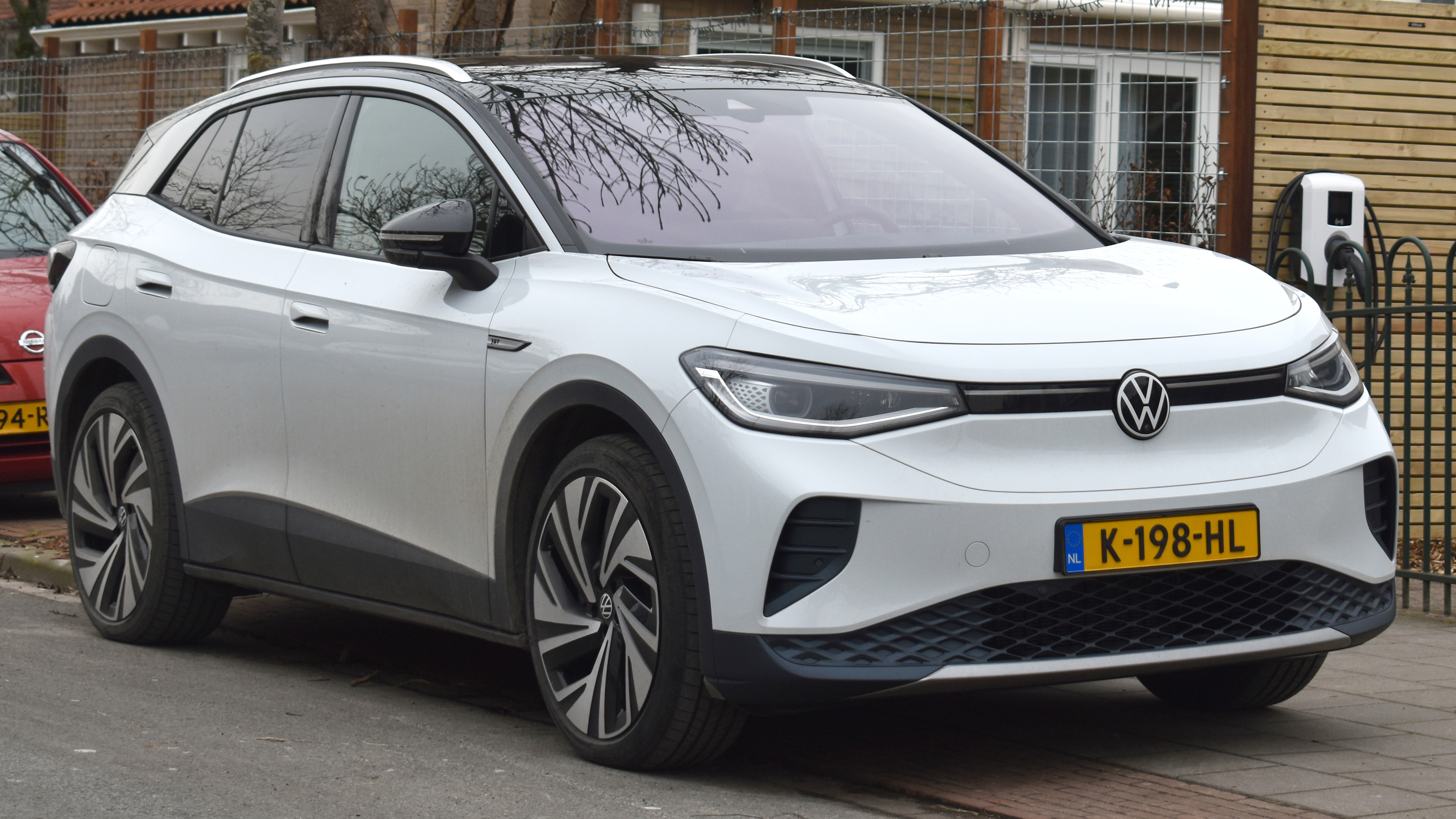
Volkswagen ID 4
"the automotive tire guy I think that's the right thing says VW needs to fix all the issues with the ID 4s and take care of that first on my second ID 4 buyback then after that the move on"
The Volkswagen ID 4 is an electric SUV. The host is saying Volkswagen should address problems with it first, because it affects warranty, recalls, and customer experience.
The Volkswagen ID 4 is an all-electric compact SUV in Volkswagen’s ID electric lineup. In this segment, it’s brought up in the context of quality and service issues—specifically calls for Volkswagen to fix problems and handle them before moving on to other ID 4 buybacks.
warranty and recall costs
"manufacturers complaining about how they are having a higher warranty costs higher recall recall costs um based on what dealers are doing the work for them"
When cars have problems, the company may have to pay to fix them under warranty, or issue a recall to fix a bigger safety issue. The point here is that better car quality should mean fewer expensive repairs and fewer recalls.
Warranty and recall costs are the money automakers spend to repair defects after purchase (warranty) and to correct safety or compliance issues across affected vehicles (recalls). This segment argues that improving product quality reduces these costs, rather than blaming dealers for doing the repairs.
OEMs go direct to consumer
"the solution to that is to allow the oems to go direct to consumer and and circumvent that bad process"
This is the idea that the car company (OEM) sells cars directly to you instead of through local dealerships. The hosts are debating whether that would actually improve the buying experience.
“OEMs go direct to consumer” means the automaker sells vehicles straight to customers, reducing or bypassing the traditional dealer network. The discussion frames this as a way to avoid a “bad process” that frustrates customers, but the hosts question whether it can work in practice.
retail and service processes at dealerships
"you have built in retail processes you have built in service processes you have built in part sales processes at the dealerships that can supplement what the manufacturer is putting out onto the street"
Dealerships don’t just sell cars—they also handle service appointments and parts. The hosts are saying those systems already exist and help customers after they buy.
Dealerships provide established retail, service, and parts workflows that support customers after purchase—especially for maintenance, repairs, and warranty work. The hosts argue these processes are a major reason the dealer model has worked for decades.
dealer network
"we already have dealers in place let's ignore them and go with a a product that we have no idea what the success is going to be on it and and we're going to do it ourselves"
A dealer network is the set of local dealerships that sell cars and help with service. The host’s point is that since dealerships already exist, it’s risky to ignore them and try to do everything yourself.
A dealer network is the network of franchised locations that sell and support vehicles locally. This segment argues that because dealers already exist, automakers shouldn’t ignore them when rolling out new sales strategies, since success is uncertain when going it alone.
ban chinese vehicles
"...senator marino's been on here talking about a bill he's putting out there to forever ban chinese vehicles from being in the us..."
They’re talking about a law that would stop Chinese-made cars from being sold in the U.S. The debate is whether that protects local jobs or just limits consumer choice.
The segment discusses proposed legislation to permanently ban Chinese vehicles from being sold in the U.S. This is a trade and regulatory policy concept rather than a specific car model, and it’s framed as a way to protect the domestic auto industry from price and compliance competition.
labor rates
"...they are not paying folks over there at the same labor rates as we're paying..."
This is how much workers get paid. If one side pays less, they can often make cars cheaper and sell them for less.
“Labor rates” are the wages paid to workers. The speaker’s point is that lower labor costs can reduce manufacturing cost, which affects how aggressively a manufacturer can price vehicles—especially when paired with different regulatory requirements.
environmental standards
"...they do not have the same environmental standards over there uh for sourcing materials and and and creating production schemes over there that we have here..."
These are rules meant to limit pollution and require cleaner production. If one country’s rules are looser, making cars can be cheaper.
“Environmental standards” refer to the rules governing emissions, manufacturing practices, and materials sourcing. In the context of car competition, the claim is that different standards can change total production cost and therefore pricing power.
Request an Explanation
Heard something you'd like explained? We'll add it to this episode.
Sign in to request explanations for terms you heard.
Want to learn more?
Browse our glossary for plain-English explanations of automotive terms, jargon, and concepts.
Help improve this episode
See something that's not quite right? Our annotations are AI-generated and can sometimes miss the mark. Click the flag icon on any annotation to suggest a correction.