John Chuldenko and the hosts keep circling back to the idea that cars matter most as experiences, not spec sheets. They talk about learning to write from brochures and owner’s manuals, building kids’ car shows, and turning stunts and road trips into stories about friendship, freedom, and feeling. The conversation ranges from Porsche lore and Ferrari emotions to White House music history, off-road programs, and the appeal of driving as a way to connect people.
John Chuldenko is one of those automotive journalists that we want to be more like. He’s seemingly done it all and we cover a lot of ground in this one, from what it was like producing a car show for kids, to secret enthusiast dog whistles in Porsche owners’ manuals, to a run-in with a certain Hollywood diva and the secret collection of LP records in the attic of the White House. Yes, he writes about cars but the story is often about everything else. When people ask “who needs another car podcast?" Tell them it’s for conversations like this one, with our pal John Chuldenko. It’s That Car Show.
"It's not about compression ratios, you know, and spring-rate rebounds and things like that."
Spring rate is how stiff a suspension spring is, and it strongly influences ride comfort and handling. “Rebound” refers to how the suspension returns after being compressed over bumps or during cornering, so rebound behavior is part of the car’s overall damping feel.
"It's not about compression ratios, you know, and spring-rate rebounds and things like that."
Compression ratio is how tightly an engine squeezes the fuel/air mixture before it ignites. It affects how the engine runs—like efficiency and power—so it’s a big design choice.
Compression ratio is an engine design parameter that describes how much the air-fuel mixture is squeezed in the cylinder before ignition. Higher or lower compression can change efficiency, power potential, and how the engine behaves under different loads.
Concept
what experiences do they unlock
"It's what experiences do they unlock? What emotions do they conjure?"
They’re saying the important question isn’t just the technical specs—it’s what the car lets you feel and do. In other words, how it changes your experience when you drive it.
This frames car evaluation around the driver’s and passenger’s lived experience—how the car makes you feel—rather than focusing only on engineering numbers. It’s a “feel-first” approach to describing vehicle design and tuning outcomes.
"From what it was like producing a car show for kids to secret enthusiast dog whistles and Porsche owner's manuals"
Porsche is a well-known sports-car brand. Here it’s mentioned because the guest talks about Porsche owner information and enthusiast details.
Porsche is a German sports-car brand known for performance-focused engineering and a strong enthusiast community. In this segment, it’s referenced in the context of “owner’s manuals,” implying the guest covers detailed, brand-specific car knowledge.
"like you go to the auto show and they would give you like usually a sponsor would have like a tote bag... and you'd walk around to the booths and they would just have like eight by 10 like brochures..."
Auto show brochures are the printed pamphlets you’d pick up at car shows. Back before everything was online, they were one of the main ways people learned about new cars.
Auto show brochures are printed marketing materials handed out at events, typically containing model specs, photos, and brand messaging. Before widespread online publishing, these were a major way enthusiasts and journalists learned about new cars.
"... that I thought were cool, you know, the new like Celica Supra or whatever, you know, whatever was it was ..."
The Toyota Celica is a sporty Toyota coupe. It’s known for being a fun, performance-focused car. The episode mentions it in the context of Toyota’s sports-car names and how people relate them.
The Toyota Celica is a compact sports coupe that’s known for being fun to drive and for having a long history as a performance-oriented model. In the podcast, it’s mentioned alongside the idea of a “Celica Supra,” which points to how people sometimes connect the Celica name with Toyota’s sports-car lineup. It’s discussed because it’s a recognizable nameplate for enthusiasts and often comes up when talking about Toyota’s past and future sports models.
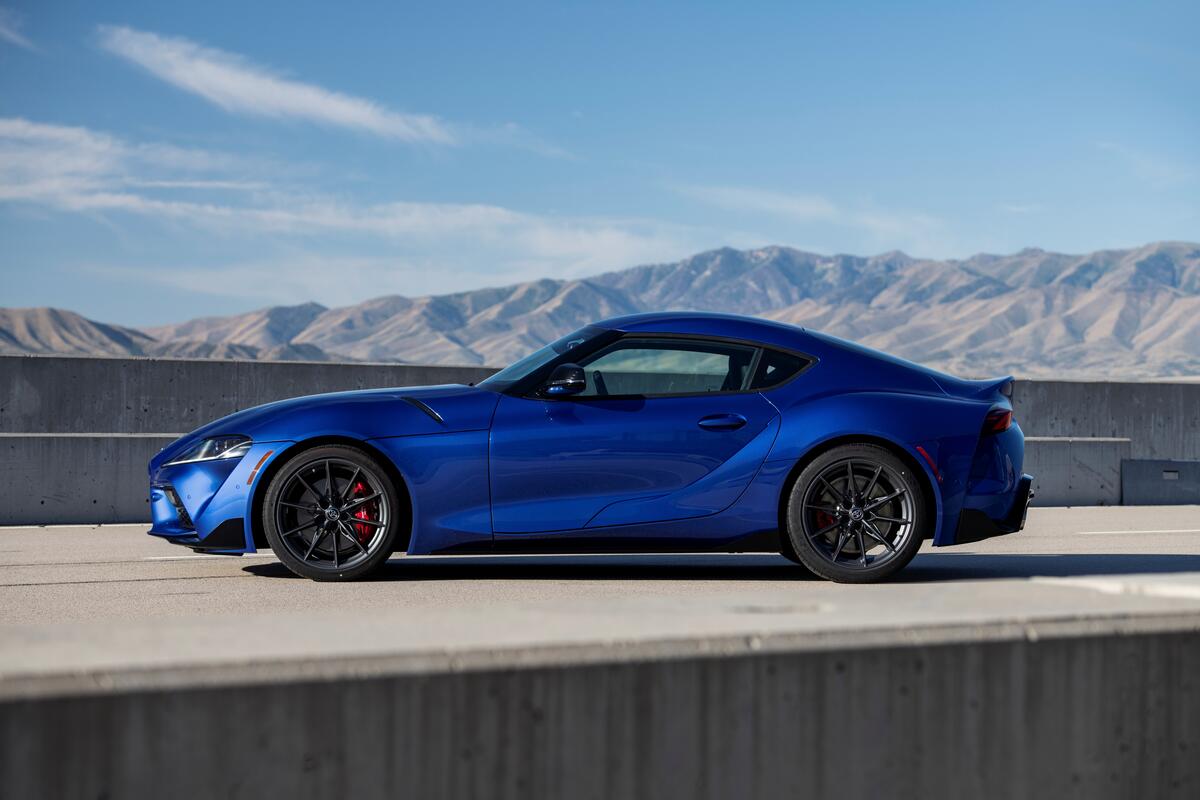
"I would just collect all of the ones that I thought were cool, you know, the new like Celica Supra or whatever, you know, whatever was it was going on."
They mention “Celica Supra,” but that’s likely a name mix-up. Celica and Supra are both Toyota sports cars, but they’re not the same model.
The speaker mentions “Celica Supra,” which sounds like a mix-up between Toyota’s Celica and the Supra nameplate. Both are Toyota sports cars, but they’re different models with different histories and generations.
"I had bought a 924, 1982 Porsche 924, and I was looking through the owners, we came with the owners manual..."
The Porsche 924 is an older Porsche sports car from the early 1980s. It’s a good example of how Porsche built “real car” performance before the 911 became the main thing people think of.
The Porsche 924 is a front-engine sports coupe that became a gateway model for Porsche fans in the late 1970s and early 1980s. It’s notable because it helped establish Porsche’s reputation for practical performance before the brand’s later, more iconic rear-engine 911 era dominance.
"I had bought a 924, 1982 Porsche 924, and I was looking through the owners, we came with the owners manual... because now they have to tell you, you know, don't drink the antiprees..."
An owners manual is the book (or PDF) that comes with a car telling you how to use it safely. It also includes important warnings and basic maintenance guidance.
An owners manual is the manufacturer’s guide that explains how to operate and maintain a specific car model. It often includes safety warnings and basic usage instructions tailored to that vehicle.
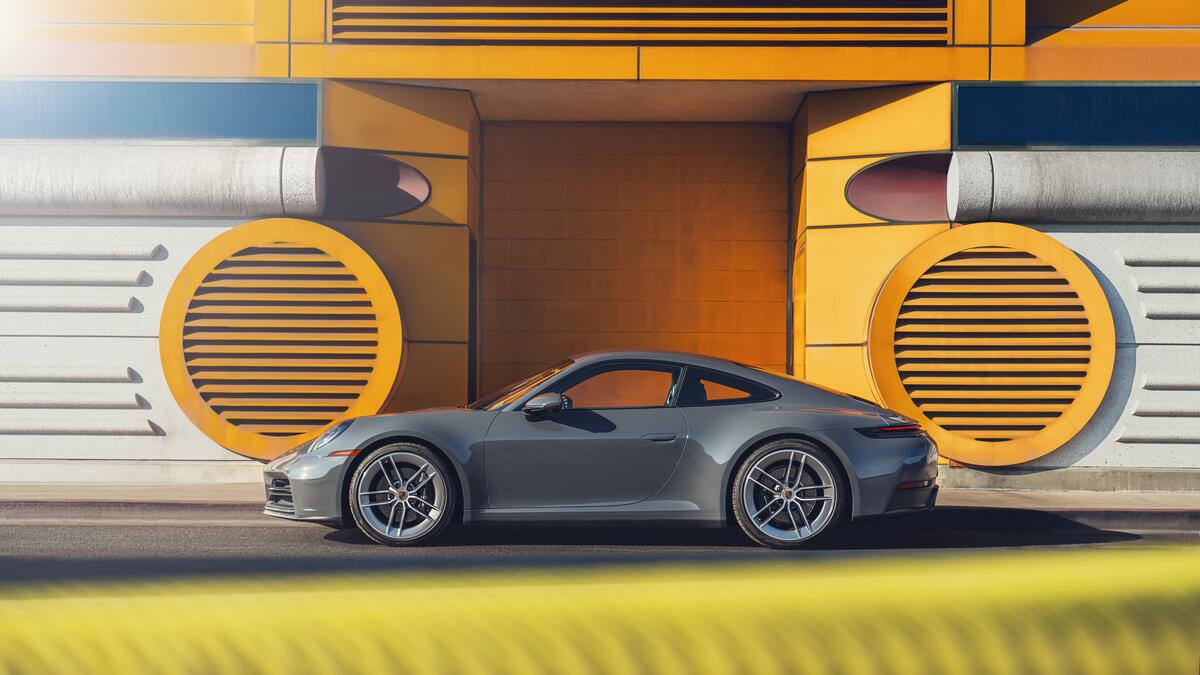
"I was looking through the owners manual and the first paragraph there, which is actually also lifted in my 993 owners manual too."
The Porsche 993 is a specific generation of the 911, and it’s the last one with the classic air-cooled setup. Enthusiasts often treat it as a “final form” of the older-style 911.
The Porsche 993 is the last generation of the air-cooled Porsche 911, and it’s famous for being the end of an era. It’s also known for being a more refined, modern-feeling 911 while still keeping the classic air-cooled character.
Term
antiprees
"because now they have to tell you, you know, don't drink the antiprees, you know, but back then it was like real, right?"
“Antiprees” is almost certainly “antifreeze,” the fluid that helps the engine run at the right temperature. It’s poisonous if swallowed, so manuals include warnings like that.
“Antiprees” appears to be a transcription error for “antifreeze,” the coolant additive used to regulate engine temperature. Owners manuals warn against ingesting it because it’s toxic.
"So, so we make backseat drivers and it was so fun coming up with these episodes. It's like, um, all right, what if we get an Alfa Romeo, Julia Quadrifoglio and turn it into like a pizza delivery car?"
The Alfa Romeo Giulia Quadrifoglio is a sporty, high-performance version of the Giulia. They’re using it for a fun stunt, basically testing how well it can handle crazy driving tasks safely.
The Alfa Romeo Giulia Quadrifoglio is Alfa Romeo’s high-performance version of the Giulia, built around a powerful engine and a sport-focused chassis. In the episode, it’s used as the base for a stunt “pizza delivery” scenario, which highlights how capable it is for playful, controlled driving.
"It totally is. So, so we make backseat drivers and it was so fun coming up with these episodes. It's like, um, all right, what if we get an Alfa Romeo, Julia Quadrifoglio and turn it into like a pizza delivery car? So I got like, um, uh, um, uh, uh, let's call this stunt driver, Sarah,"
"And then we did, um, it was back when like the Model X had like Tesla had like a self parking and I wanted to find out, well, okay, could it really do it?"
The Tesla Model X is an electric SUV. They’re talking about whether it can park itself using its automated parking feature.
The Tesla Model X is an electric SUV known for advanced driver-assistance features. Here, the hosts discuss Tesla’s self-parking capability and test whether it can work reliably in a real-world scenario.
"it was back when like the Model X had like Tesla had like a self parking and I wanted to find out, well, okay, could it really do it?"
Self parking is a feature where the car helps steer itself into a parking spot. The hosts are basically asking if it works for real, not just in commercials.
“Self parking” refers to a driver-assistance system that can steer the car into a parking space with minimal driver input. The episode treats it like a real test—can the system actually do it reliably, not just in ideal conditions?
"and I wanted to find out, well, okay, could it really do it? And like, who's a better Parker, the Tesla and autopilot or like an eight year old girl."
Autopilot is Tesla’s system that can help with driving tasks. It’s not fully “hands-off” in every situation, but it can assist with things like staying in the lane and controlling speed.
Autopilot is Tesla’s umbrella name for driver-assistance features that can handle certain driving tasks like lane keeping and adaptive speed control. In the segment, it’s mentioned as part of the comparison for who/what can perform the parking maneuver.
"And then the eight year old was in a Fiat 500, um, with Sarah in the passenger seat, like on the e-brake just in case I'm witness, but like she could totally do it."
The e-brake is the parking brake. They mention it as a safety measure so the car doesn’t move unexpectedly.
The e-brake (electronic parking brake) is used to hold the car stationary. In the segment, it’s referenced as a safety backup while a child is in the driver’s seat, emphasizing that the car is kept from rolling.
"And then the eight year old was in a Fiat 500, um, with Sarah in the passenger seat, like on the e-brake just in case I'm witness, but like she could totally do it."
The Fiat 500 is a small car that’s meant for easy driving in tight spaces. They use it in the story as the “human” comparison to the Tesla’s self-parking.
The Fiat 500 is a small, city-focused car that’s easy to maneuver and typically used as a practical “starter” vehicle. In this segment, it’s used as the contrast to the Tesla’s automated parking test, with an eight-year-old in the driver’s seat (with safety precautions).
"We did like a grocery store, shopping cart, um, slalom. So like shopping carts put like in a parking lot and like, and ripped a, um, Cayenne E hybrid, uh, sort of through there and they had like load groceries and then do it backwards."
The Porsche Cayenne E-Hybrid is a Porsche SUV that uses both gas and electricity. They’re using it for a stunt where it drives through a slalom while carrying groceries.
The Porsche Cayenne E-Hybrid is a plug-in hybrid version of the Cayenne SUV, combining an internal-combustion engine with electric drive. The episode uses it as the “real car” that drives through a slalom while loading groceries, showing it can handle low-speed precision maneuvers.
"at Porsche Panorama, the PCA magazine. Yeah, I love Rob. And he loved, oh my gosh."
PCA is the Porsche Club of America. It’s a big Porsche fan organization, and they publish a magazine mentioned in the segment.
PCA stands for Porsche Club of America. It’s one of the biggest Porsche enthusiast organizations in the U.S., and its magazine is referenced as the venue for the editor-in-chief.
Concept
sealed in their little car
"like during a time when everything is so dark and everything is so locked down, like these machines, these, these, these cars can be a safe way to, you know, because it was sealed in their little car."
The speaker is describing how, during lockdown conditions, cars can function as a personal, contained space. In enthusiast terms, it highlights how driving and car culture can still provide connection even when social life is restricted.
Term
coma
"Fiancé dies. He is gravely, like, like not gonna, like maybe not going to make it, you know, coma, ventilator, all this kind of stuff."
A coma is when someone is not awake or responsive because of serious injury. It usually means the person needs intensive medical care and time to recover.
A coma is a medical state where a person is unresponsive and cannot be awakened normally. In the context of severe trauma from a crash, it indicates critical injury and a long recovery timeline.
A ventilator is a machine that helps someone breathe when they can’t breathe well enough by themselves. It’s commonly used in serious medical emergencies.
A ventilator is a machine that helps a patient breathe when their lungs or breathing muscles can’t function well enough on their own. After major trauma, it’s often used to support breathing during critical recovery.
"He was featured in like Petrolicious and stuff. He was like a car guy, right?"
Petrolicious is a car-culture media outlet that highlights interesting cars and the people behind them. If someone was featured there, it usually means they were well-known in the enthusiast world.
Petrolicious is an automotive media brand known for storytelling and video features focused on car culture and enthusiasts. Being featured by them signals the person was recognized within that car community.
"And I was going to learn how to use a turn signal, cause like the whole side of his butt, right?"
A turn signal is the light you use to tell other drivers you’re turning or changing lanes. The speaker is saying the injured driver had to relearn even that simple habit.
A turn signal is the vehicle’s indicator system used to communicate intended direction changes to other drivers. In the story, it’s mentioned as a basic driving skill that the person had to relearn after injury.
"So he gets, he finds a, uh, sleep, I think, uh, 964 in Tiptronic.
Now, how many times have you talked with your friends and be like, Oh man, I saw this car in auction."
Tiptronic is an automatic transmission that also lets you manually pick gears if you want. In the episode, it’s the reason this specific car works for the person’s needs.
Tiptronic is Porsche’s name for an automatic transmission that can also be manually controlled. It’s designed to let the driver choose gears (often via a lever or buttons) while still having the convenience of an automatic.
Concept
cars shortcut all of the small talk
"And I think Batsom sums it up, you know, and I quote him
all the time where he says, yeah, cars shortcut all of the small talk, and you just jump into a
friendship."
The host is saying cars can help people connect faster. Instead of doing awkward small talk, you can start with something you both care about.
This is a social concept about how car conversations can quickly create connection. The idea is that shared interest in cars provides an easy entry point into deeper friendship, bypassing more generic “small talk.”
"in the car world... I truly believe that the automobile that driving is the perfect pace with which to see the world... you can stop... experience... get back in and then keep going."
They’re talking about how driving changes the way you travel—like you can stop and explore, then keep going. It’s about why cars make trips feel more like an experience.
The hosts discuss the idea that driving provides an ideal rhythm for exploring—stop, experience, return to the car, and keep going. It’s a thematic framing of why cars matter beyond transportation.
"there's such a beauty to that, you know, there's such a romance to the road trip, you know?"
A road trip is when you drive to a destination and also stop at places along the way. The host is basically saying driving lets you experience more than just arriving.
A road trip is a driving-focused travel style where you stop along the way, then continue to the next destination. The host uses it as a “romance” of driving—highlighting how cars let you pace your travel and experiences.
"there's so many misconceptions about the Michelin guide, you know, the restaurant guide... it's like, no, no, no, that was a book from a tire company to get you out driving."
The Michelin Guide is a famous restaurant rating book. The host is saying it started as a tire-company idea to get people driving to places to eat—so they’d use more tires.
The Michelin Guide is a restaurant rating guide published by the Michelin tire company. In the episode, it’s framed as originating from Michelin’s tire business strategy—encouraging people to drive to destinations and, in the process, wear out and replace tires.
"So so I stopped and I'm talking with chef Kyle and, you know, he's, he's an Audi guy. And like, we're talking about cars"
Audi is a well-known car brand from Germany. In this part of the conversation, it’s used to explain the chef’s car taste before they talk about the Ferrari.
Audi is a major German car brand known for engineering-focused cars and a wide range of performance models. Here it’s mentioned because chef Kyle identifies as an “Audi guy,” setting up the conversation that leads into the Ferrari Roma story.
"And like, we're talking about cars and that he's like, no, I saw the car. Oh, I did it in the Ferrari Roma, which is, I think I wrote it's like, it's a car I can crush on."
The Ferrari Roma is a Ferrari that’s built more for stylish, enjoyable driving than for racing. The host is saying the Roma made him feel really excited—like he instantly “liked” it a lot.
The Ferrari Roma is a front-engine, rear-wheel-drive Ferrari known for its elegant grand-touring style rather than raw track aggression. In the episode, John Chuldenko describes the Roma as the car that triggered a “crush” feeling—highlighting how emotionally engaging it can be.
"And it's like, well, how do we tweak that? And how do you do it in a digital age where there are by wire, you know, drive by, you know, pedal by wire and breaking by wire and those kind of things."
Your brake pedal sends signals to the car’s computer, which then controls the brakes. This can make braking feel more consistent and work better with traction and stability features.
Braking by wire uses electronic controls to command braking instead of relying solely on a direct mechanical/hydraulic linkage from the pedal. It allows more sophisticated brake-by-brake control for stability and traction systems, but it also requires careful baseline calibration and safety logic.
"And it's like, well, how do we tweak that? And how do you do it in a digital age where there are by wire, you know, drive by, you know, pedal by wire and breaking by wire and those kind of things."
Instead of a direct mechanical connection between your pedal and the engine, the car uses sensors and computers. That means the computer can adjust how the car responds more precisely.
Drive-by-wire replaces mechanical linkages (like cables or rods) with electronic signals to control the car. That lets engineers tune throttle response and stability systems more precisely, and it’s a key enabler for modern “digital” vehicle calibration.
"And it's like, well, how do we tweak that? And how do you do it in a digital age where there are by wire, you know, drive by, you know, pedal by wire and breaking by wire and those kind of things."
Instead of a cable pulling the throttle, sensors measure what you’re asking for with the pedal. The computer then tells the engine what to do.
Pedal by wire means the accelerator pedal position is read by sensors and converted into electronic commands, rather than moving a throttle body via a cable. This improves repeatability and makes it easier to tailor throttle response across driving modes.
"And what was interesting was like, to understand that like, it's about setting baselines, like he can, because it's digital, he can set a baseline where he knows it's going to be good. And then everything else is just the, you know, just making it better and from good."
In vehicle development, “setting baselines” means establishing a known-good starting calibration for how systems behave before iterating. With digital controls, engineers can lock in a baseline response and then refine it to make the car better “from good.”
"So found a, what is it? 2014? GTI? Mark six. 2013. I hadn't been in a GTI in probably 20 years. I get behind the wheel."
The Volkswagen GTI is a small sporty car that’s meant to be fun to drive without giving up everyday usability. Here, the point is that it feels lively partly because it’s not as heavy as many other cars people drive.
The Volkswagen GTI is a compact “hot hatch” known for being fun and practical at the same time. In this segment, the host highlights how getting back into a GTI after a long time feels right again—especially because it’s relatively light compared with bigger vehicles.
"I get behind the wheel. I put a set of a ps4s Michelin's on it. I get behind those wheel dyes."
Michelin PS4S is a type of performance tire. Tires can change how a car grips the road and how confident it feels when you turn or accelerate.
Michelin PS4S refers to a performance tire model designed for strong grip in both dry and wet conditions. The host’s reaction (“they got this right”) ties the tire choice to how the GTI feels—better traction and steering feel can make a car feel dramatically more “right.”
"I was like, Oh, they got this right. I mean, I was like, for what, for bang for your buck? It was like 13 grand."
"Bang for your buck" just means “is it worth the price?” In cars, people use it to talk about whether you’re getting a lot of fun or capability for what you pay.
"Bang for your buck" is a value-focused phrase meaning you get a lot of benefit for the money you spend. In car talk, it usually refers to how much driving enjoyment, capability, or features you get relative to the price.
"they're joyful cars again, like, because it's light. What's what, 3000 pounds or something? You know, I think when people... equate that to weight."
Weight matters because heavier cars take more effort to speed up, slow down, and turn. That’s why lighter cars often feel more agile and playful.
In driving feel discussions, weight is a major factor because it affects how quickly the car accelerates, brakes, and changes direction. The host argues that a lighter car (often under about 3,000 pounds) tends to feel more “fun” because it’s less of a physical effort to move around.
Concept
physical experience of driving
"I love a truck and an SUV probably more than the average person, but it's a different feeling. It's a very different physical experience."
They’re talking about how different cars feel in your body. A heavy truck or SUV can feel like you’re pushing around a lot of mass, while a lighter car feels more nimble and responsive.
The host contrasts driving a lighter car versus a truck/SUV by describing how weight changes the “physical experience” of motion. This is about how the driver perceives size, mass, and effort—how the car communicates through steering, braking, and body movement.
"Land Rover will let children, as young as 11 years old, drive freaking cars. Yes. Like through their like off-road course, right? Which is like, it's a basic off-road course, but for people who haven't done it at none, it's challenging."
An off-road course is a practice area where people learn to drive on rough ground. It uses obstacles to help drivers understand how the car handles when the surface isn’t flat or predictable.
An off-road course is a controlled training area designed to teach drivers how to handle traction loss, uneven surfaces, and obstacles. This segment describes elements like climbs and tip-over ramps, which are meant to build confidence and show how the vehicle behaves off pavement.
"it's, uh, it's right hand drive, right? So, um, instructors here and there's like an extra little brake pedal just in case, you know, and she's like creeping through like the woods"
Right-hand drive means the steering wheel is on the right side of the car. That’s normal in places like the UK, and it affects how the driver sits and controls the car.
Right-hand drive means the steering wheel is on the right side of the vehicle. It’s common in the UK and other countries, and it changes how you sit and how instructors/driver controls are positioned during training.
"So, um, instructors here and there's like an extra little brake pedal just in case, you know, and she's like creeping through like the woods"
The extra brake pedal is there so the instructor can brake immediately if needed. It’s a safety feature used during training.
An extra brake pedal is a dual-control setup used by instructors so they can intervene instantly. It’s common in driver training because it lets the instructor apply braking even if the student makes a mistake.
"and I looked at the elation on her face, you know, and you get out and they do these big, you know, these like sort of tip over ramps and stuff. And it's, it's fun for, it was fun for me in the backseat, right?"
Tip-over ramps are ramps designed to make a car tilt a lot, safely. They’re used so drivers can learn how the car feels and how to stay in control when it’s leaning.
Tip-over ramps are training obstacles shaped to simulate a vehicle leaning toward its rollover limit. They help drivers learn how to control the vehicle’s balance and steering inputs when the car is on an extreme angle.
"it's like anybody's like first off-road experience or ice driving experience like, oh, this is not, this doesn't bathe the way it does on Melrose Avenue"
Ice driving is when you practice on a slippery surface so you learn what to do when the tires don’t grip well. It helps drivers learn control techniques that are useful anywhere traction is unpredictable.
An ice driving experience is a training scenario where the road surface has very low traction, forcing drivers to learn smooth inputs and how the car responds when tires lose grip. It’s used to teach control skills that also matter off-road, where traction can be unpredictable.
"we would watch the races at Sebring and be super into it, yeah, he would take the boys down and they would go to races, and they would watch the, you know, the endurance races at Sebrings"
Endurance races are long races where the car has to last. Teams plan for things like driver changes and keeping the car running for the whole event, not just going fast for a short time.
Endurance races are long-duration motorsport events where cars must keep running reliably over extended time, often with driver changes. The strategy is as important as outright speed because teams manage heat, fuel, tires, and mechanical wear to finish the full distance.
"Tomorrow at 6 30 in the morning, it's wheels up for an owner's drive. I'm not an owner, but I'm joining an owner's drive with the Ineos Grenadier up in Moab."
The Ineos Grenadier is a tough off-road SUV meant for rough trails, not just city driving. Here, the host is going to Moab with other owners to try it out and learn what people like about it.
The Ineos Grenadier is a modern off-road SUV built with a traditional, rugged approach—think body-on-frame style capability and a focus on getting through rough terrain. In this segment, the host is joining an owners’ drive in Moab to experience it firsthand, including being behind the wheel for the first time.
"Tomorrow at 6 30 in the morning, it's wheels up for an owner's drive. I'm not an owner, but I'm joining an owner's drive with the Ineos Grenadier up in Moab."
An owners’ drive is a meet-up where people who own the same car go on a trip together. In this case, it’s for Ineos Grenadier owners heading to Moab.
An owners’ drive is a group trip organized for people who own a specific vehicle, typically including guided routes and opportunities to meet other owners. Here, it’s tied to the Ineos Grenadier and a trip to Moab.
Select text to request an explanation
It's engineered for perfection.
Every contour sculpted for uninterrupted motion, wider, smoother, more refined, and drives like
a dream.
Introducing the 2026 E470. Experience the difference.
It's not about compression ratios, you know, and spring-rate rebounds and things like that.
It's what experiences do they unlock? What emotions do they conjure?
John Sheldanko is one of those automotive journalists that, and I'll just say it, I
want to be more like. He's seemingly done it all, and we cover a lot of ground in this
one. From what it was like producing a car show for kids to secret enthusiast dog whistles
and Porsche owner's manuals to a run-in with the Hollywood Diva and the secret collection
of LP records in the attic of the White House. Yes, he writes about cars, but the story is
often as it should be about everything else. When people ask who needs another car podcast,
it's for conversations like this one. With our pal John Sheldanko, it's that car show.
Welcome back to this week's episode of That Car Show. I'm Lindsay, and I'm here with
Brian, and we have a guest that I'm really excited to share with everybody. My friend
John Sheldanko is with us this week. John and I met originally through Instagram, and
then we got to meet in real life at the Griffith Park Cars and Coffee, which is kind of a
little like, if you know, you know, hidden secret, even though it's an amazing show.
So we met there. And then I actually got to see he and his amazing wife, Mira, at the
Slate launch, which was about almost exactly a year ago. And yeah, hard time flies when
you have fun, right kids? So I'm really excited to have him join us on the show this week.
He's got some amazing stories, and I'm excited to share them with our listeners. A little
background on John, he has been thinking up big ideas and bringing them to life for decades.
He grew up in advertising, and he learned to write by pouring over stacks of car brochures
he collected at the auto show every year. He is currently the senior editor at dossier,
a luxury travel lifestyle and culture publication. And he also contributes to Porsche
Panorama, Christophorus, Kraft and tailored, R&T crew and many more outlets that we've
heard of. He created Backseat Drivers, which was the first car show for kids, which I love
that. He produced the indie cult classic Dave made amaze, which is quite possibly the only
film shot inside a cardboard fort. Safe to say John is a multi hyphenate. He is a two time
Emmy nominee, a Clio winner and a Sundance Tribeca and South by Southwest alum. And probably
one of the things I'm most interested in hearing more about in depth is he has been featured
on NPR because he uncovered the secret vinyl collection at the White House and then wrote
about it to share it with the rest of us. John serves on the DGA PAC leadership council and
also on the board of counselors at the Carter Center. You'll likely find him at a record store
in LA driving through the Malibu canyons or spending time with his wife and two daughters
who are mildly impressed that he's also directed the Muppets. So welcome to that car show, John.
Oh my goodness. What an intro. I was like, oh, this is your life. You're like,
this guy sounds kind of interesting. I want to know that guy. I know. I'm like, not to start
out not on cars, but the Muppets like what was that? Oh my goodness. Yeah. So they brought,
they brought me out to New York and it was like a little thing when I think when ABC had just gotten
the rights or something like that. It was a while ago. And so they wanted to do like a little kind
of short film thing to promote it. And it was Miss Piggy. It was Animal and Victor Garber,
like the Broadway actor who was in Alias, like real like classically like real actor, right?
So yeah, I had written a couple of like little skits, you know, for Victor Garber to do with
Miss Piggy and stuff. And she would do her like, yeah. And we were like karate shot and
stuff like that. And Victor Garber would go that. But yeah, it was funny. I remember like,
you know, it's like, I've got a whole day to do this shoot. Like I've got like a full like 10
hour day, right? But those puppet people, they work fast. They like to work fast. And I guess
if I like stood around all day with my arm like up in the air, I probably want to move this,
you know, move this shoot along too. But I'm she like, I'm not editing it. So I'm just getting
covered. I'm just shooting every angle is like whoever can edit it can do it however they want.
Right. Right. And Miss Piggy turns to me and she goes, this is comedy people. We have to move
much faster than that. And so I'm asking myself, yeah, but I don't know who to respond to.
And so like, I guess I, I guess I talked to Miss Piggy. I feel like the respectful
approach to speak directly to Miss Piggy. I think so. I think that's what it was. Yeah. Yeah.
Well, she should be a diva. She's earned it. That's her thing. Exactly. Totally. Totally.
Oftentimes I feel like, you know, Kermit, he was just trying to hold it together.
He's just like the producer and he's got, he's like literally with this like
zoo full of like wild characters. He's like, oh my God, people like this is like,
gotta keep this together, man. And then it goes to someone who grew up with that stuff.
I mean, you, I'm sure grew up watching Sesame Street and that was like a big deal.
Sunday nights, I think it was on CBS, you know, and. Oh yeah. Yeah. That was my,
that was my muffin impression for those just listening. I knew it immediately. It was spot on.
Yeah. I mean, like absolutely like meeting your heroes. It's, it's, uh, that, you know,
both properties, it's a national treasure. Like it's one of those things that are so deeply ingrained
and something that everybody's got. I mean, nobody's like, I'm not a big Sesame Street fan.
Like everybody's like, it's like a beloved, you know, and so, so, so properties like that,
like the Muppets, um, it holds a special place and it's certainly my heart and, and, and even
like my kid, you know, it's fun to see like sort of that, how that translates through generations
and, you know, all that. And, um, well, when you look at how long they've been around,
you know, I mean, to have that kind of staying power, it's like, it's like when you talk about
bands that have been successful for decades, like that doesn't happen. It's not a guarantee.
No, you know, I mean, I grew up on the Muppet movies. I think we all did in some fashion and
I've started introducing those to my daughter and it's so funny when we were talking before we
started about the things that when you have children and then the things that that reminds
you of from your own childhood and it's so fun to go back and watch the Muppet movies and remember,
I mean, that was just magic as a kid. Absolutely. I like, my sister and I will quote Muppets take
Manhattan like all the time, like, I'm Bill and this is Phil Bill. Yeah. Like, like,
there were, like when I got married, when we got married, like the recessional walking back up the
aisle was somebody's getting married from Muppets take Manhattan. That's fantastic. Which I don't
think the sheet music is anywhere. So we had like a little, like string section that was playing
live and I think we had to sort of figure out how to play it like they had to. You have handwritten
music for them. You're like, just go with it. Something like you guys know the song. It's fine.
That's really held up. Well, you know, I tried to introduce my daughter to the three to one contact.
That's not held up quite the same. You know, this shit, you know, the computer, you know,
the Apple to see that we were talking about totally. Yeah. But that's the one with the
water droplet in the intro. Yeah. Yeah. Yeah. They show the recording. Yeah. Man. Yeah. Yeah.
Good times. That's that's that's so cool. So you've had such a diverse career. I mean, where did
I know how did you give us give us the full and it was weird. Like when I, you know, when, when
you had called and asked, I was like, Oh, wait, like how at one point, yes, it's a weird bonkers
crazy like detour of a life. You know, that's really, really strange. And the other,
on the other hand, like I step back and like, Oh, it's, I've seen it all along. You know,
like my sister told me the other day, she's like, how did you land this job that like
six year old you would be totally proud of? You know, and it's kind of true. Like, hey, like,
you know, like, oh, like we get to like go, you know, rip supercars around every night.
It's like, it's pretty awesome. You know, and then give them back before you have to buy breaks.
Yeah. Well, and I feel like I'm seeing that a lot in like my family's life, but also in friends
where you go, like if you look back, the threads were there the whole time. And it was just the
next right step and all of that, but you didn't know it in the moment necessarily. So like,
how did you get into automotive journalism and journalism and where you are and doing all the
amazing things you've done? Yeah, it's like, well, it's like you mentioned before, like I honestly
learned to write from reading car brochures, like back in the day to those younger listeners.
They went before things were online, like you go to the auto show and they would give you like
usually a sponsor would have like a tote bag, like a plastic tote bag, and you'd walk around
to the booths and they would just have like eight by 10 like brochures, like beautifully photographed
and like airbrushed, like retouching because before Photoshop, right? And I would just collect
all of the ones that I thought were cool, you know, the new like Celica Supra or whatever,
you know, whatever was it was going on. And I would bring them home and I remember sitting
on my bed just reading every single word, just like reading the right because the language was
so beautifully floral, like there was just such like wonderful adjectives and the way they'd craft
like people cared, like you look at those old ads, like those old DDB ads from Boltzware,
it was like image and then like three columns of like body copy, text, and people were expected
to read, you know, and I was looking, I had bought a 924, 1982 Porsche 924, and I was looking through
the owners, we came with the owners manual, I was looking through the owners manual and the
first paragraph there, which is actually also lifted in my 993 owners manual too. It's like,
I don't remember exactly, but it's like judging from the car you just purchased,
you're clearly like not a novice driver and you know what you're doing and like, I'm like,
man, like they should get people, like our friends to write like intros to
owners manuals, like just really beautifully, you know, because now they have to tell you,
you know, don't drink the antiprees, you know, but back then it was like real, right? I think I
read that. Different times. Different times. Yeah, that's how I learned to write and I think that
language sort of led me into a career in advertising. So I would, you know, through design and then
through directing commercials and things like that. And then we would, I was a partner in an
agency that did a lot of toy commercials. So I like of, speaking of like retro stuff,
like I made, our agency made a large percentage of the toy commercials in the 90s. So like the
Tonka bubble fire truck, like all like those bubble toys. And then like the Nerf, all those like
Nerf like rain guns that would do it. And those were all shot in a very specific way. And we shot
those in Vancouver a lot, sometimes in Los Angeles. And one day like we were on a shoot, I had
built, we had built some like custom vehicles back when they had like money for commercials,
some custom vehicle and we were like driving it down like, like Venice Beach or something. And
it's like, I like it here. And I grew up in like a little adorable little town called
Sugrin Falls, Ohio, which is like a beautiful Norman Rockwell town.
Well, I love the name because it's so like, it's great contrast of like Sugrin, but like, no,
it's lovely. Yeah, exactly. So, uh, so I'm there and I was, I think it was like winter time back
home and I'm like, I kind of like it here. And so I asked one of the producers, I'm like,
what's it tell, like, how do we get an apartment? How do I stay? And that just started the ball
rolling and I ended up like finding a little apartment and like building my little life here.
And then, um, yeah, like stayed in commercials and stuff. And that led into like film and
television for a little bit. And then that led to, I've always been a car fan, like that's always
stuck with me, right? Um, uh, made friends with a guy in children's television. I'm like, I've always
wanted to do a car show for kids, like almost like top gear for 10 year olds. Like, is that,
is there a way to do it? And he had just gotten a job as like a programming executive for like a
little kid streamer, um, uh, platform. And, um, he's like, let's go do it. And so I called in a
bunch of favors, uh, uh, a former guest. My first call was former guest, Derek Powell, because Derek
knows everybody and is the nicest human being ever. Um, no question. You have a, you really
have the greatest hits of like nice people on your podcast. I mean, it's really, it's really
stellar. I mean, like Bassam Lynn, like everybody who's just like, just so near and dear, all the
favorites. Well, we've been, we've been very lucky to, you know, have everybody be so generous
with their time, including you. I mean, it's just like, you know, every now and it's like,
I'll step back and be like, the fact that I'm like friends with all these people now is just,
if you had told me even like six years ago, it's just amazing. I love it so much.
It totally is. So, so we make backseat drivers and it was so fun coming up with these episodes.
It's like, um, all right, what if we get an Alfa Romeo, Julia Quadrifoglio and turn it into like
a pizza delivery car? So I got like, um, uh, um, uh, uh, let's call this stunt driver, Sarah,
Sarah Fairfield, who's a precision driver. Yeah. And, um, yeah. And so she's like,
she's, I've got the kid, I've got our three like kid hosts in the car and she's like whipping
it around, um, Irwindale and they're throwing like frozen pizzas out the windows, trying to
like land them into like those toy, like little types, play houses, like it's just bonkers. It
was just like, you know, yeah, it's like having another sip of reposado and trying to think of
these crazy ideas, right? Child actors look back and they're like, that was still my favorite job
ever. I know, right? It was just like low enough stakes that like nobody is like the grown-ups
worn around. So I could really do whatever I wanted, you know, and it was so, so we did that.
They're like, this is safe. Sure. Yeah. Sure. It's like, we got a, we got a guy with a fire. It's
fun. Um, and then we did, um, it was back when like the Model X had like Tesla had like a self
parking and I wanted to find out, well, okay, could it really do it? And like, who's a better
Parker, the Tesla and autopilot or like an eight year old girl. And so we had the Tesla do it by
itself. And then the eight year old was in a Fiat 500, um, with Sarah in the passenger seat,
like on the e-brake just in case I'm witness, but like she could totally do it. And I remember
like the actor, you know, she, like her dad, but you know, parents have to be on set. My dad's
like, man, I thought I'd be the one to teach her to drive, but turns out she does it on camera,
you know? Um, and we did like the first trade-offs go, if it wasn't going to be me, I'm fine with this
being the story. Right. Right. We did like a grocery store, shopping cart,
um, slalom. So like shopping carts put like in a parking lot and like, and ripped a, um,
Cayenne E hybrid, uh, sort of through there and they had like load groceries and then do it backwards.
And it was just like, fun. It was like super fun, like top gear style ideas, but,
but with that kid kind of that kid energy, right? Which adds like a certain kind of spontaneity
to it. I think, um, which makes it engaging for the kids too and gets them interesting in a topic
that isn't usually covered in a lot of children's programming. 100%. And I've always, well, and,
yes, and, and, and to, you know, um, you know, on the other hand, like when I think about what we do
in our industry and our passion for cars and this and everything, like if we don't get kids into
this, like it goes away. You know what I mean? So to stoke that, to stoke those fires, you know,
in the, in the next generation, right? That was what, that was, you know, certainly part of the
idea. Um, and then COVID hit. So if we had finished shooting and like everything locked down at like
while we were in post production, right? And, um, industry dries up. And what I realized was that
when things started to open up again, like it's like, like filming was horrible because like
what I loved, I realized what I loved about it is like, it feels like summer camp. Like everybody
gets together and like, oh, you're building the sets and the actors are here. We're rehearsing
and then somebody's doing the thing and it's like, it's all together and it's all the energy.
And so wonderful, wonderful energy. Well, with, with all the, um, restrictions, it was like, oh,
no, like the set people build this thing here, then everybody goes away. And then the dressing
people come here and everybody goes away and the camera blocks it. And then like the actors,
and everybody was so separated. It was no fun anymore. Cause I, what I loved was the
nonverbal communication. I loved like looking over at my, my director of photography and
like, oh yeah. So when everybody's math's like, you don't know, right? So it was really, it was
just no fun. And I was like, well, you know, maybe it's time for a pivot. And, um, at exactly the
same time I was in the kindergarten class for my daughter and one of the dads, um, had bought a,
well, I had bought, I had gotten this, um, uh, ocean blue metallic 993, right?
I thought I spent all the money in the world on it. I was clearly wrong back in like 2019.
So like, I don't know what happened there, but, um, he had just gotten, uh, he was,
it persisted online 991.2 9-11 in like Boston or something. So he was flying out to get that,
turns out it's in like night blue, like a very similar color. And then another dad from school
orders, uh, 992 in Gentian blue metallic. So all, like all sort of three similar shades. And his
must have been like the last one before they shut down because he actually got it delivered.
Oh, they're like, did we just become best friends all three months?
Well, it was exactly what, yeah. So yeah, hold it. Yes. Yes. Hold that thought.
And so I'm like, oh, maybe there'd be like a cool like story here, like, maybe there'd be a cool
photograph here, right? You know? So, um, uh, so I call a friend and, um, and I'm like, hey, let's
go and let's go shoot pictures of our cars and it'll be like to commemorate the occasion or
whatever. And I send them to, I send the photos to Rob Sass, who was the editor-in-chief at Porsche
Panorama, the PCA magazine. Yeah, I love Rob. And he loved, oh my gosh. And he's like, why don't you
write the story? And I'm like, what do you mean? So, oh, I had his email. I knew Rob just because
I used a copy of the magazine in the show in Backseat Driver as a prop in the title. So that's
the only reason I knew him. Like I was just like, Hey man, can I use your magazine? He's like,
heck yeah, no problem. Like, um, so I call, he said, why don't you write the story? I'm like,
really? Like, I've never done that before. And so I'm like, all right, let's, let's try it. And so
I did it and like, you know, you know, but I can, you know, a couple thousand words or whatever it
was, but it wasn't about the forces. It was about the friendship is exactly what you said, Lindsay.
It was like, it was about like how during a time when everything is so dark and everything is so
locked down, like these machines, these like, you know, these, these, these cars can be a safe way
to, you know, because it was sealed in their little car. And then we were like ripping up to
them out of canyons and through like, Angela's crest and stuff and how that could really foster
a sense of connection, you know, and like, we really like, like we were, had known each other
before, but now we're friends, you know? And, and so that's what the story was about. And turns out
people really liked it. And so what that is, that's like 2020, what that has kind of turned into is
like, that's, that's what I write about. You know, I, um, I like to say like, I write about cars
for people who don't necessarily like cars, you know, so they're like outlets that are not
necessarily car outlets. And it's like, to me, it's always about, it's not about
compression ratios, you know, and spring rate rebounds and things like that. It's like, it's,
it's, it's what are the, what experiences do they unlock? What emotions do they conjure? Like,
you know, why do we really have these things, you know, and how do they, in the community
involved and like all those kinds of stories. So it's been wild. Like it's, it's, um, it's kind of
like a, a specific niche, I guess. Um, but you know, the, the people that I meet and the stories
that I unpack through those have been fascinating. Like they'll, you know, and he published my first
story. So like when he calls for that night, I'm like, yes, I'll do whatever. And, you know,
he's called with these stories that like, at first I'm like, it takes me to be that I'm like,
I know why you called me, you know, like there's really been like things that are really moving,
you know, like I'm, um, I mean, he called me once. He's like, would you talk to this guy?
He was in, uh, he's in Palm Springs and it's Easter Sunday and he's driving us three 56.
And, um, driving through this like this, this beautiful road, sort of near near, I think he
lived in Palm Springs, but he was in San Diego and, um, gets into car acts, like horrible car
accident. Fiancé dies. He is gravely, like, like not gonna, like maybe not going to make it,
you know, coma, ventilator, all this kind of stuff. Wakes up. He's still in horrible shape.
And he was on like, he was featured in like Petrolicious and stuff. He was like a car guy,
right? Oh wow. He wakes up and starts his recovery process, right. And you know,
months and months go by, he's like, I'm going to teach myself to drive again through his dad,
his dad helped to inspire him. So I'm going to teach myself to drive, right. And goes through
the whole process. This guy used to be able to like, you know, really discern, you know,
shift or feel and pedal bit. And I was going to learn how to use a turn signal,
you know, cause like the whole side of his butt, right? Yeah. And what I thought was interesting,
so he, so he does that, he works, he does the whole process. He works his way back
and he gets, you know, he, enough mobility in his body to get, to get enough, get his license
and get another car. So he gets, he finds a, uh, sleep, I think, uh, 964 in Tiptronic. Now,
how many times have you talked with your friends and be like, Oh man, I saw this car in auction.
He's like, Oh, it's an auto. No, for that guy and automatic that Tiptronic is the key to him
being able to enjoy what we enjoy. You know, so there's stories like that that I'm like,
yes, like, like that to me is like something like that we normally just disregard is like a
Tiptronic 964. No, like, like for him, that's everything, you know, and for me, like when I
hear those stories, when I unlock those stories, but I talk to these people, I'm like, yes, like,
that's what we're doing here, right? The inclusion of everything, the community of everything,
like how these, these cars can really make our lives better, you know, and that's
kind of like a cliche thing to say, but like when I think about it, like it's unlike friendships for
me, you know, it has nothing to do with this like hunk of like metal and rubber and glass,
like door opener. I mean, it's like with these dads from school, like it's, and I don't like
this term because it's has so much, you know, people go like, Oh God, but that's the ice breaker
of like, it's the conversation starter. And I think Batsom sums it up, you know, and I quote him
all the time where he says, yeah, cars shortcut all of the small talk, and you just jump into a
friendship. And I'm like, it's the most concise description because I'll have like female friends
will say to me like, I don't get it. I'm, I don't connect with cars, but like, if you're this excited
about it, there's something here about like, how do you describe it? And it's what you've been saying
with kind of the focus of your stories. It's the people. And we talk about that all the time here
too. And it's funny because like, you know, uh, uh, you know, dossier, my, uh, magazine is we're
headquartered in, in, in Paris in New York. So not driving cities, right? So when I talk to people,
right, when I talk, well, when I talk to people, like, these are not car people, you know, like
whereas in Southern California, like everybody's got a car. That's sort of what we do, right?
Yeah. Um, and what's kind of fun is like to, to frame that, to frame my mentality, you know,
through, to see it through that lens. And it's like, well, okay, but like, what do you have?
Like, you know, they have the same materials and workmanship as your favorite handbag, you know,
the same like design elements are in a hotel room, you know, at architectural, you know,
all those elements are there. Plus they move and each one moves a little bit differently,
you know? And like, so there's an extra element of like, kind of like, oh, like once you can
unpack that thing, you know, that, that, that, that side to it too. It's, it's fascinating,
you know, but it's like Jay Leno is the one he says, like their works of art. And if you want
them to, they can roll down the road. That's a great. That's, yeah, that's great. Yeah, totally,
totally. So it's fun to go. I mean, and when I, because people do, I mean, you know, people can
talk about performance character, like there are people that we all know who are so good at that.
Right? So like, oh my gosh, totally. And like really can really discern that, you know, those,
those qualities and those kind of things. So yeah, I just, you know, I've sort of gravitated
towards the, you know, the, the, the stories and experiences are connecting a car with a destination,
you know, or a car with a specific trip and why they're connected and like how this car can
add to this experience for you, you know, and that kind of stuff is, is, is really important to me,
which is fun to be on the same because I get to see it illustrated when I'm on a same trip with a
more traditional autojournalist, right? And they, you know, they'll do, they'll, they'll take one
route and I'll take another route, you know, from a narrative point of view. I remember being
the same, like you said, it's the same same route, drop. Yeah. The complete
different story. Maybe about a year ago with Lamborghini from Bologna to Florence,
like a beautiful drive from Bologna to Florence, like up over the mountains and through the lakes
and everything like that. Gorgeous. And we stopped for like a planned, like little coffee stop,
you know, and we walk into this place. It's like a little tiny cafe. It's called,
Paso della Futta, della Futta or something like that. It's like right up at the top. And I just
happen to like, I just got a vibe from like this guy that was working there and turns out, I just
sort of, I don't know, like something just like sort of clicked and I'm like, yeah, who is this
guy? And I introduced myself. He's the owner of the place. His family's owned it for six generations.
And like, you start talking to somebody, you start asking questions and you're like, hey,
like, what's your, what's your story? Man, he's going to connect with like human to human. He's
like, come on back. And he's like, brings me back to the kitchen with this like stone like
fire hearth that he still cooks on, you know, that his great grandparents cooked on, you know,
he's like, come like, let me show you this like mantle with my family pictures on it. And like,
the, I want to say it was like a little like a cross or a rosary that was on there. And he shows me
a picture of him like being held as a baby and the crosses in the same place. Like everything is
like, hasn't been touched, right? And like to me, that was my story. You know, that's it. Like,
you know, like we're on this drive and those are the people that you meet and those are the things
that they get unlocked, you know? Yeah. I love that stuff so much. I mean, it's that's, that's what
makes it so rich. And it's like, you know, you're, you never know when you're going to run across
something like that. It's always worth saying hi to people because I mean, that's amazing. I mean,
the amount of history in that heart or the stone, six generations, you know, it's like,
who owns a place like, you know, that keeps it running. And it's like, it snows in the winter.
So he's up at the, it's on like the Mila Mila route, I think it is. And so like,
it's snow. Like it's like, but like people get to, and so he's telling me the stories about like
all these test drives that he'd see just like ripping it up there in like the 70s and 80s,
you know, like when he was a little kid, he's got, it's just incredible, right? And to me,
like that's the, that's the story. And honestly, I believe from a manufacturer point of view,
from a brand point of view, that's what people really want. That's, that's what's interesting.
Because he's like, Oh, maybe I could get that vehicle and maybe I could have that same experience
or a similar experience. Or where would I take it? You know, if I got it, what would I do with it?
Who, who could I meet? And that's where value comes in. And that's what, you know, and, you know,
living in, you know, you're working in this, in this luxury space, like, that's the value. It's
meaning and it's connection. Like that is, that, that's the truth. It's not about the thing. It's
never about the thing. You know, John, I was going to ask you what luxury means anymore, right?
And, and, and yeah, it's, um, maybe that's it. No, 100%. It's really jiffing away from the thing,
you know, because it's so, I mean that, yeah, it's not, it's like people and people, you know,
people have said forever, it's like, Oh, it's never really, you can't take it with you. And it's
never, it's not about that. And it doesn't, it doesn't fulfill that, um, that dopamine hit,
you know, eventually, but what does is connection with people and really, and so we're seeing it
certainly in the travel spaces that people are gravitating towards and they have been
for a while, more experiences and who are you going to meet? What kind of thing are you going
to do? Yes. But now I'm seeing things like how are you connected to the culture? You know, um,
when we launched Dossier, our, I don't know, she said something that's still stuck with me. It's
like, we don't necessarily write about what we did. We write about how we feel, you know? So when
you go to a place, instead of asking me like, Oh, what'd you see? No, it's like, you know, how
did you feel? You know, like, what was that connection? Yes. Like, and how does it, you know,
and you have to keep, approach it from place of vulnerability and approach it from
place of openness. And, um, that's why I like to write on airplanes, like either on the way,
like on the way back or on like the next trip, because years ago, I think what it seems like an
NPR story, but like, you know, like, I don't know if you guys do you guys cry on airplanes?
Like, I'll hear like, I'll hear like racing in the street from Bruce Springsteen. I'll hear
like a, like a watch a romcom or hear a song and I am like weeping in like 23 B, you know? And it's
like, and it's fine. Everything's fine. Yeah. And people have unpacked that the story I want to
say was NPR. They've unpacked it. And it's a combination. You're either going to see someone
you love or you're leaving someone you love, you're leaving home, you're going back, you know,
like emotions are heightened anyway, anyway, plus you're in a place of, um, you know, high
altitude that's not pressurized, like normally be right, you know, you're sort of confined.
Levels are off a little bit anyway. Yeah. No, it's like a, like a CIA black site
stress position for like, you know, it's like, you'll tell them anything you want.
You're like, you're upside down. No, that doesn't happen to everybody.
Well, no, but that's really interesting. So my husband's a flight attendant and he's been
doing it for 24 years. And he, the other day he was thinking about that. He's like, you know,
it's a job for me and obviously it's routine on and off the airplane. But when you stop and think
about the people that the flight crews are shuttling, he's like, it's related to a lot of
big life moments. Like you said, like they're going to see someone maybe for the last time,
they're going to meet a new baby, they're going on the vacation of lifetime, a honeymoon. It's,
it is tied to so many big life things that we all take, you know, we don't really take the time
to stop and think about, but yeah, they're pretty momentous. Yeah. So I've found
that like if I can start a story or at least like take some notes, like during that time,
it's a, it's a place where I'm much more real. You know, it hasn't, it hasn't gone through like a
filter or anything. It's like, oh, here's how we really feel about a place. So yeah, that's
how you tap into it. That's your process. I think so. Yeah. It's just sort of get yourself in
that place where it's like, oh, what does the place really feel like? Or what was like real
on it? You know, and I think, I think like a little bit of age helps. Like I don't have to be
cool anymore. You know, like I can be like, you get to a point in your life where you're like,
yep, this is who I am. There you go. I can believe it. It's a beautiful feeling of freedom.
Right? It's like, oh, yeah, here we go. Yeah. Yeah. Let me tell you what I really think.
Yeah. I release myself from all these like, no, but I got to look cool like that. Yeah. Yeah.
I want to circle back to something you said though, because it's,
I find it fascinating that, that luxury is,
how did you phrase it? Yeah, luxury is now human connection. And that is really a wild
thought, right? Oh, absolutely. That is, with a place, with a property, with, you know, like,
what, what does this unlock? How does this experience this hotel, this destination, this car,
whatever it is? Like, how does it unlock? How does it unlock that in me? I think in our world,
in the car world, and I say this a lot, is that I truly believe that the automobile that driving
is the perfect pace with which to see the world. You know what I mean? Like, you can stop,
and you can go experience, you get back in and then keep going. You know, it's, it's,
there's such a beauty to that, you know, there's such a romance to the road trip, you know?
Yeah. That I think it's, I've had just some fantastic experiences. So it's fun to like,
come up with these ideas and then be like, hey, how about I write about this? And they're like,
yeah, let's do it. Like we, before we were, I'll say we made the magazine for
American Express. We made a magazine called Departures, which is for MX, Platinum Car members.
Yeah. Same team. So one of our, like, what am I like, maybe one of my first stories there, I was
like, you know, there's so many misconceptions about the Michelin guide, you know, the restaurant
guide, you know, there's some people, people are like, nobody knows. Oh, is it just like a
brother that started this restaurant thing? Is it just a money investment? It's like, no, no, no,
that was a book from a tire company to get you out driving. And through that process,
you would burn through tires and buy more tire. Like this is exactly what it was, right?
There's no like, oh, how funny they both have the same name. Like, no, no, no. Go drive,
burn through tires, buy more tires. We need you to consume our product. And here's how we're going
to help you do that. So elegant. Really? Yeah. Yeah. Totally. Right. And so I was like, oh, let's,
like, let's unpack that. And so I did a trip from, we started Southern California, ended up in
Halesburg up north. And it was like, just stop in Michelin rated places. And I think what a lot
of people didn't understand at the time, and hopefully they do now is that it's not all 12th
course chef tasting menus. Like you've got now barbecue joints and taco carts and everything
that's listed in the guide, you know, you can really have you believe is a much more holistic,
kind of wide ranging, you know, travel guide. So yeah, it was like the fried chicken sandwich
son of a gun and LA, which is just, and then up the, you know, Santa Barbara,
Los Alivos, this place called Maddie's Tavern, you know, and then you keep going out and
Surrell hit open in San Francisco. And like this, you know, so it's like in stopping all
these places and talking with the chefs. And I was with a photographer. And you know, just stopping
and having these experiences and ending up in Halesburg, it's single threat, you know, which
is a three star place. And again, it's like the people you meet, right? So so I stopped and I'm
talking with chef Kyle and, you know, he's, he's an Audi guy. And like, we're talking about cars
and that he's like, no, I saw the car. Oh, I did it in the Ferrari Roma, which is, I think I wrote
it's like, it's a car I can crush on. Like I the, the emotions I had in the Roma, it was, it was
like, it was like a crush feeling. It wasn't like, Oh, I love this car so much. But it was like, it
like, it was really like inside like, Oh, I like really like have a crush on this car. Like I was
really similar experience to some of my emotions back so much so that I want, I think it was the
night in San Francisco. I like, I like sprung it out of the valet and like went like ripping
around at nighttime to find some takeout Chinese, you know, that was also in the guide, you know,
and so I was like, I just want to like, like drive this guy would spend more time with you and me,
baby, literally, it was everything. I just felt like it was like, like the, like the playful,
like little sibling, you know, to some of the more serious Ferraris, but like it was everything I
wanted. Like it was, and I did, well, how far is that hundreds and hundreds of miles? Like I was
totally fine. Like getting in and out, like it was not, it was not painful. It was, you know, you
could do hours. Totally fine. Yeah. But I like unpacking things like that, you know, people
what they think they know about, but like, oh, no, like, here's like, here's the real story. And
here's why it's beautiful. And then I think the, the guidance is relevant as it's ever been, you
know, and now with a hotel component to it to the keys and everything, like, yeah, there's,
there's a, there's a lot there. It really helps to be in a Ferrari team, which is
that certainly sweetens the trip. But yeah, when I didn't realize that it's not just sort of like
what we typically think of as a restaurant. And so for it to be so approachable, it's like you
think about the adventures that that would unlock. It's amazing. And then yeah, you can even do one
where it's like, Hey, let's do like the low end stuff, like let's get like, you know, like the
barbecue joints and taco places. Yeah. Yeah. I think that's important to add because human
connection, but also we're all yearning for adventure. We just don't get that anymore.
Right. You know, I'll live such safe lives, you know, I wanted to ask you, you drive everything
and we talk about, you know, everything's fast. Everything's capable. Everything's got the same
tech anymore. How are you seeing different manufacturers, I guess, distinguish their cars
in 2026? When the baseline is generally so good. Yeah. Hopefully you can sometimes
you can see, I don't know if you all agree, but you can sort of feel the brand character kind of
come out in materials and workmanship and design choices and things like that, right? Like you
can get in a car that feels like, Oh, like you're in a continental, like others feels like a belly,
you know, which feels very different than a Lamborghini or, you know, whatever.
That's a good thing. The textiles even indicate to you that you're in a different thing.
And I don't think that's a given. I think like it's, that has to be a conscious decision
from the design teams, right? Who are like, no, this needs to drive like a Ferrari or this
needs to feel like a Rolls Royce, like, like absolutely, you know, yeah, you have that,
you know, from supercar to supercar. Yeah. I mean, I think you're right, Ryan, like that there is
like sort of a, like the tributaries are coming into the river, right? And it's like, yeah,
yeah, definitely. So I think you have to maintain character. I did a story for, I think, for our
last print issue. I went down to, to, to Ferrari, to Maranello and met with their vehicle dynamics
engineer and then Rafael, the test driver. And I wanted to unpack that, like, how do you guys
work together? You know what I mean? Like, don't tell me about the specs. Don't tell me the things
like how, like, what is your personal relationship to one another? Like, how does work back and
forth? Like, you know, test driver, you know, he wants to like, oh, it's got to be like this,
and then he comes back, you know, to the engineer. And it's like, well, how do we tweak that? And
how do you do it in a digital age where there are by wire, you know, drive by, you know, pedal by wire
and breaking by wire and those kind of things. Like, how can you do that? And what was interesting
was like, to understand that like, it's about setting baselines, like he can, because it's digital,
he can set a baseline where he knows it's going to be good. And then everything else is just the,
you know, just making it better and from good. But it was like, once you get them, and there's a
little bit of a language barrier, but like, once you get them talking, like once you really connect,
it's like, oh, no, we have like animal noise codes for like different things. We're like,
I'm like, all right, that's what I want to talk about, guys. Like, there we go.
Like now we're where I needed to be. Yes. It's like a bird of the north kind of sound that's coming
out. Yeah. But isn't that interesting that like great cars of the past were sort of happy accidents?
Right. And now that's all engineered in, right? It's, it's a, a funny.
I've been thinking a lot about, yeah, I know that people talk about, you know, the modern cars,
Brazil. I mean, like, you know, as far as cars for me to own, like I love older cars, you know,
I feel like, I mean, this, you know, the 993 is much more suited to my, like quite frankly,
like my abilities, you know, like I am not going to drive like a new supercar at its limits,
like I'm just not yet that kind of a driver, you know what I mean? You know, but I can get this
pretty darn close on a public road, you know, that's still safe. And I get the same feeling.
I get exactly the same feeling. I guarantee you that. You know, what's totally unlocked for me,
like last week is that my, my daughter is just got her permit. And so we were thinking like
first cars, right? Which is a whole nother conversation though, girl. I know. I would love
to hear because I was thinking like Ryan and I are not that far behind you to have a new driver
in the house. And I'm like, well, yeah, what's that? It was not intentional. It's not like to
permit car right away. But it was like, you know, we guys noticed that you guys bought
plenty of cars. It's like, you find the right one. And then you're like, I could wait and find a
less right one, you know, or like the right time at the right thing, like how you, you don't have
a crystal ball, right? So found a, what is it? 2014? GTI? Mark six. 2013. I hadn't been in a GTI
in probably 20 years. I get behind the wheel. I put a set of a ps4s Michelin's on it.
I get behind those wheel dyes. Like, I'm like, Oh, they got this right. I mean, I was like,
for what, for bang for your buck? It was like 13 grand. And I'm like, dude. Yes, please. Yes,
please. I was like, wow. And before she can't, you know, I still get to drive it till she has
11. So I'm like, yeah, good for me guys. Like, I mean, like, it's just, yeah, they're really,
they're joyful cars again, like, because it's light. What's what, 3000 pounds or something? You
know, I think when people, and like, going back to the, you know, sort of writing about cars for
non car people, when, when I asked them, almost everybody has like, Oh, that's that fun car I
had when I was younger. That was that fun car I had in college. You could almost always equate
that to weight. You know, it was all, it was oftentimes it was under, I bet it was under 3000
pounds. You know, and like, oh, and that's why it feels fun. You know, because you're not, you're
not hauling around, you're not lumbering, you know, and I love a truck and an SUV probably more than
the average person, but it's a different feeling. It's a very different physical experience. Like,
and I'm always reminded of that when I'm in something, not my truck for a period of time,
and then I get back in, it always catches my attention. Like, I'm so surprised how physically
aware I am of the size and weight of the truck. It's, oh yeah, we are, we are making a conscious
decision to go down the road, you know, as opposed to like just gliding. We're making a conscious
decision to go down the road. I love that. We are collecting all of the parts. Yeah, I'm like,
yeah, I totally, I still like, honestly, it's weird, like we so take it for granted just in
society in general, like I still feel the novelty of motion. Like I still feel like, oh cool, I'm
driving around. You know, like you get going like, oh, this is like, it's like, you know, it's still
sort of fun. I, my wife hates it. I got a motorcycle not too long ago. Oh, oh, oh, yeah. Oh God. Oh,
man. I didn't tell her until I was in the garage. Yeah, Lindsay. Yeah, it was pretty much, yeah.
We're working through it. But it's those things that when you're,
you feel like everyone has their limits, though, Lindsay. But when you're out in the world, right,
it's like, oh, I'm moving, you know, and I see the world going by and it sounds, it's, I don't
know, it's, I don't want to get too philosophical, but it's like, but I really do still feel that
novelty of motion. And I think it's still a wonder, you know, and to drive all these cars,
like we're talking before, like, and each one moves a little bit differently, you know,
ones and new ones and big ones and small ones. And it's just like, I don't know,
I just try to, like, man, you know, I just really try to see the world like through like
childlike eyes as much as I can, because again, like, I don't have to be cool. You know, it's like,
I could just try to like really open myself up and be like, Oh, what's special about this experience?
You know, so that's the secret. Yeah. It's my, it's what I do. I'm not, you know, like, it's what I
do. So it was okay for me. 50 years of trying to be cool. We just have to strip that away, right?
Turns out six months ago. Boom. Yeah. I love that. I'm learning a lot today.
This is your, uh, this is your philosophy lesson and, you know, using the meditations and, but I
think you make a really good point because I was thinking about, like, I remember when I first got
my license and I couldn't have articulated it at the time. But when I look back on, like, getting
to be able to drive by myself, being, being able to drive period, I mean, I was ready to get my
license when I was 12. So, you know, 16 could not come soon enough. And when it finally did,
and I think back to that time and that feeling, and it was freedom. It was like, oh, but so it
goes back to like, what's the feeling? And I love, I think the fact that you are like bringing non-car
people into the car world or sharing that experience with them, I love that because we always say,
like the beautiful thing about the car world is there's a place for literally everybody.
There's an enthusiast for every car and vice versa. You know, and I think if you can retain a
little bit of the magic of when you first got your license, which I think we all, the fact
that we all love to drive for fun, we've all hung onto it a little bit. Yeah, absolutely. It's a
real gift and it's such a joy for all of us. Totally. Um, uh, maybe you guys have been interested
in this, if you're ever with the family overseas, uh, the force, the, the, her driving instructors
like, well, have you driven before? And I was like, be careful because like I will take her out,
you know, when she was younger. Um, but, uh, she did get to drive in, uh, at Land Rover headquarters
in Solly Hall. So they've got a program, program called the Young Off-Roader Program
and Land Rover will let children, as young as 11 years old, drive freaking cars.
Yes. Like through their like off-road course, right? Which is like, it's a basic off-road
course, but for people who haven't done it at none, it's challenging. Like you're on three wheels
and you do the style, the climbs and you do the whole thing. And it's like wildly, it's just
wonderful. So I'm, so she's there. It was, you know, it's, uh, it's right hand drive, right? So,
right. So, um, instructors here and there's like an extra little brake pedal just in case, you know,
and she's like creeping through like the woods in Solly Hall, England, you know, with this like,
you know, nerves of steel instructor, you know, and I'm in the backseat like, oh, don't crap,
don't smash up the Range Rover Volare that you're driving, you know. Um, but she got out,
like what y'all were just saying, like she got out and I looked at the elation on her face,
you know, and you get out and they do these big, you know, these like sort of tip over ramps and
stuff. And it's, it's fun for, it was fun for me in the backseat, right? So for her to have those
kind of feelings, right? And the sensory experience is like, oh, I am in control of this thing,
not on the street. I mean, she'd been, her experience in cars had been back and forth to
school, you know, and now she's driving herself through the woods, you know, and it's a different,
right? It's like, it's like anybody's like first off-road experience or ice driving experience
like, oh, this is not, this doesn't bathe the way it does on Melrose Avenue, you know, and this is
the kind of accomplishment of when you, like you said, when you get out of the car and you're like,
I just did that in a car. This is unbelievable. Like,
You've got a Land Rover fan for life now.
And that's probably why they do it. I mean, it's, it's absolutely why they do it. They,
they won't do it. I don't think they do it as 11 years old in the States. I don't know,
probably some kind of legal thing. No, why not? Like you're with it. I mean, as long as you could
reach the pedals, like, you know, I mean, well, I mean, I think Ryan, obviously, we have to take
our girls to England. That's what I'm like. That's what it takes. I love it. Yeah, we
try to get, yeah, every once in a while, I get a good plus one. Yeah, plus one for her, for the
fam or those kind of things. That's always, that's always nice. Yeah. You may not need to be cool,
but definitely got the coolest guy in the world. Right. Yeah. Yeah. Totally. So the coolest guy in
the world says the secret is to not be cool. Right. I love this. And that's the trick. Yeah.
He's like, are they going to pick up on? He's like, but I don't know if they know how. Well,
amongst the other, you know, a thousand cool things, you know, that were part of your intro,
one of the things I am just fascinated about is this secret White House vinyl collection. And
I guess we should probably preface this a little bit because you have a connection to the White
House that I sure don't. I don't think Lindsay does. Can you, can you, I mean, can you talk about
this a little bit? Yeah, sure. I want to know what's in this secret collection. Yeah. I mean,
it's, I mean, first of all, briefly, it's not typically something I lead with, but I am a grandson
of former president Jimmy Carter. But I should preface it by saying like, it actually didn't,
I got one, I got one email address from that. It was not like, hey, call up the White House and
just like, they throw up in the doors. Like, so what happened was we, we did every year we,
my grandparents would take us on these family trips, right? And I want to also like curve
expectations here, because like, this is not like Kenny Bunkport or like, you know, fancy Texas.
This is like, I mean, oftentimes like fishing trips in like, you know, like,
sort of central Florida, like swamp, like walking through swamps and things like that,
like we do, that's somewhere awesome. Like there have been some that were like, like,
we get an invite to like the Dominican Republic and we're like, dude, that was awesome. But
you never knew what you were getting. So you'd always say, yeah, just always, always say yes,
because you never know. And that's, that was something. I mean, I've like, you know, like,
like nuclear submarines, when I just said, yeah, just get in the van. You know, it's like,
you're just like, just get in the van because you never know what it's going to be like.
Well, and I love that they like, I think that's like, they've definitely made a point to like,
you know, furnish or further the family relationships and like, make a point of
spending time together. That's not easy to do, especially as people grow up and have kids.
And so the fact that they prioritize that is really beautiful.
Oh, absolutely. Right. It was wonderful to find out like, you know, over a year,
like whatever he's doing or whatever. So one, like one night, like after dinner,
I'm talking with my uncle, Jeff, and he was talking about having a party in the White House,
right? And he's like, man, I'm up there. And there's like upstairs is like the residence,
right? And there's bedrooms and stuff up there. And there's like a solarium,
which is like a big sort of family room where a lot of people would hang out.
And I have my friends up there, we're smoking and we're blasting the stones like downstairs,
like there's like some state dinner or something going on downstairs. But he and his buddies are
the separate access to get up there. And he and his buddies are hanging out up there.
And all of a sudden, like they don't hear the knock at the door. And he's like,
the guys are familiar with the Rolling Stones. They've got a song that on the album is called
Star Star. The chorus is is is not it is it is a prepared. Are we are we swearing? No.
Yeah, absolutely. Okay, the chorus is is Mick Jagger repeating star fucker
over and over again. Yeah. Door opens up and he goes and it's mom and Mrs. Mondale walk it.
Just as Mick Jagger is like belting out that chorus, right? And I'm like, Jeff, what happened?
And he's like, man, they didn't stay very long. And like, all right, all right. So then I asked
him like, well, where'd you get these records? Like, well, like if something was new, you could
just ask somebody that would go out and get it for you. But there was records there. And I was
like, what do you mean the records there? He's like, yeah, I remember like a shelf with a bunch
of records. And I'm like, yeah. And it's like a lifelong music fan. I'm like, what are you talking
about? So I start doing a little bit of digging. And they had published like two like reference
books of like a catalog. So what happened was there's a book library, a fantastic book library up
there. And the recording Academy, which is like a library and group for the for the recording
industry was like, if you guys got books, you should also have records, right? So like, let's
put together a panel of like the best and brightest minds and like music producers and journalists
and composers to curate a record collection for the White House. Great. This is the tail end of
like Nixon's administration, right? Okay, okay. When you look at that first edition, it's sort of
reflective of Nixon. It's like, I mean, Don Ho, Big Band, it's like really, that's what you get.
I mean, that's amazing though. It's like, it's such a time capsule. There's like one like Dylan
compilation. Like by that time, the Beatles had done their entire catalog, you know what I mean?
And it's like, there's not a lot, you know, it's really, yeah, yeah, yeah. So what happened? So
that's edition one, right? And then when my grandpa took office, the they came back like, oh, now we've
got somebody who really likes music. And because like he was the first president of
the first president to sort of activate the young vote through music to have like the
Almond Brothers band and Willie Nelson, all these people come and like play show that never happened
before. That didn't that that was not it was the music and politics were separate. So no one
that kicked that off. So they're like, yeah, so yeah, so they get a new group of curators together.
And now it's, you know, a bunch of country stuff, there's like Southern Rock, there's the cars,
there's the cloud, the first class record is in there. Ramon's Rocket to Russia is in there.
I mean, it's like, it is incredible. And these are all like copies, like as if you'd walked into
a record store in like 1978, like these apps, and they're all in these, in these like sort of
vinyl binders that hold maybe like seven records, embossed the presidential seal and like Goldfoil
says like the White House Record Library. How cool is that? So I track this down. I hear about this.
I'm like, I call one person at like at my grandpa's library, he's like, maybe this email,
and then just like, just pounded the pavement. I'm like, no, no, like I get the email, I find out
who the curator is, I call them, they're like, no, like, we'll call you back. And I'm like, fine.
And I thought it was going to be like, like three days later, I get an email, it's like,
yeah, turns out we have a record collection, it's in a secure undisclosed storage facility.
So in my head, it's like the last scene in Raiders. A lot of 80s references. You know,
he's like, we love the thing that's like the rate, like the ARC and like the UFO parts and
like this record collection, right? And so I'm like, well, let me come see it. They're like, what?
It's a people's house, right? And they're like, yeah, we'll get that over.
And they're like, oh, okay. And they're like, all right. And so it was like, it was like around
like the holidays. So like the way I'd always experienced the White, it's a government building,
like people go to work there. Like before they had redid like the press room and all that stuff,
like it was kind of like linoleum floor and kind of like modest, you know? Yeah, yeah,
yeah, people went to work, you know? And so they're like, where are we going to do it? I don't
know. Like it's like, so people were kind of gone like on vacation and stuff. This is during
Obama's administration. And like, well, we could move into the tea room, but I think that was
getting decorated. So I can email us like, all right, we're going to put it down in the movie
theater in the East Wing. So in the East Wing, there's like, there's a movie theater. And there's
like the bowling alley and stuff you may have heard about that stuff. So they, so I walk in there.
And I brought like two of the curators that were, most of them were his dad, but the two curators
that were still alive and walk down there. And there's like a tiny like little movie theater.
And then there they are. There's in moving cardboard, moving boxes, you know, like,
like a couple thousand records just stacked. No pretense. I love it. Nope. And so, you know,
is that phrase like permission, forgive better than forgiveness than permission?
I got all these records here, right? I'm like, man, I should probably bring a record player,
right? So like when I got, I call up like a, like a hi-fi like turntable dealer in DC,
I'm like, you got something I could borrow. So he's like, yeah, man, like, where do you do? And
I'm like, don't worry about it. So I get like a turntable and like some speakers and stuff and
put in my like roll away and just like carry it through security. And I mean, it's not day,
it's a record player, you know? And so I set up the record player and the things like no one had
ever played these before. So what happened like when by the time they, during my grandpa's sort of
edition of this, by the time they curated it, it was like 1980, it was, they were delivered
days before the Reagan's moved in. So these never got installed. These were like just,
you know, sort of present, not even presented formally. It was like, they were just like,
here you go, my guess. And then the Reagan's didn't want them. Yeah. Yeah, totally. So it's,
you can redecorate, when you take off, you can redecorate. And so like, I don't know if like
Nancy didn't want them or whatever. So they just been in, they've been in storage. So I'm the first
first person to ever play these things. So we're dusting these off with these guys and
dropping the needle on like the first class record and astral weeks and like, you know,
who's next? And I mean, it was just, it was absolutely incredible afternoon, right? And
yeah, so like a tiny little sliver of like American history, like again, like a very niche
kind of like expertise in that kind of, you know, obviously, you know, big, big ocean of
stuff. But it was like, I remember they came to the curator came down and she was like, you
done? And I'm like, what do you mean? Like, there's like records everywhere. I'm like, what are you
talking about? Yes. And these guys and overalls came and put them all back. And I guess they took
them away. So like, I would love to, you know, I wrote about that for like White House history
quarterly and NPR and a couple of other things. And I would like, so that's 1980, right? So there's
nothing after that in this official White House record library. So no electronic music, no hip hop
or rap, no boy bands, no Madonna or electronic music, anything else, anything else. Oh my gosh,
you think about all the stuff that's happening. Again, it's not about the access, of course,
you can get anything on your phone. But like, it's about sort of that curation of like, oh,
what's really important, you know, and what kind of like music can act as a communicator, right?
It could be a message from the people to the people in power, you know, I mean, like, how could
you do it? How could you do that? How could you update it now without NWA? You know, and like,
he's like this burden without raging against the machine with all this stuff. You'd have to,
you would absolutely. That's in my notes. I said, what surprised you most? Was there any NWA in the
collection? This ended in 1980, but we're on the same. Yeah, totally. Yeah, I mean, yeah, I mean,
that first class record, I think starts with I'm so bored with the USA, right? So like, what an
interesting like message that we could send to the people, you know, who were there, you know,
how curated was that stuff that got sent over to the White House, you think?
Oh, incredibly, everything was, they would meet monthly in New York
and hash it out, and you could like, you could make a thing and then you could make a case for it,
and they would, because you had to, you can't just put everything in there, like, especially back
then with physical media, right? Yeah, they only have so much space. Yeah, yeah, so they'd have to
make your, make their case, you know, so there's, subversive, I love it. Totally, and then there's
like spoken word and comedy albums, like it's everything, it's, you know, there's like plays
and stuff in there too, so in classical and prior records, and that is, I should look,
I should look and get back to you. So I have the, like the two printed copies, when was that?
I guess that would have, that was 70s, right? That would have been pre-80s, yeah. Yeah, it might have been.
Wow, wow. Could you imagine? Like, oh, here you go. Yeah. Yeah, so it's been, yeah, it's been
definitely an unusual life, but yeah, it's funny, it was one of the, one of the last things that
we talked about was he would go to Sebring, they would go watch the races, drive up from Georgia
to, or drive down to Florida and watch the races, and he would talk about. Jimmy Carger was a car
guy? Well, let's just say, I mean, he would, yeah, I mean, we would watch the races at Sebring and be
super into it, yeah, he would take the boys down and they would go to races, and they would watch the,
you know, the endurance races at Sebrings and be able to tell, like, what engine was, what,
these to have those, those albums that they would sell back then of like the sounds
of Sebring, the sounds of Sebring. I have one, and it's, it was my husband's, but it's from Le Mans
in I think 66, and it's the literal recording of the sounds of the race.
Wow. We didn't have Netflix back then, guy, like you just put on the, it's like, let's listen to it.
This was the, we had personal connection, we had adventure. Yeah, it was the original rerun,
like if you miss the race, you put the record on and go, yeah. Yeah, yeah. Oh my gosh. That's
amazing. Well, obviously, we've only barely scratched the surface. So we'd love to have you
come back and we can continue to listen to all your stories. But what is next for you? Because
you always have new adventures, you know, on the docket. So what's coming up for you?
Tomorrow at 6 30 in the morning, it's wheels up for an owner's drive. I'm not an owner, but I'm
joining an owner's drive with the Ineos Grenadier up in Moab. So I have not been to Moab yet and
I'm looking forward to that. Again, like looking forward to meeting the owners, you know, like
and seeing like, why are they here and like, what are they doing? Who's new and who's experienced
and how does this work? And I'm, I mean, such a beautiful setting. So I'm so looking forward to
that. Well, you're right. Who is the Ineos Grenadier owner? I'm curious, you know, yeah.
And I've never driven one before I see him in the school drop off line, you know, but I've never
been behind the wheel yet. So I'm looking forward to that. So I just saw, they just named
Gabrielle Reese and Laird Hamilton as Ineos Grenadier or as Ineos ambassadors. So you'll
have to see maybe if they're there. Okay. Well, let you know. Okay. They were saying they were owners,
so they call hi. Yeah. Okay. There you go. After that, I've got a sale GP,
sailing race in Bermuda, go in to check that out. And then I got the, I got an invite to
Monaco. So that's going to be pretty incredible. Oh my gosh, that's total bucket list. Yeah, it's a
total bucket list. And it's the long way. So it's, it's what they were taking about taking a,
taking a ship from like on the west coast of Italy, stopping like the Corsica and then ending
in Monaco and then onto Barcelona and leaving from there with Silver Sea. So it's, I know,
I mean, it sounds awful from having pink. It's insane. It was, yeah. And it was,
it was one of those plus ones where, um, where my wife had to work, it's like 11 days in my,
I was like, oh, I can't do 11 day. My daughter's like, yeah, I'm on this. I'm off to school. Listen,
I will take one for the family team and happy to step it. That's the thing. Well,
you'll have to come back and fill us in on, I mean, even just those three, I feel like could be
another fortune. Yeah, please do come back. I feel, you know, no pun intended, just scratching
the surface. Oh, you guys, it's so much fun. And I hope we can hang out when you guys are in Los
Angeles or something. Meet up on the coast and go do all the car week or something. You guys
going to car week? Yeah, of course. That's going to be here before we know it.
It is, right? It's one of those things where I feel like, um, every time I'm driving, I used to,
I almost always drive. And then every time I'm coming home, like I turn, I would make a U
turn and go right back and do it all over again. Like it's such a magical experience. And against
the people, it's the people you run into and like big hugs and like, you know, it's just,
yeah, it's fantastic. Yeah. Well, because it is, I mean, we talk about that because we're all,
obviously we're all in different cities, like all of us being in the same place at the same time is
rare if, you know, ever. And so to have, like in a lot of ways, it's all of your friends in the
same place for a week. That's pretty remarkable. And then you also get to see these incredible cars
and have these amazing experiences. It's, you know, we all say every year, we're like, well,
that was life changing. And then the next year, it's the same thing. Like it's even more life
changing and it just keeps building. Yeah, it really is. And it feels like summer camp. You're
right. It's exactly. Yeah. We should do like songs and s'mores this year and figure that out.
Maybe one of the sand traps. Yeah. And it sounds like you know how to get a record player that's
portable. So I think we have two, we have two of the ingredients already sorted that will make
it happen. And I feel like at the lodge, if you just went in and you're like, Hey, we just need
s'mores stuff, it would magically appear outside before too long. Yeah, exactly. So that's our
side mission for this year is s'mores at the fire pits. Yeah, I look forward to it. Yeah, me too.
So on that note, tell people where they can find you on social media. On social media. What's my
name? It's just like at john.shulblanco. Yeah. Yeah. And then the magazine is Dossier magazine.
Yeah. And is there a website too for Dossier? Dossier magazine.com. Yeah. Okay, perfect. Well,
this has been so much fun. It has flown by, which is always a good sign. But we really appreciate
you hanging out and sharing all your stories. And we hope you'll come back. And to our listeners,
thank you so much for joining us for this week's episode. We really appreciate you being here
and for liking, subscribing and sharing the show with your enthusiast friends. Remember,
always be driving. We're that car show and we'll see you next week.
Request an explanation for:
10 cars
Scroll for more
10 cars featured
Request an Explanation
Heard something you'd like explained? We'll add it to this episode.
Sign in to request explanations for terms you heard.
Want to learn more?
Browse our glossary for plain-English explanations of automotive terms, jargon, and concepts.
See something that's not quite right? Our annotations are AI-generated and can sometimes miss the mark.
Click the flag icon on any annotation to suggest a correction.