
The Battery Future: Recycling, U.S. Lithium, and the Next Big Leap
About this episode
A deep dive into the future of battery technology with Ryan Melsert, CEO of American Battery Technology Company. The discussion covers critical minerals, battery recycling, and the geopolitical landscape surrounding lithium sourcing. Melsert shares insights from his extensive background in energy systems and his pivotal role in the Tesla Gigafactory. The episode explores the challenges and innovations in battery recycling, the potential of solid-state batteries, and the importance of domestic supply chains for critical materials. A fascinating look at the intersection of technology, sustainability, and policy in the automotive industry.
In Episode 122 of The InEVitable, MotorTrend welcomes one of the smartest guests we’ve ever had on the show: Ryan Melsert, CEO of American Battery Technology Company — former Tesla Gigafactory founding engineer, award-winning innovator, and a leading voice in U.S. battery materials, recycling, and critical minerals.
Ryan dives deep into the real future of EVs, battery production, battery recycling, domestic lithium sourcing, and what America must do to compete globally.
He also shares unbelievable behind-the-scenes stories from the early days of Tesla’s Gigafactory, how his team patented Tesla’s first battery-manufacturing tech, and why next-generation batteries could be 10× more energy-dense. Whether you're into EVs, engineering, geopolitics, or the future of clean energy — this is one of the most important conversations we’ve ever recorded.
Echo Car Challenge
"...It was called the Echo Car Challenge. Right, right, right, right. So they said, you know, we want to sponsor a handful of universities in the country..."
The Echo Car Challenge was a contest where teams from universities were asked to create new ideas for car engines and power systems that use energy more efficiently. It was about thinking outside the box and coming up with new solutions.
The Echo Car Challenge was a competition sponsored by the U.S. Department of Energy aimed at developing efficient powertrains. It encouraged innovative designs and concepts for vehicle propulsion systems without traditional limitations.
battery pack
"Like, what did a Model 3 Model Y battery pack weigh?"
A battery pack is like a big container of batteries that gives power to electric cars. It stores electricity so the car can run without using gas.
A battery pack is a collection of batteries that are connected together to provide power to an electric vehicle. It stores energy that powers the electric motor and other electronic systems in the vehicle.
powertrain
"...you had to put a design of your proposed power train in there, run simulations about how it would perform, have a business case. What was your proposed power train?"
The powertrain is what makes a car move. It includes the engine and other parts that help transfer power to the wheels.
A powertrain refers to the components in a vehicle that generate power and deliver it to the road. This includes the engine, transmission, and drivetrain, which work together to propel the vehicle.
hybrid vehicles
"...At the time it was for hybrid vehicles, there are different types of series and parallel hybrids."
A hybrid vehicle is a car that uses both a traditional engine and an electric motor to run. This helps save fuel and is better for the environment.
Hybrid vehicles use more than one type of power source to operate, typically combining an internal combustion engine with an electric motor. This setup can improve fuel efficiency and reduce emissions.
series and parallel hybrids
"...there are different types of series and parallel hybrids. There are ways to actually combine them and more of a power split hybrid."
In series hybrids, the gas engine only makes electricity for the electric motor. In parallel hybrids, both the gas engine and electric motor can work together to move the car.
Series hybrids use the internal combustion engine solely to generate electricity for the electric motor, while parallel hybrids can use both the engine and electric motor to drive the wheels directly. Each type has its advantages in efficiency and performance.
continuously variable transmission
"Some of the early Prius's did that, but they use more of a continuously variable transmission. There are ways to combine that, but also having discrete gear ratios in it."
A continuously variable transmission is a type of automatic transmission that can adjust to any gear ratio, making it smoother and often more fuel-efficient than regular automatic transmissions that have set gears.
A continuously variable transmission (CVT) is an automatic transmission that can change seamlessly through a continuous range of gear ratios. This allows for more efficient engine performance and better fuel economy compared to traditional automatic transmissions with fixed gear ratios.
discrete gear ratios
"There are ways to combine that, but also having discrete gear ratios in it. So discrete gear ratios can have a much higher transmission efficiency, but the CVT mode..."
Discrete gear ratios are fixed settings in a car's transmission that determine how fast the car can go at a given engine speed. They can help the car run more efficiently in some situations.
Discrete gear ratios refer to fixed gear settings in a transmission, allowing for specific power and speed outputs. This can lead to higher efficiency in certain driving conditions compared to continuously variable systems.
BSFC map
"...but the CVT mode, you can essentially keep the engine right in the sweet spot of that BSFC map. So combining the two had a lot of synergies to it."
A BSFC map shows how efficiently an engine uses fuel to produce power. It helps engineers find the best way to make an engine run smoothly and use less fuel.
BSFC stands for Brake Specific Fuel Consumption, which measures the fuel efficiency of an engine in terms of how much fuel it consumes to produce a certain amount of power. The BSFC map helps engineers optimize engine performance for efficiency.
capacitors
"And like race cars nowadays where it's big capacitors and fast in, fast out."
Capacitors are devices that can store electricity and release it very quickly. In race cars, they help give a quick boost of power when needed without relying on a big battery.
Capacitors are electrical components that store and release energy quickly. In race cars, they are used to provide bursts of power for acceleration without needing a large battery, allowing for quick energy delivery.
power-to-energy ratio
"Yeah, and even with the batteries, a lot of different chemistries, you can vary the power to energy ratio. So relatively small battery, high power, and then the combustion engine, I wanted a really high biofuel waiting."
This term describes how much power a battery can give compared to how much energy it holds. A higher number means the battery can give a lot of power quickly, which is useful for things like racing.
The power-to-energy ratio refers to the amount of power a battery can deliver relative to its energy capacity. A higher ratio indicates that a battery can provide more power for a shorter duration, which is important for performance applications.
E85
"...high ethanol, E85, kind of it was one on the market at the time. Lower volume metric energy efficiency, but actually quite a bit higher thermal efficiency..."
E85 is a type of fuel made mostly from ethanol, which is a plant-based alcohol. It can help cars run better because it has a higher octane level than regular gas.
E85 is a fuel blend consisting of 85% ethanol and 15% gasoline. It is used in flex-fuel vehicles and can enhance performance due to its higher octane rating compared to regular gasoline.
high compression ratio engine
"...much higher percentage of Carnot with that high compression ratio engine. So kind of combine all that into a design..."
This type of engine squeezes the fuel and air mixture a lot, which helps it produce more power and be more efficient. It needs special fuel to work well without making noise that can damage the engine.
A high compression ratio engine is designed to compress the air-fuel mixture more than standard engines, which can lead to greater efficiency and power output. However, it requires higher-octane fuel to prevent knocking.
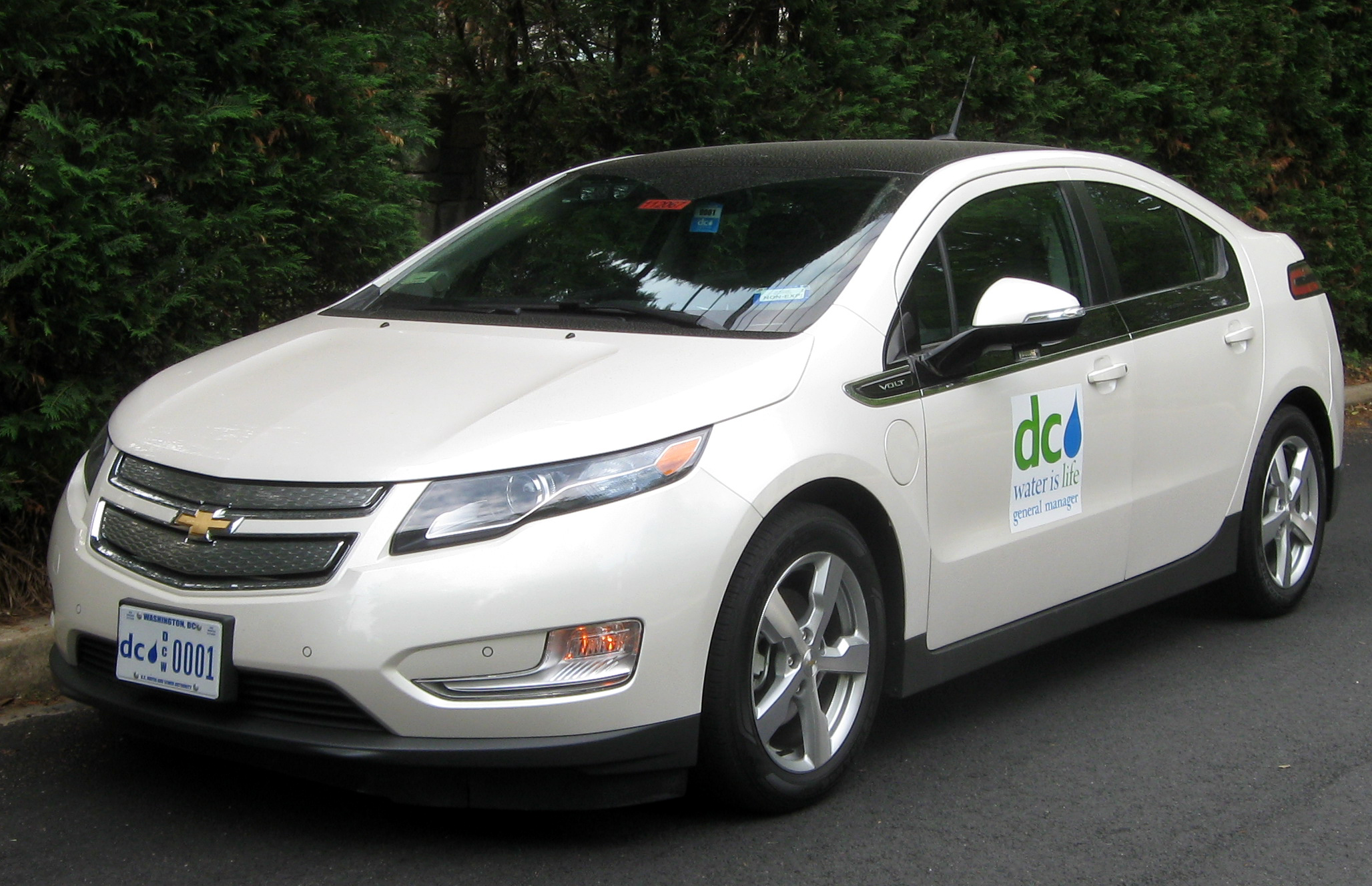
Chevrolet Volt
"That was when the Chevy, the Volt was on the road, but kind of going through a lot of redesigns."
The Chevrolet Volt is a car that can run on electricity and gasoline. This means you can drive it using just electric power for short trips, and if you need to go further, the gasoline engine kicks in to help.
The Chevrolet Volt is a plug-in hybrid electric vehicle that was produced by General Motors. It features an electric motor and a gasoline engine, allowing for extended driving range and improved fuel efficiency compared to traditional vehicles.

Tesla Model S
"...the time Tesla was trying to scale up the Model S"
The Tesla Model S is a high-end electric car that can go long distances on a single charge. It's known for being fast and having a lot of technology features.
The Tesla Model S is a luxury all-electric sedan known for its impressive range and performance. It was one of the first electric vehicles to gain widespread popularity and has played a significant role in the push for electric mobility.

Tesla Model 3
"I've been to the factory. I went there for when Model 3 came out. And from the front, you couldn't see a..."
The Tesla Model 3 is a type of electric car that runs on batteries instead of gasoline. It's popular because it's cheaper than many other electric cars and can go a long distance on a single charge.
The Tesla Model 3 is an all-electric sedan that has gained significant popularity for its performance, range, and affordability compared to other electric vehicles. It represents Tesla's push to make electric cars more accessible to the general public, contributing to the shift towards sustainable transportation.

Cadillac Escalade
"... in Detroit and it would eventually end up in an Escalade or a Hummer? Is that accurate?"
The Cadillac Escalade is a big, fancy SUV that has a lot of space inside and comes with lots of luxury features. People often buy it because it's seen as a status symbol and is very comfortable to drive.
The Cadillac Escalade is a full-size luxury SUV known for its spacious interior, high-end features, and powerful performance. It has become a symbol of luxury and status, often associated with celebrities and affluent buyers.
second life battery
"...They put the second life leaf battery solar system in their parking lot, meaning they're taking batteries..."
A second life battery is a battery that has been used before, like in an electric car, and is now being used again for something else, such as storing energy from solar panels.
A second life battery refers to a battery that has been repurposed for a different use after its initial application, typically in electric vehicles. These batteries can still hold a charge and be used for energy storage in applications like solar energy systems.

Nissan Leaf
"...Nissan just put in their Nashville headquarters. They put the second life leaf battery solar system in their parking lot..."
The Nissan Leaf is a popular electric car that runs on batteries instead of gasoline. It's known for being environmentally friendly and is often used for daily commuting.
The Nissan Leaf is an all-electric hatchback that has gained popularity for its efficiency and eco-friendliness. It features a rechargeable battery that powers an electric motor, making it a key player in the electric vehicle market.
solar panels
"...putting them in the ground, and storage batteries for the solar panels above the parking structure."
Solar panels are special panels that catch sunlight and turn it into electricity. They help provide power for homes and buildings, especially when combined with batteries for storage.
Solar panels are devices that convert sunlight into electricity. They are commonly used in residential and commercial applications to generate renewable energy, often in conjunction with battery storage systems to provide power when sunlight is not available.

Ford Cortina
"Ryan, we first profiled him. Our man Miguel Cortina did some hunting around and you appeared near the..."
The Ford Cortina is a small car that was made a long time ago and was very popular in Europe. It was known for being affordable and practical for everyday use.
The Ford Cortina was a popular compact car produced by Ford Europe from the 1960s to the 1980s, known for its practicality and affordability. It played a significant role in the automotive market during its time, especially in the UK, and is often remembered fondly by enthusiasts.

Tesla Model Y
"Tons of weight, right? Like, what did a Model 3 Model Y battery pack weigh? 1,500 pounds?"
The Tesla Model Y is an electric SUV, which means it's a bigger car than the Model 3 and can hold more people and stuff. It's becoming popular because many people like the idea of driving an electric car that also has more room.
The Tesla Model Y is a compact electric SUV that shares many components with the Model 3, offering more space and versatility for families and cargo. Its popularity is driven by the increasing demand for electric SUVs, as well as Tesla's reputation for innovation and technology.
Request an Explanation
Heard something you'd like explained? We'll add it to this episode.
Sign in to request explanations for terms you heard.
Want to learn more?
Browse our glossary for plain-English explanations of automotive terms, jargon, and concepts.
Help improve this episode
See something that's not quite right? Our annotations are AI-generated and can sometimes miss the mark. Click the flag icon on any annotation to suggest a correction.