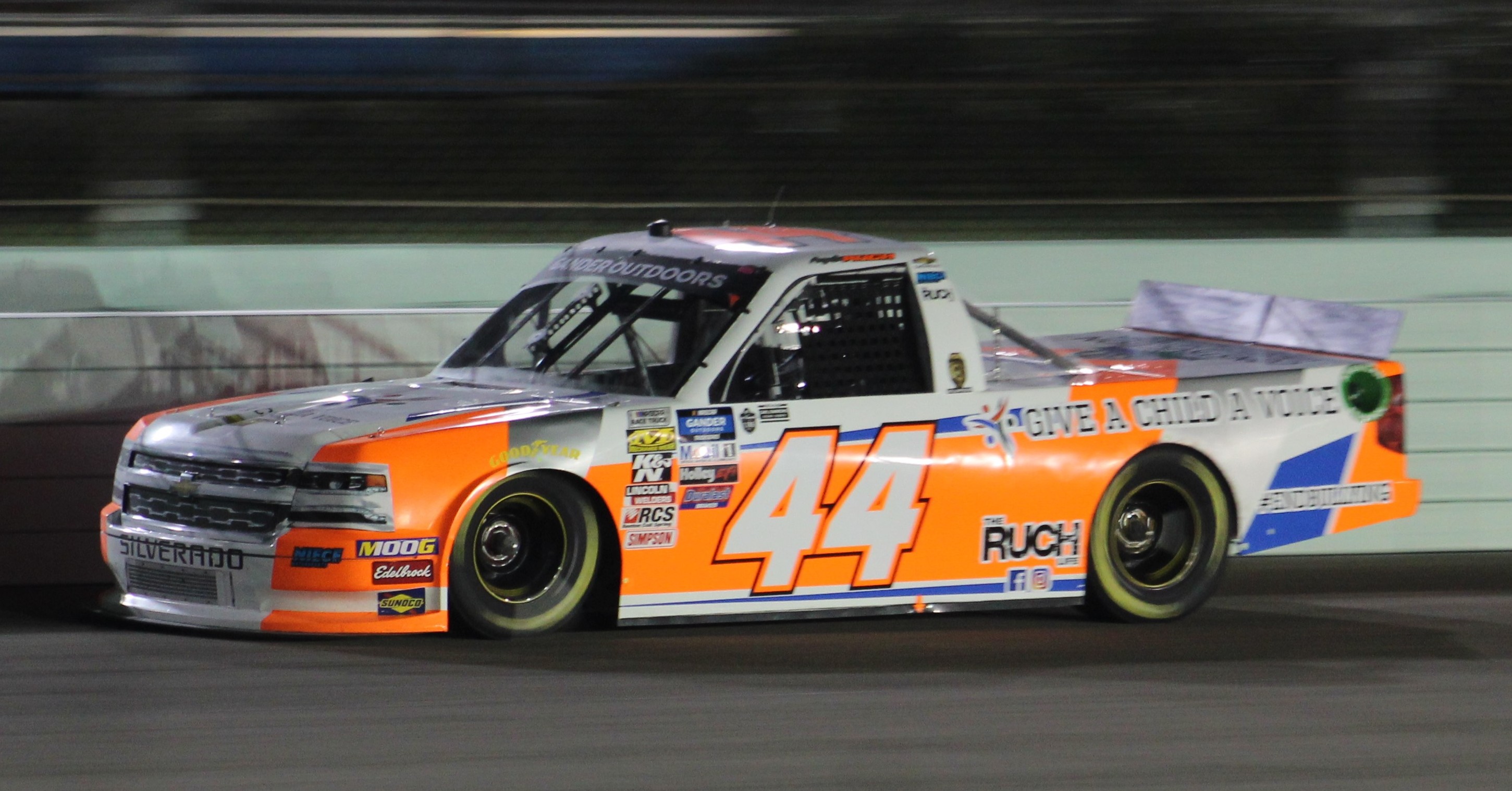
A GMC Sierra 1500 is a full-size pickup truck. The caller is saying their 2014 model has problems with ABS, which is the system that helps prevent the wheels from locking up during hard braking.
The GMC Sierra EV is a pickup truck that uses electricity instead of a traditional gas engine. The podcast mentions it in the context of a truck having ABS problems—ABS is the system that helps prevent wheel lock during braking. If ABS isn’t working correctly, braking can feel different and may be less safe.
A wheel speed sensor is a small sensor near each wheel that tells the car how fast that wheel is spinning. If one sensor stops working, the car can get confused and may activate safety systems like ABS.
A scanner is a diagnostic device you plug into the car to read error codes and see what sensors are doing. It can tell you which sensor is failing instead of guessing.
The tone ring is a patterned metal ring near the wheel that the sensor reads. If it’s damaged or the signal is weak, the sensor may stop reading correctly, especially at low speeds.
ABS is the system that helps prevent your wheels from locking up when you brake hard. If the car thinks a wheel speed sensor is wrong, ABS may kick in even when you’re not braking as hard, and the pedal can feel different.
The body harness is the vehicle’s main wiring network that routes signals between sensors and the car’s control modules. A broken wire between the wheel hub sensor and the body harness can cause the wheel speed sensor to drop out.
Four wheel drive means power goes to all four wheels. When the car is lifted, that lets you check each wheel’s speed sensor by watching which one stops reporting.
Dorman is an aftermarket parts brand known for replacement components, including wiring harnesses and sensors. In this segment, the host mentions Dorman’s products as the source for the sensor and harness repair parts.
These are special electrical connectors that get tighter and seal up when you heat them. They help keep the wires connected and protected after a repair.
The hub is the part the wheel mounts to. In this case, it also contains parts of a sensor system, so if the hub’s internal components fail, the car can act up in a repeatable way.
A ceramic magnet is a small magnet inside a sensor or wheel-related component. If it cracks, the sensor can stop working correctly, and the problem can show up again and again.
They’re talking about the brakes acting up right before the car comes to a complete stop. The fact that it happens at the same moment every time can help narrow down what part is causing it.
This is a 2004 Volvo S60. The problem being discussed is the car’s ignition system—things like the spark plugs and ignition coils—which can cause misfires and trigger warning lights.
Term
ball failure
The phrase sounds like a dashboard warning message. The important part is that it’s happening along with misfires and engine codes, which usually points back to ignition components.
Coils are what create the strong electrical voltage needed for the spark plugs. If a coil is failing, the engine can misfire and the check engine light can come on.
An ignition circuit code means the car thinks there’s an electrical problem related to the ignition system. If misfires are also happening, it often means a coil or its wiring is failing.
A coil failure means the ignition coil can’t produce the correct high voltage reliably. When coils and their boots degrade, they can break down electrically and cause arcing, leading to random or intermittent misfires.
The boots are the protective covers on the ignition coils. If they wear out, electricity can leak or arc, which can cause the engine to misfire randomly.
“Arc to ground” means the electricity is taking the wrong path. Instead of firing the spark plug correctly, it can jump to a grounded part and cause misfires.
A tune-up is when you replace or service key parts that help the engine run correctly. Here, they’re talking about replacing ignition parts like coils and spark plugs.
That warning means the car thinks one of your exterior lights isn’t working. Sometimes it’s not the bulb being missing—it can be the wrong bulb type or wattage.
Dielectric grease is a protective coating you put on the bulb socket to keep water out. That helps prevent rust/corrosion so the connection stays reliable.
3157 is a specific bulb “model number” your car expects for that light. If you put in a different number, the light may not work correctly and the car can show a warning.
Cars watch the electrical load of a bulb. If the bulb’s wattage is wrong or the bulb is failing, the car sees different electrical behavior and may warn you the light is out. So the warning can be triggered even if the light isn’t completely dead.
This is a 1999 Ford Mustang with the 3.8-liter V6. The caller says it knocks only when idling, and the discussion points toward parts connected to the engine’s rotation (like the flywheel/flex plate), not the cylinders. That kind of noise pattern helps narrow down where to look.
A flywheel is a heavy part bolted to the engine that helps transfer power to the transmission. If a bolt or fastener comes loose, the flywheel can knock against nearby parts. That can show up as a rhythmic knocking sound, often most noticeable at idle.
The bell housing is the metal casing that connects the engine to the transmission. It’s where parts like the flywheel/flex plate live. If a bolt comes loose, it can end up trapped in there and make a knocking sound.
On an automatic transmission, the torque converter is held in place by bolts. If a bolt loosens, the converter or flex plate can shift slightly and make a knocking sound. That’s why the caller’s idle-only knock could point to these fasteners.
On many automatic cars, the flex plate is the part bolted to the engine that works with the torque converter. It flexes as the transmission transfers power. If bolts on it loosen, it can knock—often most noticeable at idle.
This is a Ford F-150 pickup truck from 2013. The hosts are talking about an oil leak issue on this specific truck, so the year and model help narrow down what parts are likely involved.
The valve cover gasket is a seal that keeps oil from leaking around the top of the engine. If it’s leaking, oil can run onto other parts under the hood.
A vacuum pump makes suction (vacuum) for certain systems on the car. If oil is leaking near it, that can be a sign the leak is affecting parts around it.
These are the lines that carry transmission fluid to a cooler so it doesn’t get too hot. If they rot and leak, your transmission can run low on fluid and overheat.
The valve cover gasket is a seal that keeps oil from leaking around the top of the engine. If it’s leaking, oil can drip down, but sometimes the leak is actually coming from a different part below it.
The Ford F-150 is a popular pickup truck. The podcast is talking about an F-150 in connection with a specific performance version (the Raptor) and when it was available. That kind of discussion usually relates to what parts or setups were used and when.
Some trucks are designed specifically to tow heavy loads. If you tow more than they’re meant for, you can overwork the engine and drivetrain and cause failures sooner.
Gear ratio is how the truck’s gears are set up to help the engine pull. For towing, the right gearing helps the engine work efficiently instead of straining.
A towing package is a factory or dealer bundle of components and calibrations intended to tow safely and reliably. It commonly includes upgraded cooling, wiring/connectors, and sometimes hitch/receiver hardware sized for the vehicle’s rated towing capacity.
Term
AC
“AC” here means your car’s air-conditioning. It’s the system that makes the cabin cool and comfortable.
TPMS sensors are the parts that monitor your tire pressure. If you change wheels, you often need to keep using your car’s existing sensors so the dashboard warnings keep working correctly.
An agreed value policy means you and the insurance company agree on how much the car is worth ahead of time. If the car is totaled, you’re typically paid that agreed amount instead of arguing about the car’s value later.
This is a 2018 Subaru Crosstrek. The hosts are talking about towing and how heat builds up in the car, especially in the engine oil and the transmission, and how an oil cooler helped keep temperatures lower.
An oil cooler is a device that helps cool the engine oil. When you tow something heavy, the engine oil can get too hot, and a cooler helps keep temperatures down.
Mishimoto makes aftermarket parts, especially cooling upgrades. Here, their oil cooler is being used to help the engine run cooler when the car is towing.
CVT temperature refers to the operating heat of a continuously variable transmission (CVT). CVTs can be sensitive to heat because their belt/chain and internal fluid conditions affect smooth operation and long-term durability.
Towing a camper means you’re pulling a heavy trailer. Heavy loads make the car run hotter, so temperatures like engine oil and transmission heat matter more.
The Lucid Air is an electric car. The podcast is talking about cooling—specifically how at higher speeds there may not be enough airflow to cool a component effectively. If cooling isn’t sufficient, the car may not perform as consistently under harder driving.
E30 is a fuel mix that’s partly ethanol—about 30% ethanol and the rest gasoline. The exact mix matters because ethanol changes how the fuel behaves in the engine.
The BMW 3 Series is a smaller luxury car that many people buy for a mix of comfort and driving feel. The podcast mentions it because someone is working with a specific type of fuel (E30) and can’t get it where they live, so they used a different mix. That matters because fuel type can change how an engine runs.
This is a 2022 Chevrolet Silverado with a 6.2-liter engine. Since it’s calibrated to run on a specific fuel grade, mixing ethanol blends like E85 to make E30 can be risky unless you know the real ethanol content and how the engine is set up to handle it.
Octane is a rating that tells you how resistant the fuel is to knocking in the engine. If your vehicle recommends a certain octane level, using a different blend can affect how safely the engine runs.
Here, “alcohol” means ethanol in the fuel. The problem is that E85 can vary in how much ethanol it actually contains, so your mix might not end up as E30 like you intended.
A flex-fuel vehicle can run on different mixes of gasoline and ethanol. The car is set up to handle changes in how much ethanol is in the fuel.
Concept
sense it and it varies
They’re saying the fuel mix can change at the station, and you can’t tell the exact ethanol percentage just by guessing. To know for sure, you’d need to measure or test it.
They’re talking about a simple at-home style test: adding water to see how the fuel separates. Because ethanol mixes with water differently than gasoline, you can get clues about the blend.
E85 is a fuel mix that’s mostly ethanol—up to about 85%—mixed with gasoline. The exact mix can vary, so the car may not always get the exact percentage you expect.
Lead additive is a product you add to fuel to mimic what lead used to do in older cars. It helps protect the valve seats so the engine doesn’t wear out as quickly on unleaded gas.
A lead substitute is an additive made for older engines that used to rely on leaded fuel. It’s meant to protect the valve seats, and you should use it at the exact mixing ratio on the bottle.
Valve seats are the contact surfaces where the valves seal in the engine head. If they wear out, the engine can lose compression and run poorly, so additives may be used to help prevent that.
ZDDP is an oil additive that helps protect the engine’s moving metal parts from wear. Older engines and certain cam/lifter designs can need it more than modern oils.
This is a type of oil additive that boosts anti-wear protection using zinc-based chemistry. It’s often used when an older engine needs more protection than what today’s oils provide.
A metal conditioner is an additive you put into engine oil to help protect the engine’s metal parts. The idea is to reduce wear where things rub together under high pressure.
The camshaft is a key engine part that helps control when the valves open and close. If it wears out, the engine can run poorly or suffer damage over time.
The Chevrolet Corvair is a classic Chevy from the 1960s with an unusual engine setup. In 1965, it’s a rear-engine, air-cooled car—so it feels very different from most cars you’d see on the road today.
“Spider” is a nickname people use for a sporty kind of convertible. It usually just means an open-top car with a particular look, not a specific mechanical part.
This is a 2019 Ford Escape SUV with a 2.5-liter engine. The speaker is saying it’s not the turbo “EcoBoost” version, which is important because turbo and non-turbo engines can fail in different ways.
When a car “randomly” shuts off, it can be tough for a mechanic to find the cause because it may not happen while the car is in the shop. Often they have to wait for it to fail again or use scan tools to see what’s going on when it does.
This means the car was sitting still with the engine running, and the gear selector was in Park. If it dies while sitting there, it usually suggests a problem that affects the engine at rest, not something that only happens while driving.
The alternator is what keeps your car’s battery charged while the engine is running. If it’s weak, the battery can run out of power and the car may shut off or refuse to restart.
A battery cable is the thick wire that connects the battery to the rest of the car. If that connection is loose or dirty, the car can shut off and then start working again later.
“Vapor action” is an additive that helps protect the inside of a fuel tank from rust. It’s designed to work even when the tank is fairly empty, because it acts in the air/vapor space above the fuel.
The Model T is a very old Ford classic. The speaker says they used the tank additive in their Model T because they’d had rust problems inside the fuel tank before.
When a steel fuel tank is filled to the brim, heat causes the fuel to expand. That expansion can raise fuel level enough to overflow, especially if the tank was filled when the fuel was already warm.
A vapor barrier is a plastic sheet you put under a car to stop dampness from coming up from the ground. Less moisture under the car means less rust over time.
A Subaru Outback is a popular family car that’s known for handling bad weather well. Here they’re talking about what kind of gasoline it can use—especially E15 and E10, which have more ethanol than normal gas.
Term
87
“87” is the octane number on gas pumps. Octane is basically how well the fuel resists engine knocking, and this call is about whether the car can switch from the 87-type fuel to higher-ethanol blends.
E15 is regular gas mixed with 15% alcohol (ethanol). Some cars can use it and some can’t, so the important part is whether your car is designed for that ethanol level.
Fuel compatibility means whether your car is built to safely run the type of gas you want to use. Here they’re checking if E15/E10 is okay for the Outback, not just whether it will start.
E10 is gasoline mixed with 10% alcohol (ethanol). Many cars are designed to run on it, and in this call they’re saying this Outback should handle E10 without issues.
Car
2013 Mercedes E350
A 2013 Mercedes E350 is a Mercedes-Benz luxury car. The host is talking about a problem where the engine isn’t firing correctly in certain cylinders, which triggers warning codes and causes drivability issues.
The BMW 1 Series is a small luxury car. In the podcast, it’s mentioned because a person bought an E87 (a specific model generation) and then had repeated problems afterward. That’s a reminder that some used cars can require a lot of repairs if they weren’t maintained well.
Fuel trims are the car’s computer adjusting how much gas it injects. If you change fuel types (like E85 vs regular gas), the computer should adjust to keep the engine running correctly. If it can’t adjust enough, the car may run rough or throw codes.
Running rich means the engine is getting more fuel than it needs for the air available. If the mixture is too rich, the car can feel off and may trigger trouble codes. With E85, the computer has to adjust fueling to keep the mix right.
The engine needs the right balance of fuel and air to burn cleanly. Different fuels need different amounts of fuel to match the same airflow. If that balance is wrong, the engine can run poorly or throw codes.
“Rich” means the engine is being fed more fuel than it needs. More fuel can make the car run rough or waste gas, and it’s generally worse for fuel economy.
“91 premium” is a type of gasoline with a higher octane number. Higher octane helps prevent engine knocking, and some cars are tuned to use it.
LIVE
Welcome to the Under the Hood Show podcast. If you haven't checked us out on our YouTube
channel or seen our Facebook live videos, we'd love for you to go check us out there.
Who brings us the Under the Hood Show podcast?
Like Berkeley won classics, your key to collector car insurance.
And road ready wheels, replica OEM wheels add huge savings. Use the offer code hoodie
for even more. And by car dash part, over 200 million used parts ready to ship to you
fast.
Thanks for listening to the Under the Hood Show podcast and subscribing to the podcast
and downloading the podcast and disseminating the podcast amongst your loved ones and your
not so loved ones. Your brother, you know, you're in-laws, I mean, they're fine.
Thanks for all of you that have, uh, subscribe to them too.
Yeah, but you just, they're fine. And don't forget, yeah, YouTube and Facebook.
Thanks for subscribing to that. The numbers keep going up. I love it.
Here is the Under the Hood Show podcast.
This is Under the Hood.
Welcome to the Under the Hood Show. We are glad to have you with us. Russ Evans is here
to answer your automotive questions.
Hey, thanks for joining us under the hood.
I'm Chris Carter here to answer your calls at 866-594-4150. And Shannon's not here this
week. So next week, right?
He's back with a fleet of people next week.
Oh, that's right. That's right. 866-594-4150. Let's get right to the calls coming in during
the break. Let's talk to Ethan in New Hampshire. Ethan, you're on the Under the Hood Show.
What can we do for you?
Hi guys. I have a 2014 GMC Sierra 1500. And I'm having a lot of issues with the ABS. Real
low speeds. It activates and makes the pedal rock hard. Every start, it turns the hill
assist start on and up. I'm not getting the code to track down. My gut tells me I got
a wheel speed sensor failing within range, but I was hoping you could point me in a good
direction here.
I think you're probably right on that. It probably is a wheel speed sensor that's causing
it. You'll have to have a scanner attached to it when you drive it to see what sensor,
which by the data, which sensor is not reading, which one drops out. If you have a weak tone
ring, something's broken, weak magnet, it will drop out at low RPM. So you could get
three mile an hour reading on three of them, but zero on one as it falls below that speed.
And that's when the ABS is going to activate and the pedal is going to feel differently
than it normally does. And it can also be caused by a broken wire. If you got a break
in the wire between the wheels hub and the sensor up to where it plugs into the body
harness there in the front, it can do that. The rear can do it as well, but usually we
find it's one of the fronts. Sometimes it happens as you're turning. If it's one of
those that's broken in the front, as you turn, it can do it. You know, our partner over at
Dormans.
Was that not an ABS light off?
No, no, no. If it's falling within its range, it's low enough speed that it kicks that
light on. So, you know, what you can do is watch it and see if it drops out. And then
sometimes what people will do is you raise it and it's, you know, secured on a hoist
and they've got it in four wheel drive and you're running all four wheels and they're
all spinning. Watch those speeds or just spin them by hand. And if one drops out, you know,
that's the wheel. And the other thing you can do is turn the wheel all the way to the
right and then center and then all the way to the left. And if it drops out as you're
turning, it's one of those wheel speed sensors up there where the wire goes between the hub
and the body. And I was saying that Dormans products, our partner sells the sensor and
that little harness there because it breaks. On some of the older cars, they actually sell
just the harness where it plugs in close to the connector and then runs up to the body
because that's the part that breaks. And then you got to cut it and splice it. And it comes
with heat shrink connectors because that's, that's a pretty common thing. The 14s, not
so, not so much. We don't see a lot of them fail, not compared to what vehicles did back
in the old three to 67 range. They failed quite often. We were replacing those
every couple of weeks. But in these 14s, we have had it happen, but not as often. So
I think you are going to find either a sensor or the hub. It's got a little ceramic magnet
in there. It's internal in the hub and they do, they just crack and fail, but it's nothing
worse than when you come to a stop and the brakes are at their worst just before you
stop. And it's every time almost.
Yep, pretty much goes rock hard and you got to put everything you got into it to make it
actually stop moving.
Is there any advantage to that with hooking the scanner up that it happens every time you
can see it?
Oh, that's great. I'd love to have somebody come in and when they have a problem and say,
this happens every single time. But what they usually tell me is, oh, this happens every
single time, except it didn't happen on the way here. And it didn't happen yesterday. But
other than that, it's every single time.
Just about any time someone says just about your trouble. Does that help you out there,
Ethan?
Yes, it does. You guys have a great day.
Thanks very much for the call. You too. 866-594-4150. Let's go to Michigan and talk to Jonathan.
You're on the end of the hood show. Jonathan, what can we do for you?
Yeah, I got a 2004 Volvo S60. And I don't know if I'm tracing a electrical problem here or
if it's a mechanical issue. I have some days where I'll tell me I got a ball failure and
then it'll do like an intermediate misfire. I can do one trip to work, run perfectly fine,
hop in and that's just sitting all day. All those lights come on and it just runs like
this. I tried changing the spark plugs. I had the coils tested and everything keeps coming back
fine.
What lights do you have on?
I have a check engine light and then that little yellow exclamation for ball failure. I got a ball
ball type location failure, but all my bulbs are working. Headlights, headlights, parents,
signals, everything.
Okay, but you do have a check engine light?
Okay, and what are the codes for the check engine light? Have you checked those yet?
Uh, cylinder two and cylinder five misfire. Okay, so you have like ignition here, however it worded,
I forgot exactly, I'll stop my head and I'll stand in front of me. If you have ignition, if it shows
misfire, but then you have ignition codes, usually that's a coil failure like ignition E
circuit, ABCDE would be five, ABC would be three for cylinders. That's how a lot of the foreign
ones do that. They go by the letter to give you a cylinder up to up to 12 cylinder.
But if you've got a misfire and you've got a circuit code, a lot of times that's the actual coil
itself that's failing. And when the coil and the boots go bad, they'll they'll arc to ground and
they'll give you that random misfire. So I would, I would look in that direction for that. It might
just be time for a tune up where you get a set of coils and plugs and put them on and and take
care of it. If it's got over 100,000 miles on it for sure, or just that, you know, the time, oh four
is plenty of time. Got a 226 on it. 226,000. Yeah. Yeah, definitely time for coils and plugs.
But as far as those lights coming on, two things happen on those cars. One, the,
you could have, if somebody's put the wrong bulb in there and you're just, you say, oh,
my bulb went out. So I pull it out and I put another one in. Well, you match the number on
the bulb typically is what most people do, but you might still be putting the wrong bulb in it.
They have different wattages and they can cause the brake light warning, tail light warning,
lamp out warning to come on. So you want to make sure that you've got the right bulb. You could go
to advance auto parts, ask the counter person, what bulb does this take? And it's as simple as,
you go to the bulb that says it's out, pull it out, read the number off it, put it on your phone,
write it down, then go into advance and say, look, I need, I need to know what bulb this takes you.
I think I might have the wrong one in it. He'll look it up and go, oh, that's supposed to be a
3157 and you got a 3057 in it. Let's get you one and then you put it in and that could take care
of it. The other thing is, is when you're putting the bulbs in, use dielectric grease to keep the
moisture out of the socket so you don't have any issue there and make sure there's no corrosion
in the socket. The little monitoring system in those cars is very sensitive. The third thing
which you don't want is the little monitoring thing and there is very sensitive and it might
just be broken and you don't, you're not going to find, I don't think for this one, a replacement.
We had a hard time finding replacements for them 15, 20 years ago. Yeah, way back then when they
were really popular and newer. So, but I think that's what's, what's going on with your car there.
Okay. Yeah, definitely a fair chance on the bulbs and doing a good, doing a fine,
especially with the community I do with it. Had to go from there. Hopefully it does take care.
I'm just curious if it was like a common problem for them. I have like four shoes there.
That is, I've, I've done that where, because I don't ever match up the parts. What I mean is if,
if I had a light out, I would never go take the light out and look at it and then go to the thing.
I would automatically go find out the replacement and how much it is and decide on whether to fix
it or not and that, but I have done that where I've got a bulb out and I go buy the right part,
bring it and go, wait a second. This isn't right. And then I realized that I'm right. I mean,
they gave you the right one. They gave me the right one and what was in there was wrong.
But you're talking about a bulb that's already out. He just has the warning on the dash that says
like tail light out, right, but his tail lights working. That's when I really get into fine.
Let's find out what's up with the bulb. I mean, we might have the wrong bulb in there. Something's
going on because the light says it's out, but it's not, if it sees the wrong wattage in that bulb,
that's how it's going to say. The resistance is what turns the light on on the dash.
Jonathan, thanks very much for the call. Good luck. 866-594-4150. That's the number to reach us here
at the end of the hood show. This came in on the text. I have a 99 3.8 Mustang making a knocking
noise only at idle. I was told that it could be the flywheel. Flywheel went and looked and it was
missing a nut. Put a nut back on, but they're still making the noise. By the way, oil has no
metal in it and put a camera down for the cylinders. They look great. Thank you.
Try the other two. It's always the last one. Yeah.
Wow. So the flywheel was missing one of the fasteners. That's not good. The flywheel was missing a
fastener. Either it was vibrating, knocking, causing it to come loose or hey, where is the
fastener? Right. The fastener is making the noise. I have seen bolts come out, float around on the
bell housing, get lodged somewhere, and then the flywheel is touching it going, tuk, tuk, tuk, tuk.
So it could just be. I mean, we're just, we're guessing because we don't have the car. We haven't
heard the noise. We don't know what they found, but that is very possible. I've seen flywheel bolts
on, like on an automatic, you know, flex plate, they come loose, whatever, you know, usually a
torque converter bolt because the flywheel bolts usually pretty much sandwiched in between there.
It's not coming out. Yeah, you can get, you can get all sorts of weird stuff. If it's just barely
contacting, it'll make a knocking noise. If it gets a good bite, it'll make a really loud knocking.
And only at idle.
Well, maybe because you can only hear it idle because the engine's louder when it's revved up,
but also as you accelerate and you give an engine fuel with an automatic transmission,
the flywheel is called a flex plate because it flexes and it moves substantially back and forth
as you're on the gas and off the gas. And if it's got something on the edge making contact at
low speed, it might be touching it, but as soon as you give it gas, it pulls away and it's not
there anymore. It's kind of like a, a brake noise when you got a brake shield, there's a little bent
and it goes squeak, squeak, squeak when you're going down the road. If you turn to the right or
left, the squeak may go away, but then straight again, it's doing it or it only squeaks when you're
going around the corner because it leans, it flexes and leans just enough to contact it.
That's a possibility too. So you just said on the chat, didn't think about the nut and the bell
housing, haven't found it. Might just be sitting there, might just be laying there. Or if you
take off on the on ramp, hit it real hard, you hear a ting and it comes out the side of the bell
housing or somewhere. The tailpipe just, is there any chance that it'll just work its way through
and solve itself? I don't know. It doesn't sound good. Let's go to Iowa and talk to David. You're
on the end of the hood show. David, what can we do for you? Hey guys, thanks for taking my call.
I have a 2013 Ford F-150 with the 3.5 EcoBoost. It has about 127,000 miles. In my
mechanic, I really appreciate all he does. Every last couple of times, he's written on my
oil change bill that he says, well, you have a right, the right side valve cover is leaking
and it's backed by the vacuum pump. And then he also says the front timing chain cover
is leaking too. And so I haven't noticed any oil on the front, you know, towards the front of the
motor or the back. But how long can I go without fixing that valve cover gasket? And if he takes
that front timing chain cover off, should he go ahead and change the timing chain on that thing?
So. Well, you can go as long as you want until oil is pouring on the ground and you can't keep
oil in it. And that's really the fact of that. If it's not reaching the ground, it's not a big
enough leak to be of enough concern to really worry about. But if it's until it is, it's not like
it's going to be damp today and then all of a sudden it's just running out tomorrow. I haven't
seen that happen. So. Okay. With that being said though, leaking oil that is seeping on other
components will cause other components to fail. If it gets on the AC hoses on the power steering
lines on the transmission cooler lines and sits there, it's going to start to rot those, it's a
solvent. So it's going to start to rot those lines, make them soft, come apart. It's good to get it
fixed. As for the vacuum pumps leak all the time on these things, it's a very common failure.
Dorman products make those. We get them from Dorman all the time, put them on vehicles,
stops the leak. It's just a housing issue these things had. And they're pretty affordable too.
Putting it on is a little more, a little bit of labor because it's buried in the back. A lot of
times we find we start with that because we find the valve cover is not really leaking. It's the
pump that's leaking. But to be sure a lot of shops will say let's do the cover gasket and the pump
together because then they know you're not coming back. The leak is fixed, whatever it was. As for
the front end, if you're pulling that cover off for any reason, I'm going to, I'm going to put
timing chains, a 13 F 150 knowing the history we've had with chains and guides. I'm just going to
put some chains on it and new guides. Do the whole kit and get it done. Is this engine,
if you're not doing really super heavy towing and overloading it, it has the capability of making
it 300,000 miles. We've seen plenty in our shop with 300,000. I think we've still got some on our
shelf here at our shop for sale that have that many miles on it. So we know though, go that far.
We've also seen them fail at 40 to 60,000 miles because they were way overtowed. But when you've
got it apart, time to put chains on it. And unless they take it apart and they see absolutely
nowhere, no stretch, the guides are looking like brand new. Maybe then they leave them.
But if there are any signs at all that they're worn, when you've got enough miles on that thing,
I'd say they're probably going to show somewhere. Sure. I appreciate the advice. I just thought,
well, I better check in and listen to you guys all the time. It's fun to listen to you on the show
and I always learn something. So thanks. Thanks very much for the call, David. Good luck.
Did you ever think we would be talking about the EcoBoost in 15 years?
I was a little leery when I first heard it come out.
Were we at SEMA the first time we saw that? Yeah. When they were introducing the EcoBoost,
they said, we're going to show you how tough it is. So they had one that was super built up.
I mean, I think it was like 600 horsepower and they were running around in it. It was a raptor,
but the raptor wasn't out yet. Right. It was, but it was definitely a raptor looking back now and
like, no, that was a raptor and it didn't say raptor. They had the fender flares and everything,
but it looked, we're like, oh, that's a race truck. No, it was stock, but they were beaten a heck out
of that thing. And they drove it for what, three days? And then finally we heard it just loud bang
and boom. And it was dead. And then they got another one out there and started cranking on it,
but it was, it was tough. They, and, but that was a purpose built truck. They knew what they were
going to do. What happens is they build it also purpose built for towing up to X amount of pounds
and people add three to 5,000, maybe eight more than they're supposed to. And then they're like,
oh, it pulls it just fine because the motor is strong enough to pull it, but it doesn't have
the longevity and then it, it blows up. It's too much load. So if it's properly used, it has the
proper gear ratio, proper towing package. Yeah, they can be a really good worker. The other one
that's really good that we're just now starting to see some failures on are the 19 and up four cylinder
turbo Chevy engine like the Silverado's. We got one in our shop right now to put an engine in
that is done. That was a really tough engine. Weren't hardly any sales on them, but now they're
just starting to, starting to break out into failures on some of those. Well, and we've had
calls over the years where someone calls and says they had this, the EcoBoost specifically,
and had it, and it was working so well that they almost forgot that they had that EcoBoost.
And they just like any truck, they go, oh, well, it works great at this much. It'll be fine at
another 1,000 or 2,000 pounds. So we did have that for quite a while where people didn't have a
problem and it actually, because it wasn't having any problems, it caused them a problem later.
Right. So yeah, it is interesting though to see someone call with a 14 year old truck
and not have had any issues until now. Exactly. 866-594-4150. What's caught your attention? What's
going on at the shop that has you've noticed? We're getting a lot of things coming in.
I mean, we always do, but it gets me how long people wait with their AC.
Air conditioning. That's what I was thinking. We are buried right now with AC stuff,
and I'm telling people, I give them a date and they're like, oh my gosh, is it that long? I'm
like, well, you can check around. Well, I already have checked around and it's, it's, they're three
times as long as what you guys are. I'm like, okay, and they're more money. So they said,
so I want to bring it to you. Okay. And then they try to rush you like it's going to get
you to go faster or something like that. But more than a half of those people
told me, just said, hey, yeah, it wasn't working last summer. At the end of the summer,
it was getting a little weak. So I thought I'd get it fixed before this year. This year is here.
We've already had days getting close to 100. And you waited. So you just still get the wait.
You should have brought it in. We had the whole winter that we could have repaired it,
would have been just fine. Saved you some time and money. And we had last fall. And it's, yeah,
just if you want your car fixed quickly, think about, you know, with the shops.
Do I get it?
It's fair.
Can I, will you, like if I bring it in in December, is there like a discount for AC service?
No, but it won't, it won't cost any extra and you'll get it back faster.
Right. And the longer you wait on AC, the more possible.
Other things can happen. Yeah. You just, you don't know. You've got to get that thing. You do not
want air in the system. It'll cause corrosion and things can stick and fail.
The Under the Hood Show podcast is brought to you by exclusive sponsors like Berkeley One Classics,
celebrating 50 years, your key to collector car insurance. And by car-part.com with over 200
million parts. Find them online at car-part.com. And by Road Ready Wheels, OEM replica wheels
at a huge savings, roadreadywheels.com. Thanks for listening to the Under the Hood Show podcast.
When you need parts for your car, finding them is half the battle and we have a great
source for you to find those parts you need at great prices. If you need parts,
whether it be for a brand new car or going back about 20 years, it doesn't matter, check out
car-part.com. It's fast and it's easy. Over 200 million parts strong all across North America.
Over 4,000 recyclers to choose from, giving you the largest selection available.
Whether it's an engine, transmission, doors, seats or wheels, you can find them on car-part.com.
We even let you know what parts from other models and years fit your car. Many recyclers supply
pictures of their parts too. We even have a mobile app. Search US and Canada or buy from your local
independent recycler. Whichever you choose, buying recycled is good for the environment and good for
your wallet. If you're a repair shop, there is a professional version available for you at no charge.
That's car-part.com. Check it out today. What would your vehicle be without wheels?
Our partner at Road Ready Wheels has wheels, thousands of wheels, affordable in stock and
ready to ship to you. Replace or upgrade your damaged or plain steel factory wheels with
new OEM looking road ready wheels. Maybe steel is the way to go for you to mount a second set of
winter tires or you just don't like the aluminum look. Road Ready Wheels has many choices for you.
Go to roadreadywheels.com and use their online vehicle selection tool to help you
find the wheels that fit your vehicle. Mercedes Cadillac Ford Chevy Chrysler and many more with
the OEM fit and look that you want. Save 10% at checkout when you use the code hoodie for being
a loyal under the hood show listener. New OEM wheels can be expensive with some wheels that cost
500 or more from the dealer. Many of those from Road Ready Wheels are about half of that saving
you some serious cash. Use your factory TPMS sensors and caps too. Go to roadreadywheels.com
to find out more. That's roadreadywheels.com. When I got my first specialty car, I called up my agent
and had him put it under my regular auto policy and had very minimal coverage, even dropping
coverage in the storage months to keep the costs down. That was before I met the professionals
at Berkeley One Classics. I'm Shannon Nordstrom, host of the Under the Hood Show with Russ Evans
and Chris Carter. Berkeley One Classics ensured me with an agreed value policy. That means if you
suffer a loss, there's no haggle over the value of your vehicle. They also show me that I could
ensure my vehicle for what it was really worth and keep my coverage year round and still save money.
I did not know that my homeowners policy did not cover my car when it was stored in my garage for
the winter. For 50 years, Berkeley One Classics has ensured a wide range of vehicles from sports
cars and rare exotic cars to antique vehicles including cars, trucks, tractors, and motorcycles.
Berkeley One Classics makes it easy to get a quote. Just visit them on the web at BerkeleyClassics.com
and use their online quote tool or give them a call 1-800-603-3330. That's 1-800-603-3330.
Welcome back everybody. It's time to get back under the hood with our motor medics.
866-594-4150. Don't forget, if you miss an episode of The Under the Hood Show, you can always find it
wherever you get your podcasts. Please subscribe and rate it if you want. And you can watch this
show at our YouTube channel. If you subscribe there and join the Hoodie fan club at underthehoodshow.com,
you could win a hoodie. Like Roger Humphreys, congratulations from our friends over at
Berkeley One Classics. They're celebrating over 50 years of collector car coverage and they've got
the package for you. Yeah, because you can decide. You can decide what you want to do there. It's a
great value. I don't get to do that with my regular car insurance. No, no, you sure don't. It just
keeps going up and they keep giving you less. So not true with Berkeley One. They go,
give you a good rate. They give you excellent coverage. 866-594-4150. Here's a question coming
in on the chat today. Just wanted to give you an update on the 2018 Crosstrek with the Mishimoto
oil cooler. I remember this one. My engine oil temp went from 240 to 250 down to 214
while towing a camper. CVT temperature was 224. Not sure what it was before is I didn't have the
car scanner. So they switched up the oil cooler. We talked about that. Was he towing too heavy,
did we say? He was towing pretty heavy. So he's got it a little bit brought down there. That's
good. You want that. You want it to be lower. You know this because I used to call you all the
time on it or ask you. The temps are high and they're even that normal. Me seeing the transmission
temp on my car was the worst. I think it was the thing that made me feel the worst.
Yeah. I mean you'll see them get up there when you're towing. You'll hit 200 degrees. But you
can bring that down with the right oil cooler. I like to see them. But if I'm towing and I've
got one running around 160, 170, I mean that's like a dream to me. It's great. Just keep those
temperatures down and keep parts nice and cool. I want them warm enough where they're working and
everything right. But I don't want to get too hot. If I get so hot I'm burning the fluid
and losing protection. I get nervous. If I see that thing creeping over 205, 210,
I'm like, we're getting up there. Let's slow down a little bit and usually down they come.
Because at higher speeds the air, you can't move enough air across that cooler.
I did like when the truck I had for a while that had an external cooler. It also had a
warning light that would come on if it got hot. And it didn't come on because I never towed anything.
And it was like, remember that? It was like, how did you know it had a warning light?
It was like a fifth wheel that had 500,000 miles on it. And it was great running that thing empty
because it was just behind. I forgot about the old beast of a truck.
All right, here's one that came in. You guys have talked about E30 fuel.
We don't have that in Indiana, so I mixed my own at the pump. I have a 2022 6.2 Silverado
that recommends 91 octane. And I want to know if you need to mix. Do you need to mix 91 premium
with E85 to make E30? Or can you use an 87 octane with E85? I understand that the ratios
of fuel need to be mixed, but I try to get as close as I can. This is a tough one with E85.
Well, here's the problem because you need to know what the content of alcohol is in a fuel.
It's not 85. So if you're saying, well, this is 85%, I'll mix it, then you're, yeah.
Theoretically, it could be. It could be. I know there's a place in Wichita,
Kansas that does that, but it specifies. You usually just says right on the pump,
this is going to vary. 57, right? Is it 57 to 85?
I saw one the other day that said 50 to 80%. So they're all different. They can be whatever,
in a lot of these cases, they're supposed to be a little more standardized, but they're different.
Why did they pick 85? Well, 85 is just, it's just a flex fuel,
meaning it can contain up to 85%. It's like when you buy certain foods and it says this could be
up to, you know, 30% good for you, but it's really not. It could be zero, but it could be up to.
They don't say it is, it's up to. So you need to know, first off, you need to know what
exactly what the content is before you did anything like that. I mean,
I don't know how you do it. I mean, you would actually sense it and it varies.
That pump this morning might be 60%. If the truck comes and fills it up,
now it may be 55% or maybe 70%. You don't know. You do not know what's in that pump unless you
measured the fuel you're putting in it and took a sample and tested it. And there is a way to test
it with water to pull it apart and you know, it varies and find out what's going on in there.
If you do that at the pump, people will start calling. They'll call. Someone will get called.
Mixing up the gas and the bottle and then you make a mark. Yeah, you know, you're gonna be,
that's a tough. So Chris, what I do, I get like a water bottle like this. And I say,
I got this much water in here and you make graduation marks on it. You know, you have,
let's say you have 10 marks on there and you put nine of water and then you fill the rest,
the last mark with gasoline, whatever you got out of the pump. If you let it sit and now you've got
10 or nine of water and one of gas and now after it sits for 20 minutes, 30 minutes,
you've got two marks on the bottom. So it's 20. Then you know that you had 10%.
You know, you're pulling in because the water will attract that and separate it out.
That's why people say, oh, it's taking, it's not just sucking water out of the air. No,
it's when there's liquid in there, it does that. Well, you don't do the same thing with your E85.
It's a, it would be a process. So I would say you're not figuring out if you got a flex fuel
vehicle and you want to mix a little, yeah, just put, if you've got a tank, let's say you got a
10 gallon tank and you put seven gallons of gas in it and then you put three gallons of E85,
you're going to not be 85. You're not even going to be 50. You're going to be under that.
But on a flex fuel vehicle, that'd be fine. You can kind of experiment. You're going to know
kind of what that station you're going to is at and you can, you can blend. I mean,
even if you're putting some in it, even if you put, if you're putting $50 of gasoline in and
you're putting $25 of E85 in when you have a flex fuel car, you're going to save some money that way.
And you're probably going to be, you probably increase your octane to get better mileage and
save some fuel, but you got to have a flex fuel car for doing that because you don't know what
you're going to get. 866594415 oh, let's talk to Dave.
You're on the end of the hood show, Dave. What can we do for you?
Yes. I got a 65 Corvair Monza convertible that I just got running this last year after sitting
about 15 years. Got all the oil leaks fixed and then fuel, new fuel tank and fuel pump and stuff
like that. So it's running good. I was just wondering if there's any kind of fuel additives
or oil additives you should put in something like that thing, is that old?
Oh yeah, definitely. So with this Corvair, you're going to need, have you rebuilt it with updated
parts inside? No, it's the same. Yeah, no, it's the same. Okay, then you need to use a lead additive
in their lead substitute, they call it. You can go to advanced auto parts, go to their section that
has all the chemicals to pour in there and look for the one that says lead substitute.
They've got one, I got one from a Model T I pulled out last night. It's motor medics.
Yeah, we had a discussion with them, but it didn't work. Anyways, it's just a lead substitute. No
brand's better than another. None of our partners carry it. So just get the lead substitute, mix
it in at the right ratio. That will help protect the valves from wearing because they're not lubricated.
Yeah, they're not lubricated. It goes, it goes, it goes in the gas. Oh, this goes in the gas. Okay.
Because it's run through the fuel because the regular fuel is going to be too dry and it's not
going to lubricate and you're going to kill those valve seats. And if it's running great now, let's
keep it running good. As for the oil with the camshaft and everything is in it, you have to put
a ZDDP additive in there, like a zinc substitute additive. You can use the Justice Brothers
heavy duty vehicle, our partner that carries the oil additives. That would, that would do it
because the metal conditioner will protect those high pressure areas, the camshaft and
things and the bearings. But those two additives, that's a must. If you want the engine to last,
you're going to have to do that. Otherwise, it's going to beat itself up.
Does that help you out there, Dave?
Yeah, guys, I've had the car since 1980, so I've had it a while.
All right, hold on a second before we have a question for you. Don't go anywhere.
1965 Corvair.
That's pretty cool. My grandson's got one too.
So we're going to try and guess the color, Dave. I'm going to go,
I'm going to go with the blue, but it's not, it's the,
The light blue?
Yeah, the, the silvery blue or, it seemed like those are all like that color, right?
The Corvairs were, I mean, were there bright reds and bright blues?
Oh yeah.
Not in my, not in my world there wasn't. So I'm going with the blue.
I think they got a green, they had like a beige, black.
What does Dave have?
I think it's white.
White.
I think it's the old white.
Okay. Dave, what color is the Corvair?
It's red.
Well, there we go.
You outsmarted us.
You're convertible with the white top.
Oh, that's nice.
Hold on a second, Dave.
We're going to put you on hold here for a second and get producer Doug to get you a hoodie.
He's distracted right now by color, but he's getting there.
The, uh, that, the Monza, the Monza is a perfect example of a car that when I was a kid,
when I was in high school, I had a friend who had like a later, later than 65 and it wasn't cool.
Was it unsafe at any speed?
It just wasn't, it was just not cool.
It was okay.
Was it a two door or four door?
I don't even remember.
The four doors were not nearly as cool, but some of them like the Monza,
spider convertibles, especially those were a really good looking car.
But now in my mind, remembering that car, I think I remember it the way it looked.
Now it's plenty cool.
Now I think it's really cool.
866-594-4150.
That's the number to reach us here at the end of the hood show.
Let's talk to Bruce.
You're on the end of the hood show.
Bruce, what can we do for you?
Hey guys, great show.
Thanks for listening to you.
Thank you.
Got a 2019 Ford Escape 2.5 liter non-eco boost, about 90,000 miles.
And it randomly wants to die.
It's my daughter's car.
She's got it in college, so I'm not around it a lot.
But first time happened a couple weeks ago.
She was sitting at Idle in park and it just died.
When do you even start or turn over anything after that?
About a half hour later, she got to go.
Ran it for a few days, ran fine, and then happened again.
Just died.
So took it into a shop.
They replaced the alternator.
They said that was weak.
And she got five miles down the road while she was driving it.
Stopped again and couldn't get it started.
So I had to pull it.
And they've had it for about a week.
And can't seem to find anything wrong with it.
Because it's running now?
Yeah, it ran across that.
Uh, it will start.
Yes.
Right.
Okay.
That's why they can't find anything wrong with it.
We want it when it's not running.
Right, no fully pop up.
Here?
Yeah, exactly.
So here's the thing.
It just died and it wouldn't restart.
But of course, you jump starting, it didn't help, did it?
It just still wouldn't start?
Right.
Yeah.
So I wouldn't be looking at the alternator or the battery.
I mean, the battery could be so bad that you couldn't put any charge into it.
That's happens.
But it wouldn't then start magically working again
after you charged up and got it jumping for, you know, I think you are losing.
If you take the alternator off while it's running, you disconnect it while it's running.
You'd still have power from the battery to power.
If you lose battery, positive power, it would still run because the alternator's keeping it going.
I think you may be losing the ground from the battery.
To that engine and it's causing it to die and then not able to start.
Has it ever had, and it enters why?
I mean, have you ever had any work done to the vehicle?
Like in the last year or two?
Like a transmission or anything?
Um, I just bought it.
No, I bought it last fall.
Okay.
Well, being an escape, it's very likely it had a transmission put in it.
There, so there's a stud on the transmission bell housing.
They, they both, the, the stud goes in, gets tightened down properly,
then the battery cable slips over the end of the stud and the nut is put on.
If the nut on that stud is very tight, so it appears to be secure, the cable,
but the stud is not securely tightened in the transmission.
It's barely loose.
It can get enough corrosion and just grease and oil and dirt in there
to intermittently not make a good connection.
It'll cause the vehicle to die and it'll cause it to not restart.
And then if you jump it or it just sits and temperature changes,
it'll arc and all of a sudden it's working and it works perfectly, no codes, nothing.
So I would say when it does, when it dies and it doesn't start,
grab that negative black battery cable that you've got on your battery and follow it
all the way down to the transmission and pull on it, wiggle it around,
yank on it.
You're not going to yank it off.
You'd have to be the Hulk to grab that thing off of there.
Move it.
And if all of a sudden all your power comes back on and it starts right up and runs,
that's what's going on.
You might even be able to try to wiggle it around a little bit again and get it to die.
That's what, yeah, okay.
That's what, so can you just run, run some like some zip ties from the black cable
at all the way up so you can just tug on it when it.
The other thing you could do is when it's not starting and everything's dead in there,
connect a, a pair of jumper cables, hook one on the negative of the battery and one on the
block.
And if everything comes back up again, that's what's going on.
And it can, since you've got a smaller cable going to the, the body of the vehicle,
that can power up things inside, but not allow it to crank.
The engine's being isolated by the rubber motor mounts.
So if you're like, well, I've got lights on my dash, it just doesn't crank.
Well, that's why they've all got to be together and, and talking.
Okay.
Yeah.
That's my best guess.
The first time it happened, the windows were down and she couldn't even get the windows
to roll up, you know, I told her to turn the key on at least.
And yeah, then you've got a major loss.
Bruce, thanks very much for the call.
Good luck.
I think that the, maybe a piece of string, something just so you can give it a little,
don't do that.
866-594-4150.
Let's talk to Jim.
You're on the end of the hood show.
Jim, what can we do for you?
Hey, yeah, I'm wondering if there's some sort of additive that you could put in with the fuel
to prevent your tank, your steel tanks from rusting on, on classic cars.
Oh, yes, there is.
And that product is made by stable.
Currently, our, our partners don't have one for that specific
application.
And what we're talking about now, a full tank with additive, any of our partners will work fine.
But with stable, they've got one that they call, they're not our partner, but they've got
one called vapor action.
And when the tank is even as low as a quarter and eighth of a tank, by having that stable in there,
the fumes in there, touch the tank and help, they help prevent the fuel, the rusting.
And they, they do a pretty good job of very much slowing it down.
I've seen a lot of the testing they've done on it.
And it, it was a drastic change.
I used it in my Model T, which usually doesn't have more than a half a tank of fuel in it.
But I've had rusting problems before.
Well, because if it's full, there's events right out the cap.
And when it's completely full where it wouldn't rust, it will expand in the summer.
So if I fill it when it's 100 degrees out to the top,
the fuel will expand because it was in the tank in the ground and it's about 60 to 70 degrees.
And it will overflow and run on the floor.
If I, if I, if I wait, then it'll cool down and it'll shrink to most kind of the gap.
So I put that additive in there and it's prevented rust so far.
I've been, been pretty happy with it.
Does that help you out there, Jim?
It did.
I do have another question to prevent rust from moisture from the cement.
Do you guys put down anything on the cement that you park on?
Plastic, you need a vapor, vapor barrier under the car.
I mean, in the, in the building, it's not, you can't do anything about that in the humidity.
But if you're going to put a car in a shop, I park mine on a vape.
I have a one that's got a vapor barrier under the concrete, but without the,
where it's at with no vapor barrier under dirt.
Yeah, you got to, if you've got a plastic sheeting,
it'll keep the vapor from coming out of the concrete directly under the vehicle.
If you could see it on the camera, you'd see the waves of moisture coming up.
But if you've got plastic there, it's going to go around it.
It's going to be coming out on the edges and going up,
but it's not becoming straight into the vehicle.
And I think that that would, for me, I feel better doing that.
There's no guarantee, but that's, that's my, my way of doing that.
Is there, can you do like the, the tile floors work, the plastic tiles?
I suppose not. Cause they breathe or have holes in them to drain.
So just a, just a cheap plastic, the cheapest thin is plastic vapor barrier.
You can go at a big box store to just roll it out, park the car on it,
roll it back up when you're done.
And I think that would be a lot better than nothing at all.
Shopping bags, just throw all your shopping bags under it.
Well, they'd have to be taped together, right?
You need something to solid.
Now you're talking, I could tape those.
I would love that project.
Jim, good luck. 866-594-4150.
Let's talk to Ray.
You're on the end of the hood show.
Ray, what can we do for you?
Yeah. I've got a 2017 Subaru Outback.
Got 235,000 miles on it.
All that we've ever run in it is the 87 off change, you know, regular gas.
Would it, do you think it would hurt or be okay to start running the E15 in it?
No, E15 or E10 should be fine.
The 87, if you've ever put 88 in the car, that's E15.
So, you know, if you've been doing that before at times, you didn't feel good
because you've already done it.
But that car should, it's new enough.
Yeah, it should run just fine on any of those you put in a 10, 15 or nothing.
Right now at this point, I'd say put the cheapest, because that car will run on 87.
I'd put the cheapest dollar-wise fuel you can in that car.
What year are we talking about with E15 specifically?
2001.
It's the same night.
It'll even go back even older.
Yeah, but it's, 01 is where they tested it.
So you're, you're fine.
And there's not many 01 cars.
I mean, there's some, but not many.
That's pretty old now.
Most of the cars we're seeing when we're calling them old, there's, in our shop,
right now out of all the cars I have, I have about 60 cars there.
And I'd say cars that are older than 2008, maybe 23
And then another 40% of those are 2012 or newer.
And we talk about the cars being able to do it from 2001.
A lot of them, like Ford's, right?
Those were all 96.
Was it 96 where that was available?
Where it was?
Well, the fuel systems, they went in like 88.
Most cars went to a newer thing.
So, but they tested to 2001.
That's why they want to say 01 and up.
Let's talk to Doug in Minnesota.
Doug, you're on the end of the hood show.
What can we do for you?
Yeah, I've got a 2013 Mercedes E350.
Been a great car for us, obviously a summer car.
And I loaded to a nephew for a prom, thought he was helping us out with E87 in it.
And I've not had anything but issues since.
So, Misfire codes changed out the spark plugs and some other items taken at the Mercedes.
Had them even work on it, got it back, got it out this year, drove it maybe 500 miles
that I've got Misfire codes for cylinders 12 and three again.
And just dropped it off at Mercedes again.
I'm just trying to figure out what I'm doing wrong or what we have caused by putting that
87 in the car.
Can't figure it out.
And you had always run the 91 premium before?
I had run E85 in it before, most of the time.
Seemed to have run just fine with the E85 for years.
After this happened, I put 91 in it and thought I would just stick with 91 going forward just to
make it easy for everybody because 85 is not always the easiest to find.
So, it may be caused by something with the fuel trims on the vehicle and they're going to have
to look at that.
That car with a flex fuel car, running E85 when you switch to a different fuel, it's got to adjust.
Have you tried to run it back with that original fuel, run the tank completely out and make sure
you've got only that E85 in there and does it run better like that or have you not tried that yet?
So, what we did is we tried to drain the 91 out, put 85 in it and nothing changed as far as the
misfire or anything.
I've still got the code.
That's what I was wanting.
Pretty bad.
Now, it runs better under acceleration.
I think it's running very rich, but that's about as much as my knowledge goes with these cars.
Well, it will.
So, if you're running E85 in there with the higher alcohol content, it's got to put more fuel in it
to run evenly like it should to get the right ratio of fuel and air.
If it does not change, if the computer does not adjust for that, when you switch to non-alcohol
fuel, it gets richer.
For every percentage point you change towards regular away from alcohol, it gets richer.
So, it's going to load up.
It's going to be very rich and very poor fuel economy.
It's possible that computer is not switched.
It's stuck somewhere in between alcohol and non-alcohol and there is a relearn for that
in the computer.
They may have to reprogram it and relearn it, but you need, I would say with these cars,
they had some problems switching back and forth.
I would pick the fuel you're going to run in it and then have them do their thing.
Reprogramming.
And I'd say that should probably be the 91 premium, because that car I believe is supposed
to run on premium only is what they recommend on that one, right on the fuel cap.
So, put the 91.
If you run on the fuel cap, though, it shows that the E85 is acceptable for that car as well.
It'll say, yeah, doesn't it say 91 premium or E85?
Yeah, that's a, Shannon's got a vehicle that has that too.
So, yeah, just run one and stick with it.
So, if you're going to run like the premium, put that in there.
And I think when they program it, it has to be programmed on the 91.
It can't have E85 in there at all, no alcohol.
I think it's got to be a non-alcohol premium to do the testing.
So, you would have to fill the, you know, run the tank down to under a quarter,
fill it up, run it down again, and then fill it up.
So, it's got the right, make sure you're 100% of what octane,
because they're going to go in there and going to set it.
And they're going to say, okay, we're setting it for, you know, non-alcohol fuel.
That's the current content and go from there.
But I think it's just confused and that should, hopefully that'll bring it out of it.
Hopefully there's no other kind of failure that may have just occurred.
Doug, thanks very much for the call.
Good luck.
I feel bad for the nephew too, because Doug could get hit by a meteor right now and he'd
blame it on him.
Yeah.
So, once it's fixed, you just got to let it go.
And then do it.
Do it again for the next one and have it work out and everyone will be happy and going.
Oh, what a bummer.
866-594-4150, that's going to do it for us, I think.
No, this is the after show, but we got to move.
So, that's the total of the after show.
Sounds good.
Thanks for listening to the end of the hood show.
With Russ Evans, this is Shannon Norton from thanking you for tuning into the Norton's Under
the Hood Show.
Have a great day and remember, PTLA.
The opinions heard on this program, based on the many years of experience of Russ and Shannon,
are offered for entertainment value only and as a guide to your repair needs.
No claim to repair or cause is given or implied.
Always consult with your own certified technician and follow all safety procedures
before attempting any repair.
To be a part of the show, call 866-594-4150.
Find out more by visiting UnderTheHoodShow.com.
Under the Hood is produced by Prairie House Productions.
All content is the property of Nordstrom's Automotive Incorporated and may not be used
without our permission.
Copyright Nordstrom's Automotive, Inc.
About this episode
Callers and hosts tackle a wide range of repair questions, from ABS acting up at low speeds to misfires tied to ignition coils and boots. They also walk through light-warning mysteries caused by bulb wattage mismatches, and explain how loose battery grounds can create intermittent no-starts. Later, the discussion shifts to practical maintenance and prevention—oil and fuel temperature management while towing, ethanol blend realities, and classic-car fuel additives and rust protection—plus quick diagnostic tips using scanners and wiggle tests.
We are the Automotive Authority when it comes to car repair advice given over the air and on podcast. You can call us live and get your car questions answered for free. Here are todays callers. Why does my ABS activate by itself just before a stop sign? 14 Sierra Why is my check light out light on when my lights are good? 04 Volvo S60 Why is my 99 Mustang engine knocking? Fixing oil leaks on my 13 F150 ecoboost Subaru Cross Trek oil cooler update 65 Corvair oil and fuel additive 19 Escape randomly dies and won't crank 67 MGB how to stop rust in the fuel tank? 17 Subaru Outback using e15 13 e350 Mercedes runs bad after switching from e85 to regular fuel