
The Car Repair Experts Answering Any Car Question You Throw At Us
About this episode
Callers and hosts tackle a wide range of repair questions, from ABS acting up at low speeds to misfires tied to ignition coils and boots. They also walk through light-warning mysteries caused by bulb wattage mismatches, and explain how loose battery grounds can create intermittent no-starts. Later, the discussion shifts to practical maintenance and prevention—oil and fuel temperature management while towing, ethanol blend realities, and classic-car fuel additives and rust protection—plus quick diagnostic tips using scanners and wiggle tests.
We are the Automotive Authority when it comes to car repair advice given over the air and on podcast. You can call us live and get your car questions answered for free. Here are todays callers. Why does my ABS activate by itself just before a stop sign? 14 Sierra Why is my check light out light on when my lights are good? 04 Volvo S60 Why is my 99 Mustang engine knocking? Fixing oil leaks on my 13 F150 ecoboost Subaru Cross Trek oil cooler update 65 Corvair oil and fuel additive 19 Escape randomly dies and won't crank 67 MGB how to stop rust in the fuel tank? 17 Subaru Outback using e15 13 e350 Mercedes runs bad after switching from e85 to regular fuel

2014 GMC Sierra 1500
"Hi guys. I have a 2014 GMC Sierra 1500. And I'm having a lot of issues with the ABS. Real"
A GMC Sierra 1500 is a full-size pickup truck. The caller is saying their 2014 model has problems with ABS, which is the system that helps prevent the wheels from locking up during hard braking.
The GMC Sierra 1500 is a full-size pickup truck, and in 2014 it uses modern anti-lock braking hardware as part of its ABS system. In this segment, the caller says they’re having issues with ABS, which is the vehicle’s wheel-speed-based braking safety feature.

Gmc Sierra
"What can we do for you? Hi guys. I have a 2014 GMC Sierra 1500. And I'm having a lot of issues with the ABS..."
The GMC Sierra EV is a pickup truck that uses electricity instead of a traditional gas engine. The podcast mentions it in the context of a truck having ABS problems—ABS is the system that helps prevent wheel lock during braking. If ABS isn’t working correctly, braking can feel different and may be less safe.
The GMC Sierra EV is an electric version of the Sierra pickup line, built to deliver the utility of a truck with electric power. In the podcast, the mention is tied to a customer with a 2014 GMC Sierra 1500 who’s having ABS issues, so the conversation is likely about braking system diagnostics and repair. That makes it relevant because ABS problems can affect safety and how the truck behaves during hard braking.
wheel speed sensor
"I think you're probably right on that. It probably is a wheel speed sensor that's causing it. You'll have to have a scanner attached to it when you drive it to see what sensor,"
A wheel speed sensor is a small sensor near each wheel that tells the car how fast that wheel is spinning. If one sensor stops working, the car can get confused and may activate safety systems like ABS.
A wheel speed sensor measures how fast each wheel is rotating and sends that data to the car’s electronics. If one sensor fails or its signal drops out, the car may not know the correct wheel speed and can trigger ABS behavior or warnings.
scanner
"You'll have to have a scanner attached to it when you drive it to see what sensor, which by the data, which sensor is not reading, which one drops out."
A scanner is a diagnostic device you plug into the car to read error codes and see what sensors are doing. It can tell you which sensor is failing instead of guessing.
In this context, a scanner is an OBD diagnostic tool that reads fault codes and live sensor data from the car’s computer. It helps identify which specific wheel-speed sensor is not reading and when the signal drops out.
tone ring
"If you have a weak tone ring, something's broken, weak magnet, it will drop out at low RPM."
The tone ring is a patterned metal ring near the wheel that the sensor reads. If it’s damaged or the signal is weak, the sensor may stop reading correctly, especially at low speeds.
A tone ring (also called a reluctor ring) is a toothed metal ring on or near the wheel hub that works with the wheel speed sensor. If the tone ring is weak/damaged or the magnet is weak, the sensor signal can drop out at low RPM.
RPM
"If you have a weak tone ring, something's broken, weak magnet, it will drop out at low RPM. So you could get three mile an hour reading on three of them, but zero on one as it falls below that speed."
RPM is a measure of how fast something is spinning. Here, they’re saying the sensor problem shows up more when the wheel is turning slowly.
RPM means revolutions per minute, describing how fast the wheel (or engine component) is spinning. The speaker notes that a weak tone ring or magnet can cause the sensor to drop out specifically at low RPM (slow wheel rotation).
ABS
"And that's when the ABS is going to activate and the pedal is going to feel differently than it normally does."
ABS is the system that helps prevent your wheels from locking up when you brake hard. If the car thinks a wheel speed sensor is wrong, ABS may kick in even when you’re not braking as hard, and the pedal can feel different.
ABS (anti-lock braking system) prevents wheel lockup during hard braking by modulating brake pressure. If a wheel speed sensor signal drops out, the ABS can activate unexpectedly, causing the brake pedal feel to change.
body harness
"And it can also be caused by a broken wire. If you got a break in the wire between the wheels hub and the sensor up to where it plugs into the body harness"
The body harness is the vehicle’s main wiring network that routes signals between sensors and the car’s control modules. A broken wire between the wheel hub sensor and the body harness can cause the wheel speed sensor to drop out.
four wheel drive
"And then sometimes what people will do is you raise it and it's, you know, secured on a hoist and they've got it in four wheel drive and you're running all four wheels and they're all spinning."
Four wheel drive means power goes to all four wheels. When the car is lifted, that lets you check each wheel’s speed sensor by watching which one stops reporting.
Four wheel drive (4WD) powers all four wheels, so when the vehicle is raised and running, all wheel speed sensors are actively being read. The host suggests using 4WD on a hoist to see which wheel speed drops out.
hoist
"And then sometimes what people will do is you raise it and it's, you know, secured on a hoist and they've got it in four wheel drive"
A hoist is a lift in a repair shop that raises the car off the ground. It’s used here so the wheels can spin while they check the sensor readings.
A hoist is a shop lift used to raise a vehicle safely so technicians can inspect and test components underneath. In this segment, it’s used to spin wheels and observe which wheel speed sensor signal drops out.
Dormans
"And I was saying that Dormans products, our partner sells the sensor and [229.9s] that little harness there because it breaks."
Dorman is an aftermarket parts brand known for replacement components, including wiring harnesses and sensors. In this segment, the host mentions Dorman’s products as the source for the sensor and harness repair parts.
heat shrink connectors
"because that's the part that breaks. And then you got to cut it and splice it. And it comes [243.1s] with heat shrink connectors because that's, that's a pretty common thing."
These are special electrical connectors that get tighter and seal up when you heat them. They help keep the wires connected and protected after a repair.
Heat-shrink connectors are electrical connectors that use a sleeve of insulating material which tightens when heated. They help create a sealed, more durable connection—important when repairing a harness that’s prone to vibration or moisture exposure.
hub
"I think you are going to find either a sensor or the hub. It's got a little ceramic magnet [272.6s] in there. It's internal in the hub and they do, they just crack and fail"
The hub is the part the wheel mounts to. In this case, it also contains parts of a sensor system, so if the hub’s internal components fail, the car can act up in a repeatable way.
The hub is the central mounting area for a wheel, and in some designs it also contains or supports sensor components. Here, the host describes a hub-integrated magnet that can crack, leading to sensor failure and a braking-related symptom pattern.
ceramic magnet
"It's got a little ceramic magnet [272.6s] in there. It's internal in the hub and they do, they just crack and fail, but it's nothing"
A ceramic magnet is a small magnet inside a sensor or wheel-related component. If it cracks, the sensor can stop working correctly, and the problem can show up again and again.
A ceramic magnet is a permanent magnet made from ceramic materials, used in some sensor designs. The host says it’s inside the hub and can crack and fail, which would disrupt the sensor’s signal and cause repeatable symptoms.
brakes
"it's internal in the hub and they do, they just crack and fail, but it's nothing [278.6s] worse than when you come to a stop and the brakes are at their worst just before you [283.2s] stop."
They’re talking about the brakes acting up right before the car comes to a complete stop. The fact that it happens at the same moment every time can help narrow down what part is causing it.
The host is describing a braking symptom that’s worst right before the vehicle stops. That timing detail matters because it can point to a specific sensor or wheel/hub-related fault that only shows up under low-speed, near-stop conditions.

2004 Volvo S60
"Yeah, I got a 2004 Volvo S60. And I don't know if I'm tracing a electrical problem here or if it's a mechanical issue."
This is a 2004 Volvo S60. The problem being discussed is the car’s ignition system—things like the spark plugs and ignition coils—which can cause misfires and trigger warning lights.
The 2004 Volvo S60 is a mid-size sedan where misfire and electrical/ignition issues can show up as both drivability problems and diagnostic trouble codes. In this segment, the host connects the S60’s symptoms (intermittent misfire and multiple warning lights) to ignition components like coils and spark plugs.
ball failure
"I have some days where I'll tell me I got a ball failure and then it'll do like an intermediate misfire."
The phrase sounds like a dashboard warning message. The important part is that it’s happening along with misfires and engine codes, which usually points back to ignition components.
“Ball failure” appears to be a mishearing of a warning message related to a specific fault (likely a “coil” or “coil pack”/ignition-related fault) on the Volvo’s instrument cluster. The key point in the segment is that the warning is paired with misfire behavior and ignition-related diagnostic codes.
misfire
"then it'll do like an intermediate misfire. I can do one trip to work, run perfectly fine, hop in and that's just sitting all day."
A misfire means one cylinder isn’t firing correctly. That can make the engine run rough and can turn on the check engine light.
A misfire is when an engine cylinder fails to ignite its air-fuel mixture at the right time. On modern engines, misfires are detected by the engine computer and often trigger a check engine light, sometimes along with codes that point to specific cylinders.
spark plugs
"I tried changing the spark plugs. I had the coils tested and everything keeps coming back fine."
Spark plugs make the spark that lights the fuel in each cylinder. If they’re worn out, the engine can misfire and run poorly.
Spark plugs are the ignition components that create the spark to ignite the fuel-air mixture in each cylinder. If plugs are worn or fouled, they can contribute to misfires, which is why replacing them is a common first step when diagnosing ignition-related codes.
coils
"I tried changing the spark plugs. I had the coils tested and everything keeps coming back fine."
Coils are what create the strong electrical voltage needed for the spark plugs. If a coil is failing, the engine can misfire and the check engine light can come on.
Ignition coils generate the high voltage needed to fire the spark plugs. When coils fail (or break down under heat/moisture), they can cause intermittent misfires and trigger cylinder-specific diagnostic codes.
ignition circuit
"If it shows misfire, but then you have ignition codes, usually that's a coil failure like ignition E circuit..."
An ignition circuit code means the car thinks there’s an electrical problem related to the ignition system. If misfires are also happening, it often means a coil or its wiring is failing.
An ignition circuit code indicates a fault in the wiring/control path that powers or communicates with the ignition coils. When a misfire is present alongside an ignition-circuit code, it often points to a failing coil or a problem in that coil’s electrical connection.
coil failure
"usually that's a coil failure like ignition E circuit... But if you've got a misfire and you've got a circuit code, a lot of times that's the actual coil itself that's failing."
A coil failure means the ignition coil can’t produce the correct high voltage reliably. When coils and their boots degrade, they can break down electrically and cause arcing, leading to random or intermittent misfires.
boots
"And when the coil and the boots go bad, they'll they'll arc to ground and they'll give you that random misfire."
The boots are the protective covers on the ignition coils. If they wear out, electricity can leak or arc, which can cause the engine to misfire randomly.
Coil boots are the rubber/insulating covers on ignition coils that help keep high voltage contained and prevent moisture or electrical leakage. When boots crack or degrade, the spark energy can arc to ground, producing intermittent misfires.
arc to ground
"And when the coil and the boots go bad, they'll they'll arc to ground and they'll give you that random misfire."
“Arc to ground” means the electricity is taking the wrong path. Instead of firing the spark plug correctly, it can jump to a grounded part and cause misfires.
“Arc to ground” describes high-voltage electricity jumping through the air to a grounded metal surface instead of traveling through the intended spark path. This electrical leakage can cause misfires that don’t always show up consistently, especially when conditions change (heat, moisture, sitting).
tune up
"So I would, I would look in that direction for that. It might just be time for a tune up where you get a set of coils and plugs and put them on..."
A tune-up is when you replace or service key parts that help the engine run correctly. Here, they’re talking about replacing ignition parts like coils and spark plugs.
A “tune up” is a maintenance/repair approach aimed at restoring proper ignition and combustion behavior, often involving replacing spark plugs and ignition coils. In this context, the host suggests it because the car has high mileage and recurring misfire-related symptoms.
wattages
"They have different wattages and they can cause the brake light warning, tail light warning, [497.6s] lamp out warning to come on."
A bulb’s wattage is how much electricity it uses. If you put in the wrong wattage, the car may think something is wrong and turn on a warning light.
Bulb wattage is how much electrical power the bulb consumes. Using the wrong wattage can make the lamp draw too much or too little current, which can trigger the car’s lighting warnings.
lamp out warning
"They have different wattages and they can cause the brake light warning, tail light warning, [497.6s] lamp out warning to come on."
That warning means the car thinks one of your exterior lights isn’t working. Sometimes it’s not the bulb being missing—it can be the wrong bulb type or wattage.
A lamp-out warning is the dashboard alert that the vehicle detects a non-functioning exterior light. Many cars use current/voltage sensing to notice when a bulb is missing or incorrect, so the warning can appear even if the bulb is physically installed but wrong.
advance auto parts
"You could go [503.0s] to advance auto parts, ask the counter person, what bulb does this take?"
Advance Auto Parts is a store where you can ask what bulb your car needs. It helps you avoid buying the wrong bulb number.
Advance Auto Parts is a retail parts chain where you can look up the correct bulb number for your vehicle. The host’s point is that the counter staff can cross-reference the bulb type so you don’t buy the wrong one.
dielectric grease
"The other thing is, is when you're putting the bulbs in, use dielectric grease to keep the [534.8s] moisture out of the socket so you don't have any issue there and make sure there's no corrosion [540.8s] in the socket."
Dielectric grease is a protective coating you put on the bulb socket to keep water out. That helps prevent rust/corrosion so the connection stays reliable.
Dielectric grease is a non-conductive protective compound applied to electrical connectors and bulb sockets. It helps keep moisture out and reduces corrosion, improving contact reliability for lights that live in wet or salty environments.
3157
"He'll look it up and go, oh, that's supposed to be a [526.2s] 3157 and you got a 3057 in it."
3157 is a specific bulb “model number” your car expects for that light. If you put in a different number, the light may not work correctly and the car can show a warning.
3157 is a specific bulb type/number that corresponds to a particular electrical and physical bulb specification. The key point here is that a different bulb number (like 3057) may fit but not match the car’s expected wattage/behavior, triggering lamp warnings.
3057
"He'll look it up and go, oh, that's supposed to be a [526.2s] 3157 and you got a 3057 in it."
3057 is a different bulb type than 3157. If the car needs 3157 and you install 3057 instead, the car may still warn you that the light is out.
3057 is another specific bulb type/number with its own electrical specification. Even if it’s the “right size” and physically fits, using 3057 where 3157 is required can cause the vehicle’s lamp-out detection to think the light is faulty.
monitoring system
"The little monitoring system in those cars is very sensitive. The third thing [545.6s] which you don't want is the little monitoring thing and there is very sensitive and it might [549.7s] just be broken,"
Your car has a system that checks whether the lights are working. If something about the bulb or connection isn’t right, it can trigger a warning.
The monitoring system is the vehicle’s built-in electronics that watch the status of exterior lights. It’s described as “sensitive,” meaning it may flag a fault if the bulb’s electrical characteristics don’t match what the car expects.
resistance
"Something's going on because the light says it's out, but it's not, if it sees the wrong wattage in that bulb, [634.9s] that's how it's going to say. The resistance is what turns the light on on the dash."
Cars watch the electrical load of a bulb. If the bulb’s wattage is wrong or the bulb is failing, the car sees different electrical behavior and may warn you the light is out. So the warning can be triggered even if the light isn’t completely dead.
On many cars, the dashboard warning for a bulb uses electrical sensing. If the bulb has the wrong wattage (or is failing), the circuit resistance changes, and the car’s electronics interpret that as “out.” That’s why the dash can show a tail-light-out warning even when the light is still working.

99 3.8 Mustang
"This came in on the text. I have a 99 3.8 Mustang making a knocking noise only at idle. I was told that it could be the flywheel."
This is a 1999 Ford Mustang with the 3.8-liter V6. The caller says it knocks only when idling, and the discussion points toward parts connected to the engine’s rotation (like the flywheel/flex plate), not the cylinders. That kind of noise pattern helps narrow down where to look.
The speaker is troubleshooting a 1999 Ford Mustang with a 3.8L V6. They’re focused on an idle-only knocking noise and discuss a likely cause in the flywheel/flex-plate area rather than internal engine damage. That’s a common diagnostic path when the noise is tied to engine speed at idle.
flywheel
"I was told that it could be the flywheel. Flywheel went and looked and it was missing a nut. Put a nut back on, but they're still making the noise."
A flywheel is a heavy part bolted to the engine that helps transfer power to the transmission. If a bolt or fastener comes loose, the flywheel can knock against nearby parts. That can show up as a rhythmic knocking sound, often most noticeable at idle.
A flywheel is the heavy rotating component that connects the engine to the transmission. If a flywheel fastener loosens or a bolt comes loose, it can create a knocking sound—especially at idle—because the part can intermittently contact something nearby. The episode’s logic is that a missing/loose fastener could be the source of the noise.
bell housing
"I have seen bolts come out, float around on the bell housing, get lodged somewhere, and then the flywheel is touching it going, tuk, tuk, tuk, tuk."
The bell housing is the metal casing that connects the engine to the transmission. It’s where parts like the flywheel/flex plate live. If a bolt comes loose, it can end up trapped in there and make a knocking sound.
The bell housing is the transmission housing area that sits between the engine and the transmission. It encloses the clutch/flywheel or torque-converter/flex-plate components and provides the space where loose bolts can fall and get lodged. The speaker describes bolts coming loose and then getting trapped in this area, causing a “tuk-tuk” knocking.
torque converter bolt
"usually a torque converter bolt because the flywheel bolts usually pretty much sandwiched in between there. [725.6s] It's not coming out."
On an automatic transmission, the torque converter is held in place by bolts. If a bolt loosens, the converter or flex plate can shift slightly and make a knocking sound. That’s why the caller’s idle-only knock could point to these fasteners.
A torque converter bolt secures the torque converter to the flex plate on many automatic transmissions. If one loosens, it can cause intermittent contact and knocking noises that correlate with engine speed. The speaker suggests this as a plausible source because those bolts are part of the same “sandwiched” rotating assembly area.
flex plate
"usually a torque converter bolt because the flywheel bolts usually pretty much sandwiched in between there. [754.2s] the flywheel is called a flex plate because it flexes and it moves substantially back and forth"
On many automatic cars, the flex plate is the part bolted to the engine that works with the torque converter. It flexes as the transmission transfers power. If bolts on it loosen, it can knock—often most noticeable at idle.
A flex plate is the thin, engine-mounted plate used on many automatic transmissions instead of a traditional flywheel. It flexes as the torque converter transfers power, which is why the speaker connects it to automatic setups and torque-converter bolts. Loose flex-plate bolts can create idle-only knocking if the plate intermittently contacts something.

Ford F150
"David, what can we do for you? Hey guys, thanks for taking my call. I have a 2013 Ford F-150 with the 3.5 EcoBoost."
This is a Ford F-150 pickup truck from 2013. The hosts are talking about an oil leak issue on this specific truck, so the year and model help narrow down what parts are likely involved.
The Ford F-150 is a full-size pickup known for strong engine options and heavy-duty use. In this episode, the specific focus is a 2013 Ford F-150, which matters because common oil-leak and timing-cover concerns vary by engine and generation.
right side valve cover
"Every last couple of times, he's written on my oil change bill that he says, well, you have a right, the right side valve cover is leaking and it's backed by the vacuum pump."
The valve cover gasket is a seal that keeps oil from leaking around the top of the engine. If it’s leaking, oil can run onto other parts under the hood.
A valve cover gasket seals the valve cover to the cylinder head to keep oil from leaking. If the right-side valve cover is leaking, oil can drip onto other engine components and eventually cause secondary problems.
front timing chain cover
"And then he also says the front timing chain cover is leaking too. And so I haven't noticed any oil on the front, you know, towards the front of the motor or the back."
The timing chain cover is a protective housing at the front of the engine. If it’s leaking, oil can escape and get onto nearby parts.
The timing chain cover is the housing at the front of the engine that protects the timing chain area and contains oil in that section. A leak at the front timing chain cover can be messy and may indicate gasket or seal failure that should be addressed before it spreads oil onto other components.
vacuum pump
"...the right side valve cover is leaking and it's backed by the vacuum pump."
A vacuum pump makes suction (vacuum) for certain systems on the car. If oil is leaking near it, that can be a sign the leak is affecting parts around it.
A vacuum pump creates vacuum pressure used by various engine accessories and systems. When oil leaks are described as being “backed by” or near a vacuum pump, it suggests the leak location is close to components that can be affected by oil contamination.
AC hoses
"With that being said though, leaking oil that is seeping on other components will cause other components to fail. If it gets on the AC hoses on the power steering"
AC hoses carry the refrigerant that makes your car’s air conditioning work. If oil gets onto them, it can cause problems for the AC system.
AC hoses are part of the vehicle’s air-conditioning system, carrying refrigerant between components. Oil leaks that seep onto AC hoses can contaminate the system and contribute to failures or reduced performance.
power steering
"If it gets on the AC hoses on the power steering"
Power steering helps you steer with less effort. If oil leaks onto power steering lines or hoses, it can lead to steering system problems.
Power steering is the system that uses hydraulic or electric assistance to reduce steering effort. Oil contamination near power steering lines or hoses can contribute to leaks, swelling, or component degradation over time.
transmission cooler lines
"lines on the transmission cooler lines and sits there, it's going to start to rot those, it's a solvent. So it's going to start to rot those lines, make them soft, come apart."
These are the lines that carry transmission fluid to a cooler so it doesn’t get too hot. If they rot and leak, your transmission can run low on fluid and overheat.
Transmission cooler lines are the hoses/pipes that route automatic transmission fluid to a cooler (often in front of the radiator) to keep temperatures under control. If these lines rot, they can leak fluid, which can lead to overheating and transmission damage.
Dorman products
"Dorman products make those. We get them from Dorman all the time, put them on vehicles, stops the leak."
Dorman makes replacement parts for repairs. In this case, they’re used for a vacuum-pump-related fix that the hosts say is common.
Dorman is an aftermarket parts brand that supplies replacement components for repairs—here, vacuum pump-related parts. The hosts mention they “get them from Dorman all the time,” implying it’s a common, practical sourcing option for this repair.
valve cover gasket
"A lot of times we find we start with that because we find the valve cover is not really leaking. It's the pump that's leaking."
The valve cover gasket is a seal that keeps oil from leaking around the top of the engine. If it’s leaking, oil can drip down, but sometimes the leak is actually coming from a different part below it.
A valve cover gasket seals the valve cover to the cylinder head to prevent oil leaks. The hosts note that shops may replace the valve cover gasket when the real leak is from the pump underneath, so diagnosis matters.
timing chains
"if you're pulling that cover off for any reason, I'm going to, I'm going to put timing chains, a 13 F 150 knowing the history we've had with chains and guides."
Timing chains keep the engine’s moving parts in sync. If they wear out or stretch, the engine can run poorly or even suffer serious damage.
Timing chains synchronize the crankshaft and camshaft(s) so the engine’s valves open at the correct times. The hosts specifically recommend replacing timing chains and guides on a Ford 13 F 150 (context suggests a Ford F-150) due to known history with chain and guide wear.
guides
"knowing the history we've had with chains and guides. I'm just going to put some chains on it and new guides."
Guides are the parts that keep the timing chain properly positioned. If they wear out, the chain can move out of place and cause timing problems.
Timing chain guides are the plastic/metal rails that position and control the timing chain’s movement. When guides wear, the chain can slack or shift, which can lead to timing errors and accelerated chain wear.
EcoBoost
"Did you ever think we would be talking about the EcoBoost in 15 years? I was a little leery when I first heard it come out."
EcoBoost is Ford’s name for turbocharged gas engines. The idea is to get good power without using as much fuel as a bigger naturally aspirated engine.
EcoBoost is Ford’s branding for turbocharged gasoline engines designed to improve efficiency while maintaining power. The hosts mention being skeptical when it first launched, and they connect it to long-term ownership (discussing it “in 15 years”).
SEMA
"Were we at SEMA the first time we saw that? Yeah. When they were introducing the EcoBoost,"
SEMA is a big auto show where companies show off new car parts and technologies. They’re saying they first saw EcoBoost there when it was new.
SEMA is the Specialty Equipment Market Association show, a major annual event where automakers and aftermarket companies debut new products and technologies. The hosts reference it as the first time they saw EcoBoost being introduced.
F-150 Raptor
"...ower and they were running around in it. It was a raptor, but the raptor wasn't out yet. Right. It was, bu..."
The Ford F-150 is a popular pickup truck. The podcast is talking about an F-150 in connection with a specific performance version (the Raptor) and when it was available. That kind of discussion usually relates to what parts or setups were used and when.
The Ford F-150 is a widely sold full-size pickup that comes in many configurations, including performance-oriented variants. In the podcast, it’s mentioned in a context involving a Raptor and a vehicle that was being worked on or discussed before the Raptor was “out yet,” suggesting a timeline around a specific build or project. That makes it relevant because F-150s are common platforms for both everyday use and enthusiast modifications.
fender flares
"like, no, that was a raptor and it didn't say raptor. They had the fender flares and everything, but it looked, we're like, oh, that's a race truck."
Fender flares are the extra pieces around the wheel wells. They help cover wider tires and keep dirt and rocks from getting kicked up into the body.
Fender flares are aftermarket or factory extensions around the wheel openings. They help cover wider tires and protect the body from mud and debris, and they’re common on off-road or race-style trucks.
purpose built for towing
"What happens is they build it also purpose built for towing up to X amount of pounds and people add three to 5,000, maybe eight more than they're supposed to."
Some trucks are designed specifically to tow heavy loads. If you tow more than they’re meant for, you can overwork the engine and drivetrain and cause failures sooner.
“Purpose built for towing” means the truck is engineered and packaged for hauling loads—typically with cooling capacity, drivetrain strength, and a transmission/axle setup matched to towing. The hosts argue that exceeding the intended load stresses the drivetrain and reduces longevity.
gear ratio
"It's too much load. So if it's properly used, it has the proper gear ratio, proper towing package."
Gear ratio is how the truck’s gears are set up to help the engine pull. For towing, the right gearing helps the engine work efficiently instead of straining.
Gear ratio is the mechanical ratio between gears that determines how the engine and drivetrain multiply torque. For towing, the right gear ratio helps keep engine RPM and load in a range that supports pulling without overheating or excessive stress.
towing package
"So if it's properly used, it has the proper gear ratio, proper towing package."
A towing package is a factory or dealer bundle of components and calibrations intended to tow safely and reliably. It commonly includes upgraded cooling, wiring/connectors, and sometimes hitch/receiver hardware sized for the vehicle’s rated towing capacity.
AC
"I mean, we always do, but it gets me how long people wait with their AC. Air conditioning. That's what I was thinking."
“AC” here means your car’s air-conditioning. It’s the system that makes the cabin cool and comfortable.
In this context, “AC” means the car’s air-conditioning system. It’s the hardware that cools the cabin and dehumidifies the air using refrigerant and a closed-loop system.
air in the system
"Right. And the longer you wait on AC, the more possible. Other things can happen. Yeah. You just, you don't know. You've got to get that thing. You do not want air in the system. It'll cause corrosion and things can stick and fail."
If air gets into the AC system, it can mess up how well the AC works. Over time it can also cause damage that makes parts stick and fail.
“Air in the system” refers to air entering the air-conditioning refrigerant circuit, which should be sealed. That can reduce cooling performance and contribute to corrosion and component sticking, which can lead to failures.
things can stick and fail
"You just, you don't know. You've got to get that thing. You do not want air in the system. It'll cause corrosion and things can stick and fail."
“Stick and fail” means parts inside the AC can get stuck and then stop working. That can lead to the AC breaking down completely.
“Stick and fail” describes how contaminated or corroded AC components can lose smooth movement and proper operation. When parts don’t move freely, the system can stop working or become unreliable.
car-part.com
"Over 4,000 recyclers to choose from, giving you the largest selection available. Whether it be for an engine, transmission, doors, seats or wheels, you can find them on car-part.com."
car-part.com is a website that helps you find used car parts. It connects you with recycling yards that sell parts for many different cars.
car-part.com is an online marketplace for used auto parts in North America. It focuses on sourcing parts from independent recyclers, including items like engines, transmissions, doors, seats, and wheels.
recycled
"Whichever you choose, buying recycled is good for the environment and good for your wallet."
Here, “recycled” means the parts come from used cars instead of being brand new. That usually costs less and is better for the environment.
In this context, “recycled” means buying parts that have been removed from previously owned vehicles and resold. It’s often cheaper than new parts and can reduce waste by reusing components.
Road Ready Wheels
"Our partner at Road Ready Wheels has wheels, thousands of wheels, affordable in stock and ready to ship to you."
Road Ready Wheels sells replacement wheels for cars. The idea is you can get wheels that fit your vehicle without paying dealer prices.
Road Ready Wheels is a wheel brand/seller offering replacement and upgrade wheels. The pitch here emphasizes wheels that fit specific vehicles and can be used as an alternative to expensive dealer replacements.
OEM
"Replace or upgrade your damaged or plain steel factory wheels with new OEM looking road ready wheels."
OEM means “made by the original manufacturer.” OEM-looking wheels are meant to look and fit like the wheels your car originally had.
OEM stands for “original equipment manufacturer.” OEM-looking wheels are designed to match the style and fit of the factory wheels that came on your vehicle.
TPMS sensors
"Use your factory TPMS sensors and caps too. Go to roadreadywheels.com to find out more."
TPMS sensors are the parts that monitor your tire pressure. If you change wheels, you often need to keep using your car’s existing sensors so the dashboard warnings keep working correctly.
TPMS sensors are the tire-pressure monitoring sensors that measure tire pressure and trigger warnings if a tire is low. Many vehicles use sensors mounted in the wheel, so swapping wheels often means reusing the existing TPMS sensors and caps.
agreed value policy
"I'm Shannon Nordstrom, host of the Under the Hood Show with Russ Evans and Chris Carter. Berkeley One Classics ensured me with an agreed value policy. That means if you"
An agreed value policy means you and the insurance company agree on how much the car is worth ahead of time. If the car is totaled, you’re typically paid that agreed amount instead of arguing about the car’s value later.
An agreed value policy is an insurance arrangement where the insurer and policyholder set a specific payout amount in advance for a covered vehicle. That can help avoid disputes over “market value” after a total loss, since the payout is based on the agreed figure.

2018 Crosstrek
"Here's a question coming in on the chat today. Just wanted to give you an update on the 2018 Crosstrek with the Mishimoto oil cooler. I remember this one."
This is a 2018 Subaru Crosstrek. The hosts are talking about towing and how heat builds up in the car, especially in the engine oil and the transmission, and how an oil cooler helped keep temperatures lower.
The Subaru Crosstrek (2018) is a compact crossover that’s commonly used for towing and long-distance driving, which can stress cooling systems. In this segment, the host discusses how adding an oil cooler affected engine oil temperature and transmission temperature while towing a camper.
oil cooler
"Just wanted to give you an update on the 2018 Crosstrek with the Mishimoto oil cooler. I remember this one."
An oil cooler is a device that helps cool the engine oil. When you tow something heavy, the engine oil can get too hot, and a cooler helps keep temperatures down.
An oil cooler is an add-on heat exchanger that helps remove heat from engine oil. By lowering oil temperature, it can help the oil maintain proper viscosity and reduce stress during heavy loads like towing.
Mishimoto
"Just wanted to give you an update on the 2018 Crosstrek with the Mishimoto oil cooler. I remember this one."
Mishimoto makes aftermarket parts, especially cooling upgrades. Here, their oil cooler is being used to help the engine run cooler when the car is towing.
Mishimoto is an aftermarket brand known for cooling upgrades like oil coolers and radiators. In this segment, the Mishimoto oil cooler is credited with lowering engine oil temperature during towing.
CVT temperature
"My engine oil temp went from 240 to 250 down to 214 while towing a camper. CVT temperature was 224."
CVT temperature refers to the operating heat of a continuously variable transmission (CVT). CVTs can be sensitive to heat because their belt/chain and internal fluid conditions affect smooth operation and long-term durability.
towing a camper
"My engine oil temp went from 240 to 250 down to 214 while towing a camper. CVT temperature was 224."
Towing a camper means you’re pulling a heavy trailer. Heavy loads make the car run hotter, so temperatures like engine oil and transmission heat matter more.
Towing a camper is a heavy-load situation that increases heat generation in both the engine oil and transmission. That’s why temperature monitoring (engine oil temp and CVT temp) is especially relevant during towing.

Lucid Air
"...ally down they come. Because at higher speeds the air, you can't move enough air across that cooler. I ..."
The Lucid Air is an electric car. The podcast is talking about cooling—specifically how at higher speeds there may not be enough airflow to cool a component effectively. If cooling isn’t sufficient, the car may not perform as consistently under harder driving.
The Lucid Air is an electric luxury sedan known for its efficiency and advanced thermal management. The podcast mentions a cooling-related issue: at higher speeds, there may not be enough airflow across a cooler, which can affect how well the system stays within temperature limits. That’s a practical topic for EV owners because cooling performance can influence sustained driving and component longevity.
E30 fuel
"All right, here's one that came in. You guys have talked about E30 fuel."
E30 is a fuel mix that’s partly ethanol—about 30% ethanol and the rest gasoline. The exact mix matters because ethanol changes how the fuel behaves in the engine.
E30 fuel refers to a gasoline blend containing about 30% ethanol (the rest is gasoline). Because ethanol content affects fuel properties like energy content and how the fuel burns, the exact ethanol percentage matters for compatibility with an engine’s fuel system and tune.

BMW E30
"...re's one that came in. You guys have talked about E30 fuel. We don't have that in Indiana, so I mixed m..."
The BMW 3 Series is a smaller luxury car that many people buy for a mix of comfort and driving feel. The podcast mentions it because someone is working with a specific type of fuel (E30) and can’t get it where they live, so they used a different mix. That matters because fuel type can change how an engine runs.
The BMW 3 Series is a compact luxury sedan that’s often discussed because of its long-running popularity and the variety of generations and engines. In the podcast, it’s mentioned in connection with an E30 fuel-related topic, and the host notes they don’t have that fuel available locally, so they mixed something else. That suggests the conversation is about how fuel choice affects testing, tuning, or engine behavior on a specific 3 Series-related setup.
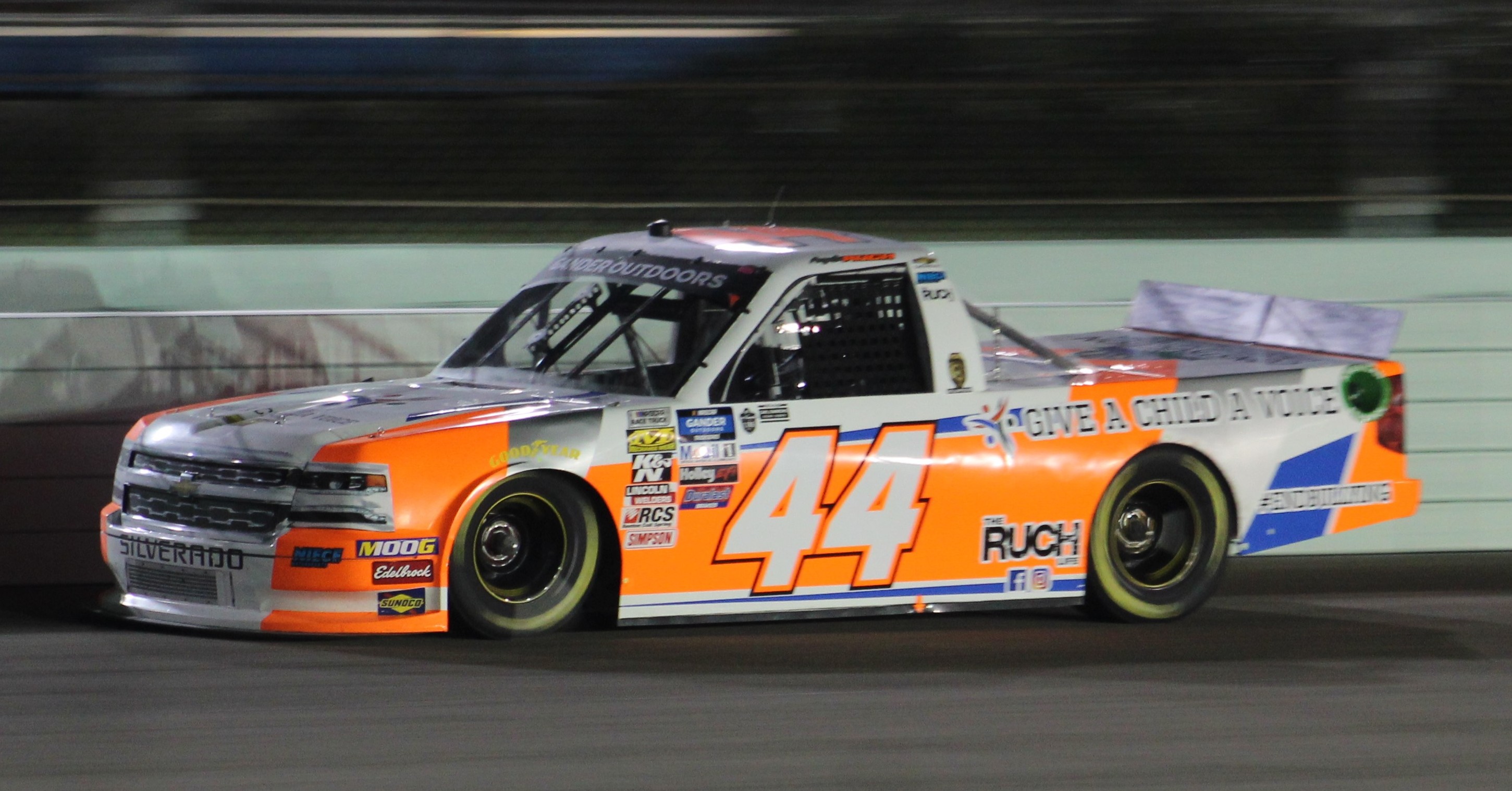
2022 6.2 Silverado
"I have a 2022 6.2 Silverado that recommends 91 octane. And I want to know if you need to mix."
This is a 2022 Chevrolet Silverado with a 6.2-liter engine. Since it’s calibrated to run on a specific fuel grade, mixing ethanol blends like E85 to make E30 can be risky unless you know the real ethanol content and how the engine is set up to handle it.
The 2022 Chevrolet Silverado with a 6.2L V8 is a common towing truck, and its fuel recommendation (91 octane in this case) is tied to how its engine is calibrated to avoid knock. When you start blending ethanol fuels like E85 to reach E30, you need to consider both octane and the actual ethanol percentage to stay within what the engine can handle.
octane
"I have a 2022 6.2 Silverado that recommends 91 octane. And I want to know if you need to mix."
Octane is a rating that tells you how resistant the fuel is to knocking in the engine. If your vehicle recommends a certain octane level, using a different blend can affect how safely the engine runs.
Octane is a measure of a fuel’s resistance to knocking (premature combustion) in an engine. Higher-octane fuels generally tolerate more aggressive ignition timing or higher compression without knocking, which is why the Silverado’s recommendation (91 octane) matters when blending fuels.
alcohol
"Well, here's the problem because you need to know what the content of alcohol is in a fuel. It's not 85."
Here, “alcohol” means ethanol in the fuel. The problem is that E85 can vary in how much ethanol it actually contains, so your mix might not end up as E30 like you intended.
In this context, “alcohol” means ethanol content in a fuel blend. The key point is that E85 isn’t always exactly 85% ethanol, so you can’t reliably calculate an E30 blend by assuming the pump’s ethanol percentage is fixed.
flex fuel
"Why did they pick 85? Well, 85 is just, it's just a flex fuel, [1807.2s] meaning it can contain up to 85%."
A flex-fuel vehicle can run on different mixes of gasoline and ethanol. The car is set up to handle changes in how much ethanol is in the fuel.
A flex-fuel vehicle is designed to run on fuel blends that can vary in composition, most commonly gasoline mixed with ethanol. The key point is that the engine management system expects different ethanol percentages and adjusts accordingly.
sense it and it varies
"I mean, [1826.9s] I don't know how you do it. I mean, you would actually sense it and it varies. [1832.5s] That pump this morning might be 60%."
They’re saying the fuel mix can change at the station, and you can’t tell the exact ethanol percentage just by guessing. To know for sure, you’d need to measure or test it.
The speaker argues that the ethanol percentage in a station’s tank can change over time, so you can’t reliably “sense” the blend by feel or assumption. They stress that the only way to know the exact mix is to measure or test the fuel.
test it with water to pull it apart
"And there is a way to test [1851.5s] it with water to pull it apart and you know, it varies and find out what's going on in there."
They’re talking about a simple at-home style test: adding water to see how the fuel separates. Because ethanol mixes with water differently than gasoline, you can get clues about the blend.
The speaker describes a separation test using water to distinguish ethanol-containing fuel from gasoline. Ethanol is miscible with water, so adding water can separate components and reveal the blend’s composition indirectly.
E85
"Well, you don't do the same thing with your E85. [1922.4s] It's a, it would be a process."
E85 is a fuel mix that’s mostly ethanol—up to about 85%—mixed with gasoline. The exact mix can vary, so the car may not always get the exact percentage you expect.
E85 refers to a fuel blend that contains up to 85% ethanol mixed with gasoline. Because the ethanol percentage can vary, the actual blend in a tank may not match the label unless it’s measured or tested.
lead additive
"Oh yeah, definitely. So with this Corvair, you're going to need, have you rebuilt it with updated parts inside? No, it's the same. Yeah, no, it's the same. Okay, then you need to use a lead additive in their lead substitute, they call it."
Lead additive is a product you add to fuel to mimic what lead used to do in older cars. It helps protect the valve seats so the engine doesn’t wear out as quickly on unleaded gas.
A lead additive (or lead substitute) is used to replace the protective effects that lead once provided in gasoline. In older engines, it helps protect valve seats from wear when running on modern unleaded fuel.
lead substitute
"You can go to advanced auto parts, go to their section that has all the chemicals to pour in there and look for the one that says lead substitute. They've got one, I got one from a Model T I pulled out last night."
A lead substitute is an additive made for older engines that used to rely on leaded fuel. It’s meant to protect the valve seats, and you should use it at the exact mixing ratio on the bottle.
A lead substitute is a modern chemical additive formulated to provide the valve-seat protection that lead used to give in gasoline. The host emphasizes choosing a product labeled for “lead substitute” and mixing it at the correct ratio.
valve seats
"That will help protect the valves from wearing because they're not lubricated. Yeah, they're not lubricated. It goes, it goes, it goes in the gas. Okay. Because it's run through the fuel because the regular fuel is going to be too dry and it's not going to lubricate and you're going to kill those valve seats."
Valve seats are the contact surfaces where the valves seal in the engine head. If they wear out, the engine can lose compression and run poorly, so additives may be used to help prevent that.
Valve seats are the hardened surfaces in the cylinder head where the engine’s valves seal when closed. Older engines can experience accelerated wear on these surfaces when fuel doesn’t provide adequate lubrication/protection, which is why lead substitutes are recommended in some cases.
ZDDP additive
"As for the oil with the camshaft and everything is in it, you have to put a ZDDP additive in there, like a zinc substitute additive. You can use the Justice Brothers"
ZDDP is an oil additive that helps protect the engine’s moving metal parts from wear. Older engines and certain cam/lifter designs can need it more than modern oils.
ZDDP (often written as ZDDP) is an anti-wear additive package used in engine oil to protect metal surfaces under high load, especially in flat-tappet cam and lifter setups. The host recommends adding a ZDDP additive for this Corvair because the valvetrain needs extra protection.
zinc substitute additive
"As for the oil with the camshaft and everything is in it, you have to put a ZDDP additive in there, like a zinc substitute additive. You can use the Justice Brothers"
This is a type of oil additive that boosts anti-wear protection using zinc-based chemistry. It’s often used when an older engine needs more protection than what today’s oils provide.
A zinc substitute additive refers to products that supply zinc-based anti-wear chemistry similar to what ZDDP provides. In practice, it’s used to increase the oil’s anti-wear protection for older engines that may not be adequately protected by modern low-phosphorus oils.
metal conditioner
"because the metal conditioner will protect those high pressure areas, the camshaft and [2105.7s] things and the bearings. But those two additives, that's a must."
A metal conditioner is an additive you put into engine oil to help protect the engine’s metal parts. The idea is to reduce wear where things rub together under high pressure.
A “metal conditioner” is an oil additive product intended to improve how engine metal surfaces behave under load. In this context, it’s described as protecting high-pressure areas and helping reduce wear on components like the camshaft and bearings.
camshaft
"because the metal conditioner will protect those high pressure areas, the camshaft and [2105.7s] things and the bearings. But those two additives, that's a must."
The camshaft is a key engine part that helps control when the valves open and close. If it wears out, the engine can run poorly or suffer damage over time.
The camshaft is the engine component that controls valve timing by opening and closing the engine’s valves. When the host mentions protecting the camshaft, they’re referring to reducing wear on the cam lobes and related contact surfaces.
bearings
"the camshaft and [2105.7s] things and the bearings. But those two additives, that's a must."
Bearings are parts inside the engine that help moving pieces rotate smoothly. They depend on good oil lubrication to avoid grinding and wear.
Bearings are precision components that allow rotating parts to move with low friction. In an engine, bearings rely heavily on oil lubrication; the segment frames additives as helping protect bearings from wear in high-pressure conditions.

1965 Corvair
"All right, hold on a second before we have a question for you. Don't go anywhere. [2132.2s] 1965 Corvair. [2133.3s] That's pretty cool. My grandson's got one too."
The Chevrolet Corvair is a classic Chevy from the 1960s with an unusual engine setup. In 1965, it’s a rear-engine, air-cooled car—so it feels very different from most cars you’d see on the road today.
The Chevrolet Corvair is a classic American compact that’s especially known for its rear-mounted, air-cooled flat-six engine layout. A 1965 Corvair is part of the second-generation run and is a popular enthusiast collectible today, often discussed for its unusual engineering compared with most front-engine cars of the era.
spider convertibles
"But some of them like the Monza, spider convertibles, especially those were a really good looking car."
“Spider” is a nickname people use for a sporty kind of convertible. It usually just means an open-top car with a particular look, not a specific mechanical part.
“Spider” is a common nickname for certain open-top convertibles, usually implying a sporty, roadster-like character. It’s not a single technical system—more a styling/marketing label for a convertible body style.

2019 Ford Escape 2.5 liter non-eco boost
"Got a 2019 Ford Escape 2.5 liter non-eco boost, about 90,000 miles."
This is a 2019 Ford Escape SUV with a 2.5-liter engine. The speaker is saying it’s not the turbo “EcoBoost” version, which is important because turbo and non-turbo engines can fail in different ways.
The Ford Escape is a compact SUV, and this one is a 2019 model with a 2.5-liter engine. The “non-eco boost” wording suggests it’s not the turbocharged EcoBoost variant, which matters because different engines have different common failure points and diagnostic paths.
randomly wants to die
"And it randomly wants to die. It's my daughter's car."
When a car “randomly” shuts off, it can be tough for a mechanic to find the cause because it may not happen while the car is in the shop. Often they have to wait for it to fail again or use scan tools to see what’s going on when it does.
Intermittent stalling—where a car “randomly wants to die”—is often harder to diagnose than a constant problem because the failure may not reproduce during testing. Shops typically need to capture data (fault codes, freeze-frame info) or observe the car under the same conditions when it stalls.
Idle in park
"She was sitting at Idle in park and it just died."
This means the car was sitting still with the engine running, and the gear selector was in Park. If it dies while sitting there, it usually suggests a problem that affects the engine at rest, not something that only happens while driving.
“Idle in park” means the engine is running while the transmission is in Park (not moving). If the car stalls from idle in Park, it points toward issues like fuel delivery, ignition/sensors, or electrical power supply—rather than a problem that only happens under load.
alternator
"So took it into a shop. They replaced the alternator. They said that was weak."
The alternator is what keeps your car’s battery charged while the engine is running. If it’s weak, the battery can run out of power and the car may shut off or refuse to restart.
An alternator is the engine-driven generator that powers the car’s electrical system and recharges the battery while you drive. If the alternator is weak or failing, the car can start poorly, stall, or die—especially after driving for a short distance—because the battery isn’t being properly replenished.
battery cable
"then the battery cable slips over the end of the stud and the nut is put on. If the nut on that stud is very tight, so it appears to be secure, the cable, but the stud is not securely tightened in the transmission."
A battery cable is the thick wire that connects the battery to the rest of the car. If that connection is loose or dirty, the car can shut off and then start working again later.
A battery cable is the heavy electrical lead that carries power between the battery and the vehicle’s electrical system. If the cable connection at the stud isn’t tight or is corroded/contaminated, the car can intermittently lose power, die, and then restart after conditions change.
corrosion
"It can get enough corrosion and just grease and oil and dirt in there to intermittently not make a good connection."
Corrosion is rust or buildup on metal contacts. It can make the electrical connection unreliable, so the car may die and then restart later.
Corrosion is the buildup of oxidized/chemically degraded material on metal contacts. Here, corrosion (plus grease/oil/dirt) can prevent a reliable electrical connection, leading to intermittent starting issues.
stable
"And that product is made by stable. Currently, our, our partners don't have one for that specific application... But with stable, they've got one that they call... vapor action."
“Stable” is the brand name of the additive they’re recommending. They say it includes a product meant to help stop rust inside the fuel tank.
“Stable” here refers to a specific fuel-stabilizer/additive brand the hosts are discussing for preventing fuel-tank rust. They mention it has a product called “vapor action” that’s intended to protect the tank even when fuel level is low.
vapor action
"But with stable, they've got one that they call, they're not our partner, but they've got one called vapor action. And when the tank is even as low as a quarter and eighth of a tank, by having that stable in there, the fumes in there, touch the tank and help, they help prevent the fuel, the rusting."
“Vapor action” is an additive that helps protect the inside of a fuel tank from rust. It’s designed to work even when the tank is fairly empty, because it acts in the air/vapor space above the fuel.
“Vapor action” is the name of a fuel-tank additive product that works via the fuel’s vapor space. The idea is that when the tank is low (down to about a quarter or even an eighth), the additive helps the fumes contact the tank walls to slow rusting.
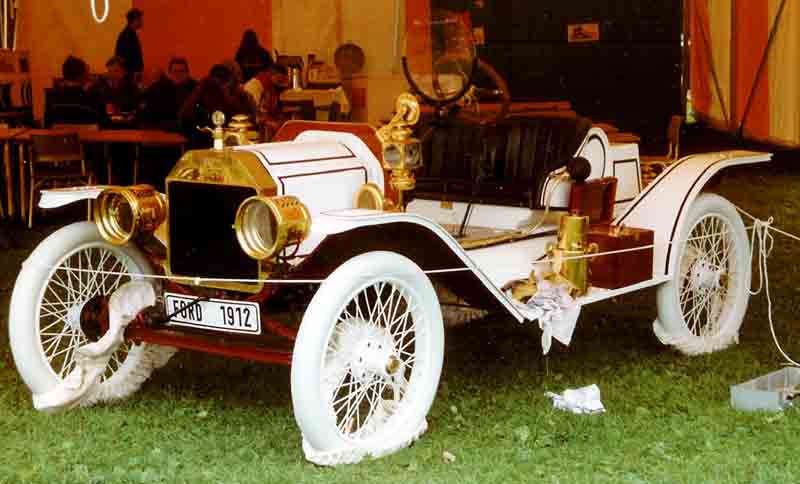
Model T
"I used it in my Model T, which usually doesn't have more than a half a tank of fuel in it. But I've had rusting problems before."
The Model T is a very old Ford classic. The speaker says they used the tank additive in their Model T because they’d had rust problems inside the fuel tank before.
The Ford Model T is an early classic car with a very simple, older-style fuel system, which is why rust inside the tank can be a recurring issue. The host mentions using the additive in a Model T to address prior rusting problems.

Tesla My Model
"And it, it was a drastic change. I used it in my Model T, which usually doesn't have more than a half a ..."
fuel expansion causing overflow when the tank is full in hot weather
"Well, because if it's full, there's events right out the cap. And when it's completely full where it wouldn't rust, it will expand in the summer... So if I fill it when it's 100 degrees out to the top, the fuel will expand... And it will overflow and run on the floor."
When a steel fuel tank is filled to the brim, heat causes the fuel to expand. That expansion can raise fuel level enough to overflow, especially if the tank was filled when the fuel was already warm.
prevent rust from moisture
"I do have another question to prevent rust from moisture from the cement. Do you guys put down anything on the cement that you park on?"
The goal is to keep water from reaching the metal parts of the car. If moisture can’t get up from the floor, the car is less likely to rust.
Rust prevention here is about controlling moisture at the car’s underside. Even if the air is humid, the biggest driver is often water vapor and condensation coming up from concrete or dirt and contacting metal surfaces.
vapor barrier
"Plastic, you need a vapor, vapor barrier under the car. I mean, in the, in the building, it's not, you can't do anything about that in the humidity."
A vapor barrier is a plastic sheet you put under a car to stop dampness from coming up from the ground. Less moisture under the car means less rust over time.
A vapor barrier is a sheet of material (often plastic) placed between the ground and the vehicle to block water vapor from rising through concrete or soil. It helps reduce rust by keeping moisture from reaching the underside of the car.

2017 Subaru Outback
"Yeah. I've got a 2017 Subaru Outback. Got 235,000 miles on it."
A Subaru Outback is a popular family car that’s known for handling bad weather well. Here they’re talking about what kind of gasoline it can use—especially E15 and E10, which have more ethanol than normal gas.
The Subaru Outback is a long-running crossover/wagon built around Subaru’s all-weather, all-wheel-drive reputation. In this segment, the key issue is fuel compatibility on a 2017 Subaru Outback—specifically whether it can run on higher-ethanol blends like E15 or E10.
87
"All that we've ever run in it is the 87 off change, you know, regular gas. Would it, do you think it would hurt or be okay to start running the E15 in it?"
“87” is the octane number on gas pumps. Octane is basically how well the fuel resists engine knocking, and this call is about whether the car can switch from the 87-type fuel to higher-ethanol blends.
“87” refers to gasoline octane rating (87 octane), which is the fuel’s resistance to knocking. The segment ties octane and ethanol blends together by discussing how the car has been running 87 and whether switching to E15/E10 is acceptable.
E15
"Would it, do you think it would hurt or be okay to start running the E15 in it? ... The 87, if you've ever put 88 in the car, that's E15."
E15 is regular gas mixed with 15% alcohol (ethanol). Some cars can use it and some can’t, so the important part is whether your car is designed for that ethanol level.
E15 is gasoline blended with 15% ethanol. Ethanol content affects how the fuel burns and can change fuel economy and compatibility, so the question here is whether a 2017 Subaru Outback is approved to use E15.
fuel compatibility
"Would it, do you think it would hurt or be okay to start running the E15 in it? ... And there's not many 01 cars."
Fuel compatibility means whether your car is built to safely run the type of gas you want to use. Here they’re checking if E15/E10 is okay for the Outback, not just whether it will start.
Fuel compatibility is whether a vehicle’s engine management and fuel system are designed to handle a specific gasoline formulation (like ethanol percentage). In this segment, the hosts focus on whether a 2017 Subaru Outback can safely run E15/E10 based on its age and testing history.
E10
"No, E15 or E10 should be fine. ... Right now at this point, I'd say put the cheapest, because that car will run on 87."
E10 is gasoline mixed with 10% alcohol (ethanol). Many cars are designed to run on it, and in this call they’re saying this Outback should handle E10 without issues.
E10 is gasoline blended with 10% ethanol, which is widely used and commonly supported by modern vehicles. The hosts are saying E10 (and E15) should be fine for this 2017 Subaru Outback, assuming it’s within the manufacturer’s fuel-spec approval.

2013 Mercedes E350
"Yeah, I've got a 2013 Mercedes E350. Been a great car for us, obviously a summer car. And I loaded to a nephew for a prom, thought he was helping us out with E87 in it."
A 2013 Mercedes E350 is a Mercedes-Benz luxury car. The host is talking about a problem where the engine isn’t firing correctly in certain cylinders, which triggers warning codes and causes drivability issues.
The Mercedes-Benz E350 is part of the E-Class lineup, and in 2013 it’s typically a V6-powered luxury sedan used as a comfortable daily or “summer car.” In this segment, the key issue is ignition-related misfires that show up as diagnostic trouble codes after the car was serviced.

BMW E87
"...ew for a prom, thought he was helping us out with E87 in it. And I've not had anything but issues since..."
The BMW 1 Series is a small luxury car. In the podcast, it’s mentioned because a person bought an E87 (a specific model generation) and then had repeated problems afterward. That’s a reminder that some used cars can require a lot of repairs if they weren’t maintained well.
The BMW 1 Series is a compact luxury car, and the podcast references the E87 generation specifically. It’s brought up because someone had a car for a prom and later “hasn’t had anything but issues,” implying ongoing problems after the vehicle was obtained or modified. That makes it a useful topic for listeners because it highlights how certain used BMW 1 Series examples can be trouble-prone depending on condition and maintenance history.
fuel trims
"So, it may be caused by something with the fuel trims on the vehicle and they're going to have to look at that."
Fuel trims are the car’s computer adjusting how much gas it injects. If you change fuel types (like E85 vs regular gas), the computer should adjust to keep the engine running correctly. If it can’t adjust enough, the car may run rough or throw codes.
Fuel trims are the engine computer’s short-term and long-term adjustments to how much fuel it injects. They’re used to correct for differences in fuel quality, air leaks, sensor readings, and—relevant here—switching between fuels like E85 and 91 octane. If the trims can’t correct enough, you can get drivability issues and misfires.
running very rich
"Now, it runs better under acceleration. I think it's running very rich, but that's about as much as my knowledge goes with these cars."
Running rich means the engine is getting more fuel than it needs for the air available. If the mixture is too rich, the car can feel off and may trigger trouble codes. With E85, the computer has to adjust fueling to keep the mix right.
“Running rich” means the engine is getting too much fuel compared to the amount of air (a fuel-to-air ratio that’s richer than ideal). With E85’s higher alcohol content, the car should compensate by injecting more fuel—but if adaptation doesn’t happen correctly, the mixture can end up too rich. A rich mixture can affect power, fuel economy, and can trigger emissions-related codes.
fuel and air
"So, if you're running E85 in there with the higher alcohol content, it's got to put more fuel in it to run evenly like it should to get the right ratio of fuel and air."
The engine needs the right balance of fuel and air to burn cleanly. Different fuels need different amounts of fuel to match the same airflow. If that balance is wrong, the engine can run poorly or throw codes.
The fuel-to-air ratio is the balance between how much fuel the engine injects and how much air enters the cylinders. Combustion depends on this ratio, and different fuels require different amounts to burn efficiently. Ethanol blends like E85 typically require more fuel for the same amount of air to maintain the correct ratio.
fuel gets richer
"fuel, it gets richer. For every percentage point you change towards regular away from alcohol, it gets richer."
“Rich” means the engine is being fed more fuel than it needs. More fuel can make the car run rough or waste gas, and it’s generally worse for fuel economy.
“Running rich” means the engine is getting more fuel than the ideal air-fuel mixture for efficient combustion. That can improve drivability in some situations, but it usually hurts fuel economy and can increase emissions.
very rich and very poor fuel economy
"It's going to load up. It's going to be very rich and very poor fuel economy."
If the engine is running “rich,” it burns extra fuel. Extra fuel use usually means worse gas mileage.
A “rich” mixture burns fuel inefficiently, so the engine uses more gasoline than necessary. That’s why the speaker links rich operation to poor fuel economy.
relearn
"It's stuck somewhere in between alcohol and non-alcohol and there is a relearn for that in the computer. They may have to reprogram it and relearn it, but you need, I would say with these cars,"
“Relearn” means the car’s computer has to re-adjust after something changes. After that, it can again control the fuel mixture correctly.
“Relearn” refers to the engine computer updating its adaptive fuel/air control settings after a change (like fuel type or sensor behavior). Many modern cars use learning to maintain the correct mixture and emissions performance over time.
reprogramming
"Reprogramming. And I'd say that should probably be the 91 premium, because that car I believe is supposed"
“Reprogramming” is when the car’s computer software is updated. It helps the car run correctly with the fuel type and settings you’re using.
“Reprogramming” means updating the vehicle’s engine control software (ECU/PCM calibration) so it can properly manage fuel and drivability for the intended fuel type. This is often needed when the car’s calibration doesn’t match what’s in the tank or when switching fuel strategies.
91 premium
"And I'd say that should probably be the 91 premium, because that car I believe is supposed to run on premium only is what they recommend on that one, right on the fuel cap."
“91 premium” is a type of gasoline with a higher octane number. Higher octane helps prevent engine knocking, and some cars are tuned to use it.
“91 premium” refers to gasoline with an octane rating of 91. Higher-octane fuel resists knock better, and some engines are calibrated to run best (or only) on premium for safe combustion under load.
Request an Explanation
Heard something you'd like explained? We'll add it to this episode.
Sign in to request explanations for terms you heard.
Want to learn more?
Browse our glossary for plain-English explanations of automotive terms, jargon, and concepts.
Help improve this episode
See something that's not quite right? Our annotations are AI-generated and can sometimes miss the mark. Click the flag icon on any annotation to suggest a correction.