
The Car Show with Dane Donovan - 5/2/2026
About this episode
Dane Donovan mixes local weekend chatter with practical garage advice, starting with a no-spark problem on an 88 Chevy Silverado and moving into broader repair guidance on distributors, parts availability, and the cost of modern truck fixes. He then walks through maintenance priorities for a high-mileage Toyota and a lean-code diagnosis on a 2005 Corolla. The show closes with a charity cars-and-coffee event in Indian Hill and a heartfelt appeal for support after a deputy was killed.
Dane Donovan answers questions from listeners, including Jim, who's got a spark issue with his 88 Chevy Silverado, and Rob, who's dealing with a stubborn auto window on his 2005 Honda Accord. Dane shares some valuable tips and tricks, from checking fuses to replacing the distributor assembly. He also talks about the importance of regular maintenance, like brake fluid checks and transmission flushes. With his expertise and friendly demeanor, Dane makes car repair less intimidating and more accessible.
See omnystudio.com/listener for privacy information.
Flying Pig Marathon
"It's an exciting weekend here in Cincinnati, right? We've got the Flying Pig Marathon, which is very exciting."
They’re talking about a big running event in Cincinnati called the Flying Pig Marathon. It’s just background for what’s happening this weekend.
The Flying Pig Marathon is a local event in Cincinnati that the host mentions as part of the weekend happenings. It’s not directly related to cars, but it frames the episode’s local context.
car questions
"And, uh, but here I am to take your car questions."
The host is taking calls from listeners who have questions about their cars. It’s basically a Q&A about vehicle issues and upkeep.
The segment is framed around listeners calling in with questions about their vehicles. It’s a recurring radio format where the host answers automotive-related topics.
Donovan's Auto Entire Center
"I'm Dane Donna from, from Donovan's Auto Entire Center, uh, located here in the wonderful great city of Cincinnati, Ohio."
That’s the name of the shop where the host works. He’s telling listeners who he is and where he’s from.
This is the name of the host’s business. It’s mentioned as the affiliation for Dane Donovan while he’s taking car questions on the radio.
DonovanTire.com
"And, uh, if you're in the tri-state area, um, go to DonovanTire.com and find your nearest location."
This is the website for the shop. It’s how you can find their closest location.
This is the business website for Donovan’s tire and service locations. Listeners are directed there to find the nearest shop.
fix your car
"I'm, you know, I'm, yes, we're all, we're all in it to, to, to make money, but at the same time, I'm here to fix your car. [517.0s] And I'm here to be honest with you and I'm here to do the absolute best job that I possibly can."
The host frames the show as a place to help listeners get their cars repaired correctly and honestly. This segment is about customer support and repair guidance rather than a specific vehicle or technical topic.
Donovan's auto foreign
"You can always call me at my, um, my newest location, which is the, the Donovan's auto foreign that's currently where I'm at. [577.9s] Uh, making sure that the I'm getting it up and running and it's doing a phenomenal job."
That’s the name of Dale Donovan’s shop/location. He’s saying you can call or stop by there for help with car problems.
“Donovan's auto foreign” is the shop location Dale Donovan mentions where he’s currently working to get cars up and running. It’s presented as a service business for foreign vehicles.

Chevrolet Spark
"...88 Chevy Silverado with a 350 and, um, it's got a spark issue. It just kind of died on me and I replaced..."
The Chevrolet Spark is a small car made for everyday driving, especially in town. When someone says it has a “spark issue” and the car dies, it usually means the engine isn’t getting the right ignition to start and run. A mechanic can check things like the spark plugs, ignition coils, and related wiring to find the cause.
The Chevrolet Spark is a small, budget-friendly city car designed for easy parking and economical driving. The podcast references a “spark issue” that caused the car to die, which points to an ignition-related problem—something that prevents the engine from firing correctly. That’s a significant topic because ignition problems can leave the car unable to start or running very poorly.
spark issue
"It's a 88 Chevy Silverado with a 350 and, um, it's got a spark issue. It just kind of died on me and I replaced the coil and the ignition module, the ignition cap and rotor and I don't have spark."
The engine needs a spark to burn fuel. If there’s a “spark issue,” the truck isn’t getting that spark, so it may die or won’t restart.
A “spark issue” means the engine isn’t getting the electrical spark needed to ignite the air-fuel mixture in the cylinders. On many engines, this points to the ignition system—components like the coil, distributor cap/rotor, or ignition module.
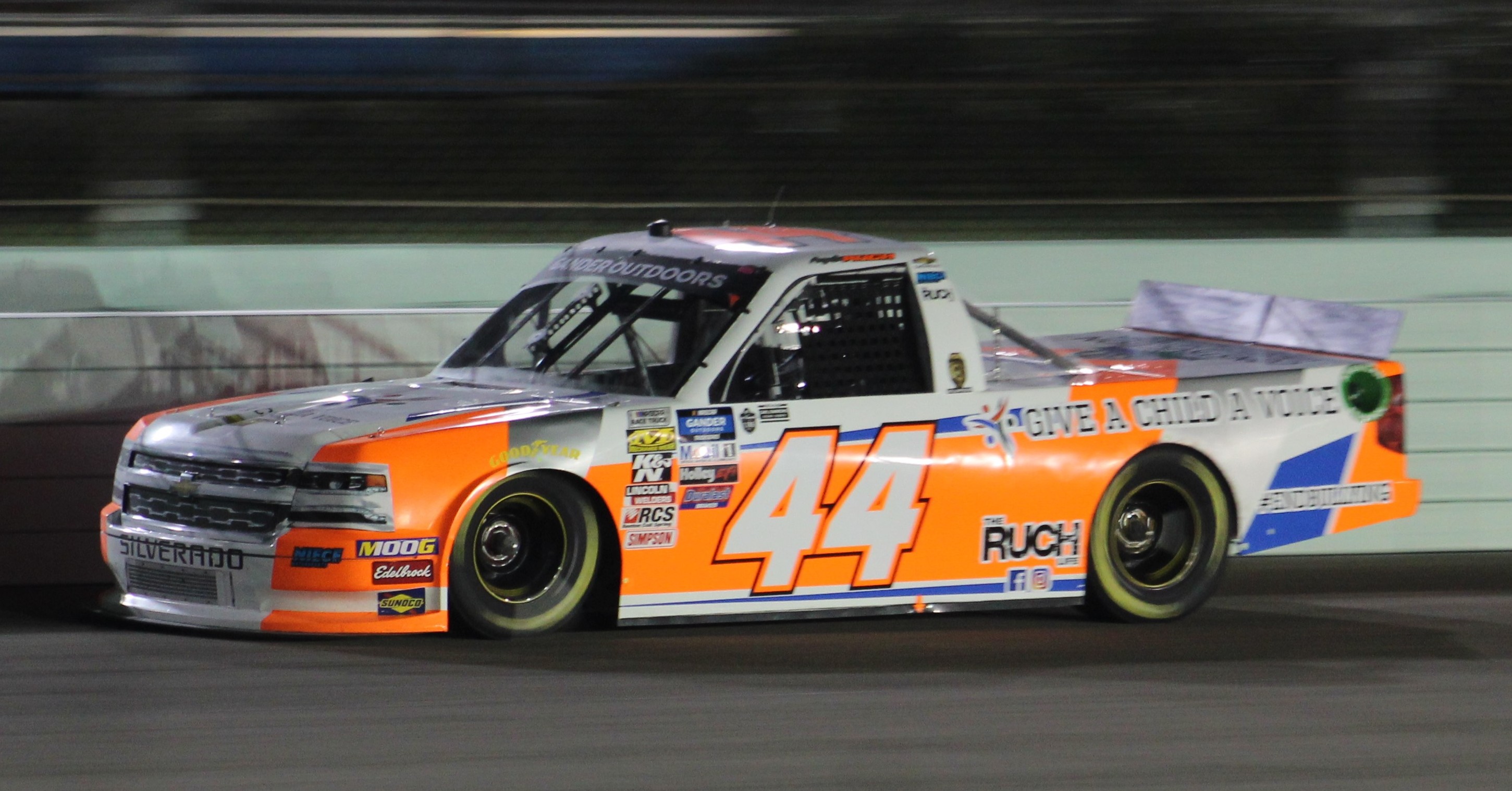
88 Chevy Silverado
"It's a 88 Chevy Silverado with a 350 and, um, it's got a spark issue. It just kind of died on me and I replaced the coil and the ignition module, the ignition cap and rotor and I don't have spark."
They’re talking about an older Chevrolet Silverado pickup. It’s having an ignition problem—basically it’s not making spark to start/run properly.
The speaker’s truck is an older Chevrolet Silverado (an American full-size pickup). They mention it has a 350 engine, and the problem is related to ignition/spark, which is common on older small-block Chevy setups.
coil
"It just kind of died on me and I replaced the coil and the ignition module, the ignition cap and rotor and I don't have spark. Does that have a fuse, a bull ignition or a fusible link in the ignition?"
The coil is like the ignition system’s power booster. It turns the battery’s electricity into the high-voltage spark the spark plugs need.
The ignition coil boosts low-voltage electricity into the high voltage needed to create a spark at the spark plugs. If the coil fails—or if it’s not being triggered correctly by the ignition module—an engine can crank but have no spark.
ignition cap and rotor
"I replaced the coil and the ignition module, the ignition cap and rotor and I don't have spark. Does that have a fuse, a bull ignition or a fusible link in the ignition?"
The cap and rotor help send the spark to the right spark plug at the right time. If they’re worn or damaged, the engine may not get spark at all.
On distributor-based ignition systems, the distributor cap and rotor route high voltage from the coil to the correct spark plug. Wear, cracks, or moisture can prevent proper contact, leading to misfire or no-spark conditions.
fusible link
"Does that have a fuse, a bull ignition or a fusible link in the ignition? So, okay. So you replaced, run it by me. You said you replaced the coil."
A fusible link is like a heavy-duty fuse for certain wiring circuits. If it blows, the ignition system can lose power and the truck won’t spark.
A fusible link is a special wire/connector that protects the vehicle’s wiring by melting if there’s an electrical overload. If a fusible link in the ignition circuit opens, the ignition system may lose power and produce no spark.
bull ignition
"Does that have a fuse, a bull ignition or a fusible link in the ignition? So, okay. So you replaced, run it by me. You said you replaced the coil."
This sounds like the speaker is talking about an electrical protection part in the ignition system. They’re basically asking if something like a fuse is blocking power to the ignition.
“Bull ignition” appears to be a mishearing or transcription error for another ignition-related fuse/connection term. In context, the speaker is asking whether there’s a protected ignition feed (like a fuse or fusible link) that could be preventing spark.
ignition module
"I replaced the ignition module and the distributor cap and rotor. They were rough looking. They need to be replaced but just don't have any spark, won't fire when i turn it over."
The ignition module is like the “timing brain” for spark. If it’s bad, the engine can turn over but still won’t fire because the spark never happens.
The ignition module is an electronic component that helps control when the ignition system fires the spark plugs. If it fails, the engine may crank but not start because there’s no spark.
distributor cap
"I replaced the ignition module and the distributor cap and rotor. They were rough looking. They need to be replaced but just don't have any spark, won't fire when i turn it over."
The distributor cap is a protective cover that sends electricity to the spark plugs. If it’s worn or damaged, the spark can fail and the engine won’t start.
The distributor cap is the cover on a distributor that routes high-voltage electricity to the correct spark plug terminals. Cracks, carbon tracking, or corrosion can cause misfires or a complete no-spark condition.
no spark
"They need to be replaced but just don't have any spark, won't fire when i turn it over. That module is inside the distributor, correct? Correct."
“No spark” means the engine isn’t getting the electrical ignition needed to light the fuel. When that happens, the engine may crank but won’t start.
“No spark” is a diagnosis where the ignition system isn’t producing the high-voltage spark needed at the spark plugs. It’s a common cause of a crank-no-start situation and often points to the distributor/ignition electronics or related wiring.
original equipment
"I always talk about buying original equipment. Now with it being an 88, you're not going to be able to, that's probably not going to be available. But what I would encourage you to do is try to find the highest quality part that you can."
“Original equipment” (often called OEM) refers to parts made to the same specifications as the factory-installed components. Using OEM-style parts can improve fit, durability, and compatibility—especially on older vehicles where cheaper replacements may not work as expected.
distributor assembly
"So I would do it soon, but I would recommend just getting a whole new distributor assembly. Okay, I appreciate that. It's obsolete so you're right, it's not available, the dealer doesn't have that."
The distributor assembly is part of the ignition system that helps your engine fire the spark plugs in the right order. If it’s obsolete or hard to find, repairs can get expensive or take a long time.
A distributor assembly is the ignition system component that routes high-voltage electricity to the correct spark plug at the right time. When it fails or becomes obsolete, it can prevent the engine from starting or cause misfires, and it may be difficult to source replacement parts.

Dodge Ram
"I had a Dodge truck in like a 2016 Dodge Ram. It needed, it had no power steering. Well, the power steering was electronic and the front differential, the axle on this thing broke and it needed a front differential as well."
They’re talking about a 2016 Dodge Ram that had expensive problems. It involved the steering system and the front drivetrain, and the fix was close to $9,000.
The speaker describes a 2016 Dodge Ram that needed major driveline/steering-related repairs. They mention electronic power steering and a front differential/axle failure, leading to a repair estimate of nearly $9,000.
power steering was electronic
"It needed, it had no power steering. Well, the power steering was electronic and the front differential, the axle on this thing broke and it needed a front differential as well. So this gentleman goes to Xavier as a baseball player."
Power steering helps you turn the wheel more easily. When it’s “electronic,” it uses an electric system (not hydraulic fluid), so a wiring or fuse issue can cause the steering to stop working.
Electronic power steering uses electric motors and sensors to assist steering, instead of a hydraulic pump and fluid. Because it relies on electronics, failures can show up as “no assist” and may require diagnosis of wiring, fuses, or control modules.
front differential
"Well, the power steering was electronic and the front differential, the axle on this thing broke and it needed a front differential as well. So this gentleman goes to Xavier as a baseball player."
The front differential is part of the front drivetrain that helps the front wheels turn at different speeds when you’re cornering. If it breaks, the truck can be hard to drive and the repair can be costly.
The front differential is a gearbox that sends power to the front wheels while allowing them to rotate at different speeds during turns. If the differential or related axle components fail, it can cause drivability issues and expensive repairs.
axle
"the front differential, the axle on this thing broke and it needed a front differential as well. So this gentleman goes to Xavier as a baseball player."
An axle is the part that transfers power from the drivetrain to the wheels. If it breaks, the vehicle may need major repairs to get the front wheels working correctly again.
An axle is the shaft that transmits power from the differential to the wheels. If an axle breaks, it can damage the drivetrain and often requires replacing the axle and sometimes additional related components.
back order
"Now I could get the parts, but they were on back order, which means, you know, they can't produce enough of them. So I couldn't tell the gentleman when he was going to get his parts and that's on a 16, so."
A back order means the shop can’t get the part right away because it’s not available. So the repair has to wait until more parts are made or shipped.
A back order means the part is sold out and the supplier can’t deliver it immediately, so the customer must wait for future production. In repair situations, back orders can turn a “fix it now” job into a long downtime issue.
jumper lead
"Could I take a jumper lead and jump it to the distributor to see if there's a, you know, a cut in the wire or something, you know? Yeah."
A jumper lead is like a temporary wire you can use to test an electrical problem. It helps you see if power is getting through, or if the wiring/connection is the real issue.
A jumper lead is a temporary wire used to bypass a circuit to test whether a component responds. In automotive diagnostics, it can help determine whether the issue is a broken wire/connection versus a failed part, but it must be used carefully to avoid damage.
fuses
"I just need to check the fuses too. Someone said check the fuses could possibly could be a bad fuse. I don't know if that's."
Fuses are safety switches for the car’s electrical system. If too much current happens, the fuse blows, and the affected system won’t work until the fuse is replaced.
Fuses are safety devices that protect electrical circuits by melting if too much current flows. If a fuse is blown, related systems (like electronic steering or ignition components) may stop working until the fuse is replaced and the underlying cause is found.
carburetors
"Again, you know, obviously when I got into the business, carburetors were a thing in the past and never saw them."
A carburetor is an older way of feeding fuel into an engine. It mixes fuel and air together before the engine burns it, but newer cars use fuel injection instead.
Carburetors are devices that mix fuel and air before it enters the engine. They were common on older cars but have largely been replaced by fuel-injection systems because fuel delivery can be more precise and consistent.
distributors
"And then distributors were being phased out when I started. So we, I did work on some cars with distributors, but didn't."
A distributor is part of an older ignition system that sends spark to the right spark plug at the right moment. Newer cars usually don’t use a distributor anymore.
An ignition distributor routes high-voltage electricity from the ignition system to the correct spark plug at the right time. Many older engines used distributors, but modern engines typically use distributorless ignition systems.
fuel injected
"By the time I got into the full swing of car repair, it was all, it was all fuel injected."
Fuel injection is how most modern cars deliver fuel to the engine using valves/injectors controlled by the computer. It helps the engine get the right amount of fuel more accurately than older carburetors.
Fuel injection is a system that delivers fuel to the engine using electronically controlled injectors rather than a carburetor. It improves fuel metering, drivability, and emissions control, which is why it became the standard as cars modernized.
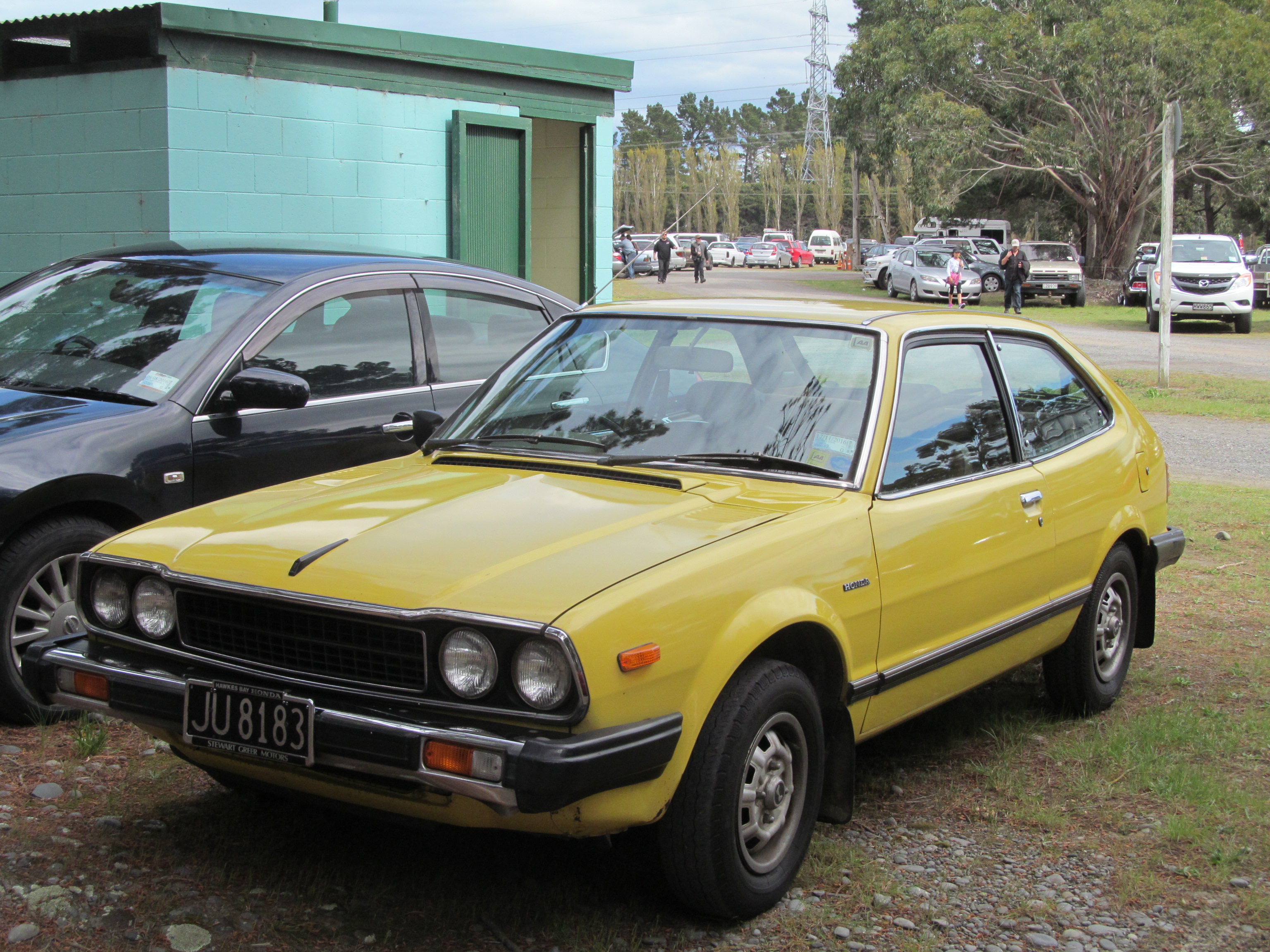
2005 Accord
"So I've got a 2005 Accord, the family hand me down. It's going to be my teenage daughter's car."
They’re talking about a 2005 Honda Accord. The problem is with the power window—when they try to close it, it doesn’t stay up and instead reverses.
The speaker is working on a 2005 Honda Accord, using it as a family hand-me-down for their teenage daughter. They’re dealing with a power window that won’t complete its full travel cycle.
auto window
"And when you, when you pull it up, it goes all the way up and then, and it goes back down, just, you know, two inches that hits it and goes back down."
“Auto window” means you can press the switch once and the window moves by itself to the top or bottom. If something’s not right, it may stop and go back down.
An “auto” power window typically refers to one-touch operation where the window automatically travels to the fully up or down position. If the system detects an obstruction or incorrect learned limits, it may stop and reverse.
hits it and goes back down
"And when you, when you pull it up, it goes all the way up and then, and it goes back down, just, you know, two inches that hits it and goes back down."
This sounds like the window’s safety feature. If the car thinks the window is hitting something or not closing correctly, it automatically drops back down a little to prevent damage or injury.
The described behavior is consistent with a power-window anti-pinch/safety reversal. When the window control senses resistance or an incorrect end-stop calibration, it reverses a short distance to reduce the chance of trapping something.
window regulator
"So, you know, I read up on it and that's like, you know, it's probably the window regulator. So, you know, I wasn't that worried about it."
The window regulator is the part that physically raises and lowers the window. If it’s worn out or sticking, the window may not close normally and can reverse direction.
A window regulator is the mechanism that moves a car’s power window up and down. When it fails or binds, the window can stop short or behave erratically, sometimes triggering safety behavior that reverses the window.
junkyard
"So in the meantime, we had a minor neighbor accident. So it has a brand new door from a junkyard."
A junkyard is where cars are taken apart for usable parts. They used a used door from a junkyard as part of the repair attempt.
Using a “junkyard” part means sourcing a used component from a salvage vehicle. In this case, the speaker replaced the door with one from a junkyard to address the same window-regulator-related issue.
reprogram
"I watched a couple of YouTube videos and you got to turn the keys this time and do this and pull it out and reprogram it and no success."
After fixing a power window, the car may need to “relearn” where the fully-up and fully-down positions are. Reprogramming is the steps you do so the window knows its correct limits.
Many power windows have an initialization or “learn” procedure after repairs or regulator replacement. Reprogramming teaches the window’s control module the correct end-stop positions so the one-touch/full-travel function works properly.
Honda module
"...it's one of those like, you know, if you don't have the Honda module to hook up and, you know, there's all these workarounds..."
A “module” is like a computer in the car that controls a specific system. If you can’t connect to the right Honda computer, a shop may have to use workaround steps to get the job done.
A “Honda module” is an electronic control unit used in Honda vehicles to manage specific systems (often infotainment, body electronics, or powertrain functions). When the module isn’t available or can’t be connected, technicians may need special procedures or alternative steps to complete diagnostics or resets.
workarounds
"...there's all these workarounds, you know, like, well, you know, do this and it has to be within three seconds and then do this..."
A workaround is a backup method. If the usual way to reset or diagnose something doesn’t work, the technician uses an alternate set of steps to still get the system to respond.
In automotive diagnostics, “workarounds” are alternative procedures used when the normal tool/connection path doesn’t work (for example, missing software access, unavailable modules, or limited scan-tool functions). They often involve specific button sequences or timing requirements to trigger a reset or service mode.
reset
"...we were trying to reset, uh, an oil light for a Volvo the other day..."
A reset is a procedure that tells the car, “we did the maintenance.” It’s how the car turns off the reminder light after the work is done.
A “reset” in this context means clearing a service reminder or recalibrating a vehicle system after maintenance. Many cars require a specific procedure (often with ignition cycles and button presses) to extinguish the warning light and confirm the system has been updated.
oil light
"...we were trying to reset, uh, an oil light for a Volvo the other day..."
The oil light is a warning on the dashboard about the car’s oil. After an oil change, the shop may have to reset it so the reminder turns off.
The “oil light” is the dashboard indicator that alerts the driver to an oil-related condition, such as low oil pressure or a service reminder. After an oil change or related maintenance, technicians may need to reset the reminder so the light doesn’t stay on.
trip A
"[1319.7s] I mean, to reset an oil light on a Toyota, on the older Toyotas, you had to have it on trip A, hold the tripometer, turn the key on, and it would reset."
Trip A is one of the dashboard screens that tracks how far you’ve driven since you last reset it. On some cars, you use that screen while following the steps to clear the oil reminder.
“Trip A” refers to one of the vehicle’s trip computer displays used for tracking distance since the last reset. Some Toyota models use Trip A as part of the procedure to reset the oil/service reminder.
tripometer
"[1319.7s] I mean, to reset an oil light on a Toyota, on the older Toyotas, you had to have it on trip A, hold the tripometer, turn the key on, and it would reset."
The tripometer is the distance counter for your trip. It can be reset, and in this case you hold it while turning the key to clear the oil reminder.
A “tripometer” (trip odometer) is the part of the dashboard that measures how far you’ve driven on a trip, and it can usually be reset. In the transcript, holding it is part of the steps to clear the oil light on certain Toyotas.
Toyota
"[1319.7s] I mean, to reset an oil light on a Toyota, on the older Toyotas, you had to have it on trip A, hold the tripometer, turn the key on, and it would reset."
They’re talking about Toyota cars and how the steps to clear the oil reminder can change depending on the model year. So you can’t always use the same button sequence on every Toyota.
Toyota is referenced here as the brand whose different model years use different dashboard button/key sequences to reset the oil/service light. The key point is that the exact procedure varies by year and model.
trip B
"[1328.6s] And then newer models, it was trip B. You had to have it on trip B, return the key on, and it would reset."
Trip B is another dashboard trip screen that measures distance since the last reset. Some newer Toyotas require you to be on Trip B when you reset the oil reminder.
“Trip B” is another trip computer display (separate from Trip A) that tracks distance since the last reset. On newer Toyota models, the oil/service light reset procedure may require selecting Trip B first.
odometer
"[1334.0s] Some Toyotas, you got to have it on the odometer and turn the key on."
The odometer is the main mileage number for the whole car. Some cars require you to use that display when resetting the oil reminder.
An “odometer” is the dashboard mileage total for the whole vehicle. Some Toyota models use the odometer display as part of the oil/service light reset procedure, rather than Trip A or Trip B.
tune-up
"And I had a tune-up at 118,000. ... So, the tune-up, no. So, you have a platinum plug in there."
A tune-up is regular maintenance to help the engine run smoothly. It often includes things like replacing spark plugs and checking other parts that wear out.
A tune-up is routine maintenance aimed at keeping an engine running correctly. Depending on the car, it may include replacing spark plugs, inspecting ignition components, and checking filters and other wear items.
transmission flush
"And I had a transmission flush at 133,000. ... Do you think I should be looking at doing both of these?"
A transmission flush is a way to replace the fluid inside the transmission. It can be helpful, but it’s not always the best move if the fluid has never been serviced or if the transmission is already showing issues.
A transmission flush is a service that replaces transmission fluid more aggressively than a simple drain-and-fill. It can help remove old fluid and debris, but whether it’s recommended depends on the transmission type and the car’s service history.
platinum plug
"So, the tune-up, no. So, you have a platinum plug in there. Typically, Toyota is about 110,000, 120,000 miles is when it's due."
A platinum spark plug is a spark plug with a longer-lasting tip. It usually needs changing less often than basic spark plugs, but it still should be checked and replaced when worn.
A platinum spark plug uses a platinum electrode, which typically lasts longer than cheaper plug materials. Longer-life plugs can push out service intervals, but they still need periodic inspection and replacement based on mileage and condition.
drain infill
"I don't know that we need to do a flush currently, but maybe like a drain infill. I think we need to look at that."
A drain-and-fill means you drain some of the old transmission fluid and add new fluid back. It’s usually a simpler, less aggressive service than a full flush.
A drain-and-fill (sometimes described as drain and infill) replaces part of the transmission fluid by draining the pan and refilling. It’s generally gentler than a full flush and is often used when you want to refresh fluid without forcing it through the entire system.
coolant
"What about, obviously don't have your records in front of you. What about coolant? Do we have a record of when that was done?"
Coolant is the fluid that keeps the engine from getting too hot. If it gets old, it can lose its ability to protect the engine, so it may need service.
Coolant is the liquid that carries heat away from the engine and helps maintain proper operating temperature. Over time it can degrade, so periodic replacement or service (like flushing) helps prevent overheating and corrosion.
cooling system was flushed
"At the same time at 133,000, I got a cooling system was flushed. So, I mean, if we did the transmission, I think transmission and coolant,"
Flushing the cooling system means removing old coolant and cleaning out the system. This helps the engine stay cooler and can prevent buildup that reduces cooling.
Flushing the cooling system replaces old coolant and helps remove scale, rust, and sediment from the engine’s water passages and radiator. It’s typically done at intervals or if coolant condition indicates it’s needed.
brake fluid
"But I think power steering will want brake fluid. We need to do brake fluid."
Brake fluid is what makes your brakes work by transferring pressure when you press the pedal. Over time it can absorb water, which can make braking less effective, so it should be serviced.
Brake fluid is the hydraulic fluid that transfers force from the brake pedal to the brake calipers/rotors. It absorbs moisture over time, which can lower boiling point and contribute to brake fade or corrosion, so it’s often replaced periodically.
power steering fluid
"That power steering fluid, you know, we don't have to, I mean, you know, but it's a good thing to do."
Power steering fluid is the fluid that helps your steering feel lighter. If it gets old or dirty, steering can feel worse, so it’s something you may service on a schedule.
Power steering fluid is the hydraulic fluid used by many power-steering systems to help reduce steering effort. Over time it can degrade or pick up contaminants, so periodic checks and service can help keep steering feel consistent.
maintenance
"I wasn't, you know, like I said, hitting 200, I want to keep up on the maintenance because I wanted to run, I want to, you know, I want to run the 300."
Maintenance here means doing regular checkups and services before problems happen. It’s like changing fluids and servicing brakes so the car keeps working the way it should.
In this context, “maintenance” refers to scheduled service items like fluid changes and brake service that prevent wear and catch issues early. The hosts are emphasizing staying on a mileage-based plan to avoid surprises.
transmission fluid
"Well, let's do, I would say like, if I, I say, you know, maybe at 200, we do the fluids... The transmission fluid and coolant, I would say brake fluid number one, maybe trans fluid, transmission fluid second, then coolant, then the tune up."
Transmission fluid is the fluid that keeps the transmission lubricated and helps it shift properly. Changing it helps the gearbox last longer, and a drain-and-fill is often gentler than a full flush.
Transmission fluid lubricates internal transmission components and helps manage hydraulic pressure for shifting. The hosts recommend servicing it (specifically via drain and fill) at high mileage rather than doing a full flush, to reduce the risk of disturbing old deposits.
screens
"Again, Toyotas don't have filters. They have screens and, you know, we really don't want to force a bunch of dirt through that screen when we're doing a flush."
Some transmissions use a screen to catch dirt instead of a replaceable filter. It still helps keep debris out of the fluid, but the service method can be different.
In some automatic transmissions, instead of a replaceable filter element, there may be a screen/strainer that traps debris. A screen can still collect particles, but it’s typically cleaned or serviced differently than a traditional cartridge filter.
drain and fill
"But if we do a drain and fill where we're just draining the pan, we're only introducing about four or five quarts of fluid. So it's not, you know, she's, it would be like, you know, taking somebody who just had"
A drain-and-fill means the shop drains the transmission fluid from the bottom pan and adds new fluid back. It usually replaces only part of the total fluid, which can be safer if the transmission hasn’t been serviced in a while.
A drain-and-fill service replaces a portion of the transmission fluid by draining the pan and refilling it with new fluid. Because only the fluid in the pan (and some passages) is replaced, it typically exchanges fewer quarts than a full flush, which can be gentler on transmissions with unknown maintenance history.
check engine light
"My grandson's got an old five Corolla and just the check engine light is on. I don't know how long it's been on, but he took him to a mechanic..."
The check engine light is a warning that the car’s computer noticed something wrong. It doesn’t tell you exactly what’s broken, but you can usually find the cause by having the car scanned.
The check engine light (often called the “CEL”) is a dashboard warning that the car’s engine-management computer has detected a problem. It can range from something minor (like a sensor) to issues that affect emissions or drivability, so it’s best to scan the car for diagnostic trouble codes.
lean coat
"I don't know how long it's been on, but he took him to a mechanic and they say they've got a lean coat. And I wonder what you thought about that."
They likely mean the mechanic found a “lean” code, which usually points to the engine running with too much air compared to fuel. That can happen for reasons like a vacuum leak or a fuel delivery problem, and it’s worth checking with the exact code.
“Lean coat” appears to be a mishearing of “lean code,” which would refer to a diagnostic trouble code related to a lean air-fuel mixture. A lean condition means the engine may be getting too much air for the amount of fuel, which can reduce performance and potentially raise exhaust temperatures.

2005 Toyota Corolla
"[1756.6s] It's a 2005 Toyota Corolla. [1759.9s] Correct. [1761.2s] So here's what I want you to do."
They’re talking about a 2005 Toyota Corolla and a problem the car can detect. The issue is that the engine may be getting too much air compared to fuel, which can cause drivability problems.
The speaker is diagnosing a common issue on a 2005 Toyota Corolla. They’re focusing on a “lean” condition, which is when the engine control system detects an air/fuel mixture that’s too heavy on air (not enough fuel).
lean code
"[1767.6s] So on a lean code, basically that means there's too much air being introduced to the engine [1771.8s] and not enough, you know, the cars have to have the right air and fuel mixture, right?"
A “lean code” means the car thinks the engine is running with too much air and not enough fuel. That can make the engine run rough and may trigger warning lights.
A “lean code” refers to a diagnostic trouble code triggered when the engine’s air/fuel mixture is too lean. In other words, the engine control system believes there’s too much air and not enough fuel for proper combustion.
lean condition
"[1783.2s] Okay. [1783.5s] So there's either two things going on. [1787.1s] What I would tell you to do, the cheapest thing to start with is you have what's called a mass air flow sensor."
A “lean condition” is when the engine is operating with an air/fuel mixture that has excess air relative to fuel. This can happen due to sensor issues, vacuum leaks, or incorrect airflow readings, and it’s often what a lean diagnostic code is pointing to.
mass air flow sensor
"[1787.1s] What I would tell you to do, the cheapest thing to start with is you have what's called a mass air flow sensor. [1794.3s] Okay. [1794.8s] Okay. [1795.3s] This sensor tells the car how much air is going into the engine."
The mass air flow sensor tells the car how much air is coming into the engine. If it’s dirty or reading wrong, the car may add too little fuel and run “lean.”
A mass air flow sensor (MAF sensor) measures how much air is entering the engine so the ECU can calculate the correct fuel amount. If the sensor is dirty, it can report incorrect airflow and contribute to a lean condition.
air box
"[1809.0s] Okay. [1809.0s] You take the air, you just take the air box off, you know, just a couple of snaps. [1815.1s] You just, it's, you know, very easy to do."
The air box is the part of the intake system that holds the air filter. Taking it off can give you access to the sensor so you can clean it.
The air box (air intake housing) is the enclosure that holds the air filter and routes incoming air toward the MAF sensor. Removing it is a common step to access the MAF sensor for cleaning.
intake manifold gasket
"There's what's called an intake manifold gasket. Now these corollas are very, they're known and very common to have these gaskets fail. Now when they fail, basically it's a rubber gasket and it just gets flattened out."
This gasket is like a seal between the engine and the intake manifold. If it wears out, air can leak in, and the car may run rough or throw a light because the engine can’t get the right air/fuel mix.
An intake manifold gasket seals the connection between the intake manifold and the engine so air doesn’t leak where it shouldn’t. If it fails, you can get unmetered air (air the MAF didn’t measure), which often causes rough idle, poor performance, and warning lights; the speaker describes it as a rubber gasket that flattens out.
engines are cold, things contract
"When it's cold, we see a lot of this because obviously when these engines are cold, things contract, right? So is he down in Florida with you or just?"
When it’s cold, metal and rubber parts can shrink. If a seal doesn’t stay tight when everything contracts, it can start leaking air and make the engine run poorly.
Cold temperatures can cause engine components to shrink slightly, which can worsen sealing and clearances. That can make gasket leaks more likely, leading to vacuum/air leaks that confuse sensors like the MAF.
remove the intake
"It's like four or 500 bucks and it's, you got to remove the intake, replace the rubber gasket, tighten it back up. You're good to go."
To replace the gasket, you usually have to take off the intake manifold first. Then you put in the new gasket and bolt everything back together.
Removing the intake manifold is the labor step required to access and replace the intake manifold gasket. It usually involves disconnecting hoses/electrical connections and unbolting the manifold before installing the new gasket and re-torquing.
Denzo
"or buy one by a manufacturer called Denzo. Denzo... That's the original equipment manufacturer for Toyota."
Denzo is the brand the host recommends for the mass airflow sensor. They’re saying it’s the same kind of part level Toyota uses, not a bargain aftermarket sensor.
Denzo is mentioned as a manufacturer of a mass airflow sensor. The host claims it’s the original equipment manufacturer (OEM) for Toyota, implying it’s the same supplier-quality part level rather than a low-cost aftermarket option.
Napa
"Would Napa sell Denzo? Napa might. They might."
NAPA is a store/network that sells auto parts. They’re suggesting you might be able to get the part there instead of paying dealer pricing.
NAPA is an aftermarket parts retailer and distributor network. In the context of the call, the host is suggesting checking NAPA as a potential source for the same brand part rather than buying only through a dealership.
exotic and classic cars and coffee show
"So first and foremost, next Saturday there is a exotic and classic cars and coffee show that I'm going to attend."
They’re going to a casual car meet where people bring interesting cars to show off and talk about them. It’s especially focused on rare/exotic and older/classic cars.
The host is talking about a local “cars and coffee” style meet focused on exotic and classic cars. These events are typically casual gatherings where owners display cars and enthusiasts chat about them.
Request an Explanation
Heard something you'd like explained? We'll add it to this episode.
Sign in to request explanations for terms you heard.
Want to learn more?
Browse our glossary for plain-English explanations of automotive terms, jargon, and concepts.
Help improve this episode
See something that's not quite right? Our annotations are AI-generated and can sometimes miss the mark. Click the flag icon on any annotation to suggest a correction.