
The discussion revolves around the concept of 'laundry listing' in auto repair, where customers feel overwhelmed by a long list of suggested repairs beyond their initial concern. Host Dave Polach shares personal anecdotes and debates the pros and cons of thorough inspections versus customer expectations. He emphasizes the importance of transparency and communication between technicians and customers, especially when additional issues arise during repairs. The episode also touches on the challenges of diagnosing problems and the balance between providing good service and managing customer perceptions.
Ever gone in for an oil change and left with a list of recommended repairs? This week we’re talking about the laundry list is it just upselling, or is your tech looking out for preventive maintenance? This and more on today’s show!
"As you guys know, I've been telling you, we are creeping very quickly towards SEMA. That's right. The radio show is packing up once again this year and we are headed out to Vegas to SEMA."
SEMA is a big car show in Las Vegas where companies show off new car parts and accessories. It's a place for car enthusiasts to see the latest trends and products in the automotive world.
SEMA stands for the Specialty Equipment Market Association, which hosts an annual trade show in Las Vegas. It's a major event for automotive aftermarket products, showcasing the latest innovations and trends in the automotive industry.
"...or is not being serviced correctly, or it's just not being serviced at all. Those are my feelings on it. When I get to the point..."
When we talk about a car being serviced, it means taking it to a mechanic for regular check-ups and repairs. If a car isn't serviced properly, it can develop problems that get worse over time.
Servicing a car involves regular maintenance tasks such as oil changes, brake inspections, and tire rotations to ensure the vehicle runs smoothly and safely. Neglecting these services can lead to more significant issues over time.
"...you gotta belt, you got a hose, your tires are going bald. The noise that you're hearing is because the..."
Tires are round rubber parts that help your car move and grip the road. If they are worn out or bald, it can make driving dangerous because the car might slip or not handle well.
Tires are the only contact point between a vehicle and the road, and their condition is vital for safety, handling, and fuel efficiency. Bald tires can lead to poor traction and increased risk of accidents.
"...the noise that you're hearing is because the brakes are all the way down the road. I mean,..."
Brakes help your car slow down or stop when you press the pedal. If they are worn out, it can be dangerous because the car might not stop as quickly as it should.
Brakes are a crucial safety component of a vehicle, allowing it to slow down or stop. If brakes are worn down, it can significantly affect the car's stopping power and overall safety.
The timing belt is a rubber belt in your car's engine that helps keep everything moving in sync. If it breaks, it can cause serious engine damage, so it's important to replace it at regular intervals.
A timing belt is a crucial component in an internal combustion engine that synchronizes the rotation of the crankshaft and camshaft. It ensures that the engine's valves open and close at the correct times during each cylinder's intake and exhaust strokes.
"And if I have to take those parts off or remove them to get to what I need to do the job in my autumn of mind and as a business owner, and when I was doing this all the time, it was in the best census to replace those parts that I had to take off to get to it."
The water pump helps keep your car's engine cool by moving coolant around. If it stops working, your engine can get too hot and break.
The water pump is a vital part of the engine's cooling system, circulating coolant to maintain optimal operating temperatures. If it fails, the engine can overheat, leading to significant damage.
"I'm not give me, don't get wrong. I'm not talking about tearing the motor down or replace things, just replaced. I'm saying, I take the water pump off. If I take thermostat, housing and all that kind of stuff, I might as well put a thermostat in it."
The thermostat is a small device that helps keep your car's engine at the right temperature. If it doesn't work, your engine might get too hot or too cold.
The thermostat regulates the engine's temperature by controlling the flow of coolant to the radiator. A malfunctioning thermostat can cause overheating or poor engine performance.
"If I'm removing the hoses and they're already kind of ugh, let's put a set of hoses on it. Why I'm doing that because I had to move all that stuff to get to the time."
Hoses are tubes that carry fluids in your car, like coolant. If they get old or damaged, they can leak and cause problems.
Hoses in the engine compartment transport fluids such as coolant and oil. Over time, they can wear out, crack, or leak, leading to potential engine damage.
"...we need to do the tensioners because of hydraulic tensioner and stuff timing but you're like, why I don't want to do all that, I just want to do timing belt."
The tensioner is a part that keeps the timing belt tight so it doesn't slip. If the tensioner fails, it can lead to problems with the engine's timing.
A tensioner is a component that maintains the proper tension on the timing belt or chain in an engine. It ensures that the belt remains tight enough to function correctly, preventing slippage or failure.
"When I do breaks and the caliber has failed on a vehicle. Let's say it's got one hundred and thirty three thousand miles on it and the right front caliber has failed and it comes in it stuck whatever it is."
A caliper is a part of the brake system that helps stop the car by squeezing the brake pads against the spinning disc. It's important for making sure the brakes work properly.
A caliper is a crucial component of a disc brake system that houses the brake pads and pistons. It applies pressure to the brake pads against the rotor to create friction and slow down the vehicle.
"...I don't like to do brake pads without doing rotors. Most of the time, I'm over turning roaders..."
Brake pads are parts that help stop your car. They press against the wheels to create friction, which slows the car down. They wear out and need to be changed to keep your brakes working well.
Brake pads are the components of a disc brake system that press against the brake rotors to create friction and slow down or stop the vehicle. They wear down over time and need to be replaced regularly to ensure safe braking performance.
"...if I get to the point I started to see some in hotspots or some grooves or anything in it..."
Rotors are round metal discs that the brake pads press against to help stop the car. If they get worn out or damaged, they can make it harder to stop safely and may need to be replaced.
Brake rotors are the flat, disc-shaped components that the brake pads clamp down on to create friction and stop the vehicle. They can develop grooves or hotspots over time, which can affect braking performance and safety.
"Okay, So I just had this conversation about resurfacing roadors. Right, somebody asked me like, do you replace or do you resurface?"
Resurfacing is when you smooth out the surface of the brake rotors to make them work better with the brake pads. It's not done as much anymore because it's often cheaper to just buy new rotors.
Resurfacing is a process where the surface of the brake rotors is machined to remove any imperfections, allowing for better contact with the brake pads. This can extend the life of the rotors but is less common now due to the availability of new rotors at low cost.
"Something really cool happened in nineteen seventy five and no, it wasn't the beginning of the Disco era Congress past the Magnuson Moss Act. So you don't have to take your vehicle back to your dealer to keep your vehicle manufacturer's warranty and effect."
The Magnuson Moss Act is a law that helps car owners. It says you can use parts from other companies instead of just the dealer's parts, and you won't lose your warranty on the car.
The Magnuson Moss Act is a federal law that protects consumers by allowing them to use aftermarket parts and services without voiding their vehicle's warranty. This means that car owners are not obligated to return to the dealer for repairs or maintenance to keep their warranty intact.
"Our NAPA Autocare Center uses the proper replacement parts and procedures to keep that warranty valor. Visit our independently owned NAPA Autocare Center today."
NAPA Autocare Centers are places where you can take your car for repairs. They are part of a big group that helps make sure the repairs are done well and uses good parts.
NAPA Autocare Centers are part of a network of independently owned auto repair shops that provide quality service and use reliable replacement parts. They are associated with the National Automotive Parts Association (NAPA), which is known for its extensive parts distribution.
"...they're noticing that there's fluid on the ground. Now every time, so they says there's fluid on the ground."
A coolant leak is when the liquid that cools the engine leaks out. This can cause the engine to overheat, which is bad for the car.
A coolant leak occurs when the fluid used to cool the engine escapes from the cooling system, often due to damaged hoses, a faulty radiator, or other issues. This can lead to engine overheating and potential damage if not addressed promptly.
"...get the hood open on a car and underneath the hood they realize that there is a bubble on one of the radiator hoses. Okay, so obviously that's where the flu has come from."
The radiator hose is a tube that moves coolant to and from the engine and the radiator. It helps keep the engine from getting too hot.
A radiator hose is a crucial component in a vehicle's cooling system. It carries coolant between the engine and the radiator, helping to regulate engine temperature and prevent overheating.
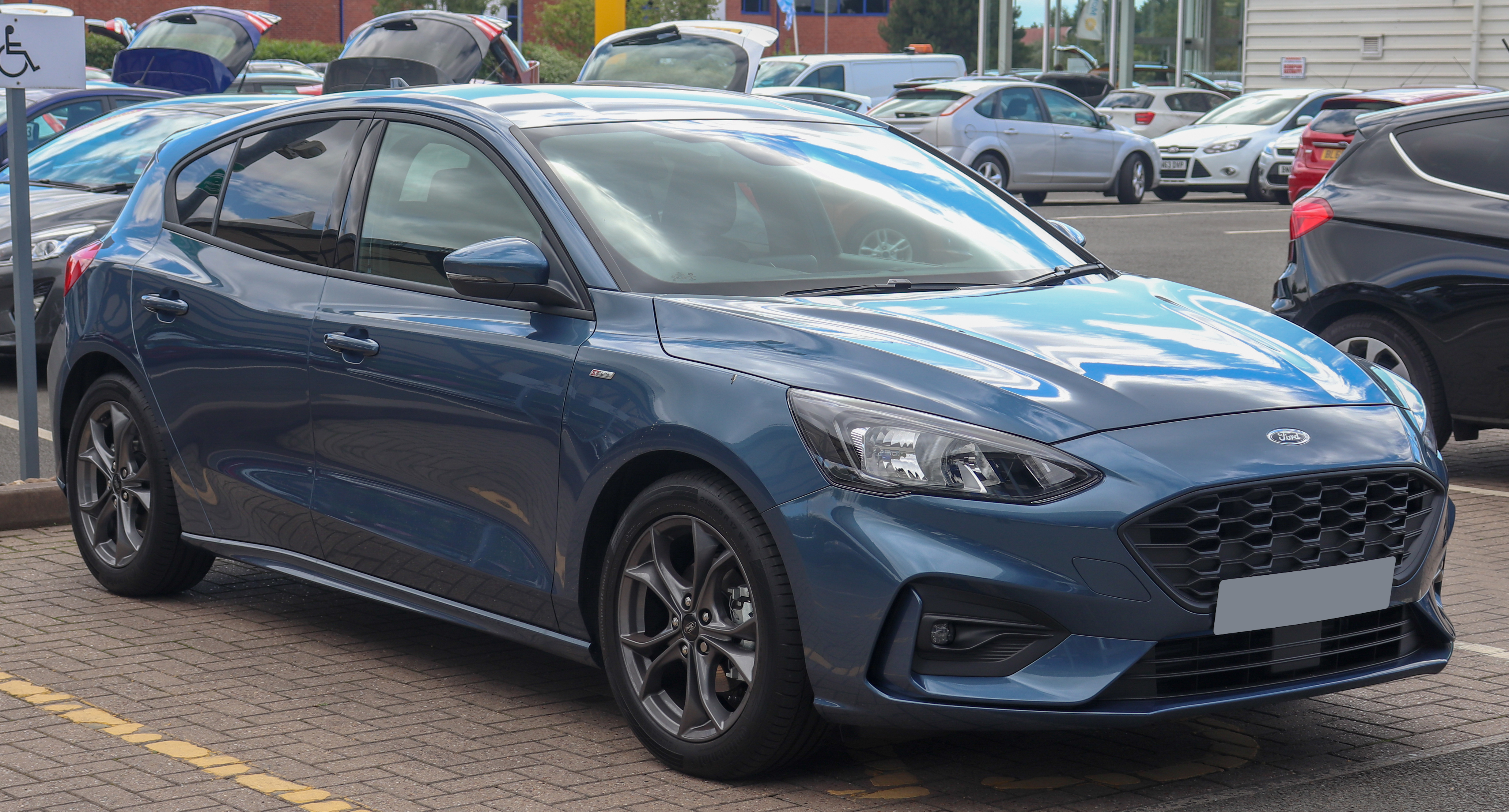
"...I think it's a focus that does it. But that's another setup that I think that has hoses going in every different direction..."
The Ford Focus is a small car that's easy to drive and good on gas. It's popular for everyday use and comes in different styles.
The Ford Focus is a compact car known for its practicality and efficiency. It has been produced in various configurations and is popular for its handling and affordability.
"...I pressure tested it. Some people just throw the hose on because they see the leak..."
Pressure testing is a way to check if there are any leaks in a car's fluid systems by applying pressure. If the pressure stays the same, it means there are no leaks.
Pressure testing is a method used to check for leaks in a system by applying pressure and observing if the pressure holds steady. This is crucial in automotive repairs to ensure that all connections are secure and that there are no leaks in the cooling or fuel systems.
"...put new clamps on everything too. When I put hoses, I put new clamps on anything. That's just my way of doing it..."
Hose clamps are used to hold hoses tightly in place so that fluids don't leak out. They are important for keeping your car's systems working properly.
Hose clamps are devices used to secure hoses onto fittings, preventing leaks in fluid systems. They come in various types, including spring-loaded and screw-type, and are essential for maintaining the integrity of automotive cooling and fuel systems.
"...I always say that on everything. I'd say that on brakes, hoses, belts, you name it..."
Belts in a car help move power from the engine to different parts like the air conditioner and the alternator. If they wear out, those parts might not work properly.
Belts in a vehicle, such as the serpentine belt, are used to drive various engine components like the alternator, water pump, and air conditioning compressor. They are essential for the proper functioning of these systems.
"...he finds that it has a faulty radiator cap. The cap isn't holding pressure whatever, I guess. He tries to call the customer a bunch of different times..."
The radiator cap helps keep the engine cool by sealing the radiator. If it's faulty, it can cause problems like overheating because it can't hold the pressure needed to keep the coolant flowing properly.
A radiator cap is a pressure seal that keeps coolant in the radiator and prevents it from boiling over. It also allows for the release of excess pressure when necessary, which is crucial for maintaining the cooling system's efficiency.
"...you pay a diagnosis fee, because I need to get paid for my time. Because if you decide to take the car out of our shop and go someplace else with it to tell the guy what I told you, that has value."
A diagnosis fee is what you pay a mechanic for figuring out what's wrong with your car. Even if you don't get the repair done, the mechanic needs to be paid for their time spent checking your car.
A diagnosis fee is a charge that automotive repair shops impose for the time and expertise required to identify issues with a vehicle. This fee compensates the technician for their labor in diagnosing the problem, regardless of whether the customer chooses to proceed with the repair.
"I hook the scanner to it, run scan Hey, here's what it says. And everybody goes, well, you do that because AutoZone and all of them started doing it for free."
A scanner is a tool that connects to your car to check for problems. It reads codes that tell you what's wrong with the car, helping mechanics fix it more easily.
A scanner, often referred to as an OBD-II scanner, is a diagnostic tool used to read error codes from a vehicle's onboard computer system. It helps mechanics identify issues by providing information about the vehicle's performance and any faults detected.
"...because AutoZone and all of them started doing it for free. If you think that most of the people that are hooking a scanner to your car at AutoZone..."
AutoZone is a store where you can buy car parts. They also help you check your car for problems for free using a special tool.
AutoZone is a retail chain that sells automotive parts and accessories. They offer free diagnostic services using scanners to help customers identify issues with their vehicles.
"...or Advance Auto and stuff like that have a deep dive understanding of what they're doing. That's not the case..."
Advance Auto is another store where you can find car parts. They also check your car for problems for free using a scanner.
Advance Auto is a retail chain similar to AutoZone, providing automotive parts, accessories, and diagnostic services. They also offer free scanning to help customers troubleshoot vehicle issues.
"about the guy who told me his horn didn't work. But I knew I was having a horn conversation with him instantly..."
A horn is a loud sound device in a car that you use to warn other drivers or pedestrians. It's important for safety on the road.
The horn is a component of a vehicle that produces a loud sound to alert others of the vehicle's presence or to signal intentions. It's an essential safety feature in cars.
"...you didn't use a battery saver. I'm gonna stop you. Not everybody uses a battery saver. They just don't..."
A battery saver helps keep the car's settings, like radio stations and clock time, from resetting when the battery is disconnected. It's used to avoid losing important information when working on a car.
A battery saver is a device used to maintain the electrical system of a vehicle when the battery is disconnected, preventing loss of settings and memory. It is particularly useful for vehicles that have complex electronic systems that can lose data when the battery is removed.
"...I think I had a leak on the intake gaskets. So under acceleration, you kind of hear a noise, right all right, whistle something..."
Intake gaskets are like seals that help keep air and fuel in the right place in your car's engine. If they are damaged, it can cause strange sounds and problems with how the car runs.
Intake gaskets are seals that prevent air and fuel from leaking between the intake manifold and the engine. A leak in these gaskets can lead to performance issues and unusual noises during engine operation.
"...It had a weird noise coming out of the upper intake, so we replaced the intake..."
The upper intake is a part of the engine that helps mix air and fuel before it goes into the engine. If there's a problem here, it can cause the engine to make weird noises and not work well.
The upper intake refers to the part of the intake manifold that distributes air and fuel to the engine's cylinders. Issues in this area can affect engine performance and sound.
Talk Cars Radio is sponsored in part by NAPA, Carcare Centers, BDG Auto Group, by Liberty Transmissions in Virginia Beach, and by Bob Barnum and the Perfect House Team. Be a
part of the program today by calling seven five seven two two two three seven zero five. Text your comments
during the show to seven five seven eight six six two one nine two. Email your questions and comments todaved
Let's Talkcarsradio dot com. Now here's the host of Let's
Talk Cars Radio, Dave Polage.
Speaker 2: Happy Saturday, America. You're listen Let's Talk Cars Radio on
w KQA Freedom Radio. I'm your host, Big Davy p
Hangout Camera Chaos and EIGHTVB. Hey guys, it is a
great day for a radio show. Hopefully where you're at
is good weather for a car show. And if you
guys did know. Unfortunately, we were supposed to be out
at the Aviation Museum last weekend for the big, huge car show, but we got rained out. Of course, we've
had crazy weather around here. The good news is if
you did not get a chance to get out to it, the rain day is today, so you should be out there having a good time. If you're just starting this
on the radio, there's still time to get out there.
Go out there, take a look at the cars they got going on out there, take a look at all the sites and everything, and enjoy your guy's self. As
you guys know, I've been telling you, we are creeping very quickly towards SEMA. That's right. The radio show is
packing up once again this year and we are headed out to Vegas to SEMA. We'll be broadcasting live from
the events, showing you guys the cars, interviews with people.
We got a lot of the cool stuff lined up.
I heard from Cameron and I can't say, but Cameron told me there'll be some upcoming press release news that we can't talk about yet, but we do know about what's going on, so we have some of that stuff for you too. So you guys are gonna want to
tune in pay attention to the show. We will be
broadcasting different segments all the time that we're there and also giving you guys a show that's going to be a collaboration of what's going on at the event. So, yeah,
we want to see the cool cars. Definitely want see
the interview, So mark that on your calendar. I think officially,
you guys really won't start seeing anything from us until probably, like maybe you might get a sneak peak on the thirty first, the first. It really depends when they open
up the gates to media and then the event opens up to all the spectators that've been invited to it later on that week. But we'll get a little bit
of a sneak peak. We'll let you guys in on that,
and then stick with us. We'll be there all week long,
covering the show, having a good time. So I want
to get that out, So put it on your calendar.
Make sure you like follow, share to your friends that aren't, you know, part of it yet so they can enjoy it as well. On that note, we're going to jump
into this week's show. You guys ready, Yeah, what you
got this week?
Speaker 1: All right?
Speaker 2: So I got an interesting topic. I tell you guys
all the time, love getting on the internet having conversations with people. This week. Now, it's funny because the little
things we cover, little things here and there throughout the years, and stuff and things pop up. But when you deep
dive into conversations, which is what happened to this week.
The conversation was the laundry list Now, we've talked about laundry listening before. If you don't know what laundry listen is,
it's when you take your car to an auto repair shop for a repair. Let's say something simple. Let's pick
up something and say, I got a noise in my right rear tire. Right, Okay, it's pretty nondescript. I mean,
it's just annoying different things. So you leave the car
with the garage, or maybe you wait. Hopefully you're smart
enough to leave it, because nobody wants to sit in a waiting room forever. I don't like it, and I
want to take a car to the dealership. I hate the
fact that I have to do that.
Speaker 1: But.
Speaker 2: It's part of life, right, So hopefully you've dropped it off and the technician gets it up in the air and he starts working on the car. Well, here's the thing,
he's looking at everything. I from being in the automotive business,
believe that is thorough and good work. Customer's perspective on
this talking a lot this weekend is some people feel that it's laundry listing. I wanted to look at this
and he gave me a list this long, all these things I should fix on my car. I'm mixed feelings
on that. It's a really mixed bag for me. Guys,
really honest with you about how that kind of works, right, I want to know everything's wrong with a car. I
have the ability more than most of you guys that are listening to this show do, obviously, with having a large garage here out of my house and having my own lift and all that kind of stuff, that I can put my car up on the lift at any point in time and I can kind of go through it.
You don't need a lift for that to be able to do that. By the way, you can do that
right in your driveway, small garage, whatever it is. You can.
If you have the ability, or at least some mechanical ability, you can look over a car and see if it needs some things right on your own. But if you don't,
and you've taken your car to a pair shop and you feel that you're stuck in that position, because everybody hates feeling like they're stuck, right, is it a good thing or a bad thing to tell a customer everything's wrong with their car? I asked you guys, see how
you guys feel on it. Hey, one of y'all pickt.
Speaker 3: Okay, I'll go first, right.
Speaker 4: I think it's a it could be a mixed mixed opinion, right.
So I think as you know, as a business person, you know, you want to do right and you kind of want to tell the customer what everything's wrong with their car.
Speaker 2: So you view it as it's you're trying to do what's right by the customer, not that you're trying to make money.
Speaker 4: I see it, right, and I see it as both ways, right. So,
like you know, obviously, as a good business person, you want to make sure that you know, you take care of the customer, that they know what's completely wrong with their car. And the same time, I understand from the
customer's point of view, you know, you think you took it in for a small problem or just in an individual problem and you come back with a laundry list.
Speaker 2: Okay, I have a little bit, Like I said, I'm on both sides of this, guys. And there's a reason
why if you had brought your car to me when I was in an automotive business, you know, back in the day, and I look your car over and by the time I get to the point where I've written down the sixth item, I'm sorry, I'm at six items.
You're not taking care of your car, probably the way that you should be. If I'm able to go very
quickly get to six items wrong with your car that probably should be addressed. The car either is not being
serviced by the right person, or is not being serviced correctly, or it's just not being serviced at all. Those are
my feelings on it. When I get to the point
where I'm like, man, look at this, man, look at that, look at that. A car doesn't get that way overnight.
It only gets that way over time, which means either like I said, you've had the wrong person service in your car right there, or the person you've had a long time you know, doing it is missing those things are just not seeing it. Maybe it's just an oversight.
I kind of find it hard to believe that you get to six items or oversight. If I'm looking at
you gotta belt, you got a hose, your tires are going bald. The noise that you're hearing is because the
brakes are all the way down the road. I mean,
there's certain things I'm like, okay, the car screams neglect, rather you are willingly doing it or you just don't know because somebody's informing you correctly. I don't know. I
can't make that decision, but I feel like, as being the auto guy, that I should tell you everything I see, and there's a reason for it. I know something that
will wait.
Speaker 4: I might say, you know, And I do feel like sometimes, you know, as a customer, when you bring your car in, you you know sometimes what's what the car has been through and what's been done on it. So I think
even if you don't have a car person, you know car background, you know on how to fix things or what needs to be replaced or you know, done every couple, you know, one hundred thousand miles, six thousand miles, whatever it needs to be. I think that you know, at
a certain point, the customer should know that, hey, I've either done this or I haven't done this right, or you know, there's probably a good chance this needs to be done.
Speaker 2: Okay. So I've talked before, and I explained to you
guys that what some people believe is laundry listing, right, I don't look at that way. And let me give
you an example. I think I've given this example before.
I'm doing a timing belt on a car. And why
I'm doing the timing belt, I have to remove things to get to the timing belt rather be the water pump, whatever it is. Those parts all have the exact same
amount of time on them as the part that failed. Okay,
And if I have to take those parts off or remove them to get to what I need to do the job in my autumn of mind and as a business owner, and when I was doing this all the time, it was in the best census to replace those parts that I had to take off to get to it.
And I'm not give me, don't get wrong. I'm not
talking about tearing the motor down or replace things, just replaced.
I'm saying, I take the water pump off. If I
take thermostat, housing and all that kind of stuff, I might as well put a thermostat in it. Go ahead
and do the water pump in it. If I'm removing
the hoses and they're already kind of ugh, let's put a set of hoses on it. Why I'm doing that
because I had to move all that stuff to get to the time. If I have to move that stuff,
it makes sense to me to go ahead and do it, and some people goes, well, you don't have to remove this and that to get that. I'm talking on certain models,
not all cars, so you know, before you keyboid warriors to start attacking me, I'm just saying on certain moles.
I'll give you a perfect example. I can't count how
many times that I had somebody want me to do the time belt. But when I start telling them we
need to do the tensures because of hydraug tensor and stuff time but you're like, why I don't want to do all that, I just want to do time belt.
I'm like, the tensioner has the exact same mileage on it as the timing belt that has failed or whatever it may be. You know what I mean.
Speaker 3: Like, and there's a reason why the timing bell came.
Speaker 2: Off, right, Why do you want me to and I call piecemeal? Why do you want any piecemeal together? Why
not go ahead, let's do it everything. It's no different
than a little different like I always do. And people
I've caught so much flak over and it's just my way of doing it. You don't have to do it.
When I do breaks and the caliber has failed on a vehicle. Let's say it's got one hundred and thirty
three thousand miles on it and the right front caliber has failed and it comes in it stuck whatever it is.
Or you went to go do a break job in the caliber and you know, recess the caliber on it, and you go to put it and it doesn't want to come back out and out it needs a caliber.
At that point in time, I would stop and go it needs a caliber. But mister customer, I would do
what you already know what My answer.
Speaker 3: Is, Right, this one rotors pads.
Speaker 2: Well, not on that as the roads, but at least both.
I'm gonna do both calibers. Right. Well, that one didn't fail, right,
but this one did, and it has exact same miles as the one on the left hand side does not the right I just said the right side, but so you know it both sides. I want to do both
of them. And then people were like, well, I just
feel like you're just trying to sell me something I don't need. No, I genuinely am looking out for your
I just went ahead and pushed the pistoon back to get it all set and put it all back together, and this one stopped moving. This one is just as
old as the one on the left hand side. I
know it's more money. I get it. The money is
not always available to people, but I don't feel like that's considered a laundry list now. Talking with the keyboard
Warriors and might I say that, and the people I talk to pretty generally, and I run ideas about online and all the different forms and stuff. It was very
mixed reviews on this. People are like, absolutely, I don't
ever want it the same to you I have. They're like,
I don't want to touch it unless I'm doing everything and I'm doing it right. Because what happens is, I know
you guys don't mean to or maybe you do. Who
knows the minute that I turn the car over to you, right And let's just say I put it together. In
two months, it goes down the road and all of a sudden they start hearing a break noise and you bring it into me and I go, the caliber on the left side is starting to stick. Well, how do you
know that's your place of the right caliber the last time?
How do you know it wasn't that one making the noise all along? And you'll say others. It happens all
the time. If you guys are in the automotive business,
you know what I'm talking about. This is something that
happens if you're the customer. Customers do this, they just
do it. I'm not saying it's tricktly, you not chat.
I'm just saying this happens all the time. I'll give
you a perfect instance on it. A lot of times.
Nathaniel knows the reason why I says I don't like to do brake pads without doing rotors. Most of the time,
I'm over turning roaders. Now, I'm not saying that a
car needs roaders every time you do breakpads. That's not
what I'm saying. But if I get to the point
I started to see some in hotspots or some grooves or anything in it me personally, He'll tell you they go in the junker. I just take them off, I
throw them away, and I get a new set for what it costs. Nowadays, I'm both most cars replaced the roaders.
It's worth my peace of mind. I don't. I'm gonna
look and try to figure out why, if I've done them recently, why my roadors are already junk so quickly.
Do I have a caliber that's sticking every once in a while?
Speaker 5: Right?
Speaker 2: Was it a bad set of pads? I don't think so,
But is it unusual where you know the bad pad thing?
To be fair?
Speaker 4: To be fair, roaders have gotten pretty junk in the last couple of years.
Speaker 3: Back in the day, you could resurface your well.
Speaker 2: Okay, So I just had this conversation about resurfacing roadors. Right,
somebody asked me like, do you replace or do you resurface?
And I go, I just replace, and they're like, oh really, I'm like, the cost for me to I don't have a machine in my garage to do it. So the
cost for me to take you to somebody who still does not a lot of people do anymore. I used
to have undercar laithe back in the day when I when I was, I had a garage, so like, I don't have any of that stuff anymore, so I'd take you to somebody who's going to do it. Okay, But
the cost to have somebody turn the roaders versus a cost replacing roaders nowadays it's just easier to just replace them.
Speaker 4: Well, and they don't have a lot of material like they back then, Dad, where you could actually surface.
Speaker 6: And they are.
Speaker 2: That's whereason why they work so easy. I guess my
first question would be, are the are the roaders?
Speaker 5: You know, the basic bronze gold?
Speaker 3: Don't they don't as the same?
Speaker 2: Yeah, I don't think.
Speaker 3: I don't think they do a classification for voters like that.
Speaker 2: They do. They do a premium like there is a
premium brand, right, but as a company out there that will give you the same one. It's like roaders on
the truck. I think there are forty nine dollars rotors
what they were on the truck. Okay, if I would
have took the roaders off, let's just say there is enough material there. I don't even look. I don't care
because I already saw, you know, I saw some some groovy and I didn't like. Okay, I'm sure they probably
could have been turned and I've got some life out of them. But if they're already wearing out, I'm gonna
take material off of it.
Speaker 3: And they're gonna wear down even faster.
Speaker 2: It's just gonna warp on me even faster seeds just to replace them. That's just my personal preference. Okay, I'm
not saying that's what you have to do. But that
is if you asked me to do a break job for anybody, friends, family, neighbors, stuff, they asked me to do breaks in their car, I always tell them, give me set of paths, set of roads instantly. And I
have to ask for the caliber yet because I'm hoping you don't need one. But if you're gonna even have
me crack the car open, it's getting pads and it's getting rotors. And if you thought I just laundry listed
you because I asked for those without seeing the car, then you're not my customer. You're not the customer that
I want. And I did the same thing in business. Guys,
that's not the person I want to work on their car.
I only wants to work on people's cars who truly want to improve the performance of the car or fix the problem. That's the only ones. And if you're not
interesting that, it doesn't make you a bad person. It
just means you're gonna make my life more difficult. And
you're gonna tell me that I'm laundry listing things and stuff like that when the car really truly needs it.
There's a lot more I can jump into on this topic.
And we're going to but before we do that, I'm gonnake a qui commercial break. I'll be right back.
Speaker 1: You're listening to Dave Palatch on Let's Talk Cars Radio.
Dave will be right back. Nobody remembers the name JF.
Whitlow and Sons Incorporated until you need them. But when
you have a toilet problem, drains back up pipes, freeze, your heater or air conditioning stops working, then you remember JF.
Whitlow and Sons. Don't forget the phone number. Three nine
nine one seven one four. That's three nine nine one
seven one four. Air Conditioning and heating and all plumbing. JF.
Whitlow and Sons have been serving Hampton Roads since nineteen forty nine, residential and commercial. You could always count on JF.
Witlow and Sons to get to you fast and get the job done right the first time. Located in Portsmouth
and serving all of Hampton Roads. Those who know called JF.
Witlow and Sons. Call them at three nine nine one
seven one four. That's three nine nine one seven one four. JF.
Witlow and Sons Incorporated.
Speaker 7: Something really cool happened in nineteen seventy five and no, it wasn't the beginning of the Disco era Congress past the Magnuson Moss Act. So you don't have to take
your vehicle back to your dealer to keep your vehicle manufacturer's warranty and effect. Our NAPA Autocare Center uses the
proper replacement parts and procedures to keep that warranty valor.
Visit our independently owned NAPA Autocare Center today.
Speaker 2: Hey guys, you asked for it and I delivered. Check
out our all star team of automotive specialists at NAPA BDGHRVA dot com. That's NAPA BDGHRVA dot com. Talk to
you soon. Hey, Dave what? Hey, Dave what, I've got
a secret? What are you? Twelve?
Speaker 6: No, I'm just excited to announce ce Liberty Transmission is headed.
Speaker 2: To the future m by a Dolorean. Did you no?
But we did get a brand new building.
Speaker 6: That's right, people, Liberty Transmission is moving to thirty forty one Holland Road to better serve the community. Check out
our website for updates or give us a call at seven five seven two three three thirty one thirty one.
Right two three three thirty one thirty one. And remember
my name is on every transmission.
Speaker 1: There's no place like home. Home is where the heart is,
Home sweet home, like every movie, book and song, every story as a beginning, and then let your story start today.
Call Bob Barnum today at the Perfect House Team with the Real Estate Group.
Speaker 8: Bob here from the Perfect House Team, from beginning to end.
I'm ready to help you write your story. Call me
today at seven five seven four sixty four one zero zero three. That's seven five seven four sixty four one
thousand and three.
Speaker 1: Welcome back to Let's Talk Cars Radio, your automotive specialist.
Now back to your host, Dave Polach.
Speaker 2: Hey, guys, welcome back. So if you catch the first segment,
we were talking about laundry listen, that's right. Today's topic is
talking about laundry listening. And if you don't know what
it is, it's when it's time to have your car worked on and they tell you it needs other things other than what you took it in for. So there's
mixed opinions on this back and forth as far as how people feel about it. I'm gonna give you a
scenario and you guys tell me if you think it's handled right or it's handled wrong. I've had this happen,
but this was a Hey Dave when we were talking about this topic. That's how it came around on the show.
Hey Dave, So, Hey Dave hadn't had a heady day even a while. Hey Dave. So, I won't say what happened.
I haven't found what I want to talk about it in there. I get them, I just don't want to
talk about them all the time. Sometimes I don't think
there's all that interesting. But then we can stop, right, Yeah,
something I can't talk about. So customer brings a vehicle in, right,
and they're noticing that there's fluid on the ground. Now
every time, so they says there's fluid on the ground.
Most of the time they have no idea what fluid it is, just I've seen fluid. So get the hood
open on a car and underneath the hood they realize that there is a bubble on one of the radiator hoses. Okay,
so obviously that's where the flu has come from. And
my understanding is the bubble is right where it comes together, right where you slide it on someplace, and it is a bubbled right there. That's where the leak is so
of course as an auto garage, Okay, in this if this happened to me and I was augage, you call the customer and you're like, hey, found your problem. Got
a radiator hose just kind of bubbled and stuff. It
looks like that's you know what they give me the problem.
Here's why I suggest, I suggest you replace the radiator hose and the other hose or two whatever it is, have just as long on them upper hose, lower hose, and some have that small little thermostat hose that goes over It depends on what you're set up is and I know some that have like six or seven hoses.
One of the Fords has that weird hose with the center coupler and it goes in a different direction. Is
that a focused guy? Somebody will tell me. I think.
I think it's a focus that does it. But that's
another setup that I think that has hoses going in every different direction. So you sell to the customer, and
the customer at that point in time, do they feel like your laundry listing because you're like, look, it is your upper hose, but your your lower hoses just as old or the other three holes hoses are just as old.
Speaker 3: Probably not.
Speaker 4: I mean, I don't think that would be count as laundrylisted, considering that it is if you explain it, it is, you know, in the same vicinity.
Speaker 3: So it does the same thing.
Speaker 2: I thought, the same thing, but some customers do They're like, well, the only hose was Leaco was the top hose. Why
we got to replace all the rest of the hoses, right, And like I said, it's because they're just as as old. Right,
it makes sense to do so, So let me take it a step further. Right, you order the hoses. Okay,
you guys all know how this works, if you'd like said, if you're a customer, you don't. Next step is, once
you authorize it, we call the parts warehouse or we get online and check online stuff. And that's how we
did it back in the day. It was get online
and see what was you know, listed and who has it, and we get it sent to us. It goes up technician,
he makes repair, he puts it all together. Okay, now
there's some shots that probably don't do this. If I
call one of my guys not doing it, we had issues.
But once I put all the hoses on, I pressure tested it. Some people just throw the hose on because
they see the leak, and they tighten all the clamps on it. So, by the way, put new clamps on
everything too. When I put hoses, I put new clamps
on anything. That's just my way of doing it. You
can do it however you want. I just that's I've
learned my lesson over the years. So am I laundry
listening when I put new clamps on it too. I mean,
I guess you could look at it that way, right, But I want when I said I want to do a job and I want to do it thorough, I mean I want to do a job and I want to do it thorough. So I put new clamps on it.
Because some of those clamps, the ones that are you guys know, the ones that are spring loaded and stuff like that. I can grab my tool, I can spring
load it as soon as I hit I just don't feel that it closes once I've you know, clipped it all the way back, flipped it all the way back, and I let it go. I sometimes I just don't
feel it clamps all the way down like it used to.
Like I said, I've had them come back in the leak because that's been the case. So my habit is
to go ahead and put new clams on. Like I said,
there's a lot some you don't have to, but there's some that they don't make the clamps as nice. They
made out a little bit looser metal and they just don't go back to form.
Speaker 7: Right.
Speaker 2: So nevertheless, if you don't pressure test, I had an issue with you back in the day. So let's say
you go to pressure tests, right and now now that you have good hoses on it, you find something that starts to leak when you pressure test it, if you have to call the customer back because you found something, am I hilaundry listening again? Or is it I've been
able to put the car together the way it needs to underload, we pressure test it. I see something else
leaking or whatever it is.
Speaker 3: I'm gonna say no.
Speaker 4: Okay, And for the fact as well as you know, when you talk to the customer the first time, you probably already told them I'm going to pressure test this.
Speaker 2: They're uh simple.
Speaker 4: A lot of people don't, right, but I mean, but you know that's how it should go. You know, he Hey,
we're gonna get these parts.
Speaker 2: In be honest, I don't know if I would have said that. I don't know if I would have said
to the customer that you would be by the way, mister customer, when I get all these houses on it, I'm going to pressure test it to see if you have any others. I probably I would never have that
conversation with the customer, to be honest with you, No, I'm going to do it right, just because I'm checking my work, not that I'm looking for something. I'm just
saying checking my work.
Speaker 4: If you did do it in the beginning, right, you'd probably save yourself a little bit more of a hassle, because, all right, well order these hoses. We're going to pressure
test it to make sure everything's fully functioning. If anything
goes wrong, we'll give you a call.
Speaker 2: I will say something that I say and you heard me do it, as you guys grew up and heard me over the years. I away always say, so, I'm
going to start with this. This is what I see
is the issue. I'm going to start with that and
then but this is my starting point before I can fully evaluate real lead with this. Right, that's a conversation
I used to have all the time, and I always say that on everything. I'd say that on breaks, hoses, belts,
you name it. Let me go ahead and address the
known issue that I see, and then I'll go ahead to a full test on it. Just make sure nothing
else arises. I used to say that a lot of
times because I learned my lesson Younglarly years when I was in my twenties and I did it. I never
I didn't think about saying that to customers all the time, even though it might have been in my head, I never said it. Over the years and having issues and customers,
oh I wish you'd said this. With that, it just
developed my technique of trying to say that every single way it.
Speaker 4: Protects you and informs them. You know, they don't feel
like they're out of the you know, left in the dark.
They have kind of an assumption that it may be a little more expensive than what them previously talked about.
Speaker 2: I'm going in a direction with this, just the whole tight so there's a reason for it. So I've had
this happen and this was one of the ones that was given to me. They put all the hoses on.
The customer is already questioning. I guess the fact that
they want to replace all the hoses, but I won't say reluctantly. They just decided to put the hoses on it, okay,
So they get the Okay, they put the hoes on.
The guy pressure tests it and during a pressure test he finds that it has a faulty radiator cap. The
cap isn't holding pressure whatever, I guess. He tries to
call the customer a bunch of different times. Customer doesn't
answer the phone. Radio caps like what fifteen twenty five
dollars the most radar less than that? So what does
he do some of them? I pay twenty five dollars
for some caps. So he puts radar cap on it,
fills the off, pressure tests, make sure everything's good. It's
good to go, and backs it out of the shop.
Calls the customer says, hey, the vehicle's ready. By the way,
After I put all the hoses on and everything I pressure tests, I saw your radio cap wasn't really holding pressure, right.
I just threw a cap on it took care of it.
It's X amount of dollars. Here's the difference in price,
and the customer I gets blue a fuse. Now waitfiting
just another thing you just added something else to.
Speaker 3: It, right, understandable.
Speaker 2: It was okay, So I understand a little bit of the customer. I mean, it's this much, guys, what the
customer is saying. But what the customer doesn't realize is
time is money. Okay, I got the car in the shop.
I know it needs a radio cap. It can't leave
without it. It has to have it, right, It's not
leaving without there. Rather, you're gonna be upset as a customer.
Not the car is not leaving without the radiat air cap.
It has to have it, okay, So rather I got a hold of you on the phone or not. I
personally agree with with with the guy that they gave me this list layout. In the story, he threw a
radio cap on it, test everything was good, backed it out, it's ready for pickup. When he finally gets the customer
on the phone, he says, hey guy, everything checked out.
And by the way, why it was under low. We
tested it. It needed a radio cap. It's way bit to
the customer. If I paid twenty five bucks for it's
probably fifty dollars to the customer. By timing everything said
and done, that's just way markup quarks guys, so it's fit and the customer loses their crap over fifty dollars.
So he presented it in a different light to the customer, which is probably the same way I do. Okay, mister customer,
if I did get you on the phone the first time when I called you and you picked the phone, and I said, hey, test everything. It needed a radio cap.
It has to have a radarcap to leave. Unfortunately, stuff
like that, What would you have told me to do?
What the answer was, well, I tell you put a radio cap on it, but you put it on with that w I permission. Okay, We're in no different position
than we were before. Though the fact was this time
is money. You're holding up my bay. I need to
get to the next car. I can't get you on
the phone. I know it needs it before it leaves.
It has to have it. So I ordered it, I
got it, I put it on the car, I test everything.
It was a leak anymore, and I put it out front for you to go ahead and get it. That's
how I would have handled it. But somehow, I guess
his customer felt that he was laundry listing.
Speaker 3: Yeah, he's like, oh, you just.
Speaker 2: Gave me something else and stuff like that, and I don't see it that way. It had to have it.
I understand a little bit like I said a little bit of the customers like, well, you just put a part of my car. But if your answer is simply
out of tod you go ahead and do it. But
you did it without my permission. I did it to
move the car along quicker, get you your car back quicker.
Because if you call me at four o'clock finally and the shot closed at five, you say, well, yeah, I guess you got to go ahead and do it. The
chances are you're now not getting your car back that night.
If the shot closes by five, by time they get on the phone with the park guy, he delivers it to you. You get the cap, you put it on,
your pressure test, stuff like that, it is time for your guys to go home. Most likely. I'm not saying
in all situation, but let's just say that's the scenario.
Move it up wherever you need to, half hour, an hour further, whatever it is, to the point where now the customer like the car. You were trying to work
with the customer and give an opportunity. You still have
his car. I don't see anything wrong with his shop, dude,
I don't see it as laundry listing. It needed to
have it, but the customer's view was, you're just adding more stuff to my billy. Had to have it right,
and they took care of you. They were doing right
by you. Now, if it was like a four hundred,
five hundred dollars part, if it was if it's one hundred dollars part, maybe maybe I get it a little bit.
Speaker 4: Yeah, I mean, like like you said, I understand the customer's point of view. Obviously nobody likes someone else spending
their money.
Speaker 2: They don't. And then I get it.
Speaker 4: But but did I get you know, the garage aside, You know you needed the part for it to leave.
Speaker 2: You know, it must not leave them without it.
Speaker 3: Right most time customers want the cars quickly.
Speaker 2: And you know, customer, I only verbally said that you would have told the guy to put it on the car anyways anyway, because you know, because you do know you need it, right, So it is a mute point at that time, right, I mean, it's it doesn't it really doesn't mean.
Speaker 3: And you know you're still trying to be good bye.
Speaker 4: The customer you want your car for no reason, right, he said, you're just trying to get that car on the road as quickly as possible so they can, you know, not run.
Speaker 2: Trying to take the best. Now here's the thing, So
I presented to the guy. I said, well, you should
have asked the customers. So if I just just put
it on, backed it out, you drove down the road and it started a leaking because the radio cap was bad, would you be mad? And then guys, he's like, yeah, yeah.
I was like, that's how you presented these people. If
I would have just slapped it together, send you down the road knowing it needed that part, and then let's say right away the next day, a week from now, it failed after I put on, would you be mad at me? Well, yeah, it means you didn't do your
job thoroughly. Then I can't win. And I did do
the right thing, And that's my answer on it. I
got some more on some Waunderer list stuff. Guys, hold still,
I got some more funny scenarios for you. You're gonna
want to hear them. I'll be right back.
Speaker 1: You're listening to Dave Palatch on Let's Talk Cars Radio.
Dave will be right back.
Speaker 2: Hey Dave, what, Hey, Dave what, I've got a secret?
What are you twelve?
Speaker 6: No, I'm just excited to announce ce Liberty Transmission is headed to the future in by a Dolorean. Did you no,
But we did get a brand new building. That's right, people,
Liberty Transmission is moving to thirty forty one Holland Road serve the community. Check out our website for updates or
give us a call at seven five seven two three three thirty one thirty one. That's right, two three three
thirty one thirty one. And remember my name is on
every transmission.
Speaker 7: There's something special about NAPA Autocare Centers serve backed by the national strength of NAPA nationwide warranties, honored by thousands of locations. You know that's NAPA know how. But more importantly,
your NAPA Autocare center is independently owned and operated by neighborhood professionals who operate by a written code of ethics.
Put your vehicle in the hands of ASC certified technicians who will greet you with a smile you can trust.
Visit us today.
Speaker 2: You've heard me say it, and now here's your chance.
Now's the time to go find your auto garage. Don't
wait until it's too late. Go to NAPA BDGHRVA dot
com and find your all star carcare center today. That's
NAPA BDGHRVA dot com. Talk to you soon. Hey, guys,
day from Let's Talk Cars Radio. So for the last
two years, if you listen to the show, you've heard me talk about my dream house. It has been a
great experience buying land, building my house, even selling my old house. One thing I didn't tell you about was
the real estate agent that I used. I used Bob
Bartam from the Perfect House Team in the real Estate Group.
It's been one of the best experiences I've ever had.
Bob has been there for us from beginning to end and treated us just like family. I'm telling you you've
heard me talk about this because it has been one of the truly best experiences that I've had. If I
did not choose Bob, I don't think that I would have all the best things to say about building this house.
So if you're looking to buy or sell a home, definitely give Bob a call at the Perfect House Team in the real Estate Group. You can contact Bob at
seven five seven four sixty four one zero zero three.
That's seven five seven four six four one zero zero three, and I'll talk to you soon.
Speaker 1: Nobody remembers the name JF. Whitlow and Signs Incorporated until
you need them. But when you have a toilet problem,
drains back up, pipes, freeze, your heater, air conditioning stops working, then you remember JF. Witlow and Sons. Don't forget the
phone number. Three nine nine one seven one four. That's
three nine nine one seven one four. Air Conditioning and
heating and all plumbing. JF. Witlow and Sons have been
serving Hampton Roads since nineteen forty nine, residential and commercial.
You could always count on JF. Witlow and Sons to
get to you fast and get the job done right the first time. Located in Portsmouth and serving all of
Hampton Roads, those who know called JF. Witlow and Sons.
Call them at three nine nine one seven one four.
That's three nine nine one seven one four. JF. Witlow
and Sons Incorporated. Welcome back to Let's Talk Cars Radio.
You're automotive specialist. Now back to your host Dave Polach.
Speaker 2: Hey, Guy's welcome back. Still talking about laundry lists and
I don't think there's any way to really solve it as far as if somebody really believes it's a laundry listen. Right,
So if someone believes that that is laundry listen and you think that's good customer service, I don't. I don't
believe there's a happy medium. Would you agree? Yeah?
Speaker 4: No, I mean I don't think there is a happy medium.
I got a question though, do you think you know there's a way to solve that problem? Do you think
that it would help if you had, say, like you know, like in the doctor's office where they have you know, the liver pointed out, the kidney pointed out.
Speaker 3: Do you think something like put it on.
Speaker 2: The board with the car broke it out, here's the liver of the car.
Speaker 4: I mean it's kind of funny, But do you think that you know, say you had a diagraph or a model to show them, or even if you had it organized in categories.
Speaker 3: Like like we're talking about like laundry list and right.
Speaker 4: So like when you go do a great job, right, and you know you wanted to get rotors pads, maybe lead the brakes right, Maybe they got a unbounced tire or an old tire and they think that, you know, you're just racking it on, right, I have two answers, I do, okay, I mean to cut through you.
Speaker 2: I have two answers for that. So back in the day,
we had breakdowns, we had caliber with the rotors and the brake pad you removed as a display that we could show to the customer. That never seemed to work
for me. It didn't really matter. Here's the problem. Half
the time for most garages, it's a phone tele phone conversation you're having over the phone because they've left you the car. So that does you know, right? And I
was gonna say that, right, It does you no good to have it, okay, Now, if you could send it over diarmly have digital PDI okay, which a lot of shops use. I know there's a lot of garages listening
to the show that you use. A bunch of our
nap auto garages that our sponsors use it. So if
you know what that is, most of y'all shouldn't know by now, But if you don't, it's it's a digital So they take a picture of the problems they find and they send you an email or by text, and you can physically see it right, But I find.
Speaker 3: Even that it doesn't explain why why right?
Speaker 2: Or you know, pictures that's worth worth a thousand words sometimes does not work in that scenario. That's why because
people go, what am I looking at?
Speaker 7: Right?
Speaker 4: And that's why I asked, do you think that maybe having a diagram or even know you said diagrams don't work, Maybe a a organized list of why those parts need to be replaced, so like you know, like obviously you know the past.
Speaker 2: Are you talking about for your service writers? Just to
go down and listen.
Speaker 4: Say it, maybe not to say it, just to show them, like if you sent it off to like the customer, like you know, say they want to quote and you send it off right, or you know, and you show them you know, all right, we're gonna put all the work that you know is suspension and suspension is that and.
Speaker 3: All the work you know for the motor.
Speaker 2: But I don't I understand that, but I don't sell it that way, so I.
Speaker 3: Know you don't.
Speaker 2: But that's what I'm saying, like, oh, you came in for suspension work, you need every piece of the suspension.
Speaker 3: I'm not selling I know what I'm saying.
Speaker 4: When you know, when they feel that you're laundry listing and there's multiple things you know, maybe not on the same project, but across the car to you think, do you think that it may help to may break it down?
Speaker 2: I don't think so. So here is what I know
about auto repair and auto garages. Like I said, listen
to the show. Know exactly what I'm talking about. Customers
who listen to the show think about it in this fashion.
Nobody takes their car to repair shop and goes, man, I wish I could spend two thousand dollars while I'm there. Today,
it's the other way around. You take your car to
the repair shop and go I hope I can get it in and out there for as little as possible. Right.
The problem with it is is once I look the car over and it needs X, Y and Z and to really be right, it may need you know, A, B and C as well for it to really be correct.
That's sometimes customers go, hey, just fix I just want to be right. But then you have the other class
of customers who are like you have to explain it to them in thorough detail, and then maybe the authorizer or they don't, And then you have the customers or have your car there on a hope and a prayer and hope, hope it was something simple. Those are usually
the ones where you run into this trouble with who believe it's lottery listing because they brought the car in a hope and a prayer that really didn't need anything.
Maybe it was just a rock stuck in between the breakepad and the roader. And that's the noise I'm hearing
you and you laugh, but I hear I know with you being you've heard that they hope it's the simplest little thing and there's really not any money involved. There's
always money involved to a certain degree. First of all,
anytime you take a car to a pair shop, for the most part, there is money going to be involved one way or another. If you think you're taking your
car to repair shop and you need a guy to take a look at the car for an hour to tell you what's wrong with it and there's no cost associate to that, you're nuts and silly of you to expect me to do that too, By the way, because all the time we fought it. The whole time I
was in automotive business. And what do you mean I
had to pay a diagnosis fee because I spent an hour or two taking a look at your car to tell you what's wrong with it. Now that I've told
you what's wrong with it, you can tell whoever it is who's going to tell you they can do it for cheap, or what's wrong with it. I did all
the hard work you're gonna pay me for. I diagnosed
a car to tell you what's wrong with it, and so you can tell the next guy who you tell me can do it cheaper. That's why you pay me
a diagnosis fee, because I need to get paid for my time. Because if you decide to take the car
out of our shop and go someplace else with it to tell the guy what I told you, that has value.
You don't go to a doctor's office right and have the doctor take a look at you and he goes, well, guess what you need to take out your wisdom teeth and you go okay, doc, Well thanks, my neighbor says he can do it, you know, for free. It doesn't
work that way, Okay, you still have a doctor's bill.
You don't go to a steakhouse and bring your own steak and cook it, do you. That's the reason why
you shouldn't bring your own cars for a parashop asks and to put it on.
Speaker 4: And I truly do believe that's why there is diagnostic fees just in general, because six out of ten cars are looking for the best deal. So only four of
that ten cars are you know, dead set, get it done, don't really care. The other six are you know, shopping around,
and you lose money as a business.
Speaker 2: I don't know what the number is that I can say mem but without a shadout doubt. For years and
years and years and years and years, when I was in the auto business, I gave people a certain amount of my time. It didn't cost him anything. I get
ten minutes, twenty minutes, stuff like that. I pop the hood,
I look underneath the car A lot of times. I
take the scanner and pluck my scanner to it. I
never charge you for it. Most shops charged for a diagnosis,
tope for that. I hook the scanner to it, run
scan Hey, here's what it says. And everbody goes, well,
you do that because AutoZone and all of them started doing it for free. If you think that most of
the people that are hooking a scanner to your car at AutoZone or Advance Auto and stuff like that have a deep dive understanding of what they're doing. That's not
the case, and I'm not chastising AutoZone, Advanced or any any of these auto part stores that do that. That's
not what this is about. I think it's great they
decide to do that for people. The problem with it
is they did it because they hope to sell you the part that you need. They didn't. They're not doing
it for no reason. They're like, I hook the scanner.
It says this, It says you need a crank position sensor.
They're gonna sell you a crank position sensor. Now, can
you tell me why? Can I needed the crank position sensor?
What caused the failure the crank posis? If there's a
reason for it is associate with the part I had to buy. Can they tell you the reasoning associate with that?
Most of the time the answer is going to be no.
They can only tell you what the vehicles. Now, that's
not a diagnosis. That is a point in the general
direction to sell you the part, to try to fix it yourself. Because most of those places exist for the
DIY guy. Okay, Hey, hope you come in. You it
needs X part. Do you have that on the shelf? Field,
I probably got one, Okay, I'm gonna go ahead and buy it. And they put it on and then when
it doesn't fix their problem, that's where diagnosis, true diagnosis comes in handy. Somebody's not goingly tell you what's wrong
with it, but why it's wrong. That's diagnostics, not a
scan of your vehicle. And there is a difference between
the two.
Speaker 4: No, I agree on number, and I think it's smart when shops do charge a diagnostic a fee, but lets customers know that you know, we're not going to charge anything as long as you get the work done right.
At that point, you know, if they're truly wanting to get the work done well, like I said, and it doesn't bother them.
Speaker 2: I was different when I was in the business. I
didn't mind. I valued our customers quite a bit, okay,
So I had no problem walking out to a car up to it, checking it, telling them, hey, this is what it says. This may fix the problem, and maybe
something a little bit deeper, and I ain't charge them anything for that. Why I made a friend, I made
a new customer. Maybe I've never met before shell like that,
so I it had its advantages to it, Guys, I'm not gonna say it didn't, but it wasn't about the money for me. I always believe you take care of
the customer, the customer will take care of you by doing business with you as long as you extend that olive branch. And I think a lot of auto garages
could probably learn from that nowadays still doing that. You know,
you run your business however you want, Like I got a lot of OLLI garages that listen to this show, and I'm not telling you how to do it. I'm
just telling you that as an on site owner or operator like I was back in the day, and I was on site all the time, it was nothing on my time to go out there when I saw some of the customer talking to one of our managers like that, like what do you got going on? They tell me, Like,
I get a second walk out there, and I popped the hoodlik Nine out of ten times I could pretty much find what was going on pretty quickly. Not all
the time, but I could say, I think this is probably what's gonna be your problem. I really need to
get in the garage take a better look at it.
But I think we're going in that general direction.
Speaker 3: At least narrow it down right.
Speaker 2: And then they were like, well, I'm gonna leave it with you, And I made a customer that may not have had unless I took that time. That was my approach.
I'm not saying that needs to be your approach as a customer. I'm not saying that approach makes you want
to buy anything from that out of garage. I'm just
saying I think there's a certain way to do business, and money doesn't always have to revolve around doing the right thing by some something that's just being neighborly. It
really is. But when you get a certain like I
told you about the customer, I used to always hinge on the fact that the customers used to really drive me nuts. I told you guys the story I think
about the guy who told me his horn didn't work.
But I knew I was having a horn conversation with him instantly, and why because we pulled his car on the garage. We parked it, the window was down, he came,
paid his bill, walked right outside, never got in the car, reached through the window and tapped the horn never sat down, and Kate I watched him through the glass. He walked
back right back in and goes, hey, man, my horns doesn't work. You guys broke it. And I you're trying
to be polite, but in my head, I'm going, okay, I'm gonna get I'm getting taken advantage of here. There's
nobody walks out to their car. The car was not
there for a horn problem. By the way, guys, nobody
walks out to their car, reaches through the window and taps the horn and comes back in, goes, many, all broke my horn. Nobody does that unless it already had
a horn problem. And I think I told you when
we deep dived into the car to find the problem, somebody had tried to rewire the horn into the car themselves with thermostat wire for a house housing thermostat wire had rewired the car with thermostat wire. And the customers like, well,
I don't know how that got there. You've owned the
car for a long time. You know how that got there.
But what did we do? As at autogarage, we fixed it,
didn't charge anything. Now I kind of asked that you
didn't bring it back to us because I felt like I was getting taken advantage of. And it's okay to
fire a customer. I'm okay if you're a customer. I
had no problem back in the day firing you as a customer because there's certain customers I want and I didn't want that type of customer because I felt like I was being taken advantage of. And that's just the
way it works. So there's two different sizes of the story.
I have a couple more stories you go on to hear.
They're very similar to that. So hold tight. I'll take
quick commercial break and we're going to finish up this show with the last second. I'm right back.
Speaker 1: You're listening to Dave Pilach on Let's Talk Cars Radio. Dave,
we'll be right back.
Speaker 7: An ounce of prevention is worth a pound of care. Well,
here's a pound of prevention from your NAPA Autocare Center.
We'll customize a preventive maintenance package for your vehicle that will save you time, money, and hassles now and down the road. We'll ask, do you drive mainly in the
city or on the highway? Plan to keep your vehicle
how long and more? Preventive maintenance is a good thing
that prevents bad things. Filled yours at your NAPA Autocare
Center today.
Speaker 2: Hey guys, Dave Pillocks from Let's Talk Cars Radio, do you currently have a repair shop you trust? Havn't found
the time to go to a garage for all your automotive needs. Check out the all star team at NAPA
BDGHRVA dot com. That's NAPA BDGHRVA dot com. Let them
show you what it's like to work with the professionals and make a front along the way.
Speaker 8: Talk to you soon so you're ready to make a move, whether buying or selling a home, you find you have more questions than answers. You're wondering if you're even asking
the right questions, or where do you go from here? Stop?
Take a deep breath, even count to three. Buying or
selling a home is one of the biggest decisions you'll ever make. Every house has a story. Let yours begin
now by calling me Bob Barnum with the Perfect House team at the Real Estate Group. Call me today at
seven five seven four six four one zero zero three.
That's seven five seven four six four one thousand and three.
Speaker 1: Nobody remembers the name JF. Wilow and Signs Incorporated until
you need them. But when you have a toilet problem,
drains back up pipes freeze, your heat or air conditioning stops working, then you remember JF. Wilow and Sons. Don't
forget the phone number. Three nine nine seven four. That's
three nine nine one seven one four. Air Conditioning and
heating and all plumbing. JF. Whitlow and Sons have been
serving Hampton Roads since nineteen forty nine, residential and commercial.
You could always count on JF. Whitlow and Sons to
get to you fast and get the job done right the first time. Located in Portsmouth and serving all of
Hampton Roads. Those who know called JF. Whitlow and Sons.
Call them at three nine nine one seven one four.
That's three nine nine one seven one four. JF. Witlow
and Sons Incorporated.
Speaker 2: Hey, Michelle, thanks for coming in.
Speaker 3: No problem. What is that?
Speaker 2: Oh? Curtis dropped that off earlier this week. He calls
it the excitement button. Every time you see liberty, I'm
supposed to push this button.
Speaker 3: Liberty yeah, liberty.
Speaker 2: Ooh yeah, liberty, liberty transmissions for the working men.
Speaker 7: I don't know about this, Dave, you gotta admit it's got a ring to it.
Speaker 1: Liberty Transmission two three three thirty one thirty one. That's
two three three thirty one thirty one. Better yet, visit
them today. Fifty one sixty Singleton Way in Virginia Beach
two three three three one three one. Liberty Transmission. Welcome
back to Let's Talk Cars Radio. You're automotive specialist. Now
back to your host, Dave polac.
Speaker 7: Hey.
Speaker 2: Guys, welcome back. So I told you I had a
couple more incidents and stories for you on Laundrier Listen.
So I don't know if this classifies as laundry listen, but some things that I've had happen, and some things people share with us and stuff like that. So here
here's one of the ones that somebody had shared with me.
So on certain newer cars, right, you can go and program your windows what they do?
Speaker 1: Yep?
Speaker 2: Okay. So rather it's one touch and it goes down.
If it's one touch and it goes up, there are you talking about the button for it to go up?
Are you talking about in the car or in a separate program it's in the car on the main screen.
Speaker 4: I know back in the day you had to have a separate program and you could program the car.
Speaker 2: Right. So, now if you disconnect the battery in someone's car, okay,
apparently all those those presets go away. Now they're not
factory presets. They're what the customer has gone and set
for their window to do, right, what they wanted to do, Like they wanted to be a one touch, like I said, all the way down, one touch, all the way up.
They've set those parameters. You change the battery in the car,
and of course those presets. Now a technician all the
time I had technicians and stuff. What I would do
is we went set anything that need to be programmed, and there's there's another one to this, and camera appreciate because he knows where this one's going to go here.
And second, when I say it, there's certain things that you have to punch codes in and stuff for them to work. Okay, I e. Stereos, Yeah, nav systems, stuff
like that.
Speaker 5: Yeah.
Speaker 2: So this particular customer on the window was mad because he's like, well, you guys didn't do a thorough job.
No one in the world would ever know that you had preset those The technician goes into the car and sets everything back up. The way it's supposed to. He
makes sure he resets the time on the radio, all those little things that you know that he knows to do.
From everybody goes, well, you didn't use a battery saver.
I'm gonna stop you. Not everybody uses a battery saver.
They just don't. We had one in a shop for years.
I don't. I don't. I think I used it maybe
seven to ten times, and the whole time we had it, and I only did on certain cars that I knew one hundred percent are real pain in the butt. That's
the reason why I did it. The cars. I needed
to be able to hold the memory. Why change something,
because if I didn't, it just caused a whole nightmare.
And I can't remember every car that does it. You
guys work on cars, you know what I'm talking about, and you can't do that in every car that you're working on. Not every car needs it. There's certain cars
that if you take the battery out, you had to put the memory saver on it because it ops out stuff and then you have to go through the dealership or a dealership reprogram and all kinds of stuff for to get all information. There's I can't remember all the
cars there's but there's cars out there like that. That's
what you use that for. Other than that, I would
never in a million years know that you had went in and messed with your settings under your computer to make your window work operate in certain ways and stuff like that. So that is a nod in the gate, right,
So I don't think that everybody goes well, if you had to go in you had to mess with it, just charge them a charge after they complained and you had to go back in and mess with the cars.
Should there be if you had to sit there for an hour and play with it, should you charge for it?
I'm not charging for it. I'm probably irritated, especially if
you got like silly with me over the phone before you brought all you guys mess with car stuff, and that I could find out. It's what you're complaining about
is something that you programmed to do yourself right, that you could easily done it yourself. Now I'll give you
another one, right NAV system and stereo. Yeah, okay, some
of those have to have a pin to reactivate, some of them not that multiple pin. It's not my fault
if you don't know your pin. How do I know
that you don't know your pin, you know what I mean, Like if somehow even if you put a battery saver on it and that holds the pin and some and then you go and it doesn't that didn't work. For
whatever reason, it didn't work. Most achro was one of
the biggest ones I can think of, because they have it.
Usually it's written down in the back of the owner's manual, the numbers back and written on the back. There used
to be call a hotline. They could give you one yep,
so if you lost it you could call. There was
I don't know if there's still a hot line, but you used to be a call and get a hot line.
You gave them the BIN number of your car. There
was a couple of other things you had to do and they would give you the pin number for it.
You react to base. It's like then number of cars,
number of the radio. Here's the thing. If you entered
it wrong three times and locks it locks it and guess what, only one person unlock it. It had to
go to the dealership. Back then, customers would be like, oh,
it used to get upset about and stuff like that, and you go, well, I didn't know a lot of times.
Now I got smart over the years. I'd go straight
to the Orange man if I started the car and I saw it, I look for the Orange Manual to find the pin and plug it in. But if they
have the car, they didn't have the Orange Man and stuff like that, there's not a whole lot you could do for them at that point in time. It is
a I hate to say it, but sorry about your luck situation. But if there's nothing I can do to
rectify it for it, I had no idea. You don't
know your pen. I didn't find it in the car anywhere.
I did everything I could for that not to happen, but the car start I had to work, and there's no way around that. Then what do you do? So
there's that kind of thing of you're stuck in a situation that's not longer to list situation. I'll give you
one that is though real pain with that didn't mean to cut you off, that's what pain. What that is though,
when like.
Speaker 5: Your radio is locked, it won't allow you to turn on the vault, up the volume at all, and somebody's already pushed one number on the radio, so you're trying to type in the six digits, but when you get to that fifth digit, the radio thinks that you're typing in the six digit, so it really sets and you keep typing it in and nobody's it's so annoying, And then you had to like type in zero zero zero and hope that you already got back to the number one position to retype in the code.
Speaker 2: I had a lady who brought us the car years ago. Now,
you guys, send of the email, send me something. Tell
me if you could think how you should have handled this.
I'm curious. She brings me your car. It had a
weird noise coming out of the upper intake, so we replaced the intake. I think I had a leak on
the intake gaskets. So under acceleration, you kind of hear
a noise, right all right, whistle something. I can't remember exactly,
I know it was making a noise. It just makes
you made a noise. So we quoted for we fix it.
Technician drives a car. It leaves. Three days later. The
lady call us back and she's on the phone with one of my managers and she is just ringing them out on the phone. So of course it gets bumped
for me to handle it. I got a phone. She's
a little nicer with me at first, and she tells me, I'm like, look, no problem. If we mess something up,
more than happy take a look at it. We'll fix it,
We'll make it right whatever. She brings the car in
and I set a time for her to meet directly with me, Skip the managers, everything like that, She's gonna meet right with me. So I get in the car
and I go for a ride and I hear hear the noise and it's but it's not consist The noise isn't consistent, but there is a noise, and I'm like, I couldn't now, guys, I am unfortunately deaf in one ear almost all the way, so my here, I always have to turn my head kind of like they'll tell you they see me do it. Like if I'm really
trying to pay attention to what you're saying, I can't, I can't hear. I'll turn my head my good ear
towards you to kind of hear a little bit. And
that's from big guns in the military. It does it
to you suggest be careful with here, Like I'm not looking away from me, I'm trying what you're saying. So
it's sometimes for me to pinpoint when I'm hearing. I
can hear it sometimes, but I can't pinpoint exactly where it's coming from because I'm only really hearing it in one ear, and I can't hear where it's coming from.
I was like, I hear something. I'm not really sure
what we're dealing with, but I do hear something. That's
the noise it was making. I'm like, okay, so I go,
it's not the noise. The technician takes that worked on
because he goes, that's not what we fix. I hear
a noise, but that's definitely not what we addressed on the car. But you're right, there is a noise. Now.
The customer's never gonna believe you in a million years, never gonna believe that's not the same noise. So we
spend about I won't say we the shop. My technician
spends about two hours mess around. He's underneath the hood,
he's looks up, he's got the car started, he's ondernath the hood and he can't hear anything underneath the hood, and he's it's driving him nuts. He's like, look, I
know you heard it. I heard it when I sit
in the car, I guess slide the car. I cannot
find anything underneath the car. So I sit in the
car and I'm gonna work the throttlefore him. Why he's
underneath the hood of the car, which is not uncommon when people do it all the time. And I'll hey,
give if I'm gonna get eath the hood, give it a couple blips of the throttle, so like, see if we can figure out what it is. Put it up
in the air, let's run it. Let's see if something's
rattling underneath the car. I'm sitting in the car and
I hear the noise. It's not the same noise, though.
It is a noise, a noise, a steady, pretty steady noise, but it doesn't have the same pitch or anything like that.
Over and over again. I don't know what possessed me.
Speaker 5: To Were you not learning the car?
Speaker 2: I was alone, and I was alone in the car.
My technician was outside the car, and I was talking about like with an animal or something. Hold on, So
I start looking around and I start messing with the ac I'm trying to ac on and off, seeing if it makes any more different noise maybe because everyone's while.
You'll get a whistle it come out of the vents because one of the vents isn't open and close the right way. And I'm less one of those. I don't
know if I bumped the stereo or whatever it was.
The stereo doesn't work, it doesn't light up, it doesn't it's on the fritz. It doesn't work, but it does work.
Then the string doesn't work. The volume knob is broken.
But if you ever had one of the knobs are broken, that you gotta spend a hundred times and it goes up like one. It is maybe up two notches. And
the noise that you hear voices is the voice is very lightly coming out of the speakers that are down by the door, because the top speakers I don't think work.
It's just the door speakers you hear, and it's like a that's the reason why it wasn't the same frequency on and up. It's literally the talking or light music
playing through those little speakers down below, and that's what she was hearing. Now, we had like two hours into
this car looking for this problem that has nothing to do with us. We didn't get We don't get paid
for that, but should we you guys tell me should we have got paid for that? We did fix the problem,
which was an intake issue one hundred percent. Car ran
great after we got done with it, and it had an intake problem, but she sweared it was still making a noise and we didn't fix the problem. Come to
find out it is your broken stereo, which we have nothing to do with.
Speaker 5: What car The customers saying that's made an hour, Like, hey, I.
Speaker 2: Found they never apologize. They never do. You talk about
animals in a car. I'll give you one. I know
we're running out the show and give you a quick one.
I had a lady come in and talk about we didn't service her car right one time. She's like, it's
making a noise. It's still making the same noise. You
need to go take it for a drive, it said. Okay,
I go. I get in the car, I sit down
the car, I start the car, I go to back up, and I feel what I can only express to you is hot breath on my neck.
Speaker 7: Ha ha.
Speaker 2: And there is the biggest, meanest dog in the backseat of this car that made no noise. Ntil I was
already in the car, sitting down in it, getting ready to back up, and he is not happy that I'm in the car. You want to talk about having to
go to the bathroom and clean up after yourself. This
should have been one of those situations. She never told me,
never said a word there was a dog in the car. Nothing.
Oh yes, sir, I sat down. I get say in
the car and I started. No noise, no bark, no nothing.
I just feel that hot, sticky breath below on my neck as I'm getting ready to back up, and I'm like, and I turn and there's I think it was Wattleyler mixed or whatever.
Speaker 3: She's like, you think I got a nasty bite? You
should check out my dog.
Speaker 2: He is right there and he starts to do the lift of the teeth and the I probably messed myself.
Strange things happen in the automotive world. Guys. It's not
always about somebody trying to get over on you. It's
not about laundry lists and sometimes this customer, We're just trying to take care of you. If you don't believe me,
you can argue with me. You can tell me I'm
wrong on that note. Guy, get out of here. His
show has gone by quick enjoy your Saturday. Sunday is
right around the corner. Make sure that you unplug, spend
some time with your kids. Fire up the grill, do
a board game, hire their cell phones. Whatever you gotta do,
but spend some time with them. They'll love you for it. Later.
'r out of here, See you guys later.
Request an explanation for:
1 cars
1 cars featured
Request an Explanation
Heard something you'd like explained? We'll add it to this episode.
Sign in to request explanations for terms you heard.
Want to learn more?
Browse our glossary for plain-English explanations of automotive terms, jargon, and concepts.
See something that's not quite right? Our annotations are AI-generated and can sometimes miss the mark.
Click the flag icon on any annotation to suggest a correction.