The most amazing people we've ever met #309
About this episode
A wide-ranging, story-heavy chat about the people behind motorsport and car culture—less about machines and more about character. Dan Proser and Andrew Frankel trade “best and worst impressions” from their careers, praising considerate sports-car drivers like Derek Bell and Jochen Mass, and contrasting public personas with private warmth (notably Sebastian Loeb and Ayrton Senna). They also debate Max Verstappen’s guarded media style after a Japan press incident, then broaden out to celebs and legends: Keanu Reeves, Matt LeBlanc, Rowan Atkinson, Nick Mason, James Garner, Chris Hoy, and even Jeremy Clarkson’s work ethic.
Who are the most interesting people Dan and Andrew have met in the worlds of motor racing, journalism or the world of cars at large? Bet you never knew this about Stirling Moss...
Use coupon code pod20 at checkout to get 20% off an annual subscription to The Intercooler's online car magazine for the first year! Listen to this podcast ad-free, and enjoy a subscriber-only midweek podcast too. With a 30-day free trial, you can try it risk-free – https://www.the-intercooler.com/subscribe/
Find out more about JBR Capital here – https://www.jbrcapital.com
Use coupon code Ti10 to get 10% off your Supernatural Car Care order – https://supernaturalcarcare.com/
Hosted on Acast. See acast.com/privacy for more information.
human stories
"Ultimately, everything that we write about, everything that we talk about on this podcast, everything that we present on our videos are ultimately human stories. Yeah. And we're celebrating motorsport, it's the drivers that we're getting excited about."
They’re basically saying that car racing and car writing aren’t just about machines—they’re about the people behind them. The choices people make, and the stories they live, are what shape the cars and the racing.
The hosts emphasize that automotive media and racing coverage are ultimately about people—drivers, engineers, designers, and journalists. This is a useful framing because it connects technical car development to real-world careers and decisions.
motorsport
"Yeah. And we're celebrating motorsport, it's the drivers that we're getting excited about. But also, if we're talking about a dominant car, we very, very quickly start talking about the people who designed the car, don't we?"
Motorsport is car racing—like competitions where drivers and teams push cars to the limit. This episode is saying the real heart of it is the people: the drivers and the designers who make the cars work.
Motorsport is organized racing and competition where cars are developed and driven under specific rules. In this episode, the hosts frame motorsport as a “human stories” industry, focusing on drivers and the people behind the cars, not just the machines.
sports car drivers
"So you may have a completely different perspective of me, but the nicest bunch of people that I have ever come across in the racing world are people who race sports cars. You can't be a completely selfish arse if you have to hand your car over to somebody"
Sports car racing is different from Formula 1. In many sports car events, drivers share the car and have to keep it running well for a long time, so being considerate and consistent matters.
“Sports car drivers” are racers who compete in endurance-style events and GT/sports car categories rather than primarily single-seaters. The key idea is that these series often require teamwork, consistency, and car management over long stints, which shapes driver behavior and professionalism.
24 hours
"You can't be a completely selfish arse if you have to hand your car over to somebody else if you have to make a car last for 24 hours. If you have to set the car up in a way that everyone who's going to drive it will want"
“24 hours” is endurance racing where the car has to last for a whole day. Because drivers swap and the car has to keep working, teams focus on reliability and a setup that multiple people can drive well.
“24 hours” refers to endurance racing where the same car must keep running for an entire day, usually with driver changes and careful setup. Endurance events emphasize reliability, fuel/tyre management, and a setup that works for multiple drivers—not just peak speed.
hand your car over to somebody else
"You can't be a completely selfish arse if you have to hand your car over to somebody else if you have to make a car last for 24 hours. If you have to set the car up in a way that everyone who's going to drive it will want"
In endurance racing, more than one driver drives the same car. That means the car has to feel good for different people, not just one driver’s preferences.
Handing the car over to another driver describes endurance racing’s driver-stint format, where multiple drivers share one car. It matters because the car setup (balance, braking feel, steering response) has to suit different driving styles to keep lap times consistent across stints.
set the car up
"If you have to make a car last for 24 hours. If you have to set the car up in a way that everyone who's going to drive it will want it to be set up."
“Set the car up” means tuning the race car so it handles the way the team wants. For long races, it also has to work for different drivers and not beat the tires or brakes up too quickly.
“Set the car up” means adjusting the race car’s setup—things like suspension settings, tyre pressures, brake bias, and alignment—to match the track and the drivers. In endurance racing, the setup also has to be forgiving and consistent so multiple drivers can extract performance without wearing the car out.
historic racing
"And through historic racing, we just become friends over the years."
Historic racing is motorsport competition using older cars from past eras, often with rules meant to preserve authenticity. It’s a common way for enthusiasts and former drivers to stay connected to racing culture and share stories across generations.
works racing driver
"...works Ferrari Formula One racing driver. I think there's still a little bit of him..."
A “works” driver is basically a factory-backed driver. It means the car maker is directly supporting them and they’re racing as part of that manufacturer’s effort.
A “works” racing driver is typically employed by a manufacturer (like Ferrari) to represent the brand in competition. This usually implies direct factory support, access to development work, and a higher level of involvement than a privateer team.
sports car racing
"...it was only in sports cars that I really found my Metier and, you know, no one ever won a sports car race by themselves."
Sports car racing is racing with cars built for endurance events, not just short sprints. A big part of it is that cars are often shared by multiple drivers, so teamwork is essential to win.
Sports car racing is a category of motorsport focused on endurance-style competition, often involving multiple drivers and long stints. The transcript highlights a key idea: in many sports car races, teamwork and driver stints matter because no one typically wins alone.
Le Mans
"I've spent some time with Le Mans drivers during Le Mans week. And actually what you notice is that they're under a lot of pressure."
Le Mans is one of the biggest long-distance races in the world. When people talk about “Le Mans week,” they mean the intense time leading up to the race, where drivers have a lot going on and must stay sharp.
Le Mans is the famous endurance race in France, and “Le Mans week” is the broader event period around the race. The hosts use it to set context for what it’s like to be a Le Mans driver—high pressure, tight schedules, and the need to stay mentally focused.
James Hunt's championship year in 1976
"...this is the bloke with James Hunt's teammate at McLaren and in James's championship year in 1976."
James Hunt was a top Formula 1 driver, and 1976 is the year he won the World Championship. The speaker is using that year to highlight how significant the racing connection was.
James Hunt won the Formula 1 World Championship in 1976. Mentioning the “championship year” provides historical context for why the speaker is emphasizing the racing driver’s pedigree and connections.
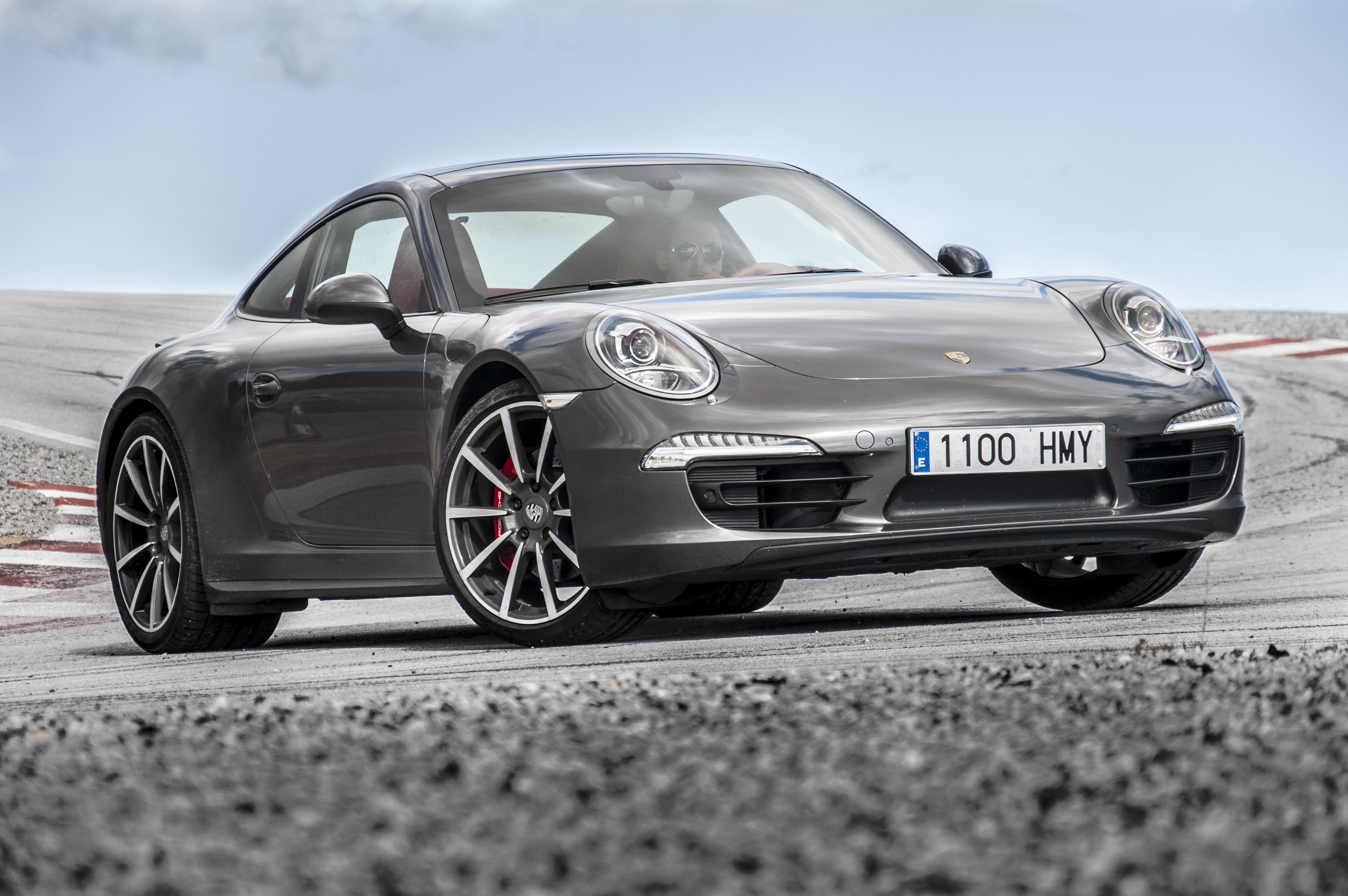
Porsche 911
"We are someone old racing 9-11, the cars are irrelevant. And he just sort of talked to me about his life."
They say “9-11,” which sounds like they mean the Porsche 911. They’re not really talking about the car here—more about the person they met.
The hosts mention “9-11,” which is almost certainly a reference to the Porsche 911. In this context, they’re saying the specific car details didn’t matter because the person they met focused on life rather than the vehicle.
Red Bull
"So this was when they were teammates at Red Bull. So we're talking, I think it was 2018, a while ago,"
Red Bull is the racing team in Formula 1. The hosts are saying Ricciardo and Verstappen worked together on that team around 2018.
Red Bull is the motorsport team and brand associated with Formula 1, most famously through the Red Bull Racing operation. The hosts are using it to anchor the timeline when Daniel Ricciardo and Max Verstappen were teammates.
British Grand Prix
"...at Red Bull Racing week before the British Grand Prix. Me and a few other journalists, mostly car journalists,"
The British Grand Prix is a big Formula 1 race in the UK. Teams and drivers focus on it because it’s a major stop on the F1 schedule.
The British Grand Prix is one of Formula 1’s major races, typically held at Silverstone. It’s a key event on the calendar, so media and teams often ramp up attention and preparation the week before.
Drive to Survive
"Do you remember in the very early days of Drive to Survive, Ferrari and Mercedes were not part of it? I think they came in perhaps for the second season. And it was Daniel Ricciardo, who was the big star of those early episodes."
Drive to Survive is a reality/behind-the-scenes style F1 series that helped bring new audiences to the sport. The transcript references how certain drivers became breakout stars early on, showing how media exposure can change a driver’s public profile.
Ferrari
"Do you remember in the very early days of Drive to Survive, Ferrari and Mercedes were not part of it? I think they came in perhaps for the second season."
Ferrari is a famous Formula 1 team. The hosts are mentioning that Ferrari didn’t show up in the earliest part of the Drive to Survive coverage.
Ferrari is one of Formula 1’s most historic and prominent teams. The transcript notes that Ferrari wasn’t included in the earliest seasons of Drive to Survive, implying the show’s lineup evolved as more teams participated.
Mercedes
"Do you remember in the very early days of Drive to Survive, Ferrari and Mercedes were not part of it? I think they came in perhaps for the second season."
Mercedes is a major Formula 1 team. The hosts are saying Mercedes wasn’t included in the earliest Drive to Survive seasons.
Mercedes is a top Formula 1 team and constructor, known for strong performance in multiple eras. Here, it’s mentioned in the context of Drive to Survive’s early seasons, where not all teams were initially featured.
Japanese Grand Prix
"And I mention it now, because we probably all know what happened at the Japanese Grand Prix. Oh, yeah. He refused to talk until someone he didn't like was removed from the room. A journalist. Yeah. ... So there was a press conference before the Japanese Grand Prix"
The Japanese Grand Prix is one of Formula 1’s big races. Here, they’re talking about something that happened at a press event before that race—how a driver wouldn’t talk to certain journalists. It’s more about the media moment than the car itself.
The Japanese Grand Prix is a Formula 1 race held at the Suzuka Circuit. In this segment, it’s referenced because a driver reportedly refused to speak to the media until a journalist he disliked was removed. That’s a behind-the-scenes media interaction that often gets discussed alongside major F1 weekends.
PR trained
"...he's probably grown up in an environment where he was very heavily PR trained and basically told that these people are looking for a story all the time."
“PR trained” means someone has been coached on how to talk to the press. In racing, teams often want drivers to be careful with what they say. The idea here is that the driver may have been taught that journalists are always trying to find a headline.
“PR trained” refers to preparing spokespeople—especially athletes and executives—for how to communicate with journalists. In motorsport, teams often coach drivers to handle tough questions, avoid giving away strategy, and maintain a consistent public image. The segment suggests this training shapes how drivers perceive media as “story hunters.”
Max versus Lewis
"Do you think it's that he may be particularly wary about British journalists? Yeah, possibly because of the big, you know, the obvious sort of Max versus Lewis."
“Max versus Lewis” refers to the well-known rivalry between Max Verstappen and Lewis Hamilton in Formula 1. The segment uses it as context for why a driver might be wary of certain journalists—suggesting that media narratives around the rivalry can influence relationships. It’s a motorsport context marker rather than a technical car topic.
press conference
"But it's just to sort of fill in the blanks for people who don't know. So there was a press conference before the Japanese Grand Prix"
A press conference in Formula 1 is a scheduled media session where drivers and team representatives answer questions. The segment highlights how media access can be controlled—here, a driver refused to talk until a specific journalist was removed. That’s a useful context point for understanding how PR and media relations work in motorsport.
P8 or P9
"a single biggest problem with Formula One at the moment is not that he's coming P8 or P9. It's that the cars aren't only fun to drive anymore."
“P8 or P9” means finishing 8th or 9th in the race. The point they’re making is that the problem isn’t just the ranking—it’s whether the cars feel fun to drive.
“P8 or P9” refers to finishing positions in a race (place 8 or place 9). The hosts argue that the bigger issue isn’t where a driver finishes, but whether the cars themselves are still enjoyable and engaging to drive.
power that they have
"Senna and Schumacher have all had moments when they have let themselves down and their ego has been able to, you know, manifest itself more than it should have done. And they have appeared to be throwing their weight around because they know the power that they have."
They’re talking about how very successful drivers sometimes act more forcefully because they know they’re capable of winning. That can make their behavior look bigger or more intimidating than it should.
The hosts discuss how top drivers’ confidence and ego can “manifest” when they believe they have the power to dominate. In racing terms, that can lead to aggressive behavior or “throwing their weight around,” which can affect how they’re perceived by journalists and fans.
throwing their weight around
"their ego has been able to, you know, manifest itself more than it should have done. And they have appeared to be throwing their weight around because they know the power that they have."
This phrase means acting like you have more authority than others. In racing, it can describe drivers who seem to push people around because they’re famous and powerful.
“Throwing their weight around” is a metaphor for using status or influence to pressure others or act more aggressively than expected. In motorsport coverage, it often describes drivers who come across as dominating conversations or situations because of their reputation and results.
Max as a driver
"It is. And I agree with you, by the way, I so admire Max as a driver absolutely. And I agree that it's a very artificial environment, this kind of round table interview press conference thing."
They’re talking about Max and how he comes across in interviews. The point is that being “guarded” in press settings doesn’t always show what someone is like in real life.
The hosts are discussing Max’s behavior and how it affects public perception, specifically in press/interview settings. For listeners, this is a reminder that a driver’s “on-camera” persona can be shaped by media training and the format of press events.
media training / conditioned to be guarded
"That's not a reflection of a person, not really. They and he's been trained or conditioned over many years to be guarded in that environment."
The transcript suggests Max has been trained over many years to handle questions carefully in public. In motorsport, media training is common because drivers are expected to avoid controversy, protect sponsors, and stay consistent under pressure.
episode in Japan
"I just think that that episode in Japan was unbecoming and unnecessary. And actually, because when the garden journalist asked that question back in, I think it's in December, Max gave a pretty good answer."
The hosts reference a specific incident “in Japan” that they feel was handled poorly and then reignited by later commotion. This is a narrative topic rather than a technical automotive subject, but it helps explain why the discussion keeps returning to the same controversy.
tire test at Silverstone
"“...everybody knows the story of the day I spent with Senna and how which is a tire test at Silverstone...”"
A tire test at a track like Silverstone is where teams evaluate tire performance under controlled conditions—often comparing compounds, constructions, and pressures. Results depend heavily on track layout, temperature, and how the car is driven, so tire testing is as much about consistency and data collection as it is about raw grip.
rally cars
"“...drive one of his rally cars... it was in the South of France...”"
Rally cars are built for rough, changing roads instead of a smooth track. Because grip changes a lot, they’re set up differently—especially the suspension and how power is sent to the wheels.
Rally cars are purpose-built (or heavily modified) for mixed-surface stages—gravel, tarmac, and sometimes snow—where traction changes constantly. That drives design choices like suspension travel, differential behavior, and how the car is tuned for stability and rotation on loose surfaces.
roundtable interview
"“...there was a usual roundtable interview.”"
A roundtable interview in a motorsport context often happens during test weekends, where drivers and engineers discuss performance, setup, and feedback. While not a technical term by itself, it’s a structural cue that the conversation is about extracting actionable driving and vehicle information.
source of the replay
"And the really interesting, if you look at the source of the replay of it, as we go further and further through this stage, you can just see his the smile is getting broader and broader because all he can hear is me laughing."
They’re talking about where the video came from and rewatching it. It’s about reviewing footage, not a car feature.
The speaker is referring to reviewing the “source” footage of a replay, likely from onboard or event recording. For motorsports fans, this is similar to how teams analyze driver behavior and reactions from recorded sessions.
warm handshakes
"And we just sat at the car and chatted and, you know, it was all warm handshakes and didn't recognize the bloke."
It’s just a way of saying they were being friendly and welcoming. It doesn’t mean anything mechanical about the car—it’s about the vibe.
“Warm handshakes” is a metaphor for friendly, positive first-contact behavior. In car culture, it often describes how people greet each other at events or in paddocks—before the technical talk starts.
disqualified from the Portuguese Grand Prix
"And then he'd rather not win than win the wrong way. Yeah. And famously he lost the championship in 1950. In 1958, Mike Hawthorne won one race and was world champion. Sterling Moss won four and wasn't. And the reason was Hawthorne got disqualified from the Portuguese Grand Prix. It went to appeal."
Sometimes a race result gets thrown out if officials find a rules problem. If the team appeals and officials agree, the driver can get reinstated and the points can change.
A disqualification means a driver’s result is removed due to a rules violation (often technical or procedural). In this story, the Portuguese Grand Prix outcome was changed later through an appeal process, which can dramatically affect championship standings.
Sterling Moss vs Mike Hawthorne (1950/1958 championship context)
"And famously he lost the championship in 1950. In 1958, Mike Hawthorne won one race and was world champion. Sterling Moss won four and wasn't. And the reason was Hawthorne got disqualified from the Portuguese Grand Prix. It went to appeal. Sterling spoke in his defense, got Hawthorne reinstated."
They’re talking about how championships aren’t only about who wins races. Sometimes penalties and rule decisions change who ends up champion.
The hosts discuss how championship outcomes can hinge on officiating and appeals, using Sterling Moss and Mike Hawthorne as examples. The key point is that Moss’s on-track performance (more wins) didn’t translate to world champion status due to the disqualification and reinstatement sequence.
world champion
"In 1958, Mike Hawthorne won one race and was world champion. Sterling Moss won four and wasn't. And the reason was Hawthorne got disqualified from the Portuguese Grand Prix."
“World champion” refers to winning the season-long championship based on points across races, not just single-event results. This is why a disqualification (and later reinstatement) can swing the championship even if a driver wins more races.
appeal
"And the reason was Hawthorne got disqualified from the Portuguese Grand Prix. It went to appeal. Sterling spoke in his defense, got Hawthorne reinstated. That was the difference."
An appeal is when a team asks officials to reconsider a decision. If they change their minds, the final result and points can be updated.
An appeal is the formal process where a team challenges a race decision (like a disqualification). Motorsport appeals can overturn penalties, which is why they can be decisive for championships rather than just single-race outcomes.
ghosted column about driving a car
"Yeah. And it was basically a ghosted column about driving a car. Robert couldn't do it and asked me if I wanted to."
“Ghosted” means the credited person didn’t actually write the article. Someone else wrote it for them, often using their stories and input.
A “ghosted” column is written by someone else while the credit goes to another person. In this context, it’s describing how driving stories were produced for a magazine, likely based on interviews and experiences rather than the credited author writing everything themselves.
bag of spanners
"Sterling would turn up with his bag of spanners. Do you think the tenants knew?"
It means carrying tools like wrenches to fix things on the spot. The story is emphasizing that Sterling would handle problems himself.
A “bag of spanners” is a British phrase for carrying hand tools (spanners/wrenches) to do quick fixes. In the transcript it’s used as a vivid image of someone showing up to handle property maintenance problems personally.
gap-filling driving (threading traffic)
"If there's a gap, I'm just going to put this car in that gap and I will just trust everybody else to make way for me."
This is when a driver squeezes into tiny spaces between cars to get ahead. It can work if everyone cooperates, but it’s stressful and risky because it depends on other people reacting fast.
The phrase describes a driving style where the driver aggressively uses small openings in traffic to move ahead. It relies on quick decision-making and assumes other drivers will yield, which is why it can feel chaotic or dangerous to bystanders.
Top Gear
"So I'd never been to a Top Gear. I still never have."
Top Gear is a famous car show on TV. It’s known for entertaining car stories and reviews, and it’s a big part of car culture.
Top Gear is a long-running British automotive TV show known for car reviews, challenges, and celebrity interviews. Mentioning it here sets the context for where the hosts met or were invited.
Michelin
"[1817.4s] Clang. [1818.4s] This was a Michelin tire launch. [1821.4s] The thermal race club in Palm Springs in California."
Michelin makes tires. They sometimes host big events to show off new tire models, and that’s what’s being referenced here.
Michelin is a major global tire manufacturer, and it often partners with automakers and events to showcase new tire products. In this segment, the hosts describe a Michelin tire launch where other automotive personalities were present.
thermal race club in Palm Springs in California
"[1818.4s] This was a Michelin tire launch. [1821.4s] The thermal race club in Palm Springs in California. [1827.4s] And Keanu Reeves was there."
They’re talking about a motorsport-themed event in Palm Springs, California. It’s mainly background for the story about who showed up.
This appears to be an event or gathering tied to motorsport culture in Palm Springs, California. The hosts use it as context for where the Michelin tire launch and Keanu Reeves connection happened.
Nio
"[1827.4s] And Keanu Reeves was there. [1830.4s] Nio was there because he's got a motorcycle company. [1834.4s] I think it's called Arch."
Nio is an electric-car company. In this story, they’re mentioned because the event had connections to a motorcycle business too.
Nio is an electric-vehicle brand known for EVs and related tech and services. Here, the hosts mention Nio as being present because the person they’re discussing is involved with a motorcycle company, suggesting cross-pollination between EV and two-wheel brands.
Arch
"[1830.4s] Nio was there because he's got a motorcycle company. [1834.4s] I think it's called Arch. [1835.4s] And I guess they had a tie-in with Michelin."
Arch is referenced as the name of a motorcycle company associated with the person at the event. The hosts imply a tie-in between that motorcycle brand and Michelin, which is why the group was present and “wheeled him out.”
car launch event tire activity
"And part of the, one of the activities for this launch event of the new tire was to do what we call ducks and drakes... And we do several laps."
The segment describes a typical tire brand launch format: journalists drive the same tire-equipped cars in an instructor-led session, usually over multiple laps. This helps demonstrate grip and confidence-building progression in a repeatable way.
ducks and drakes
"...the new tire was to do what we call ducks and drakes... The idea is you sort of get faster and faster as long as all the following ducks are happy and confident going quicker."
It’s a practice driving setup: one car goes first and sets the pace, and other cars follow. Everyone tries to go quicker over several laps, but only as long as it feels controlled and the drivers are confident.
“Ducks and drakes” is a motorsport-style training/driving exercise where a lead car (the “duck”) sets the pace and following cars (the “drakes”) try to match it. The goal is progressive learning—getting faster lap after lap as drivers gain confidence while staying within safe, controlled limits.

Bmw M
"...e was to do what we call ducks and drakes in some BMW M cars where there would be an instructor leading, ..."
The BMW M Coupe (E36) is a sporty two-door car made by BMW’s performance team. It’s designed to be fun to drive, with a focus on handling rather than comfort. People mention it when they’re talking about how certain performance BMWs are driven or taught.
The BMW M Coupe (E36) is a small, performance-focused two-door sports car from BMW’s M division, built on the E36 3 Series platform. It’s often discussed because it represents a purist, driver-oriented approach—lightweight packaging, strong handling, and an emphasis on the driving experience. In a podcast, it may come up when talking about how BMW’s M cars are taught, driven, or used in training contexts.

BMW M cars
"...in some BMW M cars where there would be an instructor leading..."
BMW has a performance line called “M.” Here, they’re talking about a driving event where an instructor drives a BMW M car first, and journalists follow in similar cars to learn the tires’ limits.
“BMW M” refers to BMW’s performance division (the M brand). In this context, the hosts are describing a launch-event driving format using BMW M cars as the instructor-led vehicles for journalists to follow and build confidence lap by lap.

Mclaren F1
"Although when he sold his McLaren F1, we did spend a day together in it because they wanted some column inches about the car to obviously just, you know, make the fact that it was being made available for sale more publicly widely known."
The McLaren F1 is a very famous, extremely rare supercar made by McLaren. People love it because it was built to be special and it’s become a collector icon over the years.
The McLaren F1 is a landmark supercar from McLaren, famous for its lightweight construction and driver-focused design. It’s especially well-known for its long-standing reputation as a “halo” car and for being a rare, high-profile collector piece.

Mitsubishi Outlander
"We took his outland. [2020.4s] He had an outlander plug-in at the time."
This is a Mitsubishi Outlander that you can charge like an electric car. It also has a gas engine for when you need more range.
The Mitsubishi Outlander plug-in is a plug-in hybrid version of the Outlander SUV. It can run on an electric motor for short trips and uses a gasoline engine for longer driving, with charging done via an external plug.
Pink Floyd
"[2061.4s] Nick Mason, drummer Pink Floyd."
Pink Floyd is a famous band, and Nick Mason is their drummer. The hosts are just using it to identify the person they’re talking about.
Pink Floyd is a British rock band, and the transcript mentions Nick Mason, their drummer. While not automotive, this is a notable pop-culture reference tied to the episode’s story about meeting a car enthusiast.
Monza
"Met him at Monza with Jack Villeneuve."
Monza is a famous race track in Italy. It’s the kind of place where big racing events happen, so it’s a notable setting for a car-related meeting.
Monza is the Autodromo Nazionale Monza in Italy, one of the most iconic racing circuits in the world. It’s strongly associated with Formula 1 and other top-level motorsport events, so meeting someone “at Monza” places the story in a major racing context.
BAT
"There was some mad thing that BAT tried to do to try to, as in BAT as in not bringing a trailer but British American tobacco,"
BAT stands for British American Tobacco. They’ve sponsored motorsport in the past, so this sounds like a sponsorship-related move connected to racing.
BAT here refers to British American Tobacco, which has historically been involved in motorsport sponsorship. In the transcript, “BAT tried to do” something suggests a behind-the-scenes sponsorship or promotional effort tied to racing logistics.
sponsorship logistics (not bringing a trailer)
"There was some mad thing that BAT tried to do to try to, as in BAT as in not bringing a trailer but British American tobacco,"
Racing sponsors sometimes bring their own gear and setups to events. This part sounds like BAT trying to simplify or change how they show up—specifically by not bringing a trailer.
Motorsport sponsorship often involves physical logistics—like bringing branded equipment, hospitality items, or promotional setups. The “not bringing a trailer” detail implies an operational decision that could affect how a sponsor shows up and how much support infrastructure they need.
John Frankenheimer Grand Prix movie
"tried to do to sort of recreate some of the scenes from the John Frankenheimer Grand Prix movie and they got Garner over and Villeneuve."
They’re talking about a well-known racing movie called "Grand Prix." It’s famous for showing what race weekends feel like, even if it’s Hollywood.
This refers to the 1966 film "Grand Prix," directed by John Frankenheimer. It’s a famous racing movie that helped popularize the look and feel of Formula-style motorsport for mainstream audiences.
pit wall
"and I'd spent that afternoon at Monza standing on the pit wall with him watching all these cars go past."
The pit wall is where the team watches the race from right by the pits. It’s where people coordinate what the driver should do next.
The pit wall is the elevated control area alongside the pit lane where team personnel and officials monitor the race. From there, teams communicate with drivers, track timing, and make strategy calls based on what’s happening on track.
single-seaters
"massively was they had some of these old single-seaters that had been in the original movie and his insurance absolutely would not let him drive one"
A single-seater is a race car made for just one driver. It’s usually very specialized and can be hard to insure or drive unless you’re qualified and the car is set up for it.
Single-seaters are purpose-built race cars designed for one driver, typically used in open-wheel racing. Because they’re specialized and exposed, they often have strict safety and insurance requirements for anyone not properly trained.
insurance
"and his insurance absolutely would not let him drive one and he was desperate to drive one"
Insurance is what decides whether someone is allowed to drive a car legally and safely from a risk standpoint. With race cars, the insurance company may say no unless the driver meets certain requirements.
Insurance can be a major gating factor for driving rare or high-risk vehicles, especially race cars or movie cars. Even if someone is eager, insurers may refuse coverage or require specific conditions (training, experience, or additional safety measures).
helmets
"with the helmets on and wearing the sort of 1960s alike racing overalls"
A helmet is the protective headgear drivers wear in racing. It helps protect you from crashes and flying debris, and it’s standard safety equipment.
Helmets are mandatory safety gear in most forms of motorsport, protecting the driver’s head from impact and debris. In period-style racing setups (like the 1960s look mentioned), helmets are also part of the authenticity and safety culture of the sport.
racing overalls
"helmets on and wearing the sort of 1960s alike racing overalls"
Racing overalls are special protective clothing for drivers. They’re made to help protect your skin if you get burned or scraped during a crash.
Racing overalls are protective suits designed for motorsport, typically made to resist heat and provide abrasion protection. They’re often paired with gloves and other gear to reduce injury risk during high-speed incidents.
change gear
"How do you change gear and what does this button do?"
Changing gear means selecting a different gear ratio so the engine can pull harder or spin at the right speed. In race cars, it’s usually done quickly and correctly to keep performance up.
“Change gear” refers to operating a manual gearbox (or manual-style sequential gearbox) to select different ratios for acceleration and engine speed. In race cars, gear changes are often performed quickly and with specific technique to keep the engine in its power band.
button
"How do you change gear and what does this button do? Just talking to one of them said, oh, if you press up the car stars."
Race cars have extra buttons for different functions. The exact one isn’t specified here, but it’s the kind of control a driver might need to know before using the car.
Race cars often have multiple driver controls beyond the steering wheel and shifter, including buttons for functions like starting aids, switches for systems, or driver-selectable modes. Without the exact function named, it’s best treated as a generic “auxiliary control” in this context.
racing driver double (stunt double)
"...he not only did all his own driving but was so highly regarded by the professional Formula One drivers... he doubled for a lot of the other actors as well... So he was actually hired as a racing driver as well."
Sometimes actors can’t safely do the driving shots, so a professional driver steps in. That person can handle the car smoothly and safely while filming the action.
A racing-driver double is a specialist who stands in for actors during driving scenes, especially when the stunts require precise car control at speed. The key idea is that professional drivers can perform maneuvers more safely and consistently than most actors.
balaclavas (for racing scenes)
"And there are lots of scenes where drivers wearing sort of balaclavas and you can't see where it is. And it's actually James Garner being them."
Balaclavas are used to cover the head and neck, often for comfort and to help manage wind, debris, and visibility in high-speed scenes. In film racing contexts, they also help keep the driver’s identity hidden while maintaining a consistent racing look.
racing old cars
"Again, I knew him through racing old cars. And I'd sort of see him in a panic and he'd come over..."
"Racing old cars" refers to motorsport events or track activity using vintage or classic vehicles, which often have different handling, braking, and reliability characteristics than modern cars. It’s also a community where reputations and relationships carry over from one era of racing to another.
Chris Hoy
"Chris Hoy. Yeah. Another. Hello, Chris. I think he does listen to this."
Chris Hoy is mentioned as a person the host met who’s obsessed with cars. The transcript doesn’t tie him to a specific make/model, but it’s a notable name in motorsport culture, and the episode frames him as knowledgeable and enthusiastic.
Festival of Speed
"and how he has elevated the Festival of Speed [2393.4s] into being one of the, frankly, [2394.4s] one of the premier motor shows in the world,"
The Festival of Speed is a big car event where automakers show off new cars. It’s also a place where racing people and teams come to talk and display what’s new.
The Festival of Speed is a major automotive event known for bringing together manufacturers, teams, and motorsport stars. It’s especially famous for high-profile debuts and showcasing the newest cars and technology.
F1 teams
"you know, 90% of the world's F1 teams to turn up [2404.4s] and get that many new car debuts."
F1 teams are the groups that race in Formula 1. They’re the people who build the race cars, so their presence at a car show usually means there’s a lot of serious performance tech and new-car hype.
Formula 1 (F1) teams are the racing organizations that build and run the cars competing in the F1 World Championship. When many F1 teams show up at a car show, it signals strong cross-over between motorsport engineering and road-car marketing.
Audi
"Yeah, so talking of Audi, I was at an Audi UK launch event in the Cotswolds somewhere a few years ago."
Audi is a car brand from Germany. They sometimes hold big events in the UK to show off new cars, and that’s what the hosts are talking about here.
Audi is a German automaker known for models like the A-series and Q-series, and it frequently hosts brand events such as UK launches. In this segment, the hosts mention an Audi UK launch event as the setting for a celebrity encounter.
Formula One
"And his contribution to broadcast media, as much as his contribution to Formula One is, I think, very difficult to overestimate."
Formula One is the highest level of open-wheel racing. It’s the kind of motorsport where the cars are very technical, and broadcasters often draw on their own racing experience to explain what’s happening.
Formula One (F1) is the top tier of open-wheel racing, known for highly engineered cars, strict technical rules, and intense competition. In this segment, the hosts connect Martin Brundle’s broadcasting work to his racing background in F1.
Bentley
"...we met up, we met a few times, particularly when he was racing for Bentley's. We are quite excited because he's going to be a podcast guest of ours quite shortly..."
Bentley is a British luxury car brand. They’ve also been involved in racing, so when someone says “Bentley’s” in a driver context, it usually means the team or racing effort tied to the brand.
Bentley is a British luxury automaker best known for high-performance grand touring cars and motorsport involvement. In Formula One-era discussions, “Bentley’s” typically refers to the brand’s racing program or sponsorship ties rather than a specific road car model.
British circuits
"You think about what all those British circuits would be like, what states they might be in had Motorsport Vision not come and bought them and just turn them into the proper up to date nice places to be that they are."
They’re discussing UK race tracks and how they’ve been improved. When the right people invest in a track, it can become safer and more modern for racing events.
The hosts are talking about racing tracks in the UK (“British circuits”) and how their condition and usability can change over time. In motorsport, track ownership and investment can strongly affect safety, facilities, and the kind of events a circuit can host.
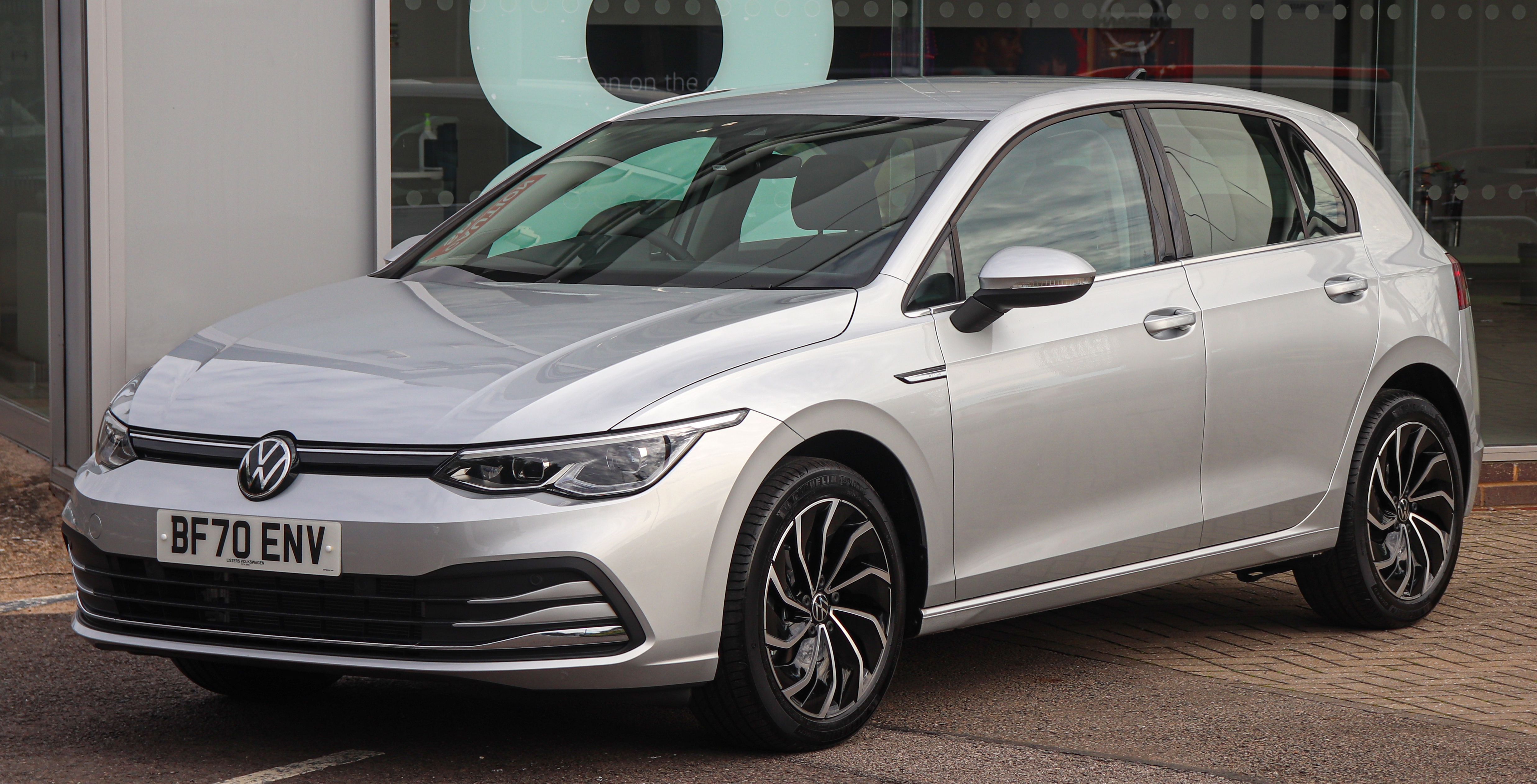
Volkswagen Gtis
"I used to, I used to borrow tuned Golf GTIs from Richard Lloyd. So Mark II Golf GTIs in the late 80s"
A Golf GTI is a sportier Volkswagen Golf. People tune them a lot because they’re fun and have a strong performance aftermarket.
The Volkswagen Golf GTI is a performance-oriented version of the Golf, known for its turbocharged engine and sporty driving feel. In the late 1980s, the “Mark II” Golf GTI was a popular platform for tuning and motorsport-style development.
GTI Engineering
"So Mark II Golf GTIs in the late 80s from GTI Engineering, which he ran."
GTI Engineering sounds like a company that worked on Golf GTIs. They likely helped with tuning and getting cars ready for performance use.
GTI Engineering is referenced as the group Richard Lloyd ran, connected to the Mark II Golf GTI program. In motorsport and tuning culture, companies like this often handle development work, preparation, and engineering support for race-ready cars.

Jaguar XKR
"And he said he had this GT program with the Jaguar XKR."
The Jaguar XKR is a performance-focused Jaguar coupe/convertible from the XKR line, typically powered by a supercharged V8. Here it’s mentioned as the basis of a “GT program,” implying it was being developed or campaigned for grand touring-style racing.
24 hour race at Silverstone
"But they were going to do this 24 hour race at Silverstone at the weekend."
A 24-hour race is like a marathon for cars—drivers rotate and the team keeps the car running for a full day. Silverstone is one of the most famous race tracks in the UK.
A “24 hour race” is endurance racing where teams push the car for an entire day, managing reliability, driver stints, fuel, and tire wear. Silverstone is a major UK circuit, so this combination signals a serious endurance motorsport event.
signing on
"we need you to report on Thursday for signing on. I said, well, hang on."
“Signing on” is the paperwork check-in before a race. It’s where drivers/teams confirm they’re officially entered for the event.
“Signing on” is the administrative check-in process at a race event, where teams and drivers confirm their participation and receive event documentation. It’s part of the pre-race routine before practice and the first on-track sessions.
endurance racing
"So that's how I found myself doing a 24 hour race for Richard Lloyd... David Leslie, who I shared with Mike, actually, RX-8s and another 24 hour race at Silverstone..."
Endurance racing is about lasting a long time without breaking. It’s not only about being quick—it’s also about strategy and keeping the car healthy for hours.
Endurance racing emphasizes keeping the car fast and reliable over long periods, not just achieving peak speed for a few laps. Teams focus on driver consistency, mechanical sympathy, and strategy (fuel, tires, and pit timing) to avoid failures that can end the race early.

Mazda Rx8S
"David Leslie, who I shared with Mike, actually, RX-8s and another 24 hour race at Silverstone, died in the same accident that killed Richard Lloyd."
The RX-8 is a Mazda sports car that uses a rotary engine instead of a normal piston engine. That rotary design changes how the car makes power, which is why it shows up in racing stories.
The Mazda RX-8 is a rotary-powered sports car known for its distinctive Wankel engine design. In endurance racing contexts, RX-8s are often discussed for how their rotary power delivery and reliability characteristics play out over long stints.
Request an Explanation
Heard something you'd like explained? We'll add it to this episode.
Sign in to request explanations for terms you heard.
Want to learn more?
Browse our glossary for plain-English explanations of automotive terms, jargon, and concepts.
Help improve this episode
See something that's not quite right? Our annotations are AI-generated and can sometimes miss the mark. Click the flag icon on any annotation to suggest a correction.
1 community members have helped improve this episode.