
all-wheel drive
All-wheel drive means the car can send power to all four tires. That usually helps it grip better on wet, slippery roads so you can drive more confidently.
rear-wheel drive
Rear-wheel drive (RWD) sends power primarily to the rear wheels, which can make the car feel more dynamic and “fun” to drive. The host is contrasting it with AWD, implying that on a bumpy, twisty wet road, RWD can offer a more engaging balance and steering feel—though it may require more driver finesse for grip.

Audi RS4
This is a high-performance Audi RS4 from the B7 generation. The point here is that it should grip well and feel stable when the road is wet and uneven.
wet, bumpy roads
Wet, bumpy roads are tough on a car because the tires can lose grip and the suspension has to work harder. The hosts are talking about which cars handle that kind of situation best.
hot hatch
A hot hatch is a performance-focused version of a hatchback, typically with a stronger engine and sport-tuned suspension. In this segment, it’s used to frame the Fiesta ST as a lightweight, compact choice that can be exciting on tight mountain roads in the rain.

Yaris
The Toyota Yaris is a small car. They’re saying it can feel more engaging and easier to drive when the road is wet and slippery.
side screens
These are panels you put up along the sides of an open-top car. They help block wind and rain so you can drive with the roof off but still stay comfortable.
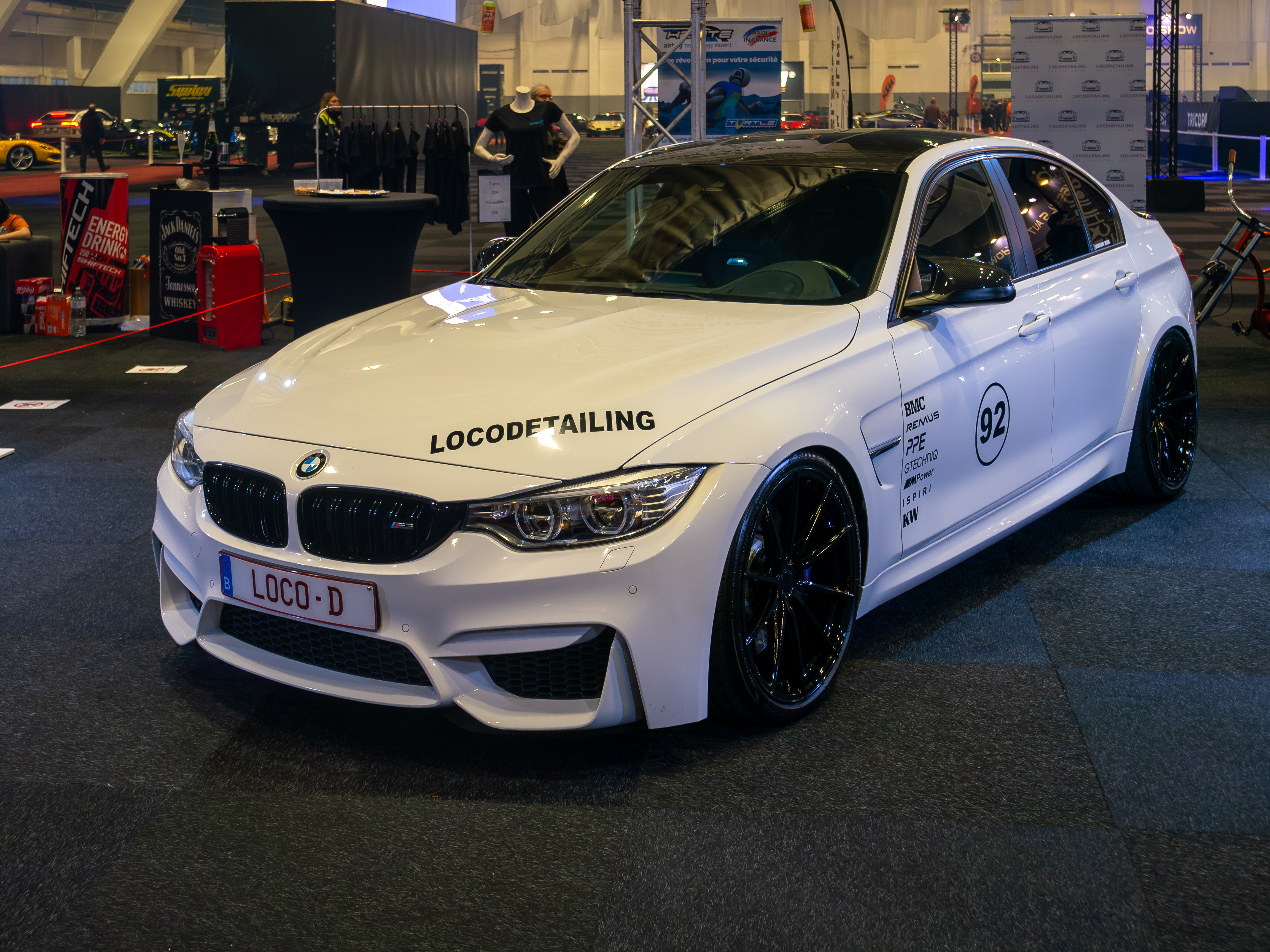
BMW M3
This is the BMW M3 in wagon form. It’s meant to be fast and fun, but still comfortable over rough roads—though it can feel heavier and harder to hustle than smaller cars.

EVO
They’re talking about the Mitsubishi Lancer Evolution, a car famous for being fun even in bad weather. The point is that its handling balance makes it feel easier to enjoy in the rain compared with some other performance cars.
stock one
They’re saying you don’t necessarily need a heavily modified car. A normal, factory version can be perfect because it’s already set up to work well in those conditions.
traction control
Traction control is a computer system that helps stop the wheels from spinning when the road is slippery. It can make a rear-wheel-drive car feel more usable in the wet by managing slip.

Nissan Gtr
The Nissan GT-R (R34) is referenced as an example of a “bulky” all-wheel-drive car that still works in a very unusual way. The host’s point is that AWD can change how accessible a car’s limits feel in the rain.

Nissan R34
The Nissan Skyline is a sports car model made by Nissan, and some versions are known for strong performance. The podcast mentions it in the context of other famous performance cars, including a specific Skyline generation. It’s brought up because the Skyline has a big enthusiast following.
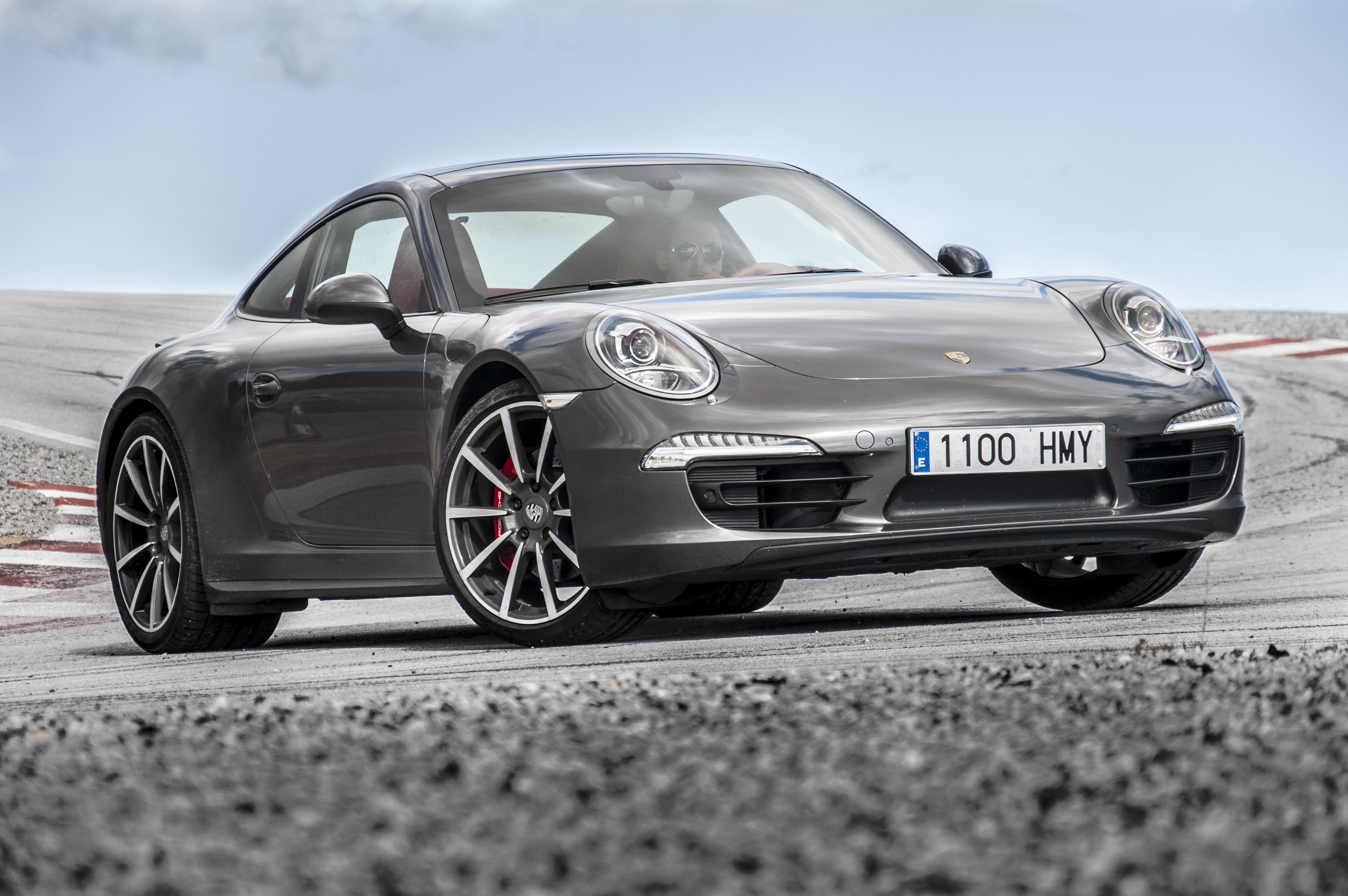
GT3 RS
The host cites experience from E-COTY 23 using a Porsche 911 GT3 RS. They’re using it to argue that, even on roads that “should not have worked” (wet and poor), the GT3 RS can still be excellent because its grip and balance make it easy to drive at the limit.
aquaplaning
Aquaplaning is when your tires lose contact with the road because there’s too much water. The car can feel like it’s sliding on top of the surface instead of gripping it.
horsepower
Horsepower is basically how strong the engine is. But two cars with the same horsepower can feel different if one delivers it more smoothly or the car is lighter/heavier.
power to weight ratio
Instead of just asking “how much horsepower?”, you compare horsepower to how heavy the car is. A lighter car with the same power will feel quicker, and the ratio helps predict that.

Lotus Elise
The Lotus Elise is known for being very light, so even smaller engines can feel fast. The point here is that a low-power car can still be quick if it’s light and well-balanced.
torque plays a role
Torque is the engine’s pulling force. If a car has more torque available earlier, it can accelerate without you revving as much, so it feels easier and more relaxed to drive.

Defender 130
The Defender 130 is a big, long-wheelbase Land Rover. Even if it has a lot of power, how it feels depends on things like weight and grip, not just horsepower.
traction and electronics
Modern cars have computer-controlled systems that help the tires grip the road. That means the car can deliver power more smoothly and safely, even when you’re pushing it.
progressive throttle
Progressive throttle means the car responds smoothly as you add more pedal. Instead of a sudden jump in power, it builds gradually, which makes it easier to drive fast.
power delivery vs peak figures
Peak horsepower is just the maximum. What matters day-to-day is how the car gives you that power—whether it feels smooth and predictable or sharp and intense.
Nürburgring lap time
A Nürburgring lap time is how fast a car can go around the Nürburgring track. People use it like a scoreboard to compare cars, because the track is tough and detailed.

Ford Mustang GTD
They mention Ford’s Mustang GTD getting another Nürburgring time. The point is that Ford is updating the car (and its setup) to improve performance.
official time vs "fudged" comparison
They’re basically debating whether the new lap time is a fair comparison to the earlier one. If the car has been changed (aero, power, DRS), the time can improve even if it’s not the exact same setup.
rear aero discs
Rear aero discs are add-on aerodynamic parts near the back wheels. They’re there to help the car slice through air better and stay stable, which can make it faster.
DRS system
DRS is a system that changes the car’s aerodynamics to reduce drag. The hosts are saying Ford adjusted it to help the car go faster on track.

Nissan R35 Gtr
The Nissan GT-R (R35) is a fast sports car from Nissan that’s designed to be extremely quick. The podcast talks about it in comparisons with other performance cars and mentions that some people don’t see the need to compare it. It’s brought up because it’s known for serious performance.
Nürburgring ring times
The Nürburgring is a very famous race track in Germany. “Ring times” are how fast a car can complete a lap there, and companies use them to show off performance.
Firano times
The speaker is talking about a track where a manufacturer can test and measure performance. The point is that Ferrari can compare results using its own controlled testing, instead of Nürburgring lap-time bragging.
Le Mans competition
Le Mans is a major long-distance race. It’s different from a single-lap “fastest car” contest because it tests how well a car can keep going.
Formula One and GT series
They’re talking about two kinds of racing. Formula One is the top open-wheel series, while GT racing uses cars that are based on real production models. The idea is that brands might prefer to prove themselves in one type of racing rather than using road cars for lap-time bragging.
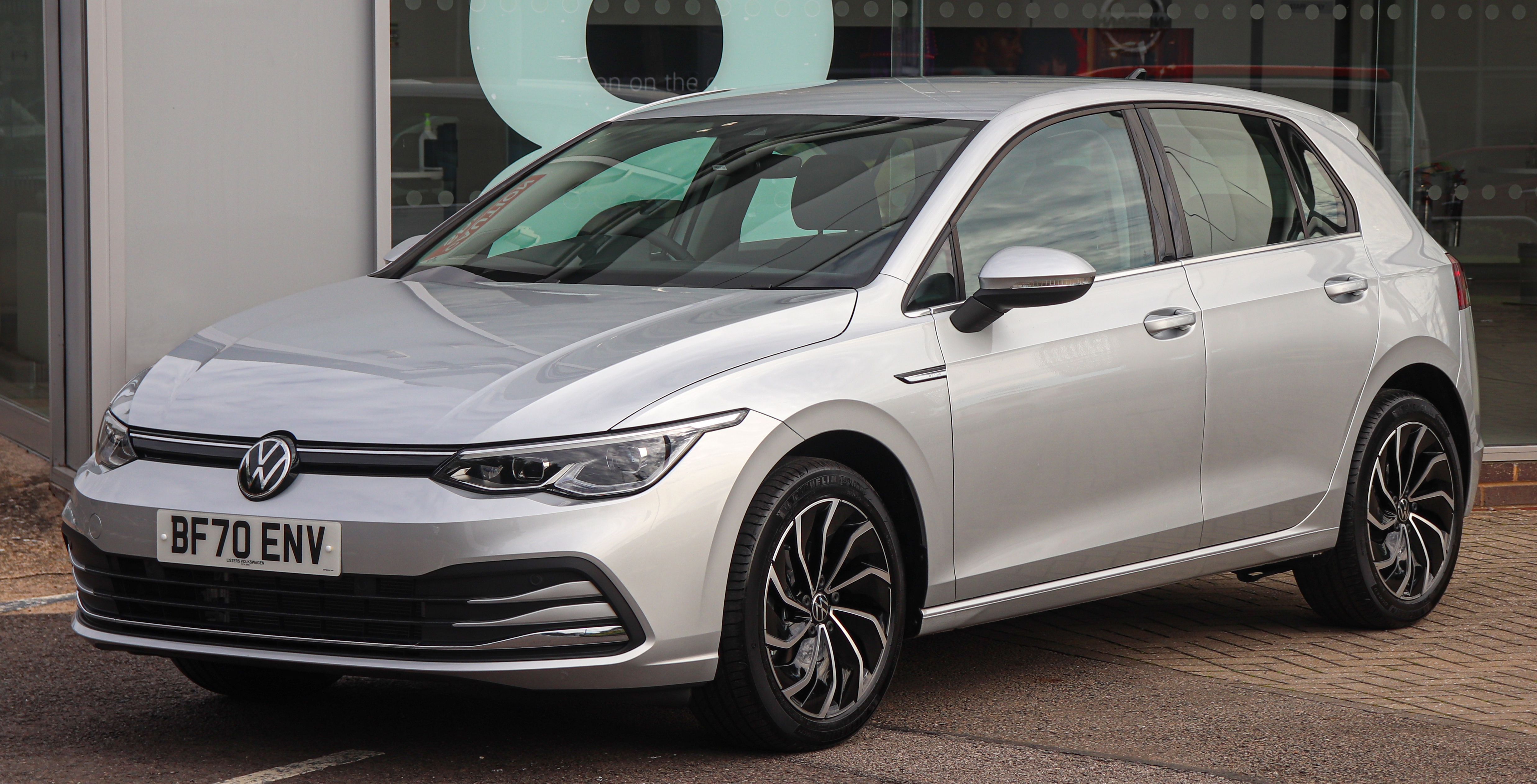
Golf Gtd
The Volkswagen Golf is a popular compact car that comes in different versions, including some that are more performance-focused. The podcast mentions it in the context of sounds like backfiring and how certain performance-related changes can affect how a car looks or feels. It’s used as an example in a wider discussion rather than a single-car deep dive.
simulated lap times vs actually running the car
They’re saying computer simulations can estimate lap times, but they can’t fully capture what happens when the car is actually on the track. Real testing shows the real grip and behavior, so it’s the best way to confirm performance.
Nürburgring setup
A “setup” is how the team tunes the car for a specific track. The Nürburgring is famous for being so different in every section that what works at other circuits doesn’t always work there.
fine balance between technical sections and long straights
Tracks have different “types” of sections. Some parts are all about handling through corners, and other parts are all about speed and acceleration. A lap time is the whole package—being great in only one area usually isn’t enough.

Ford Mustang
The Ford Mustang is a popular performance car from Ford. Here, they’re basically saying the Mustang was surprisingly fast compared with a Porsche track car.
comparing lap pace between cars
They’re talking about which cars are faster around a track and why those comparisons can be tricky. They also treat it as fun to watch, not just a strict scientific test.
tires
Tires are a huge part of how fast a car can go around a track. Different tires can grip the road better or worse, so lap times aren’t always directly comparable.
road legal
“Road legal” means it’s allowed to be used on public roads. They’re hinting the tires are mostly track-oriented, so they might be borderline for normal street driving.

McLaren 750S
The McLaren 750S is a high-performance supercar from McLaren. They’re saying Lando Norris was driving it and it looked extremely fast.
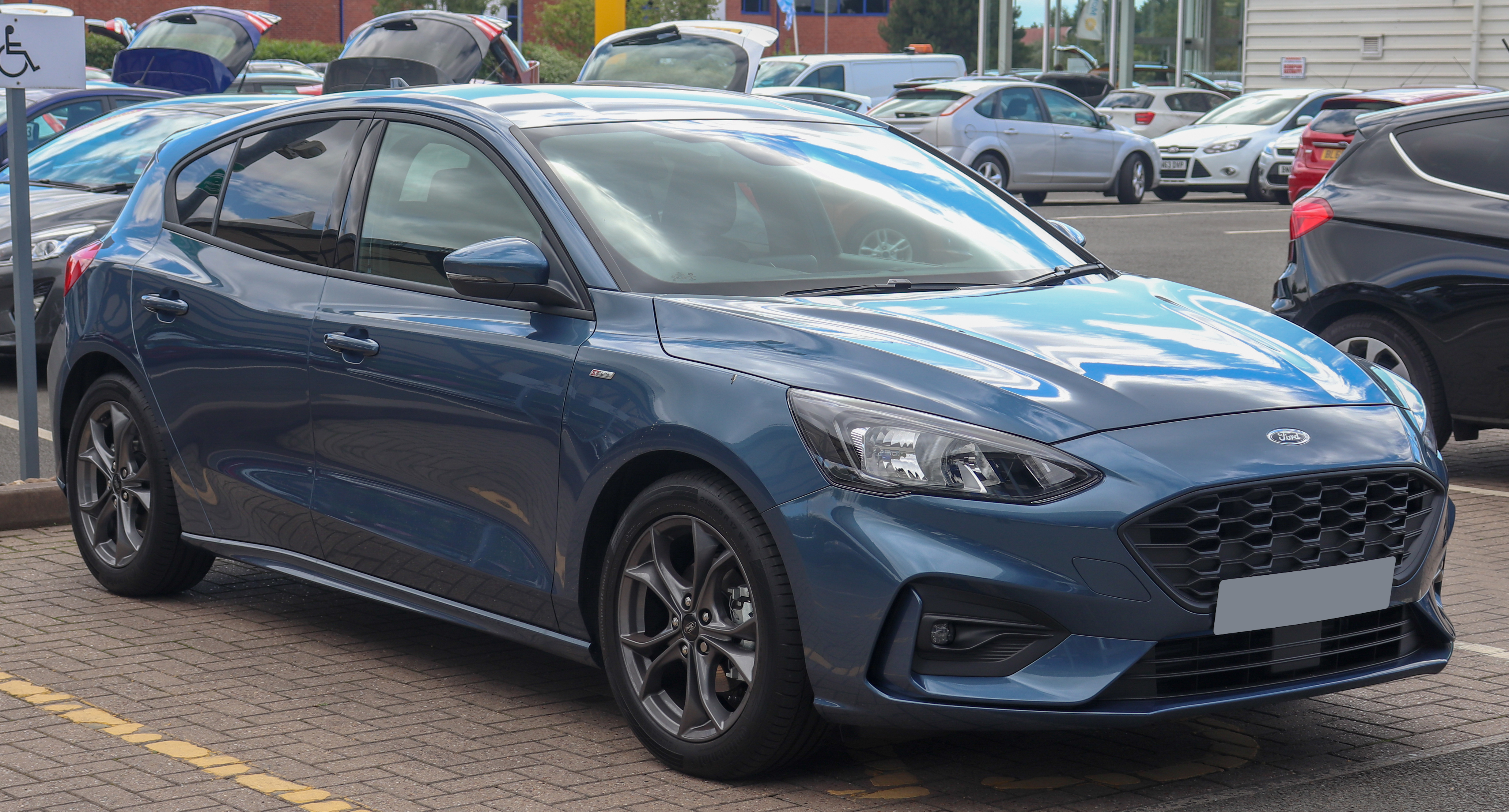
Ford Focus
They’re talking about the early Ford Focus as a car that was enjoyable to drive, not just fast on paper. Even the cheaper versions apparently felt good to steer and ride, which is why it’s remembered.
fun-to-drive magic
They mean a car that feels genuinely enjoyable to drive, not just “works fine.” It’s about how it steers and rides together so the driver feels connected to the road.
engineers cars
They’re saying the car feels like it was built by people focused on how it drives. Instead of just looking good, it was tuned so the steering and ride feel right.
suspension
Suspension is what helps the tires stay in contact with the road and controls how the car rides over bumps. Better suspension design can make a car feel more stable and more enjoyable to drive.
gear shift
The gear shift is how you change gears. The host is saying some cars have a really nice, smooth, satisfying feel when you move the shifter.

Ford Puma
The Ford Puma is a small Ford car that’s meant for normal daily driving, but it’s also designed to feel a bit sporty. In the podcast, they bring it up because the shifting/gear feel is enjoyable. It’s a compact car rather than a big performance vehicle.
shared platforms
Some car companies build several different models on the same basic “skeleton.” That saves money, but it can make it harder to make each model feel uniquely special to drive.
badge engineering
Badge engineering is when the same car is sold with different brand logos. It can be cheaper to do, but it may mean the car doesn’t feel as unique between brands.
Stellantis
Stellantis is a big car group that owns many different brands. Because they share parts and platforms across brands, it can be harder to make every model feel truly unique.

Ford Fiesta
The Ford Fiesta is being used as an example of a car that felt well put together to drive. The host is basically saying older small cars often had a more satisfying overall feel than many modern alternatives.

Renault Twingo
They bring up the Renault Twingo as an example of a small, affordable car Renault is trying to make more exciting. The point is that when it’s an EV, the extra weight affects how it drives.
vehicle weight affecting driving feel
They’re saying that when a car is heavier, it doesn’t move the same way as a lighter one. Because of that, engineers have to set up the car differently so it still feels responsive and enjoyable.
911 GT3 SC
This is a special Porsche 911 built for track-style driving. The discussion is basically: is it still “true” to what a GT3 should be, or has Porsche gone too extreme?
purity and authenticity
They’re talking about whether the car still feels like a real GT3—light, focused, and built for driving—not just a flashy special edition. The idea is that Porsche tried to keep the car’s core identity intact.
powertrain
Powertrain is the stuff that makes the car move—mainly the engine and the gearbox working together. They’re saying the driving experience from that setup is really good.
gearbox
A gearbox is what changes gears so the engine can stay in the right “power band.” They’re saying the car’s gearbox should make it especially fun and smooth.
cashing in
This is basically the accusation that Porsche is making the car just to make money off people’s excitement. The question is whether the changes are truly for driving—or mostly for sales.
expensive
The host frames the 911 GT3 SC as “expensive,” then compares it to a GT3 RS. This highlights how pricing influences perception—whether the car is seen as worth it for performance and engineering or as overpriced for what it is.
take it with a pinch of salt
It means don’t believe everything you hear right away. If someone’s being overly dramatic or biased, you should treat it as less certain.
nuts and bolts
It means focusing on the real details, not the talk. For cars, it’s about how it’s built and how it drives, not just what people say.
judge people on the past efforts
It means if you can’t test it yet, you look at what someone has done before. For cars, that’s like using past models to guess whether the new one will be good.
static launch
A “static launch” means the car is sitting still, then you floor it and measure how it accelerates. It helps show whether the car hooks up well or spins the wheels when you start moving.
considering this concept since the 997
They’re saying Porsche has been thinking about this idea since the 997-generation 911. The 997 is an older generation of the 911, so it suggests the concept took a long time to reach production.
track time competition
A track time competition is when people try to be faster on a race track by posting good lap times. It’s not just about power—it also depends on how the car handles and how well the tires work.
success ballast
Success ballast means adding extra weight to a faster driver’s kart or car. The idea is to make the racing more even so the outcome isn’t decided just by who’s quickest.
one-lap time attack shootout
A one-lap time attack is basically a race against the clock for just one lap. You want everything to be perfect immediately—tires, braking points, and steering—because you don’t get many chances to correct errors.
longer distance race
In a longer race, you can’t just go flat-out the whole time. You have to keep the car stable and the tires happy, and you need a strategy that lasts for the full distance.
wings
A “wing” is an aerodynamic add-on that helps the car stick to the road. It creates downforce, which can make the car feel more stable and grippy at higher speeds.
slicks
Slicks are track tires with no tread. They grip really well on a dry race track, but they’re not good in the rain and can wear out faster.
real switches and dials
This means the car has physical buttons and knobs you can feel and use without staring at a screen. People like it because it’s usually quicker and safer while you’re driving.
proper car interiors with physical controls
They’re talking about whether car interiors will go back to having real buttons and knobs. They mention Volkswagen’s ID.3 as an example of that trend.

Volkswagen ID3
The Volkswagen ID.3 is an electric car from Volkswagen. They’re talking about it because it uses physical buttons and knobs again, rather than making you control everything through a screen.
Volkswagen Golf
This is the Volkswagen Golf Mk8, the newest generation of the Golf at the time. The hosts are saying some owners hated how the car’s screens/controls worked, so much that they returned the cars.
HMI
HMI means the way the car “talks” to you and the way you “talk” back—mostly through screens and buttons. If the HMI is confusing, you end up hunting through menus instead of adjusting things quickly.

Aston Martin Valhalla
The Aston Martin Valhalla is a very high-performance supercar made by Aston Martin. The podcast brings it up when talking about the kind of driving experience you get from the top end of performance cars. It’s mentioned as an example of a serious, track-focused machine.
physical switches vs touchscreen menus
They’re debating whether it’s better to use real buttons/knobs or to use a screen. Their point is that buttons are easier to find quickly without looking, which matters more when you’re driving hard.
rotary controls
Rotary controls are physical knobs used to adjust functions like climate or audio. The hosts prefer them because they can be operated by feel, without looking away from the road, and they can be faster than screen-based controls.
infuriating
They’re saying it’s really frustrating when you have to hunt through menus on a screen to change something. The frustration is about speed and ease of use while driving.
designed by people that have never driven a car
They’re basically saying the car’s controls feel wrong because the people designing them may not have actually driven a car hard. If you don’t experience that, it’s easy to make menus that are annoying in real driving.
touch screens
Touchscreens are the big displays you tap to control things in the car. They’re convenient for manufacturers, but the discussion suggests they can be harder to use while driving if everything is buried in menus.
ventilation controls
Ventilation controls are the car’s climate settings—heat/AC and fan direction. The point here is that these should be simple to adjust quickly while driving.
physical buttons
Physical buttons are real knobs and switches you can press. They can be easier to use because you don’t have to tap a screen and you get a clear “click” response.
Ferrari
They bring up Ferrari because the brand started using more physical buttons again. The idea is that real buttons can be easier to use than touchscreens, but they still need to be designed well.
haptic
Haptic means the screen can buzz or push back a little to mimic pressing a button. The hosts are saying some cars used this for a while, but it wasn’t always as good as actual buttons.
real dials
They mean using physical gauges (like classic speedometer/tach-style dials) instead of screens. Some drivers like it because it’s quicker to read and feels more “mechanical.”
group test depends on your phone pairing
The speaker describes a modern “group test” workflow where multiple cars require phone pairing for functions to work correctly. This highlights how infotainment and connectivity can affect usability and consistency during real-world evaluation.
VW
They’re talking about Volkswagen (VW) and how people react to car tech. If the controls or screens feel awkward, most drivers won’t “get used to it.”
speed warning
They’re referring to the car warning you about your speed. Some cars make you do extra steps to turn the warning off, while others let you just drive.

C63 estate
A C63 estate is a Mercedes-Benz wagon version of the C-Class, but tuned by AMG to be much quicker. The “wallet” question is mostly about running costs like servicing, parts, and whether you drive enough miles to trigger expensive service schedules.
miles a year
This is just how much you drive in a year. If you don’t drive many miles, you’re less likely to reach the mileage triggers that force certain services.
service intervals
Service intervals are the schedule for when the car needs maintenance. If you don’t drive enough to reach those mileage milestones, you may not have to do the more costly services as often.
minor or major
Some car services are small check-ups, and some are bigger, more expensive jobs. A “minor” service is usually less work than a “major” one.
specialist vs main dealer service history
The segment contrasts using a specialist independent workshop versus a main dealer. It also emphasizes the value of a fully documented main-dealer service history for resale or warranty-style confidence, while arguing that otherwise there’s little point paying dealer prices if a specialist knows the car well.
rocker cover
The rocker cover is the cover on top of the engine that keeps oil inside and protects the moving parts underneath. If it cracks, it can leak or cause other issues, and replacing it can cost a lot because it takes time to get to.
preventative maintenance
Preventative maintenance is taking care of the car before it breaks. If you ignore small issues, they often turn into bigger repairs that cost much more.
injectors
Injectors are the parts that spray fuel into the engine at the right time and amount. If an injector gets stuck open, it can keep spraying too much fuel. That can make the engine run badly and lead to expensive repairs, so it’s important to service them on time.
issue 135
“Issue 135” sounds like a specific numbered magazine edition. They’re talking about finding it in their archive and updating it.

Ferrari F50
Ferrari’s F50 is a famous supercar with a powerful engine and a very driver-focused design. It’s from the early ’90s and is considered a collectible, special-era car.