
The perfect power output, undercover driver's cars & has Porsche gone too far? | evo Q&A EP2
About this episode
evo podcast Q&A EP2 dives into everything from choosing the right car for wet, twisty northern mountain roads to how much horsepower you truly need (they land on power-to-weight and around 500hp as a sweet spot). The discussion also heats up around Nürburgring bragging rights—Porsche’s GT3 RS time versus Ford’s Mustang GTD updates—and whether Porsche’s 911 GT3 “speedster” style has gone too far. Other highlights include why older Fords felt more dynamically “engineered,” the return of physical controls in modern interiors, and real-world ownership costs for a 2010 Mercedes C63 estate.
This week Richard Meaden and Sam Jenkins embark on our second Q&A, discussing everything from the finest cars for tricky northern roads, the ideal power output, Nürburgring battles and whether or not Porsche has finally taken it too far.
all-wheel drive
"Well, the two schools of thought there aren't there. The obvious one would be all-wheel drive. Yeah, I think so. But then part of me thinks rear-wheel drive because it can have a lot of fun."
All-wheel drive means the car can send power to all four tires. That usually helps it grip better on wet, slippery roads so you can drive more confidently.
All-wheel drive (AWD) sends power to all four wheels, which can improve traction when roads are slippery—like in heavy rain. On a tight, twisty mountain road, AWD can help the car maintain grip and reduce wheelspin compared with driving only the front or rear wheels.
rear-wheel drive
"Yeah, I think so. But then part of me thinks rear-wheel drive because it can have a lot of fun. More fun. So go on and shoot."
Rear-wheel drive (RWD) sends power primarily to the rear wheels, which can make the car feel more dynamic and “fun” to drive. The host is contrasting it with AWD, implying that on a bumpy, twisty wet road, RWD can offer a more engaging balance and steering feel—though it may require more driver finesse for grip.

Audi RS4
"I think I've just spent quite a bit of time in the B7 RS4. Yeah. And I think even though it was dry on that test, mostly it feels like a car that would suit wet, bumpy roads quite well."
This is a high-performance Audi RS4 from the B7 generation. The point here is that it should grip well and feel stable when the road is wet and uneven.
The Audi RS4 is a performance version of the A4, and the “B7” refers to the generation. In this segment, the host is highlighting how the RS4’s traction and chassis feel would suit wet, bumpy, twisty roads.
wet, bumpy roads
"And I think even though it was dry on that test, mostly it feels like a car that would suit wet, bumpy roads quite well. But then you have the other angle of possibly going for a hot hatch, like a Marquette Fiesta ST."
Wet, bumpy roads are tough on a car because the tires can lose grip and the suspension has to work harder. The hosts are talking about which cars handle that kind of situation best.
“Wet, bumpy roads” is a driving condition combo that stresses traction, suspension control, and tire grip. The discussion is essentially about how different drivetrains and car sizes behave when the surface is slippery and the road is uneven.
hot hatch
"But then you have the other angle of possibly going for a hot hatch, like a Marquette Fiesta ST. I feel it would be really fun on those roads because you have the smaller dimensions and less weight."
A hot hatch is a performance-focused version of a hatchback, typically with a stronger engine and sport-tuned suspension. In this segment, it’s used to frame the Fiesta ST as a lightweight, compact choice that can be exciting on tight mountain roads in the rain.

Yaris
"Or maybe a Yaris, GI Yaris or something because they seem to come alive on a wet road more than a dry road. Somehow you feel the car working a bit more and on imagining those kinds of roads."
The Toyota Yaris is a small car. They’re saying it can feel more engaging and easier to drive when the road is wet and slippery.
The Toyota Yaris is a small car, and in this discussion it’s used as an example of a compact vehicle that can feel especially lively on wet roads. The host suggests the car “comes alive” more in the rain, likely due to how it responds and how its size helps on narrow, twisty routes.
side screens
"If you've got the side screens up, then you just tucked away away from the rain. So I would love that, particularly on a twisty road where you're just enjoying yourself more than trying to go as quickly as you can."
These are panels you put up along the sides of an open-top car. They help block wind and rain so you can drive with the roof off but still stay comfortable.
“Side screens” refers to the removable/adjustable side panels used on some open-top cars to reduce wind and rain intrusion. With the side screens up, you can keep the cabin more protected while still enjoying an open-air feel.
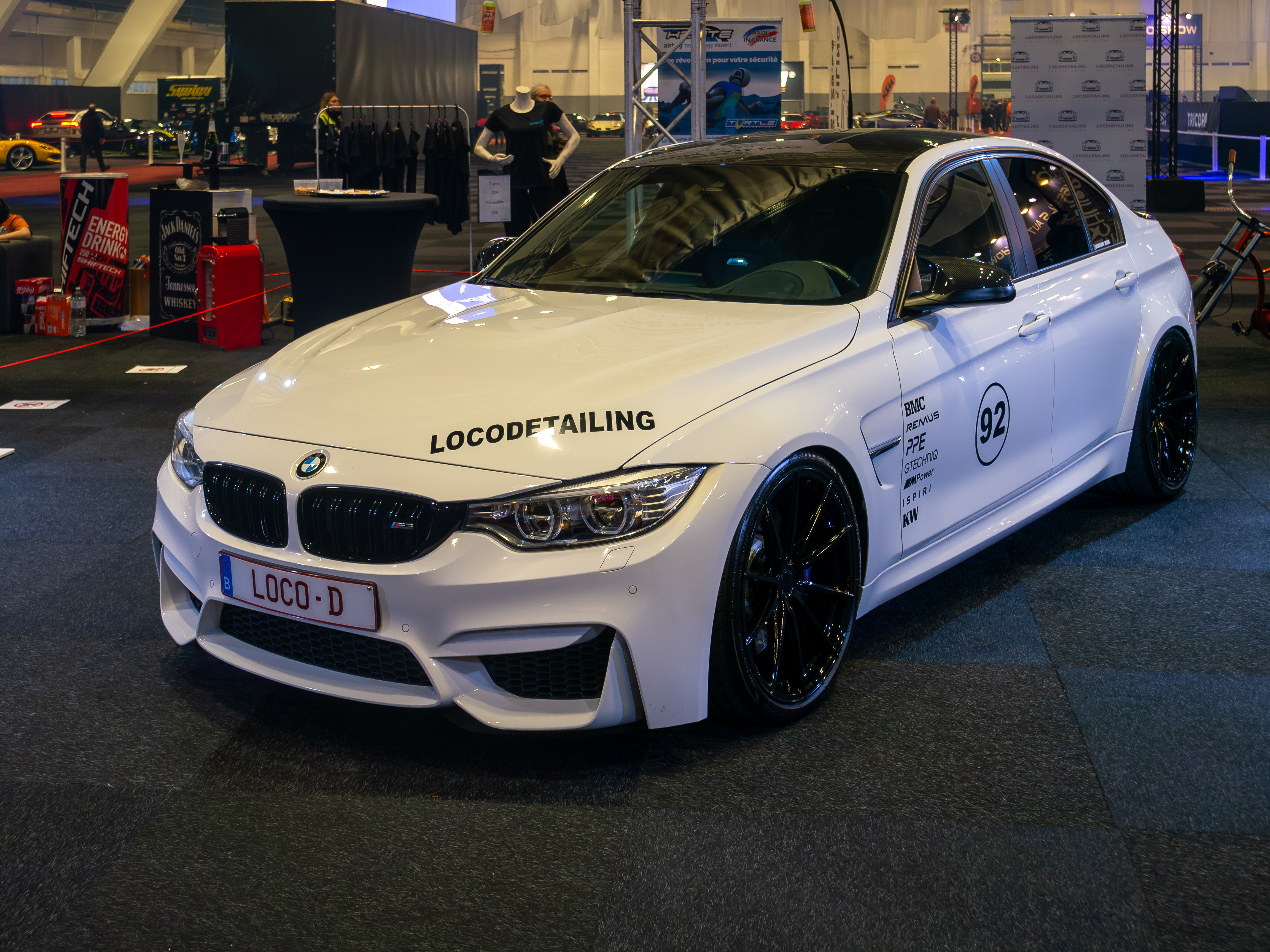
BMW M3
"I did note down M3 Touring of the current generation because it is just great at dealing with not great roads. But then you do have the it is a bigger car and it is quite heavy."
This is the BMW M3 in wagon form. It’s meant to be fast and fun, but still comfortable over rough roads—though it can feel heavier and harder to hustle than smaller cars.
The BMW M3 Touring is a performance wagon version of the M3, designed to combine everyday practicality with track-capable dynamics. In this segment, it’s mentioned as being especially good at handling rough or “not great” roads, but the hosts also note it’s bigger and heavier than some alternatives.

EVO
"But actually, in the rain, again, the balance of an EVO is a little bit more playful, but you still have the... They are sort of built for it."
They’re talking about the Mitsubishi Lancer Evolution, a car famous for being fun even in bad weather. The point is that its handling balance makes it feel easier to enjoy in the rain compared with some other performance cars.
“EVO” here refers to the Mitsubishi Lancer Evolution, a rally-bred sports sedan known for its all-weather drivability and playful handling. The hosts contrast it with other turbo cars, saying that in the rain the Evolution’s balance feels more playful, and that it’s “built for it.”
stock one
"You wouldn't need a wildly tuned one. Just a stock one would be great in those sorts of conditions."
They’re saying you don’t necessarily need a heavily modified car. A normal, factory version can be perfect because it’s already set up to work well in those conditions.
The hosts argue that for certain conditions (like rain and twisty roads), a “stock” car—meaning not heavily modified—can be ideal. The idea is that the factory setup is already well-suited for predictable traction and balance without the risks of an overly tuned setup.
traction control
"I think beyond a certain point, tire technology and traction control and all of those things, you don't necessarily need the need all-wheel drive unless it brings another dynebo or, I don't know, R34 GTR or something"
Traction control is a computer system that helps stop the wheels from spinning when the road is slippery. It can make a rear-wheel-drive car feel more usable in the wet by managing slip.
Traction control is an electronic system that helps prevent wheelspin by reducing engine power and/or braking individual wheels when grip is limited. The host suggests that with modern tire tech and traction control, you may not always need all-wheel drive to access the car’s limits.

Nissan Gtr
"...unless it brings another dynebo or, I don't know, R34 GTR or something, which is quite a bulky car, but then they work in a very unusual way, so it makes the limits of a car more accessible in the rain."
The Nissan GT-R (R34) is referenced as an example of a “bulky” all-wheel-drive car that still works in a very unusual way. The host’s point is that AWD can change how accessible a car’s limits feel in the rain.

Nissan R34
"...nless it brings another dynebo or, I don't know, R34 GTR or something, which is quite a bulky car, bu..."
The Nissan Skyline is a sports car model made by Nissan, and some versions are known for strong performance. The podcast mentions it in the context of other famous performance cars, including a specific Skyline generation. It’s brought up because the Skyline has a big enthusiast following.
The Nissan Skyline is a Japanese sports car line that’s famous among enthusiasts, with several performance-focused versions over the years. In the episode, it’s mentioned as a possible alternative to other “big name” performance cars, with a specific reference to the R34 generation. The Skyline’s reputation is part of why it gets brought up in comparisons.
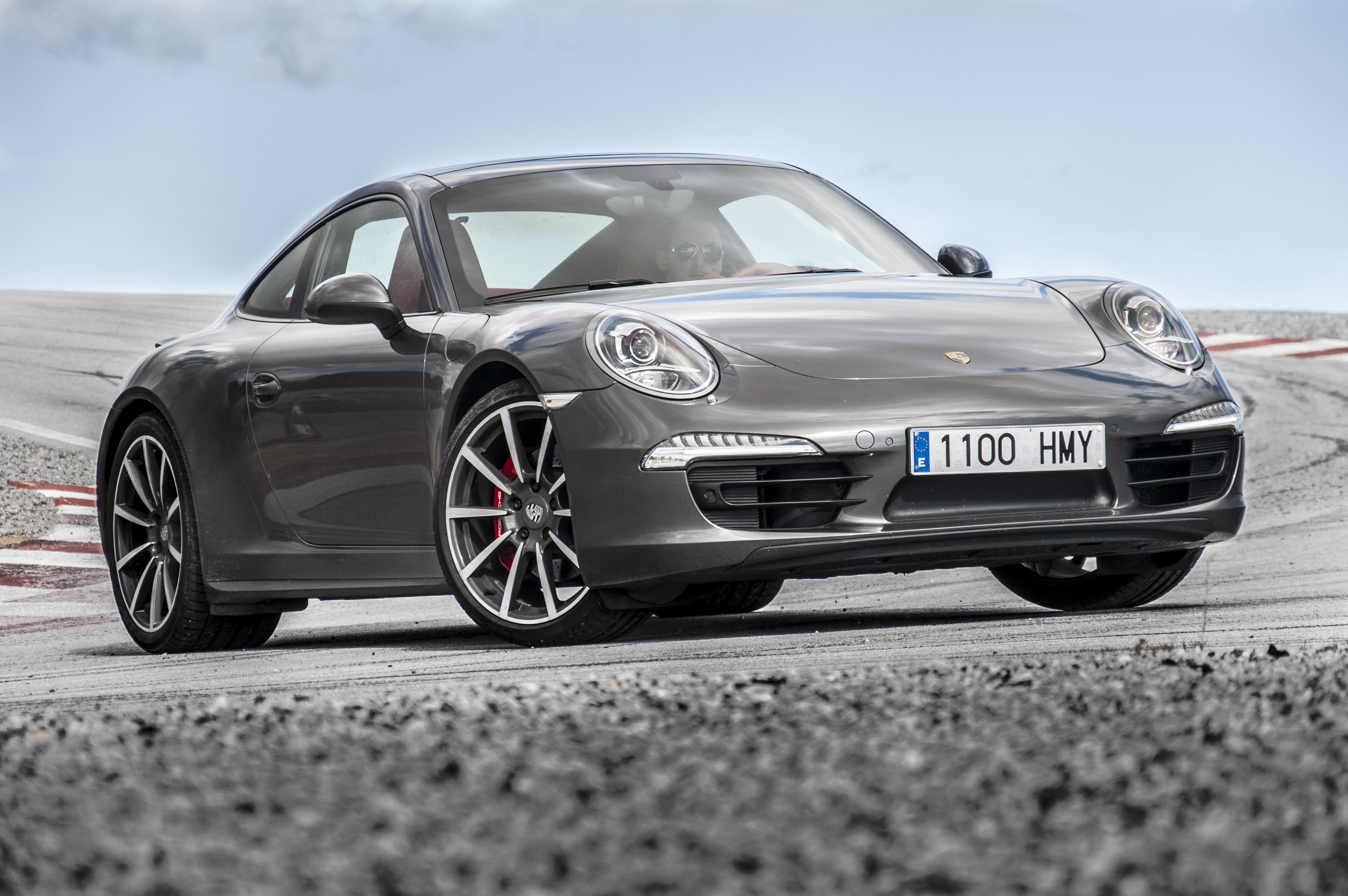
GT3 RS
"We found on E-COTY 23 with a GT3 RS. Was that 23 or 24? 23, I think. 23. They're not brilliant roads. It should not have worked. And it was wet."
The host cites experience from E-COTY 23 using a Porsche 911 GT3 RS. They’re using it to argue that, even on roads that “should not have worked” (wet and poor), the GT3 RS can still be excellent because its grip and balance make it easy to drive at the limit.
aquaplaning
"I mean, obviously, beyond a certain point, nobody likes aquaplaning and standing water, but on a good twisty, hilly road, that's about as good as it gets, I think, in the right car."
Aquaplaning is when your tires lose contact with the road because there’s too much water. The car can feel like it’s sliding on top of the surface instead of gripping it.
Aquaplaning happens when a tire rides up on a layer of water, reducing contact with the road surface. The host notes that nobody likes it, because it can suddenly remove grip and make the car harder to control.
horsepower
"But how much horsepower do you actually need? I think 500 horsepower feels like a very good amount... So anything with around 300 horsepower per tonne."
Horsepower is basically how strong the engine is. But two cars with the same horsepower can feel different if one delivers it more smoothly or the car is lighter/heavier.
Horsepower is a measure of engine output, commonly used to describe how much power an engine can produce. In practice, peak horsepower matters less than how the power is delivered across the rev range and how it interacts with vehicle weight.
power to weight ratio
"I think we, some years ago... settled on a, it was more of a power to weight ratio than a peak power figure. So anything with around 300 horsepower per tonne. It's a good level."
Instead of just asking “how much horsepower?”, you compare horsepower to how heavy the car is. A lighter car with the same power will feel quicker, and the ratio helps predict that.
Power-to-weight ratio is a way to judge performance by comparing how much power the engine makes to how heavy the car is. It often correlates better with real-world acceleration and “how quick it feels” than peak horsepower alone.

Lotus Elise
"...then you can have a S1 Elise and it's 118 horsepower, which I know is the exception that generally proves the rule. It is power to weight, isn't it?"
The Lotus Elise is known for being very light, so even smaller engines can feel fast. The point here is that a low-power car can still be quick if it’s light and well-balanced.
The Lotus Elise is a lightweight sports car often used as an example of how low mass can make modest power feel quick. The speaker cites an “S1 Elise” with 118 horsepower to illustrate that power-to-weight and overall balance matter more than raw peak power.
torque plays a role
"And then the torque plays a role as well, doesn't it? If you're in a... revvy VTech type Honda... then the lack of torque means you have to work the car that bit harder."
Torque is the engine’s pulling force. If a car has more torque available earlier, it can accelerate without you revving as much, so it feels easier and more relaxed to drive.
Torque is the twisting force the engine produces, and it strongly affects how easily a car accelerates at low to mid revs. The way torque is delivered (how “generous” it is and when it arrives) changes how hard you have to work the car and how relaxed the driving feels.

Defender 130
"I mean, I've driven here in a 500 horsepower Defender 130 and that is not saying my hair on fire."
The Defender 130 is a big, long-wheelbase Land Rover. Even if it has a lot of power, how it feels depends on things like weight and grip, not just horsepower.
The Land Rover Defender 130 is the long-wheelbase version of the Defender lineup. In this segment, it’s being used as an example of a heavy, modern SUV that can still feel composed even with very high power, because traction and vehicle dynamics matter as much as horsepower.
traction and electronics
"I think modern era cars, because they have got that bit bigger and there's more grip and the electronics are more, they probably play more of a part without you really noticing."
Modern cars have computer-controlled systems that help the tires grip the road. That means the car can deliver power more smoothly and safely, even when you’re pushing it.
Modern cars use traction control, stability control, and engine management to keep power usable by managing wheel slip and throttle response. As cars get bigger and grip improves, these systems can do a lot of the “work” of making high power feel controllable.
progressive throttle
"Well, you get the power in different ways, don't you? I think they can make it very progressive and throttle is progressive."
Progressive throttle means the car responds smoothly as you add more pedal. Instead of a sudden jump in power, it builds gradually, which makes it easier to drive fast.
A “progressive throttle” means the engine’s response ramps up smoothly as you press the pedal, rather than delivering power abruptly. This can make high-power cars feel more controllable and easier to drive quickly without overwhelming traction.
power delivery vs peak figures
"And then as you kind of hot it up, it gets more edgy and your heart rate goes up a little bit... but it's fundamentally, it's the same peak figures."
Peak horsepower is just the maximum. What matters day-to-day is how the car gives you that power—whether it feels smooth and predictable or sharp and intense.
The discussion contrasts how a car feels as you accelerate (the “shape” of power delivery) with the headline peak numbers. Two cars can have similar peak figures, but one can feel calmer and more linear while the other feels spikier and more demanding as you approach higher load.
Nürburgring lap time
"There’s a Nurburgring one there, Sam. There is another Nurburgring question here. The Nurburgrings come up a lot recently."
A Nürburgring lap time is how fast a car can go around the Nürburgring track. People use it like a scoreboard to compare cars, because the track is tough and detailed.
The Nürburgring is a famous German circuit, and “lap times” there are often used as a benchmark for real-world performance. Because it’s long and complex, small setup or aero changes can show up clearly in the time.

Ford Mustang GTD
"And then on the same day, Ford announced a time, a third lap time for the Mustang GTD, which is now the GTD competition."
They mention Ford’s Mustang GTD getting another Nürburgring time. The point is that Ford is updating the car (and its setup) to improve performance.
Ford is said to have announced a Nürburgring “third lap time” for the Ford Mustang GTD, which is described as now being the GTD Competition. This highlights how manufacturers can refine aero and power to chase incremental improvements on the same benchmark.
official time vs "fudged" comparison
"Yeah, they've sort of fudged it a little bit, haven't they? Because it has rear aero discs on the rear wheels. They've tweaked the the DRS system at the back..."
They’re basically debating whether the new lap time is a fair comparison to the earlier one. If the car has been changed (aero, power, DRS), the time can improve even if it’s not the exact same setup.
The hosts question whether the “third lap time” is a like-for-like comparison, implying that rule-of-thumb benchmarks can be influenced by changes in aero, power, and systems like DRS. This is essentially about how manufacturers present performance numbers and what “apples-to-apples” really means.
rear aero discs
"Yeah, they've sort of fudged it a little bit, haven't they? Because it has rear aero discs on the rear wheels. They've tweaked the the DRS system at the back..."
Rear aero discs are add-on aerodynamic parts near the back wheels. They’re there to help the car slice through air better and stay stable, which can make it faster.
“Rear aero discs” refers to aerodynamic elements mounted near the rear wheels to manage airflow and reduce drag or improve stability. The hosts connect these hardware changes to the Mustang GTD’s improved Nürburgring performance.
DRS system
"Because it has rear aero discs on the rear wheels. They've tweaked the the DRS system at the back and tweaked aero throughout and given it more power."
DRS is a system that changes the car’s aerodynamics to reduce drag. The hosts are saying Ford adjusted it to help the car go faster on track.
DRS (Drag Reduction System) is an adjustable aerodynamic feature that reduces drag to improve straight-line speed. In this context, the hosts say Ford tweaked the DRS system at the back, along with aero changes, to help the car run faster lap times.

Nissan R35 Gtr
"...rsus Porsche is like Porsche versus Nissan in the R35 GTR days. Some people think it's absolutely pointles..."
The Nissan GT-R (R35) is a fast sports car from Nissan that’s designed to be extremely quick. The podcast talks about it in comparisons with other performance cars and mentions that some people don’t see the need to compare it. It’s brought up because it’s known for serious performance.
The Nissan GT-R (R35) is a high-performance sports car built to deliver very fast acceleration and confident grip. The episode references the R35 era when discussing how it stacks up against Porsche, and it also notes that some people think the comparison can be “pointless.” That’s why it’s discussed: it’s a benchmark car that often becomes the center of performance debates.
Nürburgring ring times
"Yeah, I mean, the question is why don't Ferrari and McLaren or any of the manufacturers do ring times? Because they don't, do they?"
The Nürburgring is a very famous race track in Germany. “Ring times” are how fast a car can complete a lap there, and companies use them to show off performance.
“Ring times” refers to lap times recorded on the Nürburgring Nordschleife, a long, complex track that’s become a benchmark for real-world performance. When manufacturers publish or chase these times, it’s often about proving engineering capability under demanding conditions.
Firano times
"They've got their Firano times, which are quite close. Yeah, they have full control of that."
The speaker is talking about a track where a manufacturer can test and measure performance. The point is that Ferrari can compare results using its own controlled testing, instead of Nürburgring lap-time bragging.
“Firano times” appears to refer to lap-time benchmarking at a specific track (likely a transcription of “Fiorano,” Ferrari’s test track). The idea is that Ferrari can control its own benchmark environment, so the published numbers are tied to their internal testing rather than public Nürburgring runs.
Le Mans competition
"Or if they started engaging in that sort of competition, then they've lowered themselves to everyone else when actually they compete at Le Mans, don't they?"
Le Mans is a major long-distance race. It’s different from a single-lap “fastest car” contest because it tests how well a car can keep going.
Le Mans is the famous endurance race where manufacturers and teams compete over long durations, emphasizing reliability, efficiency, and sustained pace—not just a single fast lap. The host suggests that if manufacturers “lower themselves” to Nürburgring-style comparisons, it can distract from the kind of competition they do at Le Mans.
Formula One and GT series
"And they compete in Formula One and they compete in the GT series. So I guess that's how they see it."
They’re talking about two kinds of racing. Formula One is the top open-wheel series, while GT racing uses cars that are based on real production models. The idea is that brands might prefer to prove themselves in one type of racing rather than using road cars for lap-time bragging.
The hosts are contrasting two major motorsport categories: Formula One (open-wheel, top-tier tech and aero) and GT racing (production-based sports cars). This matters because manufacturers may choose to focus their development and marketing around the series that best matches their brand image and engineering goals.
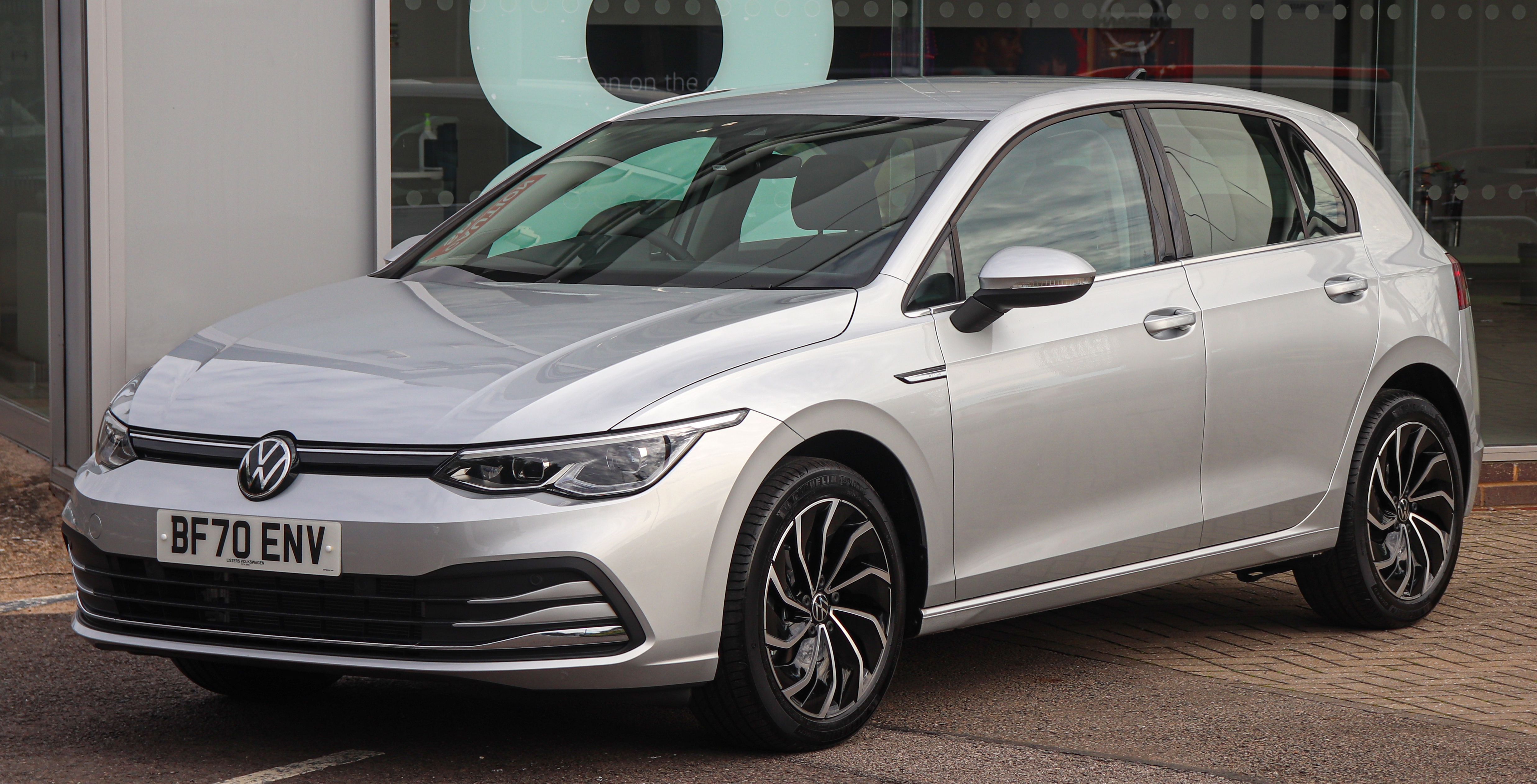
Golf Gtd
"...And it can backfire. I mean, the initial Mustang GTD time didn't make that car look great. It was qui..."
The Volkswagen Golf is a popular compact car that comes in different versions, including some that are more performance-focused. The podcast mentions it in the context of sounds like backfiring and how certain performance-related changes can affect how a car looks or feels. It’s used as an example in a wider discussion rather than a single-car deep dive.
The Volkswagen Golf is a mainstream compact car that’s also offered in performance-oriented versions, making it a common reference point in car discussions. In the episode, it’s mentioned alongside the idea of a car “backfiring” and a comment about how an early “Mustang GTD” period made another car not look great. That suggests the Golf is being used as part of a broader conversation about how performance features and styling are perceived.
simulated lap times vs actually running the car
"I think you can probably go to most circuits having simulated your, run it through a sim or predicted lap times and get close to that. But until you actually go to the Nurburgring and run a car,"
They’re saying computer simulations can estimate lap times, but they can’t fully capture what happens when the car is actually on the track. Real testing shows the real grip and behavior, so it’s the best way to confirm performance.
The hosts discuss the limits of simulation: predicted lap times can get you close, but real track testing can reveal differences in tire behavior, traction, aero, and driver execution. That’s why teams still treat on-track runs—especially at places like the Nürburgring—as the final truth.
Nürburgring setup
"But until you actually go to the Nurburgring and run a car, I think I know when I spoke to some of the Mantag guys and they said that they can do setup work at other circuits that improve the car at other circuits. But when they come back to the Nurburgring with them, it never seems to work."
A “setup” is how the team tunes the car for a specific track. The Nürburgring is famous for being so different in every section that what works at other circuits doesn’t always work there.
“Setup” refers to the car’s track tuning—things like suspension settings, alignment, tire pressures, and aerodynamic balance. The Nürburgring is so varied and demanding that a setup that works elsewhere may not translate well, so teams often find it’s a unique puzzle that needs Nürburgring-specific refinement.
fine balance between technical sections and long straights
"So I think there's a very fine balance because there's some really fast, like technical sections, but then there's long, long, long, long straights. And you'd think like the Mustang on the long uphill would absolutely destroy a RS up there, just through sheer power and I think it might have done."
Tracks have different “types” of sections. Some parts are all about handling through corners, and other parts are all about speed and acceleration. A lap time is the whole package—being great in only one area usually isn’t enough.
This is about circuit character: some tracks reward technical cornering (grip, balance, braking stability), while others reward top speed and acceleration (power, gearing, aero drag). The Nürburgring’s mix means a car can look dominant in one area yet lose overall if it gives up too much in the other.

Ford Mustang
"Well, the Mustang was quite a bit quicker than the GT3, which is crazy."
The Ford Mustang is a popular performance car from Ford. Here, they’re basically saying the Mustang was surprisingly fast compared with a Porsche track car.
The Ford Mustang is a performance-focused sports coupe/convertible line that’s often used as a benchmark in straight-line and track testing. In this segment, they’re comparing its pace directly against a Porsche 911 GT3 to talk about how quickly different cars can lap.
comparing lap pace between cars
"Well, the Mustang was quite a bit quicker than the GT3, which is crazy... It is good to watch. It's entertainment, isn't it?"
They’re talking about which cars are faster around a track and why those comparisons can be tricky. They also treat it as fun to watch, not just a strict scientific test.
This segment centers on comparing how quickly different cars can run—specifically a Mustang versus a Porsche GT3—and discussing what makes those comparisons meaningful (like tire choice). It’s framed as entertainment, but also as a real engineering/driver benchmark.
tires
"but also they haven't said which tires that car was on. Oh, okay."
Tires are a huge part of how fast a car can go around a track. Different tires can grip the road better or worse, so lap times aren’t always directly comparable.
Tire choice heavily affects lap times because it determines grip, heat behavior, and how quickly the car can accelerate and brake. The hosts note they haven’t said which tires the car was on, which matters when comparing performance.
road legal
"I think they probably are road legal, but they're barely road legal."
“Road legal” means it’s allowed to be used on public roads. They’re hinting the tires are mostly track-oriented, so they might be borderline for normal street driving.
“Road legal” means a tire or setup is approved for public-road use under local regulations, typically including requirements like tread patterns and markings. The hosts suggest the tires are only barely road legal, implying they may be track-focused and not ideal for everyday use.

McLaren 750S
"Lando Norris was just there in a 750S, just in our tourist lab."
The McLaren 750S is a high-performance supercar from McLaren. They’re saying Lando Norris was driving it and it looked extremely fast.
The McLaren 750S is a lightweight, track-capable supercar known for its strong power-to-weight and aerodynamic efficiency. Here, it’s mentioned as being driven by Lando Norris in a “tourist lab,” and they’re impressed by how quick it looks.
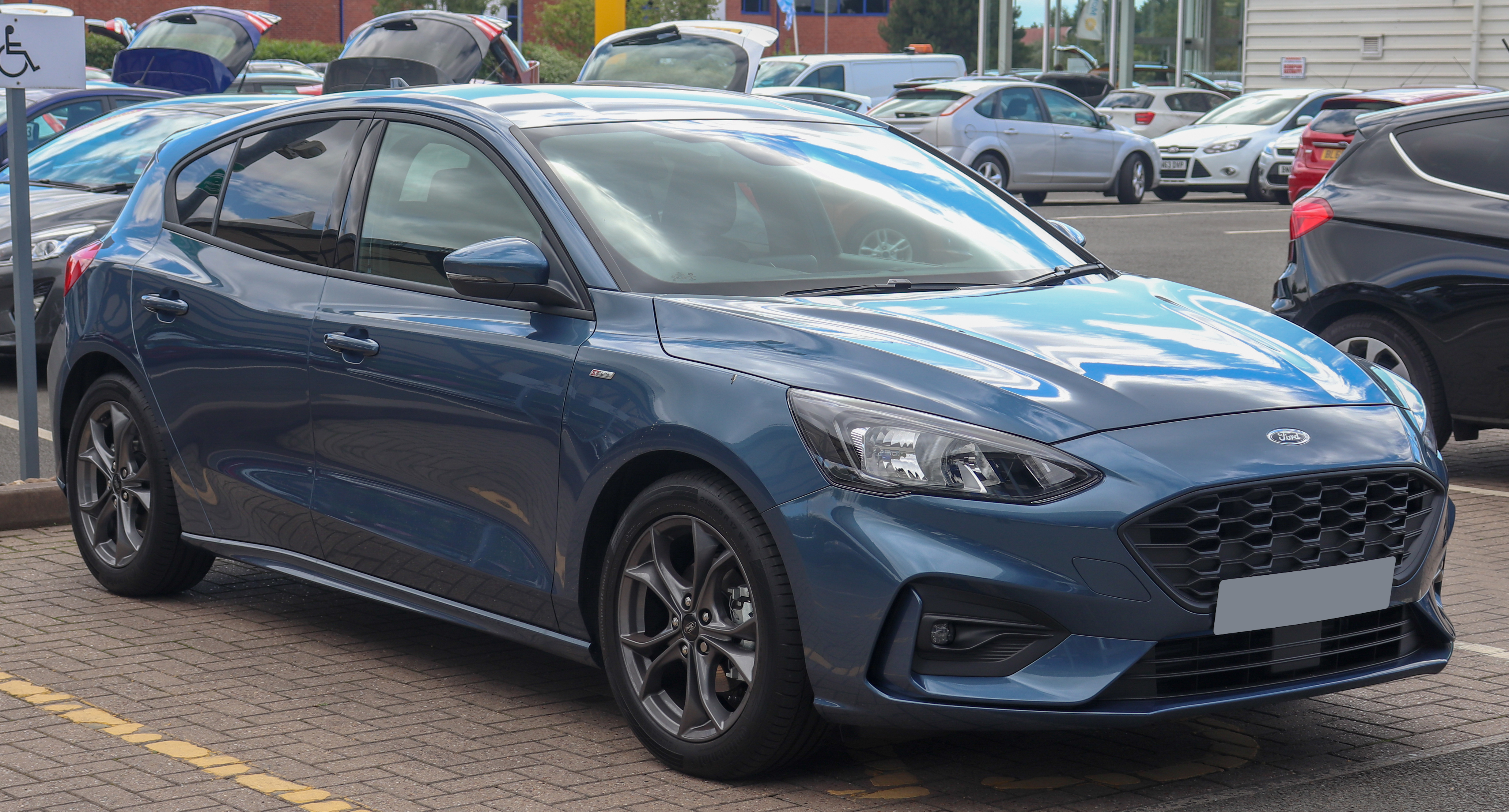
Ford Focus
"Right, next. At the other end of the spectrum, we have a question about the original Ford Focus... praised for its handling and making even the lower spec versions fun."
They’re talking about the early Ford Focus as a car that was enjoyable to drive, not just fast on paper. Even the cheaper versions apparently felt good to steer and ride, which is why it’s remembered.
The original Ford Focus is being referenced as a standout “everyday” car that delivered genuinely engaging handling, even in lower-spec trims. The hosts are pointing to a period when Ford’s European engineering made the car feel fun and well-resolved rather than merely competent.
fun-to-drive magic
"So when the Ford Focus first came out, it was praised for its handling and making even the lower spec versions fun... Are there any current ordinary cars in low specs that have that same Evo fun-to-drive magic?"
They mean a car that feels genuinely enjoyable to drive, not just “works fine.” It’s about how it steers and rides together so the driver feels connected to the road.
“Fun-to-drive magic” is shorthand for the overall driving feel—how steering response, ride quality, and chassis balance combine to make a car enjoyable at everyday speeds. It’s often associated with cars that feel composed and communicative rather than numb or overly filtered.
engineers cars
"So I think that that era of Ford... was freakishly good, honed and they were definitely engineers cars. I mean, they were stylish as well."
They’re saying the car feels like it was built by people focused on how it drives. Instead of just looking good, it was tuned so the steering and ride feel right.
“Engineers cars” refers to vehicles designed with a strong emphasis on engineering priorities—chassis tuning, steering feel, and ride/handling calibration—rather than focusing mainly on styling or marketing. In this context, it’s praise for Ford’s European approach to making everyday cars behave like proper driver’s tools.
suspension
"It felt like they'd had twice as much money spent on all the components and the fundamental design of the suspension. But even the gear shift in those cars..."
Suspension is what helps the tires stay in contact with the road and controls how the car rides over bumps. Better suspension design can make a car feel more stable and more enjoyable to drive.
Suspension is the system that connects the car to its wheels and controls ride comfort and handling. The speaker is emphasizing that spending more money on suspension design can strongly affect how “fundamental” the car feels, not just how powerful it is.
gear shift
"But even the gear shift in those cars, like a original Puma was such a sweet car. A little Ford car, they all had the same polish to all the controls."
The gear shift is how you change gears. The host is saying some cars have a really nice, smooth, satisfying feel when you move the shifter.
“Gear shift” refers to how the transmission is operated—feel, smoothness, and engagement quality. The speaker is using it as an example of how some cars deliver a particularly satisfying tactile experience, not just performance numbers.

Ford Puma
"...ven the gear shift in those cars, like a original Puma was such a sweet car. A little Ford car, they al..."
The Ford Puma is a small Ford car that’s meant for normal daily driving, but it’s also designed to feel a bit sporty. In the podcast, they bring it up because the shifting/gear feel is enjoyable. It’s a compact car rather than a big performance vehicle.
The Ford Puma is a small crossover-style car from Ford, built for everyday driving with a sporty, compact feel. The episode mentions it specifically because of how good the gear shifting feels, comparing it to the “original” Puma. That makes it a notable example when talking about fun-to-drive small cars.
shared platforms
"And the team of engineers that he would have built around him. And shared platforms. Yeah, to put a stamp on that generation of cars."
Some car companies build several different models on the same basic “skeleton.” That saves money, but it can make it harder to make each model feel uniquely special to drive.
“Shared platforms” means multiple car models use the same underlying architecture—like the same basic body structure, mounting points, and often many hardpoints. It can reduce development cost, but it can also make it harder for a manufacturer to give each model a distinct “signature” driving feel.
badge engineering
"I think if you're Stellantis or whatever, it's very hard to give a sort of dynamic identity across something that's appearing in four with four different badges."
Badge engineering is when the same car is sold with different brand logos. It can be cheaper to do, but it may mean the car doesn’t feel as unique between brands.
The discussion points to “badge engineering,” where similar (or identical) cars are sold under different brand badges. The tradeoff is that it can be difficult to create a strong, distinctive driving identity when the same product is spread across multiple marques.
Stellantis
"I think if you're Stellantis or whatever, it's very hard to give a sort of dynamic identity across something that's appearing in four with four different badges."
Stellantis is a big car group that owns many different brands. Because they share parts and platforms across brands, it can be harder to make every model feel truly unique.
Stellantis is a major global automaker formed from the merger of FCA and PSA. In the context of this segment, it’s referenced as a company that owns multiple brands, which can lead to shared platforms and badge-engineered lineups.

Ford Fiesta
"Along the Ford line, I think the Marquette Fiesta, the standard Fiesta, an ST line, was a nice car to drive. I don't think it was on the same level as the general focus."
The Ford Fiesta is being used as an example of a car that felt well put together to drive. The host is basically saying older small cars often had a more satisfying overall feel than many modern alternatives.
The Ford Fiesta is referenced as part of a comparison about how older cars felt “sweet” in terms of overall powertrain and chassis balance. The point is that the Fiesta (in various trims) delivered a cohesive driving experience that the speaker feels is harder to replicate today with more crossover-heavy lineups.

Renault Twingo
"[1095.6s] I think the closest now is probably Renault with the four, the five and the Twingo. [1102.8s] I haven't driven the Twingo. [1103.8s] I think they're trying, aren't they?"
They bring up the Renault Twingo as an example of a small, affordable car Renault is trying to make more exciting. The point is that when it’s an EV, the extra weight affects how it drives.
Renault Twingo is referenced as part of Renault’s effort to add more character to affordable cars. The discussion then ties it to EVs and how added weight changes the feel and tuning priorities.
vehicle weight affecting driving feel
"[1115.6s] But they are EVs, so they are heavier than they probably- [1119.2s] I think, again, yeah, that imposes a certain kind of feel and they just have to control [1127.4s] the weight of the car in a different way. [1128.5s] Sounding so much they can do."
They’re saying that when a car is heavier, it doesn’t move the same way as a lighter one. Because of that, engineers have to set up the car differently so it still feels responsive and enjoyable.
The hosts argue that added weight (from EV batteries) imposes a different “feel” and requires different chassis control. In practice, heavier cars can feel less agile or less “free,” so tuning focuses on managing how the car moves and settles.
911 GT3 SC
"Honest thoughts on the 911 GT3 SC and has Porsche taken it too far? ... they've worked very hard at trying to keep the purity and authenticity in the car by going the extra mile to keep the weight the same."
This is a special Porsche 911 built for track-style driving. The discussion is basically: is it still “true” to what a GT3 should be, or has Porsche gone too extreme?
The Porsche 911 GT3 SC is a special, track-focused variant of the 911 GT3 line. In this segment, the host discusses whether Porsche has pushed the concept too far, while also praising the effort to keep the car’s feel “pure” and authentic.
purity and authenticity
"...they've worked very hard at trying to keep the purity and authenticity in the car by going the extra mile to keep the weight the same."
They’re talking about whether the car still feels like a real GT3—light, focused, and built for driving—not just a flashy special edition. The idea is that Porsche tried to keep the car’s core identity intact.
“Purity and authenticity” here refers to keeping the car’s character true to what enthusiasts expect from a GT3—lightweight, track-focused, and not overly diluted by comfort or gimmicks. The host ties this directly to Porsche’s engineering choices, like maintaining weight.
powertrain
"And you know, the powertrain's awesome. A gearbox is going to be fantastic and it's going to be a lovely thing to drive."
Powertrain is the stuff that makes the car move—mainly the engine and the gearbox working together. They’re saying the driving experience from that setup is really good.
Powertrain is the combined set of components that generate and deliver power to the wheels—typically the engine and the transmission (and related driveline parts). The host calls it “awesome,” linking it to how the car drives and feels.
gearbox
"A gearbox is going to be fantastic and it's going to be a lovely thing to drive. Image-wise, I don't know."
A gearbox is what changes gears so the engine can stay in the right “power band.” They’re saying the car’s gearbox should make it especially fun and smooth.
A gearbox is the transmission system that selects gear ratios so the engine can deliver power efficiently across different speeds. The host specifically highlights the gearbox as a key part of why the car should be enjoyable to drive.
cashing in
"...it's an easy one to poke fun at and it's an easy car to think or they're just cashing in."
This is basically the accusation that Porsche is making the car just to make money off people’s excitement. The question is whether the changes are truly for driving—or mostly for sales.
“Cashing in” is the idea that a manufacturer may be exploiting hype and brand demand to sell an expensive, extreme variant rather than delivering a genuinely necessary or enthusiast-driven upgrade. In this segment, it’s part of the debate over whether Porsche has gone too far with the GT3 SC.
expensive
"I mean, they need to make some money, don't they, bluntly, because they've had an absolute nightmare. I think they will, but this car, it is expensive. Well, it's more than a GT3 RS."
The host frames the 911 GT3 SC as “expensive,” then compares it to a GT3 RS. This highlights how pricing influences perception—whether the car is seen as worth it for performance and engineering or as overpriced for what it is.
take it with a pinch of salt
"So I think you can take it with a pinch of salt, can't you? And I know we're fudging it a little bit, but the nuts and bolts are the thing."
It means don’t believe everything you hear right away. If someone’s being overly dramatic or biased, you should treat it as less certain.
“Take it with a pinch of salt” means don’t treat something as fully reliable or literal—especially when it’s exaggerated or presented with bias. In car talk, it often applies to marketing claims, internet opinions, or second-hand impressions.
nuts and bolts
"And I know we're fudging it a little bit, but the nuts and bolts are the thing. I haven't driven it, but you have to judge people on the past efforts, don't you?"
It means focusing on the real details, not the talk. For cars, it’s about how it’s built and how it drives, not just what people say.
“Nuts and bolts” refers to the practical, technical details—how something actually works—rather than the hype or opinions around it. In automotive discussions, it usually means judging the engineering, performance, and real-world behavior.
judge people on the past efforts
"I haven't driven it, but you have to judge people on the past efforts, don't you? So it's going to be a cracking thing to drive."
It means if you can’t test it yet, you look at what someone has done before. For cars, that’s like using past models to guess whether the new one will be good.
This is an evaluation approach: if you haven’t experienced something directly, you infer quality from prior work and track record. In car terms, it’s like using a brand’s previous models, engineering choices, and reliability history to predict how a new one might turn out.
static launch
"I mean, so I did the static launch of that car. [1295.8s] Yeah."
A “static launch” means the car is sitting still, then you floor it and measure how it accelerates. It helps show whether the car hooks up well or spins the wheels when you start moving.
A “static launch” is a drag-style test where the car starts from a standstill and accelerates hard, usually to measure real-world acceleration and traction behavior. It’s often used to compare how different cars manage grip, throttle mapping, and drivetrain response at launch.
considering this concept since the 997
"And they've been considering this concept since the 997. [1310.6s] They've only just actually made it happen."
They’re saying Porsche has been thinking about this idea since the 997-generation 911. The 997 is an older generation of the 911, so it suggests the concept took a long time to reach production.
The discussion says the idea has been considered “since the 997,” which is a generation of the Porsche 911. That implies the open-top/convertible direction (or a specific variant concept) has been on Porsche’s roadmap for years before being finalized.
track time competition
"[1349.6s] No, I don't think so. [1350.9s] I think we should. [1352.1s] Well, there's only one way to find out, isn't there? [1353.6s] There is, yeah. [1354.5s] There is. [1359.3s] I think it would depend on the cars. [1361.3s] I think in go-karts, I think there's a couple of us are carrying a bit more success ballast"
A track time competition is when people try to be faster on a race track by posting good lap times. It’s not just about power—it also depends on how the car handles and how well the tires work.
A “track time competition” typically means comparing lap times (or race results) on a circuit to judge driver and car performance. It highlights real-world factors like braking stability, tire behavior, and how well the car is set up for that specific track.
success ballast
"[1361.3s] I think in go-karts, I think there's a couple of us are carrying a bit more success ballast [1365.4s] than the youngsters."
Success ballast means adding extra weight to a faster driver’s kart or car. The idea is to make the racing more even so the outcome isn’t decided just by who’s quickest.
“Success ballast” is extra weight added to a driver or car to level the playing field when someone is performing too well. In motorsport, it’s used to reduce performance gaps so races stay closer and more competitive.
one-lap time attack shootout
"[1393.2s] Yeah, I think, yeah. [1397.4s] I don't know, a one-lap time attack shootout versus a longer distance race. [1403.9s] I don't know."
A one-lap time attack is basically a race against the clock for just one lap. You want everything to be perfect immediately—tires, braking points, and steering—because you don’t get many chances to correct errors.
A “one-lap time attack” focuses on extracting maximum performance over a single timed lap rather than managing pace over many laps. It rewards qualifying-style setup, tire readiness, and driver precision because there’s little time to recover from mistakes.
longer distance race
"[1393.2s] Yeah, I think, yeah. [1397.4s] I don't know, a one-lap time attack shootout versus a longer distance race. [1403.9s] I don't know."
In a longer race, you can’t just go flat-out the whole time. You have to keep the car stable and the tires happy, and you need a strategy that lasts for the full distance.
A longer distance race emphasizes consistency and durability over outright peak performance. Setup and driving strategy shift toward managing tires, fuel/energy (if applicable), and avoiding mistakes across many laps.
wings
"[1429.9s] But yeah, we need something lightweight, something in the middle, [1434.4s] and maybe some slicks and wings type. [1437.6s] Yeah, yeah, a bit of everything."
A “wing” is an aerodynamic add-on that helps the car stick to the road. It creates downforce, which can make the car feel more stable and grippy at higher speeds.
“Wings” refers to aerodynamic downforce devices (like front splitters and rear wings) that push the car’s tires harder onto the road. More downforce generally improves grip and stability at speed, especially on track.
slicks
"[1429.9s] But yeah, we need something lightweight, something in the middle, [1434.4s] and maybe some slicks and wings type. [1437.6s] Yeah, yeah, a bit of everything."
Slicks are track tires with no tread. They grip really well on a dry race track, but they’re not good in the rain and can wear out faster.
Slicks are tires with no tread pattern, designed for maximum grip on dry track surfaces. They typically provide better traction than street tires, but they’re not usable in wet conditions and can wear quickly.
real switches and dials
"[1445.0s] This one here, on a similar topic to the earlier questions, [1449.1s] but are we ever getting proper car interiors back with real switches and dials? [1454.1s] Because a lot of manufacturers are talking about bringing that stuff back."
This means the car has physical buttons and knobs you can feel and use without staring at a screen. People like it because it’s usually quicker and safer while you’re driving.
“Real switches and dials” refers to physical, tactile controls—like knobs, buttons, and toggle switches—rather than touchscreen-only interfaces. Enthusiasts often prefer them because they’re faster to use while driving and reduce the need to look away from the road.
proper car interiors with physical controls
"[1445.0s] This one here, on a similar topic to the earlier questions, [1449.1s] but are we ever getting proper car interiors back with real switches and dials? [1454.1s] Because a lot of manufacturers are talking about bringing that stuff back."
They’re talking about whether car interiors will go back to having real buttons and knobs. They mention Volkswagen’s ID.3 as an example of that trend.
This segment discusses whether modern cars will return to more traditional interiors using physical buttons, switches, and dials. The hosts reference Volkswagen’s ID.3 as an example of a manufacturer bringing back “real buttons.”

Volkswagen ID3
"Because a lot of manufacturers are talking about bringing that stuff back. [1458.0s] Volkswagen is the last to do this with the new ID3. [1461.4s] They've said they've brought back old Volkswagen with real buttons."
The Volkswagen ID.3 is an electric car from Volkswagen. They’re talking about it because it uses physical buttons and knobs again, rather than making you control everything through a screen.
The Volkswagen ID.3 is an electric hatchback in Volkswagen’s ID family. In this discussion, it’s used as an example of Volkswagen bringing back physical controls—“real buttons”—instead of relying heavily on touchscreens.
Volkswagen Golf
"Mark 8 Golf? Yeah. People were literally handing their cars back, weren't they?"
This is the Volkswagen Golf Mk8, the newest generation of the Golf at the time. The hosts are saying some owners hated how the car’s screens/controls worked, so much that they returned the cars.
“Mark 8 Golf” refers to the Volkswagen Golf Mk8 generation. In this discussion, it’s tied to usability complaints where owners reportedly struggled with the car’s infotainment/controls experience and returned the vehicles.
HMI
"People were literally handing their cars back, weren't they? Because they just could not get on with a HMI."
HMI means the way the car “talks” to you and the way you “talk” back—mostly through screens and buttons. If the HMI is confusing, you end up hunting through menus instead of adjusting things quickly.
HMI stands for Human-Machine Interface—how a driver interacts with the car’s systems (usually infotainment and controls). The hosts are criticizing an HMI that was difficult to use, forcing drivers to navigate menus instead of making quick adjustments.

Aston Martin Valhalla
"...on't know, thinking back to right at the top of a Valhalla or something, there's quite a nice mix of physic..."
The Aston Martin Valhalla is a very high-performance supercar made by Aston Martin. The podcast brings it up when talking about the kind of driving experience you get from the top end of performance cars. It’s mentioned as an example of a serious, track-focused machine.
The Aston Martin Valhalla is a high-performance supercar from Aston Martin, designed to be an extreme, track-capable machine. In the episode, it’s referenced as part of a discussion about the “top” of something, with a focus on the physics and how the car feels at that level. That makes it a notable mention because it represents the brand’s most serious performance direction.
physical switches vs touchscreen menus
"there's quite a nice mix of physical switches... You have to go through three screens to find what you're looking for. It's infuriating."
They’re debating whether it’s better to use real buttons/knobs or to use a screen. Their point is that buttons are easier to find quickly without looking, which matters more when you’re driving hard.
The hosts are contrasting physical switches/knobs with touchscreen or screen-based controls. They argue that physical controls are easier to use by feel, can be safer, and reduce the need to “go through three screens” to find settings—especially in a fast, firmly suspended car.
rotary controls
"So you can find the rotary controls for the stuff that you need to adjust without looking so heating and some of the traction control stuff."
Rotary controls are physical knobs used to adjust functions like climate or audio. The hosts prefer them because they can be operated by feel, without looking away from the road, and they can be faster than screen-based controls.
infuriating
"You have to go through three screens to find what you're looking for. It's infuriating."
They’re saying it’s really frustrating when you have to hunt through menus on a screen to change something. The frustration is about speed and ease of use while driving.
“Infuriating” here is used to describe the frustration of navigating layered screen menus to reach common driving settings. It reinforces the broader usability complaint that screen-first interfaces slow down adjustments.
designed by people that have never driven a car
"I think, unfortunately... a lot of it, honestly, is designed by people that have never driven a car."
They’re basically saying the car’s controls feel wrong because the people designing them may not have actually driven a car hard. If you don’t experience that, it’s easy to make menus that are annoying in real driving.
This is a critique of vehicle interface design and ergonomics: the idea that some manufacturers design controls for convenience in theory, not for real-world driving. The hosts argue that if you’ve never driven a fast car, you may not understand how quickly and precisely you need to interact with controls.
touch screens
"[1554.4s] But it's a big shift, isn't it? [1556.5s] They went all in on touch screens because they're easy to put in [1560.4s] and it's cheaper to put lots of functionality into it."
Touchscreens are the big displays you tap to control things in the car. They’re convenient for manufacturers, but the discussion suggests they can be harder to use while driving if everything is buried in menus.
Touchscreens became popular in modern cars because they’re easy to package and allow many functions to be controlled from one interface. The hosts argue that this approach can be problematic unless the interface is designed around real driving use-cases and quick, reliable access.
ventilation controls
"[1580.0s] But I think the most important stuff, [1582.6s] modeling controls and ventilation controls and maybe traction [1586.3s] and exhaust and stuff like that should be just easy to find."
Ventilation controls are the car’s climate settings—heat/AC and fan direction. The point here is that these should be simple to adjust quickly while driving.
Ventilation controls refer to the HVAC (heating, ventilation, and air conditioning) settings used to manage cabin temperature and airflow. The hosts group these with other critical functions, emphasizing that frequently used comfort controls should be easy to locate without hunting through menus.
physical buttons
"[1591.8s] I mean, Ferrari have brought physical buttons back quite quickly. [1595.0s] They didn't have the haptic stuff for a long time. [1597.0s] The tiny little track pad is still quite..."
Physical buttons are real knobs and switches you can press. They can be easier to use because you don’t have to tap a screen and you get a clear “click” response.
Physical buttons are dedicated switches you can press without looking, often providing faster and more reliable feedback than touch interfaces. The hosts use Ferrari as an example of reintroducing physical controls, while also noting that not all button designs are equally good.
Ferrari
"[1590.2s] It's coming back slowly. [1591.8s] I mean, Ferrari have brought physical buttons back quite quickly. [1595.0s] They didn't have the haptic stuff for a long time."
They bring up Ferrari because the brand started using more physical buttons again. The idea is that real buttons can be easier to use than touchscreens, but they still need to be designed well.
Ferrari is mentioned as an example of a manufacturer bringing physical buttons back after relying on touch/haptic controls for a period. The discussion highlights that while physical controls can improve usability, the specific button design still matters for ergonomics and feel.
haptic
"[1591.8s] I mean, Ferrari have brought physical buttons back quite quickly. [1595.0s] They didn't have the haptic stuff for a long time. [1597.0s] The tiny little track pad is still quite..."
Haptic means the screen can buzz or push back a little to mimic pressing a button. The hosts are saying some cars used this for a while, but it wasn’t always as good as actual buttons.
Haptic feedback is the use of vibration or tactile sensations to simulate button presses on touchscreens. In cars, it’s meant to help drivers “feel” what they’re doing without relying on physical switches, but it can be less intuitive than real buttons depending on implementation.
real dials
"But it's expensive, isn't it? If they were to bring real dials back and get rid of screens."
They mean using physical gauges (like classic speedometer/tach-style dials) instead of screens. Some drivers like it because it’s quicker to read and feels more “mechanical.”
“Real dials” refers to physical gauges and analog-style instrumentation instead of fully digital screens. Enthusiasts often prefer them because they can be easier to read at a glance and feel more tactile and driver-focused.
group test depends on your phone pairing
"... when you're in a group test and there's four or five different cars and you're waiting, everything depends on your phone now."
The speaker describes a modern “group test” workflow where multiple cars require phone pairing for functions to work correctly. This highlights how infotainment and connectivity can affect usability and consistency during real-world evaluation.
VW
"But the bad ones are always bad, aren't they? [1706.8s] I think that's what VW found. [1708.1s] People just will not bend to something that's not correct."
They’re talking about Volkswagen (VW) and how people react to car tech. If the controls or screens feel awkward, most drivers won’t “get used to it.”
The host references “what VW found,” pointing to Volkswagen’s experience with driver interfaces and user acceptance. The idea is that if a system feels wrong or unintuitive, drivers won’t adapt to it.
speed warning
"You don't have to hold the button on the wheel to stop the speed warning [1727.6s] or any of that sort of thing. [1729.5s] You literally get in the car and drive it."
They’re referring to the car warning you about your speed. Some cars make you do extra steps to turn the warning off, while others let you just drive.
The host mentions a “speed warning” that you shouldn’t have to manually cancel or hold a button to dismiss. This highlights how driver-assistance alerts are implemented—some systems require extra interaction, while others are designed to be unobtrusive.

C63 estate
"So is the C63, I have a 2010 C63 estate, is it really as bad for the wallet as I think it might be? ... Find a specialist that knows the car, which is what I've done, costs a few hundred pounds"
A C63 estate is a Mercedes-Benz wagon version of the C-Class, but tuned by AMG to be much quicker. The “wallet” question is mostly about running costs like servicing, parts, and whether you drive enough miles to trigger expensive service schedules.
The Mercedes-Benz C63 estate refers to the performance C-Class wagon variant powered by a high-output AMG V8 (in the 2010 model year mentioned). Ownership costs often come down to how frequently you drive and how the car is serviced—especially because performance cars can have higher labor and parts costs than mainstream models.
miles a year
"How many miles a year do you do in yours? ... So I do about 5,000 miles a year in mine, which isn't horrendous."
This is just how much you drive in a year. If you don’t drive many miles, you’re less likely to reach the mileage triggers that force certain services.
“Miles a year” is a practical way to estimate how often you’ll hit mileage-based service intervals. If you drive fewer miles, you may service less frequently by mileage, which can reduce how often you pay for scheduled maintenance.
service intervals
"You're not hitting the massive mileage-based service intervals all the time, so you're not having to replace it."
Service intervals are the schedule for when the car needs maintenance. If you don’t drive enough to reach those mileage milestones, you may not have to do the more costly services as often.
Service intervals are the planned times (by mileage and/or time) when a car should be serviced. The discussion highlights that if you’re not hitting the “massive mileage-based service intervals,” you avoid more frequent, potentially expensive maintenance events.
minor or major
"So what is a, do you have a minor or major? And that's it or are there intermediate? ... Yeah, so I swapped between minor and major, but the difference is no."
Some car services are small check-ups, and some are bigger, more expensive jobs. A “minor” service is usually less work than a “major” one.
“Minor” versus “major” servicing is a way manufacturers (and workshops) categorize maintenance into smaller routine work versus more comprehensive jobs. The host notes they’ve swapped between minor and major, implying cost and workload vary depending on which service tier the car is due for.
specialist vs main dealer service history
"So I use a specialist and you really should be using a specialist for a car like that, main dealers or not. Unless you've bought a car with a main dealer service history for its entire life, so you want to maintain that, there's just no point."
The segment contrasts using a specialist independent workshop versus a main dealer. It also emphasizes the value of a fully documented main-dealer service history for resale or warranty-style confidence, while arguing that otherwise there’s little point paying dealer prices if a specialist knows the car well.
rocker cover
"So I had the rocker cover on the passenger side crack, which is quite a common thing. It's plastic on, so they change it from magnesium to plastic, I believe, or they change it from something to plastic, and they just always crack."
The rocker cover is the cover on top of the engine that keeps oil inside and protects the moving parts underneath. If it cracks, it can leak or cause other issues, and replacing it can cost a lot because it takes time to get to.
A rocker cover (often called a valve cover) seals the top of the engine and protects the valvetrain area. In this case, the passenger-side rocker cover is cracking, and the repair involves replacing it, which can be labor-intensive because you have to remove and reinstall parts to access it.
preventative maintenance
"The thing you need to do with a car like this, and not just C63s, is preventative maintenance. You just have to stay on top of stuff, don't you? If you put something off, there will always be something else to add to that, and then suddenly you've got a three grand bill"
Preventative maintenance is taking care of the car before it breaks. If you ignore small issues, they often turn into bigger repairs that cost much more.
Preventative maintenance means doing scheduled checks and small repairs before a problem becomes a failure. The hosts emphasize that delaying fixes usually leads to additional work and higher costs later, because one issue can trigger or hide another.
injectors
"you need to make sure the injectors have been changed, because they can stick open, flood a cylinder, and you've got quite an expensive bill, potentially."
Injectors are the parts that spray fuel into the engine at the right time and amount. If an injector gets stuck open, it can keep spraying too much fuel. That can make the engine run badly and lead to expensive repairs, so it’s important to service them on time.
Fuel injectors are the components that meter how much fuel gets sprayed into the engine. If injectors “stick open,” they can continue flowing fuel when they shouldn’t, which can flood a cylinder and cause misfires, rough running, and costly damage. The hosts emphasize preventative replacement timing to avoid that failure mode.
issue 135
"So, the question from them is, can we have an up-to-date issue 135, please? Which, given that's a million issues ago, I had to delve into the archive."
“Issue 135” sounds like a specific numbered magazine edition. They’re talking about finding it in their archive and updating it.
“Issue 135” appears to refer to a specific numbered magazine issue or archive entry the hosts are being asked to update. It’s a structural reference to their publication history rather than a technical automotive topic.

Ferrari F50
"I mean, look, there's an F50, there's a 996 Gen 1 GT3, there's a Mark 1 MX-5, there's an R26R, McGann, 340R Lotus."
Ferrari’s F50 is a famous supercar with a powerful engine and a very driver-focused design. It’s from the early ’90s and is considered a collectible, special-era car.
The Ferrari F50 is a mid-engine supercar from the early 1990s, known for its high-revving V12 and lightweight, track-focused feel. In enthusiast circles, it’s often discussed as a “last of the analog” era supercar before modern electronics took over.
Request an Explanation
Heard something you'd like explained? We'll add it to this episode.
Sign in to request explanations for terms you heard.
Want to learn more?
Browse our glossary for plain-English explanations of automotive terms, jargon, and concepts.
Help improve this episode
See something that's not quite right? Our annotations are AI-generated and can sometimes miss the mark. Click the flag icon on any annotation to suggest a correction.