
Top Gear Says These Are The BEST 20 Japanese Cars.. WTF
About this episode
The MartiniWorks Podcast kicks off with season-opener car-show logistics and sponsor talk, then dives into Japanese-car rankings from a Top Gear article. The hosts debate entries like the 1997 Toyota Prius, Mazda MX-5 ND, FD RX-7, Honda Integra Type R (DC2), Nissan Leaf, and GR Yaris, arguing about reliability, rarity, and what “best” even means. Between list reactions, they also share hybrid powertrain impressions, EV-mode behavior, and a bunch of off-topic supercar/drivability banter.
We have a BUNCH of May sales going on for car parts! Shop here https://martiniworks.com/Could it be? Our beloved Top Gear has made a list of Top 50 Japanese cars and its... questionable at best. Today Alex, Gels, and Dakota sit down to discuss this and more on the MartiniWorks Podcast! #cars #podcast #automotive Take a look at the article and be the judge.. https://www.topgear.com/car-news/list/50-best-japanese-cars-all-timePick up our Coffee here! https://martiniworks.com/products/other/show-merchA HUGE thank you to Continental, Motegi, and Fortune Auto for being the official tire, wheel, and suspension of the MartiniWorks Podcast! Let us know if you need a set of tires or coilovers.Shop Continental tires here https://martiniworks.com/products/wheels-tires/tires?brands=continentalShop Motegi wheels here https://martiniworks.com/aftermarket-car-parts-brands/wheels/motegiShop Fortune Auto suspension here https://martiniworks.com/products/suspension/coilovers?brands=fortune-autoCheck out the main channel! @MartiniWorksOfficialWe also have an unboxing channel @MartiniWorksUnboxedFollow Alex @alexmartini__Follow Dakota @dakotastoneeFollow Gels @akagels
HKS coilovers
"We're working on HKS coilovers. There's a lot of stuff that they have in their catalog, but because it's on Japanese, nobody knows how to get fitment for it."
Coilovers are aftermarket suspension parts that you can adjust. With HKS coilovers, you can usually change how low the car sits and how firm it feels. People buy them to make the car handle better and look right.
HKS coilovers are an aftermarket suspension setup that replaces the factory springs/struts with adjustable units. They let you fine-tune ride height and damping to improve handling and fitment for a specific car. HKS is a well-known Japanese performance parts brand, so their coilovers are a common choice for enthusiasts.
fitment
"There's a lot of stuff that they have in their catalog, but because it's on Japanese, nobody knows how to get fitment for it. So we've been spending a long time on that."
Fitment just means whether a part will work on your exact car. It covers things like whether it clears other parts and mounts correctly. If the fitment isn’t right, the part may rub or not install properly.
In the aftermarket world, fitment means whether a part physically fits a specific car—things like clearance, mounting points, and how it sits relative to the body and wheels. For suspension parts, fitment is often about avoiding rubbing and achieving the intended ride height without interfering with brakes, tires, or steering. Because Japanese parts can be car-specific, fitment info is crucial for proper installation.
V8 twin turbo
"So the Tamarario, so that's like the Huracan replacement? [416.1s] Yeah. [416.9s] V8 twin turbo, correct?"
A “V8 twin turbo” is a V8 engine with two turbochargers. The turbos cram extra air into the engine so it can make more power, especially when you accelerate.
“V8 twin turbo” means a V8 engine (eight cylinders arranged in a V shape) that uses two turbochargers to force more air into the engine. More air generally allows more fuel to be burned, which increases power and helps the engine make strong torque across a wider range.
turbochargers
"Like there's three electric motors in that car plus two turbochargers plus a V8 engine [439.2s] plus an eight speed transmission."
Turbochargers are devices that use the engine’s exhaust to spin a compressor. That pushes more air into the engine, helping it make more power when you press the gas.
Turbochargers are forced-induction devices that use exhaust gas to spin a turbine, which compresses incoming air. That compressed air helps the engine produce more power than it could naturally aspirated, and it can improve responsiveness when paired with the right control strategy.
eight speed transmission
"Like there's three electric motors in that car plus two turbochargers plus a V8 engine [439.2s] plus an eight speed transmission. [442.4s] Okay."
An eight-speed transmission is a gearbox with eight different gear ratios. It helps the car choose the best gear so the engine and motors can stay in the “right” range for quick response.
An eight-speed transmission is a gearbox with eight forward gear ratios. More gears can help keep the engine (or hybrid system) operating closer to its most efficient or strongest-output range, which can improve acceleration feel and drivability.
power curve
"You know how like a power curve is like, you know, like it does that gradual thing or [452.8s] like sometimes it does this little like that. [454.6s] Yeah."
A power curve is a graph of how strong the car feels at different engine speeds. With turbo and electric assist, the car can deliver strong pull more smoothly instead of waiting for the engine to reach a certain RPM.
A power curve describes how an engine’s output (usually torque or horsepower) changes as engine speed (RPM) increases. When the hosts say the “concept of fast has changed,” they’re implying that hybrid + turbo setups can flatten or reshape the curve so power arrives more consistently rather than only at peak RPM.
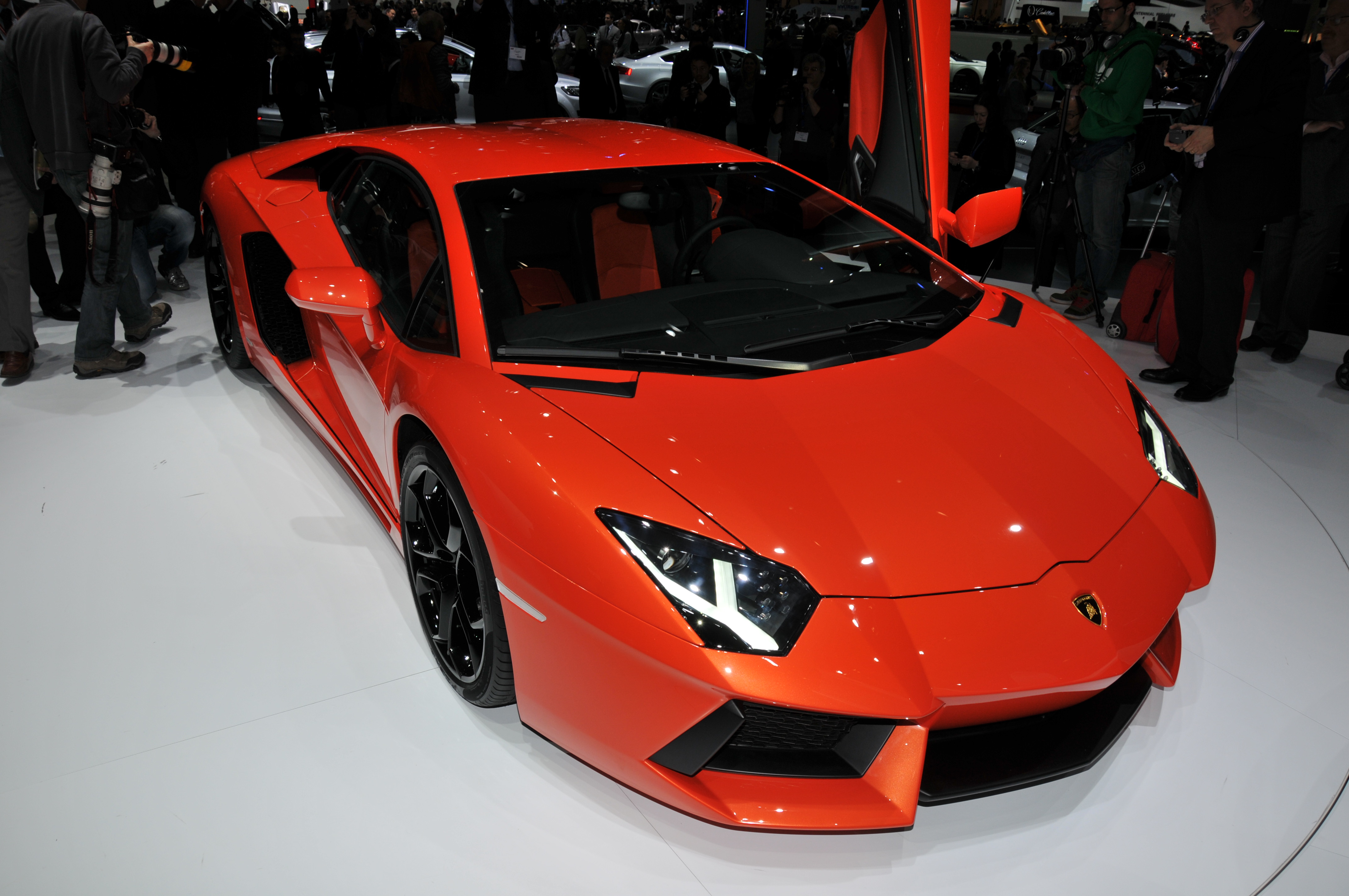
Lamborghini Aventador
"But if you've driven older Lamborghinis before, even like the Aventador, for instance, that thing is insanely difficult to drive and get it right and see and turn."
The Lamborghini Aventador is a very high-end Lamborghini supercar. The hosts are saying it can be hard to drive smoothly and confidently, especially compared to more “everyday” supercars.
The Lamborghini Aventador is a flagship supercar known for its aggressive handling and high-performance V12 character. In this segment, it’s mentioned as being difficult to drive “and get it right,” which is a common enthusiast point about how demanding it can feel at the limit.

Lamborghini Huracan
"The, the Huracan up until like the early generations, they were kind of tricky to drive to the, the Gallardo's were a little bit of had a lot of blind spots."
The Lamborghini Huracan is another Lamborghini supercar. The point being made is that early versions could feel a bit difficult to drive well, even if they’re still fun.
The Lamborghini Huracan is a modern-era Lamborghini supercar that’s often discussed as being more approachable than some older V12 Lamborghinis, but still can feel “tricky” depending on version and driving conditions. Here, the host says the Huracan was tricky up through early generations.

Lamborghini Gallardo
"The, the Huracan up until like the early generations, they were kind of tricky to drive to the, the Gallardo's were a little bit of had a lot of blind spots."
The Lamborghini Gallardo is an older Lamborghini supercar. The host is saying it can be annoying to drive because you may have a lot of blind spots.
The Lamborghini Gallardo is a V10-era Lamborghini that’s frequently remembered for its performance and for being a “driver’s” supercar. In this segment, the host specifically calls out visibility issues—“a lot of blind spots”—as part of why it can be harder to live with day to day.

Renault R8
"... blind spots. That's why a lot of people like the R8 so much. Yeah."
The Renault R8 is an older small car. The podcast is mentioning it because of how it affects your view while driving, especially blind spots. So it’s being remembered for a specific driving/visibility trait.
The Renault R8 is a classic compact car, and the podcast specifically mentions blind spots as a reason people like it. That suggests the conversation is about visibility and how the car’s design affects the driver’s view. It’s being discussed as a memorable older model with particular quirks.

Audi R8
"That's why a lot of people like the R8 so much. Yeah. Because the R8s were just a little bit more of an easy day to drive it, but it was very fun."
The Audi R8 is a supercar from Audi. The host’s point is that it’s generally easier to drive and live with than some older Lamborghinis, especially in terms of visibility and day-to-day usability.
The Audi R8 is a mid-engine supercar that’s often praised for being more usable and easier to drive than some other exotic options. Here, the host says people like the R8 because it’s “a little bit more of an easy day to drive,” contrasting it with the Gallardo’s blind-spot/visibility drawbacks.
electric motors
"I can imagine it did, but they put in a twin turbo V8 with electric motors. [526.2s] So hybrid."
Electric motors are the parts that use electricity to make the car move. In a hybrid, they can help the gas engine so the car feels stronger, especially at low speeds.
Electric motors are the electric machines that produce torque directly from electrical energy. In a hybrid setup, they can assist the engine, improve launch/low-speed response, and sometimes allow limited electric-only driving depending on the system.
twin turbo V8
"So, I think, so they dropped the V10 that pissed off a lot of people. [521.9s] I can imagine it did, but they put in a twin turbo V8 with electric motors."
A twin-turbo V8 is a V8 engine that’s helped by two turbochargers. The turbos cram more air into the engine so it can make more power.
A twin-turbo V8 uses two turbochargers—one feeding each bank of cylinders—to force more air into the engine. That typically boosts power and torque compared with a naturally aspirated V8 of similar size, especially at lower engine speeds.
hybrid
"I can imagine it did, but they put in a twin turbo V8 with electric motors. [526.2s] So hybrid. [528.5s] Honestly, I'm about it."
A hybrid uses both a gas engine and an electric system. The electric part can help the car move, but the battery adds extra weight.
A hybrid powertrain combines an internal-combustion engine with an electric system. The electric side can add torque and help efficiency, but hybrids often carry extra mass from the battery and related components.
weight
"They like, they always have a lot of weight. [545.3s] And even when they're, you're trying like the batteries in the moment. [552.2s] But like you put more and more systems into a car like the M5, no matter how much power"
Weight matters because it changes how the car responds. A heavier car needs more effort to speed up, slow down, and turn quickly.
In performance driving, vehicle weight affects how the car accelerates, brakes, and changes direction. Heavier cars can feel like they “fight” the driver because more mass requires more force to change speed and direction.
batteries
"They like, they always have a lot of weight. [545.3s] And even when they're, you're trying like the batteries in the moment. [547.7s] Yeah."
The battery stores electricity for the electric part of the car. When you ask for power, the car pulls energy from the battery to help move you.
In a hybrid or electric car, the battery stores electrical energy that the power electronics and electric motors can use on demand. Battery placement and capacity can influence how much mass the car carries and how the car feels under acceleration.

BMW M5
"...you put more and more systems into a car like the M5, no matter how much power it has, the power itsel..."
The BMW M5 is a fast, performance version of a regular BMW sedan. It’s made to be powerful but also usable day to day. People talk about it because modern versions include a lot of technology and electronics, not just engine power.
The BMW M5 is a high-performance sedan built by BMW’s M division, designed to combine everyday drivability with very strong acceleration and advanced chassis/braking systems. It often comes up in discussions about how modern cars pack in more electronics and driver aids alongside big power. That balance—power plus increasingly complex systems—is a common reason it’s featured in performance-car conversations.
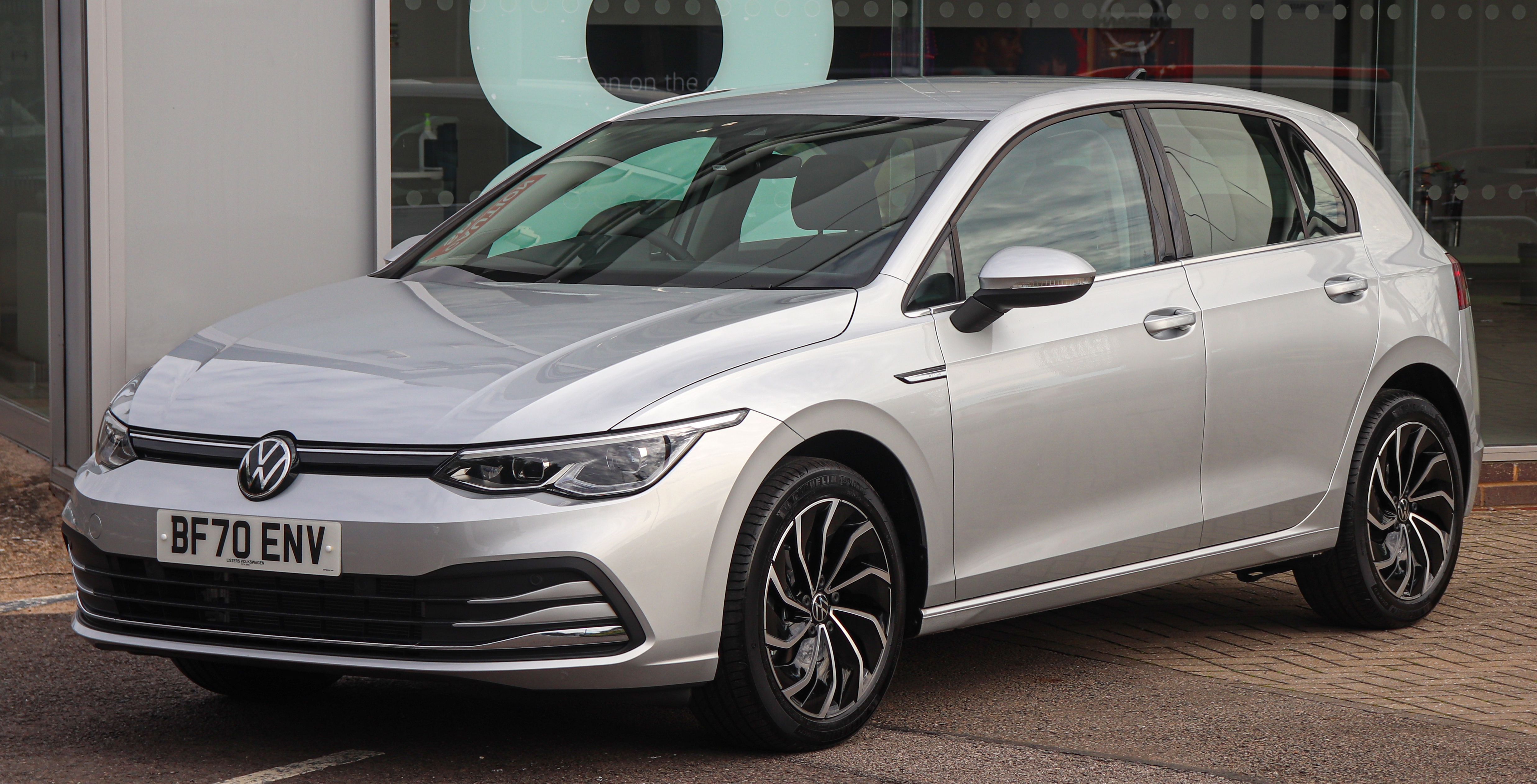
Volkswagen Gti
"...I would get a brand new 20th anniversary mark for GTI that got lost and was found and they're like, it ..."
The Volkswagen Golf is a small hatchback car. The podcast is talking about a special “20th anniversary” version of the GTI, which is the sportier Golf. Special editions like that are often remembered because they’re limited and have unique details.
The Volkswagen Golf is a widely known compact hatchback line, and the podcast references a “20th anniversary” GTI. That kind of special edition matters to enthusiasts because it’s tied to a specific model year and trim identity. It’s discussed as a collectible or memorable version of the Golf family.
new old stock
"You're banking on the new old stock mark for 20th anniversary. Yeah."
“New old stock” (often shortened to NOS) means a vehicle or part that was produced in the past but never sold or used, so it’s still effectively new. It matters to enthusiasts because it can combine older styling/trim with the condition of a fresh item, but availability is limited and pricing can be high.
Corsa mode
"And the car is very aggressive when you're in the Corsa mode and the Strata mode and all that sort of stuff."
Corsa mode is a “sporty/aggressive” driving setting. It usually makes the car respond faster when you press the gas. The speaker is saying the Lamborghini feels especially punchy in that mode.
Corsa mode is a performance-oriented driving setting that typically sharpens throttle response and changes how the car manages power delivery. It’s often paired with more aggressive engine mapping and transmission behavior to make the car feel more reactive. Here, the speaker says the car is “very aggressive” in Corsa mode.
Strata mode
"And the car is very aggressive when you're in the Corsa mode and the Strata mode and all that sort of stuff."
Strata mode appears to be another selectable driving mode on the car, likely tuned for a different balance of comfort vs. responsiveness. The speaker groups it with Corsa mode as part of the car’s mode system and says the car feels aggressive in both. Without more context, the exact calibration (throttle mapping, shift logic, steering feel) can’t be confirmed from the transcript alone.
EV mode
"I put the Lamborghini in EV mode to quiet all the noise. It's a full EV mode? Yeah."
EV mode is when the car runs on electricity instead of using the gas engine. The goal is usually to make driving quieter and smoother. In this case, it sounds like the engine stopped completely while they cruised.
EV mode means the vehicle runs using electric power rather than its combustion engine. Depending on the car, EV mode may be limited by battery charge and speed, and the system may shut down the engine entirely while driving. The speaker notes the “whole motor shut down,” emphasizing how quiet it becomes.
revs
"It's like... Because it's like getting the engine up the revs and stuff."
“Revs” means how fast the engine is spinning (RPM). Higher revs usually mean the engine is ready to make more power.
“Revs” is short for engine speed (RPM). When the car switches modes, the system may raise engine RPM to bring the engine and turbo system into the right operating state quickly.
full EV
"Let's say it's going 40 miles an hour, full EV to strata or sport where the IC engine has to turn on, the turbos have to spool, yet there's no change in driving experience."
“Full EV” means the car is driving using electricity only. The gas engine isn’t powering the wheels at that moment.
“Full EV” means the car is running only on its electric motor(s), with no internal-combustion engine (IC engine) providing propulsion. In a hybrid setup, switching to full EV typically changes how torque is delivered and how the car manages energy use.
IC engine
"Let's say it's going 40 miles an hour, full EV to strata or sport where the IC engine has to turn on, the turbos have to spool, yet there's no change in driving experience."
“IC engine” just means the normal gas engine. It’s the part that burns fuel to make power.
“IC engine” stands for internal-combustion engine—the gasoline or diesel engine that burns fuel to make power. When a hybrid switches from EV to an IC engine mode, the system has to bring the engine online quickly and coordinate it with the electric motor.
turbos have to spool
"Let's say it's going 40 miles an hour, full EV to strata or sport where the IC engine has to turn on, the turbos have to spool, yet there's no change in driving experience."
When they say the turbos “spool,” they mean the turbo has to spin up and start forcing more air into the engine. That takes a moment, so the car has to coordinate everything so you don’t feel a big lag.
“Spooling” is how a turbocharger rapidly builds boost pressure after the engine demands more power. Turbos can have a short delay while they spin up, so a hybrid’s control system has to manage that transition to keep the driving feel seamless.
RPM
"I don't like it's making a lot of noise anyway, but all of a sudden it was just like there was no RPM."
RPM is a measure of how fast the engine is spinning. If the car is running on electricity, the gas engine may not be spinning, so it can feel like there’s “no engine” and the RPM display drops away.
RPM (revolutions per minute) is how fast the engine is spinning. When a hybrid goes into electric-only operation, the gasoline engine may stop or idle so the RPM indication can effectively disappear, which matches the “no RPM” feeling described.

Mazda Cx70
"was no RPM. Mazda, my CX-70 does that too. I don't know how it works, frankly."
The Mazda CX-70 is a larger SUV meant for everyday driving and family use. The podcast is talking about how it feels when you drive—specifically how the engine revs or responds. It’s basically about the driving “feel,” not just the specs.
The Mazda CX-70 is a mid-size crossover SUV, and the podcast mentions it in relation to how it behaves in terms of engine response or RPM feel. That kind of comment usually points to the driving experience—how the power delivery and rev behavior match what the driver expects. It’s being discussed as a modern Mazda SUV with a particular “feel.”
engine turns off while the vehicle is still moving
"And I'm pretty sure the engine turns off while the vehicle is still moving. Sure. And if let's say I'm going to a stop and I'm like, oh, the light turns green and I press"
This is when the car shuts off the gas engine even though you’re still rolling. It saves fuel, and it turns back on when you accelerate or need more power.
This describes an engine stop/start strategy where the gasoline engine shuts down while the car continues coasting or slowing. Hybrid and some electrified powertrains can do this to cut fuel consumption, then restart the engine when you request power again.
Continental Tire
"but not before talking about one of our partners in the martini works podcast continental tire. [1249.3s] We're very, very excited to continue our incredible relationship with the guys and gals."
Continental Tire is a company that makes tires. Here, the hosts are talking about their tires and a deal you can buy through their partner site.
Continental Tire is a tire manufacturer that supplies replacement and performance tires for passenger cars and motorsport. In this segment, they’re being promoted as a partner for specific tire models used on track and street.
ECSO 2
"The DWSO 6 ECSO 2. [1257.5s] There's actually a beautiful $110 rebate right now on martiniworks.com. ... [1272.0s] But extreme contact sport of two is an absolutely fantastic tire."
“ECSO 2” is the name of a particular tire. They’re saying it grips well for fun driving and track events, but it’s also usable for normal street driving.
“ECSO 2” is a specific Continental tire model being discussed as a strong all-around option. The hosts highlight that it can provide grip for spirited driving and even time-attack-style events, while still being practical enough to drive home on the same set.
DWSO 6
"They make incredible tires. [1254.7s] The DWSO 6 ECSO 2."
“DWSO 6” sounds like a specific tire model name. Different tire models are built for different driving conditions, so the name tells you what kind of tire it is.
“DWSO 6” appears to be a tire model name being referenced by the hosts. Tire model codes matter because they indicate the tire’s intended use (like wet grip, all-season behavior, or performance focus) and its tread design.
time attack
"I drove it at grid life for some time attack stuff. [1279.4s] It's super, super well."
Time attack is when drivers try to get the quickest lap time on a track. Tires matter a lot because you’re pushing hard repeatedly, not just cruising around.
Time attack is a motorsport format where drivers try to set the fastest lap time on a circuit, usually with limited or controlled race-style competition. It’s a useful benchmark for tires because they need consistent grip through repeated hard braking, cornering, and acceleration.
200 treadwear super slick compound
"It's like, well, you don't always need a 200 treadwear super slick compound. [1289.0s] Sometimes you just need something that can grip up, have some fun and go home."
“Treadwear” is a tire rating (often from standardized tests) that roughly indicates how long the tire’s tread is expected to last under specific conditions. A “super slick compound” is formulated for maximum grip with less tread pattern, typically trading durability and street comfort for performance—so the hosts are arguing you don’t always need that extreme setup.

Rolls-Royce Phantom
"We got the Thunder Chief. I think we got the F4 Phantom. That's fucked."
The Rolls-Royce Phantom is a very expensive luxury car. It’s designed to feel extremely comfortable and quiet. The podcast is making a joke about the name and how it sounds.
The Rolls-Royce Phantom is the brand’s flagship luxury sedan, built for maximum comfort, quietness, and presence. The podcast references it with “Thunder Chief” and “F4 Phantom,” which suggests they’re joking about the name and the car’s big, commanding vibe. It’s discussed because it represents the top end of luxury rather than performance-first driving.
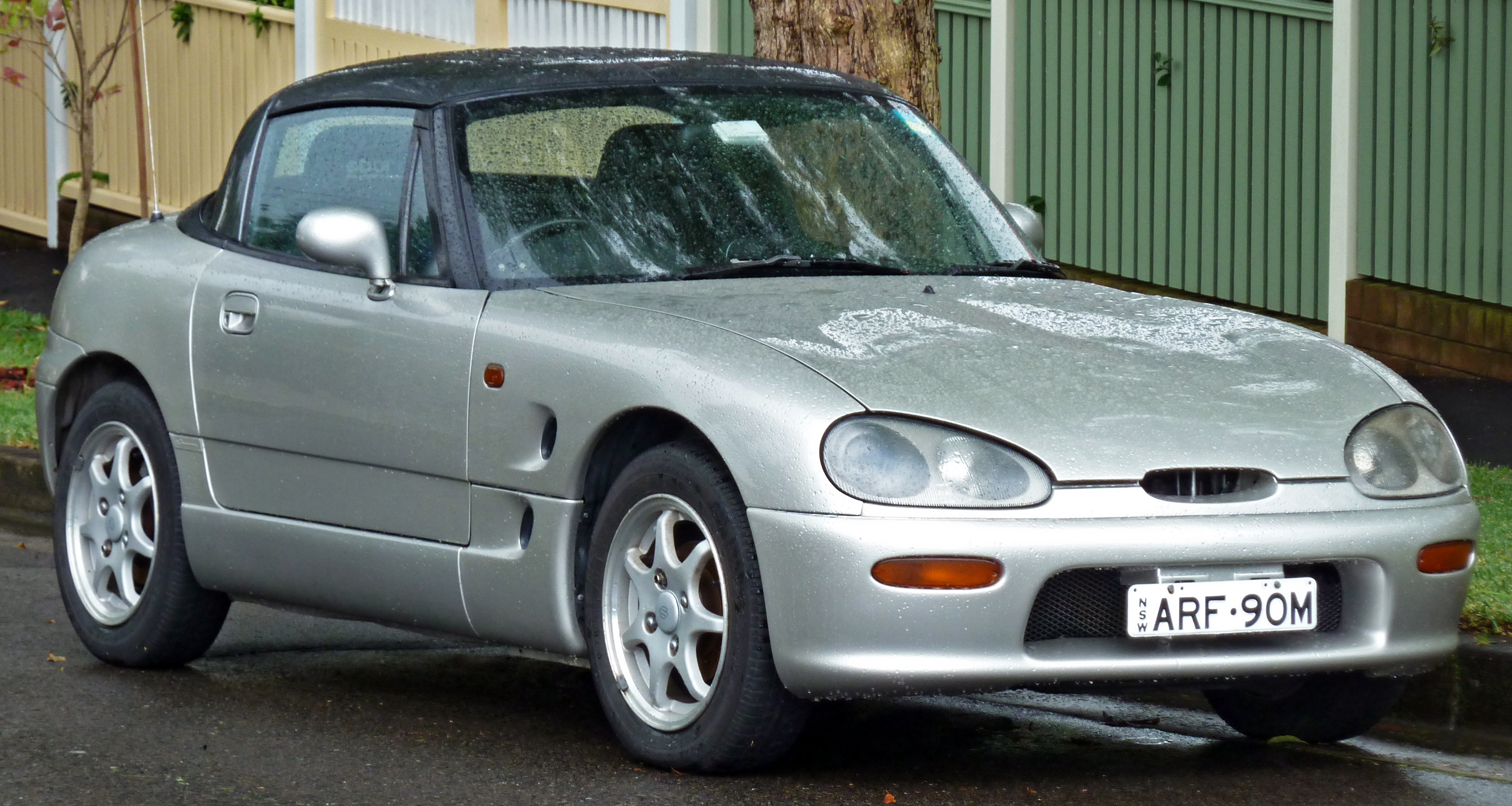
Suzuki Cappuccino
"Japanese car. Suzuki Cappuccino. Okay."
The Suzuki Cappuccino is a small Japanese sports roadster. It’s remembered for being light and entertaining to drive.
The Suzuki Cappuccino is a small Japanese roadster known for its compact size and lightweight, fun-to-drive character. It’s the kind of kei-era sports car enthusiasts often mention when talking about quirky, affordable Japanese performance.

1997 Toyota Prius
"It is the 1997 Toyota Prius. Not the first hybrid car, but the one that took the technology mainstream, marrying a 1.5 liter engine to a 40 horsepower electric motor."
The 1997 Toyota Prius was one of the first widely sold hybrid cars. It uses both a gas engine and an electric motor together, which is why it became a big deal for fuel economy.
The 1997 Toyota Prius is notable for being an early mass-market hybrid: it pairs a gasoline engine with an electric motor to reduce fuel use. In this segment, they highlight the specific hybrid approach of a 1.5-liter engine working alongside a 40-horsepower electric motor, which helped bring hybrid tech into the mainstream.
1.5 liter engine
"marrying a 1.5 liter engine to a 40 horsepower electric motor."
“1.5 liters” describes the engine size. Bigger displacement usually means the engine can move more air and fuel, which affects power and fuel use.
Engine displacement measured in liters (like 1.5 liters) is the total volume of all the engine cylinders. It’s a key spec because it influences how much air/fuel the engine can process and how it typically performs and consumes fuel.
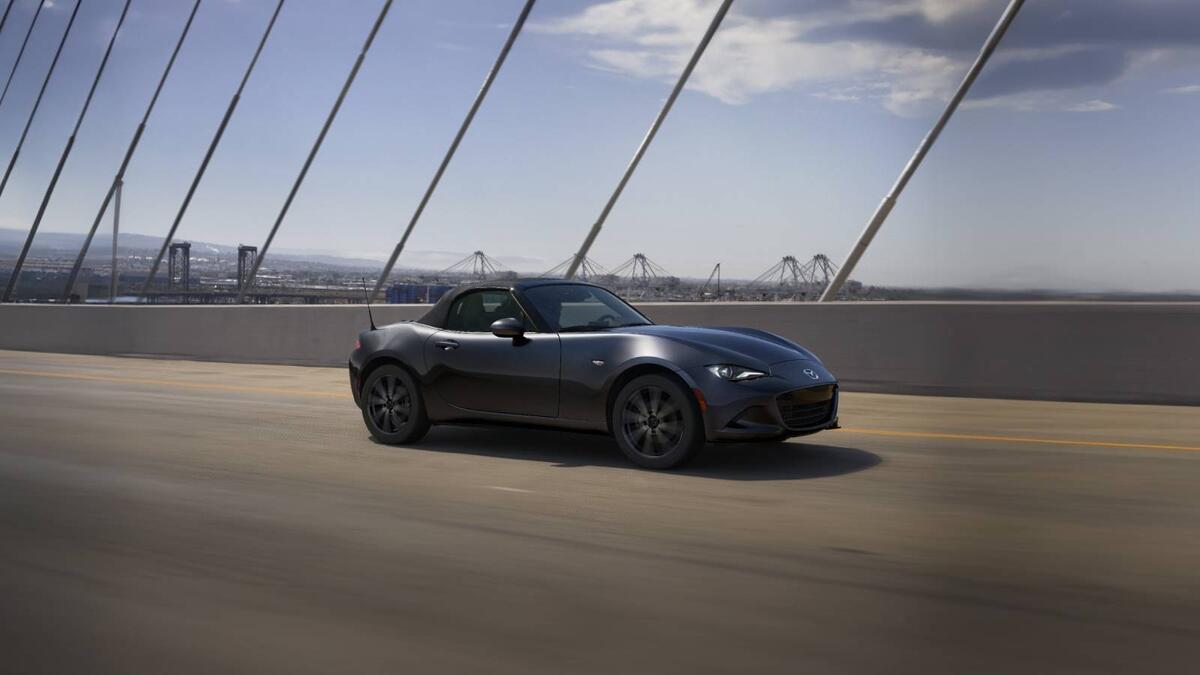
Mazda Mx5
"20. We have the Mazda MX-5, the ND, okay, the 2015 era. What?"
The Mazda Miata (MX-5) is a small two-seat roadster. It’s built to feel light and easy to drive, with handling that’s meant to be fun. The podcast is talking about the newer ND generation from around 2015.
The Mazda MX-5 (Miata) is a lightweight, open-top roadster known for responsive handling and a simple, fun driving experience. The podcast references the ND generation around the 2015 era, which is the modern iteration known for improved refinement while keeping the same “small and nimble” formula. It’s discussed because it’s a go-to enthusiast car that’s engaging without being overly complicated.
NA
"Every generation is better than the last, which is why the NA is the third. [1558.0s] All right."
“NA” usually means the engine is naturally aspirated, meaning it doesn’t use a turbocharger. Power comes from the engine itself rather than forced air from a turbo.
In this context, “NA” most likely means a naturally aspirated (non-turbo) version of the car being discussed. Naturally aspirated engines typically rely on engine airflow and tuning rather than a turbocharger to make power.
trunk release in the fuse box
"In the trunk specifically. There is no way to get into the trunk. We literally had a hot wire, the trunk release in the fuse box to get the fucking keys out"
A car’s trunk release can be controlled by electrical parts and protected by fuses. If the keys are locked inside, people sometimes try to trigger the release by accessing the fuse box.
Some cars use a trunk release circuit that can be triggered electrically, and the fuse box may contain the relevant fuse/relay for that function. If the trunk is locked and the release is dead, accessing the correct fuse/relay can be a workaround to open it.

Honda Integra Type R
"Number 17. We have the Honda Integra Type R. The DC5? DC2."
The Honda Integra Type R is a special, track-minded version of the Integra. People like it because it’s fun and responsive to drive, not just fast on paper.
The Honda Integra Type R is a performance-focused version of the Integra, built around Honda’s reputation for high-revving, driver-focused engines and sharp handling. In enthusiast circles, it’s especially known for being a “hot hatch”/compact sport sedan that feels raw and mechanical compared with many contemporaries.

Acura Integra
"Number 17. We have the Honda Integra Type R. The DC5?"
The Acura Integra is a compact car made by Acura. The Type R version is the sportier, performance-focused model. The podcast is referencing the DC5 generation of the Type R.
The Acura Integra is a compact performance-oriented car line, and the podcast references the Integra Type R (DC5). It’s discussed as a “Type R” model, which typically means a more track-focused setup compared with regular trims. The mention of “Number 17” suggests it’s part of a ranked or curated list of enthusiast favorites.

Nissan Fairlady Z, 1969
"Alex, what do you think of one of those? The Nissan Fairlady Z, 1969. The first Japanese sports car to attract international appreciation."
The Nissan Fairlady Z from 1969 is one of the first Japanese sports cars that really impressed people outside Japan. It helped build the reputation of the “Z” line as a fun, real-world usable sports car.
The Nissan Fairlady Z (1969) is a landmark Japanese sports car, best known for its early Z-car formula: a driver-focused chassis with a strong reputation for usability. The “Z” name became a global icon, and this 1969 model is often credited with bringing Japanese sports-car credibility to international audiences.
top five
"Well, we can't put every car in the top five. Well, I've just put 16 through 21 in the top five. That's the best thing about top five is only five stars."
“Top five” just means a list where only five cars can be considered the best. When people argue about it, it’s usually because they disagree on which cars should make that final group.
“Top five” is a ranking format where only five entries can be placed at the very top. In car-list discussions, it forces tighter choices and often leads to debates about what deserves to be in the final cut.

Toyota GR Yaris
"Yeah. You're going to put the GR Yaris. Over the FDR."
The Toyota GR Yaris is a sporty version of the Yaris. It’s made to be quick and fun to drive, with a focus on handling. The podcast is saying they’d choose it over another car in their list.
The Toyota GR Yaris is a performance hatchback built by Toyota’s Gazoo Racing program, designed to deliver rally-inspired driving dynamics. In the podcast, it’s mentioned as a pick that goes “over the FDR,” meaning it’s being favored in their lineup. It’s often discussed because it combines compact size with serious performance intent.

Datsun 240Z
"You're going to put the GR Yaris. Over the FDR 7 and the Datsun 240Z. And the Honda Integra Type R."
The Datsun 240Z is an older Japanese sports car that became a legend for being fun and stylish. The hosts are comparing newer hype (the GR Yaris) to this classic.
The Datsun 240Z is a classic 1970s-era Z-car from Nissan’s Datsun brand, famous for its sporty styling and reputation as an enthusiast favorite. Here it’s mentioned as a benchmark that the GR Yaris is being compared against.

Honda S2000
"Number 14, Honda S2000. [1731.4s] I think the Honda S2000 was a game changer. [1745.1s] To find a sweeter, revier, more eager four cylinder, you need to go to a super bike shop [1767.4s] I love an S2000."
The Honda S2000 is a Honda roadster known for revving very high and feeling really sharp to drive. People love it because the engine is naturally aspirated and the car feels light and fun.
The Honda S2000 is a lightweight, high-revving roadster famous for its naturally aspirated 2.0-liter inline-four and its willingness to spin to very high RPM. In enthusiast circles, it’s often praised as a “driver’s car” because the engine character and balance make it feel eager and responsive.
four cylinder
"[1745.1s] To find a sweeter, revier, more eager four cylinder, you need to go to a super bike shop [1750.3s] for that."
A “four cylinder” engine has four combustion chambers. Here, they’re talking about how this particular four-cylinder engine feels exciting and revs freely.
“Four cylinder” refers to an engine with four cylinders, which is a common layout for efficient, lightweight performance cars. In this context, the speaker is emphasizing the Honda S2000’s inline-four character—how it feels “eager” and rev-happy compared with other engines.

Lexus LS 400
"[1760.6s] Lexus LS 400 number 13, that's pretty high up. [1766.6s] That's pretty far. [1771.5s] I love the LS 400. [1774.0s] It's an odd place for it."
The Lexus LS 400 is a Japanese luxury car that’s known for being smooth and well-built. It’s often included in top lists because it was a big deal for how good a Japanese luxury sedan could be.
The Lexus LS 400 is a luxury sedan that became a benchmark for smoothness and refinement when it debuted. It’s frequently mentioned in “best Japanese cars” lists because it combined a comfortable ride with strong build quality and a reputation for being easy to live with.

R35 Nissan GTR
"Number 12, R35 Nissan GTR. [1790.9s] Good car. [1792.6s] I feel like that's a reasonable place. [1798.8s] R35 is a good car."
The Nissan GT-R (R35) is a super-fast Japanese sports car. People love it because it grips the road well (all-wheel drive) and it’s known for being brutally quick.
The Nissan GT-R (R35) is a modern Japanese performance icon known for its all-wheel-drive traction and fast, repeatable acceleration. It became famous for blending supercar-like performance with a relatively usable daily-drivability package.
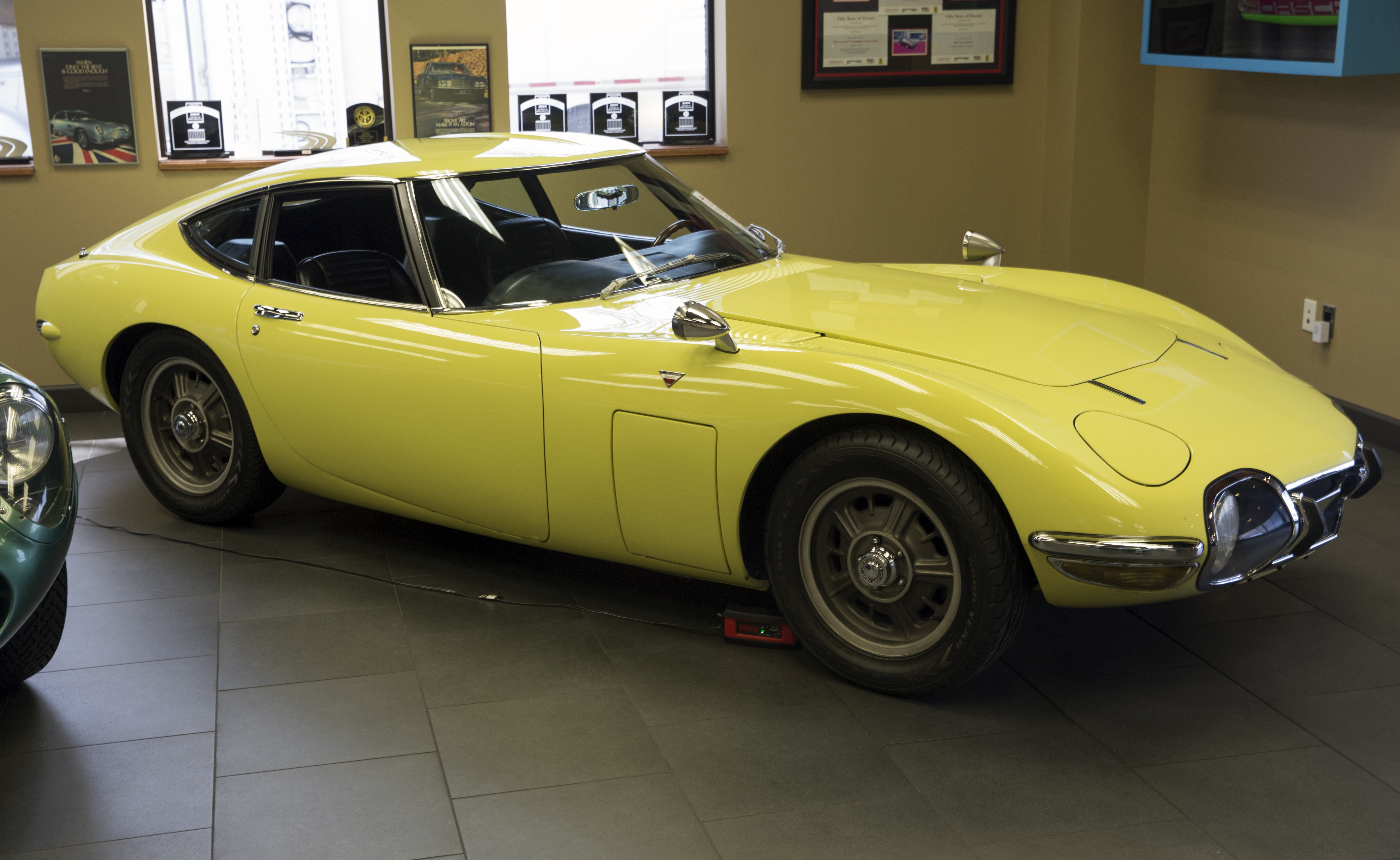
Toyota 2000 Gt
"Good car. Number 11, the Toyota 2000 GT. Iconic."
The Toyota 2000GT is a classic sports car from Toyota. The podcast is highlighting it as an iconic model that many car fans recognize. It’s remembered for being a special, high-status vintage Toyota.
The Toyota 2000GT is an iconic classic sports car, often remembered as a landmark Japanese performance vehicle. The podcast calls it “Iconic,” which reflects its status among enthusiasts and collectors. It’s discussed because it represents a high point of classic-era engineering and design.
Yamaha
"“Did you know that the wood grain interior is from Yamaha and the reason that the wood doesn't warp is because of a special compound that Yamaha did on the dash for the heat?”"
Yamaha is a Japanese brand best known for motorcycles, but here it’s being credited with helping with the car’s interior materials. The point is that the wood trim was treated so it wouldn’t warp from heat.
Yamaha is the Japanese company referenced here for the wood-grain interior and for a dash compound used to help prevent warping from heat. In car history, Yamaha is often associated with engineering and materials work beyond motorcycles, including collaborations with automakers.
side compartment of the car on the behind the front wheel
"“You also know that there's also a side compartment of the car on the behind the front wheel? That's cool. You can throw stuff in there.”"
They’re talking about a hidden storage space near the front wheel area. It’s like a built-in compartment where you can stash small items.
This describes a wheel-arch or fender-side storage compartment—an unusual body feature that provides extra space near the front wheel. It’s the kind of packaging detail that can make certain classic cars feel more “purpose-built” than typical modern interiors.
homologation requirement
"“I feel like we should set a homologation requirement for this list because that is the rarest of the hard luck.”"
Homologation is a racing rule that says the car has to be built in enough numbers for regular buyers. That way, the race car is based on something that actually exists on the road.
A homologation requirement is a rule that forces a manufacturer to build a minimum number of road-legal cars so the model can be eligible for racing. It’s meant to prove the car is real and available to the public, not just a one-off race prototype.

Nissan R33
"[1854.5s] Which generation? [1855.4s] Because they're going for the specific heaters. [1856.6s] I'm going to say R33. [1858.1s] Okay."
The Skyline comes in different generations, and the R33 is one of them. The hosts are guessing which generation matches what they’re talking about, because different years/generations can have different equipment.
The R33-generation Nissan Skyline is part of the Skyline’s long-running performance lineage, and it’s often discussed by generation because each one has different mechanical details. Here, the hosts are trying to pin down which Skyline generation fits the clue about “heaters,” implying a specific trim/feature tied to that era.

Toyota Celica GT4
"[1858.6s] Toyota Celica GT4. [1860.4s] Okay. [1860.8s] Oh, that's a good point. [1861.5s] You were close, but no cigar."
The Toyota Celica GT4 is a special Celica version that’s tied to rally racing. The hosts bring it up as a comparison while they’re trying to identify the right Skyline.
The Toyota Celica GT4 is a rally-inspired Celica variant known for its all-wheel-drive setup and motorsport heritage. In this segment, it’s mentioned as a comparison point while the hosts debate which Skyline generation they mean.
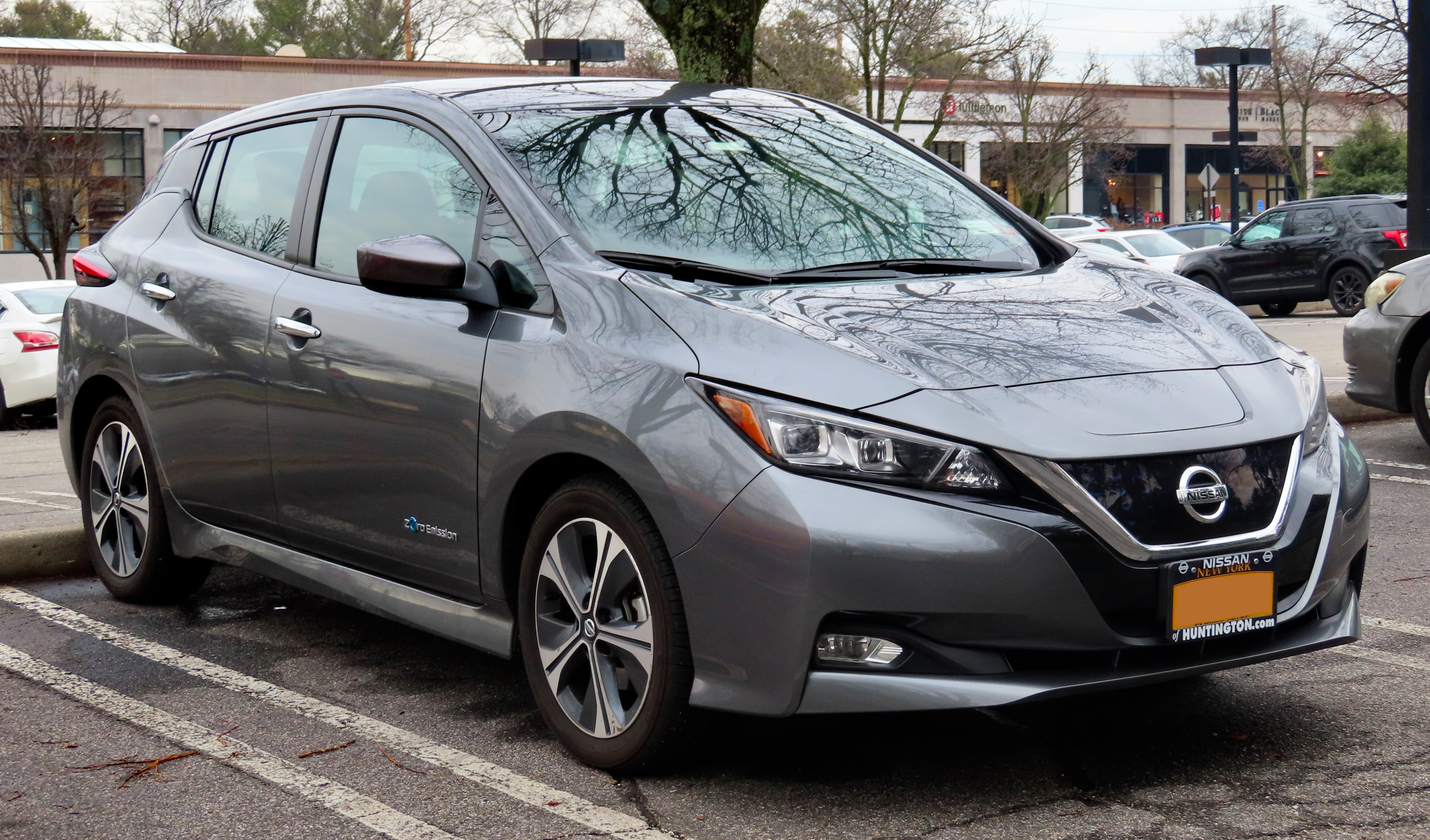
Nissan Leaf
"Number 10. [1864.4s] We have the Nissan Leaf. [1869.0s] Nissan paid for this article. ... [1894.6s] As the first ever mass produced electric car, the Leaf was understandably a tad crude."
The Nissan Leaf was one of the first electric cars that lots of people could actually buy. The hosts are basically saying it was important for EV history, but it wasn’t as refined as newer electric cars.
The Nissan Leaf is one of the first widely sold, mass-market battery-electric cars, which is why it shows up in “best of” lists even when it feels dated today. In this segment, the hosts focus on its early EV-era reputation—being a bit crude compared with later EVs.
mass produced electric car
"[1892.7s] Yeah, let's read the blurb. [1894.6s] As the first ever mass produced electric car, the Leaf was understandably a tad crude."
“Mass produced” just means the car was made in big numbers for regular customers. The point here is that the Leaf helped bring electric cars to the mainstream, not just to a niche market.
“Mass produced” means a car is built in large quantities for broad consumer sales, not just in small batches for enthusiasts or racing. When the hosts call the Leaf the first mass-produced electric car, they’re pointing to its role in making EVs commercially mainstream.
battery degradation
"Battery degradation was catastrophic in the design while there wasn't one."
Battery degradation means the battery slowly gets worse as you use it. For an EV, that usually shows up as less driving range over time.
Battery degradation is the gradual loss of a battery’s ability to store and deliver energy over time. In EVs, it can show up as reduced range and slower performance, and the segment claims the design led to especially severe degradation.
rapid charge EVs
"its time, we'd still be waiting on the 300 plus mile rapid charge EVs. ... They're putting it out there because it was one of the first rapid charge EVs. It was the first rapid charge EVs."
“Rapid charge” means charging an EV faster than usual. The hosts are saying early EVs were held back by charging speed, and the Leaf was one of the early examples that supported faster charging.
“Rapid charge” refers to faster EV charging compared with standard charging, typically using higher-power charging equipment. The hosts frame the early EV era as being limited by how quickly cars could recharge, and they position the Nissan Leaf as among the first to offer rapid charging.
EV
"we'd still be waiting on the 300 plus mile rapid charge EVs. ... They're putting it out there because it was one of the first rapid charge EVs."
EV means electric vehicle. It’s a car that runs on electricity stored in a battery, and the discussion here is about early EV problems like range and charging speed.
EV stands for electric vehicle, meaning the car is powered primarily by one or more electric motors and a rechargeable battery. This segment discusses early EV limitations like charging speed and battery degradation.

Honda Civic
"I don't even know anymore. FL-5 Honda Civic Type R. OK."
The Honda Civic is a small, everyday car. A Civic Type R is the high-performance version, made to be quicker and more fun to drive. The podcast is referencing a specific newer Type R generation.
The Honda Civic is a compact car line that’s known for being practical, efficient, and widely supported by enthusiasts. The podcast specifically references an FL-5 Honda Civic Type R, which is a performance-focused version of the Civic. It’s discussed because the Type R brings a more track-oriented character to a model people already associate with everyday usability.
front wheel drive
"The greatest front wheel drive driver's car ever made under $100,000. ... I would not put it."
Front-wheel drive means the front wheels do the work of both steering and moving the car. The hosts mention it because it affects how the car feels to drive, especially in a sporty “driver’s car” context.
Front-wheel drive (FWD) means the engine sends power to the front wheels, which steer and propel the car. In performance cars, FWD can be praised for predictable handling and packaging, but it also changes how traction and torque steer behave compared with rear- or all-wheel drive.

Nissan R35 Gtr
"Yeah. I would not put that car up in front of the R35 GT-R. No."
The Nissan GT-R is a very fast sports car. The R35 is the generation being mentioned. In the podcast, they’re comparing it to other cars and deciding it doesn’t belong at the very top of their list.
The Nissan GT-R (R35) is a high-performance sports car known for strong acceleration and advanced engineering. The podcast specifically says they wouldn’t put it “up in front of” another car, which highlights how it’s being evaluated against other top-tier picks. It’s discussed because the GT-R is a benchmark performance car that often comes up in comparisons.
transaxle
"Because the 4 is when they rotated the engine and the transaxle and all that stuff. And then 5 is when they put the big brakes on it."
A transaxle is basically the car’s gearbox plus the final drive/differential in one unit. It’s common on cars where the engine is closer to the middle or rear.
A transaxle is a combined gearbox and differential assembly, typically used in mid-engine or rear-engine layouts. Putting the transmission and final drive together helps packaging and can improve how power is delivered to the wheels.
turbine wheel
"And then 6 is when they upgraded the turbine wheel. The 6 and a half had a Tommy TME edition."
The turbine wheel is the spinning part inside a turbocharger. It’s what the exhaust gas pushes to help the turbo make boost.
The turbine wheel is the rotating component inside a turbocharger that’s driven by exhaust gas. Upgrading the turbine wheel can change boost response and how the turbo flows at different engine speeds.

Mitsubishi EVO
"I guess so did the EVO. They all did."
“EVO” is short for Mitsubishi Lancer Evolution. It’s a fast, rally-inspired car that’s famous with car fans, especially because it’s built to grip well and accelerate hard.
“EVO” refers to Mitsubishi’s Lancer Evolution, a turbocharged rally-bred sports sedan known for all-wheel drive and strong performance. In enthusiast circles, the Evolution name is closely tied to rally heritage and the car’s ability to translate that into road and track use.
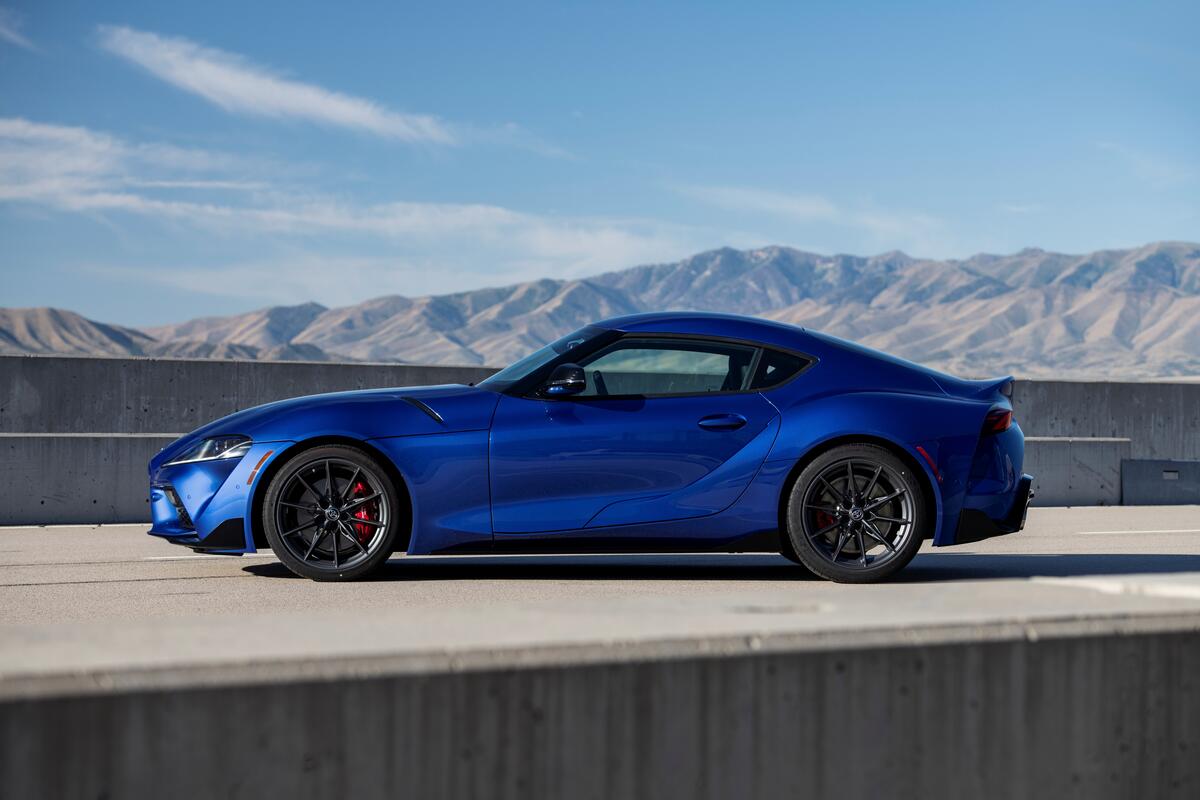
Toyota Supra
"Getting into serious JDM fanboy territory. We have the Mark IV Toyota Supra."
The Toyota Supra is a famous Japanese sports car. The “Mark IV” generation mentioned here is the 1990s version that car people love because it’s quick and has a huge parts and tuning community.
The Toyota Supra is a Japanese sports car that became iconic for its straight-six engines and strong tuning culture. In this segment, they specifically mention the “Mark IV,” which is the 1990s Supra generation known for its performance potential and aftermarket support.
Nissan Skyline GTR R32
"Number 4 is the R32 Nissan Skyline GTR. [2138.6s] You got to be kidding."
The Nissan Skyline GT-R (R32) is a famous Japanese sports car. People love it because it was quick and capable, and it helped make the GT-R name legendary.
The Nissan Skyline GT-R (R32) is a legendary Japanese performance car known for its turbocharged all-wheel-drive setup and dominance in motorsport. The R32 generation is especially famous for helping establish the GT-R name as a serious “go fast” machine rather than just a cool badge.
Mazda MX-5
"From out of left field, we have the Mazda MX-5. [2150.0s] Oh, there we are. [2151.8s] We are the NA."
The Mazda MX-5 is a small, fun-to-drive roadster. It’s known for being light and nimble, and in this discussion they’re calling out a specific MX-5 generation.
The Mazda MX-5 (often written as Miata in some markets) is a lightweight, front-engine, rear-wheel-drive roadster built around balance and driver feel. In this segment, they’re talking about the MX-5 as one of the best Japanese cars, specifically referencing the “NA” generation.

Mazda Miata
"Love a good Miata, though. Yeah. Sure. So we are labeling the Miata as better than the R34, the Mark IV Supra, the R35, the 22B."
The Mazda Miata is a small, lightweight sports car that’s built to be fun to drive. Here, the hosts are saying it’s a better pick than some bigger-name Japanese sports cars.
The Mazda Miata is a lightweight, front-engine, rear-wheel-drive roadster known for its simple, tossable handling and driver-focused feel. In this segment, the hosts argue it’s “better” than several other Japanese performance icons, framing it as the more satisfying choice rather than the most expensive or most powerful option.

Subaru Impreza 22B
"So we are labeling the Miata as better than the R34, the Mark IV Supra, the R35, the 22B."
The Subaru Impreza 22B is a very rare Subaru made for rally racing rules. The hosts mention it as part of a list of legendary Japanese cars.
The Subaru Impreza 22B is a rare, rally-homologation special from the early 1990s, built to meet rules for Group A competition. It’s especially notable among enthusiasts because the 22B is associated with Subaru’s rally heritage and has become a highly sought-after collector car.

Honda Nsx
"Number 2. Honda NSX. Honestly, I would put. I would almost put the S2000 over the NSX."
The Honda NSX is a famous Japanese supercar with a mid-engine layout. Here, the hosts are arguing about whether it’s still the best deal compared with other options, even though they agree it looks amazing.
The Honda NSX is a mid-engine sports car that helped define the modern “supercar for real driving” idea, with a reputation for balance and engineering. In this segment, the hosts debate its value proposition—arguing it’s gorgeous and iconic, but not “that fantastic of a sports car for dollar value nowadays,” and even suggesting the Honda S2000 could be a better pick.
dollar value
"It's also not that fantastic of a sports car for dollar value nowadays. Nowadays. It's tough."
“Dollar value” means whether a car is worth the money. They’re saying the NSX might be amazing, but it may not be the best deal compared to other sports cars right now.
“Dollar value” here means how much performance and fun you get relative to the money you have to spend—essentially a value-for-money argument. The hosts are saying the NSX’s reputation and looks don’t necessarily translate to the best ownership choice at today’s prices.

Acura NSX
"You know what you could get with $120,000 on NSX? A Ferrari 360."
The Acura NSX is a famous Japanese supercar. It’s mid-engine, meaning the engine sits near the middle of the car for balance. Here, they’re comparing it to other cars you could buy for similar money.
The Acura NSX is a Japanese supercar known for its mid-engine layout and for bringing a “daily-drivable” supercar formula to the mainstream. In this segment, it’s used as a price benchmark—what you could buy with about $120,000.

Ferrari 360
"You know what you could get with $120,000 on NSX? A Ferrari 360."
The Ferrari 360 is an Italian mid-engine supercar (the engine sits behind the front seats) that became a benchmark for “entry-level” Ferrari ownership. In this segment, it’s mentioned as an alternative purchase relative to the Acura NSX price point.
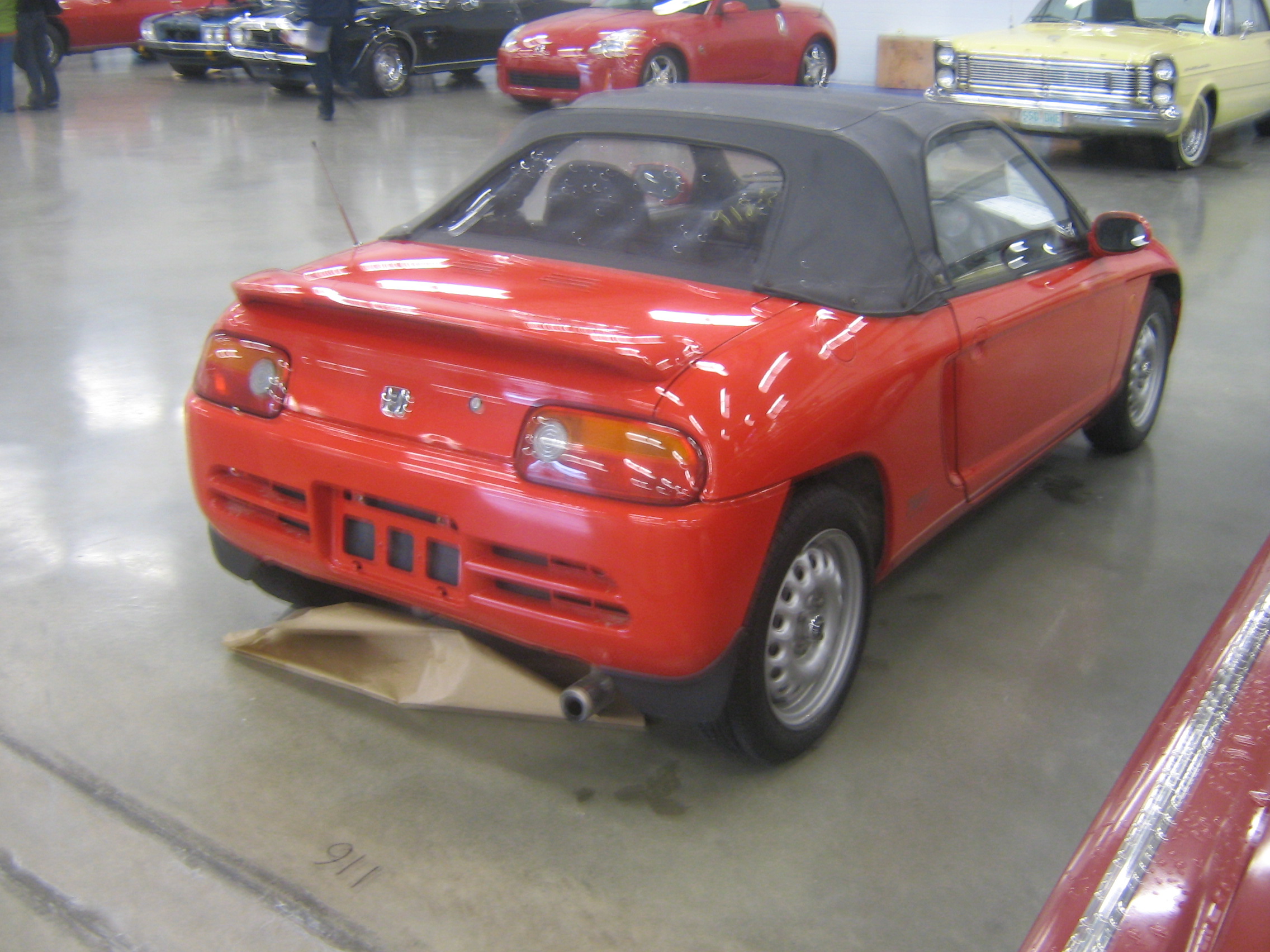
Honda Beat
"The AutoZam easy one. That's a good guess. I was going to put the Honda Beat."
The Honda Beat is a small Japanese sports car. It’s famous for being light and playful, and they’re suggesting it as a likely pick for their “best Japanese cars” list.
The Honda Beat is a lightweight kei-sports car known for its compact size and fun, go-kart-like driving feel. Here, it’s offered as an alternative guess to “The AutoZam,” implying it belongs on a list of standout Japanese cars.
K car route
"So I went like the K car route. But now I'm going to go like. R33 GTR."
“K car route” means they’re thinking about kei cars—tiny Japanese cars designed to fit strict rules. They’re usually efficient and cheap to run, not big fast sports cars.
“K car route” refers to choosing a kei car (Japanese “K car”) as the basis for the list. Kei cars are small, lightly powered vehicles built to meet Japan’s strict size and engine-displacement rules, often emphasizing efficiency and affordability over outright performance.
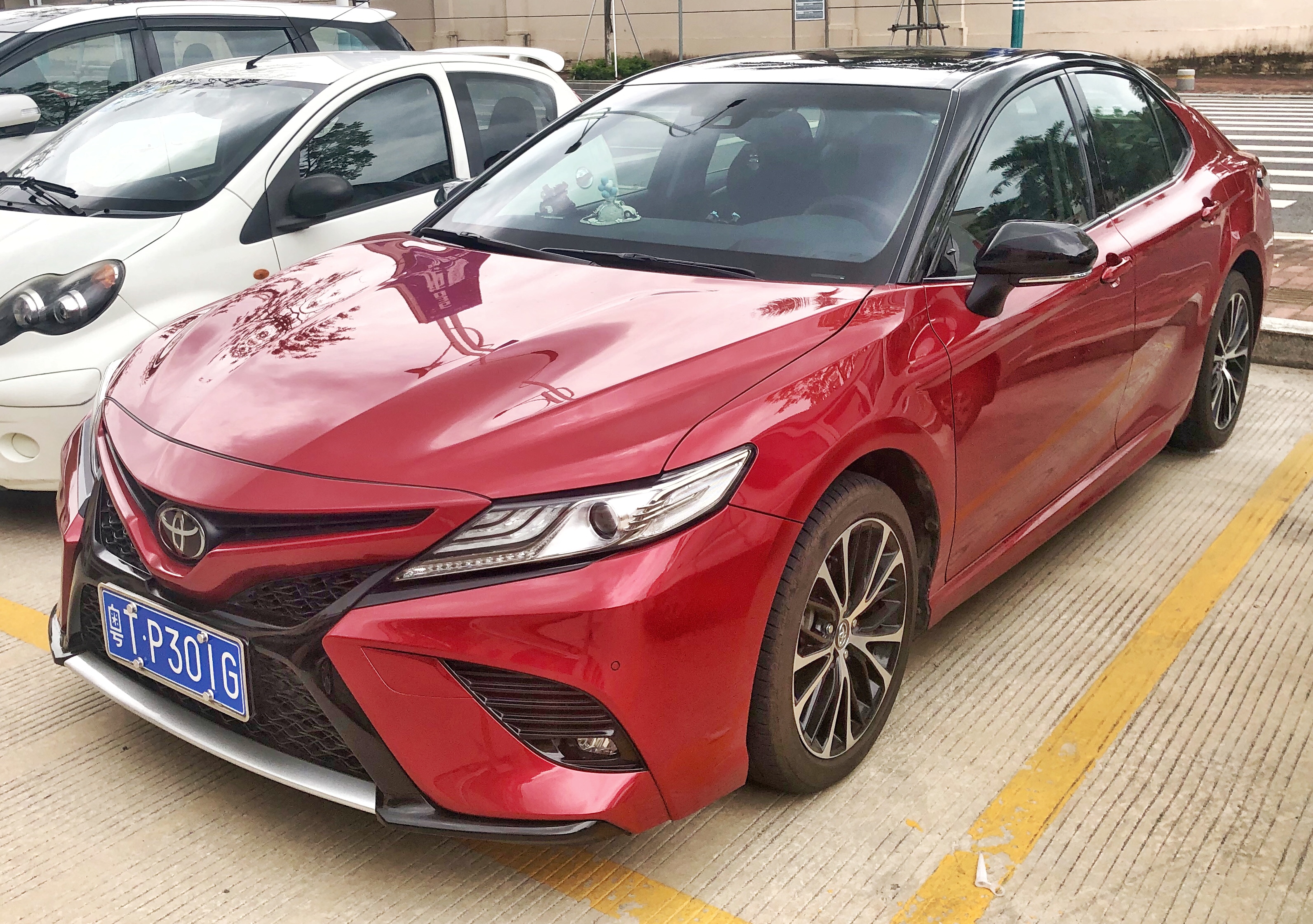
Toyota Camry
"Fuck. I was going to say Camry. The Nissan Z."
The Toyota Camry is a regular, everyday family sedan. It’s usually chosen for comfort and practicality rather than being a sports car. In the podcast, it’s brought up as a mainstream option in their car list.
The Toyota Camry is a midsize sedan that’s typically associated with comfort, reliability, and long-term ownership. In the podcast, it’s mentioned as part of a “list” of cars, likely contrasting mainstream practicality with more performance-leaning picks. That makes it a common reference point when people talk about what belongs on a dream lineup versus what’s more conventional.

Renault Twingo
"... It's going to be something stupid like a Renault Twingo. Oh, no."
The Renault Twingo is a small car made for city driving. It’s meant to be easy to park and drive around tight streets. The podcast mentions it as an odd or surprising pick.
The Renault Twingo is a small city car designed for easy maneuvering and practical everyday use. In the podcast, it’s brought up as a “stupid” or unexpected choice, suggesting it’s the kind of car that might not fit a list of more serious performance icons. That contrast is why it gets a reaction.

Nissan 350Z
"It is. Nissan 350Z. We talked about Nissan the whole list."
The Nissan 350Z is a sports car coupe. The podcast is talking about it as part of a list of Nissan performance cars. It’s brought up because it’s a well-known Z-car that many enthusiasts like.
The Nissan 350Z is a sports coupe known for its strong performance and popularity among driving enthusiasts. In the podcast, it’s mentioned as part of a broader “Nissan” list, reinforcing its role as a key model in the brand’s performance history. It’s discussed because it’s a recognizable, enthusiast-friendly Z-car that many people consider a classic.
engineering and development time
"if it's insanely long engineering and development time that Lexus still pays media companies to talk about the LFA ... It took them 10 years to engineer the car."
This phrase means how long it takes to design and perfect a new car before it’s built. Spending more time usually costs more money, but it can help the final product turn out better.
“Engineering and development time” refers to the total period spent designing, validating, and refining a new car before production. Longer development cycles typically increase cost, but can also improve performance, reliability, and how well the car meets its design goals.
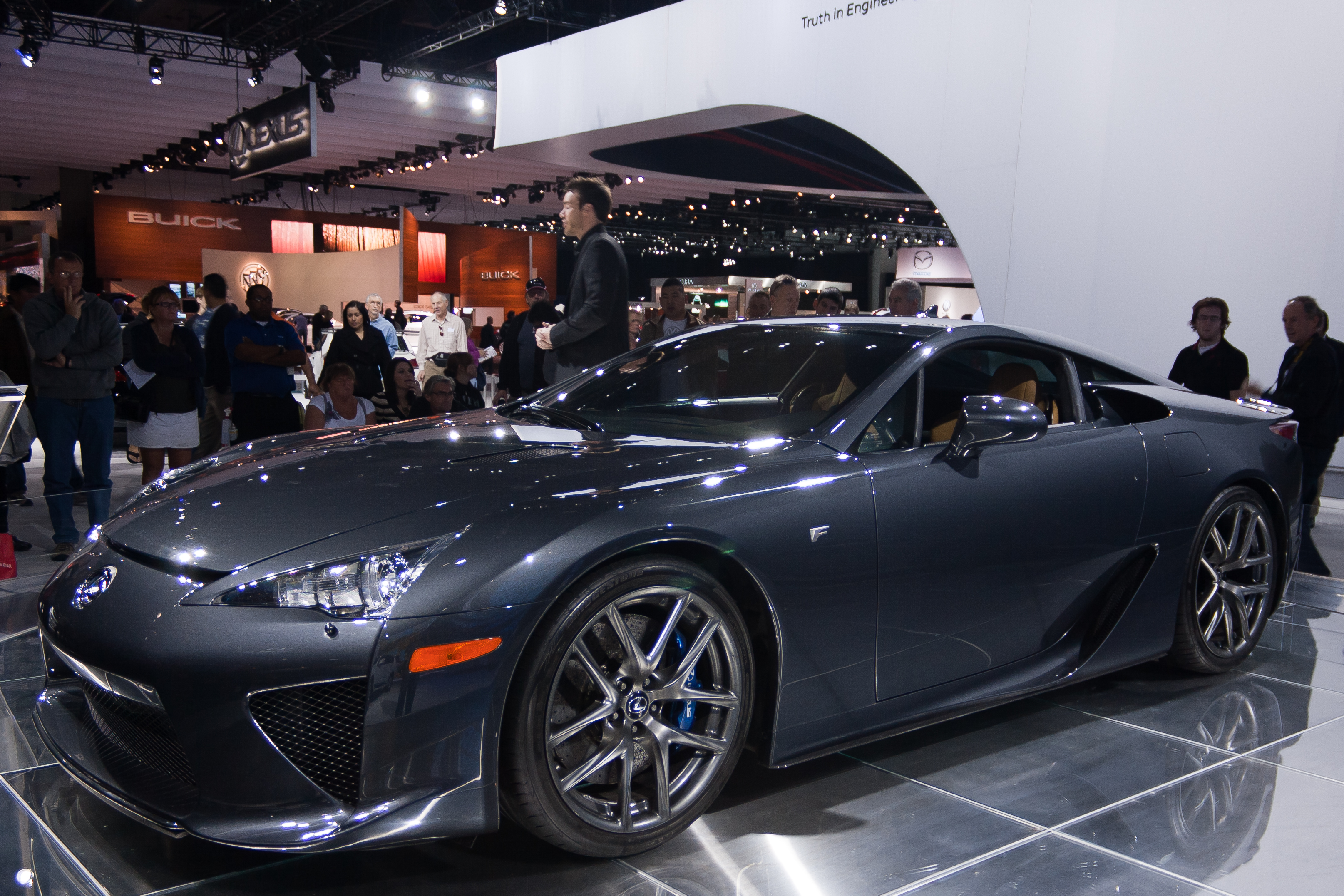
Lexus LFA
"the LFA is top of the list. Somebody's like, yeah, but like, is it that good? Well, no, no, it is. It is. Alex hates the LFA. No, I like it."
The Lexus LFA is a special Japanese supercar. People love it because it has a very exciting engine sound and feels like a real performance machine.
The Lexus LFA is a Japanese supercar known for its high-revving V10 engine and lightweight, track-focused design. In this segment, the hosts treat it as a top pick and talk about seeing it in person and how it sounds, which is a big part of its reputation.
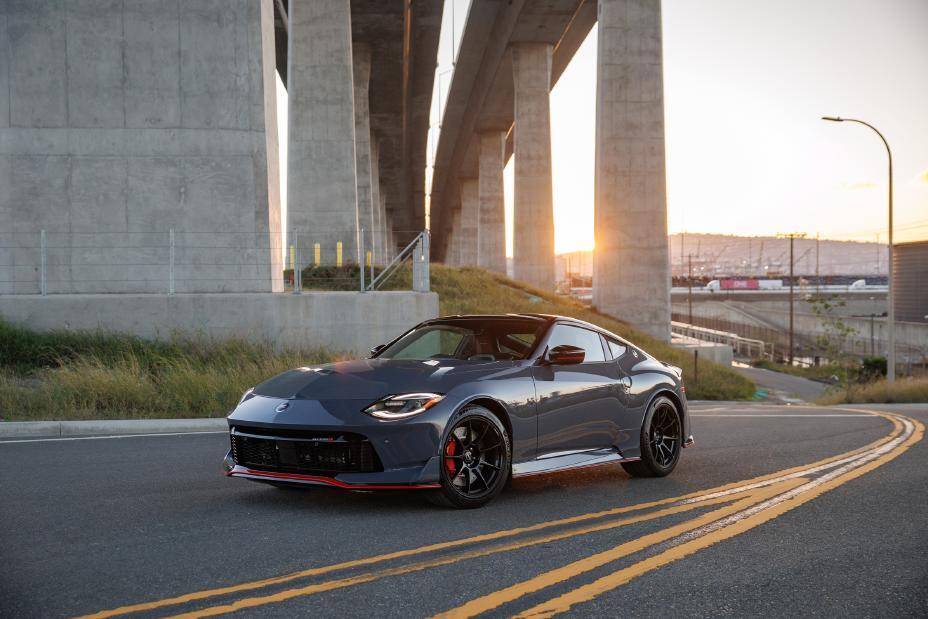
Nissan Z
"It's the same thing as I mean like, the 400, the Nissan Z is the best iteration of the Z platform."
The Nissan Z is a sports car line that’s been around for a long time. Here, they’re saying the newest/best version they’re talking about is the best one in the Z family.
The Nissan Z is a long-running Japanese sports-car nameplate, and in this segment the hosts argue that a particular Z is the best iteration of the Z platform. They connect it to the idea of “iteration” and performance evolution across generations.
six-speed manual
"And it took an iteration of iteration twin-turbo 400 or six-speed manual."
A six-speed manual is a car where you choose gears yourself using a clutch. The hosts are basically saying some versions of these cars are great with a manual.
A six-speed manual transmission is a gearbox with six forward gears that the driver selects using a clutch. The hosts mention it as an alternative to the twin-turbo setup, implying they value the driving feel of a manual.
naturally aspirated
"We've got a naturally aspirated 300 ZX. Yep."
Naturally aspirated means the engine breathes on its own, without a turbo or supercharger. That usually makes the power feel smoother as you rev.
Naturally aspirated (NA) means the engine draws air in without forced induction like a turbocharger or supercharger. Because there’s no boost, power delivery is typically more linear and depends more on engine speed and tuning.

Nissan 300 ZX
"We've got a naturally aspirated 300 ZX. Yep."
The Nissan 300 ZX is a famous Japanese sports car that enthusiasts still talk about. Here they mention it’s naturally aspirated, which means it doesn’t use a turbo to make boost.
The Nissan 300 ZX is a classic Japanese sports car known for its long-hood, rear-wheel-drive layout and strong enthusiast following. In this segment it’s specifically described as naturally aspirated, meaning it makes power without a turbocharger.

Mazda RX-7
"I always look at the Mark IV Supra and the FDRX-7 and tell myself that the RX-7 is a squished downed version of the Supra. The FDRX-7's bone stock do look kind of..."
The Mazda RX-7 is a well-known Japanese sports car with a unique engine design. The speaker is basically saying it’s an iconic “JDM” car and comparing its style to the Supra.
The Mazda RX-7 is a cult Japanese sports car best known for its rotary engine (Wankel) design, which gives it a distinctive character. In this segment, the host compares the RX-7’s look to the Toyota Supra and frames it as a “JDM legend,” implying its iconic status among Japanese-car fans.
JDM legend
"It's JDM legend. It is."
“JDM” means Japanese-market cars and the fan culture around them. Saying it’s a “JDM legend” means it’s a really famous, respected car among enthusiasts.
“JDM” stands for Japanese Domestic Market, referring to cars that were originally sold in Japan (or are styled and supported in that enthusiast culture). Calling the RX-7 a “JDM legend” means it’s widely respected and iconic within that community.
spring rates
"We can change your spring rates. [2576.7s] Fortune Auto is a really dope company."
Spring rates are how stiff the suspension springs are. Stiffer springs usually help the car feel more controlled in corners, but they can make the ride feel bumpier.
Spring rates describe how stiff a suspension spring is—how much it resists compression. Higher spring rates generally reduce body roll and squat, but can also make the ride harsher if the damping and setup aren’t matched.
Fortune Auto
"Fortune Auto is a really dope company. [2578.1s] They make really good stuff. [2579.6s] They have a bunch of enthusiasts that work over there"
Fortune Auto is a company that makes aftermarket car suspension parts. People use their products to tune how the car handles, and the hosts say they’re enthusiast-focused.
Fortune Auto is an aftermarket brand known for suspension parts—especially coilovers and related tuning components—aimed at enthusiasts who want adjustable handling. In this segment, they’re presented as a sponsor and a company whose parts can be used for suspension upgrades and rebuilds.

Volkswagen Carmen Ghia
"...rs that we never heard of, maybe. 1969 Volkswagen Carmen Ghia, but not just any Carmen Ghia. This is a full on ..."
The Volkswagen Karmann Ghia is an older classic car. The podcast is specifically talking about a 1969 model. People bring it up because it has a unique vintage design and is considered a collectible classic.
The Volkswagen Karmann Ghia is a classic Volkswagen model known for its distinctive styling and vintage sports-car look. The podcast mentions a “1969” example and treats it as a special, specific variant rather than just any Karmann Ghia. It’s discussed because it’s a recognizable classic with a strong enthusiast following.
wide body
"1969 Volkswagen Carmen Ghia, but not just any Carmen Ghia. [2613.7s] This is a full on like custom metal wide body drift"
A wide body means the car’s fenders are widened. That lets you run bigger tires and wheels, which can help with grip and clearance—especially for drifting.
A wide body kit widens the car’s fenders and bodywork to allow for larger tires and more aggressive stance. In a drift context, it’s often used to fit wider wheels/tires and provide clearance when the suspension is set up for high steering angles and lateral load.
drifting
"[2658.1s] Just building something like this for drifting and just [2660.7s] be like, yeah, we'll figure it out is fucking insane to me."
Drifting is when a driver makes the car slide through a turn with the rear end out. It takes special tuning so the car stays controllable while it’s sideways.
Drifting is a driving technique where the driver intentionally over-rotates the car so the rear tires lose grip while the car slides through a corner. It demands a setup that can manage traction, balance, and steering response under sustained sideways load.
cantilever suspension
"[2663.2s] It's on a rotisserie and it's got cantilever suspension. [2665.5s] Yeah, every single part of this has been somewhat like"
Cantilever suspension is a type of car suspension where the wheel’s movement is handled by a lever arm. It’s used to help engineers tune how the car grips and rides, especially on track-focused builds.
Cantilever suspension uses a lever-like arm where the wheel motion is transferred through a pivoting arm to a spring/damper mounted elsewhere on the chassis. It’s often used in motorsport because it can package suspension components efficiently and help tune ride and handling characteristics.
rotisserie
"[2663.2s] It's on a rotisserie and it's got cantilever suspension. [2665.5s] Yeah, every single part of this has been somewhat like"
A rotisserie is a workshop stand that holds a car by its body so it can be rotated for easier access during restoration or fabrication. It’s commonly used when doing extensive bodywork, chassis work, or welding where you need to reach all sides.
inline 6
"[2675.2s] I don't know exactly what engine is in it, but in one of the pictures [2678.5s] it looks like probably like an inline 6? [2683.4s] 5 maybe? I don't know. [2685.0s] Something inline 6 with a big old turbo on it"
An inline 6 is an engine with six cylinders lined up in a row. It usually runs smoothly, and here the speaker suggests it’s been turbocharged for extra power.
An inline 6 is an engine layout where all six cylinders are arranged in a single straight line. It’s commonly associated with smooth power delivery and strong low-to-midrange torque, and in this segment it’s paired with a turbo to suggest a high-output setup.

Wisefab rear RX 8 kit
"It's got a Wisefab rear RX 8 kit on it. That is fucking insane."
This is an aftermarket add-on for a Mazda RX-8. “Wisefab” is the company that makes the kit, and it’s meant to change the rear of the car—usually for looks and sometimes for how the car handles airflow.
The Mazda RX-8 is known for its rotary engine, and its aftermarket support is huge—especially for body and aero kits. A “Wisefab rear RX 8 kit” refers to a specific aftermarket rear kit made by Wisefab for the RX-8, typically to change rear appearance and sometimes airflow and fitment.
coil packs
"And actually, now that I'm looking at the coil packs here, I don't think it's an inline 6. No, it is a V6."
Coil packs are part of the ignition system. They create the electrical spark that lights the fuel in the engine, and their layout can hint at how the engine is built.
Coil packs are the ignition components that generate high voltage for the spark plugs. The speaker is using the layout of the coil packs to infer the engine’s cylinder configuration (how many cylinders and the bank arrangement).
Request an Explanation
Heard something you'd like explained? We'll add it to this episode.
Sign in to request explanations for terms you heard.
Want to learn more?
Browse our glossary for plain-English explanations of automotive terms, jargon, and concepts.
Help improve this episode
See something that's not quite right? Our annotations are AI-generated and can sometimes miss the mark. Click the flag icon on any annotation to suggest a correction.