Bill Goldberg and Matt D'Andrea chat with Tom Maxwell from Velocity Restorations, a company specializing in turn-key classic vehicle restorations. They discuss the growing trend of modernizing classic trucks, Broncos, and Mustangs, making them more reliable and enjoyable to drive. Tom shares insights into their assembly line process, the variety of vehicles they restore, and how they source donor cars. The episode highlights the balance between classic aesthetics and modern performance, making these vehicles appealing to a wider audience.
"...Velocity restorations is a company we've been following for a while now. We're seeing there's a handful of companies that are out there that are going, you know what, we can do a really good restoration of a vehicle..."
Velocity Restorations is a business that fixes up old cars and makes them look and work like new. They add modern features to classic cars to make them better.
Velocity Restorations is a company that specializes in restoring classic vehicles, often modernizing them with contemporary technology and performance upgrades. They are known for their high-quality craftsmanship and attention to detail in the restoration process.
"...we can take your classic vehicle and modernize it. And we've seen hot rod builders, some amazing builders just do this time and time again..."
Restomod means taking an old car and fixing it up while also adding new parts to make it better. This way, you get the classic look but with modern features that work well.
Restomod is a term used to describe a vehicle that has been restored and modified with modern components, such as engines, brakes, and technology, while retaining its classic appearance. This approach allows enthusiasts to enjoy the aesthetics of classic cars with the performance and reliability of modern vehicles.
"pop up and turn it into a turnkey operation, you know, an assembly line of classic vehicles being restored, modernized, late model features and offering them up for sale. I'm sure there's some options like any car you probably..."
A turnkey operation is when something is ready to use right away. For cars, it means they are fully restored and you can just buy and drive them without needing to do any extra work.
A turnkey operation refers to a business model where a product or service is fully complete and ready for immediate use or sale. In the context of automotive restoration, it means that the classic vehicles are fully restored and modernized, requiring no additional work from the buyer.
"But along with that comes with hand-built problems, reliability issues. And, you know, for the people buying those cars, that's sort of the cost of doing business."
Reliability issues are problems that can make a car less dependable. Hand-built cars might have more of these problems because they are made by hand, which can lead to mistakes.
Reliability issues refer to problems that affect the dependability and performance of a vehicle. Hand-built cars may have more reliability issues due to the nature of their construction, which can lead to inconsistent quality.
"...it's winning America's most beautiful Roadster, and it's more of the part of the process that people accept."
America's Most Beautiful Roadster is a special award given to the best-looking roadster in the U.S. at a big car show. It celebrates great design and work on cars.
America's Most Beautiful Roadster is an award presented at the Grand National Roadster Show, recognizing the best roadster in the United States. This award highlights outstanding design and craftsmanship in the automotive industry.
"...it's winning the Riddler awards, it's winning America's most beautiful Roadster, and it's more of the part of the process that people accept."
The Riddler Award is a big prize for custom cars, given to the best ones at a special car show in Detroit. It shows that the car is really well-made and looks amazing.
The Riddler Award is a prestigious accolade in the custom car building community, awarded at the Detroit Autorama for the best custom car. Winning this award signifies exceptional craftsmanship and design in automotive artistry.
"...to have that modern classic and actually be able to drive it, that's where companies like Velocity have come into play."
A modern classic is a car that looks like a classic but was made more recently. It has the style of older cars but includes newer technology and features.
The term 'modern classic' refers to vehicles that are considered classic due to their design and significance but are relatively recent in production, typically from the late 20th century to early 21st century. These cars often combine classic styling with modern technology and performance.
"... It's not like you just do Broncos or you just do Mustangs, and there are seen like Land Rovers and Land Cr..."
The Ford Mustang is a popular sports car that has been around for many years. It's known for being fast and stylish, and many people love it for its fun driving experience.
The Ford Mustang is an iconic American muscle car that has been in production since 1964. Known for its powerful performance and distinctive styling, the Mustang has become a symbol of freedom and rebellion in automotive culture, making it a frequent topic of discussion among car enthusiasts.
"...there are seen like Land Rovers and Land Cruisers and shops that specialize in that kind of thing..."
The Toyota Land Cruiser is a big SUV that is very strong and can handle tough roads. It's known for being dependable and lasting a long time.
The Toyota Land Cruiser is a full-size SUV known for its durability and off-road capabilities. It has a reputation for being reliable and long-lasting.
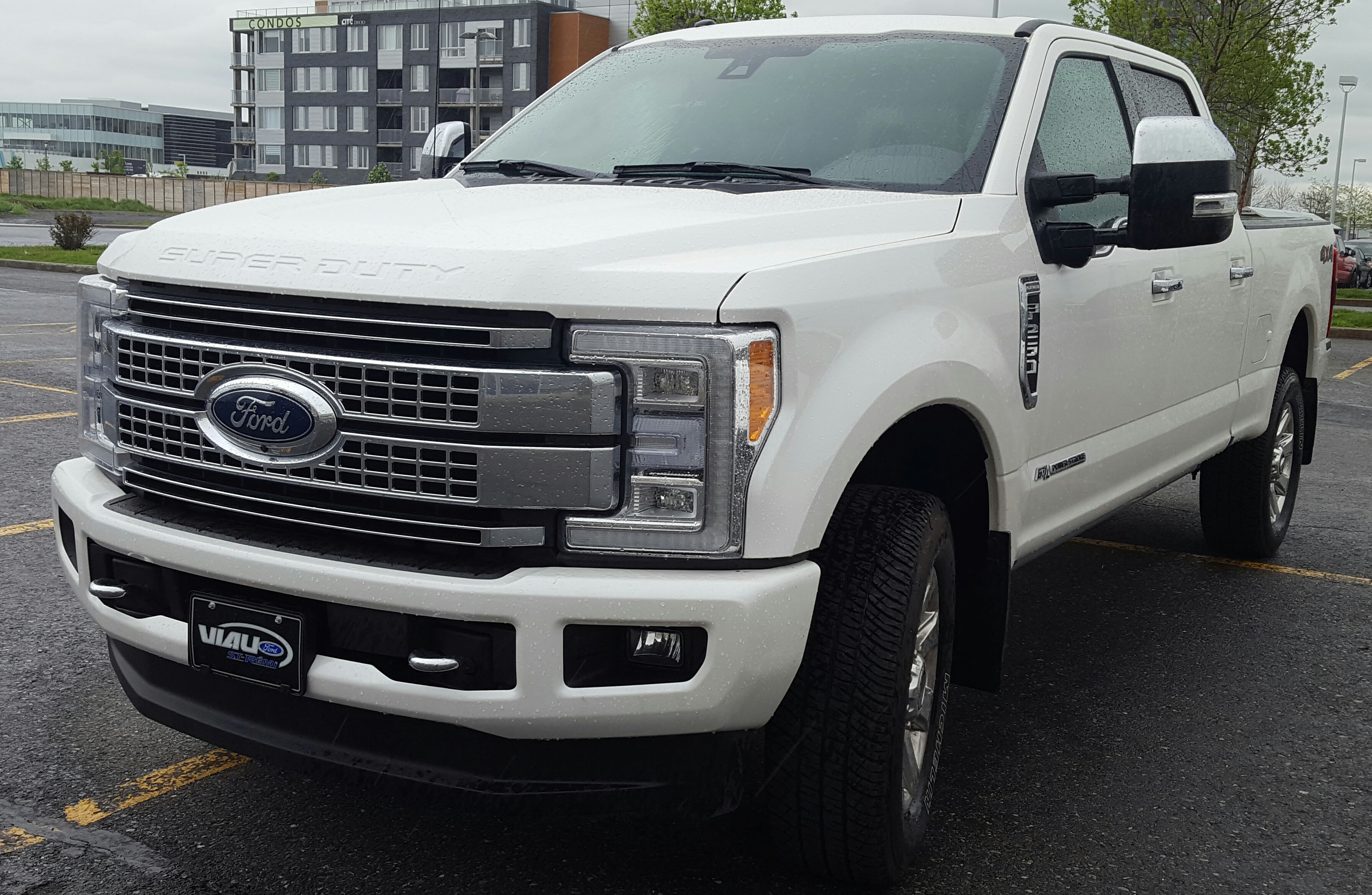
"the first model that we did was the Bumside F250 single cab long bed."
The Ford F250 is a strong pickup truck made by Ford, designed for heavy work and towing things.
The Ford F250 is a heavy-duty pickup truck that is part of the Ford F-Series, known for its towing capacity and durability, often used for work and commercial purposes.
"... So we now offer the first one was a K5, but then C10, K10 and various generations of the K10, includi..."
The Chevrolet C10 is an old pickup truck that people love for its strength and usefulness. Many fans enjoy fixing them up and using them for different purposes.
The Chevrolet C10 is a classic pickup truck that was produced from the 1960s to the early 1990s. Known for its durability and versatility, the C10 has become a favorite among classic truck enthusiasts and is often restored for both work and leisure.
"the first one was a K5, but then C10, K10 and various generations of the K10..."
The Chevrolet K5 Blazer is a big SUV that people used for off-roading and outdoor adventures, and it has a roof that can come off.
The Chevrolet K5 Blazer is a full-size SUV produced from 1969 to 1991, known for its off-road capabilities and removable top, making it popular for outdoor activities.
"...they'll have their own vehicle. So they'll want to bring their project car and have it finished or built out. That's very atypical for us..."
A project car is a car that someone buys to fix up or change to make it better or more unique. It's usually a fun hobby for car lovers.
A project car is a vehicle that an enthusiast buys with the intention of restoring, modifying, or customizing it over time. These cars often require significant work and investment to achieve the owner's vision.
"...style setup. So the shortest window of time is a Bronco. We build a Bronco from conception in 14 weeks. A..."
The Ford Bronco is a tough SUV that can handle rough terrains and is great for outdoor activities. It was first made a long time ago but has made a comeback and is popular for people who love exploring.
The Ford Bronco is a classic SUV that was originally introduced in the 1960s and has recently been revived. It is celebrated for its off-road capabilities and rugged design, making it a favorite among adventure seekers and outdoor enthusiasts.
"...or wait around for something that I'm looking for specifically to pop up on like bring a trailer or whatever."
Bring a Trailer is a website where you can buy and sell special cars through online auctions. It's popular with people who love classic and unique vehicles.
Bring a Trailer is an online auction platform that specializes in classic and enthusiast vehicles. It allows users to buy and sell cars through a bidding process, often attracting a community of car enthusiasts.
"...All velocity vehicles come with a two-year bumper to bumper warranty. That's through us..."
A bumper to bumper warranty means that if something goes wrong with your car, most parts are covered for repairs for a certain amount of time.
A bumper to bumper warranty covers most parts of a vehicle for a specified period, protecting the owner from repair costs for issues that arise during that time.
"If it's a Ford product, it will come with a Gen 4 Coyote. If it's a Chevy product or a Scout, it will come with an LT1."
The Gen 4 Coyote is a powerful engine made by Ford that helps their trucks and sports cars perform well. It's known for being both strong and efficient.
The Gen 4 Coyote is a 5.0-liter V8 engine produced by Ford, known for its performance and efficiency. It is commonly used in Ford's F-150 trucks and Mustang models.
"If it's a Ford product, it will come with a Gen 4 Coyote. If it's a Chevy product or a Scout, it will come with an LT1."
The LT1 is a strong engine made by Chevrolet that is used in some of their cars like the Corvette. It's designed to be powerful and efficient.
The LT1 is a 6.2-liter V8 engine developed by General Motors, known for its performance in various Chevrolet models, including the Corvette and Camaro. It features advanced technology for improved power and efficiency.
"...they all have disc brakes, they all have focus speaker systems, if they're four by four truck, they have power steps..."
Disc brakes are a kind of brake system that helps cars stop. They work better than older types, especially when driving fast or in tough conditions.
Disc brakes are a type of braking system that uses a disc-shaped rotor and a caliper to provide stopping power. They are known for better performance, especially in high-speed situations, compared to drum brakes.
"...we were building these custom cars and going up against the problems that every custom car builder faces..."
A custom car is a car that has been changed or built in a special way to make it unique for the owner. This can include different colors, parts, or features that aren't found in regular cars.
A custom car is a vehicle that has been modified or built to meet the specific preferences of its owner. This can include changes to the exterior, interior, performance, and more, often resulting in a unique one-of-a-kind vehicle.
"greater technical offerings. So you can start getting into LT four, they for transmission,"
The LT4 is a powerful engine made by General Motors. It's known for being supercharged, which means it can produce a lot of power, especially in sports cars like the Corvette.
The LT4 is a high-performance V8 engine produced by General Motors, known for its supercharged design and used in models like the Chevrolet Corvette Z06. It provides significant power and torque, making it a popular choice for performance enthusiasts.
"especially the Fox, the Fox body that we just we just announced, when you get into like that 80s late 80s 90s era, there's a couple more boxes we have to check."
The Fox Body is a nickname for a specific style of Ford Mustang that was made from 1979 to 1993. These cars are known for being light and easy to modify, which makes them favorites among car fans.
The Fox Body refers to the Ford Mustang models produced from 1979 to 1993, characterized by their lightweight design and performance potential. They are popular among car enthusiasts for modifications and restorations.
"...always starting with a donor vehicle, we don't we're not building kick cars. That's often a question people ask..."
A donor vehicle is a car that is used to provide parts for another car. It keeps its original identity while helping to build or restore another vehicle.
A donor vehicle is a car that is used as a source of parts or components for another vehicle. In the context of restorations or custom builds, it retains its original identification while providing necessary parts for the new project.
"...we also had a Chevelle at SEMA that we did in partnership with the guys at Dutch Boys. And that we did the interior..."
The Chevelle is a classic car made by Chevrolet. It's popular among car enthusiasts, especially for its powerful versions that are great for racing and shows.
The Chevrolet Chevelle is a mid-sized car that was produced by Chevrolet from 1964 to 1977. It is known for its performance variants, especially the SS models, which have become highly sought after by collectors.
"But it took three years, right? And it, and back to, to your point, it's a one of one car. It's going to come with one of one car things, right?"
A 'one of one car' is a unique vehicle that has been specially made or modified, meaning there's no other car like it. This can make it very special and valuable.
A 'one of one car' refers to a vehicle that is unique, often custom-built or modified, making it the only one of its kind in existence. This exclusivity can significantly increase the car's value and appeal to collectors.
"I want 2000 horsepower and I want dual, you know,..."
Horsepower is a way to measure how powerful an engine is. More horsepower usually means the car can go faster or perform better.
Horsepower is a unit of measurement for engine power, indicating how much work an engine can perform over time. Higher horsepower typically means better performance.
"...it's got to go back to the dyno, it's got to sit two days over there, you know, three days, they got to really..."
Tuning a car means making adjustments to how the engine runs to make it perform better. This can help the car go faster or use fuel more efficiently.
In automotive terms, 'tuning' refers to adjusting the engine's performance parameters to optimize power, efficiency, and drivability. This often involves modifying the engine control unit (ECU) settings and can include changes to fuel maps, ignition timing, and boost levels for turbocharged engines.
"...it used to be that this whole thing was kind of like faux pas, you know, messing around. Yeah, it was like car has to be numbers matching has to have the original engine in it..."
When a car is described as 'numbers matching', it means that the main parts like the engine and transmission are the same ones that came with the car when it was first made. This can make the car more valuable to collectors.
'Numbers matching' refers to a vehicle where the engine, transmission, and other major components have their original serial numbers intact, indicating they are the factory-installed parts. This is important for collectors as it can significantly affect the car's value and authenticity.
"now under our ownership still operating under a Shelby license. So, you know, there was a time where they were building licensed Eleanor cars, then Shelby cars, GT 500 specifically, they, they also have, we still have the license for Cobra product as well. But basically one of the few"
The Shelby GT500 is a super-fast version of the Ford Mustang that many car lovers admire. It's known for being very powerful and is a big deal in the world of muscle cars.
The Shelby GT500 is a high-performance variant of the Ford Mustang, known for its powerful engine and racing heritage. It represents the pinnacle of Mustang performance and is often discussed in the context of muscle car culture.
"...y, they also have, we still have the license for Cobra product as well. But basically one of the few sh..."
The Shelby Cobra is a classic sports car that is famous for being very fast and powerful. It's a rare car that many collectors want to own because of its history and performance.
The Shelby Cobra is a high-performance sports car that was originally produced in the 1960s. Known for its lightweight design and powerful V8 engine, the Cobra is a symbol of American automotive performance and is highly sought after by collectors.
"...t thing, fast forward to, to now, and, you know, Camaro, I rocks and, and, and, and Mustangs. And then yo..."
The Chevrolet Camaro is another popular sports car that is known for being fast and having a cool design. It's often compared to the Ford Mustang and is loved by many car fans.
The Chevrolet Camaro is a classic American muscle car that competes directly with the Ford Mustang. Known for its aggressive styling and powerful engine options, the Camaro has a strong following and is often discussed in the context of performance and automotive history.
"also pull our customer base. So we got tons of people demanding for a four door truck. We don't have any four door products right now. Last year we launched the F what we call the F 350, which is basically a crew cab, a crew cab, denside truck. We've already sold like 10 of those,"
The Ford F-350 is a strong pickup truck that can carry heavy things and tow trailers. It's often used for work because of how tough it is.
The Ford F-350 is a heavy-duty pickup truck designed for towing and hauling heavy loads. Part of the F-Series lineup, it is known for its strength and capability, making it a popular choice for work and commercial use.
"at it, you know, like, you don't expect Troy Japanier to go, I'm going to do, I'm going to do a, whatever, a 90, 91, my rock, but you know, he's doing it. It's not something for sure. Yeah. I think it, it really, again, it really depends on what the"
The Toyota Supra is a well-known sports car that is famous for being fast and stylish. It has a lot of fans because of its performance and how it looks.
The Toyota Supra is a legendary sports car that gained fame in the 1990s for its performance and tuning potential. With a strong motorsport heritage, the Supra is often celebrated for its powerful engines and sleek design, making it a favorite among car enthusiasts.
Select text to request an explanation
Hello, welcome to CarCast. I'm Matt, the moderator, D'Andrea, here with Bill Goldberg.
CarCast is presented by FanDuel, and it's a huge sports weekend, starting Thursday,
the NBA, and NHL schedules are packed, and the PGA Tour heads to the Riviera for the
Genesis Invitational. And of course, this weekend, all eyes turn to the Daytona 500.
There's always something to bet at FanDuel, so download their sportsbook app today.
Gambling problem, call 1-800-GAMBLER. How you doing, Bill?
I'm not delivering cows today. Not delivering cows, but I saw that post online, and I don't know if
if you woke up that morning going, I should grab my, you have the, you have the, like,
meta glasses, and Juan was like, you got to come deliver, help deliver a cow, pull it right out.
I don't have to explain my life to you by any stretch. Every single day, it could be anything.
We have a sloth here the other day, for example. I saw that. She's so excited about that.
Unbelievable, man. So there's a huge backstory, but this isn't the time or place, but
the cow that gave birth last year at this time had a stillbirth, right?
Yeah. And that's the cow that wanted to bought me years ago. And people say that
animals don't have feelings. That's BS, because I saw what she went through when she lost this baby
fast forward to four days ago. Wanda had her locked up for like three weeks, because she thought she
was going to have the baby like that night, right? So it was time. So fortunately, we had all the
vets around. Yeah. Man, you know me, dude. I mean, I'm Goldberg, but I, that's not my chosen,
you know, after breakfast, fricking right to pull a cow out of another one, you know, but
I would do anything for that animal. So I threw caution to the wind and it was like
restoring my first carburetor. I just jumped. I just jumped in, man. Yeah. So anyway, there you go.
Yeah. It's a very eventful over here. So you never know what's going to happen. Yeah. So. Cars.
Cars. We're welcoming to the show Tom Maxwell from Velocity Restorations. Tom, a little backstory
there. Bill's on the ranch. His wife runs this amazing nonprofit of helping injured animals and
endangered species. So there are a number of animals that live on the property and then there
are a number that come because they're in need of something or need some rehabilitation or,
you know, a giraffe with a broken leg. Like, it's literally reach out to my wife for care for these
little animals. You never know what it's going to be. And she, you know, takes care of them
basically 24 seven and then has a team of like vets and stuff that come and help out for certain
situations and stuff. So you never know what you're going to get when it comes to the Goldberg
property. You could go to the Instagram and see. Maybe we'll just skip it for today, the video.
Oh, but yeah, that's sad. There's no there we live on 200 acres and there's no barrier between
my 15,000 square foot garage that I covered so so closely and the 200 animals that are rowing
the property. So it could be. Yeah, it could be anything at any time. Yeah, we don't have we
don't have cows down here in Florida. We do have the my office is built over a large pond.
That's like it's on stilts. So we do have the occasional alligator. We have one a couple years
ago that roamed around them. Of course, we also got big snapping turtle down there too at the moment
that likes to pop it out. But yeah, no cows here on the property. Yeah. And of course, where in
Florida are you guys located? We're based in Pensacola. So we're on the panhandle. Yeah.
Yeah, we can tell by your accent you're from Pensacola. I used to live in Florida as well
down in South Florida. And yes, you would get the occasional alligator like going through the back
yard just like trying to get to the next, you know, whatever, just sort of swampy little destination.
And you're a throwaway. Yeah, it's it's interesting to see a little nerve wracking to see when you're
a kid, you know, you're 12, 15 years old, and you're like, Oh my gosh. So velocity restorations
is a company we've been following for a while now. We're seeing there's a handful of companies
that are out there that are going, you know what, we can do a really good restoration of a vehicle
or, you know, for lack of a better term, arrest a mod. We can take your classic vehicle and modernize
it. And we've seen hot rod builders, some amazing builders just do this time and time again. We just
came back from Grand National Roadster Show and just some of the stuff you see there is amazing.
But now we're, you know, the last, I don't know, 15 years or so, we're seeing these amazing companies
pop up and turn it into a turnkey operation, you know, an assembly line of classic vehicles being
restored, modernized, late model features and offering them up for sale. I'm sure there's
some options like any car you probably, I don't know if there's more than one engine option,
depends on who it is, paint, stuff like that, transmission, I don't know if manual automatic,
but I would imagine having that process in place allows you to, in theory, make it more affordable,
right? Because you're mass producing more parts or ordering more parts, but also
figuring out all the little bugs and reliability issues. And that was one of the things like you
can go and spend a million dollars these days on a really amazing hand-built car. But along with that
comes with hand-built problems, reliability issues. And, you know, for the people buying those cars,
that's sort of the cost of doing business. It goes back to the builder a few times,
it gets refined a few times, but it's also been winning the grade eight, you know, it's winning
Riddler awards, it's winning America's most beautiful Roadster, and it's more of the
part of the process that people accept. Yeah, it just turns into this really amazing piece of art
that, sure, you can enjoy it in many ways and occasionally drive it, but it's not necessarily
built for that, not certainly to the scale and to the abuse that we give our cars. So to have that
modern classic and actually be able to drive it, that's where companies like Velocity have come
into play. Does that sound right? Yeah, absolutely. Yeah, and the company started really much closer
to what you were describing earlier on. So it did start and up until about four years ago,
just after I got here, we had a whole side of our shop dedicated to, you know, like more one-off
custom builds. So we had, you know, there was all sorts of different models over there, you know,
Jeeps and FJs and all sorts of stuff that we don't currently produce, but then we made the move
to offering kind of more of a repeatable product. Yeah. So let's take a look a little bit about
the lineup and then we can go through the process. So one of the things here is this isn't just sort
of a one-trick pony. It's not like you just do Broncos or you just do Mustangs, and there are
seen like Land Rovers and Land Cruisers and shops that specialize in that kind of thing.
But what stands out with Velocity is the sheer size and volume of what you guys do. Like,
this has grown into something that's very, very huge. This isn't, you know, we do, you know,
10 cars a year or 15 cars a year. This is significant and the lineup of vehicles reflects
that, right? We've got a number of trucks and some Mustangs for Chevy, but why don't you
tell us a little bit about that while we just kind of load up the website here?
Yeah. So the core product offering and the way the company started was first generation Broncos.
So we've built now over 650 full RestoMod or, you know, rebuilt Broncos. That's kind of the
company's bread and butter. But then, yeah, again, about three years ago, we started to launch into
different models. So the first model that we did was the Bumside F250 single cab long bed.
And then thereafter, started messing around with like a lower rear wheel drive,
what we call F100 truck, so street truck. Then about a year after that, we started playing with
Chevy products. So we now offer the first one was a K5, but then C10, K10 and various generations
of the K10, including a couple of square body variants now as well. And then Mustangs, so
cars. And then the most recent thing that we're really excited about is the Fox body.
Mustang that we unveiled this year with the guys at Rosa Shoppe at SEMA and had that all going on.
So yeah, there's a whole heap of products that we offer.
Yeah. So tell us a little bit about the process of going into it. How does the
life cycle work? Customers reach out to you guys and then where does it go? Well,
they reach out to you. You're in charge of that. Yeah, we have a team here. We have regional sales
directors and we have a sales team. But yeah, so they typically in this industry, like you guys know
what normally happens is somebody will come either with an idea like a very like specific idea or
most of the time they'll have their own vehicle. So they'll want to bring their project car and
have it finished or built out. That's very atypical for us. That's not normally what happens. So we
buy and own all of the donor vehicles ahead of time. So we've got a boneyard, you know,
three, four hundred meters away from me, but the back of our facility that just has hundreds of
donor cars. So we're always scouting and buying donor vehicles. Most of the time customers don't
have that base vehicle already. And then instead of people entering into a year or two year process,
we build the vehicles on a repeated kind of assembly line style setup. So the shortest
window of time is a Bronco. We build a Bronco from conception in 14 weeks. Actually it takes
us seven weeks to fully assemble the vehicle. The back half of that process is actually like
QA and testing. But then the lead time varies a little bit model for model. Occasionally we'll
have somebody come in and say, Hey, I've got this, you know, Gen 1 Bronco or something that I grew
up with that was my uncle's or it was my dad's and I've inherited it. And I really want to make
sure I use that base vehicle because it's got nostalgic factor to me. And then, you know,
then we will use it, but nine times out of 10 people don't have have the base vehicle. And then
a lot of people will buy. So we have a showroom here too. We have dealers around the country
that have our vehicles on lot and then we also have our own showroom here. So a lot of people
also just buy complete vehicles. They'll, you know, walk in somewhere or see something on the
website and say, Hey, I love the blue one or the pink one. Valentine's Day is coming up. So we always
sell a couple of pink Broncos around Valentine's Day and they'll buy them off the lot.
Okay. So having, having these cars, it's interesting because
yes, there is, there is a process now where you can go, Hey, I just, I don't want to necessarily
go to the auction. I don't, I'm not familiar with that format, you know, and submitting to be a bitter
and all of that stuff or wait around for something that I'm looking for specifically to pop up on
like bring a trailer or whatever. These are, these are vehicles that you guys have essentially in
stock at your location or dealers. You guys put together the package for like, is there warranties
involved? You offer financing for it because we're looking at just sort of the inventory right now.
These are the completed vehicles that are available now, right? We're seeing a bunch of Broncos,
Ford trucks. Yep. Yeah. So you can fill, you can fill on the left hand side between all the models
and some stuff we don't have in stock. So like a scout too, with our scouts are really popular.
And very rarely do I have the opportunity to keep one of those in stock because a lot of the
slots, the build slots that we have every year gets sold ahead of time. But yeah, these, the
everything that you see on the website is for sale. All velocity vehicles come with a two-year
bumper to bumper warranty. That's through us. It's not through a third party. So we handle that.
And then yeah, they can be financed. We've got a couple of different finance partners as well.
So for the consumer, for the buyer, it's much more like, I say normal, right? We're still talking
about a quarter of a million dollar 60, 70s vehicle, right? None of that is normal. But it's a more
normal buying process compared to, you know, the kind of other side of this industry, which is
you place a deposit, you wait two or three years, it takes time. And yeah, yeah, it's completely
different. Yeah, okay. Yeah, it's cool. Good lineup. I want to click through on some of these.
We're looking at this K5 Blazer. So starting a vehicle like this, and we can click over to the
pages that show the manufacturing process as well. Like I said, this is turnkey. You can buy this one.
This one is about 300 grand. Yep. Engine swap. Is there different sort of levels of vehicle?
Because I saw like, I don't know, signature series or heritage series, like what are the different
Yeah, so again, much like if you were going to go and look at buying a Ford truck, you know,
there's a Platinum and there's a King Ranch and things like that. There are some levels to
or trim levels to what we offer. So signature series is our kind of base package. And I don't
like using that phrase because our base is really a lot of people's premium. Like we don't,
we often get asked like why, why are our trucks so expensive? Because we are more expensive than
quite a lot of the other builders out there. And the truth is that our entry level is already
like really loaded. So that's our signature series. If it's a Ford product, it will come with a Gen
4 Coyote. If it's a Chevy product or a Scout, it will come with an LT1. Both of them are new,
they're not reused, you know, our crash damage vehicles or anything like that, all new crate
engine, same with the transmissions. Most of the vehicles unless the customer specifically
asks or requests us to use the original chassis for the titling reasons or registration reasons,
have all new road shop chassis underneath them, they all have disc brakes, they all have
focus speaker systems, if they're four by four truck, they have power steps, they've got power
windows, XYZ AC, that all comes as standard. So our signature series is everything that you need
to enjoy the vehicle, you know, drive every day. Then when you go higher, there's a street series
for the two wheel drive vehicles, right? So Mustangs F100 C10s, just because they're more
designed to be a bit more aggressive when you want a bit of an upgrade. And then there's heritage
for the four wheel drive options. The heritage adds like two term pain and different levels of trim,
interior on both of those options is very different, start getting into our custom
interiors and things like that. And then last year, we launched our highest level, which is called
our founder series. We only build about 10 of those vehicles a year. There's no information on
those on the website, they are invite only. But basically, that came from it's just the irony of
this thing was like, we were building these custom cars and going up against the problems that every
custom car builder faces, which is like, every builds different, you know, parts are different.
It's never consistent. So canceled that. But then of course, we built so many cars now that we always
have these five or six times a year, a customer will come back and say, Hey, I love my Bronco,
I love my Mustang. Can we do something like even more custom or different? And so that's why we
launched the founder series founder series is like the highest level. It's where we can kind of go a
little bit off menu, start doing different paint patterns and different components. And the customer
basically works directly with the founder of our company, Stuart and the executive team here to
basically craft a complete one of one vehicle. And then they benefit from, you know, even even
greater technical offerings. So you can start getting into LT four, they for transmission,
for an engine, they all come with versus shock independent from suspension chassis,
the legends platform, things like that. So that's like the absolute pinnacle of what we do. But
most people are going to be buying that signature series product, yeah, that core lineup.
How do you guys handle like registration and emissions? Because now we're offering a turnkey
package and it can be shipped anywhere around the country, I'm sure around the world, but
for the sake of emissions around the country. Yeah, so so emissions don't really apply to us
too much. There is there is a little bit of nuance in some of the later model vehicles,
and especially the Fox, the Fox body that we just we just announced, when you get into like that
80s late 80s 90s era, there's a couple more boxes we have to check. But basically, because we're
always starting with a donor vehicle, we don't we're not building kick cars. That's often a
question people ask is, you know, is this vehicle going to retain its original VIN? The answer is
yes, because we go out and buying donor vehicles. So when you come to register the vehicle, it will
still be registered in the case of a Gem 1 Bronco as a 66 to 77 Bronco. And the key part of that is
just documenting the process making sure you've got the donor vehicle and then really clearly
documenting the process that you're going through. So our vehicles have if you came to the facility,
you'd see every vehicle has a hanging camera around it. And as the vehicle goes through the
process for every step of that, that camera on the memory card, that camera gets filled up
with the text taking pictures of everything they do. So we've got real clear documentation of that.
So when it comes to the customer, they get this finished vehicle, but from us, we're a Florida
dealer as well. So we have a dealers license. But they just get a full packet of everything they
need to go to their local DMV and register the vehicle. Now, California, and there's a couple
of other states, which obviously make it a little bit trickier with smog and things like that.
You know, in the case of a Bronco, if it's pre 75, it doesn't have to be concerned about smog. So
when we know that we're selling a vehicle, we're building a vehicle for somebody in California,
there's that consideration. Some states are a little bit more particular around, you know,
VIN placement. So sometimes we do have to use the original chassis versus using a, you know,
a roadster shop chassis. But we're pretty clued up on again, we've built a lot of these vehicles,
we've built a lot every year. So we're pretty clued up on like, based on where the customer is
and where they intend to register the vehicle, those steps that they need to go through.
Yeah, I think that's important, especially if you're trying to get these vehicles in the hands
of fans of the vehicles, not necessarily builders or, you know, like, you know, we work on cars
and we're car fans. And some of us have many cars in the garage familiar with,
with, you know, a lot of what's out there. But, you know, like, I don't know, just to go, hey,
you know, a buddy of mine moved to Wyoming, he loves cars, never really owned a bunch,
would like to get something like this, has the money to do it.
He's going to have you, he wouldn't even know necessarily or she wouldn't know necessarily
what questions to ask. And that's, that's the big thing you go, where are you located? I'm in
Wyoming, or I'm in California, and I want a Bronco. And then you guys would need to
hopefully be able to, now with the experience you have, go great. If you're going to keep the vehicle
there, and that's where you're going to register it, you know, the Bronco we're going to build for
you, we're going to go to our yard, we're going to find the donor vehicle, and we're going to make
sure it's like a 70 or pre, you know, whatever 75 donor vehicle for your Bronco, that'll help you
in the registration process. To you, the customer, you're not really going to notice much of the
difference. You're going to get a delivered vehicle that is, is good to go. It's more of a
paperwork issue than anything else. Yeah. Yeah. And I think, listen, there's, there's, I think
there's a lot of kind of this idea that this process or this sort of a product is a bit of
like a gray market product, or it's not like it's not clear. The truth is actually is really clear,
like how to register these types of vehicles in every state. The problem is you've just got to go
and dig for it, and you've got to be willing to, you know, go in and understand it. And then the
other thing is they change things, right? So that some states, you know, they'll be a rule that's
been in place for 25 years, and then suddenly for some reason, they'll decide that they changed
something. It's about staying on top of that and knowing, but yeah, in the case of your friend,
and that's a lot of our customers, you know, for a lot of our customers, they've never owned a
classic vehicle before, because they're concerned, they've had concerns around the other, you know,
side of this thing, and the problems with just maintaining an original classic vehicle. They
don't know. So we help guide them through that process. And it's pretty nuanced. It's the same as
with the regional sales guys, we have, I was talking about those guys are actually in region.
So if you call up here and say your friend's in, you know, Arizona, they won't get the same regional
guy as somebody that's going to register their vehicle in Florida, because the process is different.
And we want to be able to support those customers close to them in that region.
Yeah. Yeah. And look, it makes a job. Yeah, yeah, for sure.
I mean, that's a big part of it is like, there's, like I said, there's lots of great builders out
there. But if, if you can't handle that, that customer acquisition part of it, and then the
fulfillment and the sort of the post sale portion of it, like that's the flaw in the system is like
think about how many products out there, like so many people can come up with a really good
product, you know, your, your, your Steve Jobs, you come up with a really good, you know, phone
product, but it's not really about that. It's like, how are we selling that phone? How are we
supporting that phone? What is the after sale support on that phone? Just like, what's the warranty
on the phone? It's a completely different, it's a different niche that you're, that you're going
after, right? As big as we believe the car world is, we also realize how small it is at times,
right? So customer service and
the fact that you can, you can support them the entire way is everything, especially these days
when people want ease, right? If everything's already done for them and all you have to do is
inform them of the, of the information and point them in the right direction. That's fantastic.
That's called options. So it's wonderful that as an automotive enthusiast, like Matt and I are
sitting here, it's wonderful to have these options now and they're viable options. They're not
options that don't have R&D behind them. So yeah. And I think there's, there's definitely a customer
right that we don't serve and that's okay too. So there's, we get plenty of people that will,
I just had one the other day, a guy wanted to build a crazy, you know, wanted to crazy F100 build,
tub the thing out, slam it to the floor, you know, make, make loads of custom stuff on it.
And the guy a hundred percent have the money basically saying to us, hey, like, do this,
I don't care what it cost. And we, it's difficult because these are projects always really cool,
right? But we have to almost say, like, no, because that's not what we do. But here's the
hand, right? Here's the handful of the people we know that can do that work. It's just a different
process, completely different process. It is. And I, you know, for what we've been doing on this
show for years and years and years, obviously, we know and we respect the process. We both have
done it going, we're going to commission a build and we're going to participate in the build,
but we're going to sit down and go, well, what we mean by that is, is like, we know what engine
we want. We know we'll sit down with the guys from Tremac and go, and listen, what's the latest
ingredients? Are we doing a five speed or doing a six speed? Are we doing a DCT? Or what are you
doing for Transaxle? And who's, you know, this is the, you know, the suspension I want. I want
adjustability on the suspension. And, you know, like I want it, you know, all of those things,
that's commissioning a build, right? And, and, and being a part of that process. But there are a
lot of customers out there when commissioned a build to them, that means what color, what interior,
automatic or manual, check the boxes, right? And, and, and that's, that's about it. Commissioning
a build is like ordering a new car and taking classic vehicles and making the process as easy
as ordering the new car, right? Like you can go to the dealer lot, essentially, or in this case,
you can even just go to the inventory page on, on your website, scroll through and find the
turnkey, want to go, that looks good. I'll take it. And if you, and if you don't, if you don't find
what you like, then we have a configurator for almost all the models as well, like a new OEM.
So you can click and choose and then say, you know, I want to, I want to build this. Again,
there is, we have a, it gets complicated. We do have another side to our business that still does
some of that hyper custom work. So we also had a Chevelle at SEMA that we did in partnership
with the guys at Dutch Boys. And that we did the interior. We did a lot. They did all the fab
and stuff. We did the interior and it was our customer. But like people, people saw that car
and then they were ringing to me like, Hey, when are you guys going to start doing Chevelle's? I
love that thing. You gotta, you gotta be careful about that. Yeah. It's like, and they're ringing
and I'm like, listen, you can do it. That's a $1.2 million car. I don't know if you guys saw that
car, but that car is literally, literally perfect, right? Over a thousand horsepower, twin, the thing
is insane. The guys at Dutch Boys, this engine bay is just unbelievable, the fab on that car.
But it took three years, right? And it, and back to, to your point, it's a one of one car. It's
going to come with one of one car things, right? And so not everybody, I think they like the idea
of it, but when they realize actually, A, it's a process, B, it's going to be a lot more expensive
and see, I might not have the same support at the end. That mentality shifts a little bit,
certainly for our customer base. Yeah. And, and you're right. They're, the cars you guys are
doing, they're not inexpensive, you know, 250, 270, 300,000 plus, but there's a market for that.
Yeah. But the jump in cost, when you are going to something that's very custom and you're,
you know, the engine is different, you know, the end, you know, now you're looking at like,
hey, we're doing great. Coyote engines, they're not inexpensive, but they're reliable,
we can get them for Ford, they work well. But then the customer goes, I know, I understand,
but I want Nelson racing engines and I want 2000 horsepower and I want dual, you know,
you know, I want dual tanks so I can run race gas. You're like, okay, but what you've just jumped
from was, you know, a $12,000 engine to a $60,000 engine and then all of the necessary components
to put that into the vehicle. Like you just, you just doubled the cost of the vehicle. And it's not
as, as easy to explain by going, I understand you want one of our Broncos, but you want it to
have 750 horsepower. Like, then you point them in a direction of a partner that you have, you know,
that you know, then get that, get that done. Yeah. Right. That's different. Yeah. That's no
longer a $300,000 truck. It's a $600,000 truck, you know. I'm listening to the flip side of that
statement is true. Right. And I try and talk about this a lot as well. There's a whole heap of
people like I'm sure you guys have seen, you know, or get, you know, in what you do, but like,
when you have guests on or whatever, where there'll be comments and people will be like,
Hey, I can, I can build that Bronco that you're charging a quarter of a million dollars for
for 150 grand or less, 120 grand in my garage. Right. And yeah, some people are like really
extreme and you just, it's just nowhere you could ever do that. Like the parts cost some
numbers that people throw out the parts cost alone is double what they're saying they can
build a truck for. But for sure, you could build a velocity level Bronco cheaper yourself in your
garage or, you know, with a local, like a more local shop, if they're not, you know, scaled like
we are, but it's going to take a lot longer. You're not going to have a warranty probably,
you're not going to have the aftermarket support. And you also, unfortunately, this business is
really hard and people do go out of business and you don't know if that person's going to be around
forever. So like, it's all of those things that come into consideration that I think sometimes
people do see the prices of our core product and maybe, maybe they do get a sticker shock.
But then when you explain, it's not just the product, it's the process, the customer experience,
the handoff, the aftermarket and care support that we offer, all of that stuff come together.
Plus we're an American company, you know, you want to make a little bit of money as well,
you know, that all adds up, right. And so it's a funny, funny way. You either have to go one
way or the other when you're explaining stuff. Look, Bill and I have both been down this route
before when we're spending months and months or years on a project and one little thing stalls
the project almost indefinitely. It could be like, you know, when I was building up a Mustang for
SEMA, it was like, it's good, it's fires up, it moves under its own power, but we haven't
dialed in the tune yet. Like just getting the tune, like it's got to go back to the dyno,
it's got to sit two days over there, you know, three days, they got to really,
because it's all custom and it's twin turbo. And, you know, you're like, I just spent a year
building this vehicle, everything's done paint, carbon fiber engine, but now it's a brick in
my garage because I couldn't do that. Also, also at the same time, Matt, everything's relative,
right. So this is a very wide encompassing business with different people, different
characteristics, different wants, different desires. The ability to have a car and work on it and be
able to touch it, there's a lot of value in that. Yeah, it's fine. So there's so many people that
fall under all of these different categories, as I said earlier, it's wonderful to be able to, hey,
I love working on the Cobra, I've been doing it for a year, right? It's not done by any stretch
of imagination, but I really, if something comes up, it doesn't kill me. Yeah, it empowers me,
right now. Now, everybody's got the time to do that. A lot of people have a one car collection
or desire a one car collection and it's the car they've wanted their entire lives.
They have two minutes throughout the day that they could dedicate towards that. So they want to
somebody to give them exactly what they want. It's wonderful to see that there is a company
that can streamline that process and get it to you in a short period of time, as opposed to
spending twice that and getting it two years later. That's awesome. Yeah, and we have a,
I mean, we also sell, we sell like chassis packages as well to other builders, smaller
shops and builders as well as like, we have a number of customers that want to just like,
you say tinker on the thing themselves, they've got their own Bronco, they have it in the garage,
they don't want to have to worry about any like tuning, like you're talking about or any of the
modules can bus anything like that. They just want something that they can put their body on,
put their interior in and mess around with. We try and offer that too, right? But you're 100%
right. But it's like, we're not for everybody. But what's really cool is certainly since I started,
I've been doing this my whole career, almost 10 years now, it used to be that this whole thing
was kind of like faux pas, you know, messing around. Yeah, it was like car has to be numbers
matching has to have the original engine in it. If it's not, it's not concor and don't want to hear
about it, right? And it's devaluing the product. Now, you know, more recent auction results,
especially some of this stuff going through Christie's and things, like people are actually
looking for this sort of product and that's where they want to spend the money. And it's because
they want, they want to drive the cars at the end of the day, want to use them, they want to have
fun with them. They want to be able to build them. Yeah. And unfortunately, there's also a few
bad actors out there. Like you said, there are some shops that are unreliable. They're in over
their head. They can't, you know, they don't have the cash flow. We've all had our shop closed down
when our cars were there. Yeah. Or they end up doing some things that they're not very familiar
with, like, again, like the whole registration process. So now they're cutting up VIN numbers
and things like that and, you know, using salvage titles and, and, and not doing the right paperwork
on it. That's such a, that's kind of the scary part of it is, is because that's the one thing it's
like it's difficult to like sort of dig into and do the research on because you're hiring a shop,
you're paying them hundreds of thousands of dollars. And you expect a lot of that to be sort
of taken care of, you know, in the process. And it's, it's not because there's a lot of shops
that are great fabricators, but not so good on the paperwork, you know. All right, let's just
take a quick break and then I'm going to get into a little bit of the build process and
classic recreation. So quick break, we'll be right back. The great American race is nearly here.
The Daytona 500 goes green this Sunday and there's no better way to watch than with a few bets
riding along. Whether you're a diehard NASCAR fan or just watching for the chaos and the photo
finishes, FanDuel has everything you need to make the Daytona 500 even more exciting. Download
the FanDuel Sportsbook app and get in on the action today. Okay, so we're back. And one of the things
I was, was looking at at the website, which I thought was super impressive is, is again, we're
talking about this company and how it's grown and turn into a turnkey operation. But along with that
is the sort of the size and scale of what it is. Like you guys, I know the website says 135,000
square feet, but I think you're like closer to 150,000 square feet now, right? That's right. Yep.
Yeah. And you know, this isn't five people working on it in a hot rod shop. This is,
you know, 100 plus people. Yeah, we're at about 160, 170 employees right now. I mean,
that's obviously across the whole business, right? So there's, there's direct staff, there's
the production guys that are putting, putting the vehicles together. And then of course,
we have all of the ancillary support staff. So sales, marketing, finance department, we have
engineering, you know, we do a lot of engineering here as well. So we have a dedicated engineering
department. We fab a lot of our stuff, make things. So there's those guys too. But yeah, it's a,
it's a full blur. If you, if you walk in here and you both would love to host you and show you
around at some point, but it kind of looks like a mini assembly line, you know, mini,
mini OEM production facility. There's no robots. It's everybody's doing it by hand,
but that's kind of what it looks like. Yeah, there's no robots yet.
I don't know. I don't know if there ever will be, you know, we've talked, listen, we talked about,
you know, painting, getting painters is hard, right? If you've ever been in this industry,
you know, getting painters, good painters for this sort of level is hard. We've talked about,
could you go to having booths like an OEM where they drive in and they paint the car on a robot,
and then it comes out, but then kind of still kill, it kills a little bit of the nuance of,
of what we do, you know, we, we don't want to completely ruin it. So we have like an apprenticeship
program for stuff like that. So yeah, no, no robots right now, other than like,
we have a big five access CNC machine that we make all of our billet components on things like that.
Yeah. So one of the other issues, and this has come up many times with us over the years,
we've talked to different vocational schools, we've talked to different programs and talked to
guys like Hennessy that has his own school because he can't get enough employees,
he has to train them. What's your process of bringing in people, you know, got a hundred and,
you know, 60, 170 people there. Where are they all coming from? Are you training them?
I'm we're in Pensacola, which is beautiful for spring break and, you know, going to the beach,
but it isn't necessarily the automotive hub of the, of the US, right? So yeah, so we train
nine times out of 10 people, people are being trained, they're not coming to us from like a
really dedicated experience background. That's changed a little bit with, with the acquisition
of classic recreations, and we can talk more about that in a bit, but those cars are a little bit
different. But it's normally around just some of these mentality and at least some experience
technically just working or building things. Doesn't even necessarily need to be cars. So we
have, for every one of our models, we have like a full build manual. They're hundreds of pages long,
they all have pictures in them every step of the way. It's obviously a proprietary process,
and that couples with, we've got our own ERP, our own computer system that runs with production. So
if you guys were techs here, if you, you're working, let's say in station five, which is our
electrical station where we do all the wiring looms and stuff. When you start your week in
station as that tech, you literally have every day's jobs step by step, stage by stage that you,
you sign off and you need to do. And if you get stuck on a job, obviously there's about three,
four months of training before you're actually let loose on a customer car. But if you get stuck on
that job, you can at any time just relate back to a build manual, which in the case of electrician
shows you exactly where you need to plumb things in and why, what, what you need to wire up. And
that's all the way through the process. So again, that's how it's scalable is because when you do
come to like find new staff or train people, instead of having to like find really experienced
people, you just need people with being honest, just, just like a brain between there is, we could,
if, if, if us three got together and we've got, we have the kit components, especially with your
guys experience, right? We could build a car with what we've got here. We wouldn't need to go and
like work anything out. We could just follow the system. Yeah. Yeah. Bill, Bill would do the
wiring. That's his favorite part. Thank you. It's a hard pass on that one. Hard pass on that one,
even on the Cobra, which is a very simple car. It turns out it's not so simple. Yeah, it's not.
So let's talk about classic recreations. It's a company that I was familiar with from,
from years and years ago, a friend of mine, you know, became a friend, his great guys builder,
he was the founder of that company. And then you guys have acquired classic recreation. So let's
just step back a little bit. Tell us what classic recreations is and how it's different than velocity.
How does it fit into that family? Yeah. So classic is a, is a company that has always
specialized in building more cars, specifically Mustang products. And they were operating and
now under our ownership still operating under a Shelby license. So, you know, there was a time
where they were building licensed Eleanor cars, then Shelby cars, GT 500 specifically, they,
they also have, we still have the license for Cobra product as well. But basically one of the few
shops around the country that has that sort of a license and that sort of reputation to build
those vehicles. So that's what the company does, did, still does today. The main thing that we,
and we can talk about, you know, the acquisition admit, but the main thing that we liked about
this was that it was, it was a, we offer 67, 68 fastback Mustangs now. And so, but this product
is much more of a, and where we want to go with it is much more of a kind of performance driving
focus product rather than like a, even our Mustangs right now, they've got a coyote,
they've 160 horsepower, they do have a road stop spec chassis underneath them. But the buyer of that
is going to drive it around on a weekend. They're not going to take it to the track,
they're just going to want to drive it on the road. With classic, it was our opportunity to say,
actually, if we want to, you know, if we want to appeal to super car buyers, but that they don't
want to go and buy Italian cars, what's the play there? And classic was the right brand fit for
that, especially with the carbon fiber GT 500. Yeah. Yeah, I saw that body and when that was
announced and that was debuted, I think it was on tour for a few places and came out over here to
Galpin Ford. But you're right, it's a bit of a different customer and when you get into the
carbon fiber one, there is a significant price difference. It's not an inexpensive car.
Are the classic recreation cars on chassis now? I mean, when it started, nobody was really doing
the chassis, so there wasn't like a roadster shop chassis you'd get. Right, so it's a great
question. So we originally, we intended to just stay with a roadster shop chassis, but those guys
had already, the old ownership had already kind of worked with Detroit speed a little bit to work
out some kits. And in our testing, once we started getting the products here, we found that for this
application, the Detroit speed kits were actually probably a slightly better kit. So that's not
a full chassis underneath the vehicle. But we've got, you can read about on the website, we've
got various stages, the end stage being fully electronic adjustable suspension. But yeah,
so they're not full chassis cars, but that's for a reason. We're trying to make, at some point,
they might go back to it. The goal is over the next couple of years basically to really get our
velocities kind of brainpower behind this thing and then actually go and make these,
get some track time down. I mean, I want to fly one out to Germany. I want to do a ring lap,
a ring time of the Nürburgring. I want to get some actual tracks, get some drivers and go and
like put some numbers out there. Yeah. Yeah. And like you were saying, your vehicles with
all the Coyote swaps that are turnkey, but Coyote swaps for 80 horsepower, whatever they are now,
460, 480, these, you know, 550 to 900 horsepower that are super charged. They got whipples, you
know, there's, it's, it's a little bit different. And for as we scroll through some of the images
of, of, this is the Carbon GT500, but also like interiors are a little different, things are
a little bit different. This is, I think on the classic recreation stuff, you're leaning a little
bit more into the Shelby license and, and sort of capitalizing on that and using some of that
branding, which is because you're licensing it, you're paying that fee, you know, why, why hide it?
Yeah. Yeah. And I think like, so when we went to the company, the reason the acquisition happened
is the company actually went bankrupt. So just, we can, I mean, we'd have to talk about that in
detail, but just like we talked about the challenges of building custom cars for the first half an
hour of the podcast, right? They were up against some challenges. And part of, I think that was
because they just had, they did have so many options. And so one thing that I wanted to do
really quickly was, was streamline still from a velocity perspective, what we were going to offer.
So yeah, you'll see that there are different horsepower options, but it's, it's a whipple
all the way across. And so you, if you go up to the, the, the third stage and you get into like a
Wagnerville engine, stuff like that, they're more specific, but we didn't want to have like this
myriad of 50 different body types and body styles, all these different moldings and bits of trim and
things like that. We just wanted to still standardize it a little bit. However, they are definitely
more customizable than a velocity Mustang, you know, and that comes down to the stripe patterns,
the stripe colors, the interior stuff. We still want to make sure that, you know, we're representing
the Shelby brand correctly. And that's, I mean, you pay for that license, right? So you want to
make sure you do that. But also I, my job, one of my jobs was after this acquisition happened,
there was 50, 60 customers that had cars in process. So I had to make all those phone calls
telling them what was going on and what was happening. And what I learned really quickly,
which we kind of already knew, but I think we were all internally slightly surprised by is just
really how passionate all of these customers were around Shelby and around the story of the cars
and everything. And so it was a really in depth process of understanding, okay, like, why do you
want this stripe pattern? Why do you want this color? Some of them have translucent, you know,
carbon stripes, some of them don't, you know, and all of these people have like, this is the vision.
And so we wanted to make sure we retained a lot of that.
Yeah. Okay. Are, are, is there, is there a plan to bring classic recreations in-house at, at,
in Florida? It's already done. It's nice. Yeah. Yeah. That was the first thing we did. Yeah. So
there was, there was, they were in Texas. So that before, when after Jason, Jason started the company
who you know, he, he sold the company. I'm not sure how long ago it was, but he sold the company
to another couple of guys. They ran it for a little while and then we acquired it. So
it moved from Oklahoma to Texas. And then after the acquisition, it moved from Texas to here,
because we, we, we were already obviously already set up doing what we were doing.
The thing that we, we did have to, to get to coming back to the previous comment I made about staff
was instead of, we're not trying to run these down our assembly lines, they are still much
more hand-built cars. When you're paying this much money, again, it's kind of a slightly different
level of product. So we set up a dedicated area in our, in our shop here, and then we've got
dedicated tax. So you either work on velocity products or you work for classic. There's no,
there's no intermingling. Right. But, but now like your guys assembling wiring, wiring harnesses,
they can share that, right? You have CNC machines, you can share that, you have painters, they can
share that, you know, there's, there's, there's definitely some, some overlap that could be
available, at least at the very least, the training process that we're talking about,
bringing in people, bringing in employees and teaching them to wire and paint and fabricate
and assemble. You know, you have all of that under one roof and that can work on both, both
product lines. Yeah. And we have like, we have, there was a number of things, there's a couple
cars that, after we did the deal, they were almost already ready to go home. And, but they just
weren't, they weren't running right. And so one of the benefits that we have, we have our own
tuning team here. We have a dyno in-house, you know, whereas those guys were having to kind of
work, you know, externally, we were able to just throw them on the dyno, put them through our
process and get the tune right. So that's, that's definitely like you're talking about the shared
resource and shared learning. Yeah. Yeah. It's a different product though. And that's the thing,
we learned that really early on with our must, even our mustangs, even velocity Mustang,
the guy buying the Mustang is different to the guy buying the Bronco. And so our
Mustang tolerances are different to our Bronco tolerances, because it's a car,
it's a full body vehicle, you want the inside to feel slightly different. So
took a lot of that too, into, into the CR cars and just trying to work on making sure that
they're right. You know, when you, when you're paying over 500,000, I know, listen,
I'm a mere mortal. People often ask me, what car do I drive? I don't drive one of these cars,
right? You know, I've got, I've got some cool cars, but I don't drive a quarter of a million
dollar Bronco. Whatever happens, they're all expensive. So the quality is got to be right,
but there still is a big difference between 250 and 500, right? And so again, we're just
trying to make sure we recognize that. One of the things that we, we, we've talked about here
recently with guys from bring a trailer and stuff is 80s, 90s cars, even now 2000s cars,
they're going up in value, they're getting desirable at auctions. I brought a Fox body
Mustang to SEMA around 2016. And when I was building that, I was reaching out to companies like
Detroit speed and, and like that. And, and a lot of the companies are going, listen, you know, we
like that market. We grew up with those cars, but nobody, nobody's ready to spend $6,000,
$8,000 on a front suspension and another 5,000 on a rear suspension. They're like,
the market is just not there. These are, these are $2,500 vehicles that nobody wants to spend
$10,000 on just suspension. And then the next thing, and the next thing, fast forward to,
to now, and, you know, Camaro, I rocks and, and, and, and Mustangs. And then you guys show up at
SEMA with, with not just a Fox body Mustang, but a new product in your, in your catalog,
you're going to be doing these turnkey, ready to go Fox Mustangs. Tell us about this. Tell us
about this car. You guys did a great job on it. I saw the one that was there. It was fantastic.
The black car looked great. Yeah. Yeah. It was, I mean, it was like the exact reason that some
of the other cars are becoming more popular. We, we have to, when we, when we think about when
we're going to launch a signature series model, a, it's always a risk, right? That's 100% number
one. I think a lot of people think we've got it all 100% figured out before we launch something.
There is definitely, there is always, when we decide to do something, a moment around a table
where we all go, and I won't curse, but we all go, are we doing this? Oh, F, you know, like, oh,
okay, we're going to take this risk and we're going to do it, right? So the Fox was definitely one
of those moments. It was like, is this going to work? Or are people literally going to think
we're crazy? One of the things that was good was Stuart, the owner of our company, he has a
personal affiliation with the Fox. The Notch in particular just loves the car, own one when he
was younger. So there was a little bit of, okay, well, even if it doesn't, if we would build this
and it doesn't work out, well, Stuart can still, you know, have a car and enjoy a car and, and,
you know, it will have a customer, right? He'll buy it. So, so we, that's what we started with.
But then when we launched at SEMA, we realized, hey, actually, there is probably more a market
to this. And we thought we didn't know we have none, we have none on the build, the build order
for this year. For 26, when, before we launched the car, we're now building 10 and six of them
already sold. And I think, I think we'd underestimated just how many people of that age demographic
now are coming into, they've had success, they've sold their business, whatever. And this is the
car that they, they want, you know, so that's, that's kind of how it started. It's definitely
different to, obviously not just in, in, in year and look, but it's definitely a different product
to what the other, the other vehicles that we offer. Obviously, it's a later model vehicle. So
the interior, when we get the donor, there's more to it that is, it's even from factory,
it's more put together. And we didn't want to, my favorite thing on that car is the interior.
I don't know if you got a chance to look at it and see it. Yeah, I did. Yeah. You guys did a
great job on it. And if it's, it's tough to, like, I can see what you're doing on the interior,
and there's a tough decision that you make, because you, you have to look at it and go,
are we going to do something custom? Are we going to change the dash? Are we going to change
sort of the feel of it? Even the steering wheel and the airbag, which is, which is big. It's like,
what do you do? And then what you guys ended up doing was just doing a nice, tasteful,
modern interpretation of the Fox interior. Everything in here is touched, but in a subtle way,
where it just looks like the build quality is better, the materials are better, the ergonomics
are slightly better, just like what you did on the center console. And so you just kind of fixed
everything, right? You went from an inexpensive Ford assembly line from the 80s and 90s to what
if, what if we did it the right way? Yeah, that was 100% the ethos. And I think, like,
if you look at our Street Series Fastback product, when you open the door on a Street
Series Fastback built by Velocity, it don't look anything like a 6768 Fastback. I mean,
it's just not even close to what it originally was. Whereas with these cars, it was more,
they're a more recent memory. Definitely this idea of like, if Ford built it, not the right way,
but just in a different way, if it was double or triple the price from Ford at the time,
how would you do it? But we really wanted to make sure that we paid respect to some of those
original design ergonomics. And you're right, it's things that were originally plastic and
now billet. They may even look like plastic because we powder coated them black. But then
when you touch them and feel them, they're stronger, they have more resistance to them,
whatever. It's those sort of things. I love that. Obviously, now we'll build some for
customers and customers can choose a lot of stuff on them. But the seat pattern on that
black car in particular, just how nice it was, it's a more modern style racing seat,
but it still looks right in that car. So that was definitely it. And the thing I'm most excited
about though is, and you guys are going to roll your eyes at this for sure, because I'm the only
English person here, but obviously the notch is like the enthusiast car. I look at the GT and
we're building a couple of GTs. I'm really excited about the GT because for me as a European person,
the GT has like more aggressive lines and it just has a little bit more flair to it. So those
are those are an option too. And I can't wait to see the first one. Yeah. Yeah, that'll be exciting
to do. So you guys got this great lineup of cars and trucks, mostly Ford and Chevy and then the
Scout. Is there, you got your guys, your site set on anything else? We look at Dodge, Mopar?
No Dodge or Mopar right now, probably not. No. In terms of, like I said, we have to be really
careful about how like quickly we move because it's not a, as you can imagine, it's not an easy
process to actually go and set a lineup and work out how we're going to build cars. So
probably not that. We have to make sure the market can stand it. We did launch earlier. We
tend to try and think about things that like a nice additions to what we already offer. And we
also pull our customer base. So we got tons of people demanding for a four door truck. We don't
have any four door products right now. Last year we launched the F what we call the F 350,
which is basically a crew cab, a crew cab, denside truck. We've already sold like 10 of those,
but that was because the customers were saying that's what we want. So we launched those.
Honestly, the next like brand mark that we'll probably go after is probably Jeep, you know,
fits in the American lineup. We want to do a wagon here or some, some variant there of
more of a family wagon, but like we bought one, a really clean one from Barrett Jackson,
like two years ago. And the problem is the trim. Like if you ever looked at one of those cars in
detail, the amount of little bits and fidgets and widgets on the trim of that car is just insane.
So you have to wait for the aftermarket to be able to support it for us to engineer the parts to,
to build them at scale. Yeah. That's the, that's the 350.
Yeah. Looking at the big four door truck lifted and, you know, of long bed, I guess too, right?
Yeah. We're offering it in both long and short, but yeah.
Yeah. Yeah. That's a cool piece. So Jeep get into, get into, into Jeep as well. And yeah. And then
you know, when you get outside of the American vehicles, I mean, do you take a look at anything
like Land Cruiser or, you know, because I'm, again, it's like, you're looking at what the
market is and, and where that is going. And when, when early Mustangs, even donor cars got too
expensive, you know, then people were started looking at 80s cars, 90s cars, you know, Camaros as
well, you know, and, and, and some of the, some of the best hot rod builders out there are looking
at it, you know, like, you don't expect Troy Japanier to go, I'm going to do, I'm going to do a,
whatever, a 90, 91, my rock, but you know, he's doing it.
It's not something for sure. Yeah. I think it, it really, again, it really depends on what the
customer base wants. And then for Velocity as a brand, it, it's clearly seeped in like American
history and American automotive. So like that, that we wouldn't do anything non-American. Probably
we have done FJ product before, we've done Toyota product before, we have done a Camaro before,
like one off cars. The problem with the FJ stuff is just getting the, that version of
earlier Land Cruiser to drive nicely with how high up it sits. And then the short wheelbase is,
is tricky. So if we were going to do something like that, it would probably be a later series.
But we've listened for, people often ask, like, what's the market that I see as like the hottest
for this next step? And without a doubt, it's the JDM market, in my opinion. The fact that a lot of
these vehicles are becoming importable now, if you look at recent auction, like literally just
last week on Bring a Trailer, there was like, you know, there was a GTR, I think there was a,
a nice like Supra, there was like three or four really clean, like on cars that just broke records
or were close to breaking records again. And I think that's probably, if we were going to do
something not as velocity, but as like another brand, it would be something there.
Yeah. Okay. Yeah. I think that's an interesting
way to go. Because I think there's still some white space there. I mean, we definitely have
people doing porches and they're crushing it. They're phenomenal. You know,
gone through work, singer, like there's just, and, and by the way, they've leveled up this whole
game. Like companies like that have also, it, it's good to see companies like that and with
velocity because it shines the light on all of these companies, like you guys said, that have
put together and invested into a facility to offer turnkey cars like this with, with that
structure, you know, with warranties and support. But it starts with companies that can do good
work and have good cars and have that process go well, and then have those cars, you know,
it's, it's a cherry on top of the cake of those cars are valuable later after sale,
right? In resale, are they, are they valuable? Do they still pull money? And that's what everybody's
kind of chasing after is, is somebody buys my velocity Bronco five years from now. What does
that, what does that get at, at Barrett Jackson? That's just the truth. It's just like you want
it to do as well as can be. And the only way it's going to do that is if you build a quality vehicle,
because at the end of the day, that's what people are looking for at those, at those auctions.
They're either looking for a deal of a lifetime, or they're looking for the best vehicle that,
that makes sense, you know, you know, that they don't have to fuss around with. So,
all right, how many, how many vehicles are you guys building a year now?
This year, we'll probably build about 140, which is a crazy number to say out loud, but yeah,
yeah, something in that, in that realm. Yeah. Yeah.
That's, it's, it's impressive. I mean, you're, you're turning out, you know, this isn't,
this isn't, hey, we're going to build a car this year, or, you know, a car over three years,
you know, this is, we're building 10 a month, we're building, you know, it's, it's not insignificant.
Bronco, the Bronco line here and about, so we have one line, line one, which is the original
production line, which is just Broncos, because that's our most popular product here in about
three or four weeks, that will go to two Broncos a week, which if you just, if you think about the
logistics of like just the parts to build, to have two fully finished Broncos come off a line a
week, it makes me stay up at night. It's not like easy, but yeah, that's, that's where we'll go.
Your big part of that is having parts and stuff. Yeah. But is that chosen route that you've taken
by having the inventory that you have on hand that makes that palatable and makes it to, to where
you control it? Yeah, that's right. Yeah, 100%. I mean, the, the company's growth, we didn't talk
about that too much, but the company's growth happened pretty aggressively through COVID because
Stuart had made the kind of smart decision to, to buy parts ahead of time. And so
it was one of the few people that now, you know, American versus import cars, a little bit different,
you know, trust me, in the UK, I couldn't really breathe outside. Whereas here in Florida, I think
they were shut down for one day and let's go. But like, he had all the parts here ready to go.
So everybody had, you know, people weren't traveling, they were bored, they had money to spend. So
there was cars, but you're absolutely right, Bill. It's, it's, you can't, we don't start anything
if we don't know we've got all the parts here, because the moment you don't have a part,
you can't cycle the line, everything goes, goes wrong. Yeah.
Dependability, whether it's delivery or whether it's afterwards, you know, is, is huge. And it
seems like you guys have a lot of control over the things that you, that are extremely important
to have control over to have not only a successful company, but to be able to do it in a streamlined
manner and most importantly in a streamlined time. Yeah. Yeah, absolutely. Is there, is there
anything, and then we'll wrap up, but is there anything in the process of building these vehicles,
something high volume, like your Bronco, where you guys had to just sit down and go,
we need to be able to fabricate this, make this part from scratch in-house, because
everything out there is junk or everything out, like there's just nothing else available out
there anymore. And I know there's things like the chassis is working with a company like Roadster
Shop. Their business is turning out high volume, really, really good chassis. So to have a partner
like that, that's like buying a, you know, a hood or a vintage air AC system. You go, you know what,
we should just get chassis from those guys. And then you guys decide what level that means.
Are you getting a rolling chassis or are you just getting the frame and then you do the rest?
But other than like a, maybe the chassis, is there anything that you guys like,
it's the weirdest little thing. We just can't get a rear quarter panel or a door handle or a
bumper. We just got to make them all in-house. Is there anything like that?
I'll give you such a good question. I'll give you a couple of examples. One really quickly is,
we do electric windows on all of our vehicles and a lot of the vehicles don't have switches. They
have the window regulator or the handle, the old crank handle that is made to look original,
but you don't crank it, you push up and down. And when we first started getting that kit,
there was already kits there that control kits that you could do stuff like that with,
but the truth is a lot of that stuff comes from China and it would fail, right? So we were like,
well, this isn't good. Also, functionality wise, I used to get so frustrated because in a Bronco,
in a Bronco in Florida, you're going to drive with the windows down. Most of the time there's no
top on the vehicle, right? So there's no sense in just having the windows up. So you put the
window down, but then if you're driving alone, I go out for a drive on a Sunday or something,
you have to reach all the way over. So we went and we re-engineered that whole system in-house
so that you can control the driver's, the passenger side from the driver's side. You can
do a sequence of movements to like adjust things. That would be like a consumer-facing thing that
comes to mind. The best example though that I can give you is something that nobody will ever see
and you only learn this after having done, you know, five, 600 Broncos and having that many cars,
the trucks out there, like long-term, because a lot of the problems that people don't realize
happen, like not even in the first three months or even in the first year or two years of ownership.
It's like four or five years into ownership. So we've got some customers now that have 40,
50,000 miles on their Broncos, which I know for a new truck or car is nothing, but for a product
like this is a lot, right? And so one of the things we found is, I've told the historical
plans before, but we use a new OEM door latch on a Bronco and inside that there's like a retaining
pin that allows basically as you actuate the button, there's a rod that then presses the
control mechanism inside to just open the latch. Well, that rod from factory in that original
mechanism is not reinforced by anything around it, right? So if you imagine over time, not in the
first year, but if you open and close the door and use that latch 10,000 times or 20,000 times,
the pin, the end of that rod bends. No one knows that and we wouldn't have known it if we
hadn't built so many and have built them for so long. But over time, it bends. And then after a
certain amount of time, it bends so much that the door completely fails, the latch fails entirely,
can't open it, the customer rings you and says, I can't open my door. I'm frustrated, right?
So just that alone, we ended up re-engineering and we'd make it in-house and fit it in,
continue like a guide piece just to keep that rod flush so it doesn't bend at the end. That's one
idea. We have a complete custom serpentine system to make the engine fit better and all the
accessory drives to fit better. It's things like that that a lot of the customers don't see,
but they do realize long-term that we engineer. We don't do anything crazy like,
we don't make our own wheels. We do make our own billet components, but we don't make anything
crazy being in fabrication. It's the little nuance details that we work on.
But and that's super smart because you're right. That's one of those things we were talking about
in the door, can only come from a company that can make hundreds of these vehicles that are on
the road for years and years and years. It's the only way you can do it.
I come back to Bill's point earlier, like our customer base is not the customer.
There is a whole customer base that in that scenario would be like,
almost probably find it a bit fun. Hey, I've got an excuse to go work on the truck all weekend.
I'm going to go take you for a part and work out what's going on. That's great,
but it's not for us. For us, the person that has that problem doesn't have much time,
has paid a lot of money, and is going to be frustrated by that fix. I can promise you,
they care more about that, our customers, than it being super customized and pretty.
They just want them to work. That's it. Yeah.
That's awesome. I appreciate it. You guys are doing some amazing stuff over there.
Love to get out at some point and even tour that facility. It just looks incredible.
You have to drive some stuff.
Tom, I appreciate it. Thanks so much for being on the show and giving us the lowdown on velocity.
Like I said, I knew about you guys for a while, and then you know me, Bill. I saw the Fox Mustang
over there, and I was like, who built that? But the roaster shop guys were always teasing it for
me already, because I knew they were doing the chassis. I spoke with them a while ago. We had
them on the show, and then they said, just wait till SEMA this year, which was a few months ago.
Yeah. Bill, any final thoughts? No, man. First and foremost, again,
it's awesome as a car guy that there's options like that out there. And secondly,
I definitely have to look into more because my boys from Detroit Speed are involved.
I can't tell you how in the beginning, Kyle's product was absolutely unbelievable,
and to see how he's grown and how he's being used in today's marketplace is awesome.
Yeah, we're excited. It's all about who you're in business with too.
Yeah. Guys, velocity restorations, that's the website, classic recreations as well.
Follow them on social media. Go to the website. Just have some fun. Click on a couple of those
trucks or those cars and go through the configurator and kind of look at some of the options and
things that are available. It's a fun little, during the lunch break, it's a fun little way to
go and entertain yourself. Tom, thanks so much for joining us. And we'll see you guys next week.
And until then, keep the air in the spare and the bag in the wheel.
Request an explanation for:
13 cars
Scroll for more
13 cars featured
Request an Explanation
Heard something you'd like explained? We'll add it to this episode.
Sign in to request explanations for terms you heard.
Want to learn more?
Browse our glossary for plain-English explanations of automotive terms, jargon, and concepts.
See something that's not quite right? Our annotations are AI-generated and can sometimes miss the mark.
Click the flag icon on any annotation to suggest a correction.