

R35
“R35” is the generation code for the Nissan GT-R. It’s a modern supercar that uses a lot of technology, so it often comes up in discussions about how newer cars feel different from older ones.
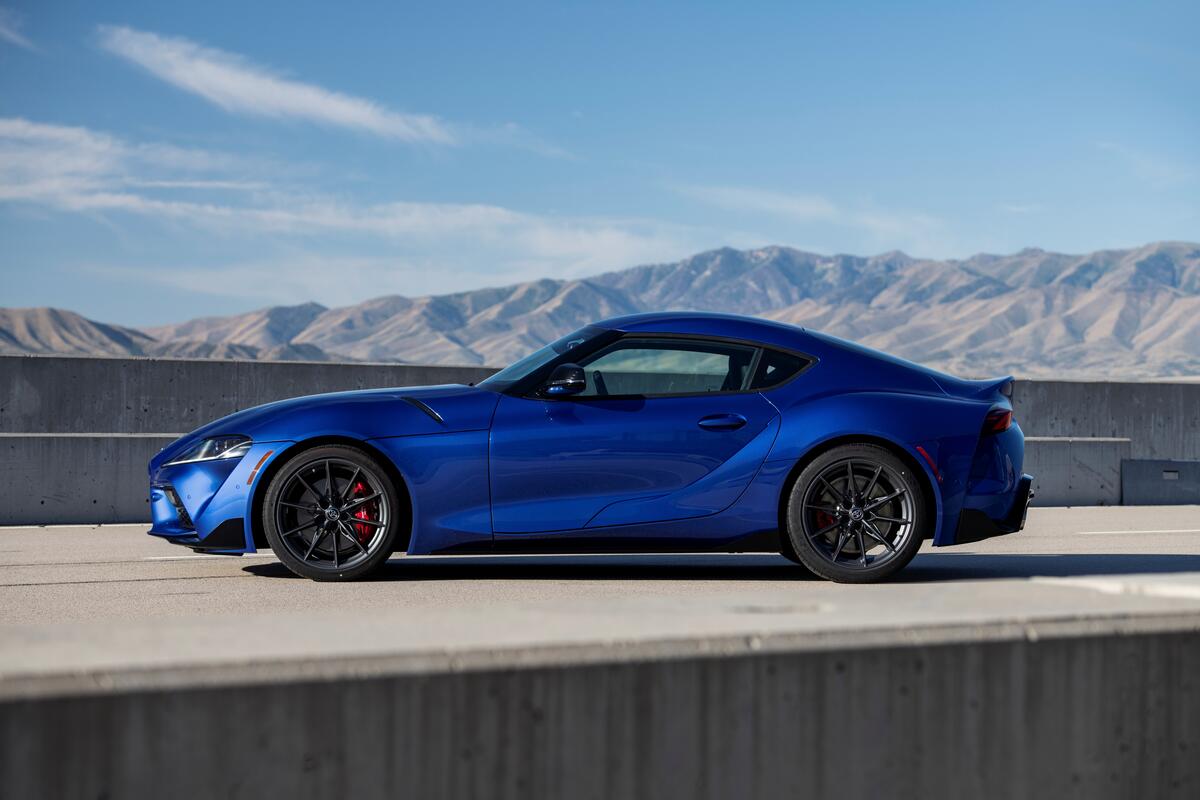
Toyota A90
“A90 Supra” means the newer Toyota GR Supra. It’s a modern sports car, so it’s often used to compare how newer cars can feel more computerized than older ones.

Nissan R32
The Nissan Skyline is a performance car line that has different versions over the years. In the podcast, it’s mentioned because people connect it to the GT-R and to specific older generations like the R32. The point is usually about how those cars feel and drive compared with newer ones.
analog into digital
The speaker is talking about how older cars feel more “mechanical” and direct, while newer cars use more computers to manage things. That can make the driving feel smoother, but sometimes less raw or less connected to what your foot and hands are doing.
traction control
Traction control is a system that helps the tires grip the road. If the wheels start spinning too much, it steps in to reduce power or brake a wheel so you don’t lose control.
scan tool
A scan tool is like a computer that plugs into the car to read what the car’s systems are doing. Mechanics use it to find problems and to see live information from sensors.
OBD2
OBD2 is the standard way cars report their status to a diagnostic computer. It lets you plug in a tool and see things like sensor readings and error codes.
data stream
A data stream is live, continuously updating sensor and system information pulled from the car via OBD2. Watching the data stream helps you understand what the car is doing in real time (for example, how inputs and engine management respond).
flash codes
Flash codes are an older way cars tell you what’s wrong. Instead of plugging in a computer, the car blinks a light in patterns that you have to interpret.
sensor
A sensor is a small electronic part that measures something about the car (like air, temperature, or engine conditions). The car uses those readings to decide how to run the engine, and wrong readings can trigger error codes.
scope
To “scope” a signal means checking the electrical pattern with a special tool. It can show whether a sensor signal is actually behaving correctly, not just whether the computer logged a fault.
check engine
The check engine light comes on when the car’s computer finds a problem. Usually it stores an error code that a scanner can read to help figure out what’s wrong.
module
A module is a computer in the car that controls a specific system. If one computer starts acting up, it can cause error codes even if the sensors seem to be reading normally.
OBD1
OBD1 is the older “self-diagnosis” system used on earlier cars. It can be harder to read than OBD2 because it’s less standardized across vehicles.
standalone
A standalone is an aftermarket engine computer that takes over control of the engine. It can make tuning simpler because you’re not depending on the factory computer network to work correctly.
Haltech
Haltech makes aftermarket engine computers used for tuning. The host is saying that using something like this can simplify things when you’re aiming for big power.

Audi
Audi is mentioned as an example of a modern car with many computers working together. If you change parts without using a full standalone setup, some features may stop working because the computers don’t communicate correctly.
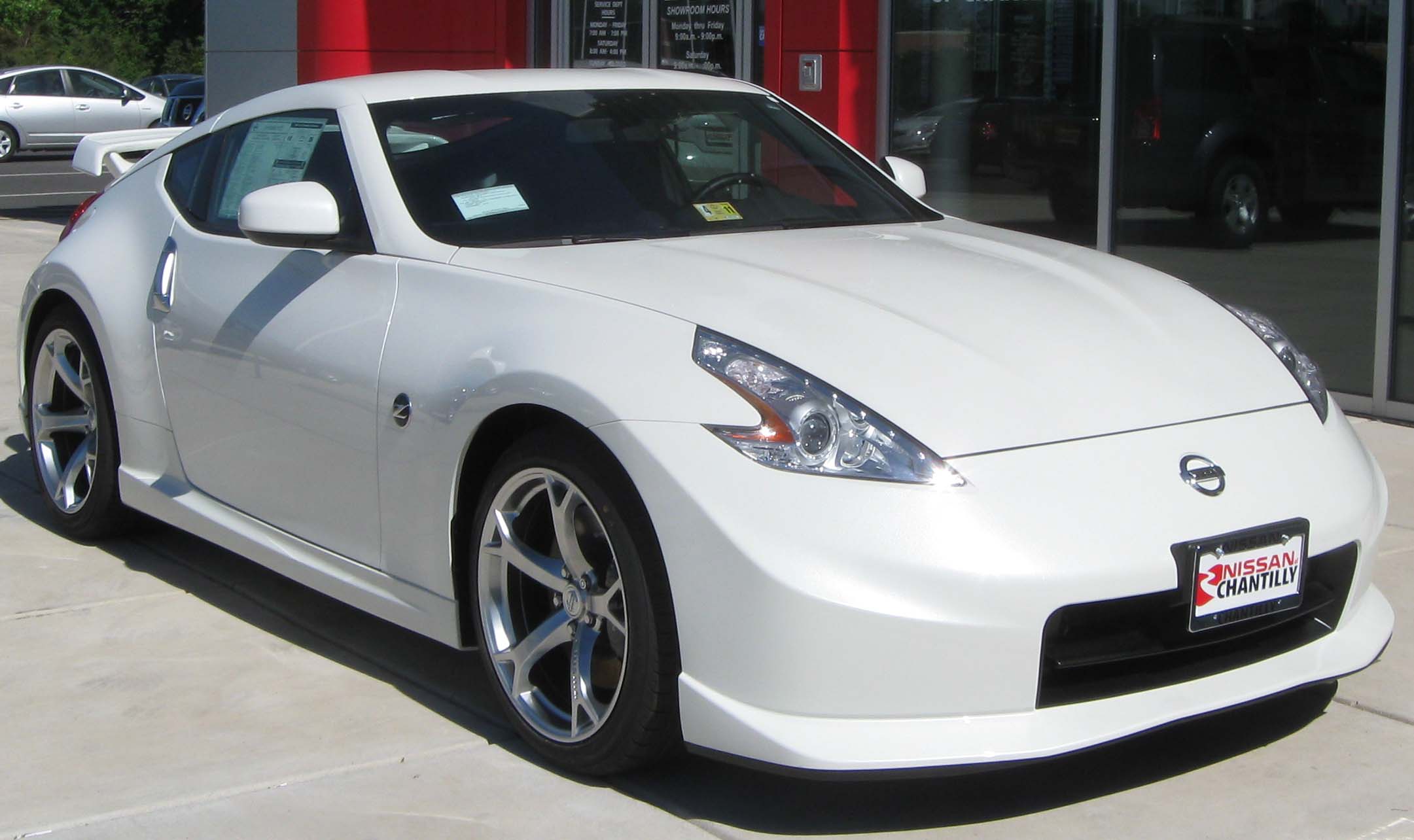
Nissan 370Z
The Nissan 370Z is a two-door sports car made for driving enjoyment. It’s rear-wheel drive, which helps it feel more connected and sporty. It’s mentioned a lot by people who like the Z and similar Nissan sports cars.

G37
The Infiniti G37 is a popular enthusiast car that people modify for more power. The host is saying some tuning paths can run into problems with the car’s factory control systems.
Vivo control
“Vivo control” sounds like the name of one of the car’s factory computer systems. The point is that the car’s electronics are connected, so swapping parts can cause problems unless you manage the engine control properly.
VQ35 heads
“VQ35 heads” means cylinder-head parts from Nissan’s VQ35 engine. The host is saying that swapping parts like this can be tricky with the car’s factory computers, so people often switch to a standalone setup.
drive by wire throttle bodies
Instead of a cable pulling the throttle open, the car uses electronics to tell the throttle to open. A computer (ECU) sends the command, which can make throttle response and idle behavior more consistent.
cable drive
Cable drive is the older setup where pressing the gas pulls a cable that opens the throttle. It’s straightforward, but it doesn’t let the computer control the throttle as flexibly.
idle control motors
Idle control motors help keep the engine speed steady when you’re stopped. They adjust airflow or throttle position so the car doesn’t idle too fast or stall when systems like A/C or power steering kick in.
ECU
The ECU is the car’s engine computer. It reads sensors and decides what to do, like how far to open the throttle to keep the engine running smoothly.
adjustment screws
Adjustment screws are mechanical settings used to fine-tune airflow and idle behavior on some throttle/idle systems. On cable-driven or older setups, these adjustments can affect how much air bypasses the throttle at idle and therefore how stable the idle is.
fast out of the air valves
These valves help the engine idle faster for a short time, like when it’s cold. They add a bit of extra airflow so the engine runs smoothly until it warms up.
tip in
“Tip in” means the instant you begin to press the gas. A good tune makes that first movement feel smooth, while a bad one can make the car hesitate or jerk.
tune
A “tune” is a change to the car’s engine computer settings. Here, it’s being used to make the throttle feel more direct, like older cable-driven cars.
one-to-one ratio
They’re talking about making the gas pedal and throttle opening match up more directly. The idea is that when you move your foot, the engine responds in a more predictable way.
linear
“Linear” here means the response is smooth and predictable as you press the gas. Instead of the car feeling jumpy in certain spots, it changes in a steady way.
factory electronic throttle body
Your gas pedal controls a valve that lets air into the engine. In many modern cars, that valve is controlled electronically instead of by a direct cable, so the response can feel different.
electric power steering
Electric power steering uses a motor to help you turn the wheel. Some drivers feel it doesn’t “talk back” the way older hydraulic systems can.
hydraulic steering feel
Hydraulic steering uses fluid pressure to help turn the wheels. People who like the “feel” usually mean the steering wheel gives more direct feedback.

Ford Explorer
The Ford Explorer ST is a sportier version of the Explorer SUV. The host is using it to explain that even in a fun modern truck, the steering can still feel less “connected.”
Roman mechanical feel
They’re describing the kind of driving feel you get from older, more mechanical cars—where the car feels more “connected” to what you’re doing. Newer electronics can make that feedback feel muted or artificial.
electric differentials
A differential helps the wheels turn at different speeds when you’re cornering. Some modern cars use electronics to control how power is sent to the wheels, which can change how the car feels on the road.
AYC system
AYC is an electronic system that helps the car rotate and grip better when you turn. It uses computers to shift how much power each wheel gets, which can make the car feel different than a more mechanical setup.
drive by wire break
This is the idea of brake-by-wire: instead of your pedal directly controlling hydraulics, it sends electronic signals that tell the brakes what to do. That can make the pedal feel different because it’s not a direct mechanical link anymore.

your 3000 GT
The “3000 GT” is a Mitsubishi sports coupe from the JDM era. The point here is that it’s more of a comfortable, long-distance style car compared with the more track-focused EVO.

EVO
“EVO” usually means the Mitsubishi Lancer Evolution. It’s a turbocharged, all-wheel-drive performance car, and the speaker is comparing its vibe to the more grand-touring feel of the 3000GT.
Brembo
Brembo makes high-performance brake parts. The speaker is worried that if a computer-controlled braking system stops working, you might not have enough braking left to stay safe.
redundancy
Here, “redundancy” means there’s a backup plan if something fails. The speaker is worried that the backup might only work for a short time, and then you could lose braking.
computer
They’re talking about the car using computers to control braking. Their worry is that if the computer fails, you might not be able to stop safely.
fly by wire
Instead of cables and rods directly moving the airplane’s controls, the pilot’s commands become electronic signals. Computers then help move the control surfaces, which can make the plane easier to handle and more consistent.
drive by wire throttle body
On a drive-by-wire setup, pressing the gas pedal sends an electronic signal. That signal tells a motor to open or close the throttle body, which controls how much air the engine gets.
self driving cars
Self-driving cars use cameras, radar, and computers to help steer, accelerate, and brake. The point in this discussion is that modern electronic driving tech can become dependable over time.
adaptive cruise control
Adaptive cruise control is cruise control that “watches” the car in front of you. If the traffic slows down, it can slow your car too, so you don’t have to constantly brake and accelerate.
defaults
“Defaults” here means the car has a backup plan. If something important stops working, it switches to a safer, simpler mode so it doesn’t act strangely.
lock up the rear brakes
It means the rear wheels stop turning and start sliding. Sliding wheels don’t grip the road as well, so the car can feel sketchy or harder to control.
hydraulic line
Brake systems use fluid under pressure to move the brakes. If a brake line fails, the fluid can’t reach the brakes, so you may not get normal stopping power.
master cylinder fail
The master cylinder is like the “pump” that creates pressure for the brakes. If it fails, pressing the pedal won’t build enough pressure to stop the car.
knockback
Knockback is when the brake pads get pushed slightly away from the brake disc. The first part of your pedal press may feel “dead” until the pads move back into contact.
pads out all the way
“Pads out all the way” describes the pads being fully positioned against the rotors so the pedal has normal travel and immediate braking response. In track driving, people may “pre-load” the brakes to reduce the chance of knockback making the first pedal press feel weak.
brake fade
Brake fade is when your brakes stop working as well because they’re overheating. You press harder, but the car still won’t slow down like it should.
analog versus digital
This phrase is about whether a car’s driving feel is more “mechanical and direct” (analog) or more “computer-controlled” (digital). The point being made is that the listener cares less about the technology itself and more about whether the car feels fun and responsive.
connectivity
In modern-car talk, “connectivity” usually means the car’s ability to link to networks and devices (for apps, services, and data). In this segment, it’s contrasted with “rawness,” implying that as cars become more connected and refined, they can lose some of the unfiltered, analog-like character people associate with earlier driving experiences.
golden era
A “golden era” is when fans look back at a certain time period and say, “That was the best version.” Here, it’s used to explain why people miss the feel of older cars and why newer ones don’t always match that vibe.
market share
Market share just means how much of the car-buying market a company gets compared to competitors. Here it’s used to say automakers are trying to chase what sells, not necessarily what makes the car feel special.

Honda Civic
The Honda Civic is a popular small car made for everyday driving. Some versions are tuned for performance, like the Civic Type R, but most Civics are built to be efficient and easy to live with. It’s often mentioned because it’s so common and has both normal and sporty options.
electronic power steering
This is power steering that uses electronics and a motor to help you steer. Some people feel it can make the steering feel less “connected” to the road than older, more mechanical setups.
electronic brakes
This means the braking system is controlled with electronics rather than only traditional hydraulic feel. That can make the brake pedal feel different, and some drivers think it reduces the “connection” to the car.
Civic Type R
The Honda Civic Type R is a high-performance version of the Civic. The host brings it up as an example of a modern car that feels more “engineered” than old-school raw driving.

Nissan Juke
The Nissan Juke is a small crossover, meaning it’s higher than a regular sedan and designed for easier everyday use. It’s known for a unique look and compact dimensions. The podcast mentions it because people are talking about Nismo-style performance versions and which models are included.
Nismo
Nismo is Nissan’s in-house performance brand, used for higher-output and track-oriented versions of Nissan models. In the episode, “Nismo edition” is mentioned as part of the pattern of modern special trims that enthusiasts hope will stay “raw,” even as cars gain more electronic control.
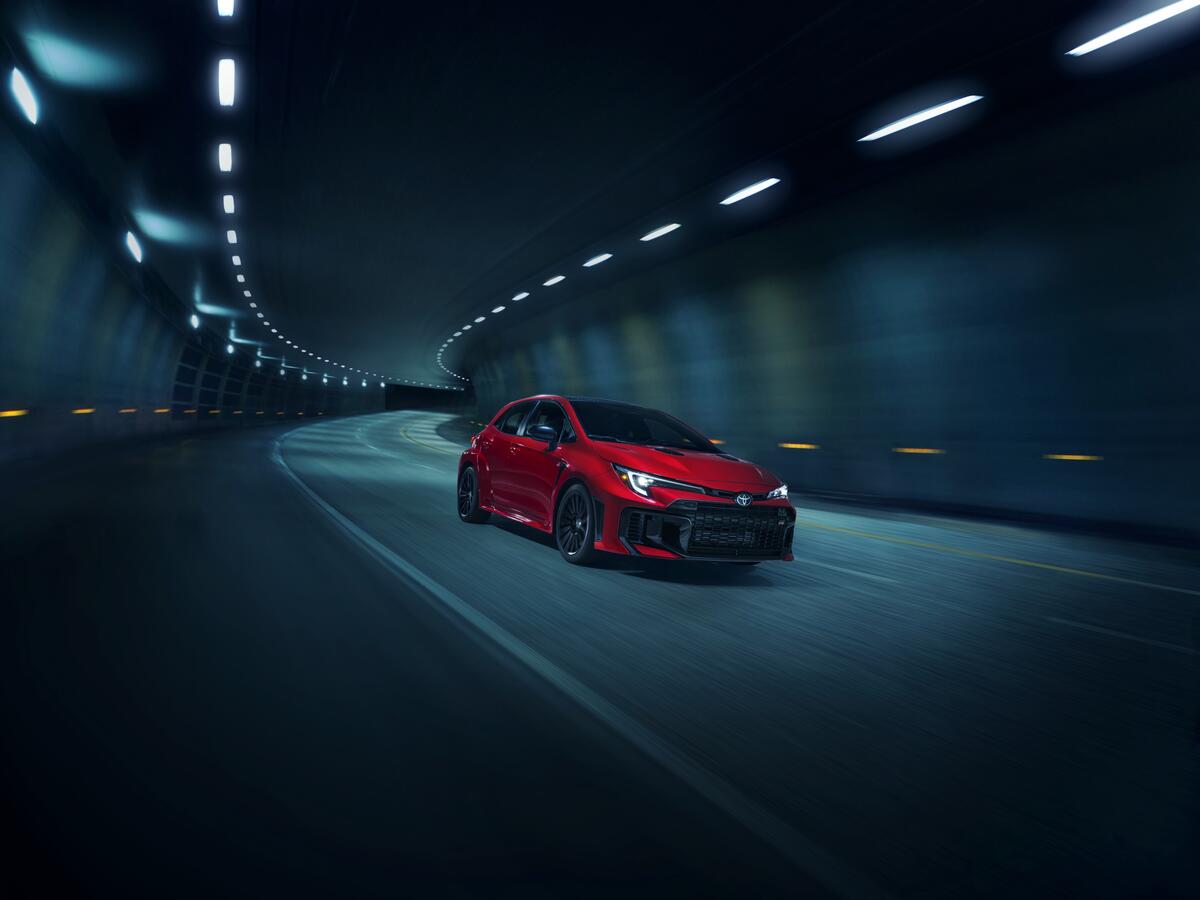
Toyota GR Corolla
The Toyota GR Corolla is a sporty version of a compact hatchback. It’s designed to be fun to drive and to handle well, not just to get you from place to place. People often talk about it after test drives because it’s meant to feel special behind the wheel.
automated
Here, “automated” means the car is doing some of the work for you, like shifting. The host thinks that can make the car feel less connected to you.
driver feedback
Driver feedback is how the car “talks back” to you—through how the steering and pedals feel. The host is saying automakers are starting to bring back that more direct, connected feeling.
braking systems
The braking system is what makes the car slow down and stop. The host is saying Nissan updated the brakes because they found problems when the car was actually being driven.
rotors
Rotors are the brake discs that the brake pads clamp onto to generate stopping force through friction. Upgrading rotors and pairing them with better pads can improve braking consistency and pedal feel, which is exactly what the speaker credits for making the car feel better.
better pad
Brake pads are the replaceable part that actually rubs against the brake disc to stop the car. A better pad can make braking feel more responsive and less likely to fade.
rowing through the gears
“Rowing through the gears” just means you’re actively shifting yourself through the gears. The host is saying that kind of hands-on shifting feels more engaging than automated shifting.
fake manual
“Fake manual” means the car pretends to shift like a manual, but it’s still controlled automatically. The host thinks it can feel less connected than a real manual where you shift yourself.
manual gearbox
A manual gearbox is the kind of transmission where you choose gears yourself. You use a clutch to switch gears, and the host is saying the car’s feel isn’t just about having a manual—it’s about how directly it responds to you.
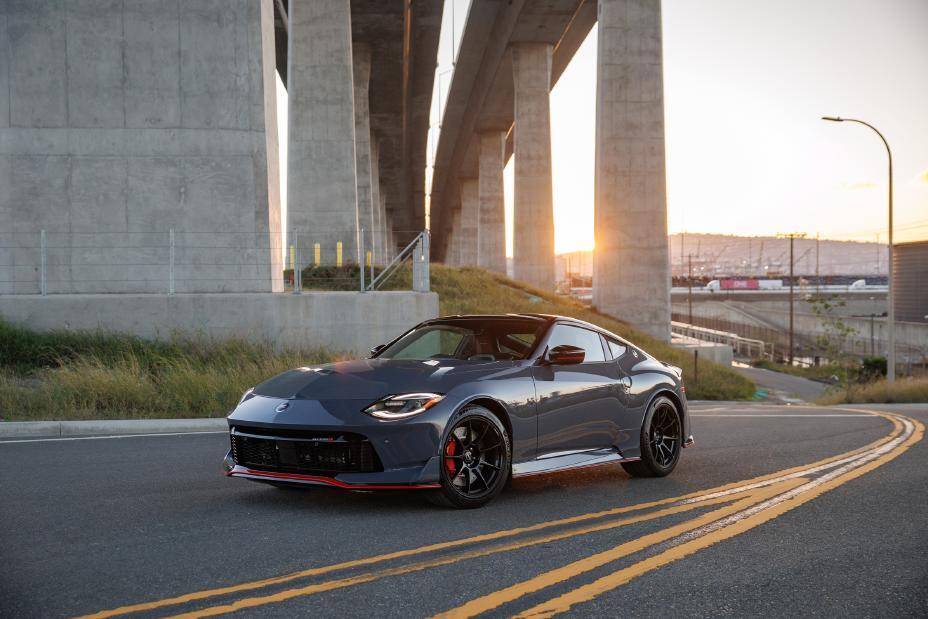
Nissan Z
The Nissan Z is a sports car that’s meant to feel engaging to drive. Here, the host is talking about how the steering and throttle feel can change between versions of the Z.
throttle hanging
Throttle hanging means the car keeps revving or pulling for a moment even after you let off the gas. The host thinks that makes the car feel less responsive and less “connected” to the driver.
rev hang
Rev hang is when the engine doesn’t drop RPM immediately after you lift off the gas. The host is saying it can make the car feel delayed and artificial, instead of responding instantly.
analog and digital
“Analog vs. digital” here means whether the car feels like it responds through direct mechanical action or through computer-controlled logic. The host is basically asking: how much computer is too much before the driving feel stops being satisfying.

my 350 Z
The Nissan 350Z is a sports car that many enthusiasts describe as feeling more “mechanical” and connected. In this discussion, the host uses their 2006 350Z as the baseline for what they consider a good analog-vs-digital balance.
numbness
Here “numbness” means the car doesn’t feel as responsive or communicative. Instead of giving you clear feedback through the controls, it can feel muted—like the car is doing things for you rather than letting you feel the road.
analog feel
“Analog feel” means the car feels connected to you in a more mechanical, natural way—like you can sense what the tires and suspension are doing. The speaker is comparing that to newer cars that can feel more controlled by computers, which may feel less exciting.
generations of cars
“Generations of cars” means the same model across different redesigns over the years. Each redesign can change how the car drives, so the speaker is asking which versions still feel more engaging.