00:45
You know, you've probably stood at those gas pumps and stared at those fuel grids and kind
00:49
of wondered, like, regular, premium, E85, like, does even of this even matter?
00:55
Like, I've hauled it, I've pumped it, and now I'm breaking it all down, from daily
01:00
drivers to race fuel.
01:01
And by the end of this, you'll fuel up smarter than 90% of those on the road today.
01:08
Hey, what's happening?
01:18
How are you doing today?
01:21
Thank you so much for being here.
01:23
I truly do mean that.
01:26
I am Chris, as in the name, cool cars with Chris.
01:31
You are listening to the number one top rated podcast in automotive on Goodpots.
01:39
Thank you a million for that.
01:41
I do appreciate every single one of you that are listening.
01:44
And hey, if you're listening to this for the very first time, hit that subscribe
01:48
button right now, wherever you're listening to the show right now.
01:52
Go ahead and do that.
01:54
It's totally free and it's amazing.
01:57
So today, we're talking about the thing that powers your car.
02:02
And I'm not talking about your engine and I'm not talking about your gas pedal, although
02:08
I am talking about the gas that goes to the gas pedal.
02:12
Today, we're talking about gasoline or fuel, as you like to call it, or Petro, depending
02:18
what country you're living in.
02:19
I know that when I was visiting people in other countries, like in New Zealand,
02:25
they refer to it as Petro, Petro stations.
02:28
They don't call it gas stations down there.
02:30
They call it Petro stations.
02:31
So it's kind of those things here.
02:33
But here in the United States, we refer to gas stations as gas stations.
02:39
But did you ever think about like, where does gas come from?
02:42
Like, how does it get to the station?
02:44
How does it get to your car really?
02:45
I know you pull up to the gas station and you actually pump the gas into your
02:50
But what does that even mean?
02:51
Like, how does it even work?
02:53
And what gas should you be using for your car?
02:58
So today, we're covering all that stuff.
02:59
But starting off right now, before you even like fill up your car right now, before
03:04
you even go to the pump, have you ever thought about like where the actual gas comes from?
03:11
I mean, you think it just like automatically just lives at the gas station?
03:16
You think it just piped to the gas station from the refinery?
03:19
Wouldn't that be nice?
03:20
No, it doesn't quite work that way.
03:23
So today, I'm kind of pulling back the curtain and telling you about how gas gets actually
03:28
delivered from the ground, like under the ground, the bones of the dinosaurs, the bones
03:34
of plants, all that stuff decomposes and becomes oil, fossil fuel.
03:40
And from that, it goes right into your gas tank and you hit that accelerator and
03:45
you hear the great sounds of your engine, you take off and burn rubber, baby.
03:49
That's what it's all about, right?
03:51
Where does gasoline even come from?
03:53
Well, gasoline starts off as crude oil.
03:56
It's this like thick, raw, unrefined, stuffed, pulled from underground or maybe even like
04:03
offshore like drilling rigs off the coast of the, of off the coast, everywhere really
04:09
I mean, off here in the Gulf of Mexico or Gulf of America, whatever you call it
04:12
these days, I don't even know.
04:14
But down there, there's lots of drilling rigs down there.
04:16
Of course, BP had a big accident down there, if you remember back in 2010, but off the
04:23
coast of Long Beach here in California, there was drilling rigs.
04:27
There was drilling rigs.
04:28
I think I kind of pulled a lot of them off, but it seems like the basin of Los Angeles
04:33
has a lot of wells and a lot of like oil wells in the area.
04:38
So it seems like gasoline and crude oil is a big, big thing happening in Los Angeles
04:45
It's been for like years and years, but once you have that crude oil, you got to do something
04:51
You got to turn it into gasoline and other products we actually can use.
04:55
And that is where the refinery comes into play.
04:58
So at the refinery, the crude goes through a process called distillation.
05:03
They heat it up, separate it by boiling points.
05:07
And that's how they get the different fuels, like gasoline, like diesel and like
05:13
But everything starts with that crude oil that has to be refined to make all the great
05:18
flavors of petroleum products that we use for vehicles.
05:22
Now after refining the gas and turning it actually into gasoline, the gas is blended
05:28
with additives more than later and often with ethanol and actually here in California,
05:35
not sure about other states, but here in California, all gasoline that you buy in
05:40
every single gas station has a minimum of 10% ethanol added to the mix.
05:47
So in other words, everything you buy is technically E10.
05:52
That's 10% ethanol and 90% gasoline.
05:55
Okay, but you're thinking, hey Chris, what about the different grades of gas, like
05:59
premium, mid-grade and regular?
06:01
How does that work?
06:02
Well, the different fuel grades like premium, mid-grade and regular come from blending
06:08
in more or less of the octane boosters to the octane helps prevent knocking in your engine.
06:15
High performance cars need higher octane to run at their full potential.
06:20
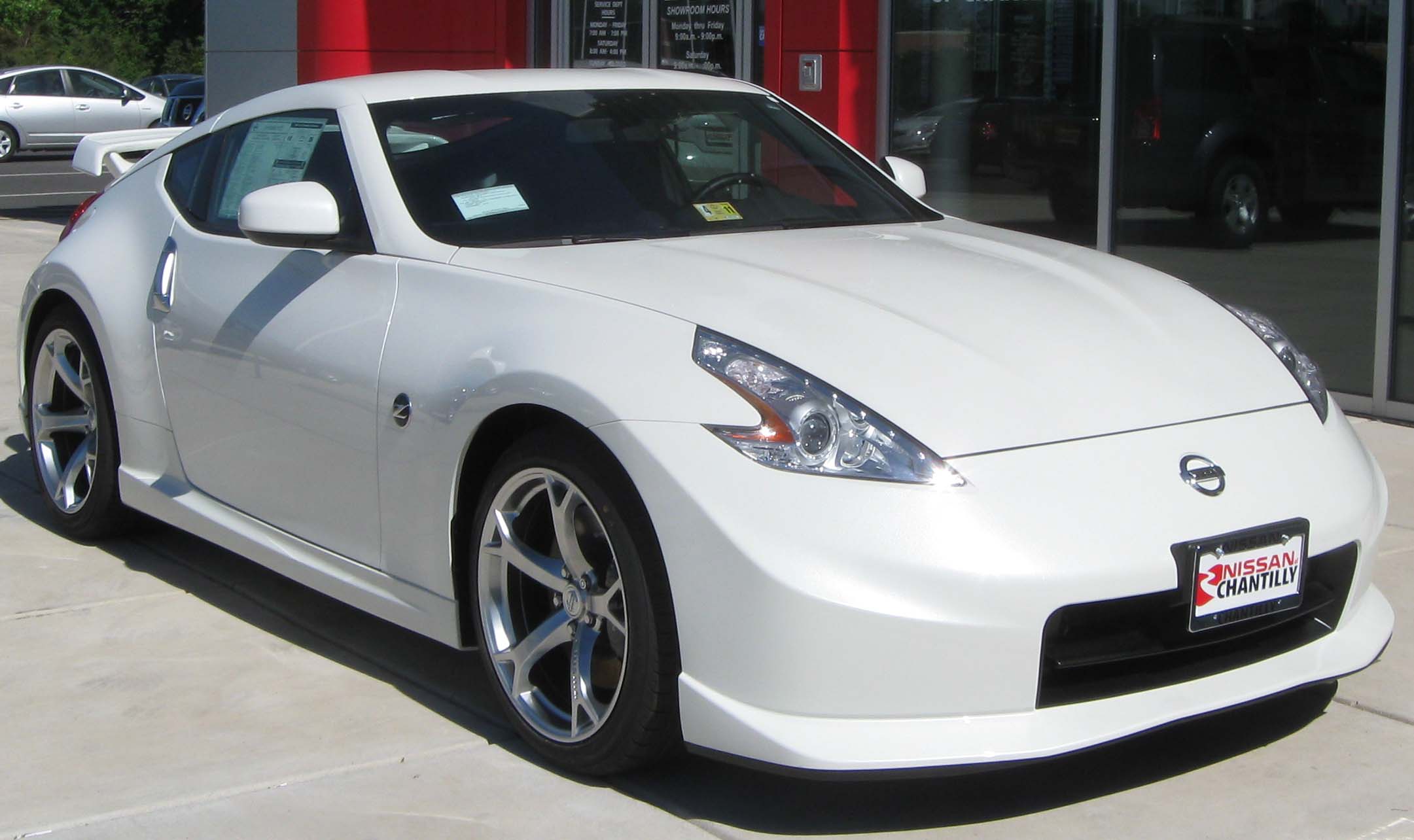
I know that when I had my Nissan 370Z, it said right on the fuel cap and on the fuel
06:27
door, it said premium fuel required.
06:30
And if you drive a car like a BMW or any kind of performance car, probably a Porsche,
06:36
I'm sure Corvettes, I'm sure definitely Lamborghinis and Ferraris, I'm sure they all require premium
06:43
And you're probably wondering, hey Chris, how are you such an expert on gasoline and
06:48
How do you know this stuff?
06:49
Well, my regular, regular job, not when I'm doing this podcasting stuff, but like regular
06:55
paying job, is that I am a gasoline tanker driver for a petroleum company.
07:03
So that's how I know this kind of stuff.
07:05
We call the gasoline to the gas station so you can fill up your cool car.
07:11
And the way it actually works is this.
07:13
So the refinery refines the gas and the different types of gas.
07:17
Usually when they refine gas, it usually comes into two different types.
07:21
There is regular gasoline and there is premium gasoline.
07:25
But you're kind of wondering, what about the mid-grade?
07:27
Don't you worry about that?
07:28
More on that later.
07:30
But so they pipe it down from Los Angeles down to San Diego County.
07:36
And on the way, it has to hit all the different storage facilities before it gets down to us,
07:42
down at the bottom of the line.
07:44
So what it does is that the pipeline, there's only one pipe, which is kind of crazy to
07:50
There's only one actual physical pipe that pipes all these different products from
07:54
Los Angeles down to San Diego.
07:57
So the first thing you're probably thinking is, well, how do they like separate the different
08:03
They do, but they butt them up together.
08:07
So in other words, you'll have diesel coming through the pipe right now.
08:12
And then behind it will be, say, regular gasoline.
08:16
Now that section in the middle where the fuels kind of cross and touch, they mix,
08:22
that's what it's called, transmix.
08:25
And that transmix gets pushed into a separate transmix tank and separated.
08:32
Then they have the clean product that they need coming through and filling up the storage
08:38
Now once those tanks are filled up or they got enough product to actually do deliveries
08:42
with, we take our trucks, go to the loading rack.
08:47
We have our orders, our deliveries, and we load our gas at our loading facility in
08:53
Then we take it to a gas station on our delivery list, on our dispatch.
08:58
It's pretty simple.
09:01
Each station gets a full gas load.
09:04
And you're probably thinking, that's a lot of gas.
09:07
Actually, no, not really, if you think about it, some of these stations go through
09:12
two or three loads every single day.
09:16
If you've ever been to a Costco, I don't deliver to Costco, but from what other
09:20
drivers have told me, the Costco stations have massive, I don't mean massive tanks.
09:27
They get like probably four loads a day and they're doing it every day like that.
09:34
And they're going through a lot of gas at Costco.
09:36
As you see, the lines are really busy.
09:37
You get that, but they have really massive tanks.
09:40
Most of the other stations have smaller tanks, so they might get a delivery once
09:45
a week, once a day, things like that.
09:49
OK, so as far as the delivery process goes, when I delivered the gas to the gas station,
09:55
I drive my truck to the gas station and I park in the area where the actual delivery
10:01
tanks are at, because I have hoses on the truck.
10:05
They're only so long, so I can't park like really far away.
10:07
They got to be like really close to where the tanks are.
10:10
And the tanks actually sit underground.
10:13
They're not above tanks.
10:14
They're underground.
10:15
You don't even see them.
10:17
You don't even know they're even there.
10:19
And they have these lids on the ground and I pull the lids off and these little caps,
10:25
They got the access to the tank.
10:27
Now I hook up my fittings, hook up my hoses, do all that stuff, and deliver the gas
10:31
from my truck tanks into the ground tanks at the station.
10:36
And the way that process actually works is that it's actually gravity-fed like
10:43
is if you were to pull a drain on a bathtub and you watched the water kind of drain down
10:48
the bathtub and go down the pipe, it works the exact same way.
10:54
It's as if I pull a plug on the bottom of the tank and all the fuel just kind of drains
10:58
down the pipe into the tanks down below.
11:02
And that's pretty much it.
11:03
It's it in a nutshell.
11:04
Of course, other things too, but that's the basics of it all.
11:08
And then we go on and we do the next station and everybody's happy, everybody's got gas
11:13
and move on and we go on.
11:16
And here's a little fun fact you might not know is that when, because all the gas is
11:22
coming down the same pipeline and it's generated generally like one of the two refineries
11:27
that are up there, what makes one gas station's gas different than another station's gas?
11:32
Like how does that work?
11:34
Well, the real thing is that the difference is really in the additives.
11:40
Like each gas, like Chevron, Shell, whatever it is, each one of them has their own little
11:45
like secret sauce, their own little ingredient and that ingredient is their own particular
11:49
additives that they inject at the time it's being fuel loaded into the truck itself.
11:56
So that's where the difference is between different gas stations.
11:59
So places that claim like top tier brands like Chevron, like Shell and other places like
12:05
that, they use actually their own detergents at the terminal when we load it.
12:11
So when we load the truck, it actually asks us like, are you loading for the station?
12:18
Is it whatever other company?
12:19
And it already knows the computer system already knows to actually inject in the proper
12:25
Shell additive into this gas load versus a generic station would.
12:31
So the next time you're getting gas and you kind of wonder like, where did this gas actually
12:36
It came from crude oil far away and it was refined.
12:39
If you live in the general area to Los Angeles, I mean like even Arizona and even like
12:45
Nevada area, yes, there's a good chance all that gas was refined right here in Los
12:52
Angeles in Southern California.
12:55
And that's how it got to you in your car.
13:00
So what are fuel grades?
13:02
You know, you've probably seen them at the pump and you go get gas.
13:04
You've seen probably regular, mid grade, premium.
13:09
Sometimes you see racing gas, particular pump stations do have racing gas available.
13:13
And of course some also have E85 like what does that even mean?
13:19
So let's break all this down and let's figure out whether or not you actually
13:22
need the really, really expensive stuff or not.
13:26
Maybe you don't, you know, depending what you drive.
13:28
So let's take it with regular gasoline.
13:31
That's regular 87 here.
13:33
I know when I was in Utah, they had stations that had 85 octane.
13:38
So maybe it's something to do with like different regions, different climates, different altitudes.
13:42
It could be all in a factor.
13:44
I want to talk about what I know right here in San Diego County.
13:47
It's 87 for regular.
13:49
Now regular octane 87, that's like your standard fuel.
13:54
It pretty much works on almost every car, on everything on the road today.
14:00
Now 87 is the minimum octane grade, the minimum, not the maximum.
14:05
The minimum has to be at least 87.
14:08
That's what all these numbers mean.
14:10
They are the minimum requirement, minimum of 87 octane.
14:14
It is designed for engines that don't require high compression.
14:19
It is the most budget-friendly and efficient for all major motor vehicles on the road today.
14:26
Pretty much anything can run on 87.
14:29
They said it can run on 87.
14:30
I didn't say it would run well, but it can run on 87.
14:34
Now if you're manual on your car or truck or whatever you drive, if it doesn't say
14:41
that you need premium, then regular 87 is probably just fine.
14:48
Now the next tier up, you might see in this one too, it's called mid-grade.
14:54
Usually it's marked as 89.
14:56
Now that is a minimum of 89 octane.
15:00
Now it usually sits in the middle between regular and premium.
15:04
Now you're probably wondering, like I said earlier, we don't deliver any mid-grade.
15:10
Mid-grade does not come down the pipeline to our tanks down in San Diego.
15:15
So where does the mid-grade come from?
15:17
At most, if not all gas stations here and probably across the country, they do not have a mid-grade
15:25
tank at the gas station.
15:28
So you're kind of wondering, like where does the mid-grade gas come from if there is
15:35
Well mid-grade, as it might sound like what it is, is a mix of premium and regular.
15:41
It is a 50-50 mix of premium and regular.
15:45
So what they do is, at the station, at the pumps, when you press mid-grade, what happens
15:51
is it pulls a 50-50 mix from the regular tank and the premium tank.
15:57
Now what this does is that it actually frees up storage at the station so they do not
16:02
have to dedicate an entire tank for mid-grade when they can use the premium and the regular
16:09
That's how they all work.
16:11
But the truth is that not many vehicles are designed for mid-grade.
16:17
It's often used when people split the difference between regular and premium.
16:21
So you want something better than regular, but you do not want to pay for premium.
16:26
Like I said, it's 50-50s, half and half.
16:29
I mean, you could make your own mid-grade by filling half your car with regular and
16:35
the other half with premium.
16:36
They would be mid-grade, literally, physically, it'd be mid-grade.
16:41
Now unless your car says it needs mid-grade, which I don't know how many cars say they
16:48
Like I've not heard of that.
16:50
It's probably either regular or premium.
16:53
Then you probably don't really need it, and it's probably not worth the extra cost.
16:58
And moving on to the big daddy of them all, we're talking about some premium,
17:03
This vehicle usually comes in 91 or 93, if you're lucky enough, on the other side of
17:09
But out here in California, it's rated at 91 octane.
17:12
Now it's the minimum, like I said before, a minimum of 91 octane.
17:18
Now talking about premium here, of course, 91, 92, 93, depending where you live, of
17:24
course, this is designed for high performance engines with high compression ratios like
17:30
sports cars, like cool cars, like turbocharged cars, and some, and probably all, luxury vehicles.
17:39
But what it can do for you as a benefit of running premium is that it actually prevents
17:45
That's the rattling, pinging sound that you don't want to hear in your car, trust me.
17:51
And it lets those engines perform like they were built to.
17:54
It's actually recommended for a lot of high performance vehicles.
17:58
I know when I had my Z, like I said before, it did say must use premium.
18:03
But here's the key.
18:05
If your car requires premium, you better use it.
18:09
But you can get away with running regular in a car that says it must use premium.
18:16
In fact, I was at the station not that long ago, and I was finishing up a delivery
18:21
and this guy was kind of freaking out.
18:24
He was asking me a question.
18:25
He wanted to know that he was kind of panicked because he had a Lexus.
18:29
It was like an older Lexus wasn't like a new one.
18:31
And he said that like he accidentally put 87 in his car, but his car needed premium
18:39
and it was kind of freaking out about it.
18:41
And I said, well, how often do you buy gas?
18:44
Do you buy gas like every day, every month, every week?
18:47
I buy it probably a couple of times a week.
18:49
Here's what you do.
18:50
It will run fine on the 87 it'll run like won't break down.
18:54
He was afraid like as if he put like sand in his tank or something like that.
18:59
No, it'll run, but as soon as you can run premium, I will put premium in the thing
19:05
like the next day or the day after that immediately and fill it will keep using
19:09
premium on top of that.
19:11
They kind of wash out all the regular you put in there.
19:13
Eventually it'll turn into 89, which is mid grade, but he was so worried.
19:18
He bought some octane booster and threw that into his tank and I said,
19:23
I guess you can try that.
19:24
But it's not the same thing.
19:26
You know, so my best advice is it's fine.
19:30
Don't take it to a mechanic and like flush your engine.
19:33
I think you want to like flush his tank out or something crazy.
19:36
You don't need to do that.
19:38
Just run, you know, use it, run it and you know, just keep on putting
19:43
the premium in there and you'll be just fine.
19:45
Moving on to racing fuel like the hundred plus octane, the really, really good
19:52
I'm saying we're talking high octane for the race track.
19:56
Now, if you have a race built engine, if you have a technically a race car,
20:03
you're going to want to find yourself some hundred plus octane racing stuff.
20:08
Now, racing fuels range from 100 octane on up, sometimes 110, sometimes more.
20:16
Now, this is specifically made for engines running high boost, maybe some
20:22
nitrous or even some extreme compression.
20:27
You know, we're talking a totally different ballgame here of gas.
20:32
You'll find this fuel and usually it's in barrels.
20:34
It's they don't sell at the pump.
20:36
It's usually in barrels.
20:37
But now there probably is some stations.
20:39
I did hear about a station up north somewhere probably was it Santa
20:44
Monica, maybe it was in Malibu, somewhere up there in those Richie,
20:49
like Richie areas of North LA.
20:53
And I heard of a gas station that sold like racing gas at the pump.
20:58
I'm we're seeing it on television once and people put it in there,
21:01
but it was super expensive.
21:02
Like whatever the price of gas is here, the racing gas has got to be
21:07
like five or six dollars more than whatever you pay for gas here.
21:12
Maybe even more than that.
21:13
I'm talking to me $10 a gallon, maybe even more than that per gallon.
21:18
So like I said, it's designed for race cars and it comes in barrels
21:22
usually, but you might be lucky enough to find it at a pump station.
21:26
And this gas I have never have used.
21:28
I've never delivered it.
21:30
I've seen it for sale.
21:31
Yes, I've seen it in little barrels for sale.
21:33
Yes, I have never used racing gas in any car that I've ever
21:37
driven that I know of.
21:39
So I've never bought it.
21:41
I've seen it for sale.
21:42
Yeah, in little barrels.
21:43
Yeah, but I've never like delivered it.
21:45
I've never used it.
21:46
I've never consumed it, but I know it exists and I'm aware of racing
21:51
And since I just mentioned that racing fuel is like super, super
21:54
expensive, but say you want something very similar racing
21:57
fuel with a very high octane, just as high as racing fuel, but
22:01
you want to pay something cheaper than regular gasoline.
22:05
Well, you get yourself some E 85 ethanol blend.
22:09
Now, this is only recommended to be used in cars that say flex
22:16
fuel blend only my truck is a flex fuel vehicle.
22:20
I have ran E 85 in my truck before.
22:24
And what E 85 actually is it's regular gasoline just regular
22:29
87 only 15% of it is regular gasoline.
22:36
85% of it is ethanol pure ethanol 85% ethanol 15% gasoline.
22:43
That's where they get the actual E 85.
22:45
The ethanol starts the E 85% is E 85.
22:50
Now, like I said, you only want to use this.
22:53
If you have a flex fuel vehicle car or truck or car that's
22:58
actually tuned for 85, you can take a regular car like my
23:02
370Z, which is only recommended for regular gasoline and regular
23:06
premium gasoline, not flex fuel, not E 85, but you can do a full
23:13
conversion kit and actually make it so it can run on E 85.
23:19
Typically is the injectors, the fuel lines, the computer
23:23
because the computer in the car figures out the actual like
23:26
octane tune and it actually figures things out as you drive.
23:30
That's when they say when I put gas or put E 85 in my pickup
23:34
truck, that to drive it for like a mile or two, maybe longer
23:39
to kind of get the computer to figure out the actual ethanol
23:42
blend and kind of figure things out.
23:44
That's what it kind of does.
23:46
So my truck has run on E 85 and what I have noticed when I
23:50
put E 85 in my truck, it does seem to run a little different
23:55
like as if I have a slightly more power, it sounds a little
24:00
It just feels like it likes it for some reason, although there
24:05
was some downside to actually put an 85 in my truck running it
24:09
Kyle's running E 85 for like a while and I did notice that I
24:15
did get a check engine light on my truck and I ran regular
24:20
gas right after that and the check engine like went away.
24:23
So I don't know what's up with that, but the thing about
24:27
E 85 is that it is much, much, much cheaper than regular
24:32
In fact, when I was buying 85, I think I was paying, I kid
24:36
you not, probably like maybe $3 or $2 cheaper than regular
24:42
gasoline, maybe quite not that much.
24:44
Maybe it was a dollar cheaper.
24:45
It was quite a savings, which might sound amazing.
24:48
Like Chris, that sounds great.
24:49
Why wouldn't everybody use it?
24:51
Who has got a flex fuel vehicle?
24:52
Well, the downside is that you do burn through it much,
24:56
I noticed on my pickup truck, my Ford F 150 with a 5.0
25:02
Typically it says it runs an average of like 16 miles per
25:06
I know it probably sounds horrible, but when I ran the
25:10
E 85 gas, it knocked it down to 13 miles per gallon
25:16
So I lost like three miles per gallon on average overall
25:20
by running the E 85 versus the regular gasoline.
25:24
So you do burn through it much faster, but on the flip
25:28
side, it's much cheaper to buy than regular gasoline.
25:33
So it may actually weigh out the cost to be about the
25:36
same, but when I was running the math, I was running
25:39
the numbers on it and it seemed to be even still, even
25:43
though I burned through it faster, it still was actually
25:45
cheaper than running regular gas.
25:48
But like I said, it all depends on where you live and
25:51
the price of gas compared to the price of 85.
25:55
Now, if the price of gas is $5 a gallon where you live
25:59
and the E 85 is $4 a gallon, it's cheaper, but it's
26:03
not like crazy cheaper.
26:05
Now, if it's $5 a gallon for gas regular and it's like
26:09
$2.50 for E 85, well, that is a really killer deal.
26:14
That's half the price.
26:16
You're saving so much money and you're creating more
26:18
horsepower for your sweet ride.
26:20
Like I think mine with my setup, I think I was getting
26:23
an extra like 30 horsepower, 50 horsepower, something
26:27
like that is what they claim based on the numbers.
26:30
I was running the numbers on it with E 85 running in the
26:34
So that's a lot of power and you definitely feel it.
26:36
You definitely feel the power, but every time I step
26:38
on the gas, you feel that power.
26:42
I just know I'm like burning through the gas
26:45
quickly, quickly and faster.
26:46
Watch that, that needle of the gas tank just like
26:49
start to drop as soon as you hit the throttle, but it
26:54
It feels great, you know, but the bottom line is you
26:57
want to use the gas that your car was designed to
27:02
You know, more expensive doesn't always mean better.
27:06
Read your owner's manual.
27:08
Look at the actual gas cap on your car when you flip
27:12
the little lid open the fuel gas.
27:14
There's a little tag on there and sometimes it'll
27:17
say premium only sometimes like my truck.
27:19
It'll say E 85 slash gasoline, which means I can run
27:23
a mix of E 85 or gasoline or both or either or it
27:30
And so look at your manual for your car and you
27:33
make the best decision for your vehicle.
27:38
Moving on to top tier gasoline and some fuels that
27:42
you probably want to avoid.
27:45
So you think that one refinery, one gas gets sent
27:50
down there to the gas stations, but not all gas is
27:56
Even if it has the exact same octane like a premium
28:00
at this station versus a premium at that station,
28:03
they're still different.
28:05
Now what is top tier gas?
28:07
You probably heard about this commercials for top tier
28:10
this where station delivers top tier gasoline.
28:13
Our gas is top tier gas.
28:15
What does that even mean and is it something to be
28:18
aware of top tier gas is the standard created by
28:23
major automakers to guarantee high quality fuel.
28:28
So it's not just about the octane.
28:32
It's about the additives that clean and protect
28:36
It's like their secret sauce.
28:38
Every single gas station company or gas station
28:41
you go to has got their own version of this.
28:45
If you ever been to a Chevron gas station, you might
28:47
have seen the powered by Techron that Techron is
28:51
their additive they put in their gasoline.
28:53
And if a station says top tier gas right on the
28:57
pump, all that means is that that station meets
29:02
the minimum required by the EPA as far as the
29:06
additives are concerned and top tier claims that
29:10
they actually exceed or go beyond the minimum
29:13
requirements for the additives that need to be
29:16
put into the gasoline at the gas station.
29:20
So why do these detergents even matter?
29:24
Well, you see when you drive your car and the
29:28
pistons go up and down, the oil slides around
29:31
the spark plugs burn and they got all this
29:33
stuff happening and all this stuff and crud and
29:36
crap that happens and gets clogged up in the
29:38
engine and the valves intake valve exhaust valve
29:43
in the cylinders himself.
29:46
The detergents help clean these things.
29:48
It helps clean the fuel injectors helps clean
29:51
the intake valves and it cleans out help prevent
29:54
some of this carbon buildup.
29:56
All the like certain crap that gets burnt up
29:58
and gets left there inside your engine because
30:00
nobody wants to fill the engine inside or out.
30:03
You don't want your engine to be horrible and
30:05
crappy because that starts to cause issues
30:08
with your engine later.
30:09
So having these detergents in the gas helps
30:13
prevent these things.
30:14
So you're wondering which gas stations actually
30:19
Well, you can look it up at top tier gas.
30:21
I'm sure the website is something like
30:22
top tier gas dot com something like that.
30:24
I'm sure is what it is, but you can look
30:26
these things up, but you'll find places
30:27
like Shell Chevron mobile Costco and a
30:32
bunch of other places that all claim top
30:35
tier gas, which means they meet or exceed
30:37
the minimum standard for additives in their gasoline.
30:42
And just because it says top tier does not mean
30:45
it to pay top tier prices places like Costco,
30:49
which have very, very cheap gas considered
30:52
like compared to other places.
30:54
Their gas is very cheap.
30:55
It's on the like minimum of price point
30:58
compared to other places.
30:59
And they have additives in their gas.
31:02
They meet and exceed top tier levels
31:04
with their gasoline.
31:06
And I know you're probably wondering,
31:07
Hey, Chris, I just buy at like Joe's blows
31:10
house of gas down the street and that's
31:12
the only gas that I've ever got from my car.
31:15
Did I destroy my car?
31:16
Am I like ruining my sweet ride by
31:19
putting Joe blows house of gas in there?
31:21
It's definitely not top tier.
31:22
I don't know where it comes from
31:24
tell you the truth, but what do I do?
31:26
Well, hold your horses.
31:30
Well, not necessarily.
31:32
The base fuel coming down the pipeline
31:36
is the same base gasoline that's put
31:38
in all the other gas stations.
31:40
All the gas, whether Chevron or Shell
31:42
or wherever that base gas, the gas
31:45
that comes down the pipe to the tanks
31:46
here in San Diego or wherever you live.
31:49
That gas is all the same.
31:52
The only real difference is the actual
31:56
The type of added like that
31:58
tech one I was telling about with Chevron
31:59
that stuff every station,
32:02
every company has their own little secret sauce.
32:05
They're a little secret added.
32:06
They use Chevrons happen to be tech run
32:09
and how well maintained the pumps
32:12
and the actual gas tanks themselves are
32:15
because some of these smaller stations
32:17
not to throw any amount of the bus,
32:19
but I'm going to right now.
32:20
Some of these small independent stations
32:23
like special ones out on the little
32:24
nowhere, we don't know
32:26
if anybody's maintained that tank.
32:28
But definitely not top tier.
32:29
We have no idea if they change the filters
32:31
because there are filters
32:33
on the actual gas pumps.
32:35
When you pump gas in your car,
32:37
that thing you hook the nozzle on
32:38
behind that little shed behind little
32:40
buttons that say premium regular
32:42
and mid grade behind that.
32:44
There's a filter in that system.
32:46
There are filters of fuel before it
32:48
goes into your tank.
32:49
Now, do they change those filters?
32:55
But hey personally for me,
32:58
that is why I only stick to name
33:03
If I have to and if I absolutely
33:05
have to like if I'm stranded in the
33:07
middle of nowhere and it's like the
33:09
only gas station around for miles
33:11
and I got to get the next destination.
33:13
I'll get whatever I got, right?
33:15
But living here in the city,
33:17
having multiple choices,
33:19
name brand choices personally for me.
33:22
I'd rather go to a name brand
33:24
gasoline that I know it's top tier.
33:27
I know the quality of the gas is good.
33:29
I know the tanks are maintained.
33:30
I know the filters have been
33:31
replaced on the pumps
33:34
because I want to make sure that the
33:35
gas I put in my truck in my cars
33:38
is the highest quality possible.
33:40
Now, I can remember a story
33:42
years and years ago that I've heard
33:43
this happen multiple times,
33:45
not from this story,
33:46
but from other people said the same thing
33:48
is that a lot of these smaller
33:50
independent gas stations,
33:52
these really small not name brand places,
33:54
but like Joe blows gas station of gas
33:56
or whatever, right?
33:57
Small independent stations
33:59
since they don't have a contract
34:00
with a major company like like Chevron
34:03
or Shell or anything like that.
34:05
They have, they can buy gas from
34:06
anywhere in any place they want
34:08
that they will buy gas
34:11
from companies that siphon the gas
34:15
out of wrecked cars at wrecking yards.
34:18
All those cars, all those cars with
34:20
accidents, they've got gas in their
34:21
tanks still, right?
34:22
So they siphon all the gas out
34:24
and put it in a storage tank.
34:26
And technically the gas is still
34:27
quote unquote good, I guess,
34:29
but company will come take that gas
34:33
and they will sell it to some of
34:34
these independent stations for like dirt
34:36
cheap and then they will put in there
34:39
and they'll top it off with a gas
34:41
load of like regular gas on top of it
34:44
to kind of mix it up, make it somewhat
34:45
decent because they can't run all
34:47
because they don't know what it is.
34:48
It could be, it could be diesel.
34:49
It could be, you know, premium regular.
34:51
It could be 85, could be a mix
34:52
of all kinds of stuff.
34:54
And that's what happens as some of
34:55
these independent stations and another
34:57
thing that happens to these
34:58
stations too, I've heard this story
34:59
too, is that you'll be there delivering
35:01
gas at an independent station.
35:02
I don't do that, but I know other
35:03
people have have and they would say
35:05
that they get to a station and the
35:08
regular load that they have wouldn't
35:10
fit in their regular tank.
35:12
The regular won't fit in the regular
35:14
and the station owner will say,
35:16
well, just put the rest in the premium.
35:17
Don't even worry about it.
35:18
Put it in the premium.
35:19
So basically you're making your
35:21
premium or downgrading it down to
35:23
mid grade now, but you're going
35:24
to sell it for premium prices.
35:26
Of course you are, right?
35:27
The owner doesn't care because he's
35:30
getting a discount.
35:30
He's getting now premium for regular
35:33
prices and he's selling it for premium
35:36
So there's a lot of shady things
35:37
that kind of happen at these
35:38
independent stations.
35:39
So personally, I stay clear of these
35:42
places and I only stick to major
35:45
companies when it comes to buying
35:47
So what do you look for when
35:49
choosing a gas station?
35:50
Well, if you stick to the major
35:52
brands, you're probably going to
35:55
The major gas stations, the major
35:58
oil company gas stations, you
35:59
want you, once you all know and
36:01
you've all seen, stick to those
36:03
and especially if you go to the
36:04
pump and it says top tier gas,
36:06
you're clean, you're fine.
36:08
It's all good, good to go.
36:10
Like I said, you can buy gas
36:12
wherever you want to buy gas.
36:13
You can put whatever gas you
36:14
want to put in your car, go
36:16
But personally for me, I try to
36:18
avoid the smaller independent
36:20
stations that can buy gas from
36:21
any place, anywhere and just put
36:24
whatever they want in their gas
36:25
take and sell to you for whatever
36:29
So now moving on to choosing the
36:31
right fuel for your car, which
36:34
is what this is all about in the
36:35
So you got a cool car or any
36:37
kind of car really, you want to
36:39
make sure that you are buying
36:41
and fueling up your vehicle with
36:44
the correct gas that you need.
36:45
Now we've talked all about regular
36:48
premium top tier racing blends
36:51
and so like how do you actually
36:53
choose the best fuel for your
36:56
Well, let's make it simple so you
36:57
can make the right choice, the
36:58
best choice every single time
37:02
It starts with your owner's
37:05
I know I said this before every
37:07
car that you buy hopefully
37:10
new comes with your owner's
37:12
But if you bought a used car
37:13
like I go about my Z for
37:14
example, it did not have an
37:16
owner's manual at all.
37:17
But with a little googly
37:19
ugly little search on the web,
37:20
you can figure out which kind
37:21
of fuel is required for your
37:24
If you do not have an owner's
37:25
manual and it sounds simple.
37:27
Sounds like a no brainer.
37:29
Yeah, look at the manual.
37:31
If you can't find in the
37:32
manual, then you look actually
37:34
at the gas cap itself.
37:36
It should say right on that or
37:38
the actual gas cap door.
37:40
It should say inside there,
37:41
whether it's a premium only or
37:43
they can run E85 or whatever
37:45
it is, it should say right
37:47
It sounds pretty simple.
37:48
But if it says regular, you're
37:50
If it says premium, then you can
37:52
use regular if you have to, but
37:54
you will lose some performance.
37:56
And as soon as you get a chance,
37:58
put premium in that tank, stick
38:00
with whatever your manual says
38:02
to putting your car.
38:03
And there are some people out
38:05
there that think that if they
38:07
run premium in a car that only
38:10
requires regular, it'll make it
38:14
It'll make it run faster.
38:15
I'll make it run like a like
38:17
a sports car all of a sudden my
38:18
regular like, I don't know,
38:20
Jetta, it's going to run great
38:22
if I run premium in there.
38:23
Even though only requires regular.
38:26
Well, that's actually a myth.
38:29
Yeah, I know you're actually
38:31
losing money and throwing money
38:32
away by running the wrong fuel
38:35
or higher grade of fuel in a car
38:36
that doesn't actually need it.
38:38
Premium isn't cleaner or more
38:41
It's just more resistant to
38:43
knocking in high compression engines.
38:45
Now, if you are Jetta that runs
38:47
on regular regular 87 does
38:50
have like that engine knocking
38:52
sound, then running premium
38:54
might help fix that and clean
38:57
It might actually improve
39:00
So that is some instances
39:03
where you actually might want
39:04
to run premium in a car
39:09
And the next time you're at
39:10
the gas station and you're
39:11
getting gas and you see
39:12
that extra little nozzle
39:14
and it says E 85 run on that
39:16
thing, you're considering
39:17
well, hey, you know, should I
39:23
It's it's a way cheaper than
39:24
this regular I'm getting.
39:25
Maybe I should do that.
39:27
If you do not have a flex
39:29
fuel vehicle, don't even think
39:31
And how do you know if you
39:32
have a flex fuel vehicle?
39:33
It'll say right on the owner's
39:34
manual, it'll say on the actual
39:37
gasoline gas cap, it'll say
39:39
on the gas cap door.
39:40
And usually if you can't see
39:42
it written down, the gas
39:44
cap itself will be a yellow
39:48
So if it's like a yellow color
39:49
on the actual gas cap that you
39:50
take off to put gas in there,
39:52
that usually means you can run
39:54
flex fuel in your car.
39:56
But if you want to run flex
39:58
fuel because you can run flex
39:59
fuel, you do get lots of power.
40:02
You pick a how more power
40:04
baby, let's do this.
40:05
You do get more power, but
40:07
you do spend more gas getting
40:10
You will lose MPG miles per
40:12
gallon when you run that.
40:14
But if you have a high
40:16
performance sports car and it's
40:17
tuned for 85, you got all the
40:19
stuff done, the injectors.
40:21
You got everything done
40:22
necessary to run the 85.
40:24
You're probably going to run
40:25
I see a lot of sports cars that
40:28
I know did not come stock from
40:30
the factory to run 85 and people
40:32
were filling these things up
40:34
I saw a Nissan GTR getting
40:36
85 at a gas station.
40:38
I seen lots of 200 type cars
40:40
getting 85 at the gas station.
40:43
And one guy was telling me at
40:44
the pump once and he was saying
40:45
that like all these different
40:46
numbers and different dino charts
40:48
he was getting with the 85 versus
40:51
running the premium he was
40:54
He was telling you how much he
40:54
loves that stuff, how great
40:55
it is, how much power it is,
40:58
Well, hey, if that's what you
41:00
want, then go ahead and go get
41:02
It's what it's all about, baby.
41:03
Getting your cool car with
41:05
your cool gas in the 85 and
41:07
get your zoom, zoom on.
41:08
And just remember that not
41:10
every grade of gasoline, not
41:12
every gas station itself is the
41:15
Choose the best choice for your
41:18
Look at that manual.
41:19
Figure out what your car actually
41:21
needs to run on it.
41:23
And if you are hearing weird
41:24
sounds coming from the engine
41:26
when you step on the gas
41:27
pedal and it makes like this
41:28
like pinging sound or like,
41:30
you know, sounds like
41:31
something kind of like pinging
41:32
around the engine, like a high
41:34
pitch, like ball bearing
41:35
bouncer or something you'll
41:37
And if you hear this kind of
41:38
weird sound, well, then maybe
41:40
change things up or take it
41:41
to a mechanic and ask them
41:42
what they think, you know, is
41:43
the problem with your car.
41:44
It could be something more
41:45
serious than just changing the
41:48
But most cases if you are
41:51
hearing pinging sounds or
41:52
knocking sounds in your engine
41:54
upgrading to premium might fix
41:56
it changing to an actual like
41:58
top tier gasoline might help
42:00
There are gasoline additives.
42:01
You can buy it, you know,
42:03
auto zone, pet boys, any kind
42:04
of like parts store, they've
42:06
got these different fuel
42:08
They're designed to kind of
42:09
clean out your car, clean
42:10
out your injectors.
42:12
It's probably good every so
42:14
often and throw one of those in
42:15
your gas tank, no matter what
42:17
And it will help clean things
42:18
out, keep keeping your car
42:20
running as smooth and as
42:22
optimal as as possible
42:23
because you want your car
42:25
I mean, who doesn't want your
42:26
Nobody wants a car to break
42:28
I don't want my truck to
42:30
So stay on the maintenance
42:32
schedule, of course, and make
42:33
sure you're running the best
42:34
gas, the proper gas for
42:38
Thank you so much for being
42:40
here all the way to the very
42:41
end of this episode.
42:43
I appreciate you so much.
42:45
If you could do me a small
42:47
If this episode and this
42:49
podcast meant something to
42:51
you, if you learn something
42:52
new, if it was entertaining,
42:55
if it was a great time just
42:57
being here and joining the
42:58
show, could you do me a
43:00
small favor and head on over
43:02
to wherever you're listening
43:03
to this podcast, hopefully
43:05
to their Apple or Spotify
43:06
wherever you listen.
43:08
If you could leave me a
43:09
rating and review for this
43:11
show, that would be super cool.
43:13
I would really appreciate that.
43:14
That would be amazing.
43:15
And until next time, drive
43:20
Don't give the insurance
43:21
companies a reason to be
43:22
around and I'll see you on
43:24
the very next episode.