
0339 - Gearing Up for a Car Event
About this episode
The B Squad crew gears up for Hot Rod Power Tour, focusing on how to prep for a long car cruise (not a race). They discuss lessons learned from prior events, including why short test drives aren’t enough and the value of a proper maintenance checklist. Topics include carrying spare parts (like radiator hoses), bringing basic tools, planning the route and gas stops, and packing water/snacks. They also share the fun side—parking-lot camaraderie, stickers for fans, and autograph markers—while noting Power Tour’s bigger, more regimented scale (up to 6,000 cars) and the Root 66 theme for 2026.
Episode 0339 - Gearing Up for a Car Event
We're talking tips and tricks for making an event with your car, hotrod or project successful with stories from the recent..and not so recent car events B squad has participated in.
No Show Notes this week
Banzai run
"Going on a cruise not necessarily a race but a cruise like our Banzai run or power tour or you know something that's"
They mention a “Banzai run” as an example of a group car drive. It’s about cruising together, not racing.
A “Banzai run” is referenced as an example of a non-racing car cruise event. The term here signals a group drive format rather than a specific, standardized competition.
Route 66
"But it's always been on my bucket list to do root 66... because it is also the 100th anniversary of root 66"
Route 66 is a famous old highway in the U.S. that people associate with classic road trips and Americana.
Route 66 is a historic U.S. highway route that became an American road-trip icon. It’s frequently used as the theme for car events because it’s strongly associated with classic Americana and cruising culture.

73 Olds convertible
"So we are going to take the 73 Olds convertible because you know if you're doing root 66 in the summer you should have a convertible, right?"
They’re bringing a 1973 Oldsmobile convertible. It’s an older American car with the top down, which makes it perfect for a summer road trip like Route 66.
The hosts plan to take a 1973 Oldsmobile convertible on Route 66. A ’73 convertible is a classic American cruiser format—open-top driving is a big part of the appeal for summer road trips.
going to towns tour
"So So that brings up the do the maintenance on your vehicle before you go Before we went we just got back from the going to towns tour And before we left we we went through the car"
They’re talking about an earlier driving event they used to test the car. The idea is to catch problems before the bigger trip.
The “going to towns tour” is referenced as a prior test route used to shake down the car before Hot Rod Power Tour. In this context, it functions like a smaller rehearsal cruise to find issues early.
brakes
"Check the brakes Did a bolt check found the one motor mount that was missing missing a nut on it"
Brakes are what slow the car down and stop it. Before a trip, you want to make sure they’re working well so you can stop safely when you need to.
Brakes are the system that slows and stops the vehicle by converting motion into heat at the friction surfaces. Checking them before an event matters because repeated stops and sustained speeds can stress components.
motor mount
"Did a bolt check found the one motor mount that was missing missing a nut on it You know just doing a nut and bolt check on it change the oil"
A motor mount holds the engine to the car. If something like a nut is missing, the engine can move around more than it should, which can lead to vibration or other problems.
A motor mount is the bracket and rubber/solid mount that holds the engine in place and isolates vibration. If a mount is missing a fastener (like a nut), the engine can shift, increasing stress on driveline components and causing harshness or misalignment.
coolant
"change the oil Make sure your coolant's good If you have electric fans make sure they're working, you know"
Coolant is the fluid that helps keep the engine from overheating. If it’s low or not in good shape, the engine can run too hot on a long trip.
Coolant is the liquid that carries heat away from the engine to prevent overheating. Keeping it at the right level and condition is critical for long drives because heat buildup can quickly lead to engine damage.
electric fans
"Make sure your coolant's good If you have electric fans make sure they're working, you know Make sure the maintenance is done on your vehicle and make sure you have good tires and stuff too"
Electric fans are the fans that pull air through the radiator to cool the engine. They turn on when the engine gets hot, especially at low speeds or in traffic.
Electric fans are cooling fans powered by the car’s electrical system, typically controlled by temperature sensors. They’re important because they help maintain airflow through the radiator when the engine is hot or when vehicle speed isn’t providing enough cooling.
good tires
"Make sure the maintenance is done on your vehicle and make sure you have good tires and stuff too So that's the first thing is making sure you have a vehicle that is capable of doing the cruise"
Tires are what keep the car stuck to the road. Good tires with enough tread and correct pressure help with stopping, turning, and avoiding blowouts on long trips.
Tires are the only contact patch between the car and the road, so their condition directly affects grip, braking, and heat buildup. For a cruise or event, having properly inflated, treaded tires helps reduce the chance of failures over long distances.
quarter mile
"Going down literally a quarter mile and saying oh, yeah, this car is good enough to start this trip on"
A quarter mile is a short distance used in drag racing—about 1,320 feet. They’re saying you can do a quick test over that distance to check whether the car seems healthy before committing to a longer drive.
A quarter mile is a common drag-racing distance: 1,320 feet (402 meters). In this context, the hosts are talking about doing a short, repeatable test run to see if the car behaves well enough to start a longer trip.
upper radiator hose
"So we ran into a problem and ended up cutting an upper radiator hose So even with the best of preparation"
The upper radiator hose is a rubber hose that moves coolant from the engine to the radiator to help keep the engine from overheating. If it gets cut or fails, the car can lose coolant quickly and overheat.
The upper radiator hose is the coolant hose that carries hot engine coolant from the engine to the radiator. Cutting or bursting it causes rapid coolant loss, which can lead to overheating and a breakdown if you don’t have a plan and spare parts.
antifreeze
"We were carrying water and antifreeze, but we were not Which brings me to the next step is have"
Antifreeze is part of the coolant mix that helps control engine temperature and prevents freezing. If you lose coolant from a hose failure, you can’t cool the engine properly.
Antifreeze is the coolant additive (often mixed with water) that helps regulate engine temperature and prevents freezing. The hosts mention carrying it because a cooling-system failure like a hose cut can quickly drain the coolant mixture.
extra parts
"Which brings me to the next step is have Parts you think extra parts you think if you're running an older car"
“Extra parts” means bringing spare items that might break while you’re driving. On older cars, that can be the difference between finishing the trip and getting stuck.
“Extra parts” in a road-trip context means carrying likely failure items so you can do quick roadside repairs. For older cars, this is a practical strategy because small cooling or fuel-related failures can end a long run if you can’t fix them immediately.
lower radiator hose
"I had an extra radiator hose I happen to have an extra lower radiator hose and the one we blew was the upper radiator hose"
The lower radiator hose brings coolant back from the radiator to the engine after it’s been cooled. If a hose fails, a spare lets you replace it and avoid overheating.
The lower radiator hose returns cooled coolant from the radiator back to the engine. Having a spare lower hose matters because if one hose fails on an older car, you can swap it and keep the cooling system working well enough to finish the trip.
flex hose
"Get get you know flex hose enough to get us through the week and then when we got home we changed it out to a good radiator hose a"
A flex hose is a more flexible temporary coolant tube. It’s used when you can’t get the exact right part right away, so you can keep the car running long enough to fix it properly later.
A flex hose is a more adaptable coolant hose used as a temporary workaround when the correct radiator hose isn’t available. It’s often used to “limp” a car to a safer location or through a short window until the proper, correctly sized hose can be installed.
spliced
"One that's actually the right length for the car instead of being spliced It happens. So have that and have the tools"
Here, “spliced” means the hose was cut and joined to make it fit. That kind of patch can be more likely to leak, so the better fix is the right hose length for the car.
In this context, “spliced” means the hose was modified by joining sections together rather than using a single correctly sized radiator hose. Splices can be weaker points that may leak under pressure or heat, so the speaker emphasizes replacing it with the correct-length hose.
fan belt
"Put a fan belt on his firebird so that you could get into the last stop so having some basic tools with you is"
A fan belt is a belt that helps run parts of the engine system. If it snaps, the car can stop working correctly fast, so replacing it can help you get going again.
A fan belt is a belt that drives accessories like the cooling fan and other engine-driven components (depending on the vehicle’s setup). If it breaks, you can lose critical functions quickly, so carrying the right tools and being able to swap the belt can prevent a tow.

Pontiac Firebird
"Put a fan belt on his firebird so that you could get into the last stop so having some basic tools with you is"
The Firebird is a classic muscle car from Pontiac. The hosts are saying that on older cars, small fixes like replacing a belt can help you keep going instead of getting stranded.
The Pontiac Firebird is a classic American muscle car line known for V8 power and 1960s–1970s styling. In the segment, it’s used as an example of an older car where a simple roadside fix—like replacing a belt—can get you to the next stop.

Chevrolet Corvette
"if you're going on a cruise and you're brand new bmw with You know a brand new Corvette at that point, you know, you've got towing and you probably have"
The Corvette is Chevrolet’s performance sports car. The host is using it as an example of a newer car where you can rely on towing and warranty instead of doing repairs yourself.
The Chevrolet Corvette is an American sports car famous for its performance and long-running model history. Here, it’s mentioned as an example of a newer car where towing and warranty coverage reduce the need for hands-on repairs by the owner.
hot rod power tour
"Um, one of the big ones for hot rod power tour is hot wheels to give to the kids [712.0s] You know, oh, that's good. Thank you man"
Hot Rod Power Tour is a big car road trip event for car fans. People drive their cars to different stops and hang out, show off their builds, and meet other enthusiasts.
Hot Rod Power Tour is a well-known North American car event where enthusiasts drive their cars from stop to stop and spend time showing them off. It’s especially associated with hot rods, custom builds, and other traditional enthusiast cars.
daily drivers
"Everybody was just out there and they appreciated all the different types of cars that were out there [766.4s] We had people out there and their daily drivers"
A daily driver is the car someone uses regularly for normal life—work, school, and errands. It’s not just a show car that only comes out sometimes.
A daily driver is a vehicle used for everyday commuting and errands rather than being reserved for shows or weekend-only use. In car-event talk, it highlights that people are bringing cars they actually live with.

Suzuki Samurai
"We had one guy out there in a rat rod Suzuki samurai [774.8s] You know, oh, I love it. Oh, it was interesting"
The Suzuki Samurai is a small, tough 4-wheel-drive SUV. Because it’s light and rugged, people often modify them for off-roading or fun, unusual projects.
The Suzuki Samurai is a compact off-road SUV known for its simple, rugged 4x4 layout and lightweight body. It’s a popular platform for enthusiasts who want a small, tough vehicle—often modified for trail use or quirky builds like rat rods.
rat rod
"We had one guy out there in a rat rod Suzuki samurai [774.8s] You know, oh, I love it. Oh, it was interesting"
A rat rod is a car that looks intentionally rough and rugged. Instead of trying to make it look brand-new, people keep the worn, homemade, or rusty look on purpose.
A rat rod is a deliberately rough, unfinished-looking vehicle style that embraces patina, rust, and visible “imperfect” fabrication. The point is attitude and character rather than showroom polish.
hot red power tour
"as for hot red power tour [1046.0s] I started looking at that a couple of days ago and went, huh, should we figure this out in advance?"
The Hot Rod Power Tour is a big car road trip event. People bring their cars and drive together to different stops where they can show them off and hang out.
The Hot Rod Power Tour is a long-running North American road trip event for classic and enthusiast cars, where participants drive from stop to stop. It’s known for informal cruising, car meetups, and lots of opportunities to see different builds in person.
highways
"Skip highways when you're going places is amazing and highly recommended"
“Highways” are the faster main roads. They’re suggesting you avoid them so you can take slower roads and see more interesting places.
In road-trip talk, “highways” refers to controlled-access roads designed for faster, steadier travel. The hosts are recommending skipping them to enjoy slower back-road driving and more interesting scenery.
GPS
"But not necessarily exactly what your gps is saying And drive down that road for a while and see what you see"
GPS is the navigation system that tells you where to go using satellites. Here, they’re saying you can ignore it a bit and still end up in the right general area while exploring.
GPS (Global Positioning System) is satellite-based navigation that provides turn-by-turn directions. In this context, they’re contrasting following GPS exactly versus taking a wrong turn to explore side roads and towns.

Chevrolet Nova
"We we spent a lot quite a bit of time with some folks with a six-cylinder nova Uh with a power glide in it and top speed for them was 65"
A Nova is a classic Chevrolet. This one is described as having a six-cylinder engine, meaning it’s the simpler engine option compared with the more powerful V8 versions.
A Chevrolet Nova is a classic American compact/muscle-era car, and this one is described as having a six-cylinder engine. The key enthusiast detail here is that it’s not the more common V8 Nova—this is the inline-six version, which changes how it feels and performs on the road.
power glide
"We we spent a lot quite a bit of time with some folks with a six-cylinder nova Uh with a power glide in it and top speed for them was 65"
“Power Glide” refers to an older automatic transmission used in many classic GM cars. It’s a 2-speed automatic, so it shifts less often than newer transmissions.
“Power Glide” is a common name for General Motors’ Powerglide automatic transmission, typically a 2-speed automatic used in older muscle and classic cars. It’s known for being simple and durable, but it can feel less “busy” than modern multi-gear automatics because it has fewer ratios.
second generation body style
"Yes, the Second generation body style not the 50 style the 60 style Okay, like the 69"
This means the car got redesigned into a newer “generation” of body shape. They’re saying the car they’re talking about looks like the later version, not the earlier one.
“Second generation body style” refers to a named redesign era within a model line—basically, a later update to the car’s exterior sheetmetal and overall shape. Here, the speaker contrasts it with an earlier “50 style” and focuses on the “60 style” look.

72 dodge dart
"Okay, like the 69 Okay, so my my my actual first car was a 72 dart 72 dodge dart, which is basically the same body style."
A Dodge Dart is a classic Mopar (Chrysler-family) car from the early 1970s. Here, they’re saying a different car they’re talking about has a very similar body shape to a 1972 Dart.
The Dodge Dart is a classic American compact from the 1960s–1970s, and the 1972 model is part of the Dart’s “A-body” era. In this segment, the host uses the 1972 Dart as a reference point for body-style similarity when discussing another Mopar (Chrysler) model.
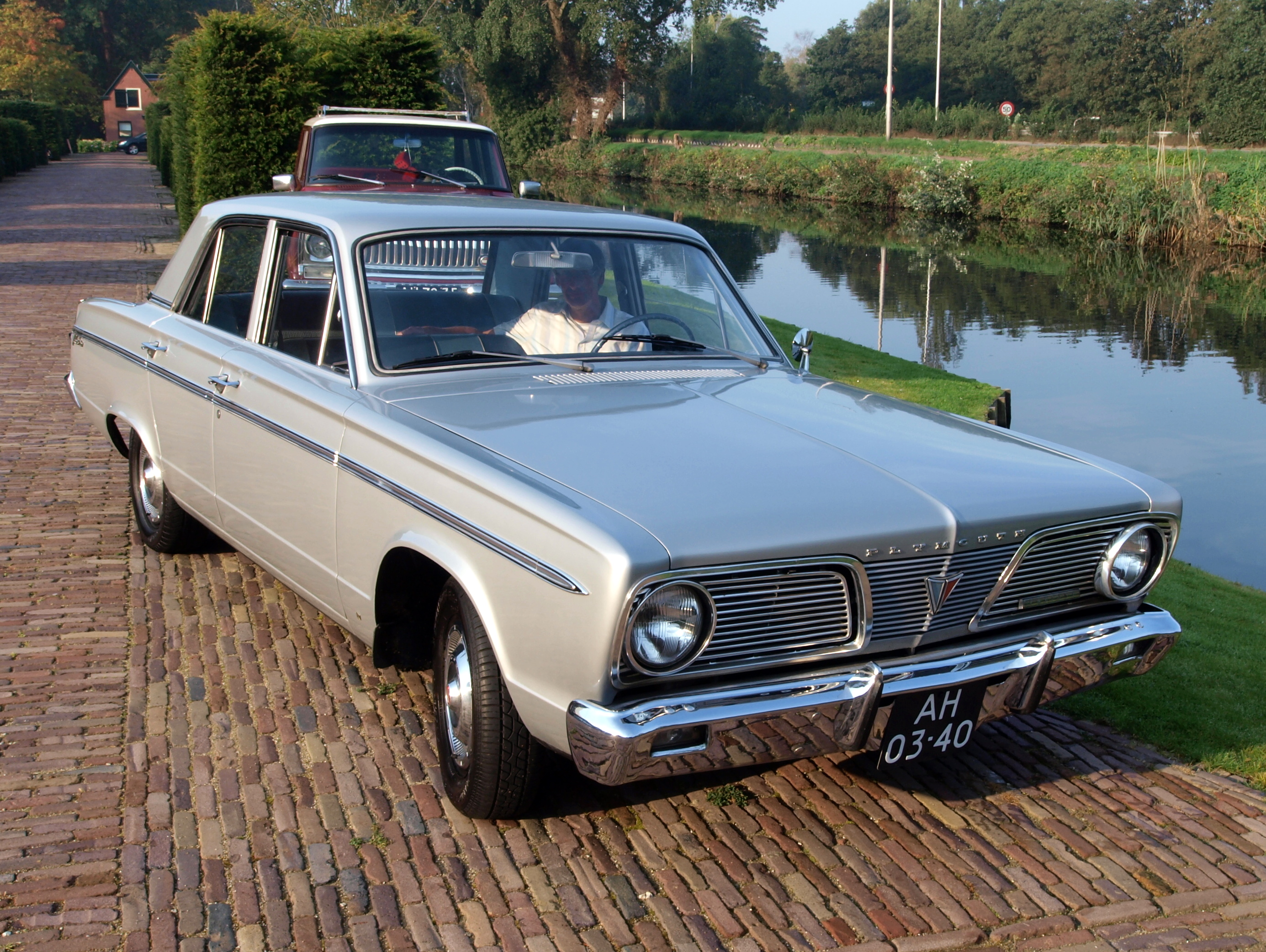
valiant
"Oh, I don't remember the the if I remember right one or the other my think the valiant was Three or four inches longer is the only difference between them"
The Plymouth Valiant is another classic Chrysler-family car. In this conversation, they’re comparing it to a Dodge Dart and saying the shapes are very close, with only small differences.
The Plymouth Valiant is a 1960s–1970s compact from Chrysler’s lineup, and it’s being compared here to the Dodge Dart. The speaker notes a small dimensional difference (a few inches of length) while implying the two cars share a very similar body style.

Marlin Amc Marlin
"“...weird somebody was there in an amc marlin. That was beautiful...”"
The AMC Marlin is an older American car from AMC. People like it because it looks really distinctive, and it’s the kind of classic you don’t see every day.
The AMC Marlin is a classic American personal-luxury/coupe from American Motors (AMC), known for its distinctive long-hood, short-deck styling. It’s a niche but beloved 1970s-era cruiser, and it stands out in car-trivia conversations like this one.
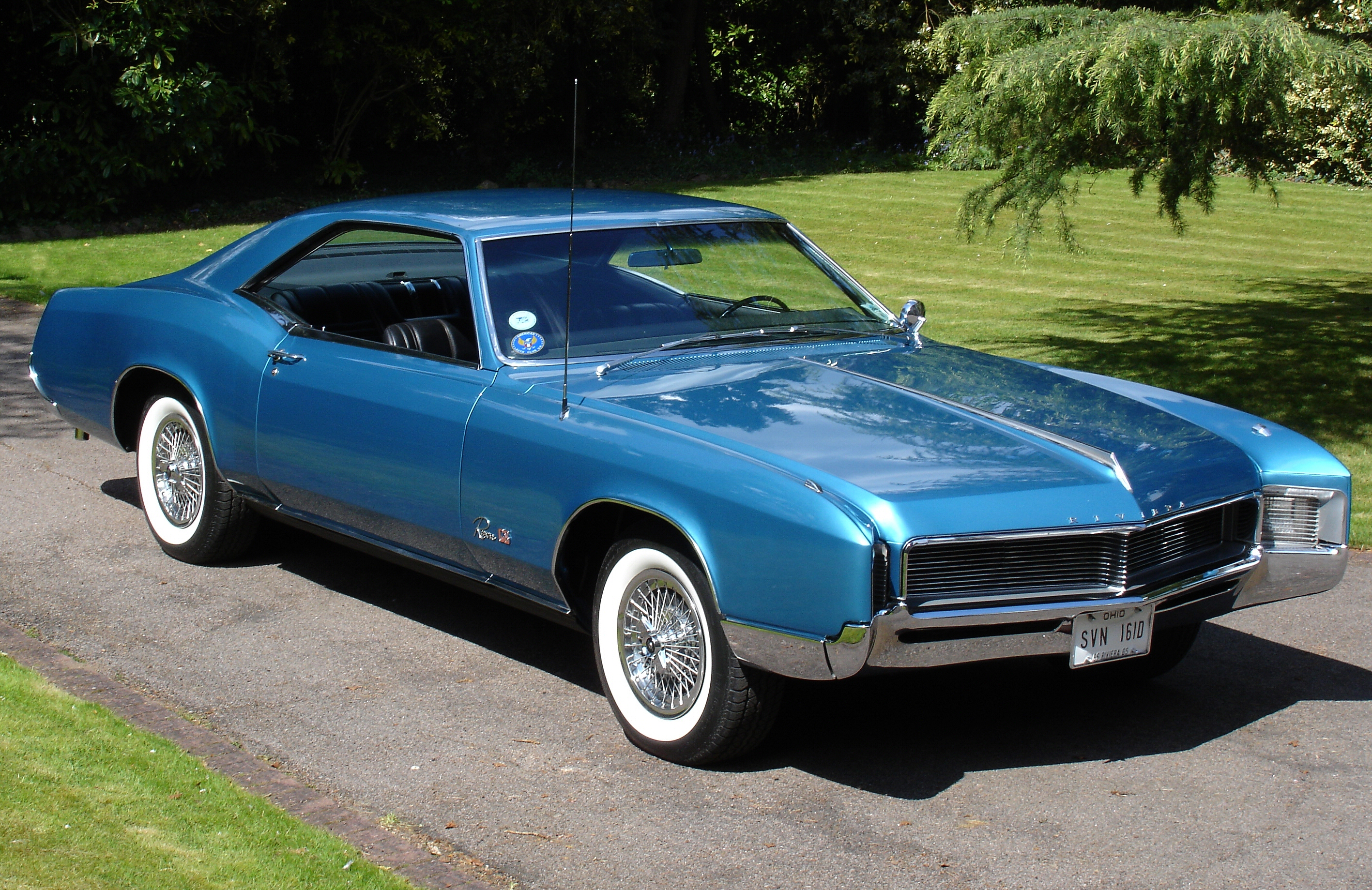
Buick Riviera
"“...we we had uh family that ran kind of close to us a fair amount of the time with a Buick Riviera...”"
The Buick Riviera is an older Buick that’s known for being comfortable and stylish. Here it’s mentioned because it helped get people—especially kids—interested in the cars at the event.
The Buick Riviera is a long-running Buick model line that became especially famous for its comfortable, upscale “personal luxury” character. In this segment it’s used as an example of a family car that drew attention and sparked conversation at events.
cruise
"“Part of that slow down thing and i'll cruise. It's not a competition.”"
A “cruise” is when a bunch of car people drive together for fun. It’s usually not a race—more like a social outing with cars.
In car culture, a “cruise” is a group drive where people roll out together to enjoy the route and the cars, usually with a social vibe rather than racing. The host contrasts it with competition, emphasizing that the event is about the experience and community.
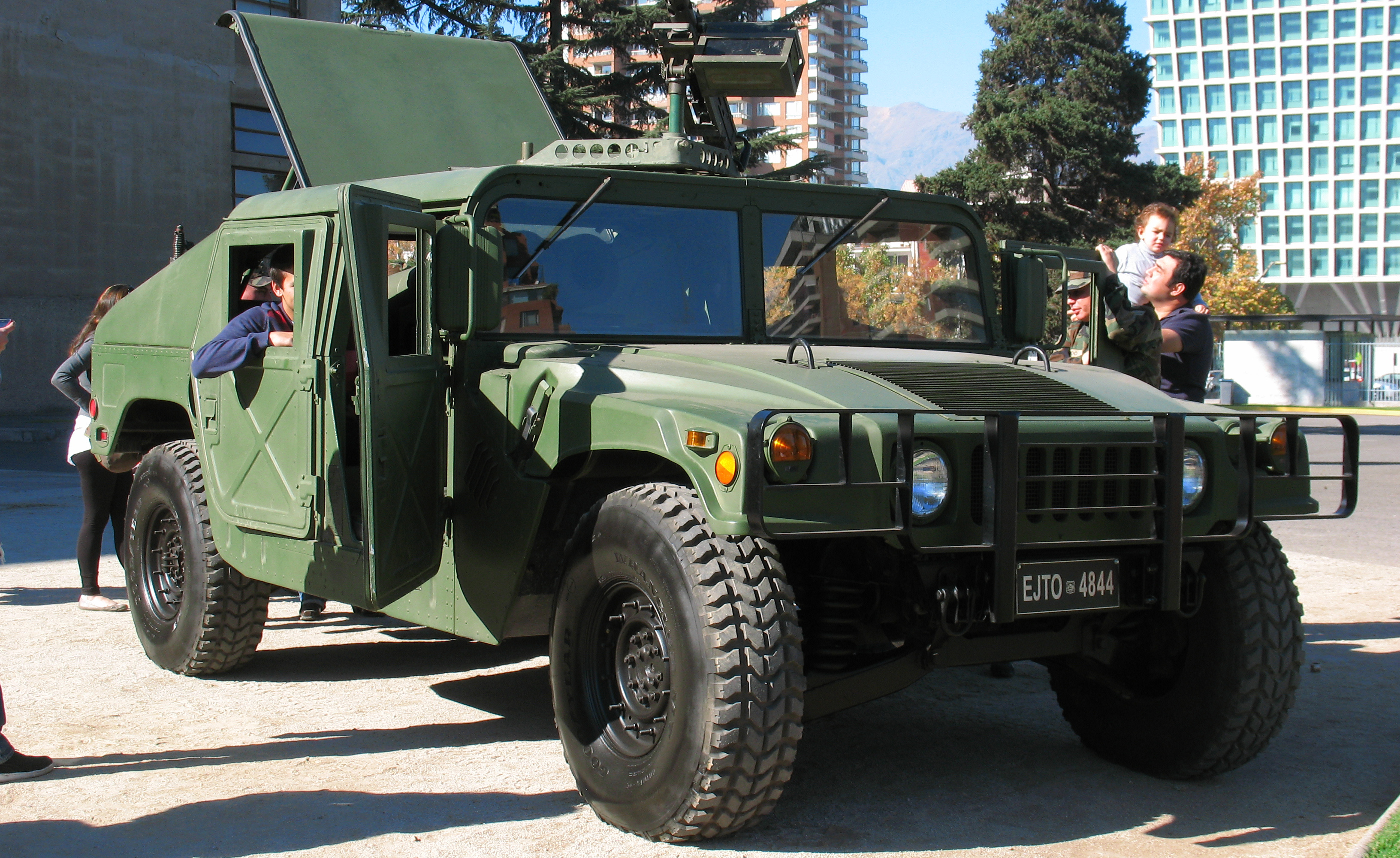
Humvee
"Uh, the only car shows I've taken vehicles to I've taken the Humvee I painted the Humvee with rattle cans, right and it still doesn't look It's certainly not a show quality paint job..."
Humvee is a military truck (the kind you’d see in the army). It’s meant to be used hard, so scratches and dents are normal and not a big deal.
Humvee is the common nickname for the U.S. military HMMWV (High Mobility Multipurpose Wheeled Vehicle). It’s built for rugged field use, so it’s expected to get scuffs, chips, and wear rather than be kept pristine like a typical civilian show car.
rattle cans
"I painted the Humvee with rattle cans, right and it still doesn't look It's certainly not a show quality paint job nor is it supposed to be it is a"
“Rattle cans” are spray paint you shake and spray from a can. It’s an easy DIY way to paint, but it usually won’t look as nice or last as long as professional car paint.
“Rattle cans” are aerosol spray paint cans. They’re a quick, low-cost way to repaint small areas, but they usually don’t produce the smooth, durable finish you’d expect from professional automotive paint work.
show quality paint job
"It's certainly not a show quality paint job nor is it supposed to be it is a Uh, a military surplus and and looks like a military surplus Humvee"
A “show quality paint job” means the paint looks really clean and flawless, like the kind you’d want for a car show. It usually takes more prep and better materials than quick DIY painting.
A “show quality paint job” refers to a high-level cosmetic finish intended to look perfect under close inspection at car shows. It typically implies careful prep, proper automotive paint systems, and a smooth, consistent surface with minimal defects.
military surplus
"Uh, a military surplus and and looks like a military surplus Humvee So it is a battle wagon. It's got chips in the paint."
“Military surplus” means the vehicle came from the military and was later sold to regular people. Those trucks often already have scratches and wear from real use.
“Military surplus” means equipment that was used by the armed forces and then sold off for civilian use. With vehicles like the Humvee, that often means the truck already has real-world wear—chips, scratches, and battle scars—so it’s not expected to look brand new.
battle wagon
"So it is a battle wagon. It's got chips in the paint. It's got You know damage from 19 year olds driving it like it's not theirs..."
“Battle wagon” is a nickname for a tough military vehicle. The point is that it’s built to handle rough treatment, not to stay perfect.
“Battle wagon” is a slang term for a tough, combat-oriented vehicle. In this context, it emphasizes the Humvee’s rugged, utilitarian character—meant to take damage and keep going rather than be treated like a fragile showpiece.
chips in the paint
"So it is a battle wagon. It's got chips in the paint. It's got You know damage from 19 year olds driving it like it's not theirs..."
“Chips in the paint” are little spots where the paint has been knocked off. It’s usually from everyday driving or debris, and it’s pretty normal on rugged vehicles.
“Chips in the paint” are small areas where the paint has broken off, usually from impacts like rocks, debris, or minor collisions. On older or off-road vehicles, these are common signs of real use rather than a defect that ruins the whole vehicle.
Spartan
"We've talked about it before but those military Humvees they they are Spartan and you are not going to hurt the inside of them No matter what you do"
“Spartan” means it’s simple and tough, not fancy. The idea is that the inside isn’t as fragile as a normal car’s interior.
“Spartan” here means the Humvee’s interior and design are basic and tough—built for function over comfort or delicate finishes. The host is arguing that the cabin is hard to damage compared with a typical civilian vehicle.
so slow
"And it's not like they can drive away with it because it's so slow"
They’re saying the Humvee isn’t fast, so it’s harder for someone to drive off with it. It helps keep the situation under control.
The host is using “so slow” to describe the Humvee’s driving pace, implying it limits how quickly kids or visitors could drive it away. It’s a practical safety/behavior point rather than a performance spec.
battery
"[2078.2s] I usually disconnect the battery that way if they're sitting in the driver's seat. They can't accidentally turn it on"
The battery powers the car’s electronics. If you disconnect it, the car can’t start or turn on by accident while people are around the driver’s seat.
Disconnecting the battery removes electrical power so the car can’t be accidentally turned on. This is a practical safety step when people are sitting in the driver’s seat of a high-end car.
emergency brake
"[2095.2s] I also learned to put on the emergency brake if it's a manual because they also like to play with the stick shift"
The emergency brake is the hand lever/pedal you use to keep the car from rolling when it’s parked. It’s especially helpful on a manual car so the car can’t creep if someone bumps the gear lever.
The emergency brake (parking brake) is a secondary braking system used to hold a car stationary when parked. On a manual transmission car, setting it helps prevent rolling while kids or guests are climbing around or sitting in the driver’s seat.
parking brake
"[2095.2s] I also learned to put on the emergency brake if it's a manual because they also like to play with the stick shift"
The parking brake keeps the car from rolling when it’s parked. Here, it’s used as extra safety when someone might be messing with the manual gear lever.
The parking brake is the system designed to hold the car in place when parked, typically via a lever or pedal. In this context, it’s recommended for manual cars to reduce the chance of unintended movement if the gear lever is touched.
stick shift
"[2095.2s] I also learned to put on the emergency brake if it's a manual because they also like to play with the stick shift"
A stick shift is the lever you move to change gears in a manual car. If someone messes with it while the car isn’t secured, the car can move unexpectedly.
A stick shift is the manual-transmission gear lever used to select gears. The speaker is describing how people may “play” with it, which can be risky if the car isn’t secured (e.g., with the parking brake).
RV
"This is not something for your rv. This is not something for pulling a trailer through"
An RV is a big vehicle people live in while traveling. They’re saying the roads on this route aren’t set up for that kind of vehicle.
RV is short for recreational vehicle—an all-in-one home-on-wheels used for road trips. In this segment, the organizers are warning that the route isn’t suitable for an RV or for towing a trailer.
trailer
"This is not something for your rv. This is not something for pulling a trailer through"
A trailer is something you tow behind your car or truck to carry extra stuff. They’re warning that this route may not work well if you’re towing one.
A trailer is an unpowered vehicle towed behind another vehicle, often used to carry cargo or equipment. The hosts emphasize that the route may be too tight or restrictive for towing, so you need to plan accordingly.
route planning
"Make sure your route is set up for the car you're bringing ... checking your route before you go is another Good hint for doing this"
Route planning means looking up the roads ahead of time to make sure your vehicle can handle them. They’re advising you to check the route before leaving, especially if you’re bringing something big.
Route planning here means checking the exact roads ahead of time to ensure they match the size and towing needs of the vehicle you’re bringing. The hosts stress that organizers may publish restrictions (like no RVs or no trailers), so you should verify your route before you go.
monster truck
"If you've got a monster truck if you've got a a tank you want to bring if you know"
A monster truck is a very large, lifted truck with huge tires. They’re using it as an example of a vehicle that might not fit on narrow roads.
A monster truck is a heavily modified, oversized truck designed for large tires and extreme off-road use. The segment treats it as an example of a vehicle that may exceed the route’s practical width/clearance limits.
tank
"If you've got a monster truck if you've got a a tank you want to bring if you know"
A tank is a heavy armored military vehicle. They’re saying that if you bring something like that, the route may not be suitable.
A tank is a military armored vehicle, typically much wider and heavier than normal road vehicles. The hosts mention it as an “out of the norm” example to highlight that some routes can’t accommodate extreme vehicle dimensions.
two-lane dirt road
"some of those things can't go down your standard Quote unquote two-lane dirt road because it's only actually a lane and a half"
It’s a narrow, unpaved road with traffic going both ways. They’re saying it can be tighter than it sounds, which can make it hard for big vehicles to fit.
A two-lane dirt road is a narrow, unpaved road with one lane in each direction. The hosts point out that even if it’s described as “two-lane,” it may effectively be narrower than expected, creating clearance and maneuvering issues for large vehicles.
open road
"It's not meant for the open road No, I don't know. Never mind."
By “open road,” they mean regular driving on public roads. They’re saying a monster truck isn’t built for that kind of everyday use.
“Open road” here means normal public-road driving conditions where you expect predictable traction, braking, and legal street operation. The host contrasts that with a monster truck’s intended off-road/event use.
beater
"The concept of hopping in my old beater and tooling halfway across the country In it is something that definitely brings a certain amount of trevitation"
A “beater” is an older, not-very-nice car you drive because it works well enough. It’s the kind of car you’d use for a long trip without worrying too much about it.
A “beater” is a colloquial term for an older, inexpensive, and often cosmetically rough car that’s kept running for practical use. The host is describing using a worn-in vehicle for a long trip across the country.
break down
"You know, it's like what happens when you break down and you need stuff in the middle of nowhere on the side of the road"
A “break down” means your car stops working because something goes wrong. The host is talking about what you do when that happens far from home.
A “break down” is when a vehicle becomes unable to operate due to a mechanical or electrical failure. The host connects it to older driving norms—being able to fix things “on the fly”—and to modern expectations of having roadside help or a more dependable vehicle.
side of the road
"in the middle of nowhere on the side of the road And and you know, how do you deal with those kinds of situations?"
The “side of the road” is where you pull over when your car has trouble. It’s the situation where you may need help or parts while you’re stuck.
“Side of the road” refers to roadside breakdown scenarios where you’re stopped in traffic or in a shoulder area. The host uses it to highlight the practical challenge of getting parts or help when you’re far from services.

Dodge ram truck
"Because you know for the listeners [2474.9s] I I had some involuntary maintenance and on my daily driver [2479.9s] Dodge ram truck that popped up this week"
They’re talking about their Dodge Ram pickup truck. It broke down because a part in the drivetrain failed, and they had to deal with it while traveling.
The speaker is describing a Dodge Ram pickup truck (a common full-size truck line) and using it as an example of a real-world breakdown. In this segment, the key point is that the truck developed a driveline-related failure that left it stranded.
rear wheel bearing
"The rear wheel bearing on the truck went out. I was headed from [2492.7s] The rear wheel bearing on the truck went out. I was headed from [2498.7s] Kansas middle Kansas where I live down to northwest Arkansas and Muddy's neck of the woods"
A wheel bearing is a small but important part that helps the wheel spin smoothly. If the rear one fails, you may hear loud noises and the car can become unsafe or break down.
A rear wheel bearing is the component that allows the rear wheel hub to spin smoothly while supporting the vehicle’s weight. When it fails, it can create grinding or growling noises and can eventually lead to loss of drivability or being stranded.
u joints
"So I stopped a couple times, you know got under check the u joints [2517.1s] So I stopped a couple times, you know got under check the u joints"
U-joints are parts that help the driveshaft keep turning even when the suspension moves up and down. If they wear out, you can get knocking or vibration noises.
U-joints (universal joints) connect sections of the driveshaft and allow it to change angle as the suspension moves. They’re common wear items on trucks and can cause vibration, clunks, or unusual noises when they loosen or fail.
oil change
"I'm like, well, we just did an oil change you know, maybe I'm getting a little oil burned because the guy spilled a little or something"
An oil change is when you replace the engine oil (and usually the filter) so the engine stays lubricated. The host thinks the timing might be connected to what they were seeing, but the real problem ended up being elsewhere.
An oil change is the scheduled replacement of engine oil and the oil filter to keep the engine lubricated and clean. In this story, the host suspects the new oil change may be related to the smell/smoke, even though the later symptom points to a wheel-bearing failure.
limp it
"fortunately, I was able to limp it down the road a bit farther and get stopped off at a family member's house"
“Limp it” means you drive very carefully for a short distance instead of driving normally. It’s a way to get to help or a safer place when something is wrong.
“Limp it” refers to driving a damaged vehicle slowly and carefully to reach safety or a repair location. It’s often used when the car can’t be driven normally, but the driver wants to avoid towing if the risk is manageable for a short distance.

Chevrolet Volt
"...sive Um, the 51 Chevy we've got the wipers are 12 volt car six volt. I put an inverter in"
The Chevrolet Volt is a car that uses electricity to move, and it can also use gasoline when the battery needs help. People talk about it because it can be charged like an electric car, but it doesn’t leave you stranded if you run low. The mention of an inverter is about turning the car’s electrical power into a different type that can run other devices.
The Chevrolet Volt is a plug-in hybrid electric car that can run on an electric motor and, when needed, use a gasoline engine to extend driving range. It’s often discussed because it represents a practical approach to electrification—using electricity for everyday trips while still having a backup for longer drives. In the podcast context, it also comes up in relation to electrical systems and using an inverter to convert power.
six volt
"[2740.2s] car six volt. I put an inverter in [2742.8s] Um, you know, you have to know how to do a little bit of wiring, but it's not that tricky and you know"
“Six volt” means the truck’s electrical system runs on 6 volts instead of the modern 12 volts. That changes what kind of electronics and wiring you can use.
“Six volt” refers to the vehicle’s electrical system voltage. Older cars and trucks often used 6V batteries and generators, which affects how accessories are powered and what components you can run safely.
inverter
"[2740.2s] car six volt. I put an inverter in [2742.8s] Um, you know, you have to know how to do a little bit of wiring, but it's not that tricky and you know"
An inverter is a device that changes electrical power so your electronics can work. In this case, it helps run modern stuff from a 6-volt truck system.
An inverter converts one type of electrical power into another—commonly converting DC battery power into AC power for modern electronics. In a 6V vehicle, an inverter is often used so you can run accessories that expect standard household-style power.
wiring
"[2742.8s] Um, you know, you have to know how to do a little bit of wiring, but it's not that tricky and you know [2748.6s] And so it actually has a modern stereo"
Wiring is the set of wires that carries electricity around the car. When you add new electronics, you may need to connect them correctly so they work safely.
Wiring refers to the vehicle’s electrical connections and routing that power accessories and control circuits. In older cars, adding modern audio or electronics often requires careful wiring to avoid shorts and unreliable connections.
modern stereo
"[2748.6s] And so it actually has a modern stereo [2751.4s] Not permanently met will semi permanently mounted not in the dashboard"
A “modern stereo” is a newer car audio system. Putting it into an older truck usually means you have to mount it differently and wire it so it gets the right power.
A “modern stereo” typically means a contemporary head unit with features like Bluetooth/USB and standardized power/ground connections. Retrofitting one into an older dash often requires custom mounting and wiring changes.
3d printed
"[2766.7s] It's mounted underneath the dashboard and it's in a 3d printed [2771.9s] Wait to hold it in place that looks all fancy and has uh, you know"
3D printing makes a part by building it up layer by layer. In this case, it’s used to make a custom piece to mount the stereo.
3D printing is a manufacturing method that builds parts layer-by-layer from a digital model. Here it’s being used to create a custom bracket/mount to hold the stereo without cutting the dashboard.
preheat post heat
"[2821.3s] Because the one axle it spun slightly, you know [2825.4s] Could I repair the axle safely? Yeah, I actually can I I know how to preheat post heat [2831.2s] I could you know spray arc it and recut it in the lathe and fix it and all this kind of stuff."
Preheating and reheating after a repair helps the metal cool more evenly. That reduces the chance of cracks when you weld or add metal to a part.
Preheat and post-heat are temperature-control steps used during metal repair or welding to reduce thermal stress and help prevent cracking. They’re especially important when adding material to steel parts like axles.
lathe
"[2831.2s] I could you know spray arc it and recut it in the lathe and fix it and all this kind of stuff. Absolutely that is an option [2838.4s] But you're back to the you know, your time has worked something"
A lathe is a workshop machine that spins a metal part while a cutting tool shapes it. It’s used for precise repairs like re-machining worn surfaces.
A lathe is a machine tool used to rotate a workpiece while cutting it to achieve precise shapes and dimensions. The speaker mentions using a lathe to recut/repair an axle after resurfacing or machining.
spray arc it
"[2831.2s] I could you know spray arc it and recut it in the lathe and fix it and all this kind of stuff. Absolutely that is an option [2838.4s] But you're back to the you know, your time has worked something"
“Spray arc it” is a way to add metal back onto a worn part using an electric arc. After that, the part is usually machined so it fits correctly again.
“Spray arc it” refers to an arc-based metal deposition process used to build up worn surfaces with additional material. It’s often followed by machining (like on a lathe) to restore the correct dimensions.
backlash
"[2841.2s] So I'm like, hey, you know, this thing does have almost 300 000 miles on it [2846.0s] I'm gonna take this apart. I'm gonna put it back together. The backlash was still good"
Backlash is the tiny “looseness” between gears when you change direction. If it’s too loose, it can make noise and wear things out faster.
Backlash is the small amount of free play between meshing gears or components in a drivetrain. Too much backlash can cause noise and wear, while the right amount helps gears stay properly engaged.
mesh
"On the pinion. There wasn't any real wear. I even dyke them to see, you know, how the mesh still was It's like it's all good, right?"
Gear mesh is how two gears “fit together” tooth-to-tooth. If the contact pattern looks wrong, it can cause noise and faster wear.
Gear mesh is how the teeth of two gears contact each other—where they ride across the tooth and how evenly the load is shared. Checking mesh helps diagnose wear patterns and confirms the gear set is still properly set up.
pinion
"On the pinion. There wasn't any real wear. I even dyke them to see, you know, how the mesh still was It's like it's all good, right?"
A pinion is a small gear that works with a bigger gear. Together they help send power to the wheels, and if the gears don’t mesh correctly, they can wear out faster.
A pinion is the smaller gear in a gear set (like a differential or axle assembly) that meshes with a larger gear. Its tooth shape and alignment determine how smoothly the drivetrain transfers torque and how much wear you’ll see over time.
axles
"and all I really wanted was A set of axles the left and right because I'm gonna take out the one on the right hand side Obviously, I might as well put a new axle put new bearings in it new seals"
Axles are the parts that send power from the drivetrain out to the wheels. If you need to replace one, you have to find the exact correct type for your truck.
Axles are the shafts that transmit torque from the differential to the wheels. In a truck, axle assemblies and axle shafts can be model-specific, so availability of the correct axle matters for repairs.
bearings
"Obviously, I might as well put a new axle put new bearings in it new seals And of all things those axles were shockingly difficult to find"
Bearings are small parts that let things spin smoothly. If you’re already doing axle work, replacing worn bearings can prevent future problems.
Bearings support rotating shafts and reduce friction inside axle and wheel-end assemblies. When axle parts are replaced, bearings are often renewed because they can wear from contamination or age.
seals
"Obviously, I might as well put a new axle put new bearings in it new seals And of all things those axles were shockingly difficult to find"
Seals are like gaskets that keep the right fluid in place and keep dirt out. If they leak, the axle internals can wear out faster.
Seals keep axle lubricant in and contaminants out of the axle assembly. If seals fail, you can get accelerated wear in bearings and gears due to loss of lubrication or dirt ingress.
higher spline count
"Well, no that axle that's in there is a higher spline count than what was in the later bodies and it's not very available"
Splines are the ridged connection that locks two parts together. If the spline count is different, the parts won’t fit together correctly, even if they look similar.
Spline count is the number of ridges on a shaft that engage with matching grooves in a mating part. A higher spline count means the axle-to-hub or axle-to-differential interface is different, so later-body axles may not be compatible with earlier ones.
dealer
"You know, I ended up having to go to the dealer It was the only place I could find to be able to get axles for this thing"
A dealer is the official parts source for the truck’s brand. If aftermarket parts don’t match your exact axle, the dealer can usually get the correct one.
A dealer is the vehicle manufacturer’s authorized parts channel, which often has the most accurate fitment information for hard-to-find, model-specific components. When aftermarket sources don’t match the exact axle interface, the dealer can be the only reliable option.
392 gears
"Maybe that's why it lasted so long. It's got uh, 392 gears in it and is a big big diameter axle set So it actually has heavy front and rear axles in it for the half tons"
“392 gears” means the axle has a 3.92 gear ratio. That changes how hard the truck pulls versus how fast it spins at highway speeds.
“392 gears” refers to a 3.92:1 axle gear ratio, meaning the driveshaft turns about 3.92 times for each rotation of the axle. Gear ratio strongly affects acceleration, cruising RPM, and how the truck feels under load.
life expectancy
"I you know, I think that ties in to you know, it's amazing the difference between You know a 60s vehicle 70s vehicle 80s vehicle and you know a modern vehicle just a life expectancy and don't get me wrong"
Here, “life expectancy” means how long a car tends to last before it starts needing major repairs. The host is saying newer cars generally last longer than older ones.
In this context, “life expectancy” refers to how long a vehicle can be expected to remain functional and reliable before major wear or failures become likely. The host is contrasting older vehicles’ shorter service lives with modern vehicles’ longer durability.
compression
"I mean it has it has shifted a lot. That's very true I mean, I joke about the fact that stove bolts the the machining on On stove bolt engines. I mean, they were 66 to 16 and a half to one compression The machining's not that tight"
Compression ratio is how tightly the engine squeezes the air-fuel mixture before it ignites. More squeeze can make more power, but it can also cause knocking if the fuel isn’t right.
Compression ratio is the ratio between the cylinder volume when the piston is at bottom dead center versus top dead center. Higher compression generally improves efficiency and power potential, but it also increases the risk of knock if the fuel isn’t appropriate.
stove bolt engines
"I mean, I joke about the fact that stove bolts the the machining on On stove bolt engines. I mean, they were 66 to 16 and a half to one compression The machining's not that tight"
“Stove bolt engines” is a nickname for an older type of Chevrolet inline-six engine. The host is saying these older engines had simpler machining and design compared with modern engines.
“Stove bolt engines” is a nickname for Chevrolet’s older inline six-cylinder engines (often associated with the “Stovebolt” era). The host is using it to talk about older engine design details like machining tolerances and typical compression ratios.
Request an Explanation
Heard something you'd like explained? We'll add it to this episode.
Sign in to request explanations for terms you heard.
Want to learn more?
Browse our glossary for plain-English explanations of automotive terms, jargon, and concepts.
Help improve this episode
See something that's not quite right? Our annotations are AI-generated and can sometimes miss the mark. Click the flag icon on any annotation to suggest a correction.
1 community members have helped improve this episode.