
#078 - New Roadster Logo? E-Bike Epidemic, Lexus TZ, Rivian Pickup, Slept on Wagons, & More
About this episode
Roadster talk kicks things off with a Tesla trademark for a new Roadster logo, which the hosts read as a possible reveal. The conversation then widens: e-bike sidewalk incidents, rising fuel costs, and why automakers chase “wow factor” screens and lighting. Used-car “rabbit holes” get real with S-Class math, PPI advice, and fleet/repo dynamics shaping inventory and prices. Later, the hosts speculate on Lexus TZ EV claims, debate Alcantara and branding, and discuss California ticketing driverless cars.
Support Clutch Culture Content by ordering The Complete Detail Kit from hyperCLEAN: Support those that support the show!
We're building the biggest online car club in the world. Join the community! clutch.club
Clutch Culture Hoodies BACK IN STOCK: https://hypercleanstore.com/collections/gear-up/products/clutch-culture-hoodie
Enjoying the show? Drop us a 5 Star rating AND review. Thanks in advance!
Sharing the show is the best way to help it grow!
Email your questions, topics, stories: [email protected]
If you're a parts manufacturer or supplier that want's to be apart of either the 2003 LX470 or 2014 Gen 1 SVT Raptor, get in touch with us via email at [email protected]
Follow the show on social @ClutchCulturePod on Instagram & TikTok
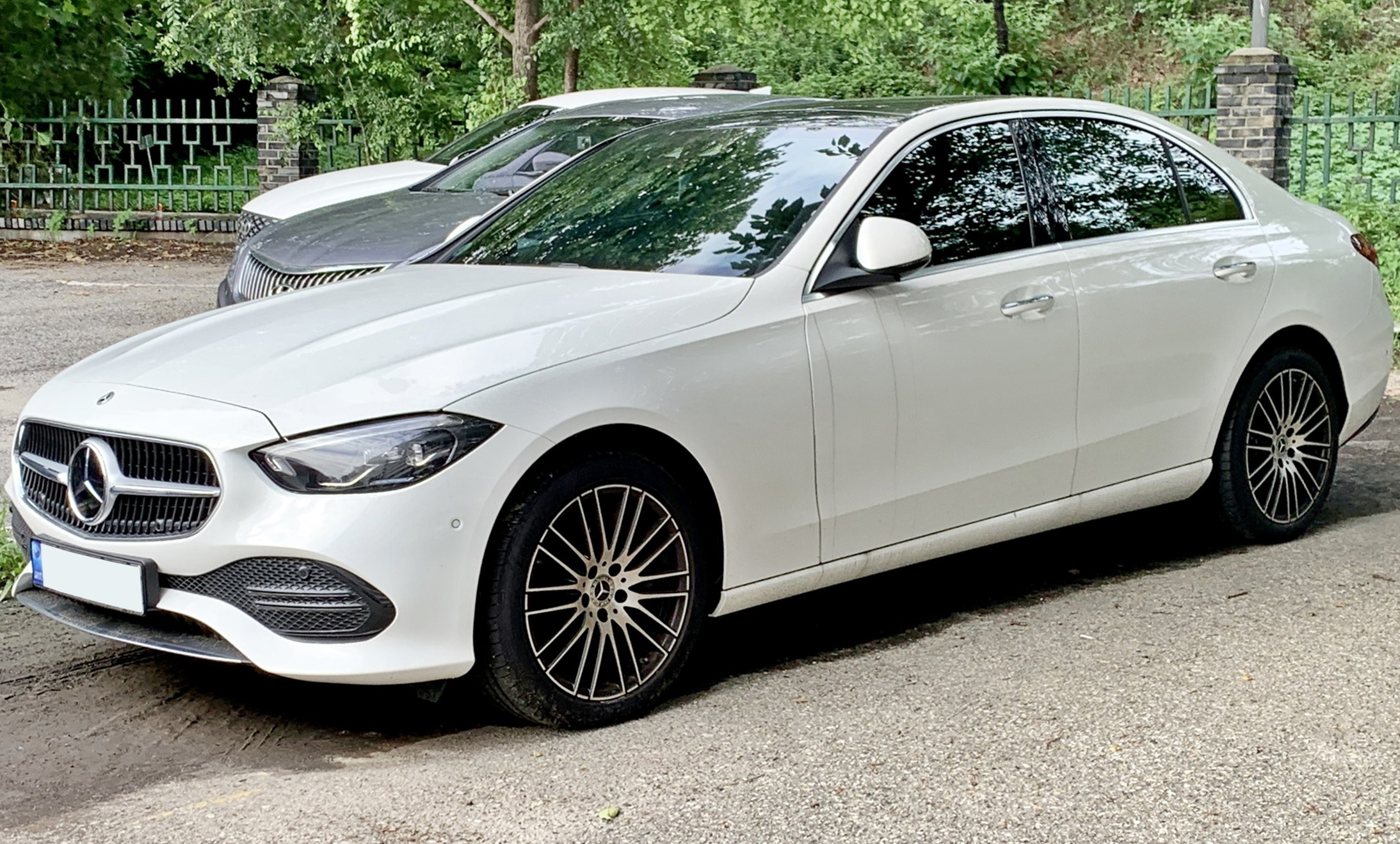
Mercedes-Benz C-Class
"You're talking about the C-Class video, right? Yes. That was all I noticed because of the amount of people that were like, honestly, that's why I would buy it."
The Mercedes-Benz C-Class is a popular Mercedes luxury car. Here it’s mentioned as an example of how some buyers are drawn to the car’s screens and flashy interior features.
The Mercedes-Benz C-Class is a mainstream luxury sedan that’s often used as a benchmark for how modern Mercedes infotainment and interior tech are packaged. In this segment, it’s brought up as an example of buyers responding to “shiny lights” and screen-based features rather than traditional driving priorities.

Lexus GX460
"You know, I've been driving the GX460 around a little bit more than usual this week. It's a great vehicle. The vibrating, the dinging,"
The Lexus GX460 is a luxury SUV that feels more like a traditional truck. The host is saying it can still be annoying with alerts and vibrations, even though it’s a great vehicle.
The Lexus GX460 is a body-on-frame midsize luxury SUV known for its traditional, truck-like feel and off-road capability. In this segment, the host contrasts it with newer tech-heavy cars by calling out the “vibrating” and “dinging” behavior while driving it.

Lexus LX
"Now, I want to stick on this topic in the pocket because I want to talk about your LX, my Raptor, but also since we're talking Mercedes,"
The Lexus LX is a big luxury SUV with a more traditional, rugged foundation. In this part of the show, it’s referenced as one of the vehicles the host is using while talking about modern car features.
The Lexus LX is a full-size luxury SUV built on a traditional, truck-based platform, positioned as a more upscale alternative to Toyota’s Land Cruiser family. Here it’s mentioned as part of the hosts’ “what I’m driving” discussion while they debate how people respond to modern car tech and features.

F-150 Raptor
"...e pocket because I want to talk about your LX, my Raptor, but also since we're talking Mercedes, I don't k..."
The F-150 is a large pickup truck. It’s popular because it can be used for work and everyday tasks. The podcast mentions it while comparing it to other vehicles.
The Ford F-150 is a full-size pickup truck that’s commonly discussed because it’s versatile and widely used. In the podcast, it appears again in a conversation about other trucks and vehicles, reinforcing how central the F-150 is to pickup culture. It’s mentioned as a reference point for what people consider when comparing trucks.
mileage
"under 100,000 miles, like 70,000 miles... every 10,000 miles on one of those older big bodies, you're sort of getting a different bill."
Mileage is how many miles the car has been driven. They’re saying that higher miles often means more wear and more expensive problems later.
In used-car shopping, mileage is a key proxy for wear and the likelihood of maintenance and repairs. The hosts argue that on older “big body” luxury cars, costs can rise meaningfully as mileage climbs, so they try to target lower-mileage examples.

Mercedes-Benz S class
"As soon as I saw it was like 74,000 miles and like $22,000. I was like, wait a minute. Here's the problem. It's 22,000 that's going to turn into 40. Okay. So you got to look at it properly."
This is Mercedes-Benz’s big luxury sedan. They’re saying that even if the sticker price looks low, an older high-mileage one can cost a lot more after repairs.
Mercedes-Benz S-Class is the brand’s flagship luxury sedan, known for comfort and advanced systems. The hosts are focusing on a buying math problem: at around 74,000 miles, the “cheap” purchase price can quickly turn into a much higher total cost once repairs and shop work are included.
depreciated
"There's nothing like a depreciated S class big body."
Depreciation means the car’s value goes down as it gets older. They’re saying that even if the price drops, fixing an older car can still be expensive.
Depreciation is how much a vehicle’s value drops over time. The hosts are using “depreciated” to frame why older luxury cars can look like bargains, while also warning that repairs can erase the savings.
Raptor
"You're going to have a Raptor and an S class and that VW is gone."
“Raptor” is a Ford off-road pickup. They’re basically comparing a truck rabbit hole to the luxury-sedan rabbit hole.
“Raptor” here refers to the Ford F-150 Raptor pickup, a performance-oriented off-road truck. The hosts use it as a contrast to the luxury-sedan “S class” rabbit hole, implying different ownership costs and priorities.

Volkswagen Rabbit
"...at. I mean, I'm going to send you right down that rabbit hole. You're going to have a Raptor and an S clas..."
The Volkswagen Rabbit is a smaller car made by Volkswagen. In the episode, it’s mentioned as part of a phrase about getting pulled into a topic. It’s not being discussed as a specific performance or tech feature there.
The Volkswagen Rabbit is a compact car model that’s often remembered as a practical, smaller Volkswagen. In the podcast, it’s used as a playful reference to “going down that rabbit hole,” which ties it to the idea of getting pulled into a topic. It’s mentioned more as a recognizable model name than as a detailed technical subject.
MSRP
"worth it when you do the math from the purchase actual MSRP to what you actually bought?"
MSRP is the “list price” the manufacturer puts on a new car. They’re comparing that to what they actually paid to judge if the deal makes sense.
MSRP (Manufacturer’s Suggested Retail Price) is the price a carmaker recommends for a new vehicle. The hosts compare MSRP to the actual purchase price to estimate whether the deal is truly worth it after considering mileage-related costs.
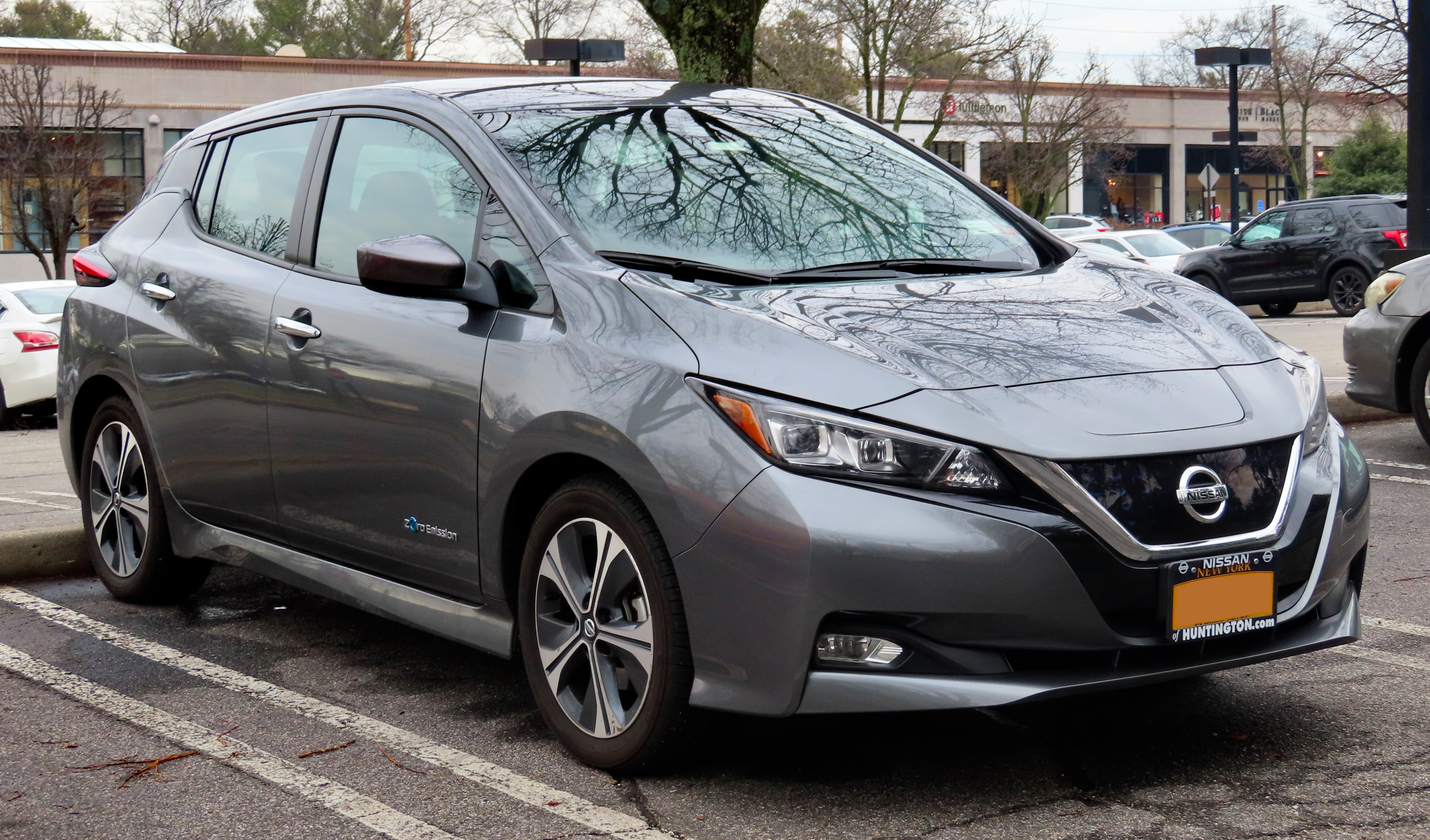
Nissan Leaf
"Dammit. Nissan Leafs, $2,000. That's right. Nissan Leafs."
The Nissan Leaf is an electric car. They brought it up because they were talking about EVs and what you can find for low money.
The Nissan Leaf is an all-electric compact car and one of the most common EVs on the used market. The hosts mention it in the context of “rabbit holes” and cheap EV shopping, implying they were discussing pricing and ownership tradeoffs.

Jeep Wrangler
"Like the GTI is kind of the kid, you know, Wrangler,"
The Wrangler is Jeep’s off-road SUV. They’re name-checking it as part of the kind of cars people get excited about.
Wrangler refers to the Jeep Wrangler, a rugged off-road SUV with a long-running reputation for trail capability. Here it’s mentioned alongside other “rabbit hole” choices as part of a lineup of enthusiast-friendly vehicles.
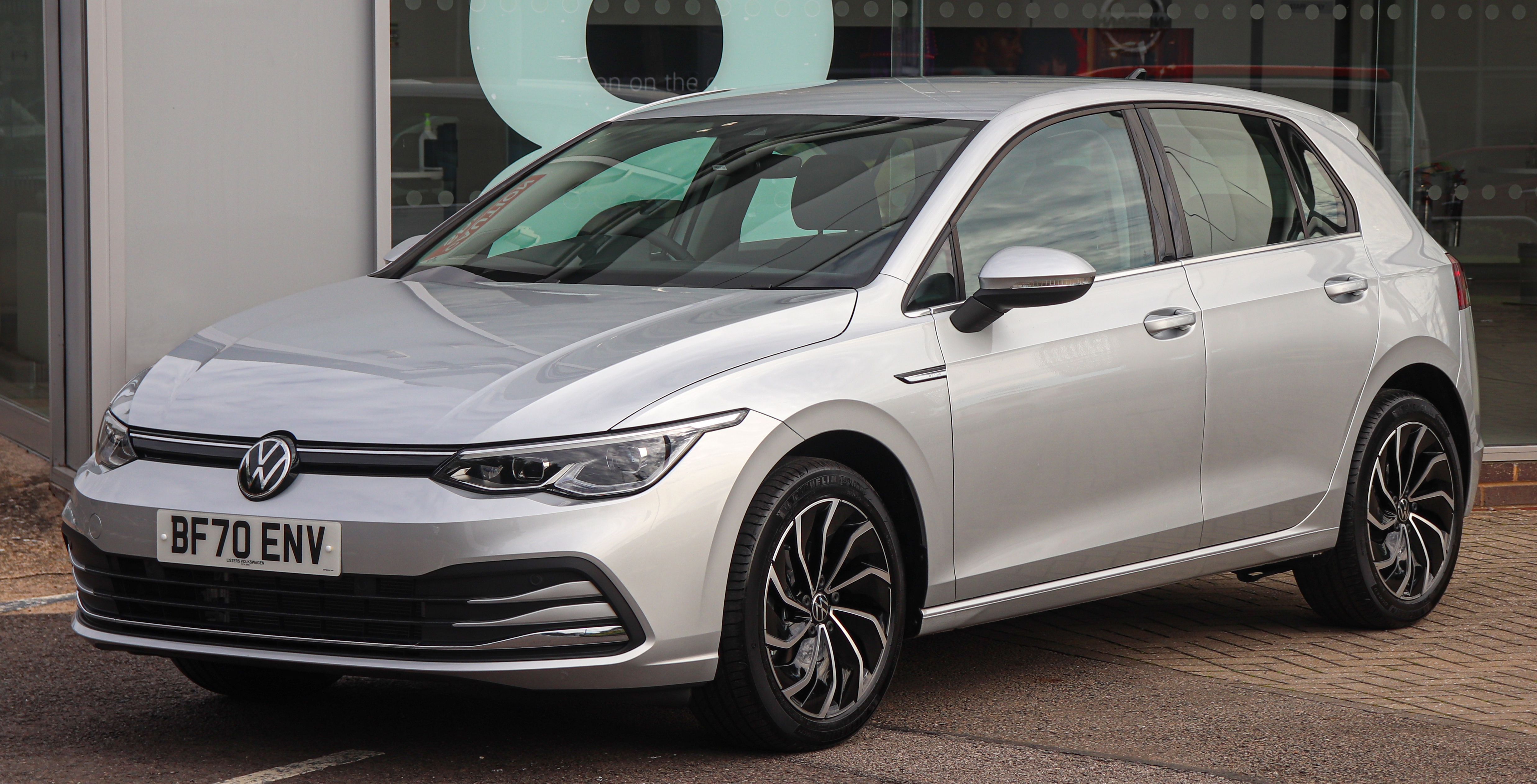
Volkswagen Gti
"we've talked about this in the wagons. Like the GTI is kind of the kid, you know, Wrangler,"
GTI usually means a Volkswagen Golf GTI, a sporty hatchback. They’re just using it as an example of a fun, everyday car.
GTI is shorthand for the Volkswagen Golf GTI, a hot hatch known for being a practical daily driver with sporty driving feel. The host uses it as an example in a broader discussion about wagons/sedans and what kind of “kid” car fits the lineup.

Ford Raptor
"because a Raptor with the half door is really hard for pickup lines and stuff like that to just get them in and we got to go. So I rarely take the Raptor."
The Ford Raptor is a special version of Ford’s pickup truck made for off-road driving. Here, the host mentions it because the “half door” makes it awkward for getting in and out.
The Ford Raptor is a high-performance off-road pickup built on Ford’s F-150 platform, known for its rugged suspension and off-road hardware. In this segment, it’s mentioned because the speaker finds it harder to use for “pickup lines” due to the half-door setup.

Honda Civic
"So then I started looking at wagons, four doors and you can get an SI Honda Civic. Let's just start there. I was like, let's think practical, Rob. Let's think practical. Sure you will. Manual, four door Honda Civic."
The Honda Civic is a very common, practical car model. The host is saying they were considering a Civic (with a manual) because it’s more practical than the bigger, more expensive options.
The Honda Civic is a compact car line that’s especially popular in enthusiast circles for its practicality and availability of performance trims. The speaker specifically talks about a manual, four-door Civic with an “SI” option, using it as a more practical wagon/sedan alternative.

BMW 7 Series
"I went down in year, I went up an engine and I'm like, well now there's, I got M8 options, I got seven series, I got S-classes."
The BMW 7 Series is BMW’s large luxury sedan. The host mentions it as a more expensive, bigger-car option that shows up when they’re looking around.
The BMW 7 Series is BMW’s full-size luxury sedan line, typically associated with comfort-focused powertrains and high-end interior features. In this segment, it’s listed as one of the “big body” sedan options the speaker sees while shopping for a more practical alternative to wagons.
sponsored links
"I went down in year, I went up an engine and I'm like, well now there's, I got M8 options, I got seven series, I got S-classes. And dude, CarGurus saw you coming. I just started putting all these links up like, hey, look at this sponsored link. Exactly. When it didn't filter by price, I was like, wait a minute. And then I was like, oh, they're all sponsored."
Sponsored links are ads that look like regular search results. The host is saying the site was showing paid listings tailored to their interests, not just the best or cheapest options.
Sponsored links are paid search or listing results that appear alongside normal results. The speaker explains that CarGurus was showing them links that matched what it “knows” they want, and that these were sponsored rather than unbiased listings.

Chevrolet Corvette
"... I think I've driven them four doors, basically a Corvette with four doors. They're also still very expensiv..."
The Corvette is a sports car made by Chevrolet. It’s built to feel fast and fun to drive, and people often talk about it because it can be pricey. In the episode, it’s used as a reference point when comparing other cars.
The Chevrolet Corvette is a performance sports car known for its low, aerodynamic shape and strong driving feel. In the podcast, it comes up in the context of a “four-door” comparison, which highlights how people often associate the Corvette with performance even when discussing other body styles. It’s also mentioned as being expensive, which is a common reason it gets discussed in enthusiast circles.

Chevy SS
"And dude, CarGurus saw you coming. I just started putting all these links up like, hey, look at this sponsored link. Exactly. When it didn't filter by price, I was like, wait a minute. And then I was like, oh, they're all sponsored. It's just giving me what it knows I want to see. It's heading you right down the road. Bro. And then what's crazy too, the Chevy SS's, which are great cars, I think I've driven them four doors, basically a Corvette with four doors. They're also still very expensive."
The Chevrolet SS is a performance sedan—basically a “sporty” four-door. The host likes it, but says the good examples cost a lot.
The “Chevy SS” refers to the Chevrolet SS, a performance sedan that’s often described as a four-door version of a Corvette-style driving experience. The host calls it a great car but notes that it’s still expensive, especially when shopping for a good one.
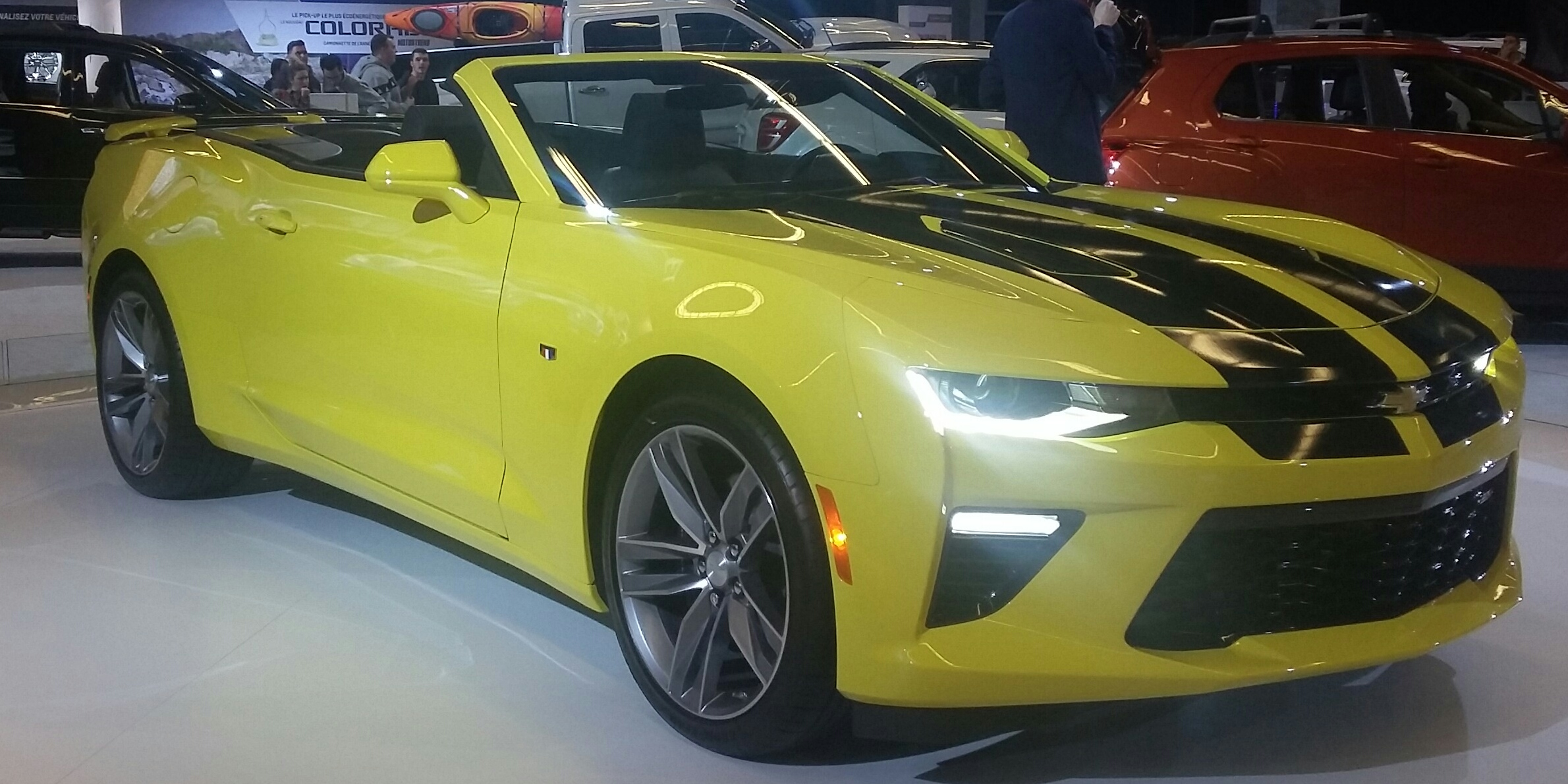
Chevrolet Camaro
"And people got so defensive like, well, Ford or Camaro, you know, it's like that, you know, that's exactly what I feel like they sound like when they're typing in the comments to it. Oh, the Camaro name."
The Camaro is Chevrolet’s famous sporty muscle-car. The host is talking about online arguments over whether a certain sedan should be tied to the Camaro brand.
The Chevrolet Camaro is a long-running American muscle-car/pony-car model line. In this segment, it comes up because commenters are debating whether the “SS” should appear under the new Camaro nameplate.
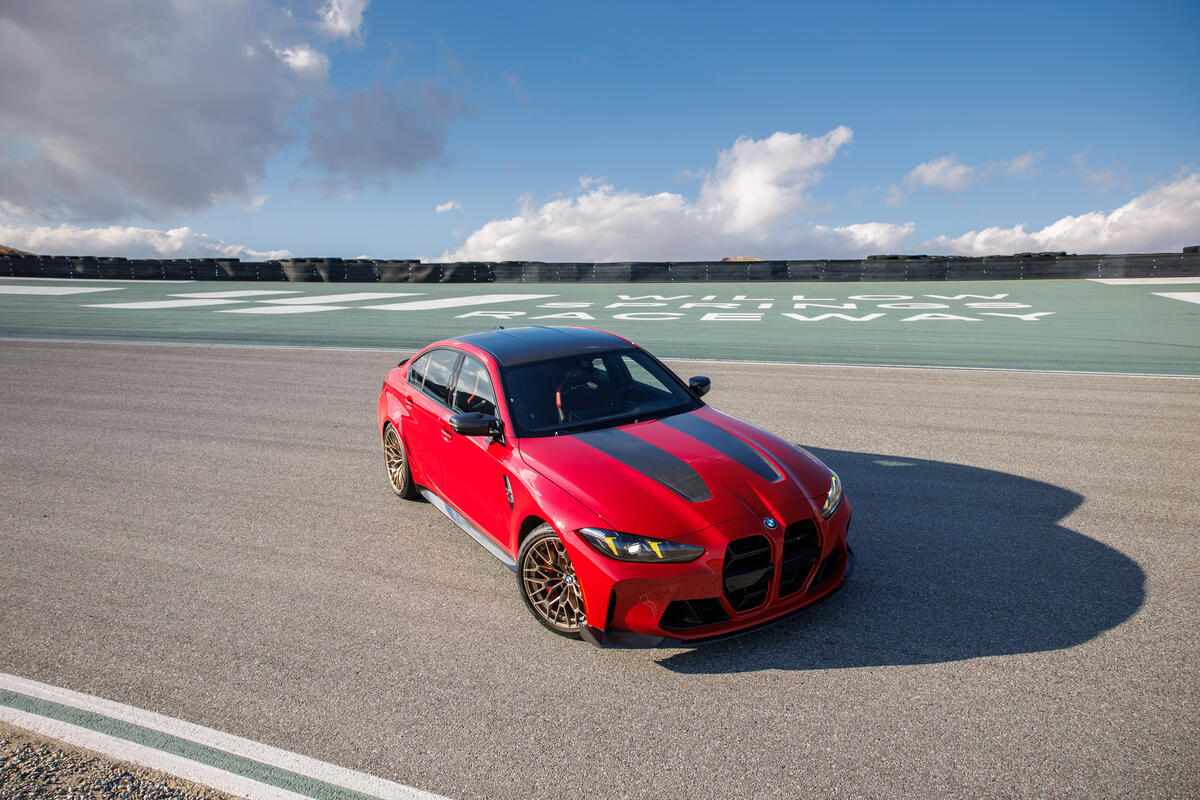
E90 M3 manual
"E 90 M three manual 43,000 miles exact year. My exact car went to auction finished at 43 grand."
This is a BMW M3 from the E90 generation, and “manual” means it has a stick shift. The host is saying these cars can be a better deal than people expect, especially when they’re low-mileage and properly optioned.
The BMW E90 M3 is the generation of the M3 built in the early 2000s, and the “manual” matters because it’s the enthusiast-focused version with a driver-controlled gearbox. The host is emphasizing auction pricing for a specific low-mileage example, and also arguing that the E90 platform is overlooked compared to newer, more expensive M3s.
platform that's forgotten
"I've been telling all of you guys this is the platform that's forgotten. And I would, I would start to think about these because they're gonna"
The host is talking about a type of car that people don’t pay much attention to, even if it’s a good one. When everyone focuses on the “popular” options, the less-talked-about ones can stay cheaper for a while.
“Platform that's forgotten” is the host’s way of describing a car generation/model lineup that enthusiasts overlook, even though it has desirable traits. The idea is that when attention shifts to other, more popular models, the forgotten platform can remain cheaper—at least until demand catches up.
analog-ish
"Is it a $99,000 experience? No, but I will say you're going to see people who are looking for analog ish, right? Because you do have infotainment in that now it's very dated"
“Analog-ish” refers to cars that feel more mechanical and less computer-driven—think simpler controls and fewer modern infotainment features. In this segment, the host contrasts that preference with the fact that the car still has infotainment, but it’s “very dated,” which can make the experience feel less modern and more old-school.
once a space gets crowded
"that you got to realize that once a space gets crowded, you know, it's going to be tough to be in that space."
This is basically a buying-market idea: if lots of people start wanting the same niche car, it gets more competitive and prices tend to rise. The host is saying that’s why timing and awareness matter.
“Once a space gets crowded” is a market concept: when too many buyers chase the same niche (like a particular car generation or auction segment), prices and competition rise. The host uses it to explain why the overlooked E90 platform can be harder to buy into later once more people notice it.

BMW E46 wagon
"And then I ended up on an O five. What is it E 46 wagon? Nice, right? I'm like, man, those are really cool. But there's you can't find those at all."
This is a BMW 3 Series wagon from the E46 generation. Wagons like this are rarer than the sedans, so good ones can be tough to find. The host is saying that some modification choices can ruin the overall look.
The BMW E46 wagon is the wagon-bodied version of the BMW 3 Series from the E46 generation. It’s especially sought after because the wagon was relatively uncommon in many markets, so clean examples can be hard to find. In this segment, the host is also talking about how common “mods” can make or break the look of a wagon build.
clapped out
"There might be six in the country and they're all super clapped out. Yeah, clapped out is the right word."
“Clapped out” is slang for a car that’s in rough shape—worn out and not taken care of. The host is saying the wagons they can find are usually like that.
“Clapped out” is slang for a vehicle that’s been heavily used and/or neglected, often with worn components and cosmetic damage. In the segment, the host says the few available E46 wagons tend to be in this condition.
mods
"it's just has all the wrong, all the wrong things, all the mods are assaulting your eyes every time. Yeah, it's just like, I see what you were trying to do."
“Mods” are changes people make to a car after buying it—often to change how it looks or drives. In this episode, they’re talking about things like wheels and lowering springs.
In car culture, “mods” means aftermarket modifications—changes you make to a vehicle beyond stock factory configuration. These can include wheels, lowering springs, and other appearance or handling upgrades, and the segment discusses how part selection affects the final result.
lowering springs
"He priced it out and he goes, I'll get these wheels. I'll do these lowering springs. I'll do the, and you go, just all kind of didn't work"
Lowering springs are parts that make the car sit lower to the ground. People do it for looks, but it can also change how the car rides and how well everything fits together.
Lowering springs are aftermarket springs that reduce a car’s ride height. They’re commonly used to improve stance and reduce body roll, but they can also create ride-quality issues or fitment problems if paired with the wrong wheels/tires or not planned as part of a complete setup.
wheels
"He priced it out and he goes, I'll get these wheels. I'll do these lowering springs. I'll do the, and you go, just all kind of didn't work"
Wheels are the rims and tires setup on the car. Changing them can be mostly for looks, but the size and fitment matter for how the car looks and drives.
Aftermarket wheels are a common modification because they affect both appearance and vehicle dynamics. Wheel size, width, and offset can change tire fitment, steering feel, and how the car sits—so “wrong” wheel choices can ruin an otherwise good build.
upgrade and you go to a different platform
"Then you start thinking about your garage space and you start thinking, well, do I really like it? And then you just, you just upgrade and you go to a different platform."
This is basically saying they stop modifying one car and switch to a different kind of car. It’s like changing to a whole new “base” instead of just adding upgrades to the same one.
“Going to a different platform” means switching to a different vehicle architecture or model family rather than just adding parts to the same car. Enthusiasts often do this when their priorities change (like after a promotion), because the new car better fits their goals and they stop investing in the old one.
tune
"He's always doing something. I think he's done like two or three BMW wagons where he takes like a base wagon and he's like, well, then we're going to do this tune. Then I'm going to rip the interior out..."
A “tune” is when someone updates the car’s computer settings. The goal is usually to make the car feel stronger or drive better.
A “tune” is an aftermarket calibration change to the engine and transmission control software. It’s commonly used to adjust throttle response, boost/air-fuel targets, and shift behavior to better match the owner’s goals.
rip the interior out
"where he takes like a base wagon and he's like, well, then we're going to do this tune. Then I'm going to rip the interior out and I go, I feel you. I love it. I feel you."
This means removing parts of the inside of the car. People do it to customize the space or make the car more practical for their needs.
“Rip the interior out” describes removing interior components (seats, trim, carpeting, and sometimes wiring) to reduce weight, create a blank canvas for custom builds, or fit child/utility setups. It’s a common step in wagon projects when owners want maximum flexibility.

2018 Jaguar XF Sport Break
"Dude, I don't even think we've talked about this one time. The 2018 Jaguar XF Sport Break. Bud. I love these things."
This is a Jaguar XF wagon from 2018. It’s the kind of car that gives you more space than a normal sedan, and the hosts are saying it’s a good used buy if you can find one at the right price.
The Jaguar XF Sport Break is a 2018 Jaguar XF wagon variant—basically the XF sedan stretched into a station-wagon body for more cargo and practicality. In this episode, it’s treated like a desirable, somewhat overlooked used car, with the hosts discussing current pricing and mileage.
miles
"2018 with about 40, 50,000 miles? 50 30 to 40. Whoa. Yeah. If you can find one for 30, you got to pull really damn it."
“Miles” just means how far the car has been driven. More miles usually means more wear, so it can affect what you’ll need to fix or maintain later.
In used-car talk, “miles” refers to the total distance the car has been driven, which strongly influences wear items like tires, brakes, suspension components, and how much maintenance the car likely needs. Higher mileage often correlates with more deferred maintenance, even if the car looks clean.
failing forward
"One thing you could say about Jaguar is, as they were failing, all the shit looked good. They failed forward. They're a prime example of failing forward."
“Failing forward” is a saying that means you keep trying new things even when things aren’t going well. Here, the host is basically saying Jaguar kept making good-looking cars even while the company was struggling.
“Failing forward” is a metaphor for a brand that keeps pushing new designs and products even while it’s struggling financially or competitively. In this segment, the host argues that Jaguar’s cars looked good during the brand’s decline—so the “failures” still produced attractive vehicles.
Apple CarPlay
"No, no, exactly. No, you can upgrade to Apple CarPlay. So I ended up, I would, and I'm going to in the Raptor, but I ended up on this and then the Volvo, which I forgot."
Apple CarPlay is a way to connect your iPhone to a car. It shows certain apps on the car’s screen so you can use navigation and music more easily.
Apple CarPlay is a smartphone-integration system that mirrors compatible apps and navigation onto the car’s infotainment screen. It lets you use things like maps and music while keeping your phone’s interface controlled through the vehicle.

Volvo V60
"So I ended up, I would, and I'm going to in the Raptor, but I ended up on this and then the Volvo, which I forgot. I think it's the V 60 or 50."
The Volvo V60 is a Volvo wagon. It’s the kind of car people pick when they want space and practicality, not just speed.
The Volvo V60 is a wagon (estate) model known for its practical layout and comfort-focused design. When it’s mentioned alongside other “tech upgrade” and shopping discussions, it’s usually being compared as a daily-driver alternative to more performance-leaning cars.
Jaguar XF Sportbrake
"If you're listening and you're as, as jazzed up about something like an XF sport brake as I am, and obviously Nick is, let us know if you decide to start searching for those."
The Jaguar XF Sportbrake is a Jaguar wagon. It’s basically the XF but with extra cargo space, and people buy it for a mix of style and everyday usability.
The Jaguar XF Sportbrake is a wagon version of the Jaguar XF, combining a family-practical body style with Jaguar’s performance-oriented driving feel. In this segment, it’s treated like a specific enthusiast target—something you’d hunt for and evaluate carefully before buying.
300 mile range
"So the 20 27 Lexus TZ touts three rows. There you go. 300 mile range and v 10 sounds was the best part there."
“Range” means how far the car can go before it needs more power. They’re saying 300 miles doesn’t feel like enough for what they think the car will cost.
“Range” is the estimated distance a vehicle can travel on a full charge (for EVs) before needing to recharge. The hosts question whether “300 mile range” is enough for the price, implying they expect higher real-world efficiency or a higher advertised number for a premium vehicle.

TX Lexus Tz
"...All right. I haven't pulled up here. So the 20 27 Lexus TZ touts three rows. There you go. 300 mile range an..."
The TX is a Lexus SUV that’s described as having three rows of seats. The podcast also mentions a range of about 300 miles, which is how far it can go before needing more power. It’s included because it’s a new or upcoming option people want to understand.
The TX is referenced in the podcast as a three-row Lexus SUV with a stated “300 mile range,” which points to an electric or range-focused model discussion. The episode frames it as a specific upcoming or current model (“20 27 Lexus TX”), suggesting they’re talking about what it offers in terms of seating and driving range. It’s brought up because buyers often compare SUVs by how many people they can carry and how far they can go between charges.
Range Rover
"But Yeah, it's not, you know, all the way across the whole car. Look, man, they got to do it. We're and so they went and copied the Range Rover back in as well."
They bring up Range Rover because they think Lexus is taking design cues from it. The point is that SUV styling trends often spread from one brand to another.
Range Rover is cited as another design reference point, with the hosts saying Lexus “copied the Range Rover” in terms of overall styling cues. This kind of cross-brand influence is common in the SUV market, where lighting, proportions, and interior screen placement become recognizable signatures.
V10 sounds
"Okay, this isn't this isn't the V10 sounds are offensive right off the get without even hearing them."
A V10 is a type of engine with ten cylinders. People often love the way a V10 sounds, and the hosts are saying the sound they’re expecting already bothers them.
A V10 is an engine with ten cylinders arranged in a “V” shape, and “V10 sounds” refers to the distinctive exhaust note and character it produces. The hosts are reacting to how the vehicle’s audio/engine character is being presented, even before hearing it fully.
Alcantara
"Also, the fact that looks like Alcantara is around your center console stack here. Oh, that's going to look so dirty. And I mean, there's Alcantara everywhere."
Alcantara is a soft, suede-like fabric used inside cars to make things feel more upscale. The hosts say it can look dirty or wear out, especially where people touch it a lot.
Alcantara is a synthetic suede-like material used in car interiors for a soft, premium look and feel. It’s popular on steering wheels, dashboards, and center consoles, but it can show wear and get dirty in high-contact areas.
NEOS
"How did you not or have you considered the NEOS as a fleet vehicle for your fleet? Well, I we brought this up. I said that NEOS saw huge spike like 20% I think you said and that and they're they're really, you know, going after fleet sales."
They’re talking about NEOS as a company selling vehicles to fleets (like businesses or organizations). They think NEOS’s US sales have been hurt by price and import-related costs, but fleet demand is rising.
NEOS is being discussed as an EV brand that’s actively pursuing fleet sales. The hosts connect its fleet traction to broader pricing and import/tariff pressure in the US market.
fleet sales
"NEOS saw huge spike like 20% I think you said and that and they're they're really, you know, going after fleet sales. Yeah, I think is is interesting. I have not seen them in a fleet."
Fleet sales means selling lots of cars or trucks to organizations that use them for work. Instead of one person buying a car, a company buys many at once.
Fleet sales are when automakers sell vehicles in bulk to organizations—like delivery companies, municipalities, or the military—instead of to individual retail buyers. Fleet demand can move quickly because companies standardize vehicles and negotiate pricing at scale.
tariff situation
"And they they kind of took the brands like that took a very heavy hit with this whole tariff situation."
A tariff is a tax on imported products. If cars cost more to import, the brand may have to raise prices or sell fewer vehicles.
A tariff is a tax the government adds to imported goods, and it can raise the final price of vehicles in a country. The hosts suggest tariffs have hit certain brands by making it more expensive to bring vehicles into the US.

Dodge Durango
"Yeah, right. And I still believe if they get in, you know, as things clear up... Yeah, we talked about Durango seeing big big spikes, because they kind of went back to a no nonsense. Here's some buttons. Here's the V8. Here's the basics."
They’re bringing up the Dodge Durango as an example of a vehicle that got more attention after it was marketed in a simpler way. They also mention the V8, implying buyers responded to that straightforward setup.
The Dodge Durango is being used as an example of a model that saw sales spikes after shifting toward a simpler “no-nonsense” approach. The hosts mention “here’s the V8” to highlight how specific powertrain/trim decisions can change buyer demand.
Porsche
"And but then when you talk about Lexus Porsche, there's another article about the Macan and no more, you know, internal combustion engines."
Porsche is one of the brands mentioned while the hosts talk about cars moving away from gas engines. It’s part of the bigger shift toward newer powertrains.
Porsche is referenced alongside Lexus while discussing a move away from internal combustion engines. That frames Porsche as part of the industry trend toward electrification or alternative powertrains.

Porsche Macan
"there's another article about the Macan and no more, you know, internal combustion engines. Do you think people would trickle? I don't want to say down because that's kind of disrespectful,"
They mention the Porsche Macan while talking about the end of gas engines. Since the Macan is a popular Porsche model, it’s a big deal when its powertrain direction changes.
The Porsche Macan is being discussed in relation to a future where internal combustion engines are no longer used. That’s notable because the Macan is a mainstream Porsche crossover, so powertrain changes there signal how electrification affects everyday-performance brands.
internal combustion engines
"there's another article about the Macan and no more, you know, internal combustion engines. Do you think people would trickle?"
Internal combustion engines are the traditional gas or diesel engines that burn fuel to make power. The hosts are talking about moving away from them, which points toward electric or hybrid cars.
Internal combustion engines (ICE) are engines that burn fuel inside the engine to produce motion—typically gasoline or diesel. The hosts are discussing a shift away from ICE, which usually implies electrification (hybrids or fully electric vehicles) and changes to how brands compete.

Porsche Cayenne
"...uyer. I think you're going to see somebody in the Cayenne, you know, you're talking about a $200,000 SUV no..."
The Porsche Cayenne is a luxury SUV. It’s built to drive more like a performance vehicle than a typical family SUV. The podcast mentions it because it can cost around the $200,000 range depending on the version.
The Porsche Cayenne is a luxury performance SUV from Porsche, combining everyday usability with a sport-oriented driving setup. The podcast frames it as a very expensive SUV, which is a common reason it’s discussed—people want to understand what you’re paying for in a premium package. It also shows how Porsche’s performance identity extends beyond sports cars.
used market
"and so if you start seeing those come out, you know, on the used market that because some fleets, and this is I want everybody to understand, there's two ways to"
The used market is where you buy cars that have already been owned. The host is saying fleet companies often replace vehicles on a schedule, so those cars can show up for sale later.
The used market is the resale channel where previously owned cars are sold after their original owners (including fleets) move them on. The host’s point is that fleet vehicles often get turned over on a schedule, which can increase supply of certain models in used listings.
pre-purchase inspection (PPI)
"But the way we talk about PPIs and inspections and all that, wouldn't we like cover our bases? But I always check it. Like, don't show it to me. I don't want to see fleets or rentals. ... I'll just have a PPI done."
A pre-purchase inspection is when a trusted mechanic checks a used car before you buy it. The goal is to find problems you might not notice, especially on cars that may have been used hard.
A pre-purchase inspection (PPI) is a mechanic’s inspection done before you buy a used car, typically to uncover hidden damage or mechanical issues. In the segment, they’re discussing using a PPI to “cover your bases” when shopping fleet or rental vehicles.

Nissan Rogue
"if I was looking in that, you know, a Nissan rogue, or yeah, a rogue or like, let's just say back in the day and escape, you know, or something like that."
The Nissan Rogue is a popular crossover SUV. It’s also the kind of car you’ll often see as a rental or fleet vehicle, so buyers may want extra checks before purchasing.
The Nissan Rogue is a mainstream compact crossover that’s commonly used in rental and fleet service. Because fleet cars can see heavy, repetitive use, shoppers often consider extra diligence like a pre-purchase inspection.
transmission issues
"Yeah, I'm sorry if you have one. Yeah. And everyone that I know that has had one transmission issues always, always never fails. They've had 100%."
A transmission is what helps the car change gears. “Transmission issues” means the car may shift poorly or not shift correctly, which can be expensive to fix.
“Transmission issues” refers to problems with the gearbox and its ability to shift gears smoothly and reliably. The host claims they’ve seen transmission problems repeatedly on certain vehicles they’ve encountered.
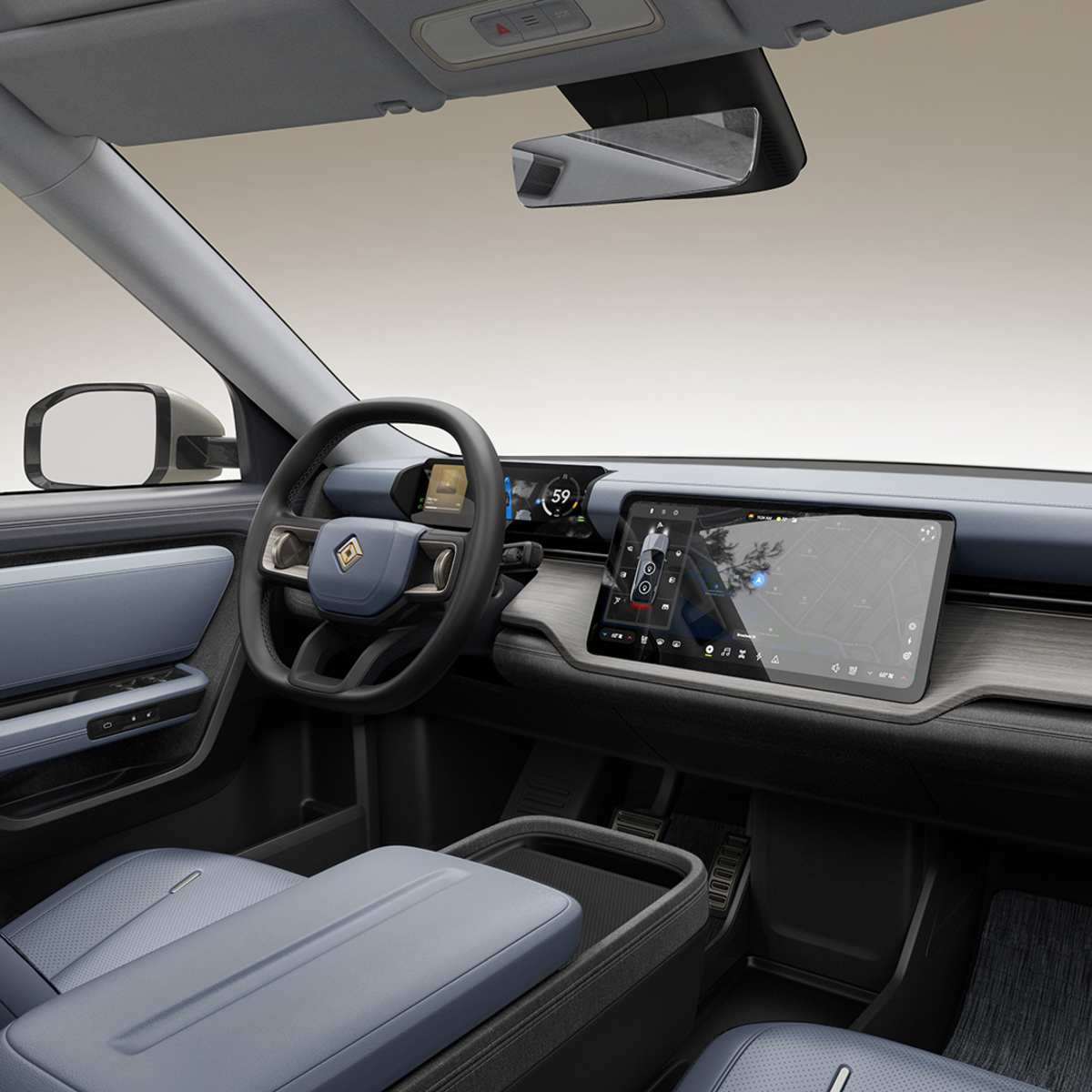
Rivian R2
"All right, Rivians R2 SUV could spawn more variants, including a surprise pickup truck. How does that make you feel?"
The Rivian R2 is an upcoming electric SUV from Rivian. They’re talking about Rivian possibly adding more versions, including a pickup, which would expand what kinds of EVs the brand offers.
The Rivian R2 is an upcoming Rivian electric SUV platform positioned to expand the brand beyond its current lineup. In the segment, they discuss the possibility of more variants, including a surprise pickup truck, which matters because it signals how Rivian plans to broaden its EV lineup.
EV
"Yeah, right? Especially for an EV."
EV just means electric vehicle. It’s a car that runs on electricity from a battery instead of gas.
EV means electric vehicle—cars powered primarily by electric motors and a battery rather than gasoline. The hosts mention EV pricing and buying decisions in the context of Rivian’s vehicles being “especially for an EV.”
best selling cars by state
"There's a curveball here. There's an article from Motor Trend, best selling cars by state."
They’re talking about which cars sell the most in different states. Then they play a guessing game about Nevada and Texas.
This segment discusses an article ranking the best-selling cars by U.S. state. It’s used as a prompt for the hosts to guess which models dominate in Nevada versus Texas.
Ford F150
"We'll just go one or 21 and two. F-150. No, that's Texas, bro. Come on. What are you talking about?"
The Ford F-150 is a large pickup truck. People choose it for hauling, towing, and general everyday use. The episode mentions it because it’s a very common truck model.
The Ford F-150 is a full-size pickup truck that’s widely known for being practical, capable, and available in many configurations. In the podcast, it’s mentioned in a quick back-and-forth, but it still signals how common and recognizable the F-150 is in everyday truck talk. It’s often discussed because it’s a mainstream choice for buyers who want a truck for work or daily use.

Tesla Model 3
"We have a lot of Teslas. You want to you want to guess which model like specifically? Model three."
The Tesla Model 3 is an electric car from Tesla. The hosts are guessing it’s the most popular model in Nevada.
The Tesla Model 3 is a mass-market electric sedan that helped popularize EVs in the mainstream. In this segment, the hosts guess that Nevada’s best-selling car model is the Model 3, tying it to how EVs are selling by region.

Tesla Model Y
"Model three. That was second. Model Y is actually one. Yeah, makes sense."
The Tesla Model Y is an electric SUV. It runs on electricity instead of gas, and it’s made for regular daily driving. The podcast mentions it as part of a comparison between Tesla models.
The Tesla Model Y is an all-electric compact SUV designed for everyday driving with no gasoline engine. The podcast references it in a ranking context, which suggests it’s being compared to other Tesla models by popularity or placement. It comes up often because it’s one of Tesla’s most widely discussed mainstream electric vehicles.

Plymouth Fury
"...ching him in the circuit in Houston, Cage Combat, Fury, all those, LFA. So shout out to him."
The Plymouth Fury is an older American muscle car. It’s the kind of car people talk about when they’re discussing classic performance vehicles. In the episode, it’s brought up as part of a group of notable cars.
The Plymouth Fury is a classic American muscle car associated with the late-1960s era. In the podcast, it’s mentioned in a shout-out context alongside other cars, which suggests it’s being referenced as part of a broader lineup of notable vehicles. That kind of mention typically highlights its place in car history and enthusiast culture.

BMW i3
"...n, yeah, BMW, you got more EVs. You know, the BMW i3. That's all."
The BMW i3 is an electric car made by BMW. It’s meant for everyday driving, especially in city settings. The podcast mentions it when talking about BMW’s electric vehicles.
The BMW i3 is an electric car from BMW, known for being a smaller, city-friendly EV. The podcast briefly mentions it as part of BMW’s electric lineup, which is why it’s included in the discussion. It’s often talked about because it represents BMW’s earlier approach to compact electric mobility.
used car market inventory
"And so now when people talk about the used car market and they go, we have this lack of inventory, there has to be this healthy combination of"
It just means how many used cars are sitting in the market to be bought. If there aren’t many cars available, sellers can usually charge more.
“Used car market inventory” is the number of used vehicles available for sale at a given time. When inventory is low, prices tend to stay higher because there are fewer cars to choose from.
repossession
"repossessions are not healthy for the person obviously having their car repossessed, but they're healthy to put inventory back on the market."
Repossession is when the bank takes the car back because the payments stopped. Those cars can then get sold again, which adds more used cars to the market.
A repossession happens when a lender takes back a vehicle because the borrower stops making required payments. In market terms, repos can increase the supply of used cars by returning vehicles to the lender, which then sells them.
leasing
"Then you look at leasing over the last six years. It was basically at a very, very low rate because car companies didn't need to offer lease deals."
Leasing is like renting a car for a few years with an option at the end. When leases end, those cars often come back and become used cars for sale.
Leasing is a financing structure where you pay to use a car for a set term, then typically return it (or buy it) at the end. Lease returns can feed the used-car supply, so changes in lease activity can affect used prices and availability.
lease trade ends
"So you don't have lease trade ends at a high level."
This is about when a lease is up and the car has to be turned back in. Those returned cars can then show up for sale as used vehicles.
“Lease trade ends” refers to the end of a lease term when the vehicle is returned and becomes available to be sold or re-leased. If fewer leases end (or fewer lease deals are offered), fewer late-model cars enter the used market.
used-car pricing driven by lender behavior
"So you're looking at what dealers are doing on used cars, not realizing, they're only empowered to do those things and have those prices because the banks and the finance arms aren't repo in the cars."
The host is basically saying used-car prices aren’t just about supply and demand—they’re also affected by what banks do with delinquent loans. If banks aren’t taking cars back, fewer cars end up available, which can keep prices up.
The segment describes how used-car prices can be influenced by whether lenders actively repossess vehicles. If repossessions are delayed or avoided, fewer cars hit the market through that channel, which can support higher prices and dealer leverage.
finance arms
"they're only empowered to do those things and have those prices because the banks and the finance arms aren't repo in the cars."
“Finance arms” refers to a car company’s or lender’s captive financing division that provides auto loans and leases. In the segment, the host contrasts these lenders with dealers, claiming the financing side’s behavior (not repossessing) is what enables dealer pricing and inventory dynamics.
renegotiate what you owe
"Not what could you pay towards the loan? But like, hey, let's renegotiate what you owe on the car. This is unheard of."
This means the bank tries to change the loan terms so you owe less or pay differently, instead of taking the car back. The host is saying that kind of offer is surprising in this situation.
“Renegotiate what you owe” means the lender offers a modified deal—like changing the loan terms or balance—rather than proceeding with repossession. The host highlights this as unusual because it suggests lenders are trying to restructure debts to keep cars from being taken back.
cars up for repo
"cars up for repo were nuts then. Yeah, it's true."
“Repo” means the car gets taken back because payments weren’t made. The hosts are saying that, at that time, repossessed cars were causing a lot of chaos or excitement.
“Repo” is short for repossession, where a lender takes back a vehicle after the borrower stops making payments. When the hosts say “cars up for repo were nuts,” they’re describing a period where repossessed vehicles were flooding the market or attracting intense attention.
trademark
"So Tesla finally, or they filed a trademark for the new Roadster logo, maybe meaning a new reveal being around here."
A trademark is legal protection for a company’s brand name or logo. If a company files one, it usually means they plan to use that logo in the near future.
A trademark is a legal protection for brand identifiers like names, logos, or symbols. When a company files a trademark for a new logo, it often means they’re preparing to use that branding publicly soon.

Tesla Roadster
"So Tesla finally, or they filed a trademark for the new Roadster logo, maybe meaning a new reveal being around here. ... I think the original Roadster, which I've driven quite a bit, a hell of a lot of fun."
The Roadster is Tesla’s electric sports-car name. They’re talking about Tesla possibly updating the Roadster branding and hinting at something new, based on the logo trademark.
The Tesla Roadster is the brand’s EV sports car concept, positioned as a high-performance electric alternative to traditional gas supercars. The hosts discuss Tesla filing a trademark for a new Roadster logo and reference the original Roadster they’ve driven, implying a future update or new reveal.
EV space
"You know, Tesla, to me, hey man, you're in the EV space."
“EV space” just means the world of electric cars—who makes them and how they’re positioned. The host is using it to talk about whether a company is truly EV-focused.
“EV space” is shorthand for the electric-vehicle market and ecosystem—companies, products, and strategies focused on battery-electric cars. The host uses it to frame how well a brand’s identity matches its business focus.
Request an Explanation
Heard something you'd like explained? We'll add it to this episode.
Sign in to request explanations for terms you heard.
Want to learn more?
Browse our glossary for plain-English explanations of automotive terms, jargon, and concepts.
Help improve this episode
See something that's not quite right? Our annotations are AI-generated and can sometimes miss the mark. Click the flag icon on any annotation to suggest a correction.
1 community members have helped improve this episode.