
120 - Why is Zeekr booming? Plus Government incentive clarity at last
About this episode
Zeekr’s rapid rise is traced to real-world visibility, online buzz, and a feedback loop that feeds R&D—plus pricing discipline that protects residual values. Alongside the Zeekr/Zika chat, callers share what actually drives their decisions: LFP vs NMC preferences, family space, and how home charging (and AR HUDs) changes day-to-day confidence. The hosts also dig into Australian incentive clarity and charging infrastructure—questioning whether rural rollout matches how fast EV sales are growing.
LFP battery
"And then mostly to balance the LFP battery. So they introduced that new golden battery, I think it's called, and then we will drive model."
An LFP battery is a type of EV battery chemistry. People like it because it tends to be safer and can last a long time compared with some other battery types.
LFP stands for lithium iron phosphate, a battery chemistry used in many EVs. It’s often chosen because it can be more thermally stable and longer-lasting than some other lithium chemistries, which matters for everyday ownership and safety.

Mini Cooper hatchback five door
"So I had a Mini Cooper hatchback five door petrol car for, I think just almost 11 years, actually."
They’re referencing their previous car: a Mini Cooper five-door hatchback. It’s just background on what they drove before switching to an electric car.
The Mini Cooper hatchback five-door is a compact gasoline car the speaker owned for nearly 11 years. Mentioning it provides context for their move from a long-term petrol hatchback to an EV.
no vetted lease with the no fringe benefit tax
"And then, of course, the no vetted lease with the no fringe benefit tax that, you know, I could do through no vetted leasing. It was basically when I did the calculations going to end up roughly the same cost of running an EV."
They’re talking about a leasing arrangement where the tax treatment is better—specifically, it avoids a tax called fringe benefit tax. That can make the EV cheaper to run month-to-month compared with other options.
The speaker is referring to an EV leasing setup that avoids fringe benefit tax (FBT), which can make the monthly cost of an EV lower than it would be otherwise. In practice, these arrangements depend on local tax rules and employer/lease structures, so the “net” cost can be dramatically different from the sticker price.

Dodge Journey
"... us a little run through of the kind of cars, the journey? Where did you start and how did you get to where..."
The Dodge Journey is a family car type that’s meant to fit passengers and luggage. In the podcast, it’s brought up because they’re talking about where someone started with cars and how they progressed over time. It’s part of the speaker’s personal car story.
The Dodge Journey is a family-oriented crossover/SUV that’s designed to carry people and everyday cargo comfortably. It’s mentioned because the hosts are asking about someone’s starting point and how they got to where they are now—essentially mapping their car history. That’s why it fits an EV podcast: it provides context for how a person’s needs and interests evolved.
ADAs system
"But also something with decent software and good ADAS system and something I could take on the occasional three to four hour trip down the Canberra or just out of Sydney."
ADAS are driver-assist features that help you drive—things like keeping in your lane or helping avoid crashes. They can make commuting and road trips less tiring.
ADAS (advanced driver-assistance systems) are features that help with driving tasks like lane keeping, adaptive cruise control, and collision avoidance. When EV shoppers mention ADAS, they’re usually talking about how “easy” and safer the car feels in everyday traffic and on longer highway trips.
NMC
"And as I said, the LFP was sort of a preference. Although I think I could have dealt with NMC."
NMC is another kind of EV battery chemistry. It’s commonly used when manufacturers want more energy (often meaning more range), but it can age and charge differently than LFP.
NMC (nickel manganese cobalt) is another common lithium-ion battery chemistry used in EVs. Compared with LFP, NMC batteries often target higher energy density, which can translate to more range for a given battery size, but they may have different thermal and aging characteristics.

Tesla Model 3
"So I've been over in the US on work a few times and taken a Tesla for a weekend, Model 3 and Model Y. And that was kind of my benchmark, I guess for software and technology."
The Tesla Model 3 is a popular compact electric car. Here it’s mentioned as a reference point—like a baseline the host compares other EVs to for how the software and tech feel.
The Tesla Model 3 is a compact EV that became a benchmark for how modern EVs feel and behave day-to-day. In this segment, it’s used as a reference point for “software and technology,” meaning the host is comparing other EVs against Tesla’s user interface, controls, and overall EV integration.

Tesla Model Y
"So I've been over in the US on work a few times and taken a Tesla for a weekend, Model 3 and Model Y. And that was kind of my benchmark, I guess for software and technology."
The Tesla Model Y is an electric SUV. The host is using it along with the Model 3 as a baseline to compare other EVs, especially for the software and tech experience.
The Tesla Model Y is a compact-to-midsize electric SUV/crossover that’s often used as a real-world comparison car because it’s widely sold and frequently updated. In this episode, it’s grouped with the Model 3 as the host’s weekend “benchmark” for EV software and technology.

BYD Atto 2
"But my first cars were the Kia EV3, MG S5 and the BYD Atto 2. And that's where the journey began."
The BYD Atto 2 is an electric car from BYD. The host mentions it as one of the first EVs they tested to start building their opinions.
The BYD Atto 2 is a BYD EV model referenced as part of the host’s early testing lineup. In this segment, it’s used to show how the host’s EV experience broadened across different Chinese EV brands and platforms.

Audi S5
"... dynamics. But my first cars were the Kia EV3, MG S5 and the BYD Atto 2. And that's where the journey ..."
The Audi S5 is a sportier version of an Audi car. It’s meant to be more powerful and more fun to drive than the standard model. In the podcast, it’s mentioned because it was one of the speaker’s earlier cars.
The Audi S5 is a performance-oriented version of the A5 line, typically aimed at drivers who want a sportier feel with a more powerful engine. It’s referenced in the speaker’s “first cars” list, which helps set their driving background before they talk about their EV journey. That’s why it appears in an EV podcast—it's part of understanding the person’s preferences and progression.

Kia EV3
"But my first cars were the Kia EV3, MG S5 and the BYD Atto 2. And that's where the journey began."
The Kia EV3 is an electric car model. In this conversation it’s part of the early set of EVs the host tested while figuring out what they liked and didn’t like.
The Kia EV3 is an EV model name used here as one of the host’s early test cars. It matters in the context of this episode because the hosts are mapping their “journey” through different EV brands and form factors, not just sticking to one manufacturer.

Galaxy Geely Ex5
"...he hashtag one and three, I think they're called. Geely EX5, Leapmotor B10, GAC AONV and the UT as it was tha..."
The Galaxy EX5 is an electric car model. The podcast mentions it while talking about different EV options and which one might fit the buyer. It’s part of the comparison process for choosing an EV.
The Galaxy EX5 is an EV model referenced in the podcast as part of a group of cars being discussed by the same dealer or shopping set. It’s brought up in the context of comparing options and narrowing down what fits the buyer. In an EV podcast, that kind of mention usually relates to features, variants, and suitability rather than traditional ownership history.

Alpina B10
"...ree, I think they're called. Geely EX5, Leapmotor B10, GAC AONV and the UT as it was that same dealer. ..."
The Alpina B10 is a luxury sedan that’s been tuned to feel more powerful and sporty than a standard version. It’s mentioned because the conversation is comparing different cars the speaker has looked at or driven. It’s basically being used as an example of a performance-focused luxury car.
The Alpina B10 is a high-performance luxury sedan based on a BMW 5 Series platform, tuned by Alpina for stronger power and refined driving dynamics. It’s mentioned in a list of cars that includes various brands and models, likely as part of the dealer or EV-shopping discussion. That makes it relevant as a reference point for what the speaker considers “exciting” or desirable in a car.

Elexio Hyundai Alexio
"...he UT as it was that same dealer. Renault Scenic, Hyundai Alexio. I think they were the ones who drove and then I ..."
Elexio is a car name that comes up while the speaker is talking about cars they looked at. Since this is an EV podcast, it’s likely part of comparing electric options. The episode doesn’t give enough detail here to say more than that it was on their list.
Elexio is mentioned alongside other car names in a dealer-driven discussion, suggesting it’s one of the models the speaker considered or drove. Because the episode is about electric cars, the mention likely relates to evaluating EVs and their fit for the buyer. The transcript doesn’t provide enough detail to pin down more specific characteristics, but it’s clearly part of the shopping/shortlist context.

Polestar 2
"I think they were the ones who drove and then I looked at the Polestar 2 Toyota BZ4X, BYD C1, C1, Volvo EX30 and the Q85. I was trying to type them out as you went."
The Polestar 2 is an electric car brand/model the host tested. It’s mentioned as part of the broader set of EVs they compared once they moved beyond Tesla.
The Polestar 2 is a premium electric liftback/sedan-style EV that the host includes in their comparison list. It’s notable in this episode because it represents the “wider than Tesla” phase—adding brands that target a more traditional premium feel.

Toyota bZ4X
"I think they were the ones who drove and then I looked at the Polestar 2 Toyota BZ4X, BYD C1, C1, Volvo EX30 and the Q85. I was trying to type them out as you went."
The Toyota bZ4X is Toyota’s electric SUV. The host lists it among many EVs they tested to compare how the cars feel and how the tech works.
The Toyota bZ4X is Toyota’s battery-electric SUV, mentioned here as part of the host’s EV “spread” across many brands. In this context, it’s one of the mainstream automaker comparisons used to judge how different EVs handle software, packaging, and driving feel.

Volvo EX30
"I think they were the ones who drove and then I looked at the Polestar 2 Toyota BZ4X, BYD C1, C1, Volvo EX30 and the Q85. I was trying to type them out as you went."
The Volvo EX30 is a small electric SUV. The host mentions it as part of the broader range of EVs they looked at while comparing brands.
The Volvo EX30 is a compact electric SUV that the host includes in their comparison list. It’s relevant because the episode is tracking how EVs have diversified—smaller, more affordable-feeling models alongside bigger-name benchmarks.

Geely EX5
"I mean, like we landed on the Geely EX5 was what my son and wife loved because it was like the luxury of it. The massage seats, you know, the big opening roof. But for me, like it was just too soft and floaty to drive, especially coming from the Mini."
The Geely EX5 is an electric car. The speaker says their family liked it for comfort features, but they personally didn’t like how it drove because it felt too soft and not very “driver-y.”
Geely EX5 is an EV from Geely that the speaker’s son and wife liked for its “luxury” features. In this segment, the key point is that the EX5’s ride feel is described as too soft and floaty, especially compared with the speaker’s Mini, which drove the decision toward a more driver-focused car.

Skoda
"But like we just got into Skoda's. We're both in Skoda's this weekend. I got it instantly and went, this is, I can feel this is a European car. It's tuned. I can feel the ride."
Skoda is mentioned as the brand the speakers are driving this weekend. The speaker claims they could “feel” it was a European car because it’s “tuned,” emphasizing that chassis tuning and ride/handling setup can make cars feel distinct even when they’re all trying to be comfortable.
ride
"It's tuned. I can feel the ride. It's so much different to many other cars on the road."
Here, “ride” means how smooth the car feels over rough roads. The speaker says you can tell right away that the Skoda’s ride is set up differently.
In car talk, “ride” refers to how the suspension smooths out bumps and how the car settles and moves over uneven roads. The speaker contrasts “ride” feel between cars, saying the Skoda’s ride is something they can immediately notice.
driving dynamics
"Yeah. And you obviously, despite the overwhelming love from your partner and your son, the Geely didn't make it just because you didn't like the driving dynamics."
Driving dynamics are how a car feels when you’re actually driving it. It includes things like steering feel and ride smoothness, and that’s why the speaker didn’t want the Geely EX5.
Driving dynamics are the combined feel and behavior of a car—how it steers, how it rides over bumps, how it responds to inputs, and how stable it feels. In this segment, the speaker uses “driving dynamics” to explain why the Geely EX5 was rejected despite family approval.
head up display
"what I did love, mate, was the head up display, Stephen, because unfortunately you didn't get to drive it because I went away and you had the Mercedes you loved. Was the head up display was down the bottom of the windscreen. And it was a reflection as all head up displays is, but it had this depth to it. So it made you think it was kind of far further into the screen than what it was."
A head-up display shows important driving info on the windshield. That way you don’t have to take your eyes off the road, and the way it’s positioned can make it look clearer or more “real.”
A head-up display (HUD) projects key driving information onto the windshield so you can see it without looking down at the instrument cluster. The hosts discuss how the HUD’s placement and reflections affect how “deep” it appears and how good it looks.
HUD depth / apparent distance
"Was the head up display was down the bottom of the windscreen. And it was a reflection as all head up displays is, but it had this depth to it. So it made you think it was kind of far further into the screen than what it was. It had a really good look. I really liked that."
They’re talking about how a windshield display can trick your eyes a bit—making the information look like it’s farther away than it really is. That can affect whether it feels easy and comfortable to read.
The hosts are describing a perception effect with HUDs: how the projected image’s position and optics can make the information seem farther “into” the windshield than it actually is. This matters because it influences readability and how natural the display feels while driving.
heads up display
"The heads up display, I liked it. [725.7s] I think that I like those ones that with that full augmented reality projection on the windscreen, but I think that Alexio had a more practical one."
A heads-up display shows important info on the windshield. That way you don’t have to look down at the dashboard as much.
A heads-up display (HUD) projects key driving information—like speed, navigation prompts, or warnings—onto the windshield so you can keep your eyes on the road. In EVs, HUDs are often paired with driver-assistance features and navigation.
augmented reality projection
"I think that I like those ones that with that full augmented reality projection on the windscreen, but I think that Alexio had a more practical one. [734.1s] I drove the Kona as well, actually."
Augmented reality projection overlays helpful directions or warnings on what you’re already seeing through the windshield. It’s like “digital arrows” on the real road view.
An augmented reality (AR) projection uses the car’s camera/navigation data to overlay guidance or vehicle information onto the real-world view through the windshield. When it’s done well, it can make navigation and hazard cues easier to understand at a glance.

Hyundai Kona
"I drove the Kona as well, actually. [736.0s] Anthony, you said, you said that you, you said you live in the inner city."
The Hyundai Kona is a small SUV/crossover. In EV form, it’s a popular car to test because it’s easy to drive in cities and it’s designed for everyday charging.
The Hyundai Kona is a compact crossover that’s offered in EV form (Kona Electric). It’s commonly used as a “real-world” test car because it’s small enough for city driving and has practical charging and infotainment features.
off street parking
"What's your, what's your charging situation that you have off street parking or how's it going to go? [746.2s] I have off street parking."
Off-street parking matters for EV ownership because it usually enables home charging. Without a driveway/garage, you may rely more on public chargers, which can be slower and less convenient.

Dodge Charger
"...t the Zika, you know, pre-order deal comes with a charger. I just need to get the electrician to wire it up..."
A Dodge Charger is a car model that’s usually known for performance. In this podcast, it’s mentioned because a deal includes a home charging setup, so you need an electrician to install it properly. That’s about charging your car at home, not about how the car drives.
The Dodge Charger is a performance-focused sedan/coupe that’s known for strong power and a big, muscular presence. In an EV-focused podcast context, it’s mentioned because a “pre-order deal” includes a charger installation, which ties it to home charging rather than the car’s traditional engine setup. That makes it relevant to talk about practical EV ownership steps like getting the electrician to wire the charging point.
home charger
"But the Zika, you know, pre-order deal comes with a charger. [758.7s] I just need to get the electrician to wire it up."
A home charger is a charging unit you install where you park your car. It makes it easier to charge regularly without hunting for public chargers.
A home charger (often installed in a garage or driveway) lets you recharge an EV overnight or between trips. It typically provides faster, more predictable charging than relying solely on public stations.
pre-order deal
"But the Zika, you know, pre-order deal comes with a charger. [758.7s] I just need to get the electrician to wire it up."
A pre-order deal means you pay before the car arrives. You might get extras included, but the delivery date can change.
A pre-order deal is when a buyer puts money down before the vehicle is delivered, often to lock in pricing or incentives. For EVs, it can also include perks like a charger bundle, but delivery timing can shift.

Sealion Cline 7
"Correct, yes. So I was looking at C-Line 7, but I'm not too really too sure which variant will fit me. And also, I've got other things I've got to think about as well,"
The Sealion 7 is an electric car model. The podcast mentions it because the speaker is deciding between different versions (variants) and wants to make sure the right one fits. They’re also thinking about other factors before choosing.
The Sealion 7 is an EV model the speaker is considering, and they’re specifically talking about which variant would fit their needs. That’s why it appears here: the discussion is about matching the right trim/option to the buyer’s requirements. In an EV context, variant choice can affect range, features, and overall practicality.
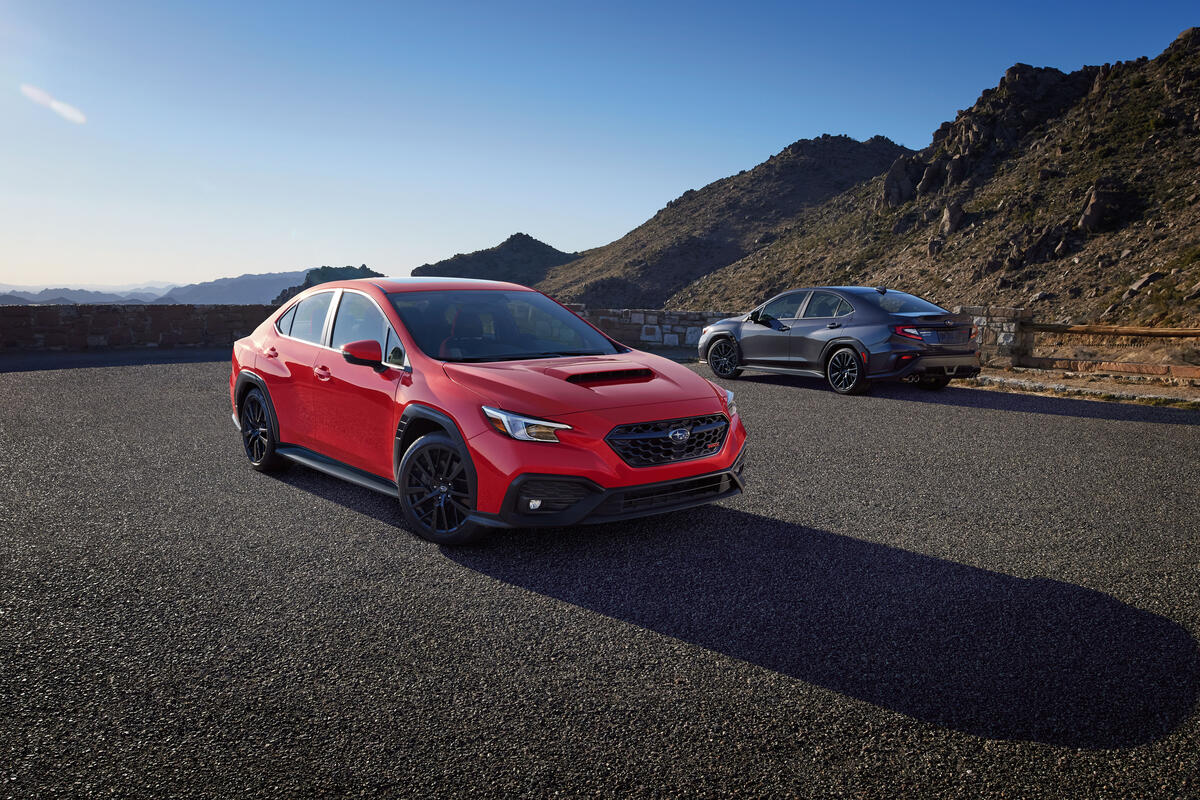
Subaru WRX
"...up-and-coming Addo 3 Evo. Because I used to own a WRX, but I own a Forester now, so I would like someth..."
The Subaru WRX is a sporty version of a Subaru car. It’s designed to be fun to drive and usually has all-wheel drive for better grip. The podcast mentions it because the speaker used to own one before switching to another Subaru.
The Subaru WRX is a sport-oriented compact car built for enthusiasts, typically featuring all-wheel drive and a turbocharged engine. It often comes up in conversations about driving feel and everyday usability, which is why someone might mention owning one in the past. In this episode, it’s used as part of a personal ownership timeline before moving to a different Subaru model.
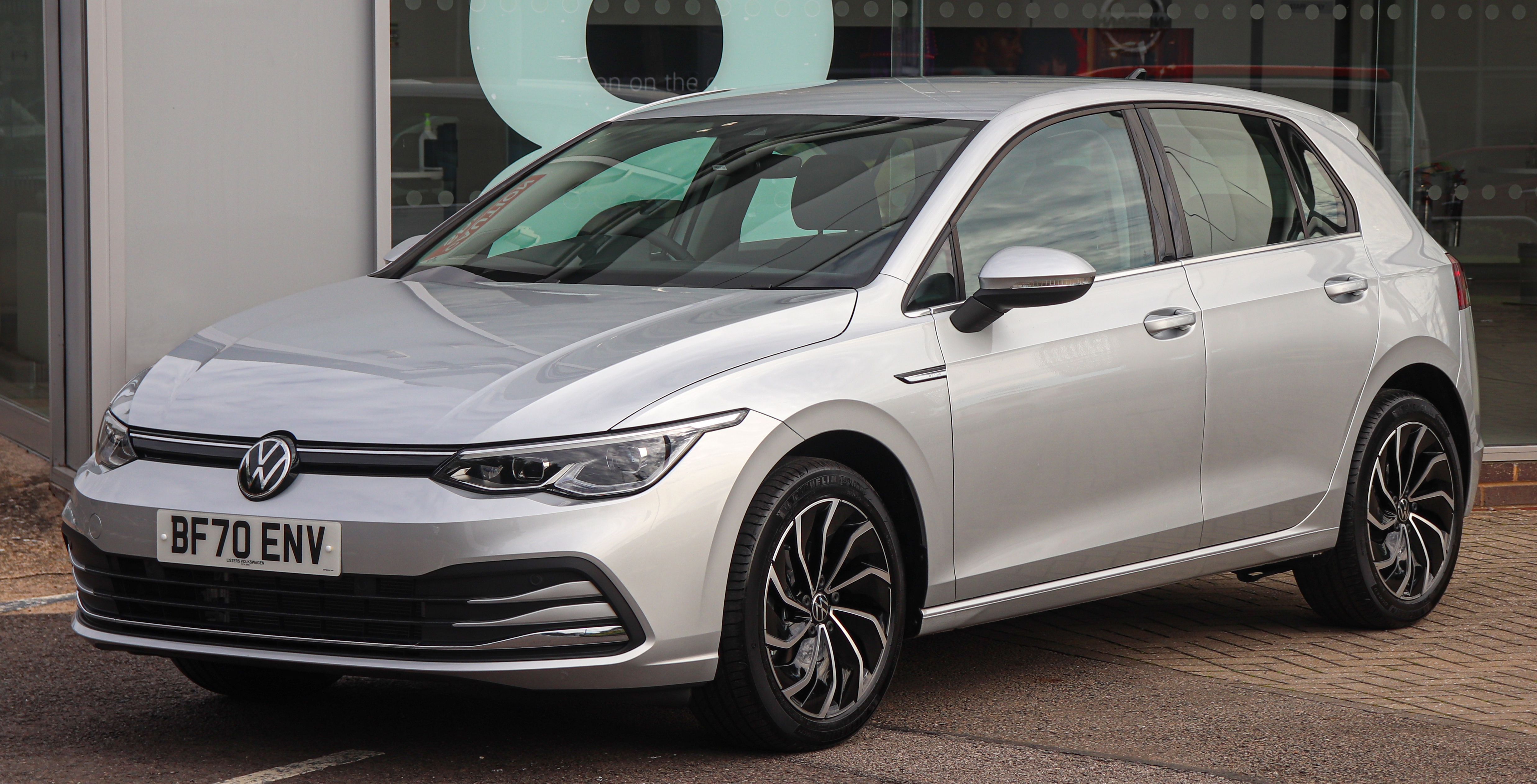
Volkswagen Golf
"... about Volkswagen, right? When Volkswagen had the Golf, sells great, good car. Then you add in the, the ..."
The Volkswagen Golf is a common, everyday car model. People like it because it’s practical and generally easy to use. In the podcast, it’s brought up as a car that sold really well when it was being discussed.
The Volkswagen Golf is a widely sold compact car that’s known for being practical, easy to live with, and popular across many markets. It’s mentioned because the host is discussing how Volkswagen’s Golf has historically sold well and built a strong reputation. That kind of “why it sells” conversation often comes up when comparing how different cars attract buyers.

Nissan R32
"..., sells great, good car. Then you add in the, the R32, the GTI. You start to really entice people who l..."
The Nissan Skyline is a car model that’s known for being sporty. The podcast brings it up because it has a reputation that attracts drivers who want performance. It’s being used as an example of a car that draws attention.
The Nissan Skyline is a well-known performance car name, often associated with enthusiast culture and multiple generations of sporty models. In the podcast, it’s mentioned in the context of how certain models “entice people,” which points to its appeal and reputation. That makes it relevant even in an EV episode because it helps explain what kind of driving excitement people look for.
second hand EV
"That's right. And I think our advice there is to anyone looking at a second hand EVs, don't buy a second hand EV if it doesn't have a battery health report included like pickles and others are doing."
Buying a used electric car is a bit different because the battery’s condition is the big thing to worry about. If the battery is worn out, the car can cost more later.
Buying a used EV is different from buying a used gas car because the battery’s condition is a major part of the vehicle’s value and future costs. That’s why sellers’ documentation (like battery health reporting) becomes a key part of the buying decision.
battery health report
"And I think our advice there is to anyone looking at a second hand EVs, don't buy a second hand EV if it doesn't have a battery health report included like pickles and others are doing."
It’s a check that tells you how worn out the EV battery is. For a used electric car, that matters a lot because a badly degraded battery can be costly to fix.
A battery health report is a document (or app output) that estimates how much usable capacity an EV battery still has and sometimes how it has been used. It helps you judge whether a used EV’s battery has degraded and whether the car is likely to need expensive replacement sooner.
government subsidies
"but we're not relying on government subsidies to sell our cars."
Government subsidies are money the government provides to lower the cost of something. Here, they’re talking about whether EV sales depend on those incentives or whether the cars are good value even without them.
Government subsidies are financial incentives paid by the government to reduce the effective cost of buying or using a product—in this case, EVs. The hosts are contrasting relying on subsidies versus competing on the car’s own pricing and value proposition.
novated leases
"At least 38 callers have specifically called out the FBT and novated leases as part of their decision."
A novated lease is a way to get a car through your employer. Instead of paying the lease yourself, the employer manages it and you often pay using salary deductions, which can make the car cheaper—especially when EV tax rules help.
A novated lease is an arrangement where an employee’s car lease is “novated” (transferred) to the employee’s employer, and the employee typically pays for the car through pre-tax salary deductions. For EVs, the combination of lease structure and FBT treatment can reduce the employee’s effective monthly cost, making EVs more attractive.
FBT
"At least 38 callers have specifically called out the FBT and novated leases as part of their decision."
FBT stands for Fringe Benefits Tax. It’s a tax rule that can affect how much it costs when your employer provides a car, and for EVs it can make them cheaper for employees to use.
FBT (Fringe Benefits Tax) is a tax in Australia that can apply to certain employer-provided benefits. In the EV context, FBT rules can make company-provided electric cars cheaper for employees, which can strongly influence buying decisions.
incentives
"these kind of incentives, as simple as they are, quite frankly, really do drive people's interest."
Incentives are rewards or cost reductions meant to get people to do something. In this case, the hosts are saying incentives can make more people seriously consider EVs.
Incentives are policy or financial measures designed to change consumer behavior—here, encouraging people to consider or buy EVs. The segment argues that even “simple” incentives can have a measurable impact on interest and purchase intent.
fuel crisis
"And then you pair it with other factors like the fuel crisis and, hey, presto, it's a big win for the industry in terms of really convincing some people to consider an EV."
A fuel crisis refers to a period when fuel availability and/or prices become unstable or unusually high. In EV discussions, it’s often cited as a driver for consumers to consider EVs because electricity can be cheaper and more predictable than petrol or diesel.
hybrid
"Why would you buy a hybrid or a petrol car when you can get these EVs on the FBT on novated leases that are cheaper?"
A hybrid uses both a gasoline engine and an electric motor/battery. The hosts are comparing hybrids and petrol cars to EVs based on cost after incentives.
A hybrid vehicle uses more than one energy source, typically combining an internal-combustion engine with an electric motor and battery. The hosts mention hybrids as an alternative to EVs when discussing how incentives can shift the “why buy” decision.
petrol car
"Why would you buy a hybrid or a petrol car when you can get these EVs on the FBT on novated leases that are cheaper?"
A petrol car runs on gasoline. They’re using it as the comparison point to show why EVs might be the cheaper option with certain tax/lease incentives.
A petrol car is a vehicle powered by a gasoline internal-combustion engine. The segment uses it as the baseline alternative to EVs when arguing that EVs can become cheaper under FBT and novated lease arrangements.
charging infrastructure
"Is there enough planning of infrastructure and charging stations? ... They're working with a lot of institutions to understand where our charging infrastructure needs to be"
Charging infrastructure is the network of charging points (home chargers, public fast chargers, and everything in between) that supports EVs. If it’s planned and expanded alongside EV adoption, it reduces “range anxiety” and makes EV ownership feel practical for more drivers.
EV take up
"Are they doing enough to really drive up EV take up? I think the government's certainly on the right track."
“EV take up” means how many people start using EVs. It depends on incentives and whether charging is easy enough in real life.
“EV take up” means how many people actually switch to buying and using electric vehicles. It’s influenced by incentives, charging availability, and how easy it feels for everyday driving—not just by the cars themselves.
charging at home
"So consumers, when we talk to them and we say, look, the majority of EV owners are charging at home, and that takes out the public charging infrastructure."
Charging at home means you plug your EV in where you live. That way you don’t have to hunt for chargers every day.
Charging at home is when an EV is plugged in at the driver’s residence, typically overnight, so daily driving is handled without relying on public chargers. This matters because it changes how important public charging is for most owners day-to-day.
charging network
"But I wonder whether the rural regional expansion of the charging network is happening at the right rate when you consider how fast the car sales are happening... But for those big trips, I feel like... the broader charging network is bigger and better?"
A charging network is basically the map of EV charging stations you can rely on. If there aren’t enough chargers in the places people drive to, long trips become harder.
A charging network is the set of charging stations (often across multiple operators) that EV drivers can use on their routes. Its coverage and reliability matter because EV trips depend on having enough charging options along the way, especially for long-distance travel.
OEM
"I know the government's got a role to play, but don't you think the industry itself selling the cars needs to ensure that the broader infrastructure play... is bigger and better?... how we can support as an OEM."
OEM just means the car maker—the company that builds the EV. They often have to coordinate with charging providers and government so drivers can actually charge the cars.
OEM stands for Original Equipment Manufacturer, meaning the company that builds the vehicles. In EV discussions, OEMs often work with governments and charging operators because the car’s adoption depends on charging availability.
NRMA
"We're starting to see as well. We meant NRMA is a great example in the big four parks. They bought EV chargers in the mountains."
NRMA is an Australian motoring group. Here they’re mentioned as an example of an organization helping install EV chargers in places where it previously wasn’t common.
NRMA is an Australian motoring and roadside-assistance organization that can fund or deploy charging infrastructure. In this segment, it’s used as an example of how non-government groups are helping expand EV charging access.
EV chargers
"We meant NRMA is a great example in the big four parks. They bought EV chargers in the mountains. That was never a thing before."
EV chargers are the stations that plug into your EV to add electricity. Putting them in remote or scenic areas can make road trips much easier.
EV chargers are the equipment that supplies electricity to recharge an electric vehicle. Where chargers are installed (like mountain or regional areas) can strongly affect whether EV road trips feel practical.
private charging
"[1654.9s] So it's not necessarily always just a public charging infrastructure. [1658.2s] There's also private industry that can benefit from that. [1661.1s] Our dealerships are putting charging infrastructure and when we expand our dealer network, we"
Private charging is when a business installs EV chargers for its own guests or customers. The idea is that you can charge while you’re there, not just at public stations.
Private charging is EV charging that’s installed and operated by non-government entities for their own customers or operations, such as hotels, motels, and dealerships. In this segment, it’s presented as a complementary approach to public chargers, helping EV drivers charge while they’re staying or visiting.
residual values
"...they have to go and constantly discount them, which messes with the residual values. For us, if you price the car correctly in the first place, you have some surety on that price over the long term, which helps customers with their residual values..."
Residual value is basically what the car might be worth later. If a company constantly discounts cars, it can make the car seem worth less in the future too.
Residual value is what a vehicle is expected to be worth in the future (often at lease end or when you trade it in). EV makers care because heavy discounting can lower that expected future value, making the whole ownership cost higher for buyers.
trade it in
"How much is this thing going to be worth in three years time when I want to trade it in? ...for us, pricing it correctly in the first place helps that proposition."
Trade-in means you give your current car to the dealer and use its value to help pay for the next one. If the car holds value well, the trade-in is usually better.
Trade-in is when you hand in your current car to a dealer and apply its value toward a new purchase. The key EV-specific angle here is that the expected future value (residual value) affects how good that trade-in deal will be.
Ezeka showroom
"But then when you go to a new brand dealership like Ezeka showroom and you get to get behind the wheel, don't even drive it, just sit in there and you realize, oh my gosh."
They’re talking about going to a Zeekr dealer/showroom. The point is that seeing the car in person helps you understand why it’s priced the way it is.
The speaker is referring to a Zeekr dealership experience—using the brand’s showroom as proof of product quality and value. In this context, the brand identity matters because it’s about how Zeekr positions its cars versus competitors.
building brand buzz before showrooms
"But it hasn't even been in showrooms. There was a buzz... started to trickle through YouTube and it started to hit the Reddit forums and the Facebook forums, we see those forums."
They talk about how EV brands build excitement early—before most people can actually see or buy the cars. The conversation centers on social media and forums and how that turns into customer feedback.
The hosts discuss how a new EV brand can generate “buzz” before cars are widely available in showrooms. They connect online discovery (YouTube, Reddit, Facebook) with real customer feedback loops to explain rapid awareness growth.
Lotus
"We have luxury pedigree from Polestar. We have performance pedigree from Lotus."
Lotus is known for making cars that handle well. Here, the speaker is saying Zeekr’s EVs draw on that performance background.
Lotus is referenced for “performance pedigree,” pointing to the brand’s long history in handling, lightweight engineering, and driving dynamics. The speaker is framing Zeekr’s EVs as combining safety, luxury, and performance expertise from multiple marque identities.
Geely Holding Group
"We have EV engineering and technology from the Geely Holding Group. When you blend that together, you don't have to be a rocket scientist to figure out."
Geely Holding Group is the big company behind several car brands. The speaker is saying Zeekr’s EV know-how comes from that larger group.
Geely Holding Group is the corporate group behind multiple automotive brands, and the speaker attributes Zeekr’s “EV engineering and technology” to it. This is a common EV-industry pattern: newer EV brands leverage shared engineering resources from a larger parent company.
Qantas
"So across shopping centers, even the T3 domestic airport right now, the Qantas terminal, there's a car there."
Qantas is an airline, and the speaker is saying the car is shown at a Qantas terminal. That’s basically a big public marketing spot to get attention.
Qantas is referenced as a real-world location where the car is displayed, implying a high-visibility marketing placement. For EV launches, airport and terminal activations can accelerate awareness by putting the vehicle in front of frequent travelers.
EV brand visibility and customer curiosity
"[1912.9s] They go, what's that car? [1914.1s] I mean, I was at Rouse Hill Town Center recently and the car was sitting outside of the Woolworths. ... [1962.5s] So because of that information being disseminated online, people are just more engaged and more confident about the product."
They’re talking about how electric cars are showing up in more public places, so people notice them. They also say people do a lot of research online before going to a dealership.
This segment discusses how EVs are increasingly placed in everyday public locations, which drives curiosity and brand recognition. It also highlights how online information changes the shopping process before someone even visits a dealership.
information dissemination online before dealership visits
"[1943.1s] And then look, the reality is, guys, these days, people walk into a car dealership. [1948.3s] They know more about the car than the people selling it. ... [1969.0s] And they go in and they sit behind the wheel and it validates all the research they've done."
The hosts describe a shift where customers learn about an EV’s engineering and features online before visiting a dealership. That changes the dealership role from “teaching the basics” to validating what the buyer already researched.
Zeekr
"But so how are you guys coping with this sudden success and sudden interest in the brand? ... we are very blown away and very appreciative of customers buying into our brand, dealers buying into our brand"
Zeekr is the electric-car brand they’re talking about. They’re saying demand is rising fast, so both customers and dealers are getting more involved.
Zeekr is an EV brand being discussed in the context of rapid growth and how the company is handling increased demand. The hosts are focusing on brand momentum—customers and dealers “buying into” Zeekr—and what that means for scaling operations in Australia.
dealer partners
"We work with our dealer partners to understand if we were to expand, how do we expand, where when does that happen?"
Dealer partners are the local shops that sell the brand’s cars. The company is coordinating with them when deciding how to expand in a country or region.
Dealer partners are the local retail businesses that sell and support a brand’s vehicles. Here, they’re describing working with those partners to plan expansion and decide where and when growth should happen.
owner group
"And in order to do that, we have to make big decisions like how do we keep our owner group engaged? So we're running events with owners."
An owner group is a community of people who already have the brand’s vehicles. The segment frames it as something the company actively manages—keeping owners engaged through events and feedback sessions.
R&D division
"We invite them for feedback sessions on a regular basis to talk directly with our executives. We take feedback straight to HQ with our R&D division."
R&D is short for research and development. It’s the team inside the company that uses ideas and feedback to improve the cars.
R&D division means the company’s “research and development” team. In this segment, they’re saying customer feedback is taken to their R&D to guide product improvements.
handover experience
"But we don't just want to chuck in the keys and go, see you mate, enjoy the car. We want to give them that good handover experience."
The handover experience is what happens when you pick up your new car—like getting a walkthrough and making sure everything is set up. They’re saying it matters to them.
The handover experience is the process of delivering a new car to the customer, including walkthroughs, setup, and ensuring the buyer understands how to use the vehicle. They’re emphasizing it as part of customer satisfaction rather than just handing over keys.

Land Rover Range Rover
"...ne. I think people who, well, I can say it, think Range Rover, think Eastern suburbs, wealthy individuals are g..."
The Range Rover is a luxury SUV, meaning it’s built to feel comfortable and high-end. The podcast mentions it because people often connect it with wealthy buyers. It’s mainly being used as an example of a premium car type.
The Range Rover is a luxury SUV from Land Rover, positioned as a premium, comfort-first vehicle. It’s mentioned in the context of how people associate it with wealth and certain lifestyles, which is a common reason luxury models come up in car conversations. In a podcast, that kind of framing helps explain why certain buyers gravitate toward it.
powertrains
"We've got great products, so HQ has done an incredible job and we're very fortunate that in the current state of NVES in Australia, we're able to bring these cars in. We built up enough credits that we can have a diversified mix of powertrains to suit the Australian market,"
“Powertrains” just means the car’s drivetrain setup—what kind of engine/motors it uses and how it moves the wheels. They’re saying they can offer different kinds to suit local buyers.
“Powertrains” refers to the complete set of components that generate and deliver motion—like electric motors and their control systems, or other propulsion layouts. Here, they’re saying they can offer multiple propulsion types to match the Australian market.
NVES penalties
"We built up enough credits that we can have a diversified mix of powertrains to suit the Australian market, and we can do that with that penalty. We don't have to charge NVES penalties to customers because our mix is correct."
They’re talking about a government rule (NVES) that can add extra costs if you don’t meet certain requirements. They say they’ve earned enough credits to avoid passing those extra costs onto customers.
“NVES” is being treated as an Australian regulatory scheme that affects how EVs are imported or sold, including the possibility of “penalties.” The hosts say they have enough “credits” to avoid charging those NVES penalties to customers, implying the rules can raise costs unless the importer qualifies.
credits
"we're able to bring these cars in. We built up enough credits that we can have a diversified mix of powertrains to suit the Australian market, and we can do that with that penalty."
Here, “credits” mean some kind of government-approved allowance you earn by meeting requirements. They’re saying those credits help them bring in a wider variety of EVs without extra penalty costs.
In this context, “credits” are compliance credits tied to the NVES framework, used to offset or avoid penalties when importing/selling vehicles. The hosts imply that accumulating credits allows a broader mix of powertrains without triggering extra charges.
Zeekr 7GT
"...more exciting. I mean, personally, when I saw the 7GT for the first time, I can't wait to get behind th..."
The Zeekr 7GT is an electric car. The speaker says they’re excited to drive it, which is why it’s mentioned in the conversation. It’s basically part of their shortlist of EVs they want to try.
The Zeekr 7GT is an EV that the speaker describes as exciting, specifically saying they can’t wait to get behind the wheel. That kind of reaction is typical in EV podcasts when discussing first impressions and what a buyer is looking for in an electric car. It’s mentioned to highlight interest in the model and the anticipation around driving it.
shooting brake style
"I'm going to start a change level petition to have one as a company car because we need more shooting brakes and that style of car in Australia, so I can't wait. Yeah, mate. You've got a great road map coming."
A “shooting brake” is a car shape that mixes a sporty coupe look with extra space like a wagon. It’s often chosen by people who want style plus some practicality.
“Shooting brake” is a body style that blends a coupe’s low, sporty roofline with the practicality of a wagon. In EV marketing, it usually signals a more stylish, performance-leaning alternative to a conventional SUV or standard wagon.

2021 Mazda CX-8
"So we've got a 2020 Subaru XV, which we're keeping, and we're selling a 2021 Mazda CX-8."
The 2021 Mazda CX-8 is a larger Mazda crossover meant for families. They’re getting rid of it to move into an electric car.
The Mazda CX-8 (2021) is a midsize, family-oriented crossover known for its comfortable ride and upscale interior compared with smaller Mazda models. They’re selling it as part of switching from a conventional vehicle to an EV.

2020 Subaru XV
"So we've got a 2020 Subaru XV, which we're keeping, and we're selling a 2021 Mazda CX-8."
A 2020 Subaru XV is a small crossover SUV. They mention it because they’re keeping it for now while they move toward an electric car.
The Subaru XV (2020) is a compact crossover built around Subaru’s all-wheel-drive focus and practical, everyday usability. In an EV-shopping conversation, it matters because it represents the current “fuel” car they’re keeping while transitioning to electric.
EV shortlist
"Was Tesla the one and only brand you looked at, mate? ... Was there any other brands in contention? ... You didn't consider Zika or Geely or BYD or anything like that?"
A shortlist is just the short list of cars you seriously think about before buying. They’re talking about which EVs made that list and which didn’t.
An EV shortlist is the set of electric vehicles (and brands) a buyer seriously considers before choosing one. This segment is essentially about how they narrowed options—Tesla for tech, and less interest in several Chinese brands.

Kia EV5
"Okay. The keyer EV5, I think it was. Yeah. I'm a person that loves te..."
The Kia EV5 is an electric car made by Kia. The podcast mentions it because the speaker is interested in it and likes what it offers. It’s part of the discussion about which EVs they’re considering.
The Kia EV5 is an electric vehicle that the speaker references as part of their interest in EVs. It’s mentioned in a way that suggests personal preference—what they like and why they’re paying attention to it. In an EV podcast, that kind of mention usually ties to how the car fits the driver’s needs and expectations.
Zika
"None of the big Chinese brands appeal to you. We just spoke to one of the bosses of Zika."
“Zika” sounds like it’s meant to be Zeekr, an electric-car brand. They’re saying they spoke with someone high up at that company.
“Zika” appears to be a mis-transcription of Zeekr, an EV brand. The hosts mention speaking to a boss of the brand, which ties into the episode’s theme of Zeekr’s growth and popularity.
Chinese options
"Yeah, we didn't consider any Chinese options, to be honest. Right. Fair enough."
“Chinese options” just means EVs made by Chinese companies. The speaker is saying they didn’t consider those brands when shopping.
“Chinese options” refers to EVs from Chinese manufacturers that compete in other markets. In the context of EV shopping, it usually means considering alternative brands beyond the major Western and Japanese EV players.
long wheelbase
"Is it just the standard Y or the, what's it called? Long wheelbase. Just the standard one, just the base model one."
Long wheelbase means the car’s wheel-to-wheel distance is bigger. That usually gives more room inside, especially for rear passengers, but it can make the car harder to park.
Long wheelbase means the distance between the front and rear axles is increased. On EVs and other vehicles, that typically translates to more rear-seat space and sometimes a smoother ride, though it can affect parking and handling.

Tesla Model S
"I had a Model S back in the day, [2669.8s] and it did feel like it was the techiest thing in the world."
The Tesla Model S is an all-electric car made by Tesla. People often mention it because it was one of the first EVs that felt very “future-tech” inside.
The Tesla Model S is a battery-electric sedan from Tesla, known for its tech-forward interior and software-driven driving experience. In EV discussions, it often comes up as an early benchmark for how EVs can feel “modern” compared with traditional cars.
early mover advantage
"Being an early mover advantage, [2712.0s] being Tesla one of the first brands, [2713.6s] I think that makes plays a huge part."
Early mover advantage means the first company to do something can get a head start. In EVs, that can translate into people thinking of that brand as the “techy” one.
Early mover advantage is the idea that being one of the first companies to enter a market can create lasting benefits—like brand recognition, customer mindshare, and a head start on technology and infrastructure. In EVs, early brands can shape consumer expectations about what “high-tech” feels like.
granny charger
"So we did buy a granny charger, [2723.9s] because we do go camping and holidaying a fair bit."
“Granny charger” is a slang term for a slow EV charging setup, usually using a standard household outlet. It’s often used as a backup or for overnight charging, especially when higher-power home charging isn’t installed.
Tesla wall charger
"We did also install one of the Tesla wall chargers. [2735.0s] Nice."
A Tesla wall charger is a special charger you mount at home. It usually charges your EV faster than a regular plug.
A Tesla wall charger is a home EV charging unit that’s typically installed on a garage or exterior wall. Compared with plugging into a standard outlet, it can deliver higher charging power and reduce charging time.

Born Bourne
"Yeah. Bobby the Bourne? I've had five or six cars"
“Born” is mentioned as one of the cars the speaker has had. The podcast doesn’t explain what it is in this snippet, so we can only tell it’s part of their personal car list. There aren’t details here about what the car is like.
“Born” is mentioned as part of the speaker’s car history (“Bobby the Bourne” and having had multiple cars). In this transcript, it doesn’t include enough detail to identify the exact vehicle model or make, but it’s clearly one of the cars the speaker has owned. It’s included as a personal reference point rather than a technical discussion.
Request an Explanation
Heard something you'd like explained? We'll add it to this episode.
Sign in to request explanations for terms you heard.
Want to learn more?
Browse our glossary for plain-English explanations of automotive terms, jargon, and concepts.
Help improve this episode
See something that's not quite right? Our annotations are AI-generated and can sometimes miss the mark. Click the flag icon on any annotation to suggest a correction.