
161: Lucid Crashes 50% on Bankruptcy Rumor, Then Rockets Back — Plus VW's New ID. Cross
About this episode
Volkswagen’s ID Cross gets a spotlight, with the hosts breaking down pricing, charging speed, platform details, and why WLTP vs EPA range numbers don’t translate cleanly. They also pivot to California’s SB 168 EV rebate—an instant point-of-sale discount with eligibility rules—and debate how incentives and road-charging policies could reshape EV adoption. Lucid takes center stage after a bankruptcy rumor sent its stock down about 50%, before the company’s liquidity denial and legal response helped it rebound.
In this episode:
• Volkswagen ID Cross debuts
• Lucid bankruptcy rumor yoyo's its stock
• California EV incentive program signed into law
Cohosts:
Tom Moloughney from State of Charge and EVchargingstations.com
https://evchargingstations.com/ | https://www.youtube.com/StateOfChargeWithTomMoloughney
Martyn Lee from EV News Daily
https://www.evnewsdaily.com/
Domenick Yoney from Drive Electric with Domenick
https://www.youtube.com/@DriveElectricWithDomenick

Volkswagen Id
"... you keep in count today, we're talking about the Volkswagen ID Cross making its worldwide debut. Lucid got pumme..."
The Volkswagen ID. Buzz is an electric van. It’s built for people who want extra space for passengers or cargo, but with an electric drivetrain. The podcast brings it up as part of Volkswagen’s newer electric vehicles.
The Volkswagen ID. Buzz is an all-electric van that blends classic van styling with modern electric technology. It’s significant because it brings an EV powertrain to a vehicle type that’s typically associated with families and cargo. In the podcast, it’s mentioned in the context of Volkswagen’s ID lineup and upcoming debuts.

ID.Cross Volkswagen Id Cross
"... you keep in count today, we're talking about the Volkswagen ID Cross making its worldwide debut. Lucid got pummeled th..."
The Volkswagen ID.Cross is an electric crossover model in Volkswagen’s ID lineup. A crossover is typically built to feel more like an SUV, with a higher driving position. The podcast mentions it because Volkswagen is introducing it to the world.
The Volkswagen ID.Cross is an electric crossover concept/variant discussed as part of Volkswagen’s ID family and its upcoming global rollout. It’s significant because it represents Volkswagen’s push into more SUV-like EV shapes, targeting buyers who want higher seating and crossover practicality. In the podcast, it’s mentioned in connection with Volkswagen’s worldwide debut news.
Lucid
"Lucid got pummeled this week by a bankruptcy rumour. Did they deny it?"
Lucid is a company that makes electric cars. Here, they’re being discussed because there’s a rumor about financial trouble, which can matter if you’re thinking about buying one of their cars.
Lucid is an EV brand known for building high-end electric cars. In this segment, it’s mentioned in connection with a bankruptcy rumor, which is relevant because it affects how confident buyers and investors may feel about the brand’s future.
California's EV incentive program
"California's EV incentive program is signed into law. So what does it mean for drivers?"
California’s EV incentive program is money support from the state to help people afford electric cars. If it’s signed into law, it can change how much discounts or credits you can get when you buy an EV.
An EV incentive program is government financial support designed to reduce the effective cost of buying an electric vehicle. When such a program is signed into law, it can change which EVs qualify and how much buyers can save, directly influencing demand and pricing.
DC fast charging graphs
"If you drive an electric vehicle or you're planning to, this site is packed with comprehensive charger reviews, detailed DC fast charging graphs, and the latest news from all of the fast charging networks, you'll find real world testing easy to understand comparison and deep dives"
DC fast charging graphs show how an EV’s charging speed changes over time when using direct-current fast chargers. They’re useful because EVs often charge quickly at first, then slow down as the battery fills up.
10 to 80
"But the 10 to 80 is gets buying just over 23 minutes DC charging at 105 kilowatts, which I think [446.3s] is interesting"
“10 to 80” is a way to compare charging speed. It means how long it takes to go from a low battery level to 80%, which is a common target before you stop charging.
“10 to 80” is a common EV charging benchmark that measures how long it takes to charge from 10% battery to 80%. It’s used because charging is usually fastest in the middle of the battery’s state-of-charge range, and 80% is a practical “stop point” for daily use.
front wheel drive architecture
"this is the MEB plus platform, front wheel drive architecture, [452.7s] like we've seen from those VW cars recently."
Front-wheel drive means the power goes to the front wheels. That layout can change how the car feels to drive and how much space it has inside.
Front-wheel drive architecture means the EV’s drive system is arranged so the front wheels receive the power. For EVs built on VW’s MEB family, this layout influences packaging, interior space, and how the car drives compared with rear-driven designs.
MEB Plus platform
"which I think [446.3s] is interesting because this is the MEB plus platform, front wheel drive architecture, [452.7s] like we've seen from those VW cars recently."
MEB plus is Volkswagen’s electric-car “underbody design” that helps them build EVs efficiently. It affects things like space, drivetrain layout, and how the battery fits.
Volkswagen’s MEB platform is its dedicated electric-car architecture, and “MEB plus” refers to an evolution of that EV platform. The host links it to the car’s layout (front-wheel drive architecture) and charging/battery packaging choices.
105 kilowatts
"But the 10 to 80 is gets buying just over 23 minutes DC charging at 105 kilowatts, which I think [446.3s] is interesting because this is the MEB plus platform"
105 kilowatts is the peak charging power the host says the car can accept for fast charging (in the “10 to 80” window). Higher kilowatt numbers generally mean faster charging, though real-world results also depend on battery temperature and state of charge.
APP 290 motor
"This is the APP 290 motor, up to 155 kilowatts motor and that DC fast charging either 90 or 105 [483.7s] kilowatts, depending on the battery pack size."
The APP 290 motor is the specific electric motor version this car uses. It determines how much power the car can make and how it matches the battery and charging setup.
The “APP 290 motor” is a specific EV motor variant referenced by the host, tied to the car’s power output. The segment uses it to explain the motor’s maximum output (up to 155 kilowatts) and how it pairs with charging capability.
vehicle to load
"And it will vehicle to load a 3.6 kilowatts, which is interesting. [495.4s] We've seen that on commercial vehicles and a lot of passenger cars as well."
Vehicle to load means the car can act like a power source for things outside the car—like tools or appliances—using its battery. It’s a useful feature for camping or emergencies.
Vehicle to load (V2L) lets an EV power external devices by using the car’s battery through an onboard inverter. The host notes it’s “interesting” because it’s becoming standard on a cheaper European family EV, not just higher-end or commercial applications.

5 Renault 5
"... up against things like the Renault 4 e-tech. The Renault 5 is a little bit smaller, I think, but yeah, the R..."
The Renault 5 E-Tech Electric is a small electric car. It’s designed for city-friendly driving and easier parking while still being fully electric. In the podcast, it’s mentioned as a smaller option compared with other similar EVs.
The Renault 5 E-Tech Electric is a compact electric car that uses the Renault 5 nameplate and modern EV technology. It’s relevant in the podcast because it’s being compared against other small electric models, including the Renault 4 e-tech and the Skoda Epiq. The “smaller” sizing point is part of how the hosts frame the competition.

Renault 4
"...So this is going to be up against things like the Renault 4 e-tech. The Renault 5 is a little bit smaller, I ..."
The Renault 4 CV (called the Renault 4 e-tech in the discussion) is an electric car that takes inspiration from an older, classic model name. It’s designed to be a smaller, modern EV while keeping a familiar look. The podcast mentions it as a rival to other compact electric cars.
The Renault 4 CV (referred to in the podcast as the Renault 4 e-tech) is an electric reinterpretation of the classic Renault 4 CV name. It’s discussed because it’s part of Renault’s strategy to bring retro-inspired design cues into modern EVs. The podcast frames it as a competitor in the same general segment as other small electric models.
Skoda Epic
"...I think, but yeah, the Renault 4 e-tech, even the Skoda Epic as part of the family too. This of course is not ..."
The Skoda Epiq is an electric car from Skoda. It’s meant to be a practical, everyday EV in the smaller-car category. The podcast includes it when listing other compact electric models people might compare.
The Skoda Epiq is an electric vehicle positioned as part of Skoda’s expanding EV lineup. It’s mentioned in the podcast alongside other compact electric options, suggesting it’s aimed at buyers comparing size, practicality, and everyday usability. The context indicates it’s considered within the same “family” of small EVs.

Chevrolet Bolt EV
"Look at the Bolt EV, even the Nissan [533.8s] Leaf. That would be price wise in the same category."
The Chevrolet Bolt EV is mentioned as a tough U.S. competitor in the same general price bracket. The host is basically saying the VW will have a hard time winning customers.
The Chevrolet Bolt EV is used as a U.S. price-and-category benchmark for the Volkswagen ID. Cross. The host argues that even with a larger battery, the VW may struggle against established EVs like the Bolt EV and the Nissan Leaf.
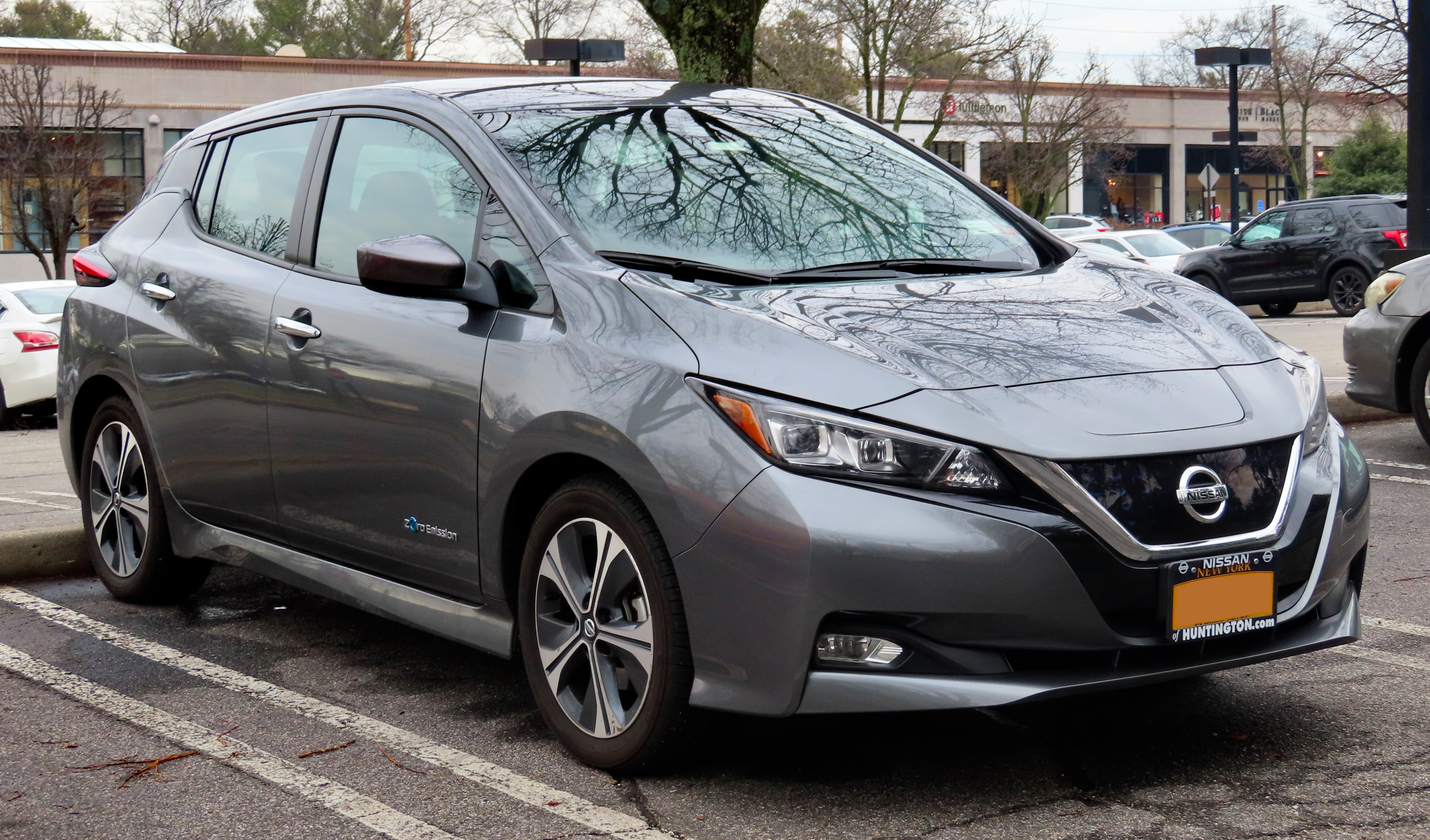
Nissan Leaf
"Look at the Bolt EV, even the Nissan [533.8s] Leaf. That would be price wise in the same category."
The Nissan Leaf is another well-known electric car that competes on price. The host is using it as an example of tough competition for the VW.
The Nissan Leaf is referenced as another established EV competitor in the same broad affordability category. The host uses it to highlight that the Volkswagen ID. Cross would face strong pricing pressure if it were sold in the U.S.
WLTP range
"[555.3s] had, what was the WLTP range? Oh, I gave you the map. That was for the big pack I gave you."
WLTP range is an official test number for how far an EV can go on a full charge. It’s measured in a standardized way, so it’s useful for comparing cars, but your real range may be different in everyday driving.
WLTP range is the driving range estimate measured under the Worldwide Harmonized Light Vehicles Test Procedure (WLTP). It’s a standardized lab test used to compare EVs, but real-world range can be lower depending on speed, weather, and driving style.

Ford Puma Gen E
"[574.3s] There's a reason why you don't get the Ford Puma Gen E. Again, this is a direct competitor, [578.4s] exactly the same size, same segment, 25 grand."
They’re talking about the Ford Puma Gen E as a small EV competitor. The conversation focuses on how efficient it is and how it’s aimed at everyday, city-style driving rather than long trips.
Ford Puma Gen E is being discussed as a small, same-size competitor in the EV market. The key point in this segment is that it’s positioned around a similar price and efficiency target, implying it’s meant to be a practical city-sized option rather than a long-distance car.
miles per kilowatt hour
"[578.4s] exactly the same size, same segment, 25 grand. And that will do five and a half miles per kilowatt [584.9s] hour."
Miles per kilowatt-hour is a way to measure how efficiently an EV uses its battery. More miles per kWh usually means the car can go farther on the same amount of charging energy.
Miles per kilowatt-hour (mi/kWh) is an EV efficiency metric that tells you how many miles you can drive per unit of battery energy. Higher mi/kWh generally means the car uses energy more efficiently, which can help real-world range.
city EVs
"[654.0s] But as a business move, if I was in charge, I probably wouldn't either. I don't think America [660.5s] is looking for small, short range, you know, city EVs that much."
“City EVs” means EVs meant mostly for driving around town. They’re typically optimized for short trips, not long-distance travel.
City EVs are EVs designed primarily for urban driving, where short trips and frequent stops matter more than long highway range. In this segment, it’s used to contrast what the US market wants versus what smaller, short-range EVs can offer.
EPA range rating
"[669.8s] you know, even the bolt and the leaf are going to suffer a little bit by their EPA range rating,"
EPA range rating is the official US test estimate for how far an EV can go on one charge. It helps you compare cars, but your actual range in daily life can be different.
EPA range rating is the US Environmental Protection Agency’s standardized estimate of how far an EV can drive on a full charge. It’s widely used in marketing and shopping, but real-world range can differ based on driving conditions and how the car is driven.
kilowatt hours
"Like the, you know, the battery is just 52 kilowatt hours. I think the new Chevy Bolt is like 65 kilowatt hours."
Kilowatt-hours (kWh) tell you how big the EV’s battery is. A bigger battery can store more energy, which usually helps the car go farther.
Kilowatt-hours (kWh) measure battery capacity—how much electrical energy the EV can store. More kWh usually means more potential range, though efficiency and vehicle weight also matter.

Chevy Bolt
"Like the, you know, the battery is just 52 kilowatt hours. I think the new Chevy Bolt is like 65 kilowatt hours."
The Chevrolet Bolt is an EV that’s built to be a practical, more affordable electric car. Here they’re comparing battery size, because a bigger battery usually means more range.
The Chevrolet Bolt is an EV known for offering a relatively affordable battery-electric package. In this discussion, the key point is its larger battery capacity (about 65 kWh) compared with the smaller-battery EV being talked about, which affects range.

ID three
"So the styling is you put the external shots on screen. Now, I think this is way more acceptable to look at than the ID three and the ID four, which did look different."
The Volkswagen ID.3 is an electric hatchback from Volkswagen’s ID lineup. Here it’s mentioned mainly for comparison, because the host thinks the other car looks better.
The Volkswagen ID.3 is an electric hatchback in Volkswagen’s ID family. In this segment, it’s used as a styling comparison point—suggesting the discussed EV’s look is more acceptable than the ID.3’s design.
flat top and the flat bottom
"with the flat top and the flat bottom. But I think this looks way more straight up."
The host is talking about a steering wheel shape that’s not perfectly round. They think that design makes the car look and feel a certain way.
This refers to a steering wheel design with a “flat” upper and lower section, rather than a fully round rim. The host is using it as a visual cue to argue the wheel shape changes how the car’s cabin styling feels.

Volkswagen ID four
"with how they look. And that's just the, just my take, my opinion. I think ID four looks better in darker colors. And the wheel choice seems to make a really big difference because I see some ID fours and it's just kind of flabby and just horrible."
The Volkswagen ID.4 is an electric SUV. Here, the host is basically saying the car’s look changes a lot depending on things like color and the wheels.
The Volkswagen ID.4 is an all-electric compact SUV from Volkswagen’s ID family. In this segment, the host focuses on how the ID.4’s exterior styling and wheel choice affect whether it looks “flabby” or more appealing in darker colors.
VW badge
"How far does that VW badge get you? I bet you there's people inside Volkswagen that still think it gets you further than it really does these days."
“VW badge” just means the Volkswagen logo on the car. The host is basically asking whether the logo alone is enough to make people want to buy it.
“VW badge” is shorthand for the Volkswagen logo/brand mark on the car. The host is questioning how much value the Volkswagen name adds versus what buyers get from the actual design and product.
heritage
"The thing that these older European brands have that the Chinese brands don't have is heritage, right? And some companies have been more successful in taking advantage of that than others."
Here, “heritage” means a brand’s history and reputation over many years. The host is saying older European brands can use that history to make their cars feel more authentic.
In automotive branding, “heritage” means the long-running identity and design/engineering legacy a manufacturer can draw on. The host argues older European brands have more heritage than Chinese EV makers, and that this particular Volkswagen EV design doesn’t fully deliver that heritage feeling.
Renault 4
"When I look at that, I don't really see Volkswagen, but if you go back and look at say like the Renault 4 that you mentioned earlier, that thing looks amazing. I mean, it's not, I think it's in the same price category as this, right?"
The Renault 4 is a small car model. The host is using it as an example of a design that looks better and feels more “right,” especially compared to the Volkswagen’s EV look.
The Renault 4 is a compact car nameplate that the host compares against the Volkswagen’s EV styling. The key point here is brand “heritage” and how the Renault 4’s design reads as more authentic and visually compelling at a similar price and size.
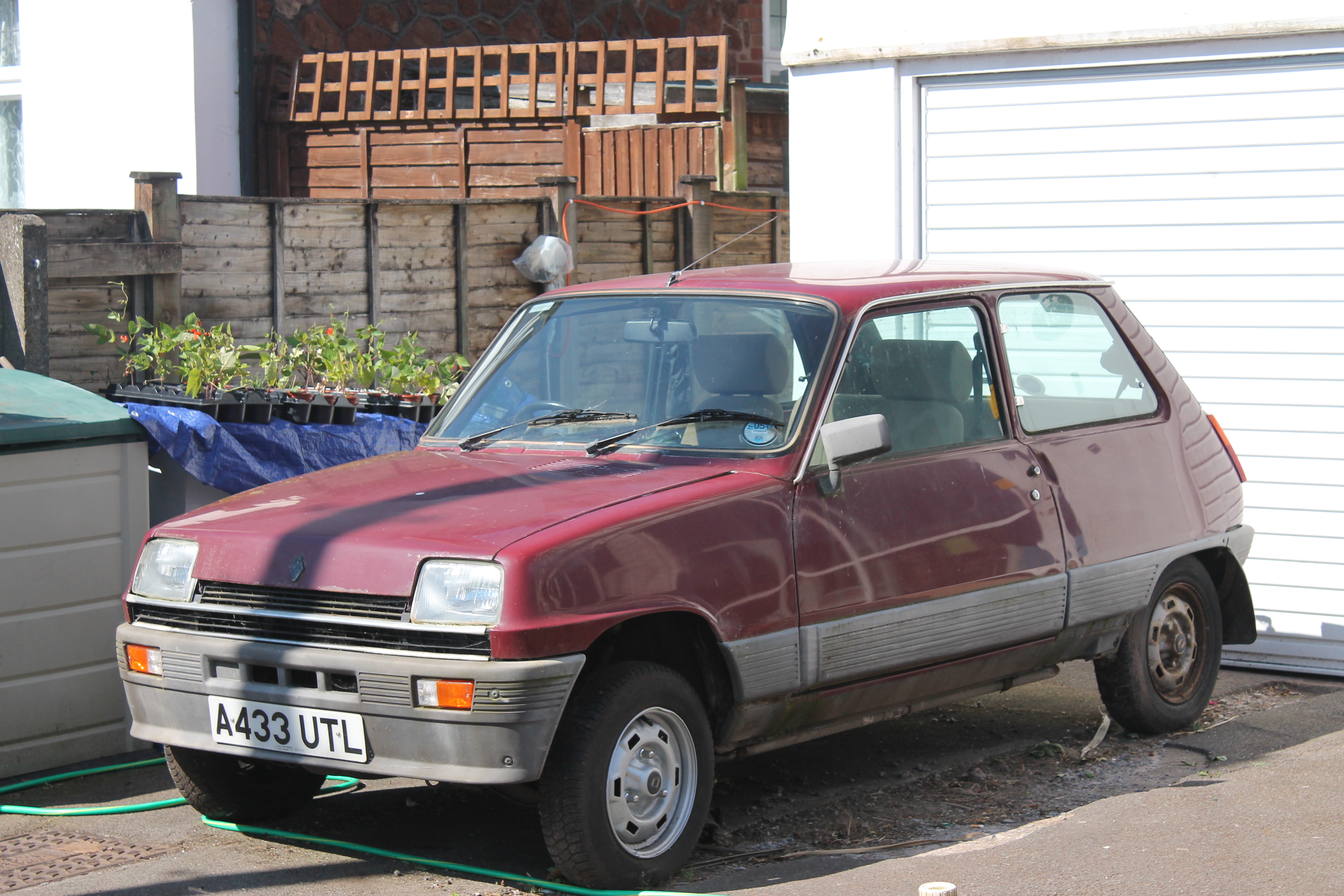
Renault 5
"I mean, it's not, I think it's in the same price category as this, right? Yeah, the Renault 5 is cheaper. That's a 21,000, 22,000 for the Renault 5, which is, again, cute as you like, really nice."
The Renault 5 is a smaller car that the host says costs less than the Renault 4. It’s brought up to compare pricing and how “cute” the design feels.
The Renault 5 is a smaller Renault model that the host mentions as being cheaper than the Renault 4. The discussion uses it to frame how these EVs compete on price while still aiming for a distinctive, appealing design.

Renault 4
"Right. So I think people will forgive some of its shortcomings, like the cheaper plastics, [985.3s] like the Renault 4, I think it's got some failings a bit, but I think a lot of them can be overlooked"
Renault 4 is a famous French car name. In this segment, they’re talking about an EV version and saying that even if some parts feel a bit cheap, it can still be a really nice car to drive.
Renault 4 is a classic French small car nameplate that’s being discussed here in the context of an EV version. The hosts are focusing on how the EV’s packaging and drive feel can outweigh compromises like cheaper interior plastics.

Renault 5
"You might see when you're back over here in Europe [1032.4s] soon. You might see some of those. They're doing really well, particularly in France. I know you're [1035.8s] not going to France, but you won't be too far away. Yeah, Renault 4, Renault 5, some of the best-selling [1040.6s] EVs, French people like to buy French cars."
Renault 5 is another well-known French car name. They mention it alongside the Renault 4 to make the point that people in France often prefer buying French cars.
Renault 5 is another iconic French small-car nameplate that the hosts group with the Renault 4 in the EV context. They’re using it to argue that French buyers tend to favor French brands, which can boost sales even when competitors catch up.
flash charging system
"The advantage is that heritage advantage is just, man, it can be overcome by [1049.0s] technical advantages so quickly. The key of fast-charging system to me is, I'm so excited to [1063.8s] see what that does to the whole conversation around EVs in the places where they put them in."
A fast-charging system is the equipment and setup that lets an EV add a lot of battery energy quickly. If charging is faster, more people are willing to switch to EVs.
A fast-charging system is the EV charging setup designed to deliver high power to the battery, reducing time spent at chargers. The hosts connect it to broader EV adoption, since faster charging can make EVs feel more practical for everyday use.
Electric-Vic
"there was a story that came out this week [1114.0s] by a website, which I find I've used it a few times. They talk a lot about the corporate side [1120.6s] of EVs, whether they've got some contacts or whatnot. It's called Electric-Vic or Electric-Vicles."
Electric-Vic is a website the hosts say they saw a story on. They’re using it as a source for news about EV companies.
Electric-Vic (as spoken) is the website the hosts cite as the source of a story about the corporate side of EVs. It’s mentioned as a media outlet rather than a technical EV component.
bankruptcy
"And if it's not, I really do hope that, and Lucid's already [1293.9s] initiated or sent them cease and desist order, I think. Yeah, I read that. Yeah. If it's not, [1302.4s] I really hope that Lucid goes after them and potentially even shuts down the damn site."
Bankruptcy is what happens when a company can’t pay its debts. Rumors like this can shake confidence in the company and its future.
Bankruptcy is a legal process a company may use when it can’t meet its financial obligations. In the EV industry, bankruptcy rumors can quickly affect funding, supplier relationships, and customer confidence.
cease and desist order
"initiated or sent them cease and desist order, I think. Yeah, I read that. Yeah. If it's not, [1302.4s] I really hope that Lucid goes after them and potentially even shuts down the damn site."
A cease and desist order is a legal message saying “stop doing that.” In this context, it’s likely meant to stop a website or person from spreading claims the company says are wrong.
A cease and desist order is a legal demand to stop a specific action—often publishing or repeating alleged false information. Companies use them to try to halt reputational or legal harm while disputes play out.
going private
"that we're struggling here, [1344.8s] we're considering going private or whatever. Not that they would in our normal conversations,"
Going private means the company stops being publicly traded and is owned more privately. That can reduce some public-market pressure and reporting.
Going private means a public company transitions to being owned privately, typically by a controlling investor or through a buyout. It can change reporting requirements and how the company manages short-term market pressure.
Cosmos
"We're getting the software in order. We're getting Cosmos out. We'll communicate with you [1363.3s] when you can come down and drive Cosmos."
“Cosmos” sounds like a name Lucid is using for something they’re preparing to release—either a car or a major software/feature update. The point is that it’s part of their near-future plans.
“Cosmos” here appears to be Lucid’s internal or product-related name for a vehicle or software/vehicle platform feature set. The speaker says they’re “getting Cosmos out” and planning media drives, implying it’s a key upcoming release.
stock price
"They just saw the price going down... You can see that's from the week and it just dives down, loses over half of it... And then it's back up. So it's recovered."
Stock price is what people pay for shares of a company. If scary news hits, the price can fall quickly, and if the company responds convincingly, it can rise again.
Stock price is the market value of a company’s shares, changing continuously based on supply/demand and new information. In this segment, the hosts describe how the stock price dropped sharply after the rumor, then recovered after statements from company leadership.
investors
"The statement from the CEO and from Nick, the head of communications seems to have done the job to regain the confidence of investors somewhat."
Investors are people who put money into a company’s stock. The hosts are saying the company’s response helped some investors feel more confident again.
Investors are people or institutions that buy shares or other financial assets in hopes of returns. Here, the hosts say the CEO/communications statement helped regain some investor confidence after the stock volatility.
leaks
"I saw some leaks. I think there were some pictures online... If there were actual leaks, I didn't really see anything that told me this yet for real..."
“Leaks” are unofficial rumors or photos that show up online before a company officially reveals something. The hosts are basically saying they’re not sure whether what they saw was real or accurate.
In automotive coverage, “leaks” usually mean unauthorized or unofficial information—often photos or details—about an upcoming vehicle or event. The hosts discuss seeing leaks/pictures online and question how accurate they are.
Lucid Cosmos
"Cosmos is definitely not a small gravity. It has, in my opinion, more pizzazz, more styling than gravity... It was like completely like, like form following function. It was aero was job one to make it efficient as possible."
Lucid Cosmos is discussed as a Lucid model with more styling “pizzazz” than Lucid Gravity, while still balancing efficiency and aerodynamics. The host contrasts the design philosophy: Gravity emphasizes streamlined efficiency, while Cosmos is said to prioritize personality/style even if it slightly sacrifices aero.

Lucid Air
"...a little bit more pizzazz rather than you look at air and gravity and they're just like streamlined. It..."
The Lucid Air is an electric car (a sedan). It’s designed to be sleek and efficient. The podcast compares it to the Lucid Gravity to explain how the SUV version differs in style and feel.
The Lucid Air is Lucid’s electric sedan, known for its streamlined design and emphasis on efficiency and performance. It’s discussed because it represents Lucid’s core engineering and styling direction before the brand expanded into SUVs. The podcast contrasts “Air” with “Gravity” to talk about how the models differ in presence and design approach.
aero
"It was like completely like, like form following function. It was aero was job one to make it efficient as possible."
Aero (short for aerodynamics) refers to how air flows around the vehicle’s body. The host says aerodynamics were the top priority for efficiency, and that Cosmos may have sacrificed a bit of aero to add more styling and personality.
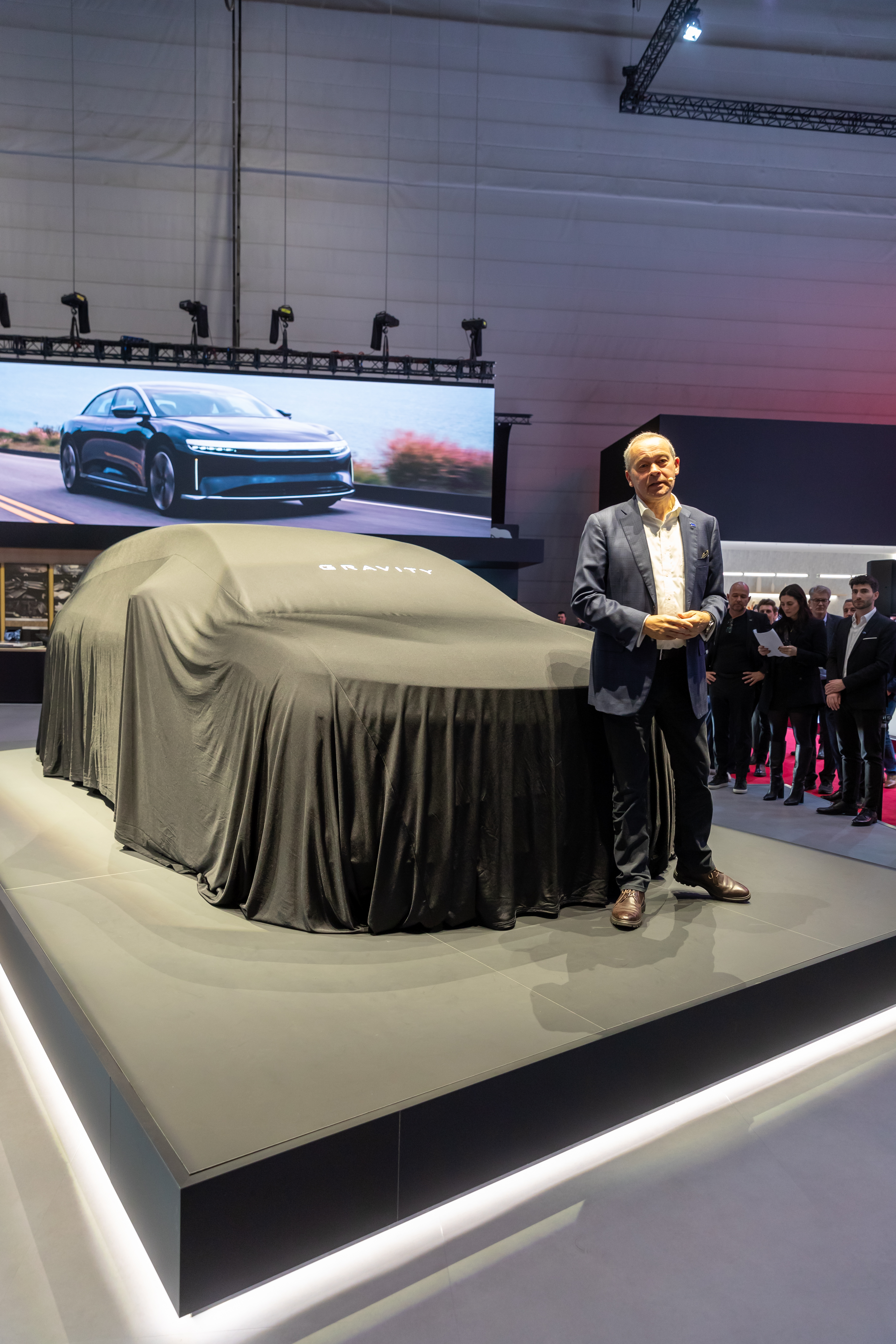
Lucid Gravity
"But it got such negative press with with that and deservedly so with the electronics and the user interface and the software problems that it had. I mean, I love the gravity, but for crying out loud, I got a shake to keep fob to get it to turn on."
Lucid Gravity is Lucid’s electric SUV, and the segment focuses on its real-world software/infotainment and electronics teething issues. The host describes a key-fob wake-up problem and ties it to negative press about electronics, user interface, and software problems.
user interface
"But it got such negative press with with that and deservedly so with the electronics and the user interface and the software problems that it had."
User interface (UI) is the way a car’s screens, menus, and controls present information and let you interact with functions like navigation, media, and settings. In this segment, the host says Gravity faced negative press due to UI problems alongside electronics and software issues.
key fob
"already 10 minutes away. She's going to get the key fob out of her purse and kind of shake it in [1919.6s] front of the steering wheel."
A key fob is the little remote you carry to unlock and lock the car. If it doesn’t work, you can’t use the car normally.
A key fob is the small wireless remote you use to lock/unlock the car and often start it. In EVs and modern cars, it’s also part of the security and access system, so if it malfunctions it can prevent normal use.
ADAS
"Those little things that the user interface, the lack of having their ADAS complete, [1946.4s] the key fob not working."
ADAS is the set of driver-assist safety features in a car, like keeping you in your lane or braking to avoid a crash. If it’s not complete, some of those safety features aren’t working right.
ADAS stands for Advanced Driver-Assistance Systems—features like adaptive cruise control, lane keeping, and automatic emergency braking. When the host says the ADAS isn’t complete, they mean some of those safety/driver-assist functions weren’t fully working or enabled.
launch
"And it's got to be a winner. Everything has to work from launch. Lucid, [1980.8s] everything has to work."
“Launch” here means when the car first goes on sale to real customers. The host is saying it has to work perfectly from the start, not after months of fixes.
In automotive context, “launch” means the first customer availability of a new vehicle or major software/feature rollout. The host is arguing that early buyers judge the car harshly if key functions (like access and driver-assist) don’t work immediately.
lease or a finance agreement
"I forget one of the two. Yeah, he never bought it. It was on a lease or a finance agreement [2077.8s] and they took it back or ended it."
A lease is like renting the car for a period, then you give it back. A finance agreement is more like a loan where you pay over time to own the car. Either way, the company can sometimes take the car back if the deal ends.
A lease is a contract where you pay to use a car for a set time, then return it. A finance agreement is a loan-style setup where you make payments to own the car over time. The key point here is that Lucid may have taken the car back or ended the deal depending on which arrangement was used.
SB 168
"Governor Gavin Newsom officially signed SB 168 into law, a new rebate program launching later this summer. So how does it work? [2126.7s]"
SB 168 is a California law that sets up the EV rebate program being discussed. It’s what allows the discounts to be offered to buyers in the first place.
SB 168 is the specific California state bill the host says Governor Gavin Newsom signed into law. Here, it creates a new EV rebate program with an instant discount at the point of sale. The episode uses it as the legal basis for the incentive details that follow.
instant point of sale discount
"Well, it's an instant point of sale discount in California, not a tax credit that you have [2134.0s] to claw back later or get a credit on your own personal taxes."
This kind of discount happens right when you buy the car. Instead of waiting for a tax refund later, the price is lowered immediately at the dealership or purchase moment.
An instant point of sale discount reduces the purchase price immediately at checkout, rather than giving you money later. That means the buyer sees the lower price right away and doesn’t have to wait for paperwork or tax-time reconciliation. In this case, it’s the mechanism for California’s EV rebate program.
tax credit
"Well, it's an instant point of sale discount in California, not a tax credit that you have [2134.0s] to claw back later or get a credit on your own personal taxes."
A tax credit reduces your tax bill, but it typically happens through your tax return rather than at the moment of purchase. The host contrasts this with California’s instant discount, which avoids the “claw back” risk and the need to claim the benefit later. In practice, tax-credit programs can be less straightforward for some buyers.
price cap
"EV manufacturers headquartered in California, so Lucid and Rivian are exempt from the price caps. Tesla, of course, famously moved their headquarters out of California to Texas, so they miss out. [2166.6s]"
Price caps are limits on how expensive a vehicle can be to qualify for an incentive. In this program, certain EVs are exempt from the caps if they’re headquartered in California, while others (like Tesla, per the host’s description) miss out. Price caps are used to target incentives toward lower-priced vehicles.
Rivian
"EV manufacturers headquartered in California, so Lucid and Rivian are exempt from the price caps. Tesla, of course, famously moved their headquarters out of California to [2166.6s] Texas, so they miss out."
Rivian is an EV manufacturer best known for electric trucks and SUVs. In this segment, Rivian is mentioned as being headquartered in California, which the host says makes it exempt from the EV incentive price caps. That affects which vehicles qualify for SB 168’s rebate structure.
Tesla
"Tesla, of course, famously moved their headquarters out of California to Texas, so they miss out. Cash on the hood, Tom, good or bad way of getting EV sales kickstarted. [2179.9s]"
Tesla is an EV manufacturer known for mass-market electric cars and large-scale charging and software features. In this segment, Tesla is mentioned because the host says it moved its headquarters out of California to Texas, which (per the host) causes Tesla to miss the SB 168 price-cap exemption. That’s used to explain how the rebate eligibility rules differ by manufacturer.
cash on the hood
"Tesla, of course, famously moved their headquarters out of California to Texas, so they miss out. Cash on the hood, Tom, good or bad way of getting EV sales kickstarted. [2179.9s]"
“Cash on the hood” means the deal gives you money off the car right away. It’s meant to make buying an EV easier and encourage more people to switch.
“Cash on the hood” is a marketing phrase for incentives that reduce the effective price of a vehicle at purchase time. It’s often used to describe rebates or discounts that make EVs cheaper immediately, aiming to boost sales. The host frames it as a way to kickstart EV adoption.
California buyers
"yeah, we're not going to give an additional $1750 off Mustang Mach-E to our California buyers."
This is about EV incentives that apply to people buying cars in California. The rules can determine which EVs qualify and what kind of discount you get.
This refers to the state-level incentive eligibility tied to California residents. In practice, these programs can change which EV models qualify and how much discount or subsidy the buyer can receive.

Ford Mustang
"yeah, we're not going to give an additional $1750 off Mustang Mach-E to our California buyers. We've already cut the price down to the bone."
The Mustang Mach-E is Ford’s electric SUV. It’s a popular EV, so when states change incentives or discounts, this model is often affected.
The Ford Mustang Mach-E is an all-electric crossover built by Ford. It’s one of the most common EVs in the U.S. market, so it often shows up in state incentive and pricing discussions like this one.
subsidies
"Right now, we're still in a place where the vehicles cost more than comparable combustion vehicles, and they have to be subsidized in many instances to make it an economically viable purchasing decision..."
Here, “subsidies” means government money that helps lower the price of EVs. The goal is to make EVs easier to afford compared to gas cars.
In this context, subsidies are financial incentives (usually from the government) that reduce the effective purchase cost of EVs. They’re used to help EVs compete with cheaper gasoline cars until EV pricing and production improve.
comparable combustion vehicles
"Right now, we're still in a place where the vehicles cost more than comparable combustion vehicles"
This means gas-powered cars that are similar to the EV in the same general category. The point is that EVs often cost more to buy than those gas cars.
“Comparable combustion vehicles” means gasoline (or diesel) cars that are similar in size, class, and intended use. The speaker uses this comparison to argue EVs cost more upfront than their gas counterparts.
monthly payment
"They just look at, what's my monthly payment? And they won't bundle in their monthly gas payment, their monthly maintenance payment."
“Monthly payment” is what you pay each month for a car loan or lease. The point here is that people often look at that number first, not the total cost later.
“Monthly payment” is the recurring amount a buyer pays under a loan or lease. The speaker argues that many shoppers focus on this number rather than the EV’s full cost over time.
$50,000 cap
"the last part with the $50,000 cap and it being waived for the companies that are headquartered in California"
A $50,000 cap is a maximum car price for the incentive to apply. If the car costs more than that, you may not get the full benefit.
A $50,000 cap is a maximum price limit used to determine whether a vehicle qualifies for an incentive. If the vehicle’s price is above the cap, the incentive may not apply or may be reduced.
waived
"the last part with the $50,000 cap and it being waived for the companies that are headquartered in California"
“Waived” means the rule or requirement doesn’t apply in that case. Here, the speaker says some California-based companies get an exception.
“Waived” here means the program requirement is removed for certain companies, so they don’t have to meet that condition to qualify. The speaker links it to companies headquartered in California.

Tesla Model 3S
"like a level of success that it doesn't need subsidies anymore. That could have been part of it too. And said, look, you know, everyone's buying Model Y's and Model 3's hand over fist here. We don't even need to help them sell them. They sell themselves. So let's help the companies"

Tesla Model Y
"like a level of success that it doesn't need subsidies anymore. That could have been part of it too. And said, look, you know, everyone's buying Model Y's and Model 3's hand over fist here. We don't even need to help them sell them. They sell themselves. So let's help the companies"
vehicles above 50,000
"But I mean, but it's still only for vehicles above 50,000 too. So I don't think it's a whole lot of, you know, I don't think it'll keep Elon up at night basically."
They’re talking about a price cutoff for incentives. If a car costs more than $50,000, it may not qualify, so the benefit only applies to cheaper EVs.
This refers to an EV incentive eligibility threshold based on vehicle price—only cars above a certain cost are excluded (or treated differently). The hosts say the cutoff is “only for vehicles above $50,000,” which limits how much it can affect Tesla and other brands’ sales.

Rivian R1T
"I don't think it'll make a big difference on air, gravity, the Rivian R1S and R1T. They're so expensive as it is."
The Rivian R1T is an electric pickup truck. They’re saying incentives won’t help as much because it’s already very expensive.
The Rivian R1T is a battery-electric pickup truck. In this segment, it’s grouped with the R1S to show that high sticker prices limit how much EV incentives can move monthly payment affordability.
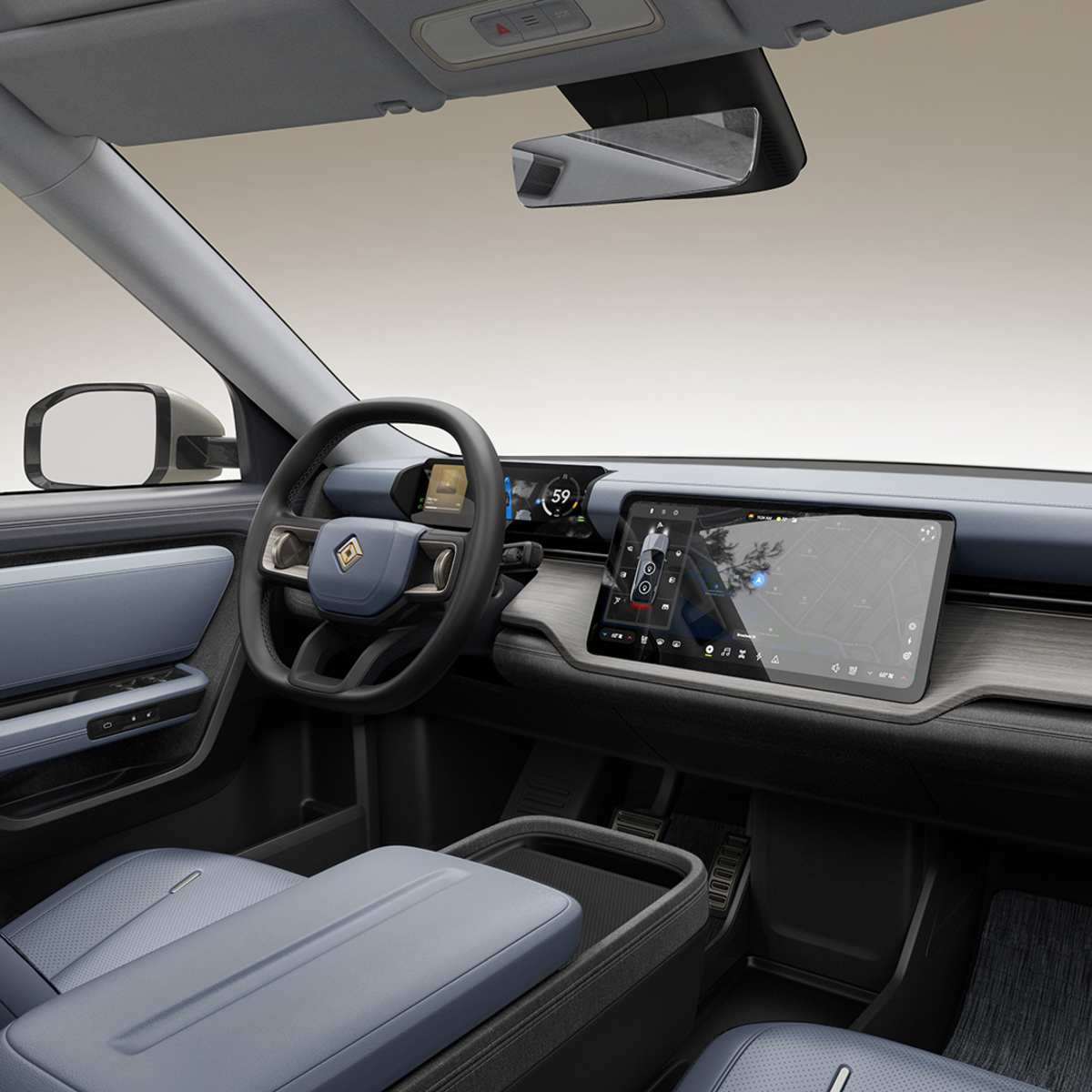
Rivian R2
"So yeah. The interesting thing is, and I haven't seen the details, when is this, do you know when is this effective immediately? ... No, before the end of the year. So how about you have an R2 reservation now and Rivian calls you, and says, hey, cars ready, come get it."
The Rivian R2 is Rivian’s next electric SUV. Here they’re talking about reserving one and when it might be delivered, plus how pricing/incentives affect the monthly cost.
The Rivian R2 is an upcoming Rivian electric vehicle positioned as a smaller, more affordable model than the brand’s larger SUVs. In this segment, it’s discussed in the context of reservations, delivery timing, and pricing relative to incentives and used-EV deals.
R2 reservation
"So how about you have an R2 reservation now and Rivian calls you and says, hey, cars ready, come get it."
A reservation is basically a way to get in line for a car before it’s available. Here, they’re saying that if you reserved an R2, you’ll get contacted when it’s time to pick it up.
A “reservation” is a paid or registered place in line that lets a buyer secure an EV before it’s delivered. In this segment, the host is describing how an R2 reservation can lead to a call when cars are ready to pick up.

Rivian R1S
"I think there's a lot of R1S owners that are going to say, you know what, I don't need a seven passenger Rivian. I bought it because I liked the brand."
The Rivian R1S is an electric SUV with room for a bigger family. Here, the speaker is talking about selling theirs and thinks the used prices will fall soon because more of them will be available.
The Rivian R1S is a three-row electric SUV from Rivian, known for its off-road-capable design and adventure-focused packaging. In this segment, the host discusses selling an R1S and expects used R1S prices to drop due to more units hitting the market.
glut of R1S's
"I think there's going to be thousands of them on the market. So I said, let me get ahead of this and, and, and sell it before there's a glut of R1S's."
A “glut” means there will be a lot of used cars for sale at once. The speaker thinks that will make used Rivian R1S prices drop.
A “glut” means an oversupply—too many used vehicles available relative to demand. The speaker expects a glut of Rivian R1S vehicles to push used prices down in the next few months.
LiDAR
"And I'm not holding out for the LiDAR version. Yeah, I was, I originally said that on the podcast I was going to, you know what, after talking to RJ about it and the team at the first drive event, it's not a biggest deal as I had thought it was."
LiDAR is a type of sensor that uses lasers to “see” the world in 3D. Here, they’re debating whether LiDAR is required for the car to drive itself from one place to another, and what it could unlock later.
LiDAR (Light Detection and Ranging) is a sensing technology that uses laser pulses to measure distances and build a detailed 3D map of the environment. The speaker discusses whether the Rivian R2 needs LiDAR to achieve point-to-point, hands-off navigation, and what LiDAR might enable later.
point A to point B
"with the hardware that they have, it will do point to point navigation, point A to point B, hands off."
“Point A to point B” just means driving from one destination to another. Here, they’re talking about the car being able to handle the trip itself, not just steering in a single lane.
“Point A to point B” refers to navigation where the car handles the route between two locations. In this segment, it’s used to describe hands-off driving behavior (within the limits of the system) rather than just basic lane-keeping.
congestion charging
"So we have congestion charging in some cities in, in over here. It's not that it's a general mileage charge."
Congestion charging is a fee some cities charge to drive in busy areas. The goal is to get fewer cars in those zones and reduce traffic.
Congestion charging is a fee charged for driving in certain city areas, usually to reduce traffic and emissions. It’s typically location-based (specific zones), not a nationwide per-mile charge.
roadworthiness test
"But then again, with older cars here, we have an annual roadworthiness test anyway, and that gets logged once per year."
A roadworthiness test is an annual check to make sure your car is safe and legal to drive. It gets recorded, so there’s an official paper trail.
A roadworthiness test is a periodic inspection required to confirm a vehicle meets safety and emissions rules. The transcript suggests it’s logged annually, creating an official record of the car’s condition.
EV
"First of all, it's going to put people off buying an EV irrationally, because it shouldn't, because you should pay your fair share, because you're using the roads..."
EV means electric vehicle. It’s a car that runs mainly on electricity from a battery, not gasoline. The host is saying charging EV drivers could discourage people from buying them.
EV stands for electric vehicle—cars powered primarily by an electric motor and a battery pack instead of a gasoline engine. In this segment, the host is discussing how road-charging policies could affect EV adoption and public perception.
plug-in hybrid
"Also, halving the price for plug-in hybrids. I tell you what, there's so many long-distance plug-in hybrids coming."
A plug-in hybrid is a car that uses both electricity and gasoline. You can charge it like an EV, but it also has an engine for when you need it. The host thinks cheaper plug-in hybrids will make people use the electric part more often.
A plug-in hybrid (PHEV) is a hybrid car that has both an internal-combustion engine and an electric motor, and it can be charged from an external power source. The host argues that policy changes that halve the price for plug-in hybrids could lead people to rely on electric driving while still keeping the engine in the background.
battery power
"Some of the Chinese stuff, German stuff, 100 miles, 100 miles on battery power. I'll just buy a plug-in hybrid and I will never turn the engine on."
Battery power means the car is running on electricity stored in its battery. The host is saying some plug-in hybrids can go a long way on battery alone, so drivers might not use the gas engine much.
Battery power refers to driving using stored electrical energy in the vehicle’s battery pack. Here, the host is talking about plug-in hybrids advertised with around 100 miles of battery-only range, implying the engine may rarely be used if drivers charge regularly.
business tax incentives
"Once again, they did this with a bunch of business tax incentives with plug-in hybrids. And people never plug the damn things in..."
Business tax incentives are tax discounts the government offers to encourage certain purchases. The host says these incentives can lead people to buy plug-in hybrids, but not necessarily plug them in as much as the policy expects.
Business tax incentives are government tax breaks or credits aimed at encouraging companies (and their employees) to buy certain products—here, plug-in hybrids. The host’s point is that incentives can change purchasing behavior without guaranteeing the intended real-world outcome (like actually charging the vehicles).
company car
"because it was cheaper to get a company car that was plug-in hybrid. They didn't get out of battery."
A company car is a car your employer gives you to use. The host is saying that when the tax rules made plug-in hybrids cheaper as a company perk, people bought them but didn’t always plug them in.
A company car is a vehicle provided by an employer as part of compensation, often with tax and benefit rules that can influence what type of car people choose. The host claims earlier business tax incentives led to plug-in hybrid purchases that weren’t actually charged, because it was cheaper to get the benefit than to plug in.
battery range
"because you've got 100 miles of battery range in the future, which I think will be the norm."
Battery range is the distance an electric car can go before the battery runs low. It’s like the EV’s “fuel tank size,” but measured in miles per charge.
Battery range is how far an EV can drive on a full charge under typical conditions. It’s usually expressed in miles or kilometers and depends on speed, temperature, and driving style.
gas tax
"if you could, if that would cancel like the gas tax, [3212.7s] then people will definitely go for it. But personally, I think the gas tax should stay or [3217.9s] be increased, at least in the UK."
A gas tax is money the government charges on each gallon/liter of gasoline. Since EVs don’t use gas, people debate whether EV drivers should pay something similar to help maintain roads.
A gas tax is a government tax on gasoline (and often diesel) used to fund public costs like road maintenance. In EV discussions, it’s often proposed as a funding mechanism that would need replacing because EVs don’t buy gasoline.
road tolls
"But I also noticed, note, we don't have road tolls over here. And when I watch Tom's videos and whatnot, and you're on the turnpike and you're [3258.9s] stopping every so often or you're paying toll, we don't have road tolls."
Road tolls are payments you make to use certain roads or bridges. They can be a separate cost on top of fuel or registration fees.
Road tolls are fees charged for using certain roads, bridges, or highways. The speaker contrasts places where tolls are common with places where roads are funded differently, which affects how EV road-charging proposals might be perceived.
mileage
"I thought it was, I mean, I like the idea of like doing it based on mileage and then, [3300.7s] and, you know, once a year, like going to very inspection and having that, you know, checked out"
Mileage just means how far you drive. The idea here is to charge drivers based on distance traveled instead of gasoline usage.
Mileage is the distance a vehicle travels, typically tracked in miles or kilometers. In EV policy debates, “pay based on mileage” means charging drivers according to how much they drive rather than how much fuel they buy.
EV tax
"We have in the States, the government's considering a federal gas EV tax, like $130."
They’re discussing a proposed government fee for electric cars. The idea is that EVs still use the roads, but they don’t buy gasoline, so the government wants another way to collect money.
The speaker is talking about a proposed government charge tied to electric vehicles (EVs) instead of gasoline. It’s meant to replace some of the road-funding revenue that normally comes from fuel taxes on gas cars.
EV road tax
"And here in the state of New Jersey, about a year and a half ago, two years ago, we started an EV mileage or not mileage, an EV road tax, which is incredibly punitive."
An EV road tax is a yearly fee the state charges electric-car owners. In this story, it’s based on owning the EV, not on how many miles you drive.
An EV road tax is a state-level fee assessed specifically for electric vehicles. In this segment, the speaker describes it as an annual charge that doesn’t depend on how much the vehicle is driven.
weight cat classes
"And everybody pays the same thing. You know, combustion vehicles, hydrogen fuel cell vehicles, electric vehicles, maybe have two categories, maybe have weight cat classes."
This is the idea of charging different amounts based on how heavy the vehicle is. Heavier cars tend to do more damage to roads, so the proposal would charge them more.
Weight-based vehicle classes group cars by mass so heavier vehicles can be charged more. The speaker suggests EVs could be split into categories (and possibly also hydrogen fuel cell vehicles) to better match road wear.
hydrogen fuel cell vehicle
"combustion vehicles, hydrogen fuel cell vehicles, electric vehicles, maybe have two categories, maybe have weight cat classes."
Hydrogen fuel cell vehicles run on electricity made from hydrogen. The speaker is saying tax rules could treat them similarly to EVs.
Hydrogen fuel cell vehicles (FCVs) generate electricity onboard by combining hydrogen with oxygen in a fuel cell. They’re grouped here with EVs and combustion cars for how road taxes might be structured.
redundancy
"Everything is computerized now and there's redundancy. So, you know, it's still possible, but you've got to"
Here, redundancy means the car uses more than one way to verify the same information. So it’s harder to cheat the system by messing with one sensor or display.
In this context, redundancy means multiple electronic systems or sensors cross-check the same data (like mileage). That makes it harder to spoof or tamper with readings used for taxes or compliance.
speedometer
"And it's not the cars aren't like they were years ago, where you could like unplug your speedometer and cheat on it."
The speedometer shows how fast the car is going. The speaker is saying older cars were easier to trick about mileage, while newer cars are harder to tamper with.
The speedometer is the instrument that indicates vehicle speed and is tied to the vehicle’s odometer/mileage readings. The speaker mentions older cars where it was possible to tamper with it, versus modern cars where systems are more controlled.
odometer
"your speedometer not continue to rack up the mile, your odometer, I mean, not to rack up the mile."
An odometer is the gauge that shows how many miles a car has driven. They’re talking about whether mileage readings could be used to calculate what you owe for road use.
An odometer is the instrument that records a vehicle’s total mileage over its lifetime. The hosts are discussing using odometer-style mileage reporting as a basis for charging drivers, which raises administrative and billing questions.
fuel tax
"But the reason why we won't do that is because it's hard because we're talking about, you know, scrapping the fuel tax in the state and creating a whole division to collect the revenue"
A fuel tax is money the government charges per gallon or liter of gas/diesel. The hosts are discussing replacing it with another way to charge drivers, especially as cars move away from burning fuel.
A fuel tax is a government charge collected based on how much gasoline or diesel you buy. In the discussion, they’re talking about replacing that with a different system for collecting road-related revenue.
number plate recognition
"But the more high tech it gets, number plate recognition, things like that, it becomes more invasive."
Number plate recognition is technology that uses cameras to automatically read license plates. The concern is that it can track people’s driving routes, which some people don’t like.
Number plate recognition (often called ANPR) uses cameras and software to read license plates automatically. The hosts connect it to electronic road-charging systems, noting it can feel invasive because it tracks where vehicles go.
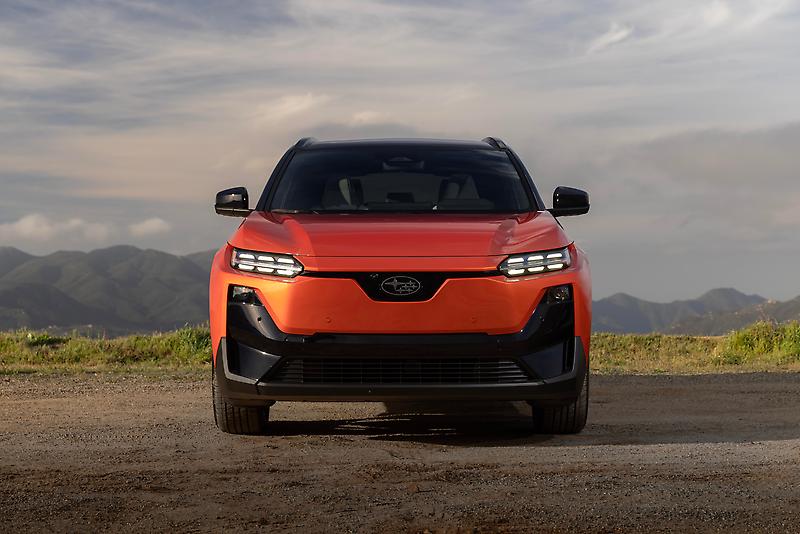
Subaru Uncharted
"...re going to talk about this week, like the Subaru Uncharted, but you can go to Tom's channel and see 70 mile ..."
The Subaru Uncharted is a Subaru vehicle that’s being talked about as a special or concept-style model. The podcast mentions it alongside a reference to a specific driving detail. It’s mainly included because it’s part of what Subaru is presenting or experimenting with.
The Subaru Uncharted is a Subaru-branded concept or special vehicle that’s being discussed as part of a broader media conversation. It’s brought up because it’s tied to content where the host references a specific range or driving detail (like “70 mile” in the context). In the podcast, it functions more as a talking point for what Subaru is showing or exploring rather than a mainstream production model.
range test
"like the Subaru Uncharted, but you can go to Tom's channel and see 70 mile an hour range test on that."
A range test checks how many miles an EV can go on one battery charge. Doing it at a set speed (like 70 mph) helps make the results fair and comparable.
A range test measures how far an EV can drive on a single charge under controlled conditions. The hosts mention a “70 mile an hour range test,” which is a way to standardize speed so results are comparable.
Luba three
"So it's going back and forth. I actually have it. it on right now. I love it. It's the new Luba three."
Luba is a brand of robot lawn mowers. The host is saying they’re using the “Luba three,” which is meant to mow your yard automatically.
Luba is a brand of robotic lawn mowers. In this segment, the host says they’re using the “Luba three,” which is positioned as a high-tech mower for automated yard work.
CCS adapters
"Because as I mentioned, when I was doing the R2 charge recording, one of my CCS adapters melted. And that's because the R2 draws over 600 amps."
A CCS adapter helps an EV plug into a CCS fast-charging setup. The host is warning that some adapters can’t handle the high power levels, and they can overheat if they’re not rated for it.
CCS adapters are accessories that let an EV charge using the CCS (Combined Charging System) connector. The host’s point is that not all adapters can safely handle very high charging current, and a melted adapter indicates an overheating/overcurrent problem.
600 amps
"one of my CCS adapters melted. And that's because the R2 draws over 600 amps. There are plenty of adapters on the market now that can't handle that."
“600 amps” is how much electrical current the car is pulling while charging. Higher current makes cables and adapters run hotter, so the adapter has to be built to handle it safely.
“600 amps” is the charging current the EV is drawing. Charging current strongly affects heat generation in cables and adapters, so very high amperage can overwhelm cheap or poorly designed accessories.
DC fast charges
"I also have the Subaru Uncharted DC fast charge recording. I posted the range test that you mentioned"
DC fast charging is the fast way to charge an EV using direct current. It can refill the battery much quicker than regular charging, but it requires the right equipment to handle the high power.
DC fast charge is a type of EV charging that supplies direct current at high power to recharge the battery quickly. It’s typically used for rapid top-ups, and it places heavy demands on the vehicle’s charging system and any adapters in the chain.
Request an Explanation
Heard something you'd like explained? We'll add it to this episode.
Sign in to request explanations for terms you heard.
Want to learn more?
Browse our glossary for plain-English explanations of automotive terms, jargon, and concepts.
Help improve this episode
See something that's not quite right? Our annotations are AI-generated and can sometimes miss the mark. Click the flag icon on any annotation to suggest a correction.