
158: BMW iX5 Debuts: A 435-Mile Spec Monster Built in the USA
About this episode
BMW’s new iX5 (built in Spartanburg) takes center stage, with hosts breaking down a spec-sheet “spec monster” aimed at road-trip dominance: 144 kWh usable battery, up to 435 miles EPA, 800-volt charging, and up to 460 kW DC fast charging. They compare it to the Porsche Cayenne and other EVs, debate whether it’s truly “Neue Klasse” versus an evolved platform, and discuss real-world charging limits in the U.S. (typically ~400 kW today). The team also touches on bidirectional charging, OTA updates, and BMW’s remaining challenge: driver-assistance competitiveness.
This episode:
• The iX5 debuts with the biggest BMW battery ever
• Tom’s initial Rivian R2 range and charge testing
• Polestar gets the boot from the United States
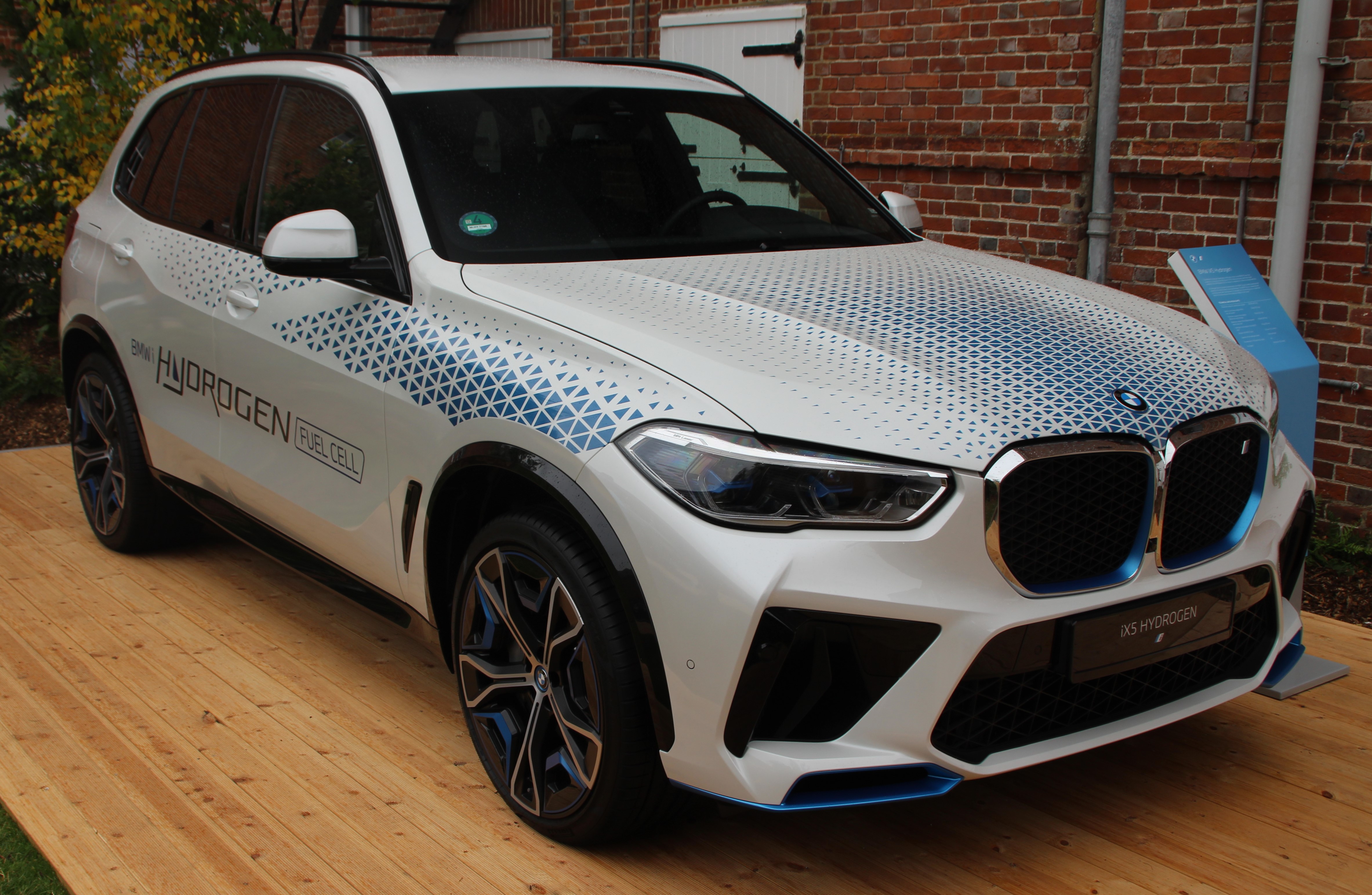
BMW iX5
"I know you're keeping count. Today, the reveal of the BMW iX5, Polestar gets booted out of the US, and Tesla's Model YL looks set to launch, and of course, much, much more."
BMW is planning an electric SUV called the iX5. It’s meant to be in the same general category as the regular BMW X5, but powered by electricity instead of a gas engine.
The BMW iX5 is an upcoming BMW electric SUV, positioned as part of BMW’s i-brand EV lineup. The “i” naming is BMW’s way of signaling an electrified model, and “X5” indicates it’s targeting the same size/class as the popular X5 crossover.
EVChargingStations.com
"The Batteries Included podcast is sponsored by EVChargingStations.com. If you drive an electric vehicle or you're planning to, this site is packed with comprehensive charger reviews, detailed DC fast charging graphs, and the latest news from all of the fast charging networks."
EVChargingStations.com is a website for EV drivers. It reviews charging stations and shares real-world info so you can pick chargers that work well on road trips.
EVChargingStations.com is presented as a resource for electric-vehicle drivers, focusing on charger reviews and charging-network updates. The segment highlights that the site includes DC fast charging graphs and real-world testing to help compare how different chargers perform.
DC fast charging
"If you drive an electric vehicle or you're planning to, this site is packed with comprehensive charger reviews, detailed DC fast charging graphs, and the latest news from all of the fast charging networks."
DC fast charging is the “quick charger” for EVs. It uses high power to charge the battery faster, which is especially useful when you’re traveling.
DC fast charging is a method of charging an EV using direct current at high power, allowing much quicker battery top-ups than standard Level 2 charging. It’s commonly used for road trips because it can add a significant amount of range in a short time.
Neue Classe
"And this isn't pure Neue Classe, this is the existing architecture with a Neue Classe topping, if you like."
Neue Klasse is BMW’s plan for a newer generation of electric-car design. It’s basically the “new platform” ideas BMW is rolling out to improve how their EVs are built and perform.
“Neue Klasse” is BMW’s next-generation vehicle platform strategy for EVs. In this segment, the host contrasts a base architecture with a “Neue Klasse topping,” implying the iX5 uses an existing foundation but adds newer EV platform elements.

Neue Classe
"... over 25 years ago to the US. And this isn't pure Neue Classe, this is the existing architecture with a Neue Cl..."
Neue Klasse is BMW’s plan for a new generation of electric-car design and building. The podcast is saying that a particular concept or car isn’t exactly the full new plan, but it still points toward it. It matters because the way a car is built can affect things like space and efficiency.
Neue Klasse is BMW’s next-generation EV platform direction, intended to improve how future electric cars are designed and built. The podcast notes it’s not “pure” Neue Klasse in the specific preview being discussed, but it still uses existing architecture elements. It’s relevant because platform changes often drive improvements in efficiency, packaging, and future model flexibility.
kilowatt hours usable
"How big is the battery? Really big, 144 kilowatt hours usable US, 141 net in Europe for some reason."
Kilowatt-hours (kWh) measure how much energy is stored in the battery. “Usable” means the part the car can actually use to drive, which helps determine how far it can go.
“Usable” kilowatt-hours (kWh) is the portion of the battery’s total energy that the car can actually use for driving. The segment claims 144 kWh usable (and 141 kWh net in Europe), which directly affects range and how much energy the car can deliver to the motors.

X-Drive
"Up to 435 miles on that, I think we're talking EPA estimates on that, all-wheel drive, X-Drive motor,"
X-Drive means the car sends power to all four wheels. That can help it grip the road better, especially in rain or snow, and can make acceleration feel stronger.
BMW’s X-Drive is its all-wheel-drive system, meaning power is sent to both the front and rear axles. On an EV, that typically helps traction and allows stronger acceleration by distributing torque to the wheels that have grip.
EPA estimates
"Up to 435 miles on that, I think we're talking EPA estimates on that, all-wheel drive, X-Drive motor,"
EPA estimates are the official range numbers you see for cars in the U.S. They come from standardized testing, so different EVs can be compared more fairly.
EPA estimates are the U.S. Environmental Protection Agency’s standardized test results used to publish official EV range numbers. When the host says “up to 435 miles” and references EPA estimates, they’re tying that range figure to the EPA’s testing method.
all-wheel drive
"Up to 435 miles on that, I think we're talking EPA estimates on that, all-wheel drive, X-Drive motor,"
All-wheel drive powers all four wheels. It usually helps the car grip the road better and can make it accelerate more confidently.
All-wheel drive (AWD) means the vehicle can send power to all four wheels. For EVs, AWD often improves traction and can help achieve quicker acceleration because the car can better manage wheel slip.
800-volt architecture
"I think comes with 425 kilowatts, that's 578 horsepower, sub five seconds, 0-60, 800-volt architecture,"
An 800-volt system is how the car’s electricity is set up. Higher voltage can help the car accept faster charging at compatible fast chargers.
An “800-volt architecture” is an EV electrical system design that uses a higher voltage than the more common 400-volt class. Higher voltage can reduce current for the same power, which helps enable faster charging and can improve efficiency and performance.
BYD flash charging
"and if you're charging on the BYD flash charging stuff in Europe, then you haven't got a car that will match it."
BYD flash charging is BYD’s way of doing very fast EV charging. The key idea is that the charger and the car have to be compatible for the fastest recharge speeds.
“BYD flash charging” refers to BYD’s fast-charging approach/technology used on certain charging systems in Europe. The host’s point is that even if you have access to BYD’s very fast chargers, you still need a matching car spec to benefit fully.
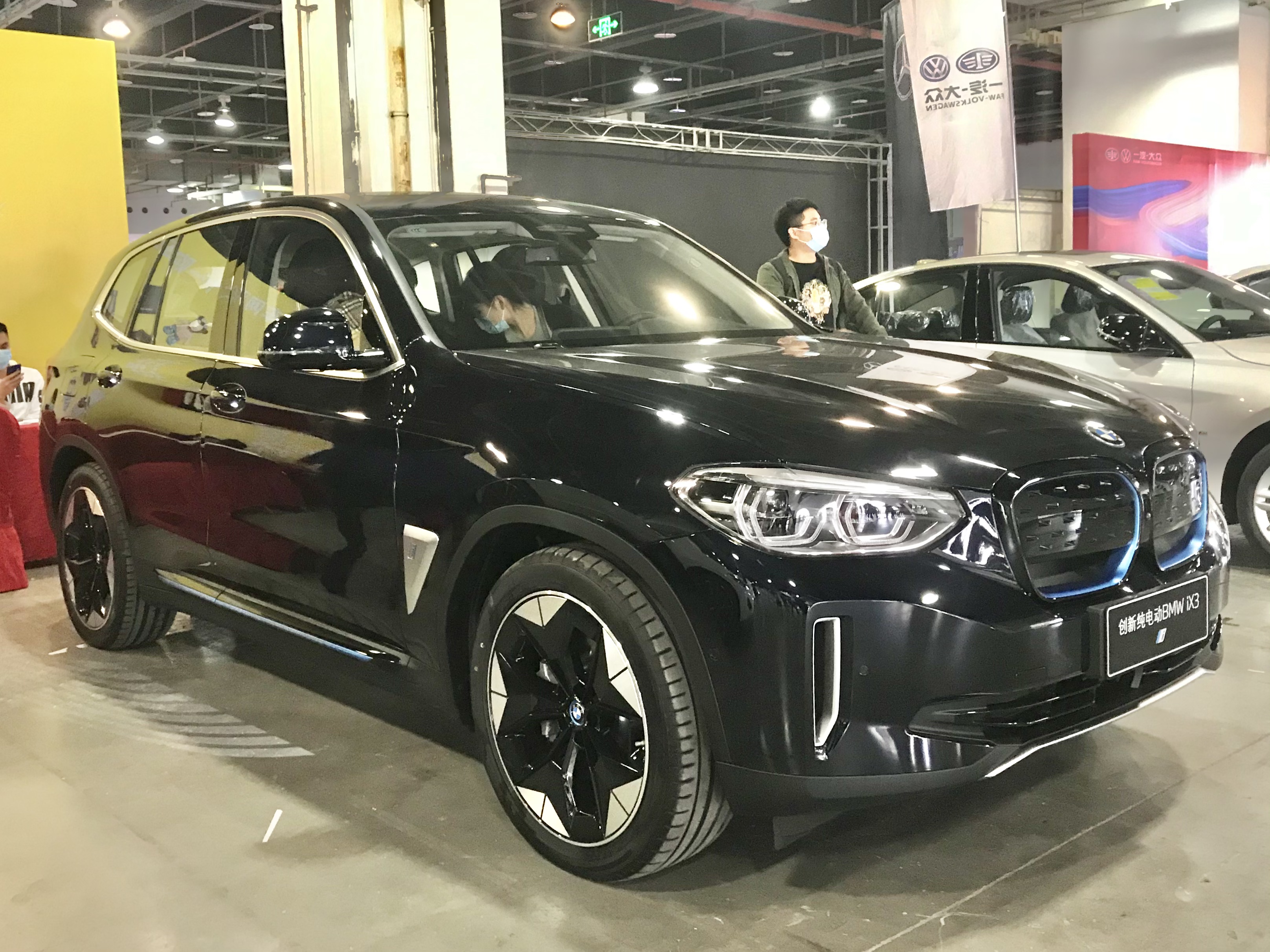
IX-3
"We thought the same thing with the IX-3, and so you basically take the IX-3 and dial it up in every dimension, including EV specs, and yeah, this thing seems awesome."
The iX3 is an earlier BMW electric SUV. The host is using it as a comparison to explain how the iX5 is meant to be a more capable version.
The BMW iX3 (spoken as “IX-3”) is an earlier BMW electric SUV that the host uses as a reference point. They say the iX5 is like an iX3 “dialed up,” implying similar design/engineering direction but with bigger EV performance and specs.
battery pack
"This has 60 kilowatt faster charging, has a bigger battery pack, significantly more range than that vehicle,"
A battery pack is the full set of EV battery cells, modules, and the electronics that manage them. Its size (capacity) strongly influences range, while its thermal management affects how fast it can charge.
faster charging
"This has 60 kilowatt faster charging, has a bigger battery pack, significantly more range than that vehicle,"
For EVs, “faster charging” means you can add more electricity to the battery in less time. It depends on how strong the charger is and how well the car’s battery can accept that power.
In EVs, “faster charging” refers to how quickly the battery can accept energy from a charger. It’s usually tied to the car’s maximum charging power (often measured in kilowatts) and the battery’s ability to take that power safely.
Neue Klasse platform
"I'd said at the beginning it's not pure Neue Klasse, but it's plenty. ... I was like, oh, BMW smashing out of the park with Neue Klasse platform."
“Neue Klasse” is BMW’s plan for a new generation of electric-car design. It’s the basic “car layout” BMW will use to make future EVs more efficient and easier to build.
BMW’s “Neue Klasse” is the company’s next-generation EV platform strategy, aimed at improving efficiency, performance, and cost. When people say “Neue Klasse platform,” they’re talking about the underlying architecture BMW plans to use across future electric models.

BMW Vision Neue Klasse
"...tion one. I'd said at the beginning it's not pure Neue Klasse, but it's plenty. It's plenty good enough."
The BMW Vision Neue Klasse is a concept car, meaning it’s shown to preview ideas for future BMW electric vehicles. It helps indicate what BMW wants to change or improve in upcoming EVs. The podcast is basically saying it’s a good preview even if it’s not exactly the final production plan.
The BMW Vision Neue Klasse is a concept vehicle that previews BMW’s next-generation approach to EV design and packaging. The podcast notes it isn’t “pure” Neue Klasse but is still a strong preview of what’s coming. It’s discussed because concept cars often signal the direction of future production EVs.
spec sheet battles
"It wins the spec sheet battles in so many ways, even though they've had to make some compromises for the multiple difference."
“Spec sheet battles” means comparing cars using the official numbers—like range and charging speed. It’s basically arguing about who looks better on paper.
“Spec sheet battles” is a shorthand for competing EVs based on published specifications like range, charging speed, and battery size. It’s not a technical term, but it describes how buyers compare cars using the numbers on paper.
CLAR platform
"I think it is your Neue Klasse, isn't it, Martin? Well, it's CLAR platform."
CLAR is BMW’s shared “car foundation” that they use for multiple models. Here, it means the EV is built using an existing BMW platform idea, adapted for electric use.
CLAR (Cluster Architecture) is BMW’s modular vehicle platform used across many models, including some non-EV applications. In this context, the speaker is saying the EV is based on an adaptation of an existing platform rather than a fully new EV-only “ground-up” design.
multi energy source
"BMW has said we've made our platforms multi energy source and the EVs were well done, but only to a certain extent. They had DC charging limits, overheating problems."
This means the same basic car platform is meant to work with different kinds of powertrains. In this case, BMW is trying to make one platform that can do EVs and other fuel types, but earlier versions had drawbacks for EVs.
“Multi energy source” refers to a vehicle platform designed to support multiple powertrain types—like battery-electric, plug-in hybrid, and even hydrogen—rather than being engineered only for one. The hosts argue BMW’s earlier approach limited EV performance due to constraints like charging and heat management.
DC charging limits
"They had DC charging limits, overheating problems. The list goes on."
DC charging limits are how fast your EV can charge on a fast charger. If the car “tapers off” or can’t pull much power, it takes longer to fill the battery.
DC charging limits are the maximum power levels an EV can accept from a fast charger (DC fast charging). If the car can’t take high power for long, charging times increase, and the hosts connect this to earlier BMW EV platform constraints.
overheating problems
"They had DC charging limits, overheating problems. The list goes on."
This is when an EV gets too hot, especially during hard use like fast charging. When things overheat, the car may slow down charging or reduce power to protect itself.
Overheating problems in EVs usually refer to thermal management issues where the battery, power electronics, or motor components get too hot—often during fast charging or sustained driving. The hosts imply earlier BMW EVs had heat-related throttling that affected charging performance.
46 120
"It's got the 46 120. It's got the big can."
They’re referencing a specific battery spec number for the car. It’s meant to tell you something concrete about the battery setup, not just general EV talk.
“46 120” appears to be a battery-related specification (likely a battery capacity/pack sizing code) used in BMW EV discussions. In context, it’s listed alongside other pack and architecture details, suggesting it’s a key numeric spec for the iX5’s battery system.
sell to pack, pack to body
"It's got the big can. It's sell to pack, pack to body. It's got all the new iDrive X situation in there with everything you would expect."
This is about how the battery is built and installed. Cells go into a battery pack, and then that pack is designed to fit into the car’s structure as a whole.
“Sell to pack, pack to body” describes a modular EV packaging philosophy: individual battery cells are grouped into a pack, and then the pack is integrated into the vehicle body structure. The hosts mention it as part of the iX5’s architecture, implying a more integrated, purpose-built layout.
ECUs
"It's got, you know, only just a handful of ECUs. It's got the super smooth one pedal drive from IX3."
ECUs are the car’s computers that control important systems. Saying there are only a few suggests the car’s electronics are more streamlined.
ECUs (electronic control units) are the computers that manage different vehicle functions like powertrain control, battery management, and infotainment. The hosts say the iX5 has only a handful of ECUs, implying a simplified architecture compared with older designs.
one pedal drive
"It's got the super smooth one pedal drive from IX3. I mean, I don't know what you would be missing out in this that IX3 doesn't have."
One-pedal drive means you can slow down mostly by lifting your foot off the accelerator. The car uses the electric motor to slow you down and recharge the battery at the same time.
One-pedal drive is an EV driving mode where lifting off the accelerator triggers strong regenerative braking, slowing the car without using the brake pedal as often. The hosts call it “super smooth,” emphasizing how natural the deceleration feels.
front trunk
"So yeah, it's got a front trunk, a small one. So have a look."
A front trunk is extra storage in the front of the car. Since EVs don’t need an engine in that spot, there’s room for luggage—but here it’s smaller than you might want.
A front trunk (often called a frunk) is storage space in front of the cabin, made possible in many EVs because there’s no traditional engine up there. The hosts mention it as a compromise because it’s small in this vehicle.
plug in hybrid
"this is a platform that has to house gas, diesel, plug in hybrid, electric and hydrogen. And the electric one feels purpose built."
A plug-in hybrid is a car that has a gas engine and an electric motor. You can charge it by plugging it in, like an EV, but it can also run on gas.
A plug-in hybrid (PHEV) uses both an internal-combustion engine and an electric motor/battery, and it can be charged from an external outlet. The hosts list it alongside EV and hydrogen to describe the platform’s “multi-energy” intent.
hydrogen
"this is a platform that has to house gas, diesel, plug in hybrid, electric and hydrogen. And the electric one feels purpose built."
Hydrogen refers to a different kind of “clean fuel” car. Instead of using a battery alone, a hydrogen car makes electricity onboard using hydrogen.
Hydrogen here refers to hydrogen fuel-cell vehicles, which generate electricity onboard by combining hydrogen with oxygen. The hosts use it to emphasize that BMW’s platform concept is meant to accommodate multiple alternative energy sources, not just batteries.
460 kilowatts
"So where can where can we charge this in the U.S. that gets even reasonably close to 460 kilowatts? What's the best you've got at the minute if you plug this into Naxx?"
This is the charging speed number. More kilowatts usually means you can add energy faster, but only if the car and the charger can handle it.
Kilowatts (kW) is a measure of charging power—how fast the charger can deliver energy to the battery. Higher kW generally means faster charging, but the car and charger must both support that power level.
Naxx
"So where can where can we charge this in the U.S. that gets even reasonably close to 460 kilowatts? What's the best you've got at the minute if you plug this into Naxx?"
This sounds like a specific charging network or setup the host is using as a reference. They’re basically asking what charging speed you can get there.
“Naxx” appears to be the name of a charging network or test setup referenced by the host. The context suggests they’re asking what charging power is available when plugging into that system.
400 kilowatts
"Yeah, the best you'll get is 400 kilowatts. OK, it's not bad. No."
This is a very fast charging speed. Even if a charger can do 400 kW, the car might not always take the full amount depending on conditions.
400 kW refers to very high-power DC fast charging capability. In practice, the car may not always reach its peak rated power due to battery temperature, state of charge, and charger limits.
500 kilowatt V4 superchargers
"There are 500 kilowatt V4 superchargers, but Tesla currently does not deliver more than 500 amps to non-Tesla vehicles."
These are Tesla fast chargers designed to be extremely powerful. But the podcast notes that non-Tesla cars may not be allowed to pull the full rated power.
This refers to Tesla’s high-power Supercharger hardware generation (V4) rated up to 500 kW. The key point in the discussion is that Tesla’s system may limit how much power non-Tesla cars can draw.
500 amps
"There are 500 kilowatt V4 superchargers, but Tesla currently does not deliver more than 500 amps to non-Tesla vehicles."
Amps are how much electricity is flowing. If there’s a limit on amps, the car can’t charge as fast as the charger’s maximum power rating might suggest.
Amps (A) measure electrical current. Even if a charger is rated for high power, the maximum current limit (here, 500 A for non-Tesla vehicles) can cap the actual charging power the car receives.
Alpetronic split system
"And the Alpetronic split system is going to start becoming prolific in the U.S. within the next one year. And then we're going to start to see, yeah, stations popping up everywhere that will be able to max this car out."
This is a type of fast-charging setup used at stations. The idea is that the station can share or split its power so more cars can charge quickly.
An Alpitronic split system is a charging-station architecture that can split power delivery across multiple outputs or vehicles. The host is saying it will become more common in the U.S., enabling more cars to reach higher charge rates.
600 amps
"There's a couple of them. And there's some that will go to 600 amps just and then he's getting his 400 and 400 and 5 kilowatts on the X9, which is the big MPV, the six seater and stuff like that."
This is a higher current limit for charging. If the car can handle it, more current can mean faster charging.
600 A is a higher maximum charging current than the 500 A limit mentioned earlier. Higher current can translate to higher charging power, assuming the car and charger support it and the battery can accept it.
10 to 80 in 22 minutes
"I'm not sure what those X-Punks max out at. This is 10 to 80 in 22 minutes. Assuming you're using a max power charger."
This is a common charging test: start at 10% battery and charge up to 80%. The time tells you how long it takes to add a lot of usable energy, not just a full battery.
“10 to 80” refers to charging from 10% battery state-of-charge to 80%. The time (22 minutes) is a practical metric for how quickly the car can add usable range, especially because charging often slows as the battery approaches higher percentages.
max power charger
"This is 10 to 80 in 22 minutes. Assuming you're using a max power charger. I would assume 10 to 80 on a 400 kilowatt charger is going to add two to three minutes."
This means the fastest charger available for that setup. Your actual charging time can still be slower if the battery can’t accept full power or if the station is limited.
A max power charger is a DC fast charger capable of delivering the highest charging power the car can accept. Real-world results can be lower if the battery is cold/hot, if the car limits power at certain charge levels, or if the station shares power with other vehicles.
charger can just sit flat out
"The big news is that charger can just sit flat out for longer. And that's really exciting."
They mean the car can keep charging at a strong rate for longer. Instead of slowing down right away, it should stay efficient for more of the charging session.
This phrase is describing sustained charging behavior—keeping the charger working at high output for longer instead of tapering quickly. In EV terms, that usually relates to how the vehicle manages battery temperature and charging limits over time.

Dodge Charger
"...ke a real usable difference. The big news is that charger can just sit flat out for longer. And that's real..."
The Dodge Charger is a performance car that’s built for quick driving and strong power. The podcast talks about a charging feature that can keep working at a high level for longer. That matters because it can reduce how long you spend at a charger.
The Dodge Charger is a full-size, performance-oriented sedan known for strong acceleration and a long-running enthusiast history. In the podcast, the focus is on a charging-related feature—specifically that the charger can stay “flat out” longer—which points to improved sustained charging behavior. That’s significant because it affects real-world time spent charging, not just peak numbers.
battery capacity
"You have a huge battery to get you a big distance. Keep in mind this has the same battery capacity as a Rivian Max pack and R1S."
Battery capacity is how much energy the EV can store. A bigger battery usually means more miles before you need to charge again.
Battery capacity is the amount of electrical energy stored in an EV’s high-voltage battery, typically measured in kilowatt-hours (kWh). More capacity generally allows more total driving distance, though efficiency and charging behavior also matter.
EPA range rating
"My guess is close to 500 miles at reasonable speed. BMWs always go farther than EPA range rating in our market."
EPA range is the official mileage number EVs are tested to. Your real-world range can be higher or lower depending on how you drive and the conditions.
The EPA range rating is the U.S. Environmental Protection Agency’s standardized test result for how many miles an EV should travel on a full charge. Real-world range can differ based on speed, weather, terrain, and charging behavior.

Rivian R1S
"Keep in mind this has the same battery capacity as a Rivian Max pack and R1S. And this is surely going to be much more efficient than an R1S just in terms of shape and motor design."
The Rivian R1S is another electric SUV. They’re using it as a comparison point to argue the BMW iX5 should be more efficient and go farther for the same kind of battery size.
The Rivian R1S is an electric SUV used here as a benchmark for battery capacity and efficiency. The host compares the iX5’s design and powertrain efficiency against the R1S’s overall packaging.
EESM
"It uses an EESM on the rear. So I think it's going to be a really awesome distance car."
EESM is the name for the electric drive hardware at the back of the car. It’s part of what helps the EV move efficiently and smoothly.
EESM here refers to an electric e-axle or electric drive module used at the rear of the vehicle. The key point is that the rear drive system is electric, and its design affects efficiency and how the vehicle delivers torque.
point to point level two autonomy
"It's going to have great tech and point to point level two autonomy will come through an over the air update. The automaker says, I believe it when I see it."
This is a type of semi-automated driving. The car can help steer and control speed, but you still have to pay attention and be ready to take over.
“Point-to-point” Level 2 autonomy refers to driver-assistance that can handle parts of the trip between two locations (like highway segments), while still requiring the driver to supervise. “Level 2” generally means the car can control steering and speed, but the driver remains responsible for safety.
over the air update
"point to point level two autonomy will come through an over the air update. The automaker says, I believe it when I see it."
An over-the-air update is like updating your phone, but for the car. It lets the automaker add or improve features wirelessly after you buy the vehicle.
An over-the-air (OTA) update is software downloaded to the vehicle wirelessly, without visiting a dealer. Automakers use OTA updates to add features, improve performance, or change driver-assistance behavior after purchase.
bidirectional charging
"Again, one of these ones on the spec sheet that says comes with bidirectional charging. What does that mean in BMW's case?"
Bidirectional charging means the car can not only charge from the wall—it can also send electricity back out. That can be useful for things like backup power at home.
Bidirectional charging lets an EV send power back out through the charging connection, not just take power in. That enables functions like powering a home during outages or using the vehicle as a temporary energy source.
inverter
"They offer all solutions that you can put an inverter in your house. You can put a backup plug in there."
An inverter is a device that converts the car’s battery power into the type of electricity your home uses. It’s often required for the car to act like backup power.
An inverter converts electricity from one form to another—commonly between DC (battery) and AC (typical household power). For bidirectional charging, an inverter is often needed to integrate the EV’s power with home electrical systems.

Tesla Model 3
"...ree series used to be the benchmark car until the Model 3 came out. And now I think BMW is going to regain ..."
The Tesla Model 3 is an electric car that’s designed for everyday driving. The podcast mentions it because it became a standard that other electric cars are compared against. It’s a big deal because it helped make EVs more common and practical.
The Tesla Model 3 is a compact electric sedan that became a major benchmark for mainstream EVs. The podcast references how the Model 3 changed the competitive landscape and how other brands respond to its popularity. It’s discussed because it represents volume EV success and sets expectations for range, charging, and everyday usability.
driver assistance
"If they can fix a couple things in my opinion, the first would be really has to work, have to work on driver assistance."
Driver assistance is technology that helps you drive—like keeping the car in lane or controlling speed. The host thinks BMW still needs to make it better so the car can do more of the work.
Driver assistance refers to automated safety and convenience features that help the driver, such as steering and speed control under certain conditions. In this segment, the host argues BMW needs to improve these systems compared with competitors that can handle more of the drive.
L2 point to point
"It has the hardware to support L2 point to point."
L2 means the car can do some driving tasks like steering and speed, but you still have to watch and be ready to take over. “Point to point” suggests it’s meant to help with the whole trip from one place to another, not just a small part of it.
“L2” refers to SAE Level 2 driving automation, where the car can control steering and speed but the human driver must supervise and be ready to take over. “Point to point” implies the system is intended to handle an entire route segment end-to-end (within its limits), rather than only short, simple maneuvers.
climate running for 30 minutes
"There's only one climate option when you park the car and it's to keep climate running for 30 minutes,"
This is a feature that keeps the car’s heating or A/C running while you’re away. The host thinks the time limit is annoying and that it should instead stop based on how much battery is left.
This refers to a cabin climate feature that keeps heating or cooling running while the car is parked, but only for a fixed time window. The host criticizes it because they want a smarter “keep climate” mode tied to battery state (like stopping when the battery drops to a target percentage).
dog mode
"And it needs a pet mode, a dog mode."
Dog mode is a special setting for keeping the cabin comfortable for your dog while you’re away. The host is saying BMW doesn’t have this kind of feature, which could affect whether people choose the car.
Dog mode is essentially the same idea as pet mode: a dedicated climate/parking feature intended to keep conditions suitable for a dog while the vehicle is stationary. The host uses it to highlight how some EVs offer more user-friendly parked-climate options than BMW in this case.
pet mode
"And it needs a pet mode, a dog mode."
Pet mode is a setting that helps keep the cabin comfortable for a dog while the car is parked. The host says it matters because it makes it easier and more reliable than a simple fixed timer.
Pet mode is a cabin-conditioning feature that allows the car to maintain a safe temperature for an animal while parked. The host treats it as a practical purchase differentiator because it reduces the need for constant app interaction and helps manage the car’s climate behavior while you’re away.

BMW iX5
"Kyle also mentioned the hydrogen situation... But yeah, so they need to, you know, keep on selling these... I really think people are going to go for the electric X five because they can hear, you know, they'll hear 435 miles."
This is BMW’s electric take on the X5. The big point here is that it’s meant to go a long distance on a charge, which is supposed to make it easier to choose over the gas version.
The BMW iX5 is BMW’s electric version of the X5, positioned as a mainstream alternative to the gas X5. In this segment, the hosts focus on its long-range EV positioning (including a quoted ~435-mile figure) and how that could shift buyers from combustion or hybrid trims to the electric powertrain.
Gen 6 tech
"Oh, how critical I should ask is it for BMW's long term North American strategy building this Gen 6 tech in the US?"
“Gen 6 tech” means BMW’s sixth generation of a particular technology. The point is that BMW is building this newer tech in the US, and that could affect how competitive the cars are.
“Gen 6 tech” refers to a specific generation of BMW’s technology platform (likely related to electrification or battery/powertrain development). The segment treats it as a meaningful step that BMW is building in the US, implying generation-to-generation improvements that affect cost, capability, and competitiveness.
North American strategy
"Oh, how critical I should ask is it for BMW's long term North American strategy building this Gen 6 tech in the US?"
This means BMW’s plan for how it will sell and build cars in the US and Canada. The hosts are asking whether making the new tech in the US really matters for BMW’s future there.
A North American strategy refers to how an automaker plans product mix, manufacturing, and technology rollout for the US/Canada market. Here, it’s tied to whether BMW building this “Gen 6 tech” in the US is critical for long-term competitiveness and sales.

X3
"Well, the X5 is BMW's best selling vehicle in the US until I think it got beat out by the X3 last year by a few hundred units."
The X3 is another BMW SUV. The hosts mention it because it briefly became the top seller in the US, showing how important it is for BMW to keep the X5 relevant.
The BMW X3 is referenced as the model that temporarily outsold the X5 in the US by a few hundred units. It’s used here to illustrate how competitive BMW’s own lineup is, and why the X5’s electrification matters.
powertrain
"So it's pretty important that they have, you know, the powertrain to, you know, to sell to the customers, you know, who want to, they want the combustion engine."
A powertrain is what makes the car move. It includes the engine or electric motors and the parts that send that power to the wheels.
A powertrain is the full set of components that generate and deliver motion—typically the engine/motor(s), transmission, and related drivetrain hardware. Here, it’s used to explain why BMW needs the right mix of combustion, hybrid, and electric options to match what buyers want.
B58
"Yeah, it's 10 grand more than the, basically it's, it's like just under 10 grand more than the all wheel drive, you know, B58 powered gas engine one."
B58 is BMW’s name for a specific type of gas engine (an inline-six). The hosts use it as the comparison point for what you’d otherwise buy instead of the electric version.
The BMW B58 is a well-known inline-six gasoline engine family used across multiple BMW models. In this segment, it’s referenced as the “gas engine” baseline that the electric iX5 is being compared against on price and positioning.
mild hybrid
"They're all mild hybrids, by the way, so they start at mild hybrid, go plug in hybrid and up..."
A mild hybrid is a hybrid system where the electric motor assists the engine but typically cannot drive the car on electricity alone for long distances. The segment groups the lineup as starting with mild hybrid, then moving to plug-in hybrid and up.
lease deals
"but you just get so much power and so much functionality with the electric one that it's going to be, especially if there's some lease deals or certain state incentives, it might actually be cheaper to get the electric one."
Lease deals are agreements to drive a car for a period of time with monthly payments. The hosts are saying the lease cost could make the electric version a better deal.
Lease deals are financing arrangements where you pay to use the vehicle for a set term rather than buying it outright. The hosts suggest lease pricing and incentives could make the electric iX5 cheaper to choose than the gas version.
state incentives
"especially if there's some lease deals or certain state incentives, it might actually be cheaper to get the electric one."
State incentives are money-saving programs from local governments. They can make an electric car cheaper to buy or lease.
State incentives are government programs at the state level that reduce the effective cost of buying or leasing certain vehicles, often EVs. The segment implies these incentives can swing the purchase decision toward the electric iX5 versus the gas version.
range test
"That's looking forward to the range test in a 70 mile per hour test. I think it's going 450 plus just a guess."
A range test is how far an electric car can go on one battery charge. They’re talking about testing it at a steady highway speed to estimate real driving range.
A range test is a controlled evaluation of how far an EV can travel on a single charge under specified conditions. The hosts specifically mention a “70 mile per hour test,” implying a standardized speed to estimate real-world highway range.
recharging time
"I really think the range topic is not a problem anymore. The recharging time and topics not a problem anymore."
Recharging time is how long it takes to charge the battery again. The hosts are saying charging is less of a deal-breaker than it used to be.
Recharging time is the duration required to add enough energy to meaningfully continue a trip, typically depending on charger power and battery state of charge. The hosts argue that recharging time is “not a problem anymore,” tying it to EV adoption concerns.

Cayenne
"It's going to be like, okay, if you don't need the third row, do you go for gravity or do you go for I X five? Or are you going to go Cayenne and spend potentially twice as much money for similar equipment?"
They bring up the Porsche Cayenne as a benchmark for how much you might pay for a similarly equipped SUV. The takeaway is that some non-EV options can be much more expensive.
The Porsche Cayenne is mentioned as a pricing comparison point for a similarly equipped SUV. The host’s logic is that if you want comparable equipment, the Cayenne could cost far more than the EV alternatives being discussed.
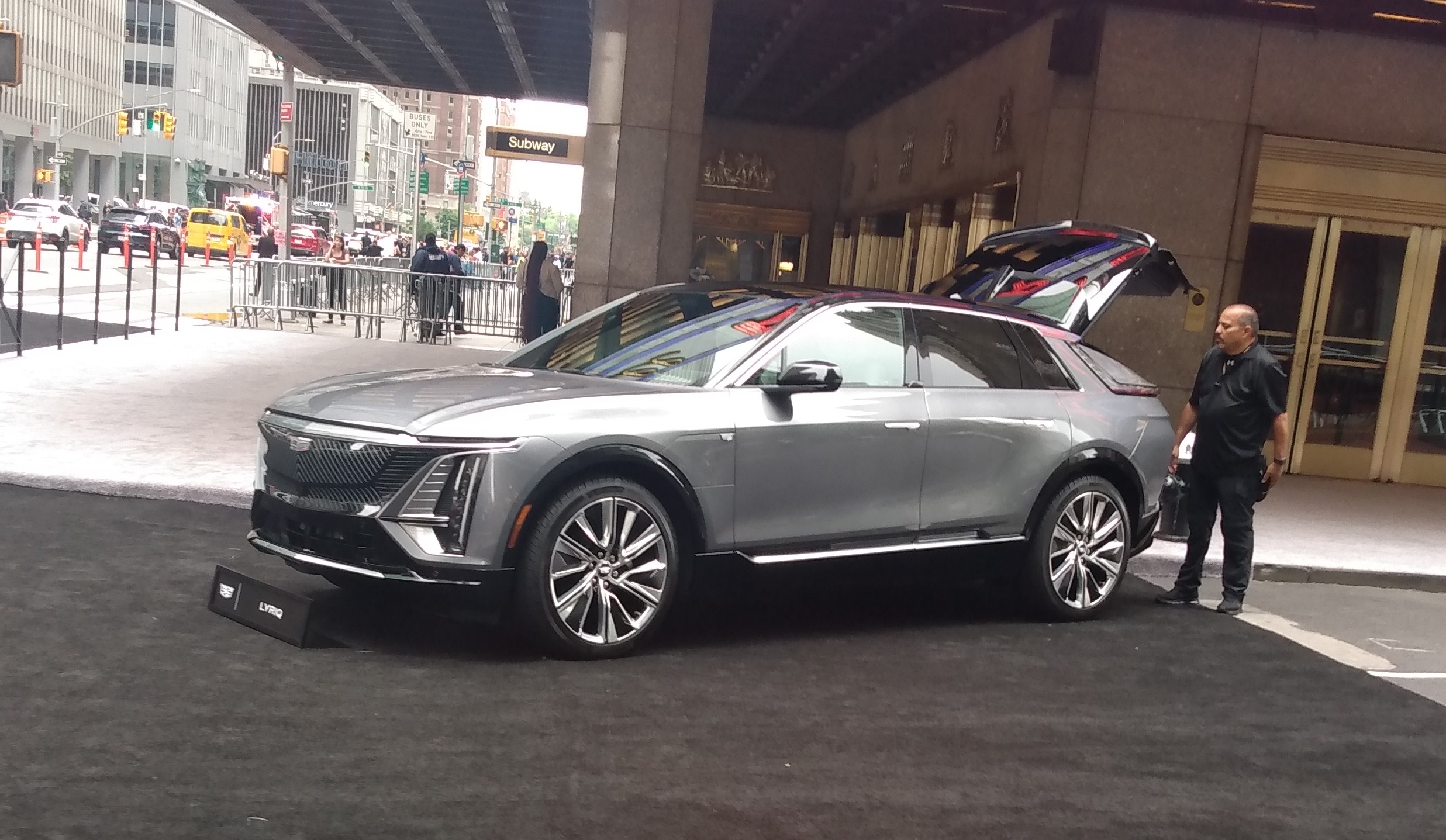
Cadillac Lyric
"...n look at the GM stuff. I mean, you're looking at Lyric or Vistik, depending on two or three rows, signif..."
The Cadillac Lyriq is an electric SUV made by Cadillac. The podcast mentions it in the context of other electric vehicles from the same general group and talks about options like how many rows of seats it can have. It’s relevant because it’s one of Cadillac’s EV models for everyday use.
The Cadillac Lyriq is a battery-electric SUV from Cadillac, positioned as a modern EV alternative in the brand’s lineup. The podcast mentions it alongside other GM-related EVs and references configurations like different seating rows. It’s discussed because it’s part of Cadillac’s push into mainstream electric SUVs.
vehicle to home
"And that I think it's really important with a you know, for a vehicle like this, the whole vehicle to home or grid is it's so many of the carmakers are still really wooly around."
Vehicle-to-home means the EV can send electricity back to your house. The idea is useful for backup power, but it can be complicated because it depends on your utility setup and compatible gear.
Vehicle-to-home (V2H) is the ability for an EV to supply power from its battery to a home. The host suggests many automakers are still “wooly” on it because it requires coordination with utilities and the right equipment to work smoothly.
structures leases
"And Kyle also touched on this was on how BMW structures leases because that $10,000 delta. To me is a lot."
Lease structuring is how the monthly lease price is calculated and packaged. The host’s point is that if the lease payment is too much higher than a similar gas SUV, people won’t choose it.
Lease structuring is how a leasing company sets the payment terms—like the monthly cost, residual value assumptions, and fees—that determine what the buyer actually pays. The host argues BMW’s lease setup could make or break the iX5’s appeal versus a comparable gas SUV.
delta
"And Kyle also touched on this was on how BMW structures leases because that $10,000 delta. To me is a lot."
“Delta” here just means the difference in price between two options. They’re saying the electric version costs about $10,000 more, which can be hard to justify.
In this context, “delta” means the difference in price between two versions of the same vehicle—here, an electric version versus a combustion version. The host calls out a roughly $10,000 gap as a key hurdle for buyers.

Tesla Model X
"You know, and Tesla just continued the X because and that's a great vehicle. I mean, the the Model X, I know it was getting a little long in the tooth, but even today, it's a great electric vehicle."
The Tesla Model X is an all-electric SUV. The hosts are saying it’s still a good EV, but it didn’t sell as many units as you’d expect.
The Tesla Model X is an all-electric SUV known for its long-range capability and tech-forward design. In this segment, it’s used as an example of an EV that stayed compelling even as it aged, but still struggled to sell in high volumes.
money factor
"So it all depends on how BMW structures this the leases. If they don't give it any type of favorable, you know, money factor and don't play play around a little bit with the residual value."
A money factor is basically the interest cost hidden inside a car lease. If it’s lower, the monthly lease payment is usually lower too.
In a lease, the money factor is the interest-rate equivalent used to calculate the lease payments. A lower money factor makes the lease cheaper, which can strongly affect whether customers choose to lease an EV.
residual value
"If they don't give it any type of favorable, you know, money factor and don't play play around a little bit with the residual value."
Residual value is what the lease company expects the car will be worth when the lease ends. If they expect it to be worth more, your lease payment is often lower.
Residual value is the estimated value of the car at the end of a lease term. Leasing companies use it to set payments—higher residual value typically lowers the monthly cost and can make an EV lease more attractive.
autonomous driving suite
"So BMW signed a deal with Momenta, which is autonomous driving one of the best systems in the world."
An autonomous driving suite is the package of software that helps a car drive itself in certain situations. It’s more than one feature—it's the whole system working together.
An autonomous driving suite is the bundled set of software and sensors/algorithms used to perform driving tasks like lane keeping, adaptive cruise, and automated navigation. The hosts are discussing BMW’s partnership for the system that powers those capabilities.
Momenta
"So BMW signed a deal with Momenta, which is autonomous driving one of the best systems in the world."
Momenta is a tech company that builds software for driver-assistance and self-driving features. BMW is partnering with them for that technology.
Momenta is a company known for developing autonomous-driving software stacks. In this segment, it’s mentioned as the technology BMW is partnering with for self-driving capabilities.
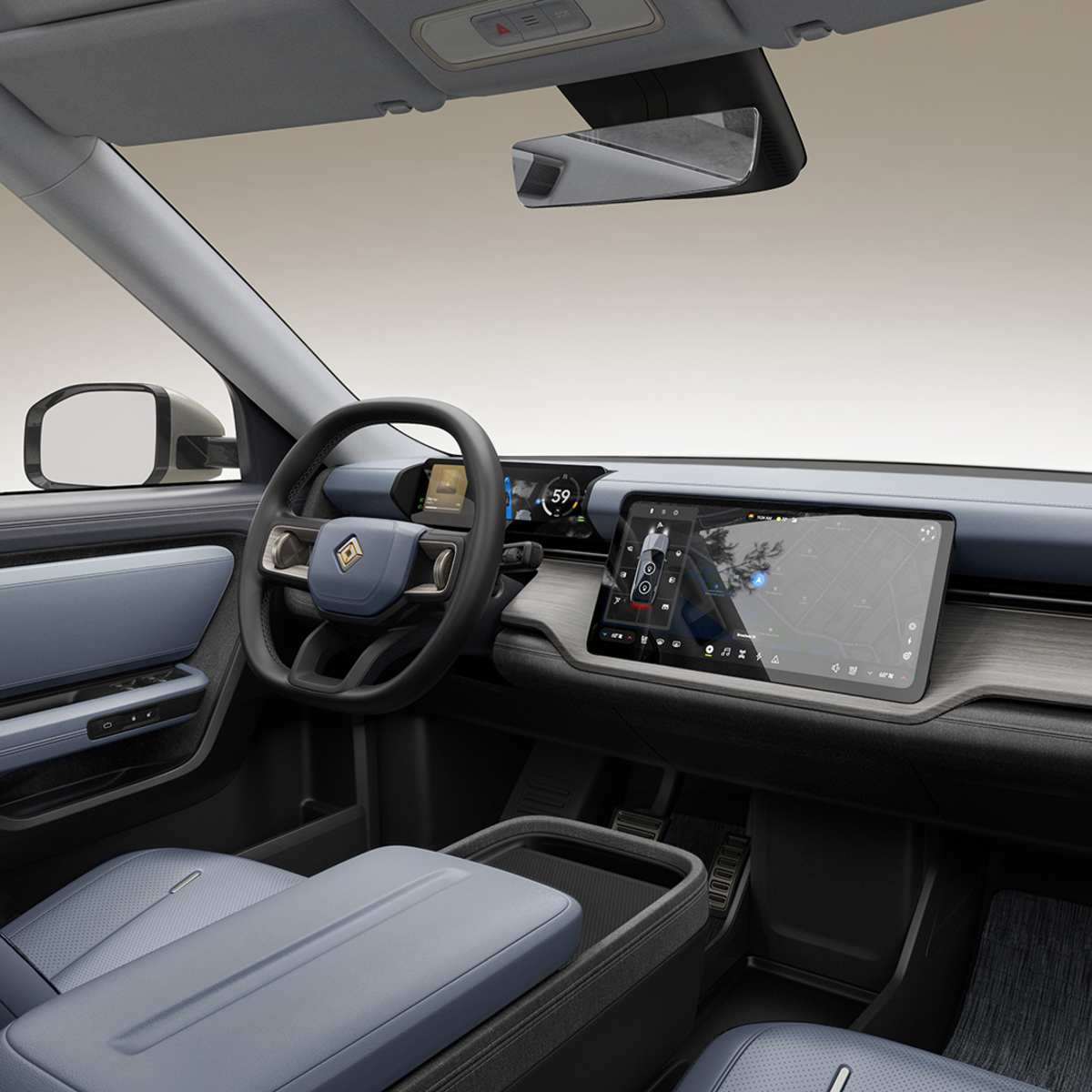
Rivian R2
"If that's all you care about, but the Rivian R2 is so much more and Tom, you have been doing just your first charge tests and some first range tests. And those videos aren't out yet."
The Rivian R2 is an all-electric Rivian vehicle. They’re using it as the subject for early tests to see how much range it gets and how well it charges.
The Rivian R2 is a battery-electric SUV/crossover from Rivian, positioned as a more accessible model than the brand’s larger vehicles. In this segment, it’s the focus of discussion because the hosts are talking about early independent range and charging test results.
charging tests
"If that's all you care about, but the Rivian R2 is so much more and Tom, you have been doing just your first charge tests and some first range tests. And those videos aren't out yet."
Charging tests are when you check how fast and how smoothly an EV charges in practice. It’s not just “does it charge,” but “how well does it charge over time.”
Charging tests are evaluations of how an EV performs while recharging—often looking at how quickly it reaches certain battery percentages and how consistent the charging speed is. These tests matter because real-world charging can differ from marketing claims.
Colorado Springs
"The course I took as well, you know, and Kyle knows better than anybody. It's hard to get a flat area in Colorado, especially where we were Colorado Springs. So of course I did was the best that I could find that I was pretty comfortable with being able to drive a constant 70 miles an hour on."
They did the EV testing near Colorado Springs. Where you test matters because driving conditions like altitude and roads can change how much range you get.
Colorado Springs is a city in Colorado that’s referenced as the location for the host’s EV range test. Altitude and terrain can affect EV efficiency and charging behavior, so the specific test location matters for interpreting results.
recuperate
"You gain a lot of that back when you're going down the hill, but you're only going to recuperate somewhere between two thirds and three quarter of the energy you lost when you're going up the mountain."
Recuperation is how an EV “gets some energy back” when you slow down. When you brake or coast, the car uses that motion to help recharge the battery instead of wasting it.
Recuperation is the process of recovering energy in an EV, usually by using regenerative braking when slowing down. Instead of wasting that energy as heat, the car converts some of it back into electricity to recharge the battery.
20 inch all terrain tires
"But it had the 20 inch all terrain tires and wheels, not the all seasons."
All-terrain tires are tougher tires meant for more than just smooth roads. They can make the car use more energy, which can lower an EV’s range.
“All-terrain tires” are designed to handle a mix of pavement and light off-road surfaces, but they can increase rolling resistance compared with typical all-season tires. That extra resistance can reduce EV efficiency and therefore range, especially at highway speeds.
all seasons
"But it had the 20 inch all terrain tires and wheels, not the all seasons."
All-season tires are made to work reasonably well in many weather conditions. On an EV, they can sometimes help the car go farther because they may create less drag than more rugged tires.
All-season tires are optimized for a broad range of everyday conditions, typically prioritizing comfort and lower rolling resistance over aggressive tread patterns. Compared with all-terrain tires, they often help efficiency and range on an EV.
EPA range rated combined
"So that's EPA range rated combined at 307."
This is the official EPA estimate of how far the EV should go in a mixed driving scenario. Real driving can be better or worse depending on things like hills, wind, and how fast you drive.
“EPA range rated combined” refers to the U.S. Environmental Protection Agency’s standardized estimate of EV range using a mix of driving cycles. It’s a single number meant to represent typical mixed use, but real-world results can vary with speed, wind, elevation, and temperature.
highway range rating
"So, you know, there were factors that contributed, I think to it not hitting its highway range rating."
It’s the EV’s advertised “how far it should go” number when you drive mostly on highways. In real life, cold weather or heavy heating can make the car use more energy, so you may not hit that number.
A highway range rating is the manufacturer’s estimated driving distance for an EV under standardized highway testing conditions. Real-world range can be lower when conditions like temperature, speed, wind, and battery heating/cooling increase energy use.
Autonomy Plus
"I used the autonomy plus the whole time. ... So, you know, but it doesn't even do lane changing at this point. ... Autonomy plus, which was kind of annoying."
Autonomy Plus is the car’s “hands-off-ish” driving assistance mode. It can handle more than normal cruise control, but it may still have limits—like not doing lane changes the way you expect.
Autonomy Plus is an advanced driver-assistance feature set that automates more driving tasks than basic cruise control. In this segment, the host uses it continuously and notes limitations like lane-changing behavior not being fully enabled yet.
Blue Cruise
"You know, you have the blue cruise and super cruise blinker on and it will change lanes and the even change super cruise will even do it by itself if you want it to."
BlueCruise is Ford’s advanced driver-assistance system. It can help with steering and driving on certain roads, and the host is saying it does lane changes more effectively than the system they were testing.
BlueCruise is Ford’s hands-free driver-assistance system that can steer and manage driving tasks on compatible roads. The host compares its lane-changing behavior to Autonomy Plus, implying BlueCruise is more capable in that area.
Super Cruise
"You know, you have the blue cruise and super cruise blinker on and it will change lanes and the even change super cruise will even do it by itself if you want it to."
Super Cruise is GM’s advanced driving-assist feature that can steer and manage parts of driving on supported roads. The host is comparing it to Autonomy Plus, saying Super Cruise can handle lane changes more automatically.
Super Cruise is GM’s hands-free driver-assistance system designed for certain mapped roads. The host mentions it can perform lane changes when enabled, and uses it as a benchmark for how Autonomy Plus should improve.
10 to 80 percent charge
"Then I did a 10 to 80 percent charge recording and a zero to 100 percent charge recording."
This is a test where you charge the battery from 10% up to 80%. Charging usually speeds up in the middle and slows down near the top, so this window helps compare how the car behaves.
“10 to 80 percent charge” refers to measuring EV charging behavior over a common battery window. Many EVs charge fastest in the mid-range, and the rate often slows as the battery approaches higher states of charge to protect battery health.
zero to 100 percent charge
"Then I did a 10 to 80 percent charge recording and a zero to 100 percent charge recording."
This is a test where you measure charging from 0% all the way to 100%. EVs usually charge quickly at first and then slow down a lot as they get near full.
“Zero to 100 percent charge” means measuring the full EV charging process from an empty (or near-empty) battery to full. Charging typically tapers significantly near the top of charge, so the total time and curve can look very different than mid-range tests.
charging curve
"So I think I've mapped out the exact charging curve of the vehicle."
The charging curve is basically how fast the car charges at different battery percentages. Mapping it helps you see where the car charges quickly and where it slows down.
A charging curve is the relationship between battery state of charge and charging power (or speed) over time. Hosts often map it to understand how quickly the EV charges at different battery levels and whether it throttles unexpectedly.
derating
"I don't think there's any derating. There was no problem."
Derating means the car “turns down” power to protect itself, like slowing charging if the battery is too hot or needs protection. The host is saying their test didn’t show that kind of slowdown.
Derating is a reduction in performance—here, reduced charging power—often triggered by battery temperature, battery protection logic, or other constraints. The host says they didn’t observe derating, implying the car maintained its expected charging behavior.
amperage
"I will say I had to use an adapter because the R2 seems to pull a higher amperage than previous Rivians. I mean, higher amperage than anything else that I've ever tested here in the U.S."
Amperage is basically how much electricity is flowing during charging. More amps can mean faster charging, but only if the car and charger can handle it safely.
In EV charging, amperage (amps) is how much electrical current the charger and vehicle exchange. Higher amperage generally means the battery can accept more power—up to the limits of the car, the charger, and the cables/connectors.
adapters
"And now I'm worried because none of these adapters are rated at 600 amps. No adapters are. I mean, even the 500 amps that they're rated at, they're rated at that as like a boost."
Adapters are the pieces that let you plug your EV into a charger with a different plug type. They also need to be rated for the high charging current, otherwise they can get too hot.
EV charging adapters let a vehicle use a different connector standard than the charger provides (for example, using CCS1 hardware with a NACS-equipped vehicle). The key risk is electrical current rating: if an adapter can’t handle the peak amps, it may overheat or fail, which is why the host worries about 600-amp capability.
DC fast chargers
"But that really impact that could impact your charging because very few chargers DC fast chargers here in America can deliver 600 amps. The IANA network can, the Alpatronics HYC 400s can, the ABB A400s can, which are on the Walmart network."
DC fast chargers are the high-speed EV chargers you use to add a lot of range quickly. They work by sending high-power electricity directly to the battery system.
DC fast chargers deliver direct current at high power, allowing much faster EV charging than standard AC charging. The limiting factor for speed is often the EV’s maximum current (amps) and the charger’s ability to supply it through the right connector.
ABB A400s
"The IANA network can, the Alpatronics HYC 400s can, the ABB A400s can, which are on the Walmart network. And that was the only charger in the area that I could use."
ABB makes EV fast-chargers. In this segment, the host points out that the ABB A400 chargers can deliver different maximum charging speeds depending on which plug you use.
ABB is an electrical equipment company that makes EV charging hardware, including the A400 fast-charger line discussed here. The host uses the ABB A400s as an example of a network where the maximum current differs by connector type (CCS1 vs NACS).
Alpatronics HYC 400s
"The IANA network can, the Alpatronics HYC 400s can, the ABB A400s can, which are on the Walmart network. And that was the only charger in the area that I could use."
Alpatronics makes the HYC 400 fast chargers. The host says these can deliver very high charging current through both major plug types, which affects how fast you can charge.
Alpatronics is referenced as the maker of the HYC 400 fast-charger units. The host highlights that these chargers can deliver 600 amps on both NACS and CCS1, which is unusual compared with many other chargers.
IANA network
"The IANA network can, the Alpatronics HYC 400s can, the ABB A400s can, which are on the Walmart network. And that was the only charger in the area that I could use."
The IANA network is a set of EV charging stations. The host says it has chargers capable of delivering the high current they wanted for testing.
The “IANA network” is mentioned as a charging network that can support very high current (enough for the host’s testing needs). The host contrasts it with the nearby Walmart-based chargers, which have different connector/current limits.
Walmart network
"The IANA network can, the Alpatronics HYC 400s can, the ABB A400s can, which are on the Walmart network. And that was the only charger in the area that I could use."
This refers to the EV charging stations associated with Walmart. The host mentions it because those stations are the only ones close enough for their testing.
The “Walmart network” refers to EV charging locations operated or branded through Walmart’s charging partnerships. In this segment, it’s important because the host’s local options are limited to specific charger models installed there.
CCS1
"The HYC 400s deliver 600 amps on NACs and CCS1 side, but the ABB A400s deliver 600 amps on the CCS1 side, but only 375 amps on the NAC side because the connector is limited to 375 amps."
CCS1 is another common EV fast-charging plug standard in North America. Some chargers can deliver more power through one plug than the other, which changes how fast you charge.
CCS1 (Combined Charging System, “1”) is the North American standard for DC fast-charging connectors used by many non-Tesla EVs. Charger hardware may limit maximum current differently on CCS1 versus NACS, which affects real-world charging speed.
NACs
"The HYC 400s deliver 600 amps on NACs and CCS1 side, but the ABB A400s deliver 600 amps on the CCS1 side, but only 375 amps on the NAC side because the connector is limited to 375 amps."
NACS is a specific plug type for EV fast charging. Different chargers can support different maximum charging speeds depending on which plug you use.
NACS (often spoken as “NACs”) is Tesla’s connector standard that many other EVs can use via adapters. In this segment, the host is comparing how much current different chargers can deliver depending on whether the NACS or CCS1 connector is used.
boost
"I mean even the 500 amps that they're rated at, they're rated at that as like a boost. Most of the adapters you could buy today on the market, the continuous load is under 400 amps."
“Boost” means the adapter can handle a higher charging current only briefly. If you try to charge longer at that level, it may not be able to keep up safely.
In charging hardware ratings, “boost” refers to a short-term higher-current capability rather than a sustained limit. This matters because EVs can request high current for longer than a brief burst, so an adapter rated only for a short boost may throttle or become unsafe.
continuous load
"Most of the adapters you could buy today on the market, the continuous load is under 400 amps. But they say they're rated for 500 amps because they'll accept that for like 10 minutes or so."
Continuous load is the safe, long-duration charging limit for a part. If a part is only rated for short bursts, it may not be safe for a full charging session.
Continuous load is the maximum electrical current an adapter or charging component can handle for an extended period without overheating. The host contrasts this with higher “boost” ratings that only apply for short durations.
Request an Explanation
Heard something you'd like explained? We'll add it to this episode.
Sign in to request explanations for terms you heard.
Want to learn more?
Browse our glossary for plain-English explanations of automotive terms, jargon, and concepts.
Help improve this episode
See something that's not quite right? Our annotations are AI-generated and can sometimes miss the mark. Click the flag icon on any annotation to suggest a correction.
1 community members have helped improve this episode.