
About this episode
Hosts weigh the ride and handling tradeoffs that come with low-profile tires and brake fitment, including how wheel size and drum-to-disc conversions can complicate things. A listener Q&A follows, where they confirm what GTO stands for and tease upcoming trivia tied to a 1970.5 RS Camaro front-end theme. The discussion blends practical fitment realities with vivid descriptions of how tire feel changes when you turn.
Emily still hates low profile tires, Rose learns something about the Pontiac GTO
Recorded @iapdx
Recorded & mixed by Emdognightmare & Queen of the Vans
Editor: Emdognightmare
Production & research Queen of the Vans & Emdognightmare
Find us: Car Krush
Stay updated w/ our newsletter
Hugs, thank you & high fives to Greg Meleney for the killer tunez!
low profile t- tires
"My question from last week was what the fuck, Rose? Stop it. What the fuck are low profile t- tires good for? Ugh, ... she had an STI and, um- Oh ... it had low profile tires, and she said it was really fun to drive."
Low-profile tires have less “rubber sidewall” between the wheel and the road. That often makes the ride feel harsher, but they can feel more responsive when you steer.
“Low profile” tires have shorter sidewalls than standard tires. That usually makes the ride feel firmer and can change how the tire responds during cornering and braking.
low-profile tires vs ride/handling
"My question from last week was what the fuck, Rose? Stop it. What the fuck are low profile t- tires good for? ... And then, you know, the more I thought about it... "Oh, yeah, they are kinda rough.""
They talk about whether low-profile tires are worth it, and how they change the ride and steering feel. They also discuss how tire sidewall thickness affects comfort and the car’s look.
The hosts debate what low-profile tires are good for, including how they can feel rougher and how they relate to braking and wheel size. They also compare the look and feel of low-profile setups versus thicker sidewalls.

Subaru STI
"And, uh, then she talked about she had an STI and, um- Oh ... it had low profile tires, and she said it was really fun to drive."
The Subaru STI is a sporty Subaru that’s built for grip and quick driving. Here it’s mentioned because someone said the low-profile tires made it feel fun to drive.
The Subaru STI is a performance-focused version of the Impreza line, known for rally-inspired all-wheel-drive handling. In this segment, it’s used as an example of a car that can feel “fun” even with low-profile tires.

Ford Ranger
"...n on the front of my Econoline off of like a '90s Ranger. Emily BB30: greatest organ known. Oh. Whoa, craz..."
The Ford Ranger is a pickup truck, meaning it’s built to carry cargo in the back and tow or haul when needed. The podcast mention of a “90s Ranger” likely refers to an older version of this truck and parts from that era.
The Ford Ranger is a midsize pickup truck known for being practical and widely used for work and everyday driving. In a podcast context, it may come up because people often reference older Ranger models when discussing parts, modifications, or what fits on similar vehicles. That “90s Ranger” mention suggests the conversation is tied to a specific generation and its components.
disc brakes
"The bigger brakes, that's, uh, critical because if you've ever had an early van, you know how fucking hard it is to fit disc brakes inside of some old 14-inch wheels that had drums inside of them."
Disc brakes slow the car using a spinning metal disc that gets clamped by pads. This part is about how hard it can be to fit disc brakes behind certain older wheel sizes.
Disc brakes use a rotating disc (rotor) squeezed by brake pads to slow the car. The speaker is emphasizing packaging constraints—fitting disc brakes inside smaller wheels that were originally designed for drum brakes.
drums
"...fit disc brakes inside of some old 14-inch wheels that had drums inside of them. The whole shape of the wheel is completely different."
Drum brakes use brake shoes that push against the inside of a drum to stop the car. Older wheels made for drum brakes may not fit disc brakes easily.
Drum brakes use brake shoes that press outward against a drum to create stopping force. The segment contrasts them with disc brakes, noting that older wheel designs for drums can make modern brake upgrades difficult.

Ford Econoline
"...you get to a steel wheel like I had to run on the front of my Econoline off of like a '90s Ranger."
The Ford Econoline is a van. The speaker brings it up to illustrate that older vans can have wheel/brake packaging issues when you try to change brake types or wheel sizes.
The Ford Econoline is a full-size van platform that can be used as a practical base for brake and tire setups. Here it’s referenced to explain how wheel and brake fitment can be tricky on older vehicles.
bias plies
"When peop- when I drove Hort's Econoline from California to Massachusetts on those, uh, bias plies that were re-popped by Kelsey Tire, but they're a Firestone, people would say, "How did they drive?""
Bias-ply tires are an older tire construction style. They can feel smoother and more flexible than modern tires, which is why the speaker says they felt “velvet” on a long drive.
Bias-ply tires use fabric plies laid at angles to the direction of travel, rather than belts running more directly under the tread. The speaker describes how these tires feel over long distances—smooth like “velvet,” but with a softer, more flexible steering feel.
Kelsey Tire
"When peop- when I drove Hort's Econoline from California to Massachusetts on those, uh, bias plies that were re-popped by Kelsey Tire, but they're a Firestone..."
Kelsey Tire is the shop that handled the tires used on that older-vehicle setup. The speaker is using it to explain where the specific tire type came from.
Kelsey Tire is mentioned as the shop that “re-popped” the bias-ply tires used on the trip. In context, it’s a vendor/service reference tied to getting a specific tire type for an older setup.
GTO
"Now, I asked a question about the GTO. What does that stand for? ... Jerry, MOPAR Camera Guy, said, "Grand touring omologato, Italian for an approved homologated grand tourer"
“GTO” is a car badge acronym. In this segment, they’re saying it’s tied to “Gran Turismo” and “homologated,” meaning the car was approved under racing rules.
“GTO” is discussed as an acronym with multiple proposed expansions, with the most enthusiast-correct one being “Gran Turismo Omologato.” The speaker is explaining how the term relates to homologation—approval of a car for a particular type of racing or ruleset.
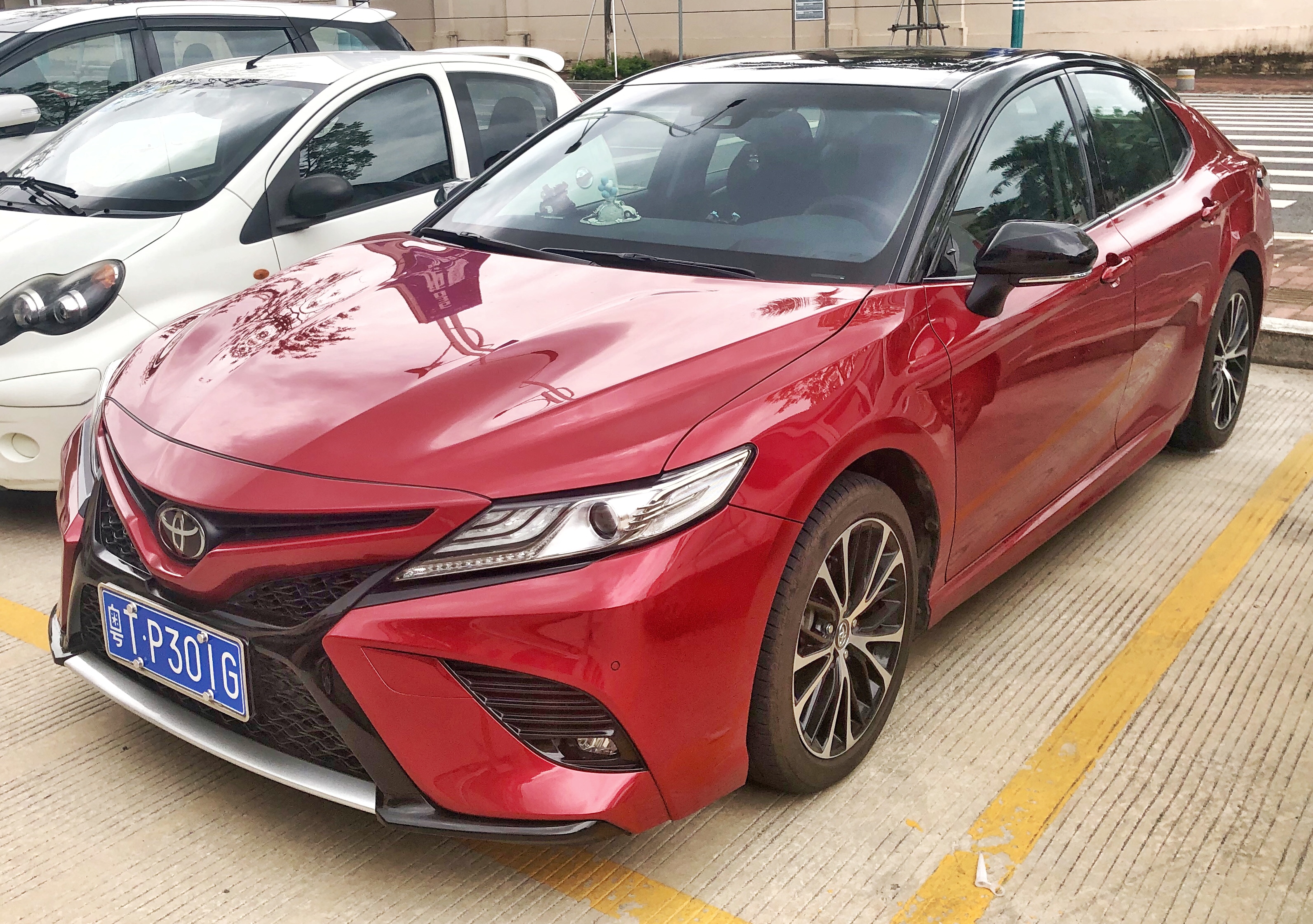
Toyota Camry
"... messages. And I'll start you off with, uh, Mopic Camry Eye, who, who does pretty frequently answer the q..."
The Toyota Camry is a regular passenger car (a sedan) designed for daily driving. The podcast mention suggests they’re talking about a Camry specifically, likely in relation to a question or experience.
The Toyota Camry is a mainstream midsize sedan that’s commonly discussed for its comfort, everyday usability, and broad availability of parts and service. In the podcast context, it appears as a specific “Camry” reference, likely tied to a question or story about that model. Because it’s such a common car, it often shows up in conversations about ownership and maintenance.
homologated
"...a number of people nailed homologated. Uh, Grand Touring homologated. That's 100% correct, homologated, a word that does nothing for you in the translation."
Homologated means “approved” under a racing rulebook. The idea is that the car had to meet certain requirements to be allowed to compete.
Homologation is the process of getting a vehicle officially approved under a racing/competition rulebook. In the transcript, “homologated” is used to explain why “GTO” is connected to race-eligible grand touring cars.
T-bucket
"What's a T-bucket?" Like, he wasn't explaining any of it to me."
A T-bucket is a type of hot-rod—usually a small, lightweight, custom-built car with an old-school look. People use the name to describe the style, not one single factory model.
A T-bucket is a hot-rod style car—typically a lightweight, open-top build based on early Ford “Model T” parts or the look of them. The term usually implies a custom, stripped-down street/track car rather than a factory production model.
Jag rear end
"Yeah, this was like Jag rear end, 15-inch wide Mickey Thompson's, black."
“Jag rear end” means using the back drivetrain parts from a Jaguar in a different car. Hot-rod builders do this to improve how the car drives or to get parts that fit their build goals.
“Jag rear end” means the rear axle/differential assembly taken from a Jaguar (Jaguar rear-end swap). Hot-rod builders often mix components from different cars to get the strength, gearing, or driveline feel they want.
Mickey Thompson's
"Yeah, this was like Jag rear end, 15-inch wide Mickey Thompson's, black."
Mickey Thompson makes performance tires. Here, the host is saying the car had very wide tires, which helps it grip the road and gives it a more aggressive look.
Mickey Thompson is a tire brand known for performance and off-road tires, including wide drag-racing and street-rod fitments. In the segment, “15-inch wide Mickey Thompson’s” describes the car’s stance and traction-focused wheel/tire setup.
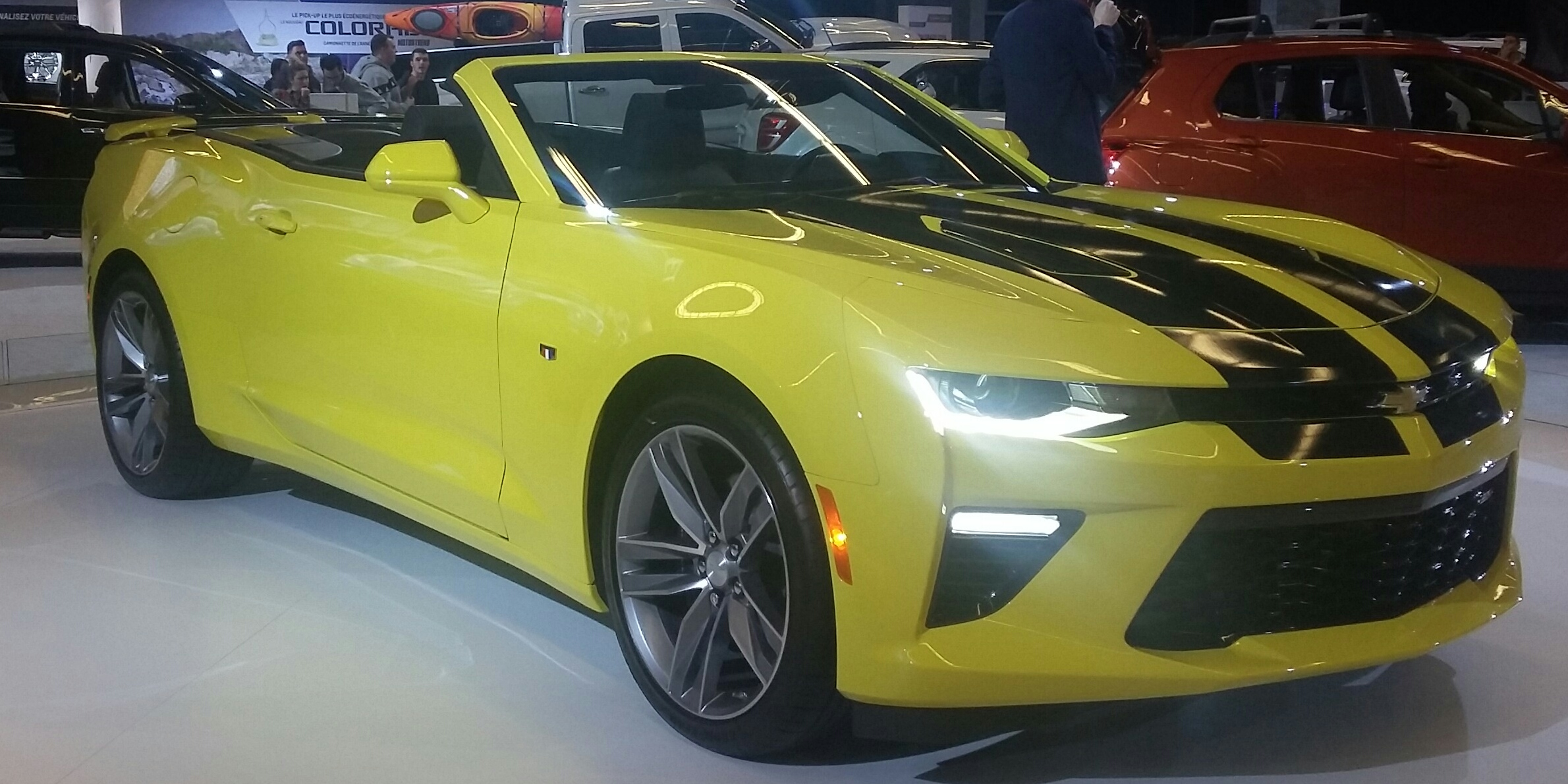
Chevrolet Camaro
"This is a '70 and a half RS Camaro. Question, where does the entire front end theme come from?"
This is a specific version of the Chevrolet Camaro from around 1970—often called a “1970.5” because it was built during a mid-year update. People who collect Camaros pay attention to these because the look and trim details can be different from other nearby years.
The phrase refers to a 1970.5 Chevrolet Camaro RS, a specific mid-year variant of the first-generation Camaro. Enthusiasts care about these “half-year” changes because the front-end styling and trim details can differ from the earlier 1970 and later 1971 cars.
Request an Explanation
Heard something you'd like explained? We'll add it to this episode.
Sign in to request explanations for terms you heard.
Want to learn more?
Browse our glossary for plain-English explanations of automotive terms, jargon, and concepts.
Help improve this episode
See something that's not quite right? Our annotations are AI-generated and can sometimes miss the mark. Click the flag icon on any annotation to suggest a correction.