
2026 Car Market Chaos | Episode 1064
About this episode
Rising new-car prices, tariffs, and inventory levels set the tone as Doug Horner explains why elevated prices often stick once buyers accept them. The conversation then shifts to dealership transparency, with a best-price-upfront model, FTC scrutiny of deceptive online pricing, and the growing drag of negative equity on approvals. The hosts also dig into why long loan terms can trap frequent traders underwater, while closing with personal notes about a Dartmouth lecture and industry events.

Toyota 4Runner
"Jump in campers, we're going off-roading in a four-runner. Next, we're heading to the hot springs in a RAV4."
The Toyota 4Runner is a rugged SUV that’s meant for rough roads and trails. Here, they’re using it for off-roading, so it’s the “go anywhere” pick.
The Toyota 4Runner is a body-on-frame SUV built for off-road use, with a focus on durability and traction. In this segment, it’s used as the off-roading vehicle, which highlights its rugged, trail-capable character.
Ben's and Bowtie's
"We've got Doug Horner from Ben's and Bowtie's. Doug, how are you doing this morning?"
They mention “Ben's and Bowtie's” as Doug Horner’s connection. It’s basically the name of his automotive business or platform.
“Ben's and Bowtie's” is referenced as the source for Doug Horner. In this context, it’s likely the name of his automotive business or channel brand, tied to his role in the car industry.
Mercedes-Benz North Olmsted
"He's built such an incredible social following over at Mercedes-Benz North Olmsted. You can see it right here, dad, over on Instagram and here on YouTube,"
They mention “Mercedes-Benz North Olmsted” as Doug’s dealership. It matters because he’s giving a dealer’s perspective on what’s happening in the market.
“Mercedes-Benz North Olmsted” is mentioned as the dealership location where Doug works. It’s relevant because the episode is about the car market, and dealership-level perspective can differ by region and brand.
Benzes
"The Benzes came first. Okay. And why the bowties?"
“Benzes” is just slang for Mercedes-Benz cars. It’s used here to refer to the Mercedes brand.
“Benzes” is a slang reference to Mercedes-Benz vehicles. The host uses it as part of a playful question about brand identity (“Benzes or bowties”), where “Benzes” stands for Mercedes-Benz.
Mercedes dealership
"And I thought, you know, at Mercedes dealership, we're in suit and tie every day. Sure. So I thought, you know, I'll start wearing a bow tie because in Ohio, nobody really wears bow ties."
They’re talking about working at a Mercedes car store. That’s where Mercedes cars are sold and serviced, and the sales staff’s presentation matters.
The speaker mentions working at a Mercedes dealership, which is a retail store that sells and services Mercedes-Benz vehicles. Dealerships are where brand identity and sales presentation (like clothing) are part of the customer experience.
new vehicle inventory
"It's today's average marketed price as well as new vehicle inventory."
This means how many new cars are sitting at dealers and available to buy. Fewer cars usually means higher prices, and more cars usually means more deals.
“New vehicle inventory” refers to how many new cars are available for sale at a given time. When inventory is low, buyers have fewer choices and pricing tends to stay higher; when inventory rises, competition can push prices down.
average marketed listed price
"So we're at an average marketed listed price of $51,477 in the new car market right now."
This is an average of the prices sellers advertise for cars. It shows how pricey cars are getting, even though the final price can be different after deals and discounts.
“Average marketed listed price” is an average of the prices dealers advertise for vehicles (the listed/marketed price), not necessarily what people actually pay after discounts. It’s used to track how expensive cars are becoming in the market over time.
new baseline
"Once they've realized that somebody will pay it, that kind of becomes the new baseline and they move up from there."
A “new baseline” is the new normal price level. If people keep paying higher prices, businesses often stop lowering them and treat that higher level as the starting point.
In pricing discussions, “new baseline” means the level of prices consumers will accept after a period of higher costs. Once buyers consistently pay those prices, sellers often treat them as the starting point for future pricing rather than a temporary spike.
supply got cut
"So it's like this unfortunate because COVID happened the way it did and supply got cut,"
“Supply got cut” describes a reduction in the number of cars available to sell, often due to manufacturing disruptions or logistics problems. In car markets, reduced supply can tighten availability and help keep prices elevated.
Stellantis
"I mean, just about, you know, Stellantis was very famously raising prices on Jeeps, more so than most manufacturers, but it's just now that that baseline has been set, it's going to take a lot of work for the price to go back down."
Stellantis is a big car company that makes and sells lots of different brands. Here, they’re being mentioned because their Jeep pricing went up a lot.
Stellantis is a major automaker group that owns multiple brands, including Jeep. In this segment, the hosts point out that Stellantis raised prices on Jeeps more aggressively than many other manufacturers.
incentives
"I'm hoping that we can get more incentives that will start to push it down, but I worry that, you know, unless consumers start pushing back, it's probably just going to keep going up... Would that preclude Mercedes from increasing incentives since that could cut into their profits so dramatically?"
Incentives are discounts or deal offers that make a car cheaper to buy. The point here is that if tariffs make cars cost more, companies may have less room to offer big discounts.
Incentives are manufacturer- or dealer-funded offers that reduce the effective price of a vehicle, such as cash rebates or special financing. The hosts discuss how incentives might be constrained if tariffs raise costs and squeeze profits.
tariffs
"Here's a question for you with the Trump administration announcing that there could be increased tariffs on EU cars, which, well, would impact Mercedes-Benz... I mean, the tariffs have been such an interesting thing because I don't think any manufacturer wants to be the first one to make a move here."
Tariffs are extra taxes on imported products. If cars from Europe get taxed more, carmakers often have to either raise prices or offer fewer discounts to protect their profits.
Tariffs are taxes a government adds to imported goods. In the car market context, higher tariffs on EU cars can increase manufacturers’ costs, which can then flow into higher vehicle prices or reduced incentives.
special APR
"Maybe a reduced incentive or an interest rate, a special APR that's a little bit higher."
APR is the interest rate on car financing. A “special APR” means the lender is offering a lower promotional interest rate, which can make the loan cheaper.
APR (annual percentage rate) is the interest rate used to calculate the cost of borrowing for financing. A “special APR” is a promotional financing rate that can lower monthly payments compared with the standard rate, effectively acting like an incentive.
Ford
"They were the number one abuser when it came to price increases over the last decade. Ford, the number two when we did the analysis, both significantly above the inflation rate."
Ford is another automaker being compared in the hosts’ pricing analysis. They say Ford’s price increases were also higher than inflation over the period they studied.
Ford is cited as the next-highest automaker (after Stellantis) for price increases above inflation in the hosts’ analysis. It’s part of their broader comparison of how different manufacturers responded to market pressures.
Cox Automotive
"We've been analyzing this ever since it came out on April 16th. This is from Cox Automotive. Day supply falls in March after elevated readings in January and February."
Cox Automotive is a company that collects and analyzes car-market data. Here, they’re the source for the inventory and pricing trend numbers the hosts are discussing.
Cox Automotive is a major automotive data and analytics company that tracks things like vehicle inventory and sales trends. In this segment, the hosts cite Cox Automotive reporting to support claims about market conditions.
days supply of inventory
"And we love to look at this chart down here, Doug, that shows the day supply of inventory by Grand. And I am especially interested in your take care on Mercedes because Mercedes here nationally, at least this is what Cox Automotive reports, has a 104 days supply of inventory significantly above the nationwide average."
“Days supply of inventory” tells you how many days dealerships could keep selling cars with the cars they currently have. More days usually means cars are moving slower; fewer days usually means they’re selling faster.
“Days supply of inventory” estimates how long current dealership inventory would last at the current sales pace. Higher days supply generally means more cars sitting on lots (weaker demand), while lower days supply suggests tighter supply (stronger demand).
day supply
"[524.2s] what does day supply mean for you as a general manager? [533.4s] So the most simple explanation of day supply is, let's say, for example, I had 200 new cars [539.9s] in stock based on the current sales rate of the last trailing several months. [545.5s] It would take me 104 days in this instance to sell all of those vehicles, right?"
“Day supply” is a way for a car dealer to estimate how long their current car stock will last. It’s based on how fast they’ve been selling cars recently.
“Day supply” is a dealership metric that estimates how long existing vehicle inventory would last if sales continued at the recent rate. For example, if a dealer has enough cars to sell through in 104 days, the day supply is 104.
sales rate
"[533.4s] So the most simple explanation of day supply is, let's say, for example, I had 200 new cars [539.9s] in stock based on the current sales rate of the last trailing several months. [545.5s] It would take me 104 days in this instance to sell all of those vehicles, right?"
“Sales rate” means how fast cars are being sold. If sales are faster, the dealer’s stock will sell through sooner.
“Sales rate” is how quickly vehicles are selling over a given period. In the example, the dealer uses the recent trailing months’ sales rate to estimate how many days it would take to sell the cars in stock.
trailing several months
"[533.4s] So the most simple explanation of day supply is, let's say, for example, I had 200 new cars [539.9s] in stock based on the current sales rate of the last trailing several months. [545.5s] It would take me 104 days in this instance to sell all of those vehicles, right?"
“Trailing several months” means they look at sales from the recent past. Instead of guessing, they use what happened over the last few months to make the estimate.
“Trailing several months” refers to using recent historical sales data from the months leading up to today. Dealership metrics like day supply often rely on this rolling window to smooth out short-term swings.
best price upfront model
"We moved to a best price upfront model about two years ago, and we're very proud about that... It means it is a very aggressive price that is pre-negotiated, pre-discounted. You don't have to ask for it. You get it."
It means the dealership shows you the best deal right away, before any back-and-forth. You don’t have to ask for discounts or negotiate to get the good price.
A best price upfront model is a pricing approach where the dealership presents an aggressive, pre-set price before any negotiation or discounting. It’s designed so customers can see the final deal immediately when they walk in, improving speed and transparency.
pre-negotiated, pre-discounted pricing
"It means it is a very aggressive price that is pre-negotiated, pre-discounted. You don't have to ask for it. You get it."
It means the dealership figures out the deal price ahead of time. So you don’t have to negotiate or wait for discounts to be “worked out” during the buying process.
Pre-negotiated, pre-discounted pricing means the deal is structured so the final number is determined ahead of time, rather than being created through negotiation during the sale. This typically reduces uncertainty for the buyer and speeds up the transaction.
negotiation-free selling process
"And the reason I say excellent is, at one time I helped one of the dealerships that I worked with move to a negotiation-free selling process where it finally dawned on the owner that, you know, let's just make it easy for people."
Instead of bargaining over the price, the dealership sets a clear deal upfront. That makes buying a car quicker and less stressful because you don’t have to negotiate.
A negotiation-free selling process is a sales model where the price and deal terms are set up front, so customers don’t haggle with a salesperson. The goal is to reduce friction and decision fatigue by making the purchase experience more predictable and faster.
Nissan
"And, you know, I remember back in the mid 80s when I was at an Nissan dealership and we were building a new facility."
Nissan is a car brand. Here it’s just part of the speaker’s story about working at a dealership.
Nissan is the car brand mentioned in a personal anecdote about the speaker’s time at a dealership. It’s used to set context for how they approached redesigning the customer experience.
dealer level
"Excuse me, a lot of innovation at the dealer level to figure out ways to move the metal to get things going. There are quite a few other big stories in the auto industry I'd like to get your take on."
“Dealer level” just means what the car stores themselves are doing. In this context, it’s about dealerships trying to sell cars even when prices are high.
“Dealer level” refers to actions and strategies carried out by car dealerships rather than automakers. Here, the discussion is about dealers using tactics to “move the metal,” i.e., increase sales despite market constraints like high prices.
move the metal
"Excuse me, a lot of innovation at the dealer level to figure out ways to move the metal to get things going. There are quite a few other big stories in the auto industry I'd like to get your take on."
“Move the metal” means sell the cars that are sitting on the lot. The hosts are saying dealers are trying hard to keep sales moving despite high prices.
“Move the metal” is an industry phrase meaning to sell inventory—get cars off dealer lots. In this segment, it’s used to describe dealer efforts to keep sales going amid an affordability crisis for new cars.
Federal Trade Commission
"I'd like to get your take on what happened earlier this year with the Federal Trade Commission. I think this is a really, really important story... It was earlier this year back in March the FTC sent letters to 97 dealership groups about deceptive pricing."
The Federal Trade Commission is a U.S. agency that helps protect consumers. Here, they’re looking into car dealers that may be posting misleading prices online.
The Federal Trade Commission (FTC) is a U.S. government agency that enforces consumer-protection and antitrust rules. In this segment, the FTC is described as sending letters to dealership groups over allegedly deceptive pricing practices, especially around misleading online offers.
deceptive pricing
"It was earlier this year back in March the FTC sent letters to 97 dealership groups about deceptive pricing. It was then documented over an automotive news that this is happening in a more widespread fashion..."
Deceptive pricing means a car price is shown in a way that isn’t really what you’ll end up paying. The show says the FTC is targeting dealers who may be using misleading online price listings.
Deceptive pricing refers to pricing information that’s presented in a misleading way to influence a buyer’s decision. In this episode, it’s tied to dealers publishing online prices that are “fake,” “highly conditional,” or otherwise designed to deceive.
bait and switch pricing
"And we were grateful to contribute here to the automotive news's journalism on what's happening with bait and switch pricing and all sorts of things that the FTC is going after."
“Bait and switch” is when a dealer advertises a tempting price to get you interested, but then the deal you actually get is different. The episode links this to misleading pricing tactics.
“Bait and switch” pricing is a sales tactic where a company advertises an attractive offer to get you to come in, then steers you toward a different (usually worse) deal. The hosts connect this to dealership pricing practices the FTC is investigating.
fine print
"And then when you get halfway or into the middle of the fine print, there's some ridiculous disclaimer that disqualifies 98% of people."
“Fine print” is the small, detailed wording in an offer that can change what you actually get. Here, it’s being used to describe rules that most people don’t meet.
“Fine print” refers to the detailed terms and conditions that are often hidden in disclosures, making the advertised deal harder or impossible to qualify for. The hosts are criticizing how these terms can effectively disqualify most buyers after they’ve already shown interest.
dealer add-ons / added requirements
"And then that's when the dealer was like, oh, well, by the way, did you go to Oxford in England and you're also in the military and you're a paramedic?"
The dealer is basically saying the price only applies if you meet extra conditions. If you don’t, the price goes up.
The segment describes a practice where a dealer effectively changes the deal by adding extra eligibility checks after the fact. This is essentially the opposite of transparent pricing: the buyer learns the price only applies if they meet specific criteria.
Edmonds
"We have been looking at the data from Edmonds. I mean, every single quarter they put it out, we do some studies as well."
Edmunds is a car research site that tracks pricing and market trends. Here, the hosts say they use Edmunds’ quarterly reports for their own research.
Edmunds (often shortened to “Edmonds” in conversation) is an automotive research and pricing website that publishes market data and analysis. In this segment, the hosts reference Edmunds’ quarterly data as a source for their studies about car-market conditions like negative equity.
negative equity
"The rate at which people are underwater on their car loans is growing and the amount that they're underwater is over $7,000... negative equity end up spending $932 a month on their new car payment."
Negative equity means you owe more money on the car than it’s worth. So if you try to sell or trade it in, you still have a balance left to pay.
Negative equity is when you owe more on your car loan than the car is worth. It often happens when the car depreciates faster than the loan balance is paid down, or when the purchase is financed with little/no down payment.
underwater on a car loan
"The rate at which people are underwater on their car loans is growing and the amount that they're underwater is over $7,000."
“Underwater” means you owe more on the loan than the car is worth right now.
Being “underwater” on a car loan is the everyday way to describe negative equity. It means the outstanding loan balance exceeds the vehicle’s current market value.
loan-to-value
"That's just like the mechanical answer... And that's for loan to value, which is just obviously every car has a certain value assigned to it by a bank."
Loan-to-value is how big your loan is compared to what the car is worth. If the loan is too big for the car’s value, banks get nervous and may not approve the deal.
Loan-to-value (LTV) is the ratio between the loan amount and the car’s appraised value used by the lender. If the loan is large compared to the car’s value, the lender may deny approval or require different terms because the loan is riskier to them.
leasing vs buying
"I see a lot of people who buy cars that should be leasing cars. And people, they always look at me and they're like, oh, you want me to lease because it's better for you."
Buying means you’re paying to own the car; leasing is more like paying to drive it for a few years. The host is suggesting leasing can help avoid getting stuck owing more than the car is worth.
Leasing is paying for the car’s use over a set term, usually with lower monthly payments than financing, while buying means you’re paying to own the vehicle outright (or repay a loan to own it). The discussion implies that leasing can reduce the risk of ending up in negative equity when depreciation is steep.
72 months
"So if you're one of those people, don't finance a car for 72 months or 84 months because in two to three years when you go to get a new one, you're going to be underwater."
“72 months” is how long the loan lasts—about six years. Longer loans can make the monthly payment smaller, but you may pay more interest and you can end up owing more than the car is worth.
“72 months” is a common auto-loan term length (six years). Longer terms lower the monthly payment, but they increase the total interest paid and can raise the risk of owing more than the car is worth if depreciation is fast.
84 months
"So if you're one of those people, don't finance a car for 72 months or 84 months because in two to three years when you go to get a new one, you're going to be underwater."
“84 months” means the loan is about seven years long. Since cars usually lose value quickly at first, a long loan can make it harder to sell or trade without owing money.
“84 months” is a very long auto-loan term (seven years). Because cars typically depreciate faster than you pay down principal early on, an 84-month loan can make it easier to end up “underwater” when you want to replace the vehicle sooner.

Toyota RAV4
"Next, we're heading to the hot springs in a RAV4."
The Toyota RAV4 is a compact SUV that’s easy to live with. It’s a common choice for people who want one car that works for daily driving and occasional trips.
The Toyota RAV4 is a compact crossover SUV that’s popular for its everyday practicality and versatility. It’s often used as a “do-it-all” vehicle—commuting during the week and handling light adventures on weekends.
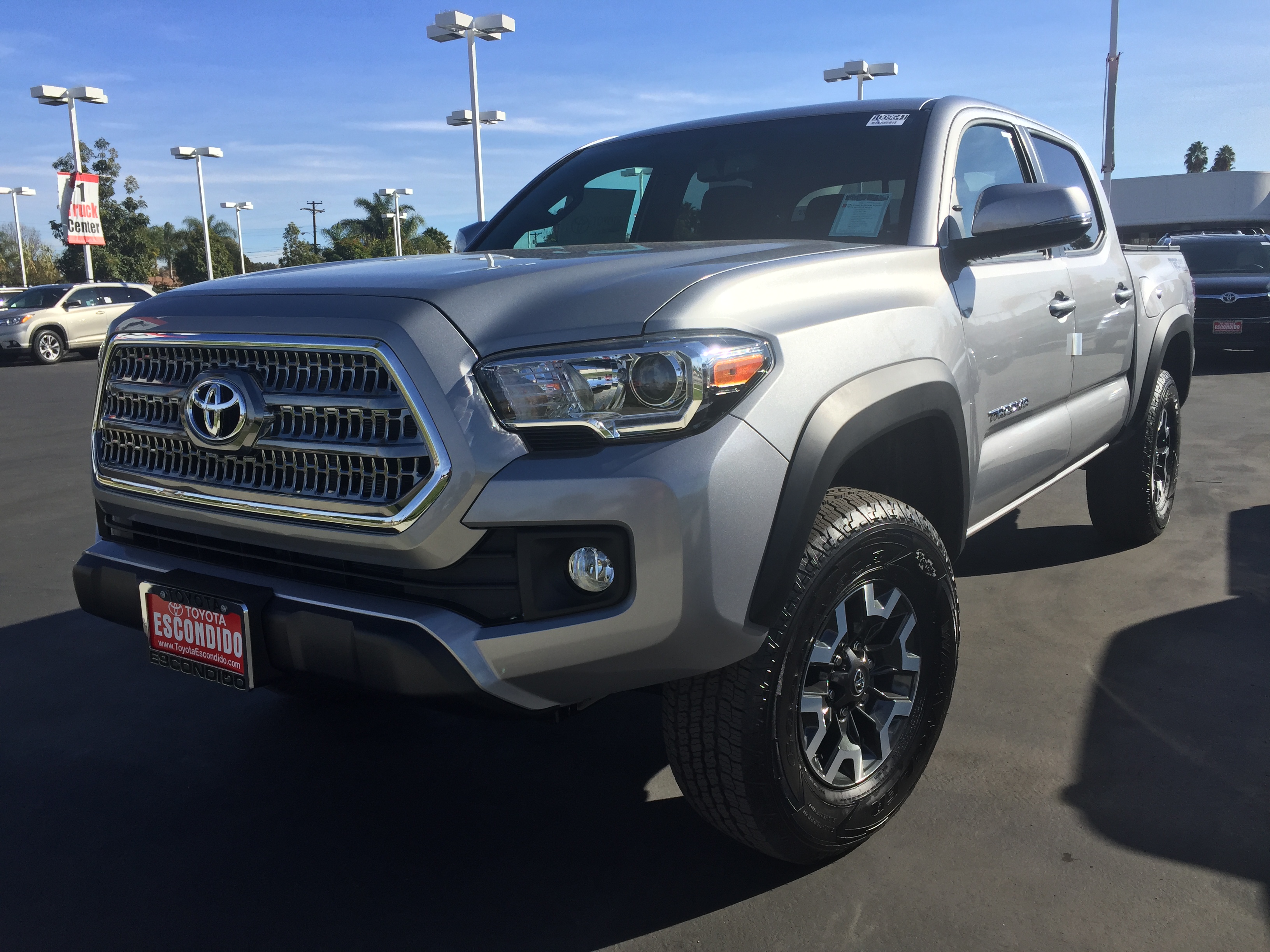
Toyota Tacoma
"And finally, park your tundras and Tacomas around the campfire because we're roasting marshmallows."
The Toyota Tacoma is a midsize pickup truck. It’s popular because it’s tough and works well for both daily driving and outdoor adventures.
The Toyota Tacoma is a midsize pickup truck known for being durable and popular with off-road and outdoor buyers. It’s often chosen for its balance of everyday drivability and trail-ready options.
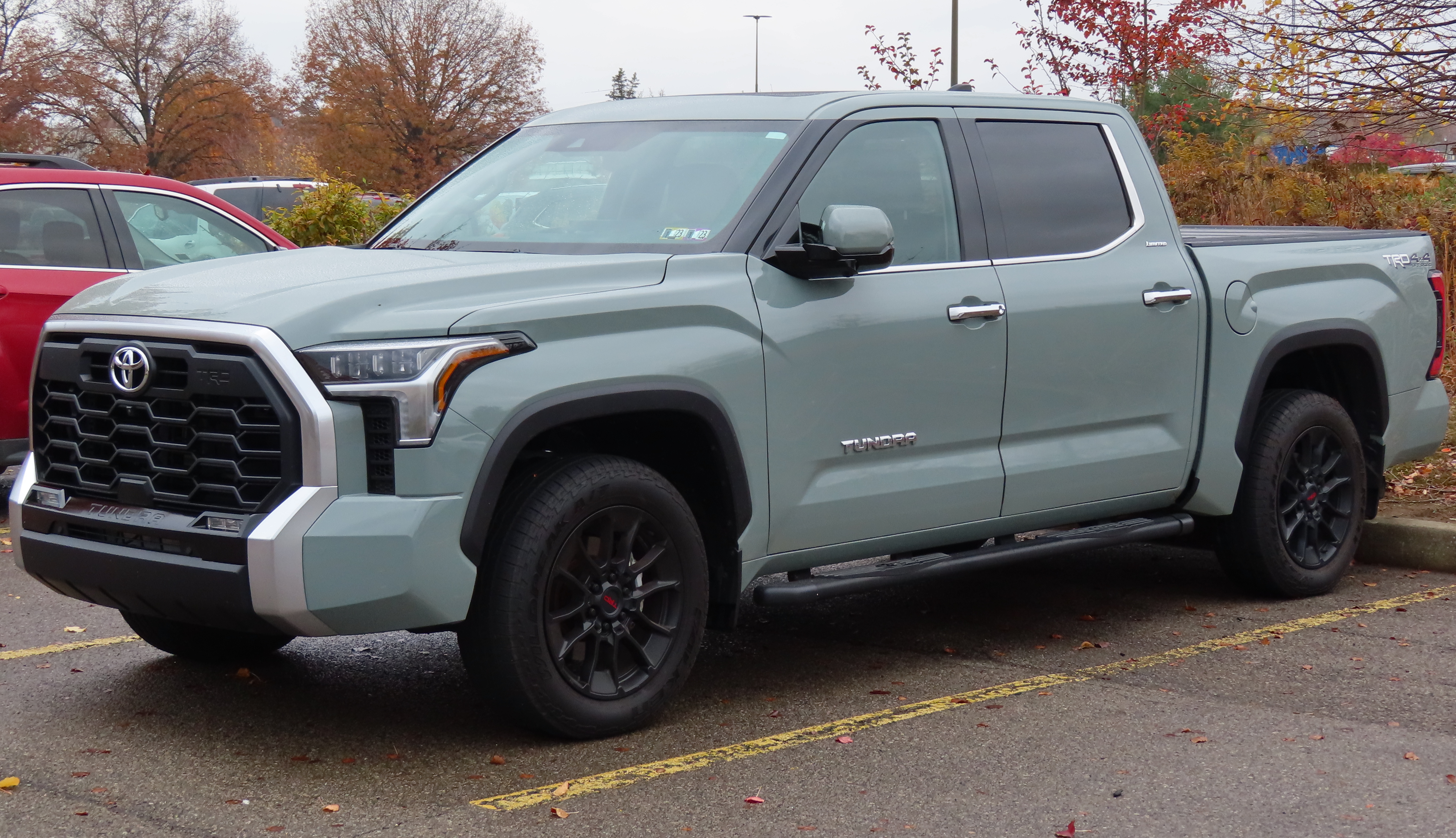
Toyota Tundra
"And finally, park your tundras and Tacomas around the campfire because we're roasting marshmallows."
The Toyota Tundra is Toyota’s full-size pickup. It’s meant for heavier jobs like towing and hauling, but it can still be comfortable for everyday driving.
The Toyota Tundra is a full-size pickup truck built for towing and hauling. It’s the kind of vehicle people choose when they want truck capability but still want a comfortable, modern daily driver.
trade it in
"And I think it was 70 or 80% came back in two and a half or three years to trade it in to get a new one. [1339.8s] And it was like, folks, you should be leasing the damn thing."
Trading in means you turn in your current car to the dealer and use the value toward a new purchase. The dealer’s offer matters a lot for how much you still have to pay.
“Trade it in” is when you bring your current car to the dealer and apply its value toward the purchase of a new one. In practice, the dealer’s offer can strongly affect whether you end up owing more than the car is worth.
lease
"[1349.5s] Sign up for a three year lease and guess what, you can do that. [1353.9s] Exactly. [1356.4s] But we are a society of people who usually want more than what they can afford."
A lease is like renting a car for a few years with an option to return it. You’re usually not buying the car at the end, which can reduce the risk of being stuck with a loan.
A lease is a contract where you pay to use a car for a set term (often 2–3 years) and return it at the end, rather than owning it outright. Leasing can help people avoid getting stuck with a loan balance that doesn’t match the car’s resale value.
finance it for a much longer term
"And in order to make it appear as if it's affordable, they agree to finance it for a much longer term than is reasonable. [1369.0s] And I would imagine when you see negative equity..."
A longer loan term makes the monthly payment smaller. But you usually pay more overall, and the car can lose value faster than you’re paying it off.
Financing for a longer term means stretching the loan over more years, which lowers the monthly payment. The tradeoff is that you typically pay more total interest and can stay “underwater” longer if the car depreciates quickly.
plug-in hybrids
"So, you know, back a year ago when there was all kinds of free government money on EVs and plug-in hybrids, we had a mechanical route to go with people, right?"
Plug-in hybrids can charge like an electric car, but they also have a gas engine for longer trips. They sometimes get special incentives that can affect the deal.
Plug-in hybrids (PHEVs) are vehicles that can run on electricity from a battery and also use a gasoline engine. They’re often eligible for incentives, but the economics can change quickly as those incentives expire.
EVs
"So, you know, back a year ago when there was all kinds of free government money on EVs and plug-in hybrids, we had a mechanical route to go with people, right?"
EVs are electric cars that run on electricity from a battery instead of using gas as the main power source. Incentives can make them cheaper to buy, which affects financing decisions.
EVs are electric vehicles powered primarily by an electric motor and battery. The transcript ties EV incentives to deal structure, implying that incentives can influence pricing and financing outcomes.
depreciation
"[1431.6s] And my advice in those situations is, look, if I were you, what I would do is I would throw every extra dollar I can comfortably throw at it every month to try to get out. [1444.1s] Don't make the minimum payment because clearly you're not going to outrace this depreciation, right?"
Depreciation is how much a vehicle’s value drops over time. The speaker is warning that making only the minimum payment won’t “outrace” depreciation, meaning the car may keep losing value faster than the loan balance is shrinking.
credit score
"And I remember we had a couple one time. And I believe their credit score was like in the 560s or 570s, and it's like, what are we doing?"
A credit score is a number that shows how good you are at paying back borrowed money. Car lenders look at it to decide if you can get financing.
A credit score is a numerical rating lenders use to estimate how likely someone is to repay borrowed money. In car shopping, it strongly affects whether a dealership can approve financing and what terms the buyer may qualify for.

Mclaren 570S
"...elieve their credit score was like in the 560s or 570s, and it's like, what are we doing?"
The McLaren 570S is a fast, expensive sports car designed for performance driving. It’s not a daily commuter—more of a specialty car. The podcast brings it up while talking about credit or affordability.
The McLaren 570S is a high-performance sports car known for its lightweight design and strong acceleration. It’s the kind of car people discuss when talking about expensive vehicles and how financing or credit affects ownership. In the podcast, it’s referenced in the context of numbers/credit, likely as an example of a very costly car.
co-signer
"Why would you even think? Well, let us get a co-signer, okay? And then they brought their son who had limited credit..."
A co-signer is a second person who promises to pay the loan if the main borrower can’t. Lenders use it to reduce their risk.
A co-signer is someone who agrees to take financial responsibility for a loan if the primary borrower can’t make payments. Dealerships sometimes suggest a co-signer when the buyer’s credit isn’t strong enough for approval on their own.
bottom line price
"And so dealerships can make it easy and give you a bottom line price. But if that bottom line price is still way more than what you can or cannot afford..."
“Bottom line price” means the final total you’d have to pay. The point here is that even if the dealership gives a clear total, it still might be too expensive for the buyer.
“Bottom line price” refers to the final out-the-door cost a buyer is quoted, including the key charges that determine what they actually have to pay. The speaker argues that even a clear bottom line price can still be unaffordable, so it doesn’t solve the core issue.
loan approval
"they want to buy a Mercedes-Benz, but they just, they can't, we can't get them approved for a loan. [1826.1s] There's just like no possible way."
Loan approval is when a bank or lender decides whether it will finance your car purchase. If you’re not approved, you can’t buy the car using that financing.
Loan approval refers to the lender’s decision to approve financing for a car purchase. In the segment, the hosts say they couldn’t get certain customers approved, which directly affects whether a buyer can purchase a vehicle.
bad credit
"trying to get people that had bad credit financed for something, I was at least going to do it, trying to get them financed for a reasonable price car where they stood a shot"
Bad credit means your past borrowing and payments make lenders think you might be a higher risk. In this conversation, it’s why some people couldn’t get car financing.
Bad credit means a borrower’s credit history is viewed as risky by lenders, often leading to denials or worse financing terms. The hosts discuss trying to finance customers with bad credit at a price point where approval was more realistic.
Acura
"But yeah, when you worked at Penske, didn't you at the Acura dealership, didn't you wear a suit? [1894.3s] We had to, when, when I worked for the Penske realization, we had to wear black pants, a"
Acura is a luxury car brand. The hosts mention an Acura dealership because it was where the speaker worked and had to follow certain rules at work.
Acura is Honda’s luxury vehicle brand, sold through dedicated Acura dealerships. The segment references an Acura dealership as part of the speaker’s employment history and dealership culture.
Penske
"But yeah, when you worked at Penske, didn't you at the Acura dealership, didn't you wear a suit? [1894.3s] We had to, when, when I worked for the Penske realization, we had to wear black pants, a"
Penske is a big company that runs parts of the car business, like dealerships. Here, the hosts mention it to explain what kind of uniform/dress code they had to follow at work.
Penske is a major automotive-related company involved with dealerships and retail operations. In this segment, it’s referenced as the employer context for dealership dress code requirements.
dealer reviews
"We've pretty much built like a Yelp dealer reviews capability. So go to dealer reviews, click on ratings and overview."
Dealer reviews are customer ratings and comments about how a car dealership treats buyers. The hosts are saying you can use those reviews to help choose which dealer to shop.
Dealer reviews are aggregated customer feedback and ratings about how a dealership sells and services vehicles. In this episode, the hosts use dealer reviews as part of a research workflow to compare dealers by grade and location.
out-the-door price
"This ratings and overview comes from all of the dealers that we reach out to 54,303 verified out the door price quotes."
“Out-the-door price” means the full total you pay to buy the car. It includes the car price plus taxes and fees, so it’s the best way to compare different dealers.
The out-the-door price is the total amount you pay to buy the car, including the vehicle price plus taxes, title, registration, and dealer fees. It’s the most useful number for comparing offers because it reflects what you’ll actually hand over at purchase time.
A to F grade
"We then grade dealers from A to F. I encourage everyone to look at the dealer reviews, look at the map."
The A-to-F grade is a quick ranking for dealerships. It helps you compare them fast, but it’s still smart to look at the reasons behind the score.
An A-to-F grading system is a simplified scorecard that ranks dealers based on the data the site collects. It’s meant to make it easier to compare dealers quickly, but you still want to read the underlying review details.
Dock fee
"Their Dock fee is just under the Utah average. So good data here, back on the CarEdge platform for the dealer ratings and dealer reviews."
A dock fee is a charge for getting the car from the delivery point to the dealership. It’s usually listed on the paperwork, so you can compare it across dealers.
A “dock fee” is a transportation/handling charge related to moving a vehicle from where it’s delivered (often a port or rail yard) to the dealership. It’s typically part of the dealer’s paperwork and can vary by region and dealership.
contribution margin
"From Rich, we had a very kind contribution coming here. This is very generous of you."
Contribution margin is a way to see how much money is left after paying the costs that change with each sale. It helps you understand whether sales are actually helping the business make money.
“Contribution margin” is a business metric that measures how much money is left over from revenue after subtracting variable costs. It helps explain profitability and how much each sale contributes toward covering fixed costs.
Request an Explanation
Heard something you'd like explained? We'll add it to this episode.
Sign in to request explanations for terms you heard.
Want to learn more?
Browse our glossary for plain-English explanations of automotive terms, jargon, and concepts.
Help improve this episode
See something that's not quite right? Our annotations are AI-generated and can sometimes miss the mark. Click the flag icon on any annotation to suggest a correction.