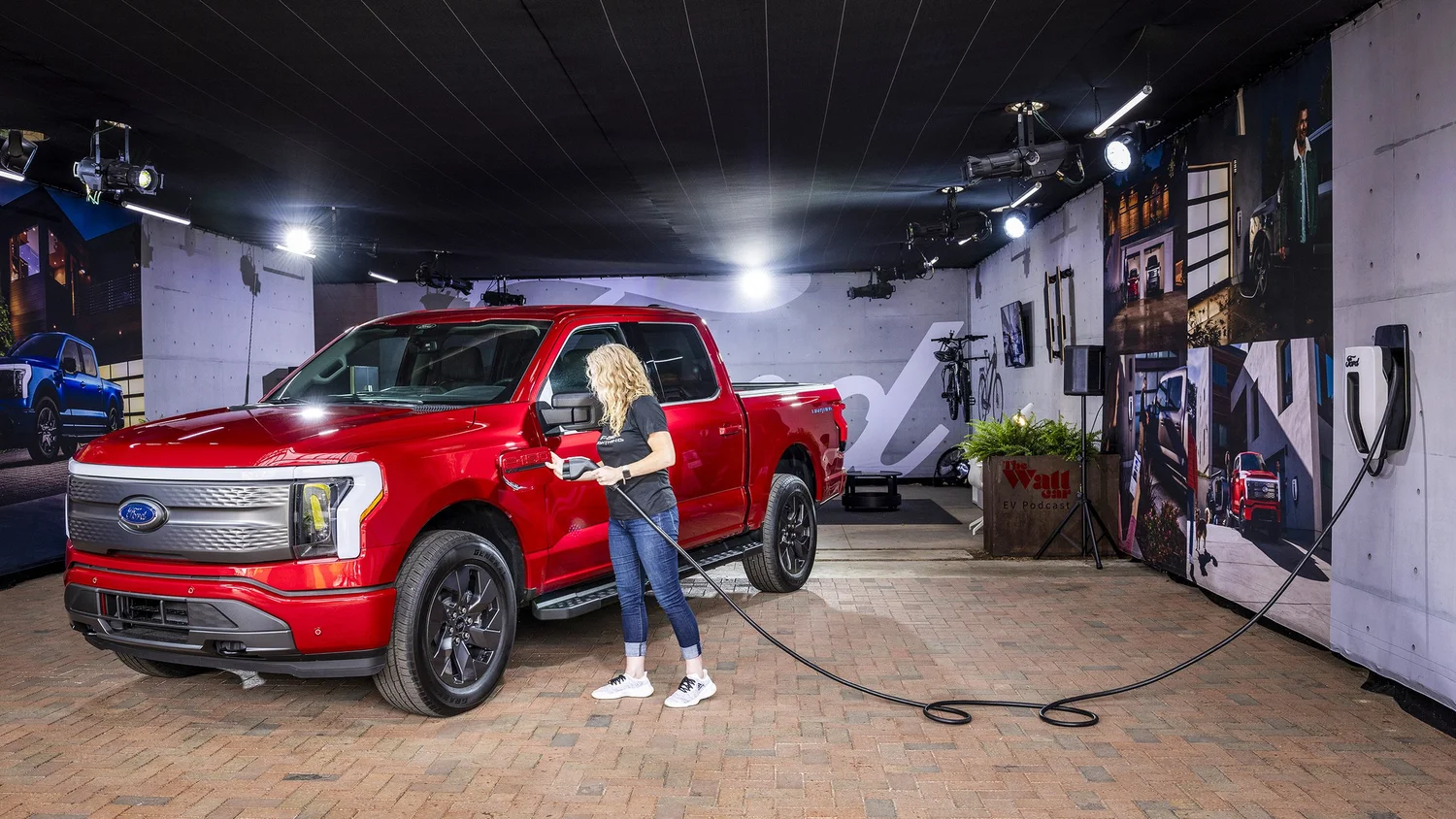
A deep dive into the current state of the EV market reveals a troubling trend: major automakers are scaling back their EV development efforts in the U.S. The hosts discuss the implications of this retreat, including the potential for a shift in consumer preferences and the impact of political changes. They explore the historical context of EV adoption, the challenges faced by legacy manufacturers, and the future of the automotive landscape as it relates to national security and energy independence. The conversation is both insightful and meandering, reflecting the complexities of the automotive industry today.
With the U.S. government and several automotive manufacturers stepping back from EVs, is this the beginning of the end for electrification? Then, if EVs are still the future, are the car makers that are swapping to more ICE, PHEV, and hybrid technology setting themselves up for short-term success but long-term failure? Is there also a national security angle to all of this? We do a deep dive on this week’s podcast.
"...that roughly coincided with the introduction of the Model 3. There had been EVs before that..."
The Tesla Model 3 is an electric car that is smaller and less expensive than other Tesla cars. It became very popular and helped more people start using electric vehicles.
The Tesla Model 3 is a compact electric sedan that has played a significant role in popularizing electric vehicles (EVs) since its launch in 2017. It is known for its affordability compared to other Tesla models and its impressive range and performance.
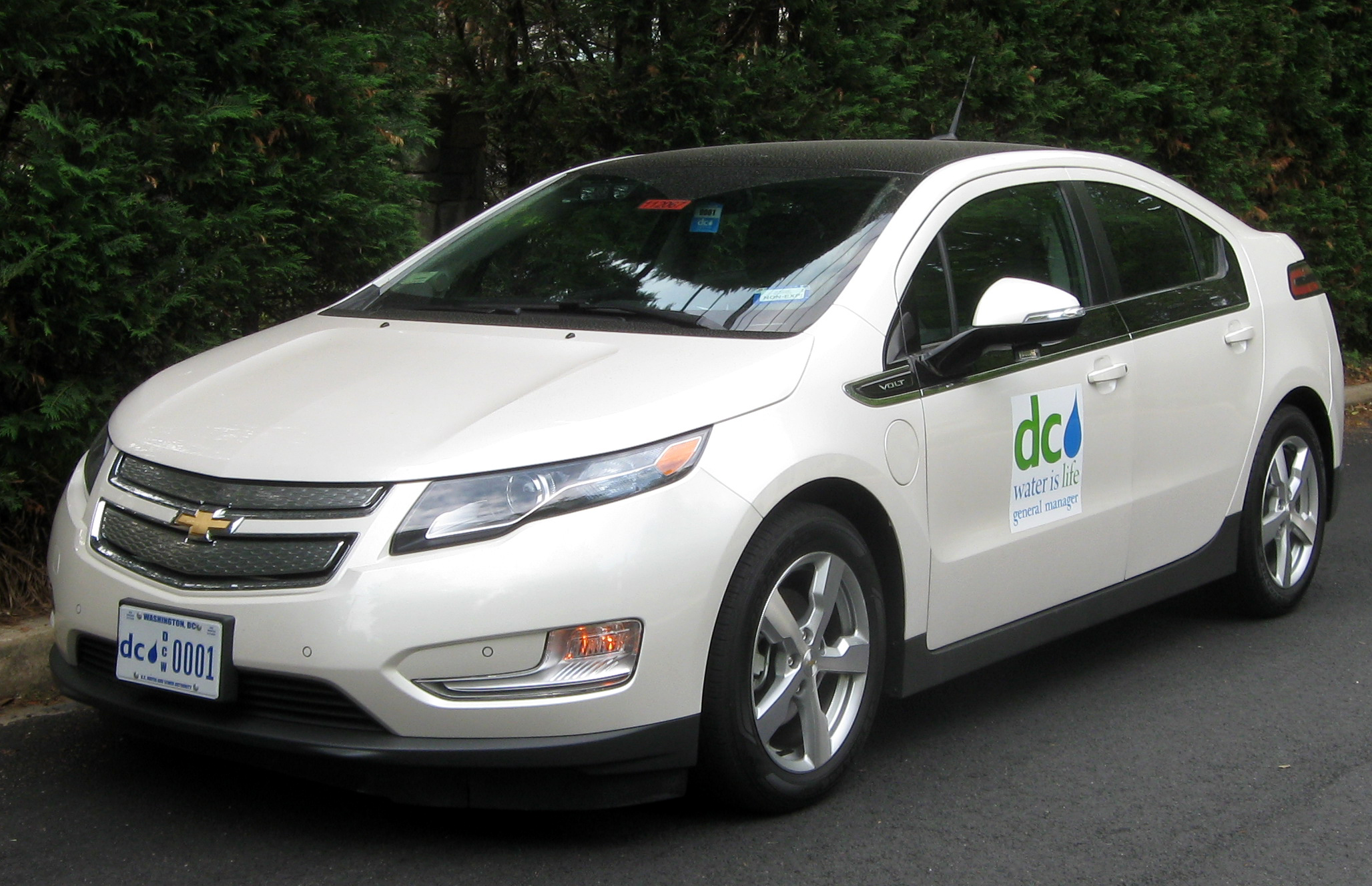
The Chevrolet Volt is a car that can run on electricity and gasoline. This means you can drive it using electric power for short trips and switch to gasoline for longer drives.
The Chevrolet Volt is a plug-in hybrid electric vehicle that was produced from 2010 to 2019. It features both an electric motor and a gasoline engine, allowing for extended range compared to pure electric vehicles.
"...the Model S, the Leaf, you know, if you want to expand it beyond just pure battery electrics..."
The Nissan Leaf is an electric car that is designed for everyday use. It has been very popular because it's affordable and easy to drive.
The Nissan Leaf is a compact electric car that has been one of the best-selling electric vehicles worldwide since its introduction in 2010. It is known for its practicality and affordability, making it a popular choice for everyday drivers.
"...the Model S, the Leaf, you know, if you want to expand it beyond just pure battery electrics..."
The Tesla Model S is a high-end electric car that was one of the first to show that electric vehicles can be fast and luxurious. It has a long driving range and many tech features.
The Tesla Model S is a luxury all-electric sedan that was first introduced in 2012. It is known for its high performance, long range, and advanced technology features, setting a benchmark for electric vehicles in the luxury segment.
"it was very quickly the number one luxury brand in like California that it was outselling BMW and Mercedes."
BMW is a well-known car brand from Germany that makes luxury cars. They are famous for their sporty designs and high-quality features.
BMW is a German luxury vehicle manufacturer known for its performance-oriented cars and motorcycles. The brand is often associated with a sporty driving experience and premium features.
"it was very quickly the number one luxury brand in like California that it was outselling BMW and Mercedes."
Mercedes is another famous car brand from Germany that makes luxury vehicles. They are known for their comfort, style, and advanced technology.
Mercedes-Benz is a German automotive brand known for luxury vehicles, buses, and trucks. The brand is recognized for its high-quality engineering and innovative technology in the automotive industry.
"And then the Model Y comes out and it starts like in 2020, 2021, something like that. It was eating like everything else."
The Tesla Model Y is a type of electric vehicle that looks like an SUV. It was first made available in 2020 and is known for its high-tech features and spacious design.
The Tesla Model Y is a compact electric SUV that was introduced in 2020. It is built on the same platform as the Model 3 sedan and offers a spacious interior with advanced technology features.
"...eventually the writings on the wall, you're going to have to go EV just to even make the requirements for those emissions."
An electric vehicle (EV) is a car that runs on electricity instead of gasoline. This means it doesn't produce any pollution from a tailpipe, making it better for the environment.
An electric vehicle (EV) is powered entirely by electricity, using batteries instead of gasoline or diesel. EVs produce zero tailpipe emissions, making them an environmentally friendly alternative to traditional vehicles.
"...you needed to go hybrid. So you might as well eventually the writings on the wall, you're going to have to go EV just to even make the requirements for those emissions."
A hybrid vehicle is a car that uses both a regular gas engine and an electric motor. This helps it save fuel and produce less pollution than regular cars.
A hybrid vehicle uses two or more types of power, typically combining an internal combustion engine with an electric motor. This setup allows for better fuel efficiency and lower emissions compared to traditional vehicles.
"...especially the more kind of conservative ones like, you know, Toyota, for instance, is very, very methodical, careful, you know, iterate test, you know, retest..."
Toyota is a car company from Japan that makes many popular and reliable cars. They are known for being careful and thorough in how they build their vehicles.
Toyota is a major Japanese automaker known for its reliable vehicles and innovative manufacturing processes, such as the Toyota Production System.
"...there's also something called the sunk cost fallacy. So where it's, it's kind of, you know, in your own mind, you're like, oh, we've already invested so much money in this..."
The sunk cost fallacy happens when people keep spending money or time on something because they've already spent a lot, even if it's not a good idea anymore.
The sunk cost fallacy is a cognitive bias where individuals continue investing in a decision based on what they've already invested, rather than on future potential or benefits.
"...taking the profits from ICE and funneling some of that toward EV development."
EV development is about creating electric cars, which use batteries instead of gasoline. This process is different from making regular cars that run on fuel.
EV development refers to the process of designing, engineering, and producing electric vehicles, which involves different technologies and manufacturing methods compared to traditional vehicles.
"And I guess I find that kind of funny, because in some cases, they're, they're objectively going to be not as good as the EV models. But I think with some customers, they don't, they don't care that they like they're still after that kind of that visceral kind of experience..."
EV means electric vehicle. These cars run on electricity instead of gasoline, making them better for the environment.
EV stands for electric vehicle, which refers to cars powered entirely or partially by electricity instead of traditional gasoline or diesel engines. They are often seen as more environmentally friendly alternatives to conventional vehicles.
"In the neighborhood I'm in, there's a lot of car leases because there's a lot of new cars every three years around here."
Car leasing means renting a car for a few years instead of buying it. You pay monthly fees and can return the car when the lease ends.
Car leasing is a method of obtaining a vehicle where the customer pays a monthly fee to use the car for a specified period, typically two to three years. At the end of the lease, the customer can return the car or purchase it for a predetermined price.
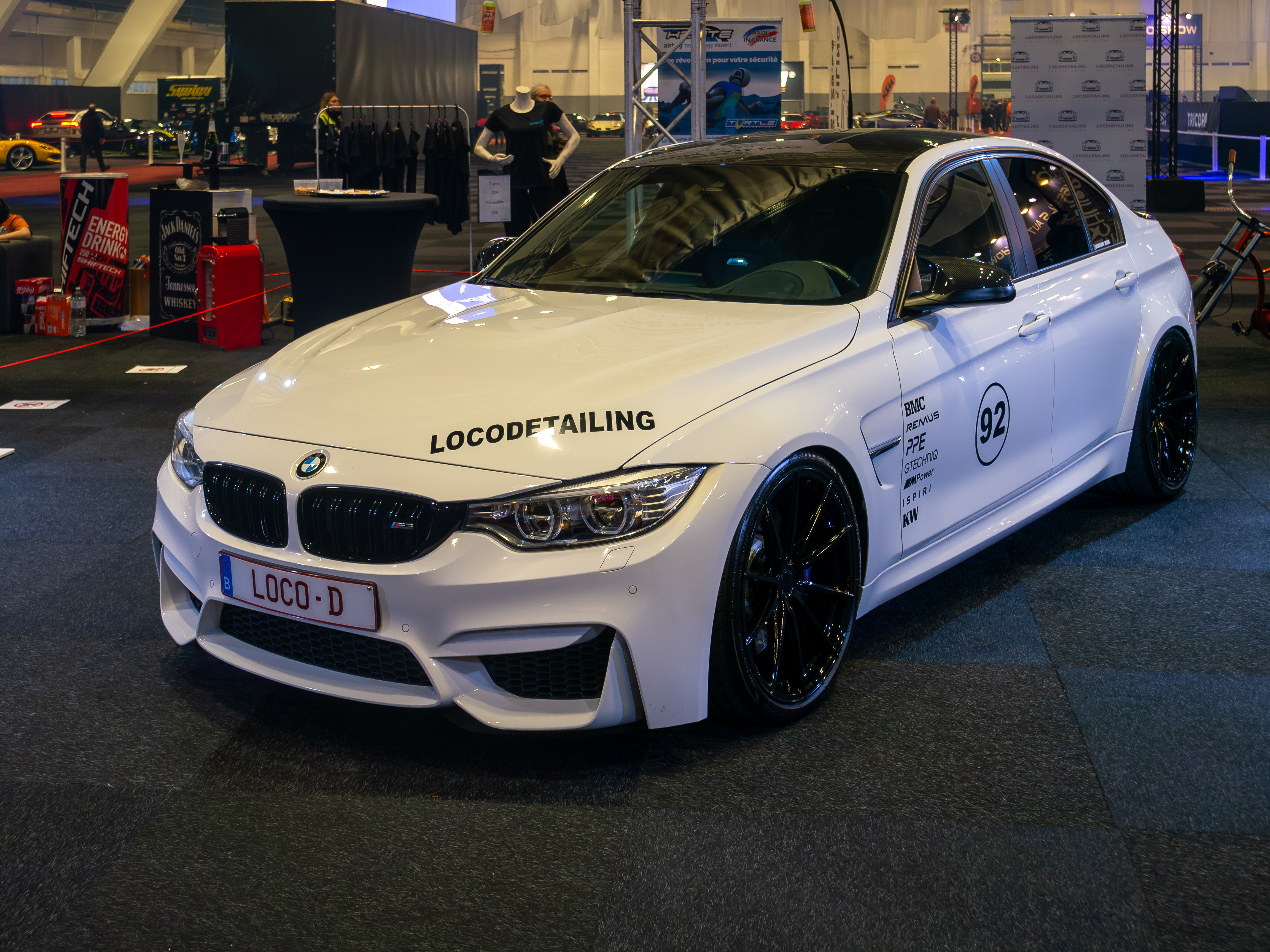
"...M3s, Porsche 911s, things along those lines that are more of an enthusiast vehicle."
The BMW M3 is a sportier version of the regular BMW 3 Series. It's designed for better performance and is popular among people who love fast cars.
The BMW M3 is a high-performance version of the BMW 3 Series, known for its sporty handling and powerful engines. It has a strong following among car enthusiasts and is often used in motorsports.
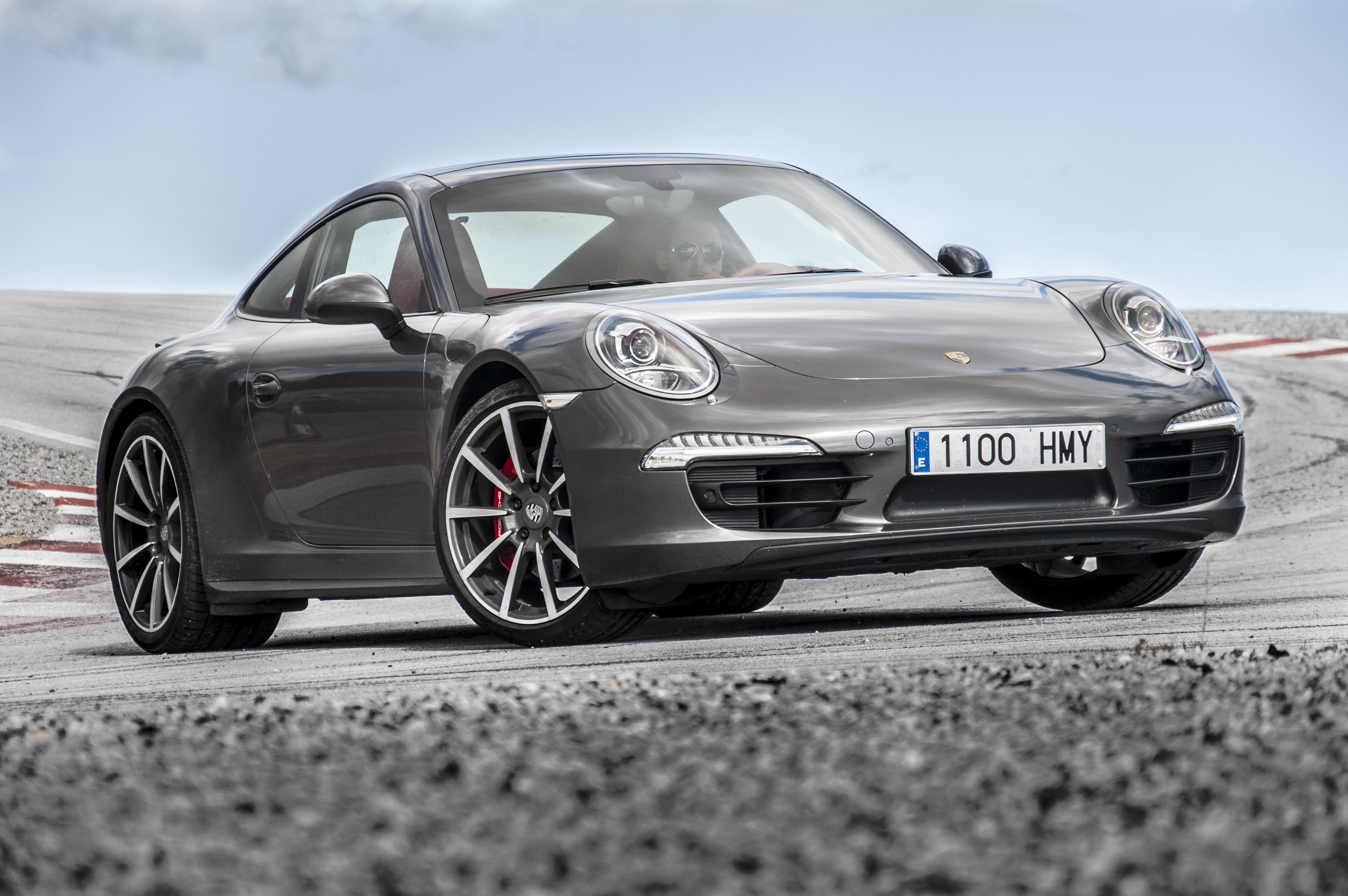
"...M3s, Porsche 911s, things along those lines that are more of an enthusiast vehicle."
The Porsche 911 is a famous sports car known for being fast and fun to drive. It's been around for a long time and is loved by many car fans.
The Porsche 911 is a high-performance sports car that has been in production since the early 1960s. It's known for its distinctive design, rear-engine layout, and exceptional handling, making it a favorite among car enthusiasts.
"...more than one lap in the Nurburgring as we discussed. A full 20 or 30 minute track session without a dramatic fall off in performance during that."
The Nürburgring is a well-known racetrack in Germany where many cars are tested for performance. It's famous for being very difficult and is popular among car lovers.
The Nürburgring is a famous racetrack in Germany known for its challenging layout and is often used for testing performance cars. It's considered one of the most demanding tracks in the world, attracting both manufacturers and enthusiasts.
"Because right now not a lot of tracks have level three charging capabilities at them that track near me. They just they've just installed their supercharger."
Level three charging is a type of fast charging for electric cars that allows you to charge your vehicle much quicker than regular home chargers. It's useful for long trips where you need to recharge quickly.
Level three charging refers to fast charging stations that can significantly reduce the time it takes to charge an electric vehicle compared to standard home chargers. These stations are often found along highways and at select locations to facilitate long-distance travel for electric vehicle owners.
"They just they've just installed their supercharger. They've now got to test the supercharger."
A supercharger is a fast charging station for electric cars, especially Teslas. It helps you charge your car quickly so you can get back on the road faster.
A supercharger is a high-speed charging station specifically designed for electric vehicles, particularly Tesla models. It allows for rapid charging, enabling drivers to recharge their vehicles in a short amount of time, making long-distance travel more feasible.
"...they plug in there essentially level two charge kind of to get back what they lost. Well, they would get back what they lost on the drive back from the charger."
Level two charging is a way to charge electric cars faster than regular home charging. It uses a special outlet that provides more power, so you can get back on the road sooner.
Level two charging refers to a type of electric vehicle charging that uses a 240-volt outlet, allowing for faster charging compared to standard household outlets. This is commonly used at public charging stations and in home installations for quicker recharging of electric vehicles.
"...et back what they lost on the drive back from the charger. And that would get them through their session."
The Dodge Charger is a big car that looks sporty and can go really fast. It's been around for a long time and is loved by many people for its powerful engine and cool design.
The Dodge Charger is a full-size sedan known for its powerful performance and muscular design. It has a rich history dating back to the 1960s and has evolved into a modern car that combines practicality with high-performance capabilities, making it a popular choice among car enthusiasts.
"I feel is Stellantis because, you know, they all complained under Tavares were, you know, he canceled the Hemi..."
Stellantis is a big car company that makes many different brands of cars, like Chrysler and Jeep. It was created when two companies combined.
Stellantis is a multinational automotive manufacturing corporation formed from the merger of Fiat Chrysler Automobiles and PSA Group. It encompasses a variety of well-known automotive brands, including Chrysler, Dodge, Jeep, and Peugeot.
"...he canceled the Hemi and, you know, this really hard pushing to EVs..."
Hemi is a special type of engine design that helps cars run better and faster. It's often found in some powerful cars made by Chrysler and Dodge.
Hemi refers to a type of engine design that features hemispherical combustion chambers, which allows for more efficient airflow and increased power. It is commonly associated with Chrysler and Dodge performance vehicles.
"...this really hard pushing to EVs, which their core market..."
EVs stand for electric vehicles, which are cars that run on electricity instead of gas. They are better for the environment and can save money on fuel.
EVs, or electric vehicles, are cars that are powered entirely by electricity rather than traditional gasoline or diesel engines. They are becoming increasingly popular due to their environmental benefits and lower operating costs.
"...and so then they do the switcheroo with the charger EV and everyone's like WTF..."
Switcheroo means a surprising change. Here, it refers to how a car company changed from making regular cars to electric cars, catching people off guard.
The term 'switcheroo' refers to a sudden or unexpected change in a product or service, often leaving consumers surprised or confused. In this context, it describes the transition from traditional vehicles to electric vehicles.
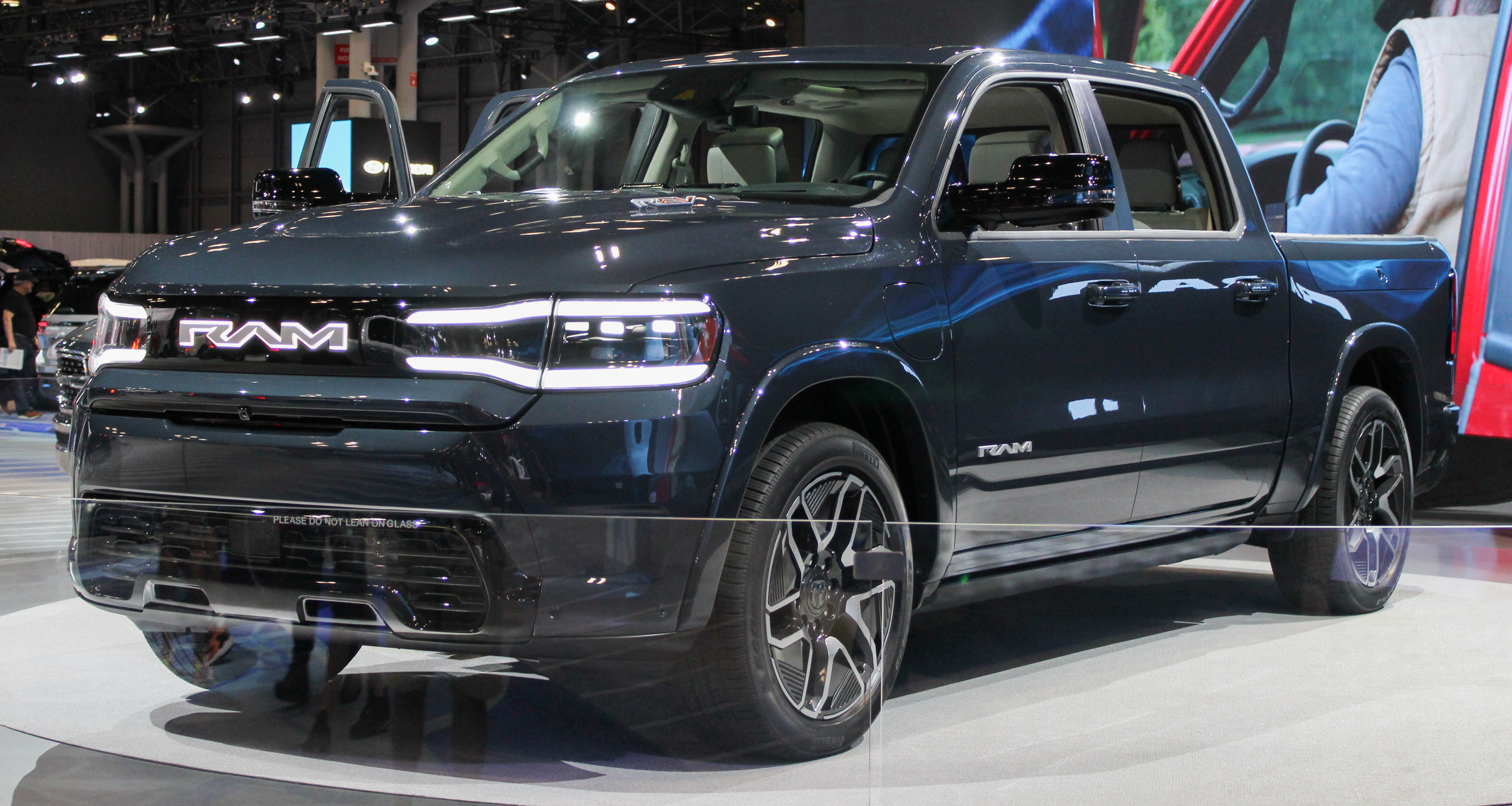
"...they brought back the Hemi and the Ram 1500, which was, that was a Tavares policy that was reversed..."
The Ram 1500 is a large truck that people use for work and towing. It's known for being powerful and comfortable to drive.
The Ram 1500 is a full-size pickup truck known for its strong performance and comfortable ride. It has been a popular choice among truck enthusiasts and is often praised for its towing capacity and interior quality.
"So basically all the half tons, they completely got rid of the V8 and the half tons. So they brought that back."
A V8 is a type of engine that has eight cylinders arranged in a V shape. It's known for being powerful and is often found in trucks and sports cars.
A V8 engine is an eight-cylinder engine where the cylinders are arranged in a V configuration. This layout is known for providing a good balance of power and smooth operation, making it popular in many performance and luxury vehicles.
"So basically all the half tons, they completely got rid of the V8 and the half tons. So they brought that back."
Half tons are a type of pickup truck that can carry a lot of weight, usually around 1,000 pounds. They're often used for everyday tasks and are popular among truck buyers.
Half tons refer to a classification of pickup trucks that are designed to carry a maximum payload of approximately 1,000 pounds. This term is commonly used in North America to describe light-duty trucks, such as the Ford F-150 or Chevrolet Silverado 1500.
"...when the Hellcats and all that stuff was coming out. Like that was the Mustang."
The Dodge Challenger Hellcat is a super powerful car that has a really strong engine, making it one of the fastest muscle cars available. It's known for its impressive speed and performance.
The Dodge Challenger Hellcat is a high-performance variant of the Challenger, known for its powerful supercharged V8 engine that produces over 700 horsepower. It represents the peak of American muscle car performance.
"... all that stuff was coming out. Like that was the Mustang. Like we had a golden era again of the V8 super h..."
The Ford Mustang is a classic American car that's famous for being fast and stylish. It's been around for many years and is often seen as a fun car to drive, especially for those who love speed.
The Ford Mustang is an iconic American muscle car that has been in production since 1964. Known for its distinctive styling and powerful engine options, the Mustang represents freedom and performance, making it a symbol of American automotive culture.
"...but now they're, they're kind of, they went to the EV thing and now they seem to all be largely dialing it back."
An EV, or electric vehicle, is a car that uses electricity to run instead of gas. They are better for the environment and are becoming more common.
EV stands for electric vehicle, which is a type of car that runs on electricity instead of gasoline or diesel. EVs are known for being more environmentally friendly and are becoming increasingly popular as technology improves.
"...and dealers are, you know, $20,000 discount on them because they're just not moving..."
A discount is when something costs less than usual. Dealers might lower the price of cars to sell them faster if they aren't selling well.
A discount refers to a reduction in the price of a product, in this case, vehicles. Dealers may offer discounts to encourage sales, especially if cars are not selling well.
"...the news that they're targeting 2028 for an eyes-off autonomous system. So basically like Super Cruise Plus, I guess, effectively."
An autonomous system is a technology that lets cars drive themselves without needing a person to control them. It uses sensors and software to navigate and make decisions on the road.
An autonomous system in the automotive context refers to technology that allows a vehicle to operate without human intervention. This includes features like self-driving capabilities and advanced driver-assistance systems (ADAS).
Select text to request an explanation
This is the What Car, EV Podcast for Thursday, October 30th, 2025.
Episode 246.
Could this be national security?
Slightly different episode this week.
Yes, kind of non-newsy.
I mean, kind of current events-ish, but...
Well, yeah, so it's more of an overview of the market and trends as of late.
We keep sort of dancing around this topic of auto manufacturers stopping their EV development,
at least in the US or for the US market.
We're stealing it way back.
Yeah, and that has brought about a number of conversations of, I mean, obviously, EVs
are dead.
So we kind of want to dive into that a little bit.
Not EVs are dead, but that whole, for lack of a better word, retreat from EVs for the
US market.
Why and what are the effects of that?
Why and whether or not that's a good idea.
Yeah.
Well, I am Phil Royal.
I will be one of the people along with you on this journey down this rabbit hole that we
keep kind of inching, like we tease it a little bit, but then we never actually fully dive
in and jam ourselves down into, violently jam ourselves into the rabbit hole, 30 to 40
minutes, which is what we're going to do today.
I, back to me, because it's all about me.
I direct people to youtube.com slash at the walk car where you can see our smiling faces
and my less than bright face, I guess we've been trying to, I've been trying to work on
my lighting.
You need to get a trendy ring light feel like I do, but to be a real influencer.
The reason I haven't is because I'm cheap as listeners to this podcast.
Well, no.
So I try to do it with other lights and it just isn't working.
Maybe I'm going to end up with a ring light.
I don't know.
Whatever.
Aren't I supposed to say what my credentials are?
I'm not sure to.
Okay.
I'm just going to pass it back to you at Sanchez ring light aficionado, evidently,
podcaster for four plus years involved in various ventures else wise for the last quarter
century.
I went there and I don't know.
I don't know what's ahead uncertain times.
Wow.
Wow.
Went dark.
Went as dark as my video feed.
You've actually been doing podcasts.
It's interesting.
You've been doing podcasts longer than what you say, I think, because this whole thing
started with you were a guest on another podcast.
You were like a repeat guest as like an industry analyst expert and you were a guest on there
and I think we came away with that because we were already doing the one car.com with
more written content and I think we came away from that with why aren't you just
doing this for us?
You can still go on and do these other guest bits.
That's fine.
We're not going to.
I don't want to stop that, but there's so much useless knowledge in the warehouse of
your brain.
I have a lot of that.
I like to banter so sounds like a podcast.
That's the introduction basically to our decades long friendship.
Yes.
All right.
What do we want to talk about this week?
I already said what we want to talk about.
We want to talk about EV industry implosion is not really yes, but is it well depends
on who you listen to.
Yeah, here's I'll tell you and this kind of coincided with Trump's second term, but you
know, what's the saying correlation is not always causation.
Yes.
So while they I do think they are somewhat related, I don't think it's a one to one.
So kind of going back a few years, I think that the tipping point where there was kind
of this mad rush into EVs was, I would say probably around 2018, 2019 that roughly coincided
with the introduction of the Model 3.
There had been EVs before that.
I mean, obviously the Model S, the leaf, you know, if you want to expand it beyond
just pure battery electrics, the first gen Chevy Volt, so forth.
But up until that point, I think they were considered mostly considered novelties.
They were glorified golf carts for lack of a better word.
And some of them even were golf carts.
Some people in my neighborhood have them.
The gems that was I don't even know if that brand still around, but they were basically
like golf carts with the horns headlights and anyway,
Yeah, rolling death traps that you can still buy like I'm Craigslist is just there.
So I think I think the Model S started to change the conversation a little bit because
I think that was the most serious effort up to that point to build a really compelling
EV, full featured, not weird looking, good performance, kind of state of the art technology.
A range of more than a hundred miles.
Yeah, that really kind of got people's attention like, wow, you know, this could really be something.
So I think that probably started a lot of conversations and a lot of boardrooms around the world.
And I think a lot of companies got caught up in the Tesla hype.
And they, I think there was a belief at that time that and I think stretching out the timeline,
you could still make this case that it's inevitable that the transportation sector is going to
largely electrify.
But I think what's happened is there's been a readjustment of expectations in terms of the timeline.
That's kind of the big picture narrative, I think.
And I think to like, like any new technology, the first generation is going to be awkward.
It's going to be compromised.
It's it's going to be a little kluji sometimes.
And so a lot of companies tried doing things and made efforts, but they weren't weren't particularly compelling in a lot of cases.
And they were kind of expensive.
They didn't they didn't really offer real compelling reason to buy them over an ice equivalent.
And people were like, well, you know, not to sound like Trump doesn't go very far.
But, you know, the short range kind of expensive, just they're like, nah, I'll pass.
So, you know, for a while, it looked it seemed like Tesla was going to be this kind of unstoppable juggernaut that was just going to completely dominate the industry.
I think that narrative is kind of decreased a little bit.
Now, I will put things in perspective, though, because a lot of people say, oh, you know, Tesla's Tesla's toast, you know, Elon just totally sabotaged everything.
Blah, blah, blah.
Keep in mind, in the US, Tesla still I think has around 40% market share of the EV market still, which which is significant.
I mean, earlier on, I think it was like 60 or 70%.
It was, you know, they just had a huge, you know, commanding share.
And but I mean, to be to be honest, it's if you go back and listen to Musk, he kind of said as much.
He said, there will be more competitors.
Our relative market share is going to shrink.
So, I don't know.
Yeah, that was inevitable.
As the industry grew, the pie got bigger.
Your slice percentage wise may be smaller, but your numbers and profit could still be higher.
Yeah.
And I mean, even though they have, you know, over the past couple of quarters, they have lost, you know, an absolute sense of lost sales.
Even if they would have continued growing, their share would have still shrunk.
So anyway, that's, I don't want to get too far off on that.
But I think what happened kind of fast forward to today, it Trump came in kind of took a wrecking ball to a lot of the, you know, policies of the Biden administration,
among which were like pro EV policies, the tax credit.
They tried to stop the Navy, a lot of the Navy funding for charging infrastructure, which as we covered, they, they kind of missed the boat on trying to stop that.
And so they had to release the fund.
So I guess at least that part of it is still back on with a few changes.
But after that, and not, not just in the U.S.
I mean, I mean, a lot of, especially in Europe, there's been a real change of tune.
Because a few years ago, it was like, oh, yeah, we're going to be all EV by 2030.
You know, I think I remember, you know, I mean, certainly Volvo, I think was kind of at the vanguard of that, saying they were going to do that.
But I think it was pretty much across the board in your, it was like 2030 or 2035.
Yeah.
Yeah.
And they said, we're going to be fully EV by this state.
Yeah.
And now they're kind of like, well, maybe a lot of that to go back to what you're talking about with.
They looked at Tesla.
You had, when was the first year of the Model 3?
Was that 2018?
Something like that.
It came in.
Yeah, basically, yeah.
It came in and it started overtaking like, it was very quickly, they called it luxury.
And I've always argued that, but it was very quickly the number one luxury brand in like California that it was outselling BMW and Mercedes.
And it was like, I don't know exactly if I believe that it's luxury.
But okay, sure.
You know, it's.
Well, I mean, premium.
Yes.
So it kind of ate into that market.
And then the Model Y comes out and it starts like in 2020, 2021, something like that.
It was eating like everything else.
And the manufacturers saw this and went, oh my goodness, like the, this is the new market.
And they, as I discussed, I think it was last week, they chased the shiny new thing and they just jumped in wholeheartedly.
And at the same time, you had this like multiple things all happening at once of the emission standards were increasing to the point where you needed to go hybrid.
So you might as well eventually the writings on the wall, you're going to have to go EV just to even make the requirements for those emissions.
And everybody kind of jumped in at the same time.
Governments and with manufacturers of, well, let's, let's chase this and Tesla is proof that they can do it.
But I don't know if it was a solid business model to follow necessarily, whether it was scalable to whether Tesla's model was scalable to the entire industry and still supporting everything in a very quick change over that would be less than 10 years.
Yeah. Well, a couple of things is Tesla has had a few near death experiences.
They're constantly having near death experiences.
They only know two speeds, one of them is death and then the other ones billions of dollars in profit.
Yeah. So, you know, the very famously in publicized production hell, which was kind of the lead up to the Model 3 and, you know, even must said there was a time where I wasn't sure if we were going to make it.
They made it over that hump.
But that's part of it.
Yeah.
That's part of what wasn't even scalable and that nobody was really looking at Elon was sleeping on the assembly line.
He had tents outside in the in the parking lot trying to assemble vehicles like this is not what Volkswagen or BMW or Honda should be doing.
And this was the model they were following.
Yeah.
I mean, I guess my commentary on that is, you know, Tesla was basically founded in Silicon Valley.
It's now headquartered in Texas, but they still have a pretty substantial presence in California.
But Silicon Valley in general kind of has this fail fast mindset is just try, try different stuff, move fast, break things, you know, figure out what works.
You know, just kind of kind of build the plane, you know, mid-flight and that's kind of how Tesla approached a lot of things.
Didn't always get it right.
They've they've had some, you know, pretty, yeah, widely publicized snafus.
But anyway, that is very different than the legacy automakers.
And especially the more kind of conservative ones like, you know, Toyota, for instance, is very, very methodical, careful, you know, iterate test, you know, retest, you know, just take a very cautious approach to everything.
And that approach slows down the development timeline.
And also to there's also something called the sunk cost fallacy.
So where it's, it's kind of, you know, in your own mind, you're like, oh, we've already invested so much money in this, we need to stick with this rather than try something new.
So I think those factors are still in play now.
Because even though EV profitability has improved some, they're still more expensive to produce and generally have smaller margins than ICE vehicles.
And so that's especially in these companies kind of in transition where they kind of have a foot in both worlds.
They're trying to kind of balance that basically taking the profits from ICE and funneling some of that toward EV development.
But the narrative I'm hearing now is, is the positioning of ICE as like luxury or like, like the premium, premium model.
And I guess I find that kind of funny, because in some cases, they're, they're objectively going to be not as good as the EV models.
But I think with some customers, they don't, they don't care that they like they're still after that kind of that visceral kind of experience, you know, the sounds and even the smells.
I mean, some people, you know, like the smell of, of, you know, you know, burning gasoline and whatnot.
But I don't know. I mean, what are you, what?
I don't know. You have, you have a seem to have an ordinate number of wealthy friends for some reason.
It's the neighborhood I live in. It's the neighborhood.
I was accidentally here. They somehow let me in.
But you know, I mean, people that, that have bought, you know, relatively exclusive or expensive cars that could, could afford an EV and have chosen, chosen not to for one reason or another.
If they've, if they've said anything or you've kind of observed anything in terms of
In the neighborhood I'm in, there's a lot of car leases because there's a lot of new cars every three years around here.
Which is fascinating because I drive like my newest car is a 2011.
My second newest car is a 2004. So I definitely do not fit in with this crowd.
But I could see gas being a premium model.
And I think eventually it ends up that way.
Maybe not necessarily due to manufacturing costs, but due to the price of gasoline.
I could see a time where when I travel around the country, people, they're used to paying like 250 a gallon or $3 a gallon.
Sometimes California.
Yeah, sometimes it'll go like 310 or something and I'll be riding with a local person and they're like, ah, you know, price of gas crazy.
And I'm like, you know, I'm paying about 460 a gallon right now and I'm happy.
Like it's been worse.
I've been paying I've paid there have been times where I have paid upwards of $7 a gallon during the like the gas crunches and everything that they have.
So I could see a time where it's a premium where ice is premium based on the price of what it takes to power the vehicle not based on manufacturing costs or anything to do with that.
And I think if that's the case, you end up with things like Ferrari Lamborghini and then fitting into that niche and maybe, you know, M3s, Porsche 911s, things along those lines that are more of an enthusiast vehicle.
And kind of building in with that was something we talked about, I think, last week was weight becomes an issue.
If you want a real performance car, there's party trick cars like the Plaid.
Don't shoot me, but it's a party trick.
If you want a performance vehicle that will do more than a quarter mile run, you've got to get a nice vehicle or more than one lap in the Nurburgring as we discussed.
A full 20 or 30 minute track session without a dramatic fall off in performance during that.
And then without the panic of having to, how do you recharge it?
Because right now not a lot of tracks have level three charging capabilities at them that track near me.
They just they've just installed their supercharger.
They've now got to test the supercharger.
But before that, all the Tesla owners that were coming into in track days.
Well, they had to drive 20.
It was like 20 minutes.
They would leave.
They would drive south on the freeway.
They would go and charge up.
They get a cup of coffee.
They would get back in their car.
They come back.
They'd then plug in.
They'd rent a RV spot.
They plug in there essentially level two charge kind of to get back what they lost.
Well, they would get back what they lost on the drive back from the charger.
And that would get them through their session.
And then as soon as the session ends back in the car, drive down.
I mean, heaven forbid something should happen to the vehicle and that you need to rotate tires or change brakes or check out suspension components that, you know, you hit a curb or whatever it is.
So I could see that it's very much like the horse market.
The horse market didn't go away when cars came here.
They just it just went high end.
Yeah, it just went effectively kind of a luxury item now.
Yeah.
But I think back to automakers and now there was this, they all chased the shiny thing.
They all went to EV.
The governments were all like, OK, well, let's get emissions down to nothing and let's mandate EVs.
And now we've had the new administration come in.
And like you said, I think I think you're right.
I think this is a common.
This would have been happening anyway.
You would have had GM and Ford backing away a little bit from EVs anyway before Trump.
There was some there's some lobbying to kind of make make the requirements a little less generous.
Yeah, both in the US and in Europe specifically.
It's expensive to make an EV.
Yeah.
And they were shareholders to please.
Yeah.
And you want to make the ice vehicles.
You want to ride that into the grave.
You just don't want to be in the grave with no other products themselves.
So I think the one company that I think best exemplifies this trend.
And I think potentially could be the most vulnerable.
I feel is Stellantis because, you know, they all complained under Tavares were, you know,
he canceled the Hemi and, you know, this really hard pushing to EVs, which their core market,
like we talked about for, I'd say probably the last decade, they've really dodged specifically
has really cultivated this bad boy image higher smoking and, you know, Hemi and you know.
Yeah.
Loud.
Loud engine.
And they really kind of kind of really, this is going to sound bad, but they really
conditioned their core market to really want that and create that experience and expect that.
And so then they do the switcheroo with the charger EV and everyone's like WTF, you know,
like what is this?
You know, this is nothing.
This is isn't what we asked for.
Yeah.
Basically.
And then now, you know, now with, you know, Filosa and Tim Koniscus and all that,
they came back and said, Tavares policies are out.
We're not doing that anymore.
They brought back the Hemi and the Ram 1500, which was, that was a Tavares policy that
was reversed because he was really pushing, you know, the hurricane in Turbo straight six
is like, this is going to replace the Hemi.
So basically all the half tons, they completely got rid of the V8 and the half tons.
So they brought that back.
Sounds like they're trying to get the Hemi back in the, the charger.
That's still rumor.
That's not, that's not factual, but it sounds like within the next few years they're going
to, you know, go, you know, full throttle on bringing back the Hemi.
Everything old is new again.
Yeah.
So, but they, I feel that's a pretty short runway.
I feel three max five years that they can ride that train.
And after that, I do think it's, it will be dependent on who's in the White House to
an extent.
If it's Vance or whoever, I think it'll largely be a continuation of the current
policies in terms of, you know, emissions, cafe, all that.
If, if it's a more progressive administration, I think you will see a rapid snapback to the
Biden era policies and possibly even, even more stringent than that.
Going forward, you know, targeting like 2035, you know, as kind of basically like what
what California was proposing, but nationally.
And I think companies like still anus that really went, you know, heavy all in into ice
that they, they could find themselves in a potentially kind of vulnerable position.
I mean, I do know they're still doing some some EV R&D specific more, more so in Europe
and they're working on my battery and motor technology and so forth.
But for the US market, which is their biggest market, they're like, you know,
so that's kind of my question is now you've got, I mean, the rest of the
the world, I think they're going to dial it.
Well, maybe not China.
I don't know.
But like Europe, they're probably going to be dialing it back a little bit.
I think they are already because that it's a natural correction.
They, it was a knee jerk reaction to go.
It was like, oh, Tesla, you know, and we got to do this too.
Yeah.
And they jumped at the shiny thing.
They're going back to the shiny thing.
They jumped at that and they really shouldn't have jumped as high as they did.
It should have been a slower ramp up.
And so I think that maybe they're correcting to something that's more acceptable.
I don't know Europe quite as well.
It seems like America is just dialing it back.
Like it's like 2018 again.
You know, it's, you know, let it, let it rain gasoline and, and, you know,
good times roll, which I got to say it was pretty good during the time of,
you know, when the Hellcats and all that stuff was coming out.
Like that was the Mustang.
Like we had a golden era again of the V8 super high horsepower.
Just it was beautiful.
If your car enthusiast, it was fantastic.
But now they're, they're kind of, they went to the EV thing and now they seem
to all be largely dialing it back.
Now that's based on what they're going to be promoting and what they're going
to be selling, but do you think that they're going to keep with the EV
development with the battery manufacturing plants with all of this that's
required because back to what I just said, China is not going to be dialing this back.
China is going to be ramping this up.
They've got pollution issues and they can just brute force this.
The country can just subsidize everything and pay for everything.
And they can be in a position where when America says,
okay, in say, say it's the next administration, they come in and they
hopefully don't do what you just said of like make it back to Biden policies.
Hopefully it's a ramp.
Hopefully they go, okay, let's do this reasonable.
We need quick digression.
We need, we need politicians that are going to make middle of the road
decisions and we need that for a long time.
Rational policies not just knee jerk.
We need people that are going to work with the other side and meet in the middle
because I hate to tell people this, but we're all kind of the majority of us are
in the middle.
We are all wanting the same thing by and large.
We don't want extreme things, but we're seeing the extreme things where
experiences of the politicians are getting in on the extreme things
and it's leading to bad stuff.
So back to my question, China is going to keep developing its EVs.
The American market is going to go all gasoline all the time, apparently,
through EREVs and PHEVs because we've still got to meet emission standards
even though they're dialing it back.
It's not like the dialing back to 1950.
So it's still, you've still got this progression and they're always going to,
manufacturers are always going to be looking for efficiencies because
efficiency and submanufacturing is going to make efficiencies in production
and yada, yada, yada.
But when the next administration comes in, whether it's the next one
or the one after whatever it is, eventually we're going to end up with
Democrats backing power.
Yes.
That will happen eventually.
Sooner or later, yeah.
Do you think all these manufacturers, the American manufacturers at the very least,
are continuing the development to a point that makes a difference
when all of this gets reversed?
Or is China, is this just, are we now being isolationists with our manufacturing
and everything in America first, American first, except for Argentinian beef?
America first.
To the point that it's to our detriment, it's going to create another little
golden era now, but it will be to our global detriment in a decade.
Depends on the company.
So I think a few things are happening kind of behind the scenes.
China is licking their chops to get into the US market.
They're just waiting.
They're kind of the barbarian, I mean, probably about analogy.
Don't do it.
You know, they are just like waiting to come in with their models
because China has an overcapacity problem.
They're basically building more EVs than they can sell.
More than their domestic market can absorb.
And they're facing trade barriers around the world in Europe and so forth.
They're starting to set up manufacturing in Europe
and to kind of circumvent these trade barriers.
I'm sure they would love to have a manufacturing presence in the US.
They probably will eventually.
But they, so there's that.
So they're like poised and prepped to just like basically flood the market effectively.
I think almost all the manufacturing in the world are aware of this
and they're kind of prepping for it, but it's like, you know,
kind of like let the good times roll as long as they can for now.
But yeah, like I said, I'm just going to go back.
The company I'm most concerned about is strategically a Stellantis
because I think short term and by short term, I mean next three to five years,
they could massively increase their sales and profits with, you know,
hemi powered everything, right?
But they're going to, it's going to get to a point
where they could be in a very vulnerable position from a regulatory standpoint,
even a shift in consumer preferences.
Whereas where their models just aren't considered as desirable anymore.
Now for a small niche of enthusiasts, they all, you know,
you're always going to have fans of the Hellcat and the hemi's and all that.
But I think that's becoming a smaller and smaller market to the point
where even from a volume standpoint, it's kind of like, you know,
if they get down to selling like 20 or 30,000 of them a year,
as opposed to 100, 200,000 of them a year.
And, you know, everyone else is buying either the V6 model or the EV.
I mean, that sounds kind of crazy right now because, you know,
the charger EV is just sitting on lots, collecting dust in a lot of cases
and dealers are, you know, $20,000 discount on them
because they're just not moving.
But, you know, I don't know.
I don't know when that shift is going to happen.
But I think GM, I'll give it to Mary Barra.
I think she's being very shrewd and strategic in the way she's approaching things.
I mean, she has been kind of brutal and kind of kind of, you know,
enforcing discipline, you know, kind of financial
and operational discipline at the company.
First is, they basically kind of cut their losses with crews,
which was their like autonomous division.
And they basically absorbed that into the company.
And I just saw, this was just this week,
the news that they're targeting 2028 for an eyes-off autonomous system.
So basically like Super Cruise Plus, I guess, effectively.
Because right now they have a hands-off system,
but it still requires you to look at the road.
But say they're targeting, you know, 2028 where, you know,
be on your phone, watch a movie, whatever, I guess.
Getting motion sickness, feeling ill for the next four hours.
Yeah.
Regretting life's decisions after that.
That's my life.
Yeah.
So they did that bright drop.
Another recent news, they're just like, you know, sign art.
So they have made some, you know, tough and quick decisions
on divisions that they see as kind of money losers.
But yet at the same time, they brought back the bolt.
They supposedly have kind of similar to Ford, you know,
and some people might say this kind of us too,
that they're developing like a family of affordable EVs.
So like the bolt is basically kind of a placeholder
for this next generation of models
that they'll be like three or four,
kind of similar to what Ford's doing.
I don't know what the form factor is going to be.
I mean, Ford, they're going to lead with a pickup
and then it's going to be like a crossover in a van
and all that.
I don't know what GM's plan is, but at the same time,
they just invested almost a billion dollars in the plant
that's going to build the next generation small block V8.
So they're still trying to kind of thread that needle,
so to speak.
Yeah, BMW, I mean, they've actually had a fair amount
of success with their EVs, but they've been pretty vocal
about pushing back on like, you know, the quote,
EV mandate.
And, you know, I don't know.
Do you think EVs, so I keep thinking of left
to their own accord, take politics out of this,
take mandates out of this, take emissions out of this
or freeze emissions, I guess, as to where we are.
Do you think the natural progression is to EVs?
Do you think, because to me, the only way
that the manufacturers would progress to EVs
is if they can produce an EV cheaper
than they can produce an ICE vehicle.
And every time I work on one of my cars,
I look at the complexity of it and go,
how the hell does all this work?
There's no way that this is cost-effective to do this.
So do you think-
Well, again, because it's like a century-old period.
Yes, yeah.
So they're used to doing it that way,
so it's just the way we do it.
Manufacturing's already set up.
Everything's already paid for itself.
You can produce these things like there's already,
you know, I forget, is it Brazil
is something where all the starters come from?
Like there's a country in South America
that seems to be like every time I buy a starter,
that's where it comes from.
And so this is already, global supply chain
is already set for all of this,
and that's driven down the cost.
Do you think that they see a time
where an EV is cheaper,
that they would continue down that road
as a manufacturer, even though they know
they're going to lose money now,
that they know in eight years' time,
the break-even point, the charts,
the lines on the bar graph will cross
and EVs will be less expensive,
and then they can produce those
for less money than ICE,
and so of course that's going to be the model
that they then produce and promote.
Do you think that would naturally,
is that, how far down the road is that?
Is that possible?
And is, like, are we looking five years,
10 years, 20?
That's kind of a great unknown.
They got your magic eyeball.
Well, no, I just remember,
I remember back in, like, I think it was 0809
when gas prices, like, really spiked up,
and all of a sudden, pre-assails
were, like, going off the charts.
Oh, yeah.
And people that, you know,
the smart cars also were selling
for, like, crazy amounts of money.
People were paying, like, 40 and 50 grand
for a smart car.
So it's, there's so many moving parts
to this and so many variables,
it's hard to, like, pinpoint.
So I definitely think fuel prices
is a big motivator for consumer behavior.
Without question, government regulation
has pushed a lot of this.
I mean, it's kind of hard to avoid that.
Would it have happened?
I think it probably would have happened,
but the cause would have been,
like, if there was another big, you know,
gas price spike or, like, an oil embargo
or, you know, something like that,
that would have, because this is, you know,
R&D into EVs goes back to the, like, the 70s.
And there were, and EVs themselves go back,
almost to the dawn of the car itself.
Yeah, no, there's, like, pictures of,
was it Mercedes or Ford, whatever?
They had fleets of EVs.
Like, originally it was EVs, steam,
and was it gasoline or diesel?
I remember there was, like, the three that were competing.
And EVs quickly lost out due to no charging infrastructure.
Yeah, and kind of the limitations of, yeah.
Yeah, but then it turned into, like,
steam versus diesel or gasoline.
That was then that, but yeah,
it goes back to, like, the early 1900s.
Yeah, so this isn't a new thing,
but ultimately, I mean, to really go out
in the, like, the far future, you know,
looking deep into my crystal ball,
oil is still a finite resource.
Now, the estimates as to, you know,
how much we still have, they vary all the time.
Some people say, you know,
I remember in the 70s and 80s,
they said 30 years we're going to be completely out of oil.
Yeah, we were going to be out by the late 70s, I think.
But then, you know, they discovered fracking,
they made new discoveries.
Now they're like, oh, well, we got more than a century,
but it's effectively a finite resource.
It's a very volatile resource
and that, you know, geopolitical factors,
and you're even seeing this outside of automobiles,
like, for instance, with Europe and its dependence
on Russian natural gas,
that's causing some friction over there.
So, you know, the thing with EVs is like,
you can make electricity in a, you know,
nuclear, coal, natural gas, you know, renewables, whatever.
So you're not as, if you have the resources
to produce your own energy,
you're kind of cutting out that strategic vulnerability
that you would otherwise have, independence from another nation.
So I do think EVs are inevitable.
Now, how quickly that tipping point is going to come,
I still don't think we've had what I call the iPhone moment
and a lot of people thought that was like the Model 3
was the iPhone moment with EVs.
I still don't think it's happened yet.
And I guess my definition of an iPhone moment is when
a new product or a new paradigm is so demonstrably superior
to what came before is just self-evident.
Like, you don't even really have to hard sell it that much.
People just naturally kind of gravitate toward it
and they say, I want this.
This does things way better than what came before it.
So I'm going to get this.
We're somewhat getting there and we're somewhat,
it's going to inch up on us.
The iPhone moment is going to be, it's not going to be a moment.
It's going to be, you'll look back and go,
okay, that was the moment.
And maybe there's going to be multiple moments.
I don't know, but it goes back to what we've been talking
about last few episodes of like the perfect price
and features for an EV.
And we're going to hit that.
And it's going to be on a vehicle that like the Model
Y at $25,000 might be the iPhone moment
that there is at that point, zero reason to buy anything else
at that point.
Like that is the obvious thing.
And maybe it's not just the Model Y, maybe it's the Model Y
and the Maki and, and, and whatever, you know, the,
all those cars just kind of hit that price parity and go.
And now there is zero reason.
In addition to charging infrastructure and some other factors
that kind of converge and then it'll become kind of obvious
and like people say,
yeah, why wouldn't I?
So I'd said freeze, you know, take politics out of this
and freeze emissions like where they are today.
But then you brought up something that's kind of interesting
because you can't really take politics out of,
out of almost anything.
But you almost made a case for national security
or you did make a case for national security.
And it makes me wonder why I guess it's because
the amount of money that the oil lobbies pump into
Washington.
Yeah.
The, why, you've got the Democrats on one side saying,
well, we need EVs because we need to save the birds
and the trees.
And then you've got, why do we not have the Republicans
saying, in a conservative case,
saying national security,
we need to remove what we're bringing in,
bring manufacturing and everything into America.
And that involves not bringing fossil fuels into America
and relying on our own infrastructure that we have,
which we can build up with hydrogen.
That's ultimately why I was going with this.
I think the reason that conversation is not happening
is just populist politics.
It's not, it's kind of, I feel too nerdy and abstract
for a lot of people to really get their heads around.
But it is a real thing for decades.
The Pentagon has researched.
So I'm not a military expert, but I've read enough.
So dependence on fossil fuel is a strategic vulnerability
on the battlefield.
Basically the logistics of getting fuel to the,
why am I drawing a blank?
The battlefront, I guess, for lack of a better term.
You're exposing yourself to enemy interception of a tanker
or whatever to provide that fuel.
And if somehow that's compromise or cut off,
you're a sitting duck.
So they've worked on renewables, hydrogen in some cases,
ways to kind of be self-sustaining in the battlefield
as much as possible, reducing the reliance on the need
for this constant stream of fossil fuels.
So there's a very strong case to be made for national defense.
And even holistic national security,
because even though we're, I think,
the US is still the number one producer of oil,
we're still a net importer.
So basically if we tried to be 100% self-sufficient,
we could not do that with our current usage effectively.
So even if we said we don't want to import any more oil,
and that's not going to happen, the global oil market is just
this crazy, you know, multi-tentacle beast.
But anyway, even if we could, we couldn't do it right now.
We burn too much oil right now to be self-sufficient.
So there is a case for that too.
If we shifted, let's say 25-30% of the national car fleet to EVs,
maybe we could save the rest of it for trucking, for transport,
you know, other uses.
But absolutely.
But again, I think the predominant conservative narrative
that's not sexy, that doesn't really resonate with voters.
What kind of liberal propaganda is this, you know?
Yeah.
And I think you're right, to a point with Stalantis,
it's the same problem.
They've conditioned people to expect a thing,
and they've not conditioned people.
And then when you suddenly take away the toy,
they're like, hey, what are you doing?
Yeah.
And you've sold them on America Freedom, Big V8s,
burning gasoline, and then you suddenly go to,
oh, well, national security, we need to be all EV.
That's a really hard sell.
That's a flop that you can't really,
you can't flip the flop on that, at least not overnight.
Well, I mean, I think so, I think what would happen
if there, not that I wish for this,
but if there was another 9-11 type moment, I guess,
that there really, if there's any one positive thing
that came out of 9-11, I feel at least for a period,
there was kind of this common identity and a rallying around
and kind of a shared resolve among Americans,
for the most part.
Now, you know, there were still disagreements
and conspiracy theories and whatnot,
but at least for a moment,
it kind of was more of kind of shared common identity
and purpose.
I think if we, again, I don't wish this,
if we were to be attacked either directly or indirectly
by a foreign adversary and somehow,
oil prices spiked and that kind of worked into that,
I think you could see kind of a common cause rallying around
like, hey, we really quickly need to shift to renewables
or reduce our dependence on oil
and you would see broad popular support for that,
but I'd say apart from kind of a cataclysmic event,
I don't think it's going to be a very slow gradual shift.
No, I think the attack, the quote-unquote attack
could just be the increase in oil prices.
That could be enough to, like,
if everybody had to suddenly pay $8 a gallon, $10,
$12 a gallon, I can tell you, I'm getting,
I haven't been road racing for a few years.
When I stopped, price of gas was,
I was paying $9, maybe $10 a gallon.
For race gas.
For race gas.
And now I've been to the track
and it seems like it's closer to $12
and I've seen some cases where it's upwards of 14
at some tracks per gallon.
And I've got a car that gets six miles per gallon
on the track.
So I'm swapping, yeah, I'm swapping over
to 91 octane from 100
because it's just too much.
Yeah.
It's just the price is just too much.
I look at how much, I know how much power I can make.
I know on one, I know how much power I make on the other.
I know how much horsepower I'm losing,
but I go, you know what, for the price,
I am swapping.
This is no longer justifiable.
And I could see that there is suddenly,
the price of gas for street vehicles
goes to $9, $10 a gallon in Nebraska.
And they go, wow, I love my Hellcat.
But this other vehicle,
the Charger Daytona EV, whatever it's called,
is sitting on the lot and it goes just as fast.
And I'm charging at a fraction of the price.
I'm paying the price that I used to pay for gas
and I'm now paying for electricity.
I'm going to go to that.
But I think it's going to be a horrible amount of pain
to get people to naturally switch to that.
I don't know.
That's what it would take on a large scale.
I think incrementally, like I said, butts and seats,
taking your neighbor for a drive,
that's going to keep increasing
and the shift will happen.
But it would take a major event
like an extreme fuel price spike,
a national security event,
something along those lines for a rapid switch,
I think, honestly.
How do you want to wrap this episode?
I've been pondering that while I've been speaking
of I don't even remember how we started,
let alone where we've gone to.
Yeah, we just kind of meandered all over the place.
This episode was very much the concept.
I guess maybe this is how we'll end this.
This episode was very much the concept
of what I originally envisioned this podcast to be.
Because Ed and I used to work near each other
when we actually went to offices.
Imagine that.
So we would go out once a week,
I think it was, and we'd have lunch.
And then we just talk cars.
And it was the conversation would just wander
for an hour.
And you didn't really start in any one particular,
maybe you started with one topic.
And it just kind of went for an hour.
And then at the end of the hour, you'd go,
great, see ya.
And then you'd go back to work.
Next week we'd go somewhere else.
And in one of those, we ended up with
the walk car was kind of what came out of.
Why don't we do something with this?
Yeah, why don't we do something?
And that was that week's conversation.
And so a couple months on by,
we put it to fruition.
But this is very much that type of conversation
that I originally envisioned of
this was literally us just sitting down
saying, what about this that we've been
dancing around?
Let's talk about this for an hour.
And so I guess that's,
this is ultimately the,
the way that I envision this podcast.
So make a comment on YouTube.
And let me know if this is,
is this a better format of just
Ed and I talking,
or maybe we bring other people in some weeks, whatever.
Just talk it.
Now we're always going to talk about news
because that's, you know,
what we would talk about as well.
Oh, did you see this new car or whatever?
But this kind of a meandering conversation
that leads starts with
our automakers backing away and shouldn't be
from EVs to,
is this actually an issue of national security
and should have nothing to do
with emissions requirements
or the left or the right,
that there is a benefit
to having a nation
that is producing
its own stuff and is sustainable.
Not that I want to be, you know,
an empire that doesn't
communicate with other,
you know, I don't want to, let's not go to North Korea.
We're part of the global community,
whether we like it or not.
Yes. So I still want that.
But is there actually
a national security argument to be made here?
Anyway,
thewalkcar.com
slash store, buy yourself a t-shirt.
It loses us money.
It's great economics for us.
The show notes,
I don't know, there'll be some links.
Maybe, I don't know,
if there are show notes,
I'll put the links into the podcast
and also the youtube.com
slash at thewalkcar.
You'll find that there.
More on social media.
Join us next time
for more meandering conversations.
Yeah, maybe more meandering conversation.
Who knows?
We've got a couple weeks where we've got to do
meandering conversation
as we come up to
holidays because
I don't know about you,
but we put this episode out on
a Thursday,
and I don't want to work on
the Wednesday or Thursday
of holidays.
So, there you go.
There you go.
I don't even remember what I was talking about
because I'm just going to stop.
We've been talking for long enough.
When we started this episode,
I thought that's a 20-minute conversation.
YouTube.com at thewalkcar.
Wait, what was that?
YouTube.com
slash at thewalkcar.
Yes, go there.
All right.
Next week, same stuff.
Different day.
Maybe, maybe not.
Maybe, maybe not.
Don't know.
Request an explanation for:
11 cars
Scroll for more
11 cars featured
Request an Explanation
Heard something you'd like explained? We'll add it to this episode.
Sign in to request explanations for terms you heard.
Want to learn more?
Browse our glossary for plain-English explanations of automotive terms, jargon, and concepts.
See something that's not quite right? Our annotations are AI-generated and can sometimes miss the mark.
Click the flag icon on any annotation to suggest a correction.