
About this episode
A listener from the Middle East shares a bizarre story about a horse and rider injured in a crash while the rider was on a mobile phone, leading to a humorous discussion about the dangers of distracted driving. The Tapper Brothers also take calls, including one from a woman with a 1990 Lexus ES 250 that seized due to oil pressure issues, prompting advice on engine repairs. The episode features light-hearted banter, puzzlers, and insights into car maintenance, making it a fun and informative listen.
David lives practically around the corner from The Good News Garage and he’s found a mechanic who not only has customers bring their cars to his house, but he makes them dinner, too! The customer service gauntlet has been officially thrown down on this episode of the Best of Car Talk.
Learn more about sponsor message choices: podcastchoices.com/adchoices
NPR Privacy Policy

Pontiac Firebird
"...rom Delray Beach, Florida. Donna, what kind of a firebird do you drive? I thought I was going to get somet..."
The Pontiac Firebird is a sporty car that was made for several decades, famous for its cool design and strong engines. It’s a favorite among car enthusiasts who appreciate its performance and unique style.
The Pontiac Firebird is a classic American sports car that was produced from 1967 to 2002, known for its distinctive styling and performance capabilities. It gained popularity for its powerful V8 engines and has a dedicated fan base, often discussed in the context of American muscle car culture.

Chevrolet Camaro
"...e disappointed. So you don't drive a firebird or Camaro? I don't drive anything right now."
The Chevrolet Camaro is a fast and stylish car that many people love for its sporty look and powerful engine. It’s often compared to other cars like the Ford Mustang, and it’s popular among those who enjoy driving and racing.
The Chevrolet Camaro is a classic American muscle car that was first introduced in 1966. Known for its powerful engine options and sporty design, the Camaro has become a symbol of performance and style, often discussed in the context of its rivalry with the Ford Mustang.

Lexus ES 250
"...I'm calling about a 1990 Lexus ES 250 with about 160,000 miles on it."
The Lexus ES 250 is a comfortable luxury car from 1990. It has a smooth ride and is known for being reliable, making it a good choice for someone looking for a used luxury vehicle.
The Lexus ES 250 is a luxury sedan that was part of Lexus's first generation of vehicles, known for its comfort and reliability. It features a V6 engine and was designed to compete with other luxury sedans of its time.
dipstick
"...would you like to check the dipstick? And I said, no, I trust you."
A dipstick is a long, thin tool you pull out of your car's engine to check how much oil is inside. It tells you if you need to add more oil to keep the engine running smoothly.
A dipstick is a tool used to measure the level of oil in an engine. It helps ensure that the engine has enough oil for proper lubrication and operation.
engine seized
"...the guys told me, no oil, your engine seized. No oil. Oh, I believe that."
When an engine seizes, it means the parts inside can't move anymore, usually because there's not enough oil to keep them lubricated. This can cause serious damage and often means the engine needs to be repaired or replaced.
An engine seizure occurs when the engine's moving parts become so damaged or worn that they can no longer move freely. This often results from a lack of lubrication, typically due to low oil levels, leading to overheating and significant internal damage.
oil light
"First of all, the oil light is not telling you how much oil you have. So if the oil light comes on, it can come on for various reasons."
The oil light is a warning light on your car's dashboard that tells you if there's a problem with the oil system. It doesn't show how much oil is in the engine, just that there might be an issue with the oil pressure.
The oil light is a warning indicator on the dashboard that alerts the driver to issues with the oil system, primarily oil pressure. It does not indicate the actual amount of oil in the engine, which can lead to confusion if it illuminates.
oil pressure
"But primarily what it's measuring is oil pressure. You could have low oil pressure for various reasons, one of which is you got no oil."
Oil pressure is the force of the oil moving through your car's engine. It's important because it helps keep the engine parts lubricated and working properly. If the pressure is too low, it can cause serious problems.
Oil pressure refers to the pressure of the oil circulating through the engine. It is crucial for lubricating engine components and preventing damage. Low oil pressure can lead to engine failure if not addressed.
oil pump
"Because your oil pump stopped working."
The oil pump is a part of the engine that moves oil around to keep everything working smoothly. If it stops working, the oil can't get to where it's needed, which can hurt the engine.
The oil pump is a vital component of an engine that circulates oil to lubricate moving parts. If the oil pump fails, it can lead to a loss of oil pressure, which can cause severe engine damage.
lubrication
"...to all the parts that desperately need lubrication. So if the pump fails completely, you can have plenty of oil on the dipstick."
Lubrication means putting oil on moving parts to help them slide smoothly without grinding against each other. It's very important for keeping engines running well.
Lubrication refers to the process of applying a substance (usually oil) to reduce friction between moving parts in an engine. Proper lubrication is essential for engine longevity and performance.
engine overheating
"But then what happens is as you continue to drive it, you ran the engine without lubrication. It got hotter and hotter and hotter."
Engine overheating happens when the engine gets too hot, which can break parts and make the car stop working. It usually happens if there's not enough oil or coolant.
Engine overheating occurs when the engine temperature exceeds the normal operating range, often due to lack of lubrication or coolant. This can cause severe damage to engine components.
vaporized oil
"It got hotter and hotter and hotter. Just because it got so hot."
Vaporized oil is when oil gets so hot that it turns into gas instead of staying liquid. This can happen if the engine gets too hot and can cause problems because the oil can't do its job anymore.
Vaporized oil refers to oil that has turned into vapor due to excessive heat. This can occur in an engine that is overheating, leading to a lack of lubrication and potential engine damage.
used engine
"I'd put a used engine in it."
A used engine is an engine that someone else has already used in their car. Buying one can save money compared to getting a brand new engine.
A used engine is an engine that has been previously installed in another vehicle and is being sold for reuse. It can be a cost-effective option for replacing a failing engine without the expense of a new one.

Porsche Boxster
"A Boxster? Well, no. I'm not a Boxster person."
The Porsche Boxster is a two-seater convertible sports car made by Porsche. It's designed for fun driving and has a soft top that you can put down to enjoy the sun.
The Porsche Boxster is a mid-engine roadster that combines performance with the enjoyment of open-top driving. It's known for its agile handling and distinctive design.

Ford Mustang
"I mean, a good size convertible is a mustang, but I have to say I hate mustangs. Yeah."
The Mustang is a popular sports car made by Ford. It's known for being fast and stylish, and some people love it while others have strong opinions against it.
The Ford Mustang is a classic American muscle car known for its performance and sporty design. It's often available as a convertible, appealing to those who enjoy open-top driving.
Pontiac Granville
"1975 Pontiac Granville. Oh, what a car."
The Pontiac Granville is a large car made by Pontiac in the 1970s. It was designed to be comfortable for families and had a lot of space inside.
The Pontiac Granville was a full-size car produced by Pontiac from 1971 to 1975. It was known for its spacious interior and powerful engine options, making it popular among families during its time.
exhaust system
"...the exhaust system and converter were too close to the underside of the car and that was set in the carpet on fire. So they repositioned that and that took care of the flames."
The exhaust system helps remove harmful gases from the engine and makes the car quieter. It includes parts like pipes and the catalytic converter that clean the air before it leaves the car.
The exhaust system is responsible for directing exhaust gases away from the engine and out of the vehicle. It includes components like the exhaust manifold, catalytic converter, and muffler, which work together to reduce emissions and noise.
catalytic converter
"...the exhaust system and converter were too close to the underside of the car and that was set in the carpet on fire. So they repositioned that and that took care of the flames."
The catalytic converter helps clean the air by changing harmful gases from the engine into less harmful ones before they leave the car. It's an important part of the exhaust system.
The catalytic converter is a key component of the exhaust system that reduces harmful emissions by converting toxic gases into less harmful substances before they exit the vehicle. It plays a crucial role in meeting environmental regulations.
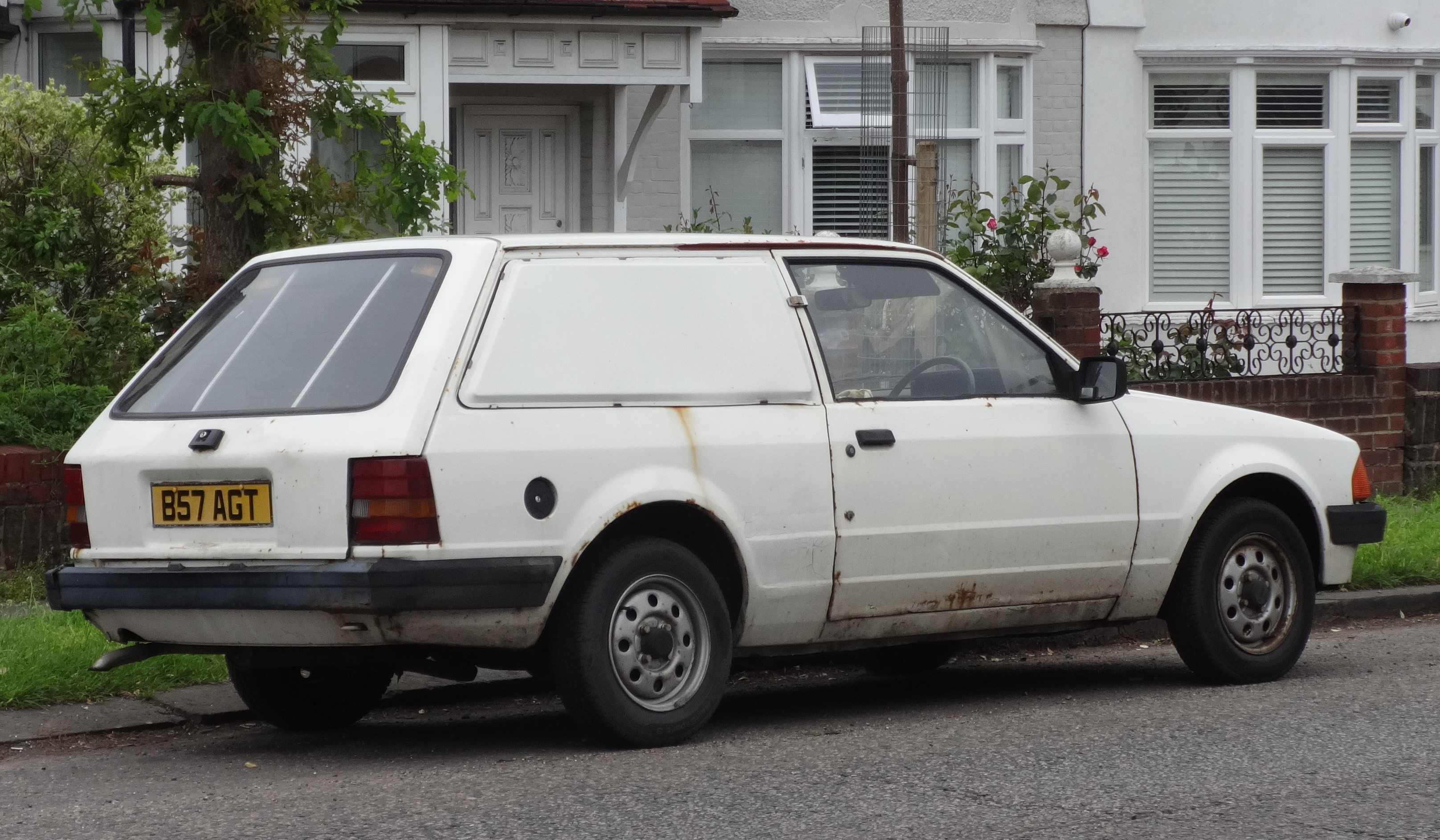
Ford Escort
"Ford Escort 89. It's always cars like this that start right up."
The Ford Escort is a small car that many people used to drive because it was cheap and reliable. The 1989 version is one of the older models.
The Ford Escort is a compact car that was popular in the late 20th century, known for its affordability and practicality. The 1989 model is part of the fourth generation, which featured a more rounded design compared to earlier versions.
battery
"So, I mean, what I would do is I would put a battery in it."
A car battery is what gives power to start the car and run things like the radio when the engine is off. It's like the car's energy source.
A car battery is a rechargeable battery that supplies electrical energy to a vehicle's starter motor and electrical systems. It is essential for starting the engine and powering accessories when the engine is not running.
coil wire
"And I would like disconnect the coil wire and crank it, maybe for 20 seconds, just to get the oil up where it's supposed to be. Uh-huh."
The coil wire helps send electricity to the engine's spark plugs. Disconnecting it stops the engine from starting, which can be useful for getting oil flowing before you actually start the car.
The coil wire is a component of the ignition system that connects the ignition coil to the distributor or spark plugs. Disconnecting it prevents the engine from starting while allowing oil to circulate before ignition.
motor oil
"Yeah, I mean, you might want to just check the motor oil level before you start it and"
Motor oil helps keep the engine running smoothly by reducing friction between its parts. It's important to check the oil level to make sure there's enough to protect the engine.
Motor oil is a lubricant used in internal combustion engines to reduce friction and wear on moving parts. Checking the oil level is crucial for engine health and performance.
coolant
"make sure there's coolant and the radiator and all that."
Coolant is a liquid that helps keep the engine from getting too hot. It moves around the engine and radiator to keep everything at the right temperature.
Coolant is a fluid used in engines to regulate temperature and prevent overheating. It circulates through the engine and radiator, absorbing heat and dissipating it to maintain optimal operating conditions.
gasoline
"The only other thing that might be a problem is the gasoline. Because the gasoline is a year and a half old, and gasoline turns to ugly nastiness after a year and a half."
Gasoline is the fuel that cars use to run. If it sits for too long, it can go bad and cause problems when you try to start the car.
Gasoline is a fuel used in internal combustion engines. It can degrade over time, leading to issues such as poor engine performance or starting difficulties if it becomes stale.

Honda Accord
"I have a 90 Accord. Kind of getting up there in miles."
The Honda Accord is a well-known car that many people use for everyday driving. The 1990 version is from a series that was made between 1989 and 1993, and it's known for being dependable.
The Honda Accord is a popular midsize car known for its reliability and practicality. The 1990 model is part of the fourth generation of the Accord, which was produced from 1989 to 1993.
front brake pads
"...he replaced the wires, replaced the plugs, and he put new front brake pads on it."
Front brake pads are the parts that help your car stop when you press the brake pedal. They wear out over time and need to be changed to keep your brakes working well.
Front brake pads are components of a vehicle's braking system that press against the brake rotors to create friction and slow down or stop the car. They are crucial for effective braking performance and need to be replaced periodically due to wear.
alternator
"...maybe it could be a bad coil in the alternator. Ended up driving his old truck away..."
An alternator helps keep your car's battery charged and powers the electrical parts of the car while the engine is running. If it fails, your car may not start or could lose power.
The alternator is a crucial component of a vehicle's electrical system, responsible for converting mechanical energy from the engine into electrical energy to charge the battery and power the electrical systems when the engine is running.
distributor
"...but replaced the entire distributor, and it still didn't start."
A distributor helps send electricity from the ignition coil to the spark plugs in the right order, so the engine can run smoothly. If it’s not working, the engine may not start.
The distributor is a component in older ignition systems that directs high voltage from the ignition coil to the correct cylinder's spark plug at the right time, ensuring proper engine timing and performance.
crank
"...it would crank, but it wouldn't turn over."
When we say the engine 'cranks', it means the starter is trying to turn the engine over. If it cranks but doesn’t start, something else is wrong.
In automotive terms, 'crank' refers to the action of the engine's starter motor turning the engine over, which is necessary for the engine to start. If the engine cranks but does not start, it indicates that the starter is functioning but there may be other issues preventing ignition.
turn over
"...it would crank, but it wouldn't turn over."
When we say the engine 'turns over', it means the engine is actually starting and running. If it cranks but doesn’t turn over, it means it’s not starting up.
The term 'turn over' refers to the process of the engine starting and running. If an engine turns over, it means it is successfully igniting the fuel-air mixture and running. If it cranks but doesn't turn over, it indicates a failure to start despite the starter motor functioning.
rotors
"I've been subsequently told that I need to replace the rotors. Right. And he could, if he had had a run out gauge at home, he could have measured that."
Rotors are the flat metal discs in your car's braking system. When you press the brake pedal, the brake pads squeeze these discs to help slow down the car. If the rotors are not smooth, it can make the brakes feel uneven.
Rotors are the circular metal discs that brake pads clamp down on to create friction and slow down or stop the vehicle. If they become warped or damaged, they can cause pulsating sensations when braking.
valve job
"I have a feeling that you need a good old fashioned valve job. Right. Don't you?"
A valve job is when a mechanic checks and fixes the valves in an engine. This helps the engine run better and can fix problems like poor performance or leaks.
A valve job is a procedure performed on an engine to clean, repair, or replace the valves and their seats to ensure proper sealing and function. This can improve engine performance and efficiency.
valve guides
"You could have worn valve guides, which are sucking oil into the cylinder and fouling the plugs. So it's possible while fouling that plug."
Valve guides are parts in an engine that help the valves open and close properly. If they wear out, they can let oil leak into the engine, causing problems like dirty spark plugs.
Valve guides are cylindrical components that help the engine's valves move smoothly up and down. Worn valve guides can allow oil to enter the combustion chamber, leading to fouled spark plugs and poor engine performance.
running on three cylinders
"...and it now runs on three cylinders."
Running on three cylinders means that one part of the engine isn't working, which makes the car weaker and less efficient. It can happen if something is wrong with the spark plugs or other engine parts.
Running on three cylinders means that one of the engine's cylinders is not firing properly, which can lead to a significant loss of power and efficiency. This condition often results from issues like fouled spark plugs or mechanical failures.
Honda
"If you want to get it fixed, I think you need to go to the Honda dealer."
Honda is a car company that makes many different types of vehicles, including popular models like the Civic and Accord.
Honda is a well-known Japanese automotive manufacturer that produces a wide range of vehicles, from compact cars to SUVs and motorcycles.
Request an Explanation
Heard something you'd like explained? We'll add it to this episode.
Sign in to request explanations for terms you heard.
Want to learn more?
Browse our glossary for plain-English explanations of automotive terms, jargon, and concepts.
Help improve this episode
See something that's not quite right? Our annotations are AI-generated and can sometimes miss the mark. Click the flag icon on any annotation to suggest a correction.