
About this episode
The hosts bounce from joke warnings to a string of diagnosis calls, including a Honda Accord that races, a Miata with clutch trouble, and a truck engine that likely needs a full rebuild. They also solve the week’s puzzler, then help a GMC Sierra owner track down a mysterious knocking sound that seems to come from the HVAC area under the glove compartment. Along the way, the show leans on classic mechanical reasoning and a few very specific parts.
See pcm.adswizz.com for information about our collection and use of personal data for sponsorship and to manage your podcast sponsorship preferences.
NPR Privacy Policy
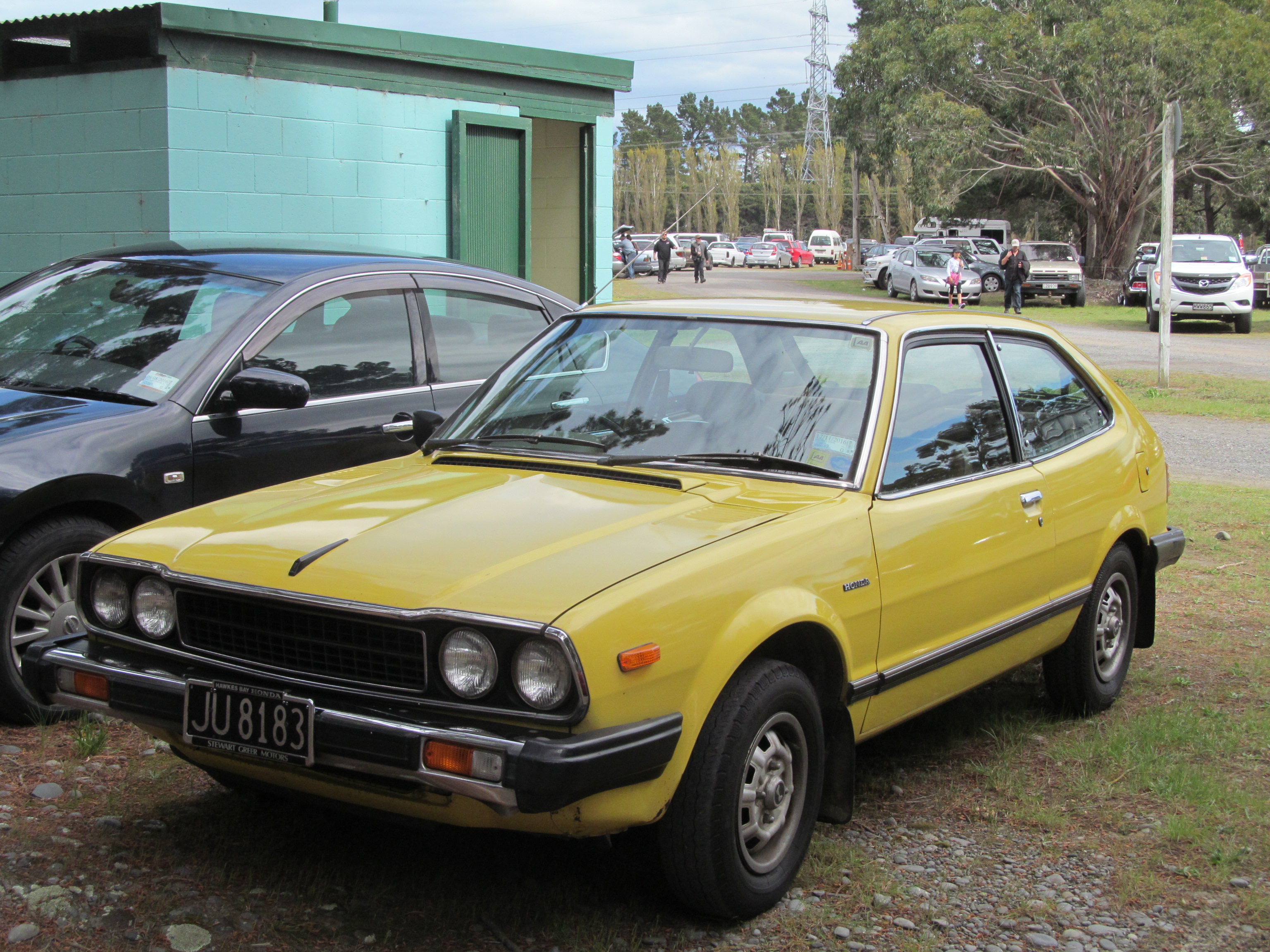
89 Accord LXI
"[215.7s] I've got an 89 Accord LXI, about 145,000 miles on it. [221.7s] And for the last couple of years, I've had a problem, [225.1s] very sporadic problem, where the throttle sticks."
They’re talking about a 1989 Honda Accord (LX I trim). It’s an older Honda, and the problem they’re having involves the car’s throttle/engine speed control.
The speaker is describing a 1989 Honda Accord LXI. This is an older Accord generation, and the issue they’re discussing is related to how the car controls engine speed and throttle response.
throttle sticks
"[221.7s] And for the last couple of years, I've had a problem, [225.1s] very sporadic problem, where the throttle sticks. [228.7s] Not a good problem to have."
“Throttle sticks” means the gas control doesn’t come back to idle like it should. So the engine may keep revving instead of slowing down.
“Throttle sticks” means the throttle plate/actuator doesn’t return smoothly to the idle position, so the engine keeps making power instead of settling down. That can feel like the car is surging or holding higher RPM.
computer module
"[242.1s] It's either that we need to replace the throttle cable for 500 bucks [247.6s] or you need a new computer module for 500 bucks. [253.8s] And we don't know which one."
They’re talking about the car’s computer that controls how the engine runs. If it’s not working right, it can cause weird throttle or idle behavior even if the pedal and cable seem fine.
In this context, the “computer module” refers to the engine control unit (ECU) or related control module that manages throttle/engine behavior. If the ECU is malfunctioning, it can misinterpret sensor inputs and command the wrong throttle/idle behavior.
throttle cable
"[236.8s] So I took it to the dealer and they said, well, it's one of two things. [242.1s] It's either that we need to replace the throttle cable for 500 bucks [247.6s] or you need a new computer module for 500 bucks."
A throttle cable is the physical cable that connects your gas pedal to the engine’s air/throttle valve. If it gets sticky or damaged, the car can feel like it’s stuck on the gas.
A throttle cable is a mechanical linkage that connects the accelerator pedal to the throttle body. If it frays, binds, or stretches, it can cause delayed response or a throttle that won’t return properly.
throttle body
"Okay. That is the actual part of the car that bolts to the intake manifold that is actuated by the throttle cable because the throttle cable is cheap."
The throttle body is a part that controls how much air the engine can breathe. When you press the gas, it opens a valve; when you let off, it closes so less air goes in.
The throttle body is the air-control valve assembly mounted to the intake manifold. It uses the throttle linkage (often a cable on older cars) to open and close a flap that meters how much air can enter the engine.
intake manifold
"That is the actual part of the car that bolts to the intake manifold that is actuated by the throttle cable because the throttle cable is cheap."
The intake manifold is the passage that carries air from the air intake to the engine. The throttle body sits at the entrance so it can control how much air gets through.
The intake manifold is the ducting that routes air from the intake system to the engine’s cylinders. The throttle body bolts to it so the air-metering happens right before the air enters the engine.
carburetor
"Yeah, the throttle body is sort of part of what would have been the throat of the carburetor. Right. It's the flap that gets moved as you step on the gas pedal so that when the gas pedal,"
A carburetor is an older way cars used to mix fuel and air. The discussion is comparing how the throttle flap controls airflow in today’s setup versus how the carburetor’s throat worked.
A carburetor is an older fuel-delivery system that mixes fuel and air before it reaches the engine. The throttle body’s air-flap function is compared here to the “throat” area of a carburetor, which also controlled airflow.
flap
"It's the flap that gets moved as you step on the gas pedal so that when the gas pedal, when your foot is off the gas pedal, the flap is essentially closed. And then as you step on the gas, that gradually opens to allow more air to enter the engine."
Inside the throttle body there’s a small valve (the flap) that opens and closes. If it sticks, the engine may not get the air it needs when you press the gas.
In a throttle body, the “flap” is the internal valve that opens and closes to meter airflow. When it sticks closed or partially closed, the engine may not get enough air, causing poor response or stalling.
carbon
"And make sure they get all the carbon and varnish build up out of the throttle area. [356.8s] And that might help too."
Carbon is a sticky black residue that can build up from engine combustion. Too much of it can make the throttle area dirty and affect how the car runs.
Carbon buildup is residue that forms inside the intake and throttle area from combustion byproducts. Excess carbon can change airflow and throttle response, leading to drivability issues.
varnish build up
"And make sure they get all the carbon and varnish build up out of the throttle area. [356.8s] And that might help too."
“Varnish” is a sticky film that can form from engine vapors and residue. It can coat the throttle area and make the throttle response worse.
Varnish-like deposits are sticky residues often caused by oil vapor and fuel/combustion byproducts that coat intake surfaces over time. They can further gum up the throttle area and worsen sticking or hesitation.
mechanical thing and not an electrical
"If you can fix it by punching the pedal, it's a mechanical thing and not an electrical. [365.3s] Yeah."
They’re saying the cause is likely something physical—like a sticky throttle or cable—rather than an electronic problem. If the car acts up but improves when you press the gas, that often suggests a mechanical sticking issue.
This distinction is about whether the problem is caused by physical/mechanical components (like cables or throttle sticking) versus electronic control (like sensors or the engine control unit). If pressing the pedal “fixes” it, it often points to a mechanical sticking issue.

Mazda MX-5 / Miata
"I was on the upper east side. I have a little Mazda Miata. And it's a 94. And I've never had any trouble with it at all."
A Mazda Miata is a small two-seat sports car that’s popular because it’s light and easy to drive. Here, the speaker says theirs is a 1994, so it’s an older car and more likely to have normal wear-and-tear issues.
The Mazda Miata is a lightweight, two-seat roadster known for being fun to drive and relatively simple mechanically. In this story, the speaker specifies it’s a 1994 Miata, which helps listeners understand the car’s age and likely wear items.
clutch
"So cruising along. And I put my clutch starts to feel spongy. And of course, my first reaction is, oh, it's the heels."
The clutch is what you press when you want to change gears in a manual car. If it starts to feel “spongy,” it can mean the fluid system isn’t working right—often because of air or a worn-out part.
The clutch is the pedal-and-hydraulic (or cable) system that lets you disengage the engine from the transmission so you can shift gears smoothly. When the clutch “starts to feel spongy,” it often points to air in the hydraulic system or a failing clutch master/slave cylinder.
shift it at a first
"Like I can barely shift it at a first. Now, mind you, it's like, like the, it's like 630. Traffic is like not moving."
First gear is the gear you use to get moving from a stop. If something’s wrong with the clutch, it can be hard to put the car into first gear.
“First” refers to first gear, the lowest gear ratio used for starting from a stop and slow-speed driving. If the clutch is near the end of its life, getting into first gear can be difficult, which is why the speaker can “barely shift it” into first.
stall
"And the last thing you want to do is like stall on the Harlem River Drive. Oh, man. Height of rush hour."
A stall is when the engine suddenly turns off. It often happens when you’re trying to move but the car isn’t getting enough power to keep running.
To stall means the engine stops running because it’s not getting enough power to keep turning, usually when you release the clutch or are in the wrong gear for the situation. In heavy traffic, stalling is especially stressful because you may block other cars and need to restart quickly.
Harlem River Drive
"And the last thing you want to do is like stall on the Harlem River Drive. Oh, man. Height of rush hour."
This is a road in New York City. The speaker mentions it to explain how stressful it was—traffic was heavy and stalling would be a big problem.
Harlem River Drive is a roadway in New York City, mentioned here to set the stakes of heavy traffic and the risk of stalling. It’s a location detail that explains why the speaker is panicking.
drive anywhere in third
"And then I get hit with this inspiration that you can drive anywhere in third. So I, oh man, Alex, you are right on top of the situation. I shove it into third."
Third gear is a gear above first. If you can’t get into first, you can sometimes start and move using third instead—just carefully so you don’t stall.
Third gear is a higher gear than first, with a different gear ratio that can still move the car at low-to-moderate speeds depending on throttle and road conditions. The speaker is describing a practical workaround: if first gear is hard to engage, third can be used to keep moving without stalling.
George Washington Bridge
"And, and, and, you know, I, once I get past the George Washington Bridge, I can start going like 45 miles. And I get to this retirement party."
This is a major bridge in New York. The speaker uses it as a point where traffic clears up, so they can drive faster.
The George Washington Bridge is referenced as a landmark that marks when traffic conditions improve. It’s used to explain the timing of when the speaker could start driving faster.
differential
"And they said, oh, one guy said, oh, no, it's differential. No problem. Just pump your clutch."
A differential is a part in the drivetrain that lets the wheels spin at different speeds when you turn. If someone thinks it’s the differential, they’re usually worried about a drivetrain noise or problem near the axle.
A differential is a drivetrain component that allows the wheels on an axle to rotate at different speeds—especially during turns. When people suspect “differential” issues, they’re usually talking about noises or driveline behavior coming from the rear/front axle area rather than the engine itself.
pops out of gear
"So I get in my little car and I pump my clutch and it pops out of gear. And I drive home and I'm able to shift and my clutch is no longer spongy."
“Popping out of gear” means the car won’t stay in the gear you selected. That can be caused by clutch problems or other issues that prevent the transmission from staying engaged.
“Popping out of gear” means the transmission disengages from the selected gear unexpectedly, which can happen if the clutch isn’t fully releasing/engaging or if there’s a mechanical or hydraulic problem. In this context, it’s linked to clutch feel and shifting behavior.
spongy
"And I drive home and I'm able to shift and my clutch is no longer spongy. Now it still feels a little bit rough."
A “spongy” clutch pedal usually means the clutch doesn’t feel firm and responsive. That often happens when there’s an issue with the clutch fluid or air in the hydraulic system.
A “spongy” clutch feel usually points to air in the hydraulic lines or low/contaminated hydraulic fluid, which reduces the clutch’s ability to engage cleanly. It’s a common symptom when the clutch hydraulics aren’t maintaining proper pressure.
slave cylinder
"And, and the slave cylinder is actually what disengages the clutch. But if the master cylinder, because it's leaking, cannot produce enough pressure, then you push your pedal to the floor..."
In many cars, the clutch is controlled by fluid pressure. The slave cylinder is the part that uses that pressure to push the clutch mechanism so the clutch can release.
The slave cylinder is part of a hydraulic clutch system. It receives hydraulic pressure from the master cylinder and moves to disengage the clutch so you can shift gears.
master cylinder
"But if the master cylinder, because it's leaking, cannot produce enough pressure, then you push your pedal to the floor and it doesn't disengage the clutch or you can't shift it."
The master cylinder is the part that creates the hydraulic pressure used to operate the clutch. If it’s leaking, the clutch won’t release properly, so shifting becomes difficult.
The master cylinder is the hydraulic pump for the clutch. If it leaks and can’t build enough pressure, the slave cylinder can’t fully disengage the clutch, leading to hard shifting or the clutch not releasing.
rubber seals
"It isn't pumping because the, the rubber seals in it have worn out. And it's been worsened by the fact that the hot weather has made the bore..."
Those rubber seals help keep the hydraulic fluid inside the clutch system. If they wear out, the system can lose pressure and the clutch won’t work right.
In hydraulic cylinders, rubber seals prevent fluid from leaking past the piston. When the seals wear out, fluid pressure drops and the clutch may not disengage correctly.
bore
"...the hot weather has made the bore. That is the cylinder in which the piston moves bigger in diameter."
The bore is the inside wall of the cylinder that the piston slides in. If it changes (for example with heat), it can make the seals not seal as well, so the clutch system loses pressure.
The bore is the inner cylinder surface where the piston moves. If heat changes the bore size or shape, it can worsen seal performance and contribute to leaks or reduced pressure.
brake fluid
"[651.1s] And, and, and the air that was in there didn't become such a big factor [654.7s] and pumping it did compress the air somewhat. [657.8s] So that you have air in the system,"
Brake fluid is the special liquid that helps your brake system work. If there’s a leak, you can lose fluid and the brakes may not work as well.
Brake fluid is the hydraulic fluid used in the brake system to transmit force from the pedal to the brakes. If components like the master cylinder leak, brake fluid level drops and braking performance can degrade.
air in the system
"[654.7s] and pumping it did compress the air somewhat. [657.8s] So that you have air in the system, [659.5s] but it's because the thing has begun to fail."
Sometimes air gets into the hydraulic lines. Air is squishy, so instead of pushing the brakes/clutch right away, it compresses first—making the pedal feel soft or delayed.
“Air in the system” refers to trapped air bubbles in a hydraulic line. Air compresses much more than fluid, so the pedal can feel spongy and the system may not apply force consistently.
quadratic equation
"And what you do that, you wind up with something called a quadratic equation. [995.6s] Is that right?"
A quadratic equation is a math equation that has a squared term, like x². It’s used when the relationship you’re modeling curves instead of being straight.
A quadratic equation is an equation where the highest power of the variable is squared (like x²). In car-related math problems, it often shows up when modeling relationships that curve rather than change in a straight line.
head gasket problem
"And a week later, he called up and said that he thought I had a problem with my truck. He thought I had a head gasket problem."
The head gasket is like a tight seal inside your engine. If it goes bad, the engine can start mixing fluids that shouldn’t mix, which can lead to overheating and rough running.
A head gasket is the seal between the engine block and the cylinder head. If it fails, coolant and/or oil can leak into the wrong places, or combustion gases can escape, often causing overheating, misfires, or milky oil.
piston rings
"And when I walked around outside, I found some piston rings lying around. [1198.2s] And now I got a real problem with what mechanic describes as piston slap."
Piston rings are parts on the piston that help it seal tightly in the cylinder and keep oil under control. If they get overheated or damaged, the engine can start making bad noises and may burn oil.
Piston rings are metal rings on the piston that help seal the combustion chamber, control oil use, and transfer heat from the piston to the cylinder wall. If they’re damaged or overheated, you can get poor compression, oil burning, and loud noises like piston slap.
piston slap
"And when I walked around outside, I found some piston rings lying around. [1198.2s] And now I got a real problem with what mechanic describes as piston slap."
Piston slap is a knocking/tapping sound from inside the engine. It usually means the piston isn’t fitting as tightly as it should, often due to wear or damage.
Piston slap is a knocking or tapping noise caused by piston movement inside the cylinder, often from worn components or clearance changes. It’s commonly associated with engine wear or damage after overheating, and it can worsen if the underlying cause isn’t fixed.
exhaust manifold
"And when I first started up the truck, all I heard was a little leak from the exhaust manifold. [1208.4s] I figured that's not a big deal."
The exhaust manifold is the part that gathers the engine’s exhaust gases and sends them down the exhaust pipe. If it leaks, you can hear noise and sometimes smell exhaust.
The exhaust manifold collects exhaust gases from the engine’s cylinders and routes them to the exhaust system. A leak at the manifold can create ticking/whistling noises and may also affect engine performance and emissions.
overheated
"It's 86's. [1223.6s] He must have said he was driving this thing. [1226.8s] He overheated like serious."
Overheating is when the engine gets too hot. If it happens badly or for too long, it can damage the engine’s internal parts.
Overheating means the engine coolant temperature exceeded safe limits. Sustained overheating can warp cylinder heads, damage head gaskets, and even melt or damage internal parts like piston rings.
cracked the head
"[1241.3s] He cracked the head. [1243.5s] So how much did this end off costing you?"
This means the top part of the engine (the cylinder head) has a crack. That can let fluids leak or stop the engine from working properly, so the car may need major repair.
“Cracked the head” refers to damage to the engine’s cylinder head, which can happen from overheating or internal stress. A cracked cylinder head can cause coolant leaks, loss of compression, or overheating, and it often leads to expensive repairs.
rebuild
"Anyway, should I just keep driving this truck or should I get it rebuilt? [1264.5s] I mean, it sounds like it's beaten itself to death."
“Rebuild” means fixing the car by taking the important parts apart and replacing the worn pieces. People do it when the car is starting to fail but they want to keep using it.
In car talk, “rebuild” usually means taking an engine (or another major system) apart and replacing worn parts so it can run like new again. It’s often considered when the engine has internal damage or is “beaten itself to death.”
put the grill on upside down
"And I realized there was something wrong with the grill and I couldn't read the grill. And it's because he put the grill on upside down. That says something, doesn't it?"
Putting the grille on upside down is a clear mistake during reassembly. Here, they’re using that mistake as evidence that something else may have been assembled wrong too.
Installing a front grille upside down is a sign of sloppy or incorrect reassembly. In this story, the host uses it as a clue that other work—inside the engine—may also have been done incorrectly.
connecting rod
"Well, he could easily have put, if he took the pistons off, I think what's likely to have happened is he put a connecting rod on backwards. Really? Because there is a preferred direction for the connecting rods and only one direction works."
A connecting rod is the metal link between the piston and the crankshaft. It helps turn the engine’s motion into rotation, and it usually has to be installed the right way so everything lines up correctly.
A connecting rod is the part that links the piston to the crankshaft. It transfers the piston’s up-and-down motion into the crankshaft’s rotation, and many rods are designed to be installed in a specific orientation for proper clearance and geometry.
junkyard engine
"[1371.9s] That's what I was thinking, yeah. [1373.4s] Or a junkyard engine. [1375.7s] And if you are determined to take it on vacation and the like,"
A junkyard engine is a used engine pulled from a wrecked or totaled car. It can save money, but you don’t really know how healthy it is until it’s installed and tested.
A junkyard engine is a used engine sourced from a salvage yard. It can be cheaper and faster than rebuilding, but you’re taking on more uncertainty about its condition and remaining lifespan.
uncertainty of when it's going to break down
"[1382.0s] Well, you're going to have to do it sooner or later. [1384.2s] Can you live with the uncertainty of when it's going to break down [1387.1s] or not knowing when it's going to break down?"
They’re talking about the risk of waiting to fix something when you don’t know when it will fail. If you keep driving, it could break at an inconvenient time or cause more damage.
This is the practical risk of deferred repair: you keep driving while the car’s failure timing is unknown. That uncertainty can lead to being stranded or causing secondary damage if the underlying issue worsens.

Gmc Sierra
"Well, I have a GMC Sierra pickup. It's a 1994. When I first noticed this, I was just driving along, and it was hot, and I needed to use my air conditioner."
A GMC Sierra is a pickup truck made by GMC. Here, the caller says it’s a 1994 model, which helps narrow down what could be making the knocking sound.
The GMC Sierra is a full-size pickup truck line from GMC. In this call, the truck is specifically a 1994 Sierra, which matters because older trucks can have different common causes for noises than newer ones.
turn the key on
"[1745.5s] and I turned the key on, [1747.7s] and the knock happened before I even got my truck started."
“Turn the key on” means you power up the car before it’s really running. If you hear a knock right then, it can mean the noise is tied to start-up conditions rather than normal driving.
“Turn the key on” describes the ignition-on state before the engine is fully running. If a knock happens at this stage, it suggests the sound may be related to ignition/starting systems, engine mounts settling, or other components that move or load immediately on power-up.
knock
"and I turned the key on, [1747.7s] and the knock happened before I even got my truck started. [1752.5s] Get out."
A “knock” is a sharp, tapping/banging sound from the car. When it happens right when you turn the key on or off, it usually means something mechanical is making noise during start-up or shutdown, not just while you’re driving.
The “knock” is an abnormal impact sound from the engine bay or drivetrain. In car diagnostics, a knock heard when turning the key on or when shutting off often points to something mechanical or related to engine start/stop behavior rather than normal driving noise.
automatic
"[1783.4s] So I pull up to wherever it is I'm going, [1786.6s] and it's an automatic. [1788.1s] So I put it in park, and I turn it off."
“Automatic” means the car shifts gears by itself. That’s relevant because some noises only show up when you put the car in Park or when you shut it off.
“Automatic” here refers to an automatic transmission, where the car selects gears for you instead of using a clutch and manual gear changes. The mention matters because transmission behavior can affect when noises show up (for example, when shifting into Park or turning the car off).
park
"[1786.6s] and it's an automatic. [1788.1s] So I put it in park, and I turn it off. [1790.9s] I take the key out, and it knocks again."
“Park” is the gear position that locks the car so it stays still. If the knocking happens when you put it in Park or right after turning it off, it can point to where the problem is coming from.
“Park” is the transmission position that mechanically locks the drivetrain so the car can’t roll. Noises that occur when moving into Park or after shutting the engine off can help narrow down whether the sound is coming from the engine, mounts, exhaust, or drivetrain components.
glove compartment
"It sounds like it's coming from inside the glove compartment. [1825.3s] So I open that up, and it's not, [1828.4s] I think it's under the glove compartment."
The glove compartment is the little storage box in the front of the car, usually on the passenger side. If the noise seems to come from that area, it often means the problem is behind the dashboard.
The glove compartment is the storage area on the passenger side of the dashboard. If a sound seems to come from there, it can point to components mounted behind the dash (like HVAC parts) rather than something in the engine bay.
fuel pump
"But when you described this problem, I heard fuel pump. [1852.4s] Really? [1853.2s] Now, it can't be the fuel pump."
The fuel pump is the part that sends gas from the gas tank to the engine. If it’s going bad, it can make strange noises and can also cause the car to run poorly or not start.
A fuel pump is the component that moves gasoline (or other fuel) from the tank to the engine. When it fails or runs abnormally, it can cause unusual noises, pressure problems, or starting/driveability issues.
heater core
"Well, the heater core is under there. The heater in the air conditioner evaporator and all that stuff is under there."
The heater core is what helps make the car’s heat. Hot coolant goes through it, and air blowing over it warms the cabin.
The heater core is a small heat exchanger inside the HVAC system. Hot engine coolant flows through it, and air from the blower passes over it to warm the cabin; it’s commonly located under the dashboard.
air conditioner evaporator
"The heater in the air conditioner evaporator and all that stuff is under there."
The AC evaporator is where the air conditioner cools the air inside the car. It’s usually hidden under the dashboard, so problems there can cause odd noises.
The air conditioner evaporator is the part of the AC system where refrigerant absorbs heat from the cabin air. It’s typically located inside the HVAC housing under the dash, so noises from the HVAC area can be related to airflow, blend doors, or the AC system itself.
fan
"Well, then we'd have to go with the idea of the fan, because there's a fan under there, too... More likely, something stuck in there. There's a twig or something in there."
The “fan” is a spinning part in the car that moves air. If something gets stuck in it or it’s not mounted tightly, it can rattle or bang as it spins.
In this context, “the fan” is the vehicle’s cooling/air-moving fan that runs when the system is commanded on. If it’s loose or has debris in it, it can hit its housing and create a repeating “boom, boom” noise.
housing
"...one ought to kilter and started banging against the housing. More likely, something stuck in there."
The “housing” is the cover/casing that surrounds a moving part. If the fan touches that casing, it can make loud knocking sounds.
“Housing” is the protective outer casing around a component, like the fan assembly. If the fan is loose or debris gets between the fan and the housing, the fan can contact the casing and make a rhythmic banging noise.
power antenna
"No, I'm sticking with the power antenna. ... Hey, maybe they were going to give her the power antenna. They started to install it, and it was Friday afternoon."
A power antenna is an antenna that moves in and out using a small electric motor. Instead of you manually extending it, the car does it for you.
A power antenna is an electrically powered antenna that extends and retracts using a motor. It’s often used for AM/FM reception and can be part of the car’s convenience/electronics package.
water sheet
"Oh, and somebody read the water sheet and said, hey, wait a minute, this isn't getting a power antenna."
A “water sheet” sounds like a paper checklist the shop uses to make sure the right parts go on the right car. They’re checking it because the wrong antenna type seems to be getting installed.
A “water sheet” is likely a job/parts instruction sheet used by the shop to specify what should be installed on that vehicle. In this context, it’s being used to verify whether the correct component (power antenna vs. regular antenna) is being installed.
regular antenna
"Well, I've already put in, just stick the regular antenna in there. No one will notice the motor underneath."
A regular antenna is the simpler kind that doesn’t move in and out. It’s being contrasted with the power antenna that uses a motor.
A “regular antenna” is a non-powered antenna that doesn’t extend/retract with a motor. The discussion contrasts it with a power antenna, implying the wrong hardware may have been ordered or installed.
motor underneath
"No one will notice the motor underneath. Have someone take off that box and take a look at the fan, if it's not really impossible to do..."
They’re saying there’s a motor hidden behind the parts you can see. Even if the antenna looks right, that hidden motor could still be making noise.
“Motor underneath” suggests the power-antenna motor or related mechanism is located behind/under the installed trim or housing. The idea is that even if the wrong antenna is installed, the motor may still be present and could be the source of noise.
Request an Explanation
Heard something you'd like explained? We'll add it to this episode.
Sign in to request explanations for terms you heard.
Want to learn more?
Browse our glossary for plain-English explanations of automotive terms, jargon, and concepts.
Help improve this episode
See something that's not quite right? Our annotations are AI-generated and can sometimes miss the mark. Click the flag icon on any annotation to suggest a correction.