
#2651: Baddabing! Baddabang!
About this episode
A newsy opener turns into a practical call-in-heavy episode: a clutch won’t fully disengage, and the hosts walk through hydraulic-clutch leak diagnosis—checking the cabin for fluid, tracing common leaks to the slave cylinder/release bearing, and noting that repairs can require transmission removal. Brake squeal follows, with discussion of rotor/pad mating, wet conditions, and using factory pads. Later, starting problems get traced to a faulty fuel pump relay, and a fleet Humvee hot-start workaround is explained with cold-water cooling.
See pcm.adswizz.com for information about our collection and use of personal data for sponsorship and to manage your podcast sponsorship preferences.
NPR Privacy Policy

Jeep Cherokee
"Howdy. I have a 91 Jeep Cherokee. When I have my car in first gear, even with the ..."
The Jeep Cherokee is an SUV, and a 1991 model is an older version of that same vehicle line. If someone says something happens in first gear, they’re usually describing a problem that shows up when the car is starting to move. Older SUVs like this can need maintenance to keep the transmission and drivetrain working smoothly.
The Jeep Cherokee is a compact SUV known for off-road capability and a long production history. A 1991 example is mentioned, which is notable because older Cherokees can develop age-related issues that show up during low-speed driving, like in first gear. It’s the kind of vehicle owners discuss when troubleshooting noises or shifting/drive behavior.
hydraulic clutch
"Well, if you're really lucky, it's the clutch master cylinder. [272.5s] This thing has a hydraulic clutch. [274.0s] I mean, why did you jump right to it?"
Instead of cables or rods, the clutch uses fluid pressure to work. If the system leaks or gets air in it, the clutch can feel wrong or not fully disengage.
A hydraulic clutch uses fluid pressure to operate the clutch instead of a purely mechanical linkage. This lets the pedal feel and clutch actuation be controlled more precisely, but it also means leaks or air in the system can cause slipping or poor disengagement.
slave cylinder
"Well, because what usually leaks on these is the slave cylinder, and if I'm not mistaken, [281.3s] the slave cylinder on this vehicle is part of the release bearing."
The slave cylinder is the part that actually moves the clutch mechanism using hydraulic pressure. If it leaks or breaks, the clutch may not work correctly.
The slave cylinder is the hydraulic actuator that receives pressure from the master cylinder and physically moves the clutch release mechanism. If the slave cylinder leaks or fails, the clutch may not disengage properly, and repairs can be more involved depending on the design.
release bearing
"Well, because what usually leaks on these is the slave cylinder, and if I'm not mistaken, [281.3s] the slave cylinder on this vehicle is part of the release bearing. [285.6s] So you have to take the transmission out."
The release bearing is what helps the clutch disengage when you push the pedal. Some cars combine it with the hydraulic parts, so if it leaks you may have to do a bigger job.
The release bearing (also called the throwout bearing) is the part that the clutch uses to disengage when you press the pedal. In some designs, the slave cylinder is integrated with the release bearing, so a leak can require removing the transmission to replace the whole unit.
transmission
"So you have to take the transmission out. [287.8s] Isn't that a clever design?"
The transmission is the gearbox that transfers power from the engine to the wheels. Here, it matters because the clutch hydraulic parts are hard to reach without removing it.
In this context, the transmission is the gearbox assembly that sits between the engine and the drive wheels. The key point is that on some hydraulic-clutch designs, you must remove the transmission to access the integrated slave/release-bearing components.
reservoir
"Well, Saab does the same thing, too. [293.3s] Have you checked the fluid that's in the reservoir for the clutch? [300.2s] No."
The reservoir is where the clutch fluid is stored. If it’s low, it can mean there’s a leak somewhere in the hydraulic clutch system.
The clutch reservoir is the small fluid container that holds hydraulic fluid for the clutch system. Checking it helps diagnose leaks or low fluid, which can cause clutch problems like slipping or incomplete disengagement.
firewall
"It's a little plastic thing. [312.1s] It's right on the firewall."
The firewall is the wall that separates the engine area from the inside of the car. Some fluid bottles are mounted there, so it’s a common place to look.
The firewall is the structural wall between the engine bay and the cabin. Many fluid reservoirs and hydraulic components are mounted on or near it, which is why the clutch reservoir can be described as being “right on the firewall.”
clutch pedal
"Right. It might be empty, but you may not know why unless you look under the dashboard because the mechanism for that clutch master cylinder comes through the firewall and attaches the rod attaches to your clutch pedal."
The clutch pedal is what you press to disengage the clutch so you can change gears. It’s the driver’s control that triggers the hydraulic system. If the system leaks or fails, the pedal feel and shifting can be affected.
The clutch pedal is the driver-operated control that starts the hydraulic clutch system. When you press it, it moves the clutch master cylinder, which then sends pressure to the slave cylinder. That action ultimately disengages the clutch so you can shift gears.
clutch master cylinder
"Right. It might be empty, but you may not know why unless you look under the dashboard because the mechanism for that clutch master cylinder comes through the firewall and attaches the rod attaches to your clutch pedal."
This is the part connected to the clutch pedal that uses fluid pressure to help move the clutch. When you press the pedal, it pushes fluid through a hose to another part that does the actual clutch movement. If it leaks, you can run low on fluid and the clutch won’t work right.
The clutch master cylinder is the hydraulic component that pressurizes brake-fluid-like fluid when you push the clutch pedal. That pressure is sent through a line to the slave cylinder to move the clutch mechanism. If it leaks, you can lose fluid and the clutch may not work correctly.
install a 55 gallon drum on the roof
"On the other hand, if it's leaking very, very slowly and you're thinking of selling this vehicle, you could just install a 55 gallon drum on the roof with a little hose down to that reservoir and just keep filling the thing up."
They’re joking about avoiding the repair by constantly adding fluid instead. It can hide the problem for a little while, but it doesn’t fix the leak. If you keep driving like that, you risk running out of fluid and losing clutch function.
This is a humorous workaround idea: instead of fixing the leak, you’d keep topping up the clutch hydraulic reservoir by routing fluid from an external container. It highlights that a slow leak can be temporarily masked by refilling, but it’s not a real repair. Eventually the leak can worsen or cause clutch failure.
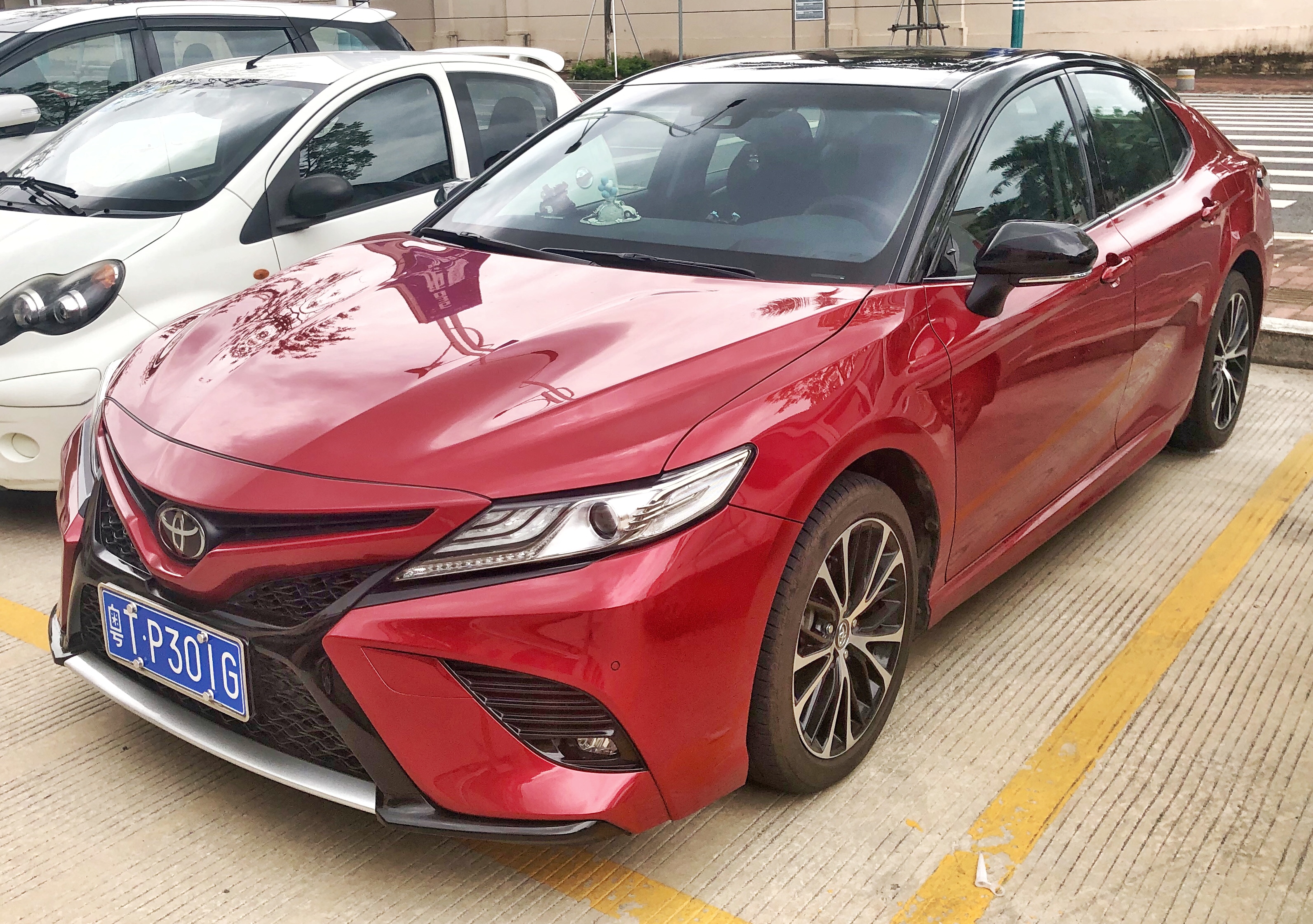
Toyota Camry
"Well, I'm calling because I have a 1992 Camry and I recently had a timing chain go out on it."
This is a 1992 Toyota Camry. The important part here is that the timing system on this car is what failed, and that affects whether the engine timing is kept correct.
A 1992 Toyota Camry is a late-early-90s midsize sedan known for straightforward, high-mileage commuter use. In this episode, the host is dealing with a timing drive issue on that specific generation, which matters because the Camry’s timing system can be belt- or chain-driven depending on engine.
timing belt
"Actually, you don't have a timing chain. You have a timing belt."
A timing belt is a rubber belt that keeps the engine’s moving parts lined up. If it breaks, the engine timing can get thrown off and the engine may be damaged.
A timing belt synchronizes the crankshaft and camshaft so the engine’s valves open at the correct time. If it fails, the engine can lose proper timing and may suffer serious internal damage.
brakes started squeaking
"[473.1s] They did a great job and it ran and it was wonderful. [475.6s] And then all of a sudden, my brakes started squeaking a lot. [478.7s] So I took off and went to..."
Brake squeal is that annoying squeaking sound when you slow down. It usually comes from the brake pads and rotors vibrating, and it can be fixed by checking the pads and how they’re wearing.
Brake squeal is a high-pitched noise that often happens when brake pads and rotors vibrate at certain frequencies. It can be caused by pad material, glazing, uneven wear, or contamination, and it’s common enough that shops often diagnose it by pad/rotor condition.

Tesla Semi
"...t sounded like I was a truck about to hit another semi. I mean, the sound from these brakes was so loud,..."
The Tesla Semi is a large electric truck used to move freight. Since it runs on electricity, it can make different sounds than gas or diesel trucks, including when braking. People may mention unusual brake noise because it’s noticeable compared with what they expect from traditional trucks.
The Tesla Semi is an all-electric heavy-duty truck designed for long-haul freight. Because it’s electric, its braking and driving sounds can be different from diesel trucks, which is why loud brake noise might stand out in a discussion. It’s a significant vehicle to talk about because it represents a major shift in how commercial trucking can be powered.
asbestos
"[520.7s] You got the banshee option on the pads. [524.8s] Well, when I took it back, they said, well, the reason your brakes are squeaking is because [529.2s] we cannot use asbestos in brakes anymore. [533.6s] And that means that there is more metal and that means that they will squeak more."
Asbestos used to be mixed into some brake materials. It was removed for health reasons, and the newer brake materials can sometimes make different noises.
Asbestos was historically used in some brake pad and lining materials because it helped with heat resistance and noise/vibration characteristics. Modern regulations largely phased it out, and shops sometimes claim that replacement friction materials can change how much squeal you hear.
machined
"Okay, so I'm going to guess that they may be replaced or machined the front discs. [612.6s] But what does that have to do with the sound I'm hearing? ... if the discs are machined and these brake pads are installed, ..."
Machining is when the brake disc surface is trimmed or resurfaced to make it smooth again. If it’s not perfectly matched to the new pads, the brakes can make loud noises until the surfaces properly “seat” together.
Machining a brake rotor means cutting or resurfacing its surface to restore a flat, smooth finish. If the rotor machining and the new pad material don’t match well, the pad and rotor can take longer to conform, leading to squeals or other “horrendous noises.”
brake pads
"Well, sometimes if the discs are machined and these brake pads are installed, [621.8s] which are in fact non-asbestos,"
Brake pads are the parts that squeeze against the spinning brake disc to slow the car. If the pad material or fit isn’t right, they can make squeaks or other noises, especially soon after you replace them.
Brake pads are the replaceable friction material clamped against the brake rotor to slow the car down. Their friction material and shape can affect noise, especially right after a brake job when the pad and rotor surfaces are still bedding in.
brass and bronze
"They have bits of brass and bronze and steel wool, [630.1s] and God knows what else."
Brass and bronze are metals that can be mixed into some brake pad materials. The type of mix can affect how the brakes sound, especially right after new pads are installed.
Brass and bronze are metals that can be included in some brake pad friction materials as part of the compound. The episode links these metal-containing pads to noise when the pad and rotor surfaces are still mating after machining.
brake job
"And some pads are, we found on Camry's and a lot of other cars for that matter, [673.2s] that we have to use the factory pads to ensure that there's no noise after a brake job. [677.4s] What did they do to appease you when you complained?"
A brake job is when someone services your brakes—often replacing the pads and sometimes the brake discs too. The right replacement parts can help prevent squeaks or squeals after the work is done.
A brake job is the service work done to the braking system, commonly including replacing pads and sometimes resurfacing or replacing rotors. The episode suggests that using the correct “factory” pads matters because some pad types can be noisy after the job, particularly in wet conditions.
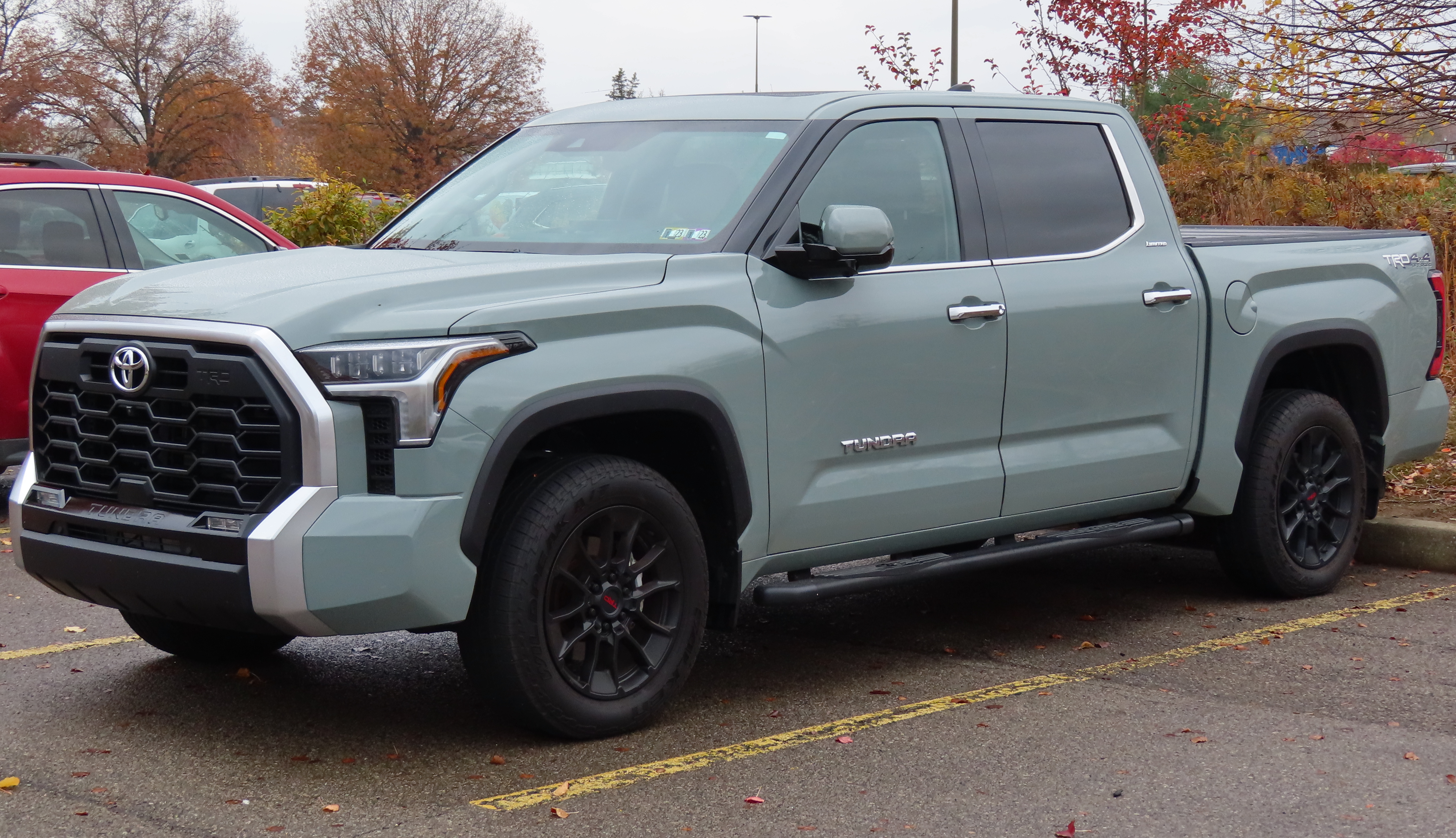
Toyota Tundra
"...ability to communicate lots of time in the frozen tundra? Well, no, that was your first marriage."
The Toyota Tundra is a large pickup truck made for work like towing and hauling. People talk about it in connection with tough weather because it’s built to keep going on rough roads and in cold conditions. It’s the kind of truck you’d choose if you need something dependable for everyday use and heavy tasks.
The Toyota Tundra is a full-size pickup truck built for hauling and towing, with a focus on durability in demanding conditions. It’s often brought up in conversations about driving in harsh weather because it’s designed to handle rough roads and cold climates. In a podcast, it may come up as an example of a truck that people rely on when conditions are tough.
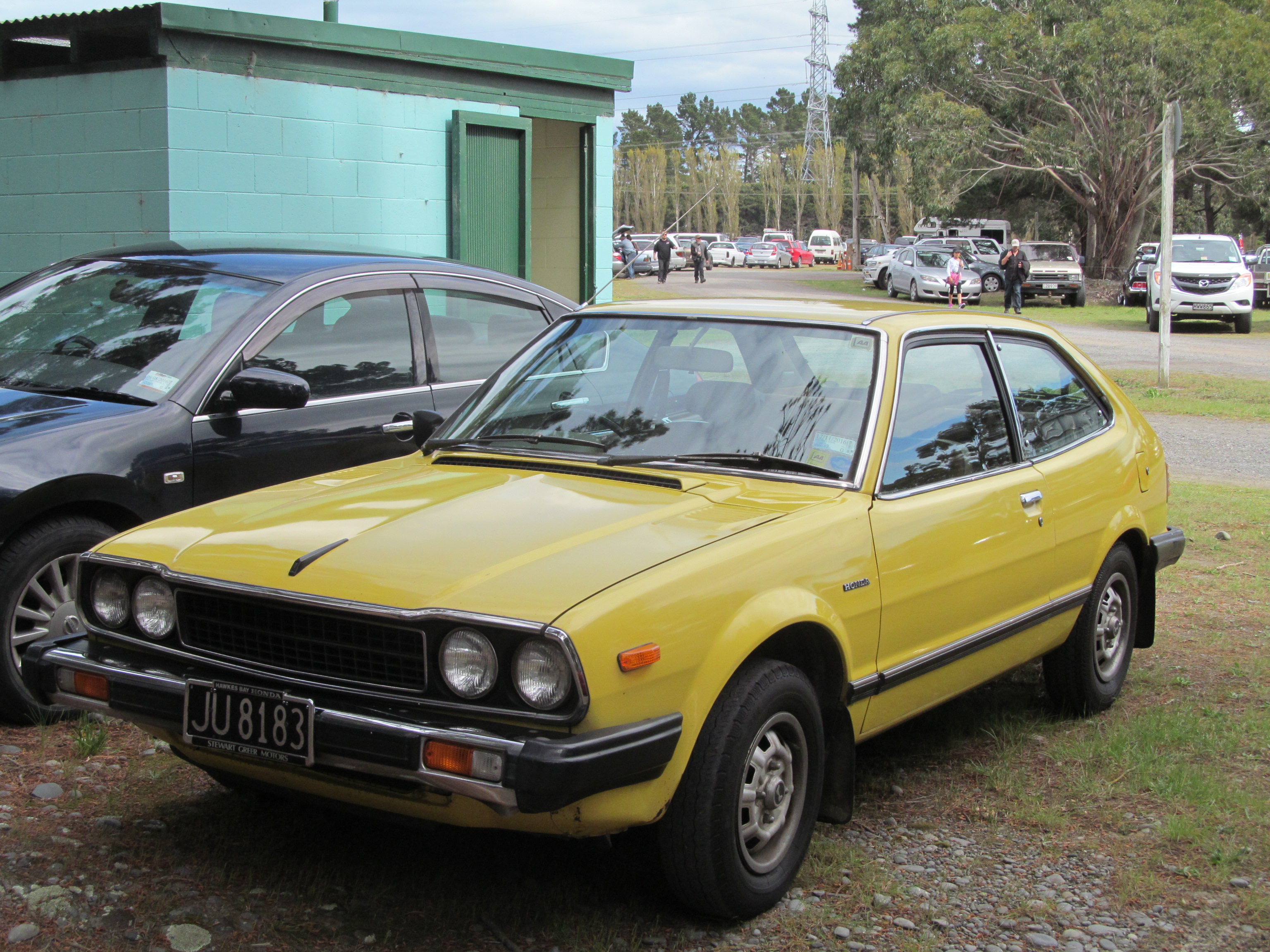
1990 Honda Accord
"Okay, well, Ellen called us last summer about a 1990 Honda Accord. She had bought for her teenage son. It occasionally wouldn't start."
A 1990 Honda Accord is an older Honda sedan. In this story, it sometimes wouldn’t start, and the problem seemed to show up more after the car sat in hot weather.
The 1990 Honda Accord is a late-1980s/early-1990s Honda sedan known for being straightforward and durable when maintained. In this call, it’s the specific car Ellen bought for her teenage son that had an intermittent no-start problem, especially after heat exposure.
fuel pump relay
"Tell us the... Was it the fuel pump relay? It does appear that way. ... So you went ahead and had someone put a new fuel pump relay in there."
The fuel pump relay is like a remote-controlled switch for the fuel pump. If it breaks, the pump may not get power, and the car may not start or may start very poorly.
A fuel pump relay is an electrical switch that controls power to the fuel pump. When the relay fails, the pump may not run, which can cause hard starts or a no-start condition even if the engine otherwise has power.
Firestone
"I had a hard time getting an appointment because they were busy replacing firestone tires at the time. But finally got an appointment and then I had to wait quite a while..."
Firestone is a tire brand. The shop was busy doing tire replacements, which meant the appointment for the relay took longer.
Firestone is a tire brand, and the mention here is about a shop being busy replacing Firestone tires. It’s a reminder that tire demand can affect how quickly you can get other car work scheduled.

Jeep Commander
"...nyway, Nick, what's going on? Well, I'm a company commander in the Third Infantry Division here at Fort Stewa..."
The Jeep Commander is an SUV that can seat more people because it has extra rows. It’s meant for everyday driving and carrying passengers, not just for one person or short trips. If it comes up in a story, it’s usually because the owner is talking about how their SUV is working for them.
The Jeep Commander is a three-row SUV that was built to carry more passengers and handle family or utility use. In a podcast context, it’s likely being referenced as the vehicle someone owns or drives while talking about their situation. It’s a common type of vehicle to discuss when the conversation turns to ownership, comfort, or troubleshooting.
fuel injector pump
"unless you pour cold water on the fuel injector pump. So this kind of causes for some interesting scenarios. Yeah."
The fuel injector pump is what sends fuel into the engine at the right pressure. If it gets too hot, the engine may not start well, so cooling it can temporarily fix the problem.
The fuel injector pump is the component that pressurizes fuel and delivers it to the injectors so the engine can start and run. If it’s heat-soaked in hot weather, it can contribute to hard-start conditions—here, the workaround described is cooling it with cold water.
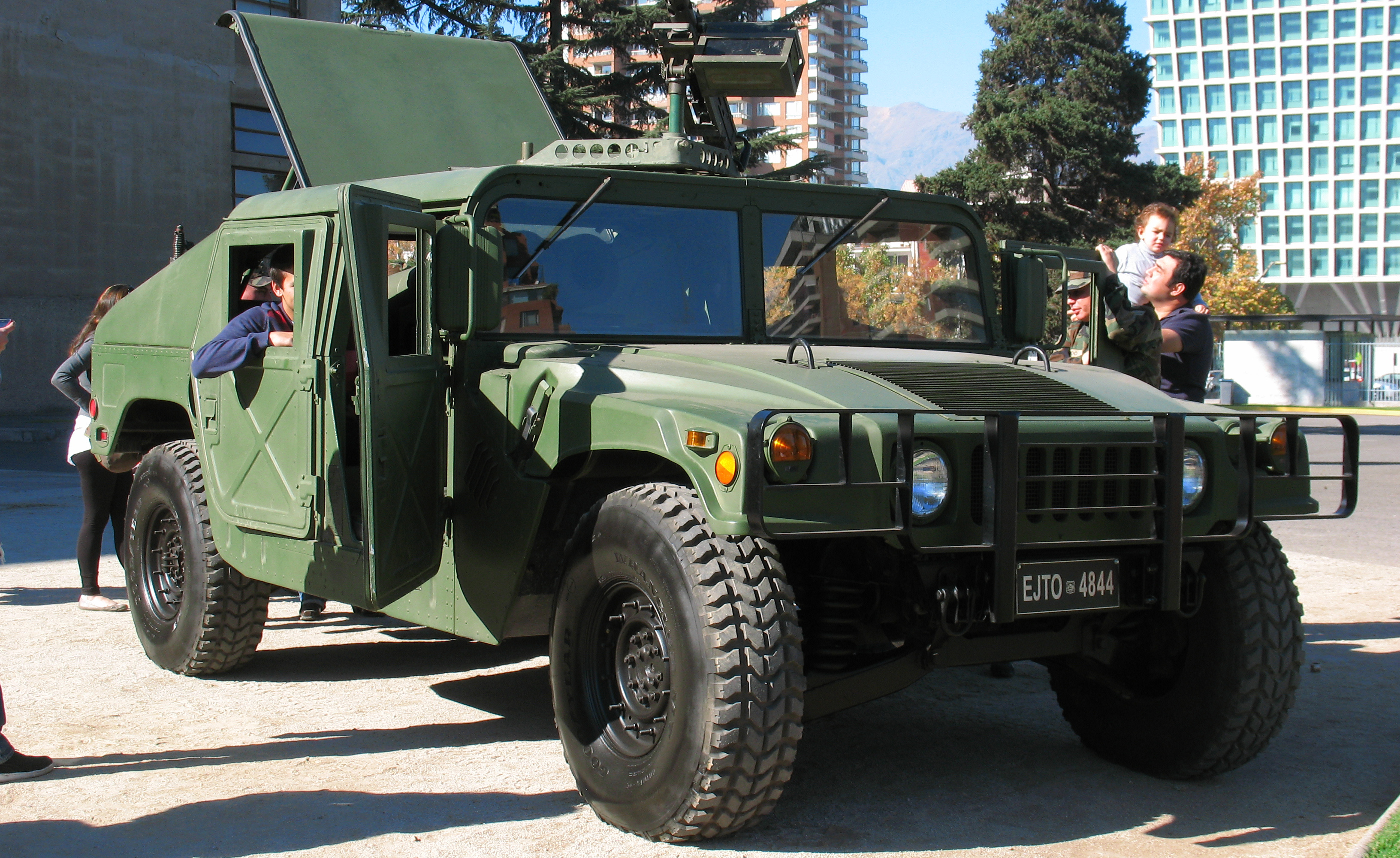
Humvees
"But they use Humvees? ... And so we've done that with a lot of these Humvees. And for a while we were getting the same problem."
“Humvees” are military off-road trucks. Here, they’re discussing repairs on a bunch of them because the same kind of part kept failing.
“Humvees” is the common nickname for the military HMMWV (High Mobility Multipurpose Wheeled Vehicle), a rugged off-road truck used by armed forces. In this segment, the host is talking about fleet maintenance on these vehicles and a recurring fuel-system issue tied to replacement parts.
cold water
"And when you got the new ones, you said they did the same thing, but also when you poured cold water on them, they worked?"
The mention of “cold water” describes a quick diagnostic/temporary workaround: the host says the new parts behaved differently when cooled. That kind of temperature sensitivity can point to heat-related failure modes, material issues, or internal tolerances in a fuel-system component.
electric connection
"Now the only thought that I could think of is that somewhere in there, there's some kind of electric connection that runs the fuel injector pump. Sure. By pouring the water on it, you're cooling it down and it shrinks."
This just means there’s wiring that powers or controls the pump. If the pump has an electrical part, it may need the right connections to work properly. That’s why the host is thinking about what’s inside the packaging and how it would function later.
An electric connection here refers to the wiring/contacts that provide power and control signals to a fuel-system pump. The host is speculating that the pump isn’t purely mechanical—it likely has an electrical component that runs it. This matters because it affects whether the system will work after long-term storage.
broken frame
"I think what's wrong is you have either a broken frame. Okay. Or the engine cradle has come loose or is cracked. Broken frame or engine cradle."
The frame is the car’s main metal structure. If it’s cracked or bent, parts that are bolted to it don’t line up or move correctly, so the car can feel harsh or behave strangely over bumps.
A “broken frame” means the vehicle’s main structural frame is cracked or damaged. Because many suspension and drivetrain components are attached to the frame, frame damage can change how the car moves over bumps and can worsen impact forces, leading to abnormal slamming or handling.
engine cradle
"Okay. Or the engine cradle has come loose or is cracked. Broken frame or engine cradle. There's a cradle which bolts to the frame of this vehicle."
The engine cradle is like a strong metal platform that the engine (and sometimes the transmission) sits on. It’s bolted to the car’s main structure, so if it’s loose or damaged, the engine can shift during bumps or crashes, making the ride feel worse.
An engine cradle is a structural subframe that bolts to the vehicle’s main frame/body and supports the engine and often the transmission. If the cradle is loose or cracked, the powertrain can move more than intended, which can make impacts feel harsher or cause unusual noises and “slamming” behavior.
explosion
"Here's my theory on the manifold. I'm going on the basis that what she is hearing is indeed an explosion. Oh, really?"
They’re using “explosion” to mean the engine is making abnormal combustion noises—like popping or backfiring. The idea is that a crack in the exhaust system can make those events sound worse or happen at the wrong time.
In this context, “explosion” is being used to describe combustion events that are occurring abnormally—often heard as popping, banging, or backfiring. The host is connecting those sounds to a crack/leak path involving the exhaust manifold and engine movement.
engine mount
"And when she hits a bump, you've got part of it right that there's an engine mount that's bad. And it's distorting the crack in the exhaust manifold and one of the explosions."
An engine mount is what keeps the engine attached to the car. If it fails, the engine can shift when you hit bumps, and that can crack or strain parts near the exhaust.
An engine mount is the rubber/metal mount that attaches the engine to the chassis or subframe. When an engine mount is bad, it can let the engine move under load or over bumps, which can stress nearby parts like the exhaust manifold.
exhaust manifold
"And it's distorting the crack in the exhaust manifold and one of the explosions. Okay. 1888 car talk."
The exhaust manifold is the part that gathers the engine’s exhaust gases before they go down the exhaust system. If it cracks, it can leak hot gases and make loud popping or banging sounds.
The exhaust manifold is the part that collects exhaust gases from the engine’s cylinders and routes them toward the rest of the exhaust system. Cracks in the exhaust manifold can cause leaks and can be linked to loud noises or misfires, especially if engine movement worsens the damage.
Request an Explanation
Heard something you'd like explained? We'll add it to this episode.
Sign in to request explanations for terms you heard.
Want to learn more?
Browse our glossary for plain-English explanations of automotive terms, jargon, and concepts.
Help improve this episode
See something that's not quite right? Our annotations are AI-generated and can sometimes miss the mark. Click the flag icon on any annotation to suggest a correction.
1 community members have helped improve this episode.