
#38: How the Car Crazy Passion was Passed Down to Brendan (Part 1)
About this episode
Car passion runs deep in this Part 1 story, starting with a father’s early collecting habit and a real-life Jeep discovery. Brendan describes how his own obsession was sparked by family games on road trips, plus hands-on driving from a first car at 12. The conversation also touches the shifting collector market—Jeepster values rising dramatically—and how one family “adopts” cars, refurbishes them, and keeps moving through trucks and executive rides.
Hello Life Plus Cars community!
We are back this week with a very special guest: Brendan's dad, Bob Bailey!
Recorded back during the holidays, Brendan and Ian were able to record in person together with his dad. Join us as Bob tells us about:
-Fixing up an old Peugeot that he bought for $40
-buying his first car, a 1971 Simca, from his parents
-Discovering the Willys Jeep in an old barn that he still has fifty years later
-How a man in Paris discovered a Jeepster that he was selling in New Hampshire
-the plethora of GM pickups he has rotated through over the years
Plus, tune in to find out the story of how one of Bob's trucks had a Ferris Bueller valet moment in Montreal...
Thank you to Brendan's dad, Bob, for joining us for this great car conversation! Want to join the chat on the Life Plus Cars podcast? Email us at [email protected]
or, say hello over on Instagram @lifepluscars
Life Plus Cars: Curating Car Conversations!
five speed on the column
"“my my first exactly I was actually 12 years old when I got my first car it was a Pujo with a five speed on the column wow”"
“Five speed” means the car has five gears you shift manually. “On the column” means the gear stick is attached to the steering column instead of the floor.
“Five speed” refers to a manual gearbox with five forward gears. “On the column” means the gear lever is mounted on the steering column, which changes how you shift compared with a floor shifter.
three on the tree
"but one of the things I remember about the Pujo is I didn't realize it had I knew what three on the tree was but I didn't know what a four speed was on the column"
“Three on the tree” means the car has a manual gearbox with only three forward gears, and the shifter is on the steering column. It’s different from the usual floor shifter.
“Three on the tree” describes a 3-speed manual transmission where the gear selector is mounted on the steering column (“the tree”). It’s a common older-vehicle setup, and it changes how you shift compared with a floor shifter.
four speed on the column
"but I didn't know what a four speed was on the column and I would shift it once in a while and it'd go into fourth on the column"
They’re describing a manual car with four gears, but the shifter is still on the steering column. If you’re used to a three-gear setup, the extra gear can make shifting feel weird.
“Four speed on the column” refers to a 4-speed manual transmission with the shifter on the steering column. When a driver expects a 3-speed pattern but the car is actually 4-speed, the shift pattern can feel confusing and lead to missed gears.
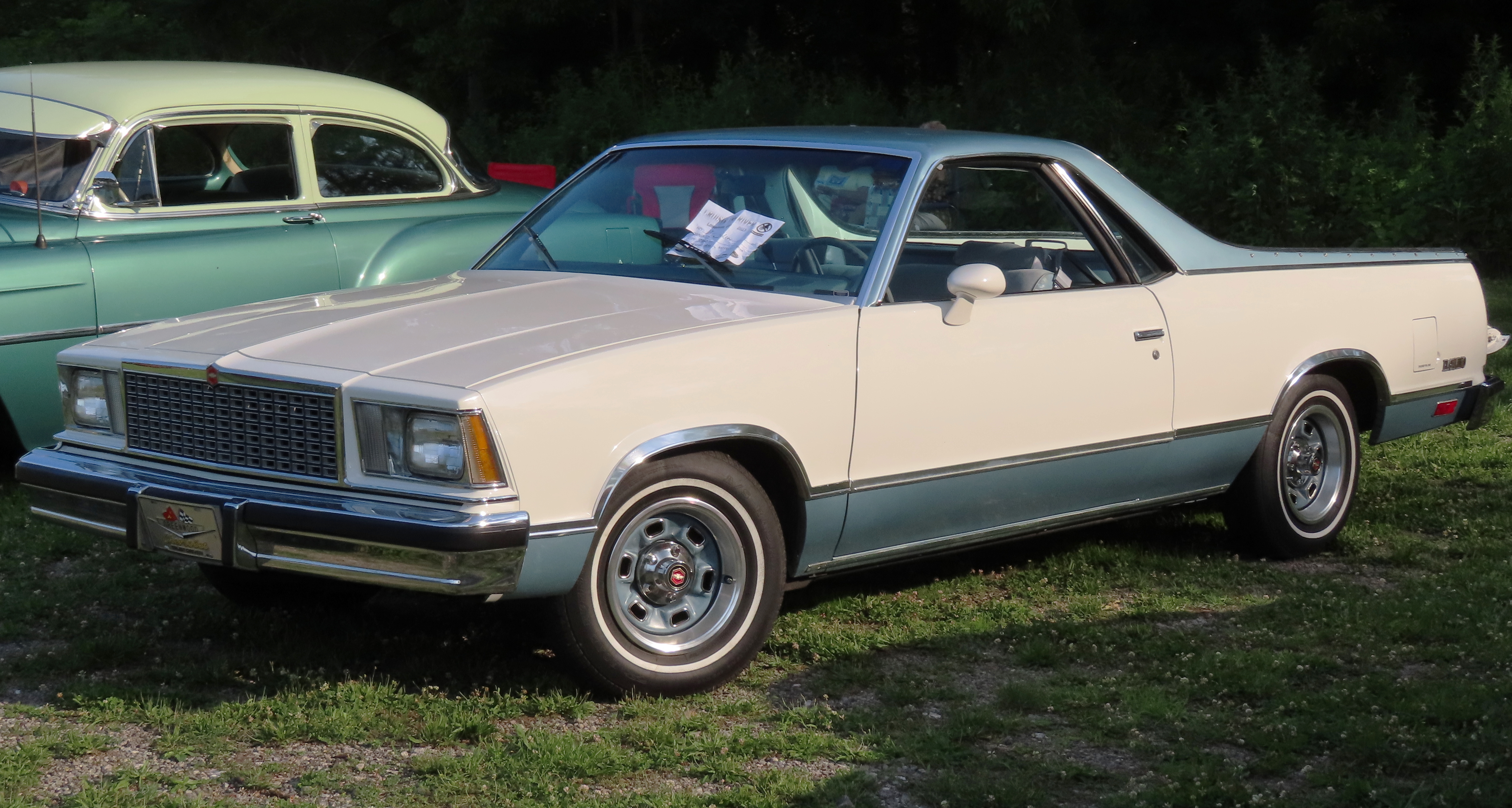
59 El Camino
"that graduated into you know my my dad had a 59 El Camino that I drove when I was little"
The El Camino is a Chevrolet that looks like a car but has a pickup-style bed. The speaker says they drove a 1959 El Camino when they were little.
The Chevrolet El Camino is a classic “car-based pickup” (a coupe body with a truck bed), and the speaker’s “59 El Camino” highlights that old-school American style. It’s notable here because it was part of their childhood driving experience and gear-shifting education.

64 Corvair
"my dad had a had the El Camino and my mother had like a 64 Corvair"
The Corvair is a Chevrolet that’s famous for being different from most cars—its engine is in the back. The speaker says their mom had a 1964 Corvair.
The Chevrolet Corvair is known for its unusual rear-engine layout and air-cooled design, which made it feel very different from most cars of its era. The speaker mentions a “64 Corvair” as the family car their mother had, making it part of their early driving memories.
two-wheel drive
"we had a 50 Jeep station wagon two-wheel drive Jeep station wagon all of them have special places in my heart"
“Two-wheel drive” means only two wheels get the engine power. It can feel less capable than all-wheel drive on slippery or rough surfaces.
“Two-wheel drive” (2WD) means power is sent to only one axle—typically the rear wheels on older trucks and SUVs. That affects traction and how the vehicle behaves on dirt roads, snow, or uneven ground.

Plymouth Barracuda
"my mother bought this brand new 67 Barracuda and I was 15 or something when she got that 14 or 15 and perfect car for a teenager yeah I was really you know it had the high performance 273 with a three-speed you know automatic and a console bucket seats red black interior"
A 1967 Barracuda is a classic muscle car. The host mentions a bigger 273 engine and an automatic transmission, and how it was powerful enough to spin the tires and leave marks.
The Plymouth Barracuda is a classic American muscle car, and this 1967 example is notable for its high-performance 273 engine. In the story, it’s paired with a three-speed automatic and bucket seats, and it’s described as having enough traction to “lay rubber” easily—exactly the kind of teenager-friendly chaos these cars are famous for.
lay rubber
"I could sneak out of the house and back out into the driveway and that thing with lay rubber like you wouldn't believe and uh and my parents my father was always like you know that car goes through a lot of tires"
“Lay rubber” means the tires spin and leave black skid marks. It’s what you see when a car accelerates too hard for the available grip.
“Lay rubber” is slang for tire spin that leaves visible rubber marks on the road. It usually happens when the driver applies enough throttle to overcome traction, causing the tires to slip.
bias player
"it was what the bias player with the old polyglass yeah yeah they weren't even polyglass but like every every spring there were new tires"
“Bias ply” (the transcript says “bias player”) describes a tire construction where the cords are laid at angles across the tire. Bias-ply tires were common historically, and they can behave differently than modern radial tires—often feeling less precise and wearing differently under aggressive use.
polyglass
"it was what the bias player with the old polyglass yeah yeah they weren't even polyglass but like every every spring there were new tires"
Polyglas refers to a type of tire construction used on older performance tires, known for using fiberglass in the tire’s belt structure. In the segment, it’s tied to why the tires wore out quickly with repeated hard driving.
13 on a tree
"and you know 68 GMC pick up you know kind of a simple 13 on a tree type of thing and so those are the ones I really grew up living with"
“On a tree” refers to a column-mounted shifter where the gear lever is attached to the steering column rather than on the floor. The “13” is likely a mis-transcription or slang for the specific gear pattern, but the key idea is the column shifter layout.
front wheel drive
"it had you know it was like a little little front wheel drive dealer and uh that that was a whole other experience like Brendan and we had talked about earlier today the you know the front wheel drive with a four speed"
Front-wheel drive (FWD) means the engine’s power is sent to the front wheels, which both steer and drive the car. The host links FWD to how the car behaves for playful driving like donuts, because the front tires are doing the work of both turning and traction.
emergency brake
"you had to put it the emergency brake on and put it in reverse and you could do some wicking close but donuts that way"
An emergency brake (parking brake) is a secondary braking system meant to hold the car stationary. In the segment, the host uses it as a technique aid for donuts—helping lock or unsettle the rear wheels so the car can rotate more easily.
donuts
"you had to put it the emergency brake on and put it in reverse and you could do some wicking close but donuts that way"
“Donuts” are a driving maneuver where the car spins in a circle, typically with the tires slipping and leaving a ring of rubber. The host describes doing them in a front-wheel-drive car using the parking brake and reverse to get the rotation started.

Chevrolet Vega
"my mother uh bought a when they first came out a 72 or 3 Vega and that was my second car that I owned ... so um now there's another example of the quality of cars that we have today versus then"
The Chevrolet Vega is an older compact car from the early 1970s. The speaker mentions it to talk about how long it lasted and to compare older cars to newer ones.
The Chevrolet Vega was a compact car from the early 1970s that became well-known in enthusiast circles for its reputation and for being a common family car. In this segment, the speaker uses their mother’s Vega and later a 75 station wagon to contrast older car “build quality” and durability with what they see today.
muscle car era
"now there's another example of the quality of cars that we have today versus then I lusted for the muscle cars I love ... the muscle car era was a great time to come of age so to speak"
“Muscle car era” means the time when American cars were built to be powerful and exciting, especially in the 1960s and early 1970s. The speaker connects it to their teen years and the kind of cars their friends had.
The “muscle car era” refers to the period when American automakers marketed high-power engines in relatively affordable, mass-produced cars. In this segment, it’s framed as the speaker’s coming-of-age time, when cars like the Camaro, Corvette, and GTO were culturally dominant and often associated with reckless driving.

Chevrolet Corvette
"I lusted for the muscle cars I love ... I used to kid that my first words were Corvette because I always wanted a Corvette and I always wanted a 67 Corvette"
The Chevrolet Corvette is a legendary American sports car. The speaker says they always wanted a 1967 Corvette, which shows how big the dream of these cars was during their teen years.
The Chevrolet Corvette is America’s iconic sports car, famous for its performance and for being a mainstream “dream car” for enthusiasts. The speaker specifically mentions wanting a 1967 Corvette, tying it to the muscle-car era when they were old enough to start driving.
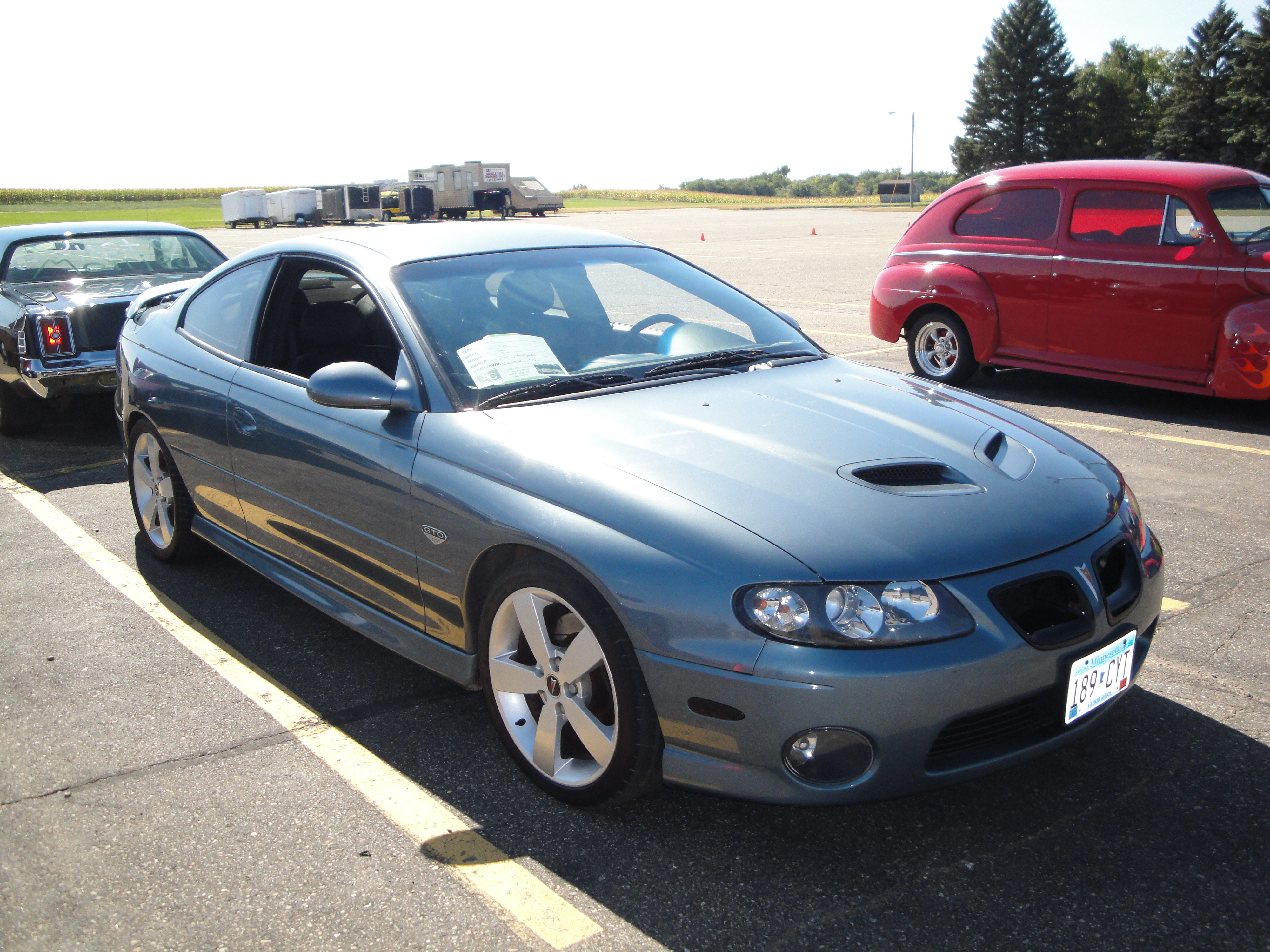
Pontiac GTO
"yeah you were like a kid just starting to drive when all of those cars hit right 65 66 7 like GTOs Corvettes all with their prime"
The Pontiac GTO is a famous muscle car from the 1960s. The speaker brings it up as one of the big-name cars from that era that people wanted.
The Pontiac GTO is one of the most influential “muscle cars,” credited with helping popularize the idea of high-power performance for everyday drivers. Here it’s mentioned as part of the mid-1960s lineup of cars that the speaker and their friends were seeing and dreaming about.
handling
"like I remember you telling me a story about like the Camaro right like one of the reasons that you wanted a Camaro so badly is because when you were a kid they would outperform ... 69 Camaro in handling and comfort you"
Here “handling” means how the car feels when you steer, especially in turns. The speaker is saying the Camaro was easier to control than the Barracuda, even if the Barracuda was fast in a straight line.
In car talk, “handling” means how well a car responds to steering and stays stable while cornering—how predictable it feels when you turn. The speaker contrasts handling with straight-line speed, arguing that the Camaro felt better to drive than the Barracuda in corners.

Impala
"you know for some reason I always liked the Impalos and the you know the Cheval my brother had a [915.9s] Cheval my sister had a 65 Cheval also that was a convertible SS"
The Impala is a classic Chevrolet model. In this story it’s brought up as one of the big, powerful cars the speaker liked.
The Chevrolet Impala is a full-size American car that became especially iconic in the 1960s and 1970s for its available V8 power. Enthusiasts often remember the Impala as a “big car” that could still feel lively when equipped with stronger engines.
big block
"the Impalos the [938.5s] DeVils the yeah the big block the Bonneville's you know stuff with big motors big big big executive [946.0s] cars"
A “big block” is an engine with a lot of displacement, usually a V8. It’s popular because it tends to feel powerful and makes a great sound.
“Big block” refers to a family of large-displacement V8 engines (commonly in the 1960s–1970s) designed to make lots of torque and power. In muscle-car culture, big-block engines are often chosen for their effortless acceleration and distinctive character compared with smaller “small block” V8s.

Grand Prix
"executive [946.0s] cars yeah big Bonneville's Grand Prix 67 Grand Prix I always thought were cool and um and we uh you [956.9s] guys have talked some about the cars we have today"
The Grand Prix is a Pontiac model. The speaker is talking about the 1967 version as a cool car from the era of big V8 power.
The Pontiac Grand Prix is a performance-oriented full-size car that became popular for its V8 options and sporty feel. The speaker’s mention of a “67 Grand Prix” ties it to the late-1960s era when these cars could be ordered with strong engines.

67 SS 427
"haven't got the 67 yet but we got a 67 SS 427 the Z24 package which is an absolutely gorgeous car [975.7s] that Ruby folks that's right Ruby is just come up on the podcast many times"
This is a classic muscle car (a Chevrolet Chevelle) with a huge 427 V8 engine. People love it because it makes strong power and feels special compared to regular cars from the same era.
The Chevrolet Chevelle SS 427 is a classic muscle car built around the 427 big-block V8, which is known for strong low-end torque and a dramatic sound. The “SS 427” package is a performance-focused trim that enthusiasts associate with the late-1960s era of high-displacement American V8s.
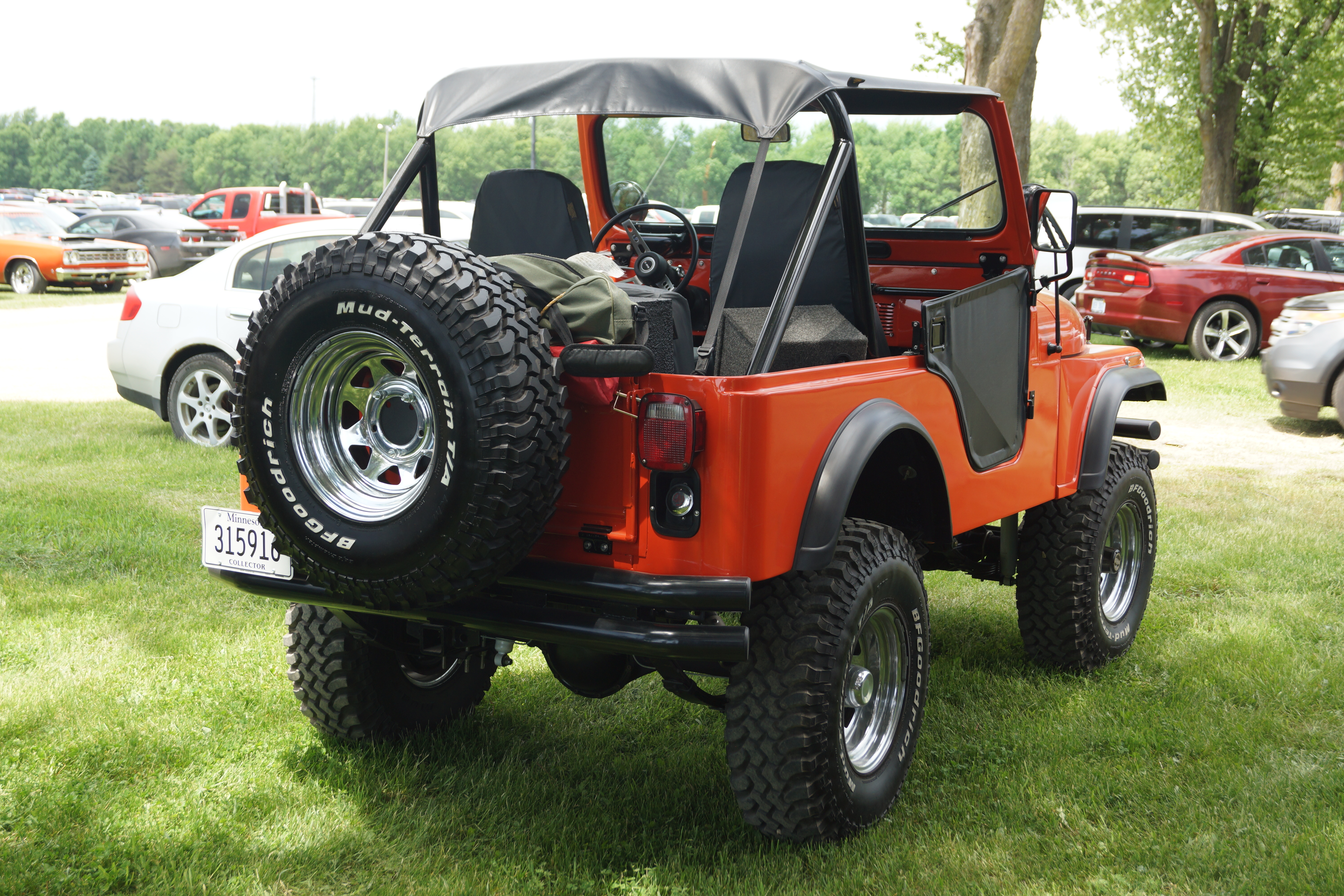
CJ
"everybody talking about it drove you crazy because you wanted a four by four I mean I would [1023.1s] beg him to get like a four-wheel drive pickup or a CJ or something like that to use on a weekend [1030.9s] or something when we went to camp"
“CJ” is a Jeep model line made for off-road use. The speaker wanted one because it’s better for dirt roads and camping than a regular two-wheel-drive truck.
“CJ” refers to the Jeep CJ series, a classic line of compact off-road Jeeps known for their simple, rugged design and four-wheel-drive capability. In this story, it’s the kind of Jeep the speaker wanted for camping because it would handle rough terrain better than a two-wheel-drive pickup.
off-roading
"you could do a whole episode just on off-roading adventures with that jeep you used to drive it full time in the winter yeah it was actually it was from a farm... I actually pulled an old trailer with it"
Off-roading means driving on rough ground like dirt, snow, or fields instead of regular roads. The host is saying the Jeep is actually good at that, and you only really understand it by trying it.
Off-roading is driving on unpaved or rough terrain where normal road tires and suspension travel can struggle. The speaker uses the Jeep as an example of how it can handle winter farm use and towing, and argues that people should experience it firsthand rather than judging from descriptions.

Dodge Journey
"...hould actually drive one for like maybe a 20 mile journey or something and they they'll be really impressed..."
The Dodge Journey is a family-oriented SUV/crossover meant for everyday driving. It’s built to carry people and gear comfortably. The podcast is basically saying you could try driving one for a short distance to judge how it feels.
The Dodge Journey is a mid-size crossover/SUV designed for family use, with seating space and a practical layout rather than pure sports performance. It’s a common “daily driver” type vehicle, which is why it can come up in discussions about test drives and real-world impressions. In the podcast context, it’s mentioned as something someone could drive for a short trip to see how it feels.
wiring harness
"tore it down to the last nothing bolt and redid completely restored it new wiring harness is made with the same way that the 1951 was"
A wiring harness is the car’s main bundle of wires that connects all the electrical parts. During a restoration, replacing it helps make sure the car’s electronics work correctly again.
A wiring harness is the bundled set of wires and connectors that routes electricity throughout the vehicle. In a full restoration, replacing or recreating the wiring harness is a major step because it affects everything from lighting to engine-related systems and helps ensure the car can be restored to correct operation.
roll-up windows
"…it had side curtains and stuff they didn't have roll-up windows so the cylinder but had the six cylinder…"
Roll-up windows are the kind that go up and down. The speaker is saying this vehicle didn’t have that style of windows, which is part of what made it feel more open and old-school.
Roll-up windows refer to side windows that slide up and down, typically using a manual or power mechanism. The speaker contrasts this with the Jeepster’s side curtains, implying a more open, vintage cabin setup.
six cylinder
"…they didn't have roll-up windows so the cylinder but had the six cylinder there was a very torquey continental six…"
“Six cylinder” means the engine has six working cylinders. In this story, they’re saying that particular six-cylinder setup pulls strongly and makes the vehicle enjoyable to drive.
A six-cylinder engine uses six pistons in an inline or V configuration, producing smoother power delivery than many four-cylinder setups. The speaker highlights that this Jeepster’s six-cylinder is “torquey,” implying strong low-end pull, which is often a big part of why enthusiasts seek these versions.
torquey
"…there was a very torquey continental six and you know it was just a great running engine…"
“Torquey” means the engine has strong pulling power. That’s what helps the car move smoothly and accelerate without revving it hard.
“Torquey” describes an engine that produces strong torque, especially at lower engine speeds. Torque is the twisting force that helps a vehicle accelerate and pull without needing high RPM.

Jeepster
"…really really enjoyed that vehicle but I ended up uh I was trying to sell it… and… he said… about your Jeepster… …we always keep our eyes out for those six cylinder Jeepsters and they are pretty rare…"
A Jeepster is an older, collectible Jeep model. Here, they’re talking about a Jeepster with a six-cylinder engine, and they say those versions are hard to find and worth more than they used to be.
The Jeepster is a classic Jeep model known for its distinctive open-air styling and collectible status. In this segment, the speaker specifically talks about a six-cylinder Jeepster and notes that these six-cylinder examples are rare and have risen significantly in value.
value has gone up in value quite a bit
"…we always keep our eyes out for those six cylinder Jeepsters and they are pretty rare but talk about something that's gone up in value quite a bit yeah a nice example now is probably 40-50 grand…"
The speaker is describing collector-car appreciation: as certain versions become rarer and more desirable, their market prices rise. They give an example estimate for a “nice” six-cylinder Jeepster, framing it as a significant jump from earlier selling prices.

Jeep
"redid another one that went to bed oh yeah rusty the Jeep you know it's yeah remember well yeah we redid that one and uh I mean when I when I first did that the guy gave me the the Jeep that we made it from oh yeah and people used to sell those old Jeeps for 500 bucks or 250"
They’re describing old Jeep projects that people used to find for cheap and rebuild. It sounds like they’d grab parts from barns and other cars to keep making the Jeep work.
The hosts are talking about older Jeeps that were being bought cheaply and then rebuilt over decades. They mention using parts like axles and frames from other people’s barns, which is a common way classic off-road vehicles get kept alive.
air filter
"will call me up and say so and so told me you had this original and they come and look at it to see exactly where the air filter is mounted or you know like all that when they're restoring one they want they want to use it as a template for their restoration"
The air filter is the part that cleans incoming air before it reaches the engine. When restorers measure where it mounts, they’re trying to match original fitment and details for an accurate restoration.
restoration template
"exactly where the air filter is mounted or you know like all that when they're restoring one they want they want to use it as a template for their restoration"
A restoration template means using an original car as a “reference” for how everything should look and fit. Other restorers copy measurements and locations so their rebuild stays true to the original.
A restoration template is an original or well-preserved car used as a reference for how parts were mounted and how components were arranged. In this segment, people inspect details like air-filter placement so their restoration matches the original configuration.
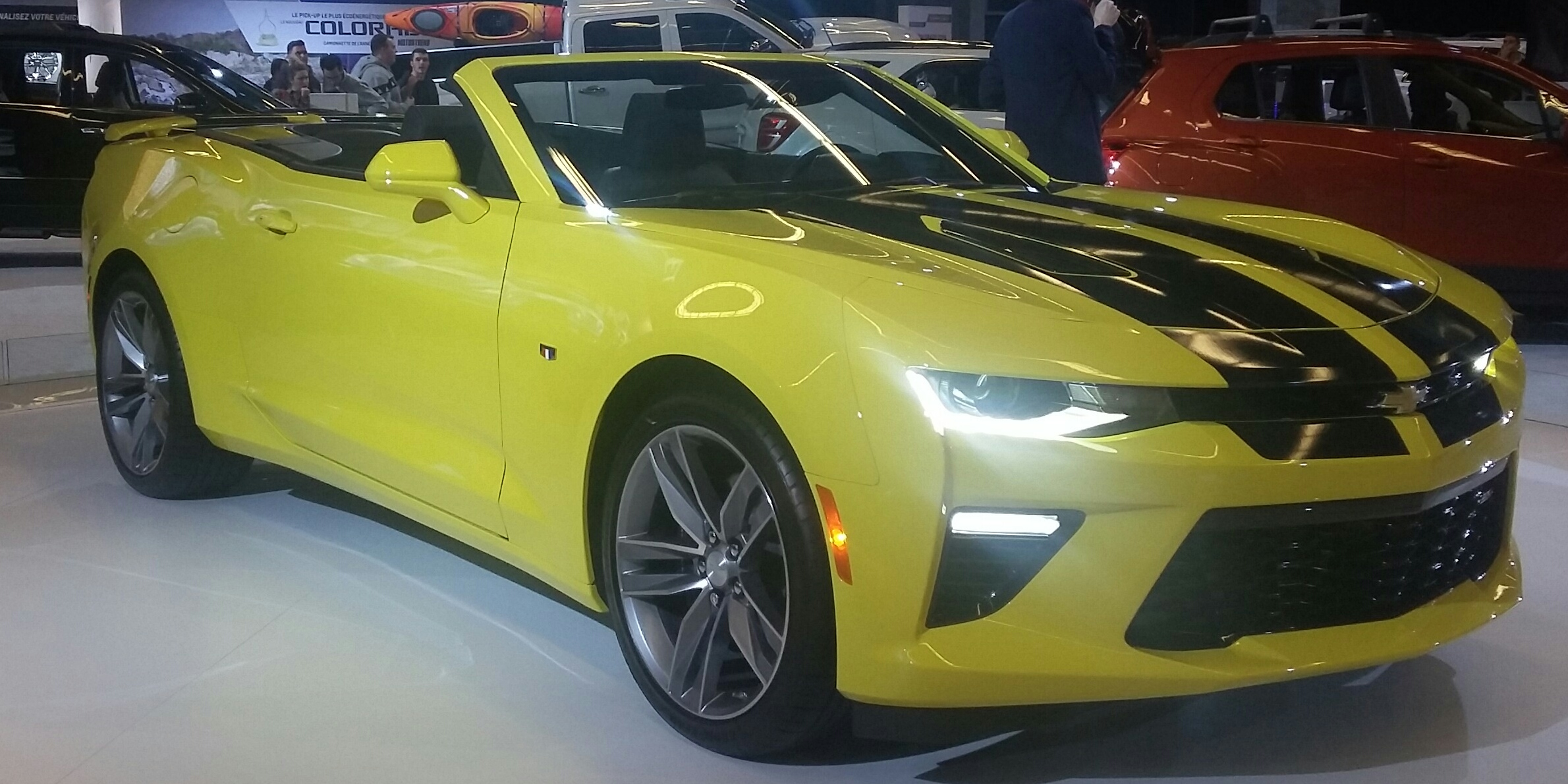
1969 Camaro
"well even the even the like things like the 69 Camaro I mean they they never were worth much money for a long time and now they're like"
They’re using the 1969 Camaro as an example of a car that was once considered disposable. Over time, fewer survived, so the remaining ones became more valuable.
The hosts mention the 1969 Camaro as an example of a classic that used to be cheap but later gained collector value. They attribute the shift to how many were made and how many got scrapped due to rust and neglect.
throwaway cars
"they were like you always said those I mean those cars were like throwaway cars yeah back in the day they made a ton of them"
They mean cars people didn’t think were worth saving. They were cheap and often got scrapped, so later only the survivors remained—making them more valuable.
“Throwaway cars” refers to vehicles that were treated as disposable when they were new—cheap to buy, easy to scrap, and often not worth repairing. The hosts connect this to rust and high production volume, which later created collector scarcity.

Ford Mustang
"those I mean those cars were like throwaway cars yeah back in the day they made a ton of them and same with Mustangs and stuff right they were they sold them cheap and that people loved them but they were they rotted out and they junked them"
They’re saying Mustangs followed a similar pattern: lots were made, many got junked, and later the remaining cars became more desirable. Scarcity is a big reason collector prices rise.
They compare the market shift of the 1969 Camaro to Mustangs, noting that many were sold cheaply and then rotted out. The point is that mass-produced cars can become valuable later when surviving examples are scarce.
low mileage
"those ones that you'll wonder but I had I had a chance to buy a 67 Corvette with low mileage back when I was like 24 or 5 for like 6000 bucks it was a 427"
“Low mileage” just means the car hasn’t been driven very much. In general, that can make a car more appealing because there’s less wear from use.
“Low mileage” means the car has been driven relatively few miles, which often matters for collector cars. Lower mileage can reduce wear on components and can make a vehicle more desirable to buyers looking for originality and longevity.

Delorean DMC-12
"...went with Ian and Dr. Bradigan and there was that DeLorean there's like that 81 DeLorean that had like 20,00..."
The DeLorean DMC-12 is a sports car that’s famous for its doors that swing upward like wings. It’s remembered for its unusual look and for becoming a well-known car over time. The podcast is talking about a specific early model year (like an ’81).
The DeLorean DMC-12 is a distinctive sports car best known for its gull-wing doors and its cult status. It’s often discussed because it’s visually memorable and has a strong place in pop culture history, which keeps interest high even decades after production. The podcast mention points to an “81 DeLorean,” likely referring to an early model year.
steering gear
"oh well we got to change all the fluids new windshield wiper blades we got to clean the carpets put new door panels on there's a steering gear ought to be replaced"
The steering gear is the part that turns your steering-wheel input into the movement that actually steers the car. If it’s worn, the steering can feel off, so people replace it during a refresh.
The steering gear is the mechanical portion of the steering system that converts steering wheel movement into turning force for the wheels. When it needs replacement, it can affect steering feel and accuracy, and it’s a common “fix it right” item during restoration or refurbishment.
manifold nuts
"yeah that way yeah the set of manifold nuts aren't the original ones they're supposed to have a little funny thing on the head"
Manifold nuts are the bolts/nuts that hold an engine manifold in place. If they’re not the original style or don’t match, it can be a clue the car was worked on before, so restorers try to make it correct.
Manifold nuts are the fasteners that secure an engine manifold (such as an exhaust manifold) to the engine. During restoration, mismatched or incorrect nuts can be a sign of prior work, and getting the right hardware can help preserve correct fitment and appearance.

Cadillac Sevilles
"they'd be a year old I'd buy my auction my friend Vernon would get them for me at the auction and I had like park avenues and you know Cadillac Seville's and you know that I would drive because I was driving 40 50 000 miles a year I would drive for a year and we'd sell them and I'd get another one"
The Cadillac Seville is a luxury sedan, meaning it’s designed to feel comfortable and upscale. People choose it when they want a smooth ride rather than a sporty one. The podcast is recalling it as a car the speaker got and drove, likely from auctions.
The Cadillac Seville is a full-size luxury sedan known for comfort and a traditional, upscale driving experience. It often comes up in stories about older luxury cars because it was a popular choice for people who wanted a smooth ride and a more formal feel. In the podcast context, it’s mentioned as a car the speaker would drive, tied to auction purchases and personal use.

GMC trucks
"there were a couple pickups that I bought that were kind of unique I had one of the first extended cab GMC trucks they had a short box on the back it was a you know extended cab but it had the short box that was a step side and that had like they had a high performance engine package"
They’re describing an older GMC pickup they owned. It was a “short bed” extended-cab truck, and it came with a more powerful engine option than the base model.
The speaker is talking about an early GMC pickup truck with an extended cab and a short bed (a “short box”). They mention it had a high-performance engine package, which is why it stood out to them even if the output was modest by today’s standards.
extended cab
"I had one of the first extended cab GMC trucks they had a short box on the back it was a you know extended cab but it had the short box"
“Extended cab” means the pickup has some extra room behind the front seats—usually smaller rear doors—so it can carry people occasionally without being a full-size family cab.
An extended cab is a pickup configuration where there’s extra space behind the front seats, usually with smaller rear doors or limited rear seating access. It’s a compromise between a regular cab (simpler, lighter) and a full crew cab (more rear space).
short box
"they had a short box on the back it was a you know extended cab but it had the short box that was a step side"
A “short box” just means the truck bed is shorter than usual. It’s often easier to drive and park, while still letting you haul stuff.
A “short box” is a pickup’s short-bed configuration, meaning the cargo bed is shorter than standard or long-bed versions. Short beds are typically easier to park and maneuver, while still offering useful hauling space.
high performance engine package
"and that had like they had a high performance engine package which you know by today's standard it was probably only 300 horse or something"
This means the truck was ordered with a stronger engine option than the standard one. It’s basically a factory upgrade meant to make the truck feel quicker.
A “high performance engine package” usually refers to a factory option bundle that upgrades the engine and related components for stronger output and/or better responsiveness. In this context, the host is saying the truck had a more powerful option than the base setup.
step side
"it had the short box that was a step side and that had like they had a high performance engine package"
A “step side” pickup has fenders that stick out around the rear wheels, giving it a recognizable look. It’s mostly about the truck’s shape and style.
A “step side” (step-side) pickup has rear fenders that step outward over the wheel area, creating a distinctive body shape. It’s mainly a styling/packaging choice, often associated with older pickup designs.
trade it vs sell it
"the property management and all that like you have one and then you go to sell it instead of trade it in and then you would get people that would actually like call you"
They’re talking about two ways to get rid of your old car: trade it in at the dealership or sell it yourself. Selling it yourself can sometimes help you get a better deal, because you’re not mixing it into the new-car purchase.
The hosts contrast trading in a vehicle versus selling it outright. Trading in typically bundles the old car’s value into the new-car deal, while selling separately can give you more control over price and timing.
Doug Smith
"friends like Vernon and Lee at in Doug Smith you know I said let's not go through this whole negotiation thing like why don't I just agree to pay you"
Doug Smith is the dealership they’re talking about. They’re saying they trusted the people there, so buying a truck felt straightforward.
Doug Smith is referenced as the dealership group the hosts dealt with for purchasing trucks. The point is that they had a trusted relationship that made buying easier and reduced pressure tactics.
out-the-door price
"let's not go through this whole negotiation thing like why don't I just agree to pay you I think it was $500 over your cost whatever your net cost yes cost yeah"
The out-the-door price is the final total you pay for the car, not just the sticker price. They’re saying they agreed on the total up front so there were no surprises.
Out-the-door price (OTD) is the total amount you pay to take the vehicle home, including taxes, fees, and dealer charges. The hosts describe agreeing on a clear “net cost” amount so they knew what they’d pay without extra upsells.
finance manager
"whatever your net cost yes cost yeah and I'll just keep you know whenever I want one I'll just come in and order one yeah and I didn't go to the finance manager or get credit"
The finance manager is the person at the dealership who handles the paperwork and often tries to sell extra options. They’re saying they didn’t have to go through that process.
A finance manager is the dealership role that handles the paperwork and typically presents financing options and add-ons during the sales process. Here, the hosts emphasize they avoided that step and instead ordered directly through their trusted contact.
extended warranties
"they didn't try to sell me extended warranties and all that crap and they just it just made it super easy"
An extended warranty is extra coverage you can buy after the original warranty expires. They’re saying the dealership didn’t try to pressure them into buying that add-on.
Extended warranties are optional service contracts that add coverage beyond the standard factory warranty period. The hosts mention they weren’t pushed to buy one, which they see as part of why the purchase felt easy.

GMC Sierra
"you thought you got one of the last vehicles from them before they sold that 2004 Sierra there's one of the trucks that I drove the most George yeah yeah"
The GMC Sierra is a big pickup truck made by GMC. Here, they’re talking about one they bought and used a lot, and how easy the dealership made it.
The GMC Sierra is a full-size pickup truck line from GMC. In this segment, it’s discussed as a vehicle the hosts bought through a trusted dealership relationship and as one of the trucks they drove a lot.
Request an Explanation
Heard something you'd like explained? We'll add it to this episode.
Sign in to request explanations for terms you heard.
Want to learn more?
Browse our glossary for plain-English explanations of automotive terms, jargon, and concepts.
Help improve this episode
See something that's not quite right? Our annotations are AI-generated and can sometimes miss the mark. Click the flag icon on any annotation to suggest a correction.