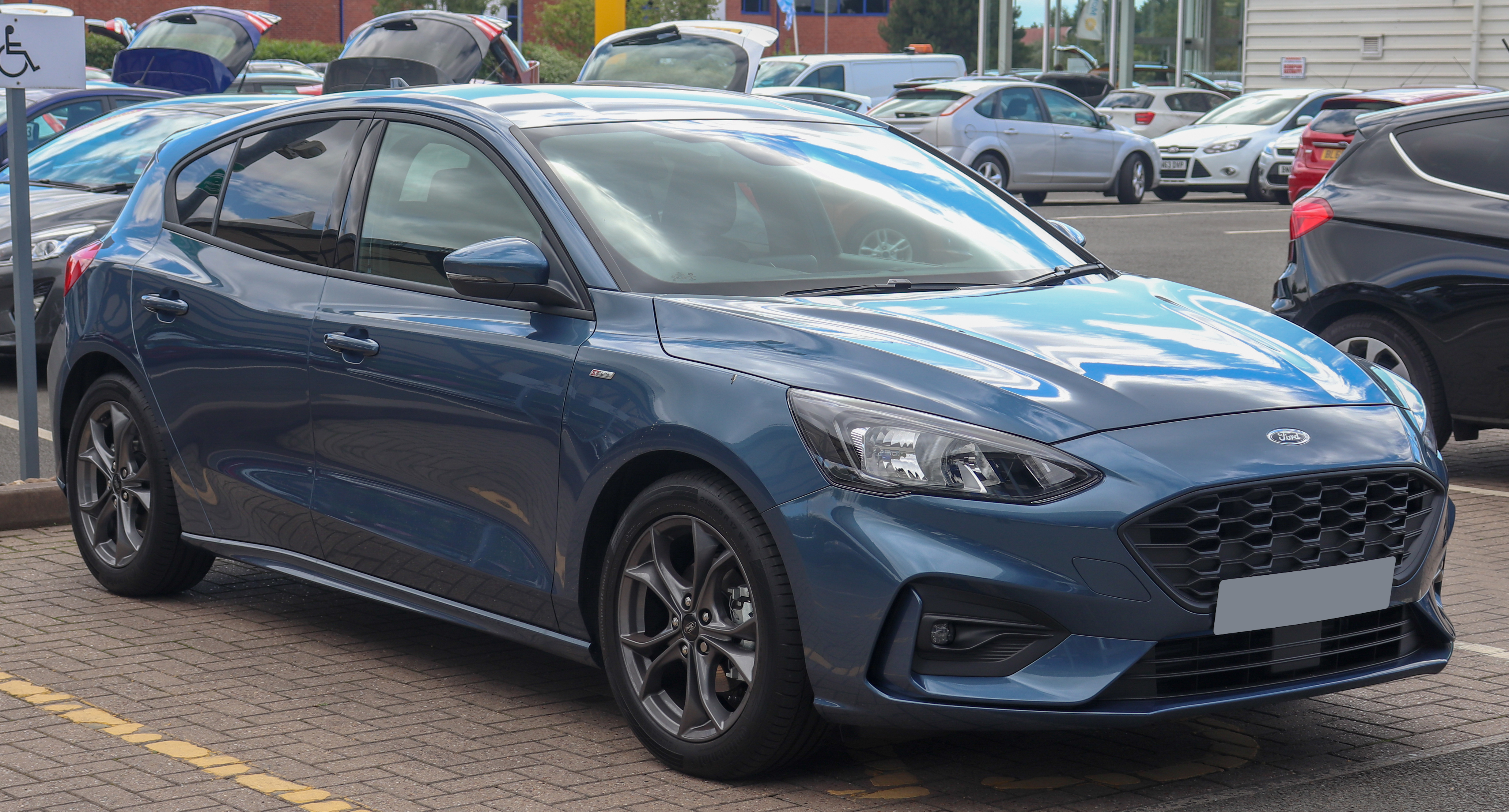
The Ford Focus is a small car that is easy to drive and good on gas. The 2012 version is one of the more recent models and is popular for its affordability and reliability.
Markup is the extra amount a dealer adds to the price of a car. It helps them make money, but sometimes it can make cars more expensive than they should be.
Actual cash value is how much a car is worth right now, considering how much it has lost value over time. It's important for things like insurance and loans.
An Uber driver is a person who uses their own car to give rides to people who request them through the Uber app. It's a job that allows for flexible hours but can lead to a lot of driving.
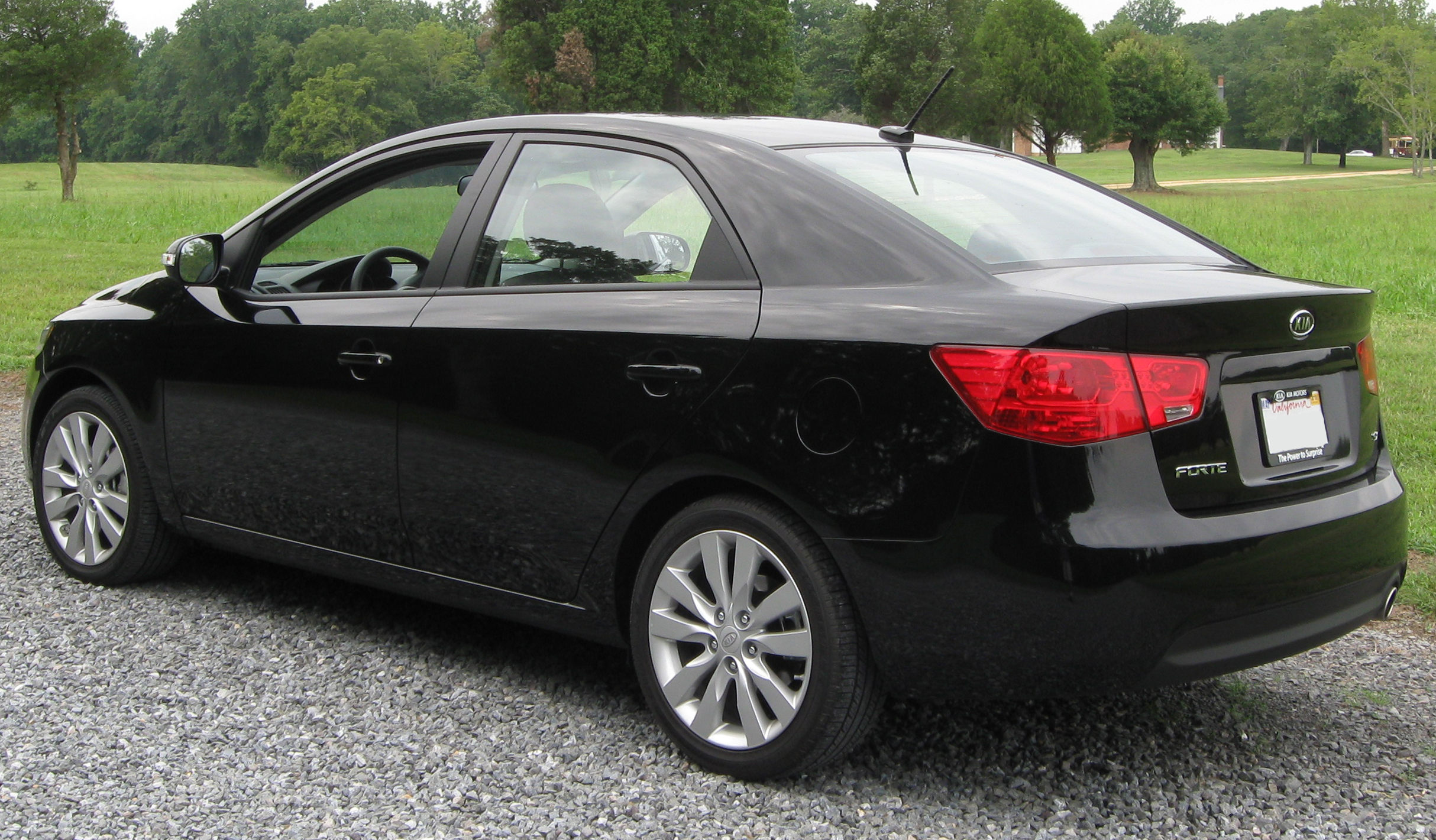
The Kia Forte is a small car that is often chosen because it is inexpensive and practical for everyday use. It's a good option for people looking for a reliable vehicle without spending too much money.
When you finance a car, you're borrowing money to buy it and then paying that money back in monthly payments. This usually includes extra money called interest that you pay for borrowing the money.
When someone says a car has a blown transmission, it means the part that helps the car change gears is broken. This can make the car unusable and usually needs expensive repairs.
LIVE
I'm going to give these six golden rules that I made up for the boot camp.
The last one is going to be the most important.
Stay calm when you're talking to a customer.
Use questions instead of statements.
We want to know what's going on with our customer.
Never debate a hardship.
It's just a losing battle.
You're not going to work.
Anchor the conversation to the vehicle and about how important the vehicle is to the
customer.
That's really good.
Get a path forward and if that is paying right now or paying next Friday, let's get a path
forward so that we're all on the same page.
This is so key, the last one.
Hello and welcome to the independent Degler podcast.
Luke, it's rough out there, man.
It is rough, rough, rough, rough.
Well, it's going to be good because it's tax season, but what you don't want to do,
Jeff, is screw up the rest of the year because tax season, right?
Don't we all know that our underwriting gets incredibly loose.
All we look at is down payments.
This is the time of year to put a lot of bad books, but a lot of bad contracts on your
books, right?
It happens.
It's been there like nonsense.
Yeah.
It has been happening for a while.
We need to go back to the basics when it comes to underwriting, Jeff, and it's our
my collections.
You've seen that a lot.
We talk about this.
We document it and really went over all the stuff with tricholor and a lot of other buy-here-pay-hairs
that are big in the industry and in our circles that are going under.
So much of that starts with bad underwriting, just being fast and loose with the application
process and the scoring models, your underwriting criteria, and we just start slinging it like
it's post-COVID, right?
Not post-COVID, in COVID.
And not only, Jeff, does it take out buy-here-pay-here dealers.
It's taken out of big lender, and that's a big deal, the more big lender, big deal,
and that avalanche just starts and it rolls down the hill.
So today, let's talk about best practices when it comes to underwriting because everybody
needs to hear it because it's about to be time to slink some paper.
Yeah, and I want to make sure we go a little bit deeper on this.
So let's try to skip over some of the real basic stuff.
Okay, because I think everybody listening to us at this point knows stability, ability,
character.
We all know payment income.
We all know time in the area, time on job.
All those kind of things are crucial for good underwriting.
So let's maybe dig deeper on some of the missed areas or the ones that aren't getting
enough attention that you think are causing crucial flaws to pop out in this dam.
So one of the first things I'll tell you is term.
Terms cause a problem.
And what causes the problem of term is ACV of the car, gross profit, and price.
And the reason term follows is that you're, you're stretching the note out too long, Jeff.
Buy or pay here dealers.
If you go back to the basics, it was essentially a 12 month long and 18 month long, 24 month
long, right?
Those loans performed the best and it was perfect for our customers.
And all of a sudden we decided that some people have decided that 48 and 60 month loans are
okay.
I'm here to tell you that the driving habits of the family that buys your buy here, pay
here car will not allow your car to reach a 60 month term or a lot of times a 48 month
loan.
And that's a real problem.
Okay, so here's my problem with that, Luke.
I would love for all of my loans to be 12 months long, but my customers can't afford
a $1,500 a month payment, you know, on a 2012 Ford Focus.
It's just not happening.
So I think in my defense for extending term is I was trying to keep the monthly payment
affordable.
So how do I reconcile making it a manageable monthly payment and saying that I need to
keep my term short so I can get my principal back and get out of this car sooner?
So the second thing I was going to tell you that's causing problem is payment cost.
And if we look back before COVID, our average payment cost probably in our industry was
in the 400 to 450 range.
And automatically it jumped to 500 to 600 range.
And it's putting a really big bind on our customers.
And so how do we do it?
There was an artificial jump in ACV during COVID.
And we have to be determined to get back to pre-COVID ACVs when possible.
So I need to buy a turd.
Well, you know, unfortunately, buy here, pay here for a long time was, wasn't the best
car on the planet.
And so we don't want to drive turds though.
Yeah.
Okay.
They don't.
I understand that.
But at some point, the customers are going to be having to drive turds because what their
credit is going to allow them to drive.
And I'm not saying a turd because there used to be a lot of great cars in that $4,500 price
range that you could buy, do your recon, sell for $9,995, and the customer would be in the
loan for 36 months max.
And I think we can go back there.
I think we can get back there.
Now, it might be harder.
And either we have to lower our grosses, which we don't want to talk about doing that anymore
because there's no margin anymore anyway.
And so how do we get there?
I think it's being very selective on the cars we buy.
And maybe it's reducing the amount of cars we sell to make sure we have the right inventory.
That's an interesting thought.
So I see two answers there that you said that I think would be even approachable for most
back here pay here.
So that is making sure my grosses are in line.
Right?
Now, you want to make money, but we all know in the buy here, pay here money, you could
make a ton of money, but it's not money you're going to ever elect.
So just having phony grosses makes no sense.
If I want to put a $10,000 markup on every single car and stretch all my terms out to
60 months, I could keep my payments affordable.
But it's ridiculous because it would never be clear.
It would never be clear.
Let me talk about that for one second.
What happens a lot of times is people inflate their gross because they're working with a
line of credit and the higher they can inflate the gross, the more money they can pull out.
That's a bad situation too, right?
So you have to be able to play the game where the grosses are in line and I'm not taking
60% every time I sell a car, maybe I'm taking 30% or 35% or 40% every time I sell a car
to make sure you're staying within that window.
The bad gain is to have high grosses and high advanced rates because then you're going to
go out of business.
And because your portfolio is just not going to perform properly.
Yeah.
It seems like I don't know why lenders base it on a percentage of the contract financed.
That seems like a really bad metric.
Shouldn't it be a percentage of the actual cash value of the car?
100% it should be.
And it could be honestly 100% of the cash value of the car beside repos because that
would make more sense.
But if I'm not sure...
My gross is just so I can hit my advanced rate of 65%.
That's right, but unfortunately that's not the way the lenders set it up.
And so it's counterintuitive for the dealer, but they don't know that and it's very indirect
opposition to where the lenders should be.
Could I lower my interest rate, the interest rate I charge?
I would not say do that.
I would say I would be in favor to lower my gross before I lowered my interest rate.
And some people may be capped in their state, so they need to make sure of that first.
But if you're selling an ACV of let's call it $10,000 and under, you should be max rate.
Max state rate, you should be.
Because the money, the interest money is only taxed when you collect or when it's...
I will say when it's collected.
That's just the easiest way to say it.
When it's earned.
So tax wise, you're more advantageous to have a higher interest rate than lower gross.
Hey, just to jump in real quick and make sure you guys know about Buckeye Risk Services,
still a great sponsor of the podcast and a great partner to have at any dealership.
Yeah, I'm sure retail, buy here, pay here, no matter what, tax planning is so important
and using a reinsurance company not only helps you with your tax plan,
it also helps with generating wealth.
And when you get toward the end of your dealership, you need something else to pull money out of.
And it's a great way to just force savings account, right Jeff?
Yeah, yeah, forced savings account.
So if you are a dealer, buy here, pay here, retail, and you're doing 20 to 30 cars a month,
all the guys at Buckeye, you will not regret getting a reinsurance company set up.
You can sell your service contracts.
You can sell your ancillary products.
You can reinsure for your post sale inspections.
You can of course set up your CPI collateral protection insurance if you're a buy here,
pay here customer, massive opportunities to build wealth and forced savings for rainy days.
Good, give the guys a Buckeye call.
So let's talk about how I determine whether or not my grosses are too high and if I'm charging
too much for my cars, because I think that's important for dealers to understand.
And I have found that you need to look at the percentage of your customers who are making
it to the end of their loans.
Yeah, I think there is a reasonable expectation.
Now of course it's going to vary based on your demographic, your geographic, maybe a little bit.
We do know inner city folks and some of these other areas just might not ever make it to the
end of the loan based on life changes and things like that.
But when you run a static pool on your portfolio and you look at different
timeframes and different groupings of loans, you can see how many of my loans are making it to the
end and how many aren't.
And that's a really good indicator of whether or not I've got my loan stretched out too far.
I've not got my loan stretched out enough.
It's okay for not everyone to make it to the end of the loan.
That's part of buy here, pay here.
Yeah, you shouldn't have nobody making it to the end of the loan.
No, you shouldn't.
And also another metric to look at is severity of loss.
And you need to be within an industry standard of severity of loss.
And what I'm talking about is every time you take a charge off,
what is the full charge off minus the ACD of the vehicle?
What is that number leaving you?
You know, before COVID, that number was for me in the 4500 range.
Now after COVID, because the way grosses and prices and everything, it went up to $6,700, right?
And so if you're $8,000, $10,000, $11,000 severity, you're overpricing your cars.
Yeah. And I want to put the, obviously, the clause around that is when you said industry
standard, because I can't compare that to my regular, like you just said,
I look at my severity now and I think, oh my goodness, this is insane.
But it's not because I'm charging too much for cars.
I still think I have the same gross profit as I did before, even less.
So yes, my severity, my severity, my charge off has gone up,
but it's not because I'm overcharging.
It's just funny money I'm never collecting.
It's literally because the wholesale market corrected in the meantime.
Yeah. I think over the next, in 2026, I do believe that you'll see
more severity is going to level out and we'll probably get back to a baseline that makes sense.
I still believe that number is going to be $6,000 to $7,000,
is where the baseline's going to probably end up, if I had to guess.
If you're charging a reasonable, possibly more than reasonable gross profit for your car.
Yeah. Okay. So we talked about term as being kind of a hidden killer,
which led us down the road to a bunch of different things of gross profit and all that stuff.
Anything else on the underwriting side of a healthy portfolio that you see is maybe
out of the ordinary or the dealers are not paying attention to?
I'm going to tell you inventory probably is a big deal.
Gig work is a big deal.
And if you're not underwriting properly for gig work,
you're going to have charge offs and you're going to have excessive charge offs.
That's a hard one because I have a small portfolio.
We don't do a ton of loans, so I can really dig in as best I can to prevent
the Ubers and the Door Dashes and the Instacarts and all that stuff from happening,
but it's still happening. I know it's happening because I'm standing at the freaking restaurant
and Homeboy walks in to pick up a Grubhub order and I'm like, dude.
I was with you. I was with you.
I was with you. I was with you.
Yeah. And our freaking temp tag is still on the stupid freaking car.
So sure, my blood boils and I say, well, how do we not catch this in underwriting?
But it's impossible to control because these guys, they do pick it up.
They get into it. They need extra money.
They can make their new car payment and insurance or CPI payment.
So they go and they pick up a nighttime Door Dash gig and they start running a new car ring.
Those aren't the problems. I had this conversation with a dealer last week
and they have a large penetration of people gigging. Let's call it that.
Giggity. Giggity, giggity. If the gig worker has a full-time job
and they're just picking things up in the night or doing that a little extra,
I think that could honestly at times help. It could help these customers because it's
instant cash and they can make a payment when they maybe couldn't.
So I think that. And they have a base income.
That's important. Yeah, yeah, yeah.
They kind of make their whole monthly nut from gig working.
They've got their base income that's covering everything.
This is just that little bit of extra to maybe help with the payment or the insurance or whatever
it is. That's right. And on the flip side, someone who walks in and all their income is
grub hub and there's a couple other things that I don't even know what they are.
Uber Eats and all these things. If they're doing that, they're going to kill your car.
You do not need to finance them no matter what.
You don't even think if a shortened term, higher payments, like do you just set the
contract up for that kind of commercial work or do you just sit down the road and say we don't do?
If this is a hard one, Jeff, because the answer to your question is yes.
If you can structure the loan to last the length of the car during that, then yes, let's do it.
But who was it? We were somewhere, Jeff, and somebody had just gotten out of a car.
I think it was Andreas actually. He had just gotten out of an Uber delivering him to the hotel.
It was like a one-year-old Kia Forte or something to that effect.
And it already had 140,000 miles on it. And the guy had financed it for 72 months or 84 months,
knowing that he was going to be an Uber driver the entire time. It's not going to work.
It's just not going to work because that person should be paying that car off
in less than three years. And he couldn't afford it. So you're done.
But if you structure it in a way where it's like, hey man, this is $1,000 a month for 12 months,
if you can do that, then using it for primary work and I'm going to check the miles or whatever
you want to do to set it up, you probably could. Now, what happens when you find out, say the
customer comes in for service work three months later or comes in because they're warranty and
all of a sudden you see they blew through their miles in the first couple of months?
Do you cancel that contract? Do you shut them down? Do you call it due? Or do you force a refi?
I don't think you're in a position to do any of them, unfortunately. I think you made a bad
note. And in that situation, if they were $1 a day, I would be repossessing them.
And maybe not that quick. But you need to have your finger on that account and needs to be noted
in your DMS. And whenever there is a hiccup, they don't get the leniency that every other
person that doesn't do that in your portfolio. It's just a different rule set for those customers.
Not that you make different rules for different people, but you may be inclined to be more strict
with your rules that you already have set up because, of course, we treat everything the same.
Some people do have clauses in their contracts or separate contracts or even in the retail
installment contract that says this is not for commercial use. If you can prove it and you
want to go to battle over it, I don't know, call Steve Levine, ask him first, make sure your
documents are vetted through him before you go down that road. And I'm sure we'll give you
I'm sure it would give you reason to repossess. But that's really, you know,
do you want to jump down that hole because they're going to default in another way anyway.
So just wait for that default to happen. Repossess the car.
They show up with a blown transmission and they're out of warranty now because they blew through
the miles. It's staying with you. It aims to put a transmission in it. That's right. That's right.
Hey, real quick, since we're talking about collections,
all things collections right now, we brought on the pro, the actual pro at collections.
Yeah, she's, we'll call her the Robin, if I say the wicked witch of collections is that man?
I prefer the queen of collections hearts, maybe.
Your Halloween setup was the queen of hearts, right?
And I was thinking the wicked just came out. Anyway, so let's talk about AI and collections
because it is so important moving forward here. If you're not using AI in your collections,
and we discussed that a lot in my boot camp, then you're going to fall behind, right?
Truth, truth, truth, truth. AI in the year of our Lord 2026 is, if you're thinking about
bolting on AI and going, that is a press release, not a product strategy.
AI is a big elephant and how do we eat an elephant?
One bite at a time.
One bite at a time. So as we're thinking about and released, we released AI general population,
well, so Blitz Collect, which is our AI, which is our AI piece to the general population in
the middle of December. And the statistics are pretty interesting.
Well, let's talk, let me, let's talk about the statistics and, and how it actually works. This
is, as I recall, this is a agent talking on the phone back and forth to someone, correct?
That's so crazy, Jeff.
Yeah, it was really cool. We talked about this, what was this was like, not even two months ago
or so, right? So what have you found since then? Give us the stats on how it's being adopted,
what kind of response rate you're getting, because at first I say, I don't know, AI talking on the
phone, like, I'm a little worried about that. But, but, but tell me how it's working.
So just like in everything else, nobody answers the phone.
85% of phone calls are going answered. But the interesting part is it's a call to action. AI,
the AI dialer is a bot that's dialing your customers so that your collectors don't have to be.
And what it is, is a call to action for those consumers. Hey, they're calling me,
whether it's AI or a collector, it doesn't make any difference. It's paired with the text message,
the combination, here's your, here's your engagement. And we're seeing 14%
increase in payment velocity and payment volume with an AI, with an AI call. So we've got
dealers on the program today that are using it as a reminder call. We've got dealers that are
using it in one to three. I mean, it really is just like create your queue and then go.
There's two voices. Allison is a little more friendly. Allen is very direct. So you can,
it's kind of magic. It's really cool to watch.
Help me understand that. So Allison, you're saying so, so from a collector standpoint,
I've got Allison making these outbound phone calls all day long, right? And if the customer answers,
Allison actually interacts with this customer and gets info. If it don't answer,
now Allison will leave a message and say, Hey, reminder, just Allison from Four Seasons Auto
letting you know your payments due tomorrow. What I was going to say is it's kind of a way
of sicking the bots on your customers, but that's not super nice. It's what you're doing is you're
taking like busy work where people don't answer the phone and collectors get frustrated and it's
just boring. So queue in minutes and then let your collectors work on customers that actually
need engagement. And what I was going to say is after being in dealership after dealership and
working on collections with dealerships, the one thing I find is that that early part of the queue,
which is the easiest time to get promises to pay, gets neglected from phone calls. A lot of text
goes to these people and they're really bad texts. People are texting the same thing a million times
and they're not changing it up and there's no call to action. That phone call from a real
live human being or AI is going to make a big difference in those early promises to pay, right?
It makes a remarkable difference and you've got to be first to the well. You've got to be
especially in tax season. Tax season coming up. You need to be paying attention. Look, this is a
combined package. AI doesn't, again, AI is a piece. It's not the plan. We're talking about
automated intelligence. You're talking about using AI and you're talking about using automation and
engagement to get your customers like to get them in a funnel and get them to where you need them
to be. There's information. If you don't get them where you need them to be, now there's information,
right? Whether it's good or bad, if they don't make a payment and they have received an AI call
or they've opted out of the text messages or whatever that looks like, that's information that
then helps you make risk decisions that are better on your portfolio. Is this going to ever
take some of my collector's jobs?
It depends on how many collectors you have and what they're doing. Will it replace what we have
seen is it doesn't replace collectors. It replaces new hires. If I can go through my queue in minutes
and know where I stand, I've got the information. You guys, as dealers, so much data comes at you
about your consumers and about what's happened. More data than you can ever, even if you've got it
and you can see it, it's more than you can ingest and make sense of. It's the data that's coming at
you that you can then distill down and make sense of and not just make it consumable but make it
actionable so that I can go out and do something with it. All this information is super relevant
and as the economy does and whatever it's doing, is buy here, pay here, struggle as consumers struggle,
you need every additional arrow in your quiver that you can to help your consumers pay.
Yeah, I like that. When you say, when is Allison going to start stocking my customers'
Facebook pages to find out if they were at the casino over the weekend and have that conversation
with them? I mean, don't think it's not coming. This industry waits for people to fail before
we give them a tool to succeed. That's interesting. Kind of my mic drop for 26.
Get in front of it. Yeah. I'd said this during one of my sessions that
whatever is brand new today, and Robin, I think I may have gotten this to you, but whatever is
brand new today, three weeks from now is going to be ancient history in the AI world and so
you've got to use it right now because if you don't, you are going to be so far behind when
you decide to use it a year from now that you're not going to be able to catch up.
Robin, can you give us a little teaser then? What's coming? What is the next step for this?
Is there any kind of foreshadowing you can give us as far as what BlitzPay has gotten
to do? I don't want to build buttons on the microwave that you're not going to push.
I had an opinion about what we were going to build and how we were going to build it. We were
going to do promise to pay. We were going to do all of these pieces inside that the bot could do
basically the job of a collector. Here's the reality. Nobody answers the phone. Nobody answers
the phone. We're collecting data right now. We're watching how our dealers engage and how the
consumers engage with the automation as well as the AI and then we'll make those decisions
as it comes up. There's some really cool opportunities. Text, engagement from an AI
perspective like BlitzCollectText is our foundational piece. Yeah. Stand me up.
And I tell you, that's what's great about having vendors like BlitzPay. They support us
as a podcast. They support us as an industry because it's hard for small businesses to understand
all this technology comes at us. So Robin, thanks for you and your team for building that process
and not throwing things on us we don't need. Build it as we go and as we can digest the data
and that'll be, that's great for us. We love it and we want all the feedback. We can get one thing
that I want to bang this drum just a little bit. There's lots of competitors out there that are
doing these things that are doing AI collections. If you don't have reporting and you don't have
compliance on your roadmap, that is hope. That's not a plan. That's not a plan. So
in Blitz, you can see we're partnered with, we're partnered with DMSs, we're partnered with
AMS, we're partnered with IDMS, we're partnered with Emotive so that you can see what those calls
look like, that those calls are actually being made. You can see the success rates,
you can go in and listen to calls if AI does happen, have a conversation with someone.
I just want to emphasize that whatever you do inside your dealership, if you can't track it
and you can't substantiate it, that's hope. That's not a plan. Yeah, absolutely. Robin,
thank you so much. Thanks, guys. Okay, so now let's transition over to the other side of it. So
I did the loan, it's a bad loan, it's a good loan, whatever it was in the beginning, but now it's
starting to go south. Where are you seeing dealers lose it on the collection side when it comes to
their portfolios? What are we missing? Now we all know the basics. Make your phone call, stay in
contact, put your hands on them, check the GPS, make sure they got CPI or current full coverage
insurance. What else are we missing from a goods collection policies and protocol?
Yeah, people miss recency way too much. Their collectors don't focus on it, the owners don't
focus on it, and really, you buy here, pay here, customers, all about recency. That means if you
have weekly payments, you don't want to see them going over seven days of recency. And if they're
bi-weekly, you don't want to see them going over 14-day recency, you got to have your finger on
recency. If you can stay on recency with full payments on recency, I should caveat that. And
recency of contact, recency of seeing the car, we need to make sure we're on recency. And if you can
stay on recency and stay in contact with that customer, 99% of our buy here, pay here, customers
want to pay unless they have a life event. Then we got problems. But if you have recency of
communication, you know what's happened. Yeah, talking to them. Now, I know a lot of dealers,
we talk about this all the time, is you do have some restrictions based on your covenants and your
loans as far as refis, deferments, things like that. So those can be tools used in the right
situation. And then we've talked about those at length. The other thing that makes me think about
is when you talk about recency is make sure your collectors are paid in a way that aligns with what
you want to see out of your portfolio. And we've been down this road before, again, I know that
also. But if you have a collector that's motivated by money, and their pay plan is not based on them
making any more money on recency, delinquency, charge off severity, charge off amount, all those
things, then you guys are not lined up. You're not going in the same direction. You're expecting
them to go left. They're trying to just flow. So typically, when I talk to dealers about their
collector pay plans, it's like, oh, we pay on delinquency. Okay, great. What else?
Yeah. What else is it? One day, one dollar. That's all we care about. There's a lot more to it.
30 days. So it's delinquency. It's recency. It's charge off percentage. It's repo redemption.
How many times do I touch this person? All these things have to come in to the pay plan
that you built for your collector. If not, just like ourselves people, they're going to find a way
around it. And they're going to find out how can I work this pay plan to make the most money
with the least effort. You can repo yourself into a great delinquency.
Yep. I guarantee I could come into anyone's dealership within 60 days. We could have amazing,
amazing delinquency as long as you don't look at my charge offs. That's right. Or my recency
because I've just deferred everybody current, right? Yeah, yeah, yeah. Or my recency. So with
that being said, I think that having collectors who, A, they're aligned with what you want to see
done and those alignments or incentives, they change. And that's something I don't do good at.
My pay plan has been pretty set with my collector for probably a couple of years.
I haven't varied it. And I do think that you need to let your collector know, look,
I'm going to vary this a little bit within a range. Some of these numbers are going to change.
Sometimes I'm going to incentivize you a little more for this and this one's going to come down.
But based on what I need to see out of this portfolio, I might put a huge bonus or a stronger
pay plan for the next six months on charge off, you know, percentage of my portfolio that's charged
off. And then I might switch it and say, hey, you know, I want you to really focus on recency.
I think that's okay. I think it's okay to have a slightly moving goalpost for your collectors
because, A, they can't just learn to work the pay plan the way it is. Yeah. And during tax season,
during February and March, those goalposts should be narrower or narrower. Yeah. So you need to
make sure that you're expecting more in February, March than you are in June and July.
Percentage of side notes collected. That's huge right now during tax time. If you do side notes
for customers, they got money, you know, collect a massive, get it in the bank.
Do you see any other places dealers are dropping the ball? Let's wrap this up with maybe one more
collection side. You know, one of the things that I taught during my, by here, boot camp was,
it comes down to a couple of things. Collegers don't ever, I shouldn't say don't ever. A lot of
times don't ask for the payment. And it's so wild that you would do all that, trying to get a
communication and working through all this. And then the next thing that you do is you forget to,
hey, can you pay right now? I think that's important. Let's make that distinction.
Hey, Mr. Customer, you'll be fine. You know, $350 is due. Can you make that payment right now,
the full $350 right now, instead of what we say, when you're going to be in? When are you going to
be in? So I'll be in today. I'll come say hi. I'm bringing in the money. When you're going to be in,
I'll be in Friday. Okay, cool. Bye. I'll be in Friday when? With what? How? I don't get paid
Friday. I get paid Tuesday. I'm going to, yeah, I'm going to give these six golden rules that
I made up for the boot camp. And then the last one's going to be the most important. Stay calm
when you're talking to a customer. Number one, use questions instead of statements. We want to
know what's going on with our customer. Never debate a hardship. It's just a losing battle.
You're not going to work. Anchor the- My grandma died. Which one? Which one? The one, the five
that happened before. Anchor the conversation to the vehicle and about how important the vehicle
is to the customer. That's really good. Super important. Get a path forward. And if that is
paying right now or paying next Friday, let's get a path forward so that we're all on the same page.
And this is so key, the last one. Always get a time when they're going to pay,
the amount they're going to pay, and the method that they're going to use to pay it.
If you do that every time before you leave the call or a text after they've responded,
you are clear. They are clear. So if there is any alterations to that, you can go back and say,
this is what we said and you didn't do it. That's the reason your car is disabled or repossessed.
Yep. I love that. The when, how much, and how. And then I like to ask a fourth how.
How are you going to get that money? Where is that money coming from? Because I know that's on
your payday. You can go up on your paydays. That is key. You promise. You promise me this
Friday. Do you get paid this Friday? Yes. What time of the day do you get paid? 8 a.m. Okay.
We're going to set up an auto draft at 8.01 a.m. Is that cool? Yes. You've got to click it when
I send you the link. There you are. One thing I want to, we just said that distinction, but maybe
talk to me about your attitude on, I don't really like that. And I said, I said, you told me you
would pay me on Friday. I don't like that you would pay me. You're not paying me. My collector,
I'm not the bad guy. I'm not the collector. I'm your advocate with the bank. So I do like
them to say things more like, hey, let me tell, what can I tell the bank? Can I tell them you're
going to be in Friday at 5 o'clock with $500 on money, cash? Can I tell the bank that? Great.
Let me go to work for you. Let me go to battle with the bank. The bank's the big bad guy.
Hey, Mr. Customer, the bank really wants to pick up your part today. Can you bring that
payment in before 5 o'clock? Be an advocate for your customers.
Always. It's never you and me. You promised me. You told me. You owe me. You'd better bring me the
money. I just don't think that works, man. I think the bank has to be the bad guy.
That's right. And the more your collector can be an advocate, the more likely the customer
is going to communicate with that advocate. Exactly. That's the bottom line. When you're
the bad guy, they just stonewall you. They stop answering your phone calls and your text messages.
Now, when you're their advocate, they know they can get you on the phone and,
hey, can you tell the bank to give me 24 more hours? Sure. Sure. I'll do that for you. We're
buddies. That's what you need is you need to make sure those lines of communication
stay open because when you say, hey, pay me your else, okay, or else, okay, then I guess we don't
have anything to talk about because I got no pay. Or else. Or else why? Just stop answering your
phone calls. So for sure, absolutely. Luke, great stuff, man. Good stuff first to remember
this time of year. I know I see a lot of applications coming through and underwriting.
It always makes me anxious as to what our repo rate is going to be like in three months or six
months when we come out of tax time. But it's a good, good reminder for all of us in the industry
to stay on top of that right now. I'm just glad I don't have to deal with it. You suck. Bye, buddy.
Thanks, man.
About this episode
Six golden rules for effective dealer collections are shared, emphasizing the importance of calm communication and understanding customer hardships. The discussion highlights the pitfalls of loose underwriting practices, especially during tax season, and the need for shorter loan terms to ensure better repayment rates. The episode also delves into the role of AI in collections, showcasing its potential to improve payment velocity. Insights on managing gig workers and adjusting collector pay plans to align with portfolio health are also covered, making this a comprehensive guide for dealers navigating challenging economic times.
Are you chasing payments instead of running a real collections strategy?In this episode, we dig into why collections break down for Buy Here Pay Here dealers and what actually fixes it. We sit down with Robyn Burkinshaw of BlytzPay for a focused highlight segment, then bring the broader operator-level conversation to the table around what actually drives payment velocity and portfolio performance.From underwriting decisions that quietly destroy portfolios to the collections habits that separate strong stores from struggling ones, this is a practical, no-fluff discussion for dealers in the trenches.We cover:Why underwriting always shows up later in collectionsThe importance of recency and early engagementCommon collector pay plan mistakesHow better conversations lead to more paymentsWhere automation and AI actually help (and where they don’t)If you want better cash flow, fewer charge-offs, and more control over your portfolio, this episode is for you.Support the businesses that support the podcastBuckeye Risk ServicesReinsurance, tax planning, and long-term wealth strategies built specifically for independent dealers.BlytzPayBuy Here Pay Here payment processing with fast funding, text-to-pay, and real dealer-focused support.Tax MaxTax season systems that help dealers sell more in Q1 with same-day advances and customer-facing tax solutions.Ituran GPSGPS and payment technology for BHPH and retail dealerships focused on asset protection, recovery tools, and customer management.Follow & ConnectWebsite: www.theindependentdealer.comEmail: [email protected] Group: @independentautogroupLuke Godwin: @lukegodwinJeff Watson: /sendtojeffwLike, subscribe, and share this episode with another dealer who needs a fresh perspective.