
#415 - Stop Chasing Payments: A Smarter Way to Run Dealer Collections
About this episode
Six golden rules for effective dealer collections are shared, emphasizing the importance of calm communication and understanding customer hardships. The discussion highlights the pitfalls of loose underwriting practices, especially during tax season, and the need for shorter loan terms to ensure better repayment rates. The episode also delves into the role of AI in collections, showcasing its potential to improve payment velocity. Insights on managing gig workers and adjusting collector pay plans to align with portfolio health are also covered, making this a comprehensive guide for dealers navigating challenging economic times.
Are you chasing payments instead of running a real collections strategy?In this episode, we dig into why collections break down for Buy Here Pay Here dealers and what actually fixes it. We sit down with Robyn Burkinshaw of BlytzPay for a focused highlight segment, then bring the broader operator-level conversation to the table around what actually drives payment velocity and portfolio performance.From underwriting decisions that quietly destroy portfolios to the collections habits that separate strong stores from struggling ones, this is a practical, no-fluff discussion for dealers in the trenches.We cover:Why underwriting always shows up later in collectionsThe importance of recency and early engagementCommon collector pay plan mistakesHow better conversations lead to more paymentsWhere automation and AI actually help (and where they don’t)If you want better cash flow, fewer charge-offs, and more control over your portfolio, this episode is for you.Support the businesses that support the podcastBuckeye Risk ServicesReinsurance, tax planning, and long-term wealth strategies built specifically for independent dealers.BlytzPayBuy Here Pay Here payment processing with fast funding, text-to-pay, and real dealer-focused support.Tax MaxTax season systems that help dealers sell more in Q1 with same-day advances and customer-facing tax solutions.Ituran GPSGPS and payment technology for BHPH and retail dealerships focused on asset protection, recovery tools, and customer management.Follow & ConnectWebsite: www.theindependentdealer.comEmail: [email protected] Group: @independentautogroupLuke Godwin: @lukegodwinJeff Watson: /sendtojeffwLike, subscribe, and share this episode with another dealer who needs a fresh perspective.

Ford Focus
"...but my customers can't afford a $1,500 a month payment, you know, on a 2012 Ford Focus. It's just not happening."
The Ford Focus is a small car that is easy to drive and good on gas. The 2012 version is one of the more recent models and is popular for its affordability and reliability.
The Ford Focus is a compact car known for its practicality and fuel efficiency. The 2012 model is part of the third generation, which was produced from 2011 to 2018, offering various trims and engine options.
gross
"So just having phony grosses makes no sense."
Gross is the money a car dealer makes from selling a car before paying any bills. It's a way to measure how well the dealership is doing financially.
In automotive sales, 'gross' refers to the profit a dealership makes on the sale of a vehicle before expenses are deducted. It is an important metric for evaluating the financial performance of a dealership.
markup
"If I want to put a $10,000 markup on every single car and stretch all my terms out to 60 months, I could keep my payments affordable."
Markup is the extra amount a dealer adds to the price of a car. It helps them make money, but sometimes it can make cars more expensive than they should be.
Markup refers to the amount added to the cost price of a vehicle to determine its selling price. In the automotive context, dealerships often apply a markup to cover costs and generate profit, which can sometimes lead to inflated prices for consumers.
line of credit
"What happens a lot of times is people inflate their gross because they're working with a line of credit and the higher they can inflate the gross, the more money they can pull out."
A line of credit is like having a bank account that lets you borrow money up to a limit. Car dealers use it to buy cars and manage their finances.
A line of credit is a flexible loan from a financial institution that allows the borrower to access funds up to a certain limit. In automotive financing, dealers may use a line of credit to manage cash flow and fund vehicle purchases.
actual cash value
"Shouldn't it be a percentage of the actual cash value of the car? 100% it should be."
Actual cash value is how much a car is worth right now, considering how much it has lost value over time. It's important for things like insurance and loans.
Actual cash value (ACV) refers to the amount of money that an asset is worth at the time of its sale, taking into account depreciation. This is often used in insurance and financing to determine how much a vehicle is worth when it is sold or financed.
Uber driver
"...he had just gotten out of an Uber delivering him to the hotel..."
An Uber driver is a person who uses their own car to give rides to people who request them through the Uber app. It's a job that allows for flexible hours but can lead to a lot of driving.
An Uber driver is someone who drives for the ride-sharing service Uber, using their own vehicle to transport passengers. This can be a flexible job, but it often comes with high mileage and wear on the car.
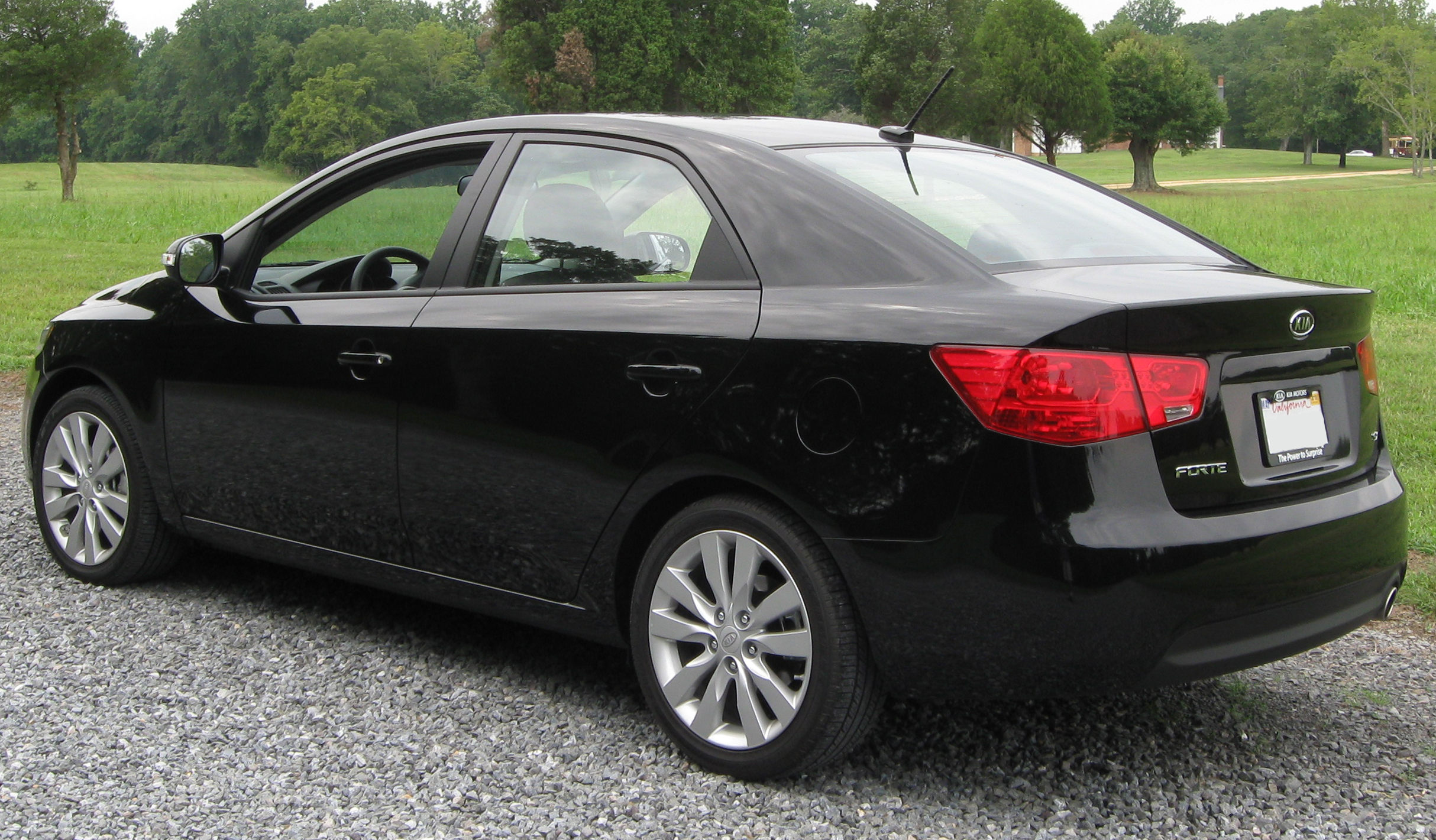
Kia Forte
"...it was like a one-year-old Kia Forte or something to that effect. And it already had 140,000 miles on it..."
The Kia Forte is a small car that is often chosen because it is inexpensive and practical for everyday use. It's a good option for people looking for a reliable vehicle without spending too much money.
The Kia Forte is a compact car known for its affordability and practicality, making it a popular choice for budget-conscious buyers. It offers a range of features and options, catering to various needs and preferences.
financed
"...the guy had financed it for 72 months or 84 months, knowing that he was going to be an Uber driver..."
When you finance a car, you're borrowing money to buy it and then paying that money back in monthly payments. This usually includes extra money called interest that you pay for borrowing the money.
Financing a car means taking out a loan to purchase the vehicle, which you then pay back over time with interest. This can be structured in various ways, including the length of the loan and monthly payment amounts.
blown transmission
"...they show up with a blown transmission and they're out of warranty now because they blew through..."
When someone says a car has a blown transmission, it means the part that helps the car change gears is broken. This can make the car unusable and usually needs expensive repairs.
A blown transmission refers to a severe failure of the vehicle's transmission system, which can result in the inability to shift gears or drive the car. This often requires costly repairs or a complete replacement of the transmission.
Request an Explanation
Heard something you'd like explained? We'll add it to this episode.
Sign in to request explanations for terms you heard.
Want to learn more?
Browse our glossary for plain-English explanations of automotive terms, jargon, and concepts.
Help improve this episode
See something that's not quite right? Our annotations are AI-generated and can sometimes miss the mark. Click the flag icon on any annotation to suggest a correction.