#440 - Are You Starting the Trade Conversation Too Late?
The Independent Dealer Podcast
#440 - Are You Starting the Trade Conversation Too Late?The Independent Dealer Podcast · Jul 16, 2026
Annotations will appear as you listen
0:00
27:28
Term
ED sales
“ED sales” here means electric-vehicle sales. They’re talking about how many EVs people are buying and how that’s shifting by location.
Car
Lucid
Lucid is a company that makes electric cars. In this segment, they’re saying Lucid’s cars look great and they’re interested in what it offers beyond Tesla.
Car
Cadillac EVs
Cadillac is a luxury car brand. The host is saying Cadillac’s electric cars look great, even though they’re not sure how good they are.
Direct-to-consumer (DTC) describes how some EV brands sell cars without relying on the traditional franchise dealer network. That can affect how easily independent dealers can access trade-ins and used inventory from those brands.
Car
Rivians
Rivian makes electric vehicles, especially trucks and SUVs. The host is mentioning it as one of the EV brands independents are now selling.
Car
Teslas
Tesla is a company that makes electric cars. The host is using it as an example of EVs that independents are now selling more often.
Car
Lucid's
Lucid makes electric luxury cars. The host is just naming it as another EV brand independents are selling.
Car
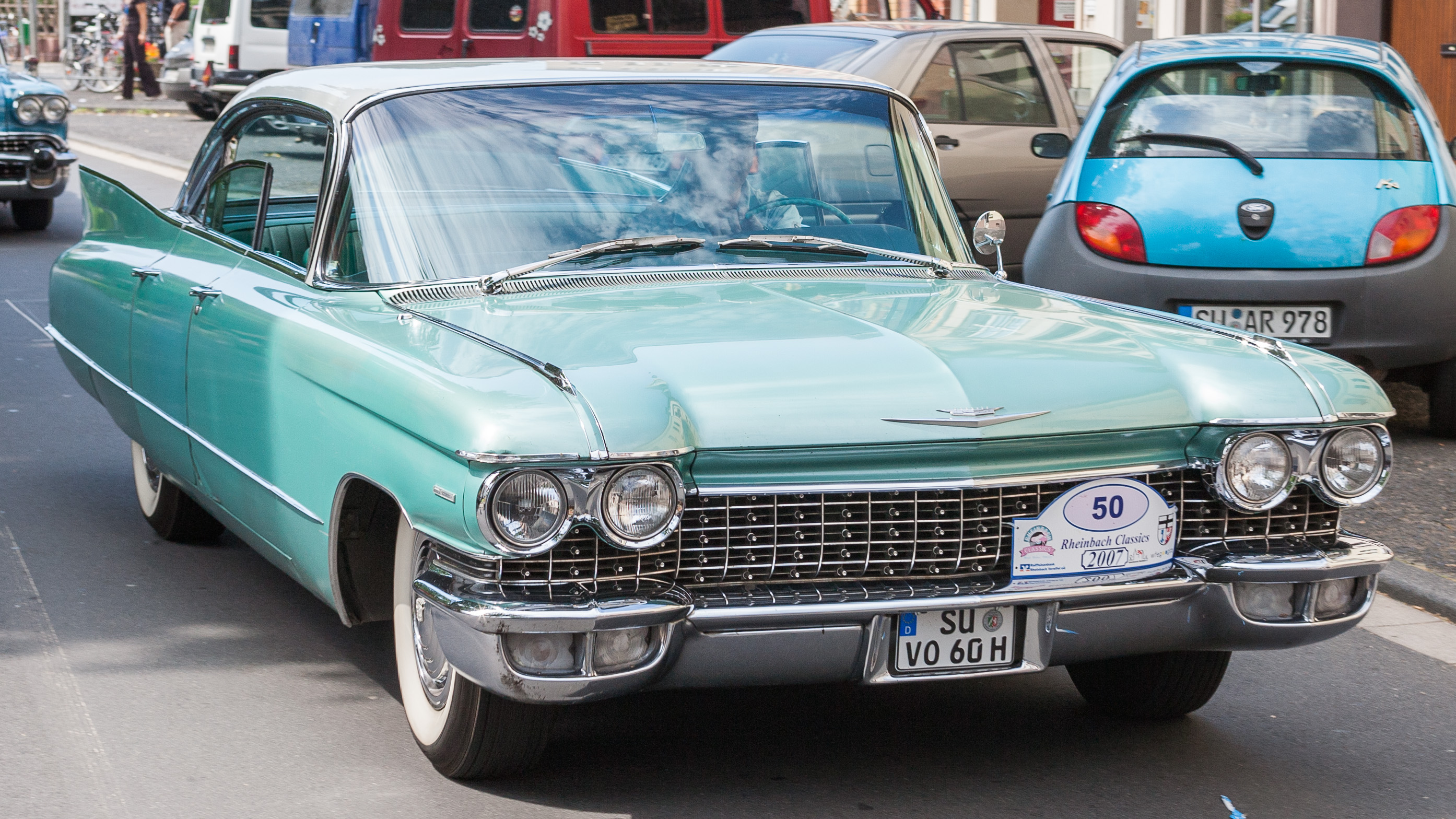
Cadillac
Cadillac is a luxury car brand. Here it’s mentioned in the context of where dealers get inventory, like cars coming off leases.
Car
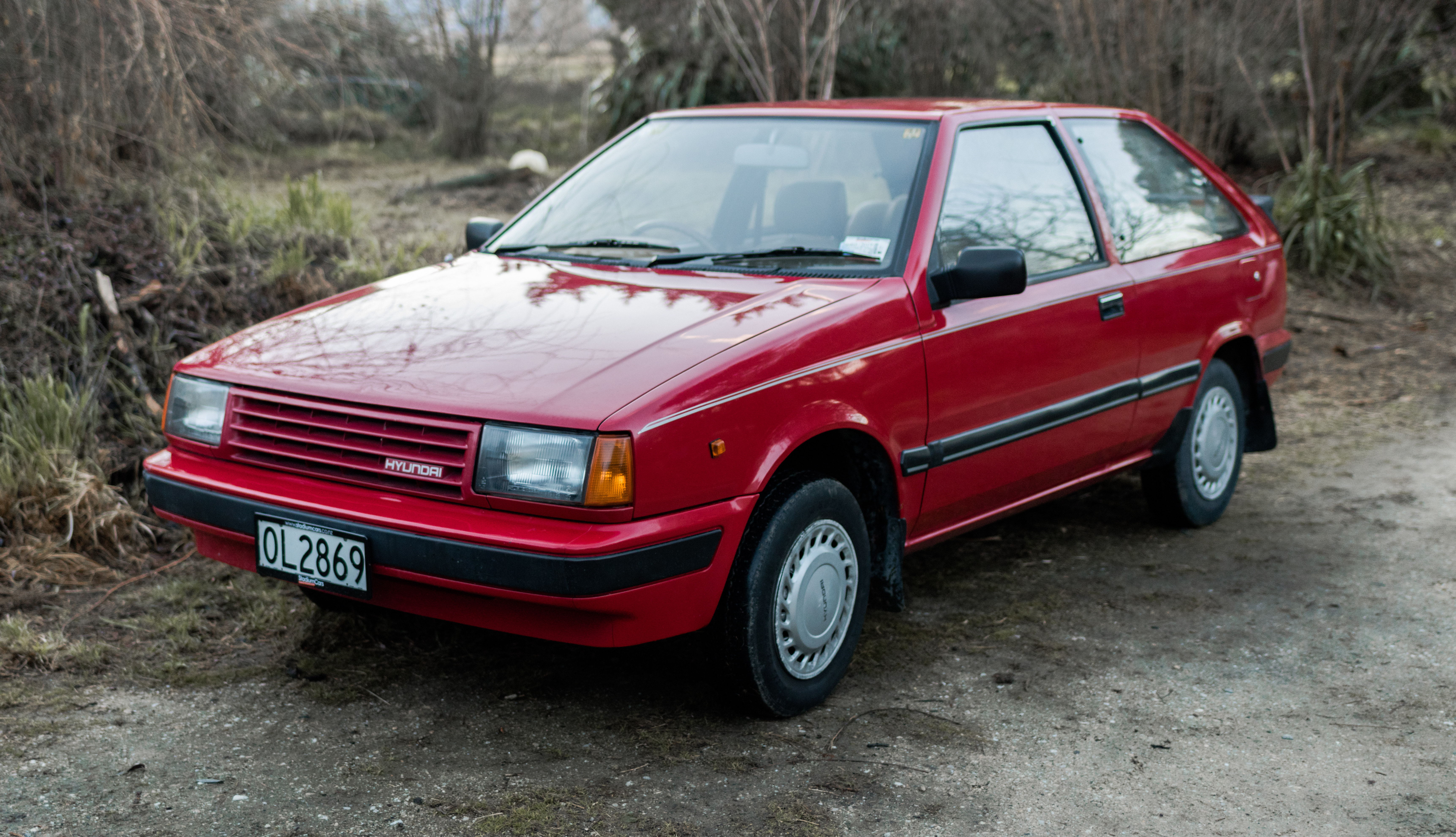
Hyundai
Hyundai is a car brand. The host is saying Hyundai, like Cadillac, will have cars coming off leases that dealers can sell.
Off-leases are cars that are coming back after a lease ends. Dealers can buy them and resell them, so having access to them helps you keep inventory on your lot.
Here, “banks” means the companies that lend money for car purchases. The host is saying some lenders are hesitant to finance EVs, which can make it harder for buyers to get approved.
Subprime buyers are people with lower credit scores. Lenders may be more cautious with them, and the host is saying that EV financing can be harder for this group.
Price volatility means prices change a lot, not steadily. The host is saying lenders may be nervous about EVs because their prices can swing quickly, which makes it harder to estimate what the car will be worth later.
Gas prices are what you pay at the pump. The host is saying changes in gas prices can affect how much EVs are worth and how quickly they sell.
Term
book
“Book” here means a pricing reference number used to estimate a car’s value. The point is that the reference number is outdated compared to what buyers are actually paying right now.
A “velocity model” in used-car retail means focusing on selling inventory quickly rather than waiting for the highest possible price. The host connects it to EVs because EV pricing can change fast, so dealers need fast turnover to avoid getting stuck with cars whose values drop.
Concept
used market space
“Used market space” just means the world of selling pre-owned cars. The host is saying that how fast you sell matters because used-car prices can change.
A “battery warranty” is the protection plan for an EV’s battery. The host is saying dealers are pricing that protection as if failures are either more or less likely than they really are.
“Battery packs” are the big battery units inside an EV that provide the power. If they fail more (or less) than expected, it changes how expensive warranties and coverage plans become.
“Loss ratios” are a way insurers measure how much money they pay out in claims compared to what they collect. The host is saying the EV warranty/add-on pricing should get more accurate once the real claim rate is known.
“Aftermarket products” are extras you buy for a car after it’s already been sold—often things like protection plans. The host is saying their price should change as people learn how often EV batteries actually fail.
GAP coverage helps when your car is totaled or stolen and you still owe more than the car is worth. It covers the “gap” so you’re not stuck paying the difference.
A service contract is an agreement to help pay for repairs for a period of time. It’s like an extended warranty, usually sold separately by the dealer.
A warranty is a promise that if something breaks, the company will help pay to fix it. Dealers use them to offer coverage to customers and manage repair risk.
Electric motors are what actually move an EV. The host thinks they can last a very long time, but the battery is the part people aren’t sure about yet.
In an EV, the battery pack stores the electricity that powers the car. The host says the motor might last a long time, but we don’t yet know how long the battery will last at extreme mileage.
The Tesla Model S is an all-electric car that’s built to feel like a luxury sedan. It’s known for being a higher-end Tesla model, so it often gets mentioned when people compare Tesla’s more premium cars to its more affordable ones. It doesn’t use gasoline—it runs on electricity.
The Tesla Model X is an all-electric SUV known for its distinctive design and electric drivetrain. The host mentions it alongside the Model S to describe how Tesla’s earlier vehicles felt more “luxury” in materials and finish.
The Tesla Model 3 is an all-electric sedan meant to be a more affordable, practical Tesla. It’s designed for everyday driving and doesn’t use gasoline. In simple terms, it’s one of Tesla’s main mass-market models.
The Tesla Model Y is an all-electric SUV that’s designed to be more widely bought than Tesla’s most expensive models. It’s a practical, everyday-sized vehicle, and it runs on electricity instead of gasoline. Because it’s popular, it often shows up frequently in used and dealer listings.
Synthetic leather is a fake leather material used for seats and trim. The host is saying it may wear and age in a way that affects long-term durability.
Window switches are the buttons you use to roll the windows up and down. The host says these controls tend to wear out sooner than you’d expect.
Term
reconditioning standpoint
“Reconditioning” means getting a high-mileage car back into good shape for selling or keeping. The host is asking what repairs will be most common at very high mileage.
Term
dents and dings
These are small cosmetic problems on a car’s body. A “ding” is usually a small dent, and a “dent” is a bigger or deeper one.
The chassis is the car’s main structure—the part that everything else mounts to. If the chassis is solid, the car may still be usable even if the exterior looks rough.
Term
interiors have been swapped out
This means parts inside the car—like seats or trim—were replaced. If it’s happened a lot, it can suggest the car was used hard or needed repairs.
Here, “lenders” are the companies that provide the money for car loans. The episode is talking about which lenders are still active and how that affects the market.
Company
CAP one
“CAP one” sounds like a financial company that provides loans. The hosts mention they got a call from them.
“Buy here, pay here” means the car lot both sells you the car and finances your payments. It’s often used by people with less-than-perfect credit, so the interest rate can be higher.
A “charge off” is when a lender gives up trying to collect on a loan and treats it as a loss. Lenders track this to understand how risky a type of borrower is.
A down payment is the money you pay upfront when you buy the car. It lowers the loan amount, which can help you qualify and can reduce the lender’s risk.
A “low balance trade cycle” is the dealer/finance workflow of when customers with a relatively small remaining loan balance become good candidates to trade. The episode frames it as a timing window—start the conversation at a certain remaining balance/loan age so the customer can roll into a new deal without the trade becoming financially unworkable.
“Subprime trade” means the customer is considered higher risk for financing. That can make it harder to get approved, so dealers have to start the trade conversation early enough to make the numbers work.
The hosts are saying you should look at two things: how much time is left on the loan and how much you still owe. That helps decide when a trade conversation is likely to work.
It’s a lease that’s meant to feel flexible, not like you’re stuck for a long time. The idea is you can return the car after the set period and get into another one.
It means the dealer plans ahead to contact customers again later—like when their lease is ending. The goal is to get them to come back to the dealer instead of shopping elsewhere.
A “car club” is like a membership program where you get access to cars and can switch them after a set time. It’s designed to make it easier to keep coming back.
Term
cash rental
They’re describing a straightforward 12-month arrangement that works like renting a car. Instead of complex lease terms, it’s treated more like a direct paid program.
Term
tires, oil changes
They’re saying the program covers things like tires and oil changes. That way, you don’t have to worry about those extra costs separately.
Negative equity means your current car is worth less than what you still owe on it. When you trade it in, that “shortfall” usually gets added to your next purchase, making the new deal cost more.
GM is General Motors, one of the big car companies. Here, the point is that even a huge company like GM couldn’t accurately predict the financial math needed for a vehicle program.
Residuals are an estimate of what a car will be worth in the future. If that future value estimate is off, it can make leasing or trade-in programs much harder to make profitable.
OEMs are the actual car makers. The idea here is that if the program would make payments too expensive, it becomes hard for the car companies to pull off.
The Cadillac Escalade is a large, high-end SUV. Here, they’re using a 2026 Escalade as an example of a luxury vehicle you might put someone into with a rental/lease-like setup.
A luxury lease is basically renting a luxury car for a fixed time with monthly payments. At the end, you usually return the car (or sometimes buy it), and the deal is based on expected value and usage rules.
A payment platform is the system that handles collecting money from customers. In car deals, it can automate monthly payments so dealers don’t have to manage everything by hand.
A collections platform helps companies chase down overdue payments. In the car business, it can track who hasn’t paid yet and help handle follow-ups in a structured way.
An analytics platform is a tool that looks at data and turns it into useful insights. For dealers, it can help them understand what’s happening with customers and payments.
AI means “smart computer” technology that can analyze information and help make decisions. In this segment, they’re saying it can help dealers understand data and manage payments better.
LIVE
The stats we saw were that independence are
Outselling franchises.
Outselling franchises in the direct-to-consumer brands.
Yeah, so the Rivians, the Teslas, the Lucids.
Because obviously those brands don't have
a used car or distribution model.
Where's your Cadillac and your Hyundai?
They're gonna get all fleeces.
Yeah, they're gonna have fur on dibs.
If there's definitely a marketplace,
there should be a market disruptor on people wanting to buy,
or banks wanting to finance EVs to sub-round buyers.
Hello and welcome to this episode of the independent dealer podcast, coming to you directly from...
Denver.
Denver, Colorado.
Denver, Colorado.
We've had a little problem getting that out.
We are in the plan.
I've never sat so close to Lou.
They've just been nervous.
Very scary.
We're in rocking chairs.
We're old guys.
We are in Denver at NIADA 2026.
It is national convention and we're just having a great time.
Yeah.
It's a wonderful time.
It's great to see everybody.
And Caesar's starting one national quality dealer.
Congratulations, Caesar.
It couldn't have gone to a more great guy, great operator.
Great guy.
Go back about three to four weeks and listen to his episode.
It was awesome.
Yeah.
I mean, it's just amazing to hear his struggles.
We were talking about selling in two different states, two different countries, you know,
and what all happens there on the border.
But congratulations, Caesar.
We're proud of you.
Yeah.
Yeah.
And everyone that came out this week has had a really good time.
We still have a full day today of education that's going to be going on.
And so we've had some great sessions and some great conversations with dealers.
And I think the theme almost like that's come out this week is just, Ben, know your numbers.
And I know that sounds so cliche because we've said it 500 times before, but AI is still pretty prominent.
Yeah.
But now it's, how can I use AI to know my numbers?
That's been a lot of the top.
Yeah.
I think I said many times that you should use AI as your chief data officer.
Because we can compile data and we can do it in really nice dashboards with auto analytics.
We can do that.
And we see those dashboards and we see those KPIs.
But what we really want to see is what can we do with those numbers once we have them?
And that's where you can use Claw or Chad or Gemini or whatever to help you dig into those numbers.
One thing you're going to have to have those numbers from months and months and months.
You can't just put data in that you got last month and expect to really do anything with it.
We got to warehouse our data and then use AI to help us figure out what to do with it.
Yeah.
And also using it to make it applicable to you daily.
Yeah.
And that's the big issue is, yeah, we can pull up, you know, if we're just running a monthly composite report
and we're looking at our stuff in these 30-day snapshots.
But what are we doing on the daily to help turn the dial on what metric we want to change?
How are we getting those numbers in front of our team?
You know, say we're looking at our shop and we want to talk efficiency or, you know, productivity numbers
with our mechanics and our shop team, what kind of tools are we using to keep that in front of them
every single day, not just when we do payroll, not just at the end of the month, but on an ongoing process
so they know what is my goal, metric and how do I get there?
I mean, there's plenty of people who sit through my classes that have seen me talk about scoreboarding, right?
And it's so important to you as a dealer, if the owner is the one listening here,
it's also important to all of your staff.
People want to know that they're winning.
And if we don't know, as an employee, if I don't know what winning looks like,
who's to say that I'm ever going to please you or please myself?
And so if we can use that data, put metrics out there and goals out there for our technicians,
our salespeople, our marketing team, our whoever,
if we can put those metrics out there and say, this is our goal this month,
this is how we're going to get there.
And if you don't get there, I'm going to help you figure out how we get there next month.
And I think two points on that also is sometimes your metric or your goal is your goal.
It's not always Luke's goal.
So it's hard for me to compare myself to what is benchmark because I may never get there.
Based on my structure, my overhead, my business model, my market, my demographic,
my set up of my gas, whatever.
Yeah, I may never get there, but what I'm going to do is I'm going to get better than I was yesterday.
And that's the key is you're giving your employees a metric that they can have effect over.
Don't go out there and say, well, you know, Mr. Lott Porter,
you need to get expenses down to $1,500 per car.
Like he has no say on that.
He can't change the fact that you're overspending and tucking all your personal expenses into that expense report.
So make sure it's a metric that that employee can take ownership of and actually have an effect on.
And it would be a great thing with a shop order.
You go, okay, well, what's the metric that we can use with a shop order?
So, well, cars that start every time somebody breaks up, you know,
making sure there's over a quarter of a tank of gas in every car.
Yeah, like that's something you can keep up with cars with photographs.
What are my responsibilities?
All these things.
And so you're so right that it has to be applicable to the person that you assign it to.
Yeah.
What else are you seeing themes that are coming out of this week for you so far?
Well, ED sales ramping up.
And, you know, we've talked about ED sales.
You and I talk about ED sales when it comes to Tesla's more than anything.
Yeah.
But there are so many other EVs out there.
And it was interesting.
We said in a class today that it was talking about what states were seeing a big jump in ED sales,
where EDs were leaving out of certain states, migrating to other states.
And you see that a lot out of California.
You're right next door there.
You get it.
You see a lot of them.
South Carolina, not great in sales when it comes to EVs.
But I'm getting more interested, Jeff, in EVs other than Tesla.
I've ordered Alexa, a new R2S Rivian.
I have something about a Rivian that I really like.
I like the styling.
I hear that their software is actually better than Tesla's in some instances.
So I'm interested to see that technology in a different car besides Tesla.
We were talking about Lucid's too.
I think Lucid's a really good looking car.
And I just feel like there's a change happening when a few years ago people were pushing back on the EVs.
And now you see more and more independents embracing the EVs.
And I think that it's not just Tesla.
We need to start learning about the Cadillac EVs look amazing.
I don't know if they're any good, but they look amazing, right?
The stats we saw were that independents are outselling franchises.
Outselling franchises in the direct-to-consumer brands.
So the Rivians, the Teslas, the Lucid's, if they got any fiskers laying around, maybe they'll sell a fiskier.
Because obviously those brands don't have a used car distribution model.
Where's your Cadillac and your Hyundai?
They're going to get off-leases.
Yeah, they're going to have first dibs at most of the off-lease stuff.
So yeah, do you think even though you like the car, have you stocked them and would you retail them on your lot?
That's a whole other question.
That is another question.
And I think one thing we run into on the one Tesla we have, so it's not a good sample size of what we're doing.
What we found is that certain banks don't really want to finance EVs in the retail space.
And maybe we've had more subprime buyers looking at buying these EVs.
But there should be a market disruptor on people wanting to buy or banks wanting to finance EVs to subprime buyers.
And to take that a step further, if you want to talk cost per mile, EVs are by far cheaper than ICE cars to maintain and to operate.
So why would subprime banks not want to finance EVs to subprime customers?
I think the only answer I have is just the price volatility of the vehicles themselves.
So obviously they'd appreciate very fast up front historically.
And the prices fluctuate so strongly with market demand and gas prices.
Like we look at now, it's hard to value.
So when I take a Tesla to a bank now, I need to get 140% of the book because the book hasn't caught up with the reality of the market right now.
So because of the price fluctuations also leads the folks that are listening, if you're going to get into EV sales, it is a velocity model.
So you need to sell them quick and move them fast because those prices do change.
That was so interesting when he said that.
It's about velocity and velocity is huge in the used market space.
Everybody talks about it.
And during COVID, velocity was easy to do before it was harder to do.
And now it's getting back to the point where if you want to make a dollar in used cars, it's velocity and backend products.
And people were complaining about backend products on the EVs as well.
Well, you were more expensive selling EVs than I am when it comes to prime buyers.
Are you making any money on the backend?
No, we don't push it.
Again, it's a battery warranty as a $3,000 product right now because the risk isn't properly priced in.
So they're just asking whatever they can ask.
So they think it's $3,000, so they're charging $3,000.
I think as the data comes in and they see less failure in battery packs,
I think those aftermarket products will become more competitive and the price will start coming down when appropriate loss ratios are factored in.
Yeah, we talked to somebody who bought like 300 EVs last month, right?
And he asked that question.
I was like, well, you should be reinsuring that 100% because you know the risk is going to be very, very small.
Yeah.
And you're paying a ton of money to some random company that...
Yeah, that nobody better than you did.
Yeah, yeah.
And then again, they're just hedging their risk right now because the market says batteries fail and they're very expensive.
So the public will pay what they have to pay to insure against that.
Hey, sorry to break into real quick, but make sure you guys know about Buckeye.
Long time, awesome sponsor of the podcast and who I use for all my reinsurance products.
I can't thank them enough for teaching me so much about reinsurance over the years and coming up with new products and new ways to get my portfolio secured.
My customers have options of warranties and service contracts, gap.
I think it's just been great, Jeff.
It's absolutely been a great way for me to build wealth, put away some money.
So if you are a buy here, pay here, lease here, pay here or retail dealer, it works for all dealers.
You can set up a reinsurance company.
You can insure your own stop giving money to those third party providers that aren't going to cover your stuff anyways.
Keep it in house, call the guys and girls over at Buckeye risk services and get set up ASAP.
One last thing.
In this class, he was talking about these EVs making it at the 500,000 miles.
And we were having this discussion, you and I, and I think that electric motors, yeah, they'll make it 500,000 miles.
The batteries, we don't know yet.
But the interior pieces and all that things falling apart and that that would be a big market.
You've done a lot of work on Tesla's.
What do you think about the interior?
Absolutely. That's the biggest problem.
I mean, when you really, I mean, Tesla was a luxury brand in the painting with the Model S and X, they were a luxury brand.
The Model Y and the Model 3, they are commodity from literally their plastic and synthetic leather.
So yes, there's a lot of wear and tear, steering wheels are being replaced, seats are pretty durable seats, but they get worn.
The window switches get worn very easily.
So I think it'll be really interesting when you're trying to run a car up to 300, 400,000 miles.
What does that now look like from a reconditioning standpoint?
It's maybe less about the major mechanical and it's more about the paint jobs and how many dents and dings and body panels have been painted.
And what's the interior look like?
And can I swap the driver's seat out now?
You know, because it's just worn straight through.
So that'll be a really interesting aspect coming down.
The chassis, the frame, the vign might last for a long time, but how many different paint jobs has it had?
How many interiors have been swapped out?
How many times has the carpet been swapped out?
How many subprime buyers have been in that car?
Because we know what happens to those repos.
They sometimes, if you really want to use yourself and you're at an auction one day, go to the Westlake Lane and just start looking through the doors.
See what kind of jewels you can find.
What else is interesting to you while we've been out here?
So when you say that about Westlake, I mean, I've seen a lot of lenders.
I think lenders is a big conversation too right now of who is still in the space.
We've seen some large partner lenders get out of the space in years and we've seen come back.
A couple of the names have larger presence here this week than they have years ago.
So you can see the financial markets are rebounding to a degree.
And I think they're looking for a return and some of those capital markets and maybe capital providers are starting to kind of dip their toe back in.
It seems like.
Yeah, that's interesting because when you, you know, rates are still fairly high.
I think they're probably priced properly right.
But they do have a lot of capital they need to put to work.
So I think there are people out there signing up that haven't been signing up independence for a while or actually starting to sign up.
We got a call from CAP one other day and we had not reached out to them.
And, you know, they have not appeared in our regular track yet, but we believe that we're done and we're ready to get to roll with them.
So I hope that happens.
You know, but we mentioned that to a friend of the pod and he said, yeah, I got CAP one, but I use Westlake more.
Yeah.
And it's just, it's so interesting how that works.
But there are definitely new lenders out there.
Well, we see guys like, you know, Westlake and CAC coming out with more prime programs.
Yeah, sure.
But again, if capital is more expensive in order to get a return on expensive capital, you need a more expensive place to put it.
That's right.
So it does make sense that these guys would say I'm paying 6% for my money.
I can't sell that to a prime buyer.
I can't fund prime buyers at 6% or 8%.
I need to go after the buy here, pay here folks at 12% or 18%.
Or 24%, which I saw one come through today.
Yeah.
Yeah.
So they're going to, they're going to lend money to our folks just because that's where the return is now.
Assuming they have the appetite and assuming the delinquencies and the charge off, stay in line and, you know.
Yeah.
One quick topic of outside lenders and down payments.
I hear buy here, pay here, stores out there talking about they can't get a down payment at this and another.
And if you look at just in a little bit of time, we've been doing outside financing and look at the down payments.
We're getting, we're getting higher down payments that we used to get a high down payment that we've averaged for years, 18 to $2,200 down payments.
We're getting that all the time from sub-prime buyers right now on our inventory.
So don't, don't let down payment limit you on who you sell cars to.
Yeah.
Because you just got to ask.
Yeah.
And, and again, it comes down to affordability.
Yeah.
I mean, I would argue that yes, our consumer is stretched more thin and no, they were not able to save up $2,000 or $3,000 down, but they can make a $500 payment every single month.
No problem.
Right.
They figure it out.
They're the most, the sub-prime buyers, the most resilient people I've ever seen.
They can figure out how to stretch a dollar, scrape a dollar, beg, borrow, whatever they need to do to get it done.
They'll do it.
Yeah.
Well, they have to.
They have to.
They have to get to work.
And to that point, yeah, I see with my customers less folks paying off and then being excited to upgrade or get into a new car.
They're just taking their title and walking.
That has been a, that has been a huge, huge idea that we've been discussing a lot in our 20 group.
On calls, on personal meetings I'm having with people, you know, you start to look at your portfolio and you have all these people paying off.
And a lot of these loans were originated at this point in 2022, 2023, right?
And they were good loans back then.
The cars were expensive, but people had good down payments and they could afford a product and they were buying good cars.
Well, these people are paying off and we are struggling with low balance customers and trading them out.
And one thing we did notice is that maybe we started to process a little too late in the subprime trade in the low balance trade cycle.
Years ago, Jeff, we started a low balance trade at $2,500.
That's when we thought that it was time to start talking, having that conversation.
Well, that quickly moved to $4,000 low balance trade.
I think now y'all, I think it's $6,500 is when you need to start having that discussion.
Let's think about this.
What if my loan started at $6,500?
Well, then we got other things to talk about.
Well, let's say you have that 5 to 5.50 payment, right?
And in 12 months, that's $6,000.
So you need to be talking to people that have more than a year left on their loan to trade.
That's what I always say.
So it's very deceptive, I think, when people say low balance, because what is a low balance?
It's relative to your loan.
I look at time and loan.
Okay.
So I would say, yes, at that 18-month time and loan, you could start talking about it.
Maybe at the 24 is your number.
But that customer's been in the car long enough.
It's now dirty.
It now needs some maintenance.
And now they're sick of it.
They're okay upgrading or just going sideways.
And yeah, a car that might have a few less miles, but it's clean.
And it might keep them at the same payment and you can restart that loan again.
So maybe that's more of the model.
It's almost like a no commitment lease.
Yeah.
And you're like, hey, great.
Yeah.
I'm going to have you in this car for 24 months and then you're going to come in and trade it in, quote unquote.
Give it back and I'll get you into another one for another 24 months.
And what it does to generate, this model is just speaking of, also generates a new entry-level vehicle for your sub-run buyer.
Because that car you're trading in, it's hard for you to go by that car at the auction.
But for one, there's a lot of stuff wrong with it, right?
But two, you already know what's wrong with that car because you've had it out on the lot before.
So there's a couple of different good reasons to start that low balance trade process at half loans.
And I wonder how many retail dealers out there, Jeff, are really targeting.
You know, okay, I sold this car to this customer and I know they had a 60 month loan.
At what point do we start remarketing those people?
Because I just wonder if that ever happens.
Yeah, no, I think it's really important and to be it that more aggressive.
You know, I spoke with a dealer last night that's looking to doing more of a car club, you know, more of a, even a step away from leasing,
where it's like, hey, this is basically a cash rental on 12 months.
Yeah.
You know, and we take care of everything, tires, oil changes, everything.
And you come back to us in 12 months and you get to pick a new one from your section.
You know, you're in the gold tier, the silver tier.
I'd pick another one.
I love that model.
I think it's a great model.
I think people have been trying this model, trying to figure out this model for the last eight years.
Yeah.
And nobody's figured out.
I think it costs a lot more than what these people.
I feel the advice I gave him was I said it's not $125 a week.
It's more like $200 a week because you've got to cover all the maintenance.
I think it's a thousand dollar a month program.
Might be.
And depending on the quality of the car.
Because it's just, it's expensive.
It's expensive to have to redo all that stuff.
Yeah.
But I like the model.
A model makes sense.
Yeah.
Because so many people do want to, I was talking to a friend of mine the other day and he said,
yeah, we never keep a car past 30,000 miles.
And I was like, wow.
Okay.
So you're gonna trade in your car every, and he lives in Southern California and things
like, yeah, I'm trading the car every, you know, three years.
It's got less than 30,000 miles because they don't ever want to pay for a repair.
They don't.
They don't ever want to pay for a repair.
Yeah.
At all.
No one will put tires on it.
He wants his wife and his kids safe on the road.
So they're buying a new car.
They're taking it to 28,000 miles and they're trading it in and doing it again.
And you're like just getting slaughtered on negative equity.
Getting slaughtered.
But you know what?
That doesn't bother him.
What bothers him is the new features that are coming out in cars and the safety of the
car.
Yeah.
That matters.
Anyway, that's a little off topic, but it's a very interesting concept.
The Cadillac, GM and Cadillac, I think, tried this before COVID and it didn't work.
They could not figure out the numbers.
And if a company the size of GM can't figure out the residuals and the amount of money
it's going to take to make this happen, the insurance portion of it, I don't know how
to make it.
Yeah.
I think the affordability factor on a nicer, newer car would make it very hard for OEMs
to pull this off because even if, I mean, it would just be such an extreme payment that
everyone would just laugh at it, right?
Yeah.
Put someone into a 2026 Escalade on a rental type.
We take care of everything programmed for 24 months, at least a luxury lease, you would
almost call it.
It would be a $3,000 a month proposition.
Yeah.
I imagine.
Yeah.
I don't know.
Hey, guys, real quick to interrupt the episode and make sure you know about a great sponsor
and supporter of the podcast, Blitz.
Blitz.
I love it, Jeff.
That is kind of like, goes from the Facebook to just Facebook.
You're going to reuse that joke, aren't you?
It was fun, isn't it?
You all will get that reference in a future episode, but Blitz has changed their name
a little bit because they're launching more products.
You know, they're not just a payment platform, not just a processor, but they're also a collections
platform and analytics platform and who knows what else Robin and the team are going to
get into.
But they've got the technology, know how to help dealers in a lot of
aspects of their business.
Yeah.
Data is hard to process from just everyday dealers, but Blitz is going to harness that
and they're going to harness AI and they're going to combine that with payment platforms
and payment process, which is amazing.
So if you need a payment processor, you need a friend in the industry, or a partner, Blitz
is the only company I would recommend.
So anyways, what I think this illustrates and to tie this all background and wrap up
our conversation here is when we come out to convention, we get to have the conversations
that we're not having at home because you're talking to dealers who are looking at it through
a different lens.
You're talking to first-time guys that will ask a most obvious question.
You think, wow, I have not thought that through from the way he thought that through because
I just made these assumptions as a 20-year car dealer that this is the way it was done.
And you have these new people coming in and challenging the status quo and you're learning
new stuff that might be innovated.
So it just really lends to the fact that when we get together as an industry, no matter
how much you think you know, you're going to learn.
Yeah, I totally agree.
I've talked to more dealers out here this year that were people I didn't already know.
And to see the new innovations that everybody's trying to come up with.
This is not something we can get by simply listening to us to babble once a week or to
talk to the dealer that's right down the street.
It's about what people are doing in Utah, what people are doing in Montana, what people
are doing in Texas, what people are doing in Southern California because everybody
has a different lens that they see the world in and different customers that they sell
of course.
Yeah.
And the new vendors that are in the hall.
Oh man.
We'll hopefully be able to take you guys on a walkthrough in a future episode when we
do our vendor walkthrough, but we're going to go on and talk to some of the names we
don't know and don't recognize because there's new needs, there's new start-ups, there's
new itches to be scratched and places for us to spend our money.
Yeah.
But again, don't fall for the shiny objects.
Yeah.
It's just so many neat things going on in the industry.
To that point, Luke, let me make one more point because this is something I brought
up to you the other day.
My problem is I'm so adverse to falling for the shiny objects.
I don't go for any objects.
You ought to see this guy walk through the hall.
He is blowing people off right in the middle of a jerk in the hall.
But to that point is I look at it and it's like, yeah, I probably could try something
new.
What I have now doesn't have to be what I have for 20 years.
I can change DMSs.
I can change CRMs.
I can change underwriting tools.
I can change GPS providers.
I can change my parts providers.
That's okay to go and find a new one.
Even if it completely falls flat on its face, you can go back.
Yeah.
And I'm so scared sometimes of making those changes that I think I miss out on what could
be good opportunities.
Yeah.
I think we all have the fear of the unknown and the unknown of the vendor that we are
going to start paying $2,500 a month for that it doesn't work.
And we're stuck in a contract that's six months or a year year.
Or whatever, and we can't get out.
But if we don't try something different, we're going to keep getting the same results.
Yeah.
So we have to try something different.
Yeah.
And sometimes the same results are okay.
Yeah, yeah.
But is there a different way, right?
Is there a better way and it's okay to experiment?
I guess that's what I'm saying.
Yeah.
I'm so adverse to experimenting because of the brain damage it causes for me and my
staff.
And people weren't afraid of their staff leaving.
You want to talk about a DMS chain, DMS conversion.
You want to get your staff to leave and go through a DMS conversion or a payment processing
conversion other than Blintz.
They'll take care of it.
But they survive.
You survive.
But that's the argument is we're so scared of that.
They worked.
I made, I changed my payment processor.
And everyone's okay.
Everybody's okay.
It's better than it was.
And I could have stayed where I was, but I didn't.
That's right.
It's okay.
And sometimes you have to hold the hands of your employees as you go through this.
You got to develop a new process, but don't be afraid to do it.
Yeah.
If you find a good vendor, use them.
Yeah.
Well, let's go talk to them.
All right.
Sounds good.
All right.
Well, see you guys next week.
About this episode
Dealers are getting squeezed from multiple angles—EV demand is rising, but financing and trade values are harder to pin down. The hosts tie EV price volatility to a need for a “velocity model,” explain why battery warranty pricing lags risk, and connect used-condition to subprime-driven repos. The core trade lesson: start the conversation earlier in the “low balance” cycle—around $6,500—and remarket as loans near the end. They also discuss using AI dashboards and flexible, car-club-style programs to keep customers cycling.
In this episode of the Independent Dealer Podcast, Jeff Watson and Luke Godwin are coming to you live from Denver, Colorado at the NIADA 2026 National Convention. No guest, no studio — just two guys in rocking chairs sharing what they're seeing, hearing, and thinking after a week of conversations with dealers from across the country. From AI and daily score boarding to EV velocity, subprime lending shifts, and a low-balance trade cycle that's moved way further out than most dealers realize — this one covers the themes nobody's putting in a press release.
What You'll Learn:
-Why "know your numbers" is still the dominant theme at NIADA 2026 — and how AI is changing what dealers actually do with those numbers once they have them
-The scoreboarding framework both Jeff and Luke keep coming back to — and why the metric you assign an employee has to be something they can actually control
-Why independents are outselling franchises on direct-to-consumer EV brands like Tesla and Rivian — and why velocity is the only strategy that works when prices fluctuate that fast
-Why subprime banks are still slow to finance EVs — and why one dealer buying 300 EVs a month should absolutely be reinsuring that battery risk himself
-How capital markets are quietly re-entering the subprime space — and what it means that Capital One is calling dealers who never reached out
-Why the low-balance trade conversation has shifted from $2,500 to $6,500 — and why starting it at 18 to 24 months in the loan is now the number that actually works
-Why Jeff is so scared of shiny objects he admits he probably misses good ones — and what finally convinced him to change his payment processorIf you're an independent dealer who couldn't make it to Denver this year — this is the closest thing to being in the room.
Support the businesses that support the podcast:
Buckeye Risk Services - Reinsurance and wealth strategies for independent dealers.